

Baroque architecture
Baroque architecture across 57 cities in 22 countries. The buildings worth seeing, the architects behind them, and where to find each one.
What is baroque?
Baroque emerged in Rome in the late 16th century, when the Catholic Church answered the Reformation with an architecture meant to inspire astonishment, reverence, and awe. The style spread across Europe and the Americas and flourished into the 1750s; around 1730 a final, even more ornate phase appeared in Central Europe as Rococo.
You recognize it by Renaissance elements made higher, grander, and more dramatic: curved and undulating walls, twisted columns, lavish gilding, and grand stairways treated as set pieces. Ceilings open into painted illusionistic heavens, a device called quadratura, and light falls from cupolas. Ornament grows more restrained the further north you go.
Rome’s high baroque belongs to two rivals. Gian Lorenzo Bernini gave St. Peter’s its baldachin (1624-1633) and the colonnades that reach out to embrace the square (1656-1667), while Francesco Borromini’s San Carlo alle Quattro Fontane (1638-1641) makes the walls themselves seem to weave in and out. In France the Palace of Versailles set the standard: the Hall of Mirrors was finished in 1681, the court moved in by 1682, and palaces across Europe, Stockholm’s among them, took it as their model.
The name began as an insult. Baroque likely derives from the Portuguese barroco, a flawed pearl, and for over a century it meant the bizarre and the needlessly complicated. Heinrich Wölfflin’s Renaissance und Barock (1888) rehabilitated it as a period term, and the buildings have long outlived the slur.
Baroque in Sweden
In Sweden baroque was the building style of the age of empire, roughly 1600-1750. Stormaktstiden, the great power era of 1611-1718, names the period, while barock names the style it built in: war-financed Stockholm got straight new streets and buildings befitting a major power.
Two generations of the Tessin dynasty carry the story. Nicodemus Tessin the Elder began Drottningholm Palace in 1662 for dowager queen Hedvig Eleonora and designed Kalmar Cathedral on Roman models. His son Nicodemus Tessin the Younger, trained under Bernini in Rome, was commissioned the day after the 1697 fire to replace the old castle with a new royal palace in Roman baroque; Stockholm Palace was ready for the royal family only in 1754, decades after the empire had fallen. Jean de la Vallée completed Riddarhuset, the House of Nobility, where his two-part säteritak roof became the prototype for the Swedish manor house, and designed Katarina kyrka, Sweden's first central-plan church.
Two World Heritage sites frame the era: Drottningholm became Sweden's first in 1991, and the naval town of Karlskrona, laid out in 1683 on baroque ideals, followed in 1998.
See the style in Stockholm, Karlskrona, Gothenburg, Karlshamn, Uppsala.
Notable baroque buildings
-
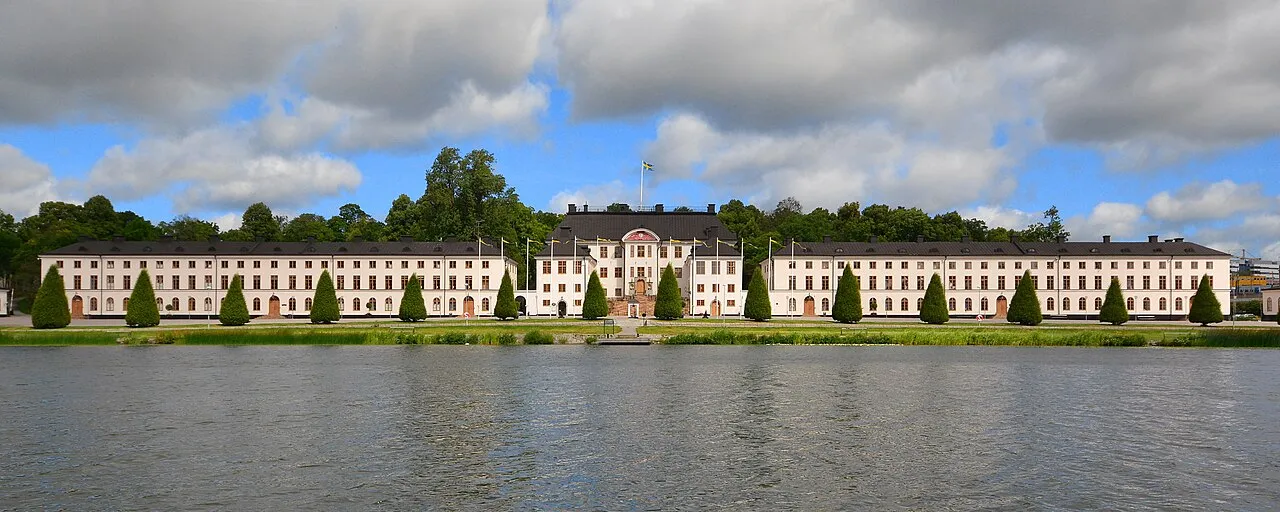
Karlberg Palace
Stockholm · 1669
-
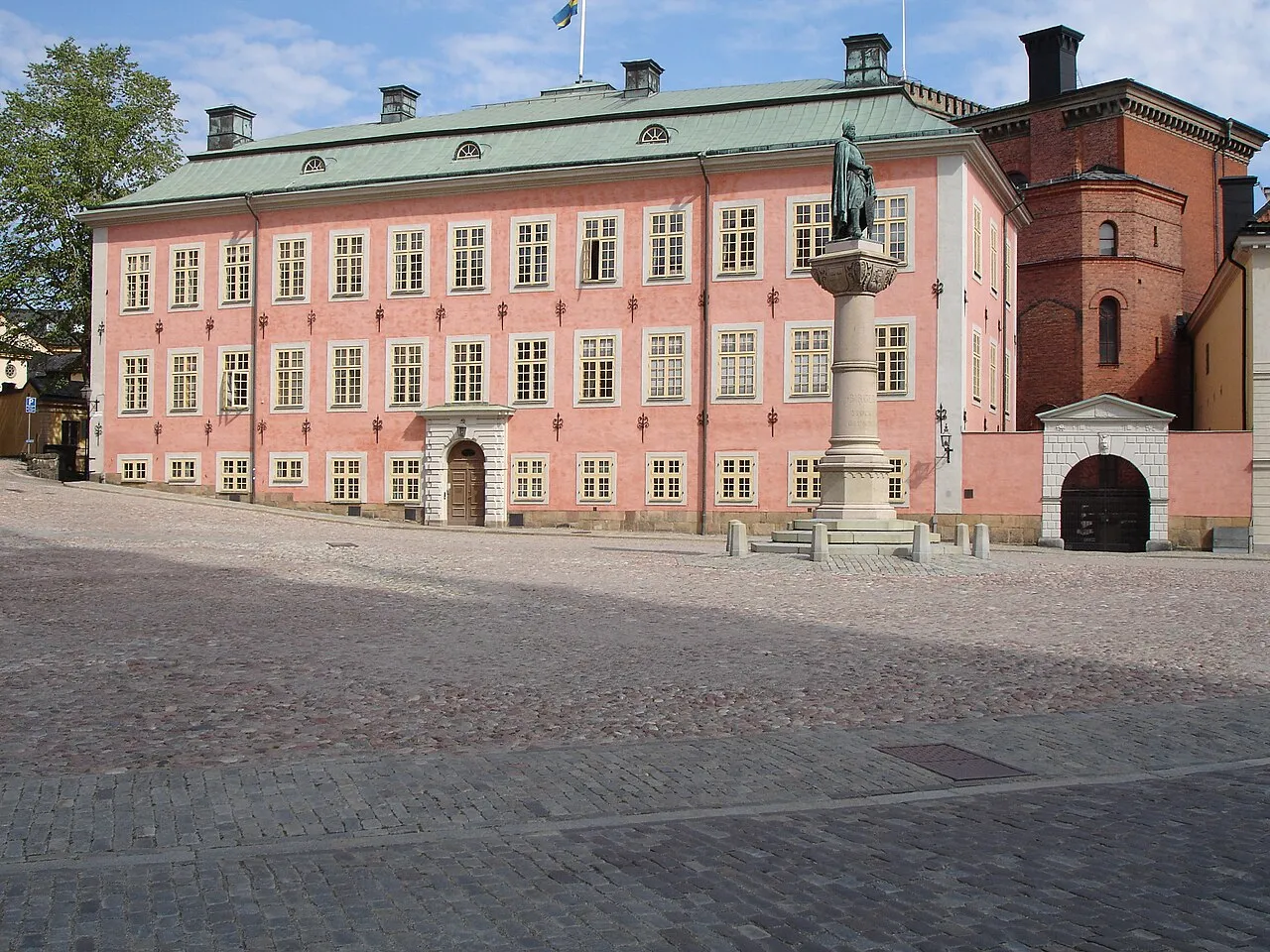
Stenbockska palatset
Stockholm · 1640
-
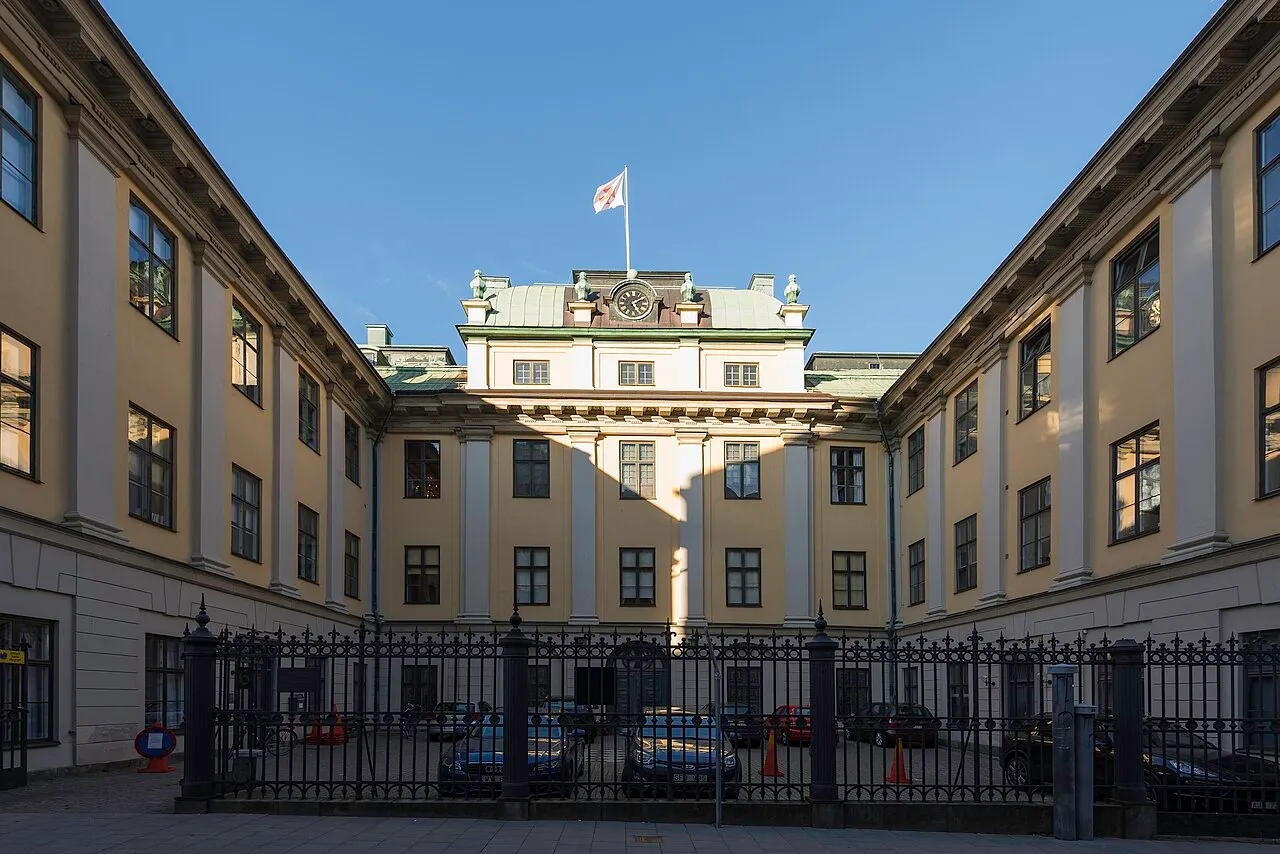
Bååtska palatset
Stockholm · 1669
-
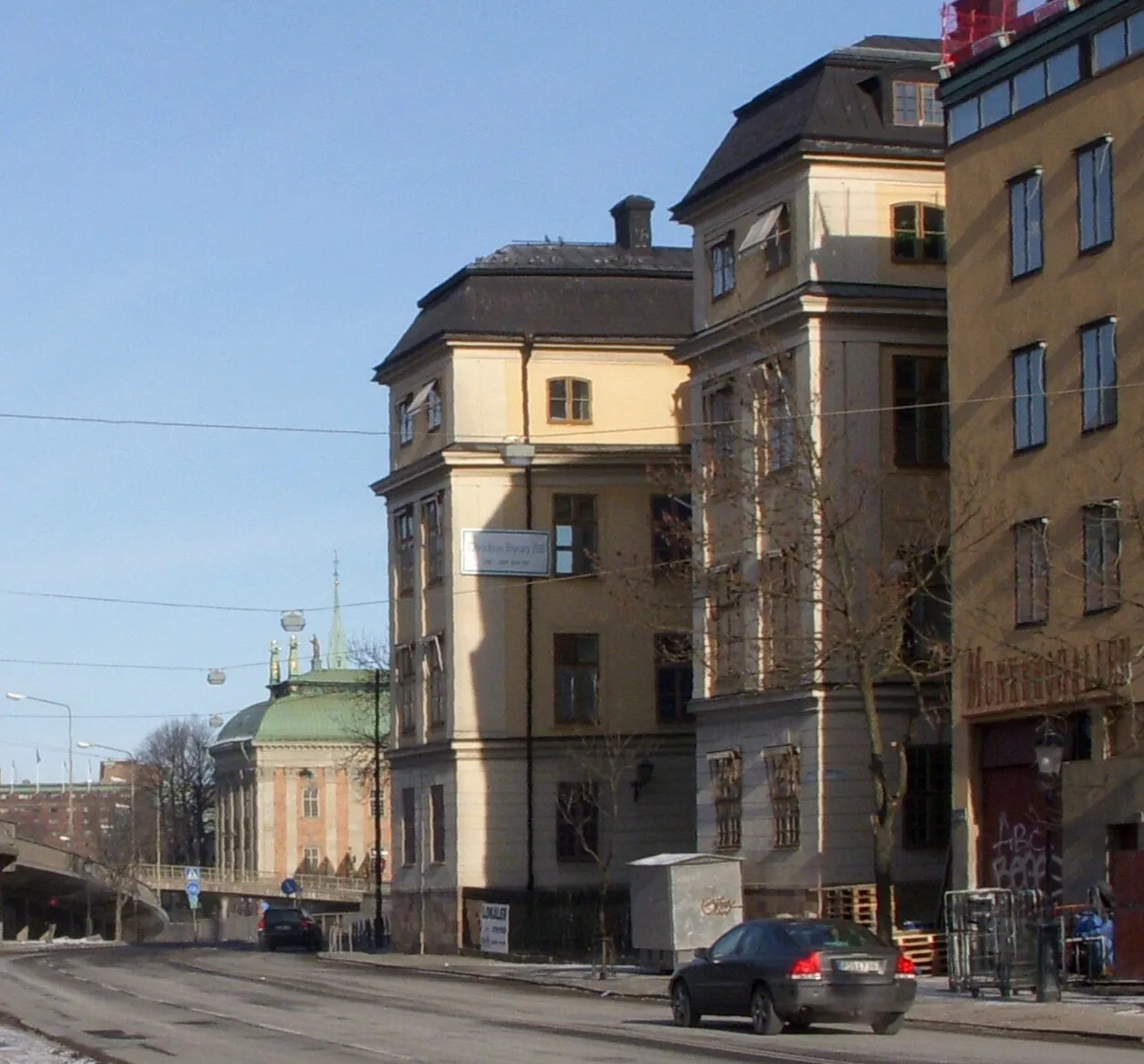
Piperska palatset
Stockholm · 1690
-
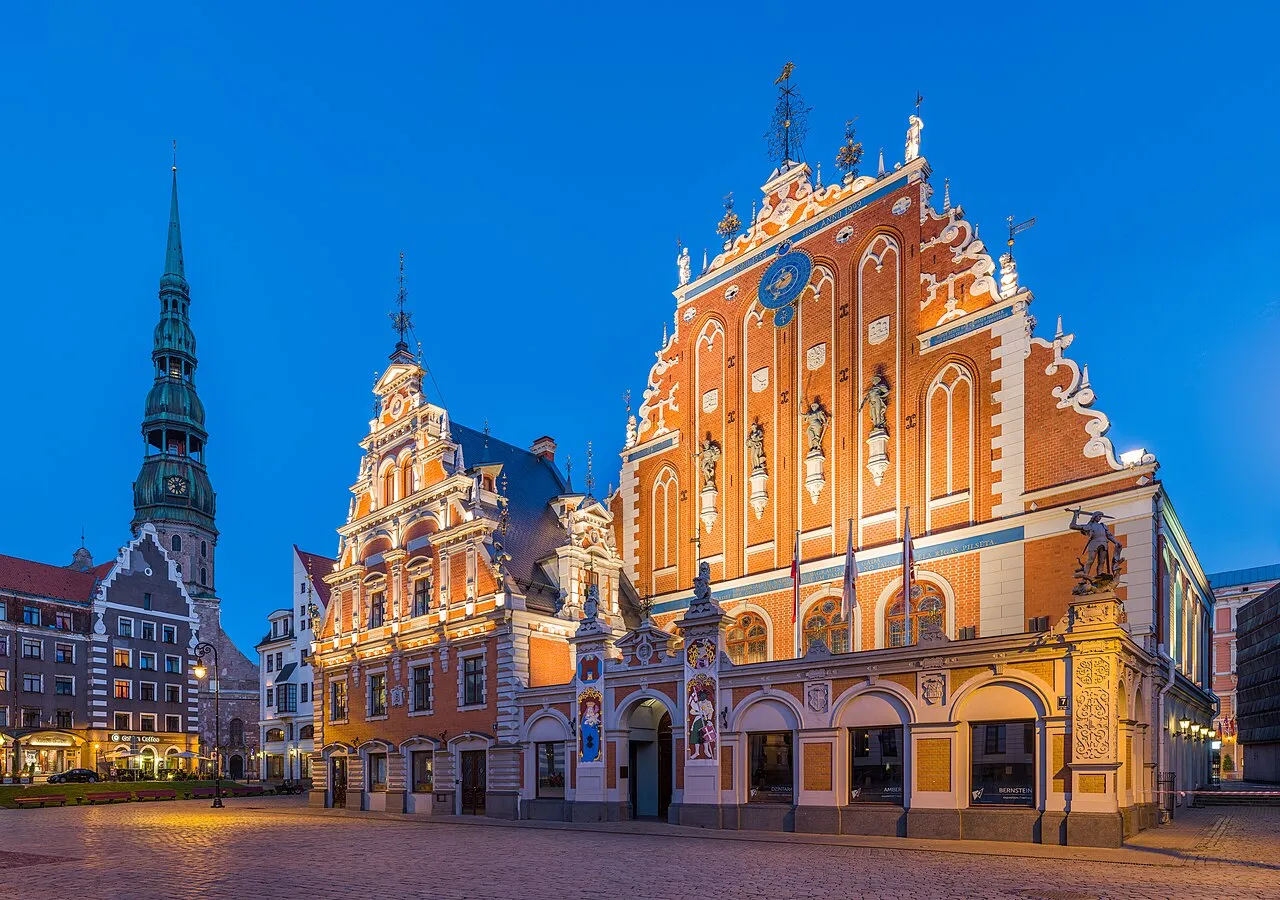
House of the Blackheads
Riga · 1334
-
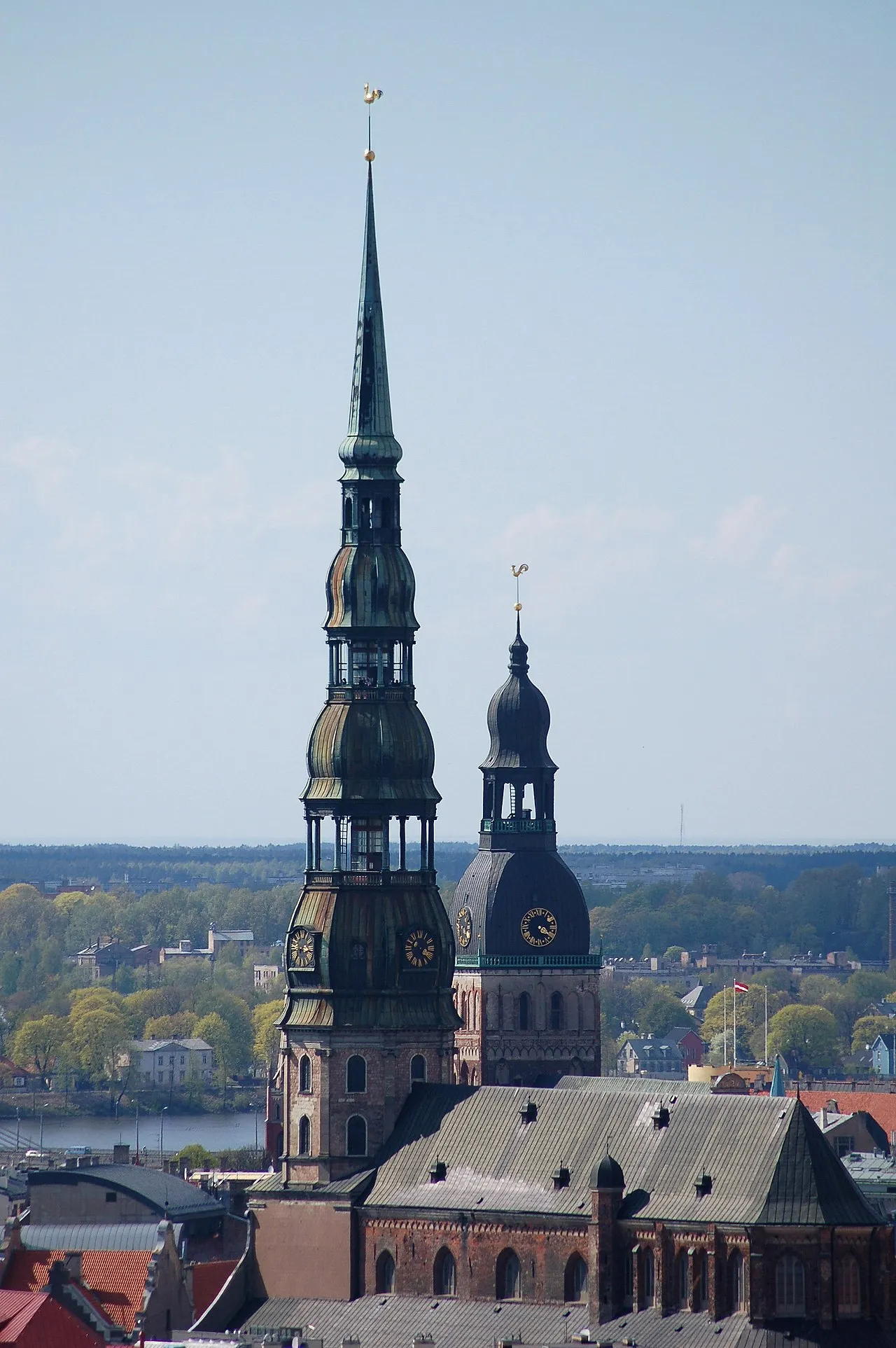
St. Peter's Church
Riga · 1408
-
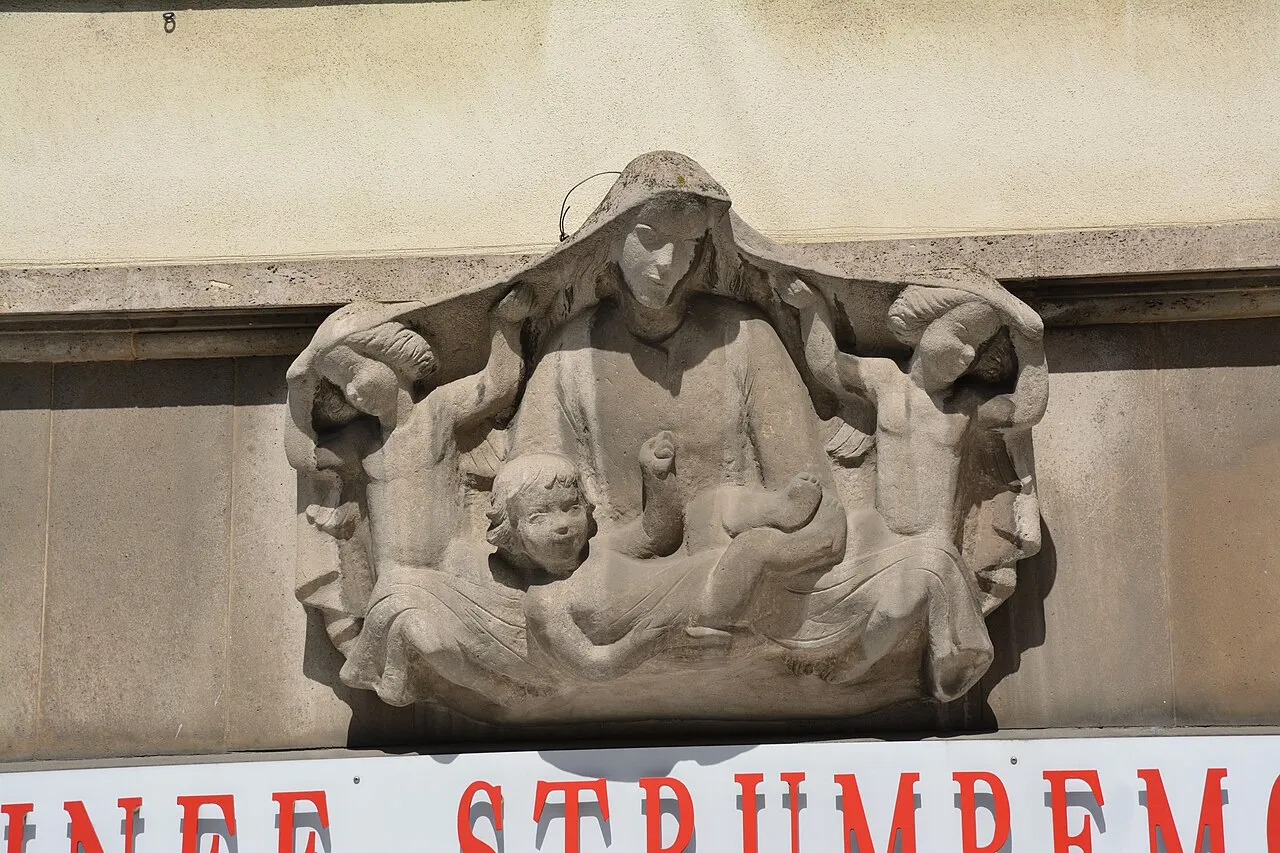
Altstadt Würzburg
Bavaria · 1030
-
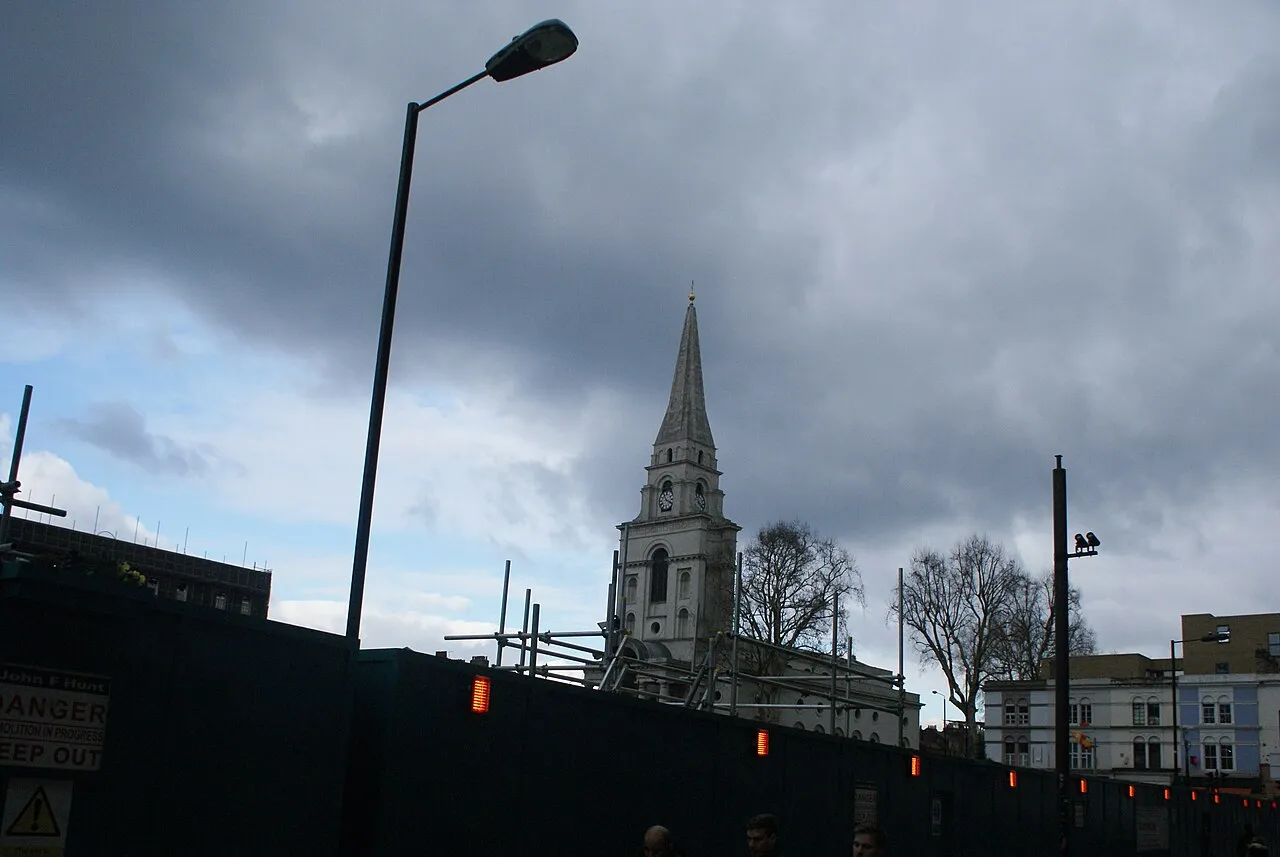
Christ Church, Spitalfields
London · 1729
-
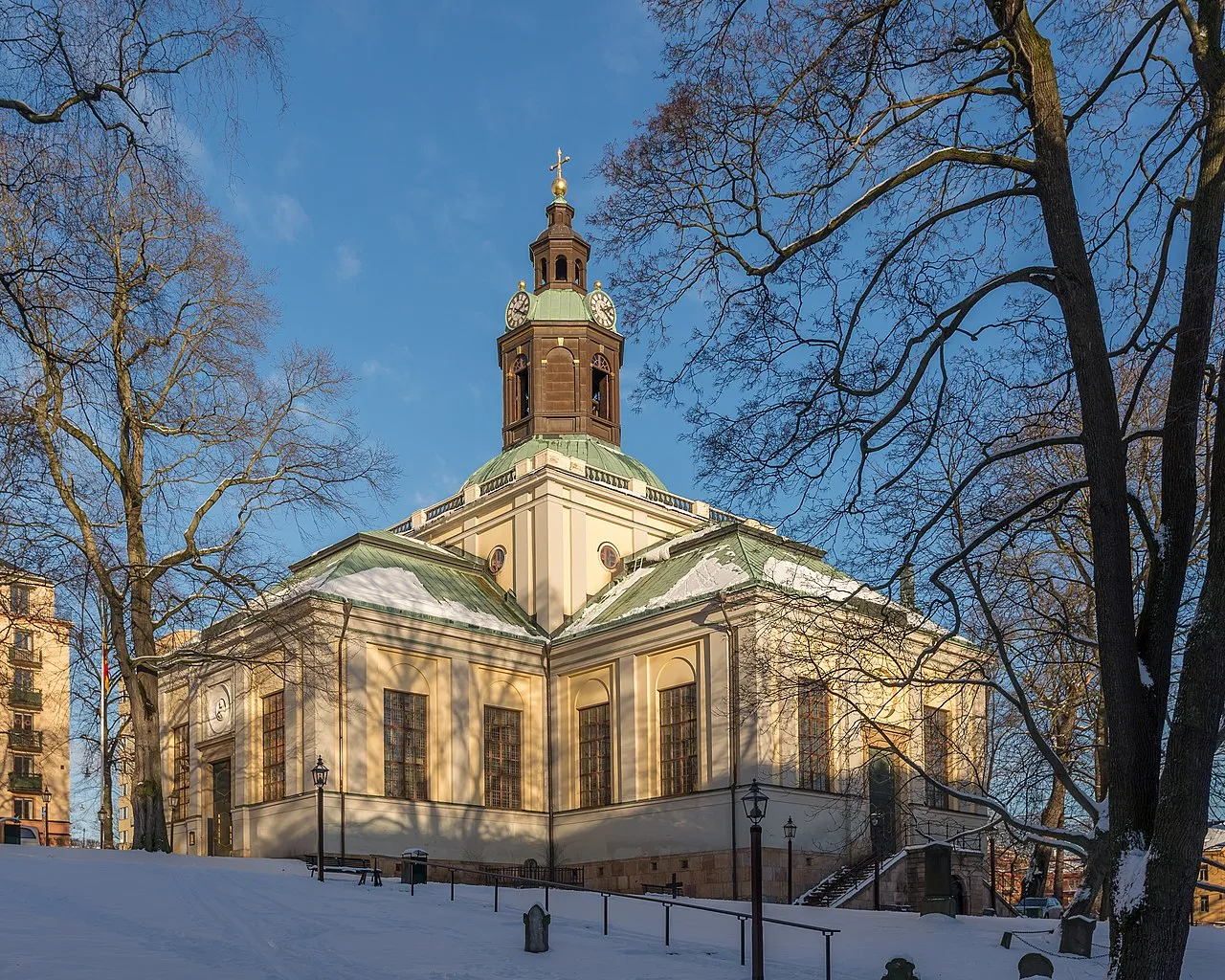
Kungsholmen Church
Stockholm · 1688
-
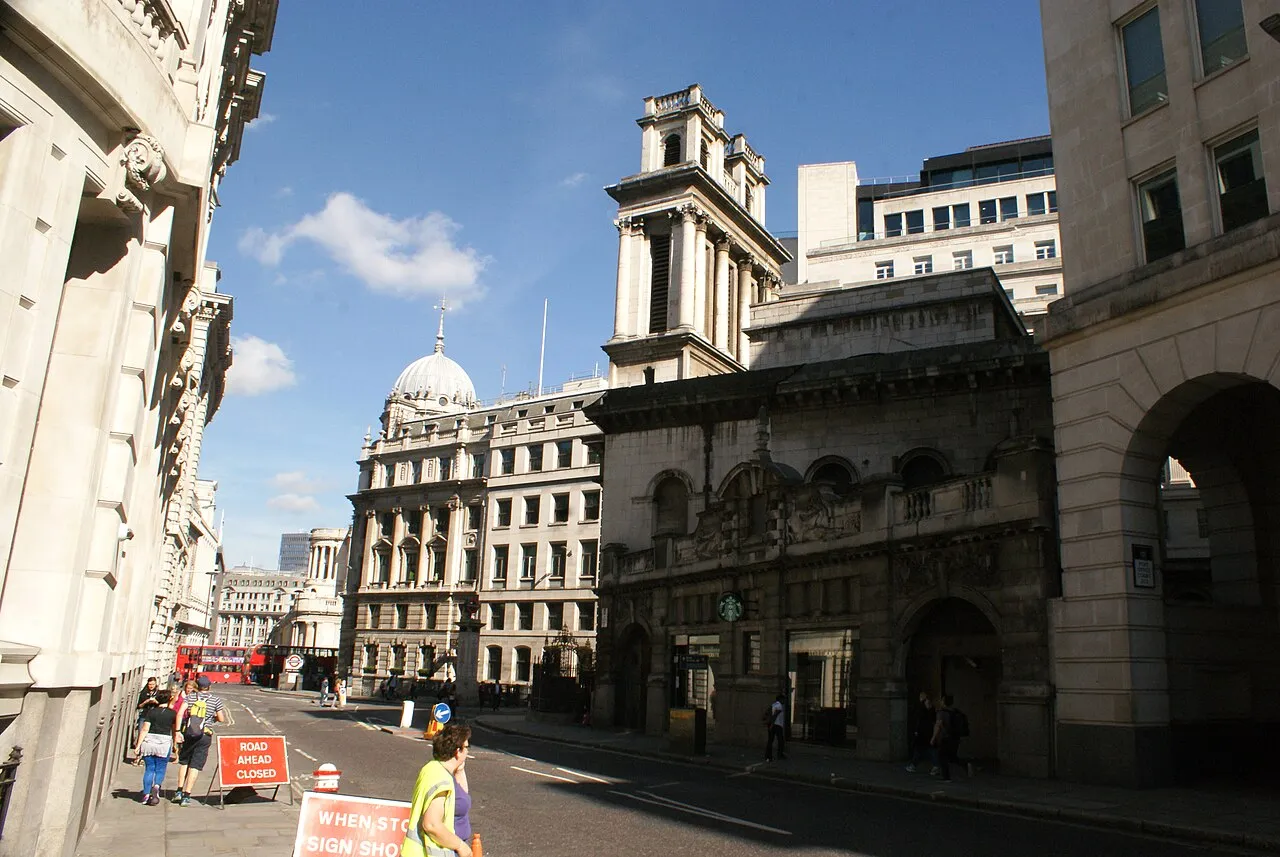
St Mary Woolnoth
London · 1727
-
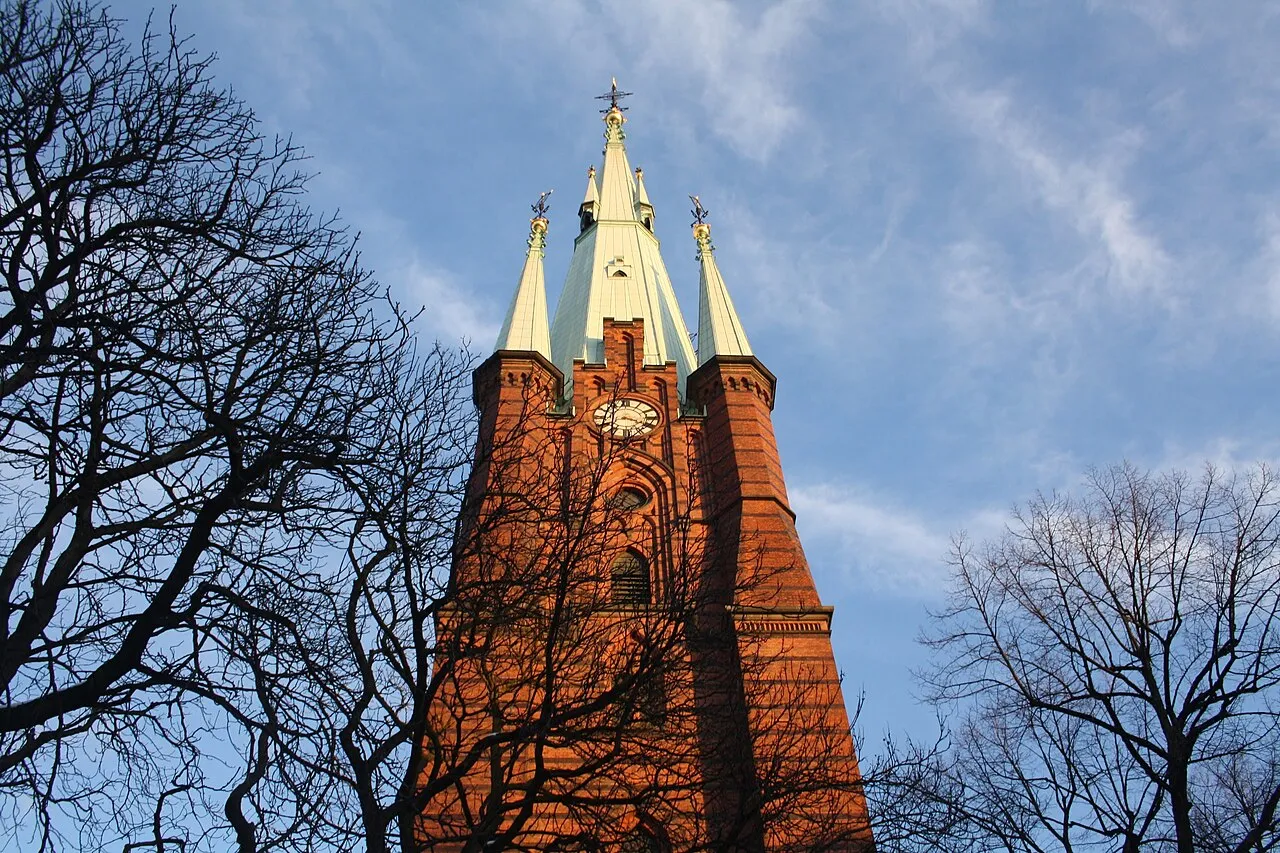
Klara Church
Stockholm · 1590
-
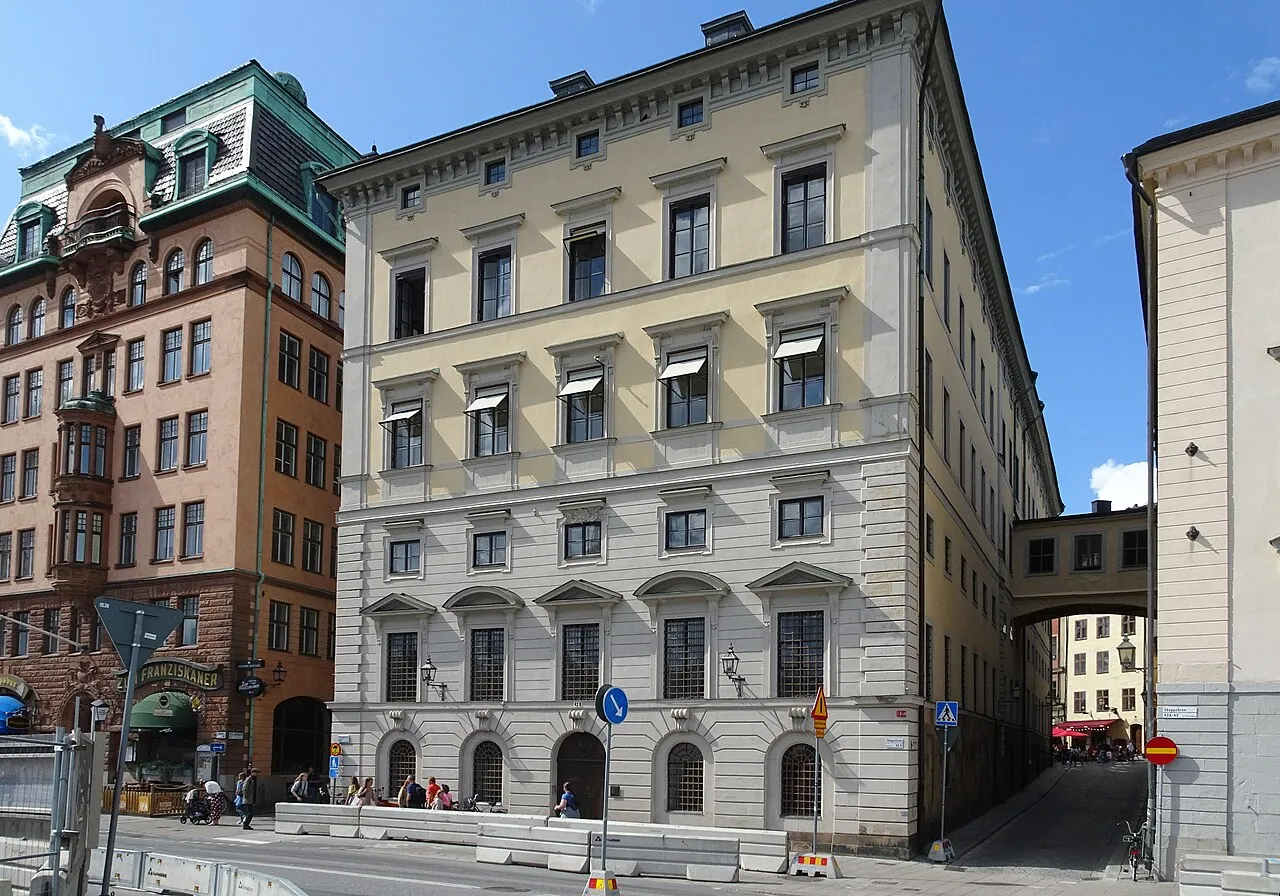
Södra Bankohuset
Stockholm · 1682
Baroque city by city
Pick a city to see the places on the map, with photos and descriptions.
-
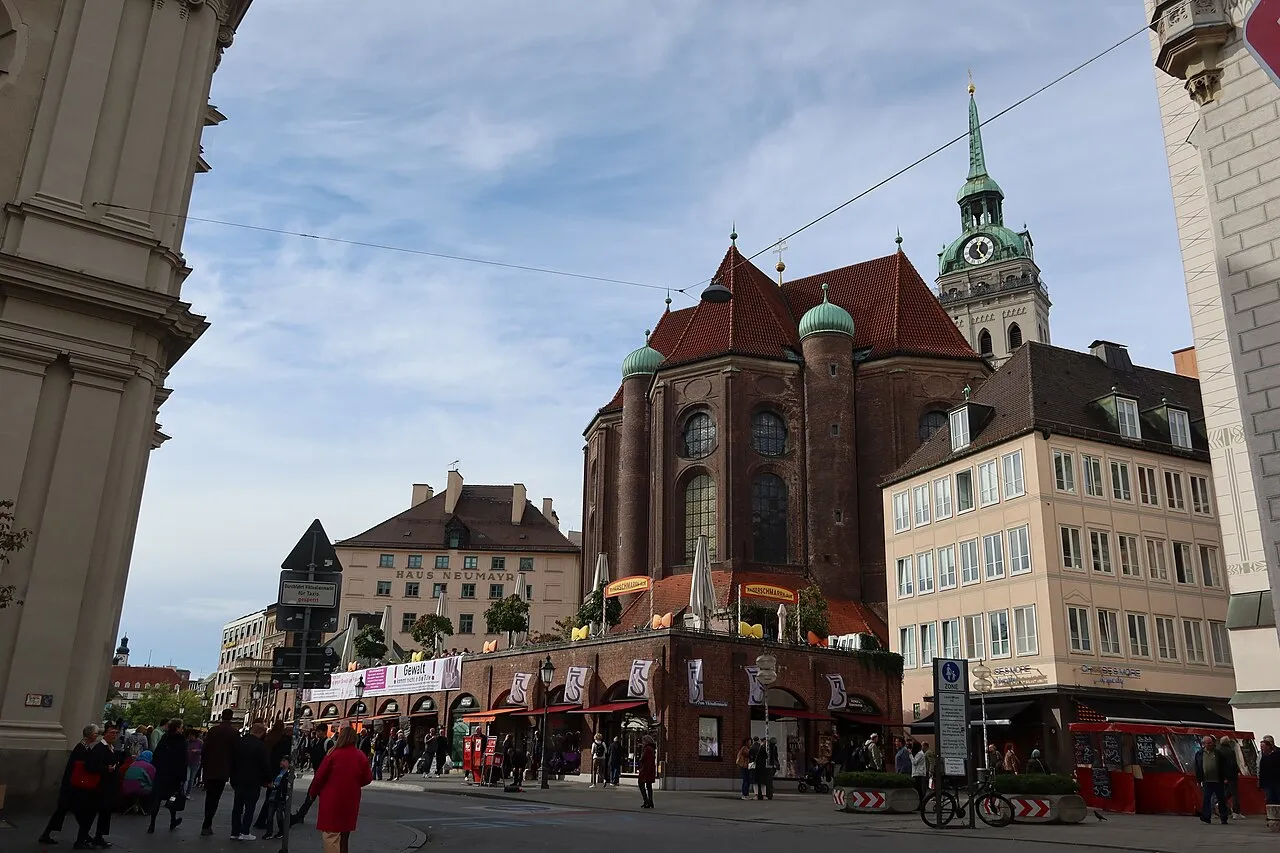
Germany
Bavaria
45 places
-
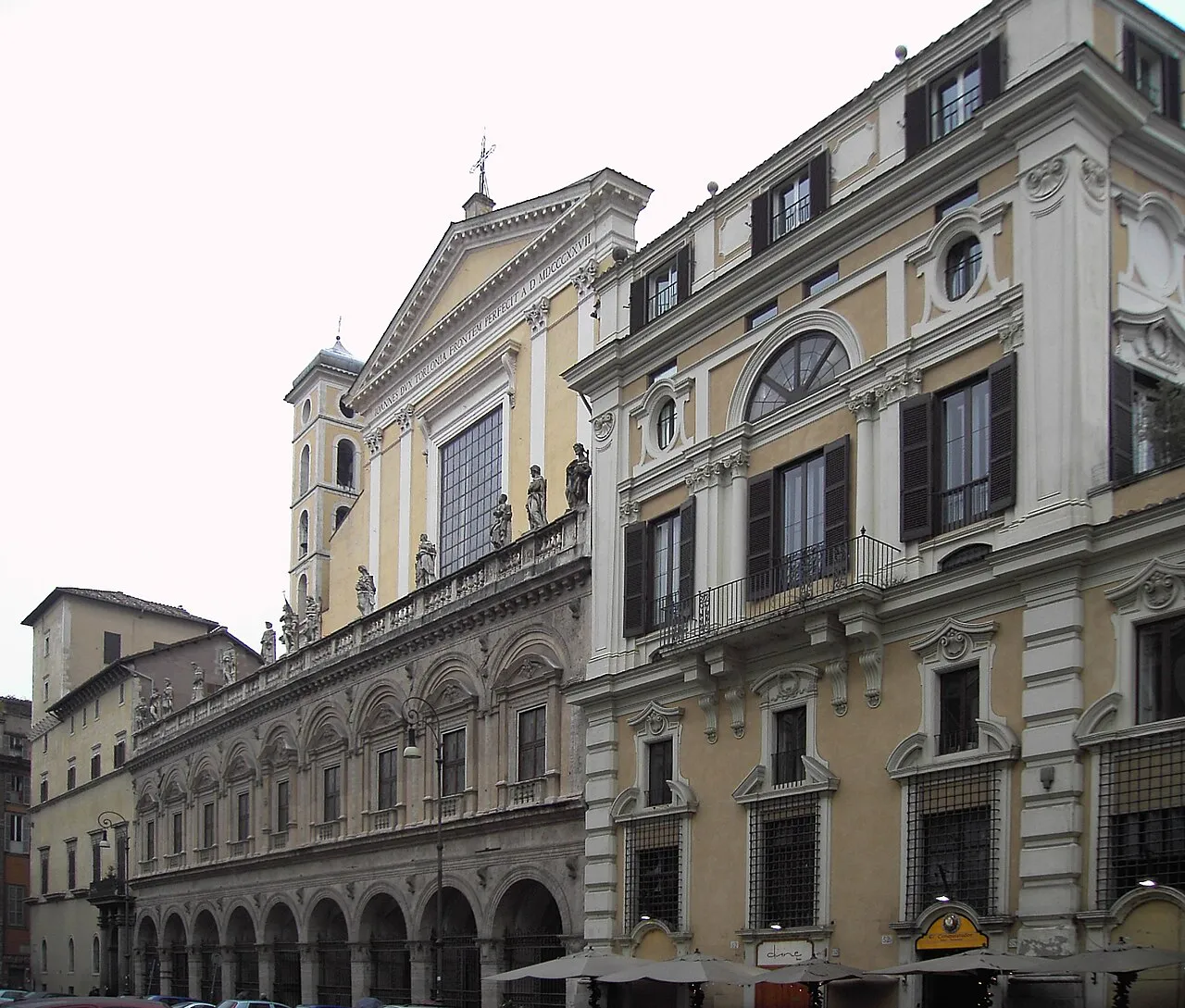
Italy
Rome
39 places
-
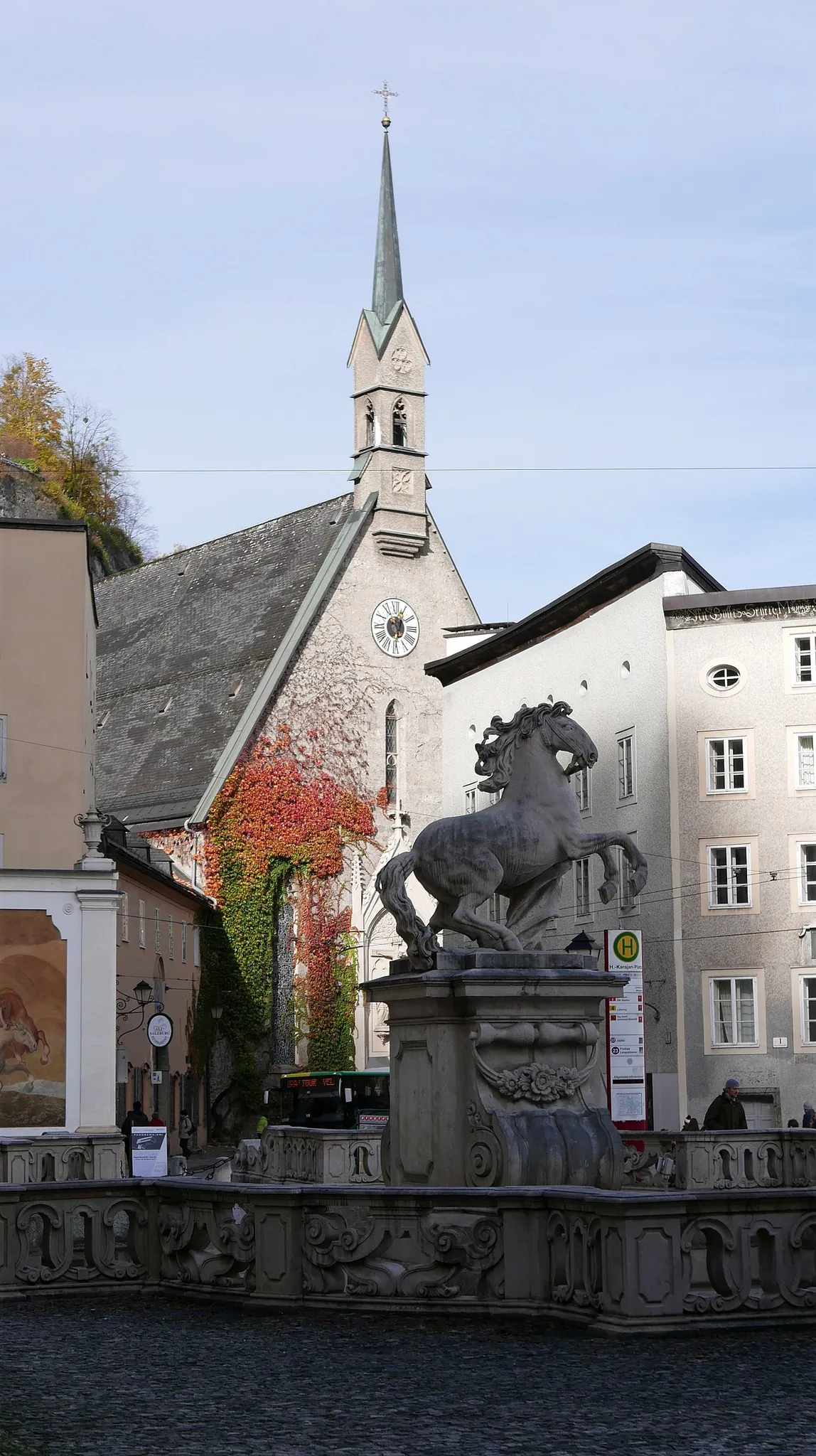
Austria
Salzburg
33 places
-
Sweden
Stockholm
31 places
-
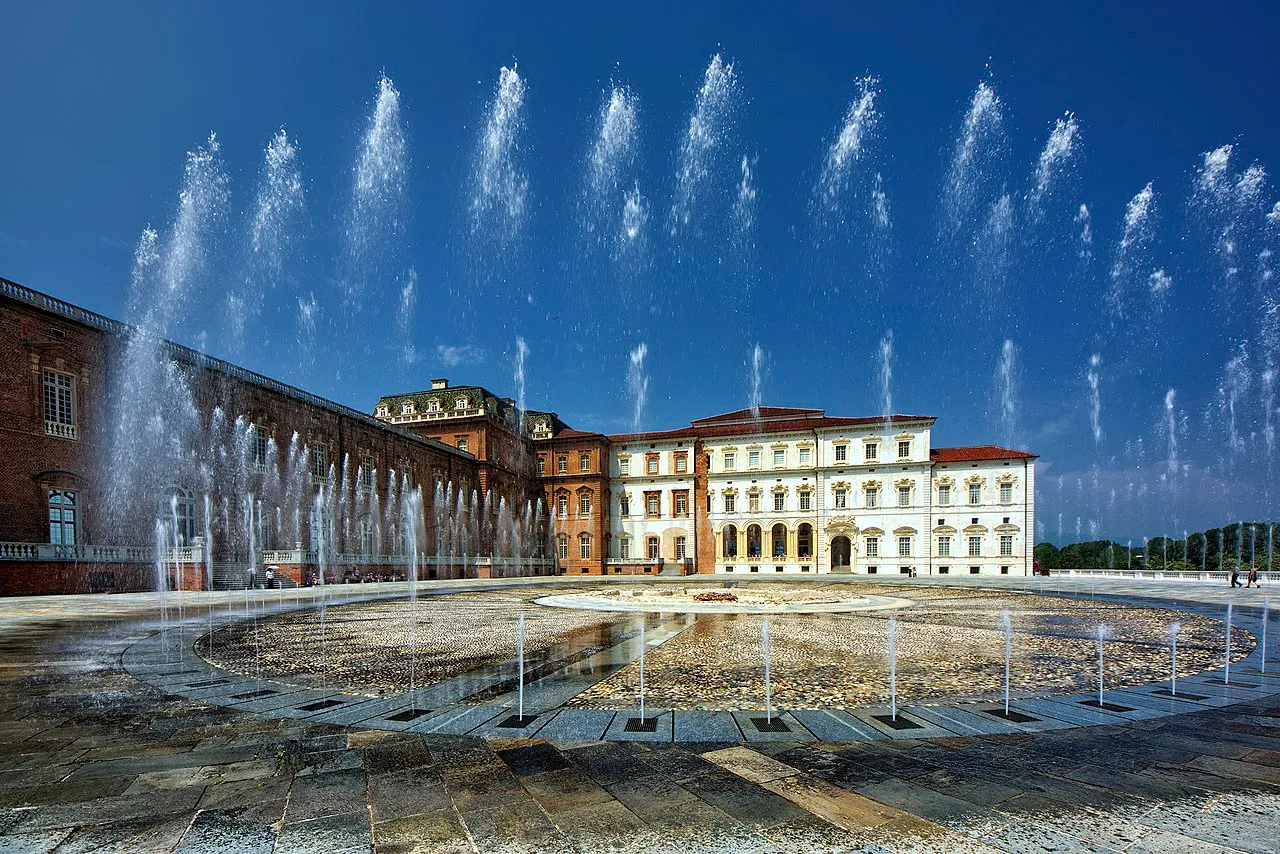
France
Provence-Alpes-Côte d'Azur
26 places
-
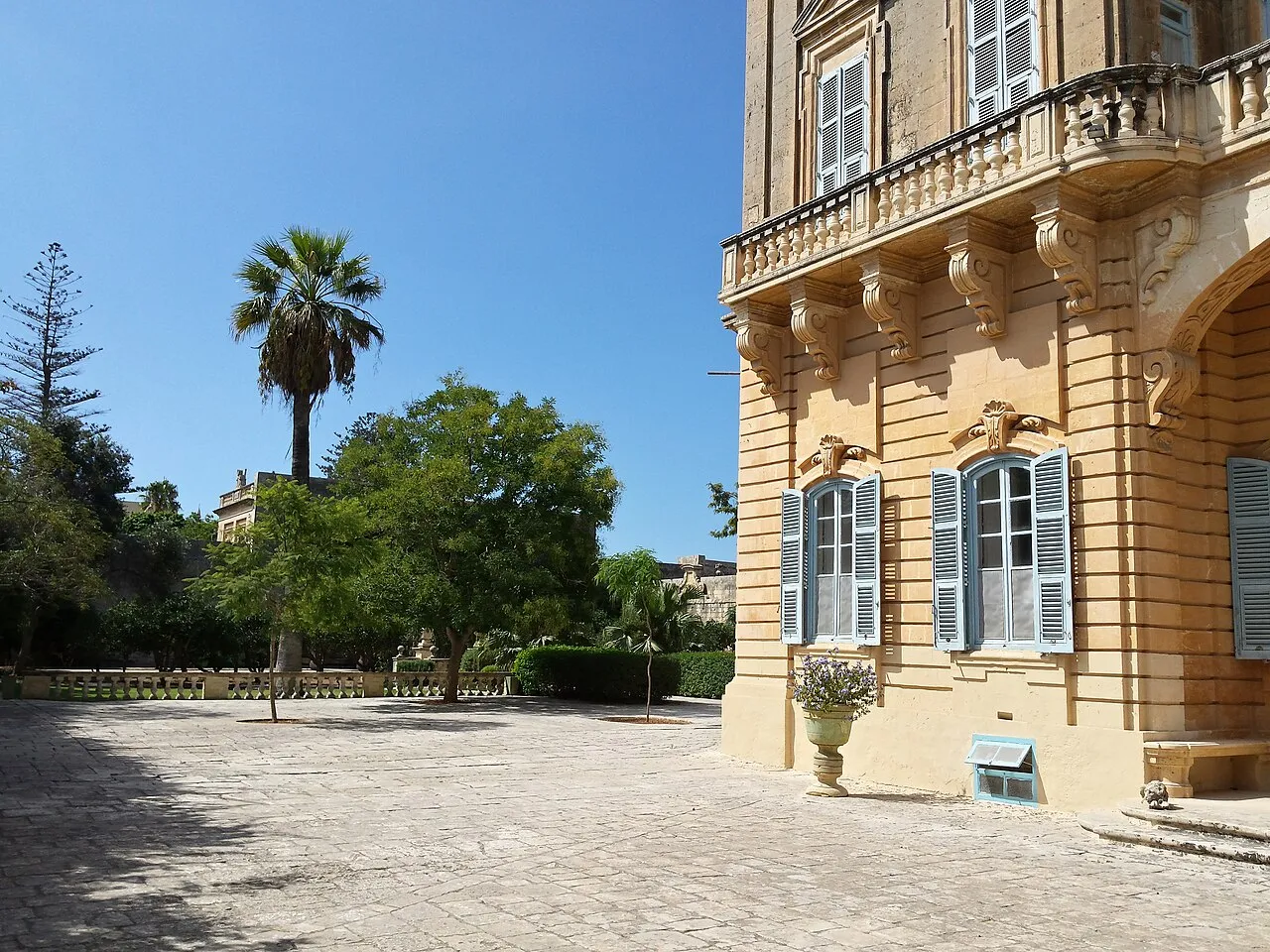
Malta
Malta
25 places
-
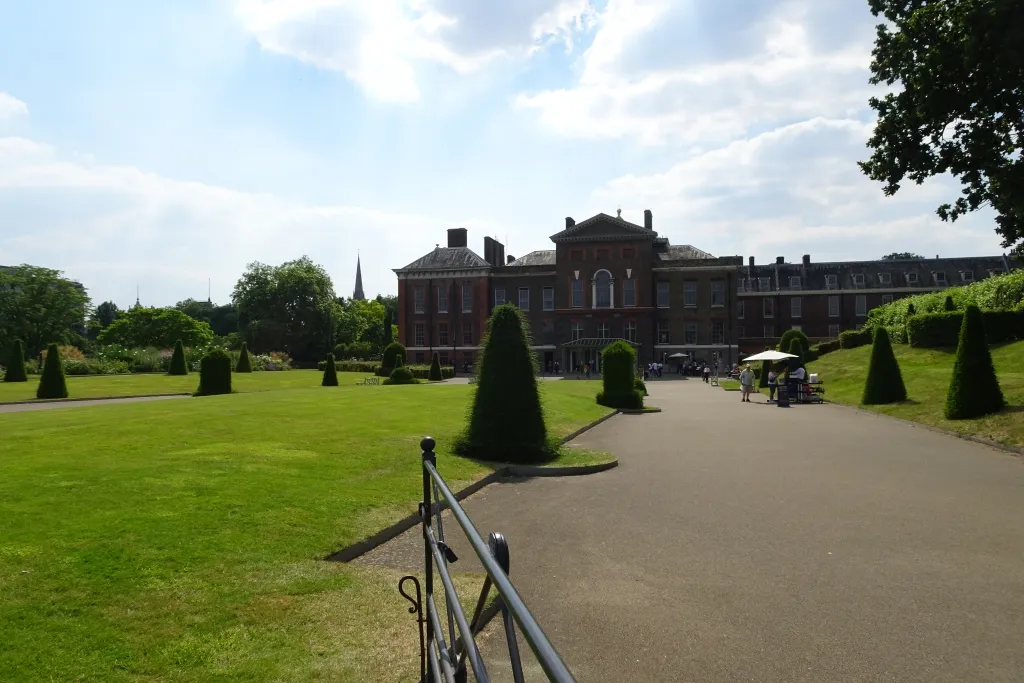
United Kingdom
London
21 places
-
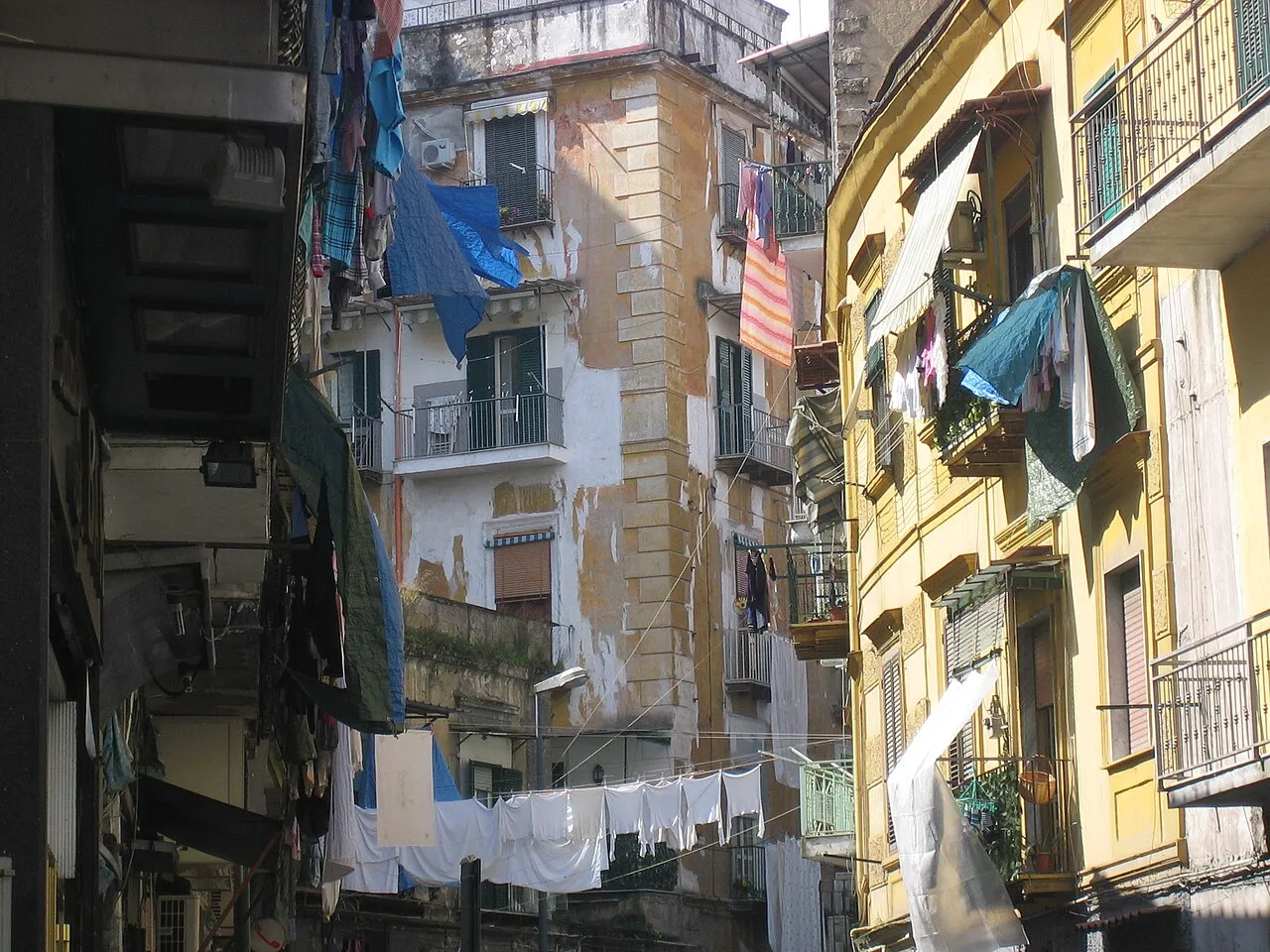
Italy
Naples
20 places
-
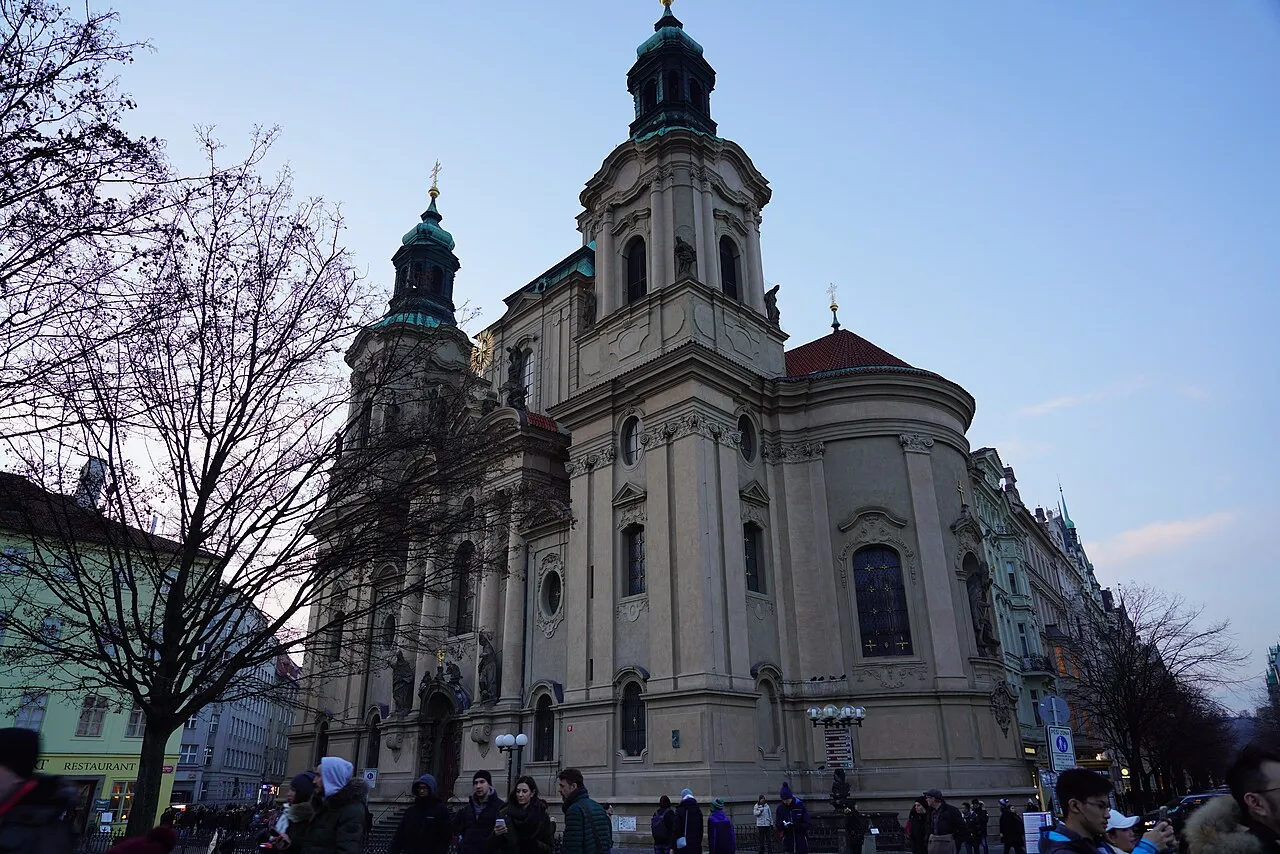
Czechia
Prague
20 places
-
Austria
Vienna
20 places
-
Italy
Turin
16 places
-
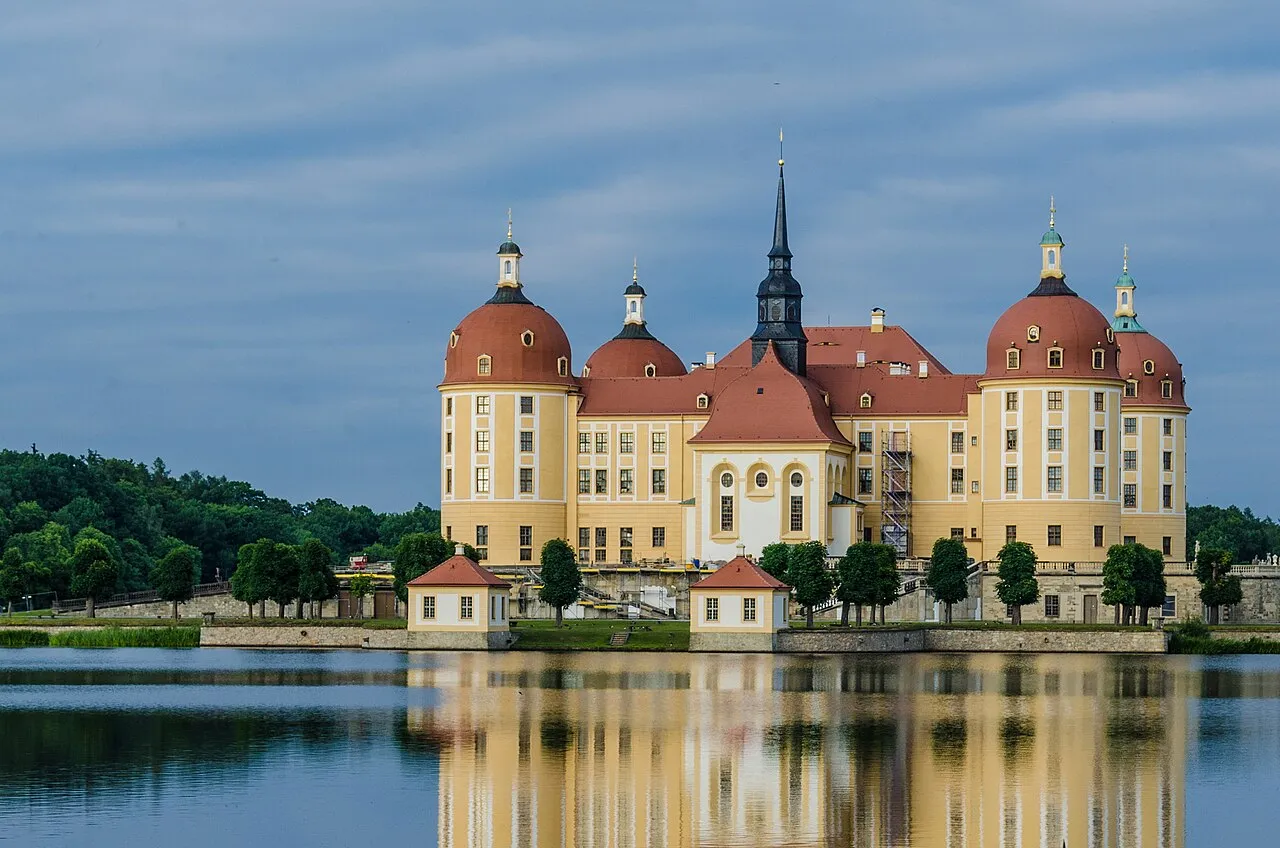
Germany
Dresden
15 places
-
Portugal
Lisbon
15 places
-
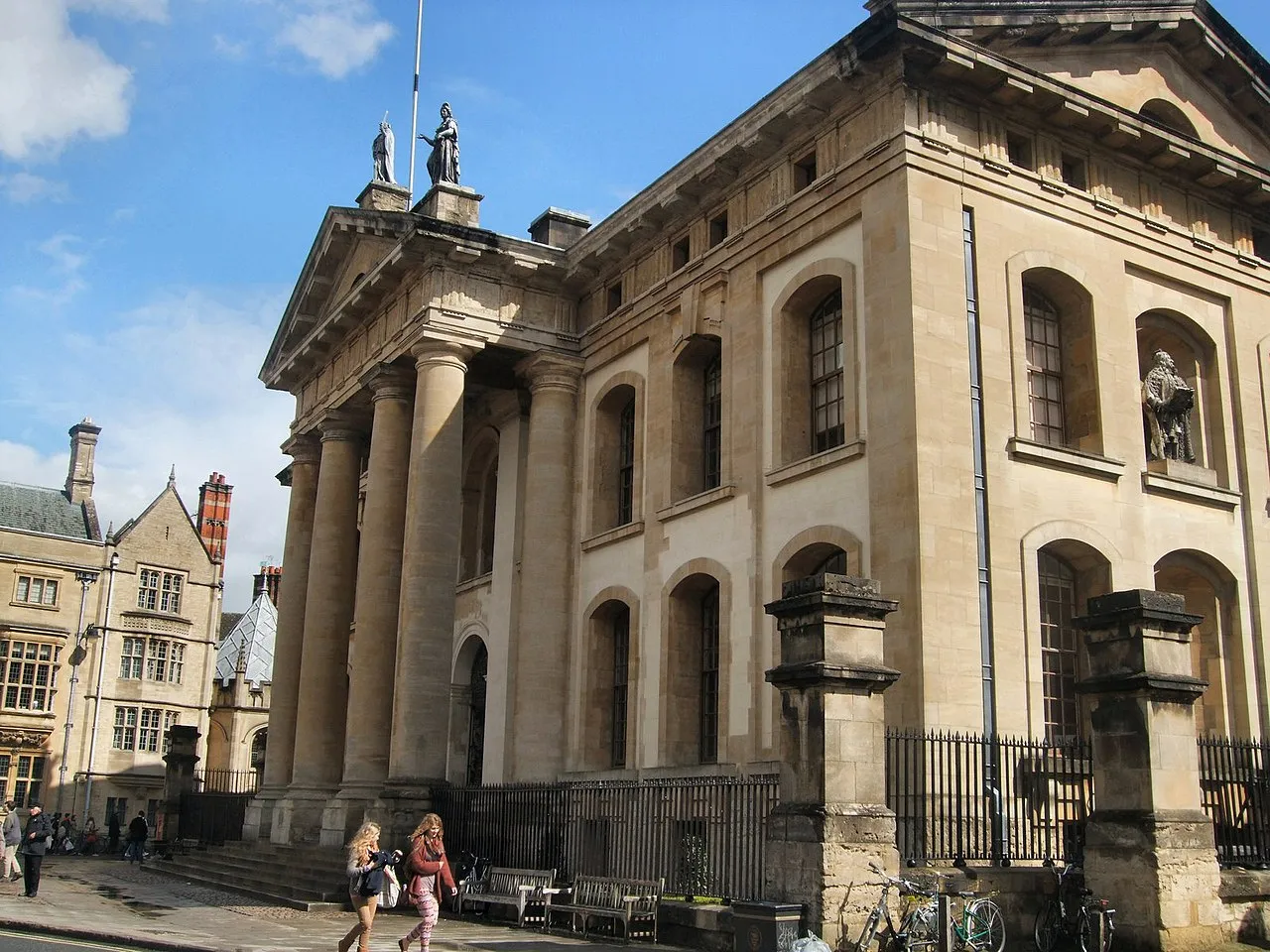
United Kingdom
Oxford
14 places
-
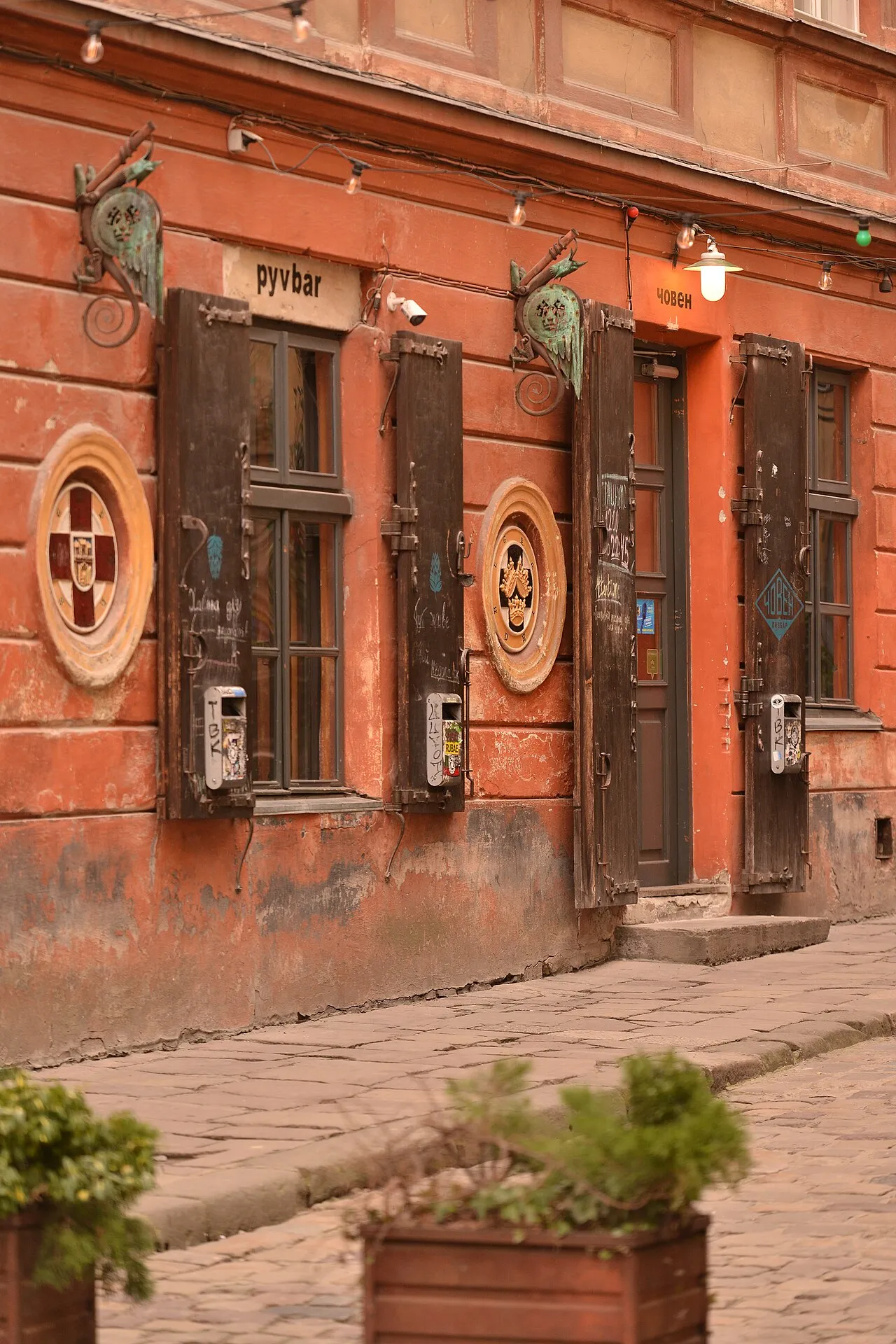
Ukraine
Lviv
13 places
-
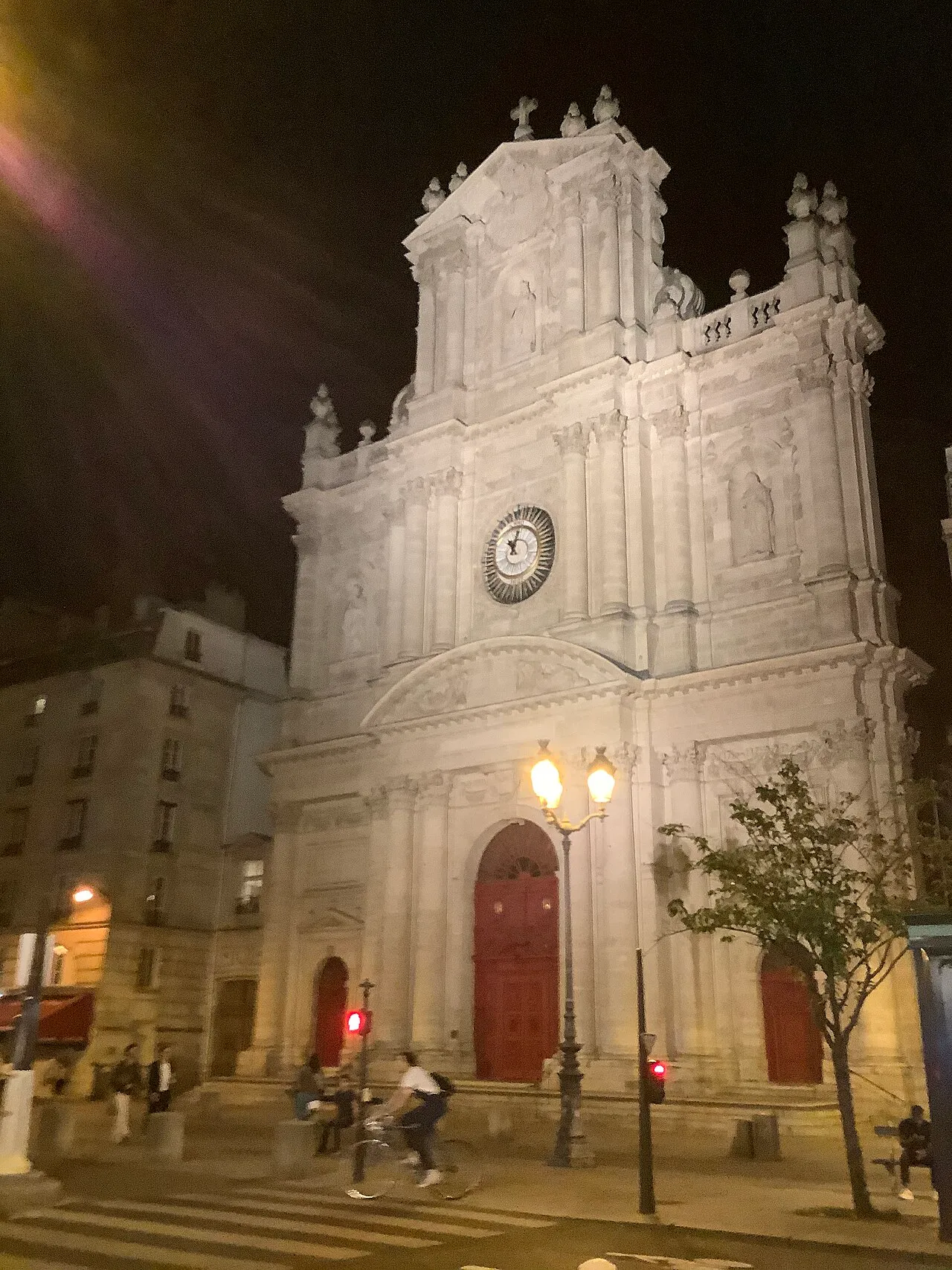
France
Paris
13 places
-
Italy
Sicily
13 places
-
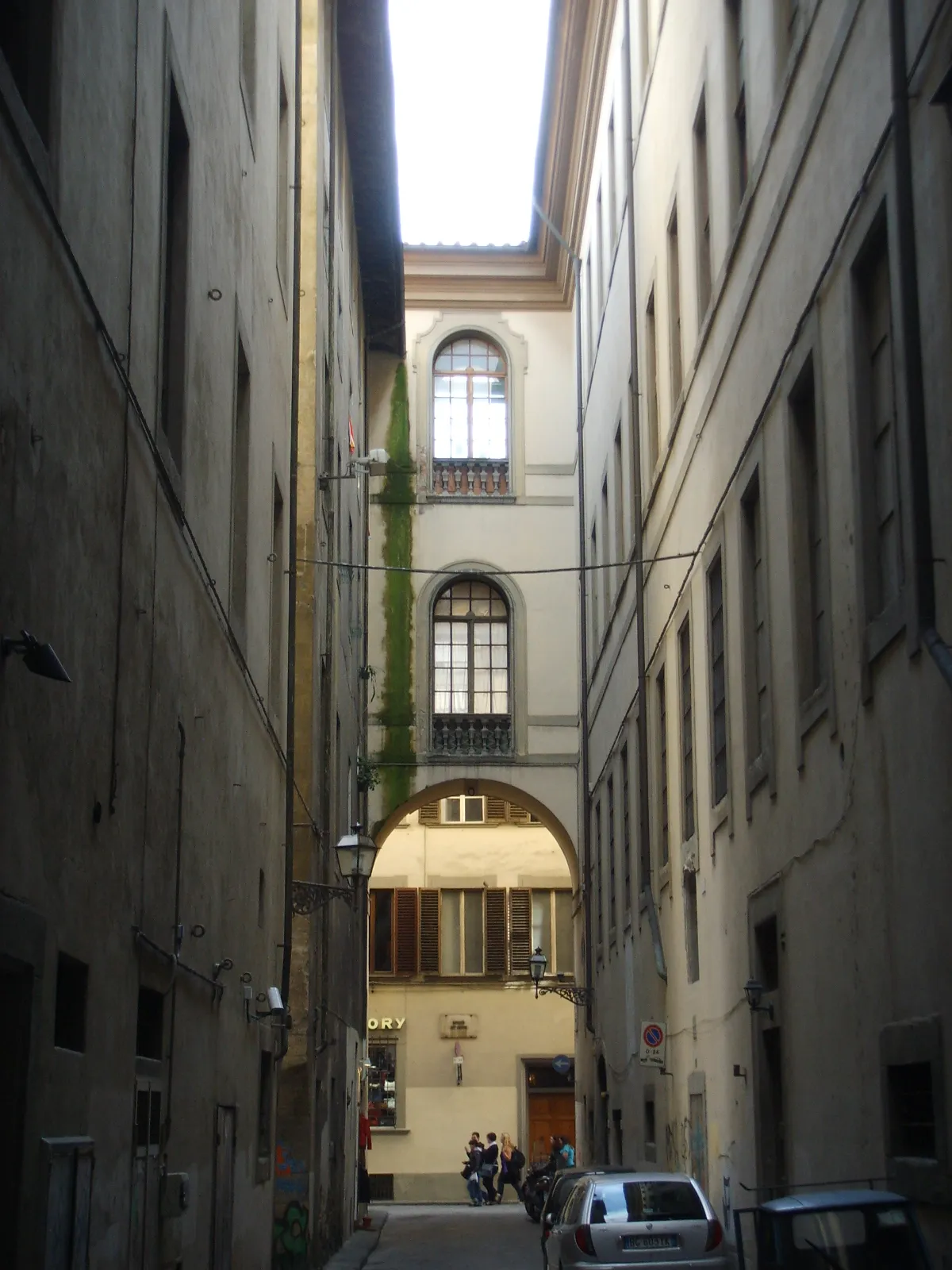
Italy
Tuscany
13 places
-
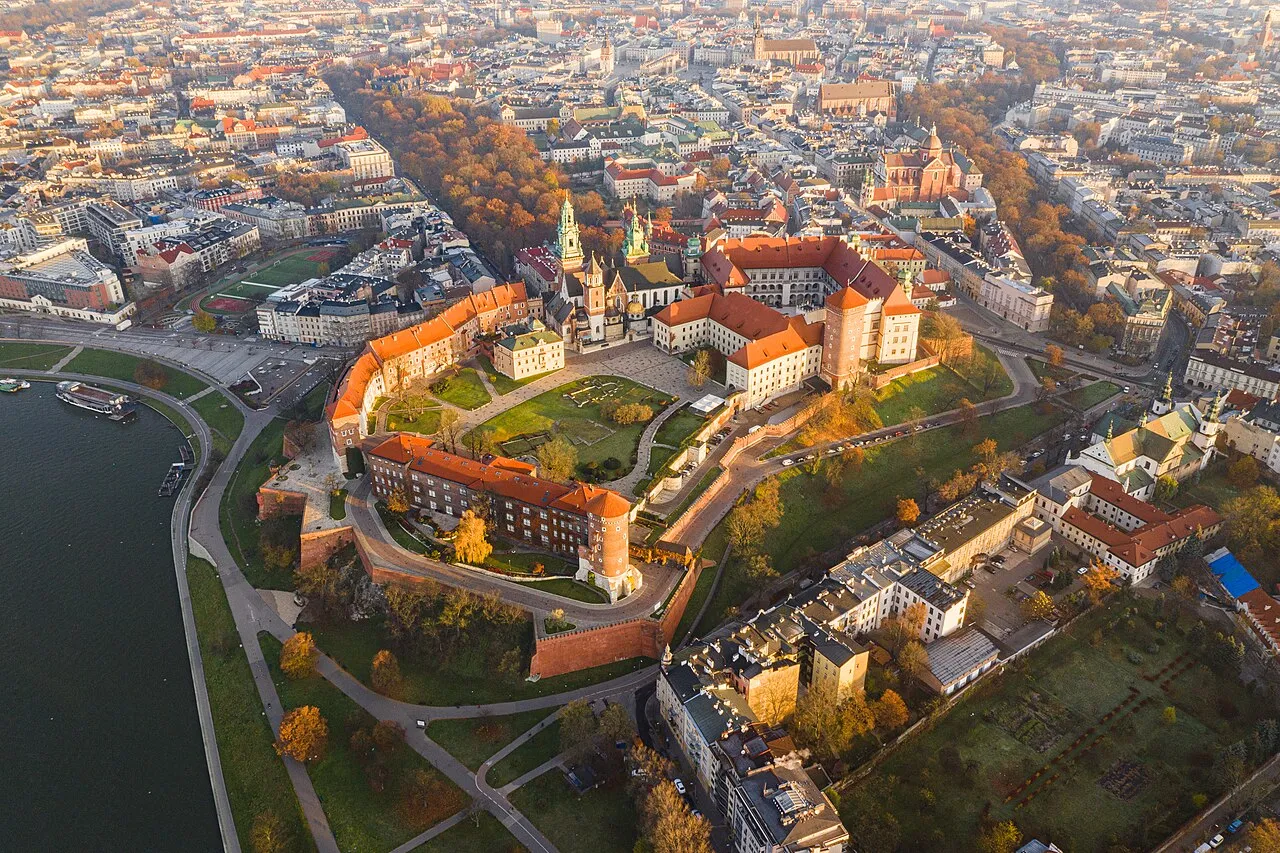
Poland
Kraków
12 places
-
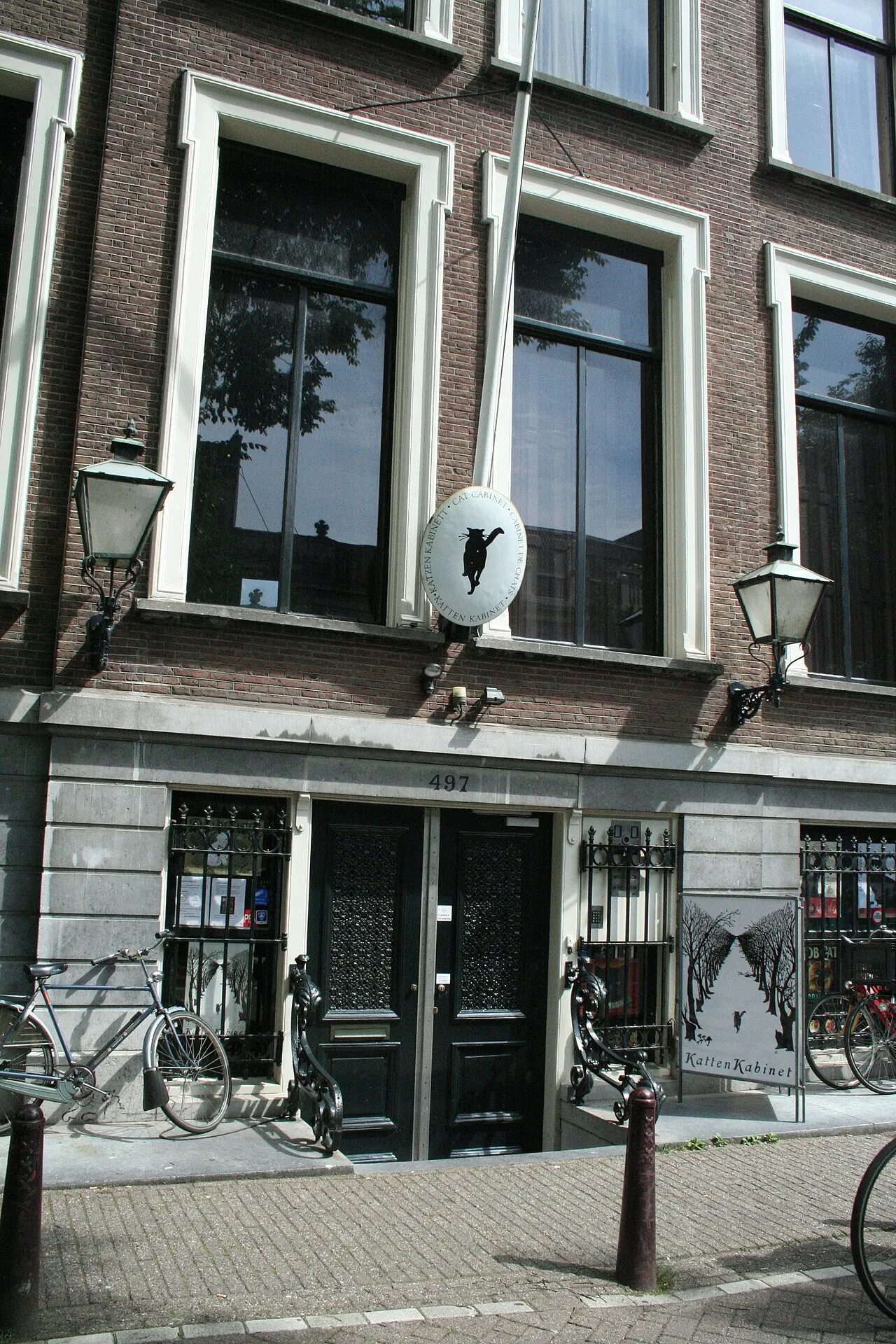
Netherlands
Amsterdam
11 places
-
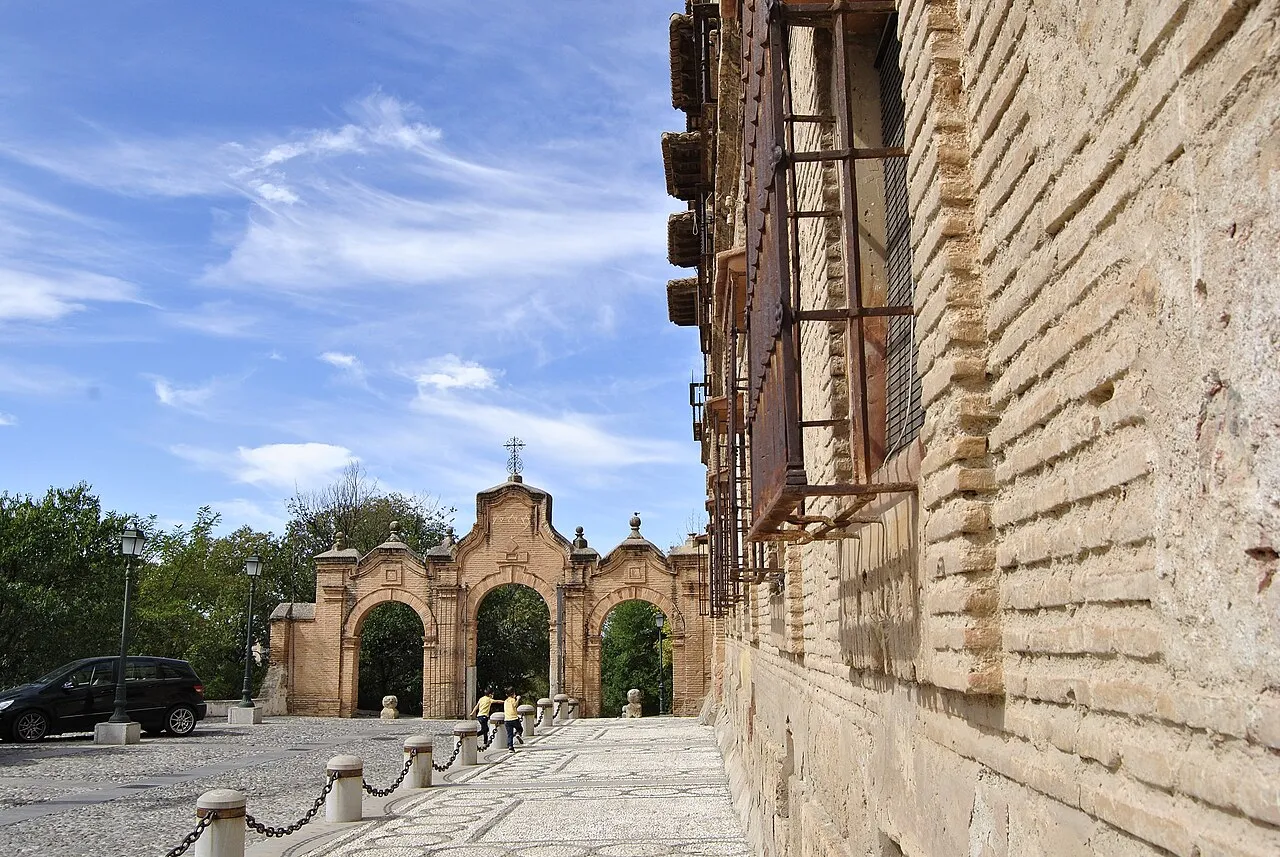
Spain
Andalusia
11 places
-
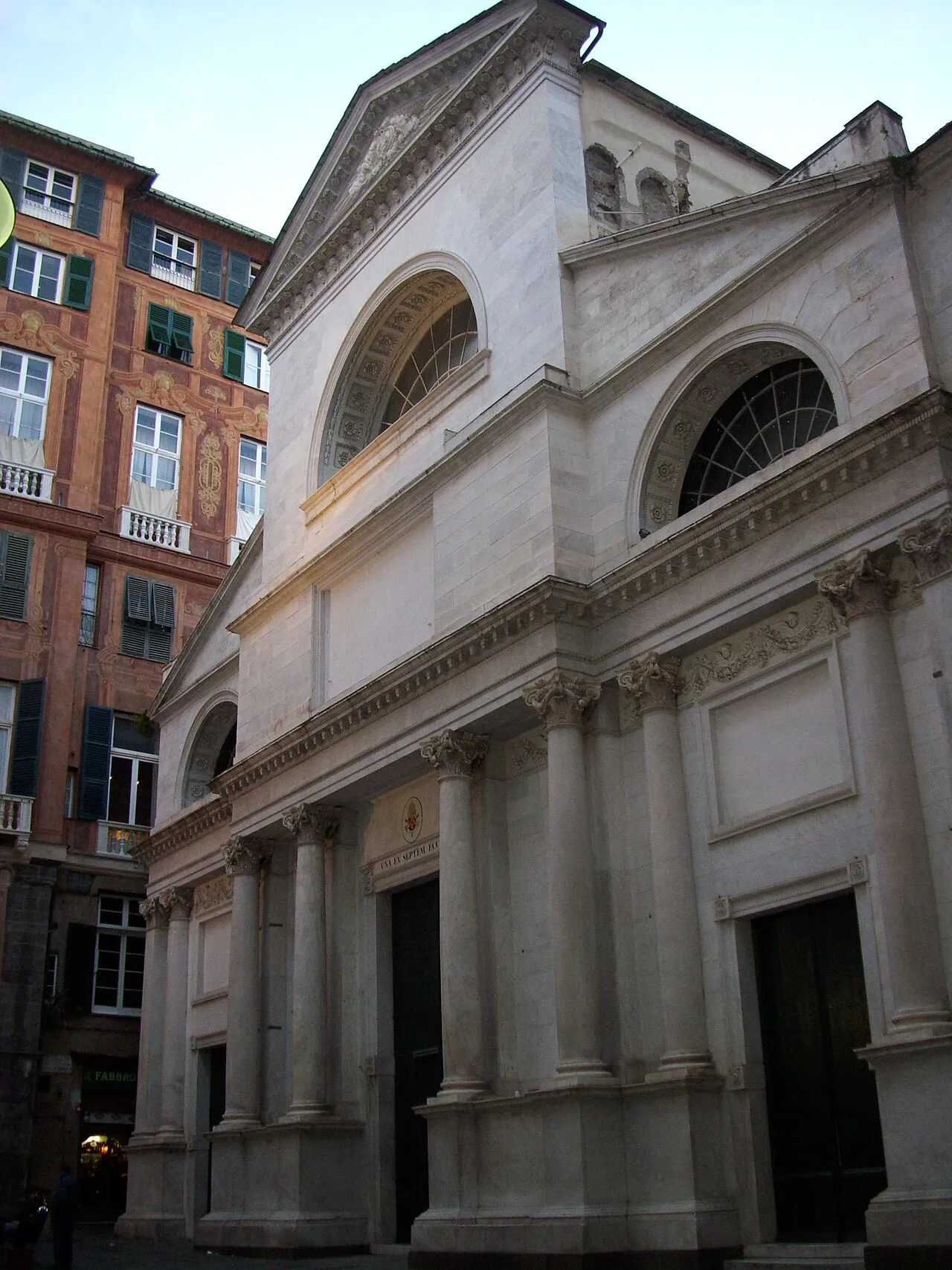
Italy
Genoa
11 places
-
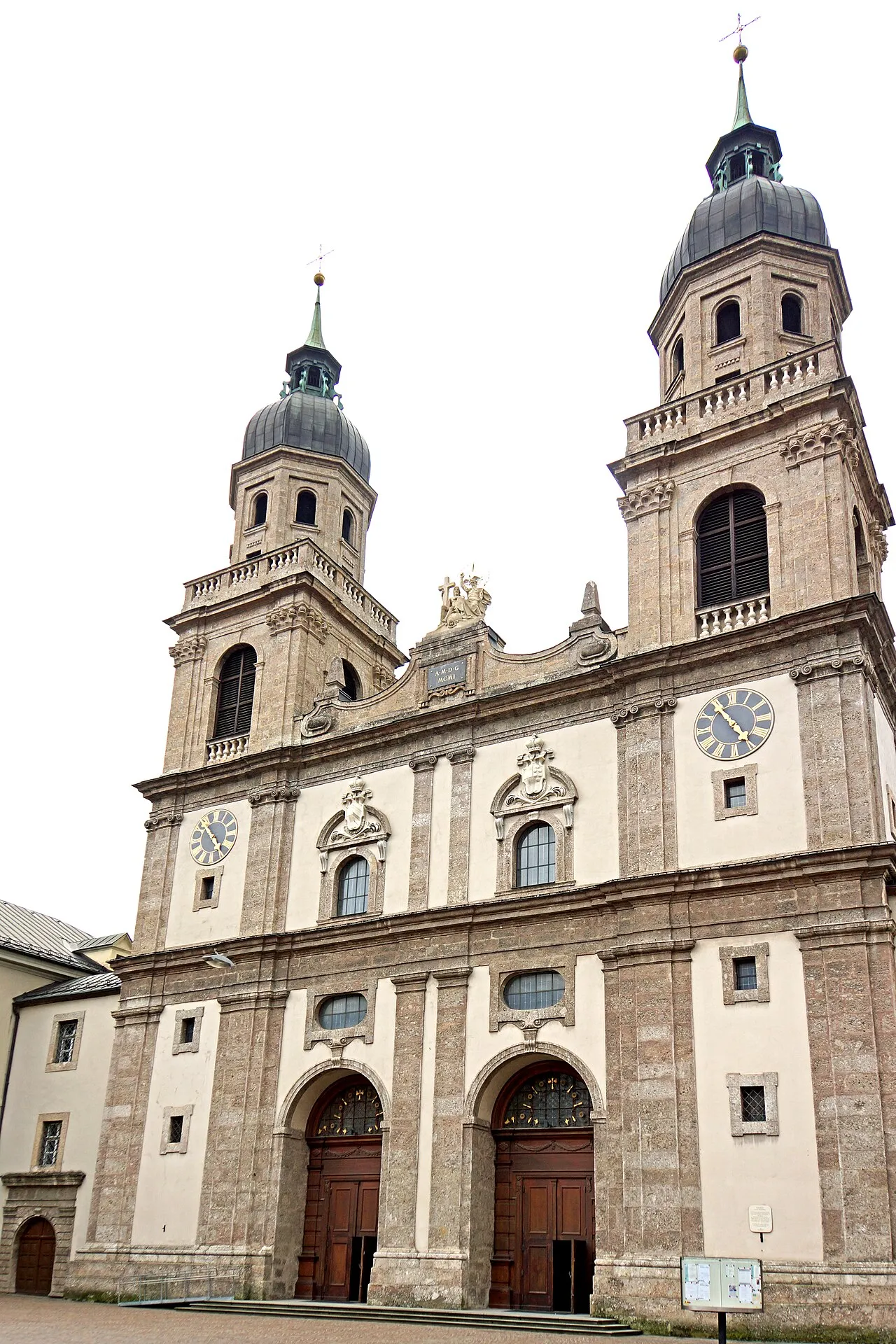
Austria
Innsbruck
11 places
-
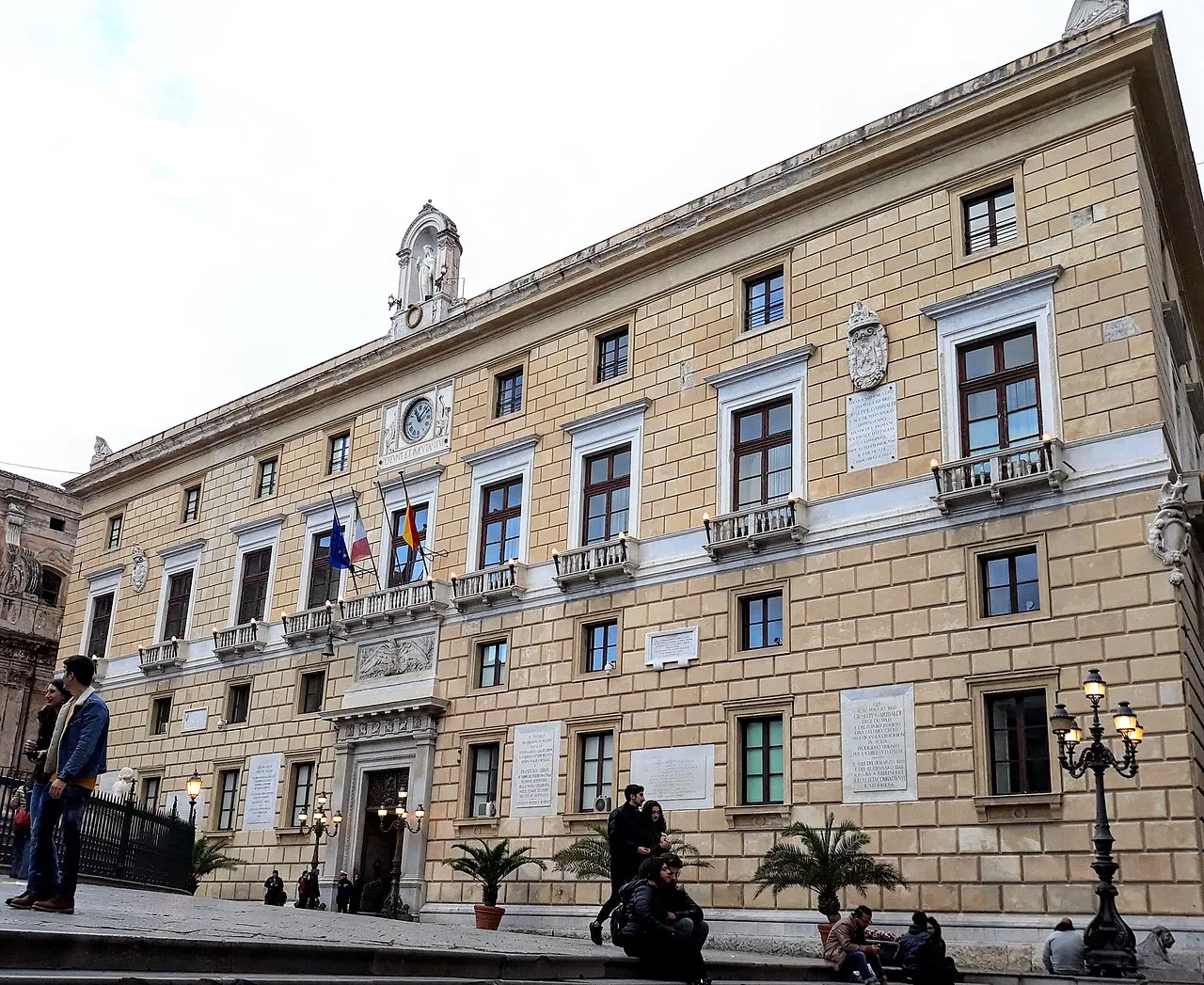
Italy
Palermo
11 places
-
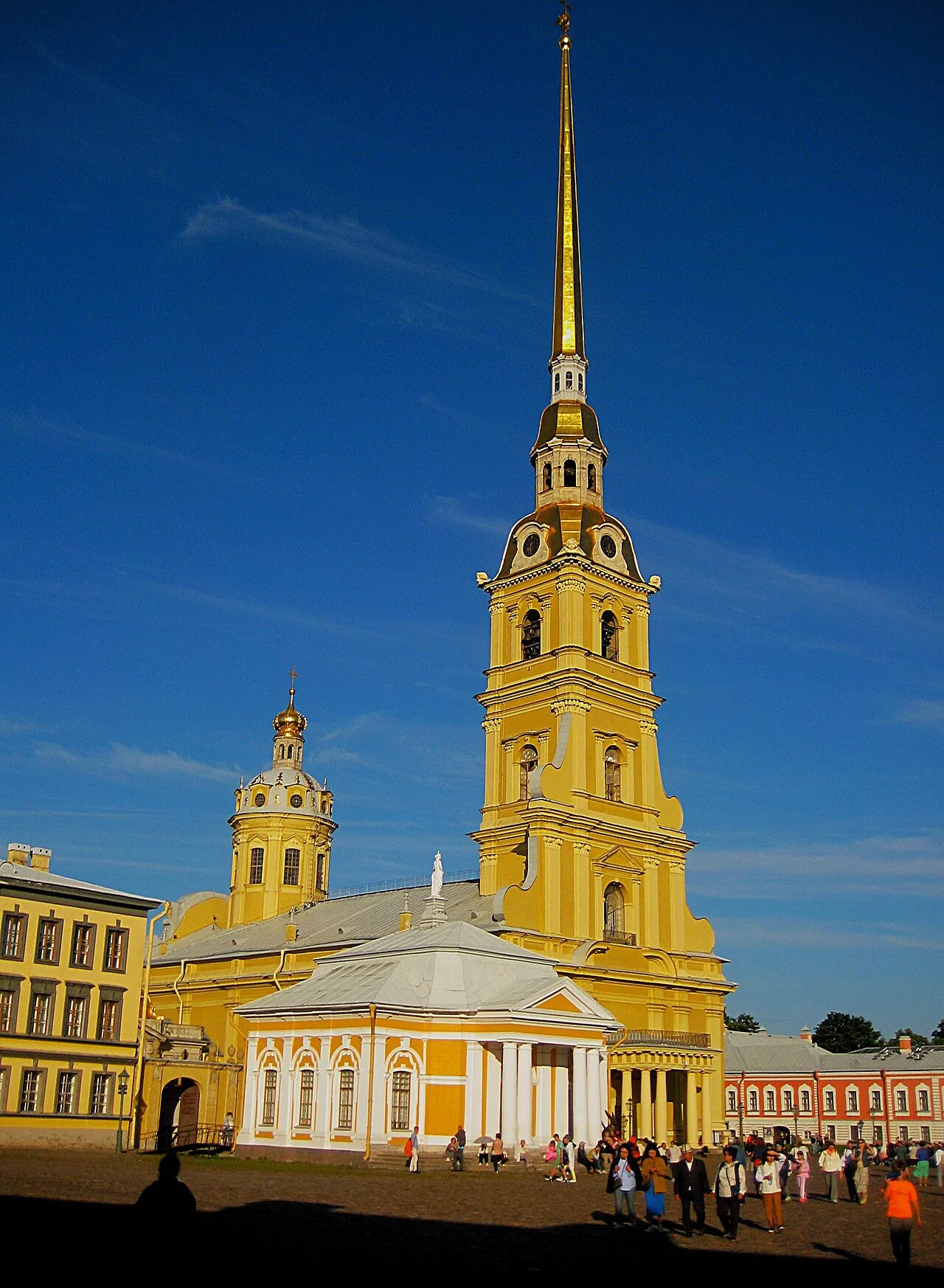
Russia
St. Petersburg
11 places
-
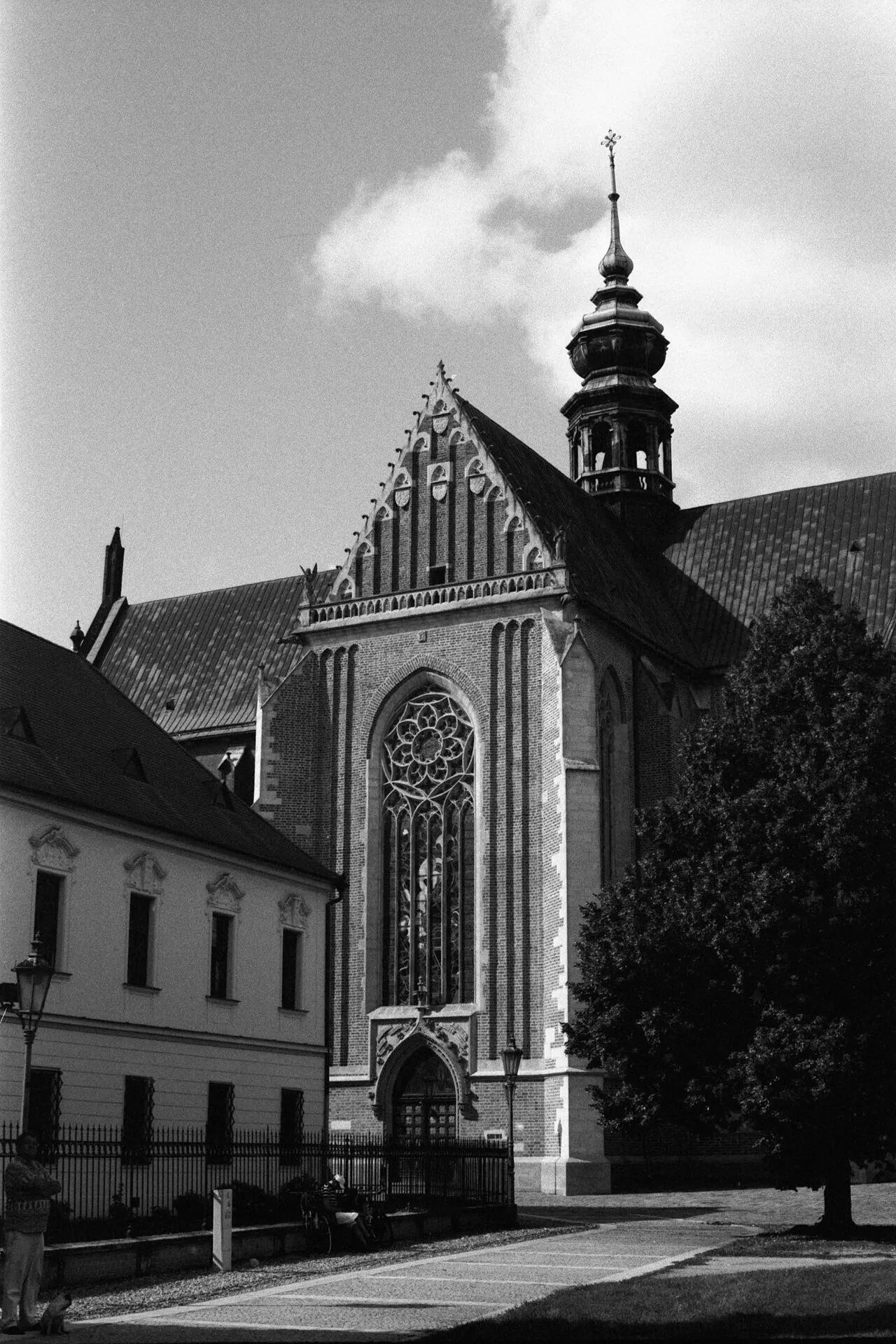
Czechia
Brno
10 places
-
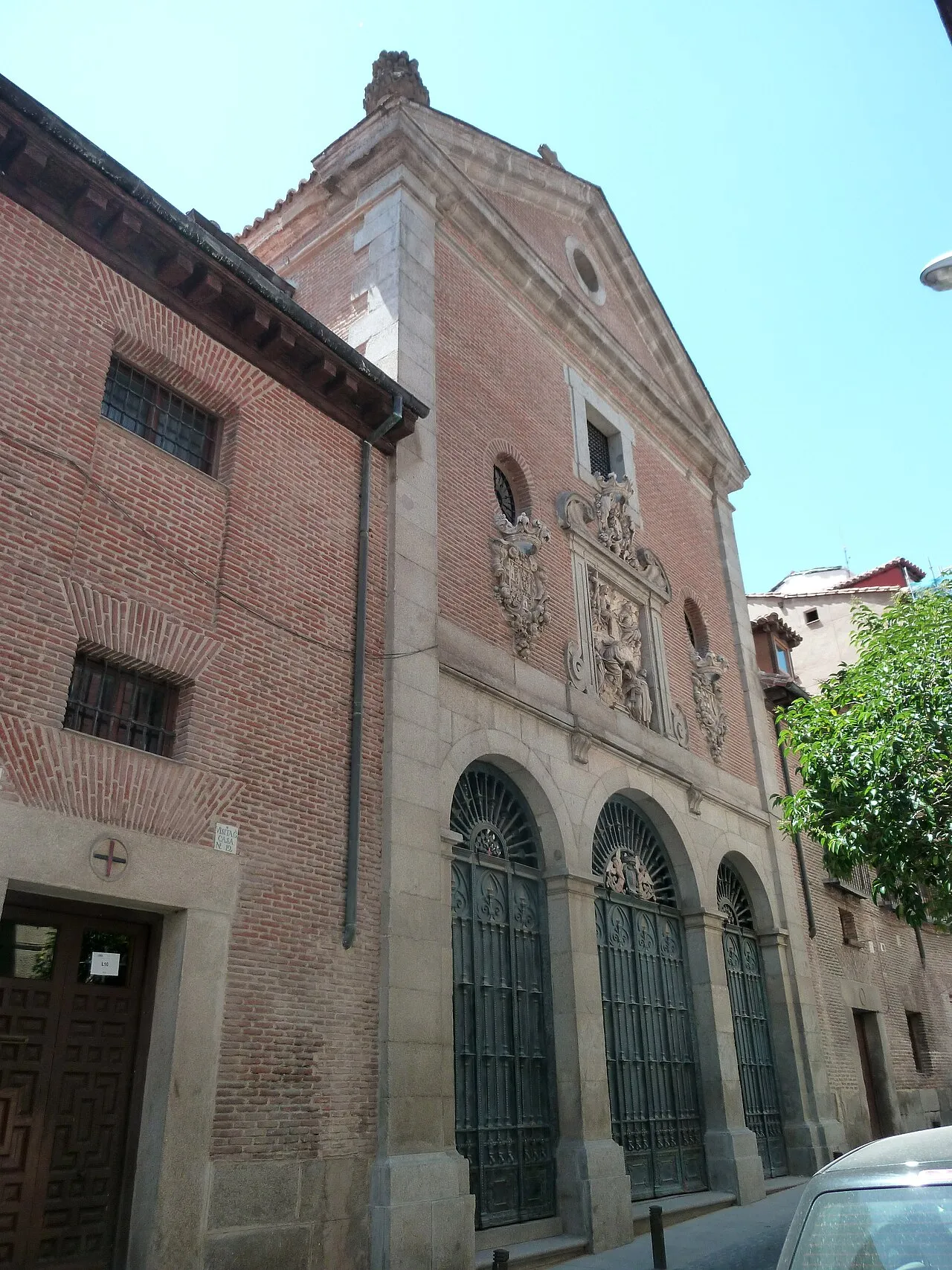
Spain
Madrid
10 places
-
Latvia
Riga
10 places
-
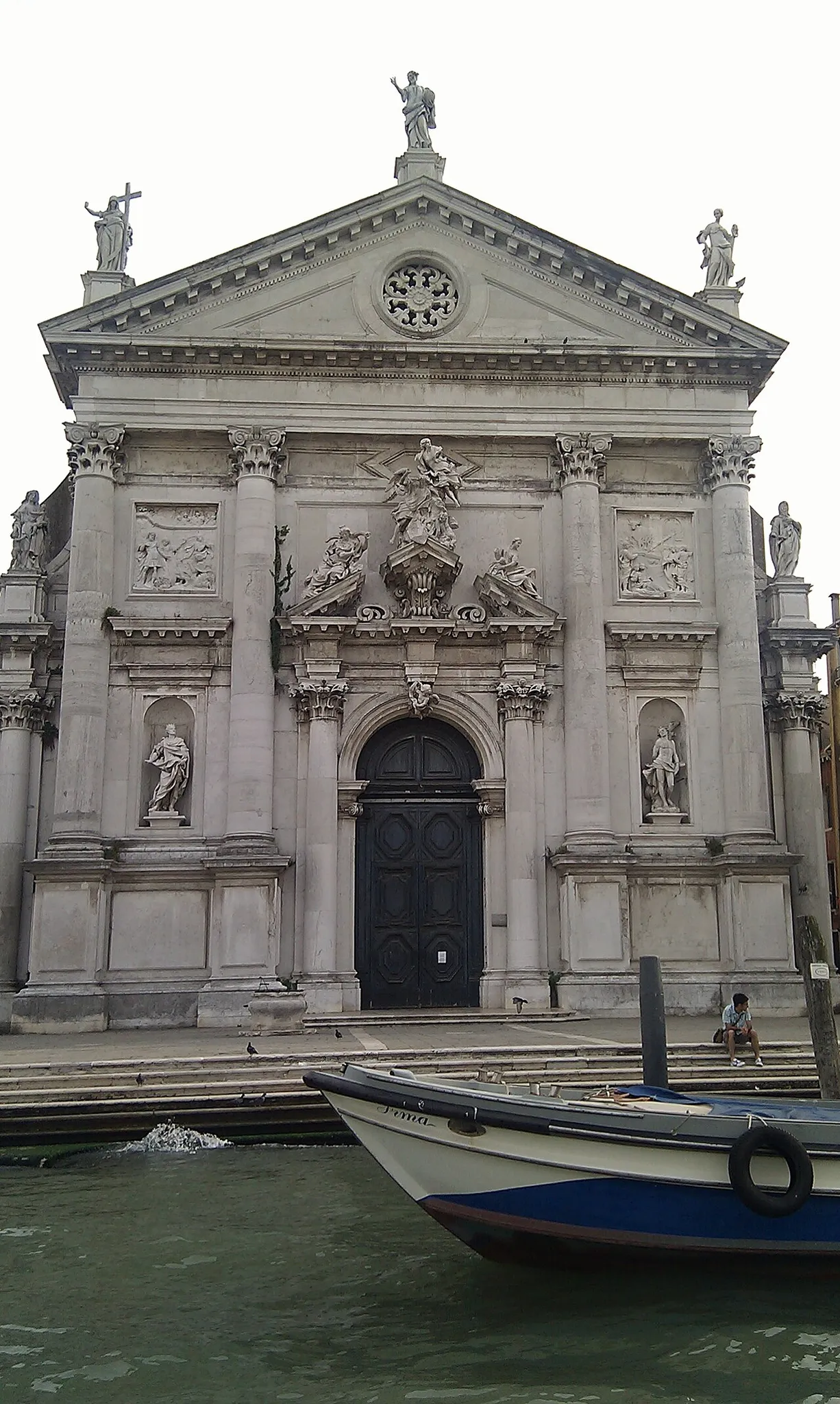
Italy
Venice
10 places
-
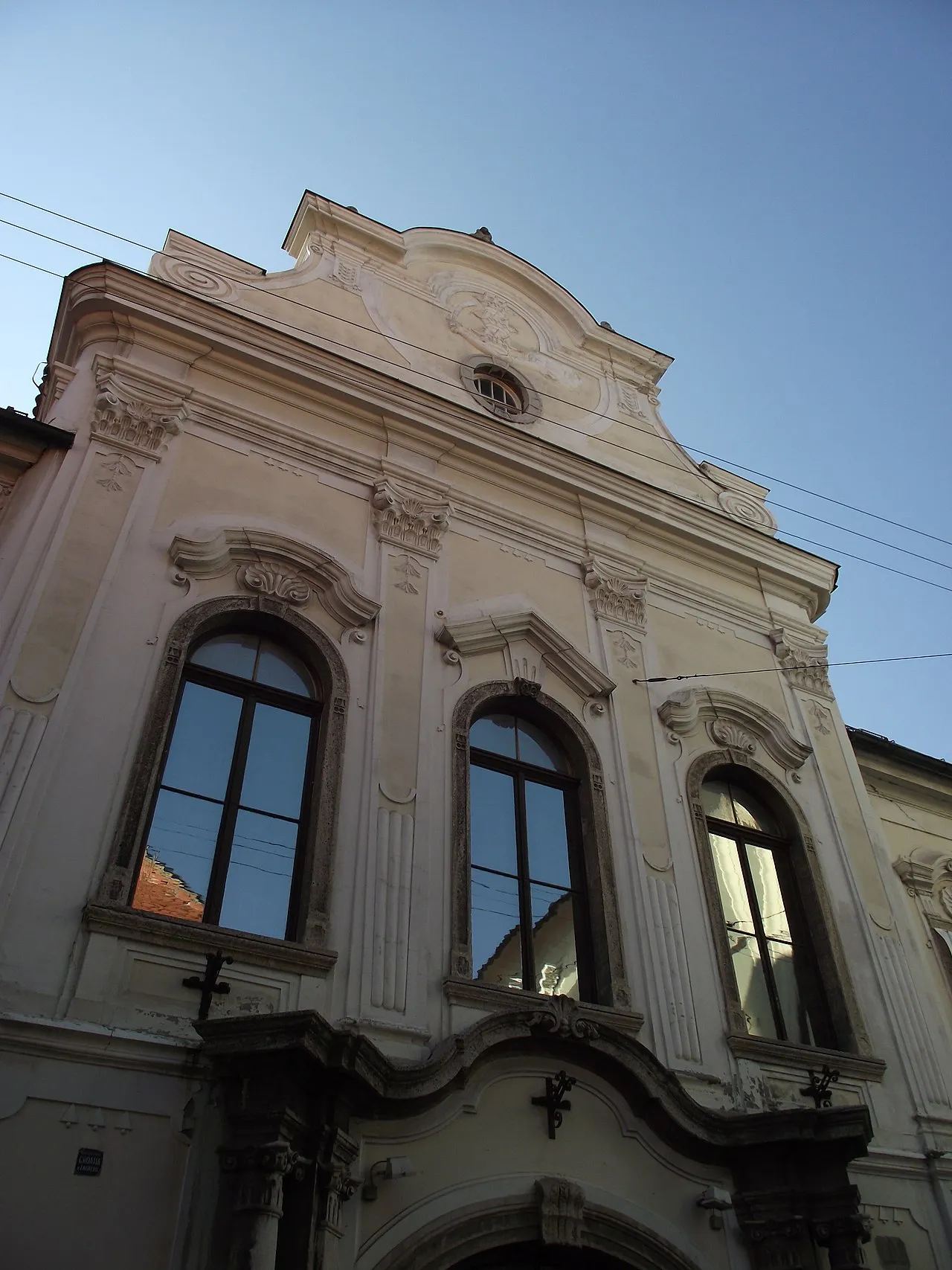
Croatia
Zagreb
10 places
-
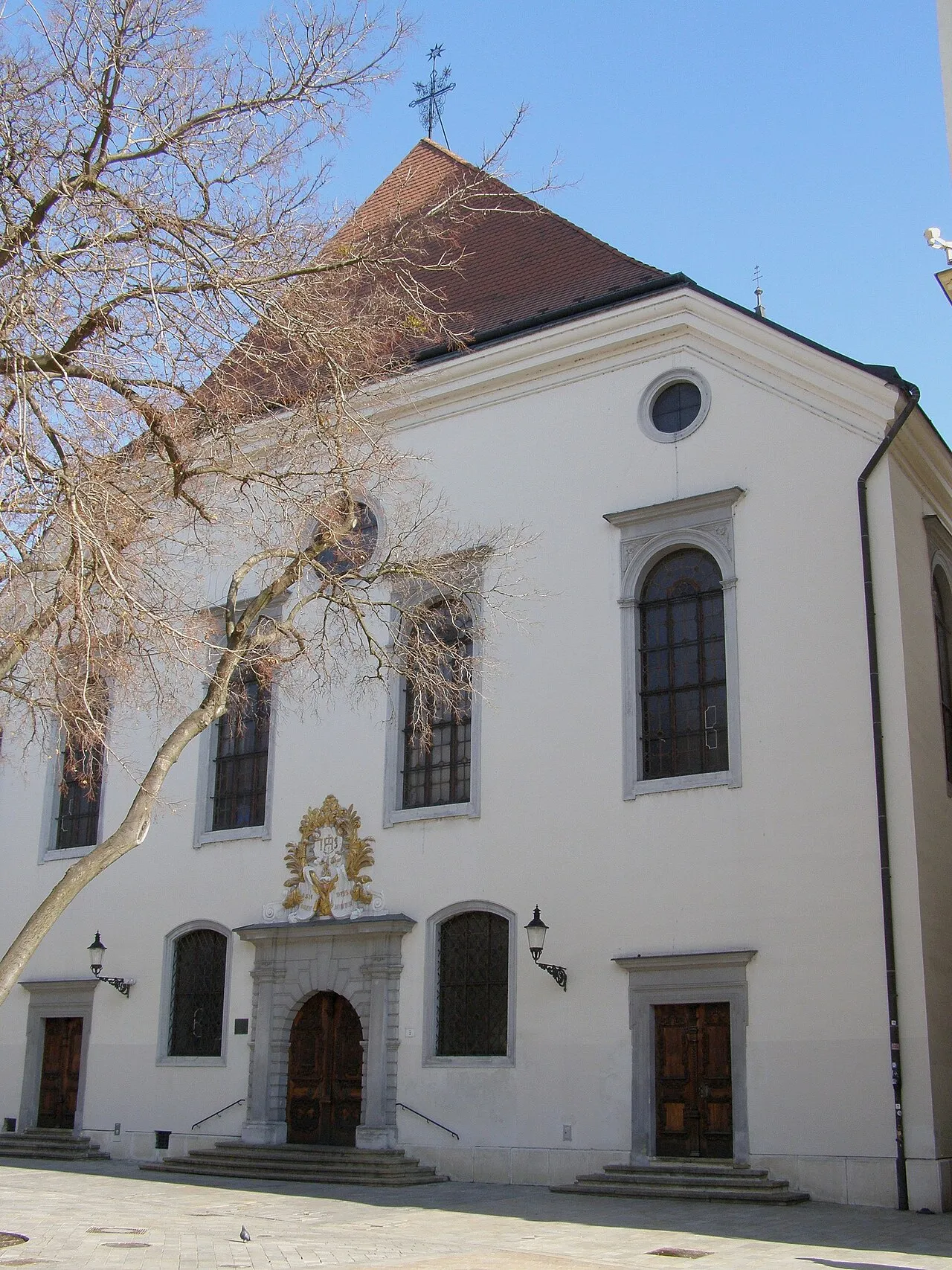
Slovakia
Bratislava
9 places
-
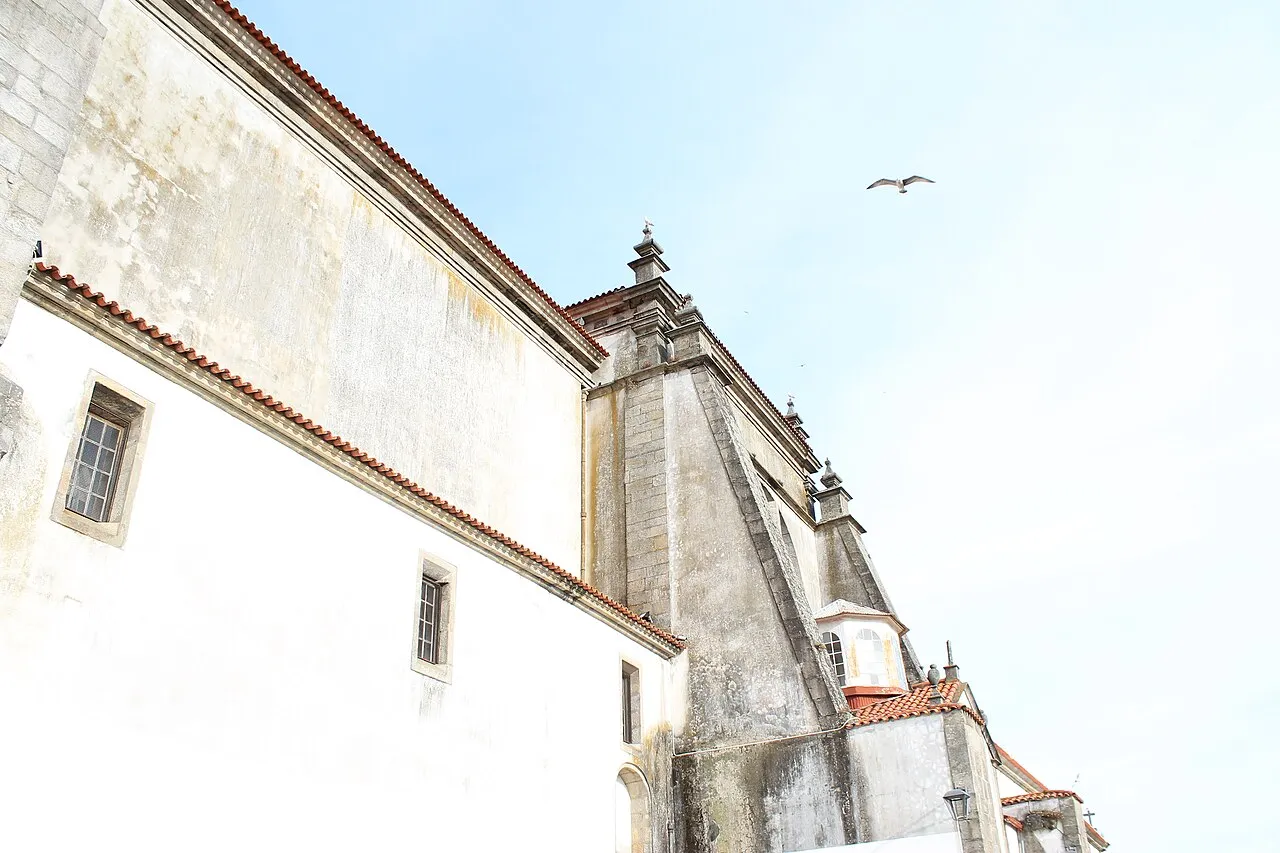
Portugal
Porto
9 places
-
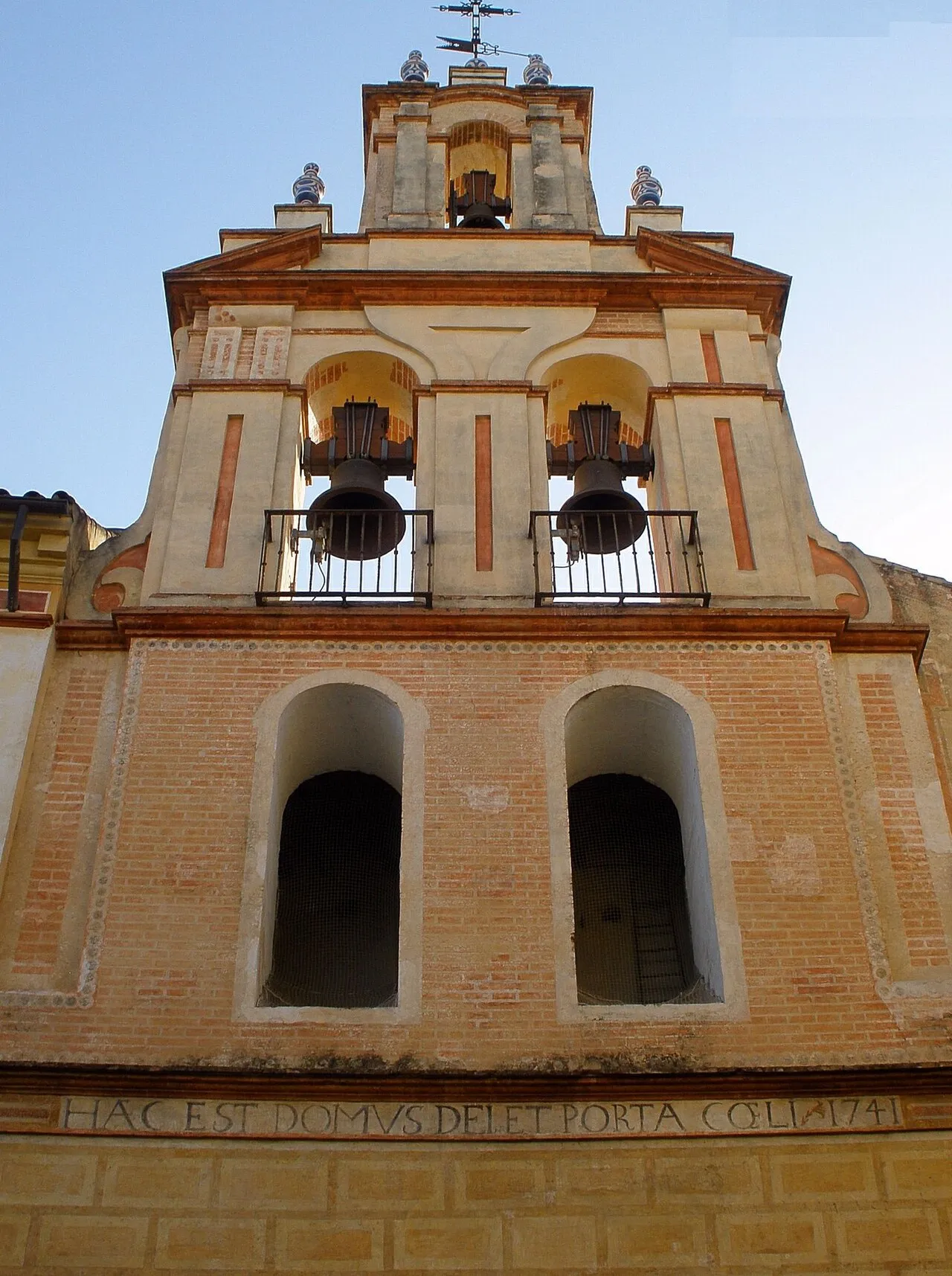
Spain
Seville
9 places
-
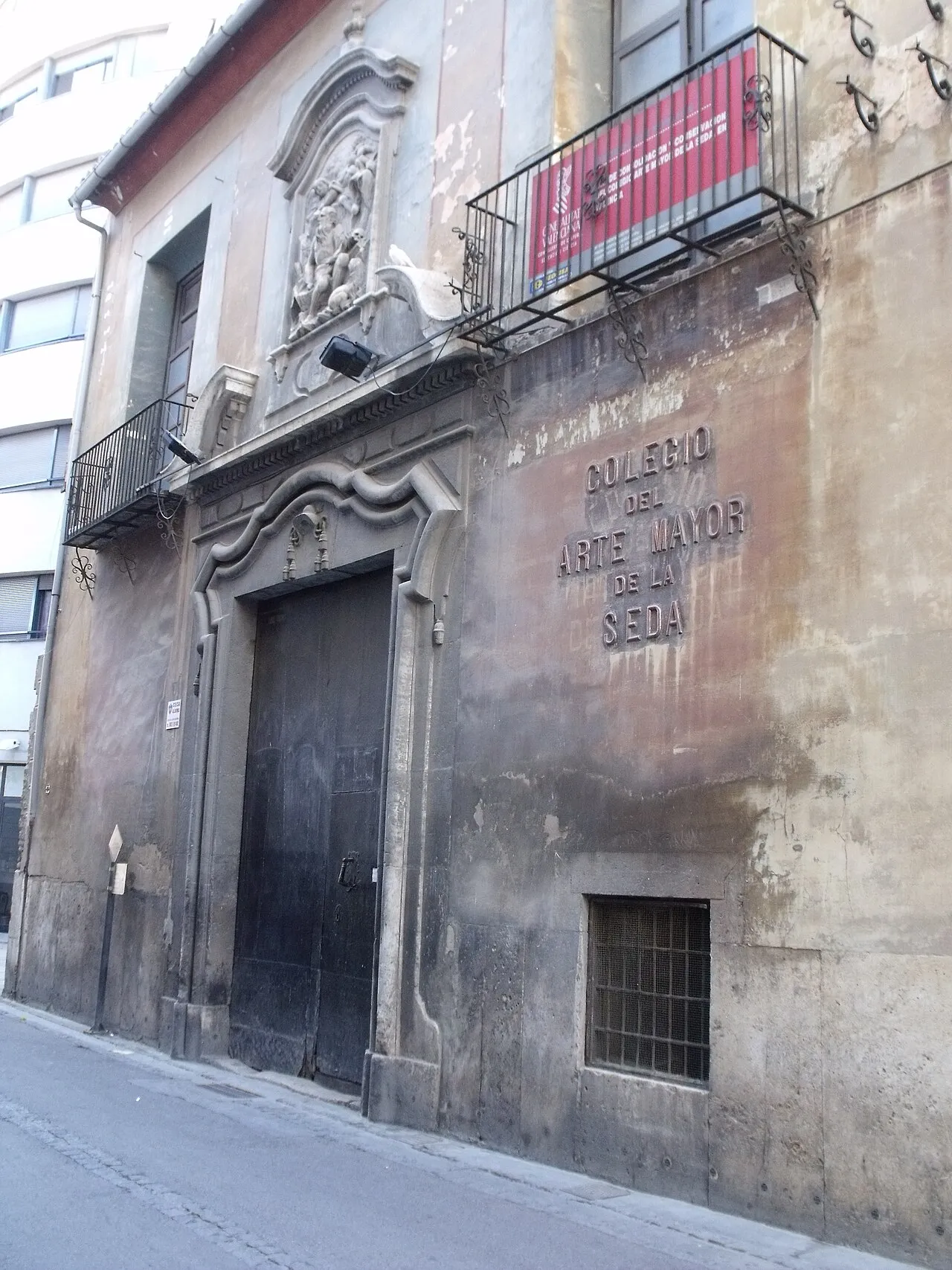
Spain
Valencia
9 places
-
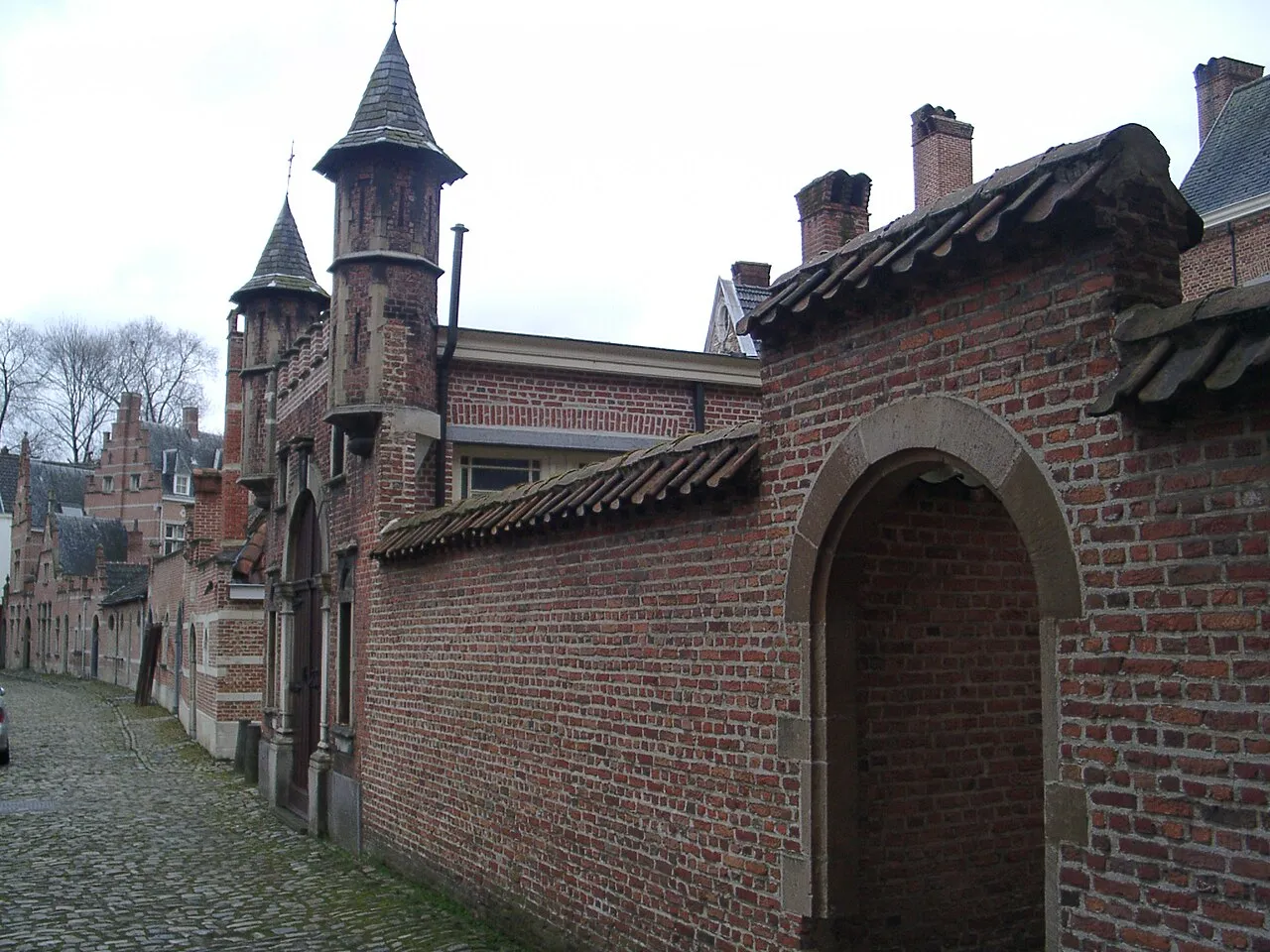
Belgium
Antwerp
8 places
-
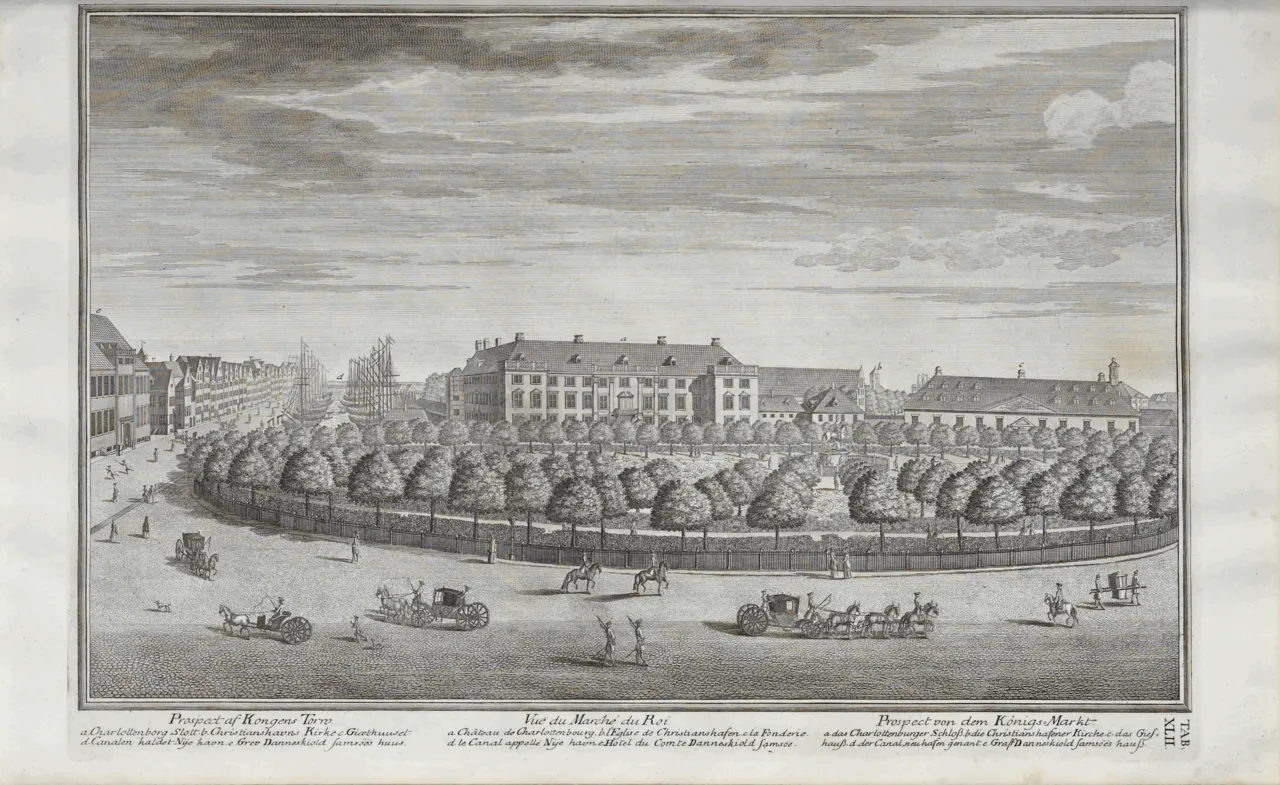
Denmark
Copenhagen
8 places
-
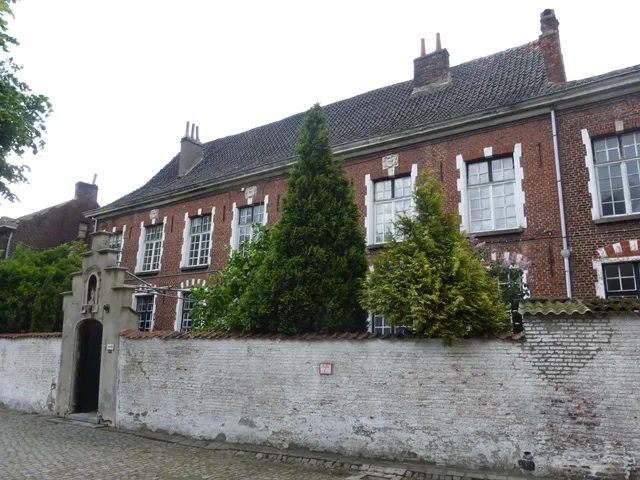
Belgium
Ghent
8 places
-
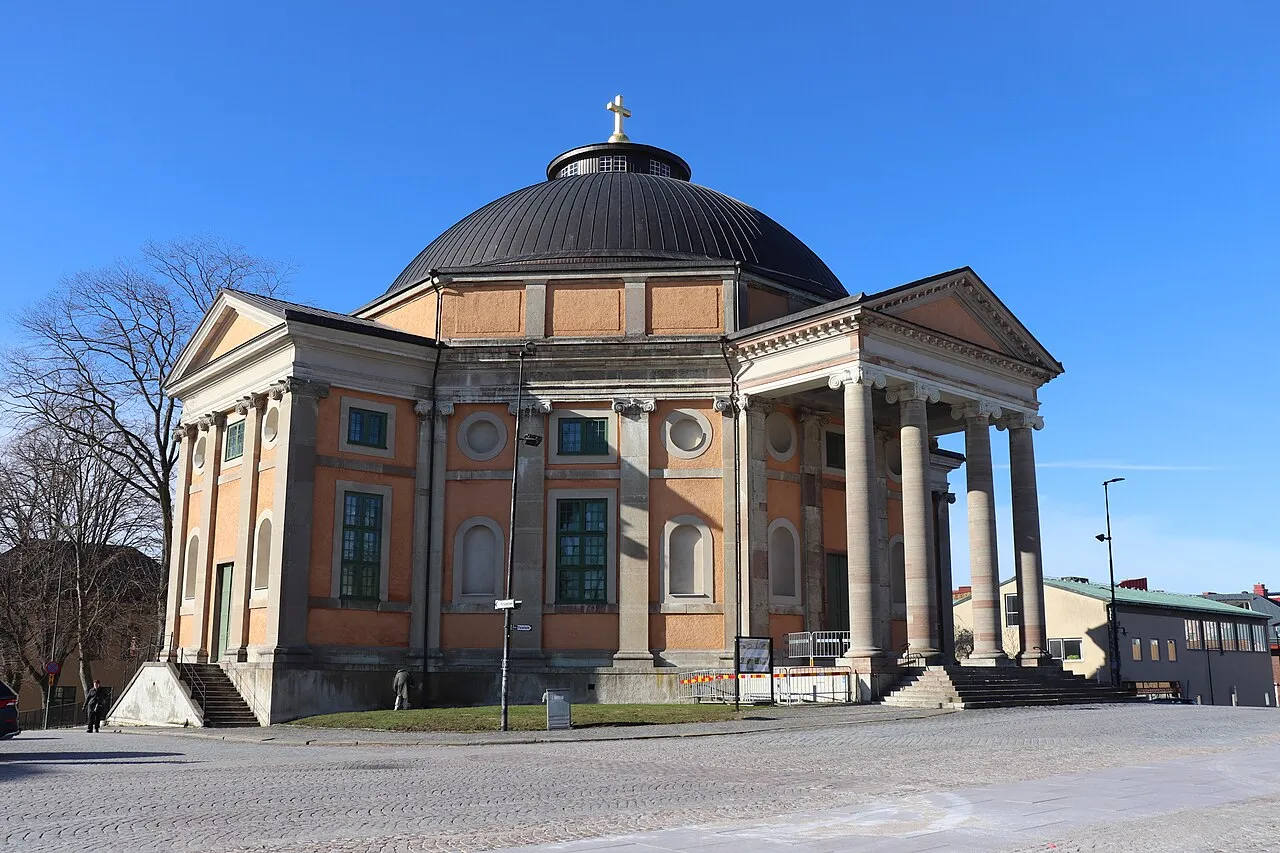
Sweden
Karlskrona
8 places
-
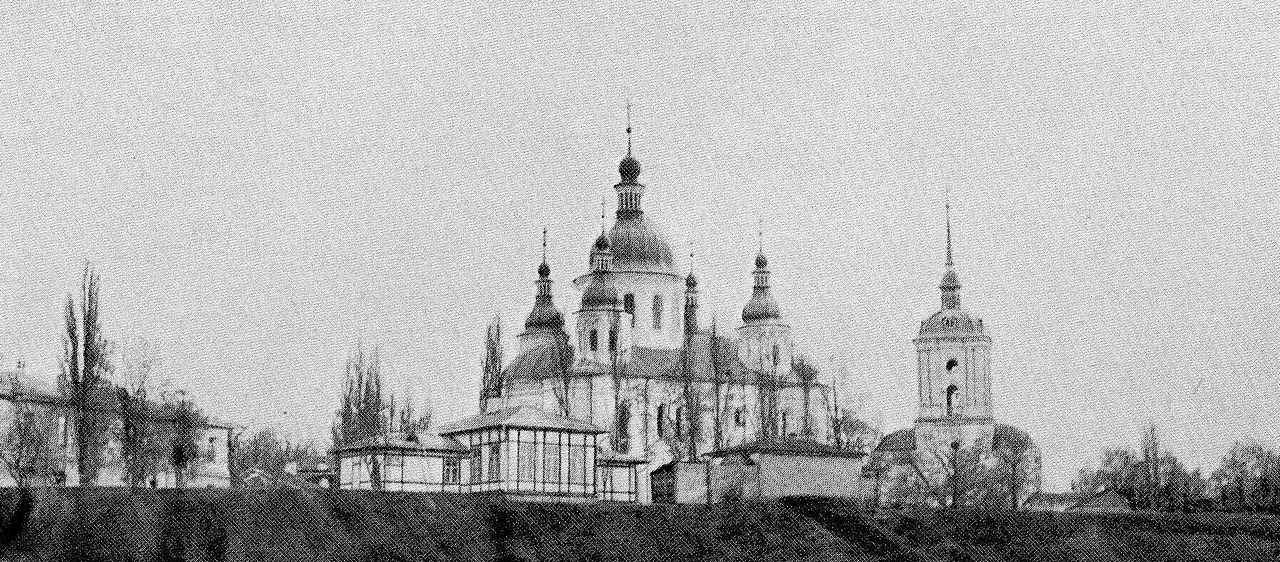
Ukraine
Kyiv
8 places
-
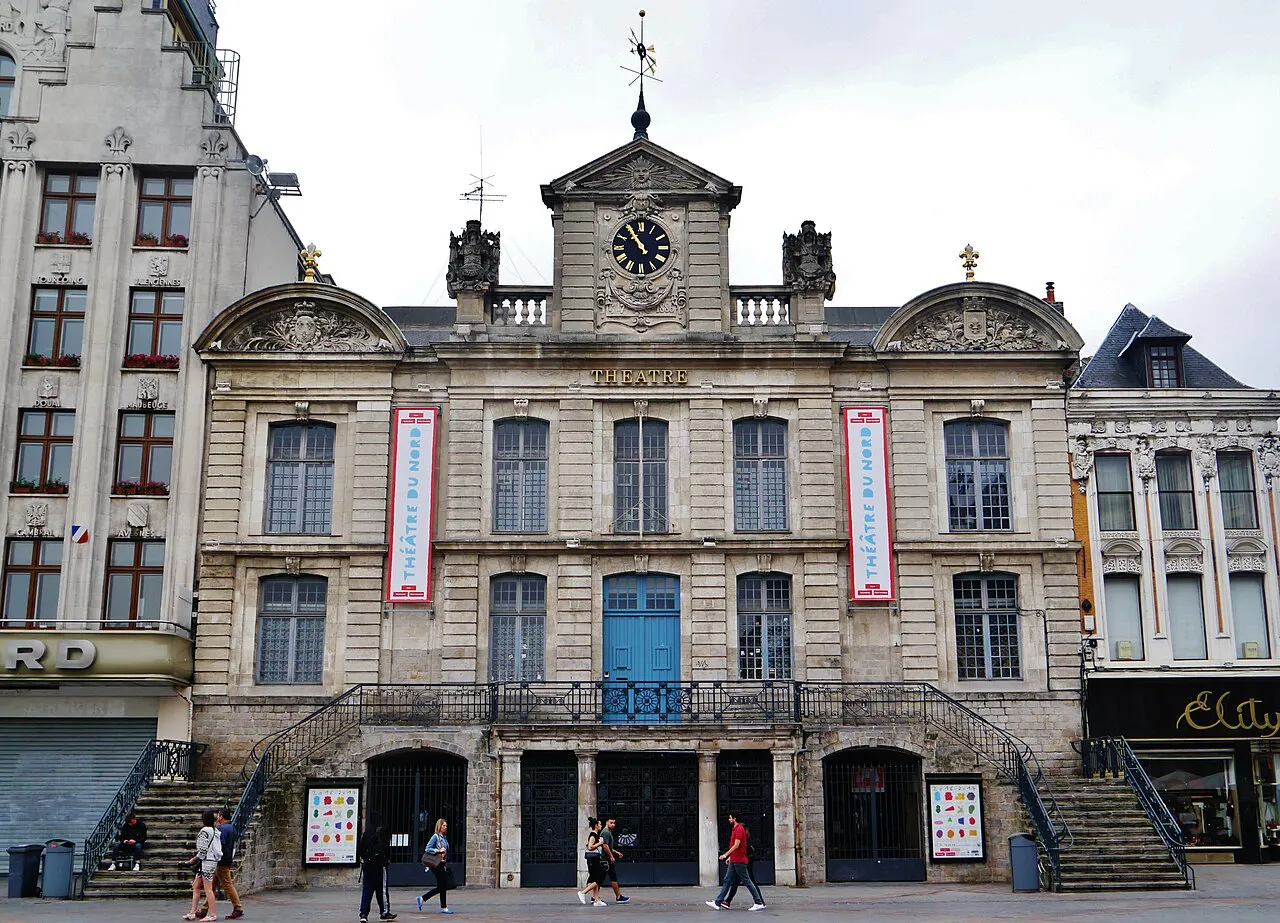
France
Lille
8 places
-
Germany
Munich
8 places
-
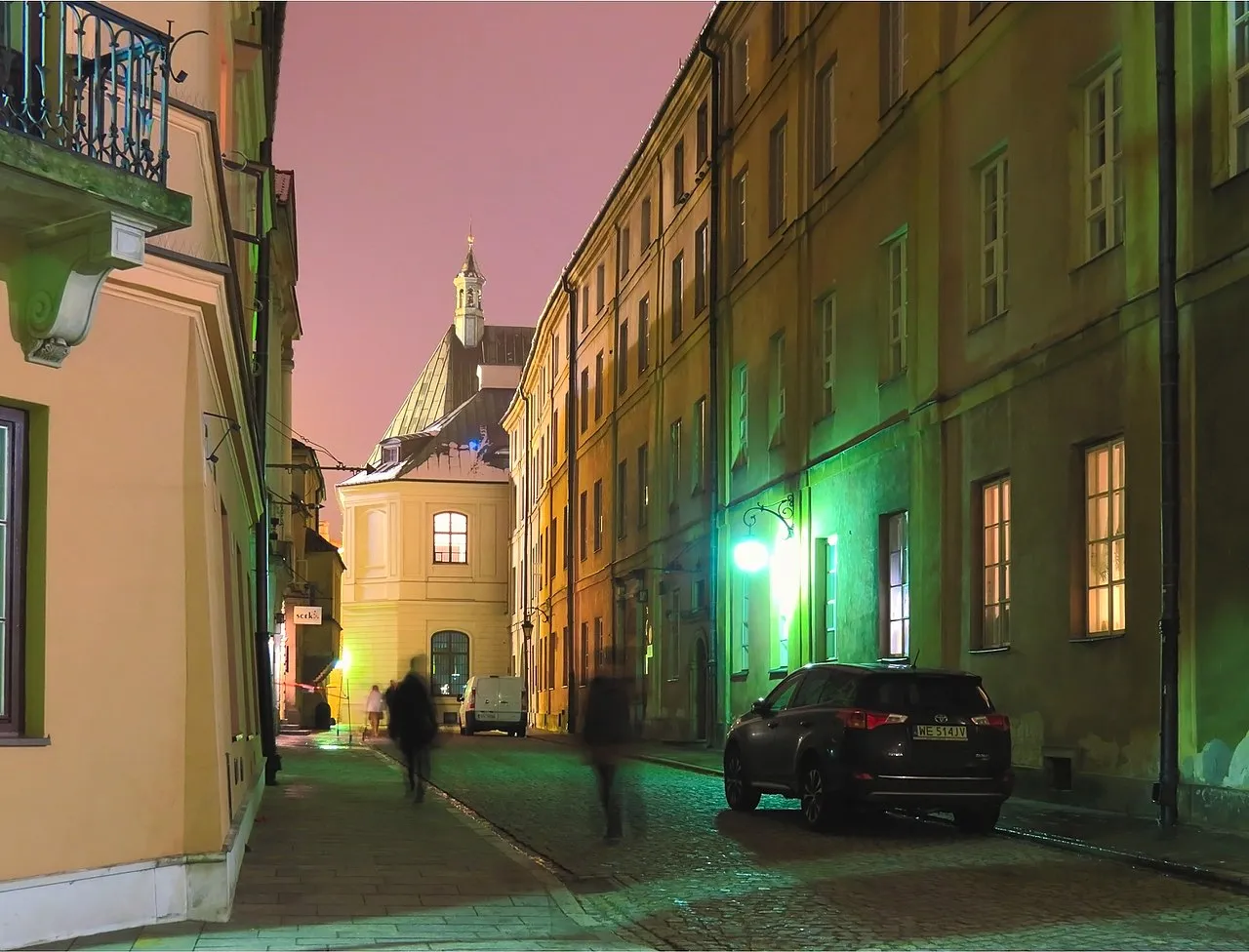
Poland
Warsaw
8 places
-
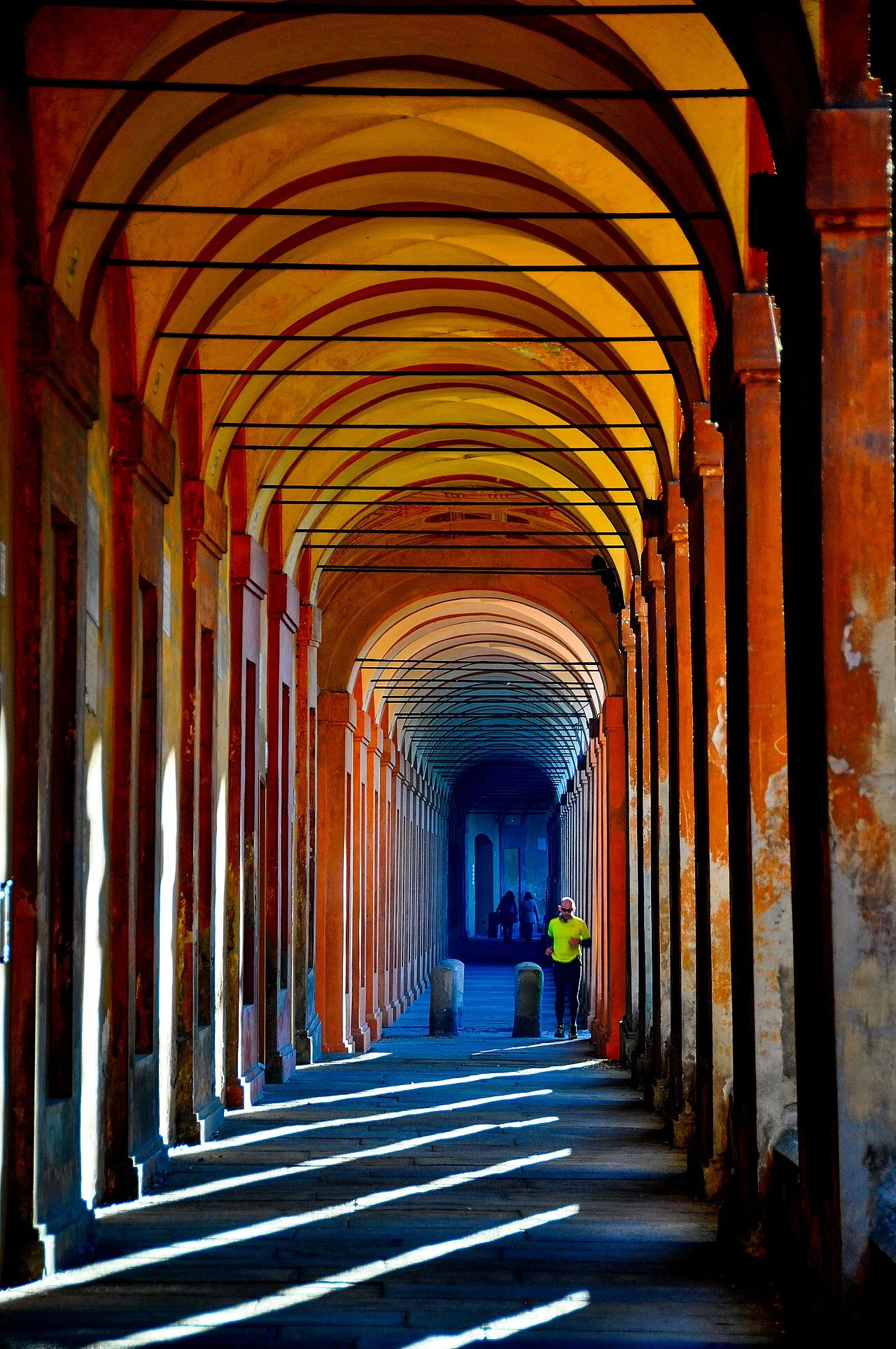
Italy
Bologna
7 places
-
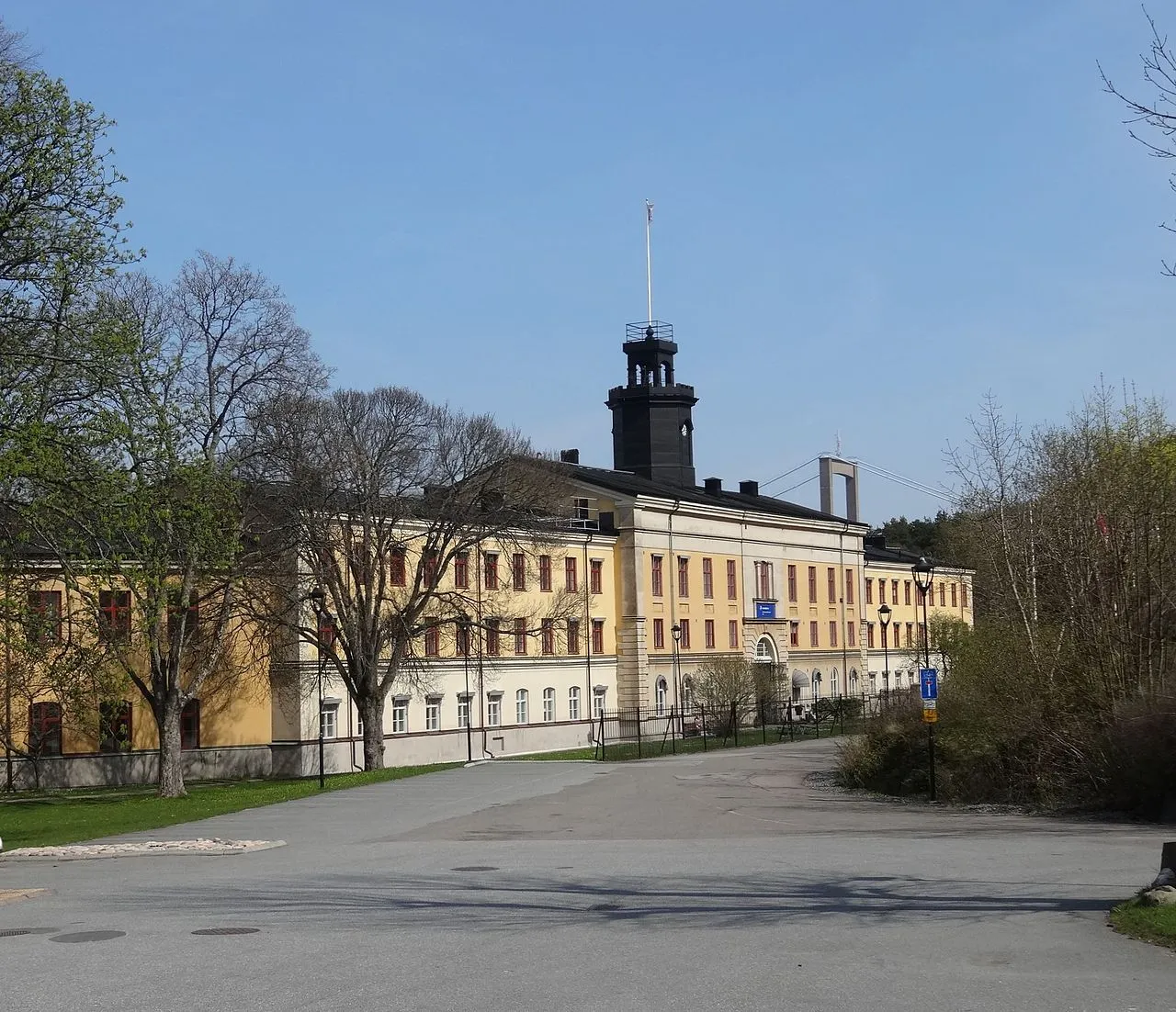
Sweden
Gothenburg
7 places
-
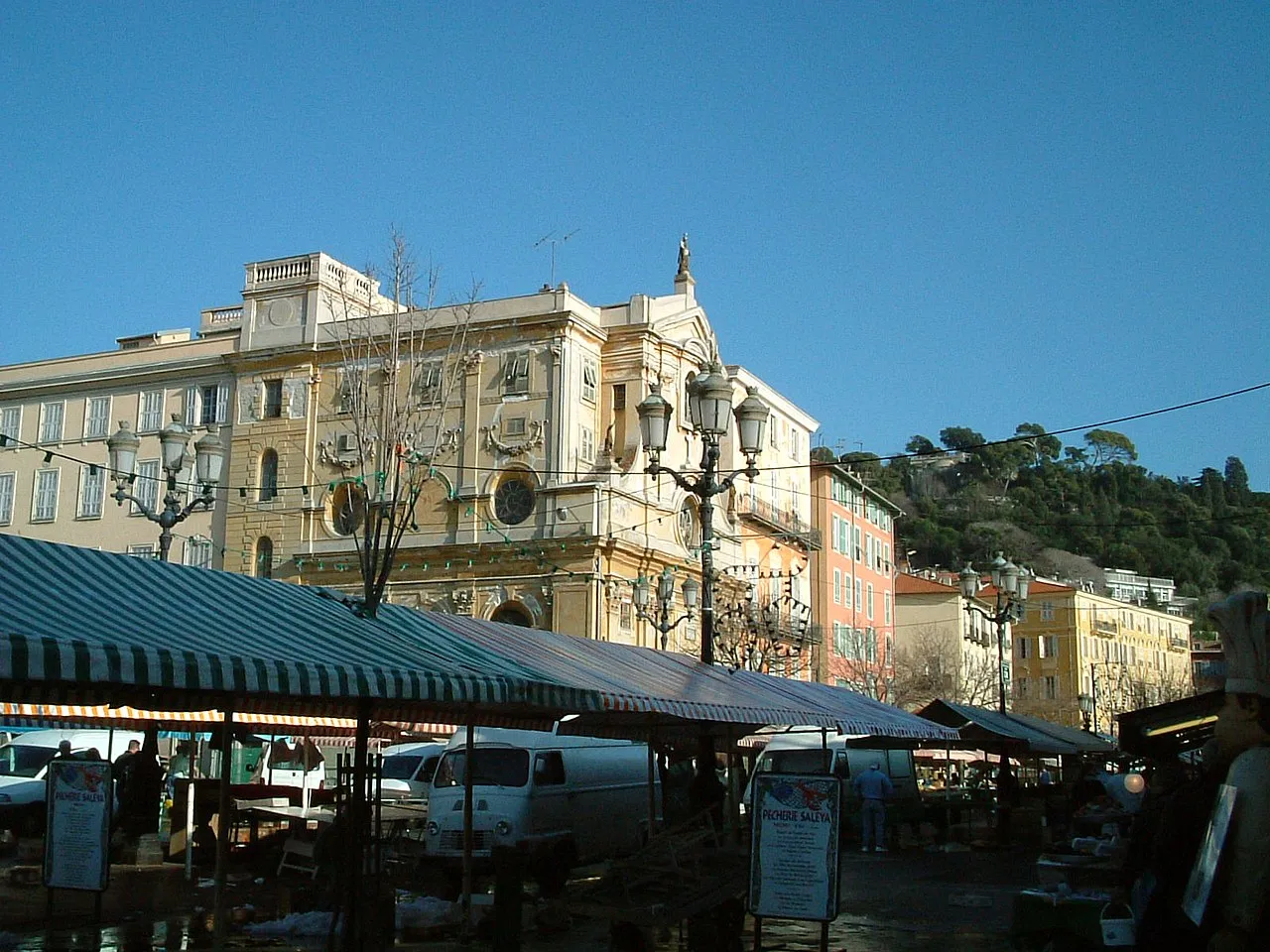
France
Nice
7 places
-
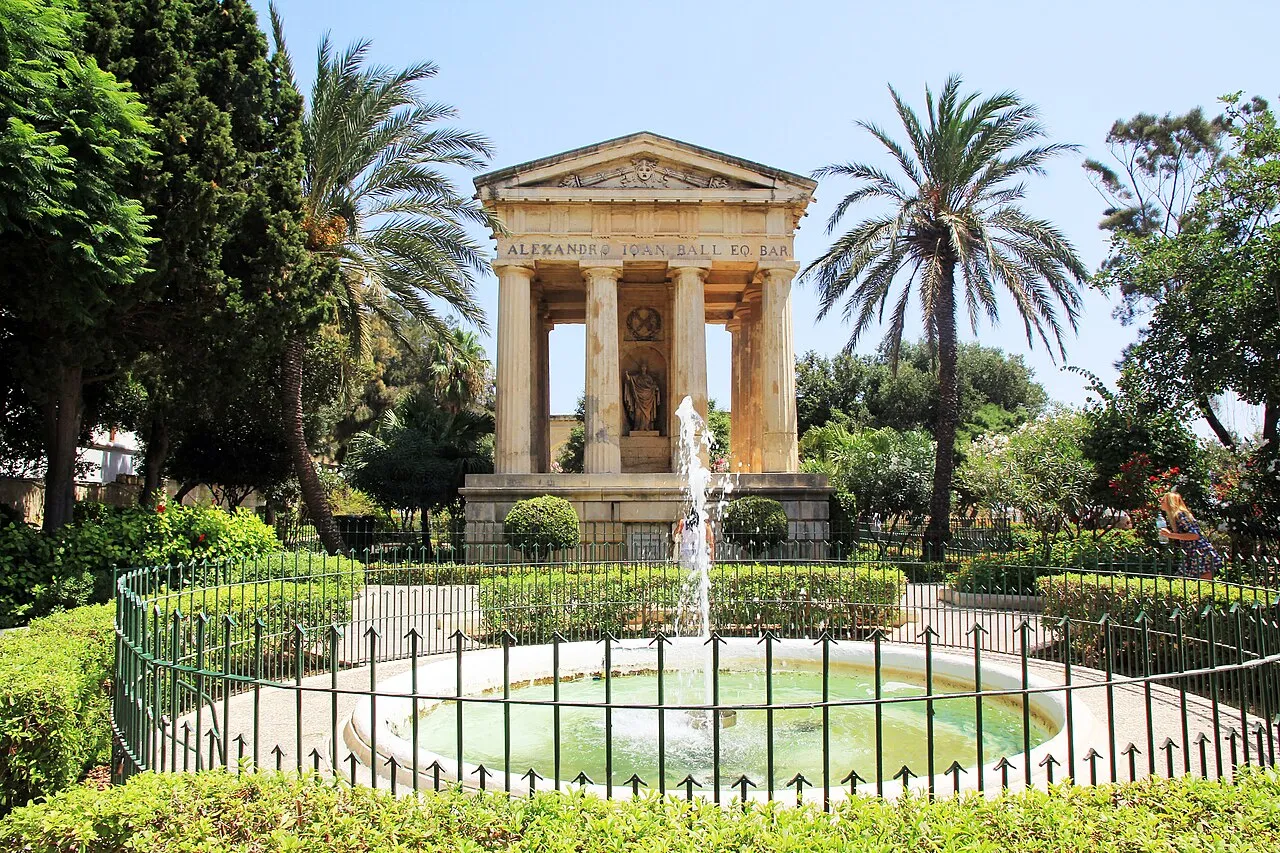
Malta
Valletta
7 places
-
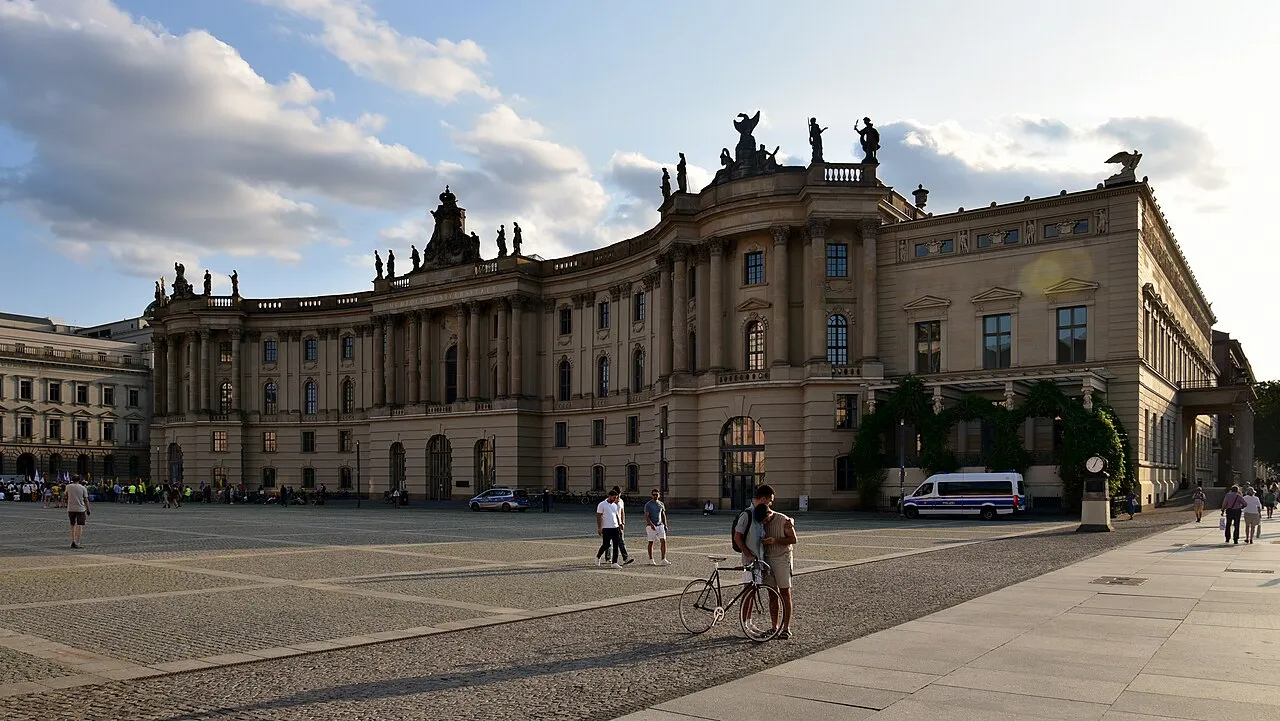
Germany
Berlin
6 places
-
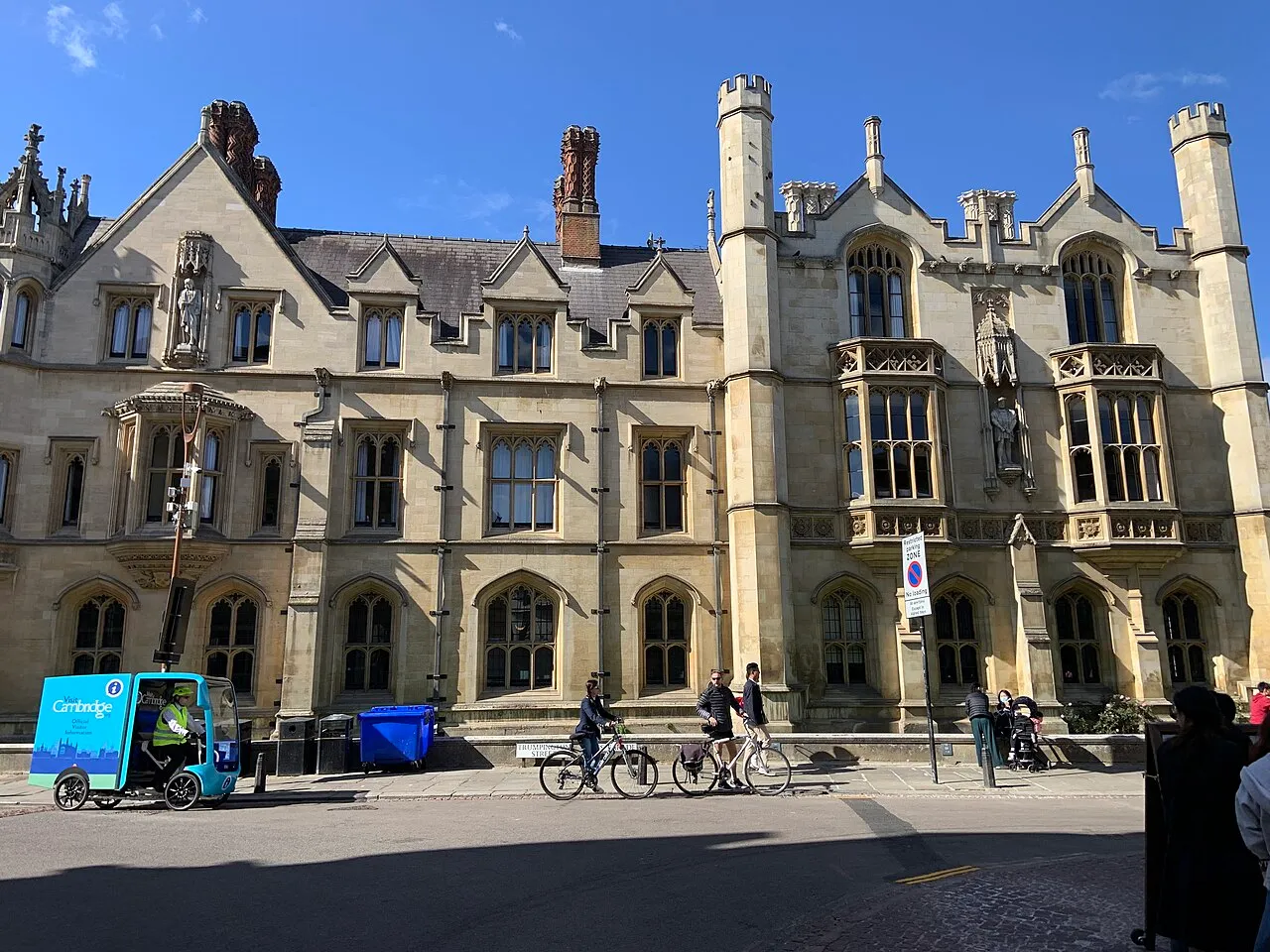
United Kingdom
Cambridge
6 places
-
Italy
Florence
5 places
-
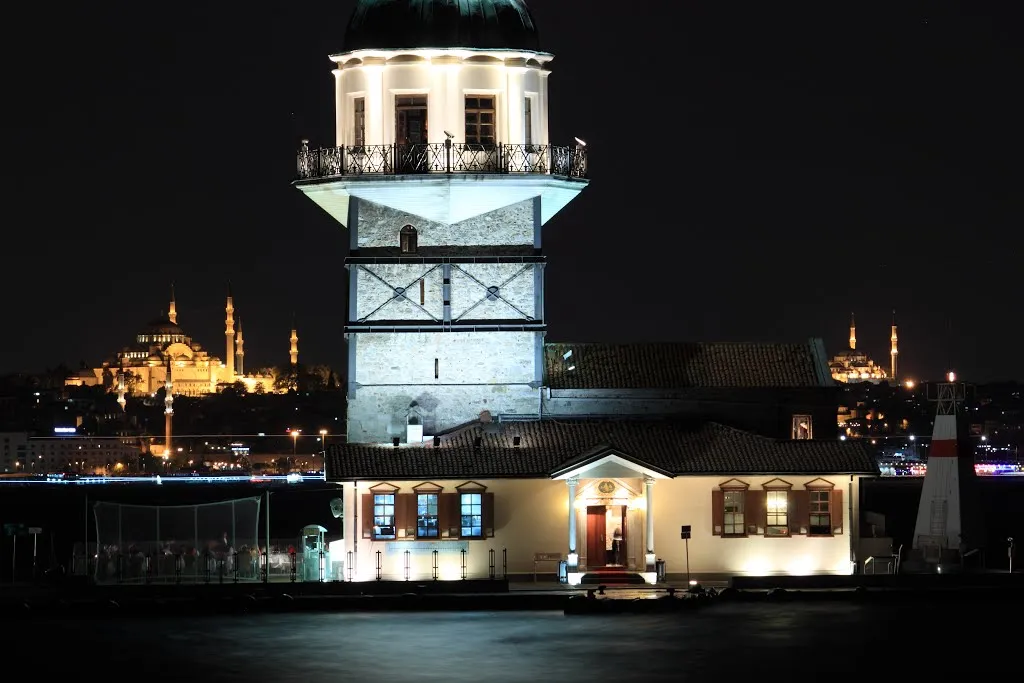
Türkiye
Istanbul
5 places
-
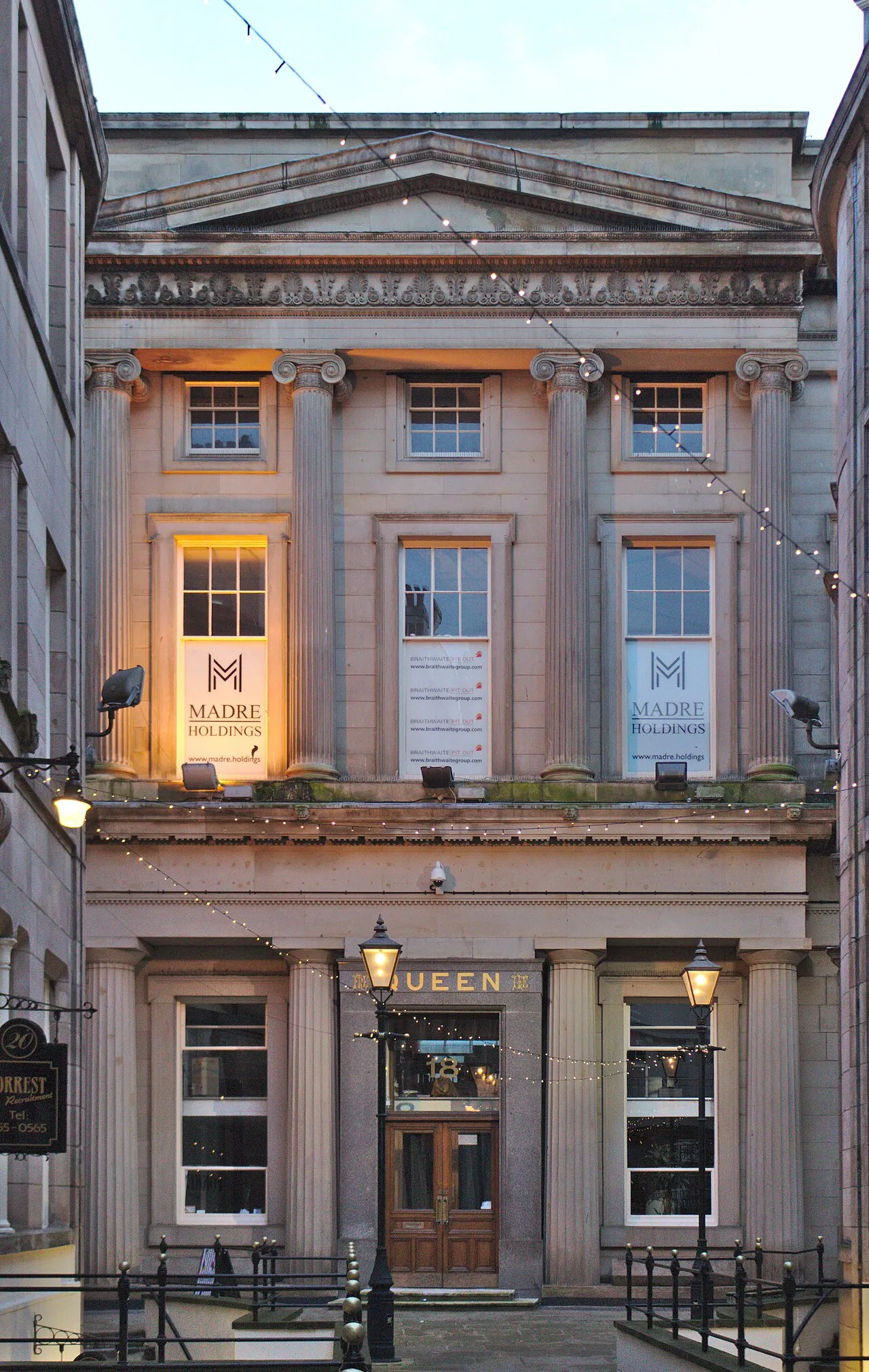
United Kingdom
Liverpool
5 places
-
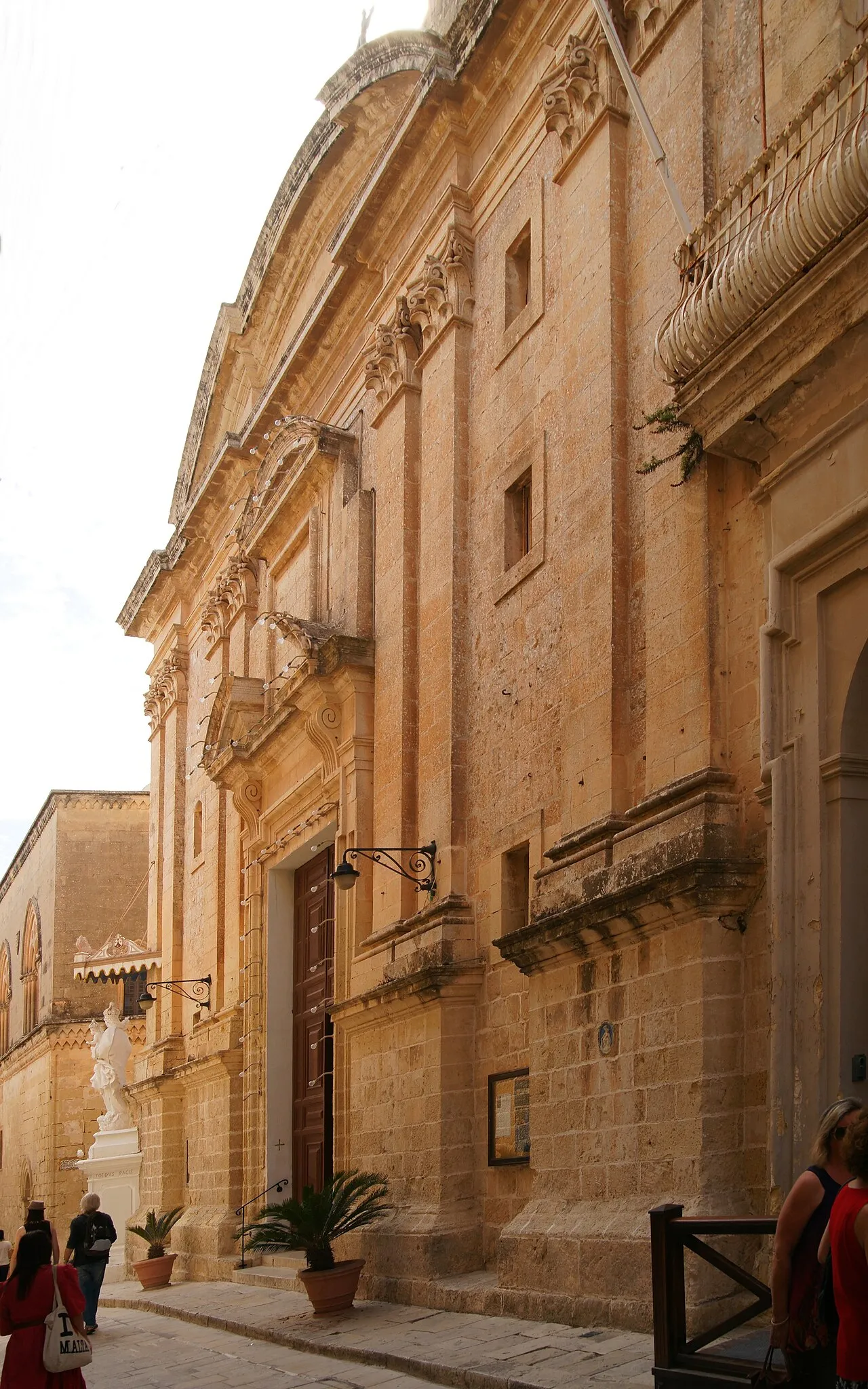
Malta
Mdina
5 places
-
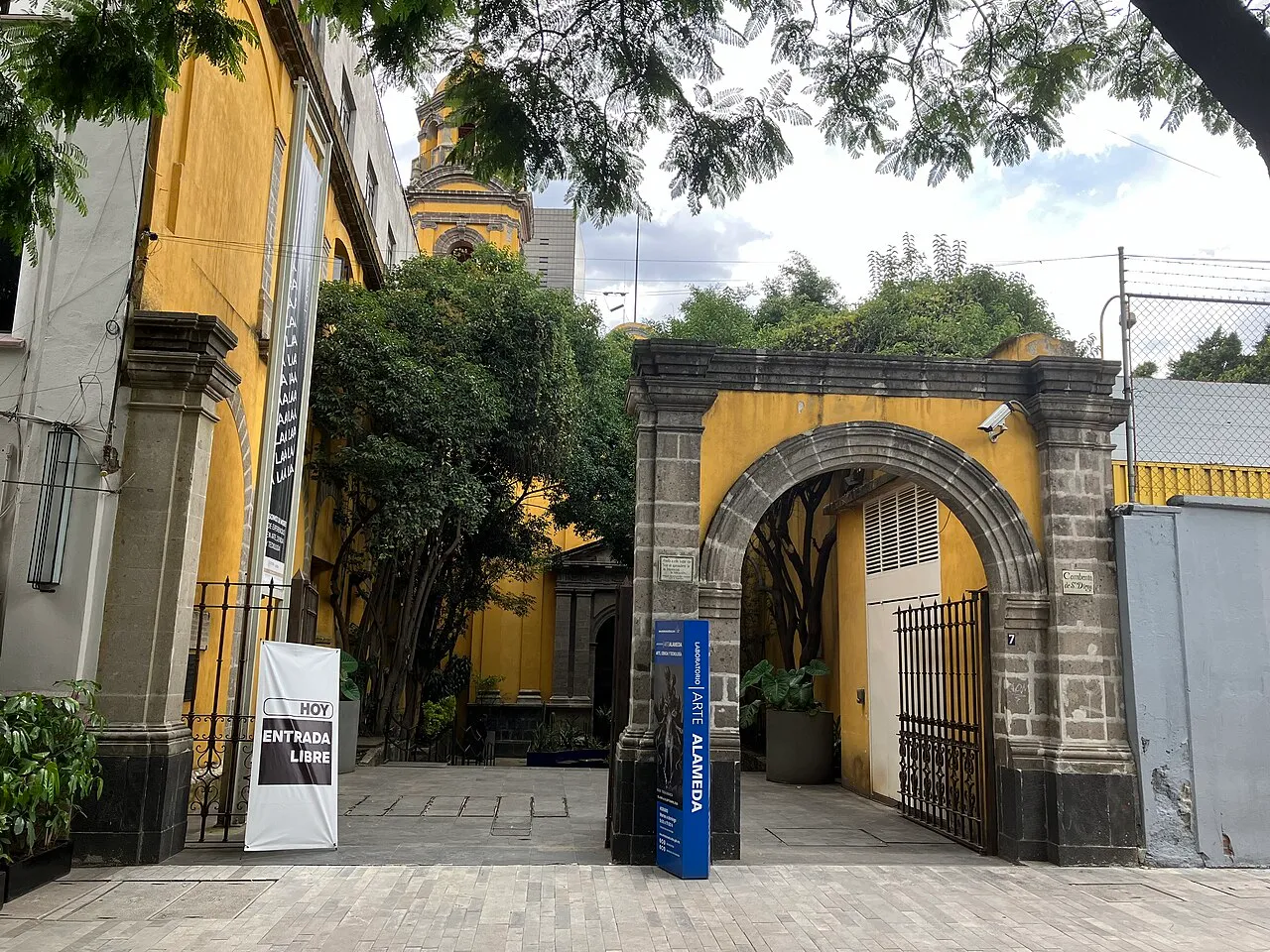
Mexico
Mexico City
5 places
-
France
Nantes
5 places
-
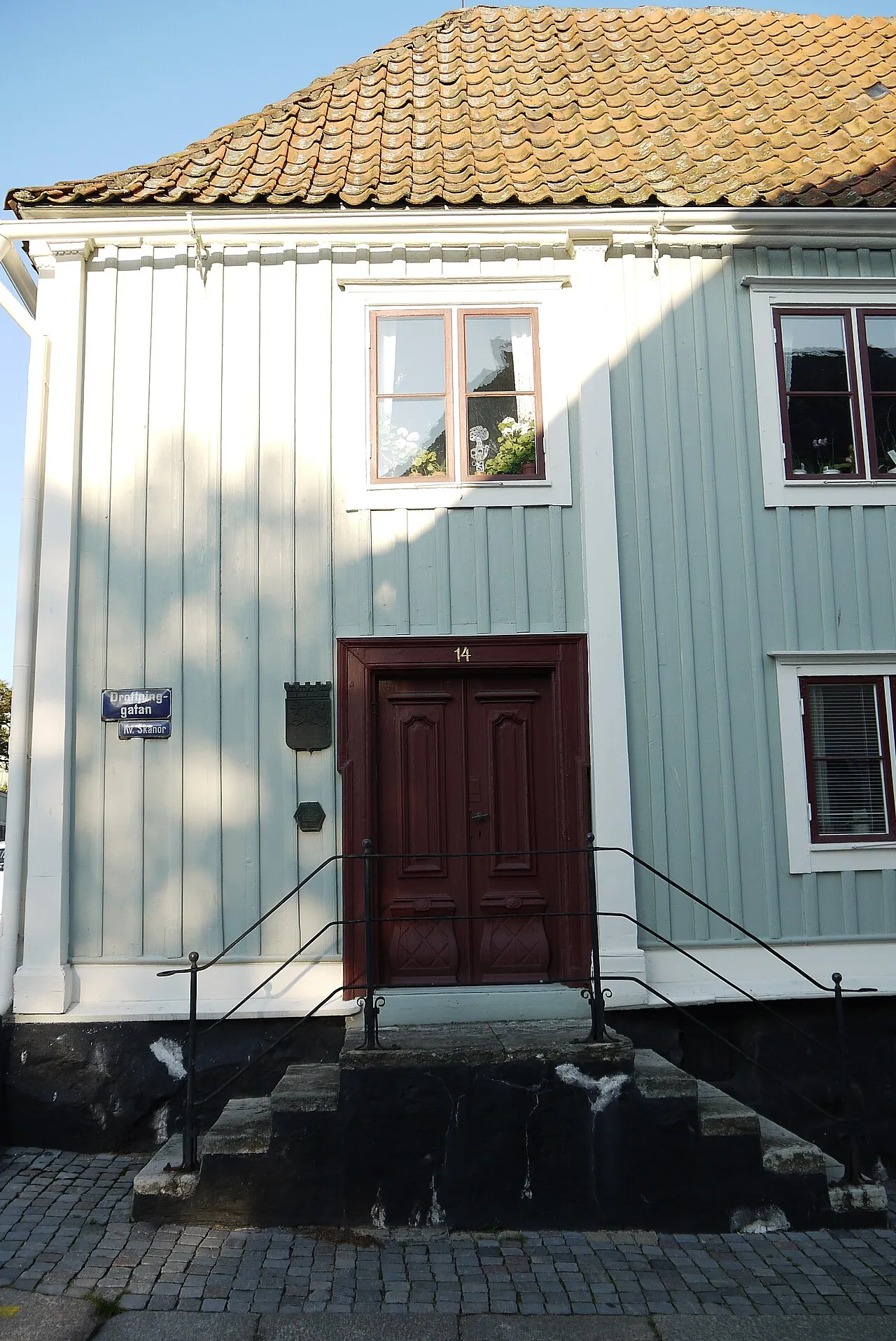
Sweden
Karlshamn
4 places
-
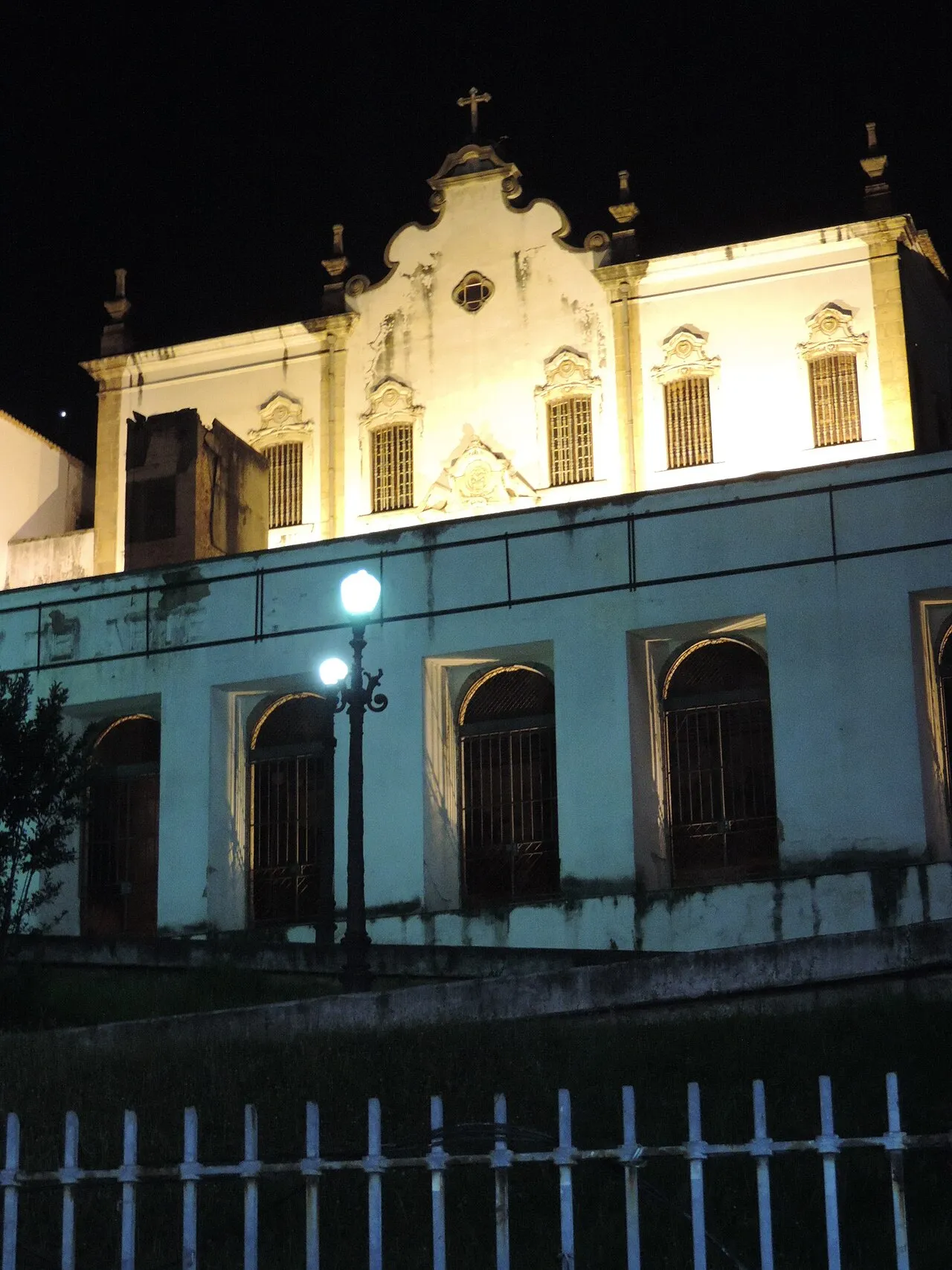
Brazil
Rio de Janeiro
4 places
-
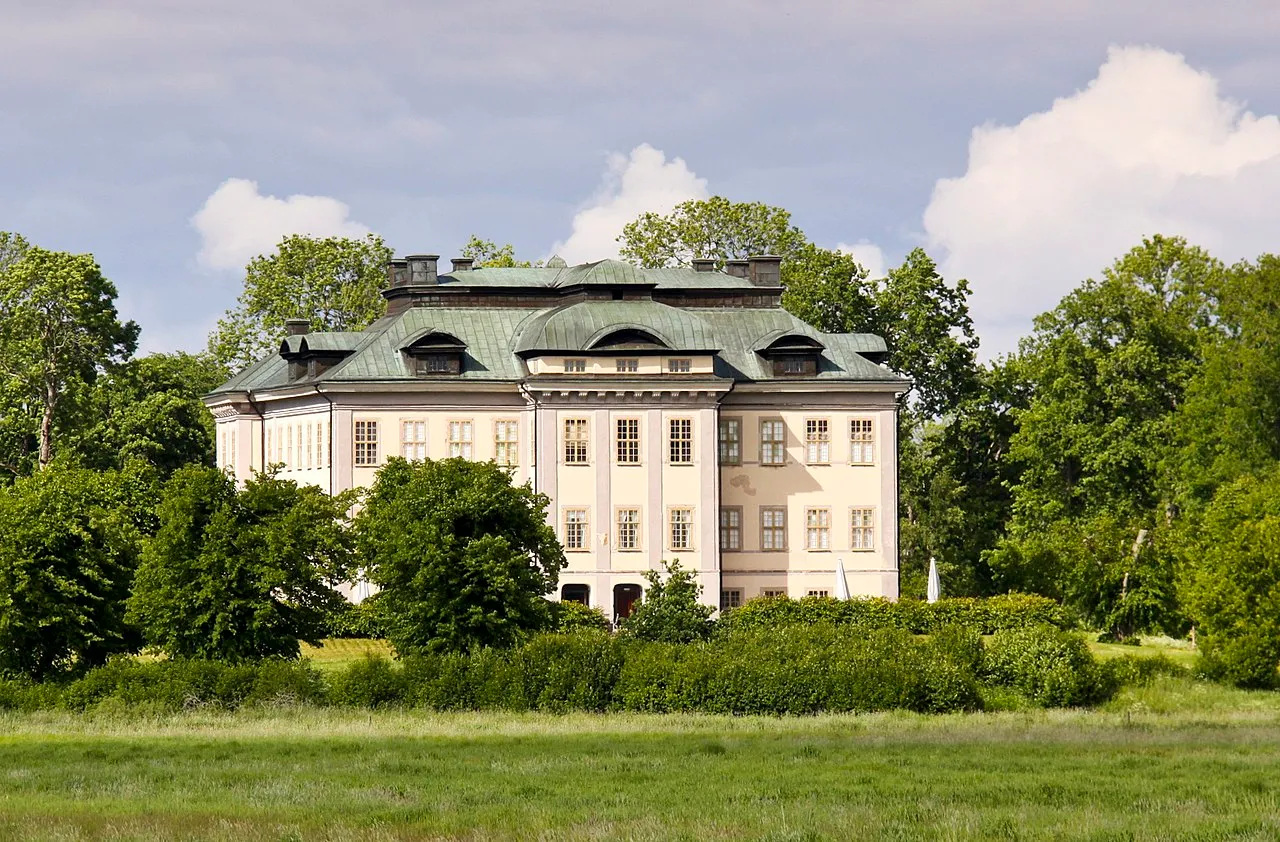
Sweden
Uppsala
4 places
Architects & artists
-
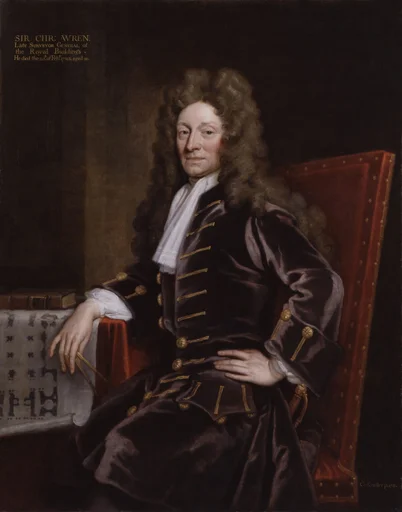 Christopher Wren
 -
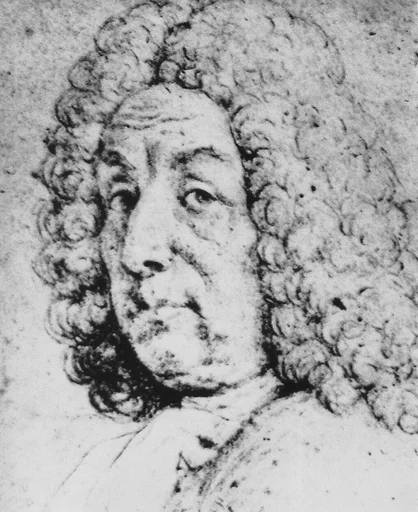 Nicodemus Tessin the Elder
 -
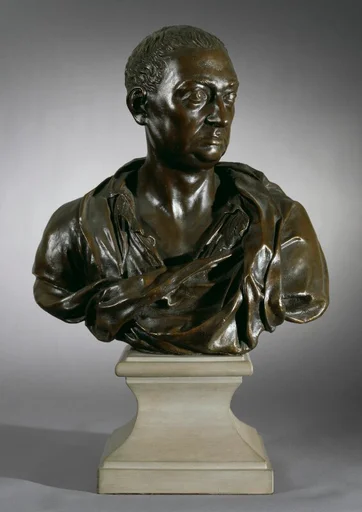 Nicholas Hawksmoor
 - Erik Dahlbergh
-
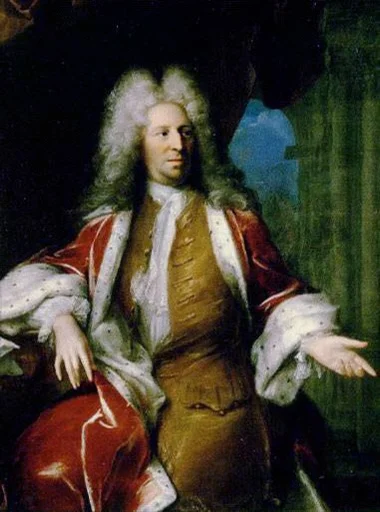 Nicodemus Tessin the Younger
 - Baldassare Longhena
-
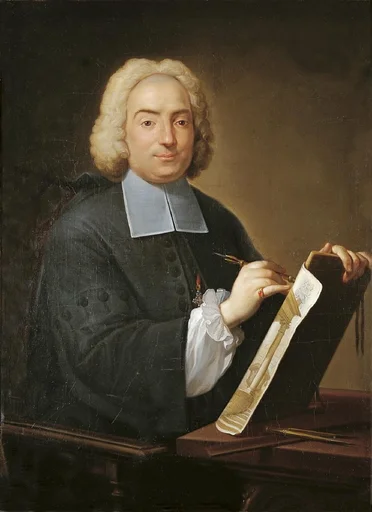 Filippo Juvarra
 - Charles François de Mondion
-
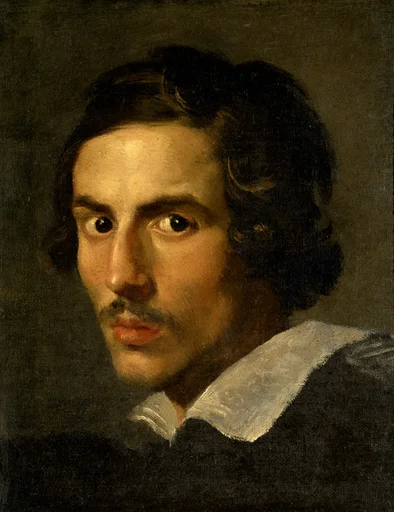 Gian Lorenzo Bernini
 -
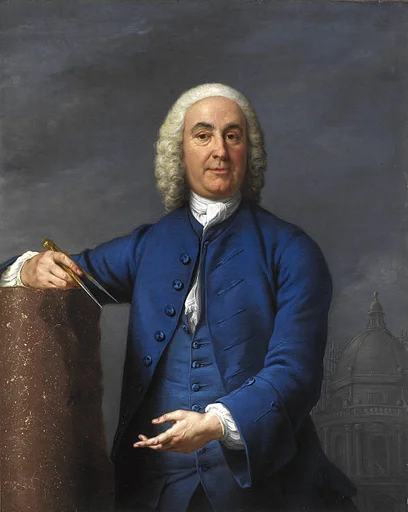 James Gibbs
 - Leonardo de Figueroa
-
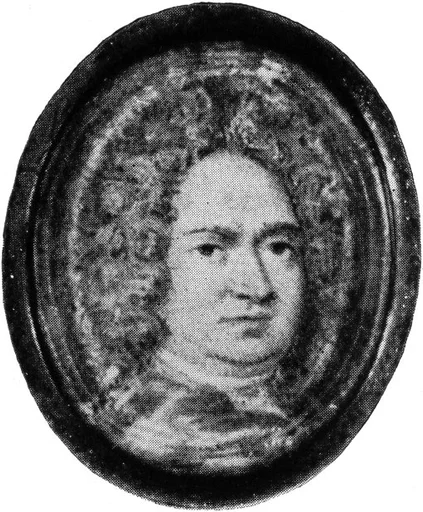 Matthäus Daniel Pöppelmann
 - Nicolau Nasoni
- Nikogos Balyan
-
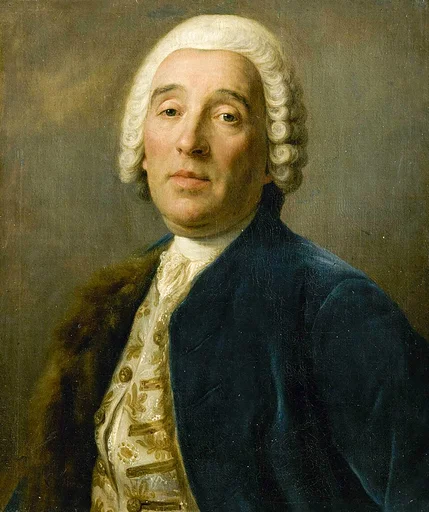 Bartolomeo Francesco Rastrelli
 - Cosimo Fanzago
Keep exploring
Explore all destinations