

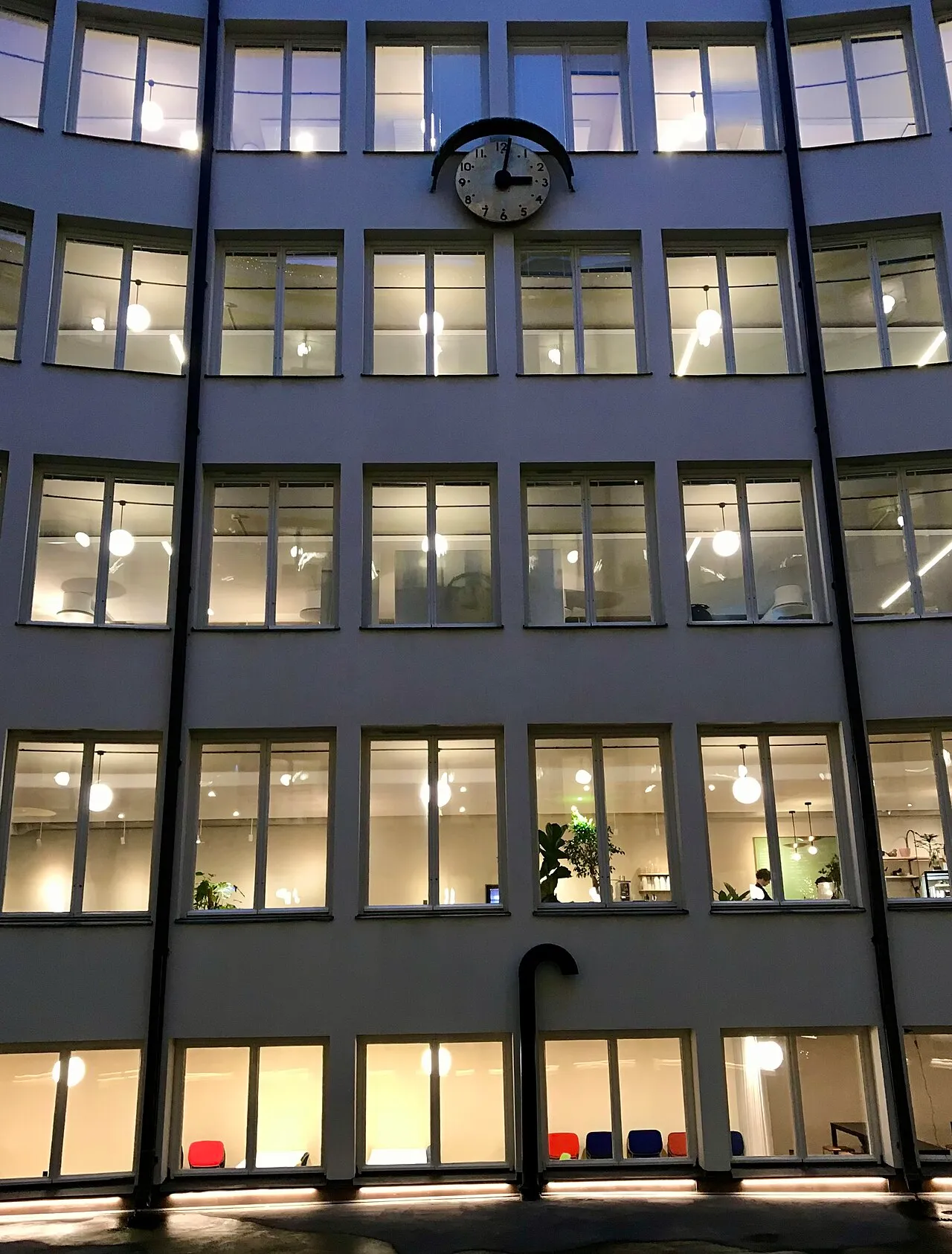
Functionalism architecture
Functionalism architecture across 10 cities in 6 countries. The buildings worth seeing, the architects behind them, and where to find each one.
What is functionalism?
Functionalism is one of modernism’s currents: a radical style of the 1920s and 1930s in which a building’s function decides its form. Classical ornament went, replaced by the logic of Louis Sullivan’s form follows function and Le Corbusier’s idea of the house as a machine for living in.
You recognize it by smooth, light rendered facades, flat or shallow roofs, cubic volumes, and large unbarred windows, often run in bands or around corners. Balconies became one of the style’s signature parts, and windows sit where the rooms need them, not where symmetry points.
Internationally the canon runs through Le Corbusier’s Villa Savoye outside Paris (1928-1931) and Walter Gropius’s Bauhaus building in Dessau (1925-1926), with the free plan, ribbon windows and glass walls as the defining moves.
Functionalism was a social program as much as an aesthetic: good housing for everyone, light, air and hygiene. It was fiercely contested in its own day, and several of its key buildings are now protected as World Heritage sites.
Functionalism in Sweden
In Sweden the style has its own name and its own date. The Stockholm Exhibition in the summer of 1930, with Gunnar Asplund as chief architect, counts as its Swedish breakthrough; the manifesto acceptera followed in 1931, signed by Asplund, Sven Markelius and Uno Åhrén among others. In everyday Swedish the style became funkis, a word in use since 1930.
Funkis Sweden was built fast: the white industrial cube of the Luma factory (1930), Paul Hedqvist's row houses on Ålstensgatan (1932), Markelius's collective house on John Ericssonsgatan (1935), the villa district of Södra Ängby (1933-1939), and Asplund's Woodland Crematorium at Skogskyrkogården (1935-1940). The smalhus, a slim apartment block about nine meters deep with daylight from both sides, became the era's housing type; some 25,000 smalhus apartments went up in Stockholm between 1934 and 1946.
Through the 1940s the style softened into the warmer architecture of the folkhem, Sweden's welfare-state home-building era. The funkis villa is highly prized today, and nyfunkis is the going word for its contemporary heirs.
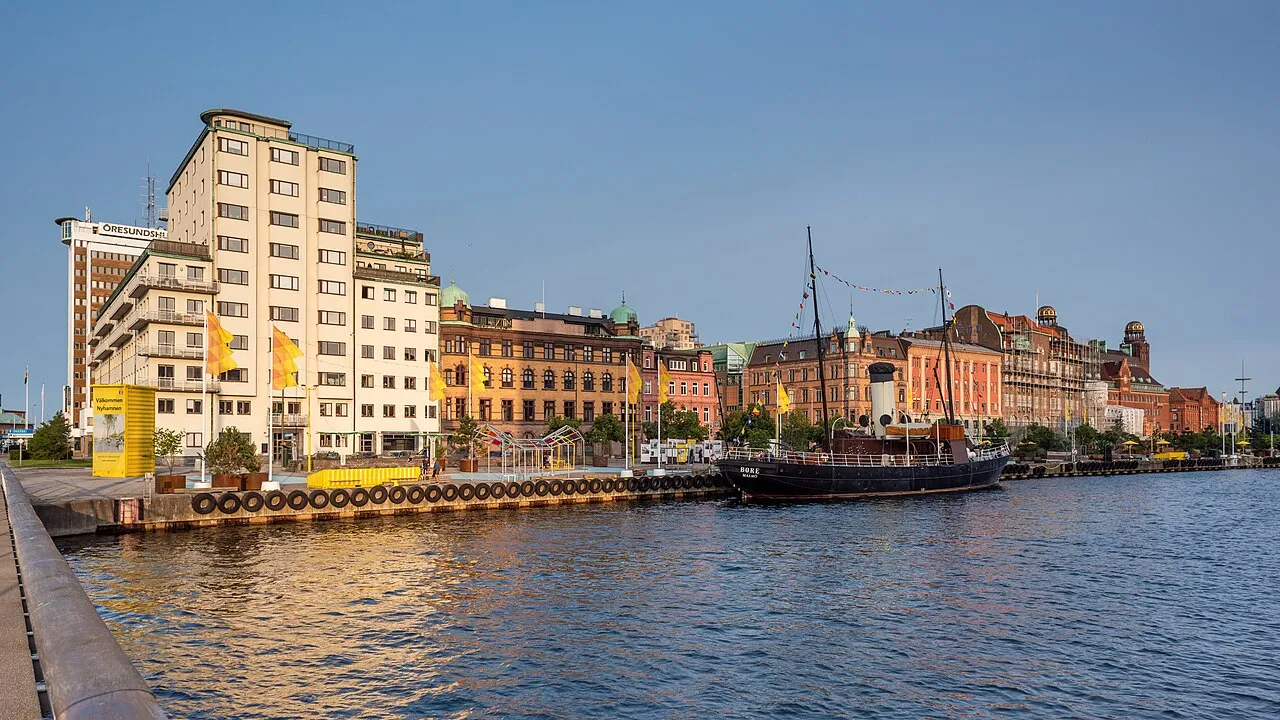
See the style in Stockholm, Gothenburg, Malmö.
Notable functionalism buildings
-
Riksförsäkringsanstalten
Stockholm · 1932
-
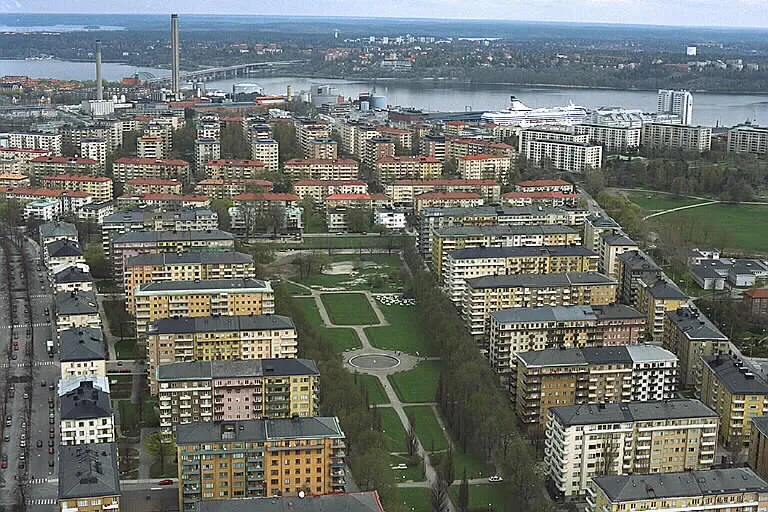
Tessinparken
Stockholm · 1940
-
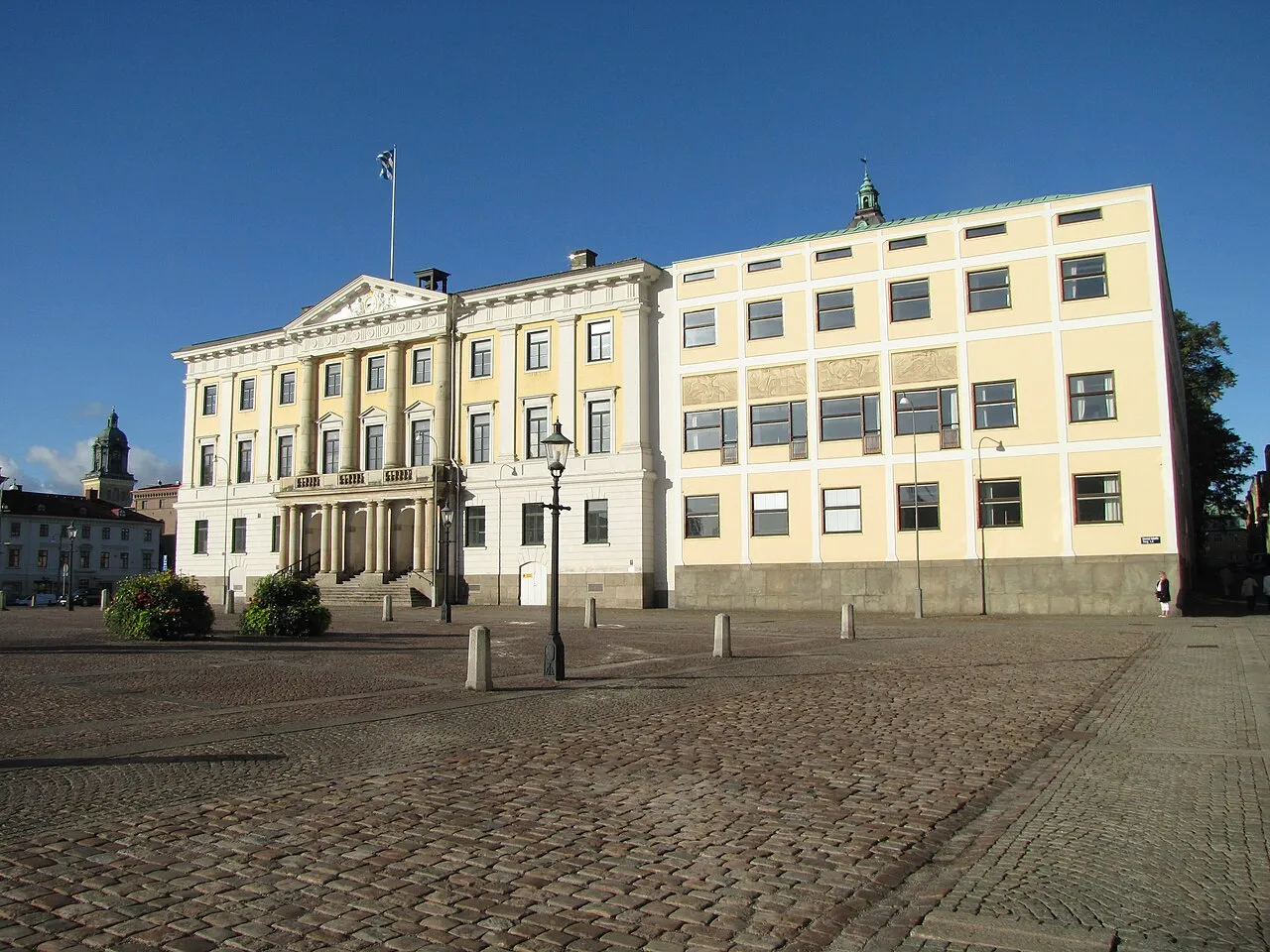
Gothenburg City Hall
Gothenburg · 1672
-
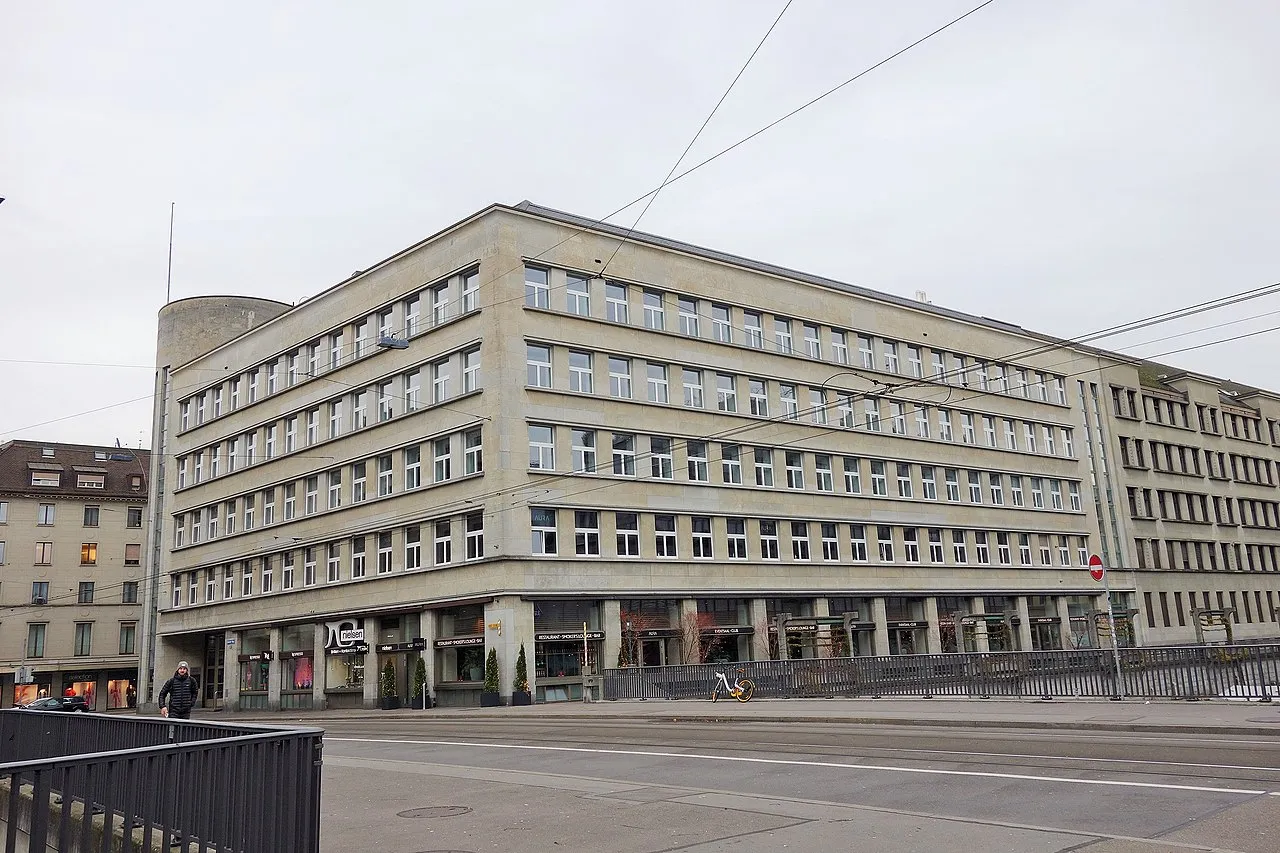
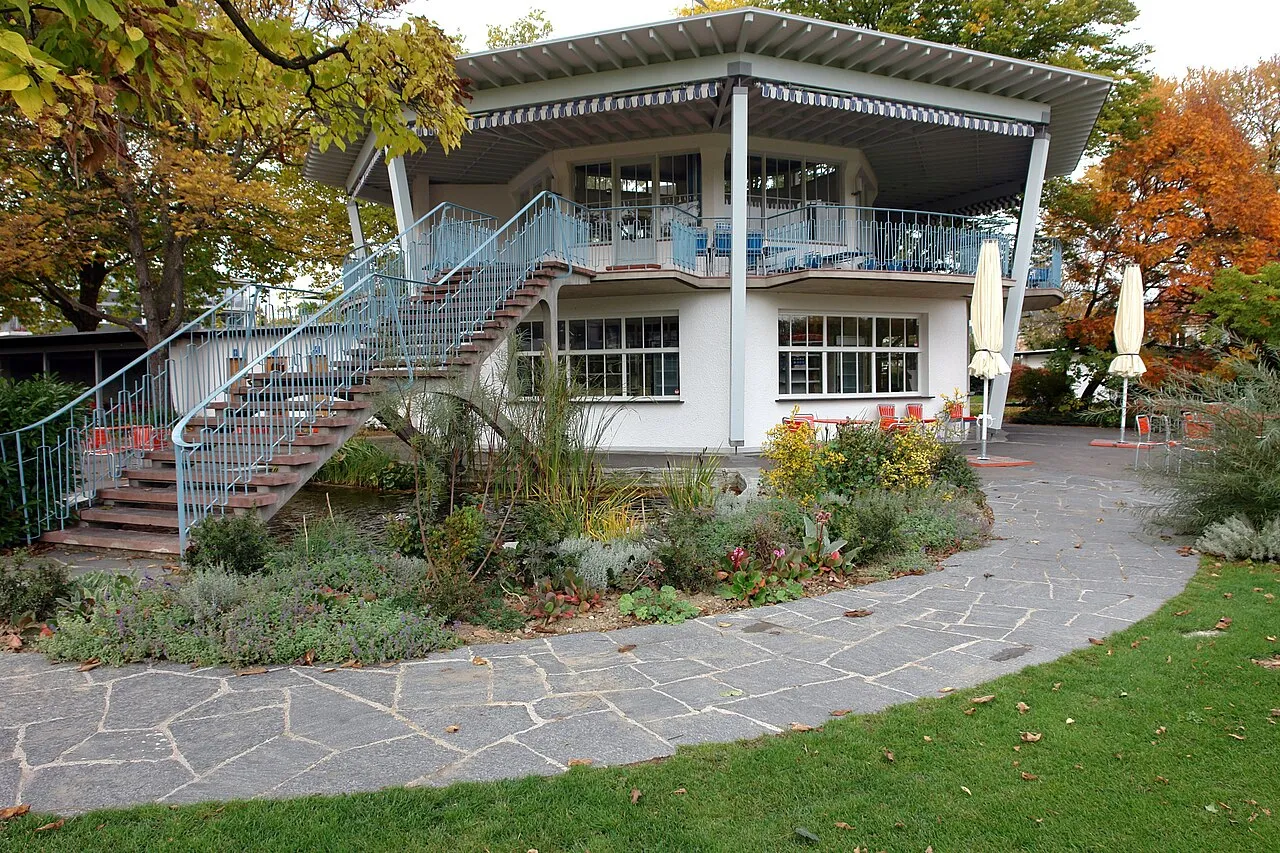
Alte Börse
Zurich · 1930
-
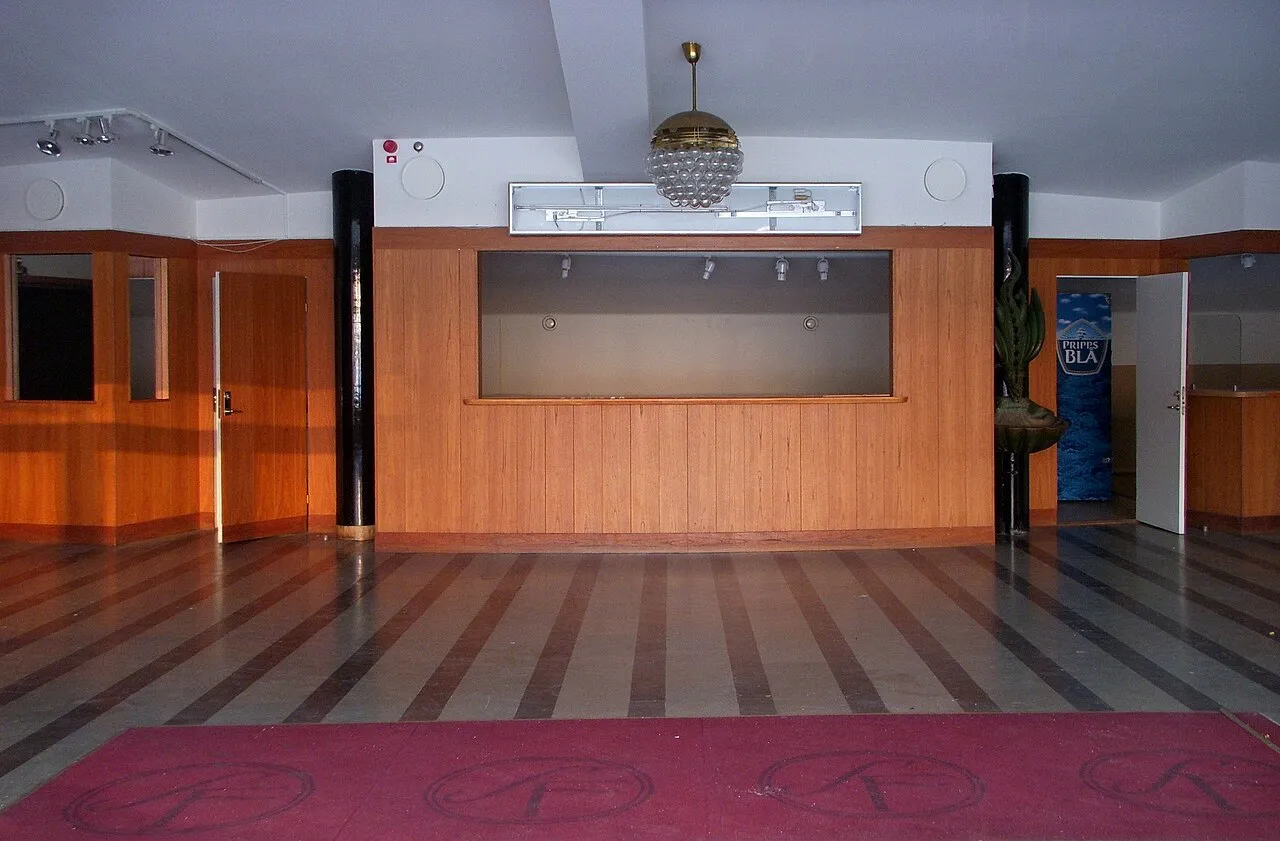
Biografen Draken
Stockholm · 1938
-
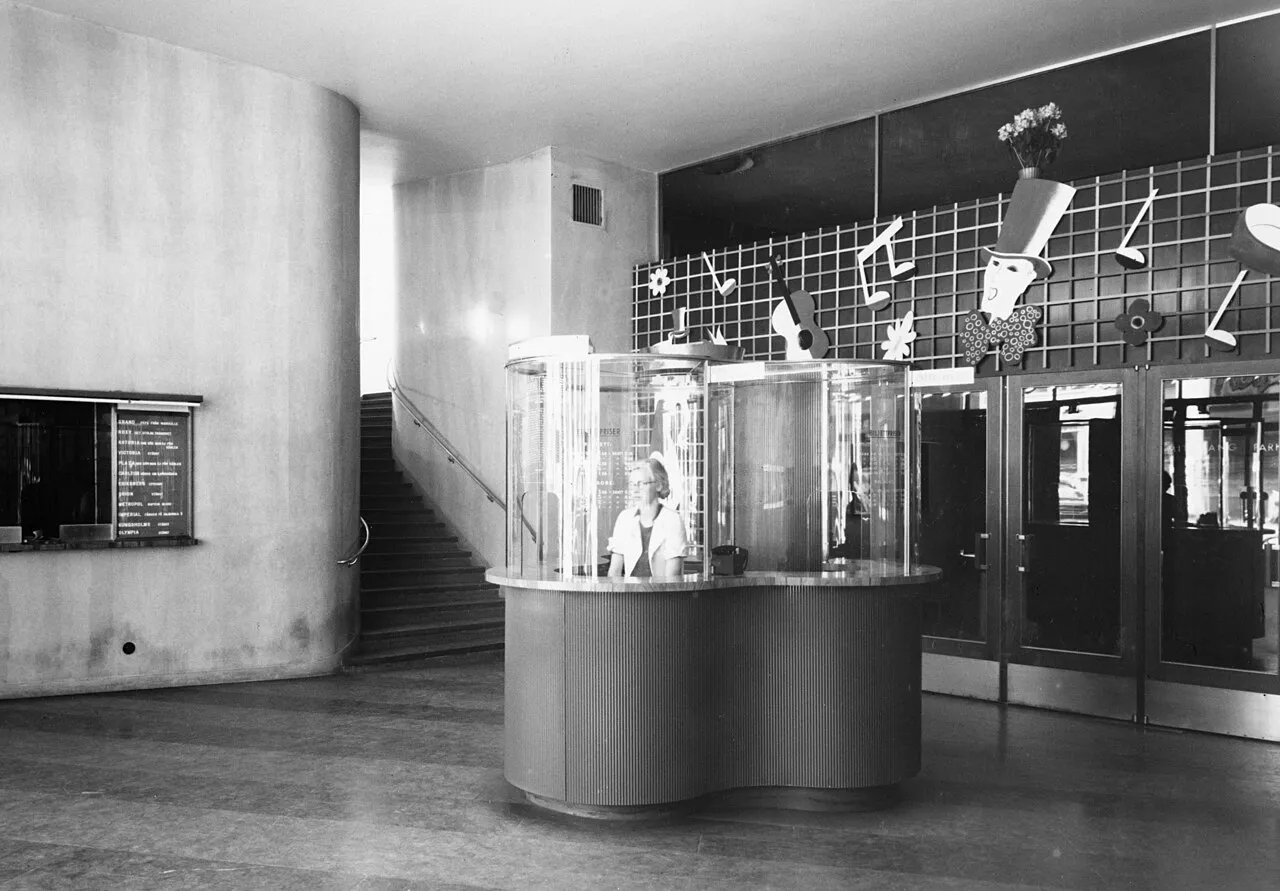
Biografen Royal
Stockholm · 1936
-
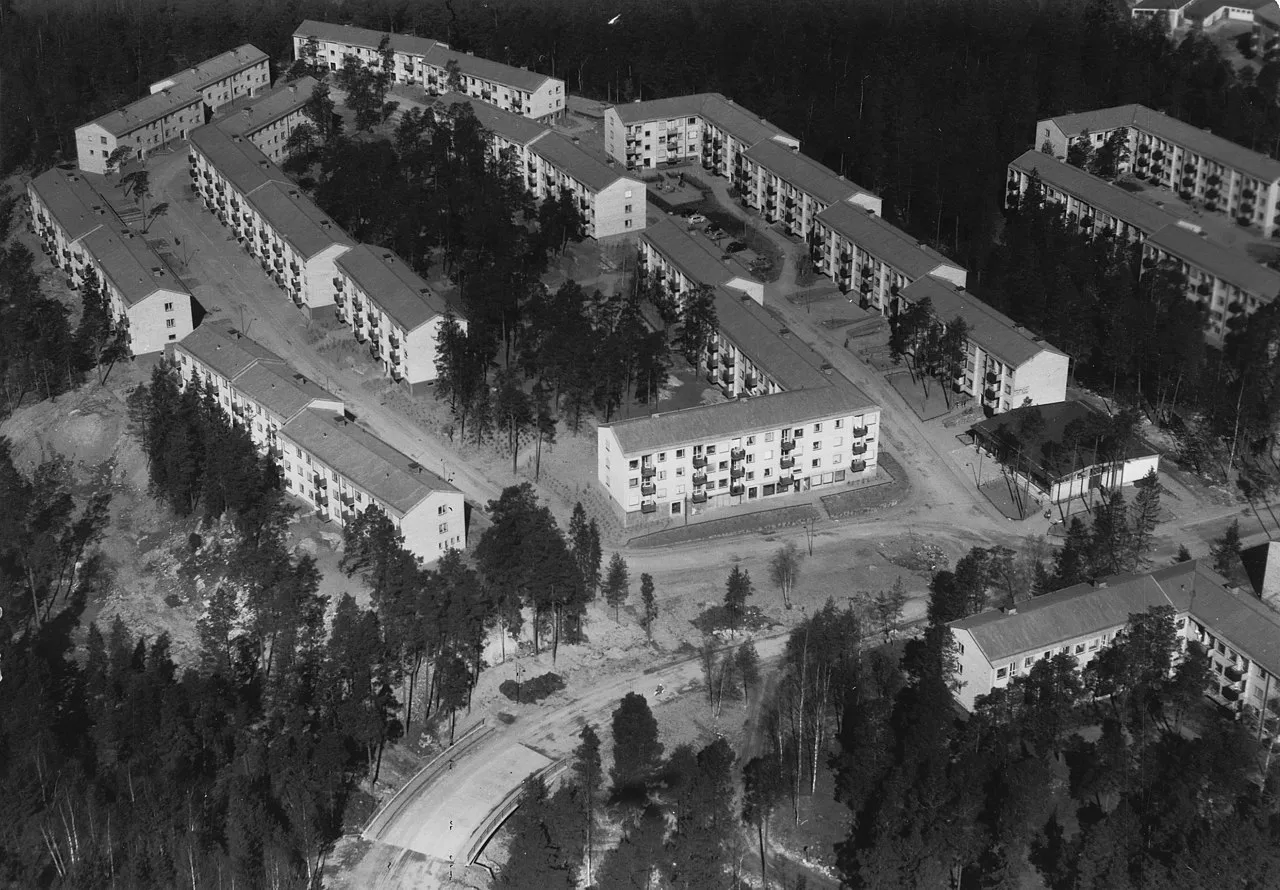
Blackeberg
Stockholm · 1952
-
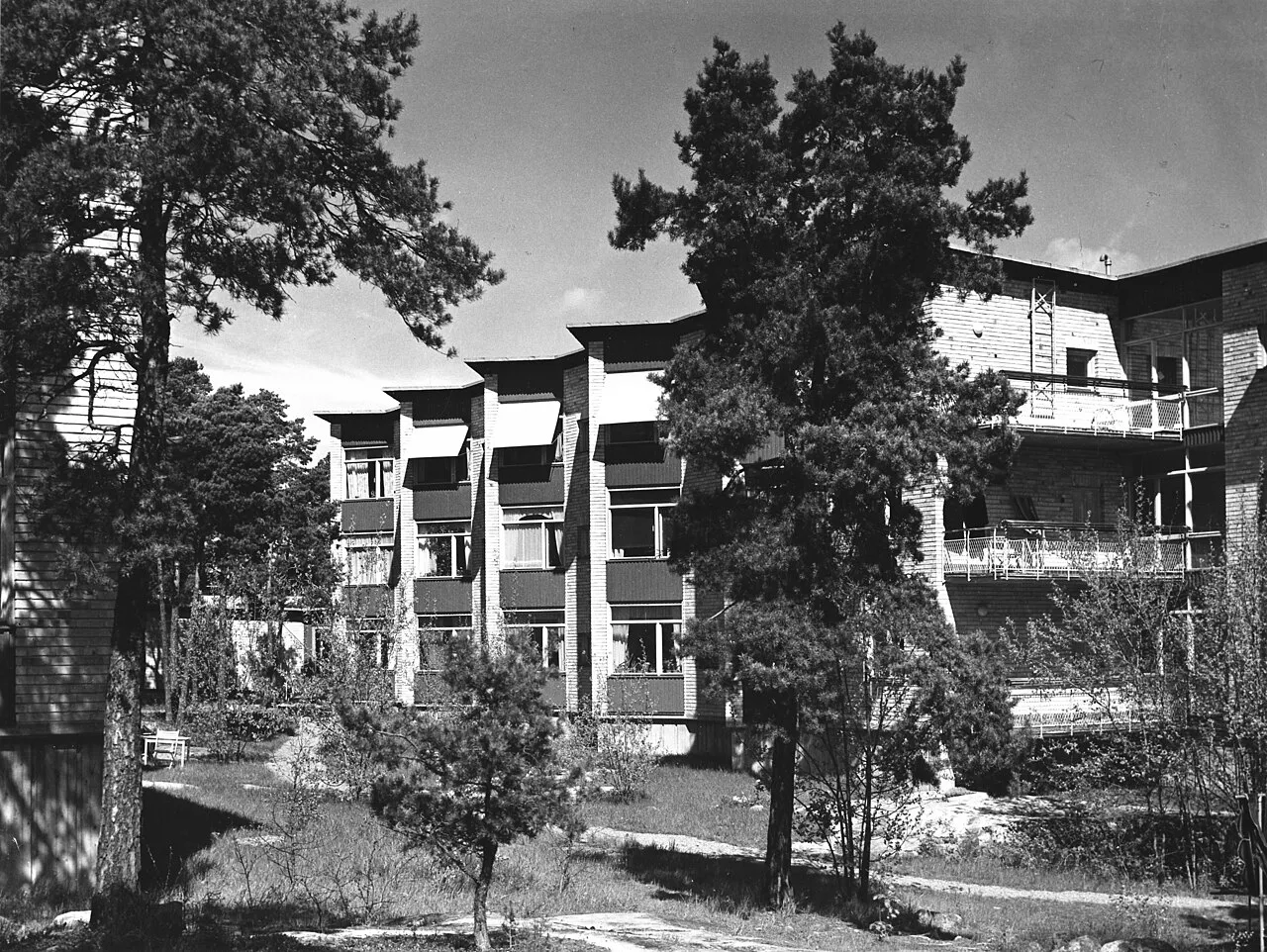
Elfvinggården
Stockholm · 1940
-
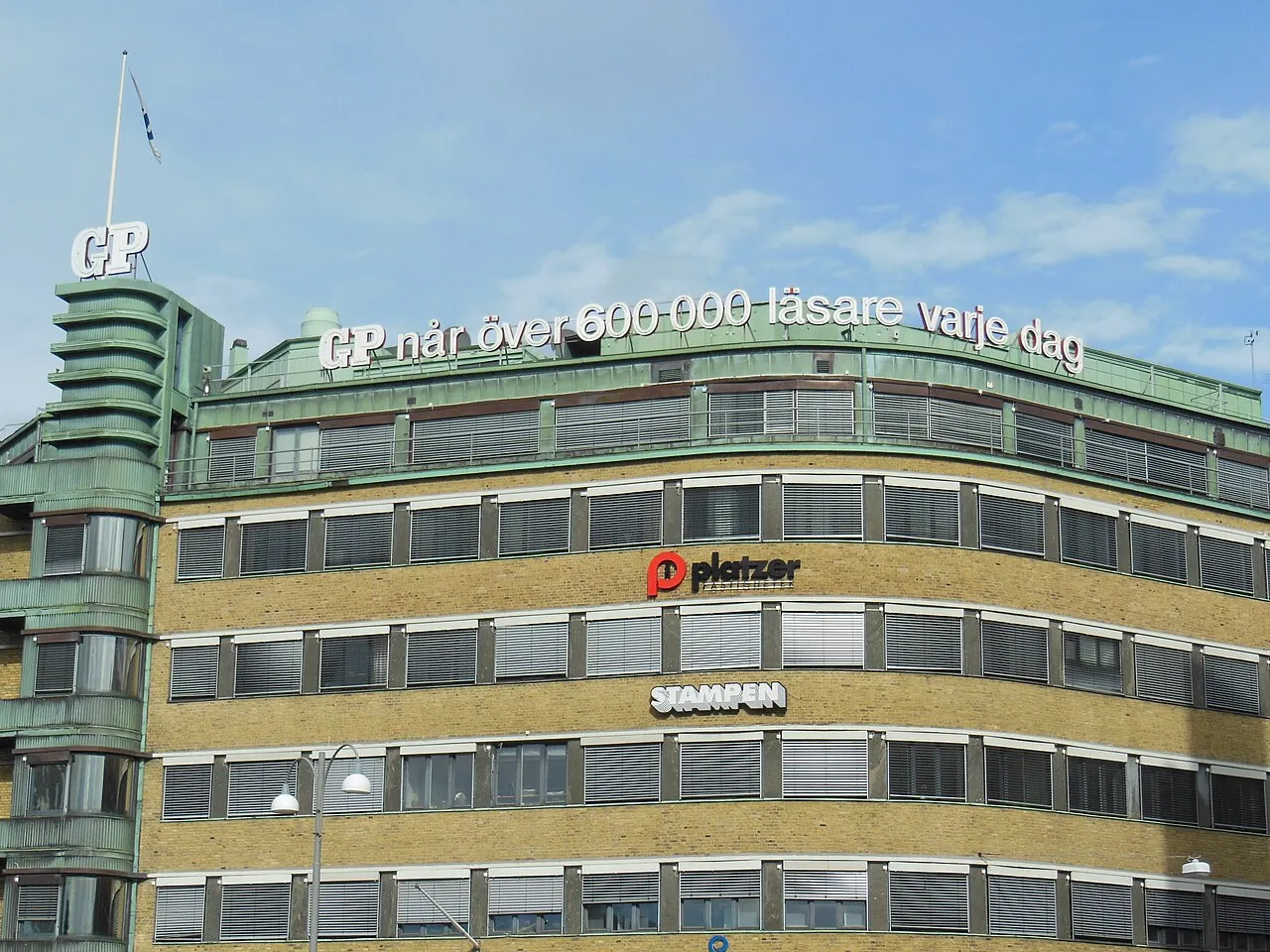
GP-huset
Gothenburg · 1935
-
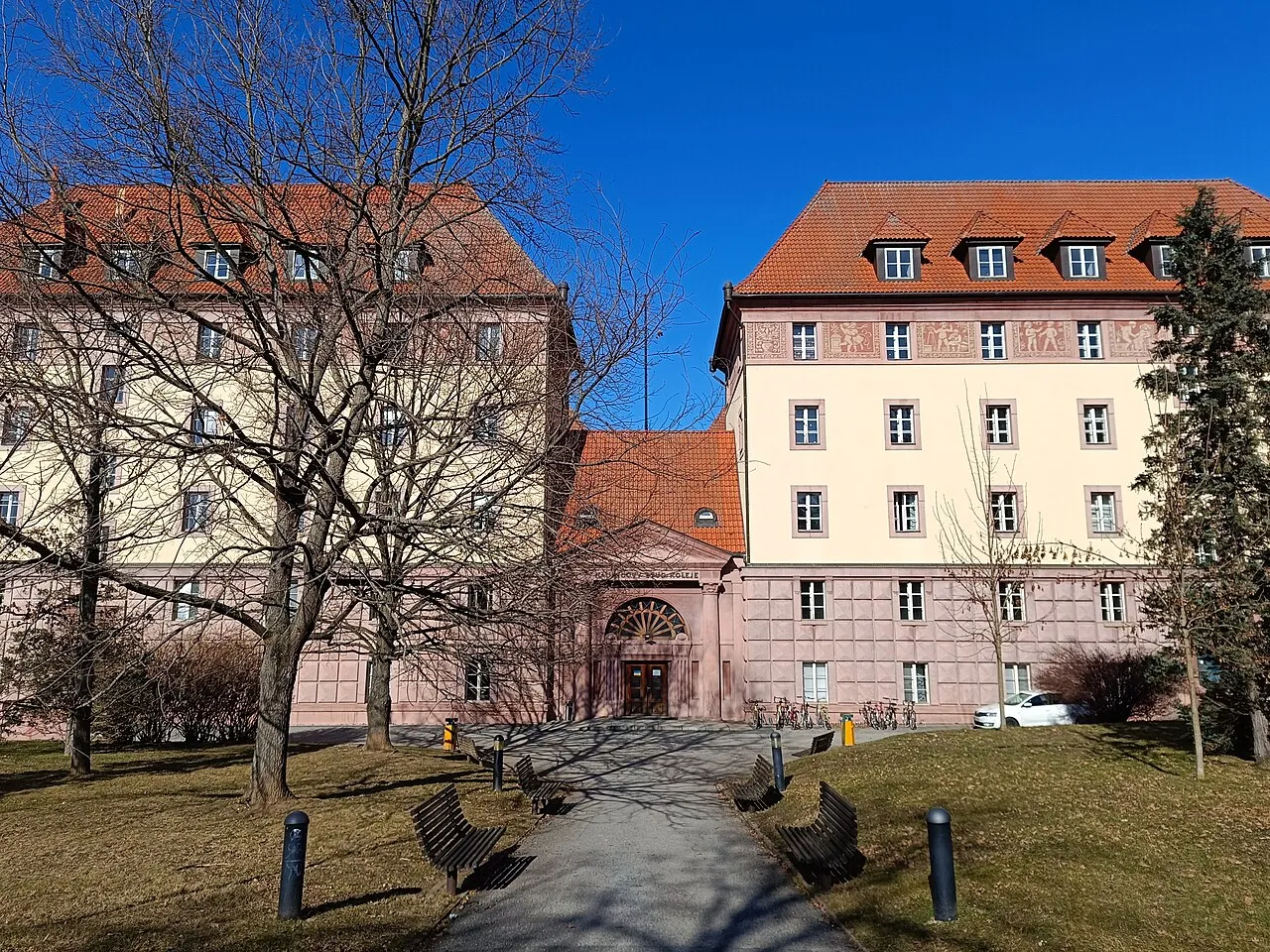
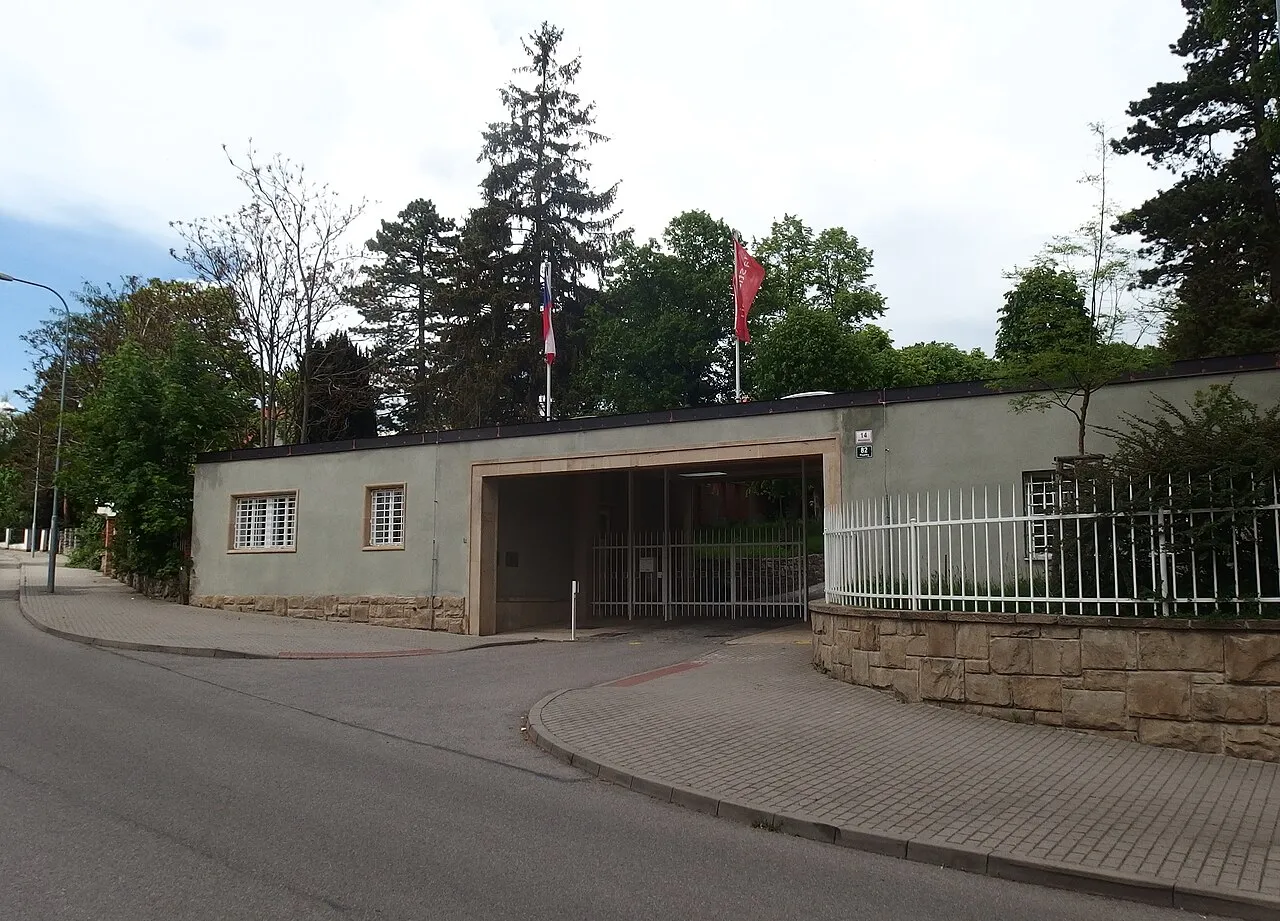
Kounic Dormitories
Brno · 1924
-
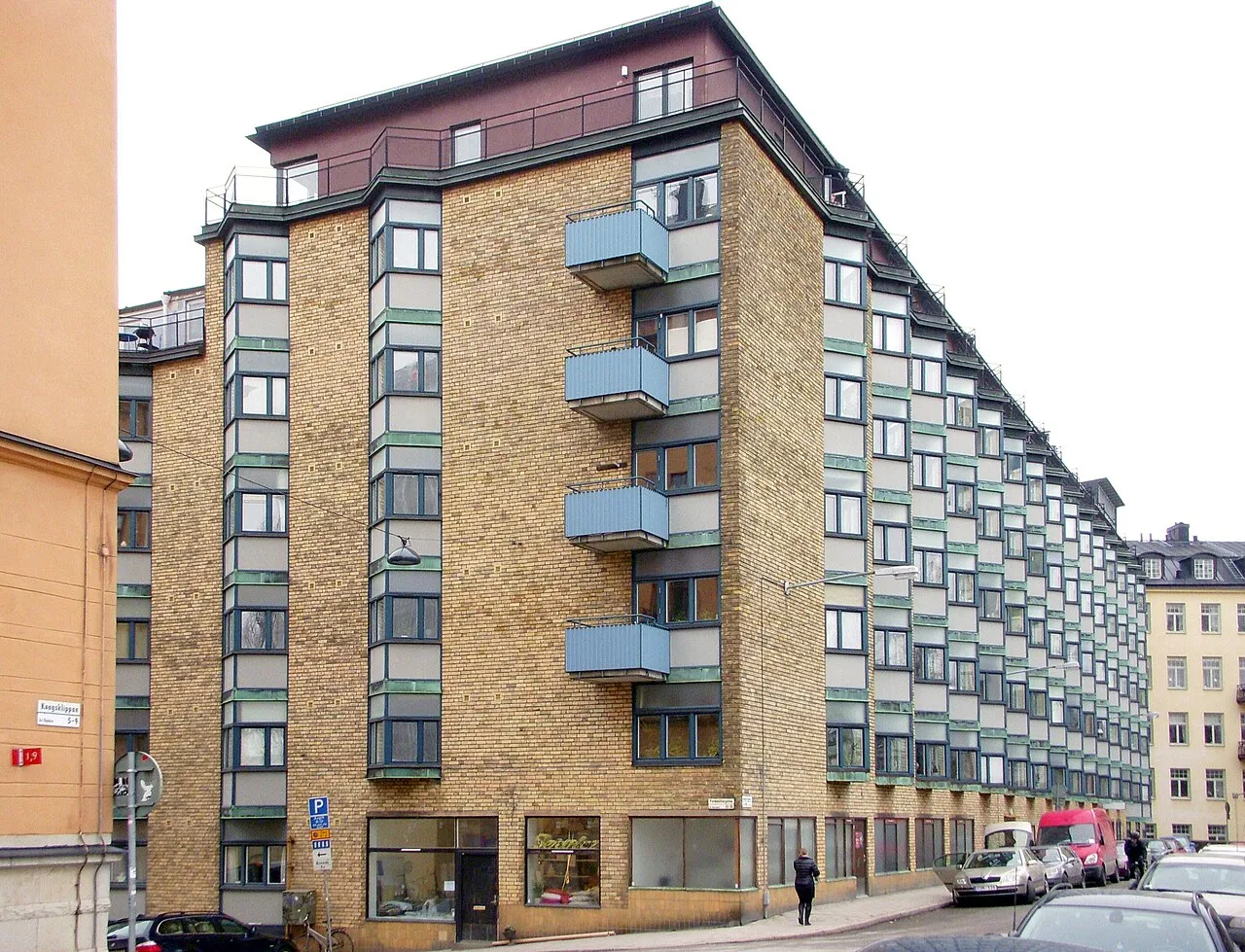
Kvinnornas hus
Stockholm · 1938
-
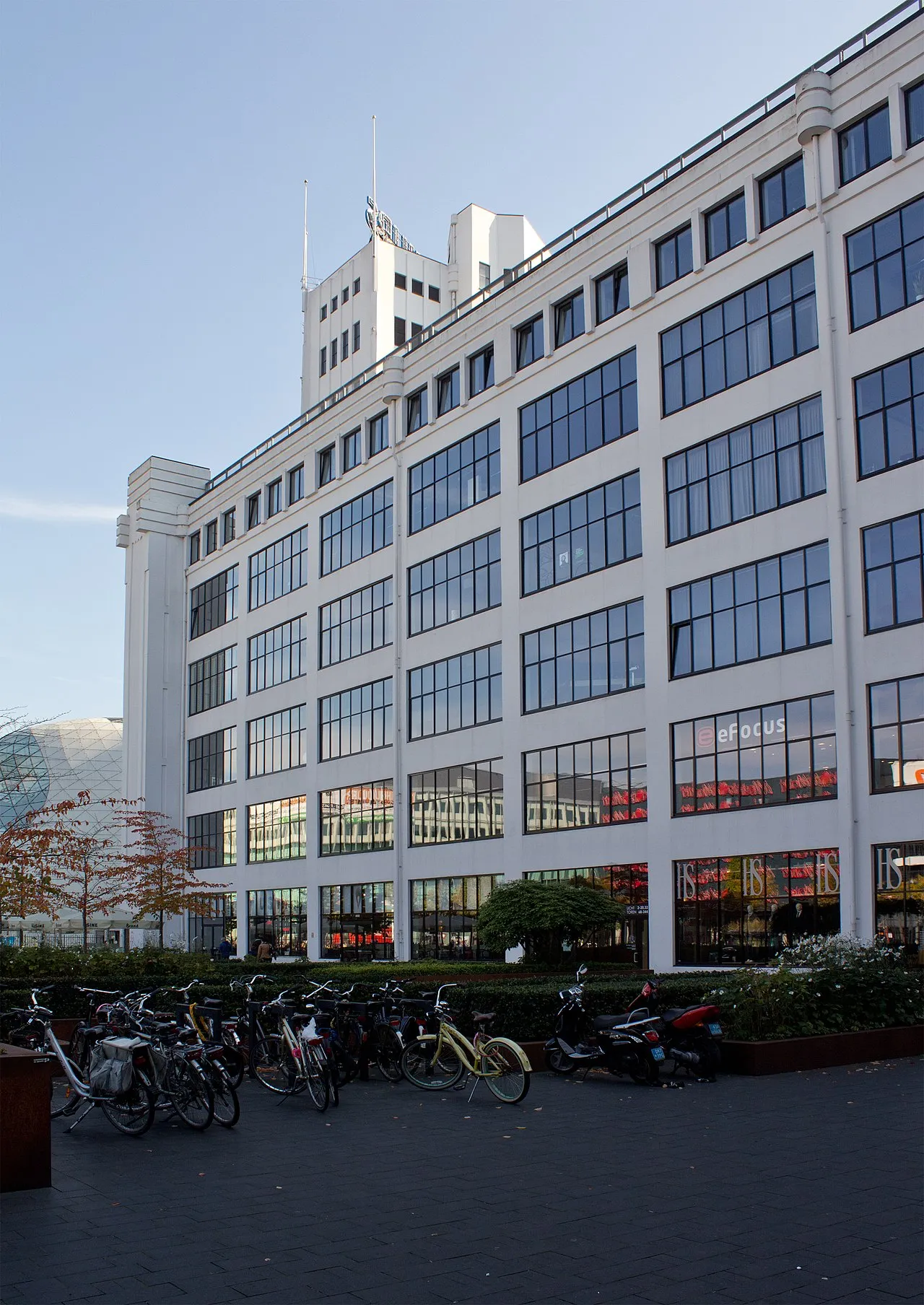
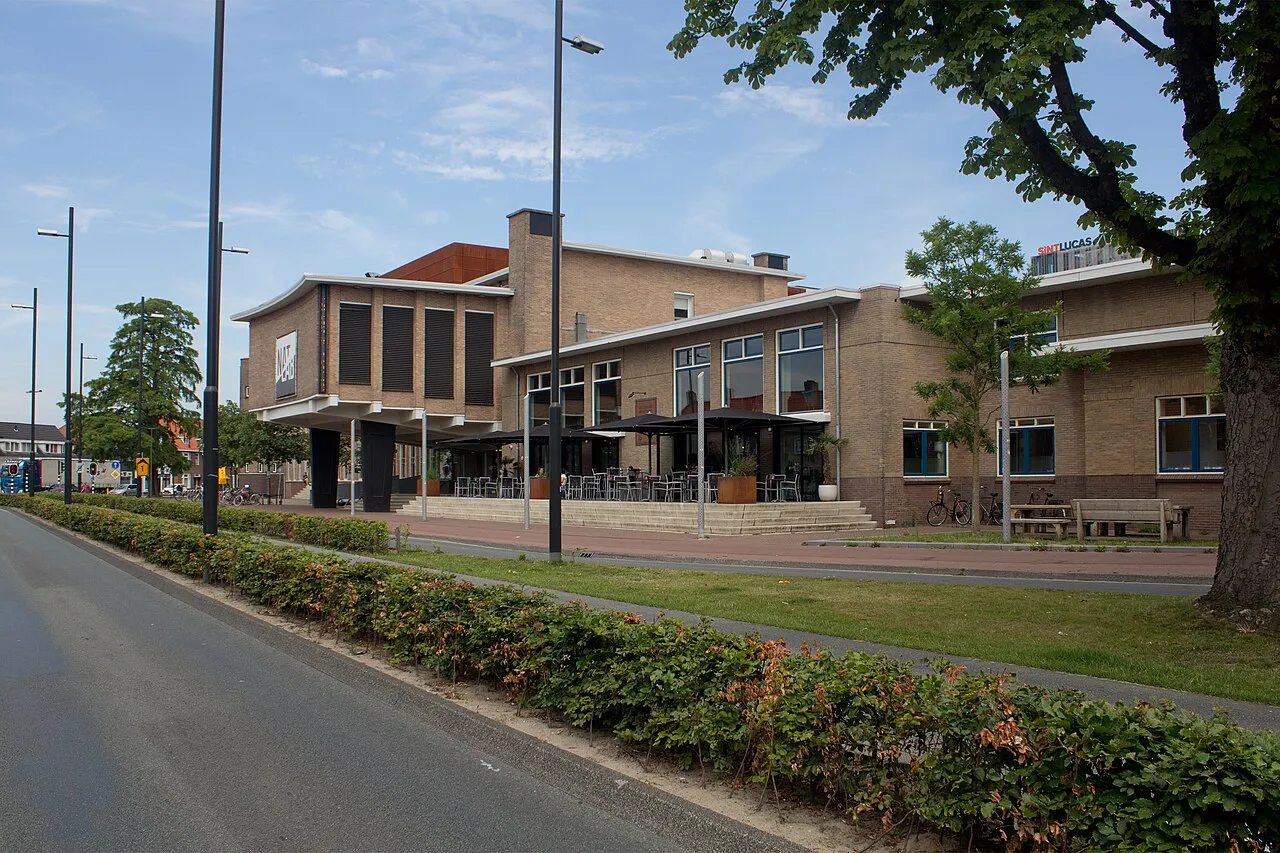
Light Tower
Eindhoven · 1921
Functionalism city by city
Pick a city to see the places on the map, with photos and descriptions.

Keep exploring
Explore all destinations