

Gothic architecture
Gothic architecture across 49 cities in 20 countries. The buildings worth seeing, the architects behind them, and where to find each one.
What is gothic?
Gothic architecture rose in mid-12th-century France and dominated European church building into the 1500s. Its conventional birthplace is the abbey of Saint-Denis near Paris, where Abbot Suger’s new choir, dedicated in 1144, was the first structure to combine rib vaults, pointed arches, flying buttresses, and walls of stained glass; the west front had been dedicated in 1140. Suger’s program was light: he wanted the whole church to shine. The builders themselves called the style opus Francigenum, French work.
You recognize it by the pointed arch. Rib vaults carry the weight down to slender clustered piers, flying buttresses take the thrust outside, and the walls dissolve into tracery, stained glass, and rose windows. Everything pushes upward. Around the Baltic, where building stone was scarce, Gothic went up in brick instead: the simplified, monumental Brick Gothic of the Hanseatic trading towns.
The cathedrals carry the canon. Notre-Dame de Paris was begun in 1163, Chartres was rebuilt from 1194 after a fire and keeps more of its medieval stained glass than any other medieval cathedral, and Cologne received its foundation stone in 1248 but was finished only in 1880, completed to the medieval plans.
The name began as a Renaissance insult. Around 1530, Italians saw the pointed-arch style as German and barbaric and pinned it on the Goths, and in 1550 Giorgio Vasari dismissed it as a barbarous German manner. The Goths built none of it. Romanticism restored its standing, the 19th century revived its forms wholesale (that revival, Gothic Revival, has its own page), and the 2019 fire at Notre-Dame and its 2024 reopening put Gothic construction back on front pages worldwide.
Gothic in Sweden
Gothic reached Sweden along two routes: French prestige and Baltic brick. Uppsala Cathedral, begun in the early 1270s, rose in brick with Gotland limestone details, and from 1287 the works were led by French masons under Étienne de Bonneuil. Consecrated in 1435, it is the largest Gothic church building in the Nordic countries. Its twin spires, though, are Helgo Zettervall's neo-Gothic additions from the 1880s and 90s; the medieval cathedral never had this silhouette.
Linköping Cathedral, rebuilt in Gothic style from the 1230s, is a limestone hall church shaped by English and German craftsmen. Vadstena Abbey Church, consecrated in 1430, follows Saint Birgitta's own brief for plain work, humble and strong. And Visby on Gotland preserves Gothic at town scale: a walled Hanseatic city with a medieval ring wall and around ten church ruins, a UNESCO World Heritage Site since 1995.
Lund Cathedral, consecrated in 1145, belongs on another page: it is Romanesque, built with round arches and thick walls before Gothic reached the North.
Notable gothic buildings
-
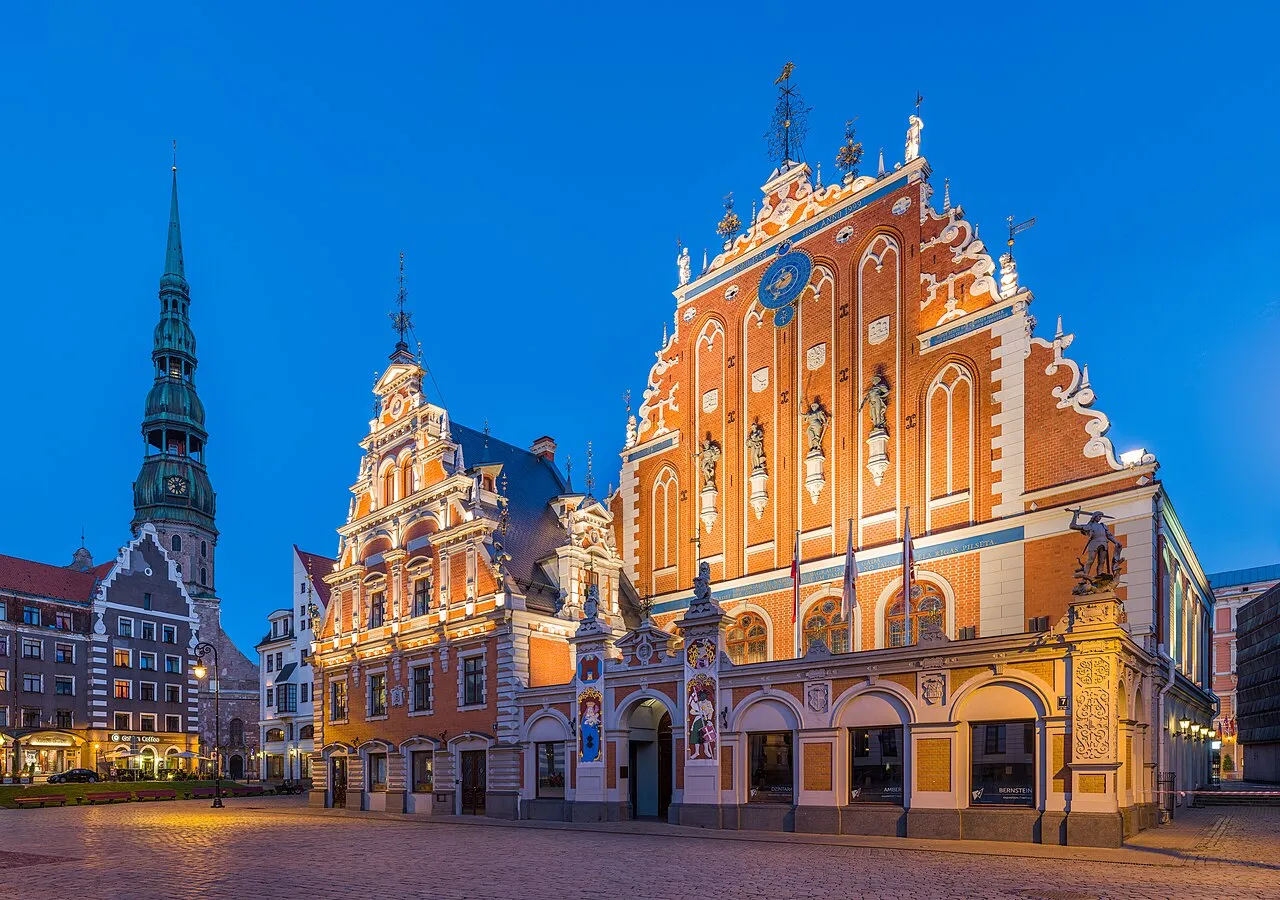
House of the Blackheads
Riga · 1334
-
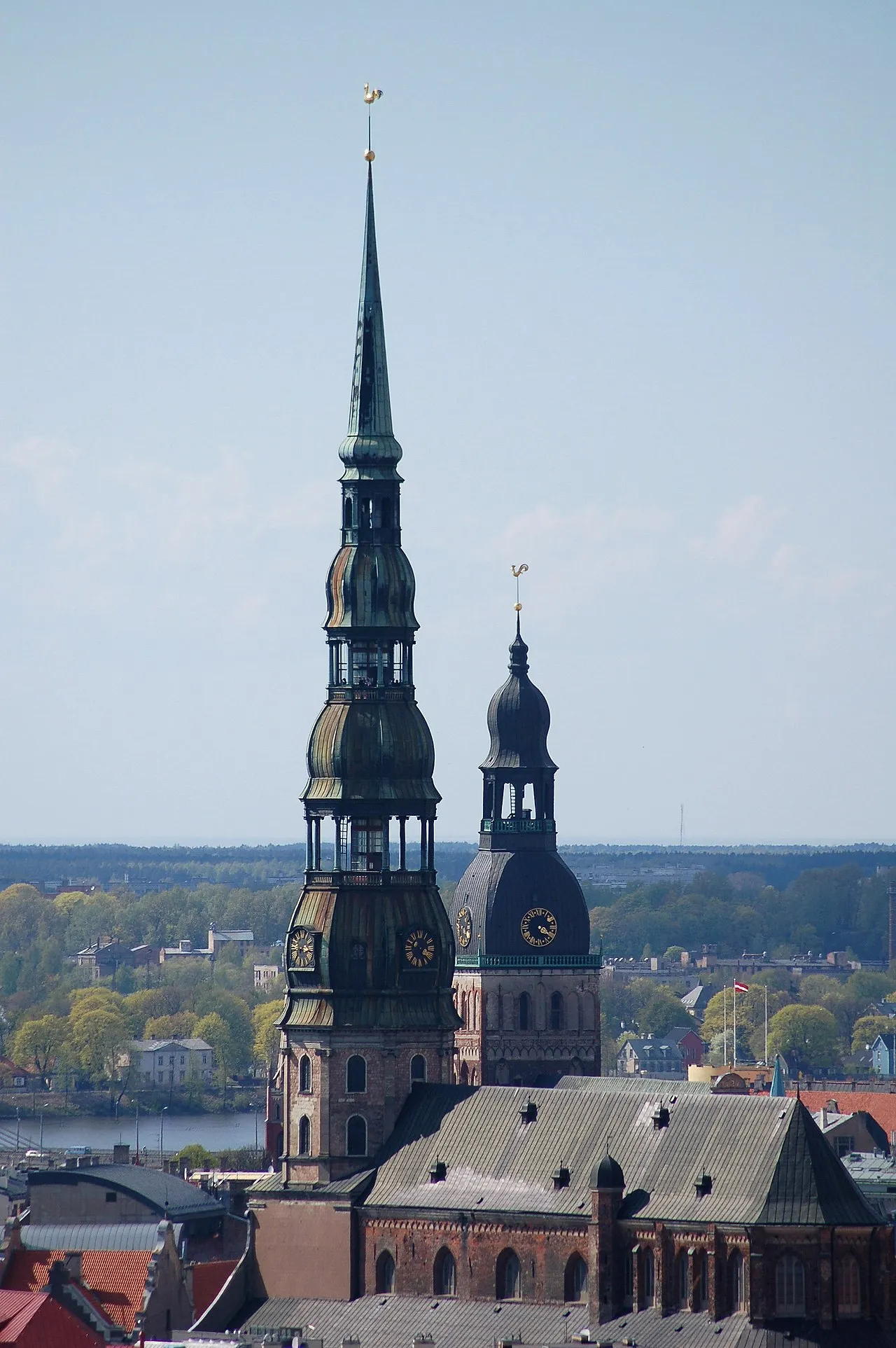
St. Peter's Church
Riga · 1408
-
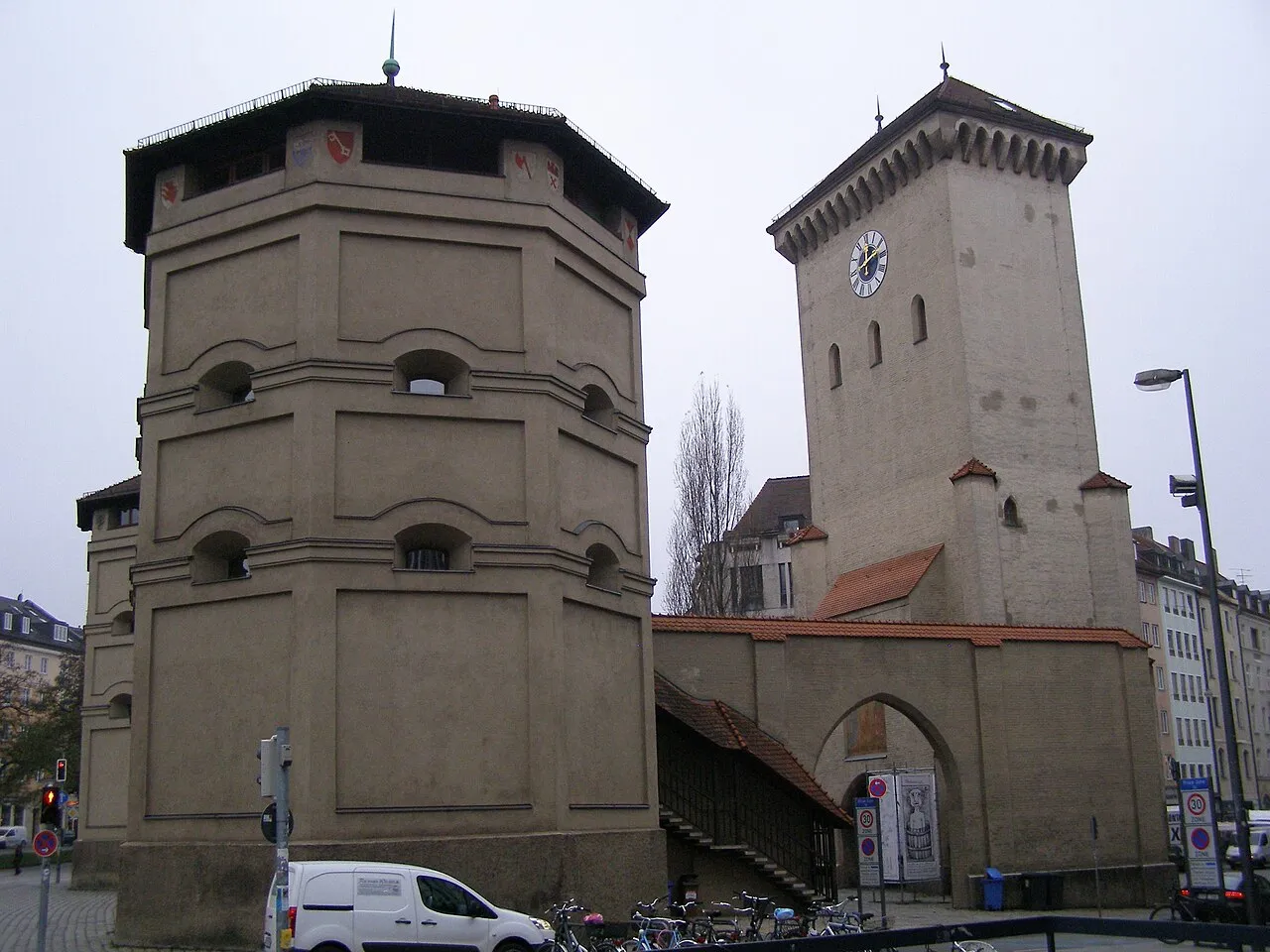
Isartor
Munich · 1337
-
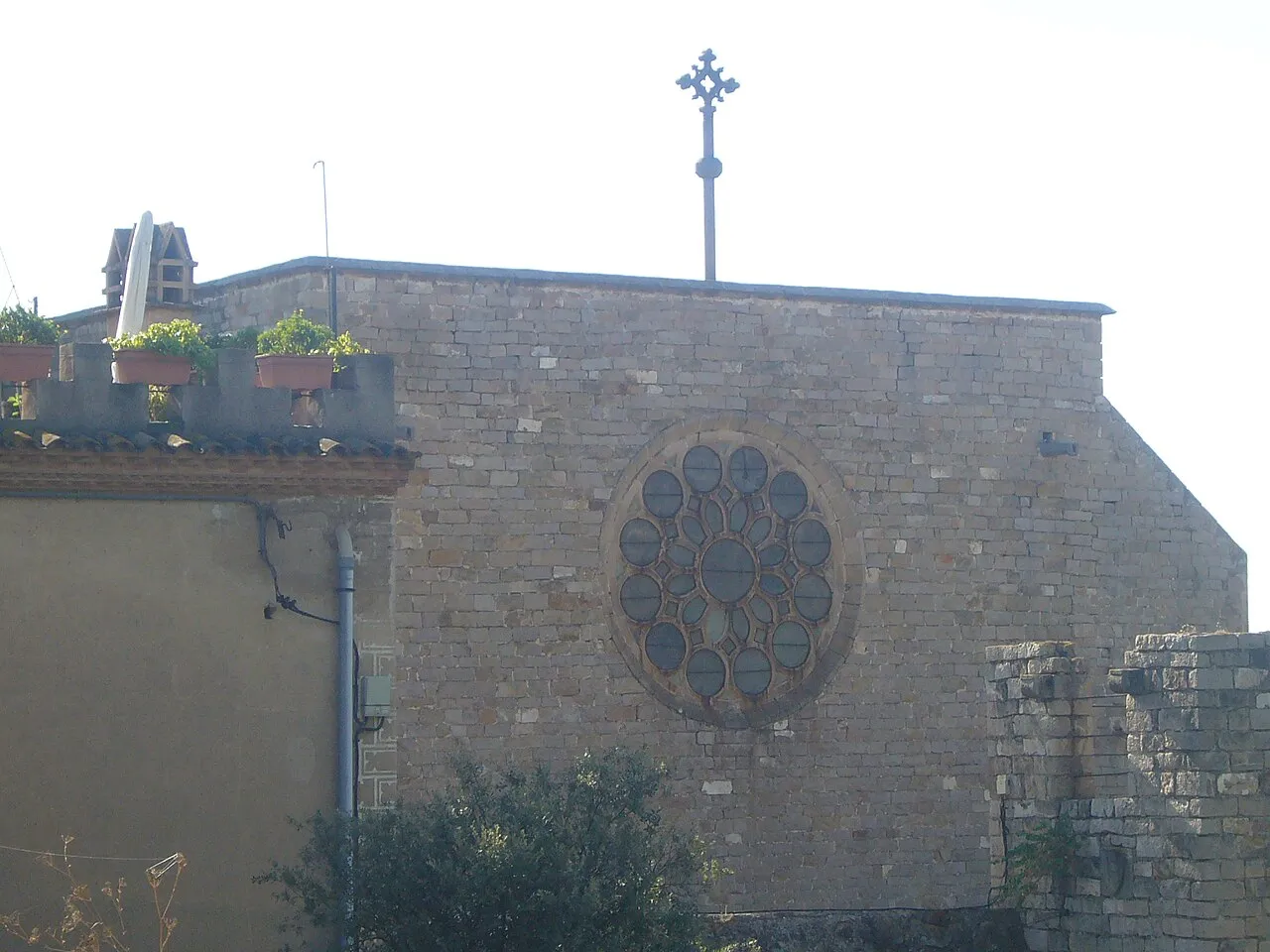
Reial Monestir de Santa Maria de Pedralbes
Barcelona · 1327
-
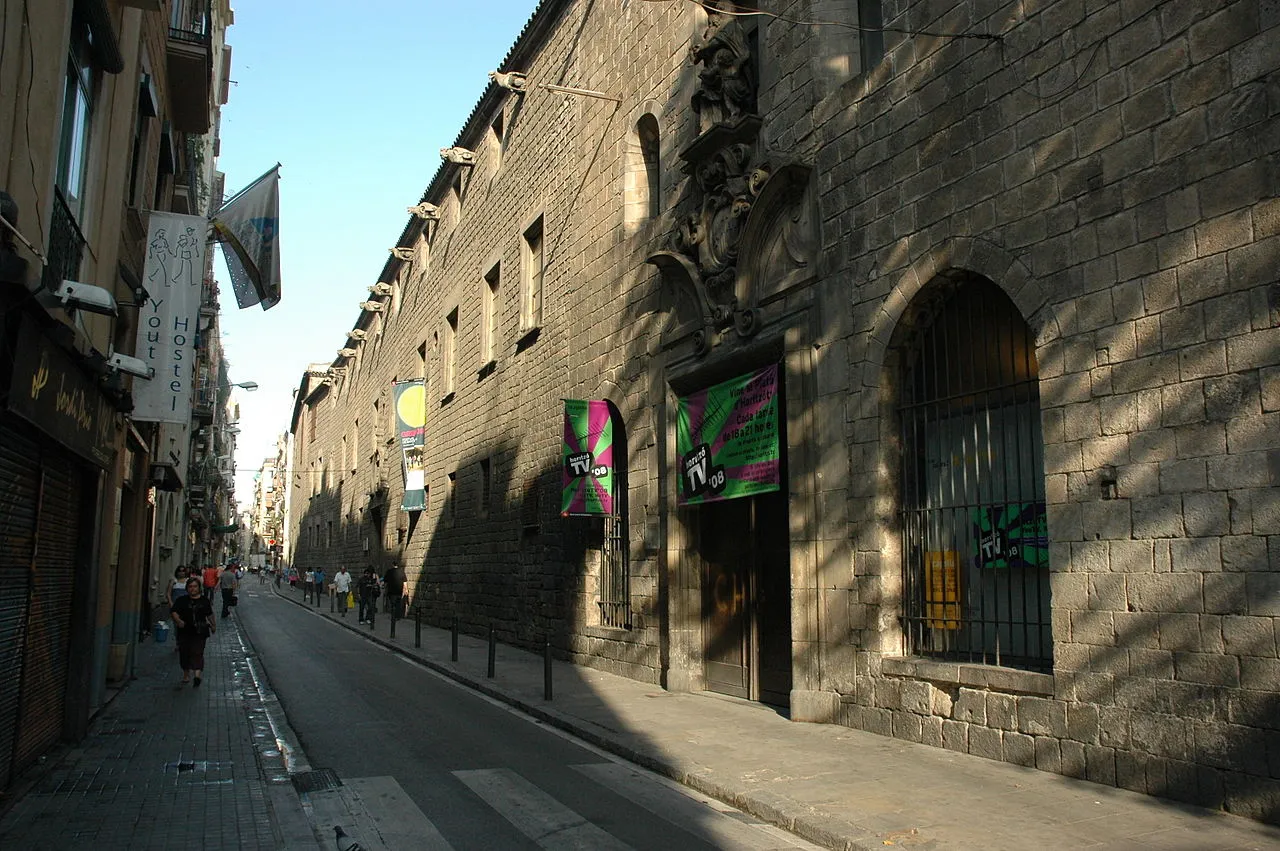
Antic Hospital de la Santa Creu
Barcelona · 1414
-
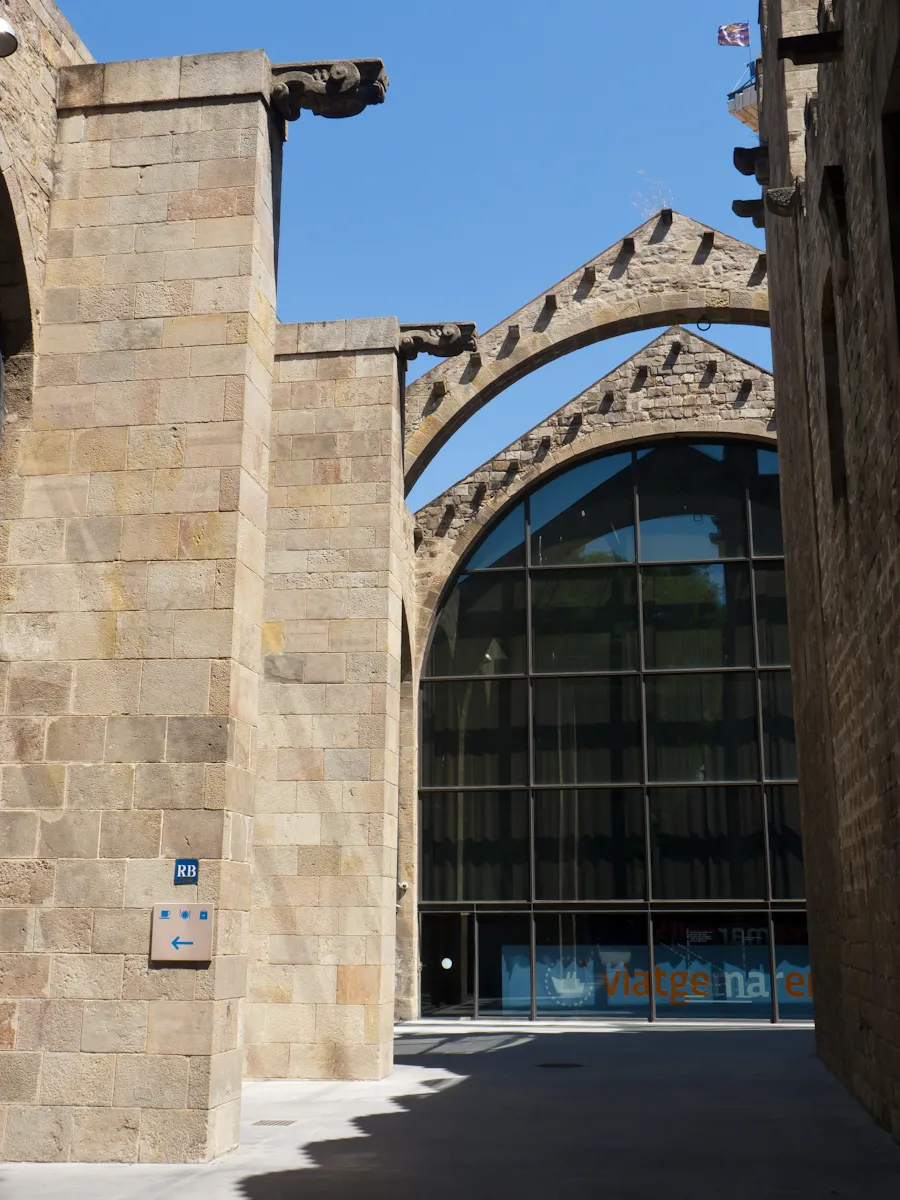
Drassanes Reials de Barcelona
Barcelona · 1381
-
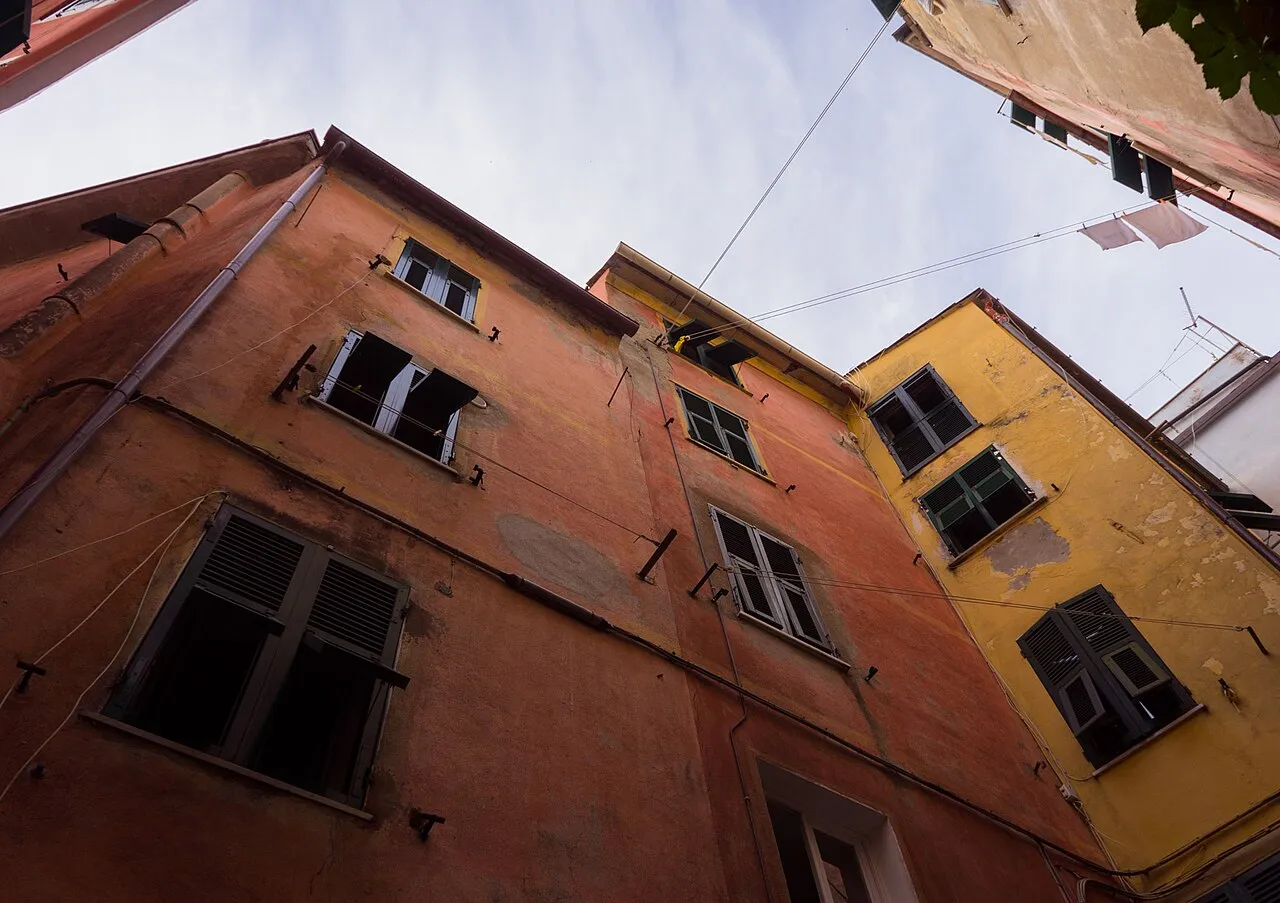
Vernazza
Tuscany · 1080
-
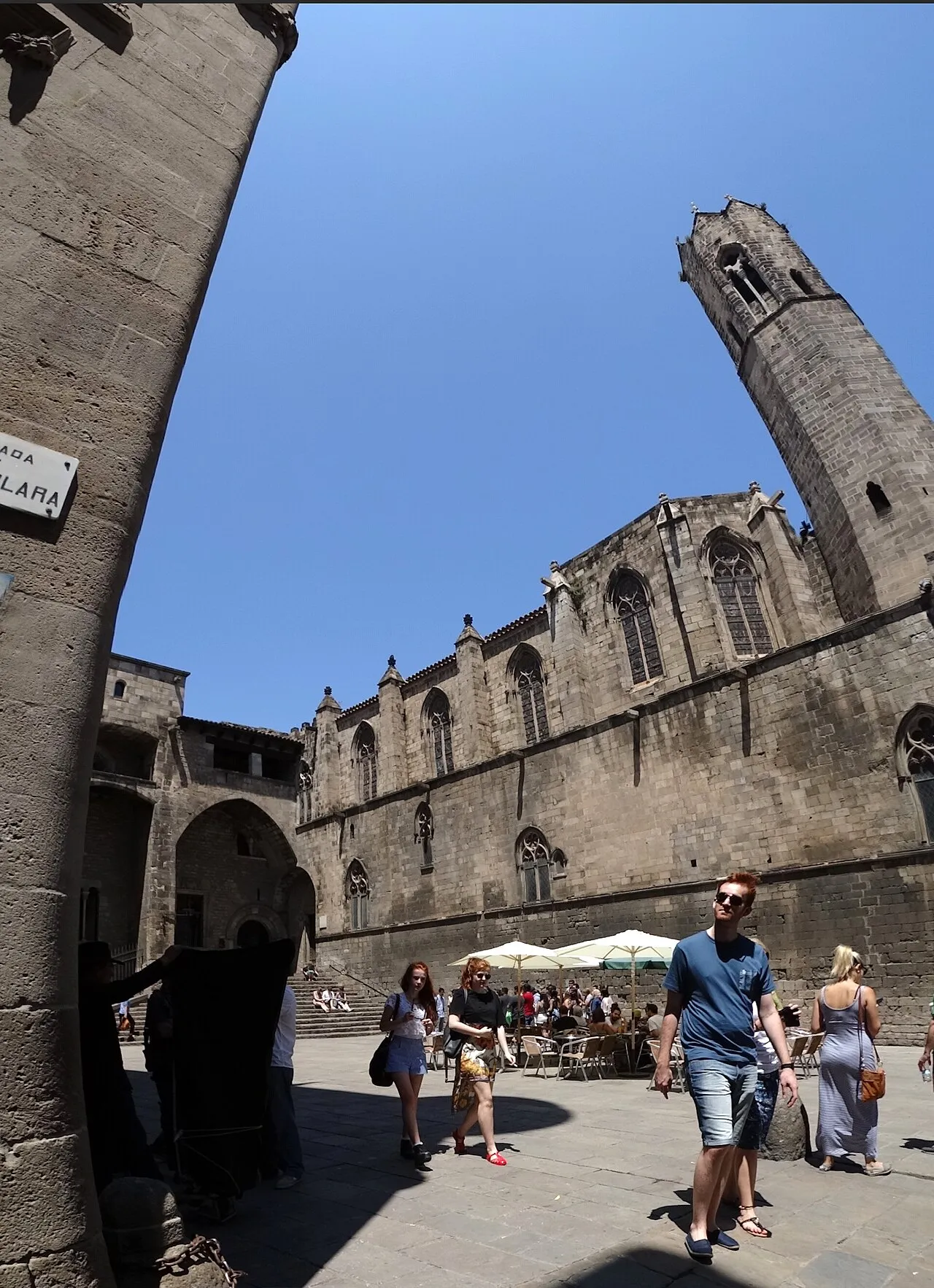
Catedral de la Santa Creu i Santa Eulàlia
Barcelona · 1448
-
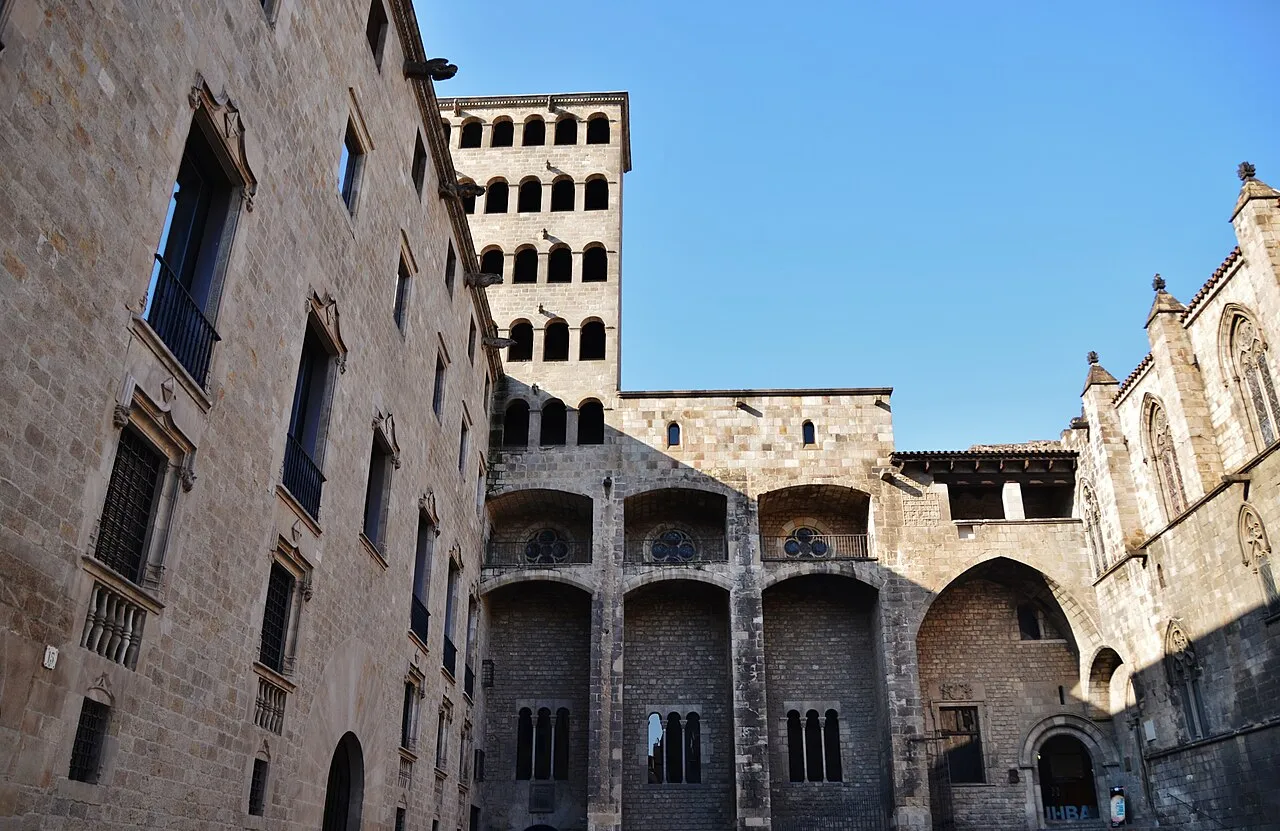
Palau Reial Major
Barcelona · 1370
-
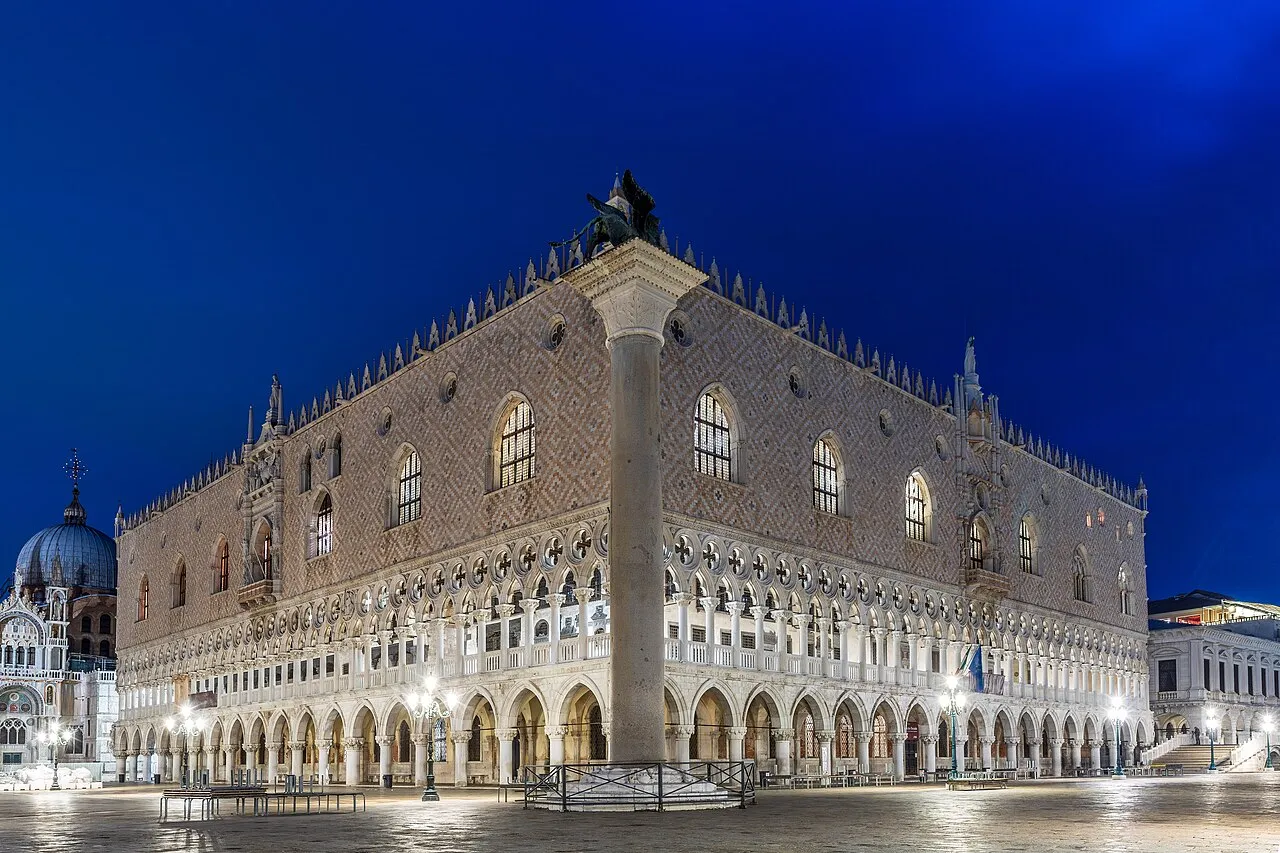
Doge's Palace
Venice · 1424
-
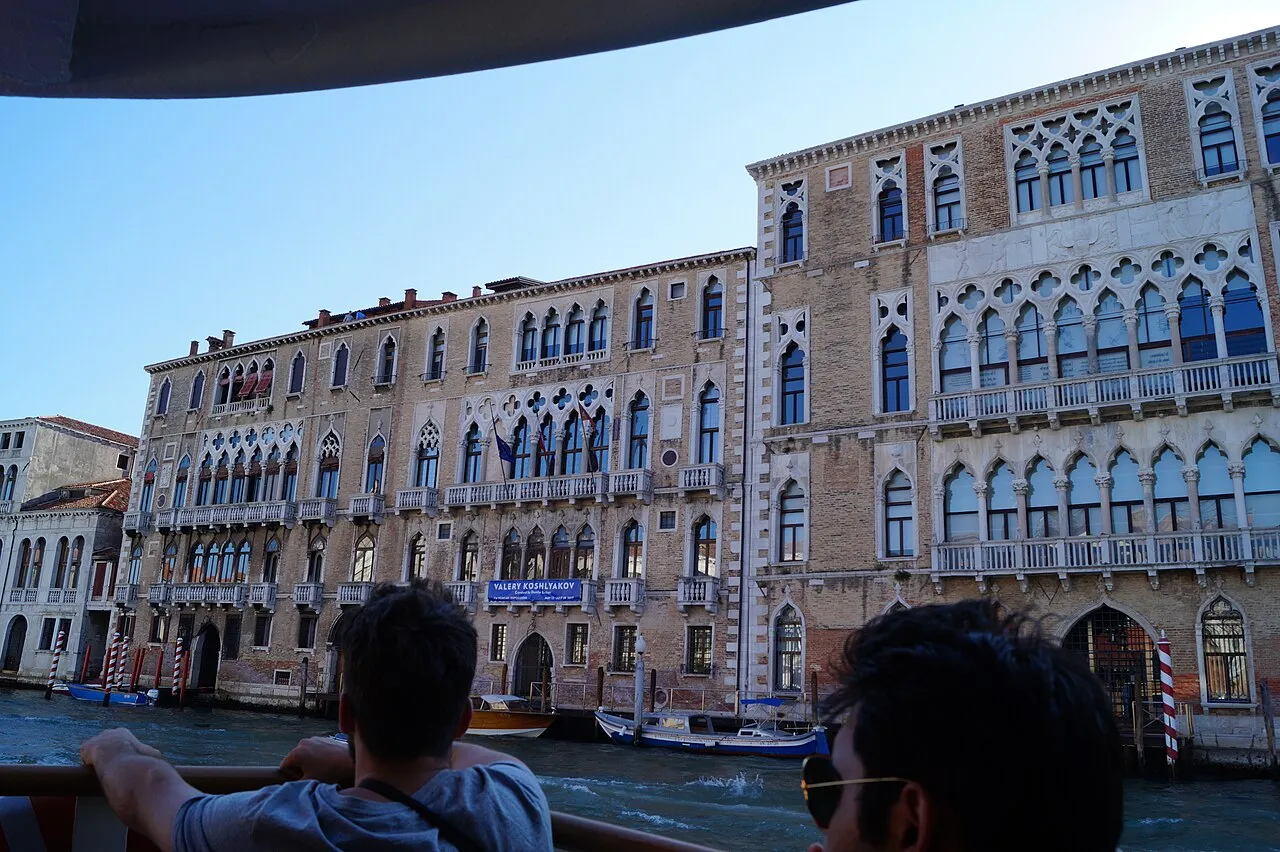
Ca' Foscari
Venice · 1453
-
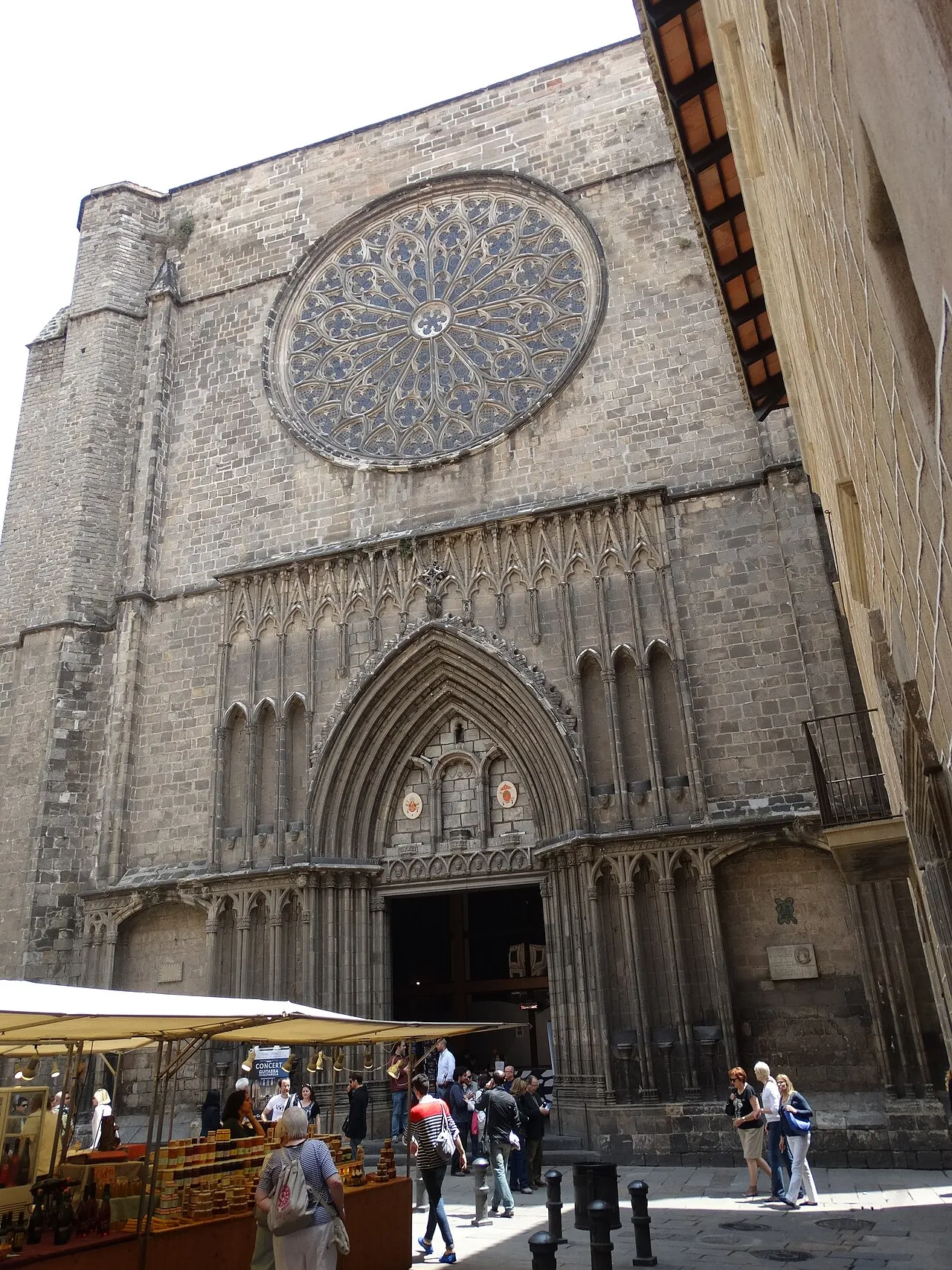
Basílica de Santa Maria del Pi
Barcelona · 1391
Gothic city by city
Pick a city to see the places on the map, with photos and descriptions.
-
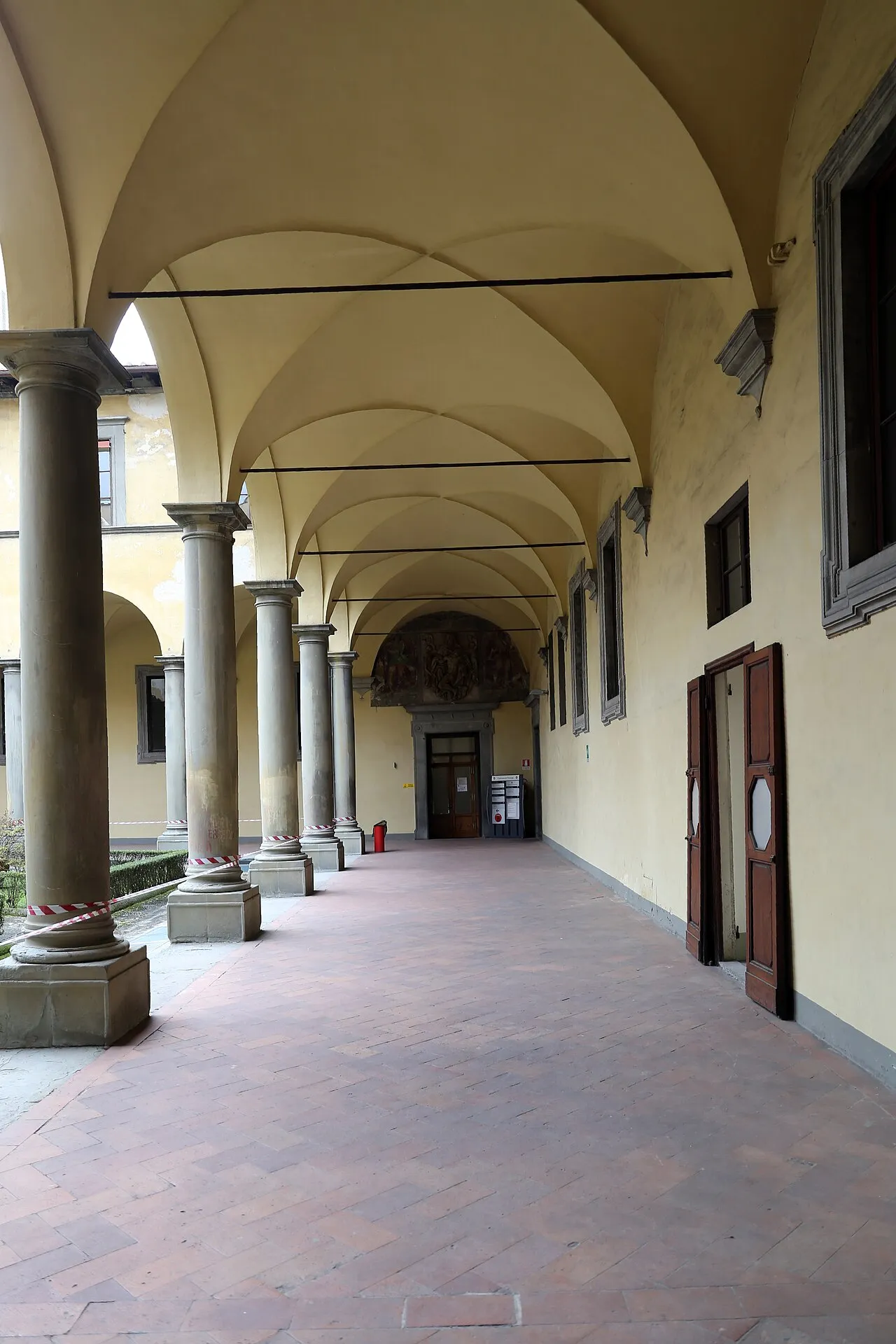
Italy
Tuscany
53 places
-
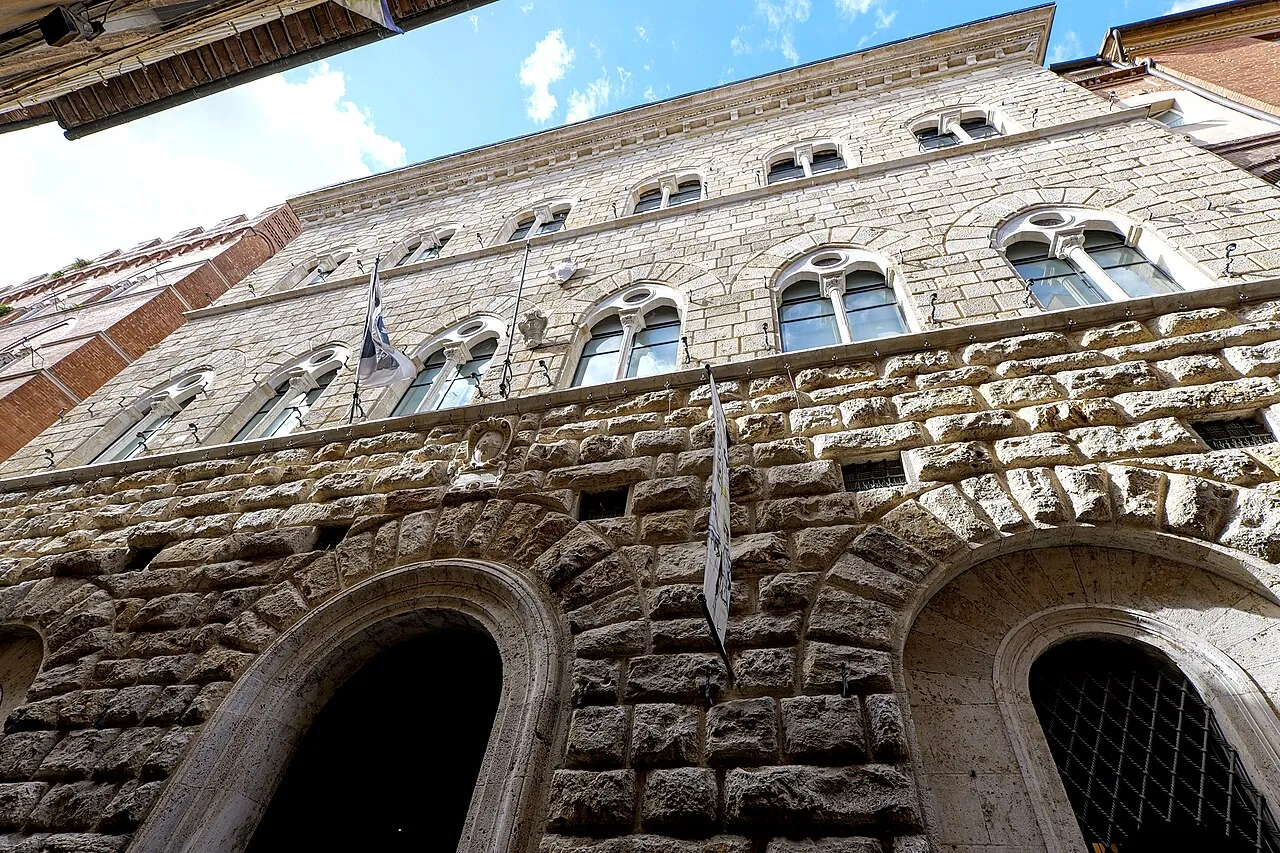
Italy
Siena
23 places
-
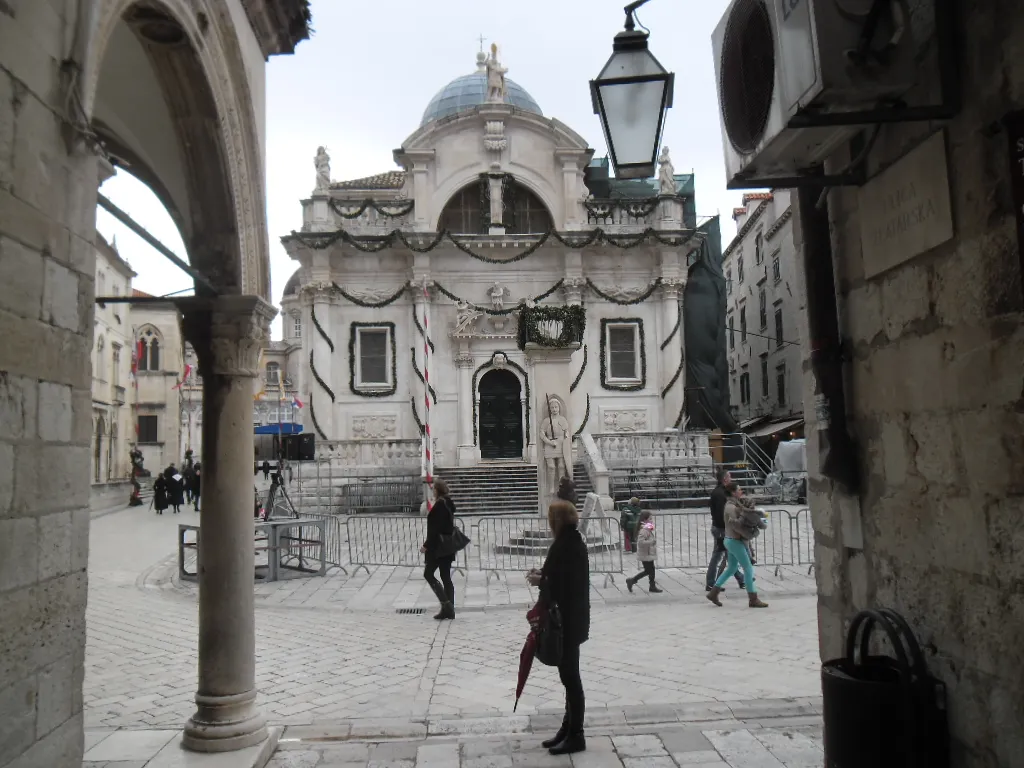
Croatia
Dubrovnik
22 places
-
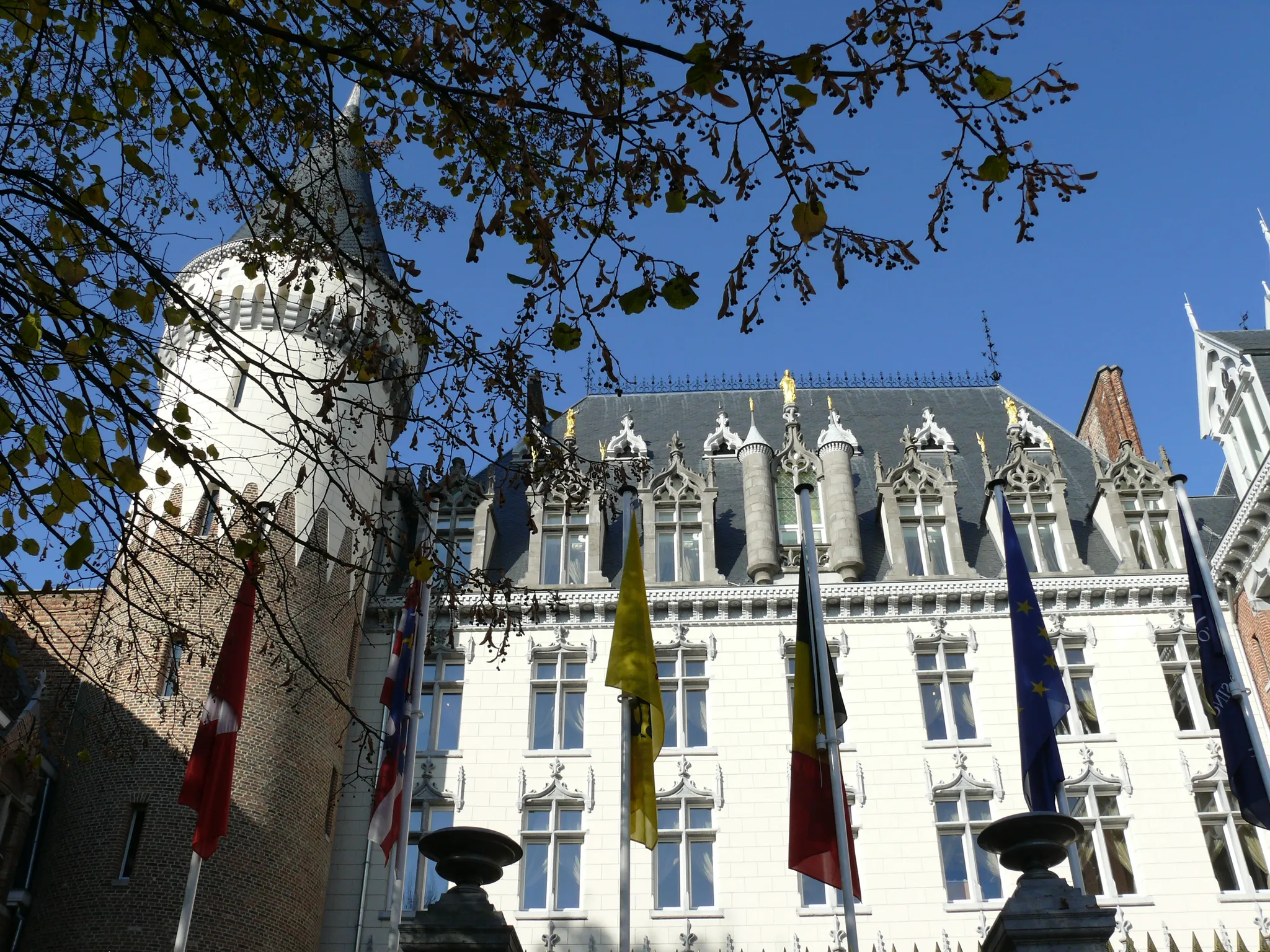
Belgium
Bruges
18 places
-
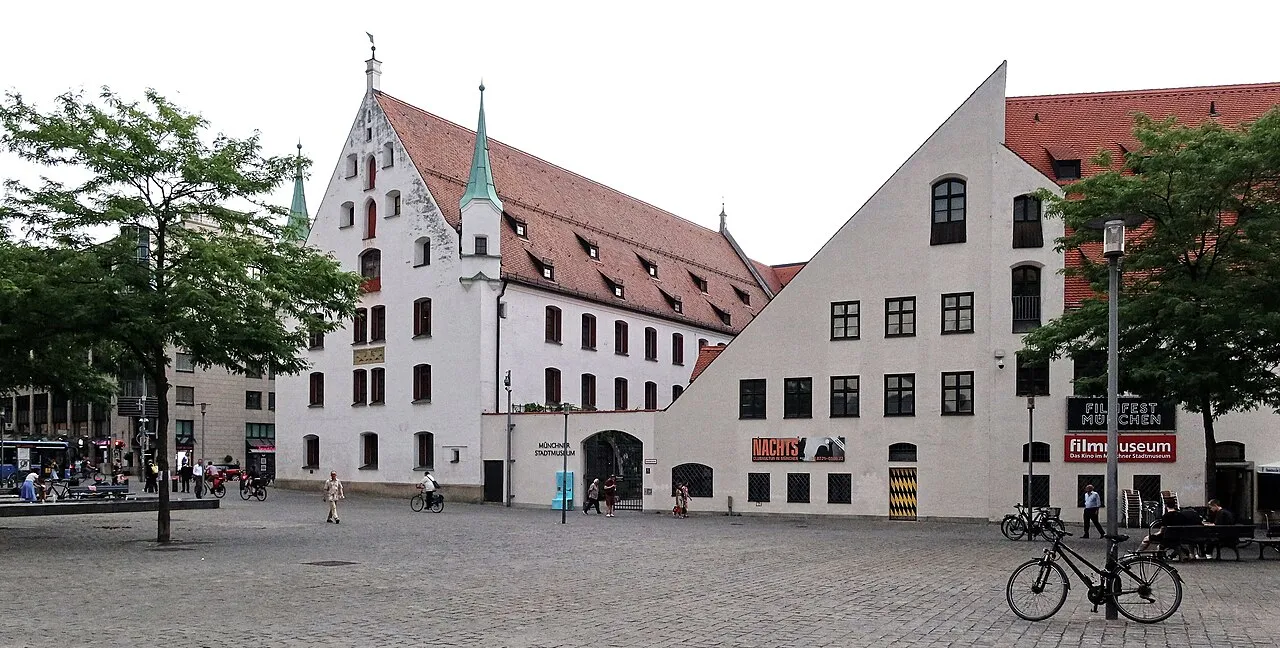
Germany
Bavaria
16 places
-
Italy
Florence
16 places
-
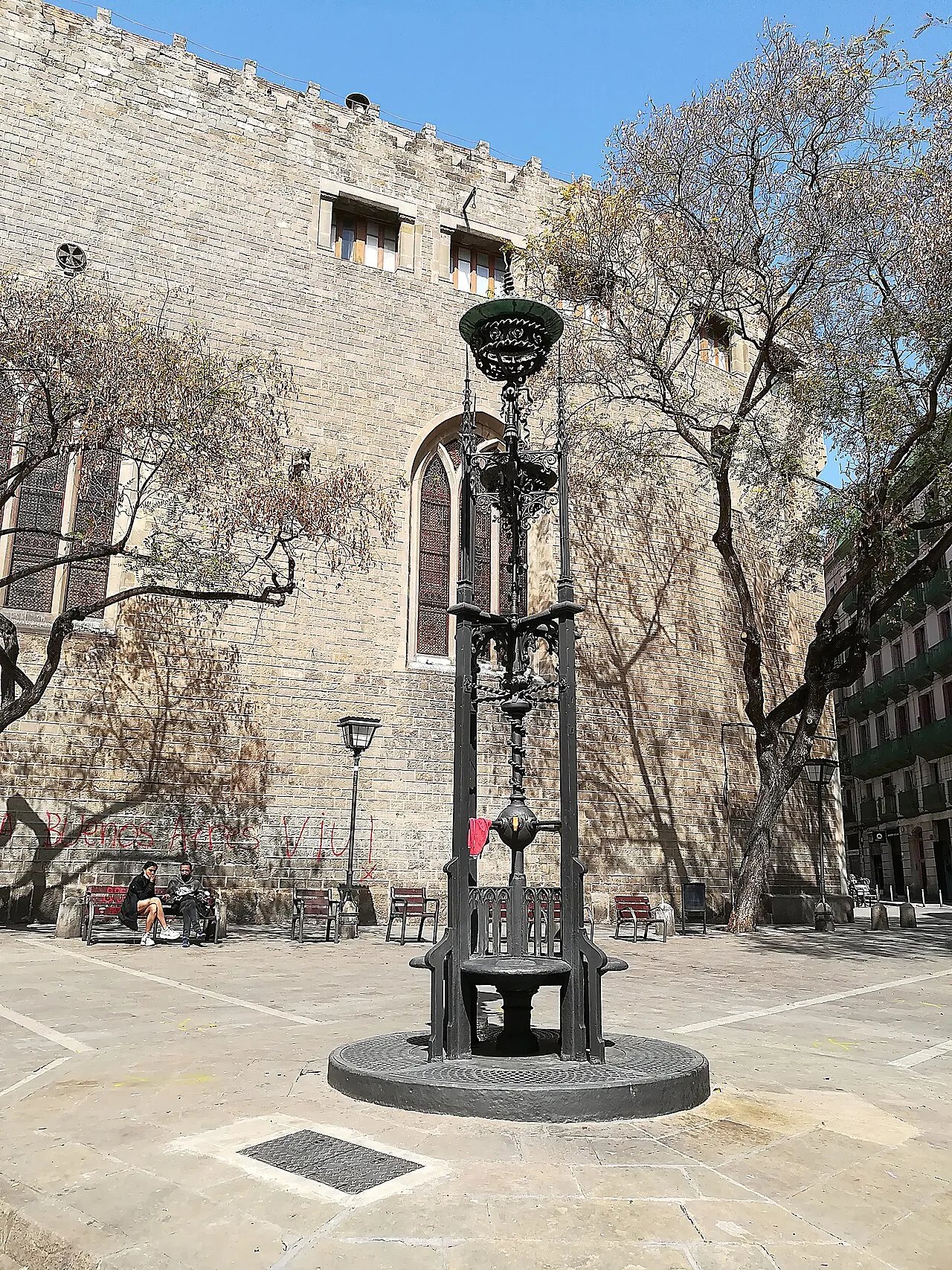
Spain
Barcelona
15 places
-
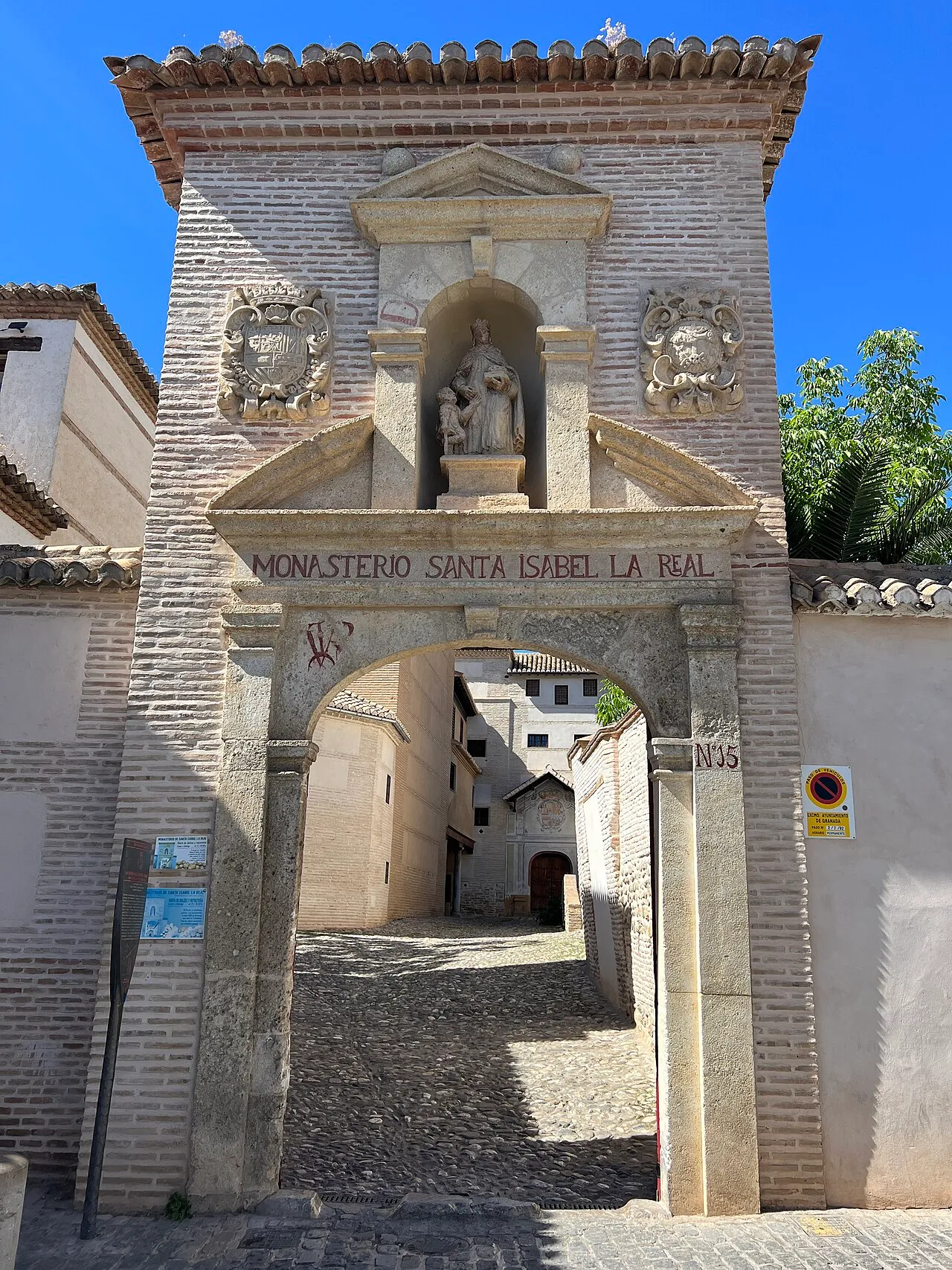
Spain
Andalusia
13 places
-
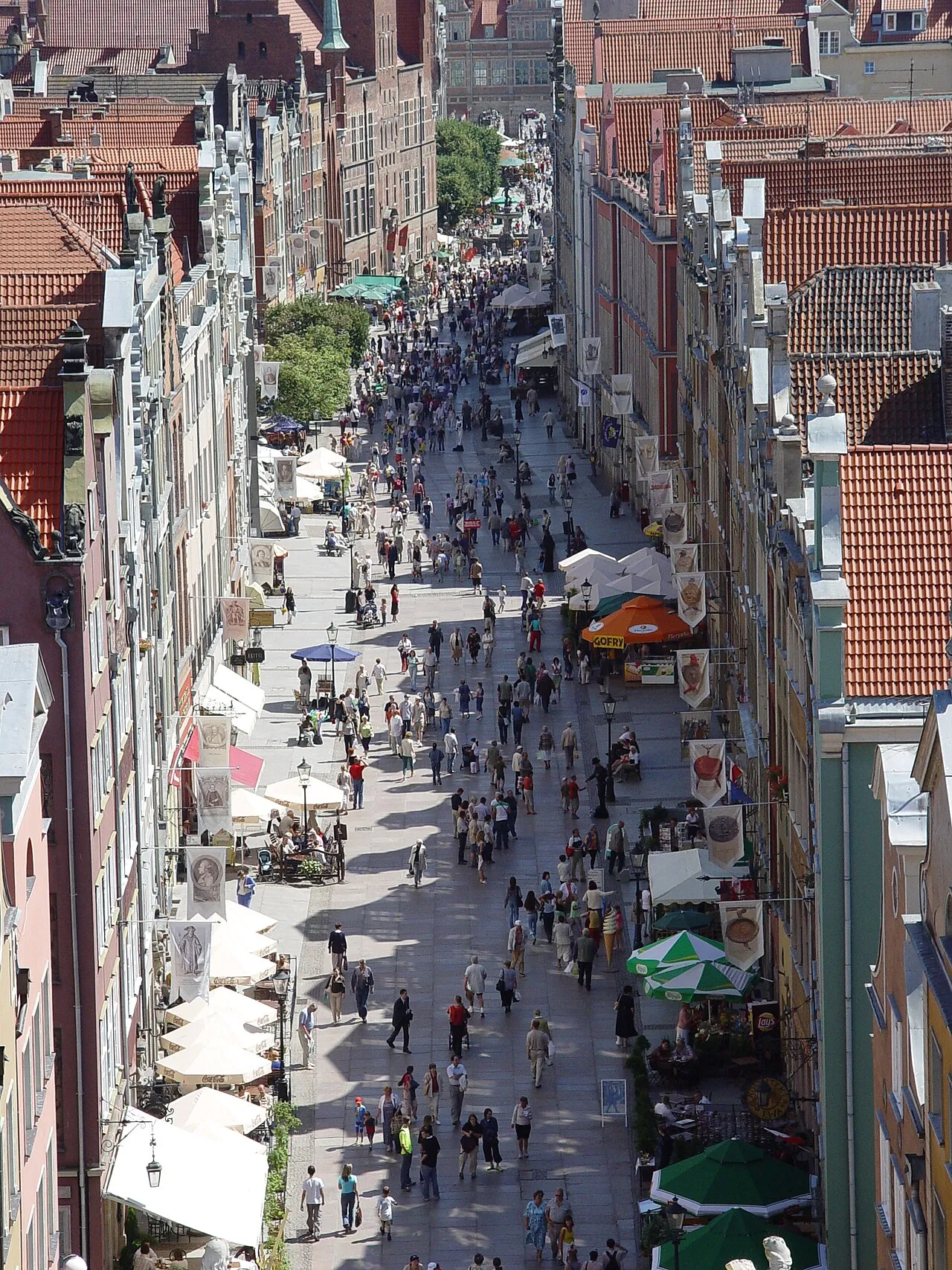
Poland
Gdańsk
13 places
-
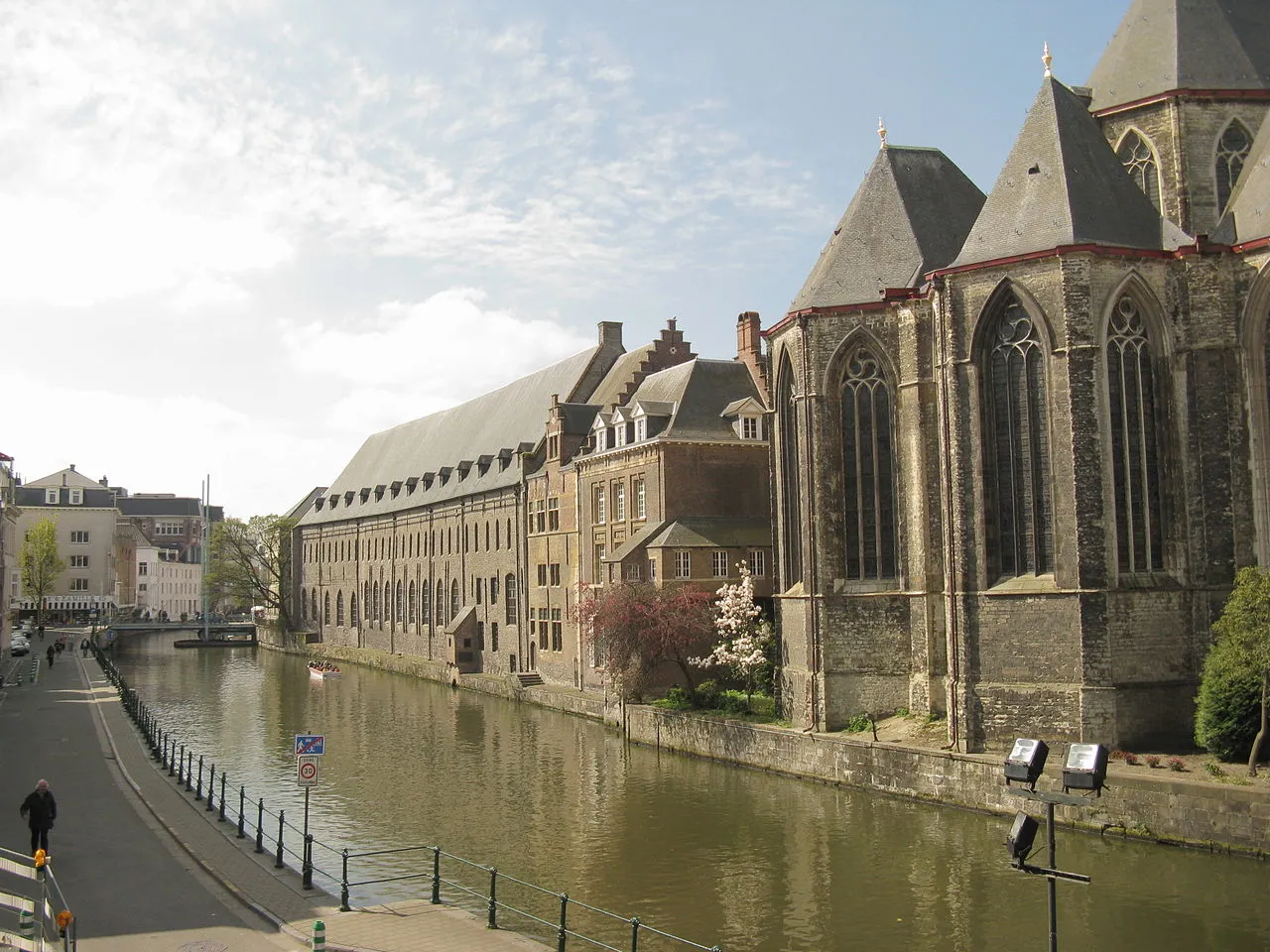
Belgium
Ghent
13 places
-
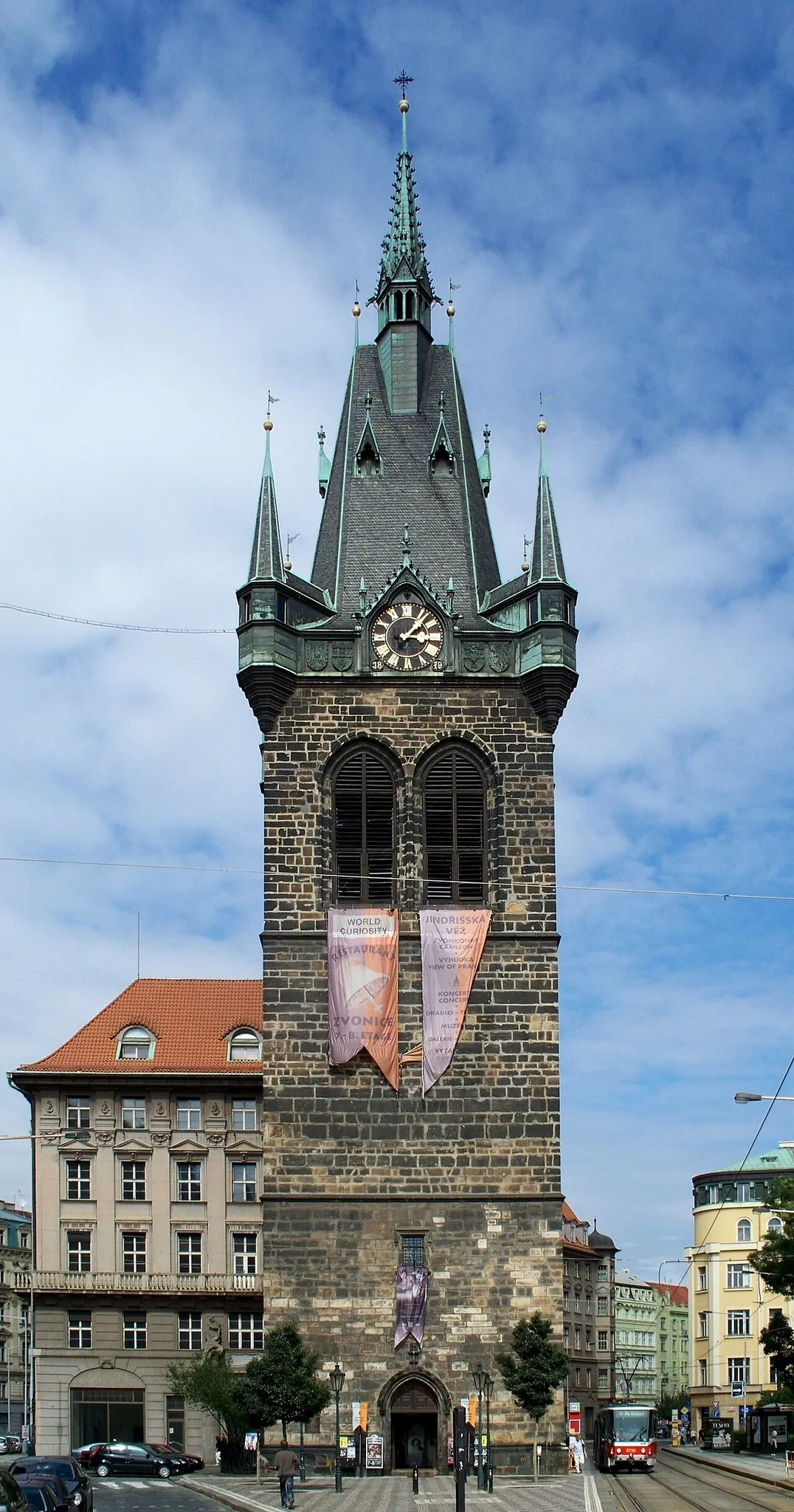
Czechia
Prague
13 places
-
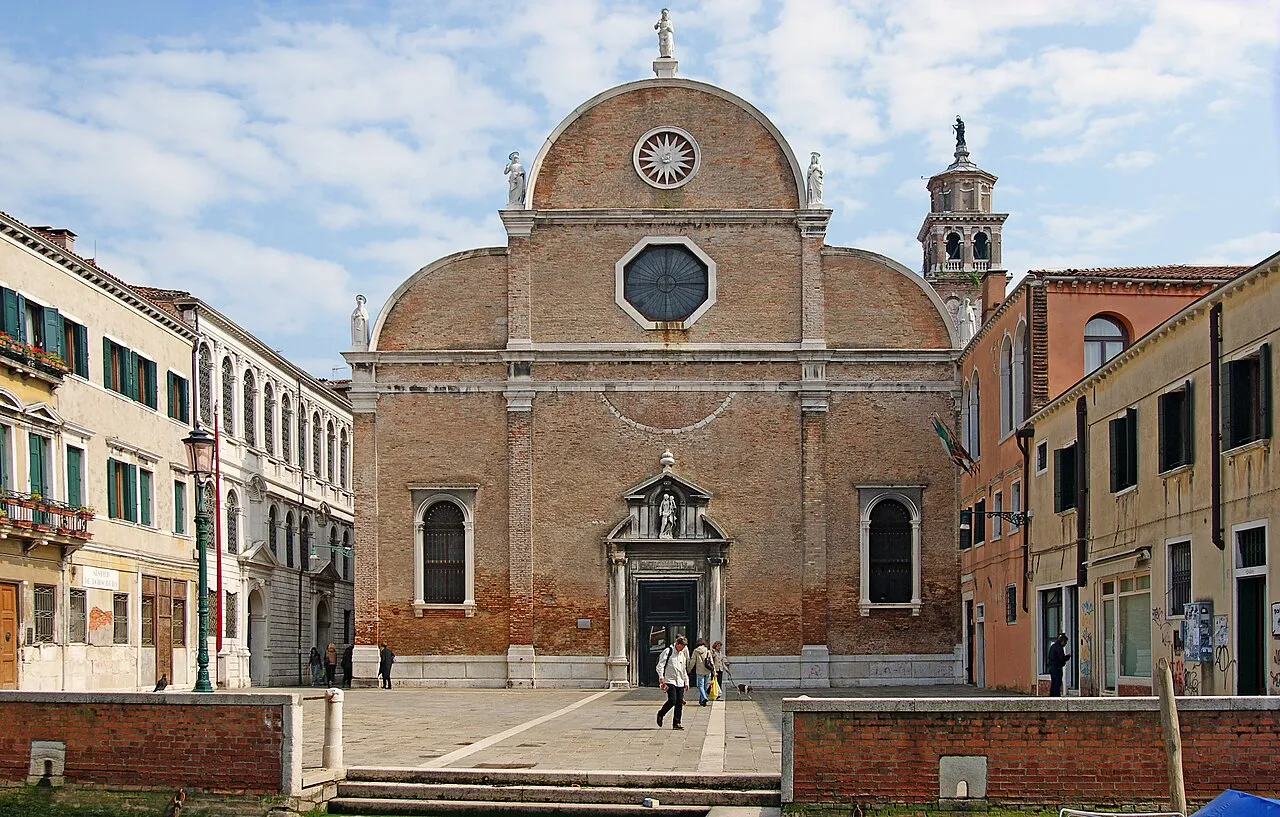
Italy
Venice
13 places
-
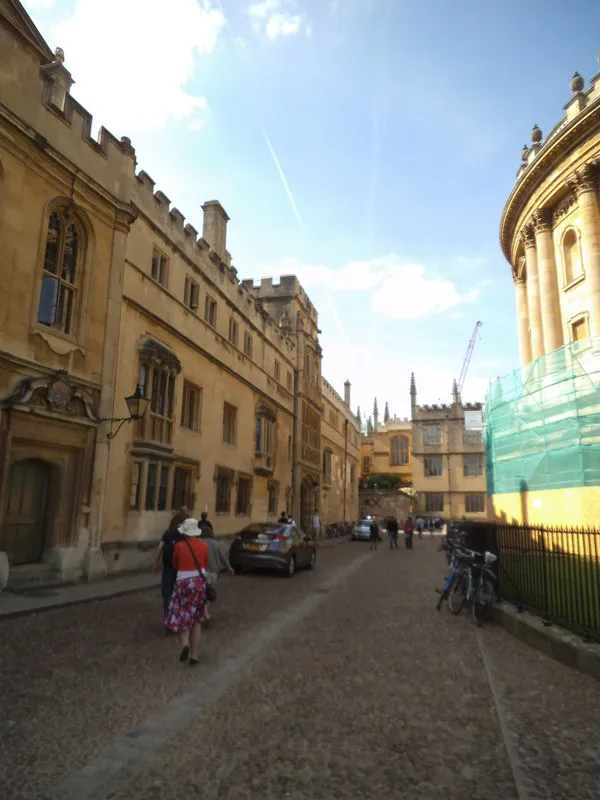
United Kingdom
Oxford
12 places
-
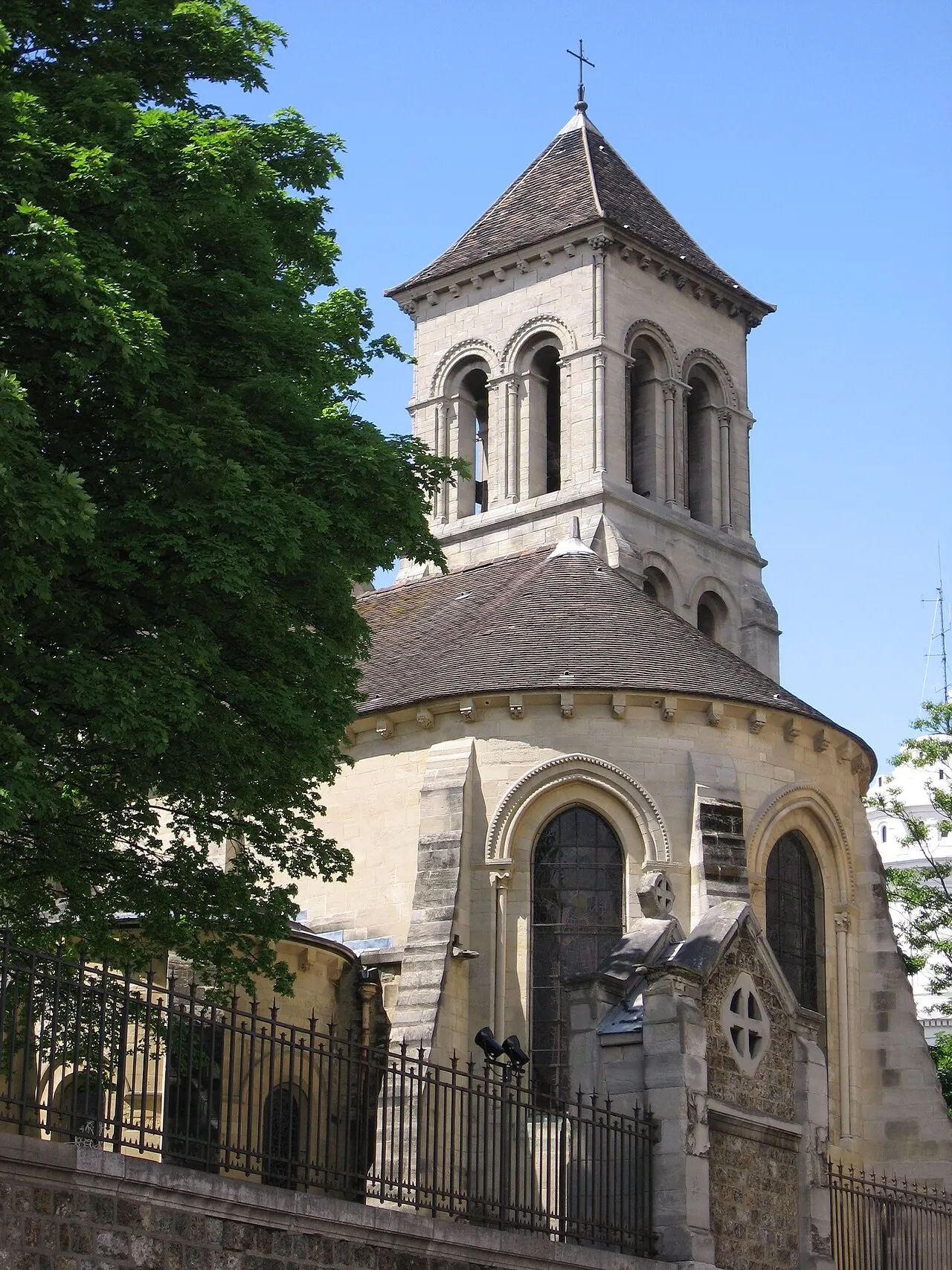
France
Paris
12 places
-
Latvia
Riga
11 places
-
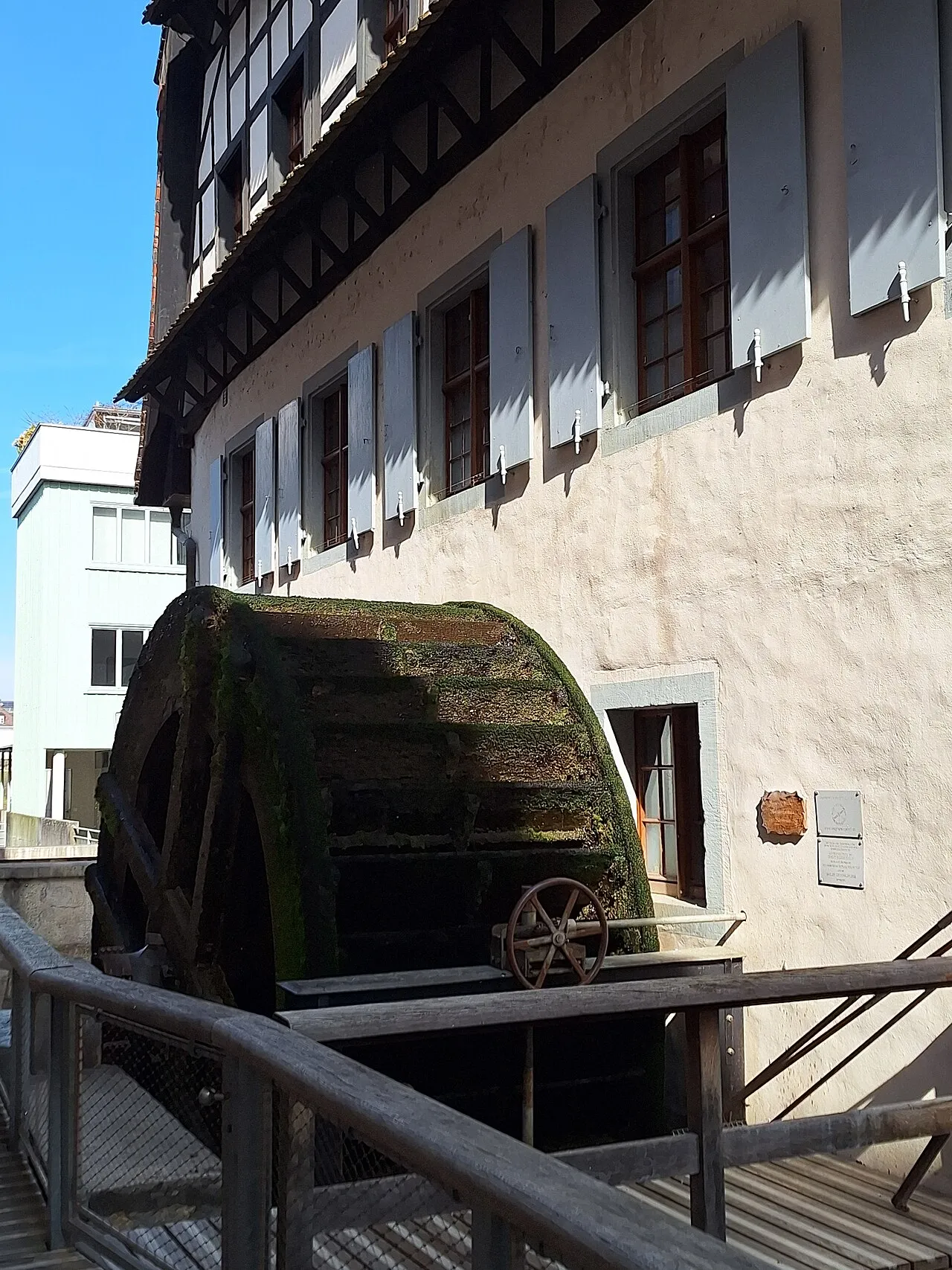
Switzerland
Basel
10 places
-
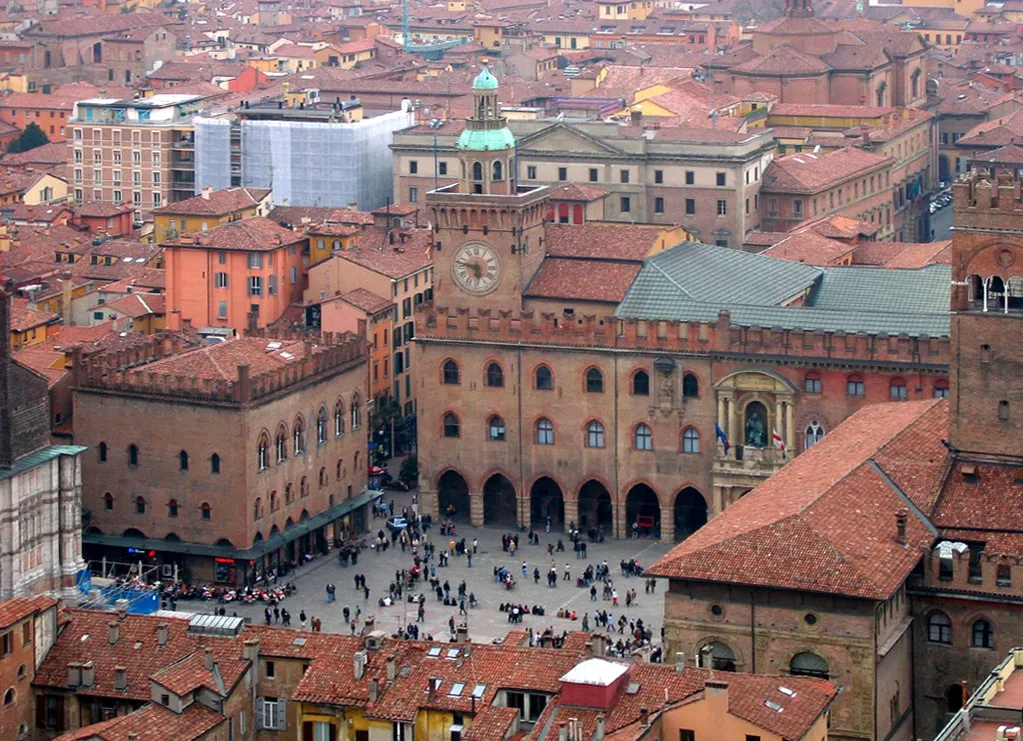
Italy
Bologna
10 places
-
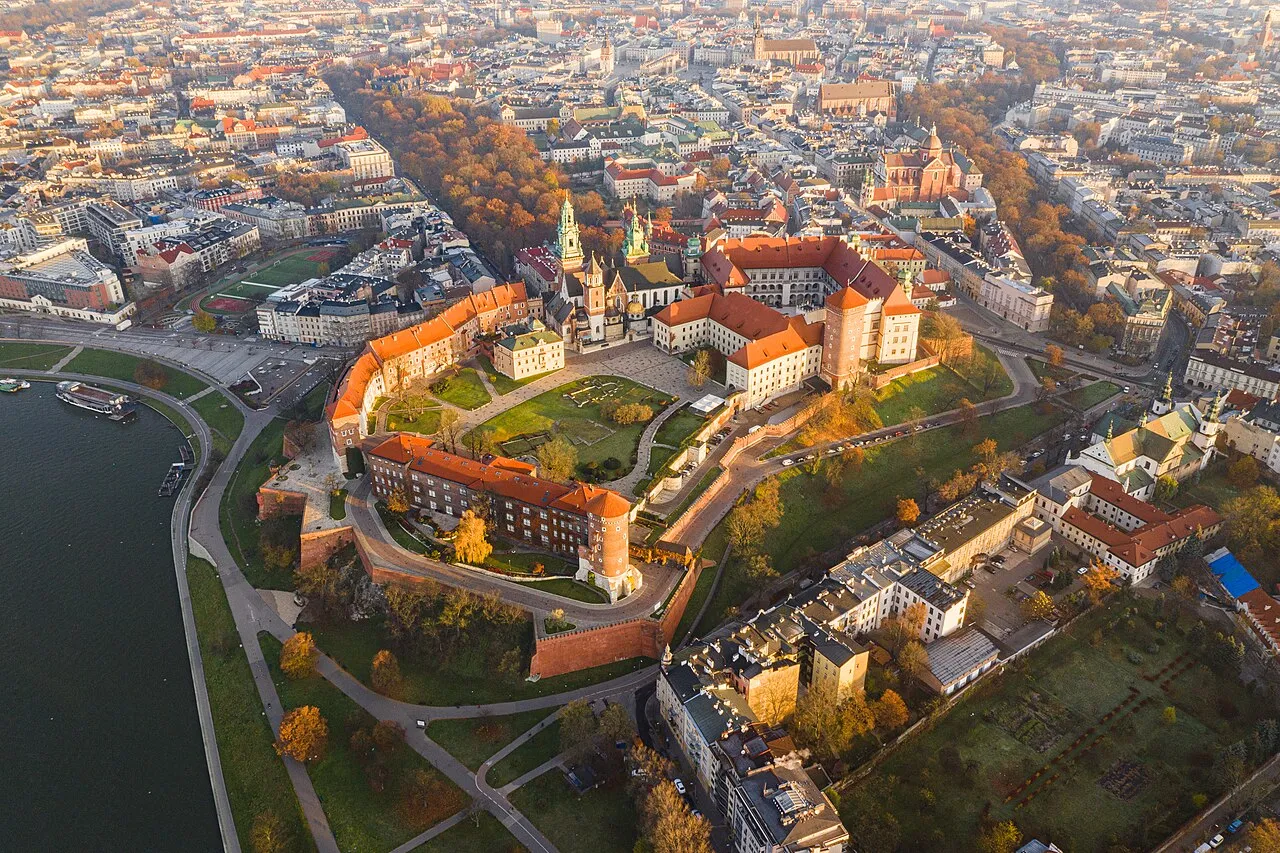
Poland
Kraków
10 places
-
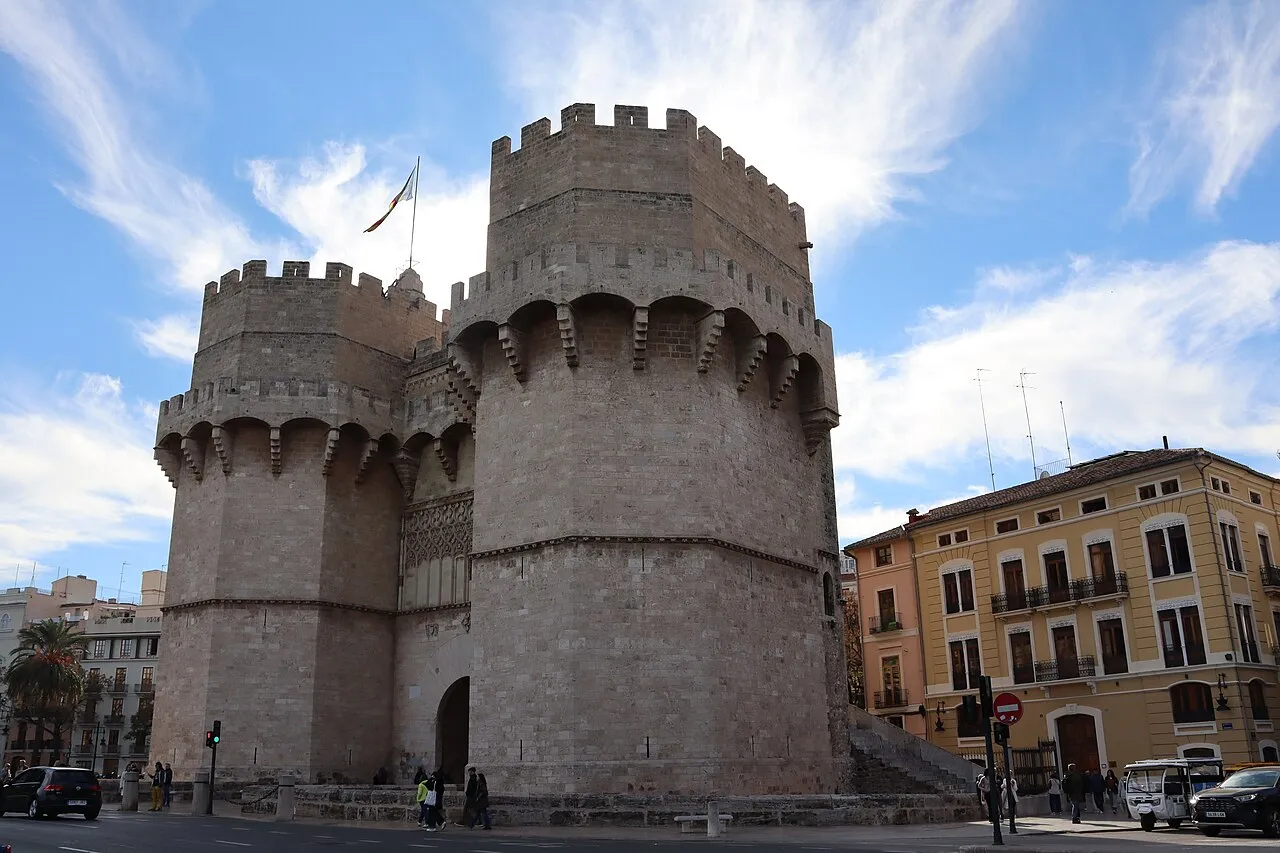
Spain
Valencia
10 places
-
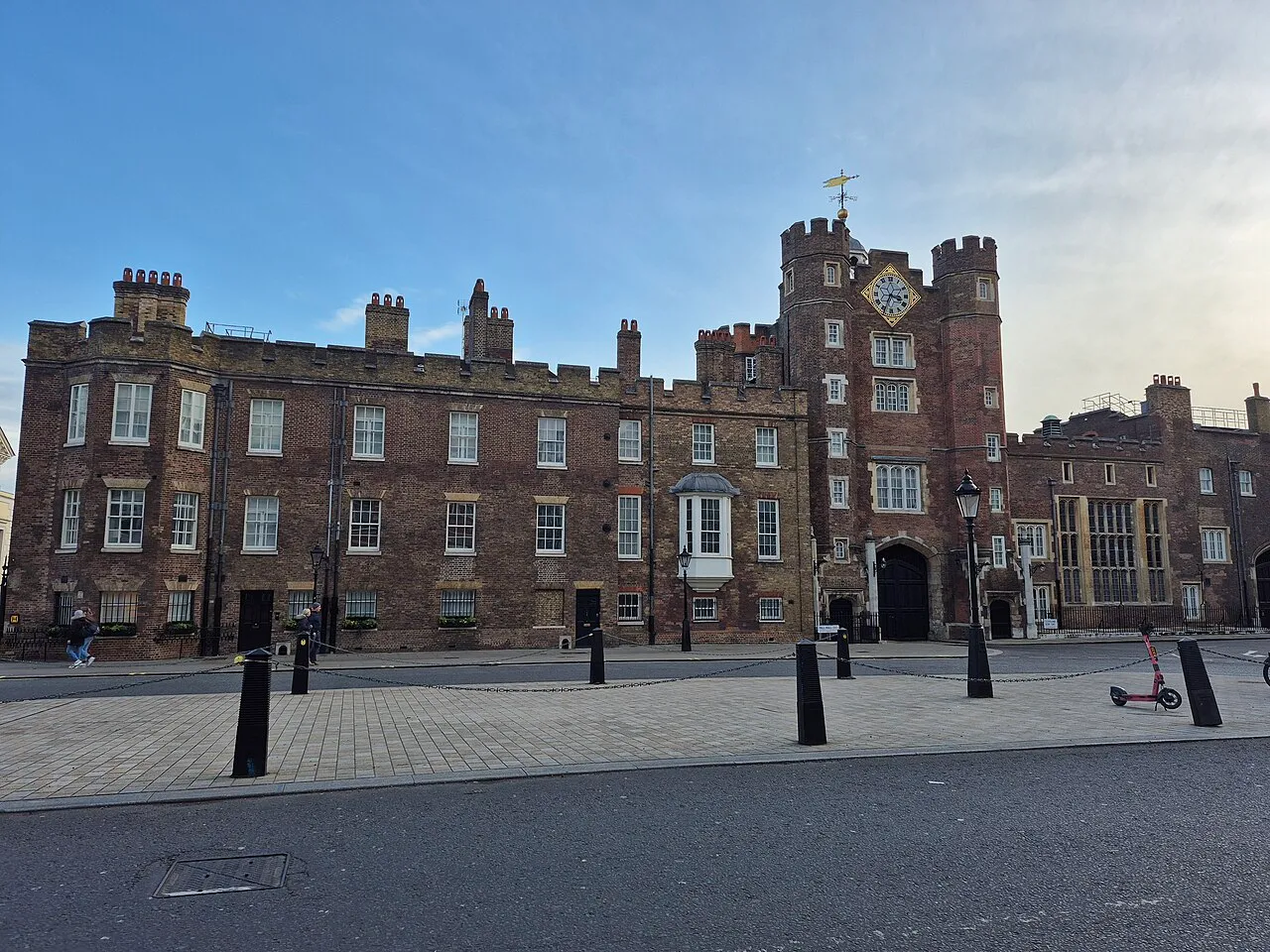
United Kingdom
London
8 places
-
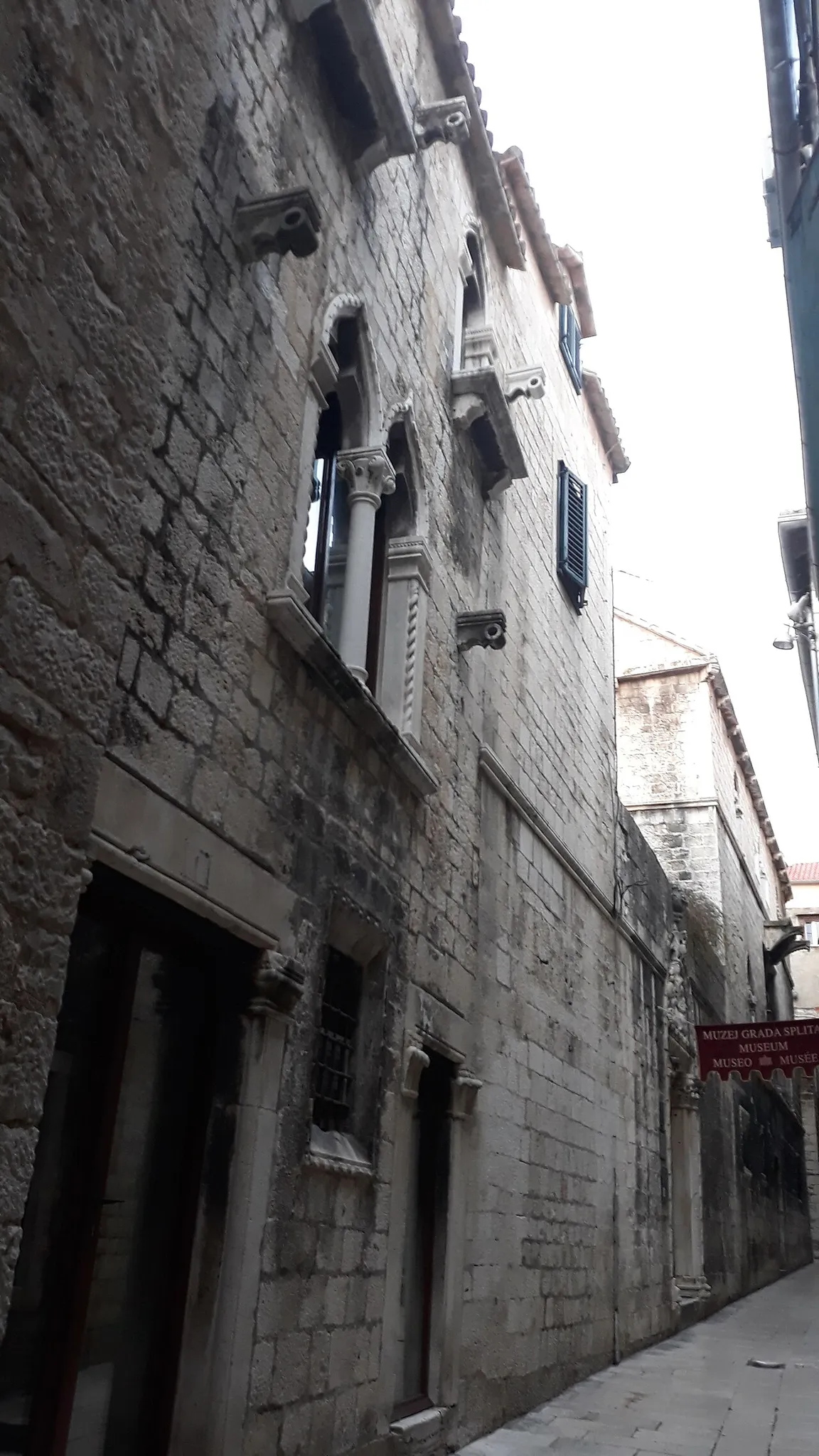
Croatia
Split
8 places
-
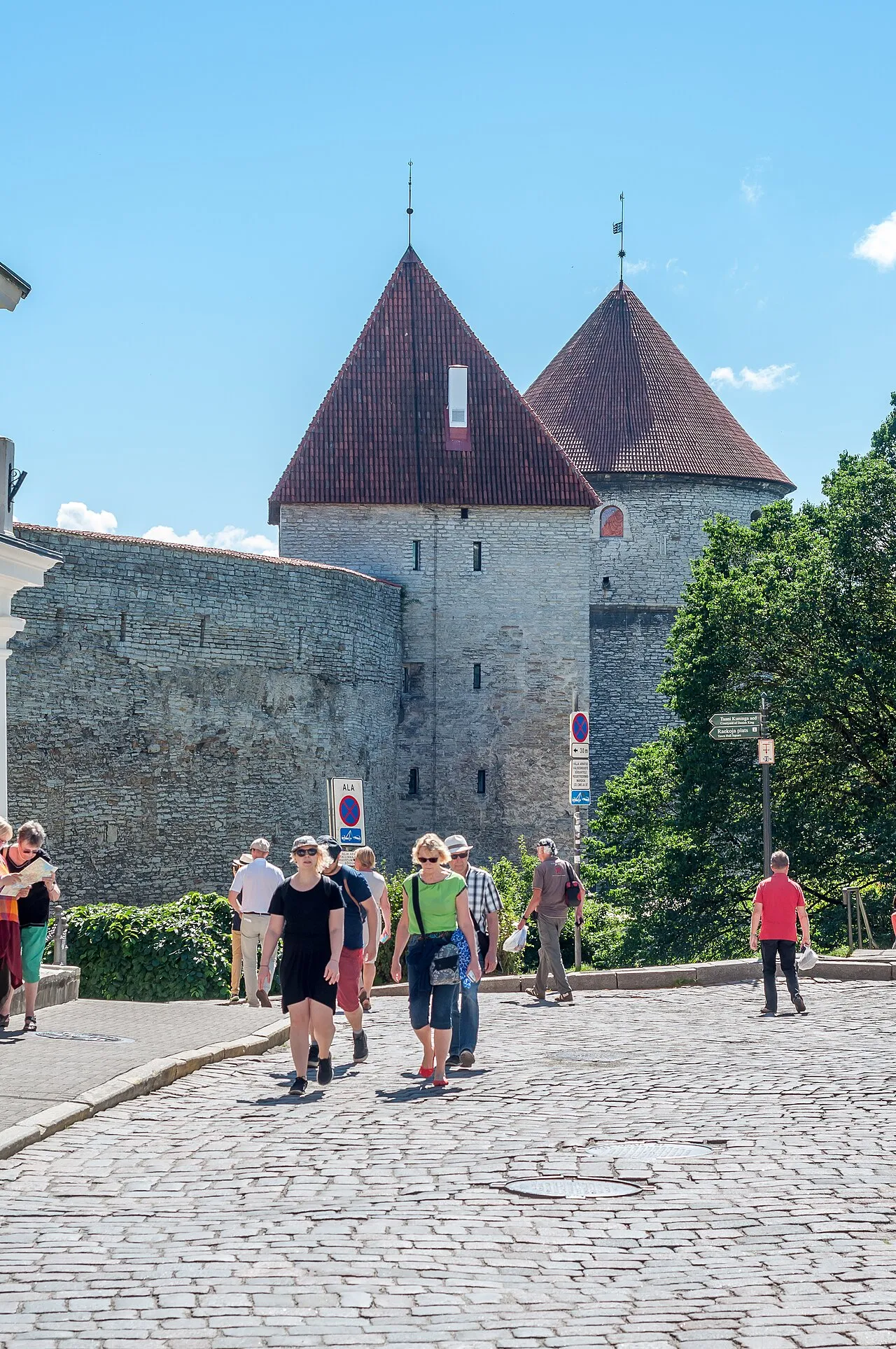
Estonia
Tallinn
8 places
-
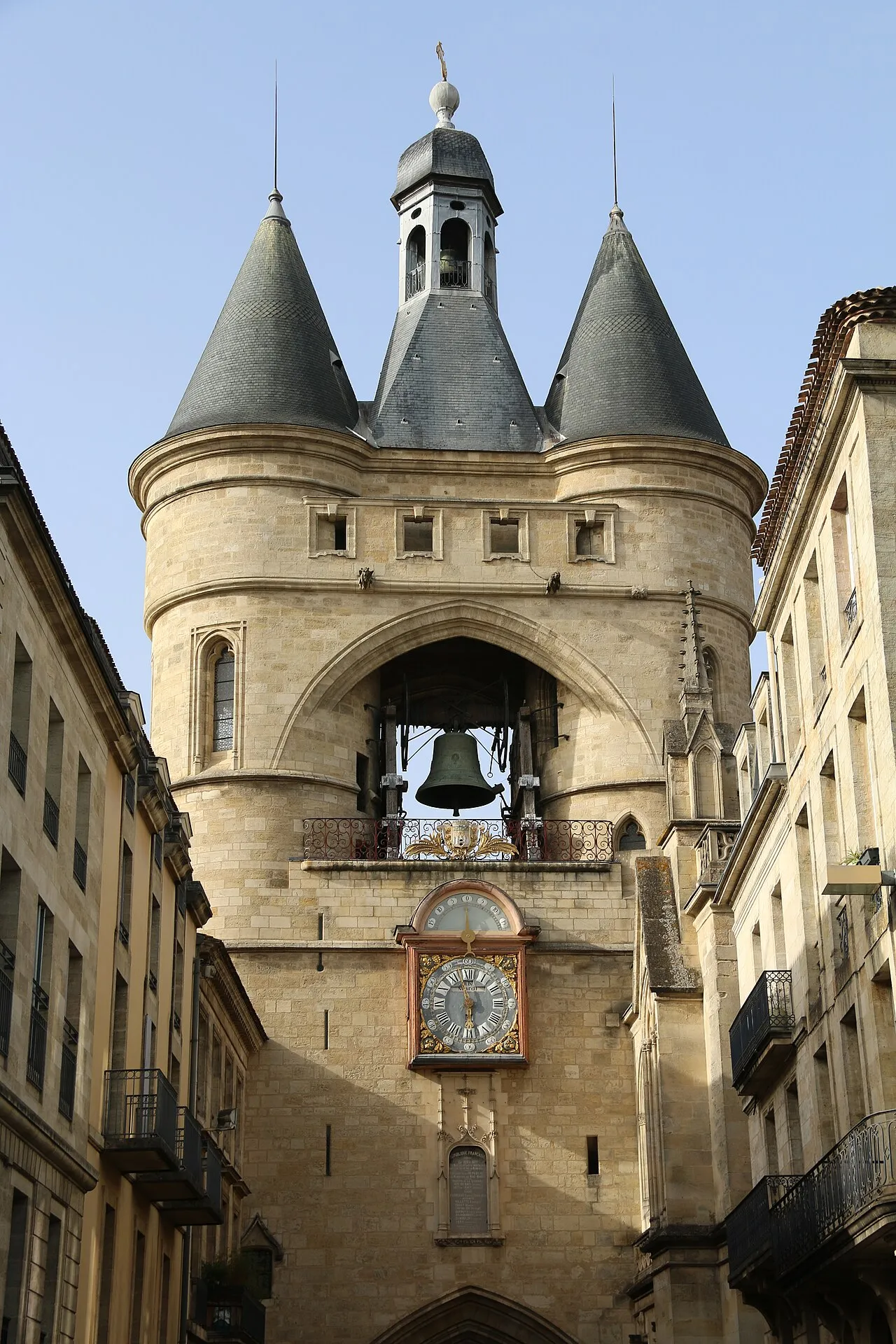
France
Bordeaux
7 places
-

Portugal
Lisbon
7 places
-
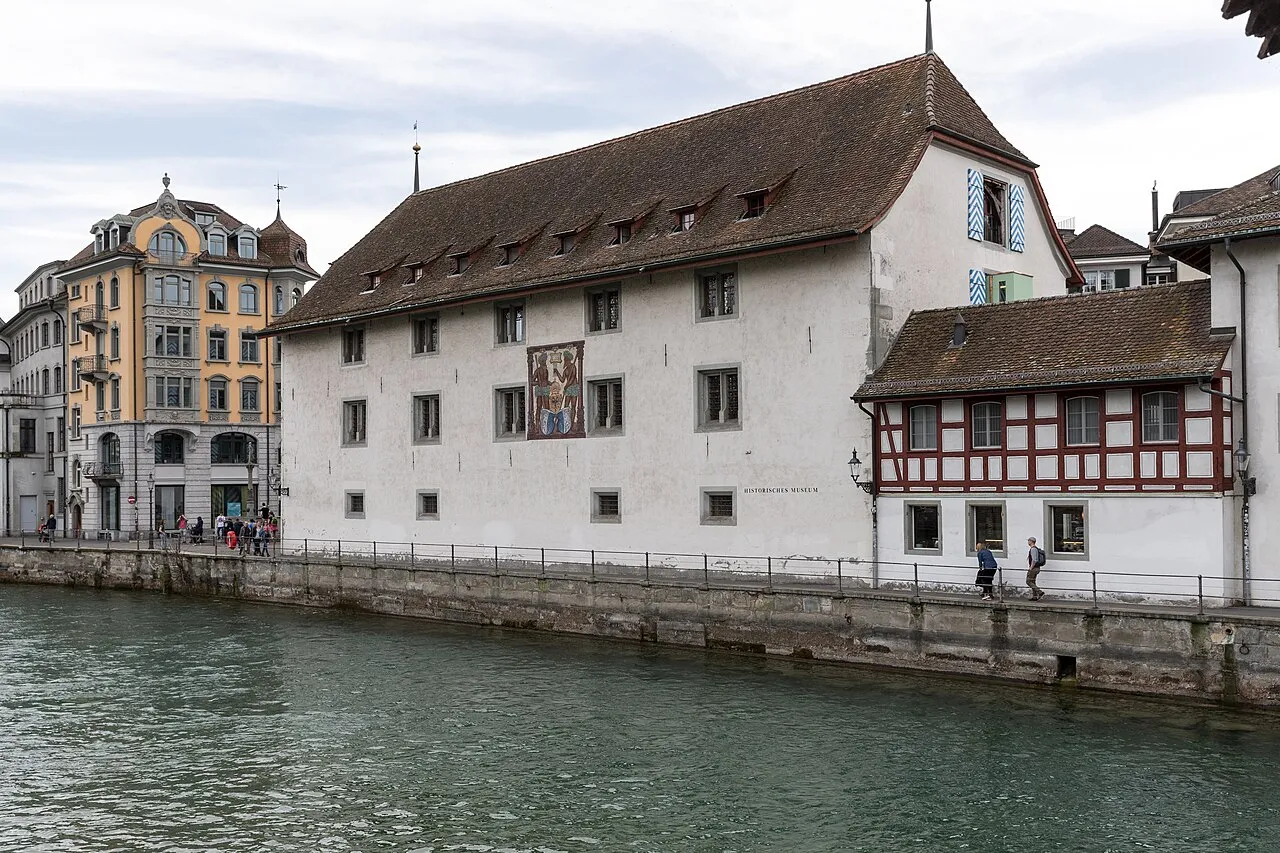
Switzerland
Lucerne
7 places
-
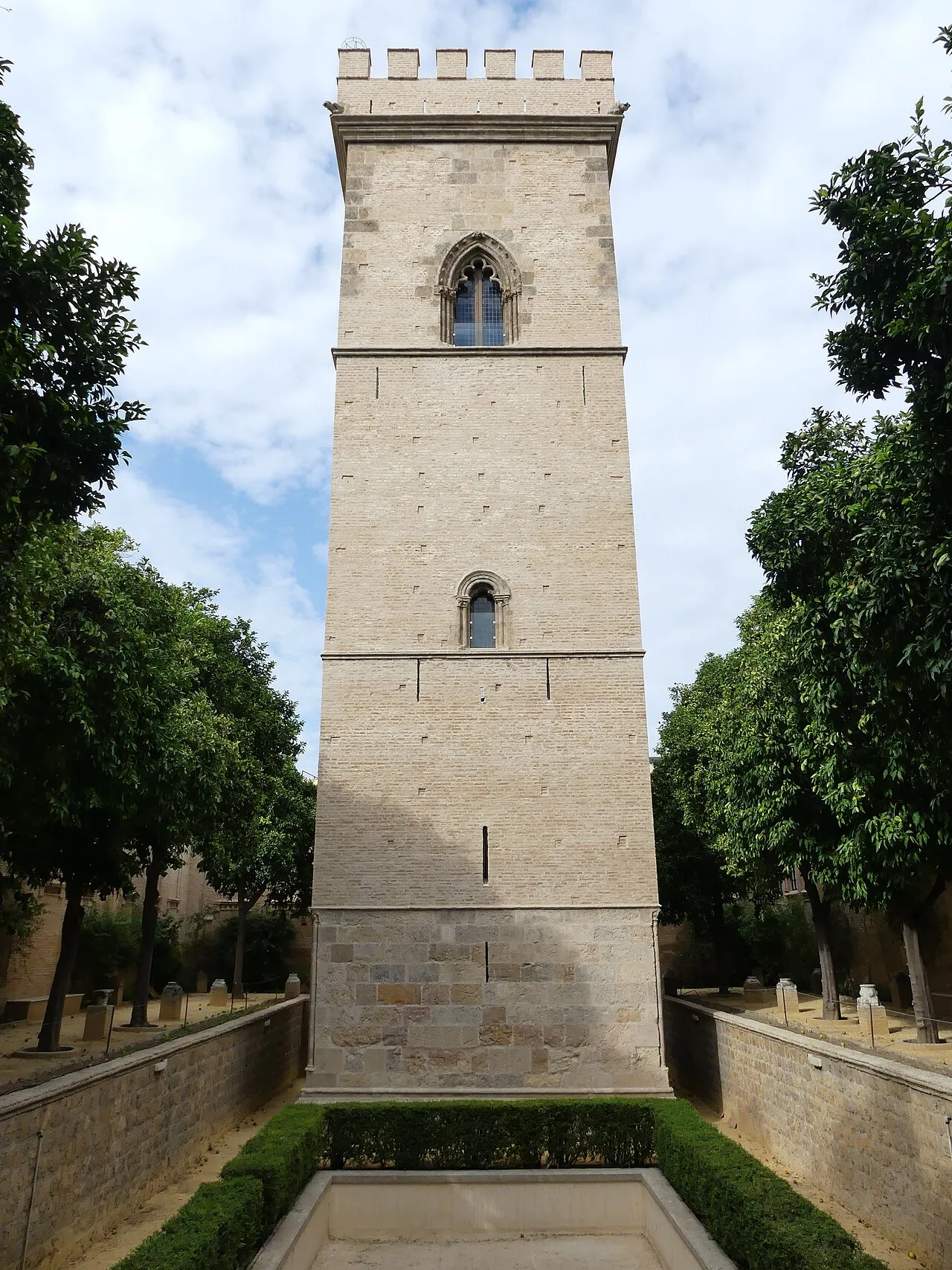
Spain
Seville
7 places
-
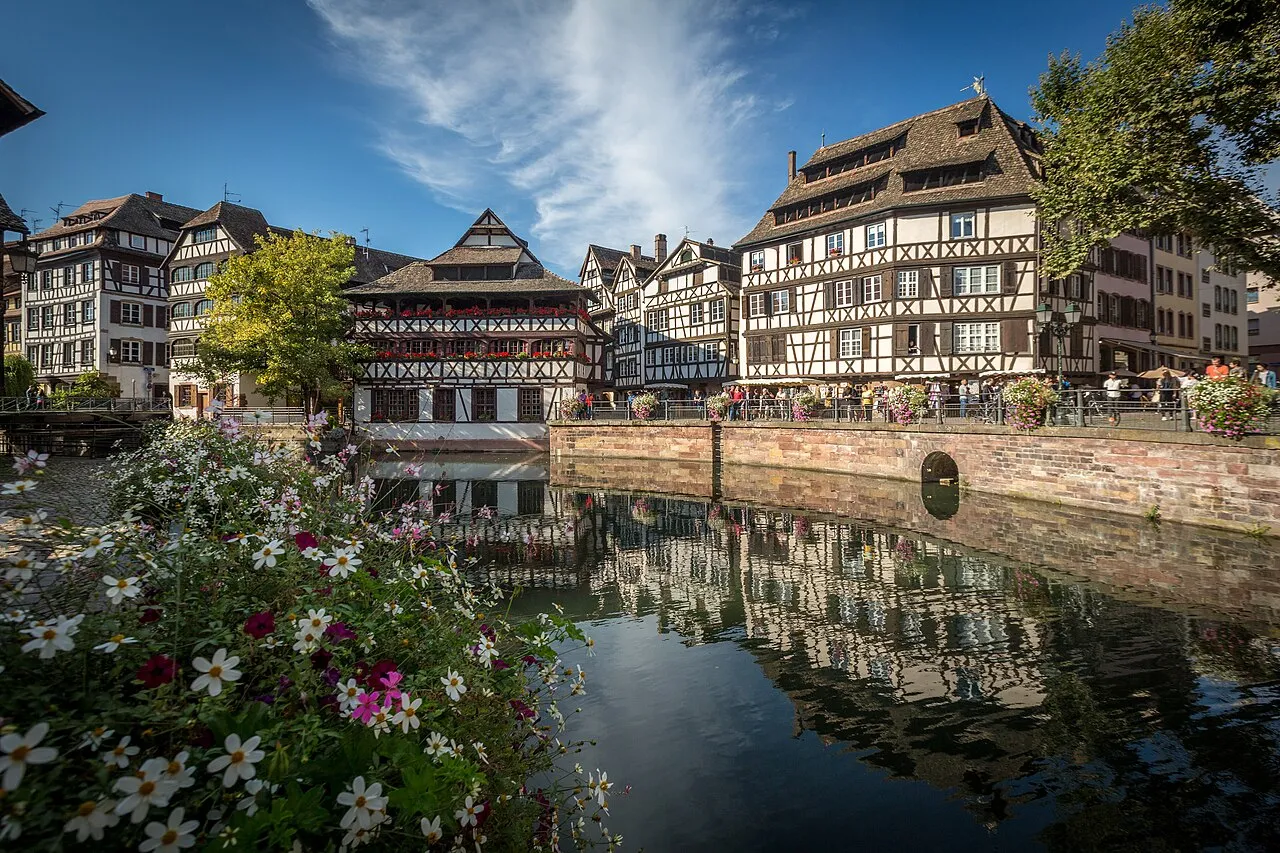
France
Strasbourg
7 places
-
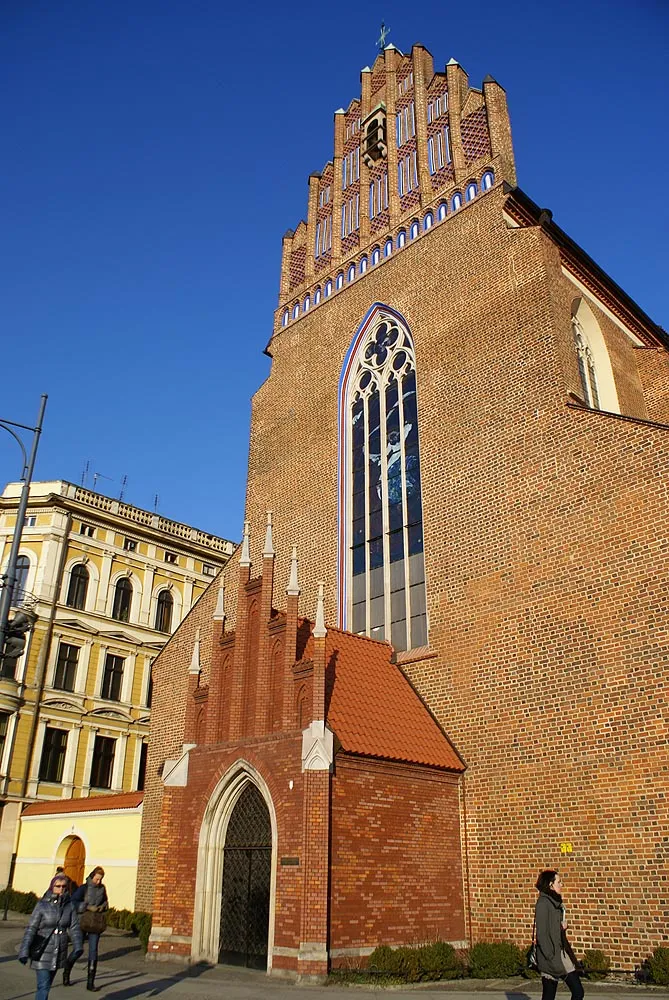
Poland
Wrocław
7 places
-
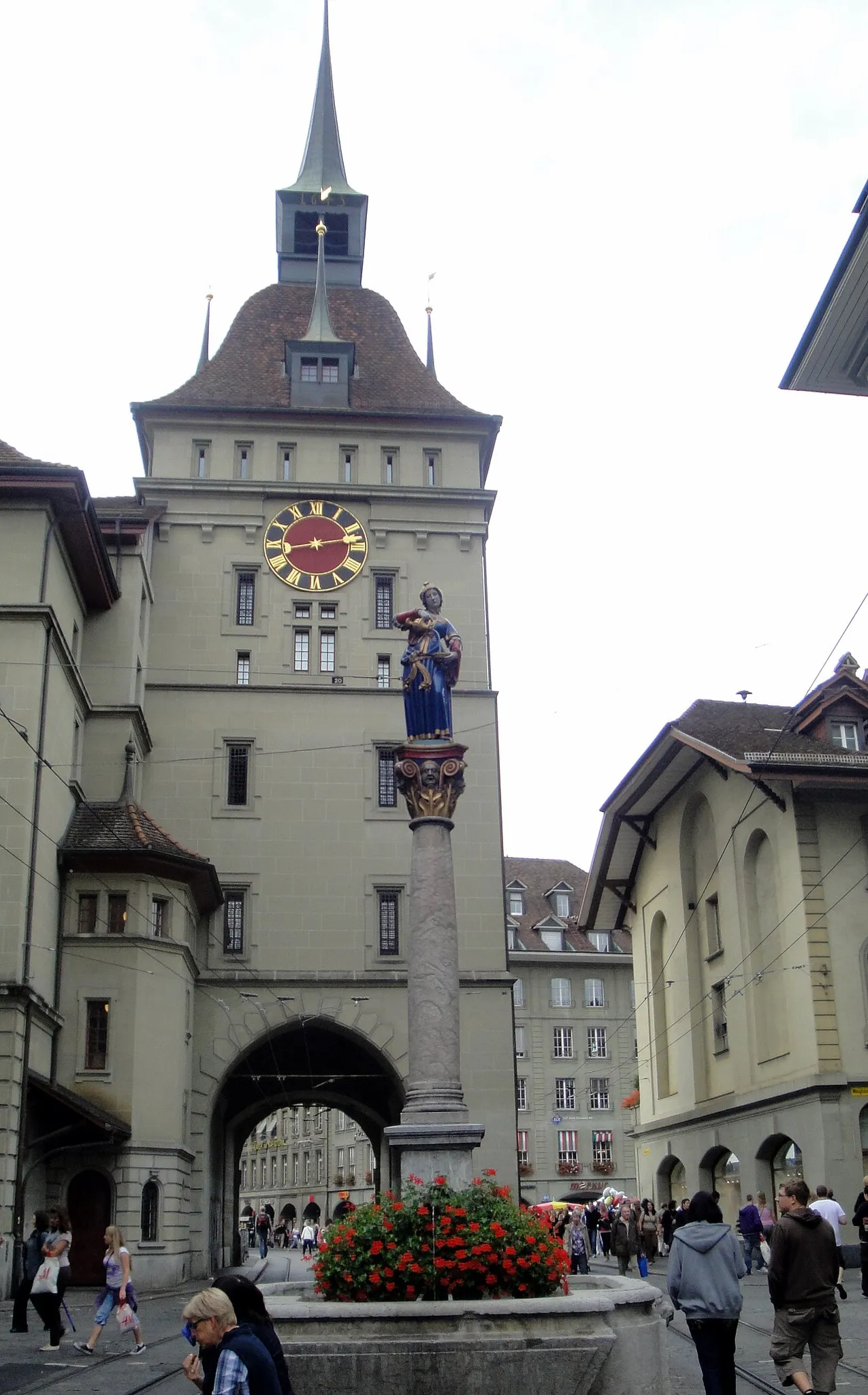
Switzerland
Bern
6 places
-
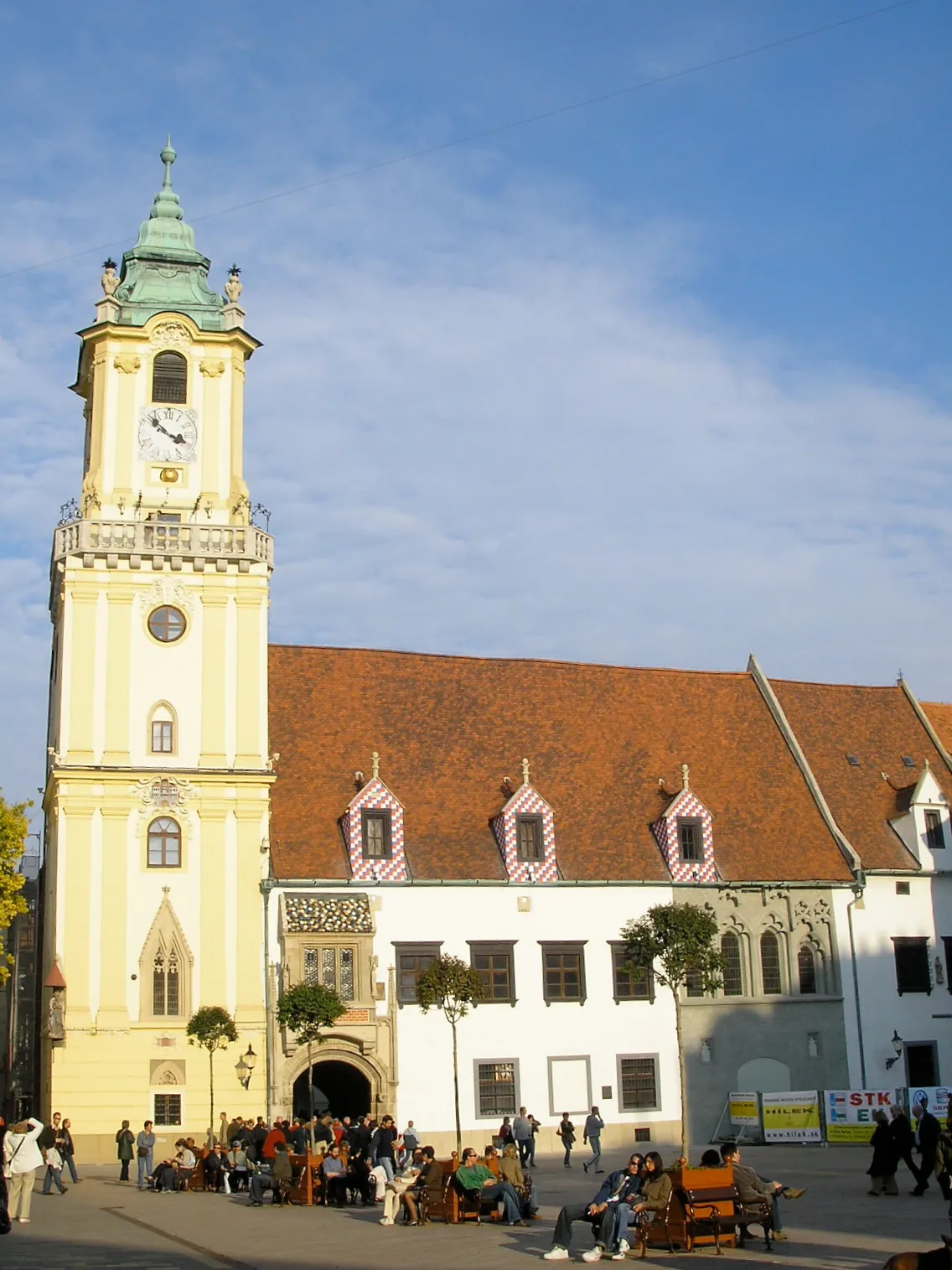
Slovakia
Bratislava
6 places
-
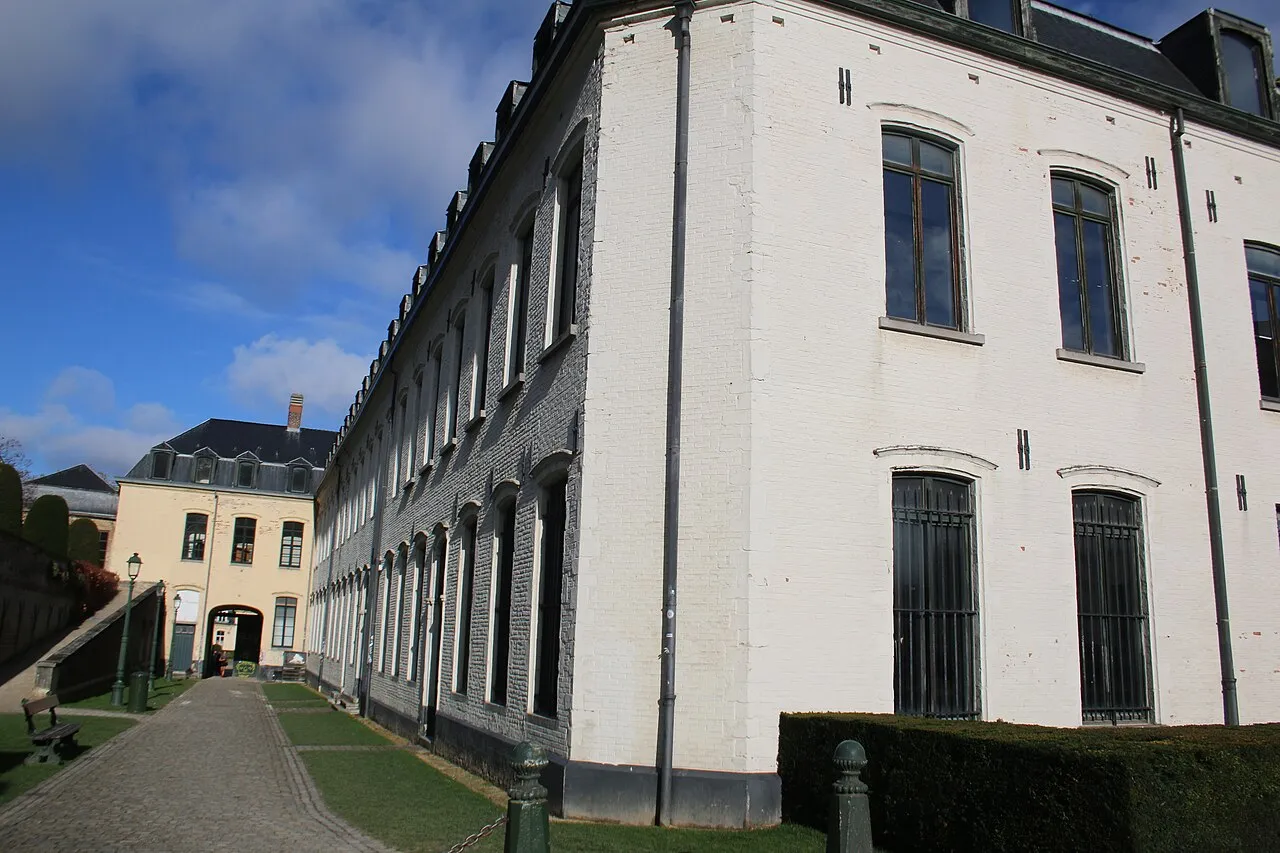
Belgium
Brussels
6 places
-
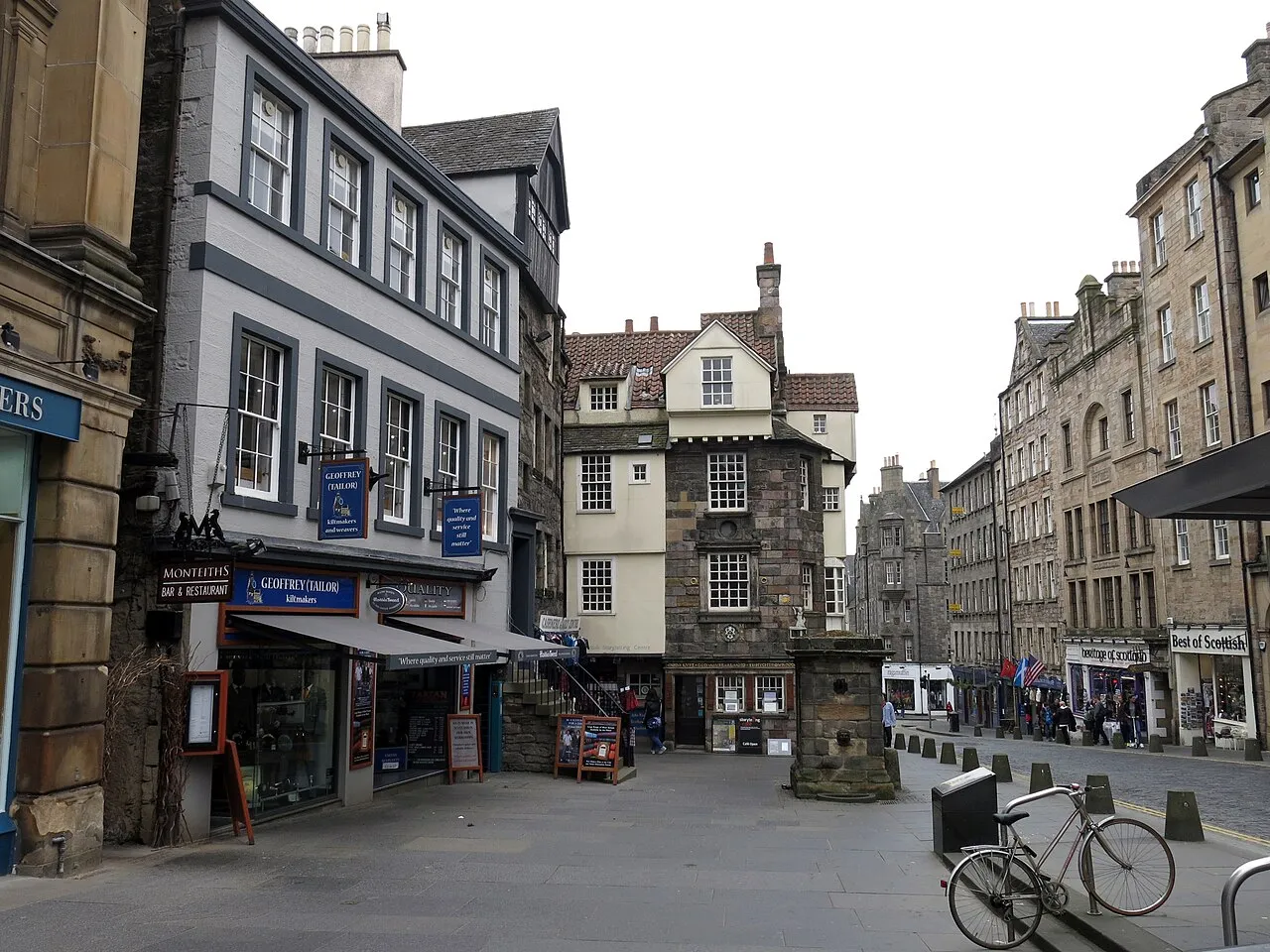
United Kingdom
Edinburgh
6 places
-
Spain
Granada
6 places
-
Germany
Munich
6 places
-
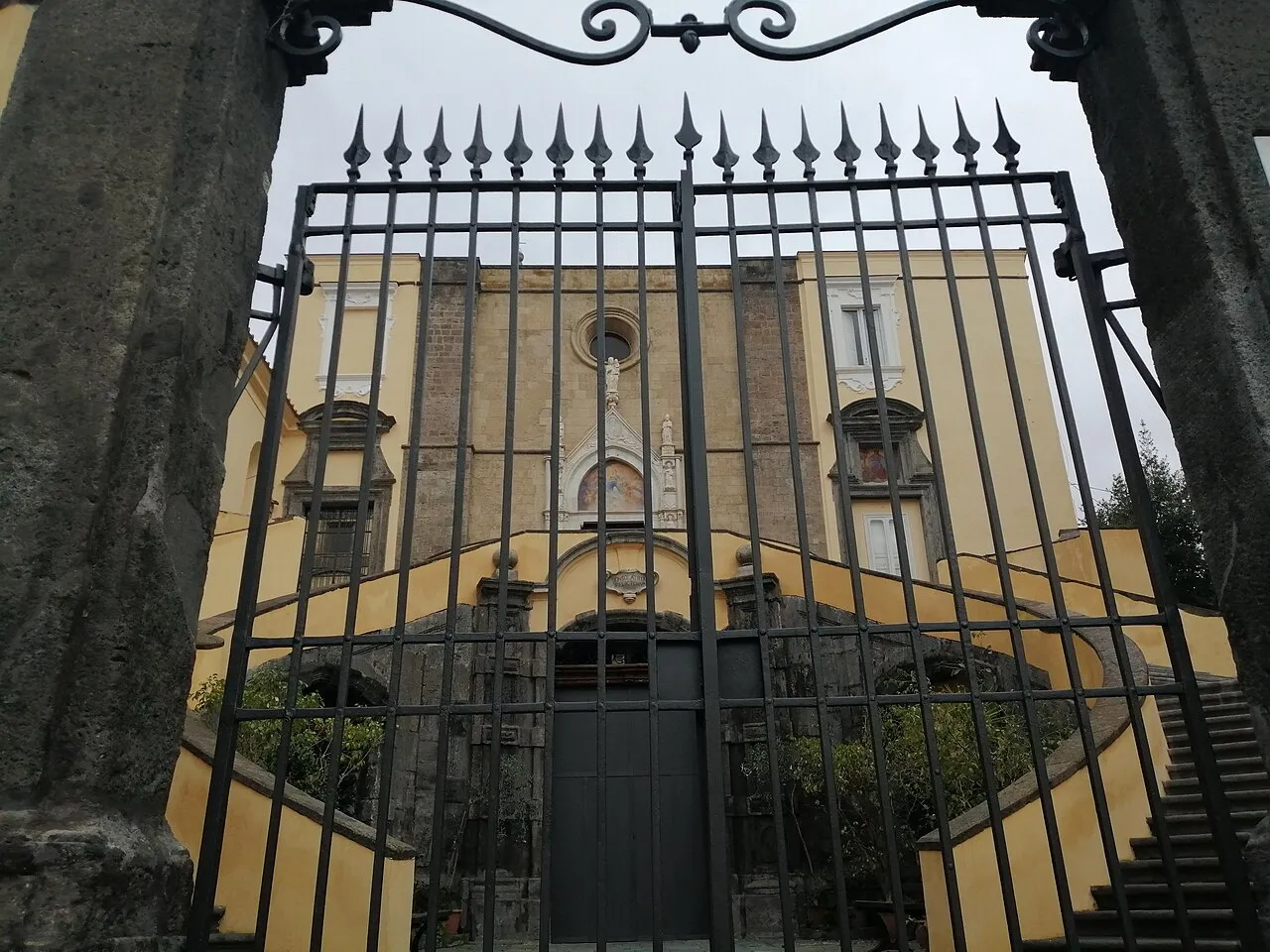
Italy
Naples
6 places
-
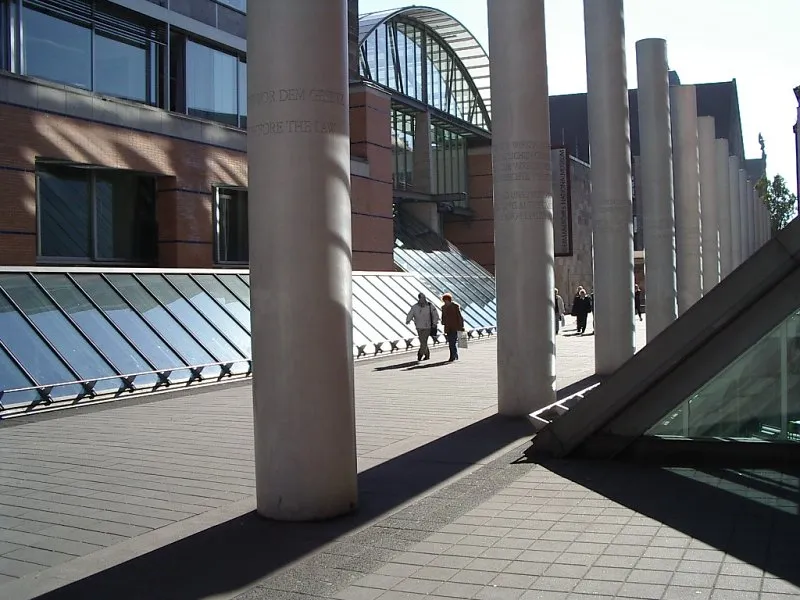
Germany
Nuremberg
6 places
-
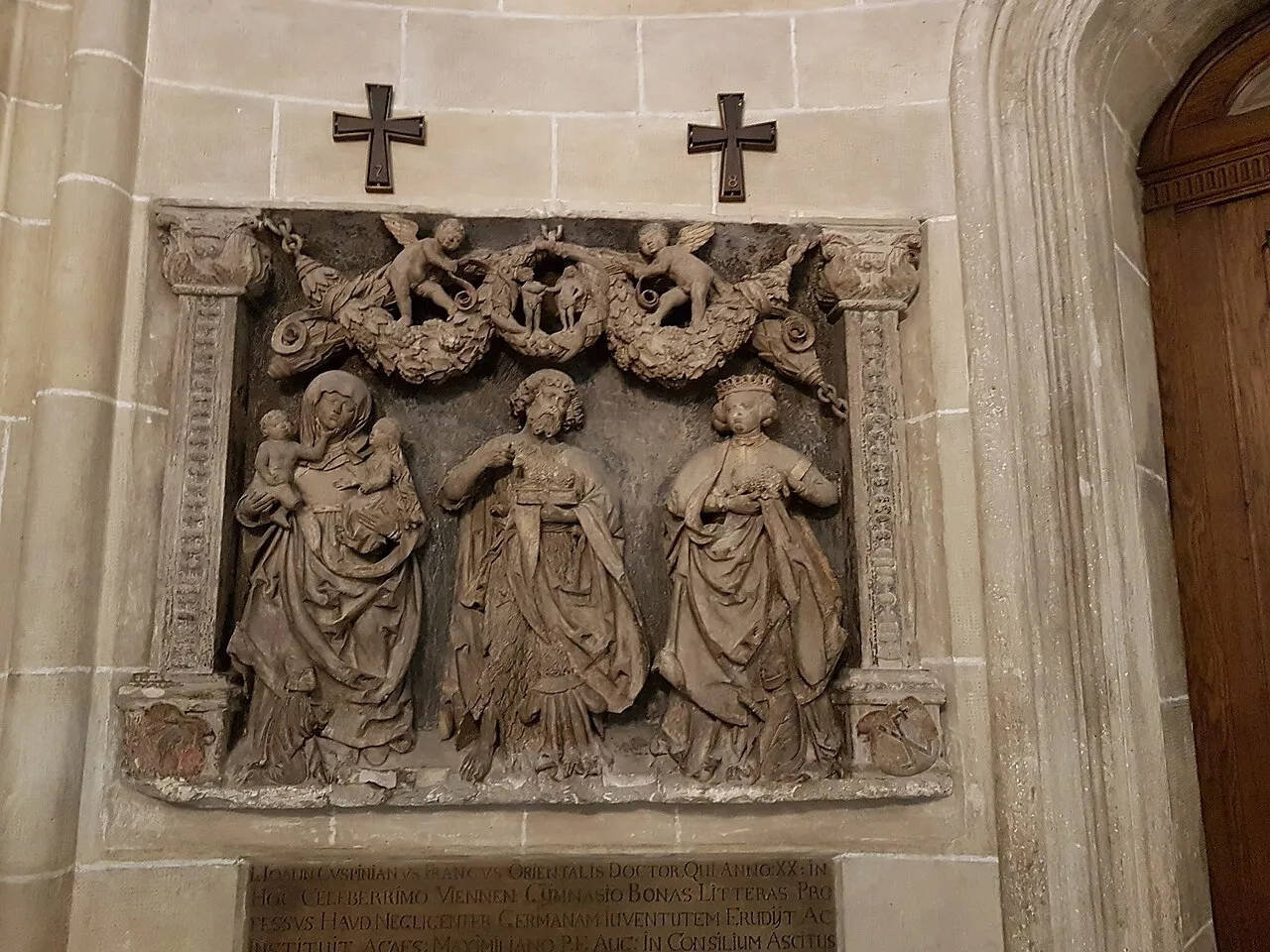
Austria
Vienna
6 places
-
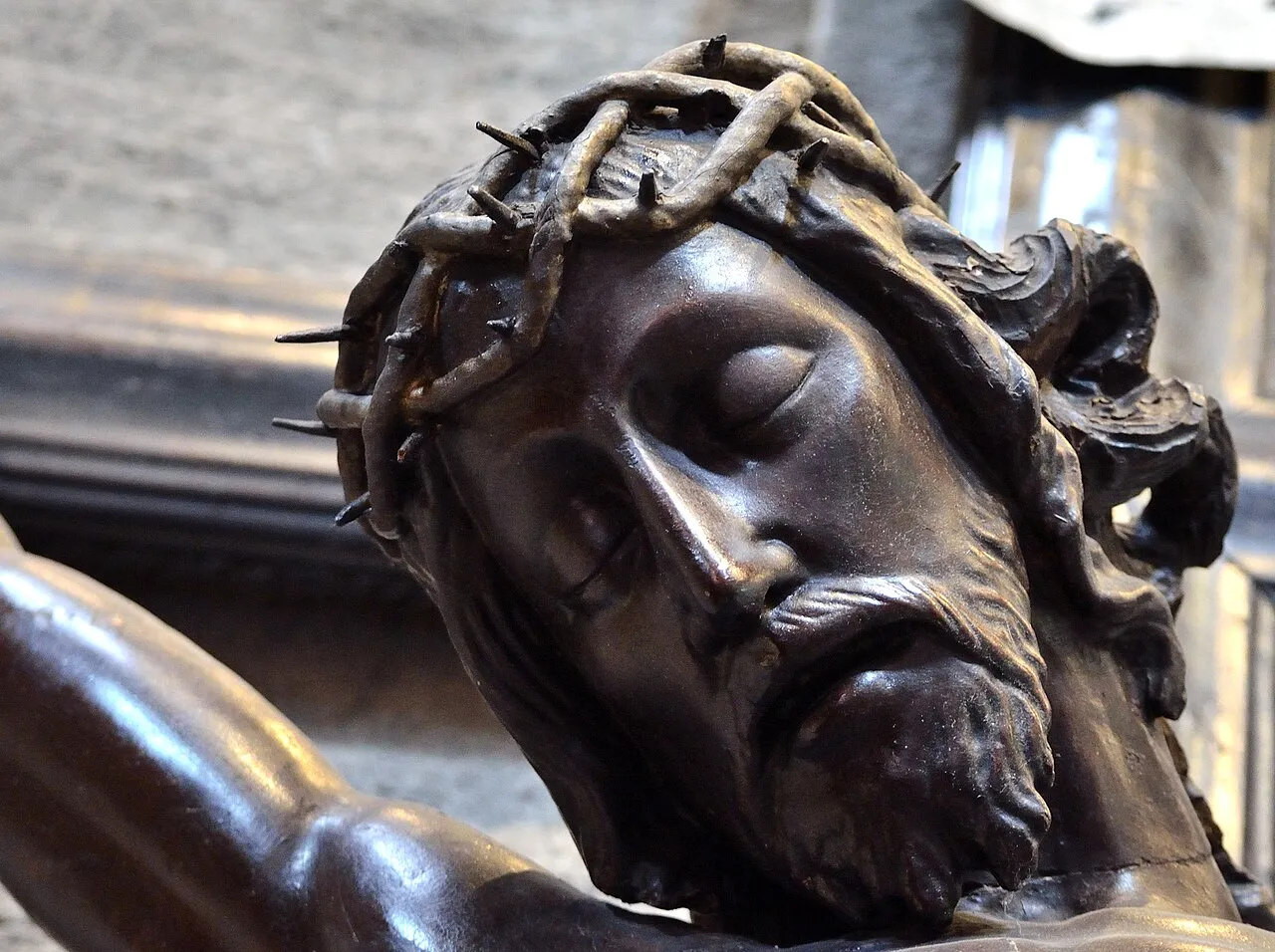
Italy
Genoa
5 places
-
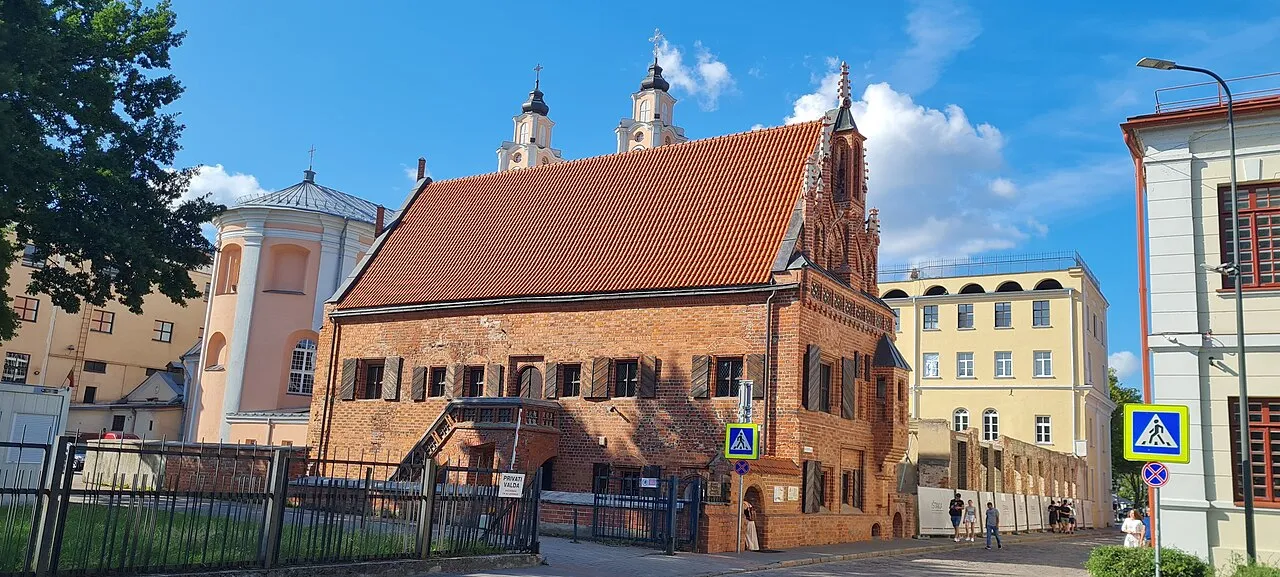
Lithuania
Kaunas
5 places
-
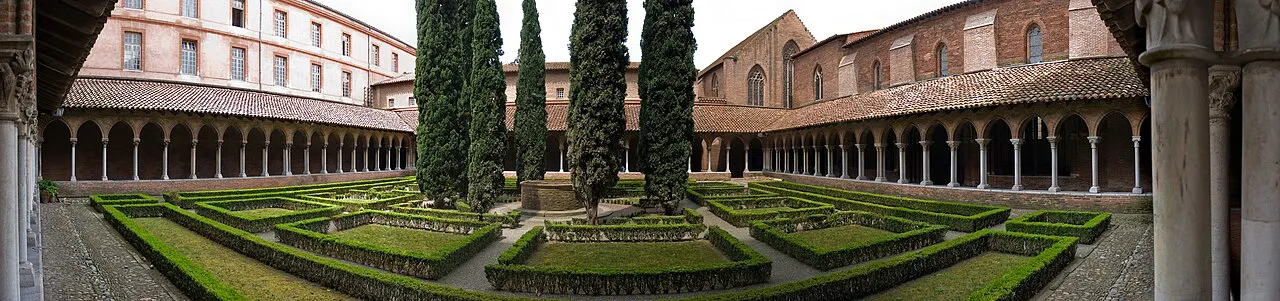
France
Toulouse
5 places
-
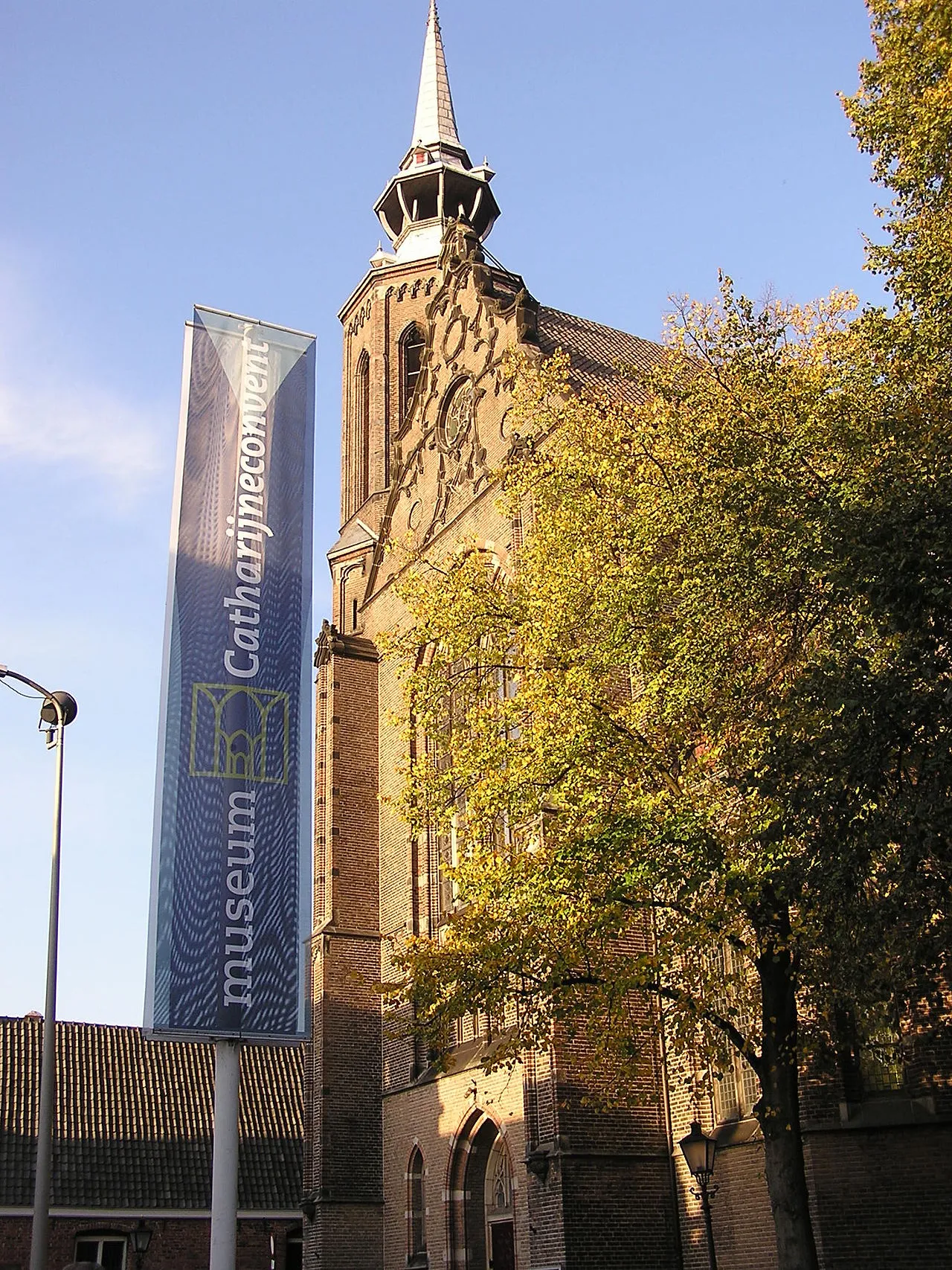
Netherlands
Utrecht
5 places
-
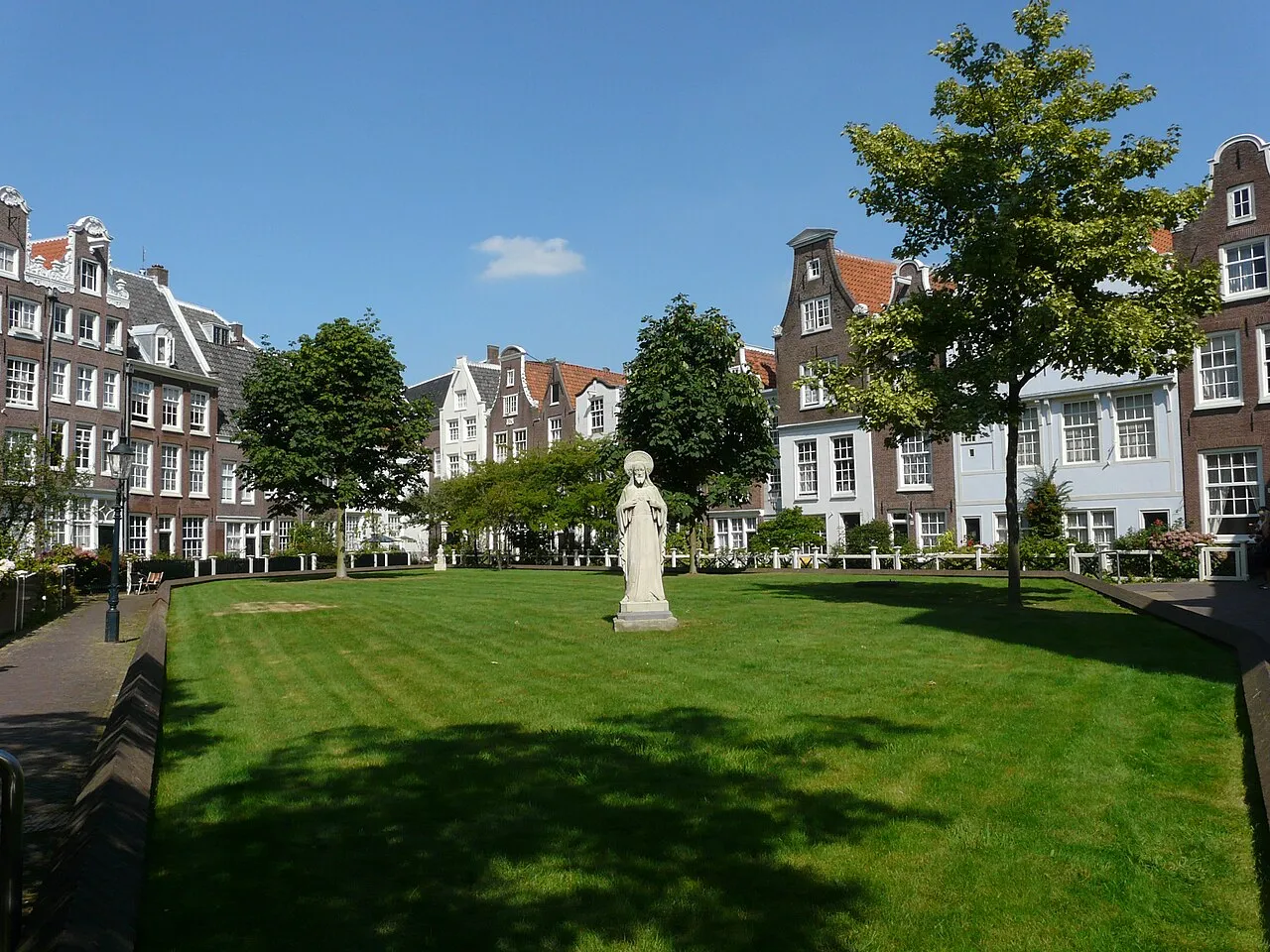
Netherlands
Amsterdam
4 places
-
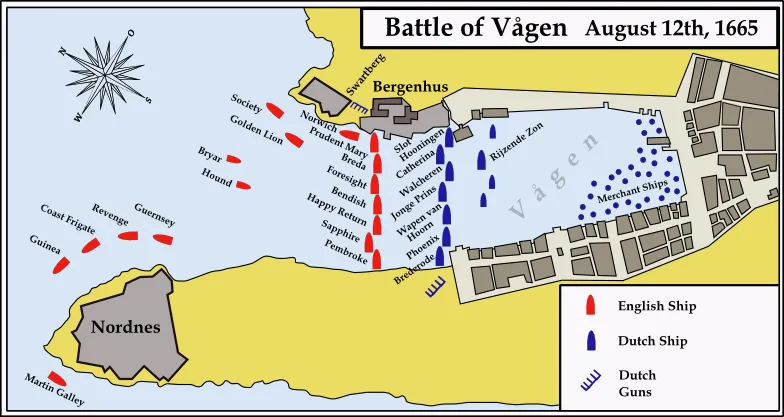
Norway
Bergen
4 places
-
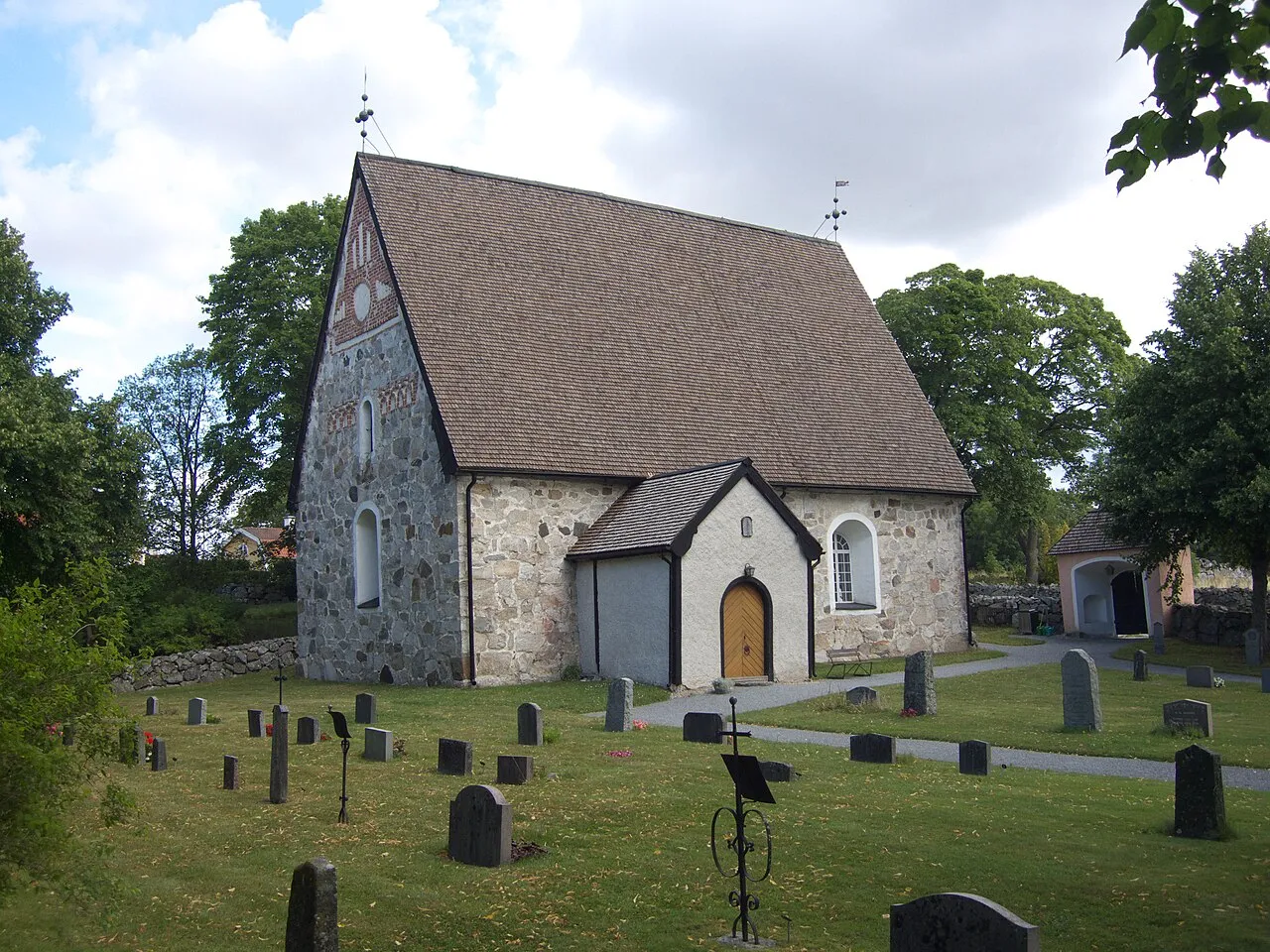
Sweden
Enköping
4 places
-
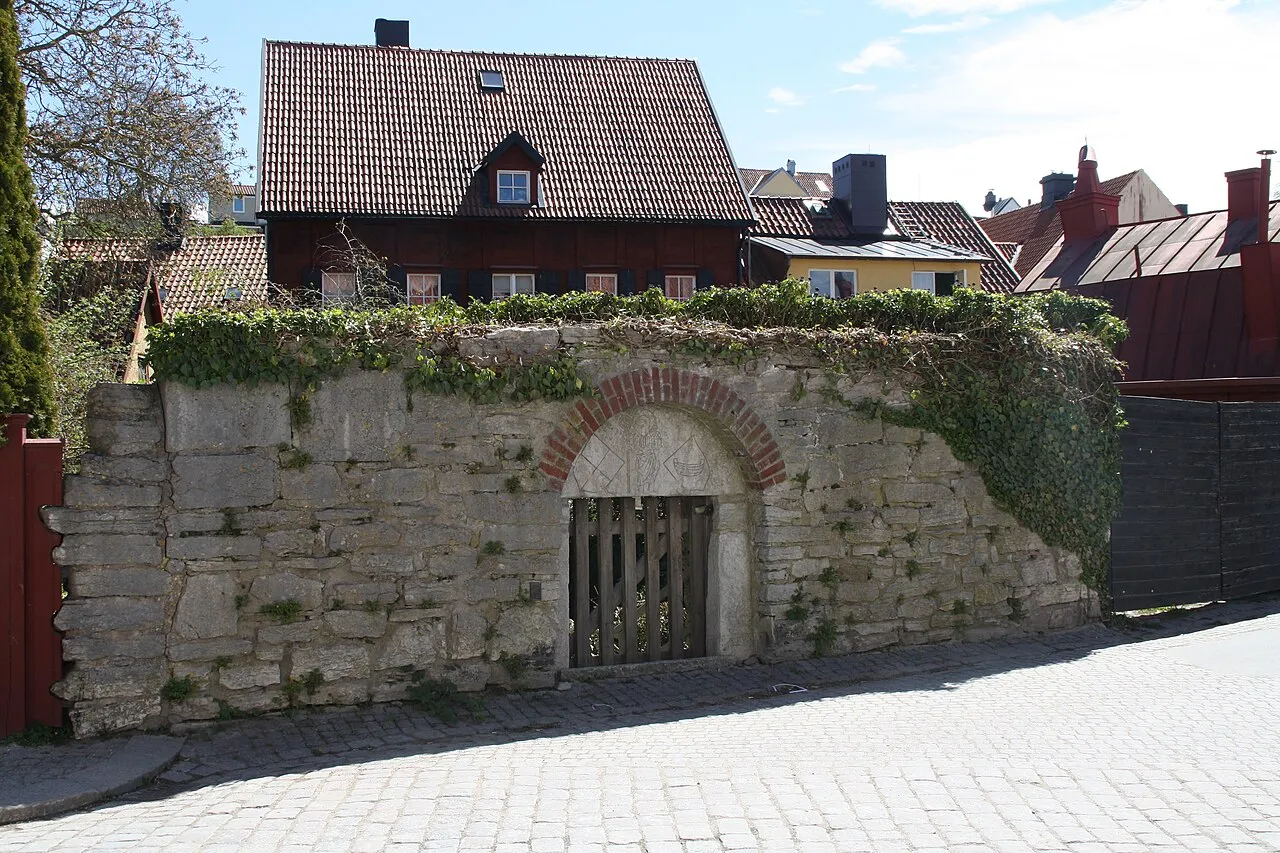
Sweden
Gotland
4 places
-
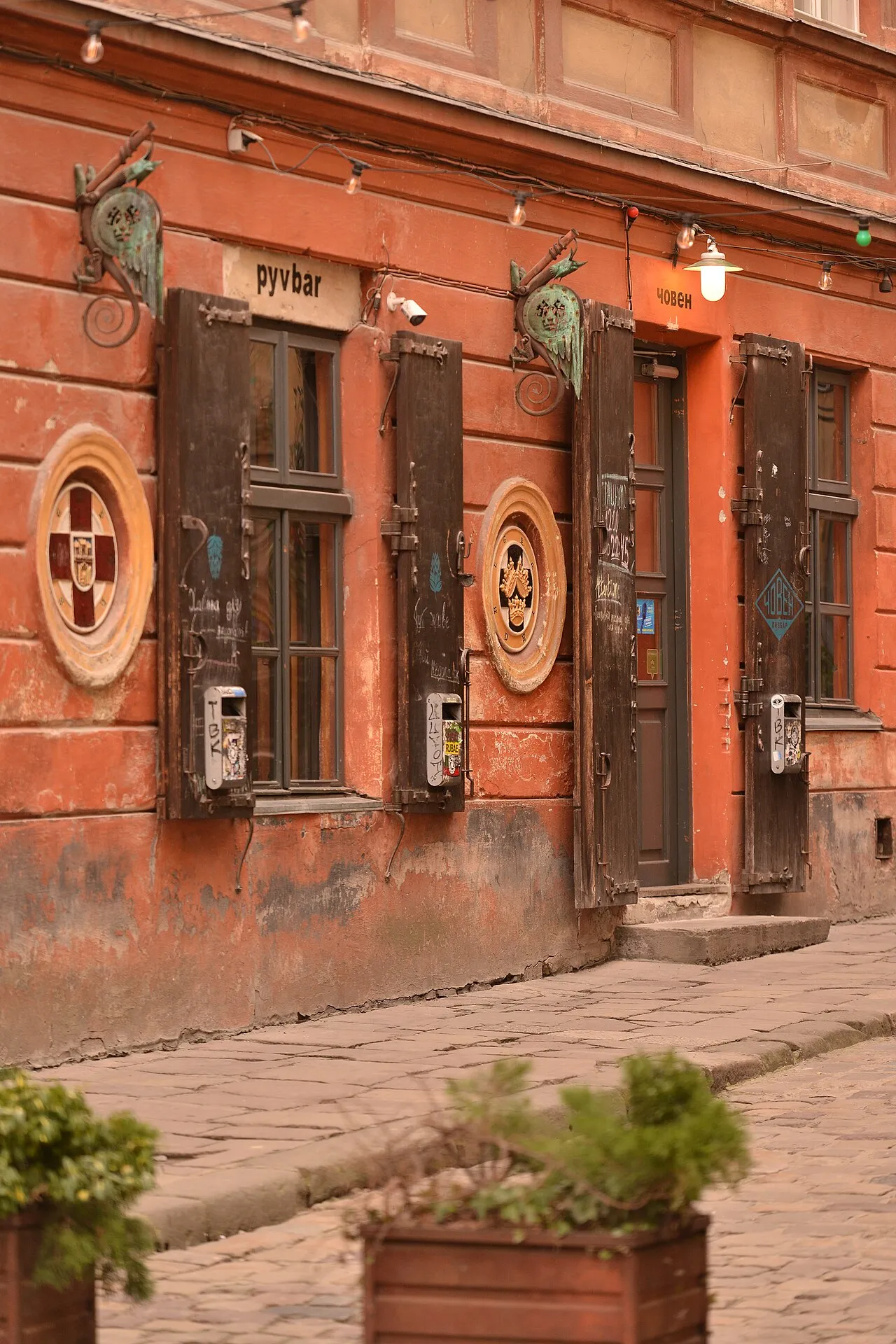
Ukraine
Lviv
4 places
-
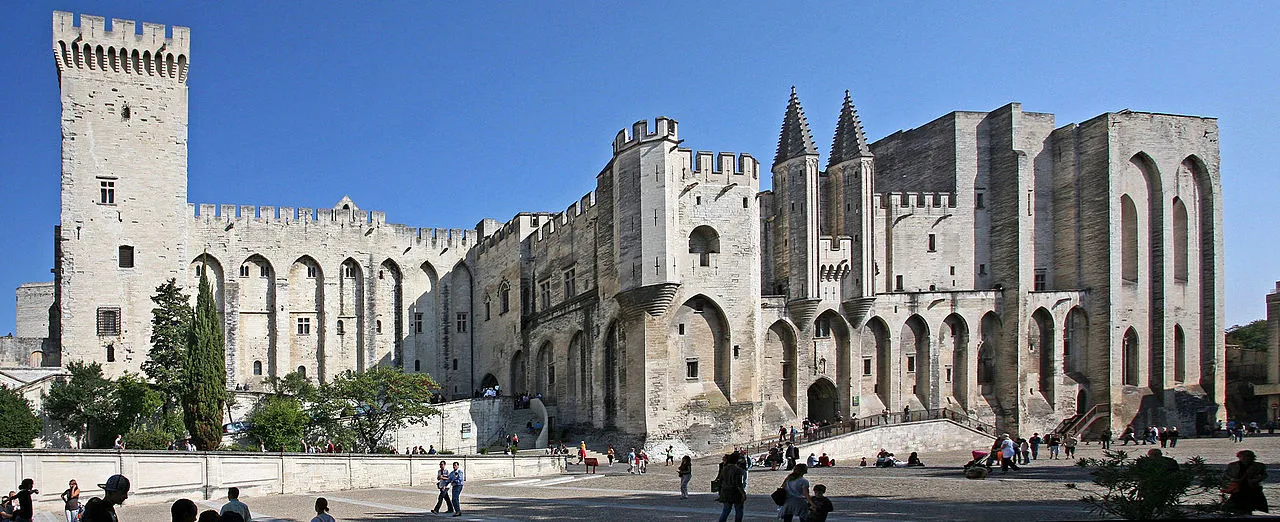
France
Provence-Alpes-Côte d'Azur
4 places
-
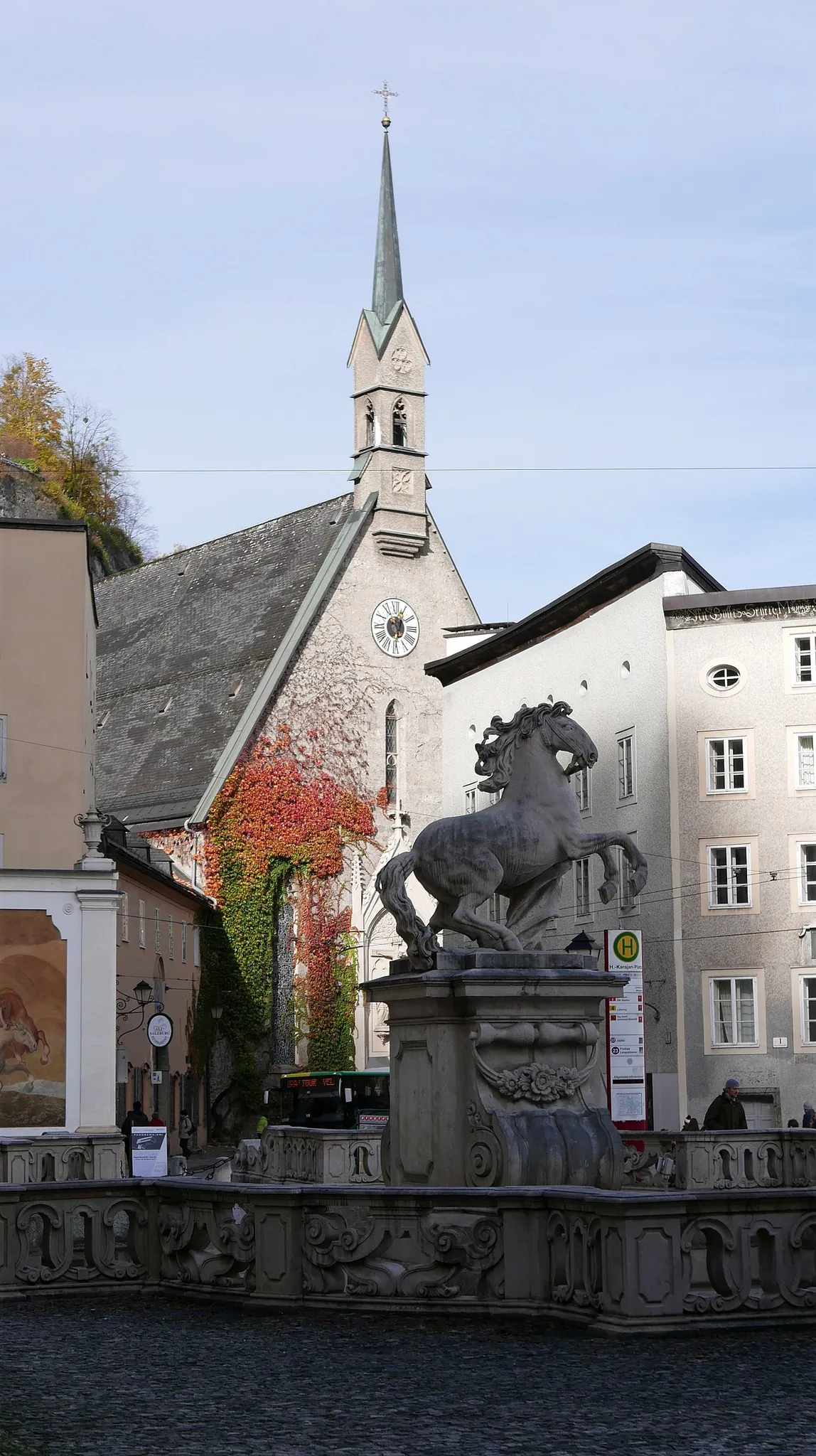
Austria
Salzburg
4 places
-
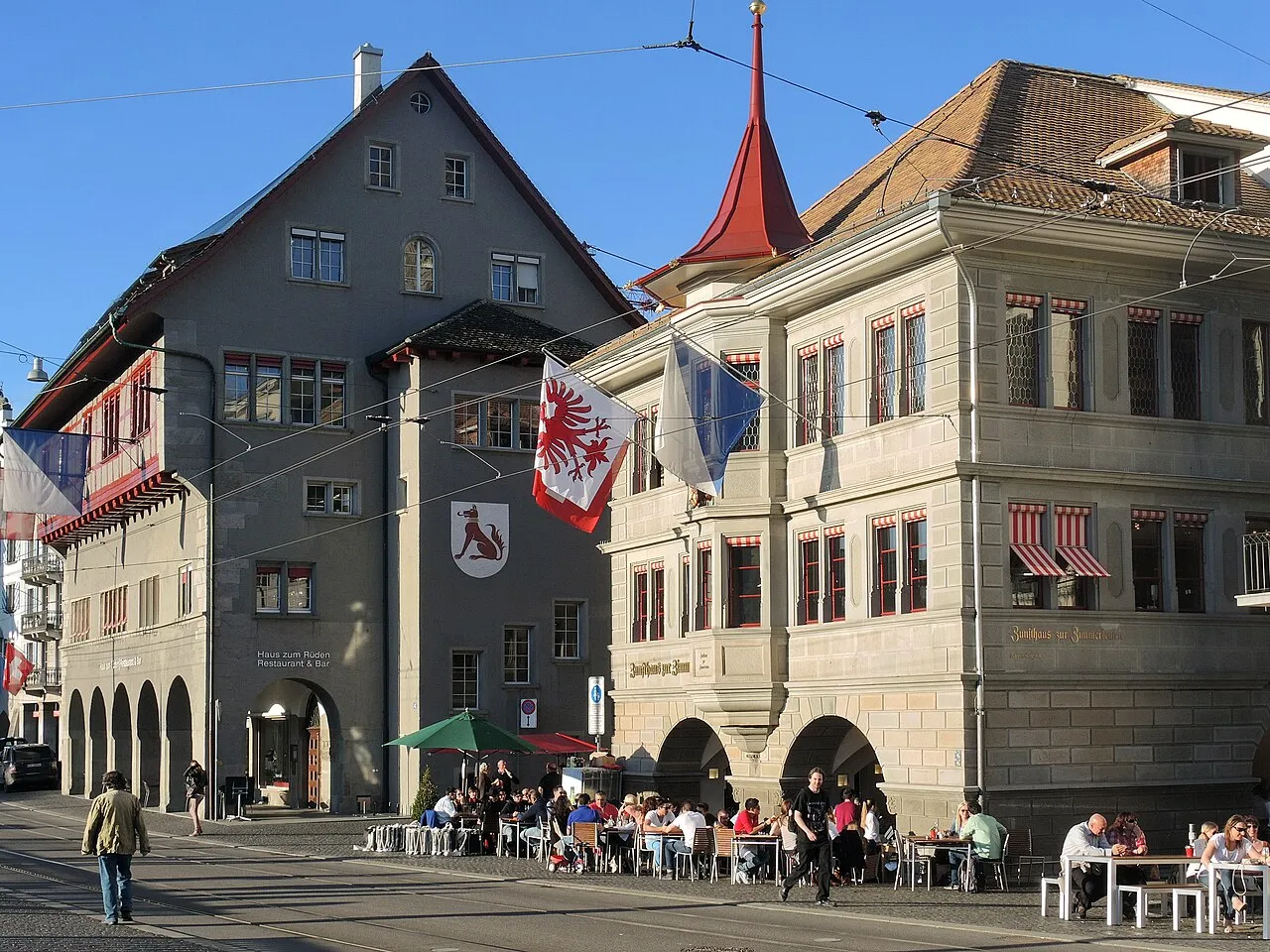
Switzerland
Zurich
4 places
Keep exploring
Explore all destinations