

Medieval architecture
Medieval architecture across 2 cities in 2 countries. The buildings worth seeing, the architects behind them, and where to find each one.
What is medieval?
Medieval architecture is the building of an era rather than a single style. The period’s two great named styles each have their own page here: Romanesque, with round arches, barrel vaults and thick walls, and Gothic, with pointed arches, rib vaults and walls opened up into glass. What remains for this page is the period itself and everything the style labels fit poorly: castles, fortifications, town walls, secular stone houses and medieval street networks.
The boundaries are conventional and shift by country. On the continent the Middle Ages run from around 500 to the 15th century, when Renaissance ideas took over; in Scandinavia the period both starts and ends later. Roughly 1000-1500 captures its core.
Medieval building moved in three spheres: religious work from cathedrals to parish churches, military work from earth-and-timber motte-and-bailey castles to stone keeps and curtain walls, and civic work such as town halls, bridges and walled towns. The defensive vocabulary still reads like a checklist on the ground: corner towers for flanking fire, gatehouses with portcullises, arrow slits, moats and machicolations. A castle was a private fortified residence, distinct from a town’s communal wall; gunpowder artillery made the type obsolete in the 15th and 16th centuries.
Builders were mostly anonymous, and the names that survive are master masons, patrons and lords rather than architects in the modern sense. The Basilica of Saint-Denis, completed in 1144, marks where Gothic begins; everything from there to the Renaissance, in stone, brick and timber, falls under the medieval umbrella.
Medieval in Sweden
Swedish historiography counts its Middle Ages from the mid-1000s, when Christianity took hold, to the 1520s. What survives is above all churches: estimates of the medieval total run between about 2,350 and 2,500 built, and well over a thousand still stand, most of them in stone. The oldest thread leads to Dalby church in Skåne, founded around 1060 and sometimes proposed as the oldest standing building in the Nordic countries. On Gotland, 92 medieval churches remain in use, the densest ensemble in the country.
Town walls were rare in medieval Sweden; only Stockholm, Kalmar and Visby had them. Visby's limestone ring wall survives for some 3.4 kilometers, and the Hanseatic town it encloses joined the UNESCO World Heritage List in 1995. Stockholm's Gamla stan keeps its medieval street net, with medieval masonry and cellar vaults hiding behind later facades.
The castles trace old borders: Kärnan in Helsingborg was Danish and Bohus fortress Norwegian, both Swedish only from 1658. Glimmingehus in southeastern Skåne, built as a fortified residence for the knight Jens Holgersen Ulfstand, is often called the best preserved medieval castle in the Nordic countries.
Notable medieval buildings
-
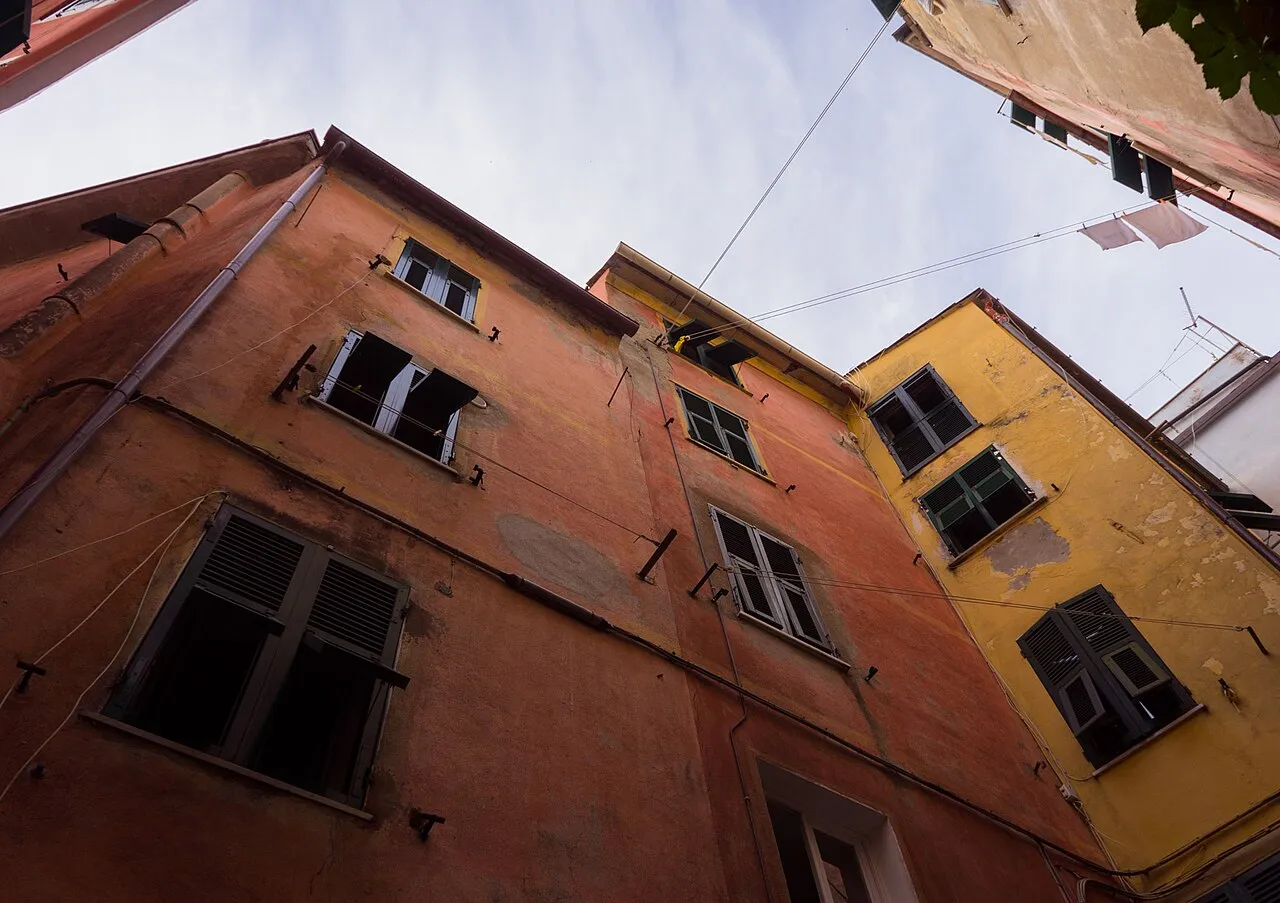
Vernazza
Tuscany · 1080
-
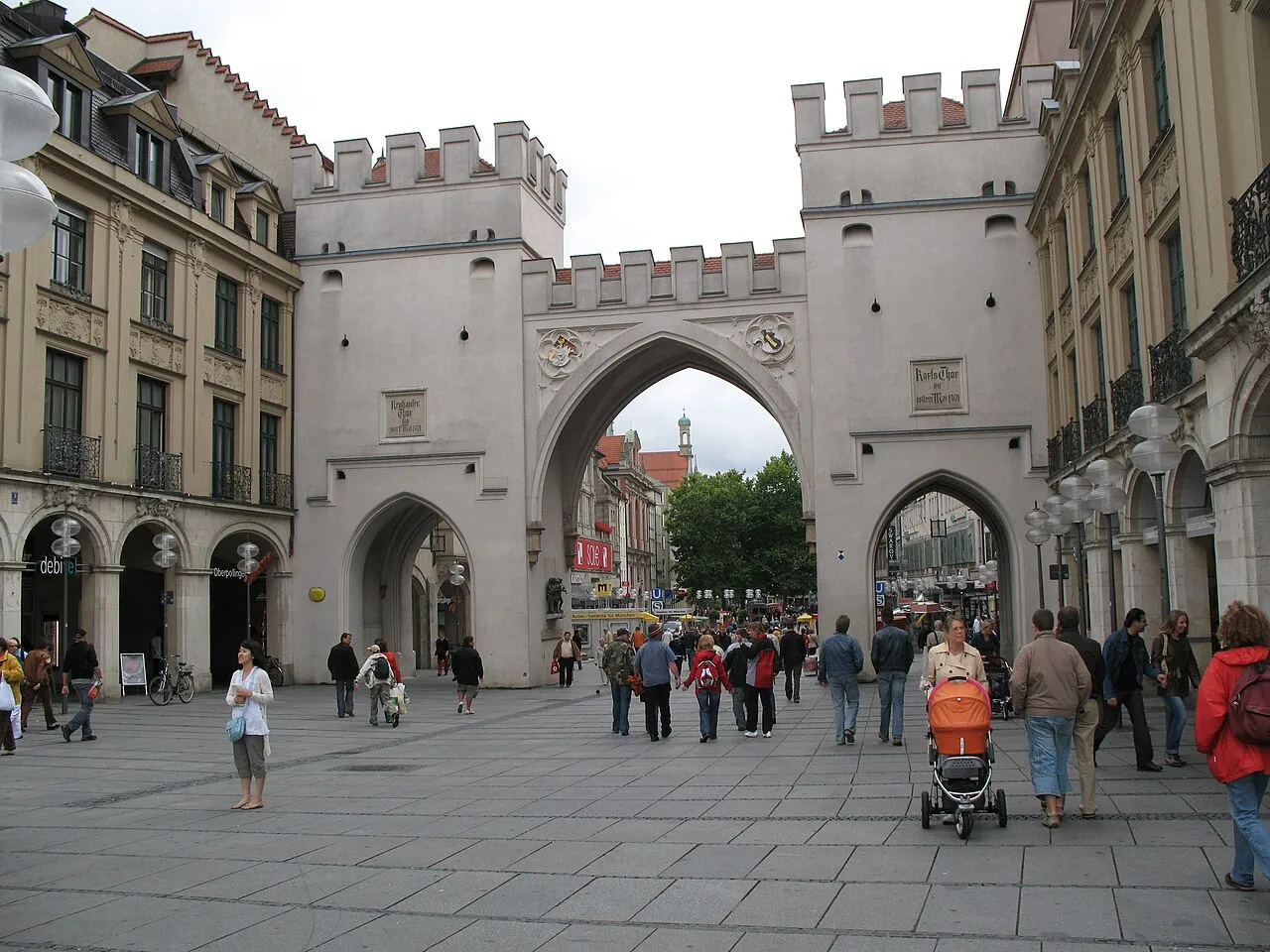
Karlstor
Bavaria · 1337
-
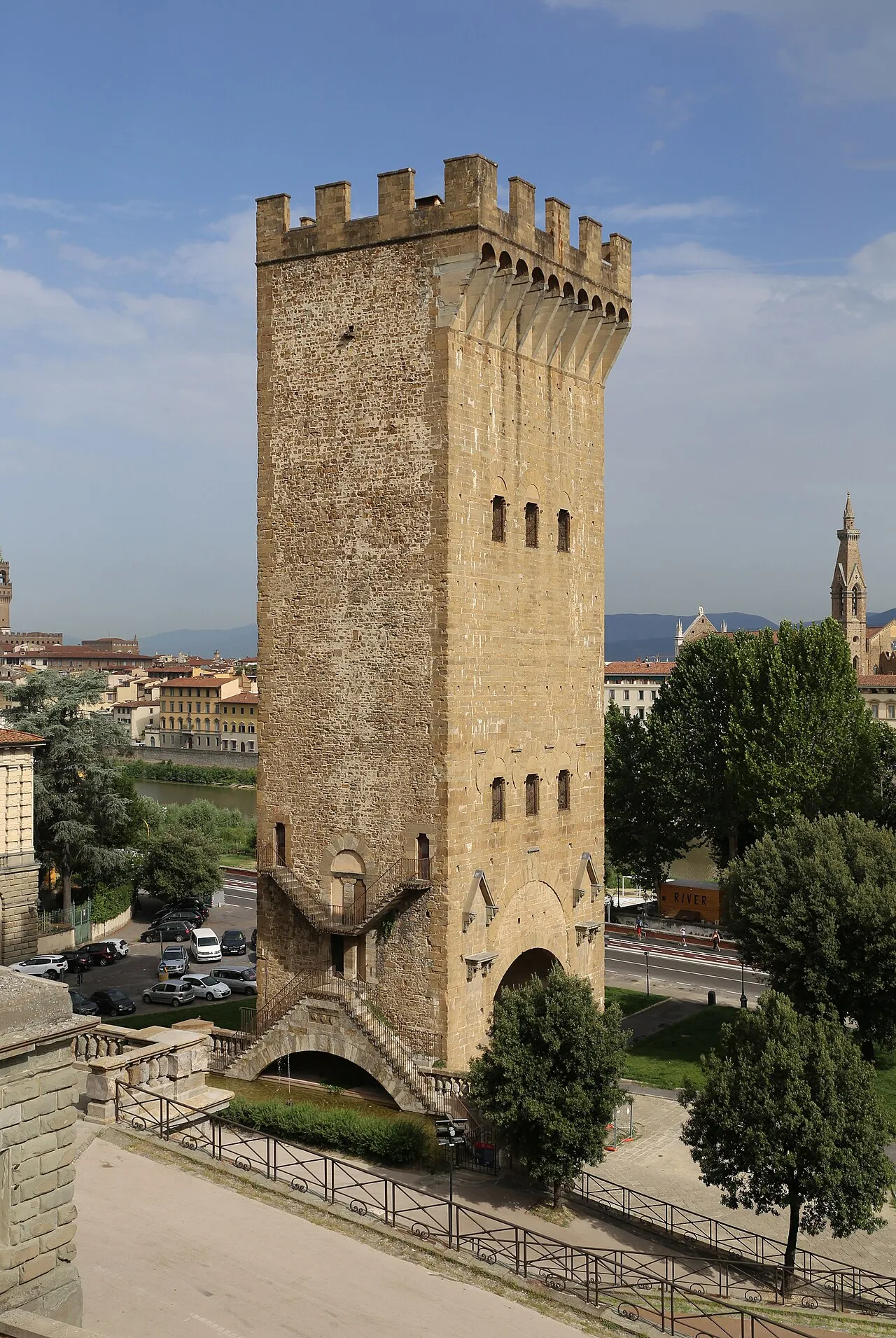
Porta San Niccolò
Tuscany · 1324
-
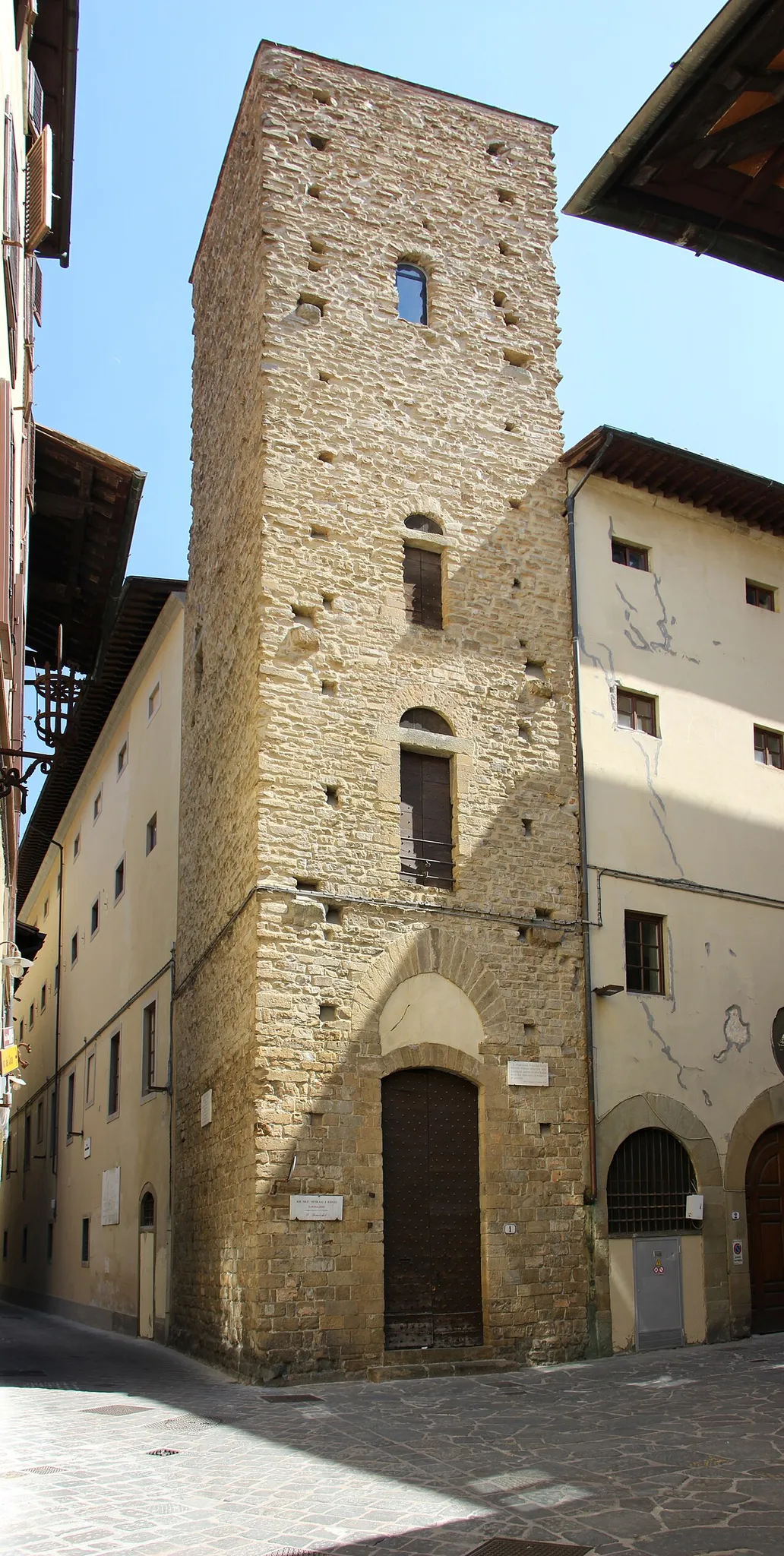
Torre della Castagna
Tuscany · 1038
-
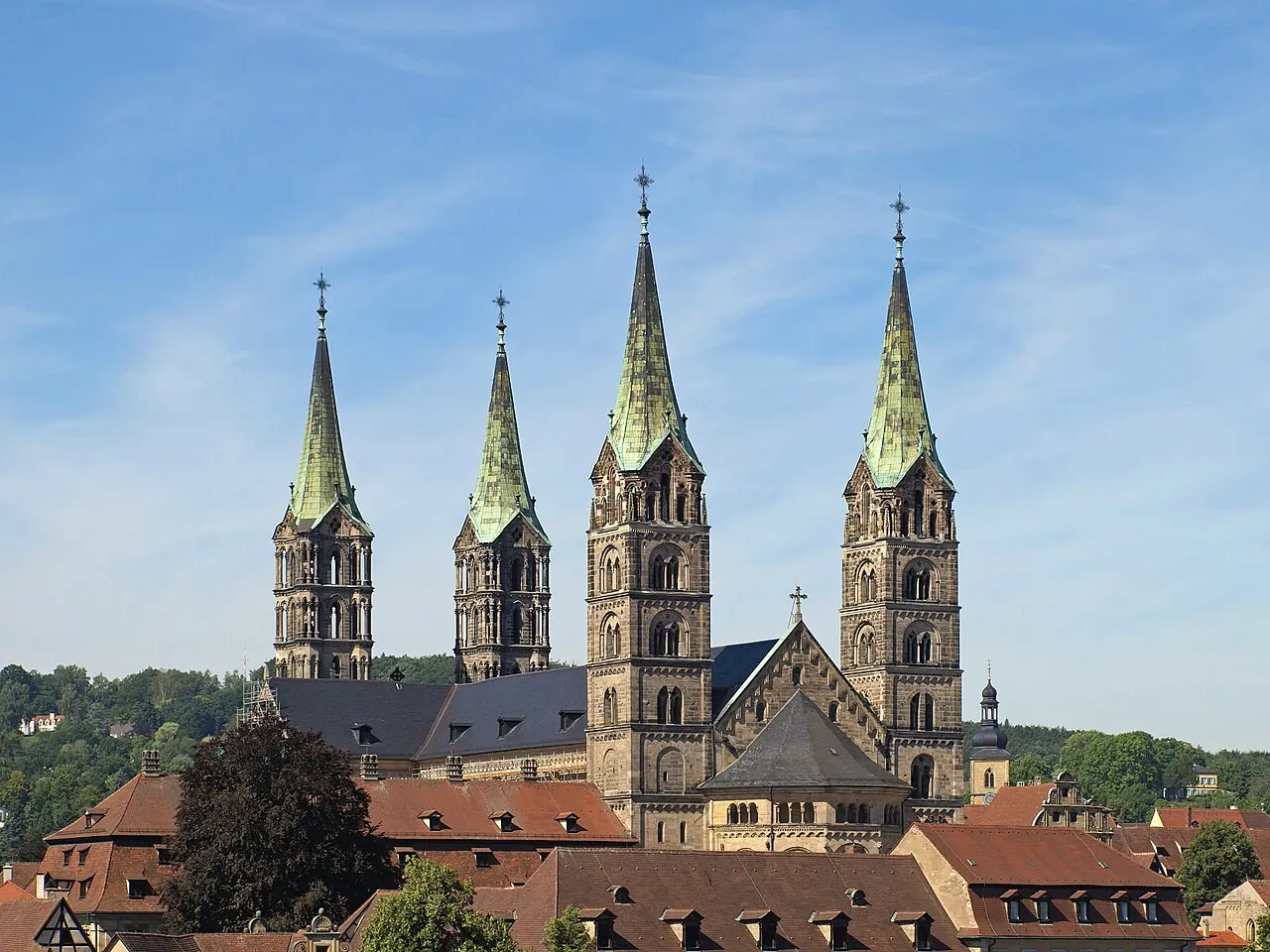
Bamberg
Bavaria · 1007
-
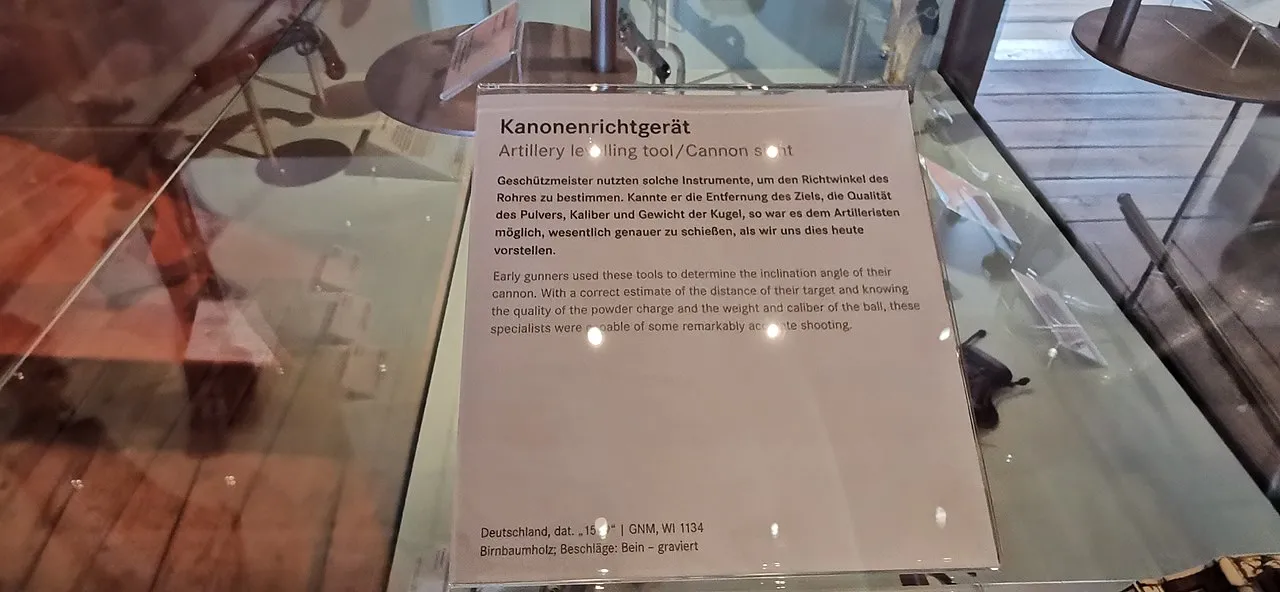
Imperial Castle Nuremberg
Bavaria · 1050
-
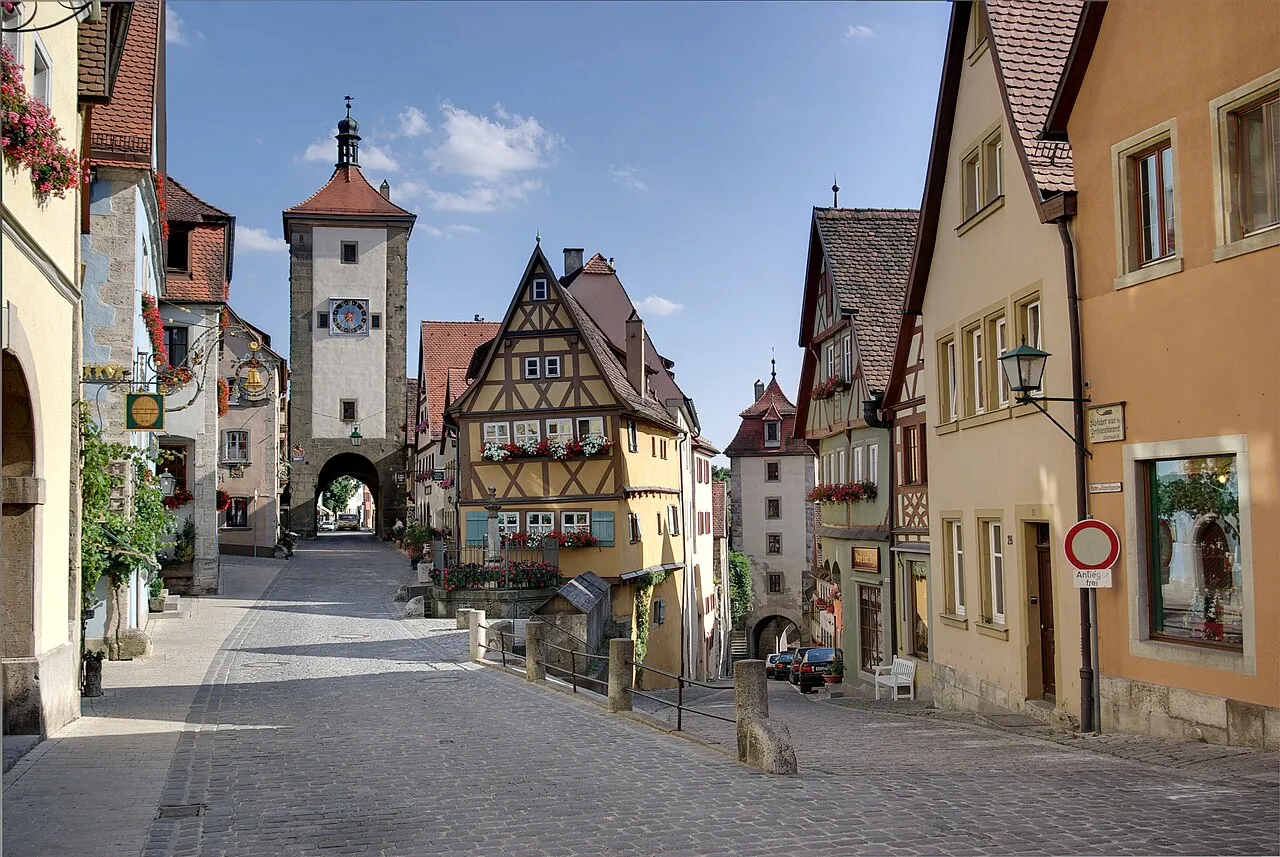
Rothenburg ob der Tauber
Bavaria · 1274
-
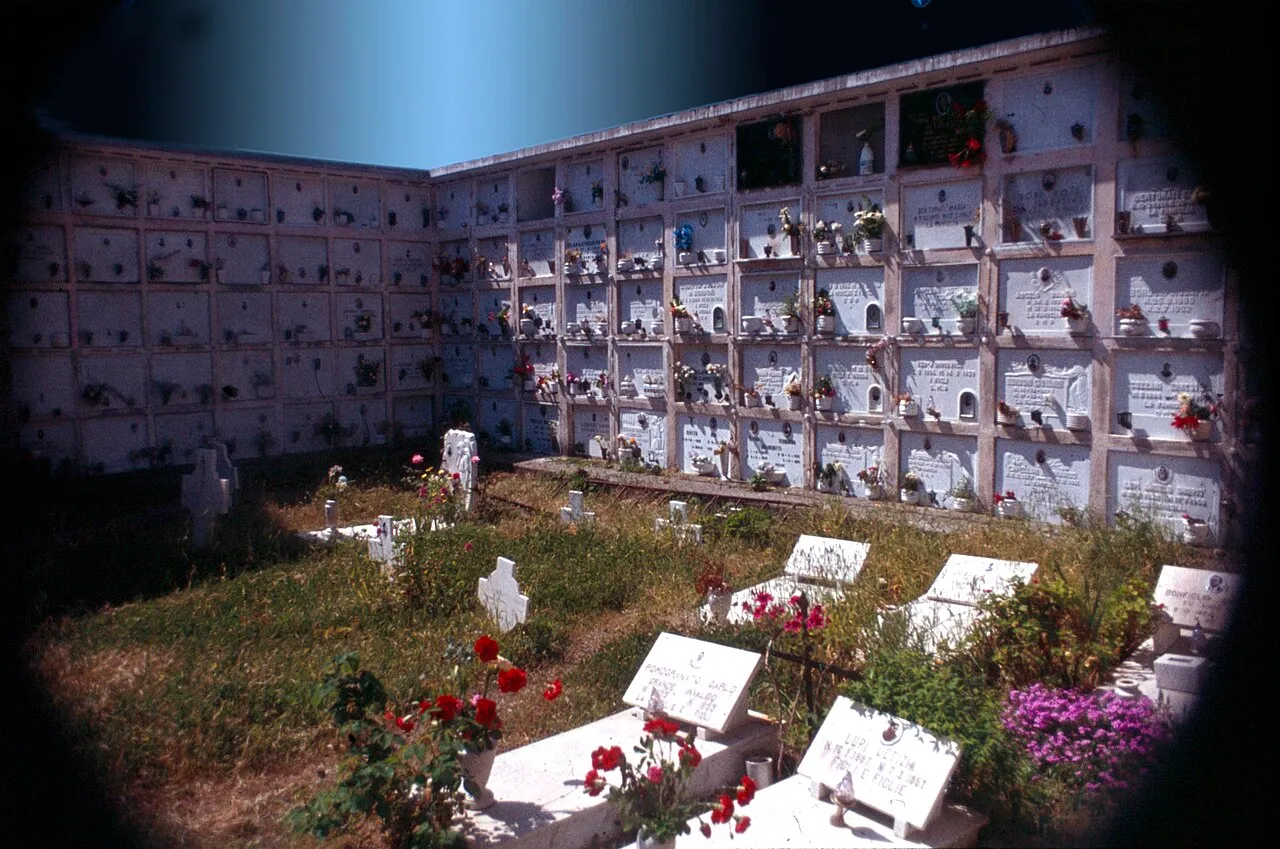
Manarola
Tuscany · 1273
-
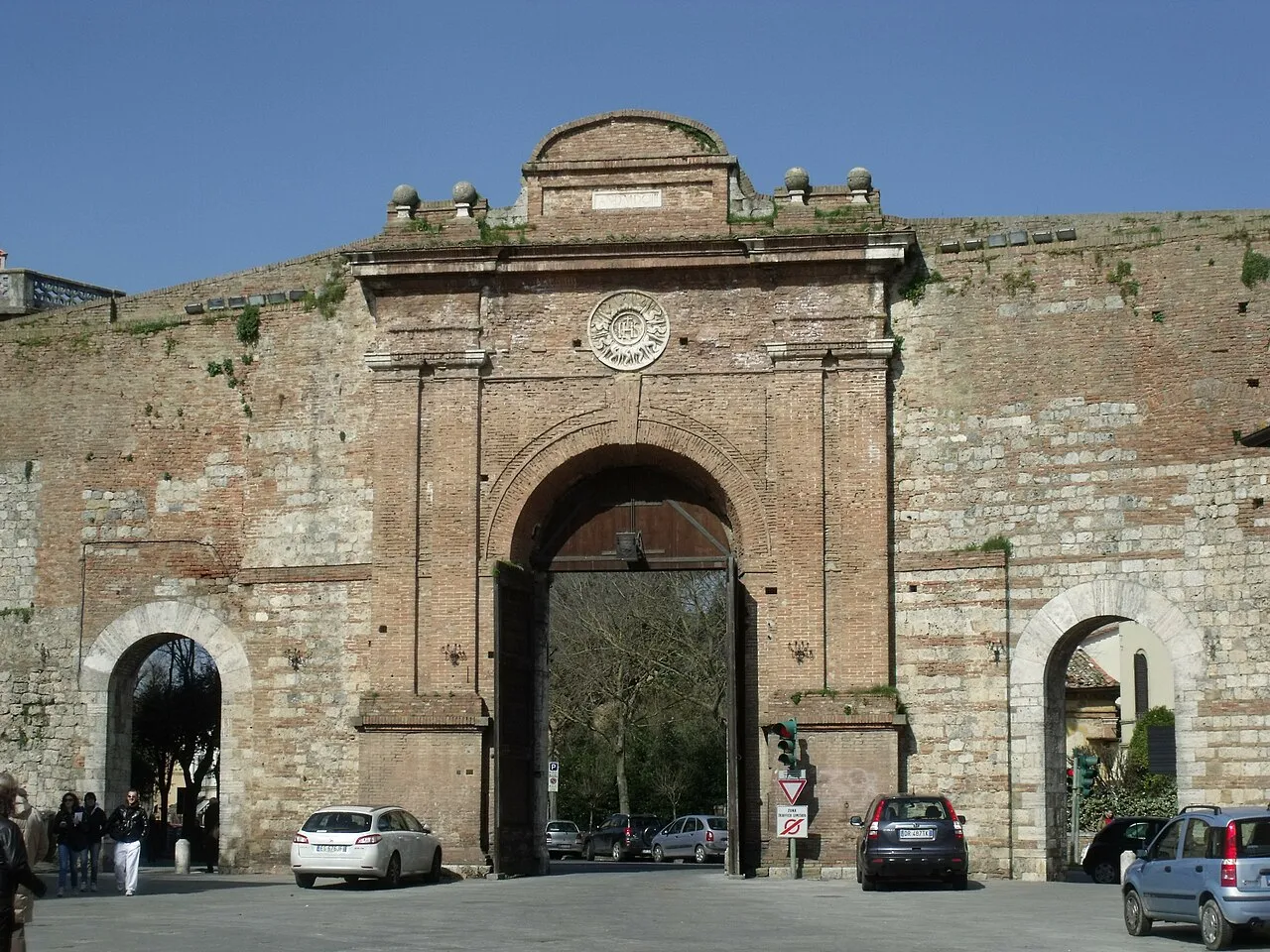
Porta Camollia
Tuscany · 1604
-
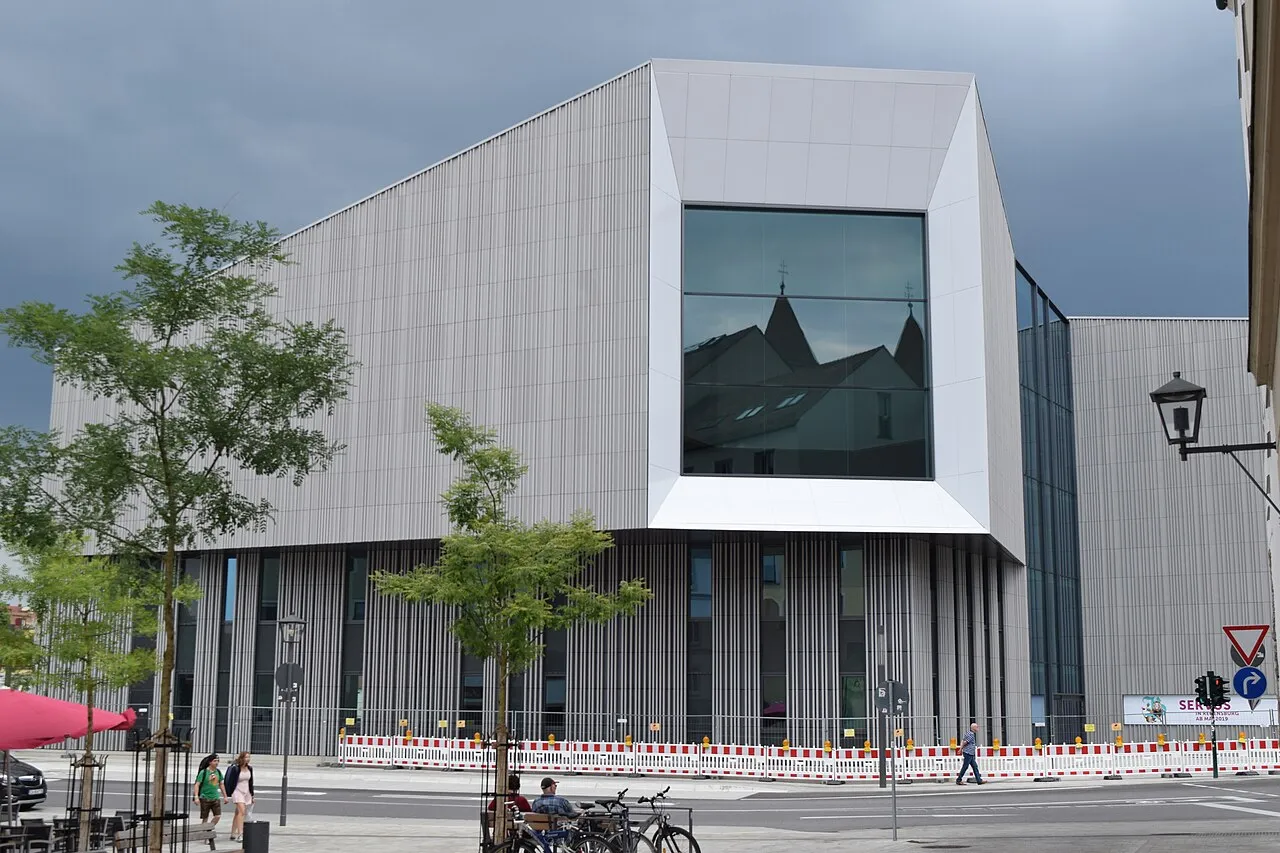
Altstadt von Regensburg mit Stadtamhof
Bavaria · 1000
-
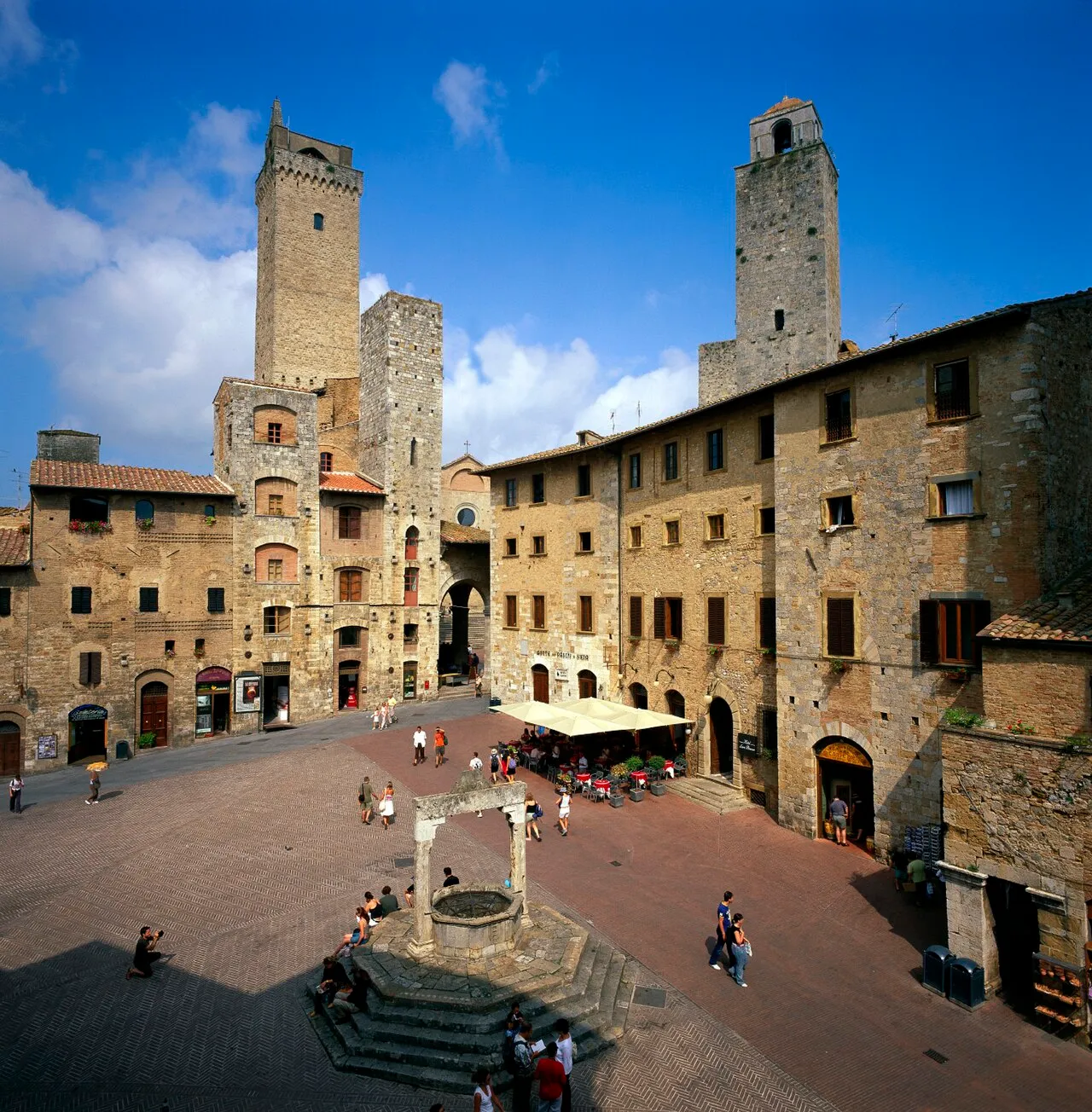
San Gimignano Historic Centre
Tuscany · 1199
-
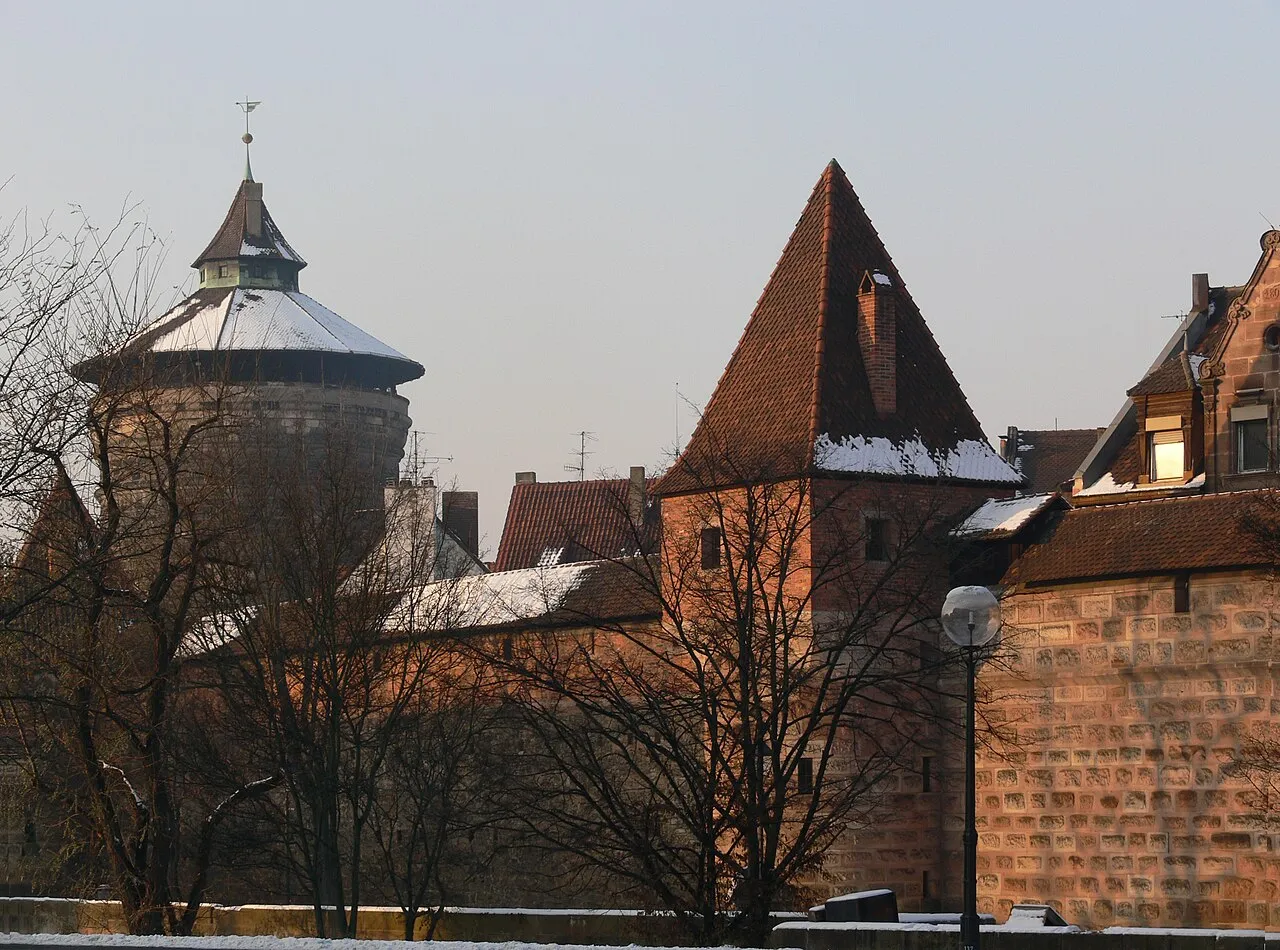
Nuremberg City Walls
Bavaria · 1452
Medieval city by city
Pick a city to see the places on the map, with photos and descriptions.
Keep exploring
Explore all destinations