

Art Nouveau architecture
Art Nouveau architecture across 18 cities in 14 countries. The buildings worth seeing, the architects behind them, and where to find each one.
What is art nouveau?
Art Nouveau was an international style of architecture and the decorative arts that flourished from about 1890 to 1910. It broke with the historicism of the nineteenth century by taking its forms from nature: winding plant motifs, flowing asymmetric lines, and handcrafted detail. The French name comes from Maison de l’Art Nouveau, the Paris gallery Siegfried Bing opened in 1895; in Germany, the Nordic countries and the Baltics the style goes by Jugendstil, or simply jugend, after the Munich magazine Die Jugend.
On the street you recognize it by sinuous whiplash curves, asymmetry, and stylized ornament of leaves, flowers and tendrils. New materials carried the look: iron, glass and ceramics, later concrete, let architects open up larger and lighter rooms behind the undulating facades.
The architectural breakthrough came in Brussels, where Victor Horta’s Hôtel Tassel (1892-1893) stands as one of the style’s first landmarks. Hector Guimard’s canopied entrances for the Paris Métro brought the style to millions, and the Paris world’s fair of 1900, with nearly fifty million visitors, marked its high point. Vienna’s Secession, led by Otto Wagner and Josef Hoffmann, pushed the vocabulary toward geometric precision, while in Riga roughly a third of the city center was built in the style, most of it 1904-1914, the highest concentration in the world.
World War I ended the movement: by 1914 Art Nouveau was largely exhausted, and Art Deco and modernism took its place. Today the surviving buildings carry high heritage value, and the historic center of Riga holds UNESCO World Heritage status with its Art Nouveau ensembles as a core part of that listing.
Art Nouveau in Sweden
Sweden took the German name. The style is called jugend here, after the Munich magazine Die Jugend, a choice that reflects how closely Swedish culture was tied to Germany around 1900. The style broke through at the Stockholm art and industry exhibition of 1897, and its built bloom was short, mostly 1900-1910.
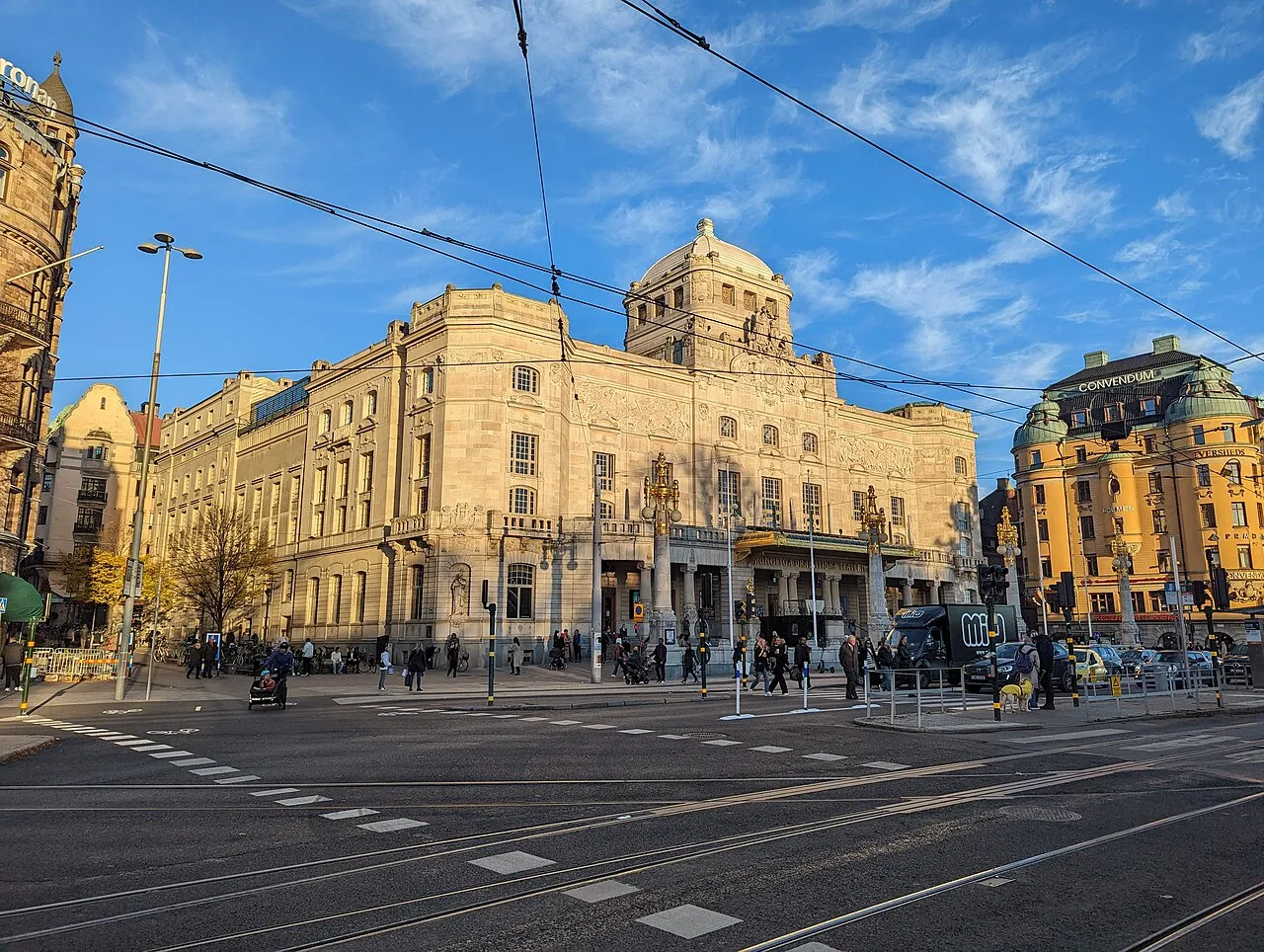
Swedish jugend is a restrained cousin of the continental style: smooth plaster facades over stone bases, rounded bay windows, small-paned upper window sashes, and ornament drawn from Nordic flora and fauna, with pine cones, oak leaves and squirrels in place of continental exotica. Ferdinand Boberg designed Rosenbad in Stockholm (completed 1902), today the seat of Sweden's government; Fredrik Lilljekvist designed the Royal Dramatic Theatre, Dramaten, inaugurated in 1908 and counted among Sweden's most representative jugend buildings; Erik Hahr designed Vasahuset in Uppsala (first stage 1906-1908); and Hans Hedlund the old water tower in Kalmar, inaugurated in 1900.
There was never a sharp line between jugend and National Romanticism, and many Swedish buildings of the period blend both. By the Baltic Exhibition in Malmö in 1914, the era was effectively over.
Notable art nouveau buildings
-
Dramaten
Stockholm · 1908
-
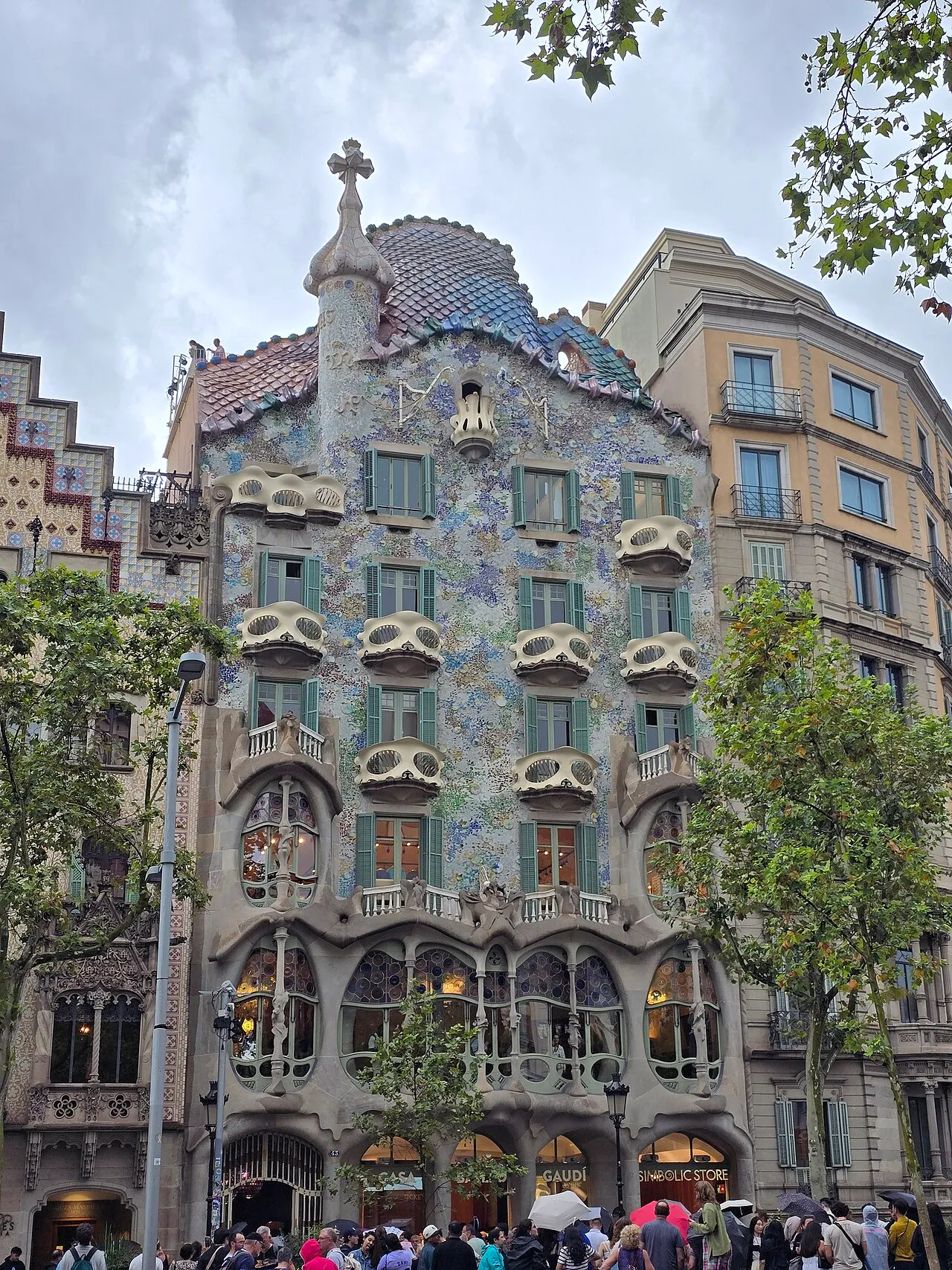
Casa Batlló
Barcelona · 1906
-
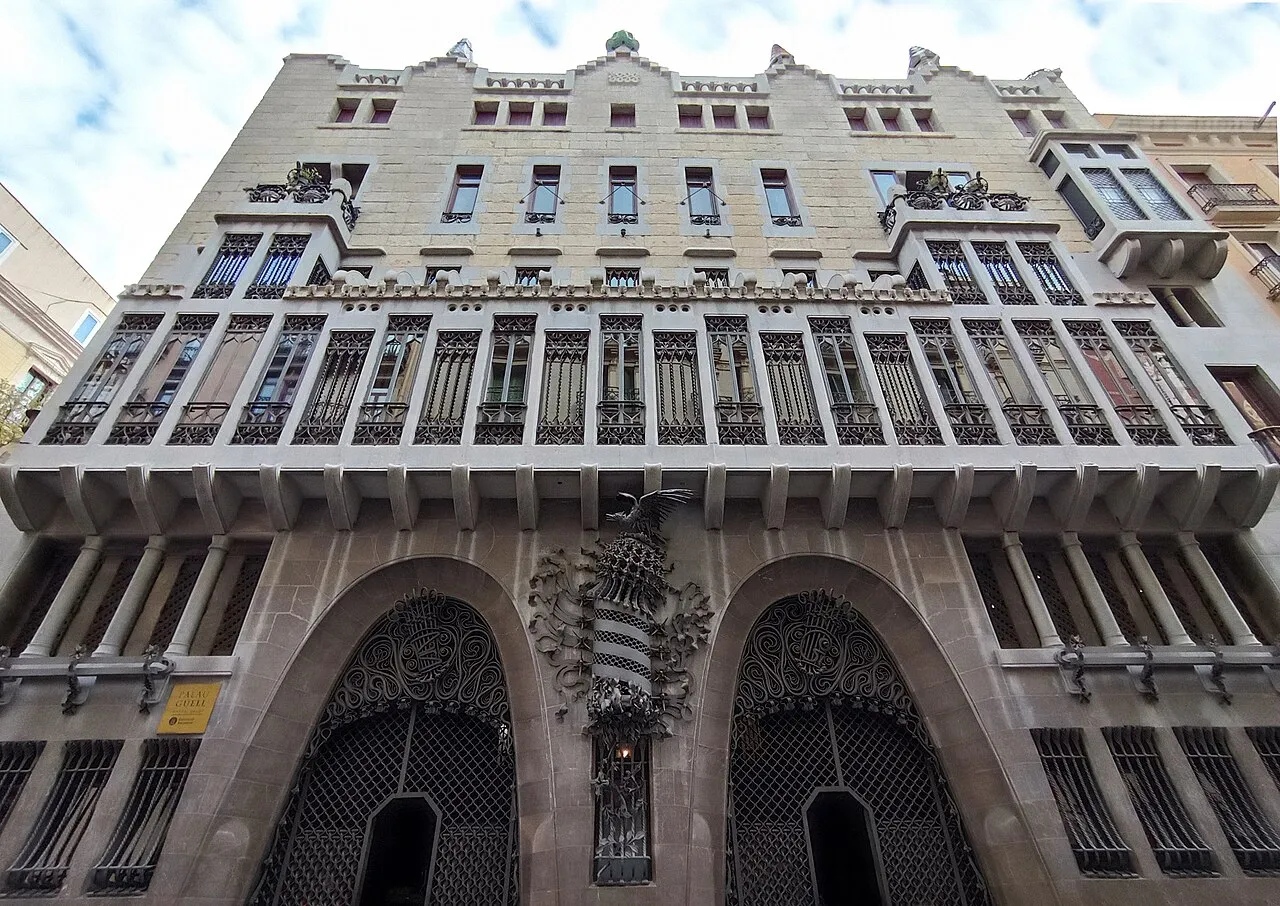
Palau Güell
Barcelona · 1890
-
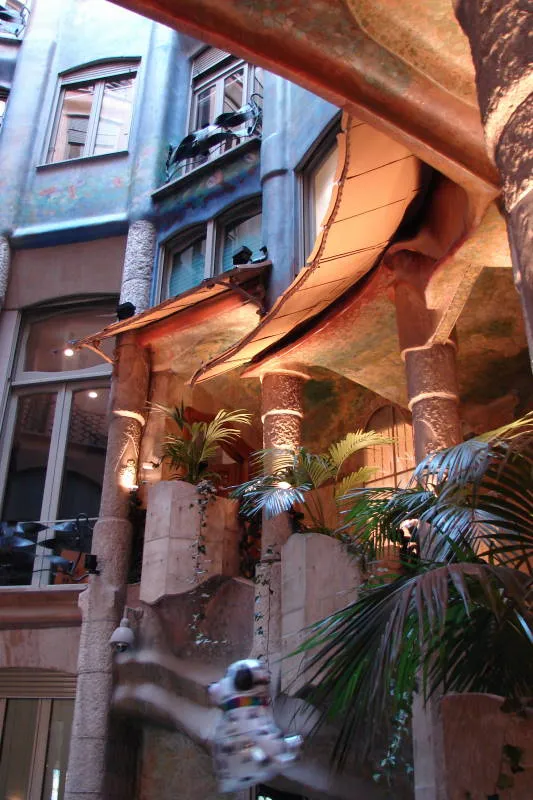
Casa Milà
Barcelona · 1912
-
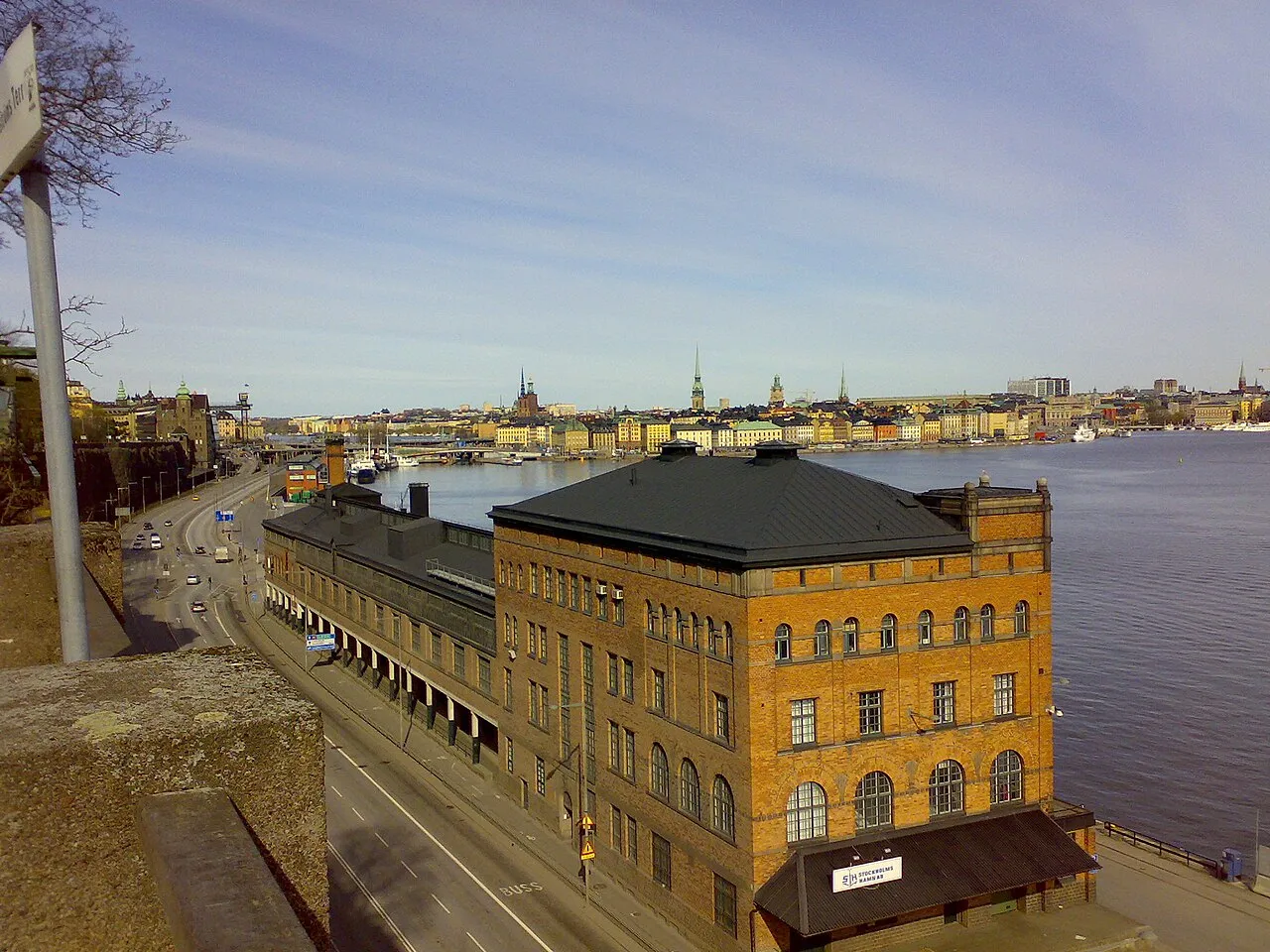
Stora Tullhuset
Stockholm · 1910
-
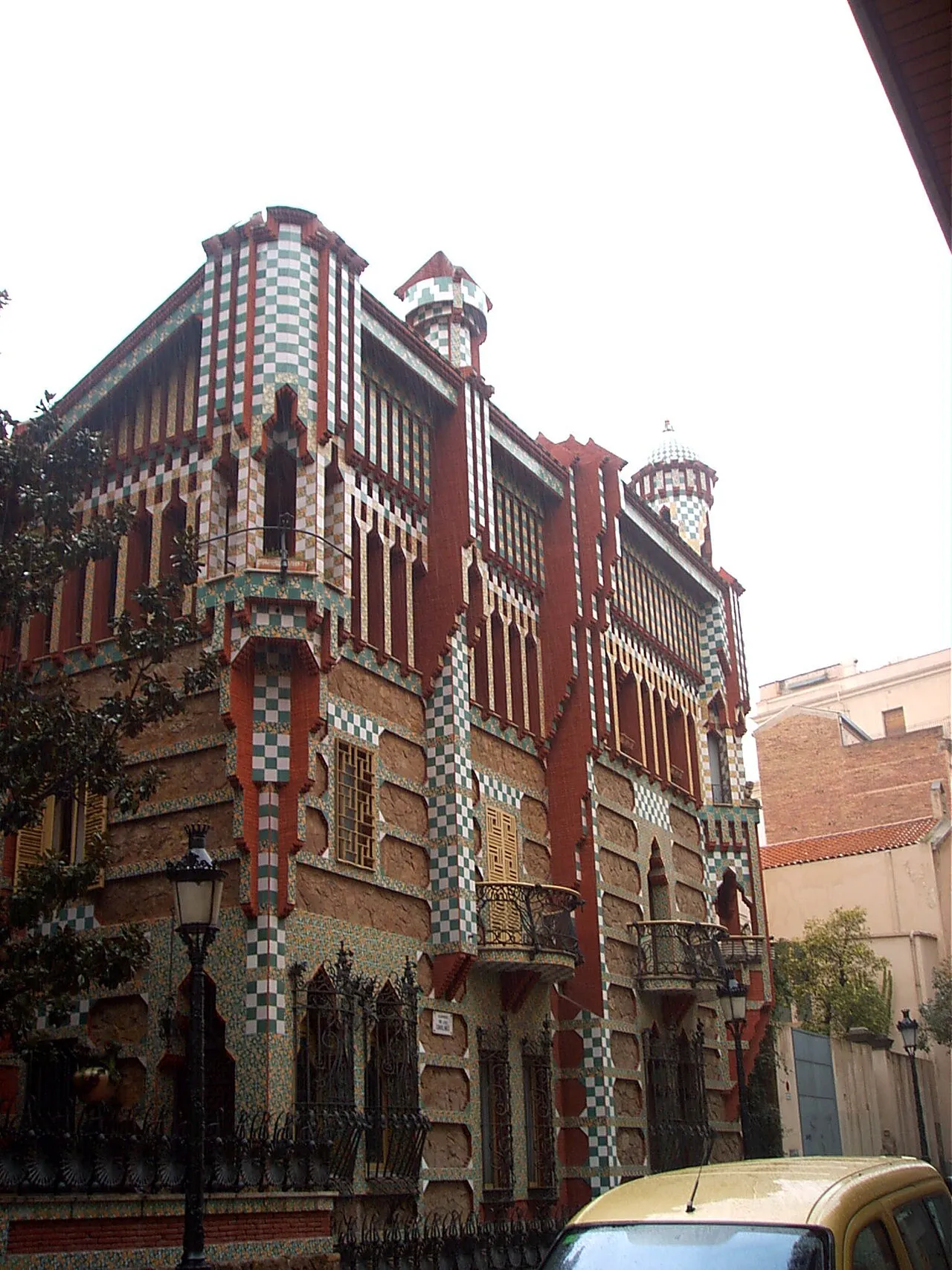
Casa Vicens
Barcelona · 1885
-
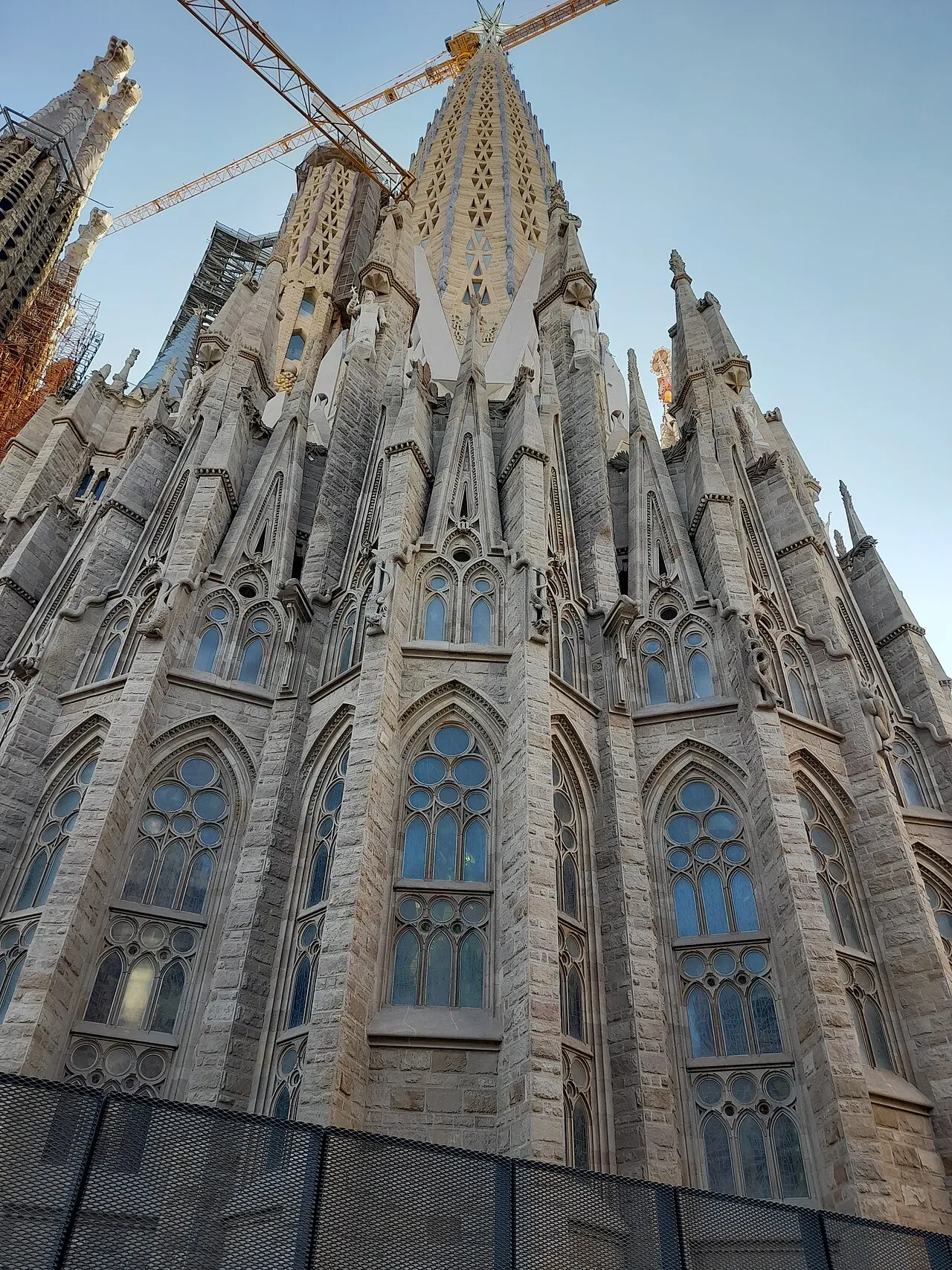
Basílica de la Sagrada Família
Barcelona · 1882
-
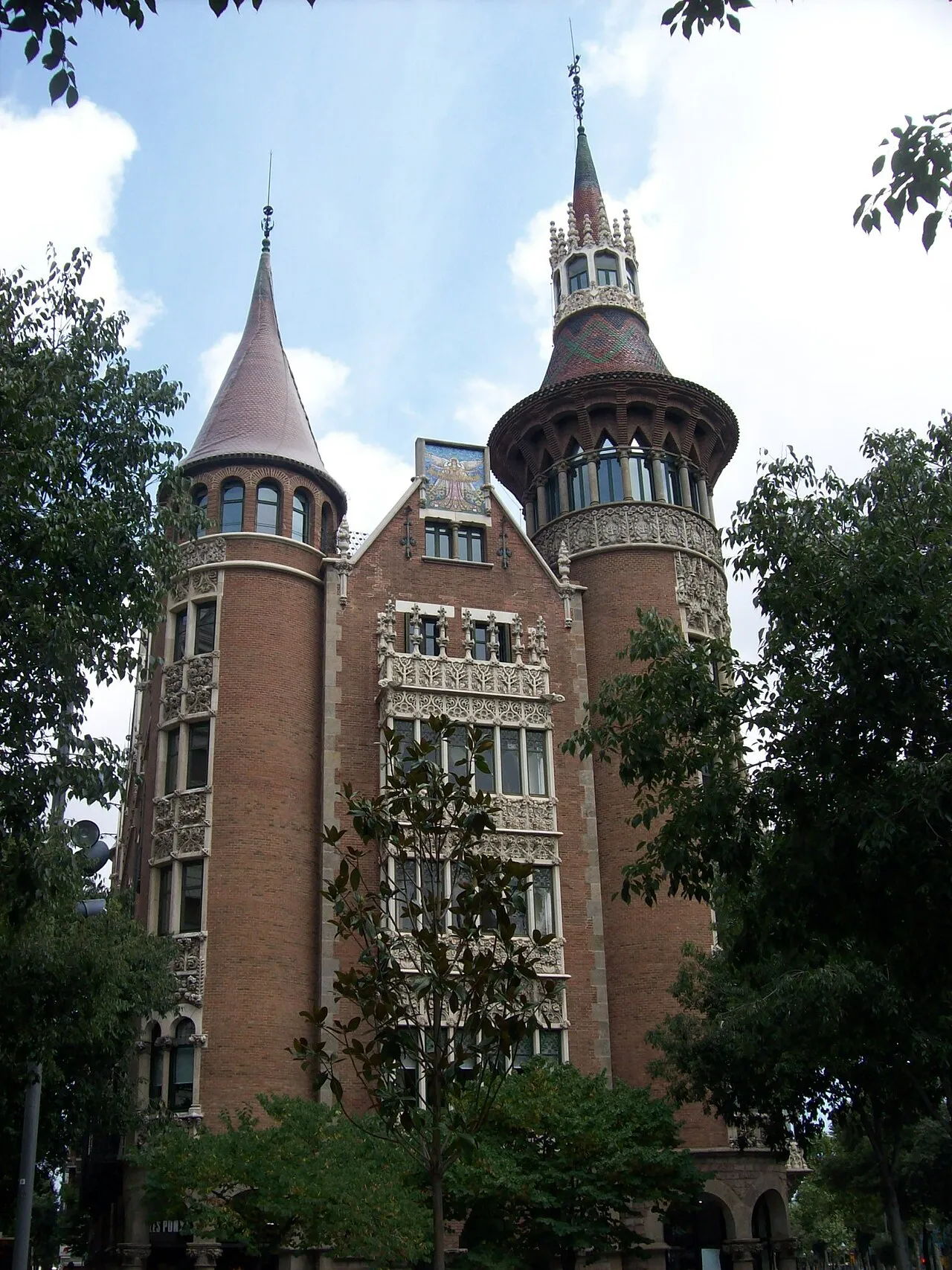
Casa de les Punxes
Barcelona · 1905
-
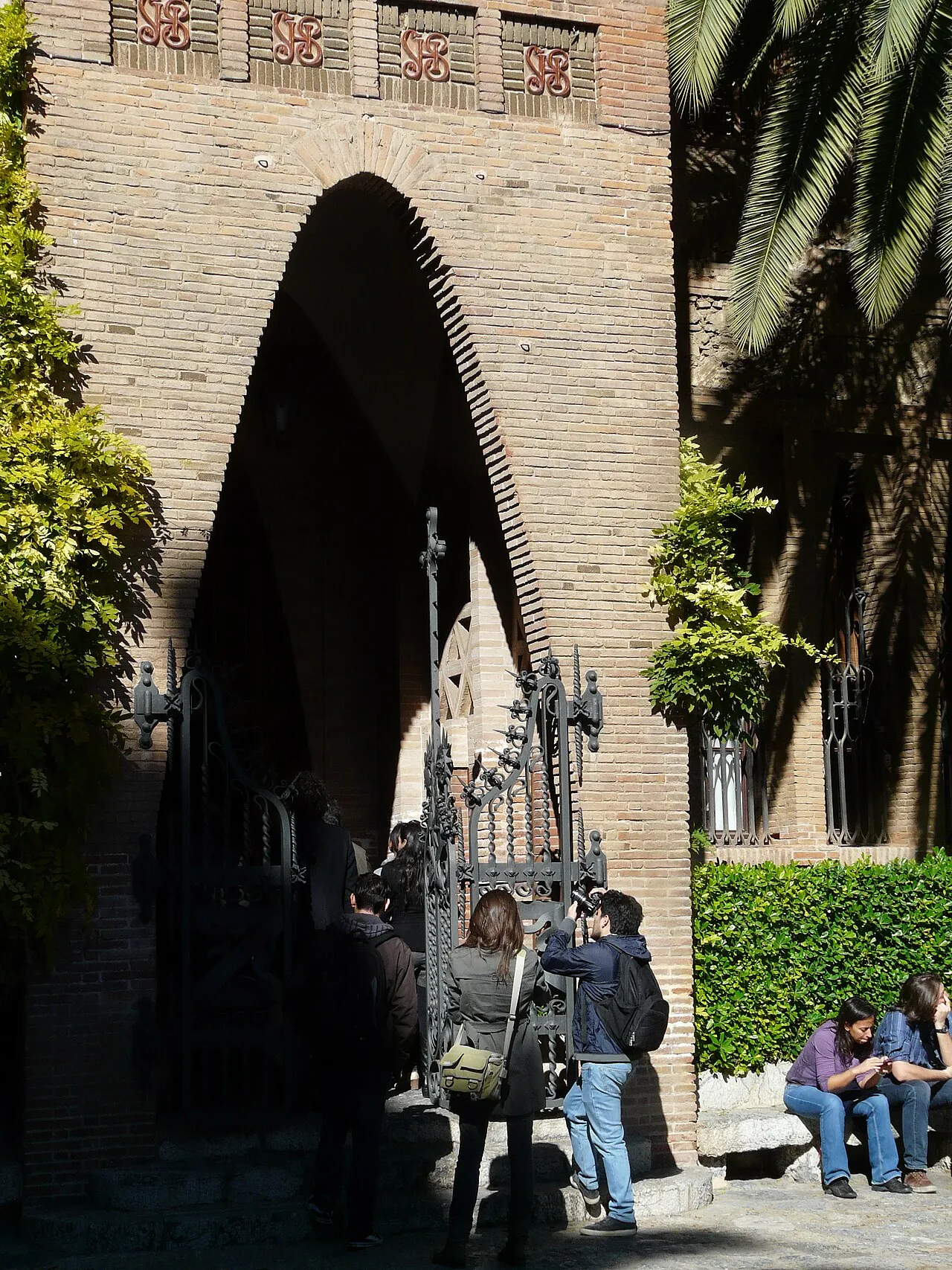
Col·legi de les Teresianes
Barcelona · 1889
-
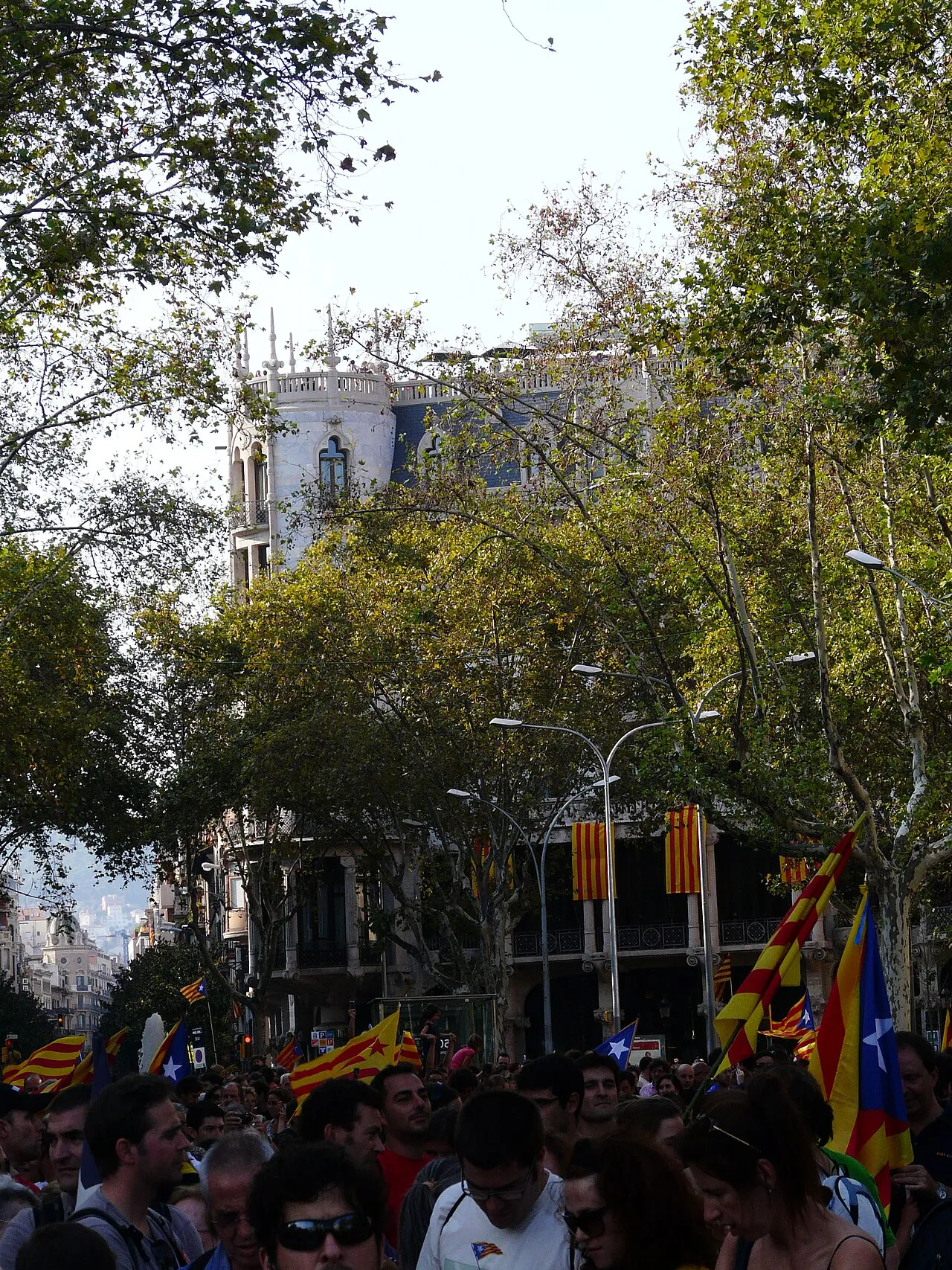
Casa Fuster
Barcelona · 1911
-
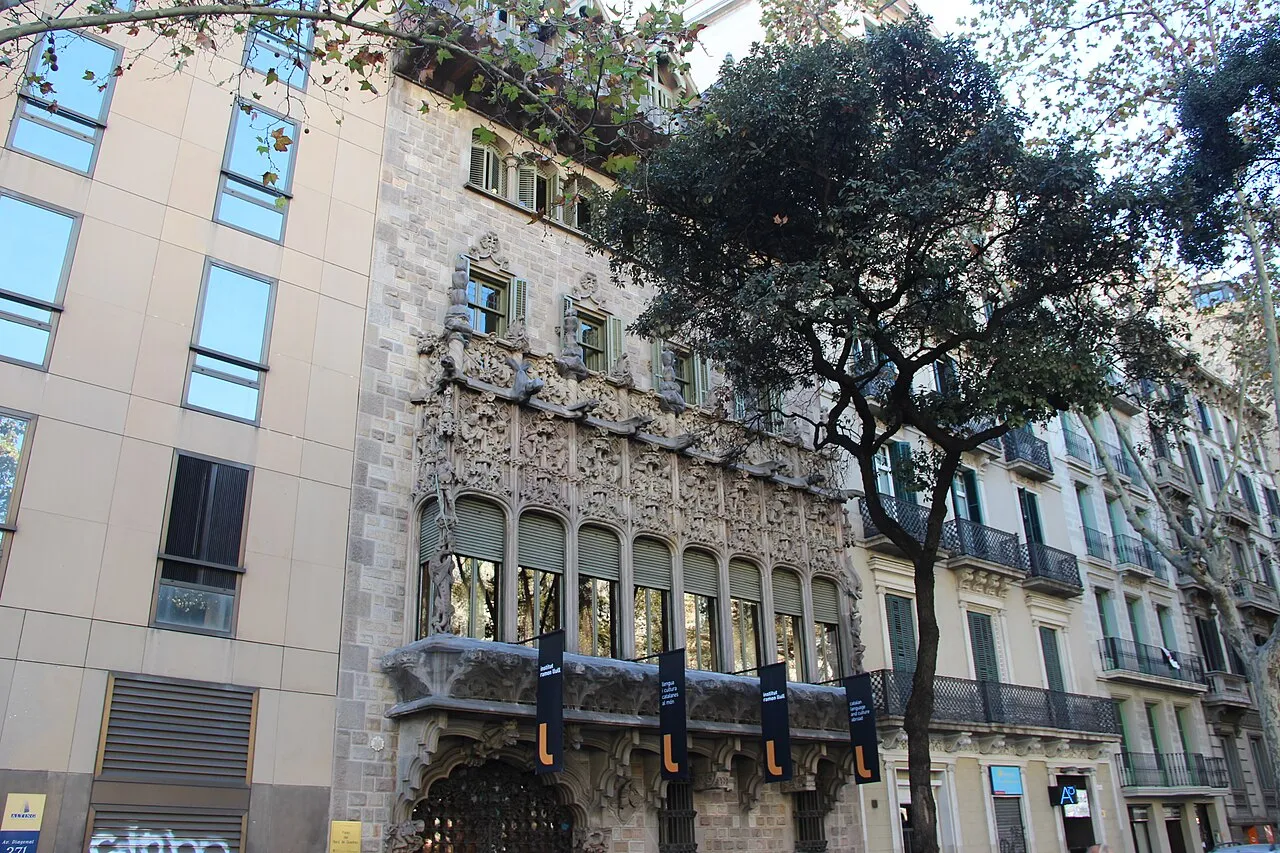
Palau del Baró de Quadras
Barcelona · 1906
-
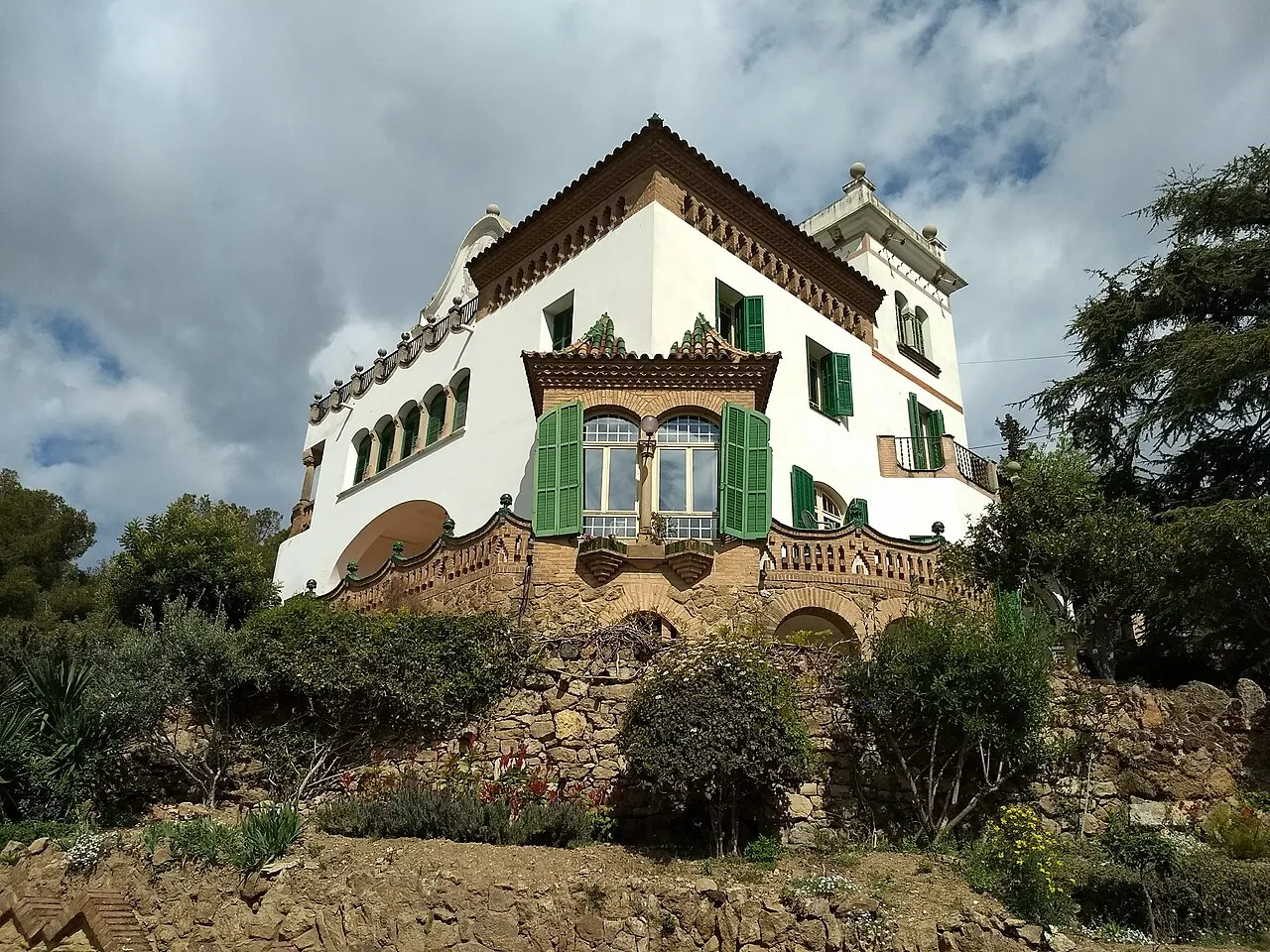
Park Güell
Barcelona · 1914
Art Nouveau city by city
Pick a city to see the places on the map, with photos and descriptions.
-
Spain
Barcelona
20 places
-
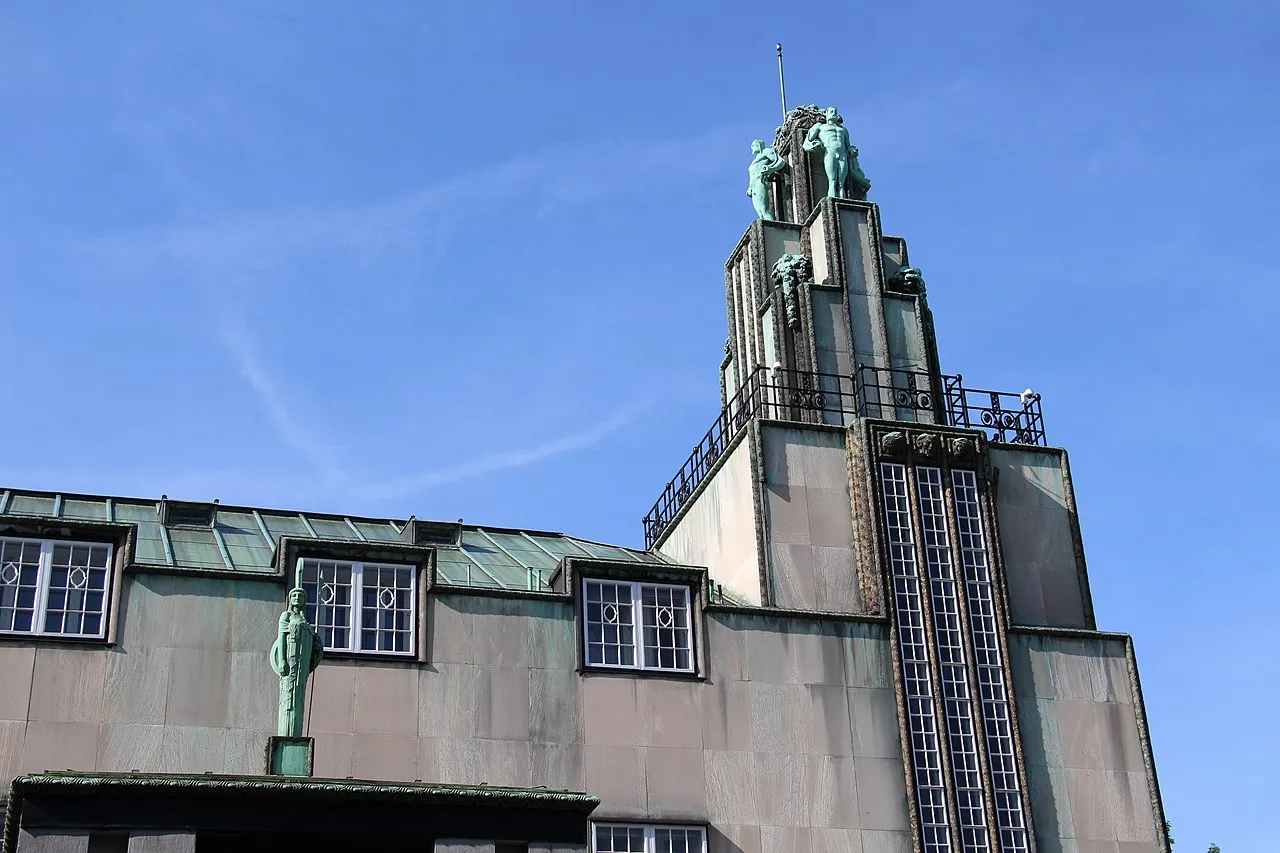
Belgium
Brussels
13 places
-
Sweden
Stockholm
13 places
-
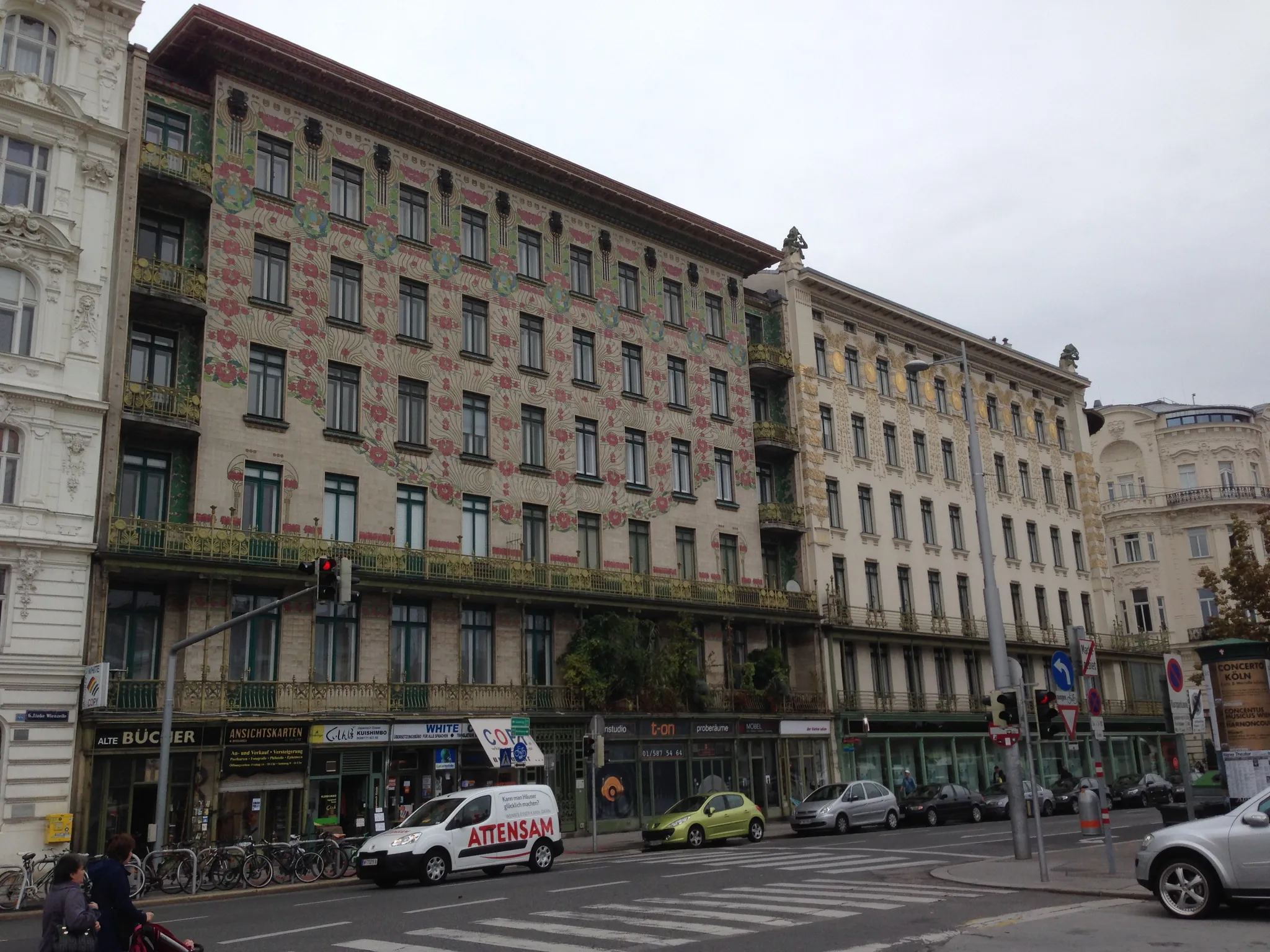
Austria
Vienna
13 places
-
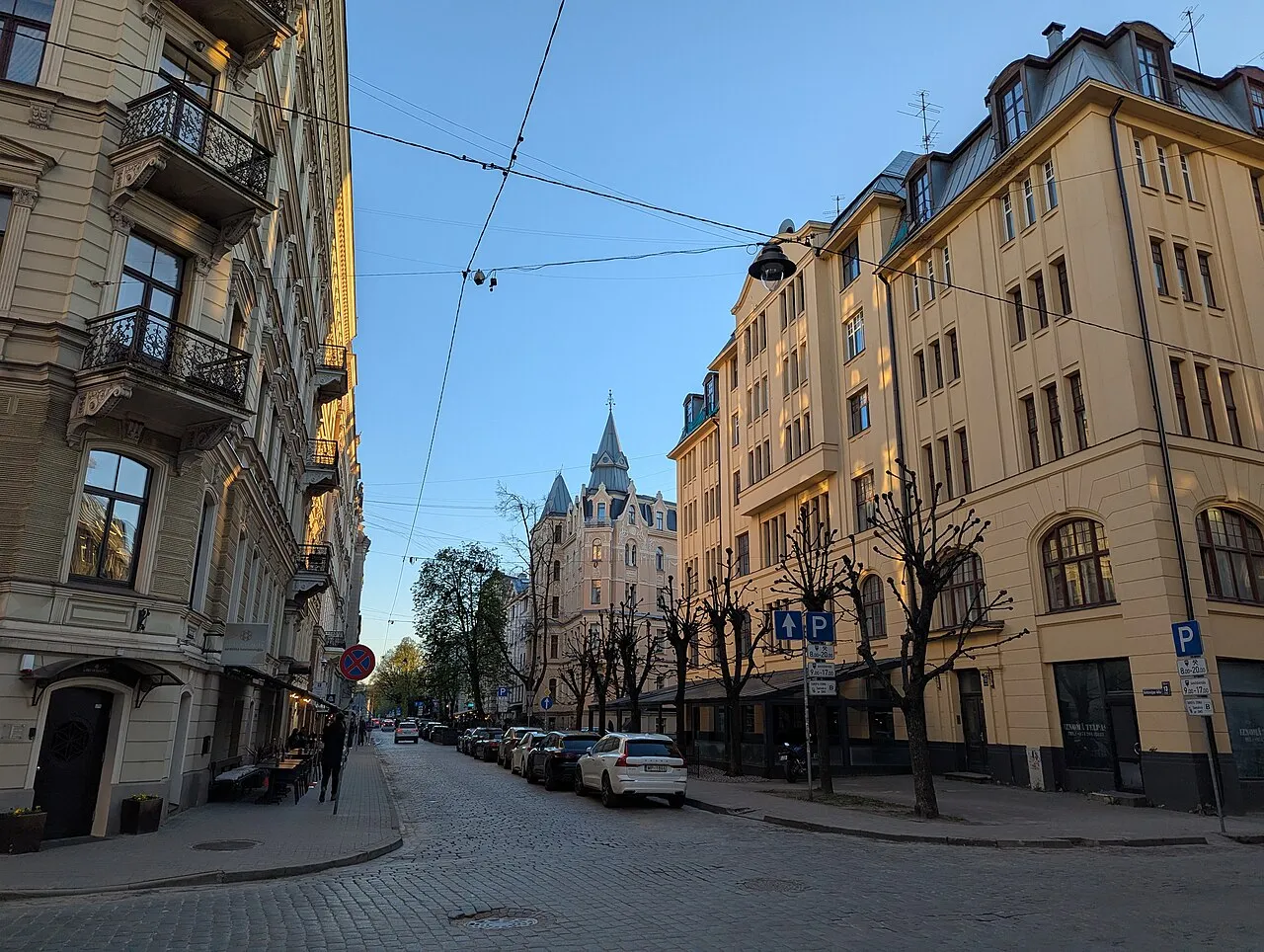
Latvia
Riga
10 places
-
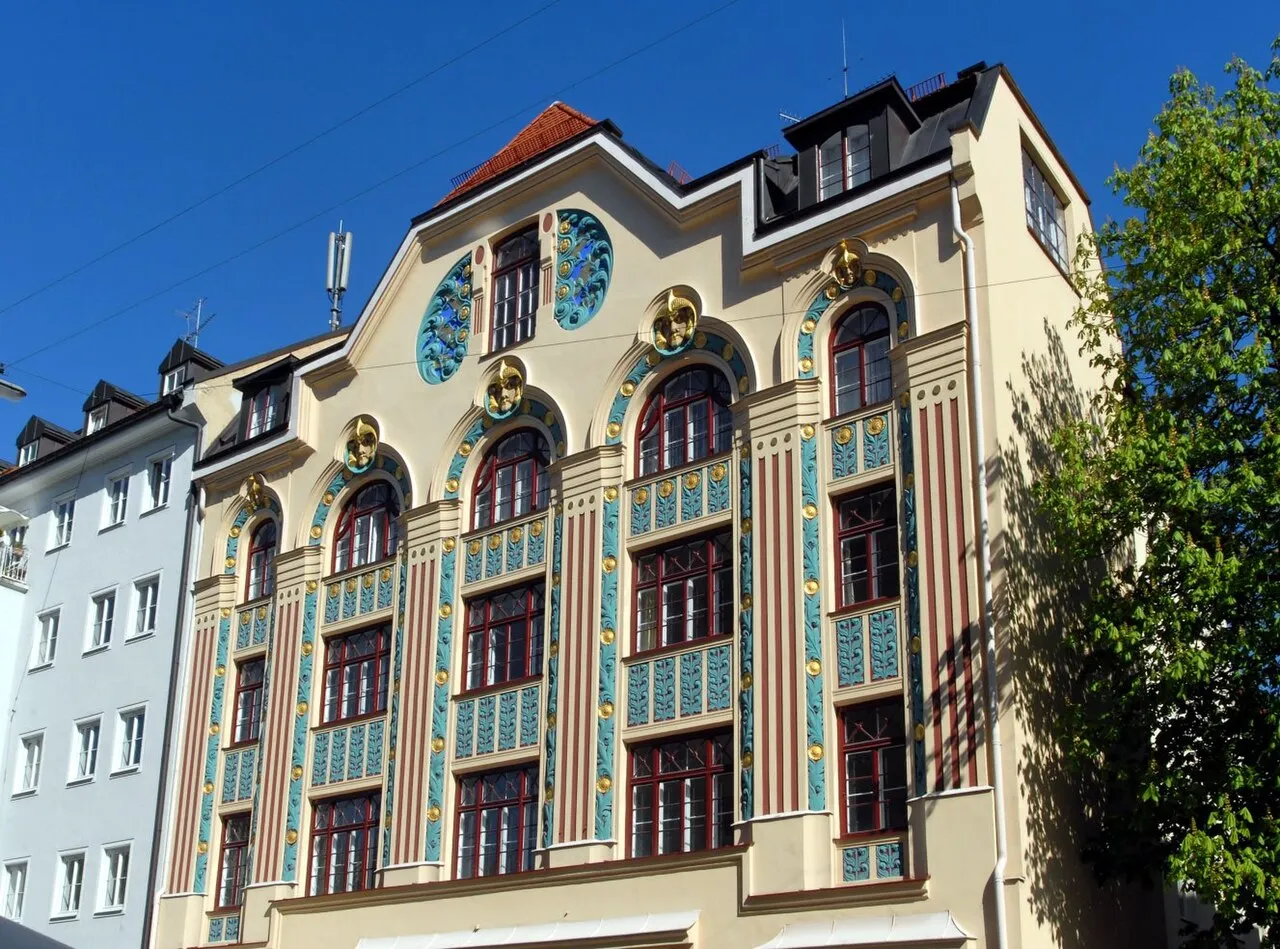
Germany
Bavaria
8 places
-
Hungary
Budapest
8 places
-
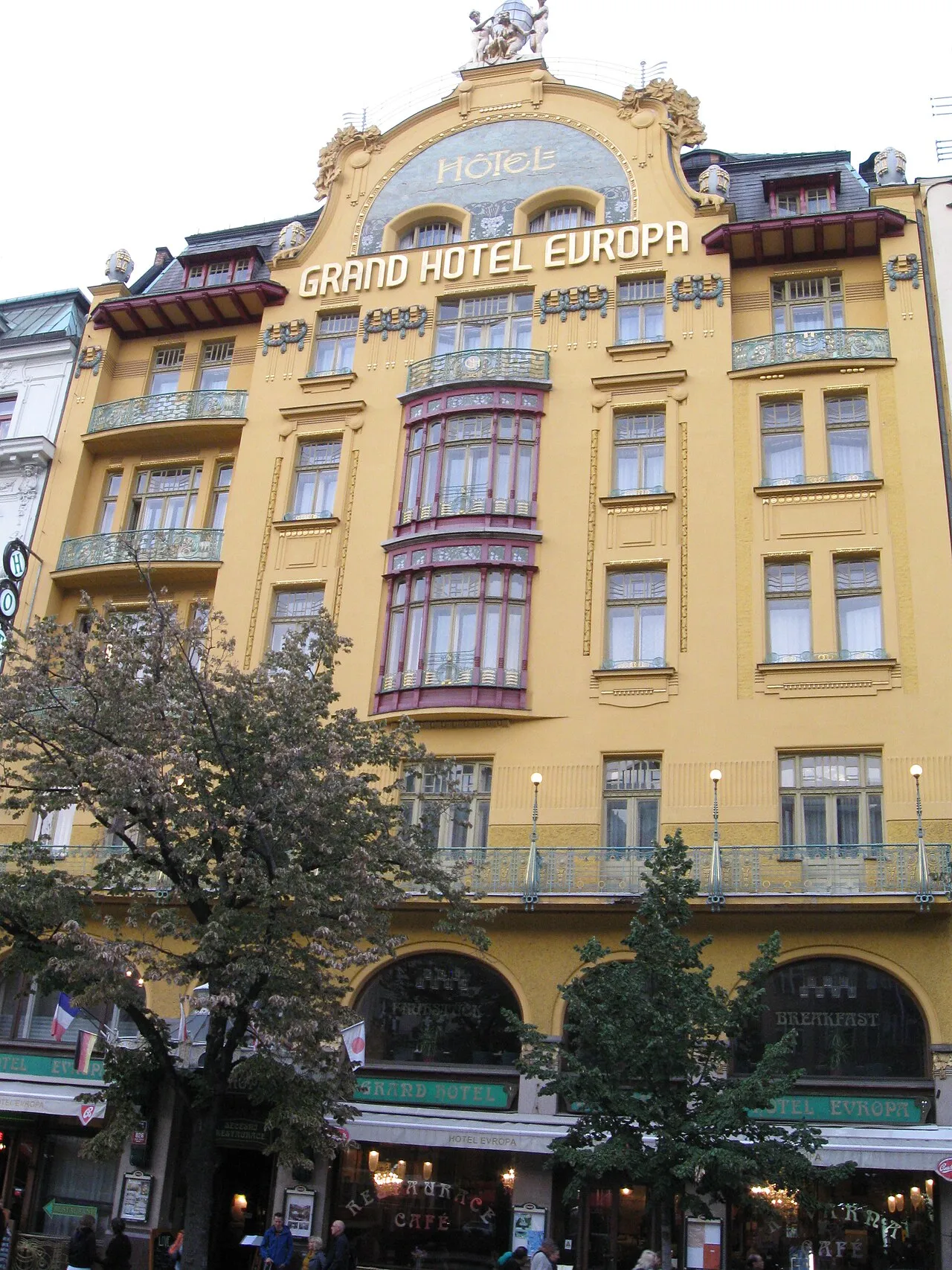
Czechia
Prague
8 places
-
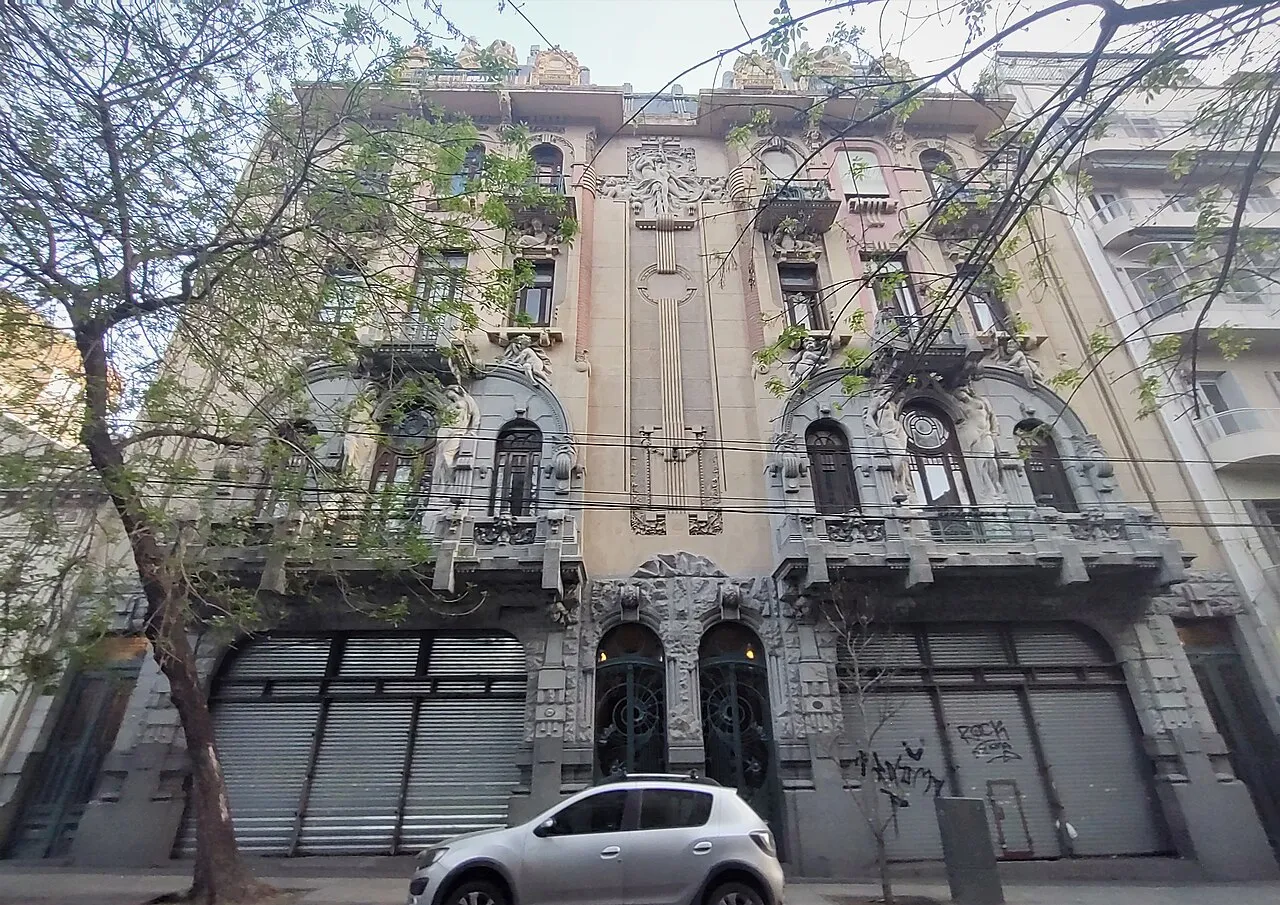
Argentina
Buenos Aires
7 places
-
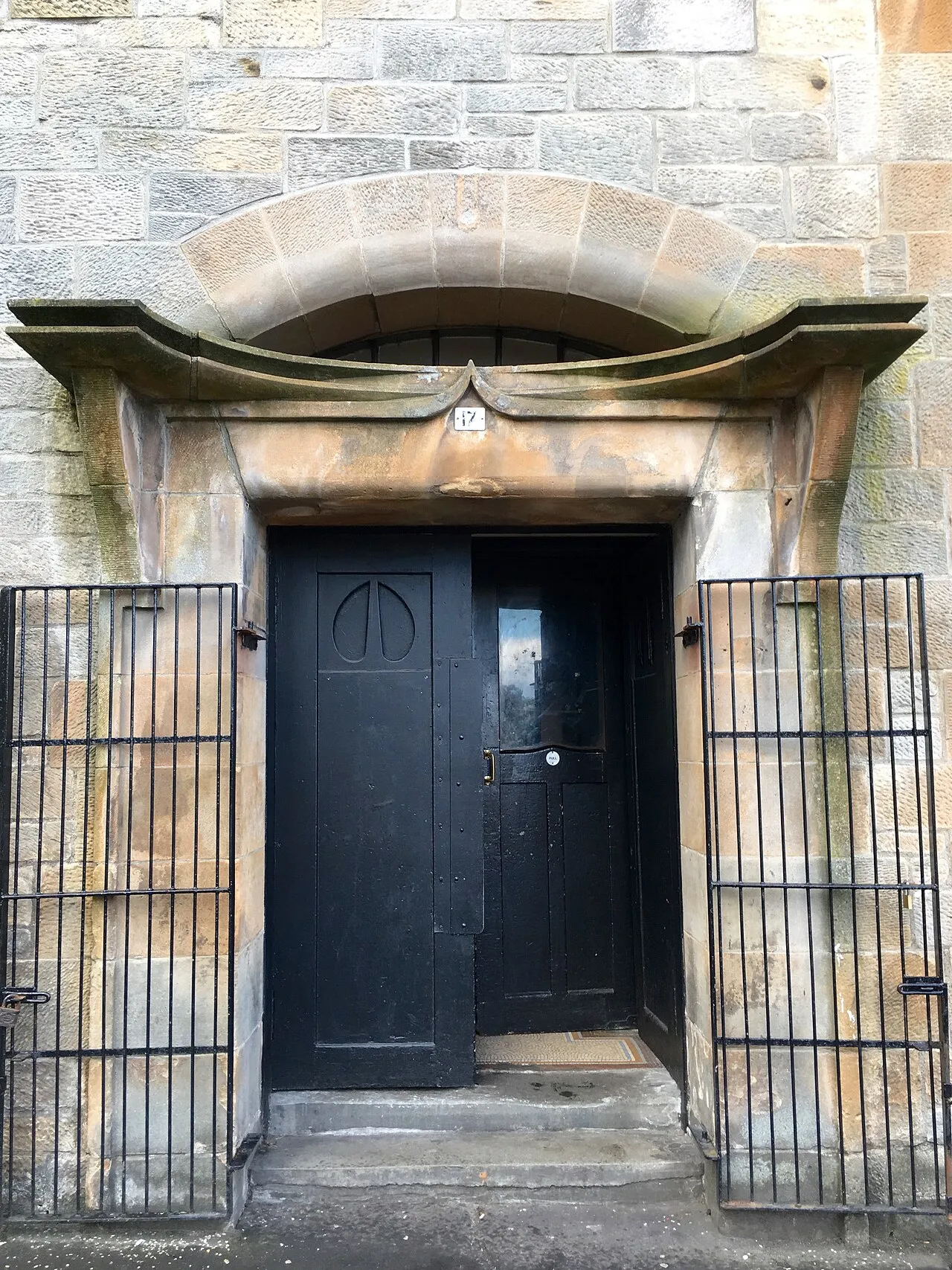
United Kingdom
Glasgow
7 places
-
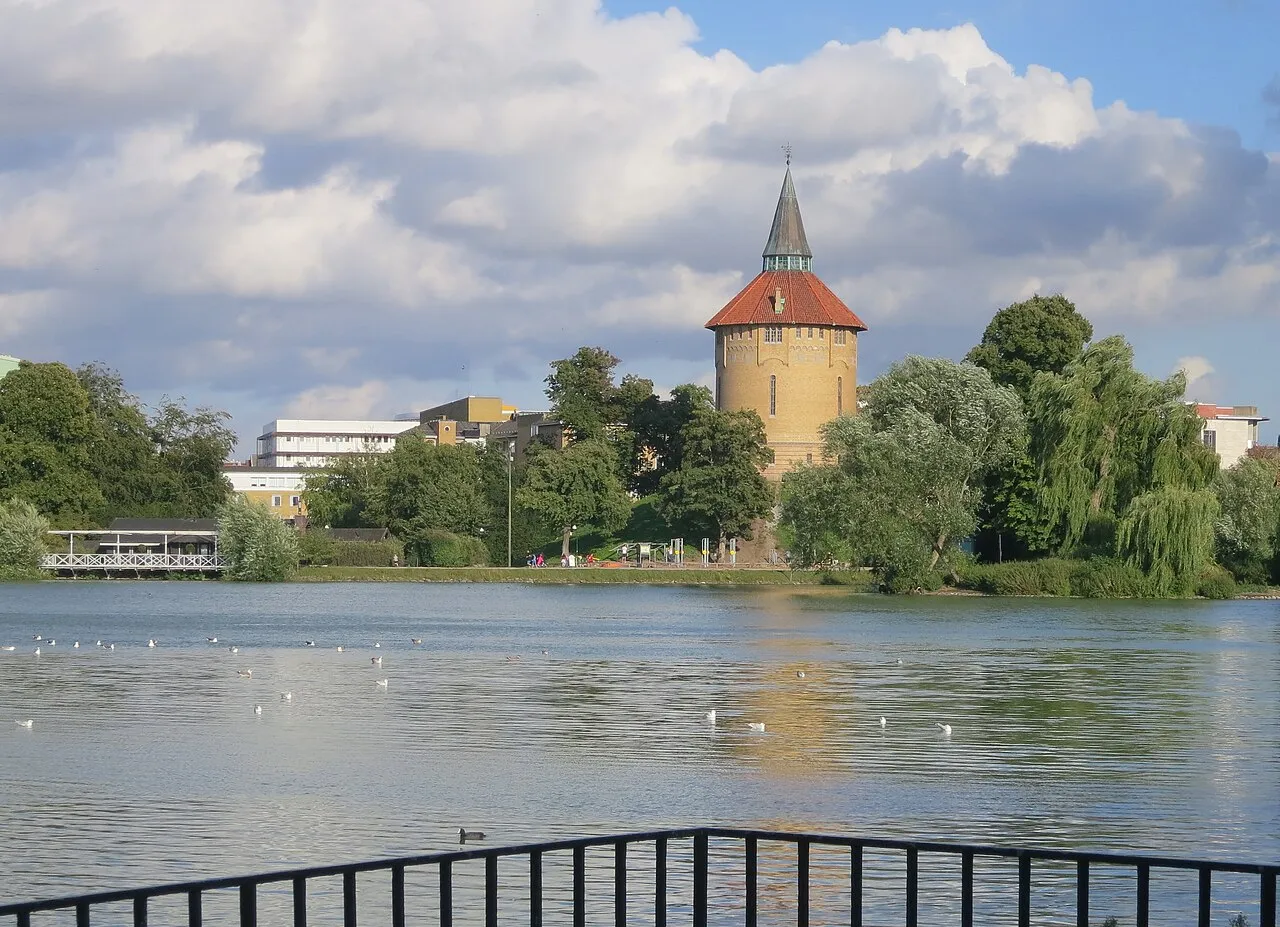
Sweden
Malmö
7 places
-
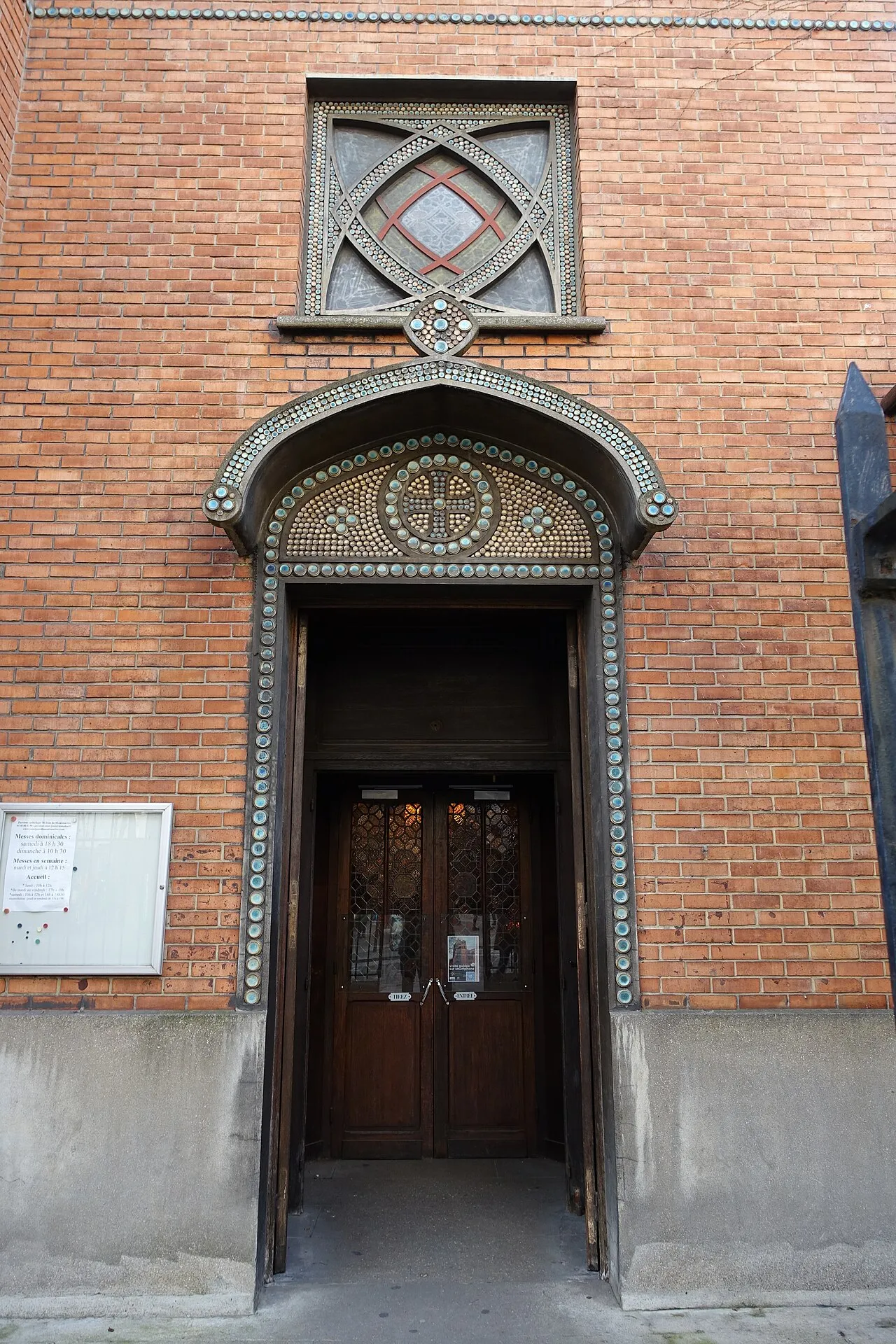
France
Paris
7 places
-
Poland
Łódź
6 places
-
Germany
Munich
5 places
-
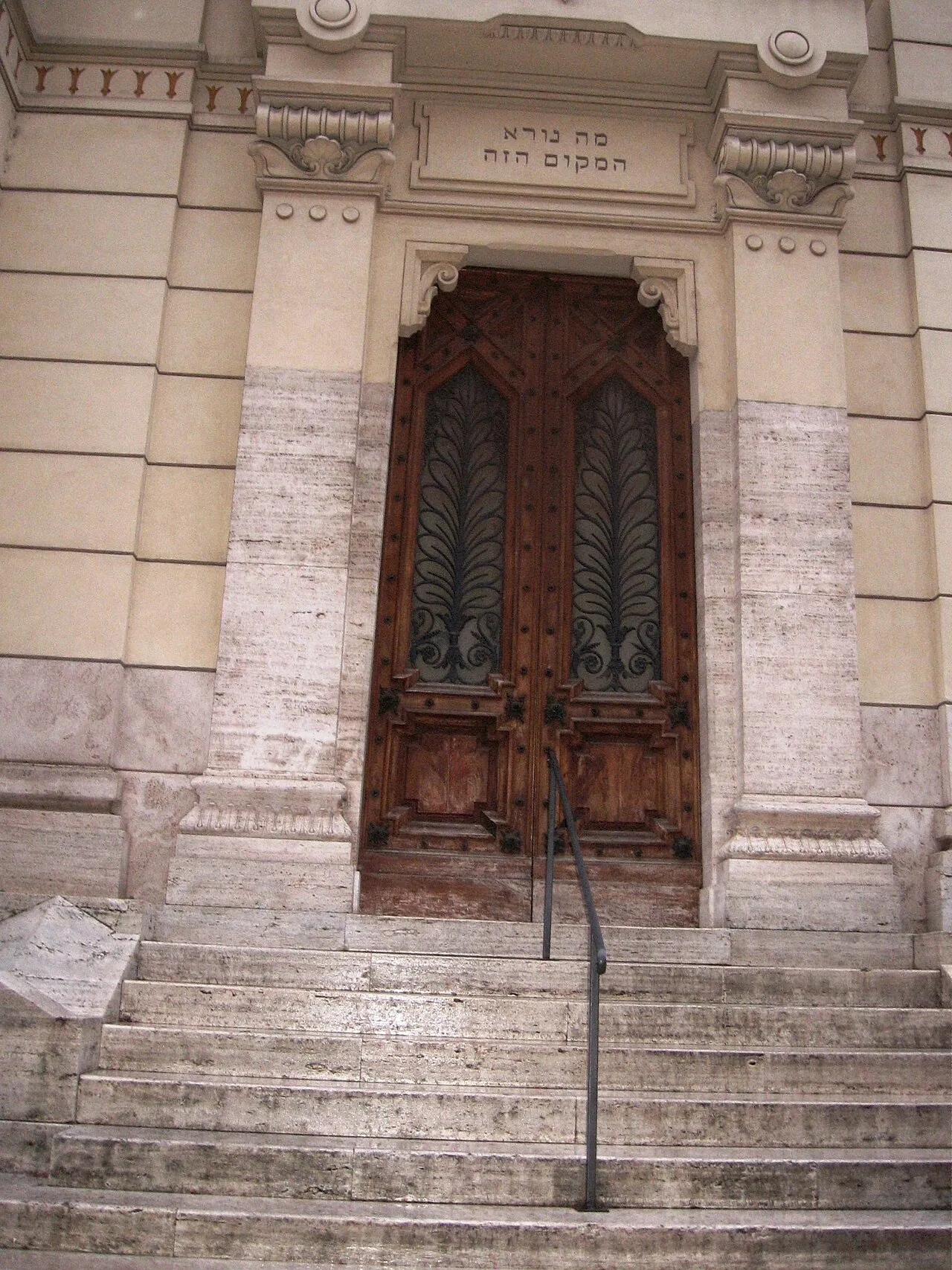
Italy
Rome
5 places
-
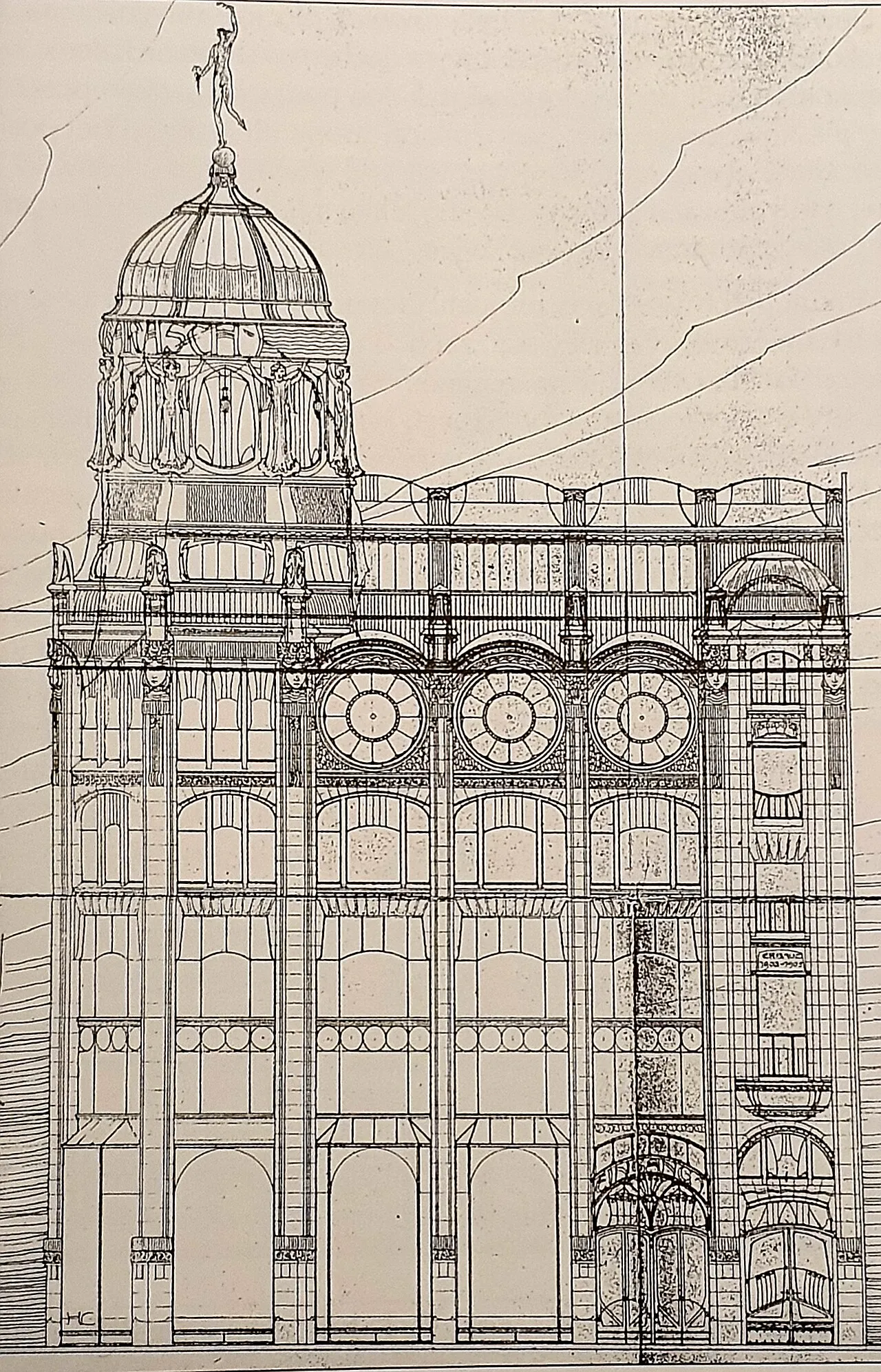
Poland
Wrocław
5 places
-
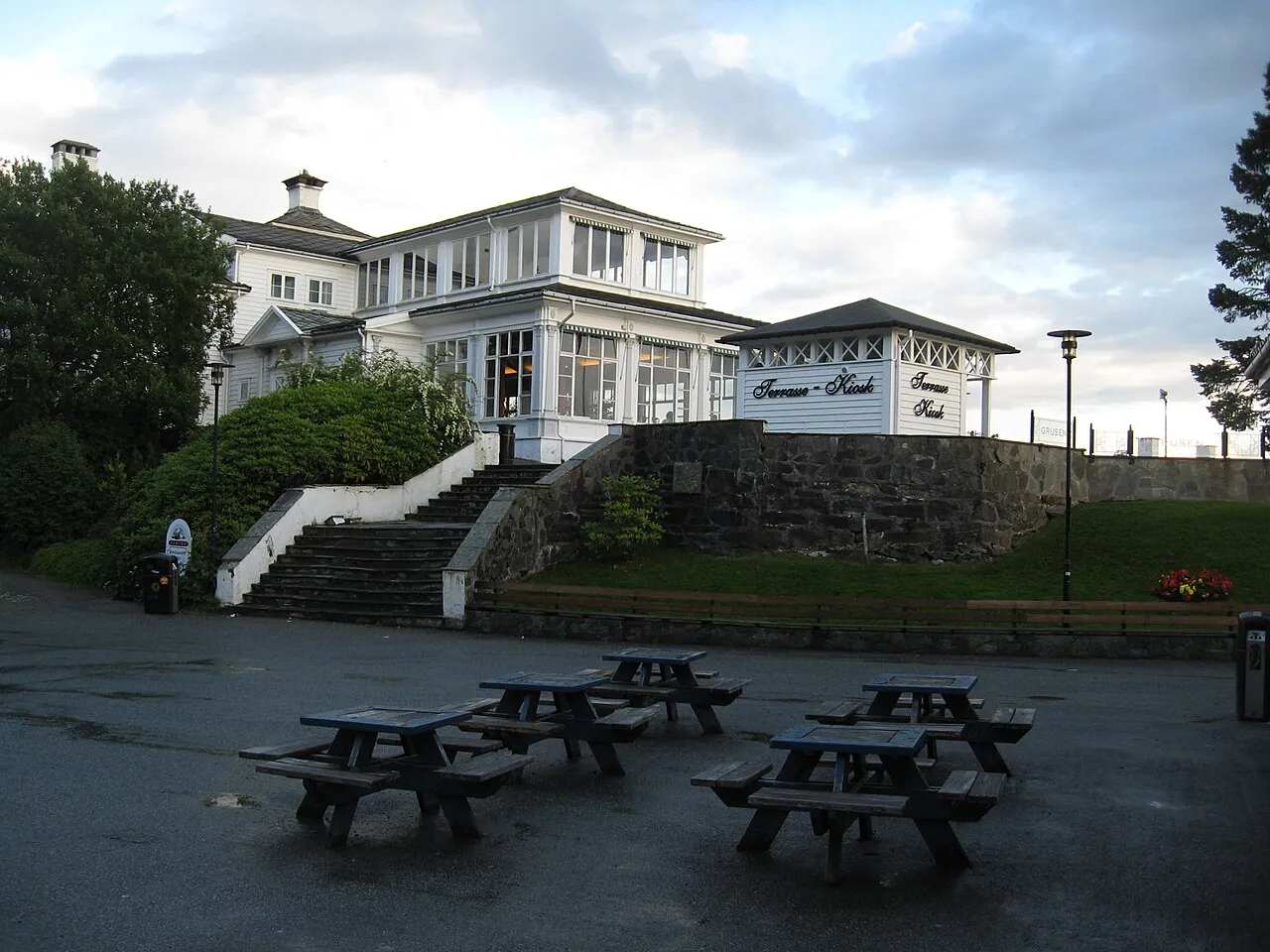
Norway
Bergen
4 places
-
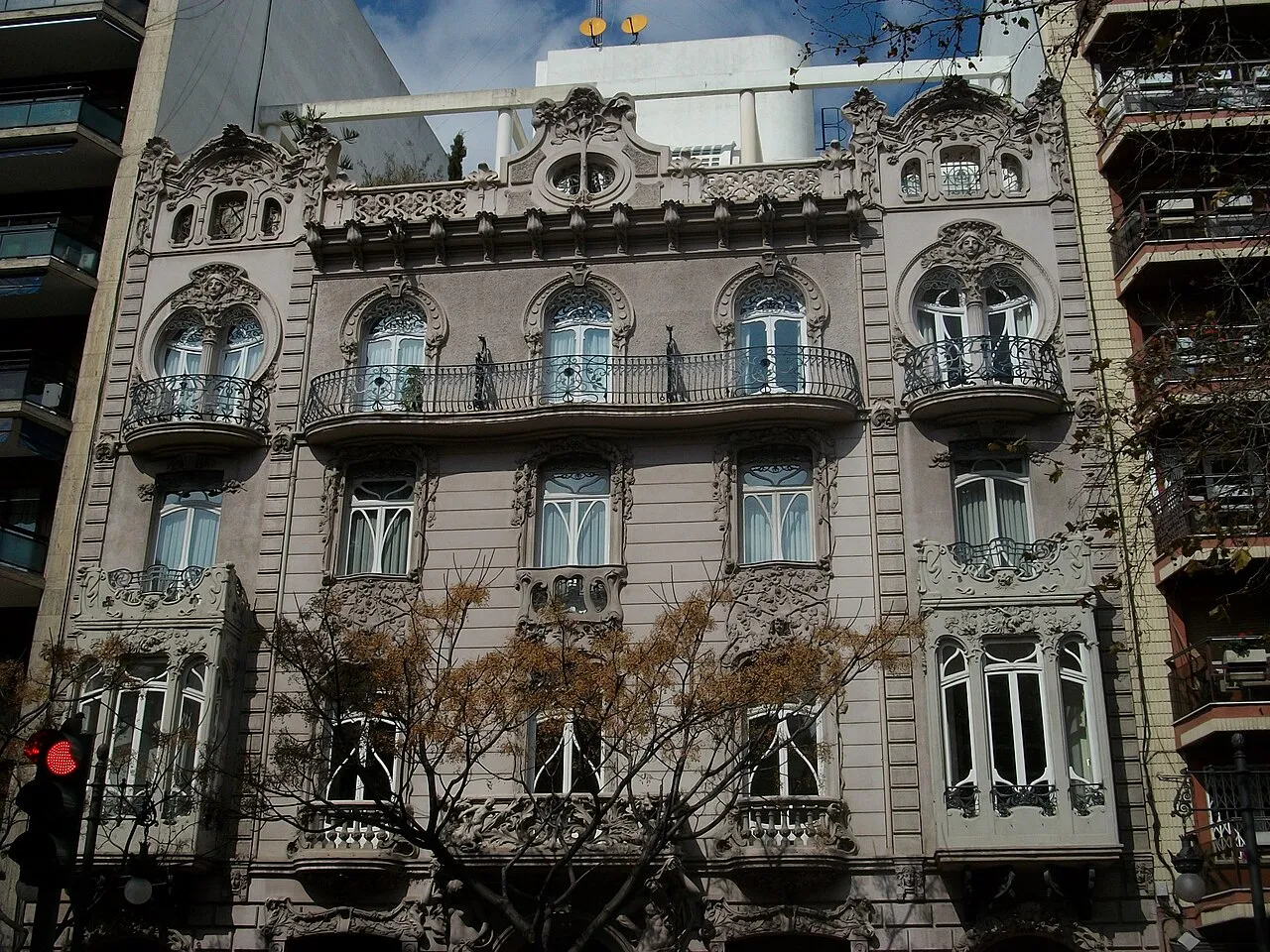
Spain
Valencia
4 places
Architects & artists
Keep exploring
Explore all destinations