

Brutalism architecture
Brutalism architecture across 10 cities in 9 countries. The buildings worth seeing, the architects behind them, and where to find each one.
What is brutalism?
Brutalism grew out of postwar Europe in the 1950s and shaped civic architecture into the 1970s. The name comes from béton brut, French for raw concrete: Le Corbusier left the concrete of his Unité d’habitation in Marseille (1947-1952) untreated, the imprint of the wooden formwork still visible in the surface. The British critic Reyner Banham turned the phrase into the name of a movement. The word describes the material, never an attitude.
You recognize the style by exposed concrete or dark brick, heavy block-like volumes, and structure shown openly rather than clad. The details are technical rather than decorative: visible beams, services turned into motifs, and concrete surfaces that keep the grain of their plank formwork.
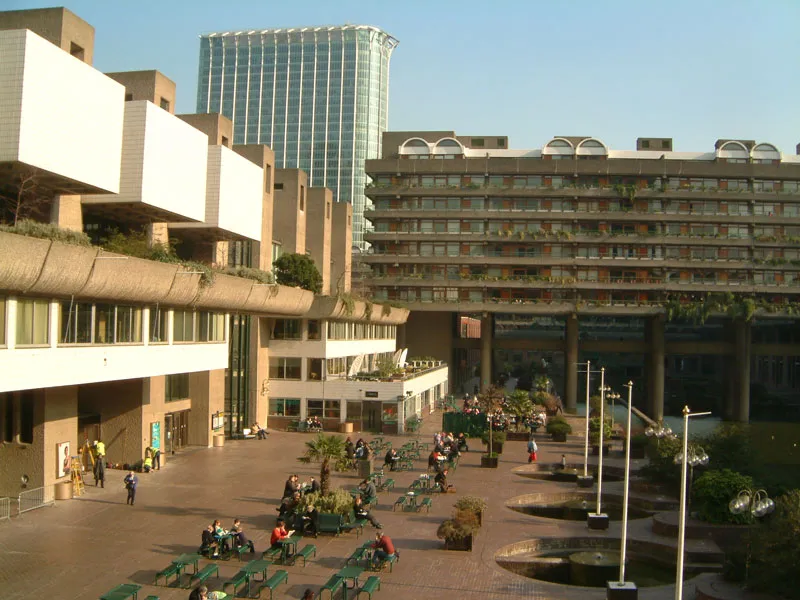
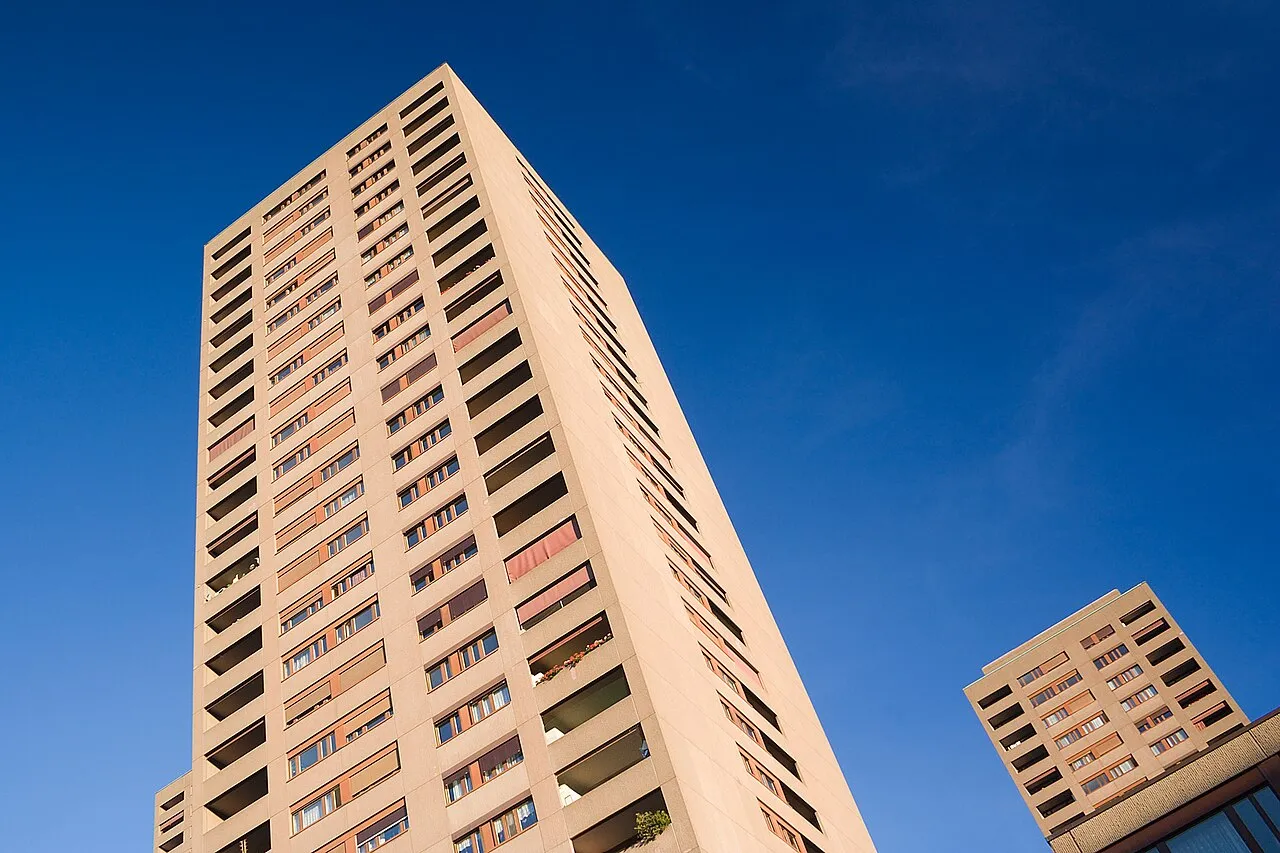
In Britain the movement is linked above all to Alison and Peter Smithson, and from there it spread worldwide. The Barbican Estate in London (1965-1976), Boston City Hall (1962-1968) and Trellick Tower in London (1972) are among the best-known examples.
Few styles have been fought over harder. Demolition campaigns chased brutalist buildings for decades, while the reappraisal since the 2010s has moved just as fast: the SOS Brutalism database tracks more than 2,300 buildings, and several of the most hated are now protected heritage, Boston City Hall among them.
Brutalism in Sweden
The word was born in Uppsala. In 1950 the architect Hans Asplund coined nybrutalism, new brutalism, as a joke about Villa Göth, a brick house by Bengt Edman and Lennart Holm; visiting English architects took the term home with them, and from Britain it spread worldwide.
Sweden's brutalist core is civic and sacred rather than residential: Sigurd Lewerentz's churches (Markuskyrkan in Björkhagen, S:t Petri in Klippan), Peter Celsing's Kulturhuset, Filmhuset and Riksbanken buildings in Stockholm, and the Lund circle of Klas Anshelm, Bengt Edman and Bernt Nyberg. Much of it rose during Sweden's postwar boom years; the million programme, often blamed for the era's concrete, was a housing policy and never a style. Architectural historian Martin Rörby calls the Stockholm strain folkhemsbrutalism, a gentler brutalism with a welfare-state conscience.
Several of these buildings now hold Stockholm's strongest heritage classification, while the former Architecture School on Östermalmsgatan was voted Sweden's ugliest building of all time in a 2020 poll by Arkitekturupproret. Few styles divide Swedes quite like this one.
See the style in Stockholm.
Notable brutalism buildings
-
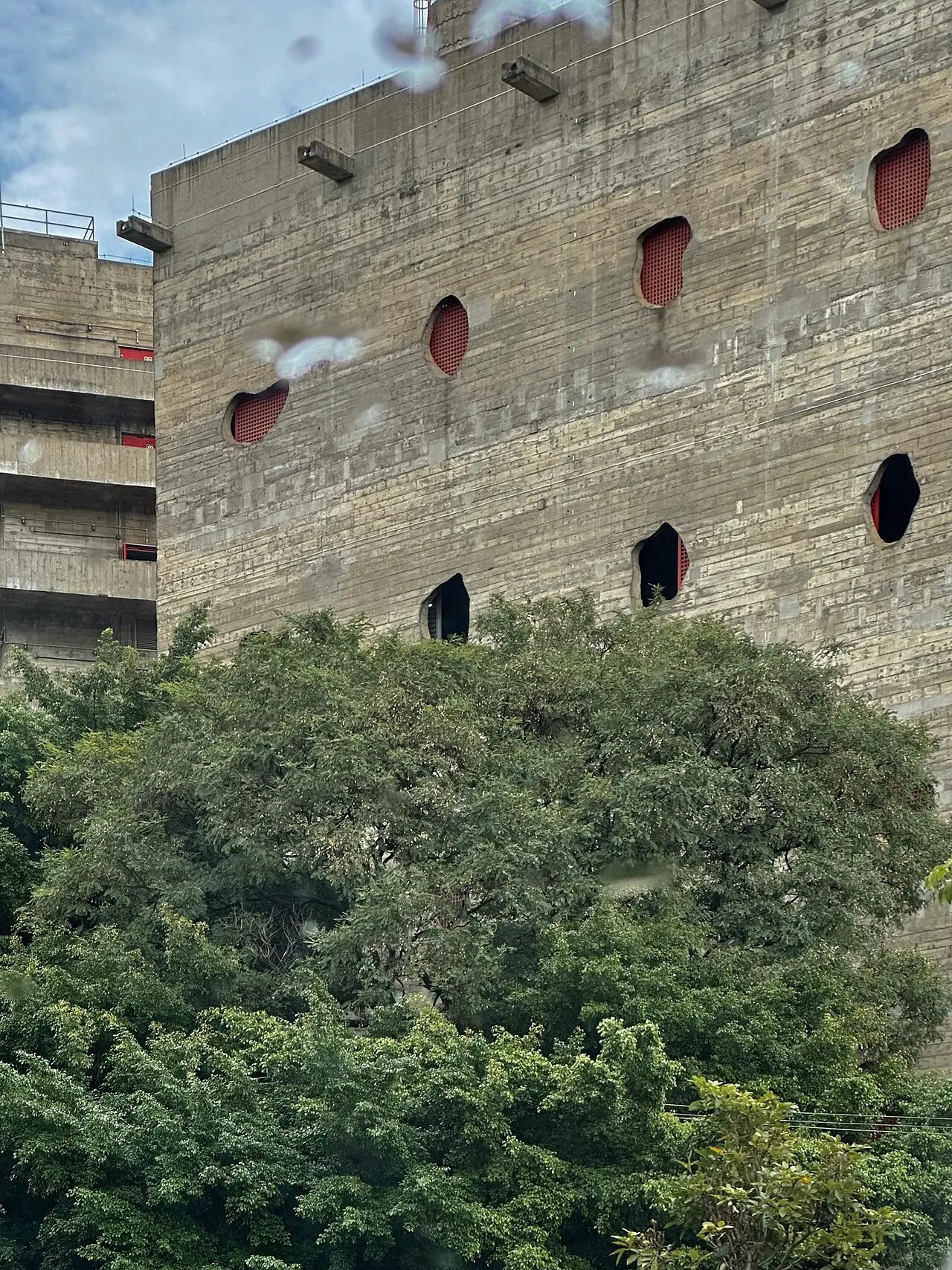
SESC Pompeia Factory
São Paulo · 1986
-
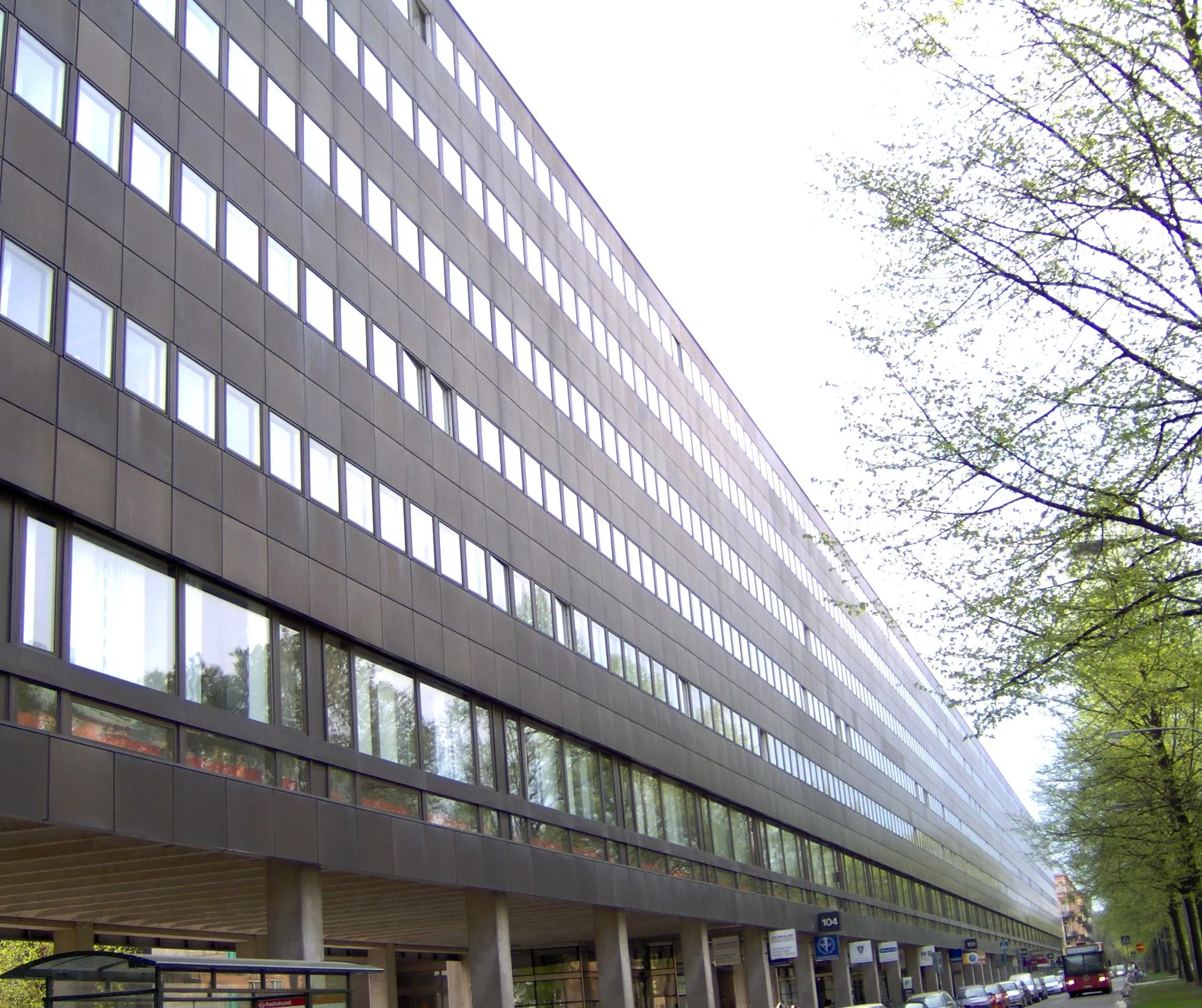
the Garrison
Stockholm · 1972
-
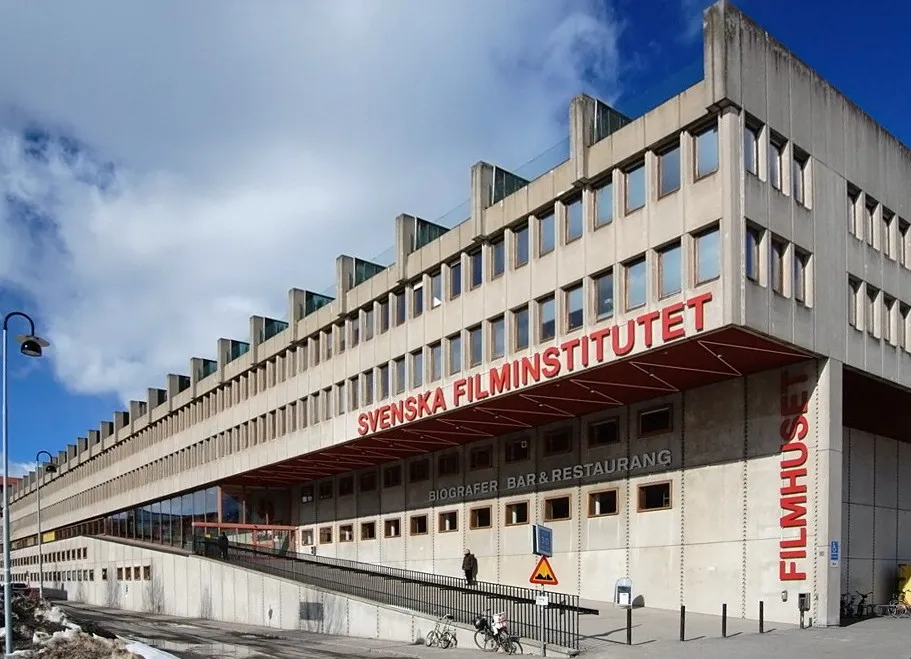
Filmhuset
Stockholm · 1971
-
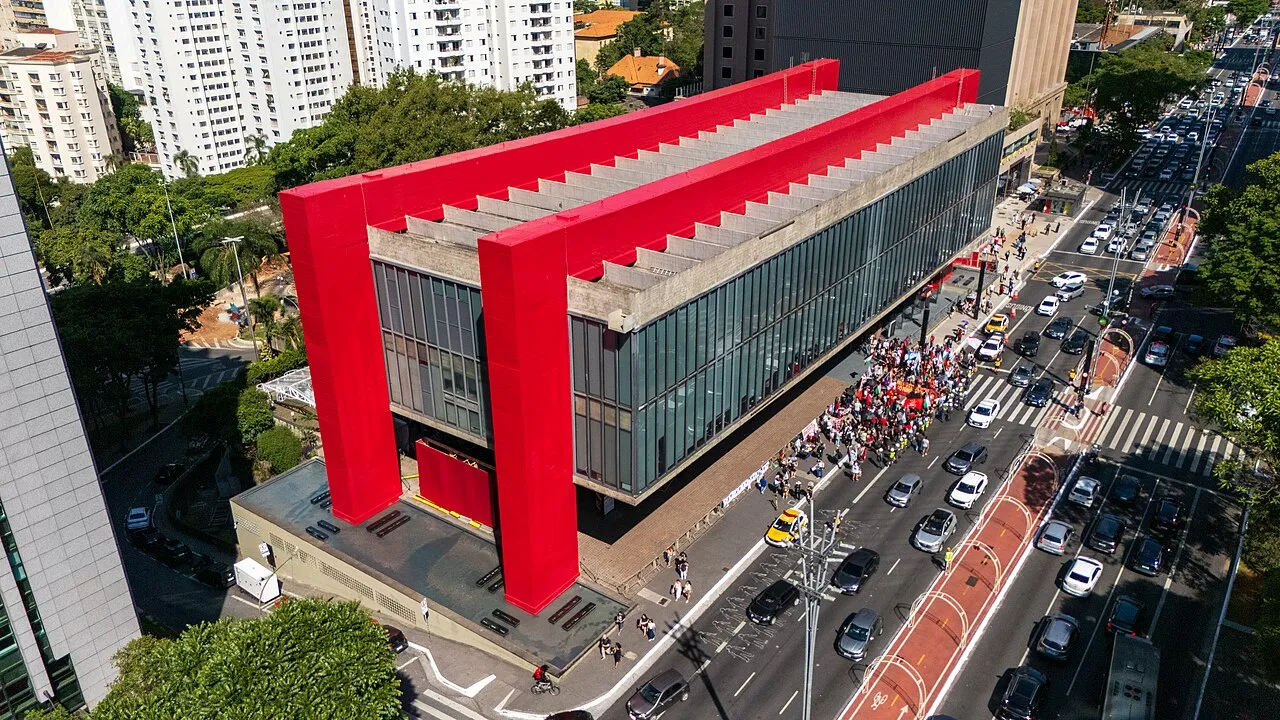
MASP
São Paulo · 1968
-
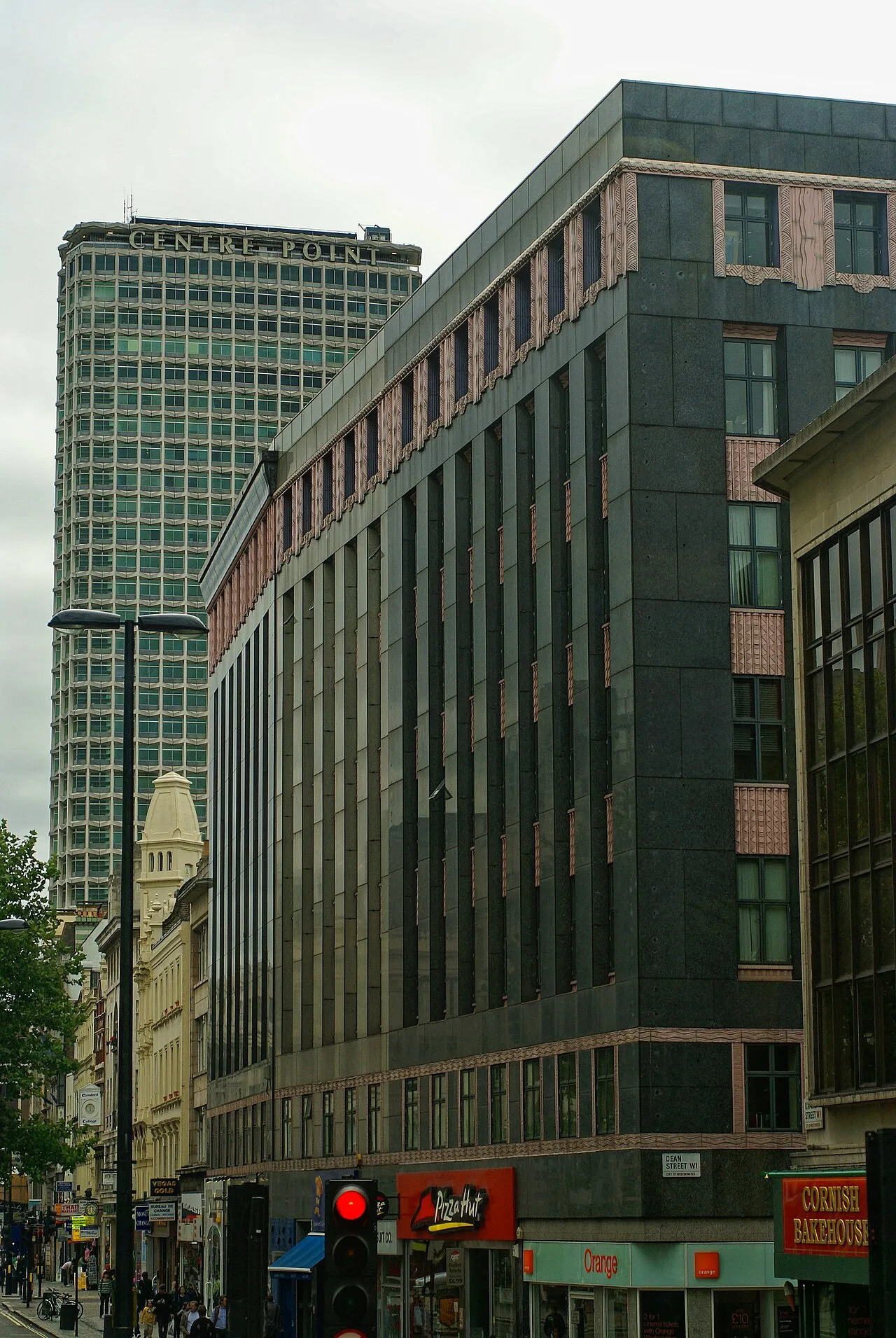
Centre Point
London · 1966
-
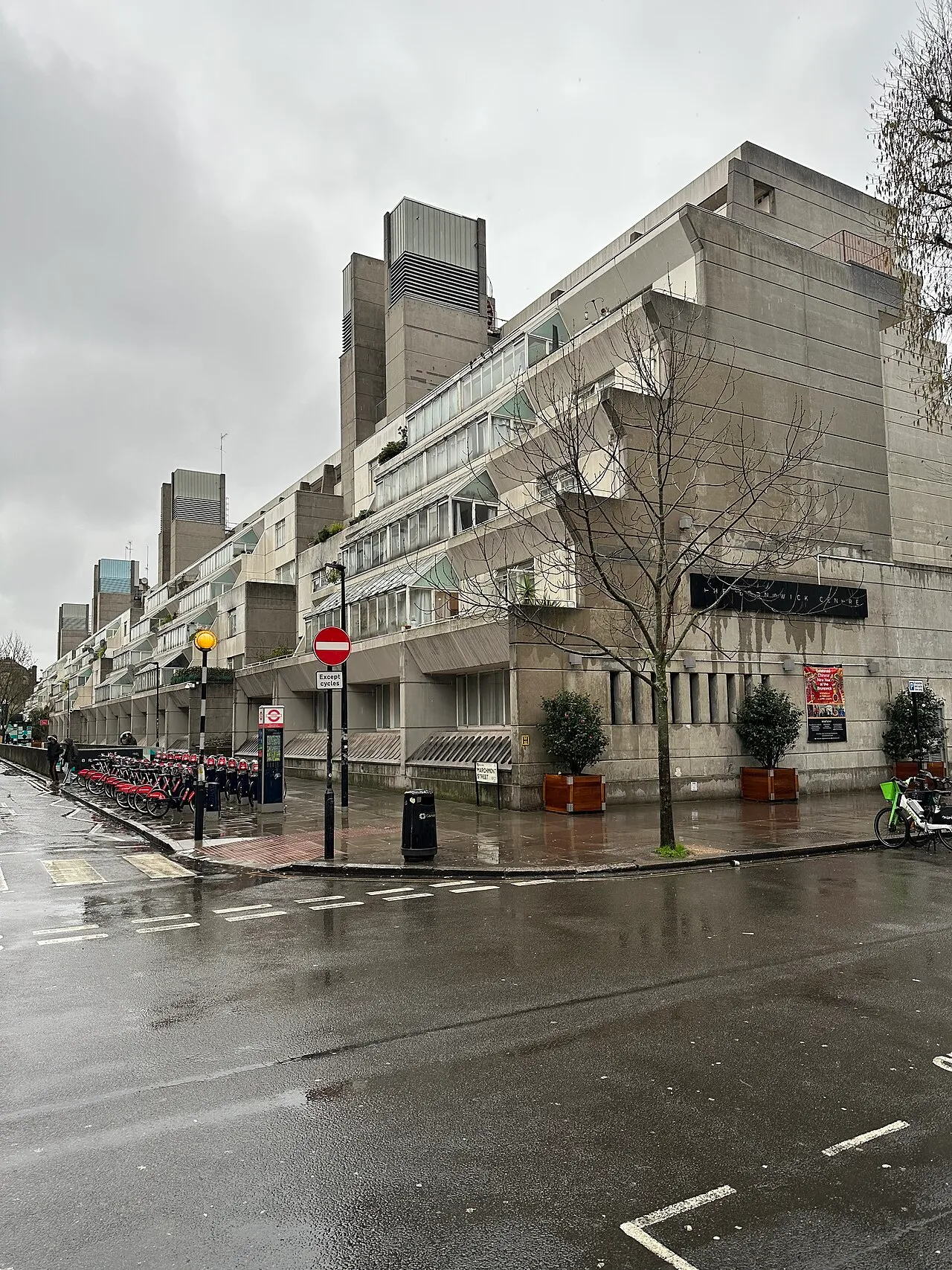
Brunswick Centre
London · 1972
-
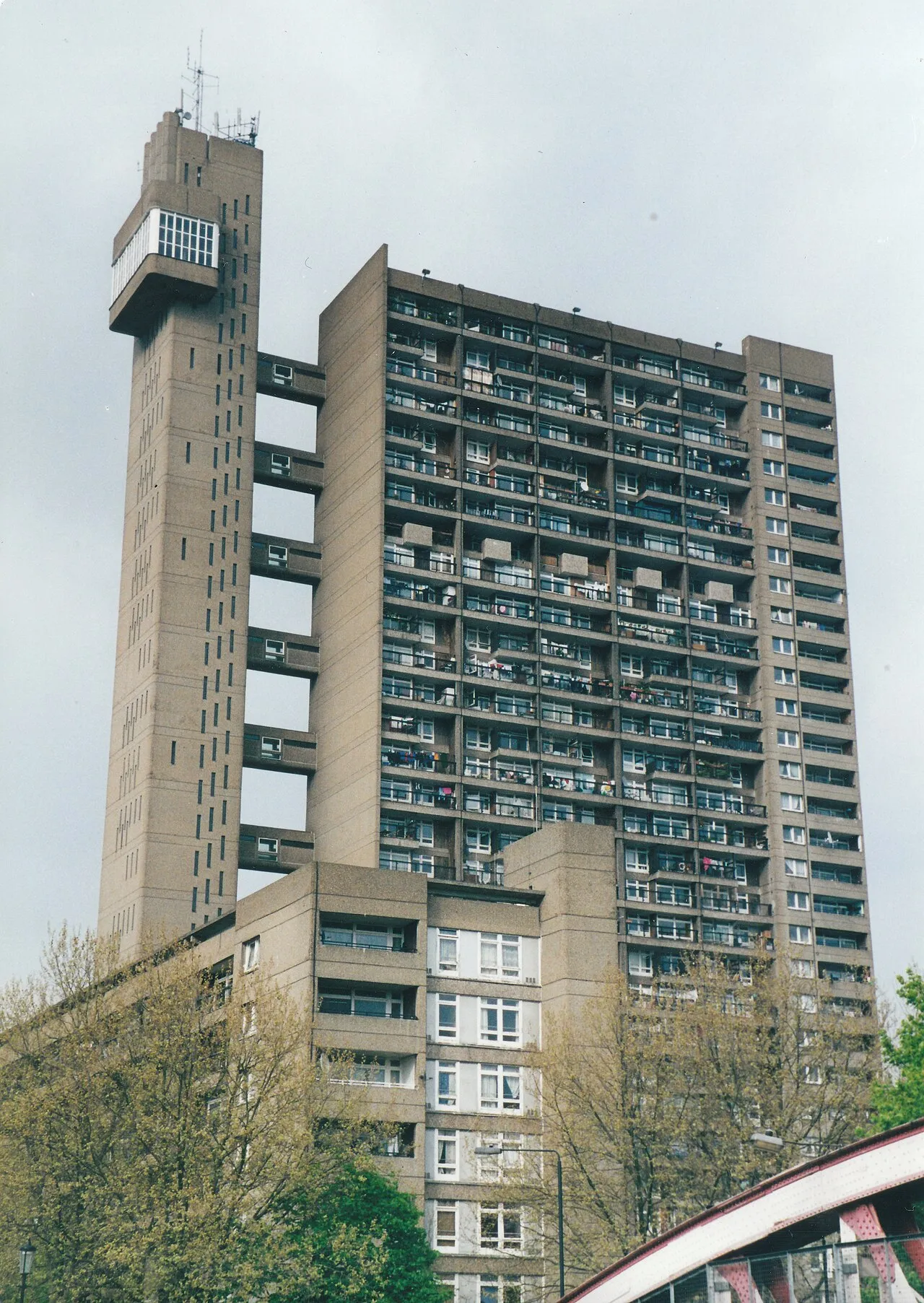
Trellick Tower
London · 1972
-
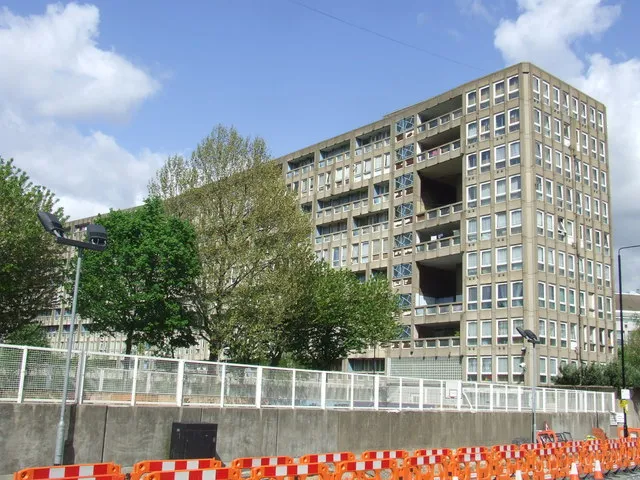
Robin Hood Gardens
London · 1972
-
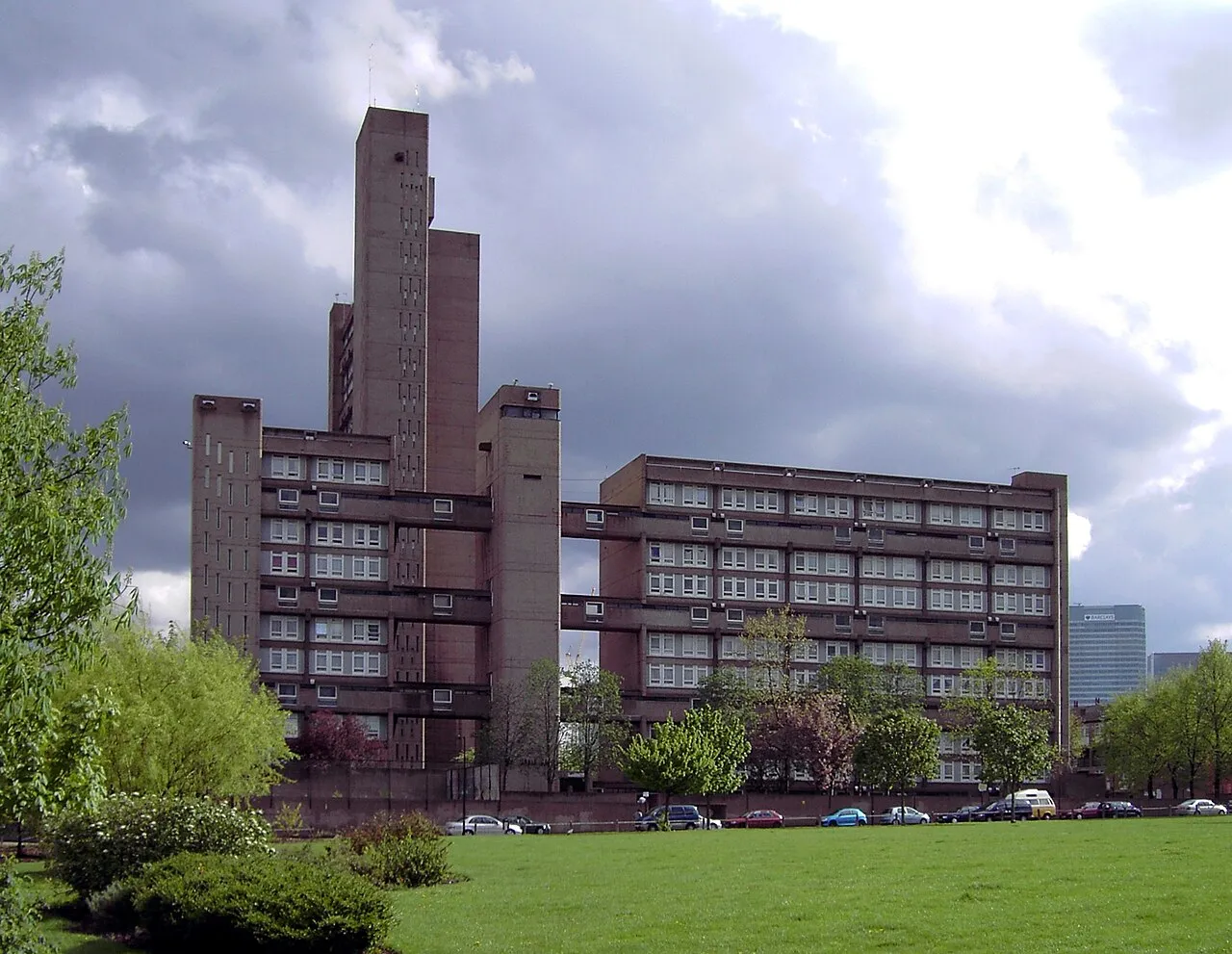
Balfron Tower
London · 1967
-
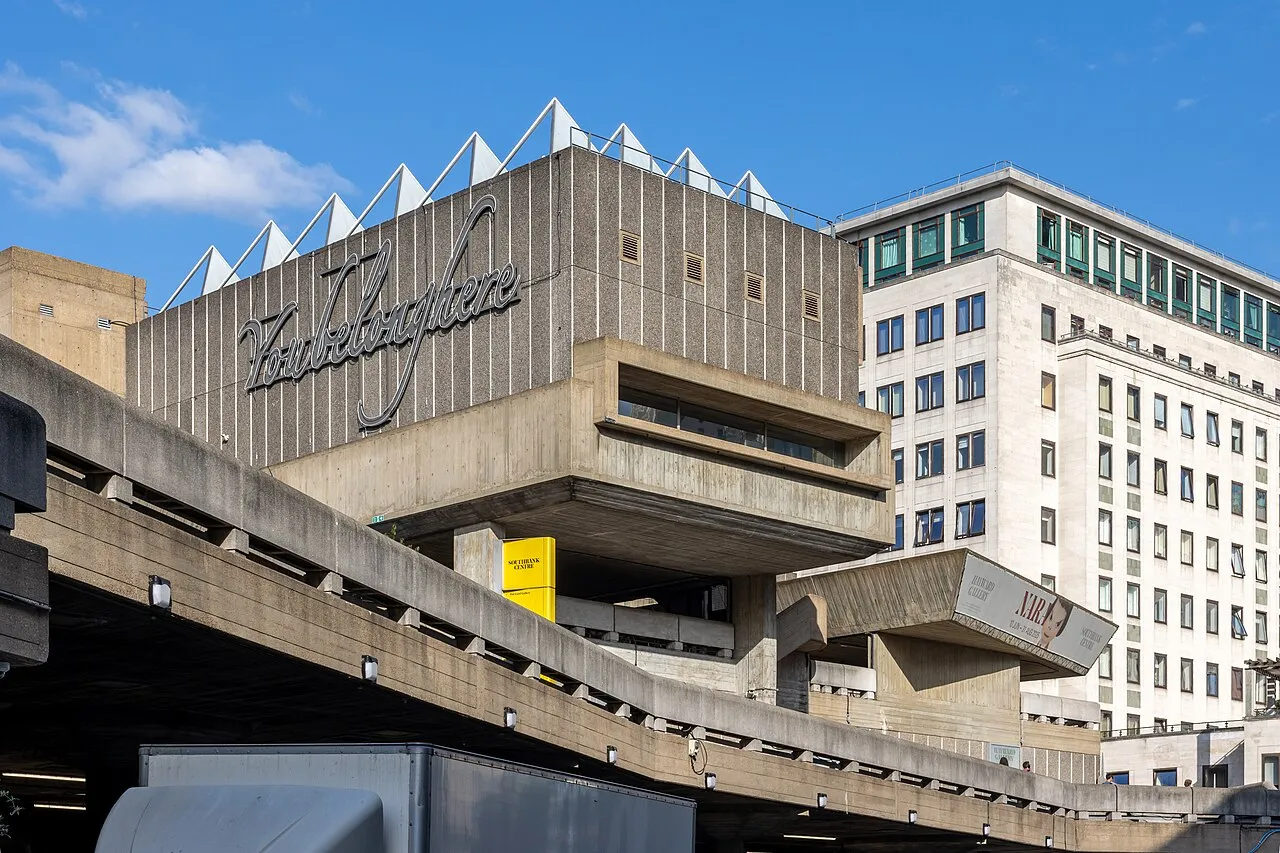
Hayward Gallery
London · 1968
-
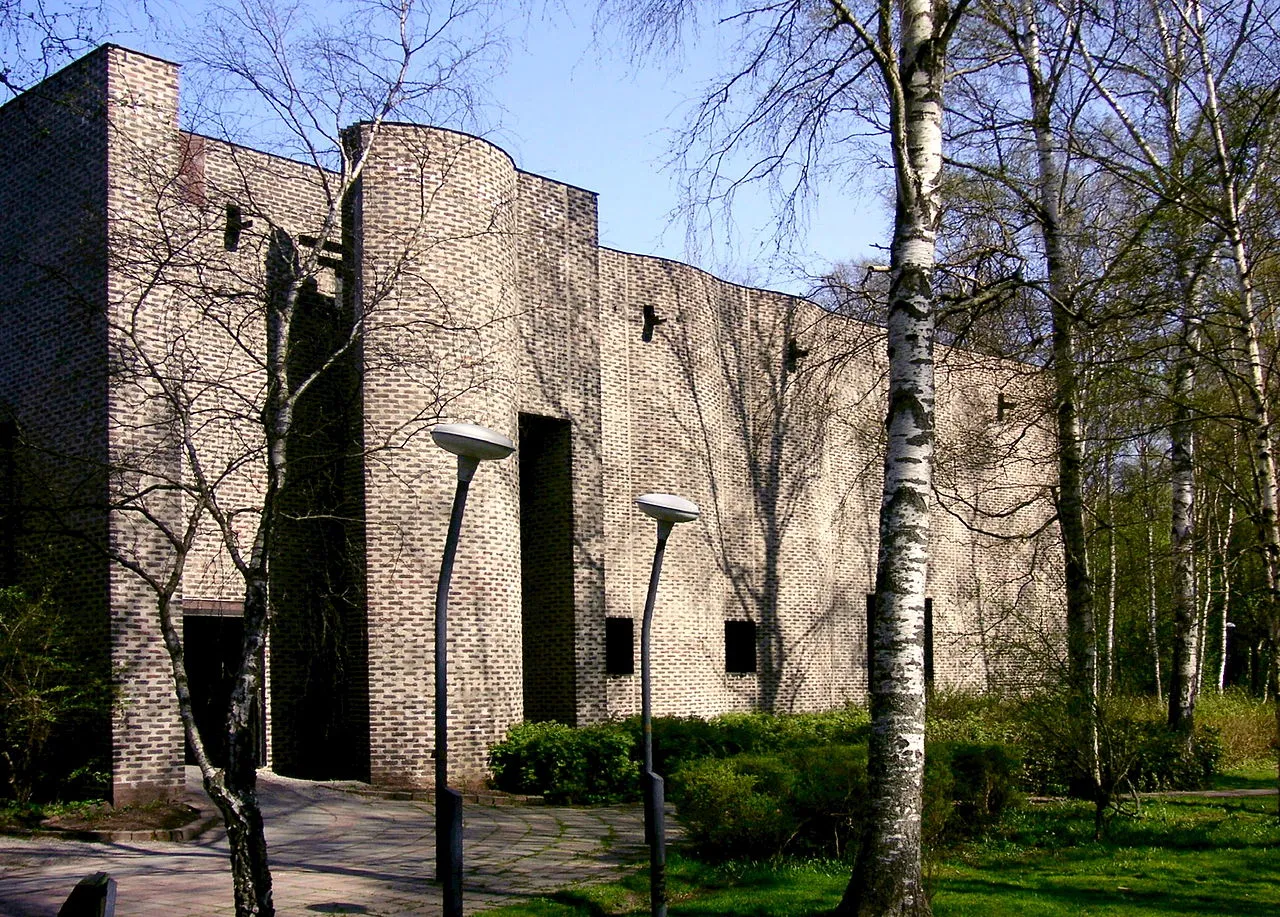
Markuskyrkan
Stockholm · 1960
-
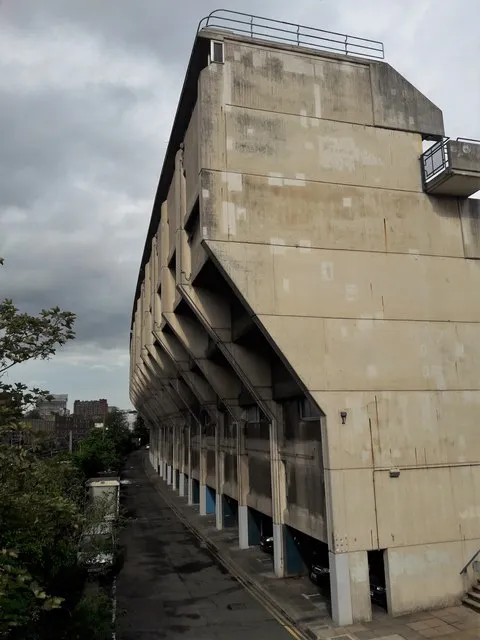
Alexandra Road Estate
London · 1978
Brutalism city by city
Pick a city to see the places on the map, with photos and descriptions.




Keep exploring
Explore all destinations