

Contemporary architecture
Contemporary architecture across 98 cities in 35 countries. The buildings worth seeing, the architects behind them, and where to find each one.
What is contemporary?
Contemporary architecture is a period label rather than a style. It covers building from roughly 2000 onward, a boundary that is convention as much as history, since several of its currents took shape during the 1990s. No single direction dominates, and the traits shift from one current to the next.
A few drivers run underneath them all. Climate concern shapes material choices and certification systems and has brought natural materials such as stone, wood, and lime back into use. Computer-aided design lets architects model entire buildings in three dimensions and realize geometries earlier tools could not describe. And as cities densify, former industrial and harbor districts are rebuilt, making adaptive reuse a current of its own.
The currents range widely. Neo-modernism returned in the 1990s to plain, undecorated facades in reaction to postmodern ornament. Sculptural one-off buildings come from international offices such as Frank Gehry’s, Zaha Hadid’s, and Herzog & de Meuron’s, while deconstructivism, with Daniel Libeskind’s asymmetric facades, belongs to the same family. Mass timber has moved from houses to high-rises: Sara kulturhus in Skellefteå, Sweden (White Arkitekter, 2021) carries a 20-story hotel in cross-laminated timber. Santiago Calatrava’s Turning Torso in Malmö (2005) shows how engineering and sculpture merged in the period’s towers.
To read a contemporary building, start with the question it answers. An exposed timber frame is about carbon, a twisting all-glass facade about digital geometry, a converted warehouse about giving an old structure a new program. The materials give the clues: flat glass in engineered facade systems, exposed cross-laminated timber, site-cast concrete.
Contemporary in Sweden
Sweden entered the period through 1990s neo-modernism, a turn back to plain modernist facades after the postmodern 1980s. The Bo01 housing exposition of 2001, master planned by Klas Tham, set the template for converting Malmö's Western Harbour from industrial land into a mixed-use waterfront district, and Santiago Calatrava's 190-meter Turning Torso rose there in 2005.
White Arkitekter designed the Stockholm Waterfront congress center (2010) and Sara kulturhus in Skellefteå (2021), a culture house carrying a 20-story hotel in cross-laminated timber, among the world's tallest timber buildings at completion. Wingårdhs designed Aula Medica at Karolinska Institutet (2013); Tham & Videgård's Kalmar konstmuseum (2008) and KTH School of Architecture (2015) both won the Kasper Salin prize. Malmö Live, a concert hall, congress center, and hotel by Schmidt Hammer Lassen, opened in 2015. In Kiruna the entire town center is moving about three kilometers east, away from ground subsiding over the iron ore mine, on a master plan won by White and Ghilardi+Hellsten in 2013.
The aesthetics are publicly contested: Arkitekturupproret, a grassroots movement begun as a Facebook group in 2014, campaigns against much contemporary Swedish building and for preservation and more varied construction, and is itself debated within the profession.
See the style in Stockholm, Malmö, Uppsala, Gothenburg, Norrbotten, Helsingborg.
Notable contemporary buildings
-
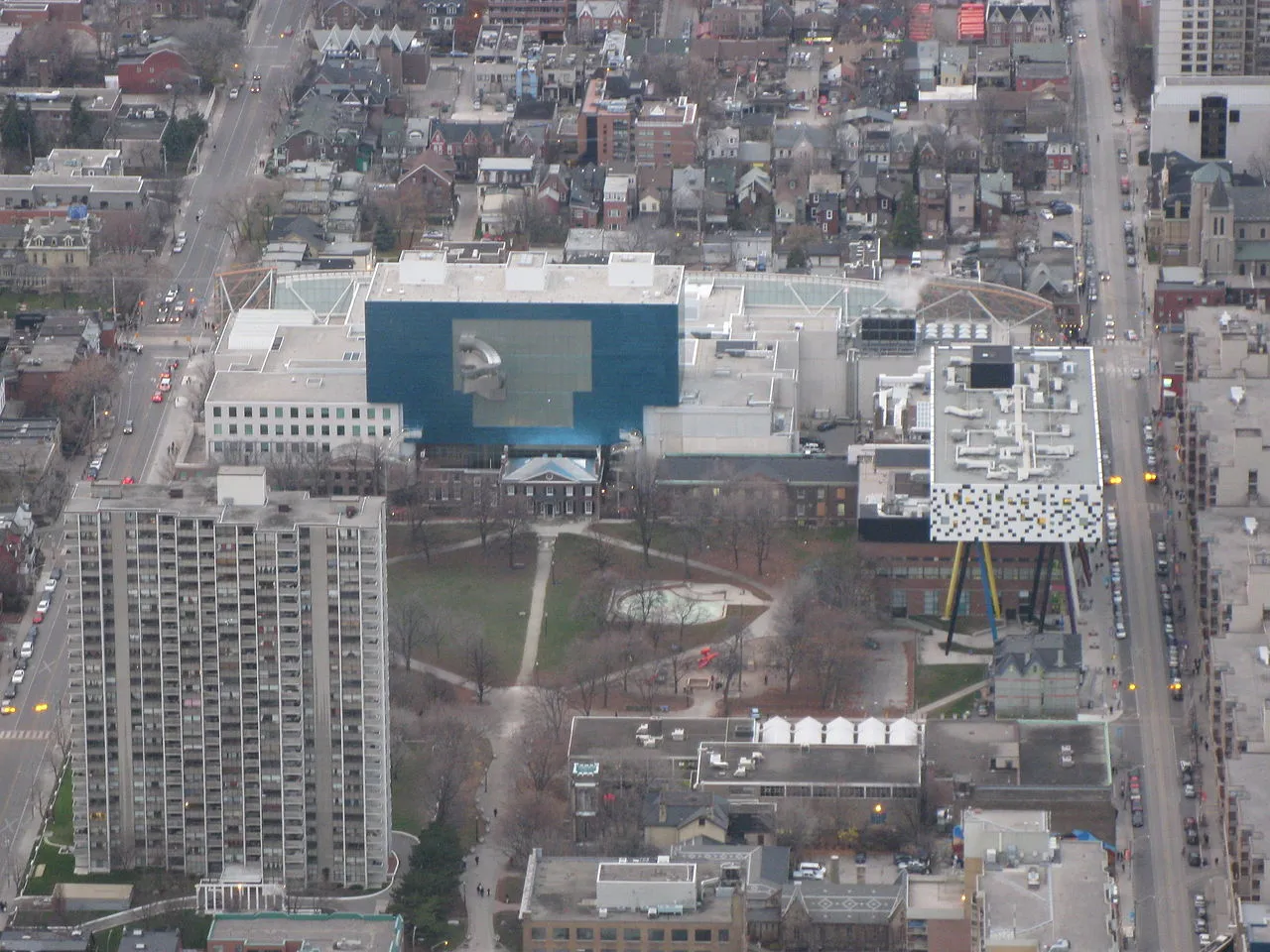
Art Gallery of Ontario
Toronto · 2008
-
Leeum Museum of Art
Seoul · 2004
-
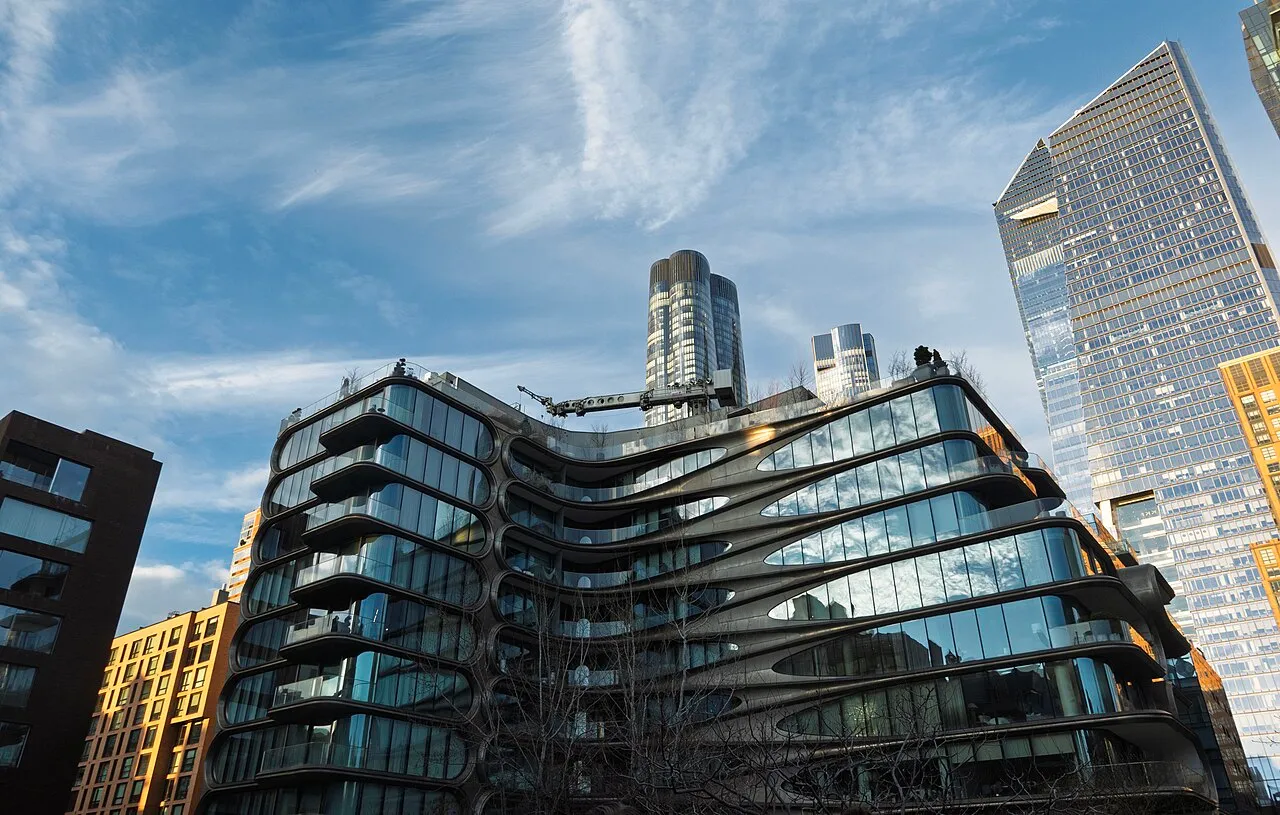
520 West 28th Street
New York · 2017
-
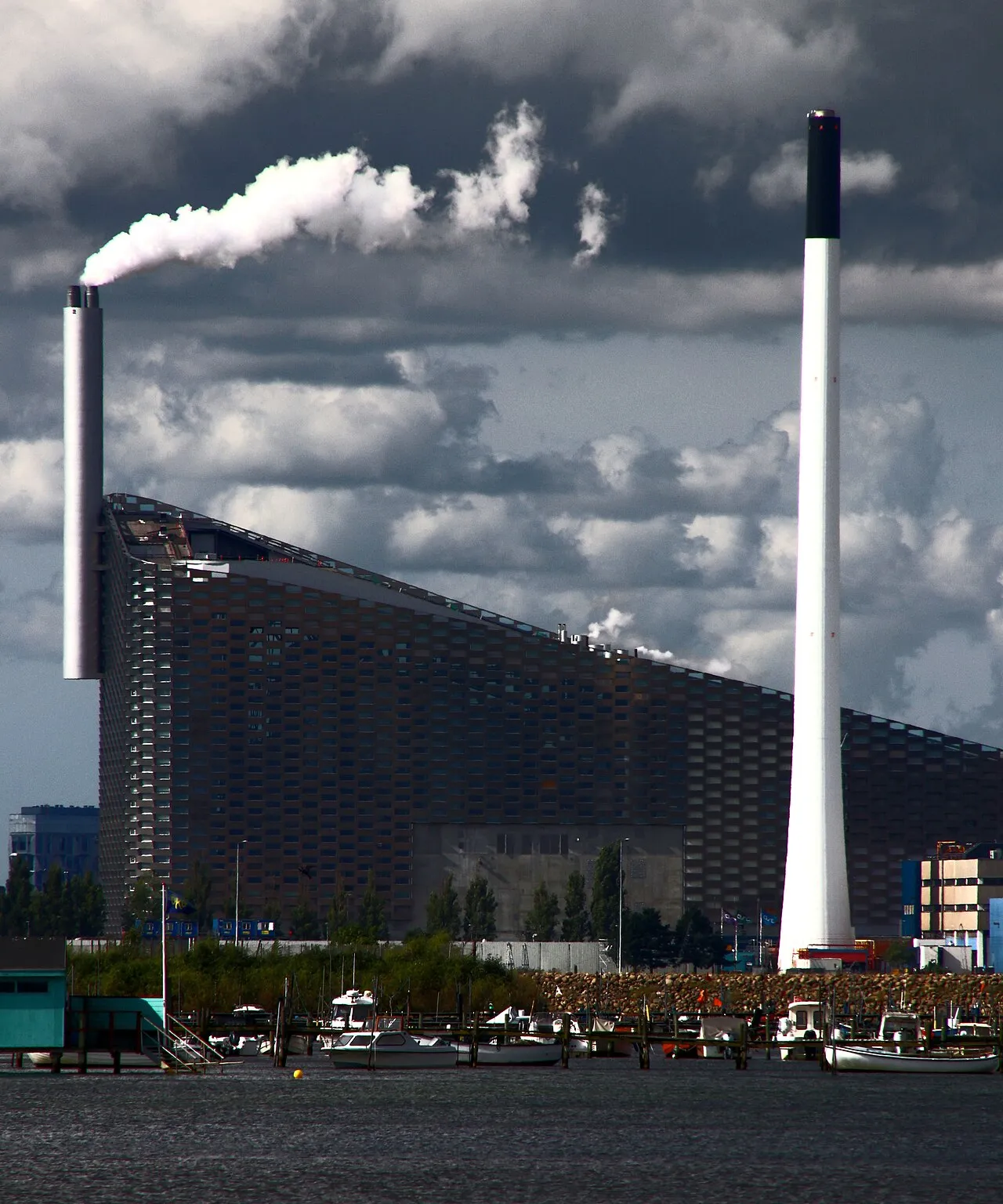
Copenhill
Copenhagen · 2019
-
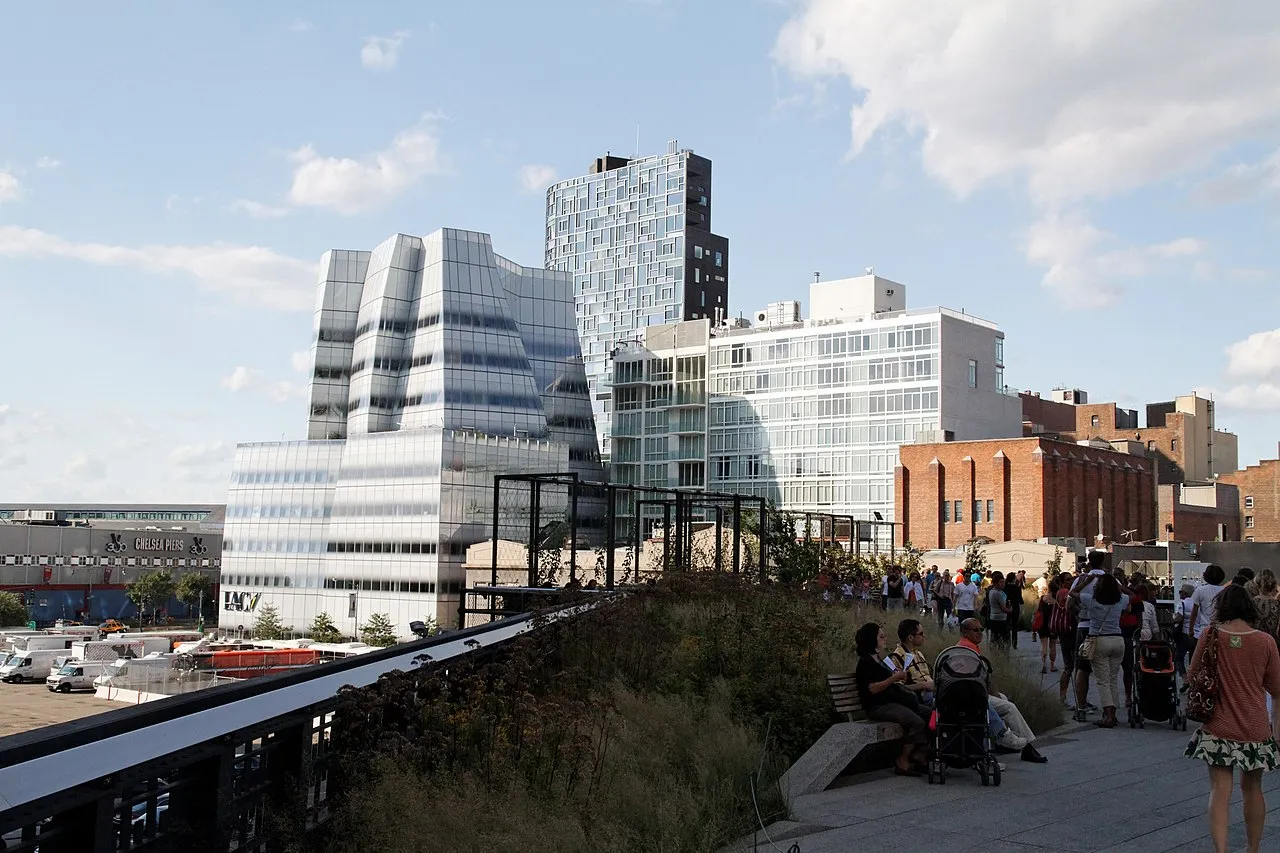
IAC Building
New York · 2007
-
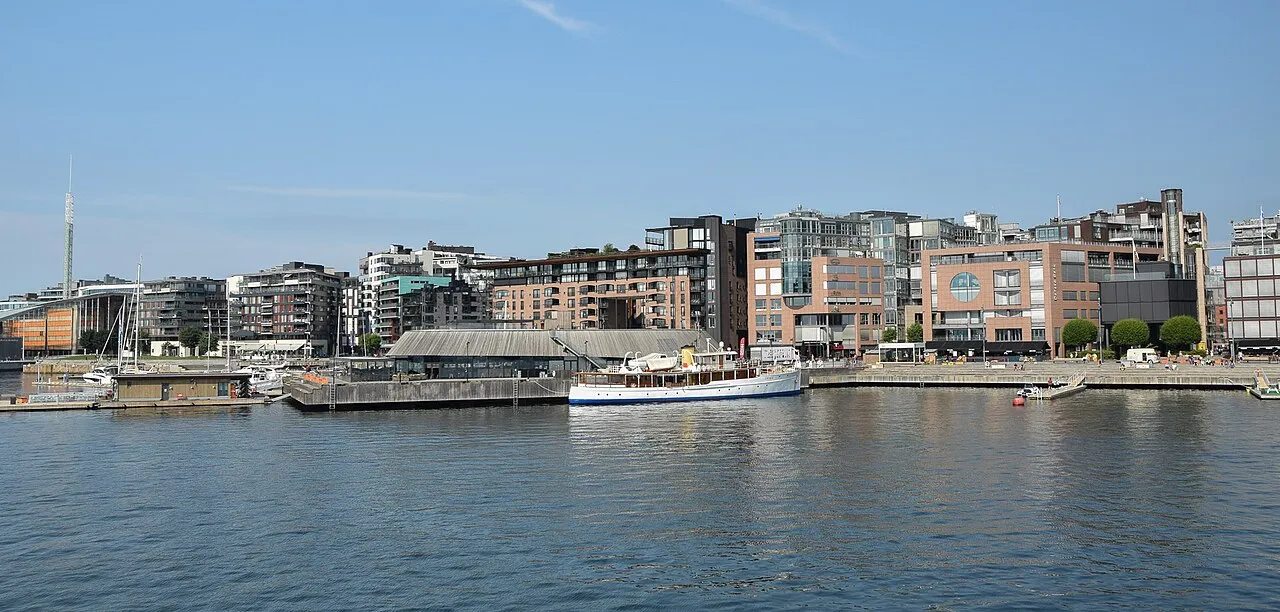
Tjuvholmen District
Oslo · 2010
-
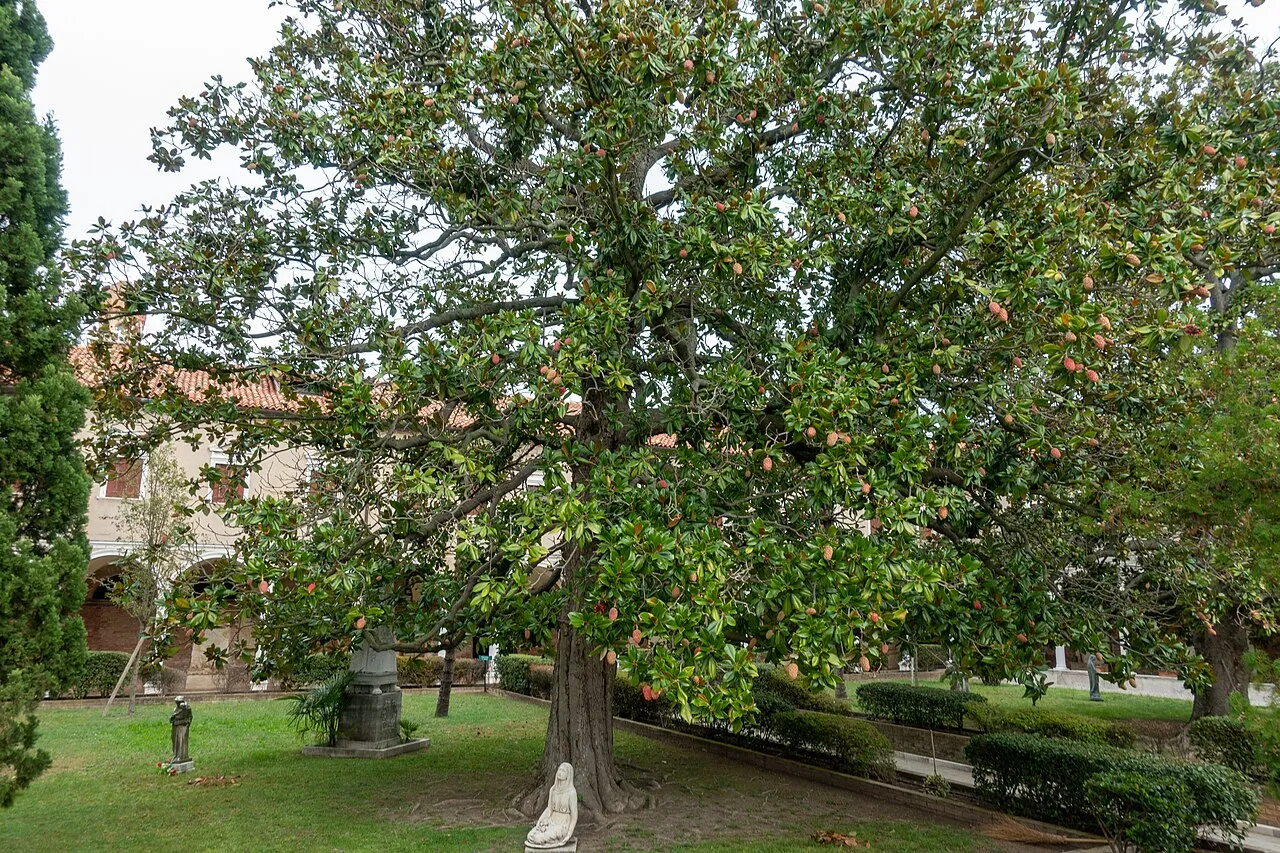
San Michele Cemetery Extension
Venice · 2007
-
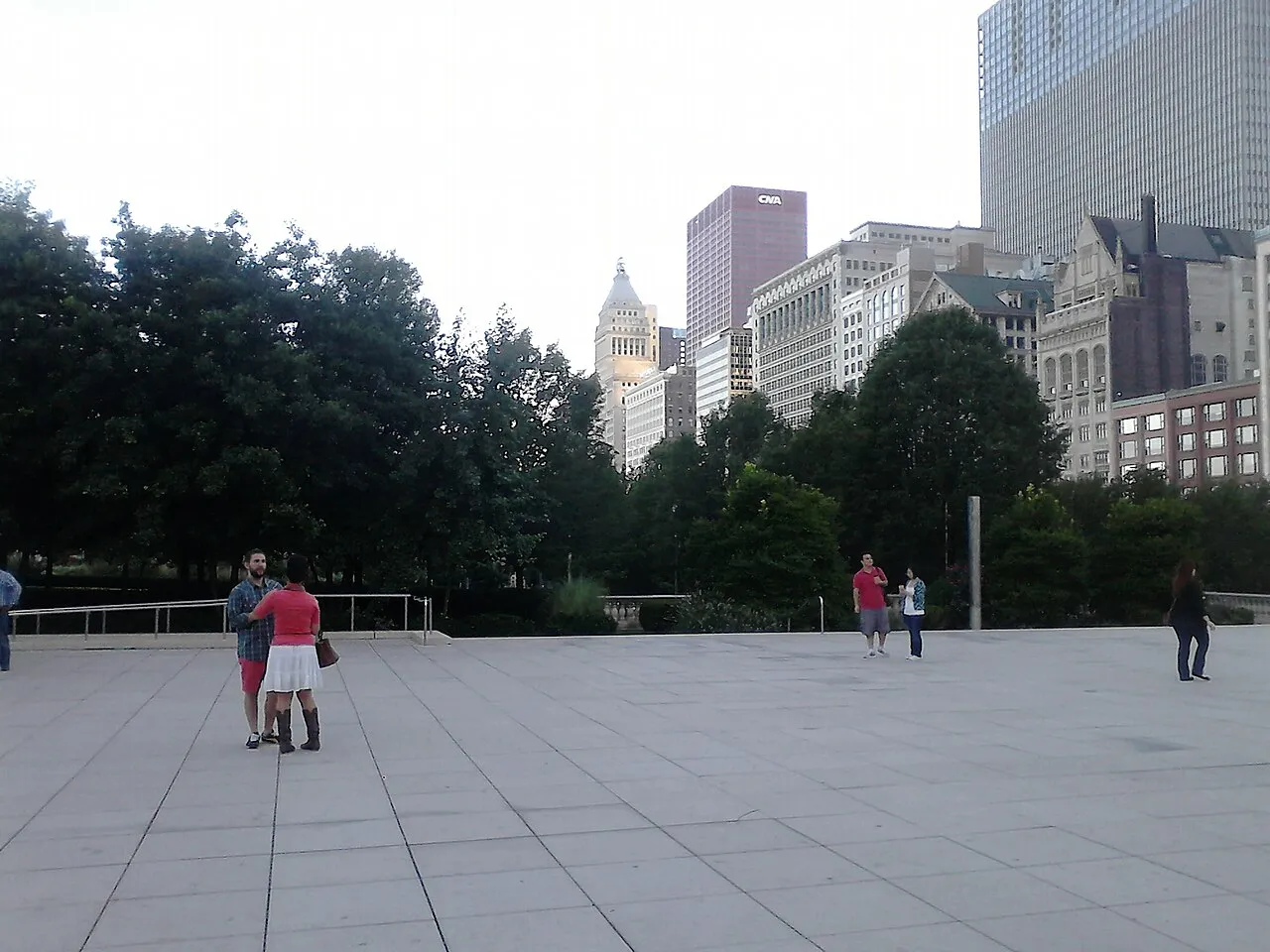
Millennium Park
Chicago · 2004
-
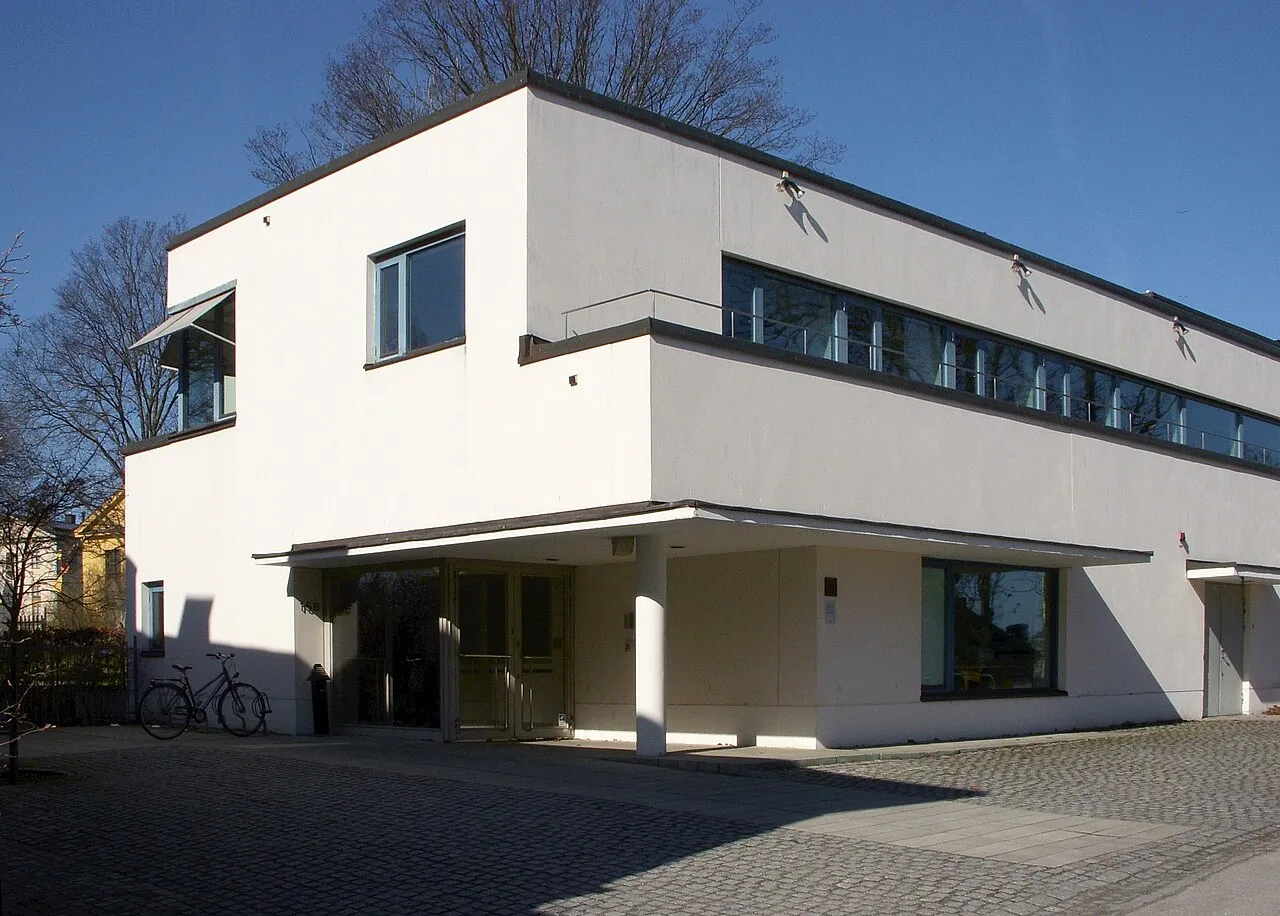
Swedish Centre for Architecture and Design (ArkDes)
Stockholm · 1998
-
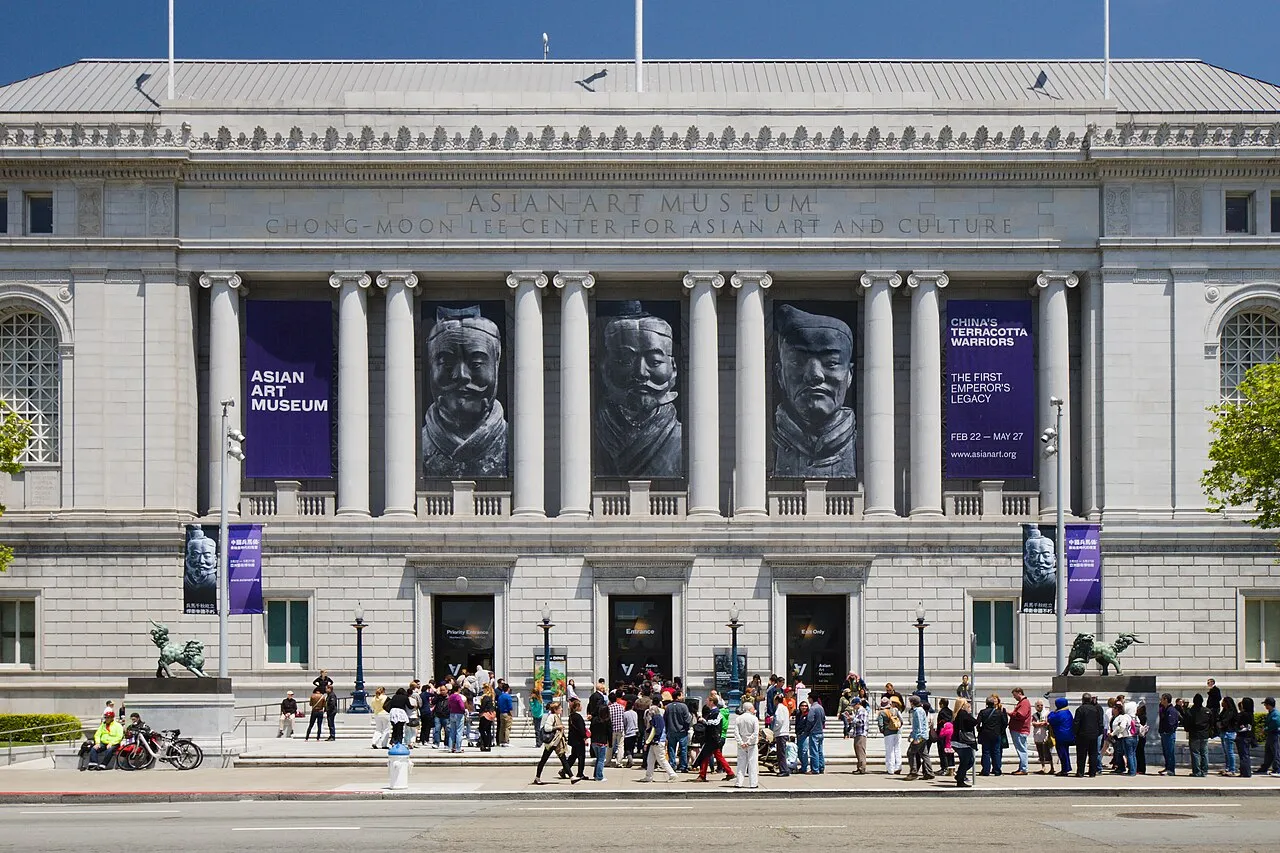
Asian Art Museum of San Francisco
San Francisco · 1917
-
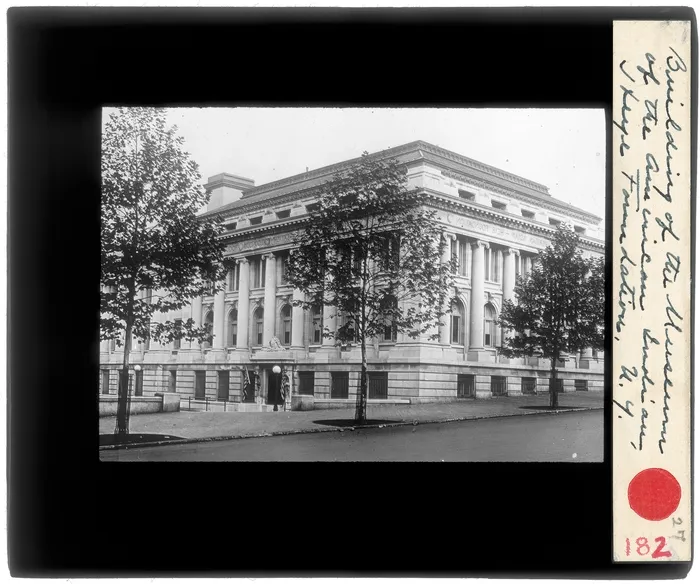
National Museum of the American Indian
Washington · 2004
-
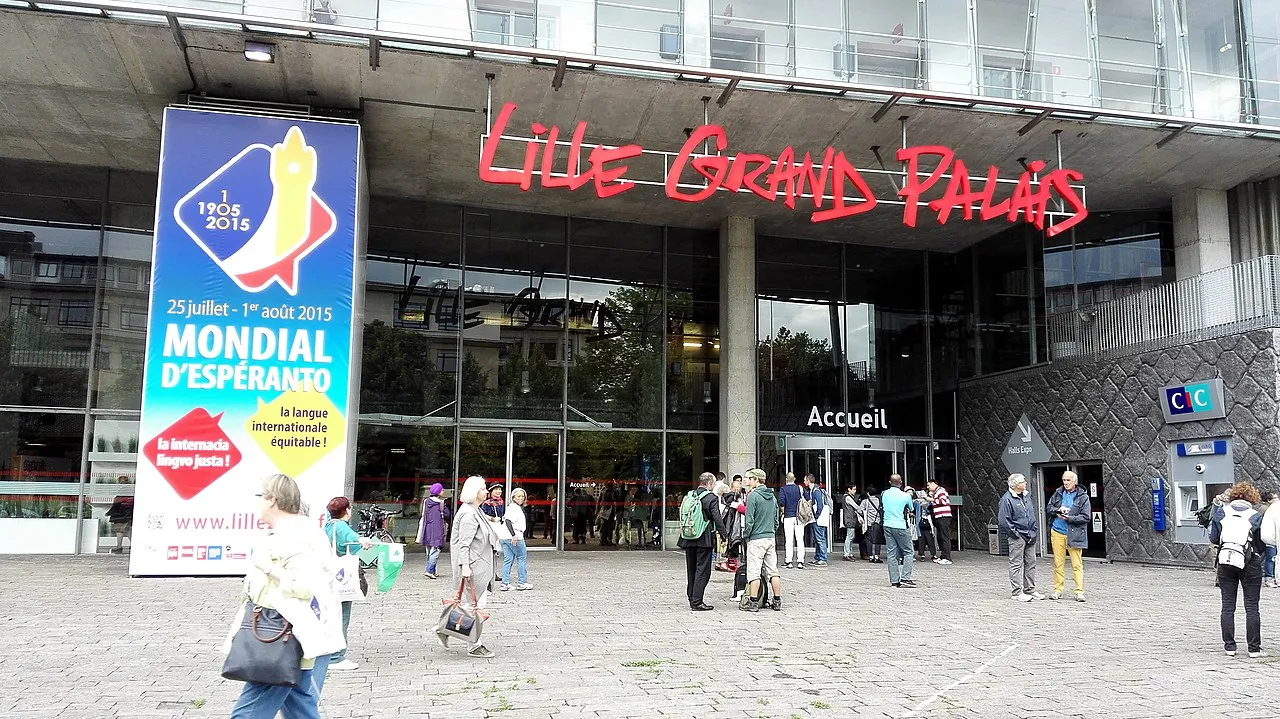
Congrexpo
Lille · 1994
Contemporary city by city
Pick a city to see the places on the map, with photos and descriptions.
-
Sweden
Stockholm
63 places
-
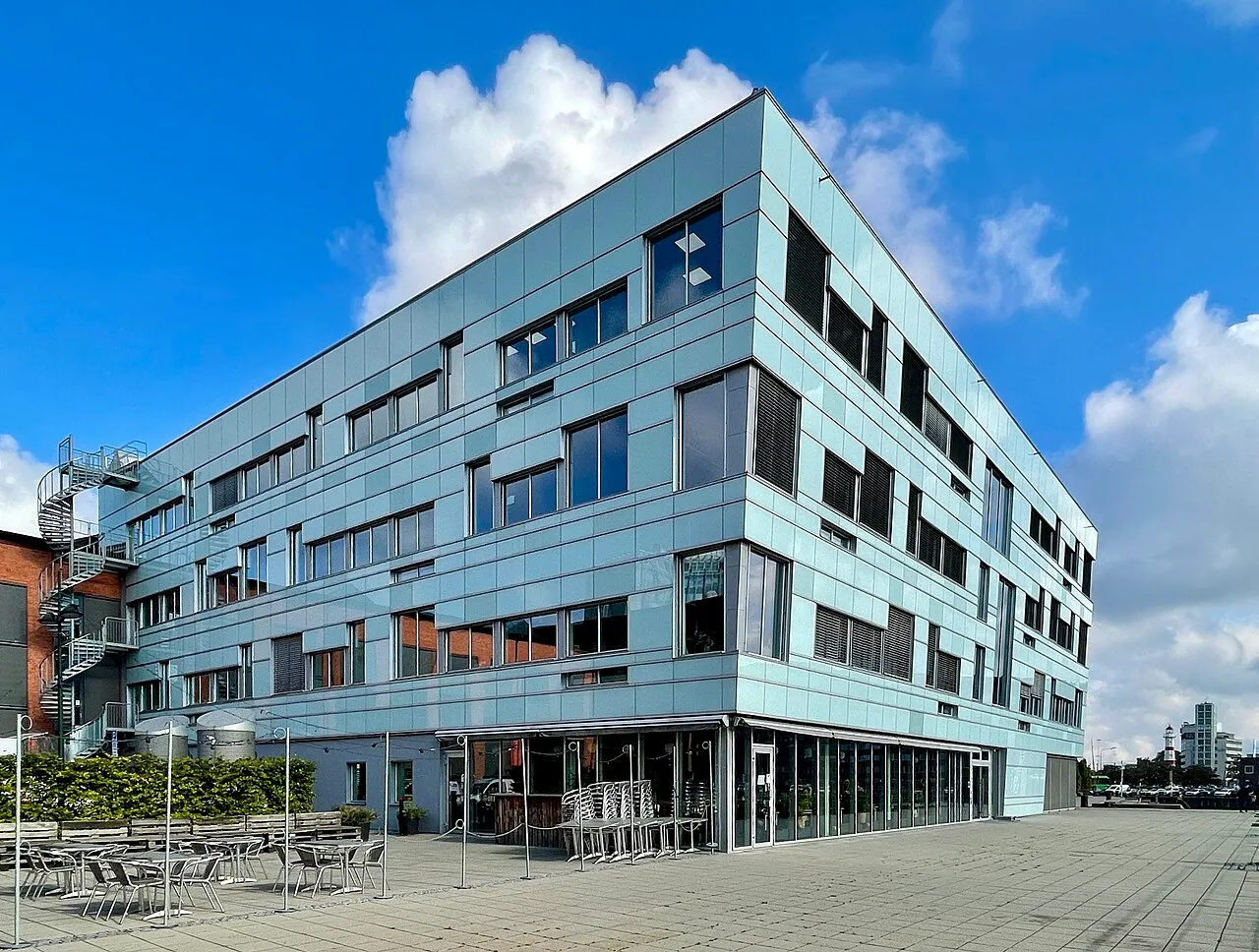
Sweden
Malmö
38 places
-
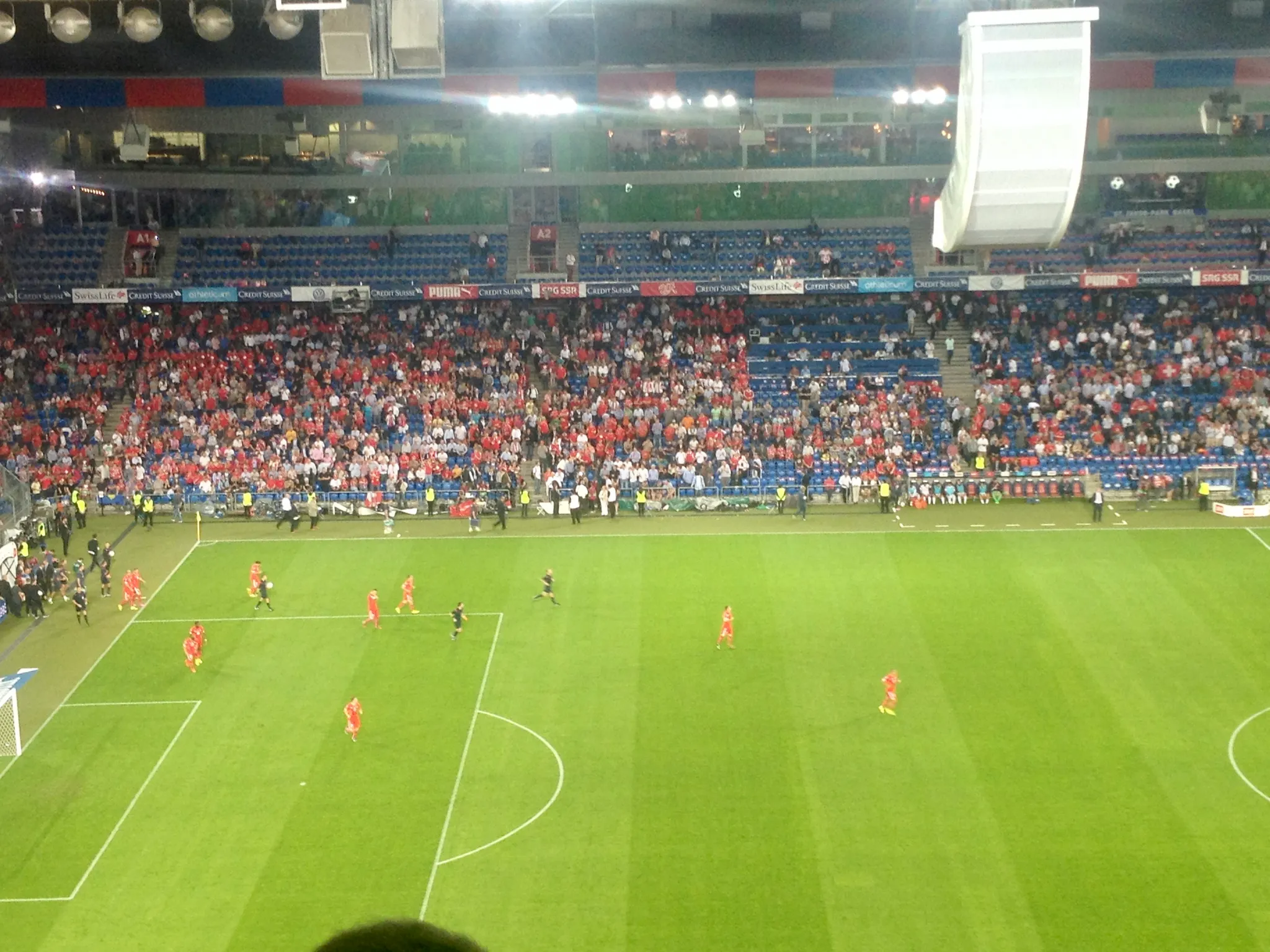
Switzerland
Basel
35 places
-
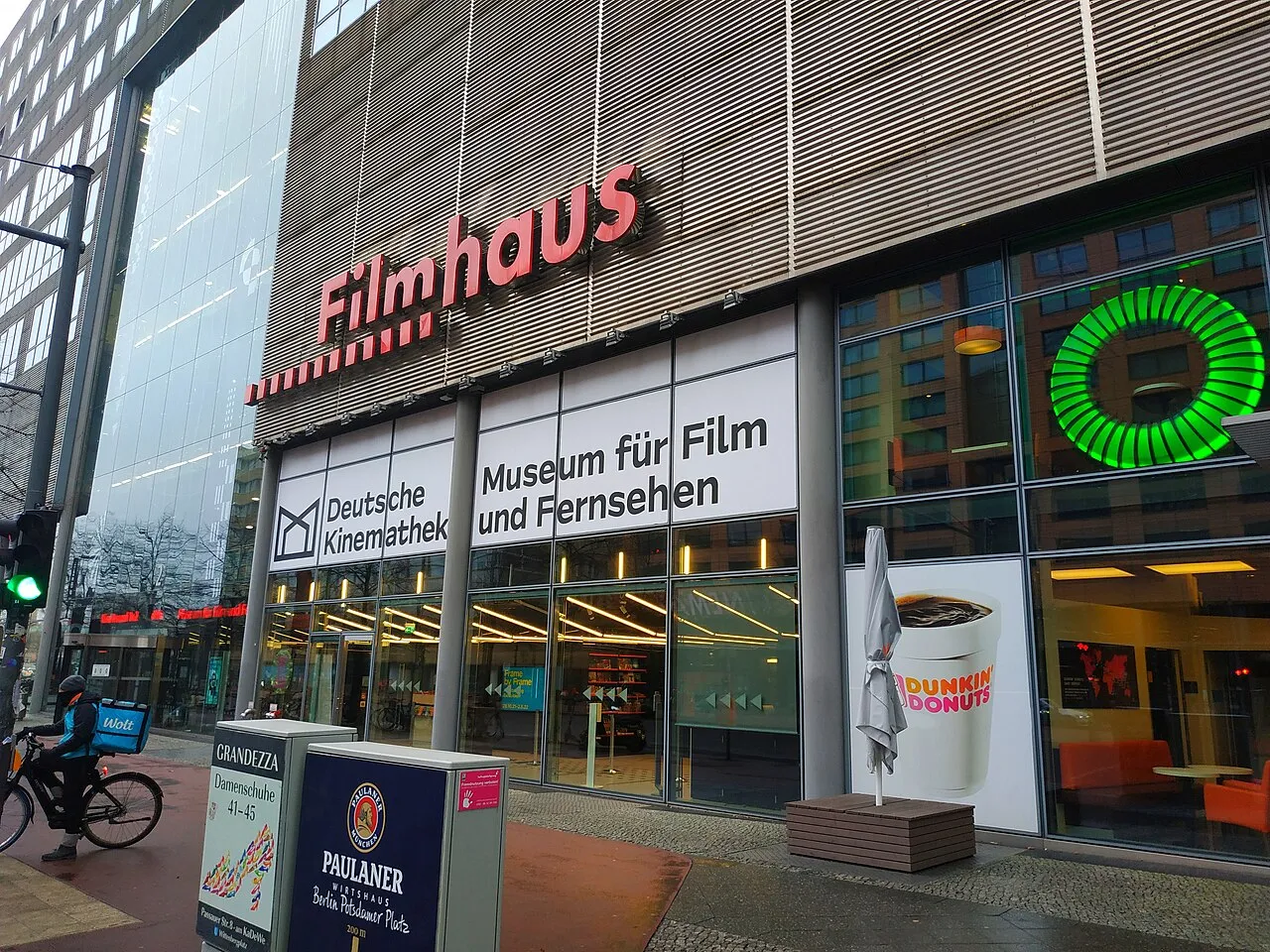
Germany
Berlin
31 places
-
United States
New York
31 places
-
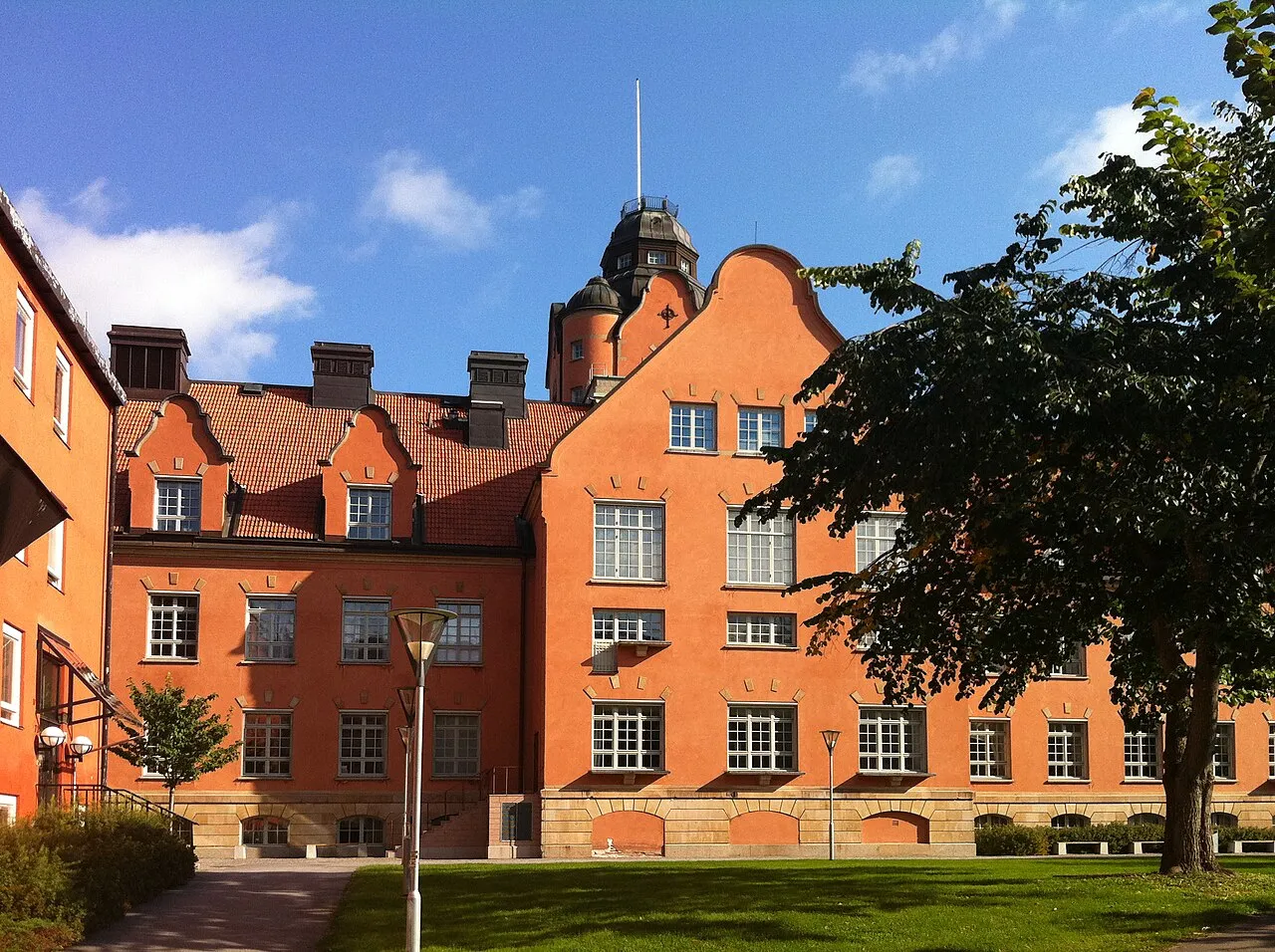
Sweden
Uppsala
29 places
-
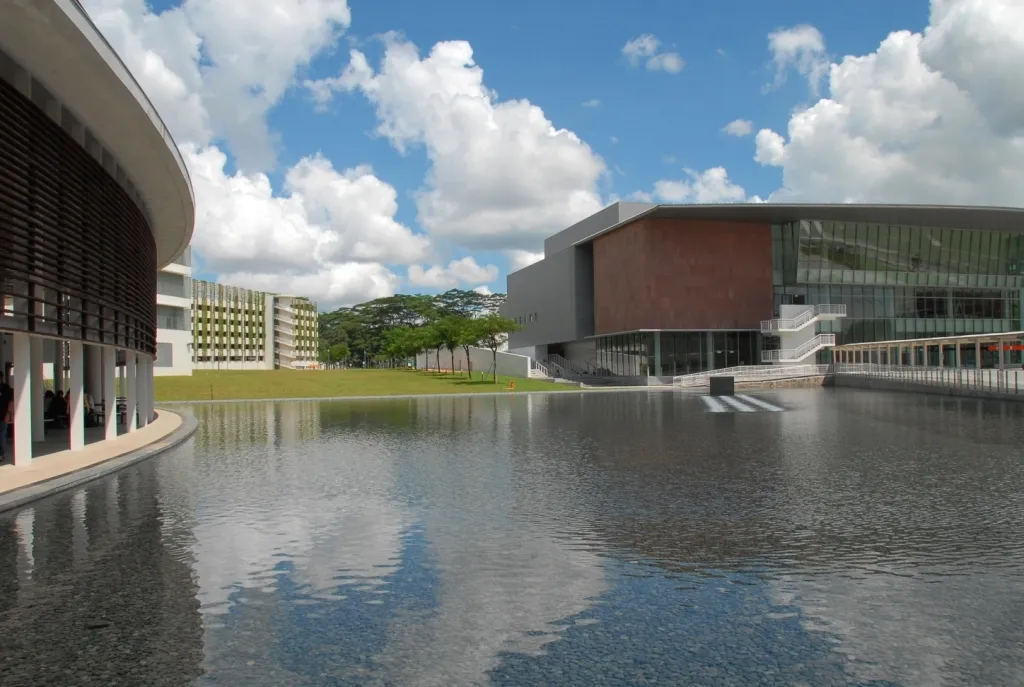
Singapore
Singapore
27 places
-
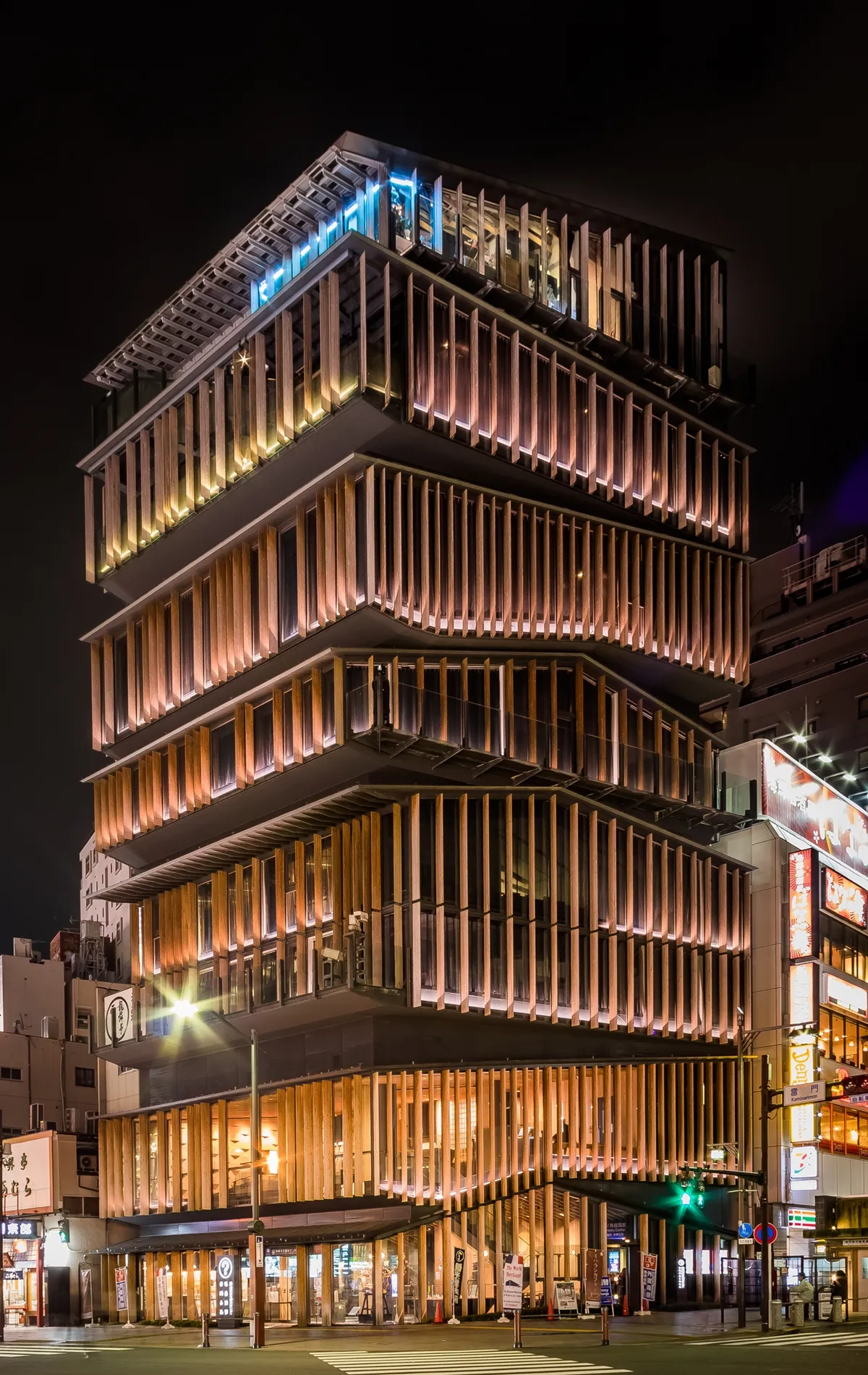
Japan
Tokyo
27 places
-
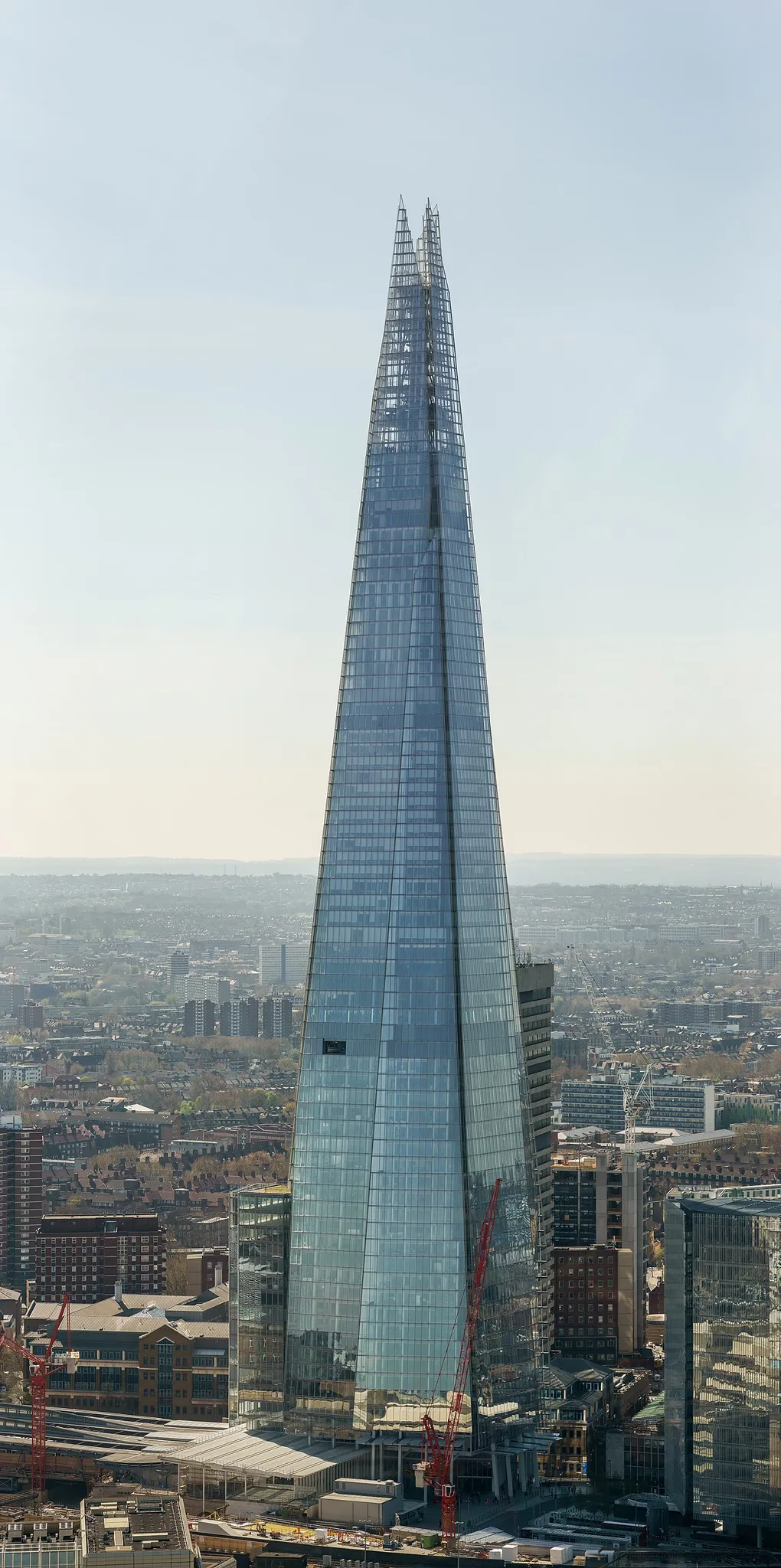
United Kingdom
London
25 places
-
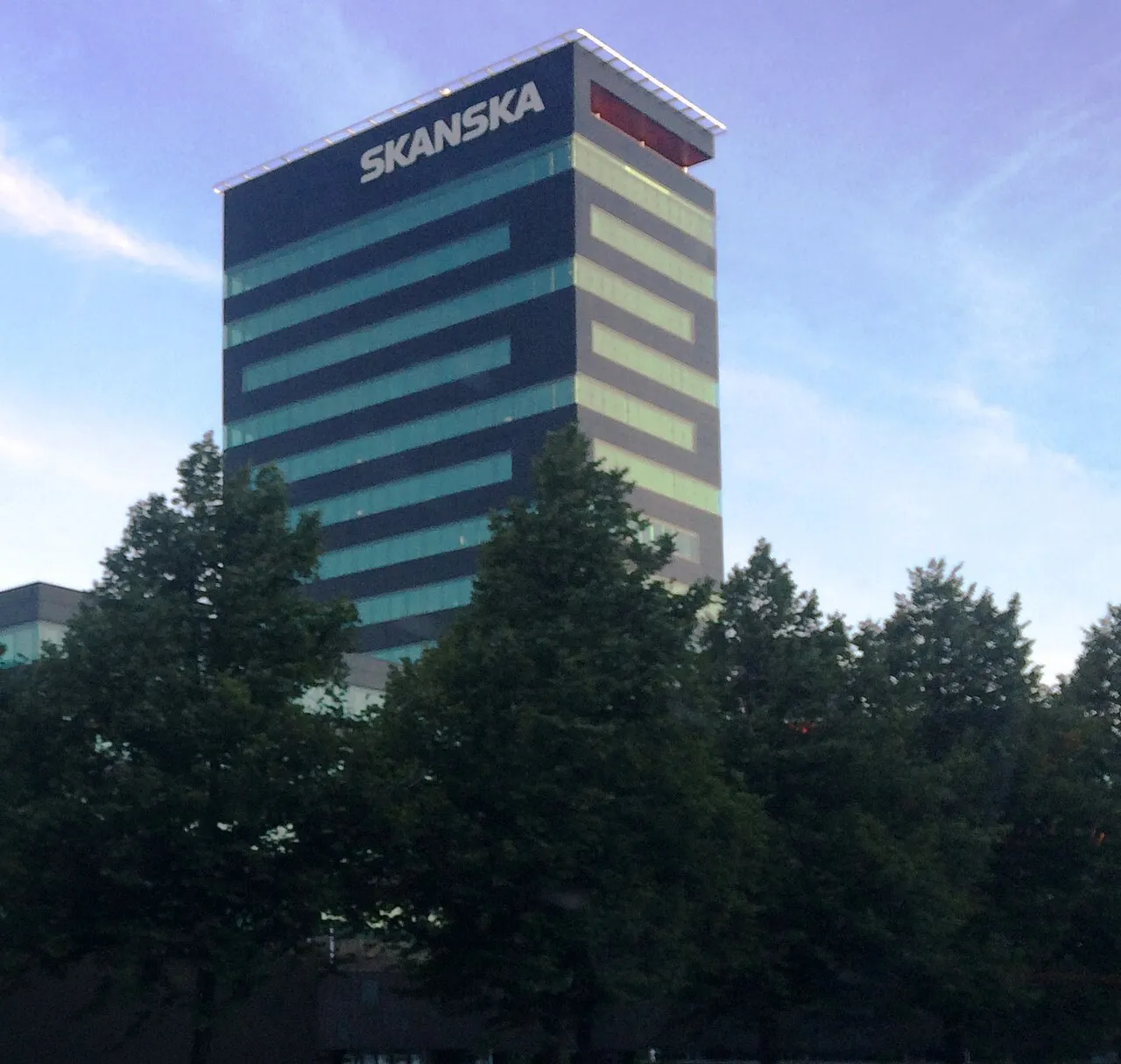
Sweden
Gothenburg
24 places
-
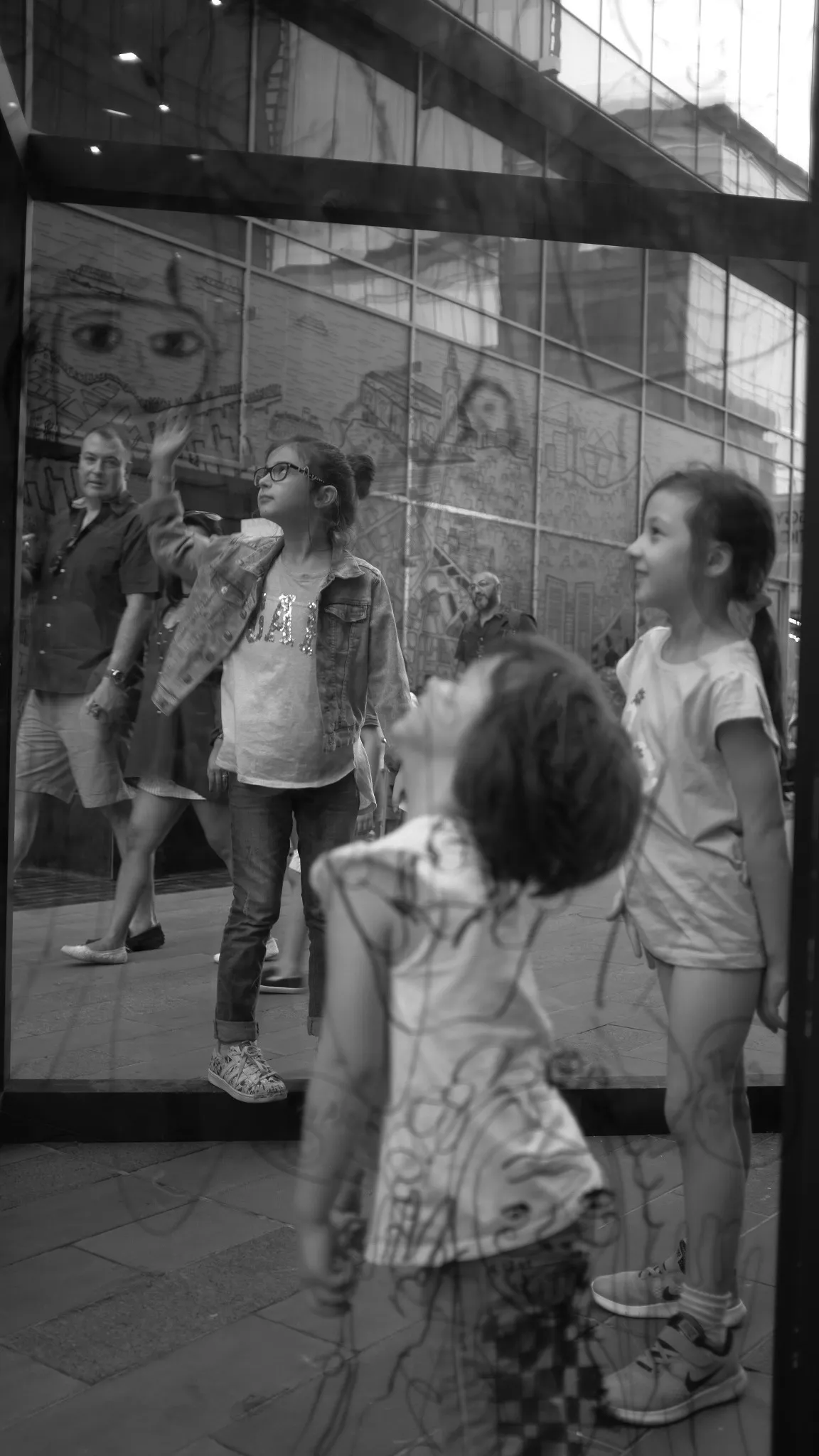
United Arab Emirates
Dubai
23 places
-
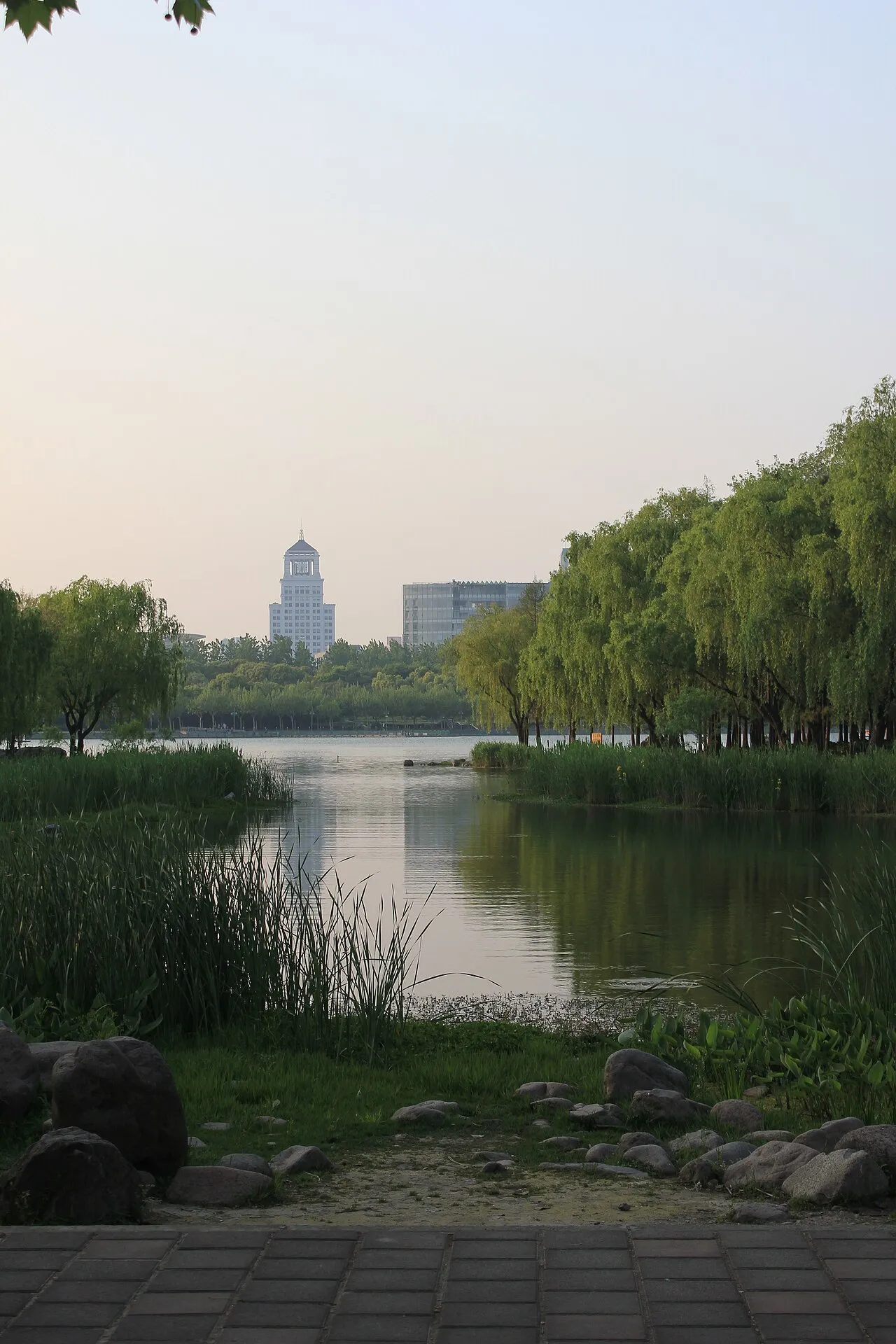
China
Shanghai
23 places
-
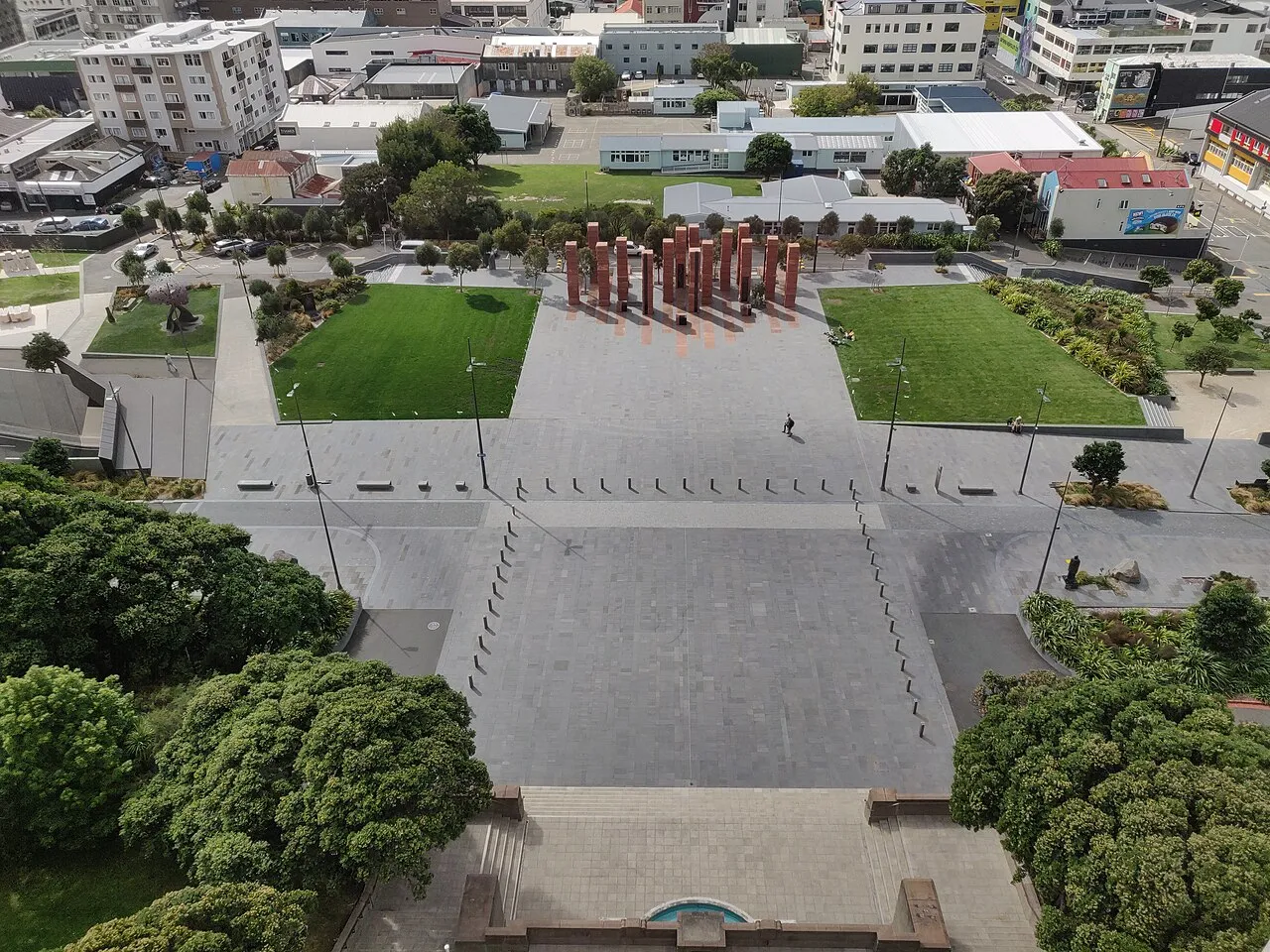
New Zealand
Wellington
22 places
-
Denmark
Copenhagen
21 places
-
United States
Chicago
20 places
-
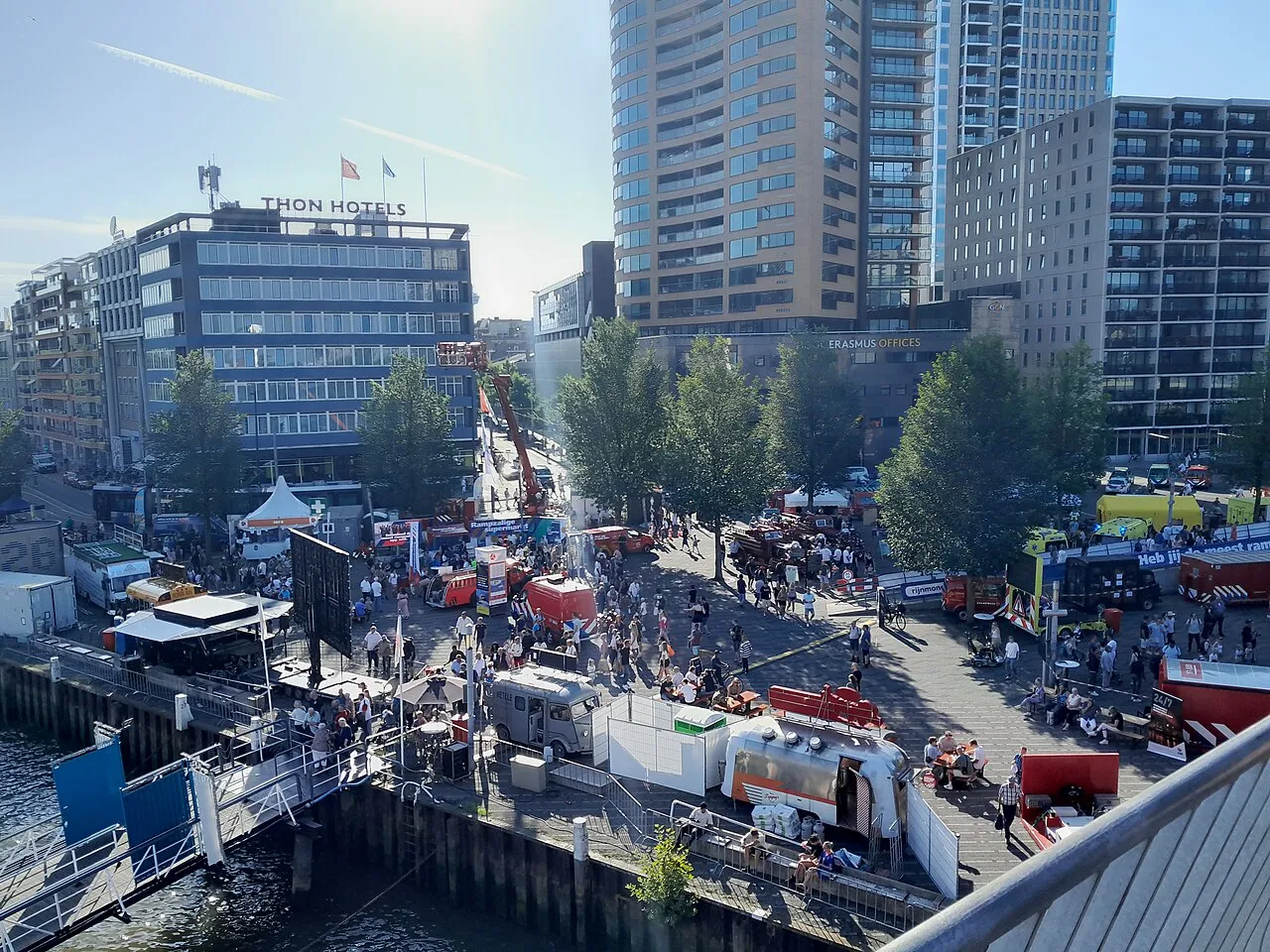
Netherlands
Rotterdam
20 places
-
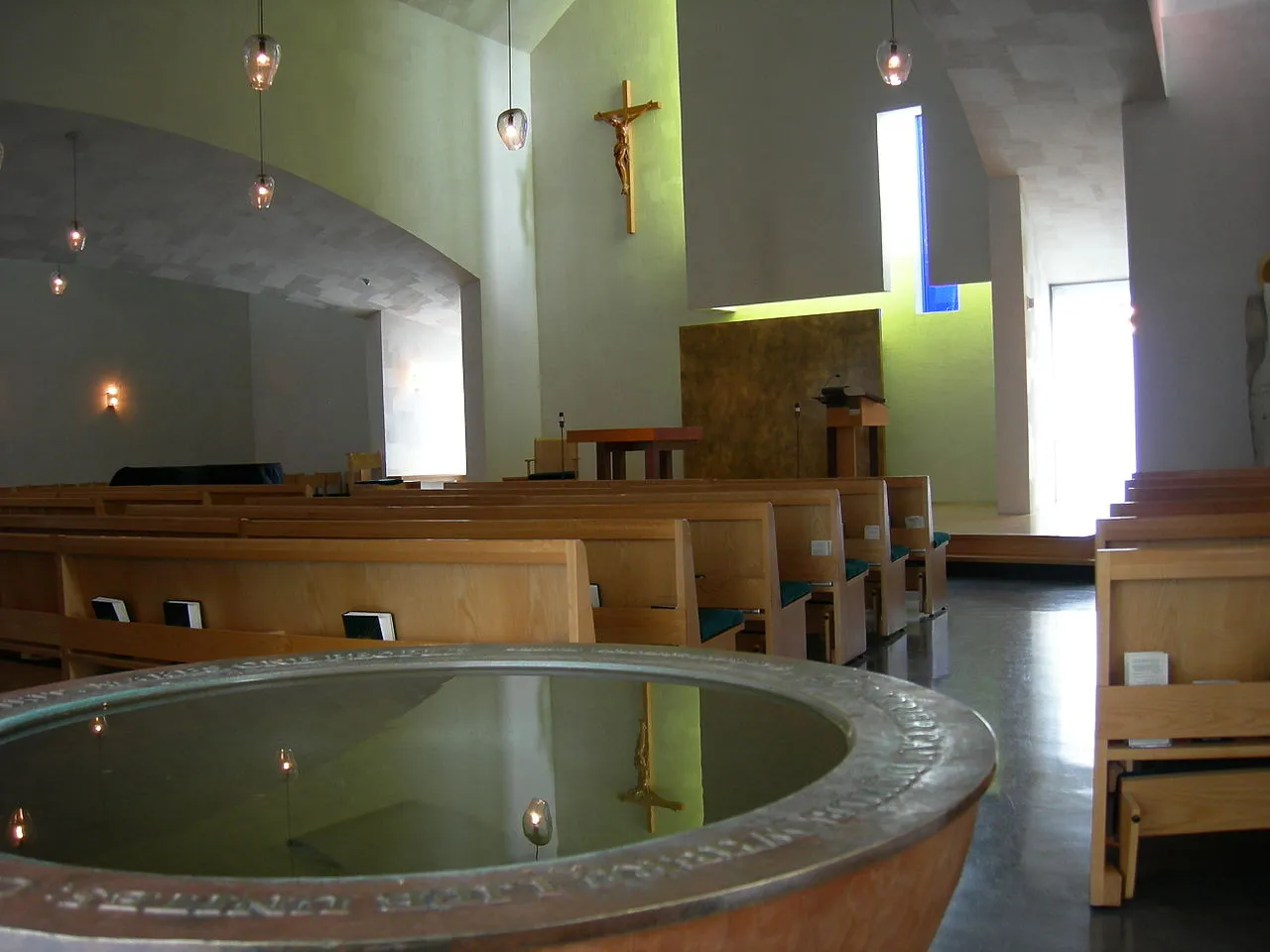
United States
Seattle
20 places
-
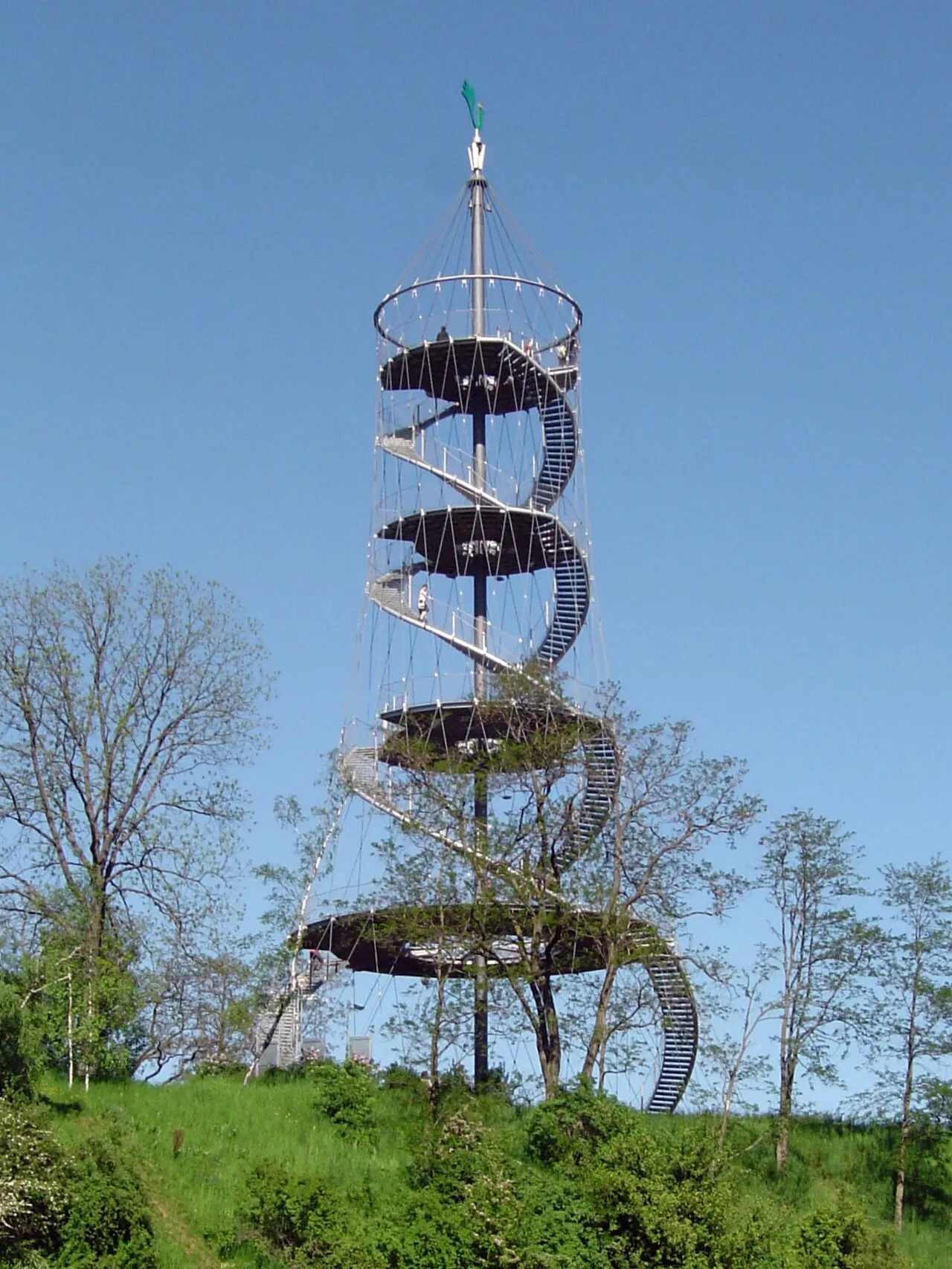
Germany
Bavaria
18 places
-
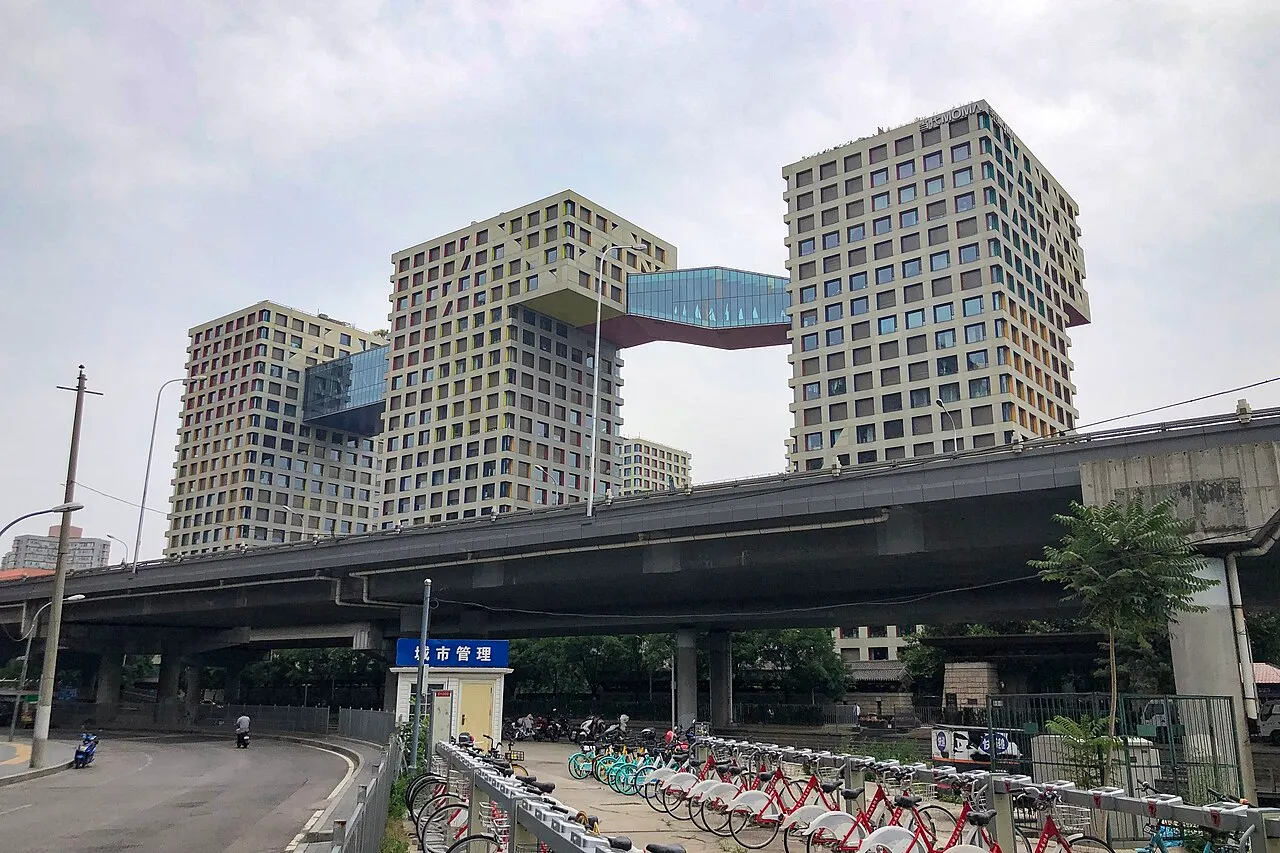
China
Beijing
17 places
-
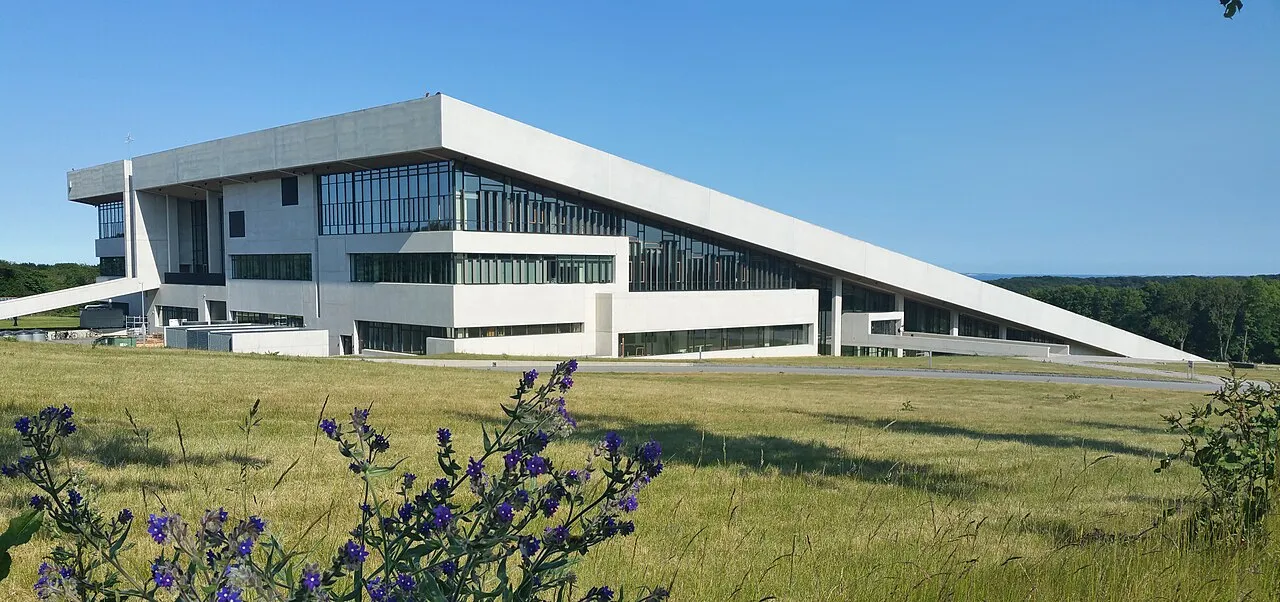
Denmark
Aarhus
16 places
-
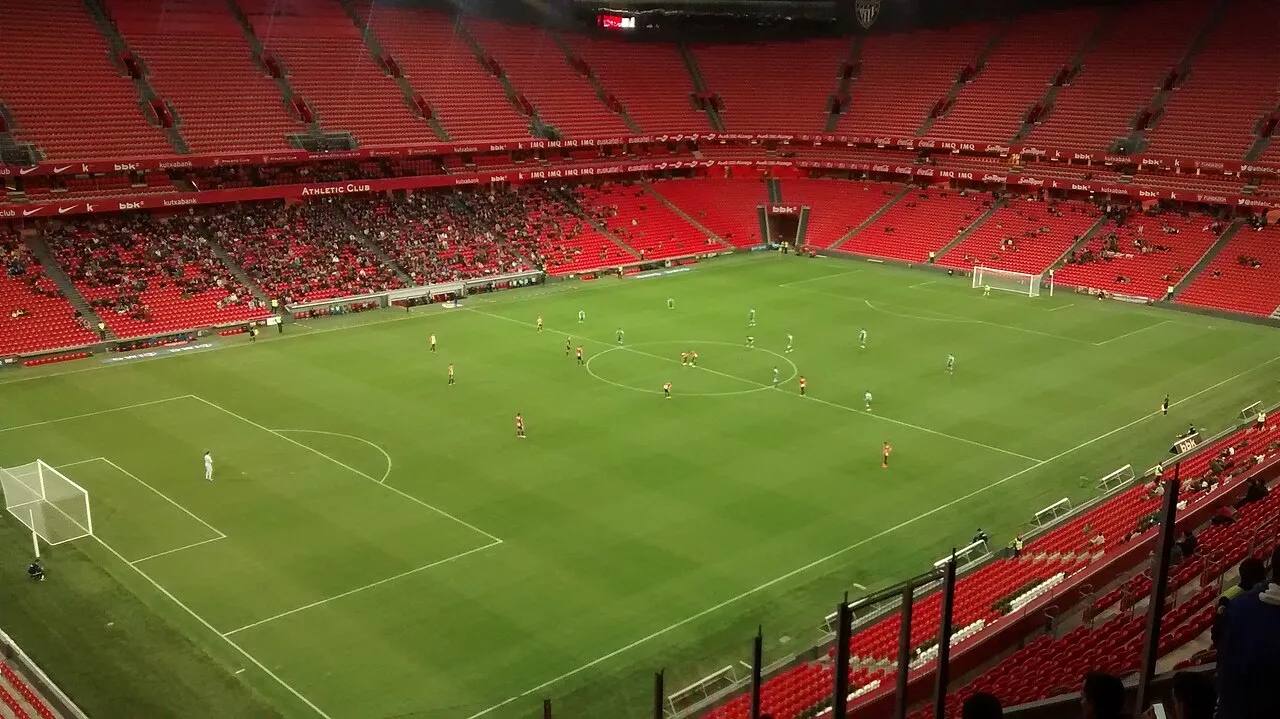
Spain
Bilbao
16 places
-
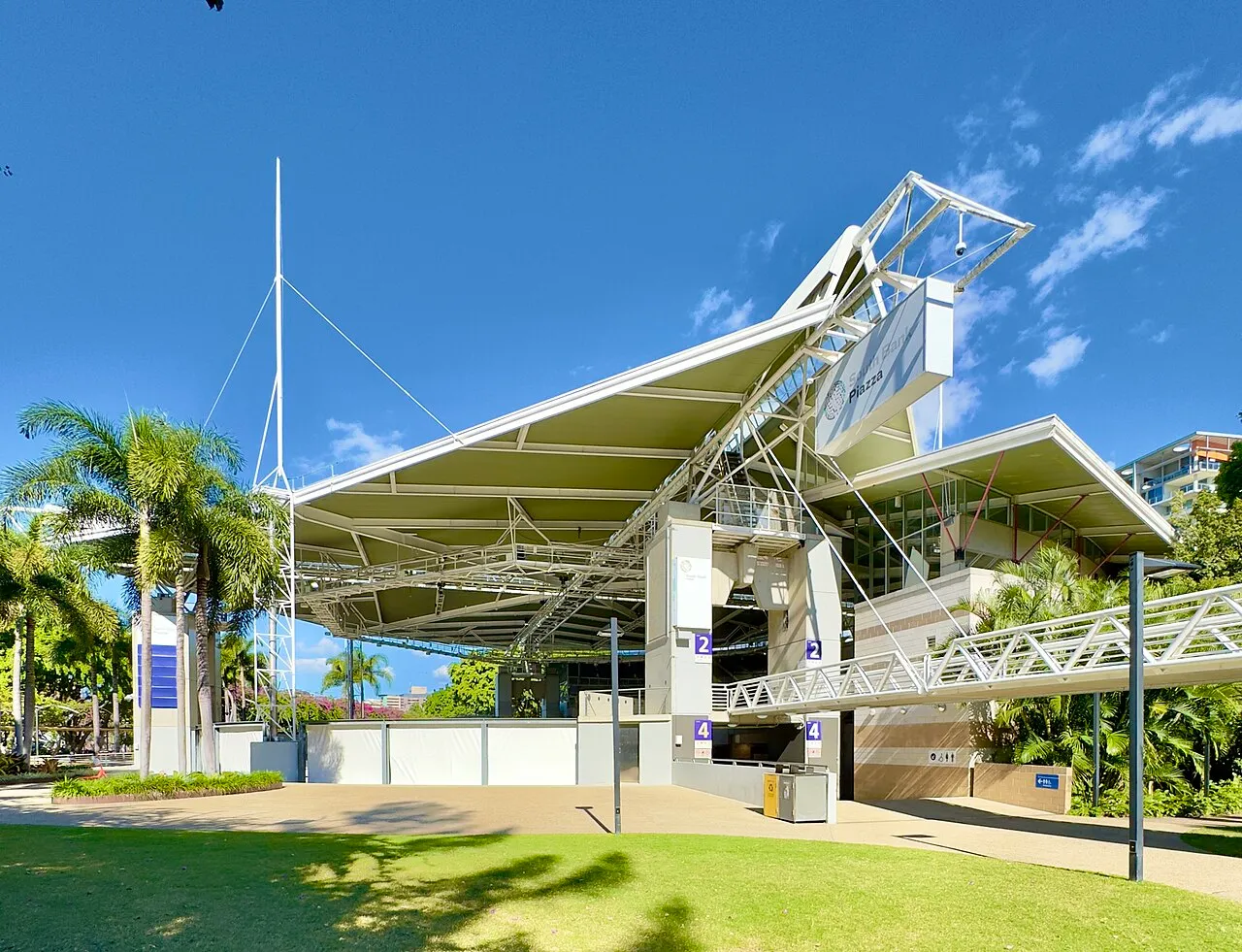
Australia
Brisbane
16 places
-
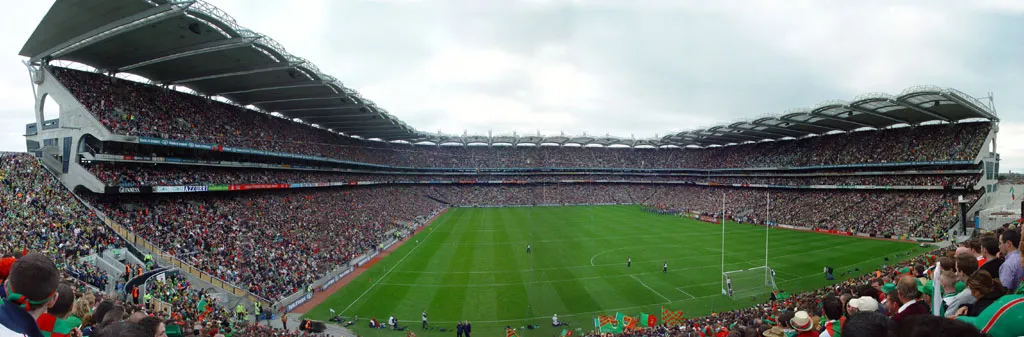
Ireland
Dublin
16 places
-
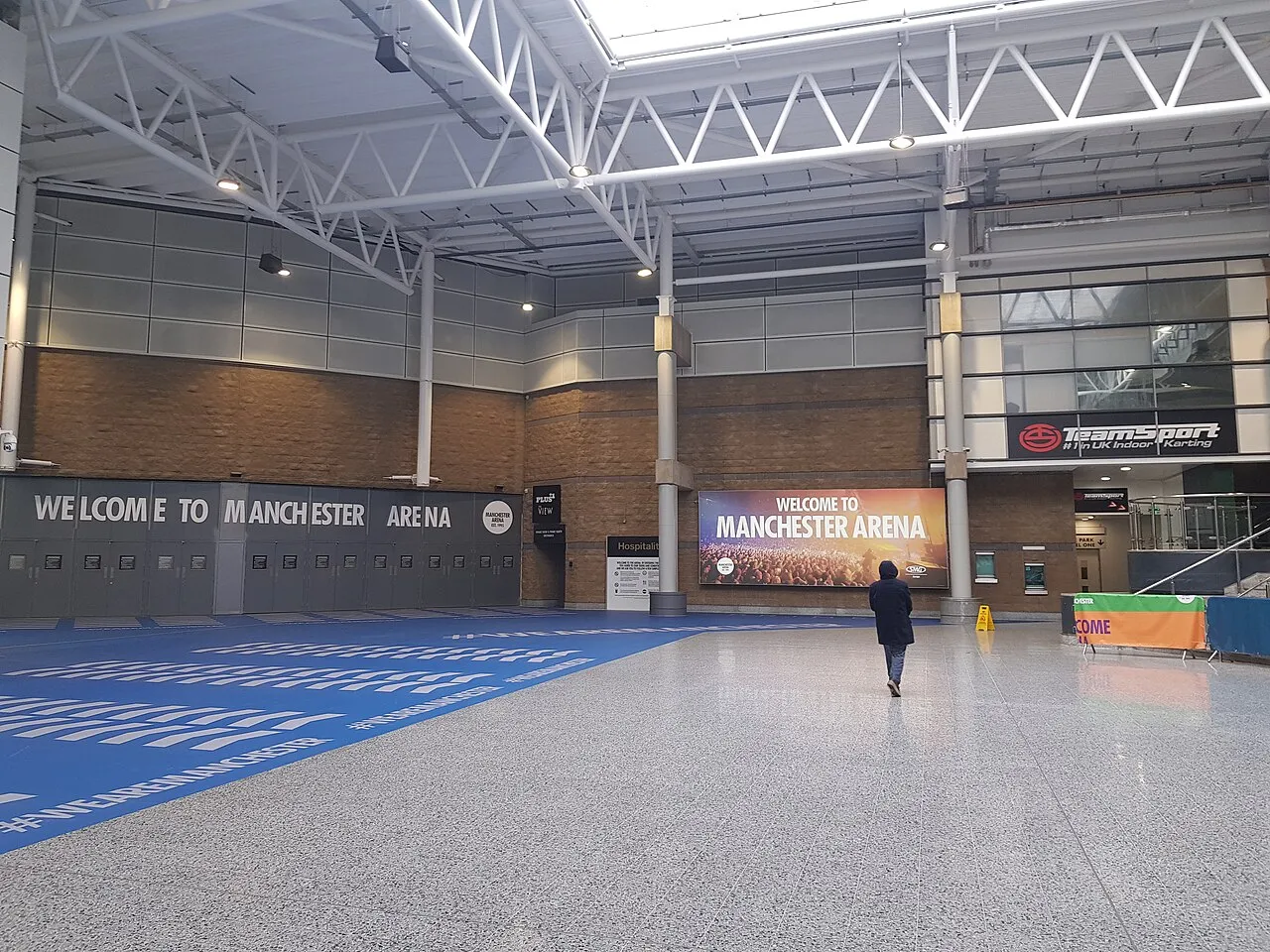
United Kingdom
Manchester
16 places
-
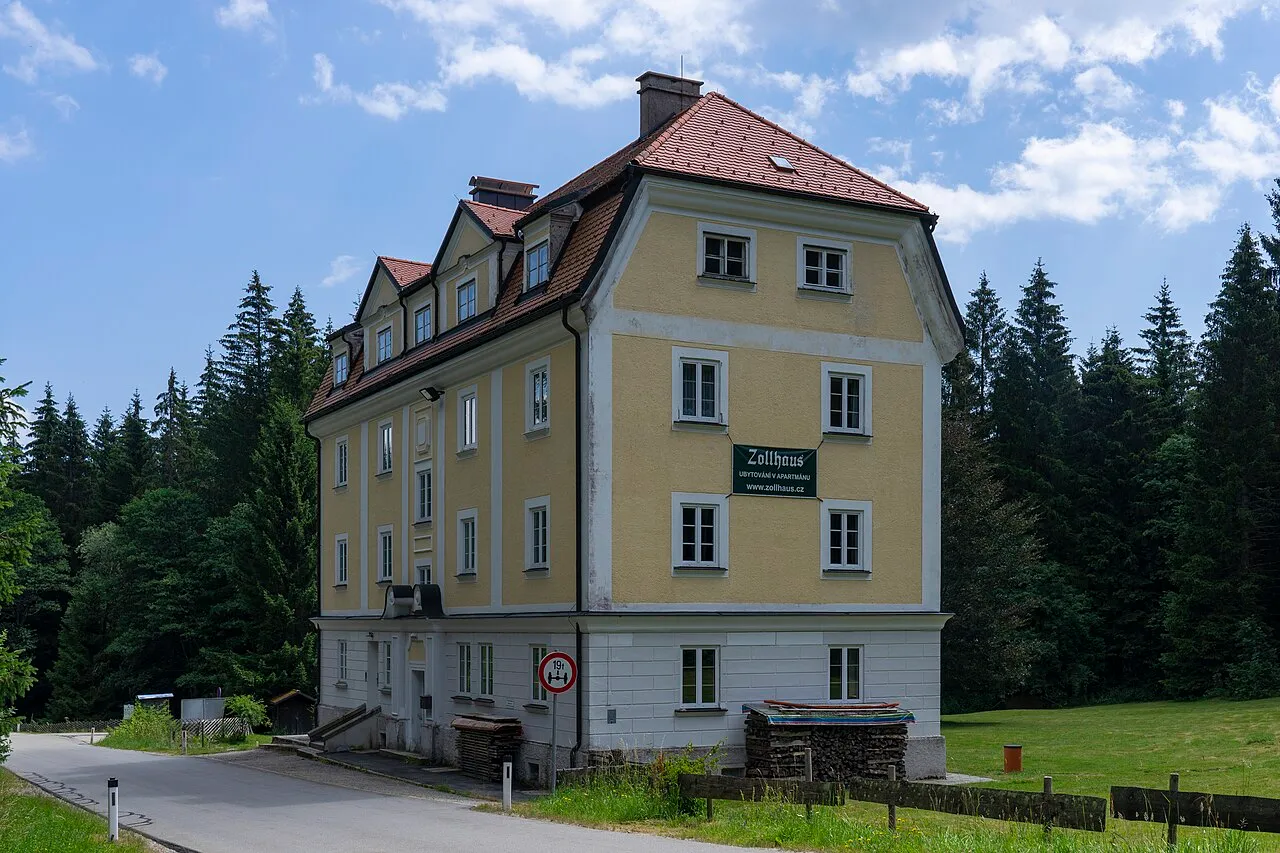
Switzerland
Zurich
16 places
-
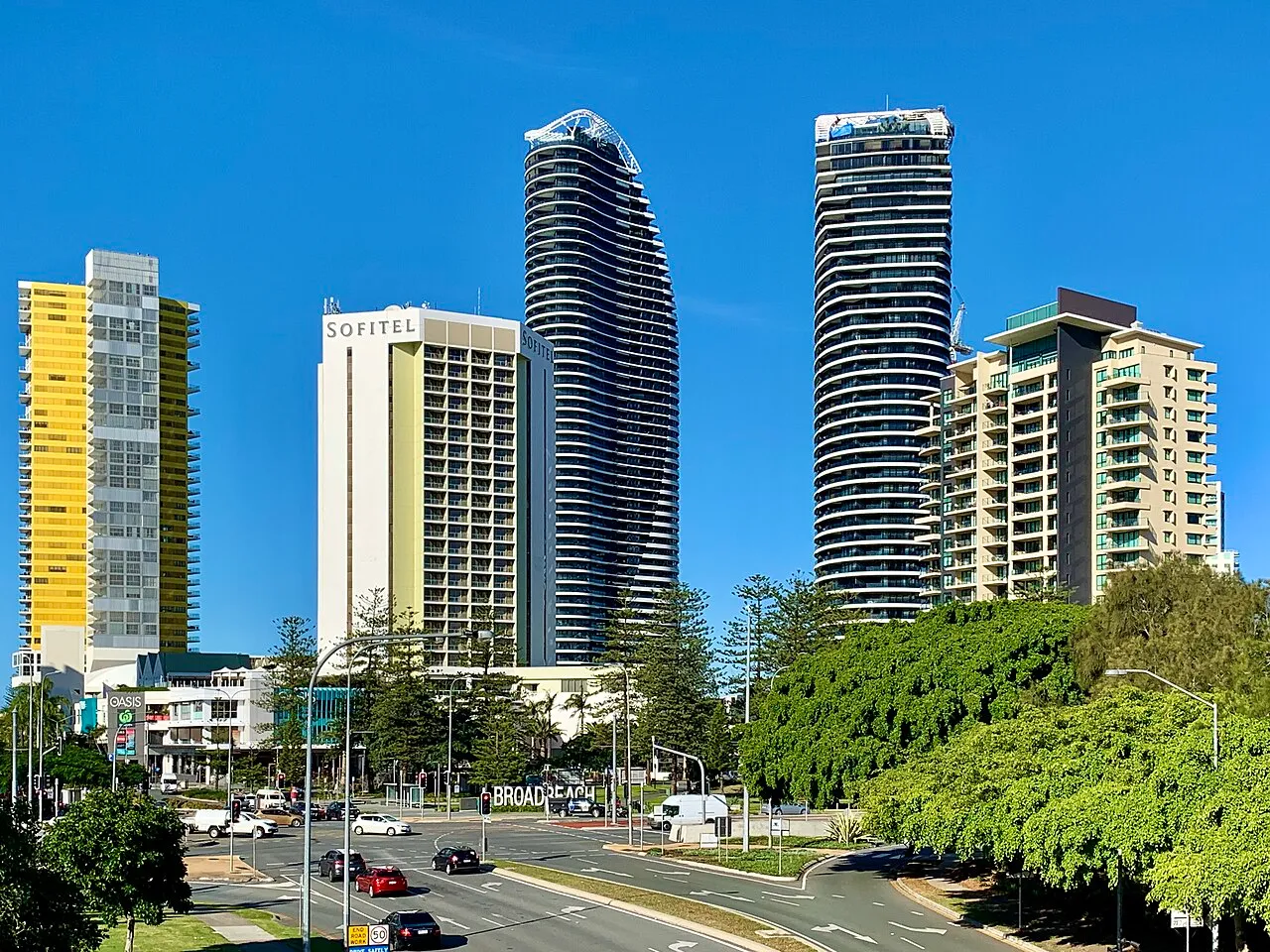
Australia
Gold Coast
15 places
-
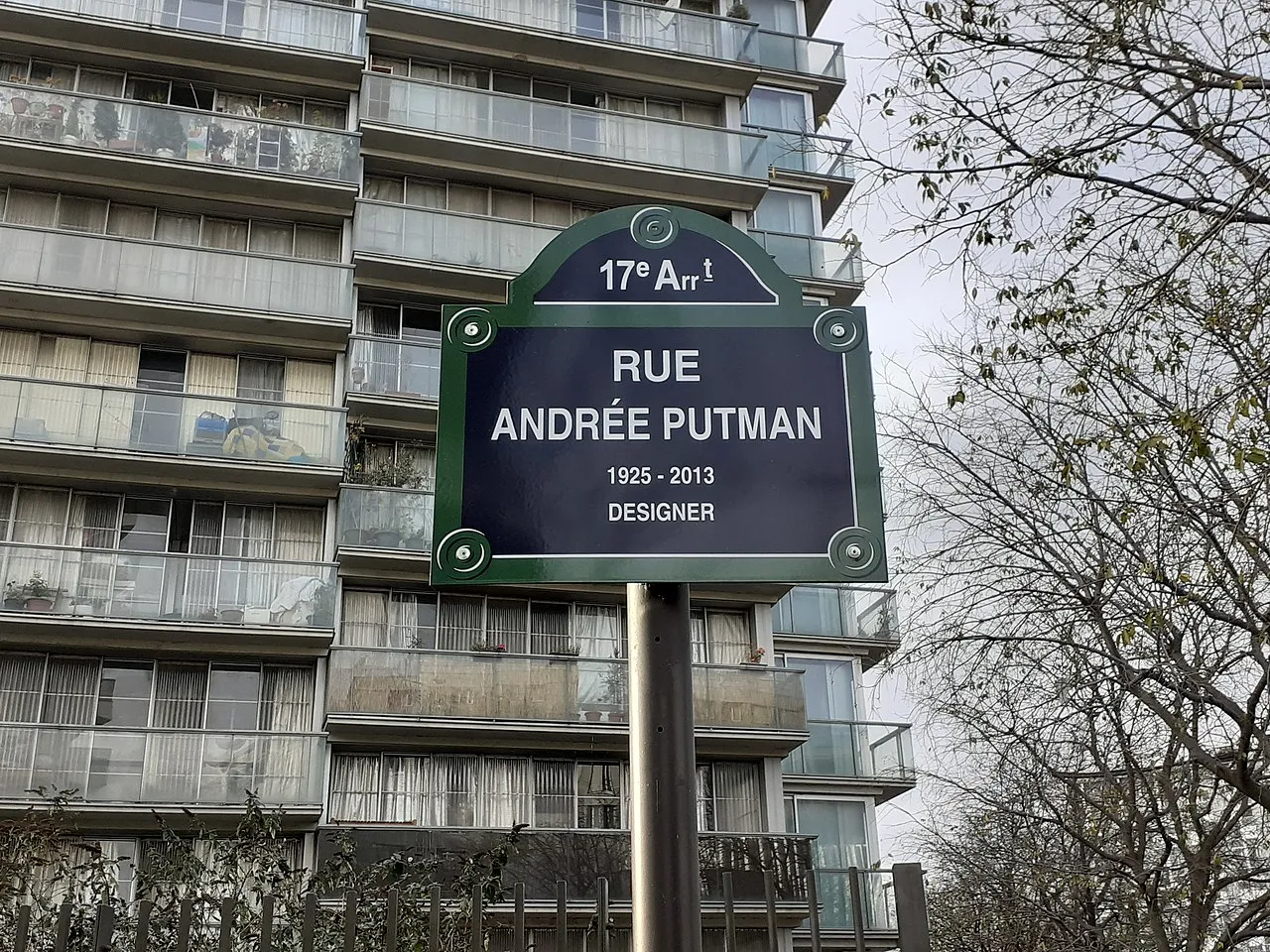
France
Paris
15 places
-
United States
San Francisco
15 places
-
South Korea
Seoul
15 places
-
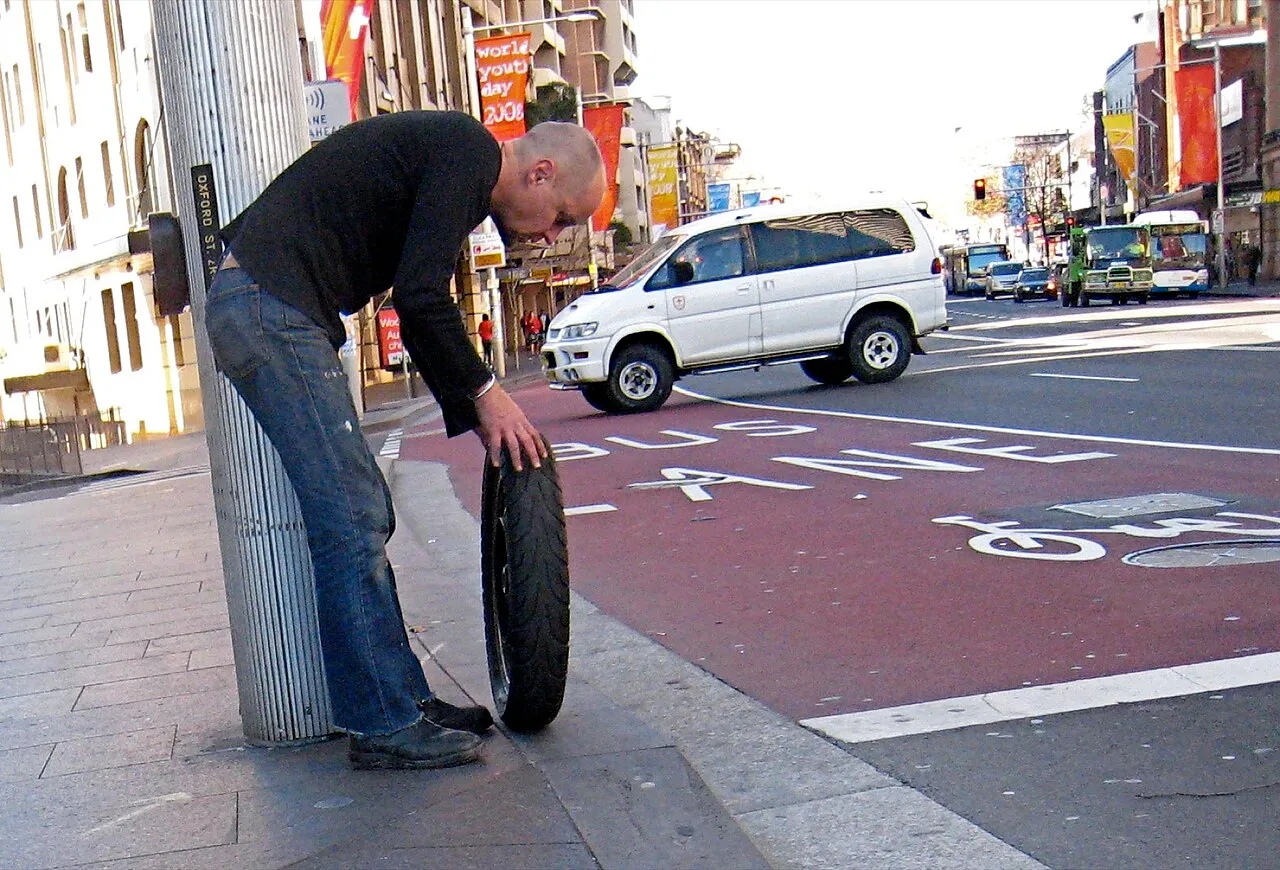
Australia
Sydney
15 places
-
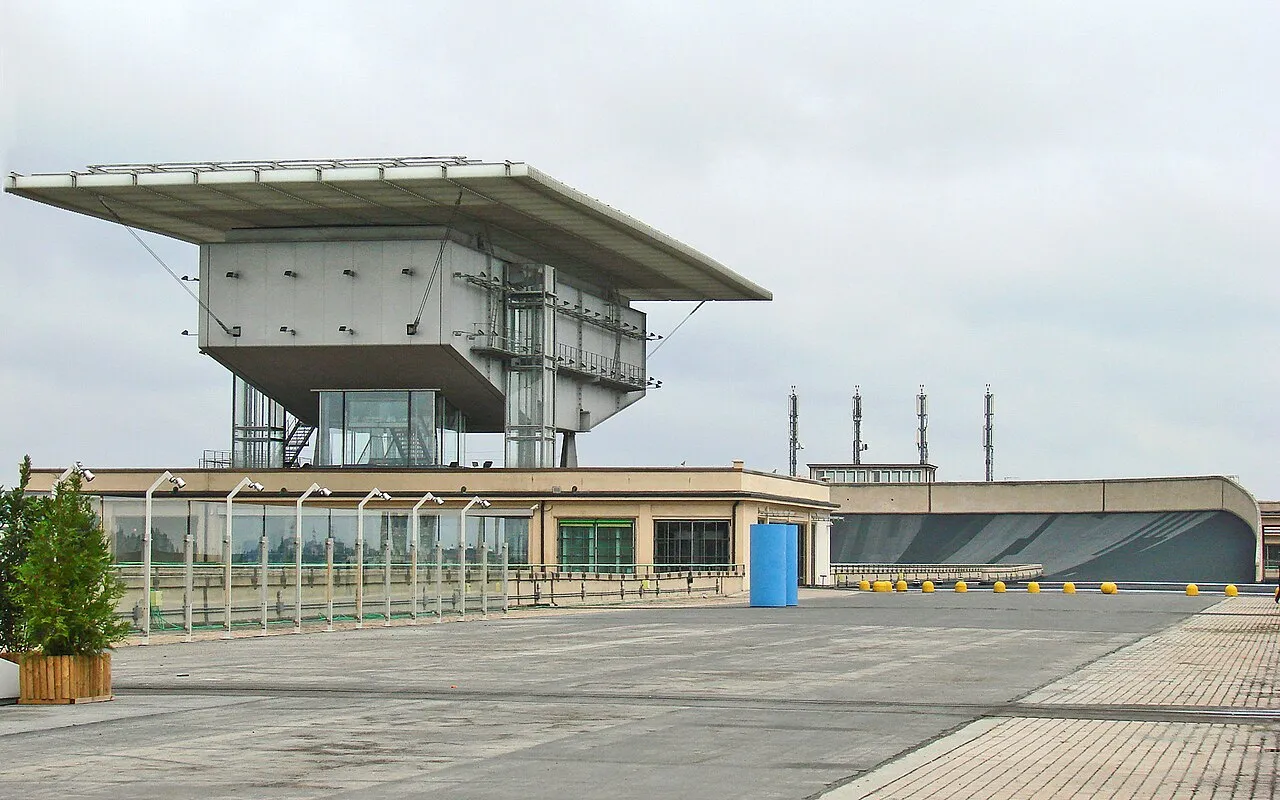
France
Provence-Alpes-Côte d'Azur
14 places
-
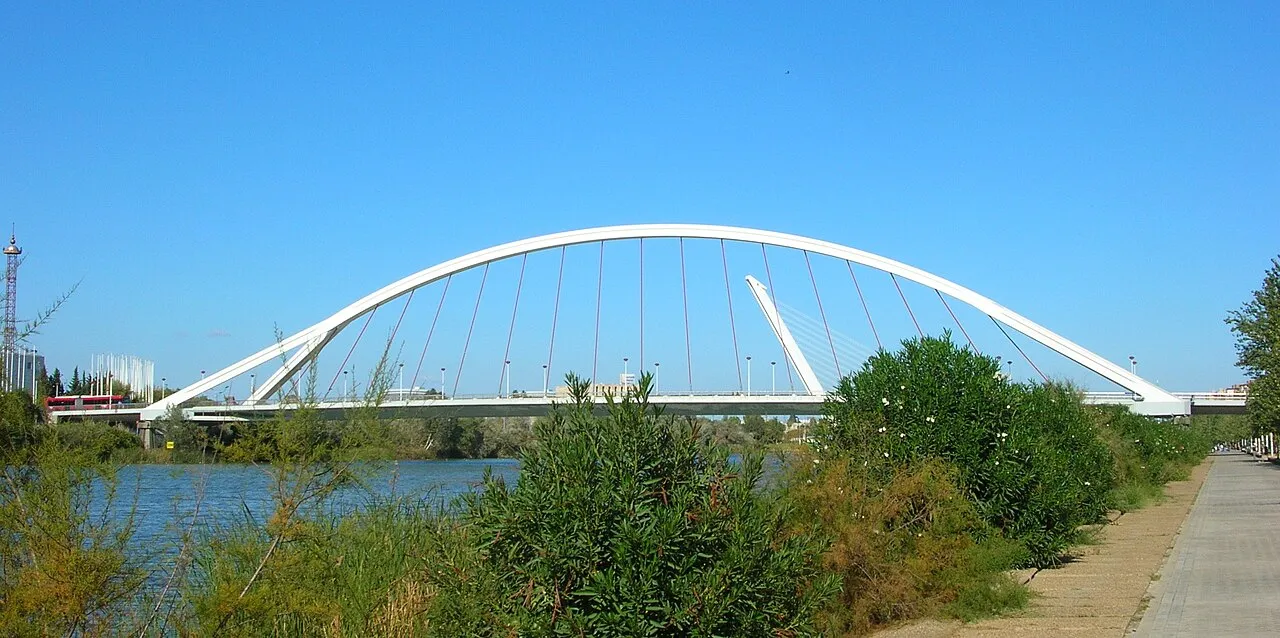
Spain
Andalusia
13 places
-
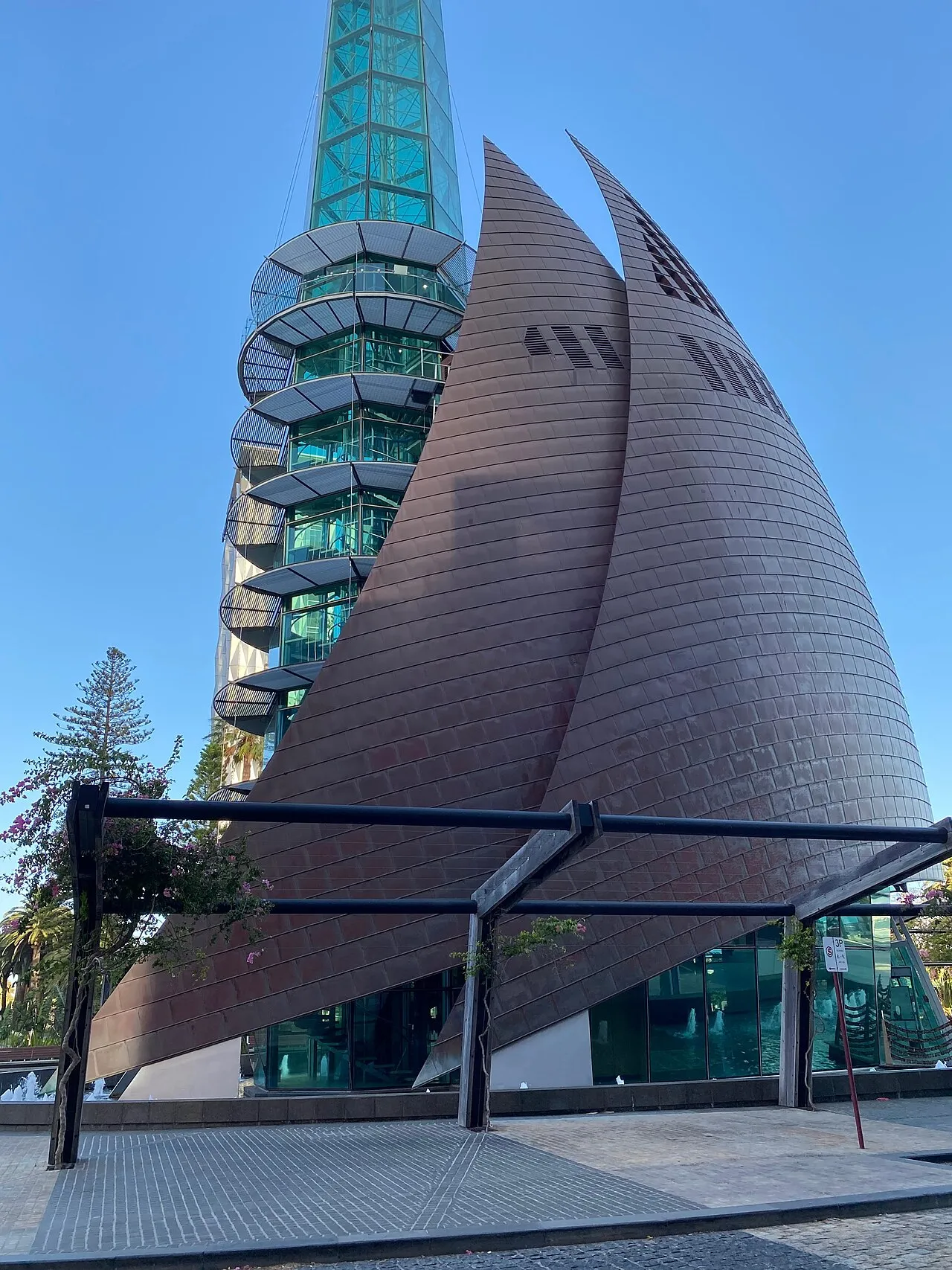
Australia
Perth
13 places
-
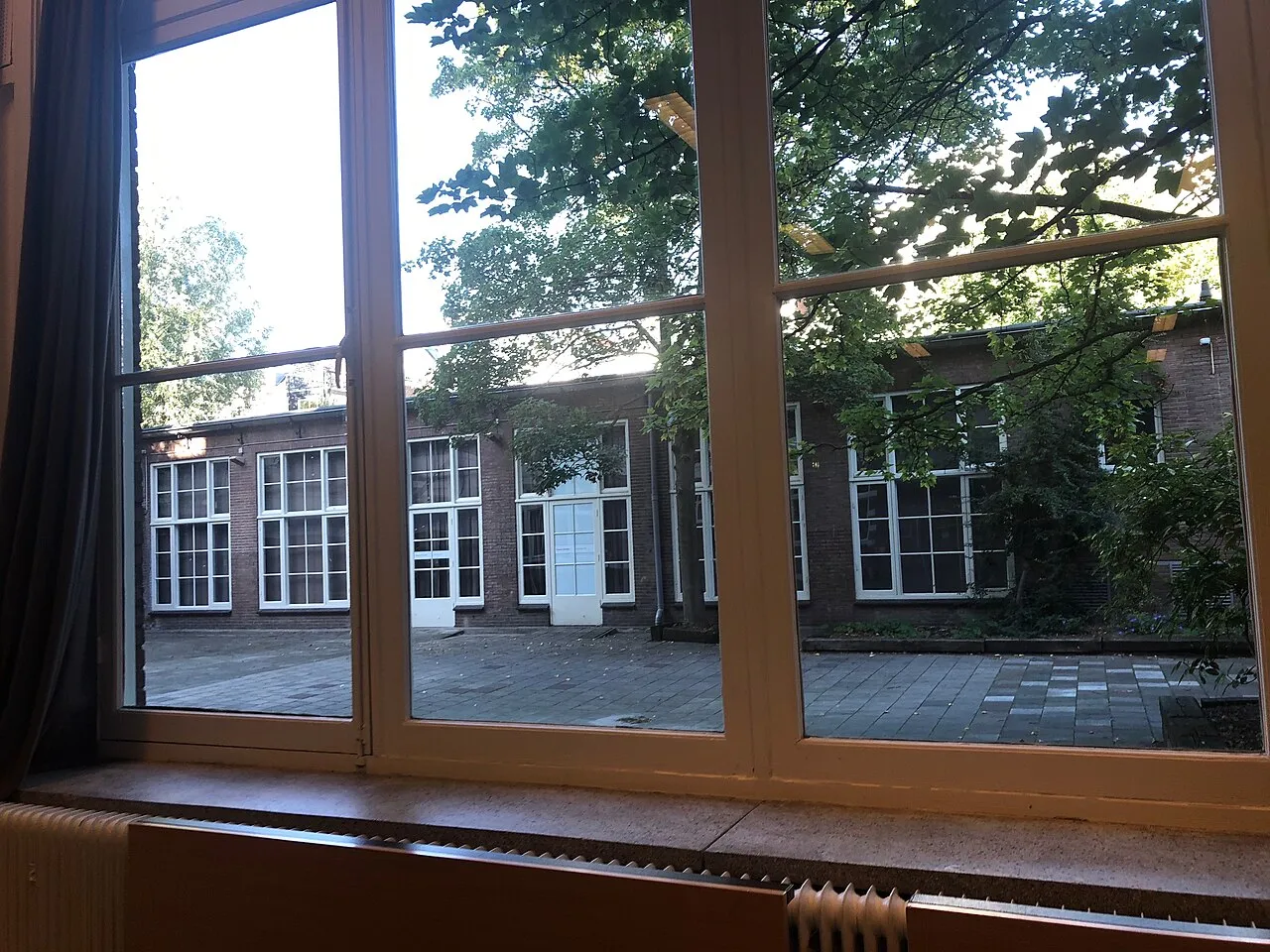
Netherlands
Amsterdam
12 places
-
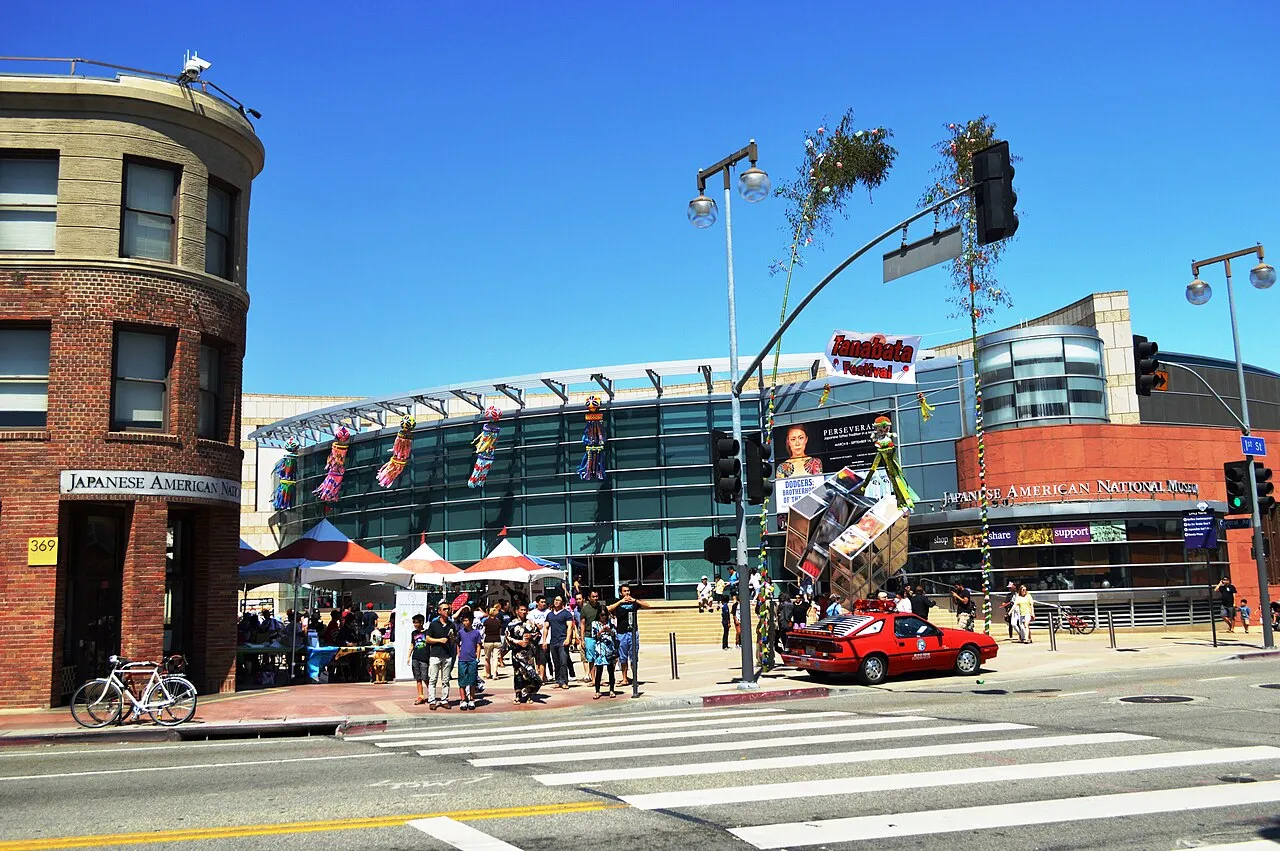
United States
Los Angeles
12 places
-
Norway
Oslo
12 places
-
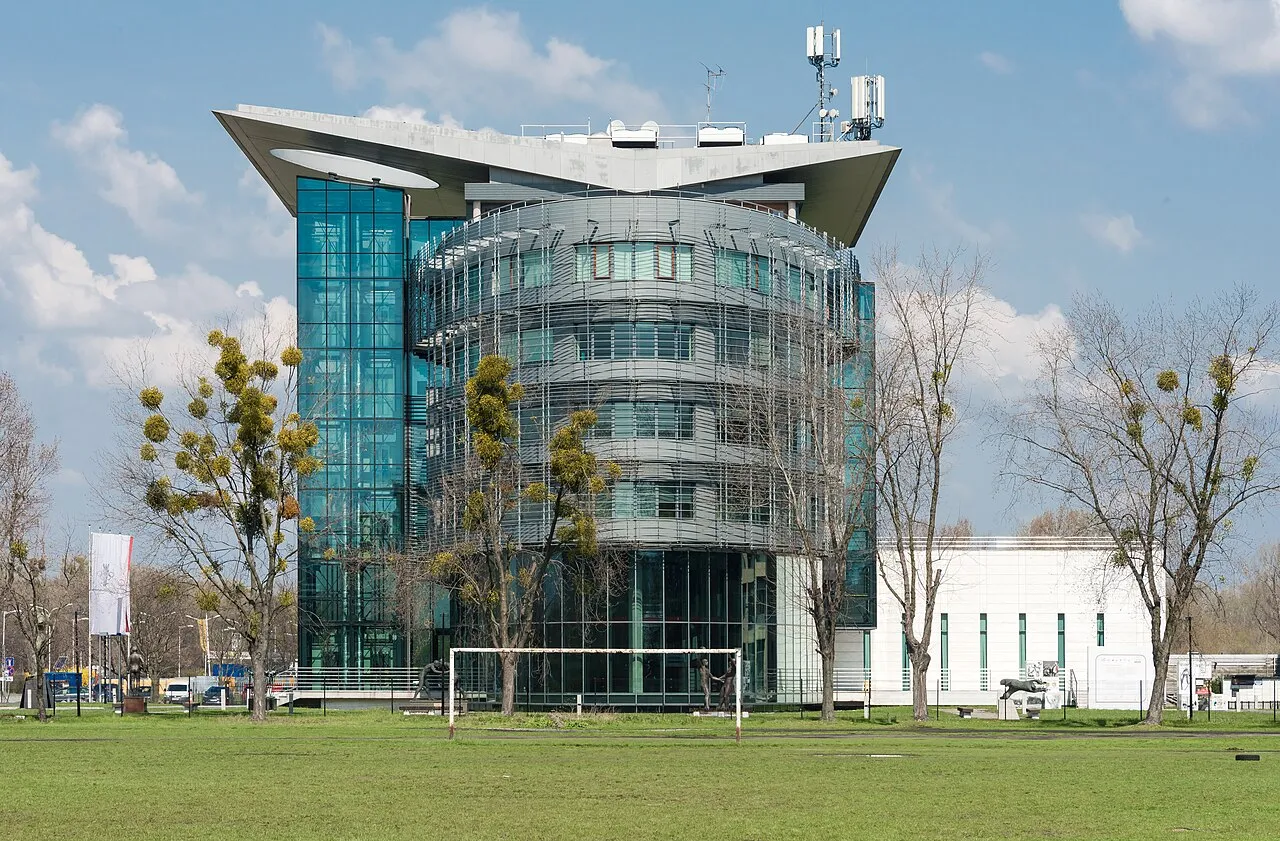
Poland
Warsaw
12 places
-
United States
Washington
12 places
-
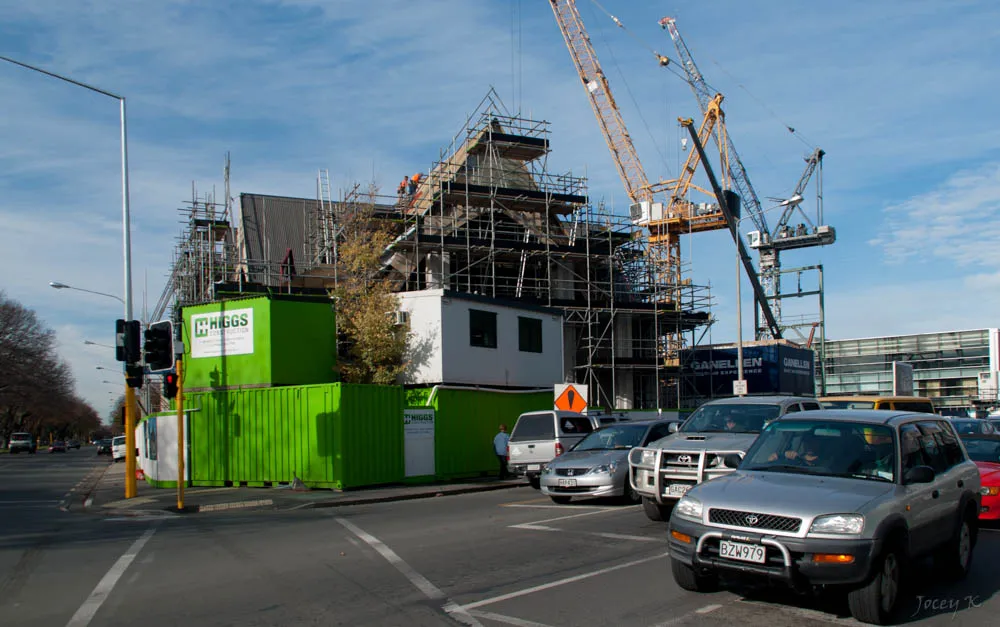
New Zealand
Christchurch
11 places
-
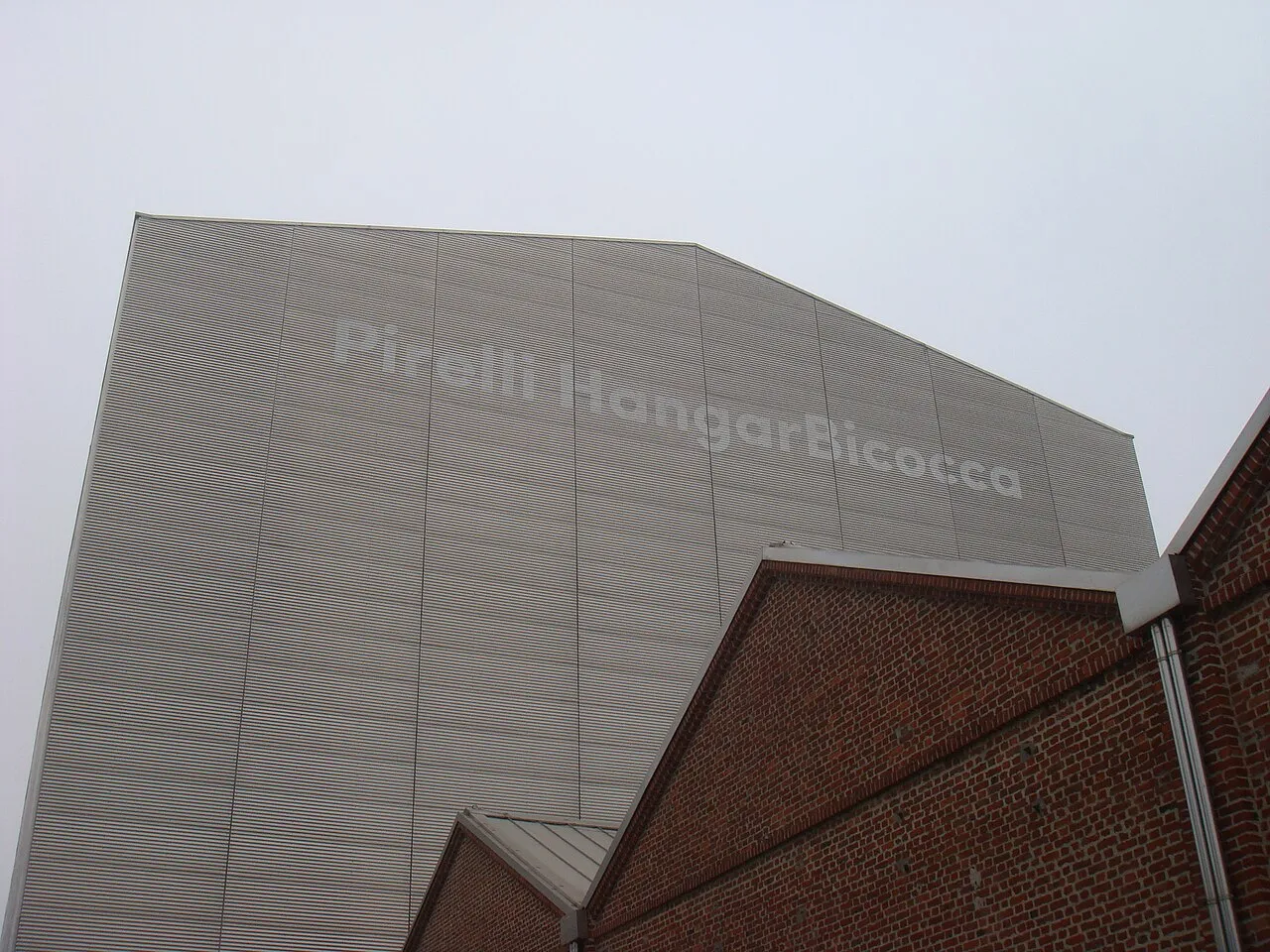
Italy
Milan
11 places
-
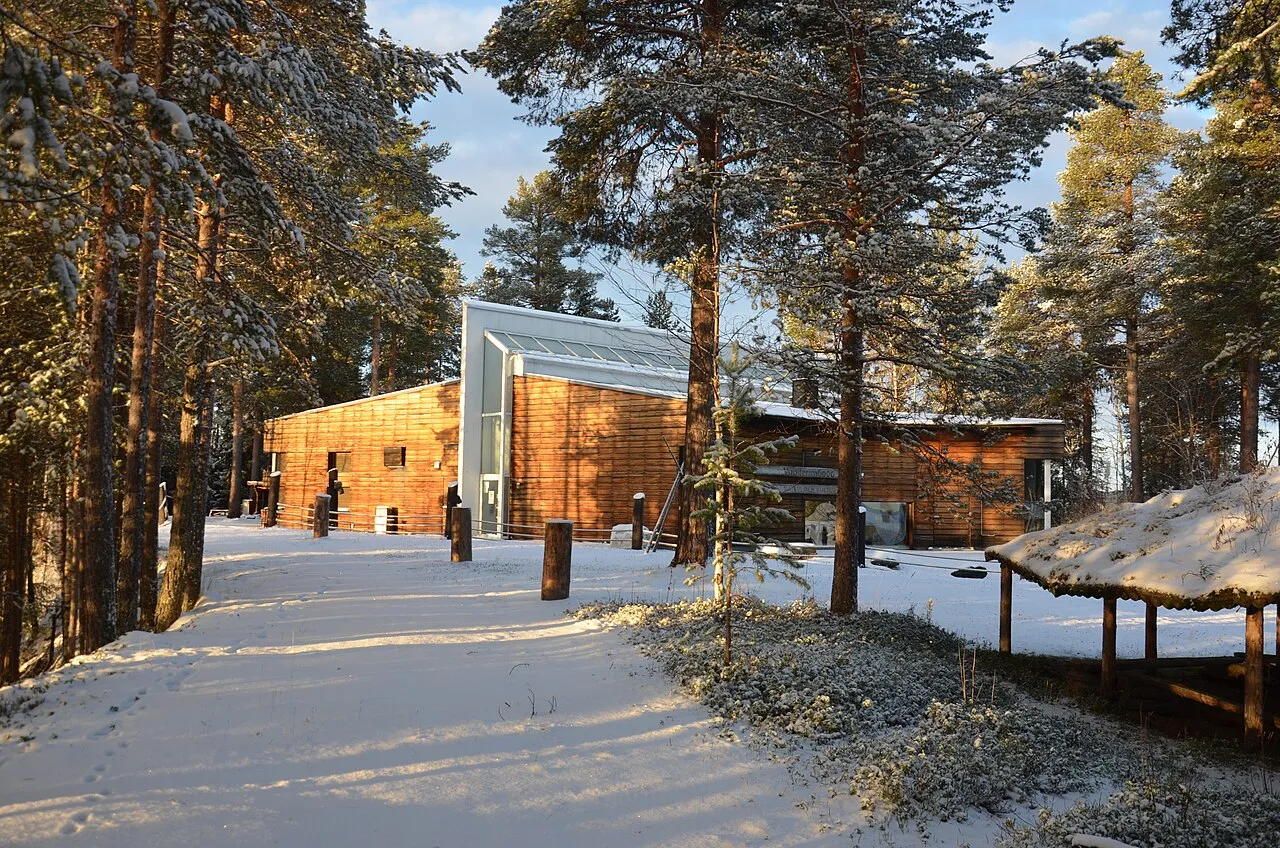
Sweden
Norrbotten
11 places
-
Spain
Barcelona
10 places
-
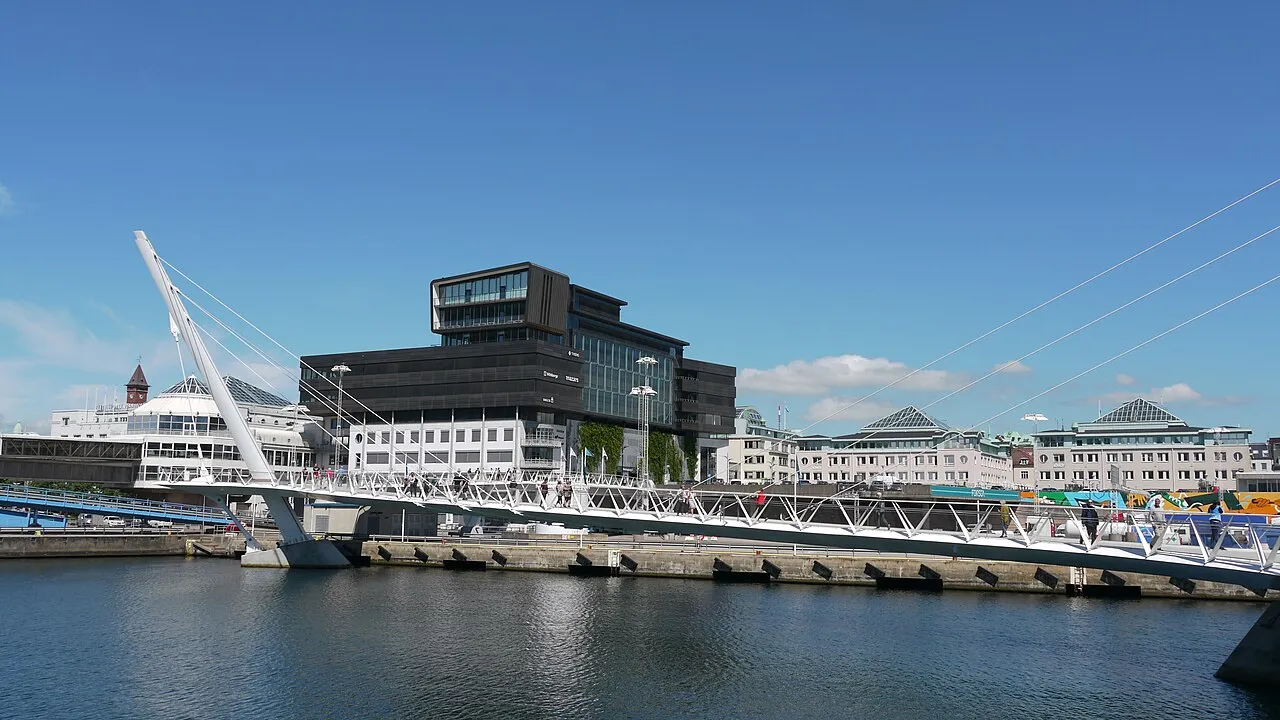
Sweden
Helsingborg
10 places
-
France
Lille
10 places
-
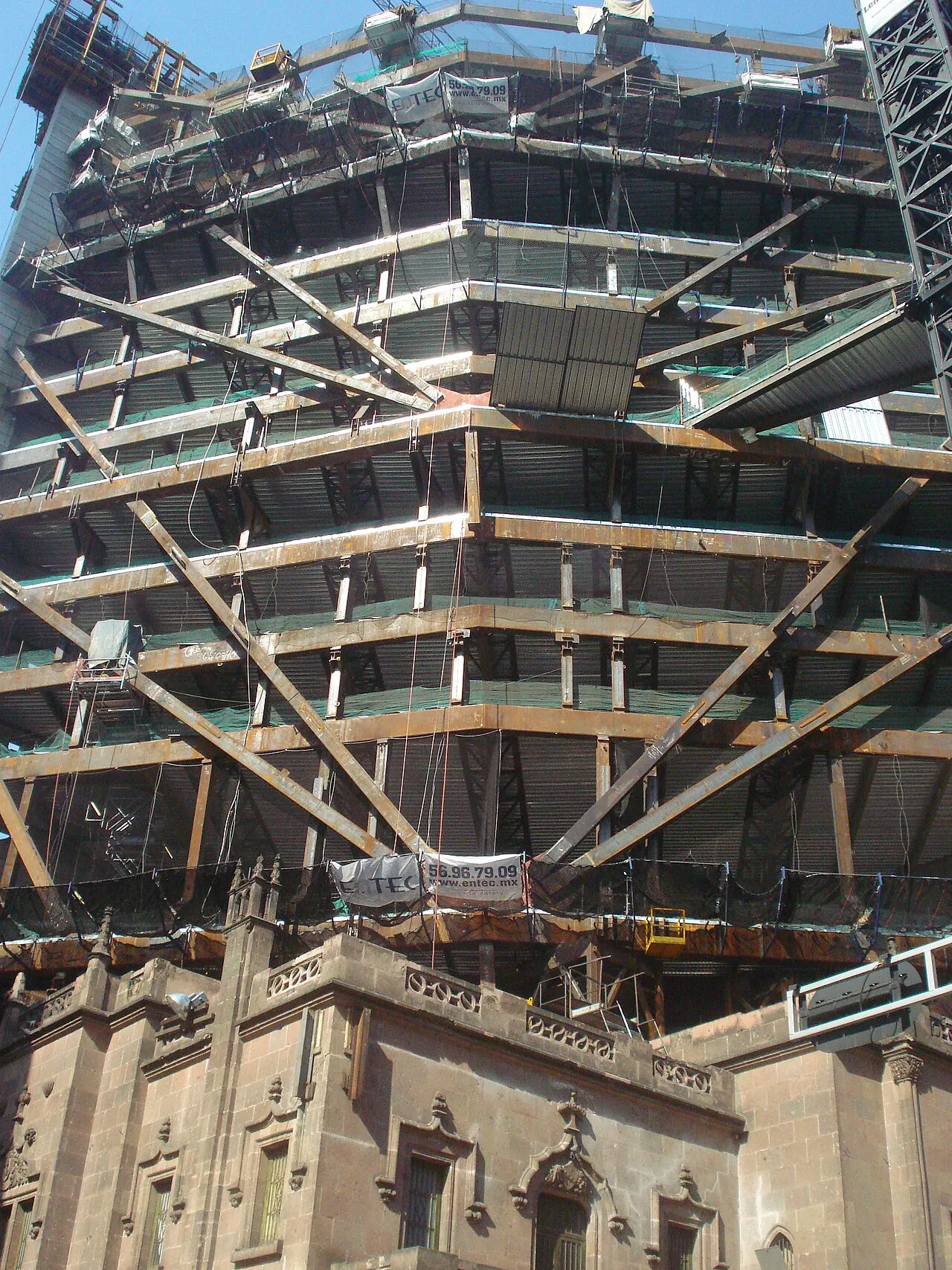
Mexico
Mexico City
10 places
-
Spain
Seville
10 places
-
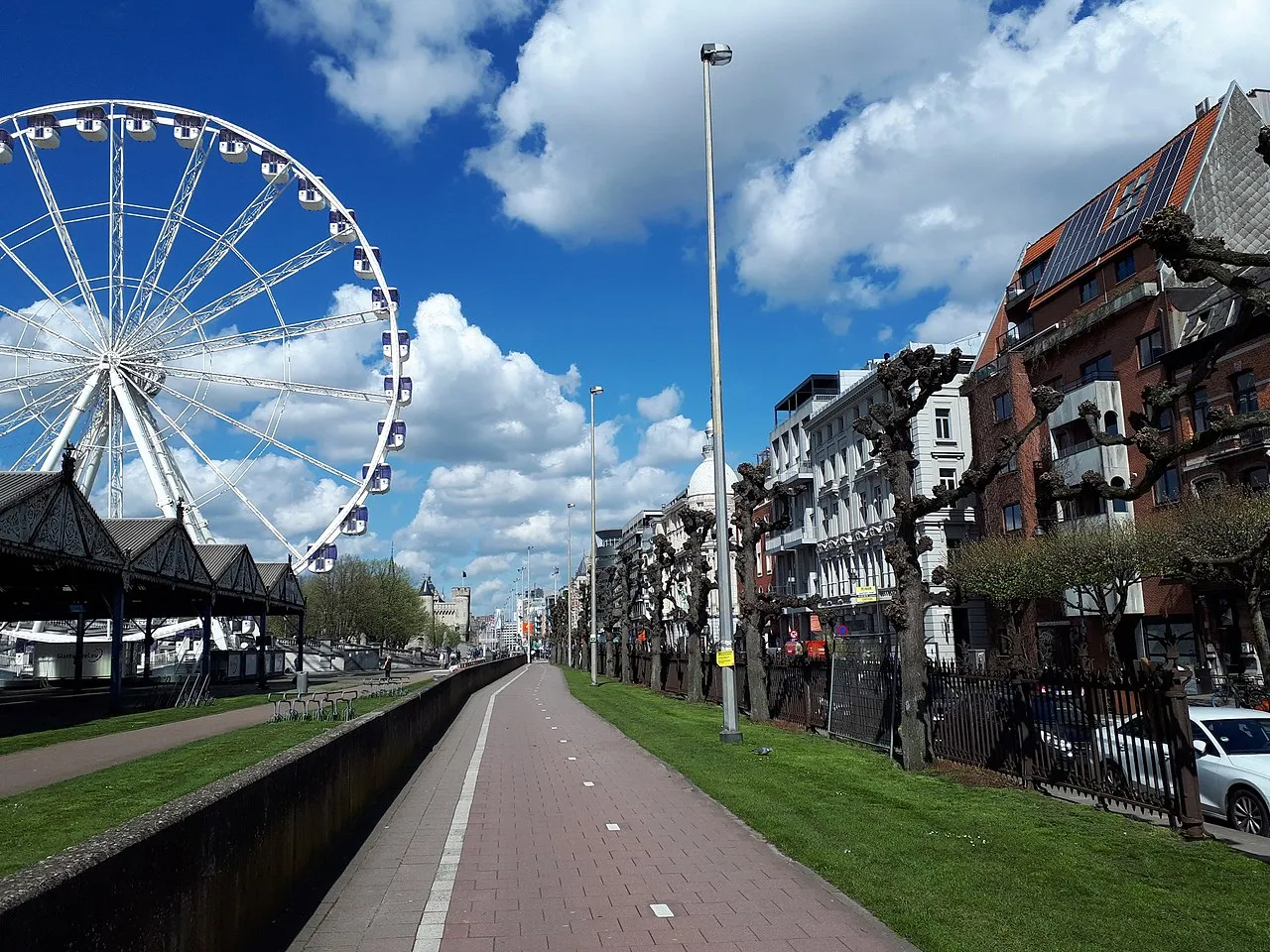
Belgium
Antwerp
9 places
-
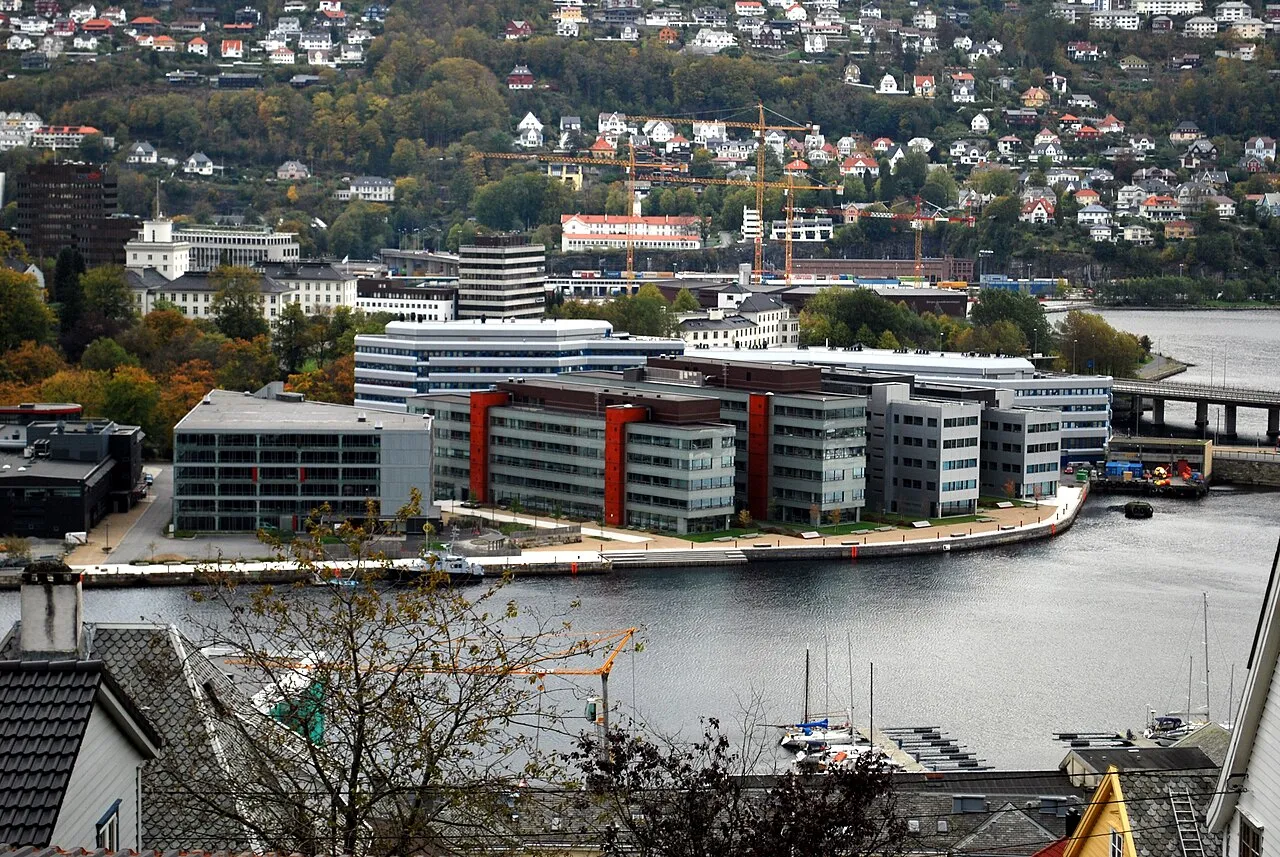
Norway
Bergen
9 places
-
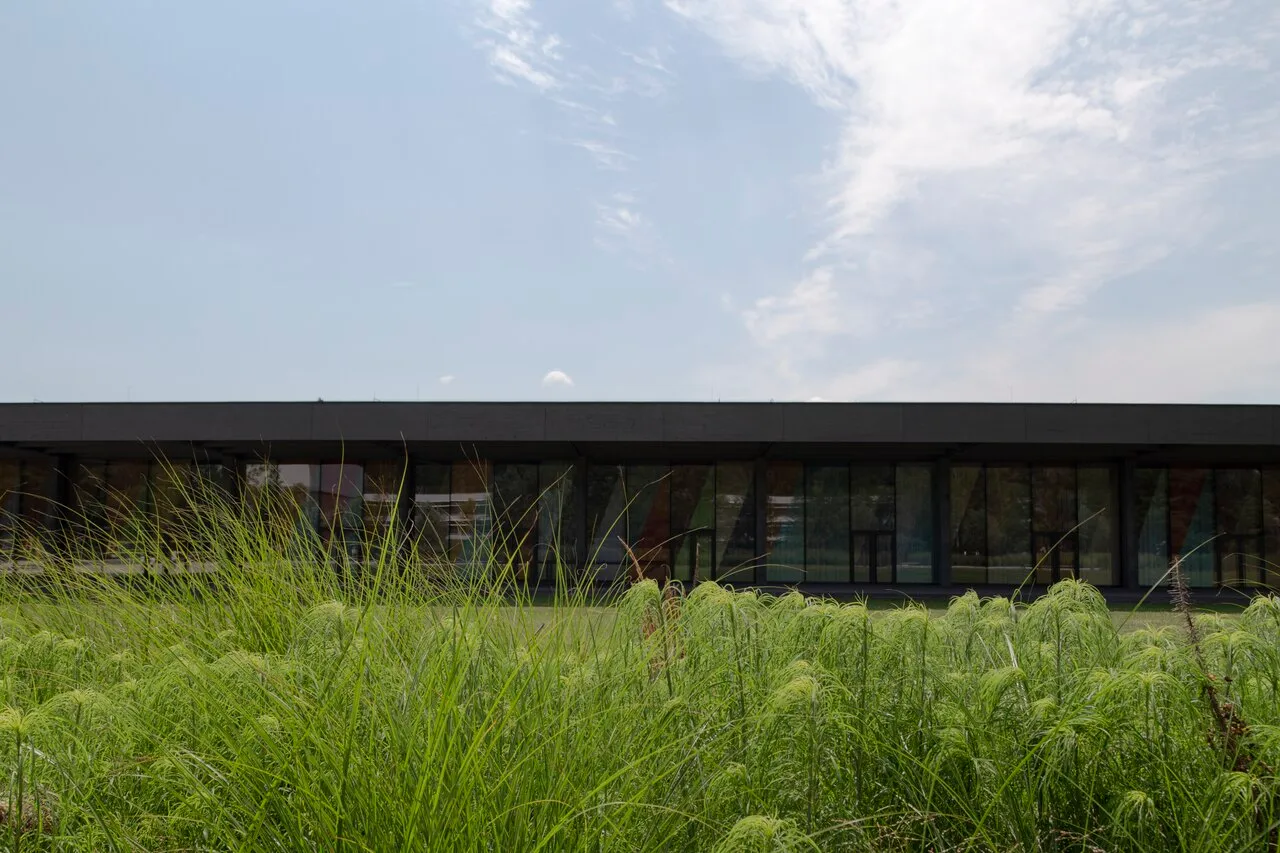
Austria
Linz
9 places
-
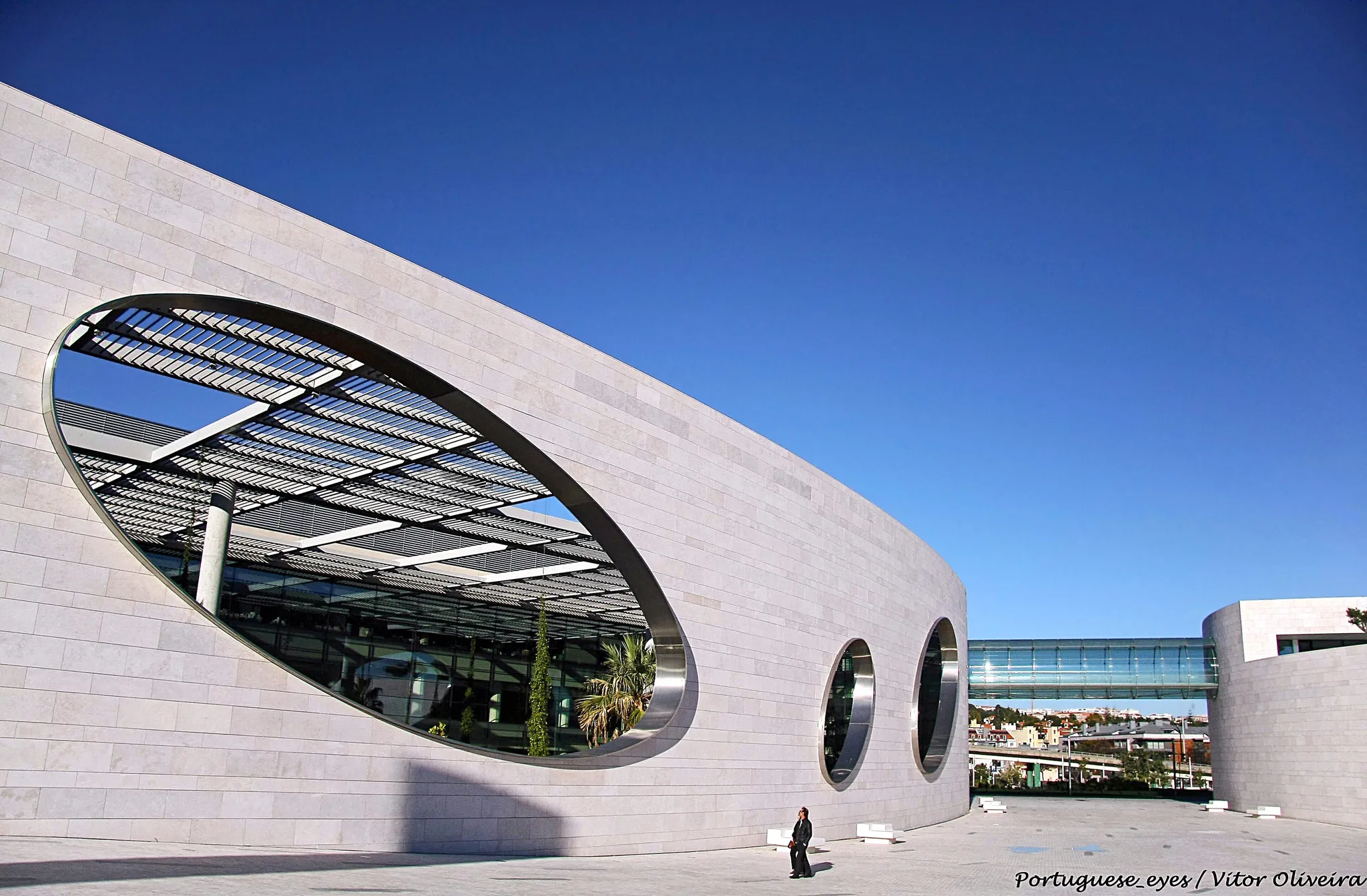
Portugal
Lisbon
9 places
-
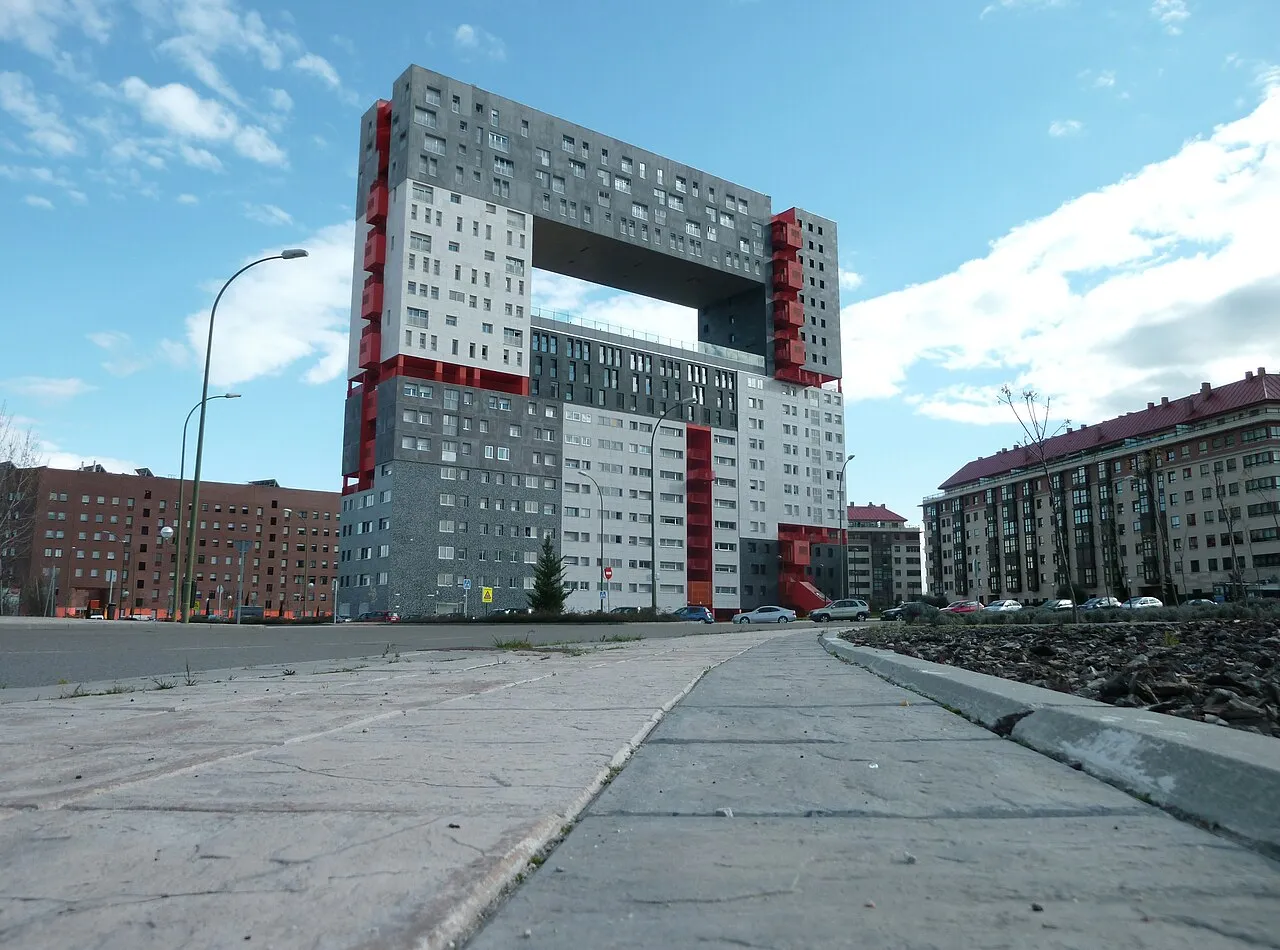
Spain
Madrid
9 places
-
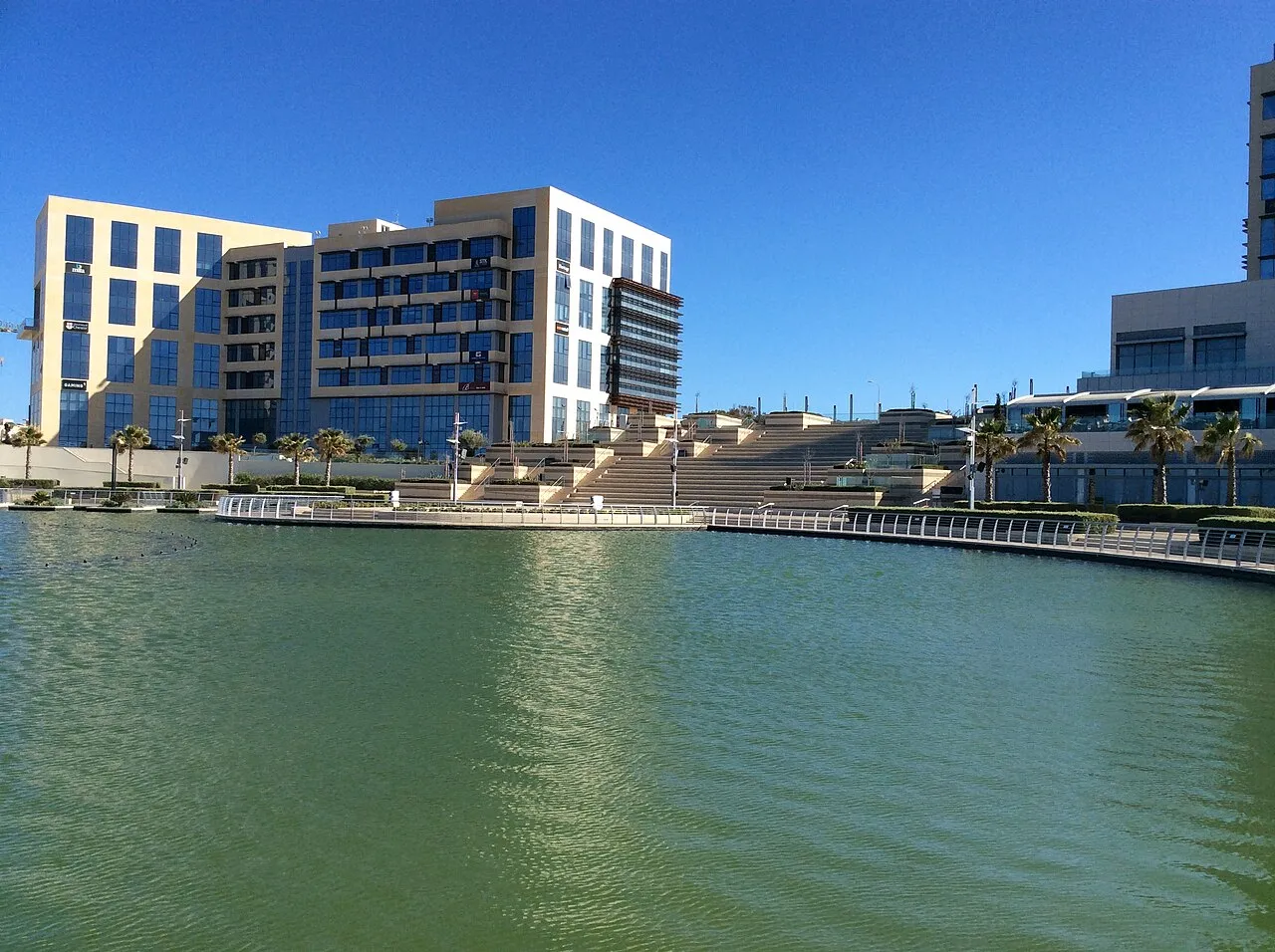
Malta
Malta
9 places
-
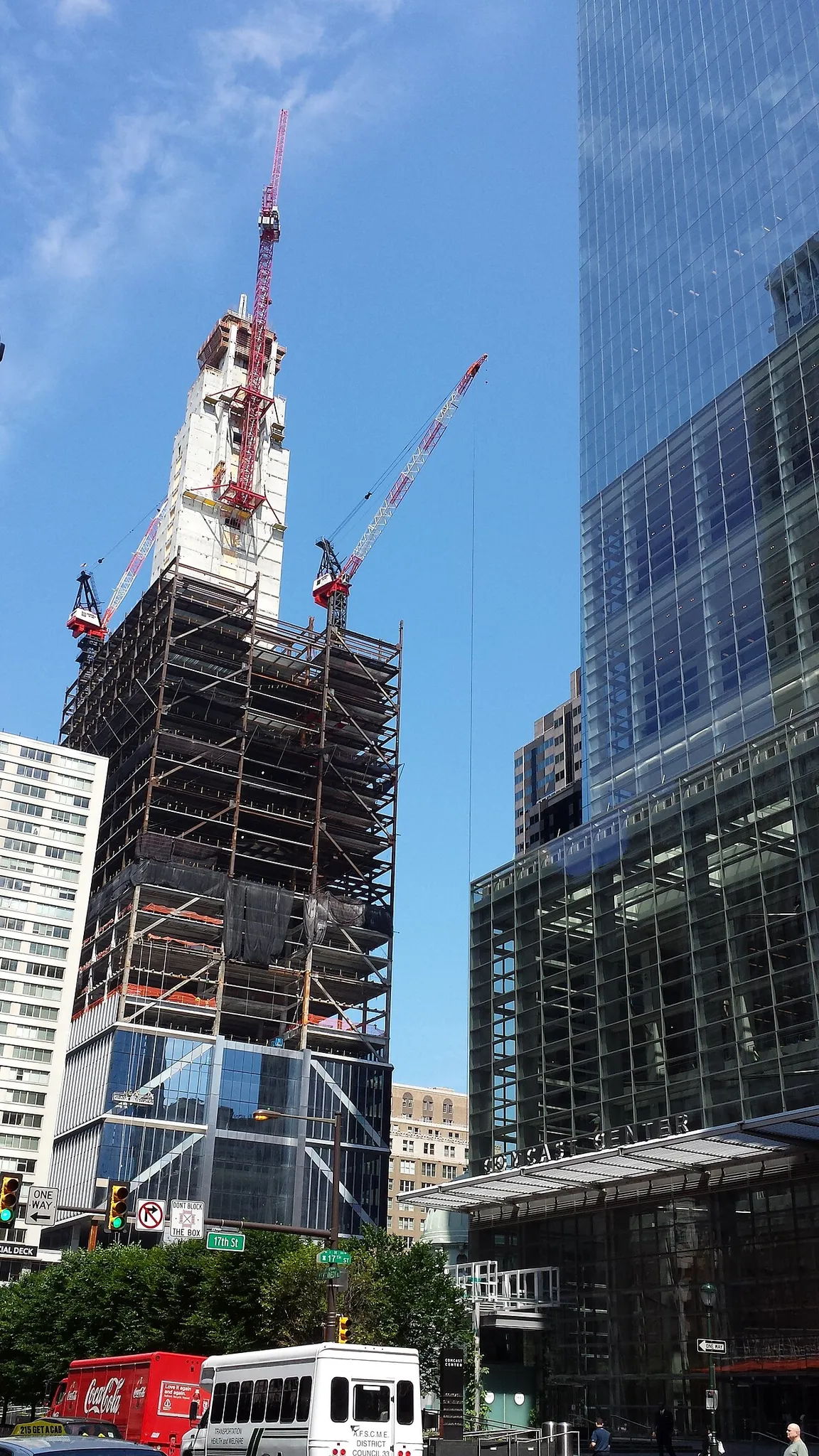
United States
Philadelphia
9 places
-
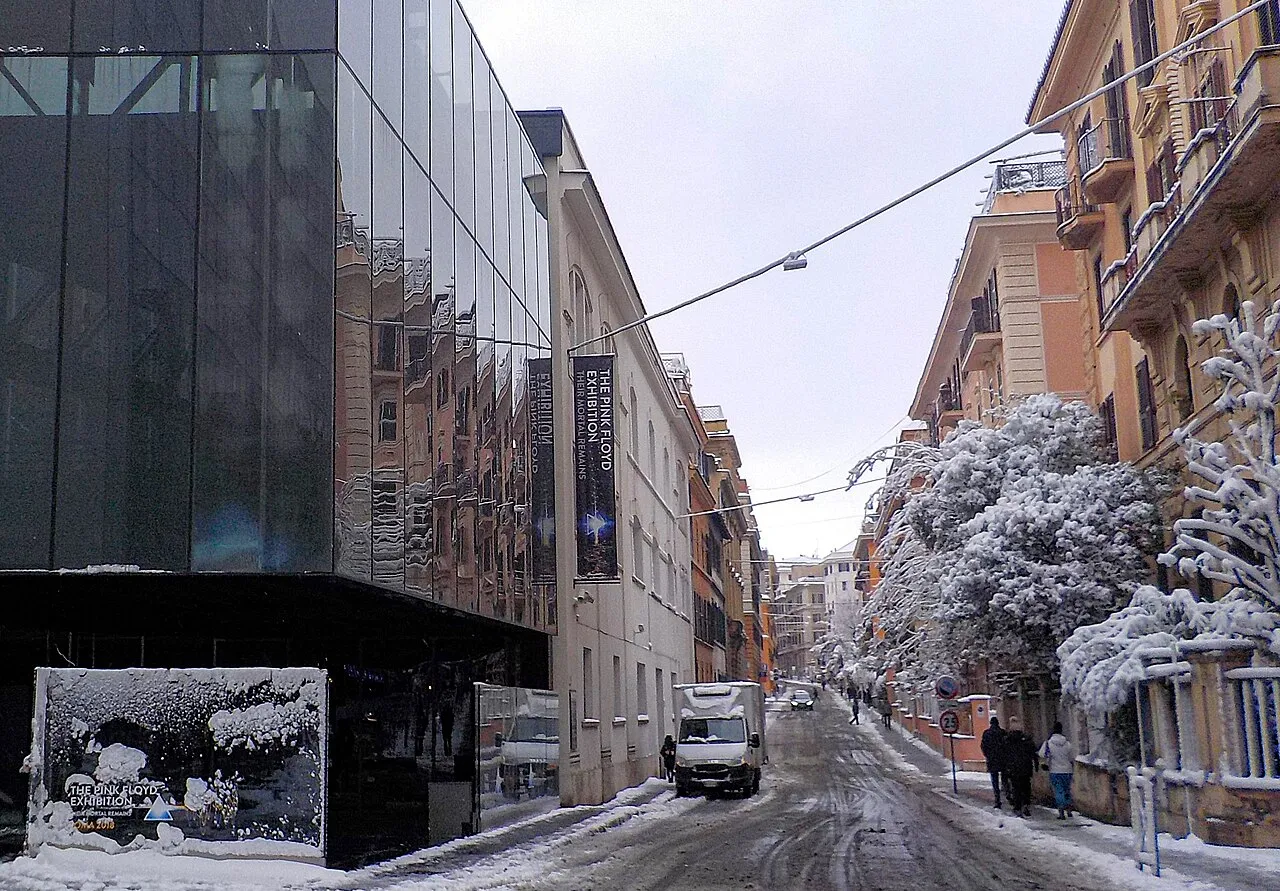
Italy
Rome
9 places
-
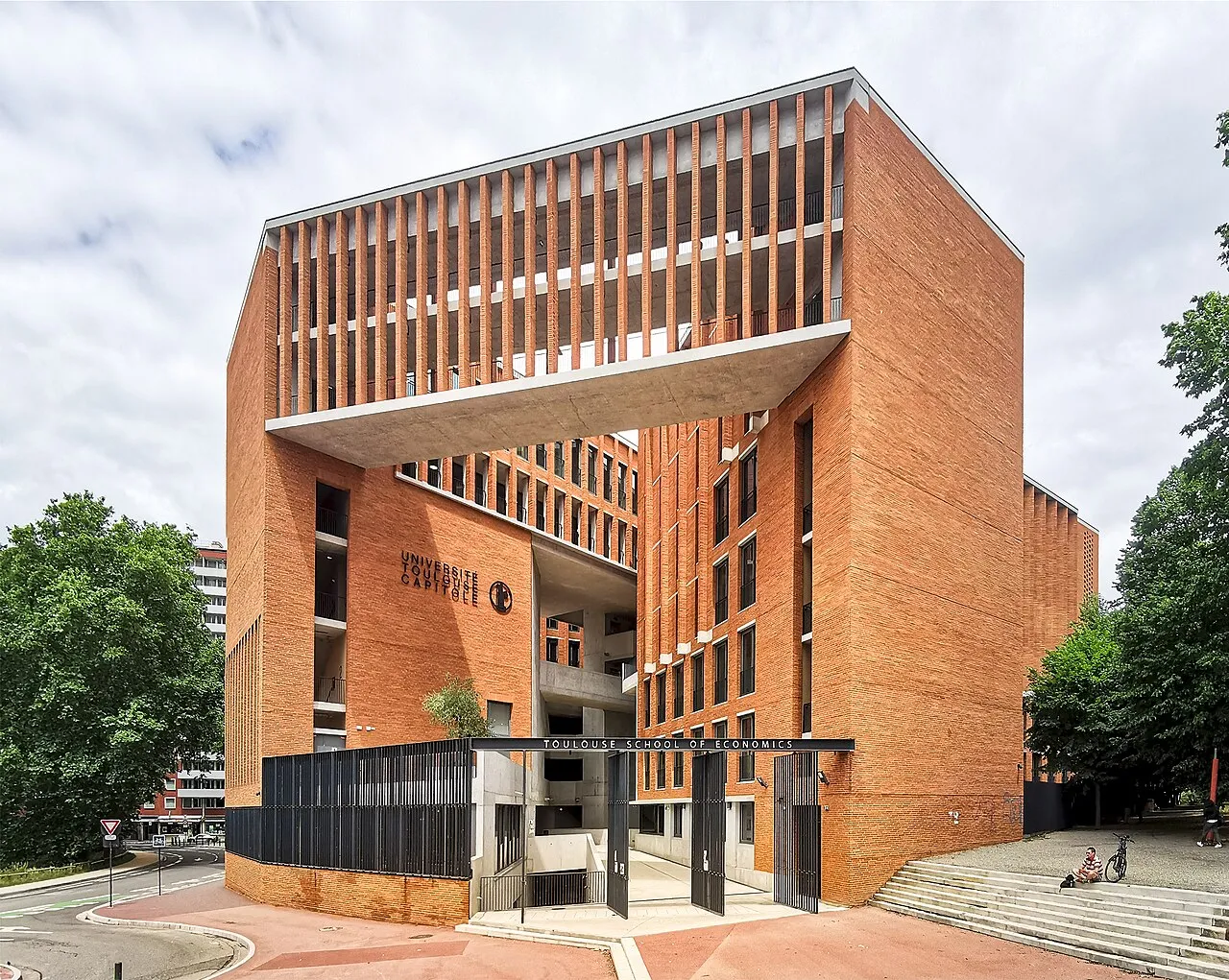
France
Toulouse
9 places
-
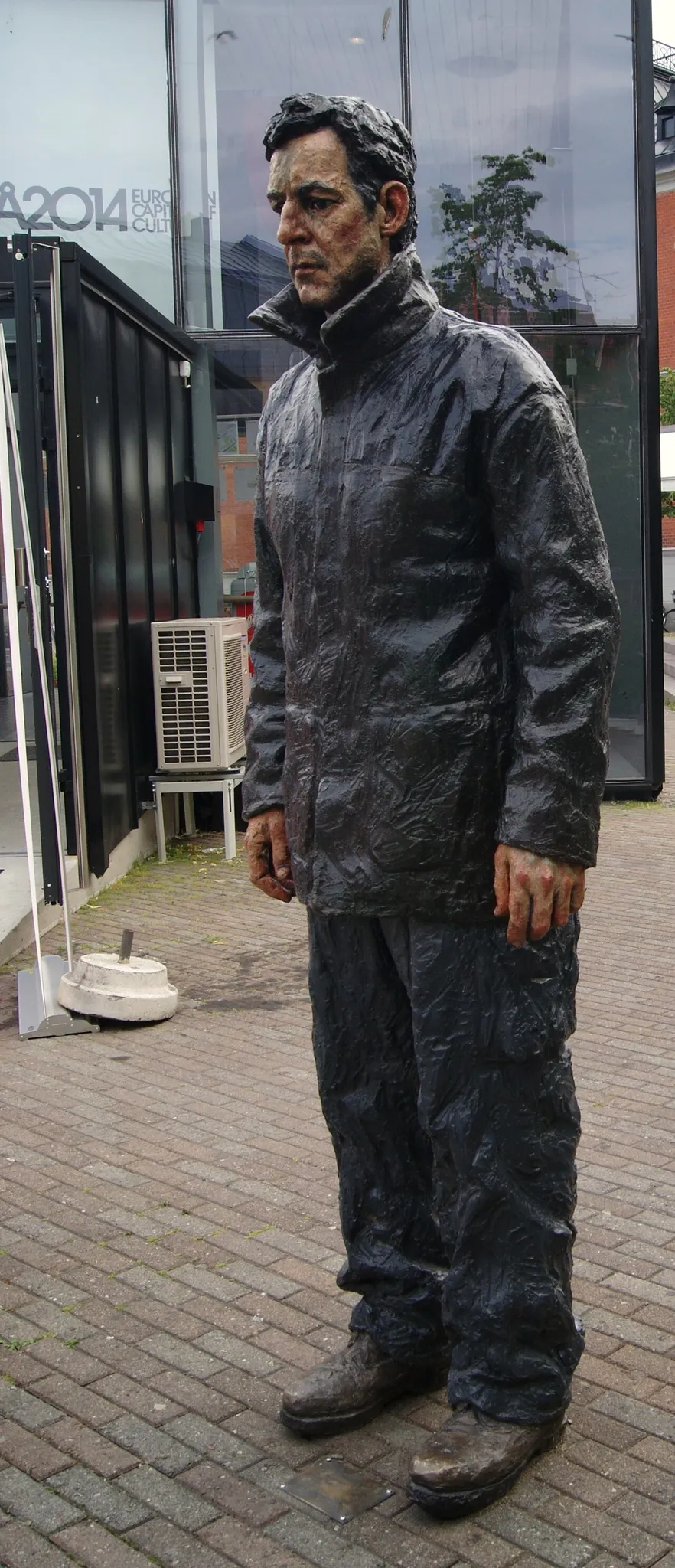
Sweden
Umeå
9 places
-
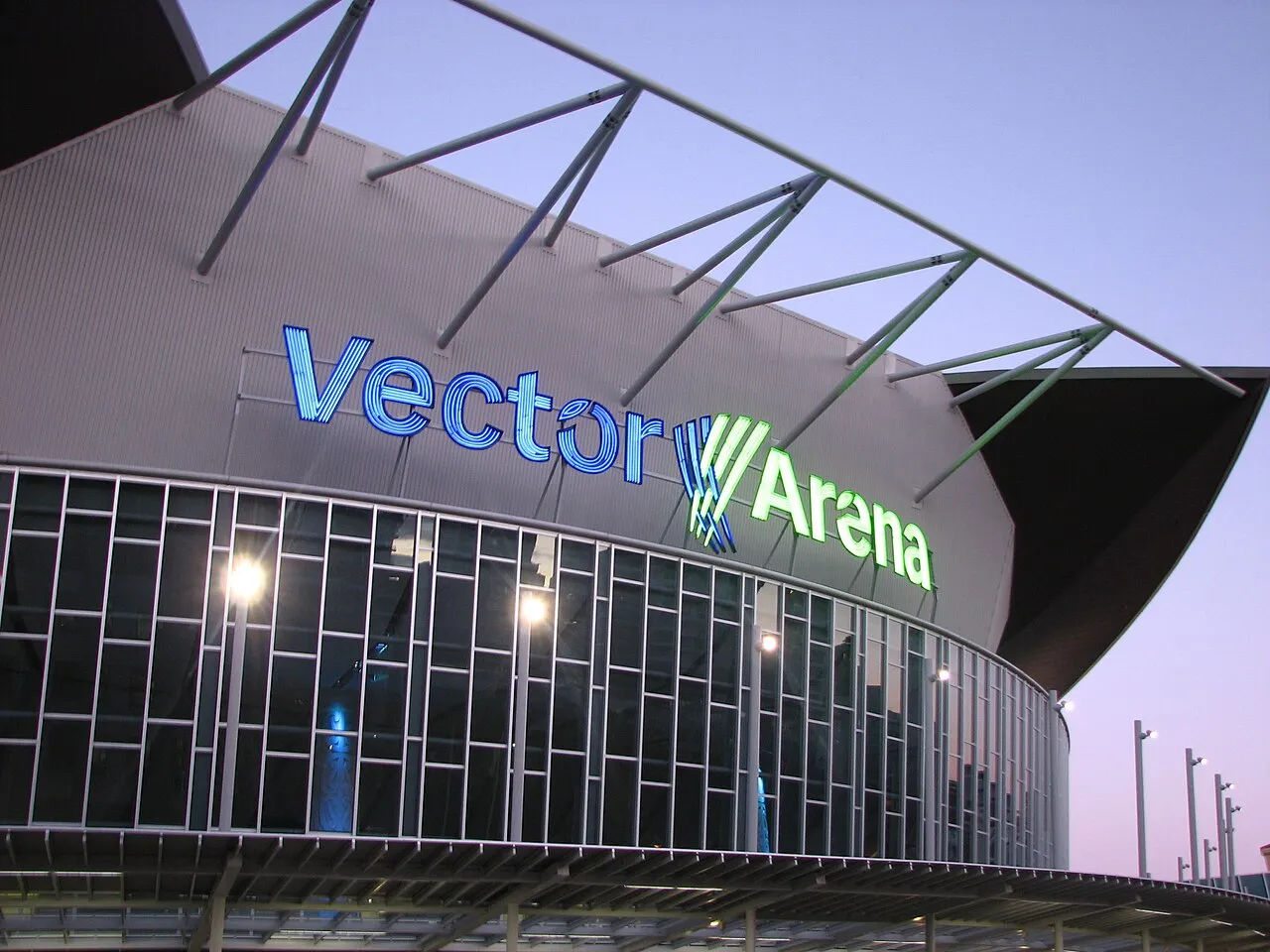
New Zealand
Auckland
8 places
-
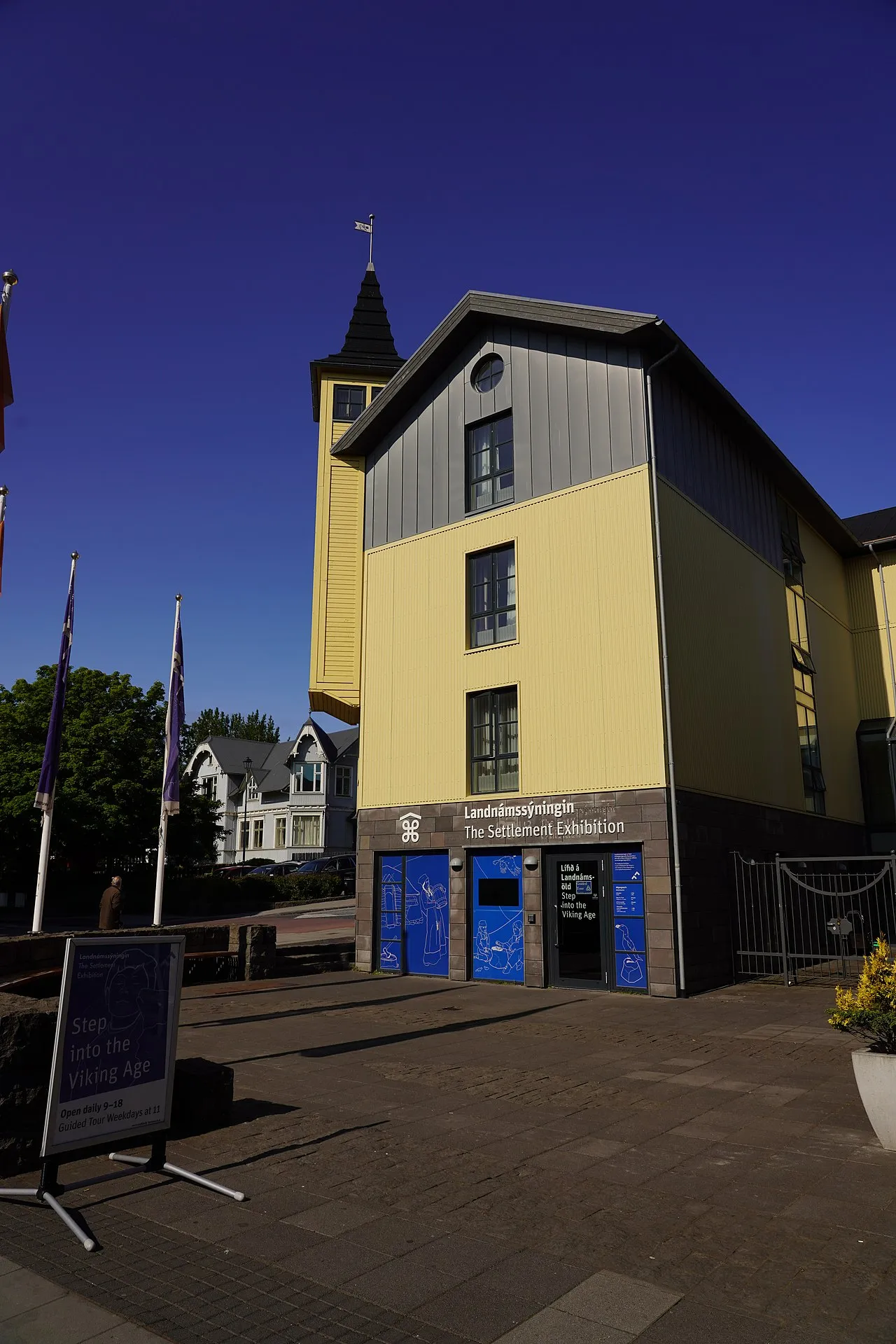
Iceland
Iceland
8 places
-
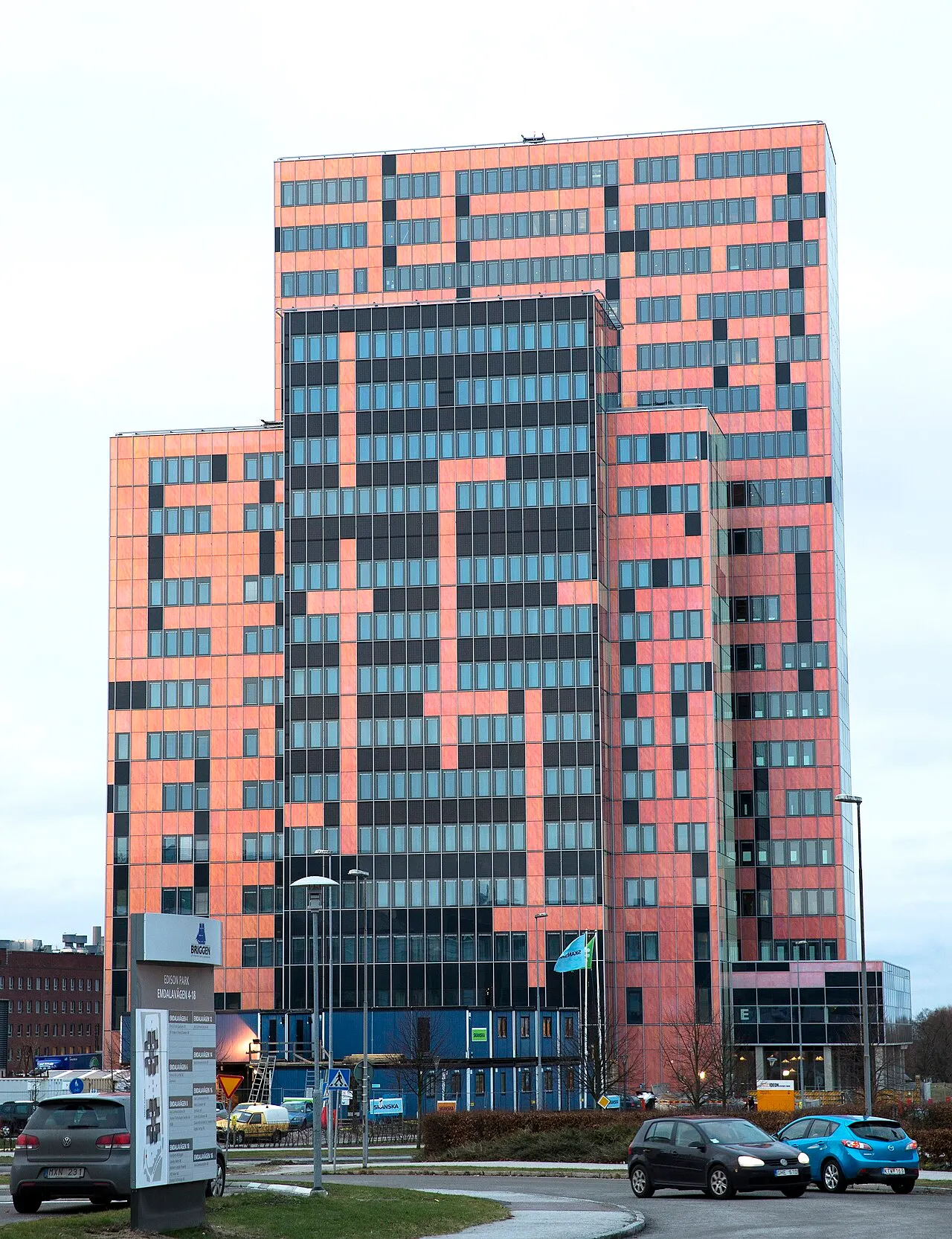
Sweden
Lund
8 places
-
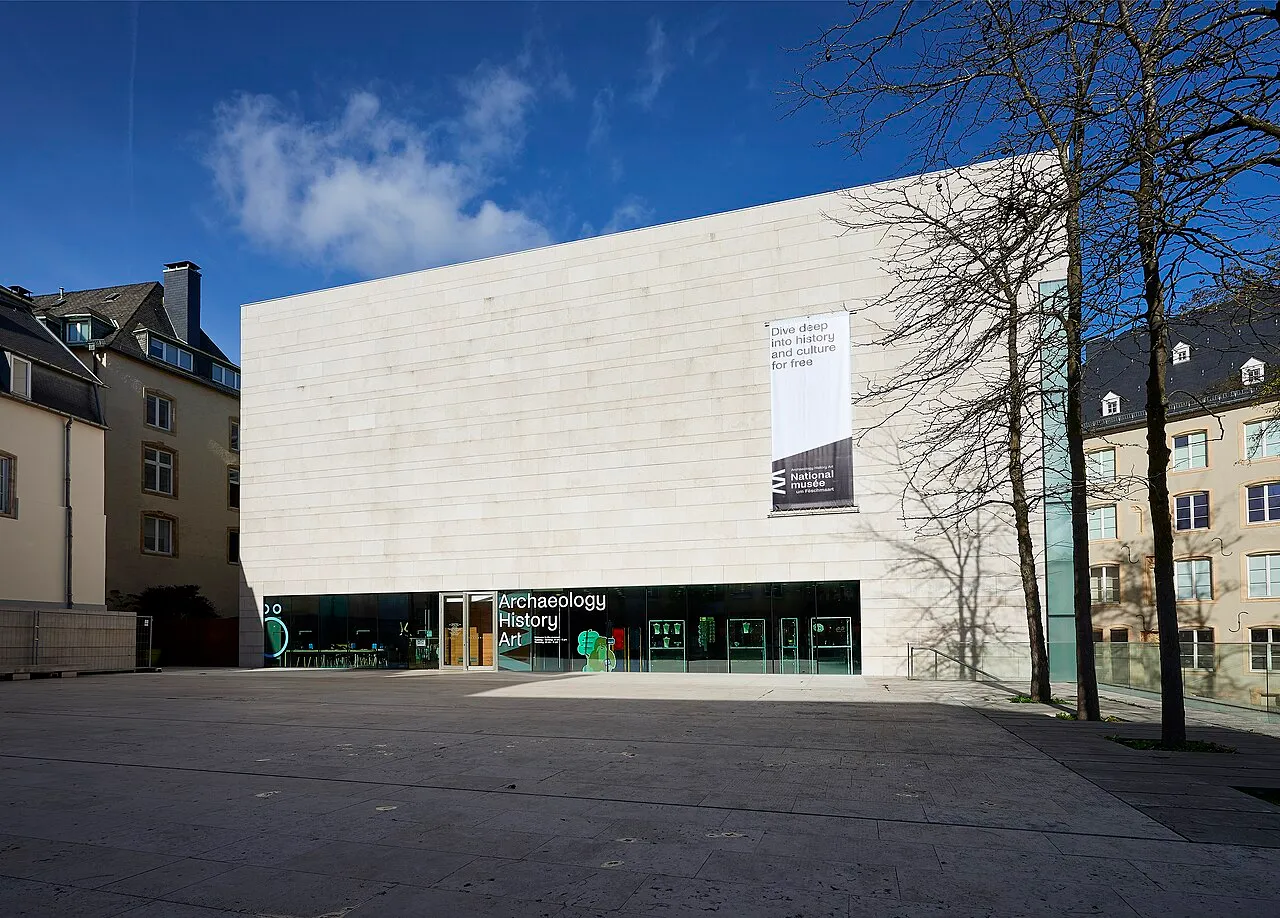
Luxembourg
Luxembourg City
8 places
-
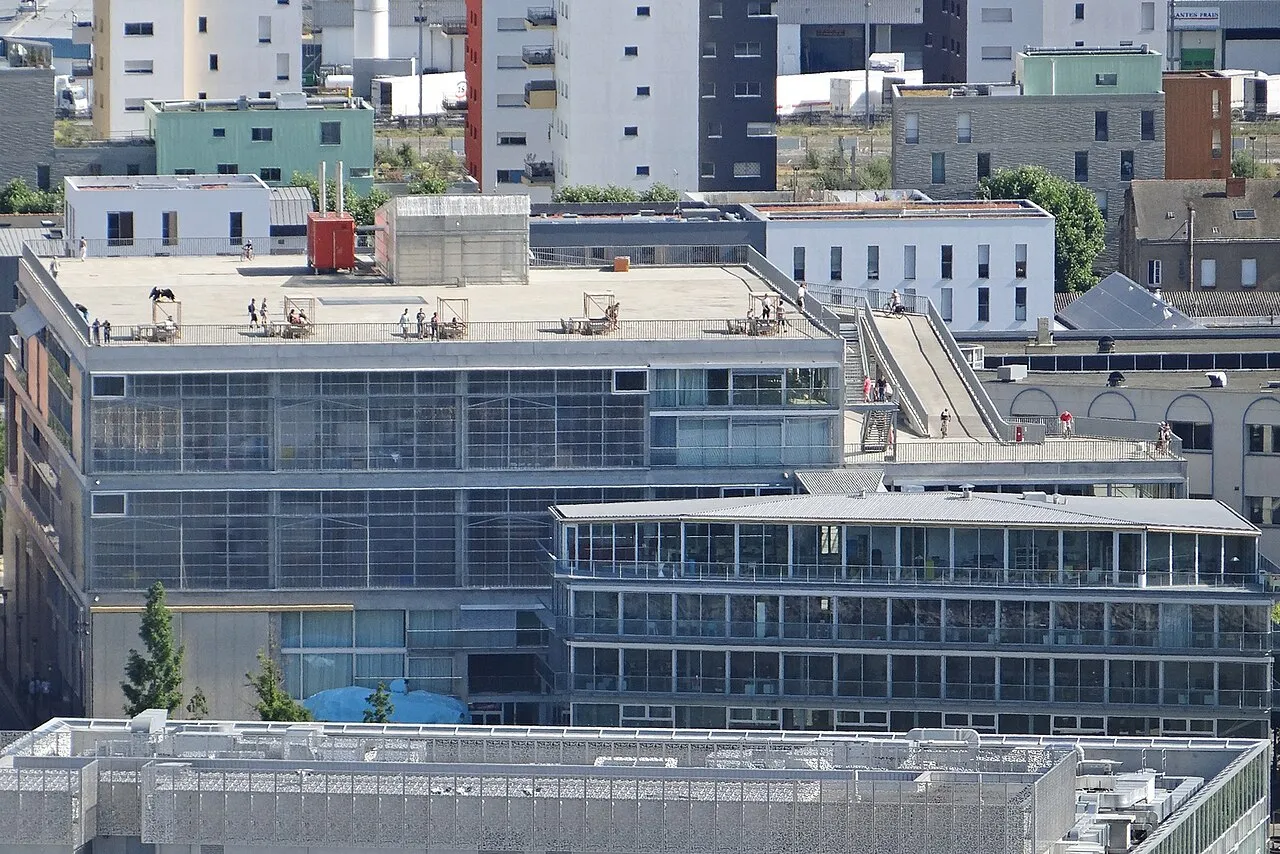
France
Nantes
8 places
-
Iceland
Reykjavík
8 places
-
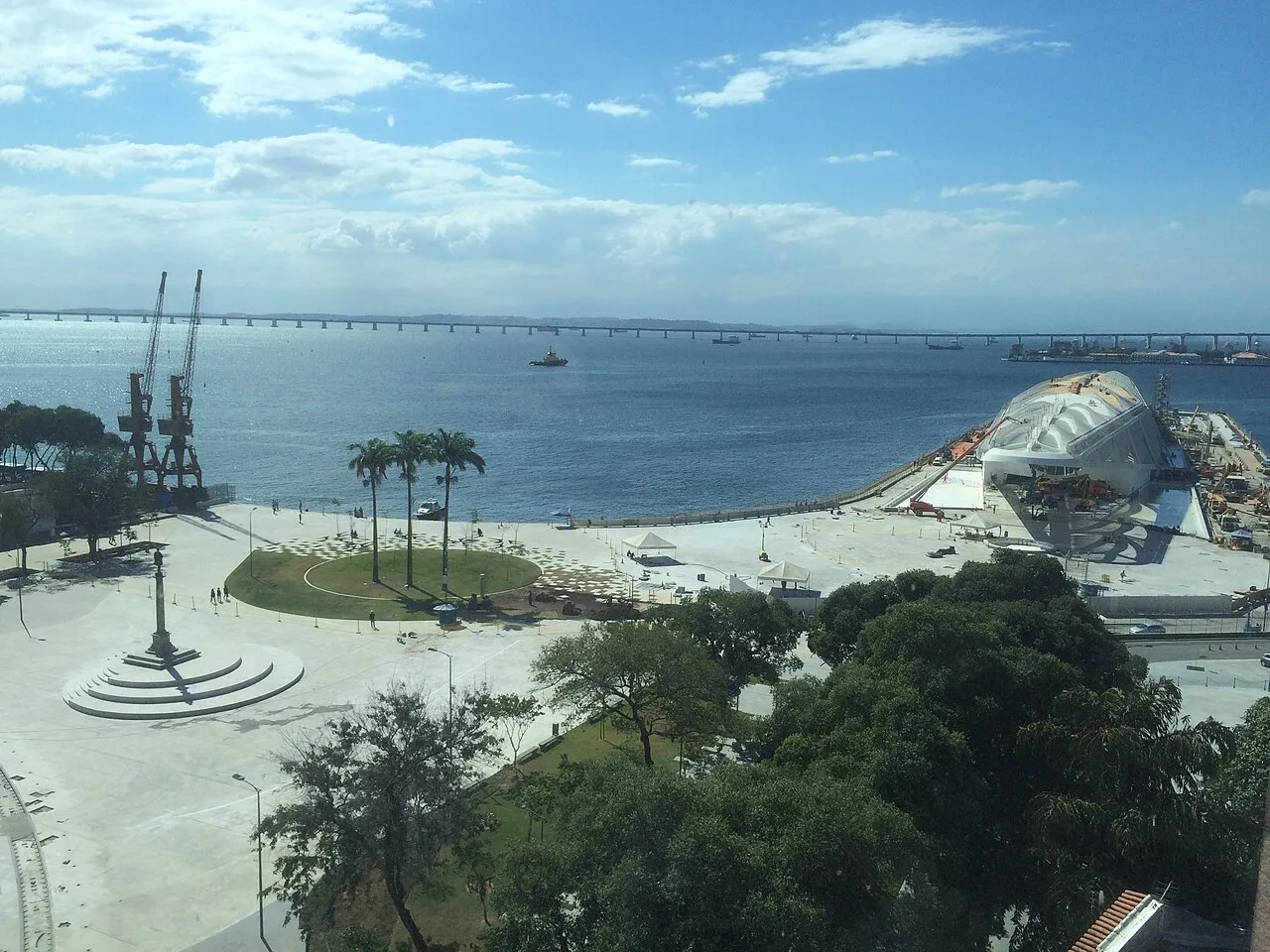
Brazil
Rio de Janeiro
8 places
-
Canada
Toronto
8 places
-
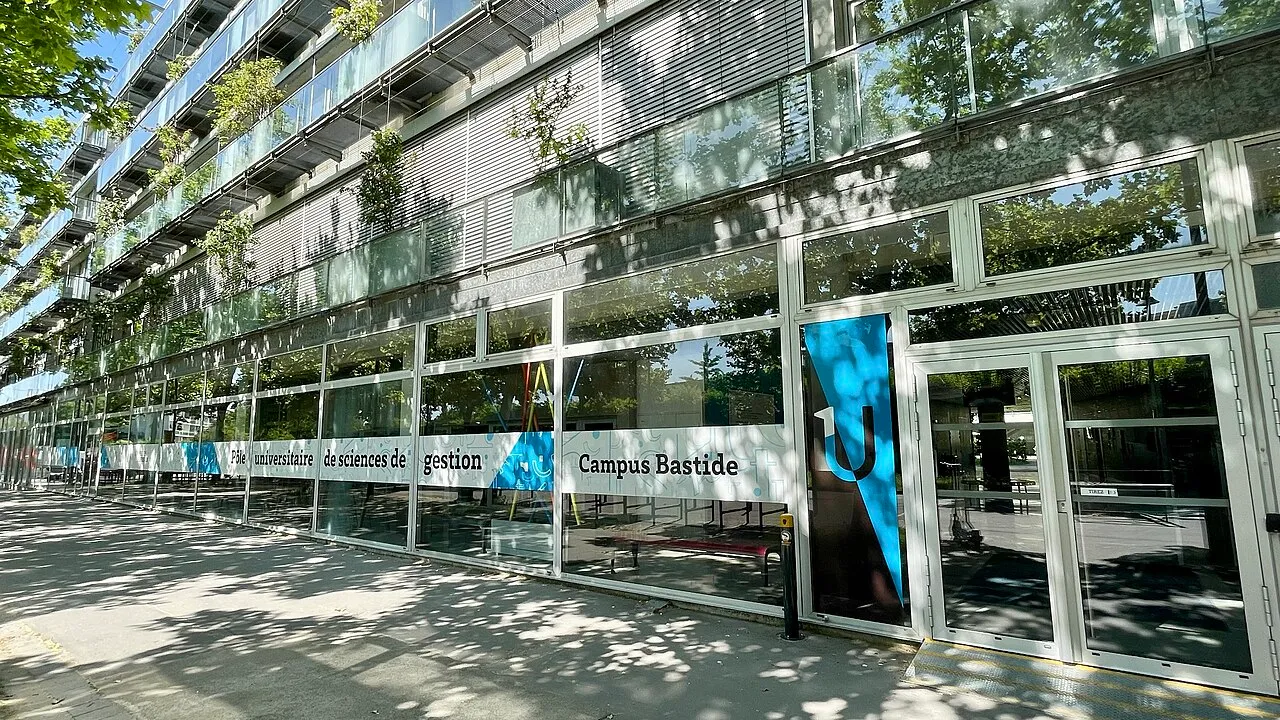
France
Bordeaux
7 places
-
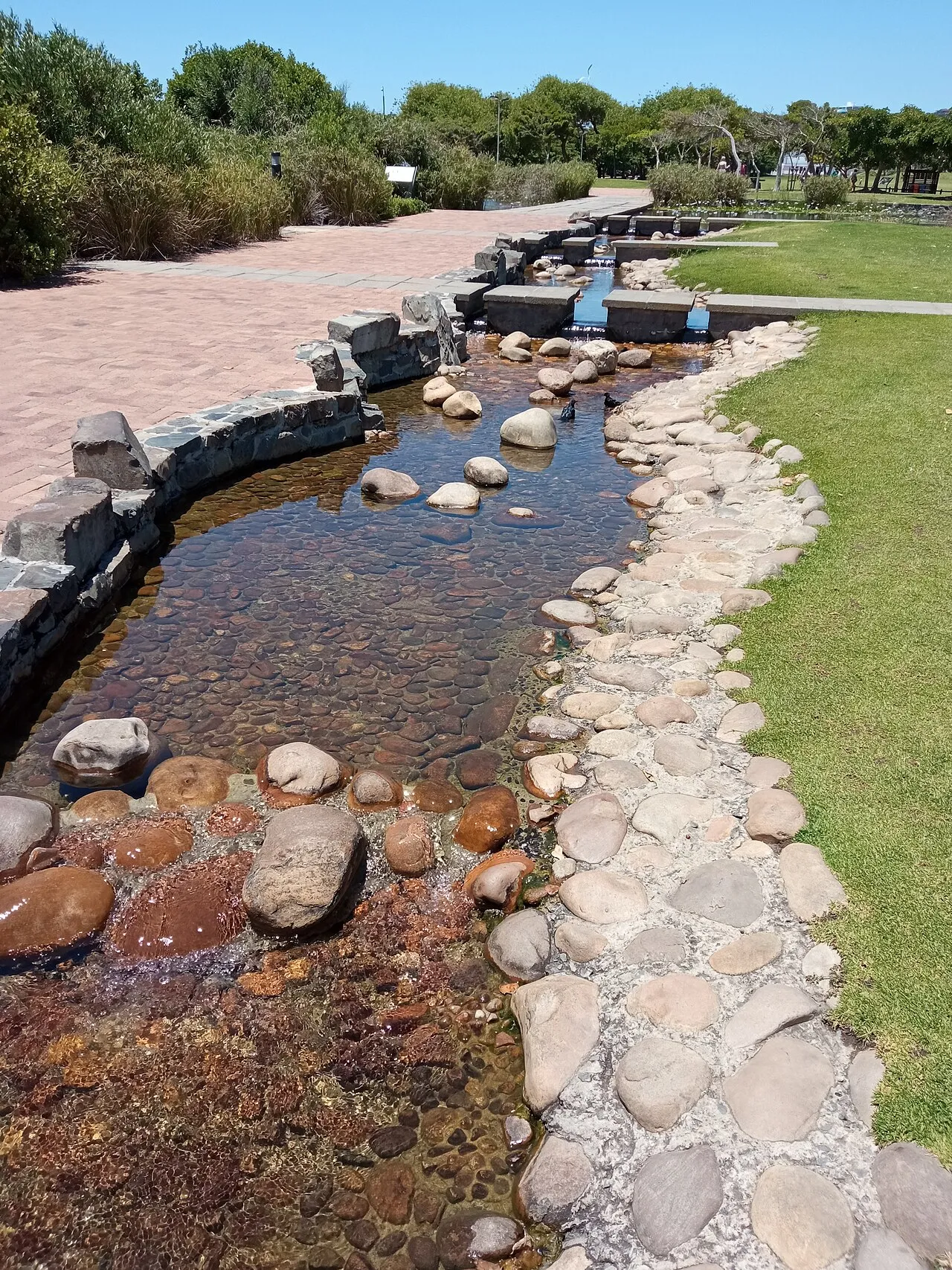
South Africa
Cape Town
7 places
-
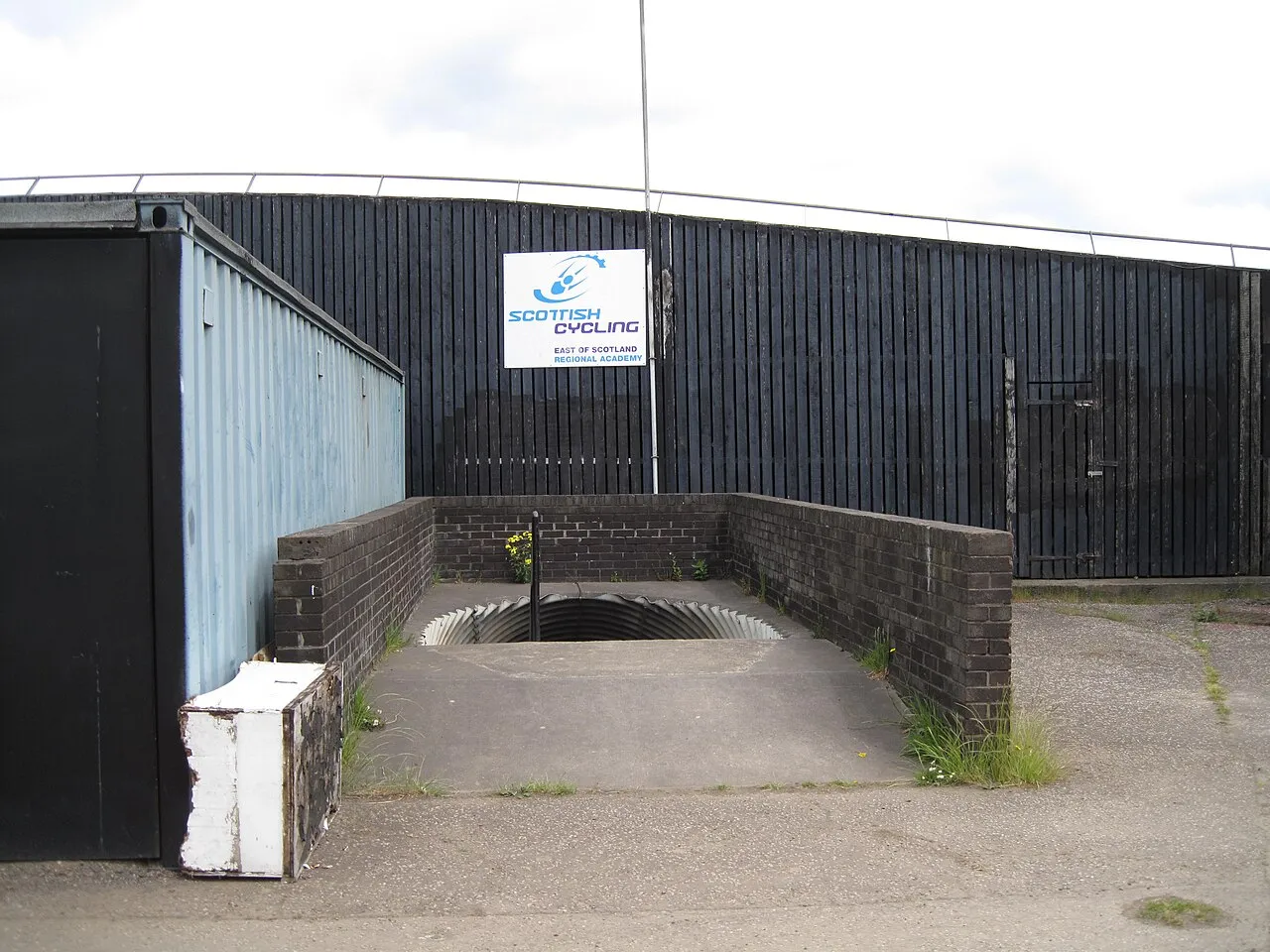
United Kingdom
Edinburgh
7 places
-
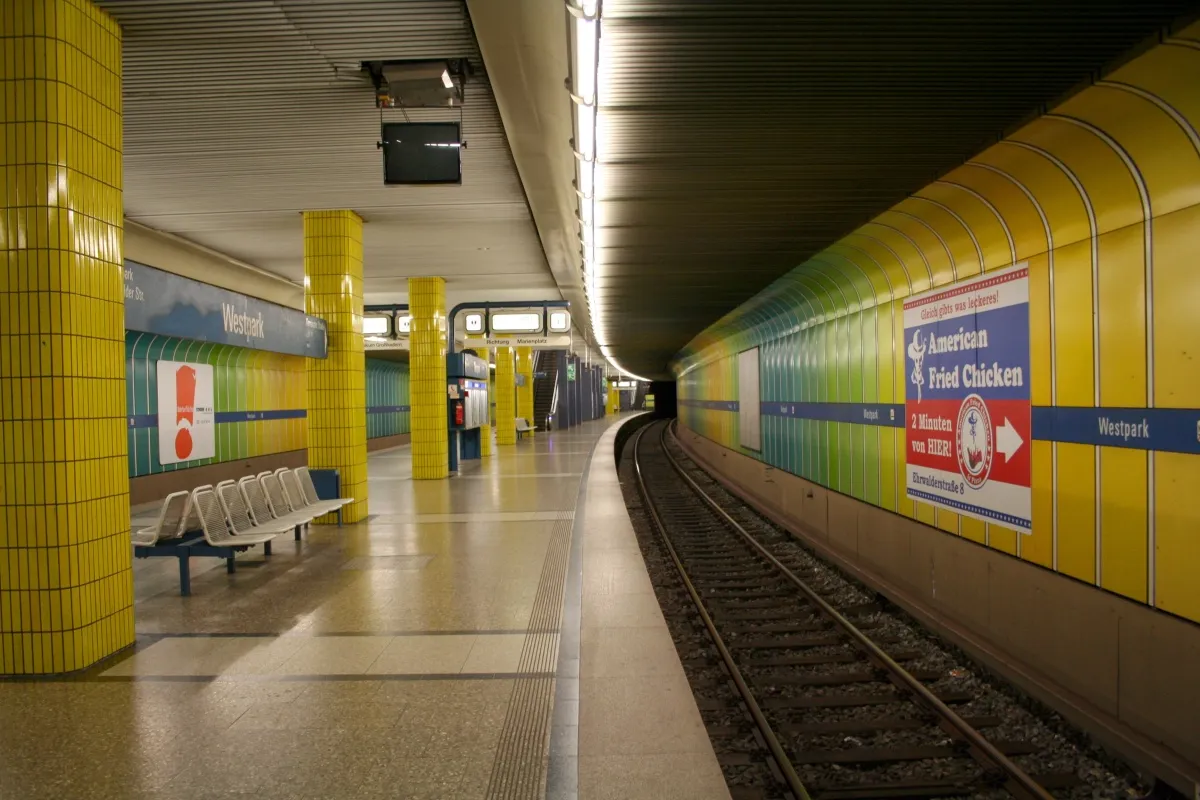
Germany
Munich
7 places
-
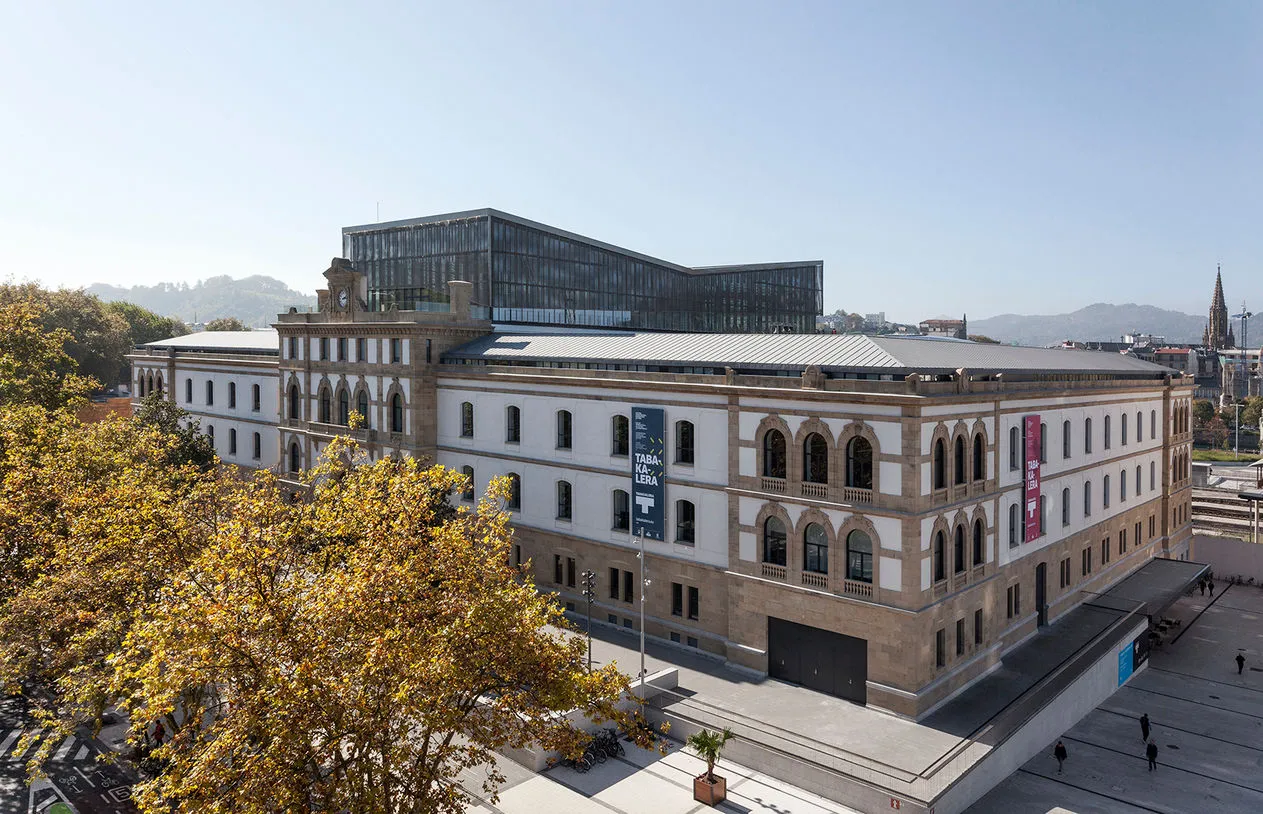
Spain
San Sebastián
7 places
-
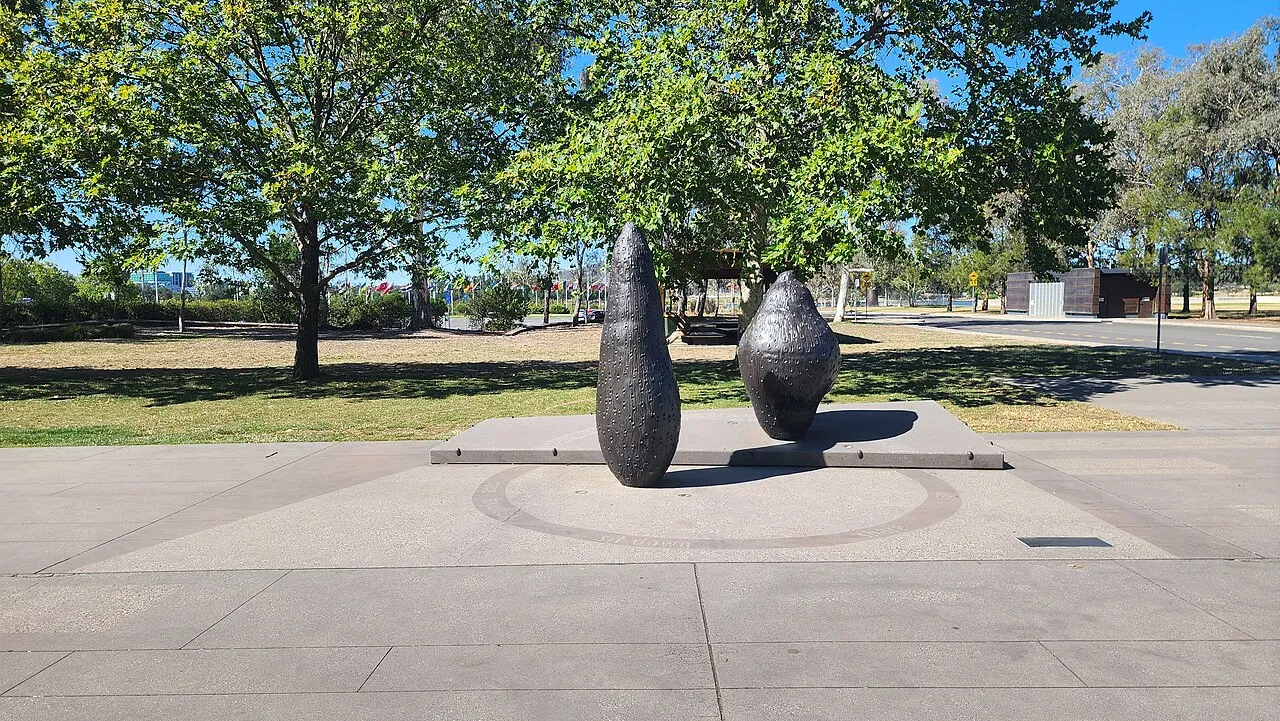
Australia
Canberra
6 places
-
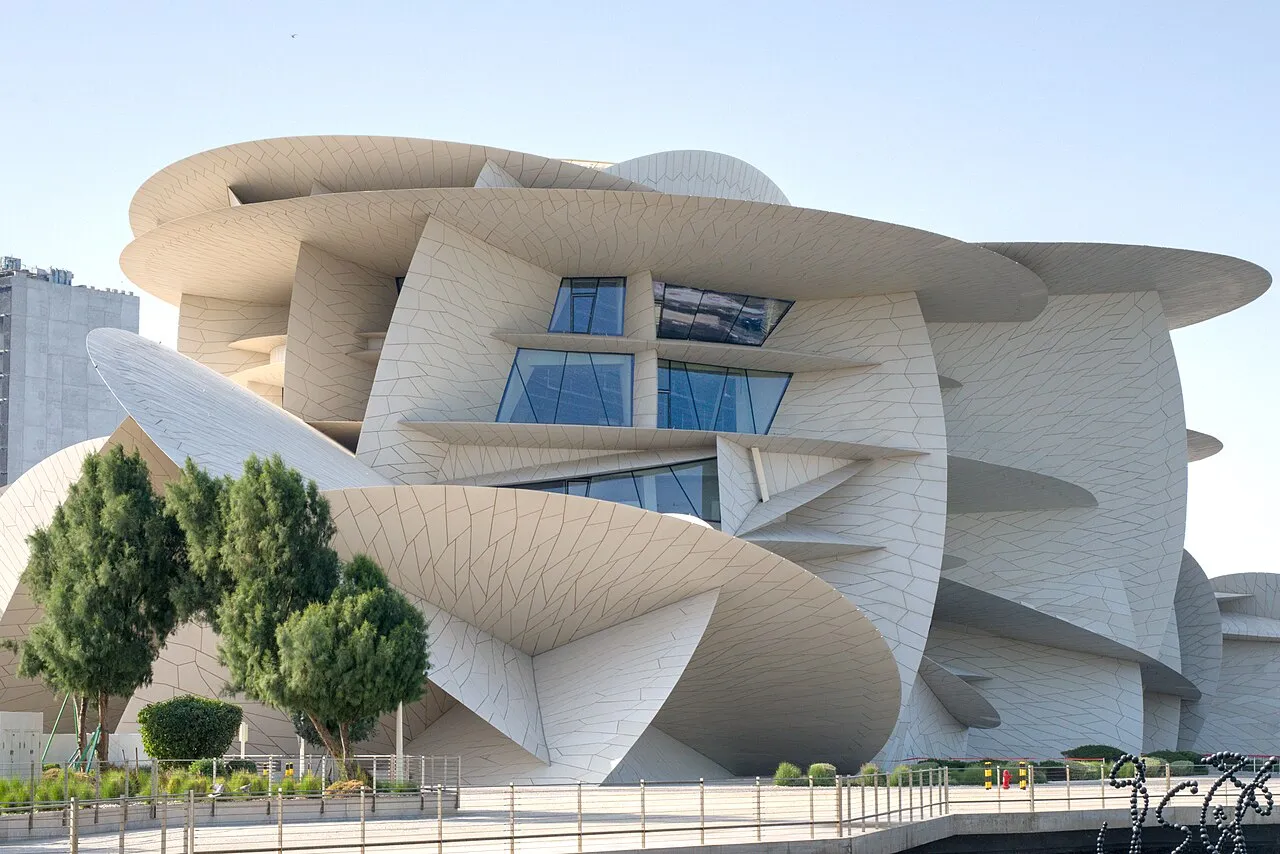
Qatar
Doha
6 places
-
Switzerland
Geneva
6 places
-
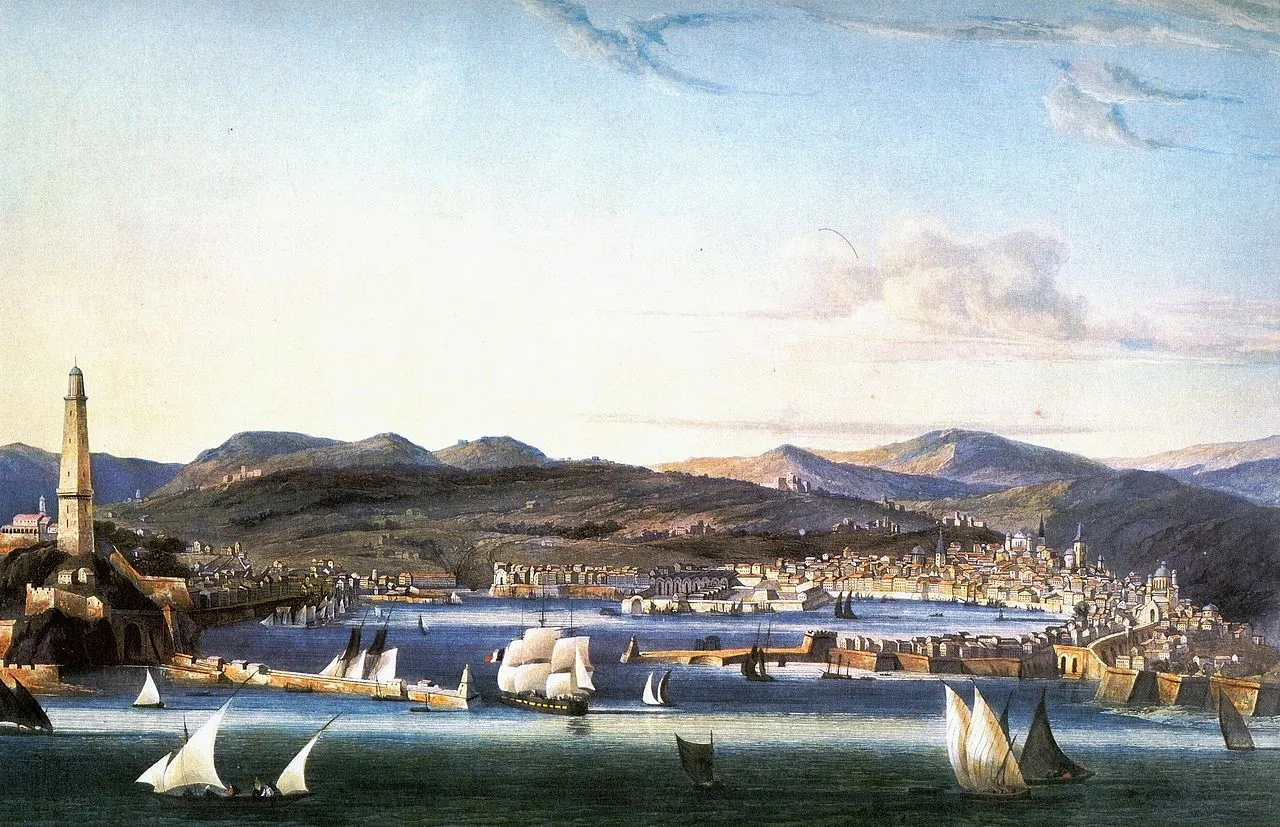
Italy
Genoa
6 places
-
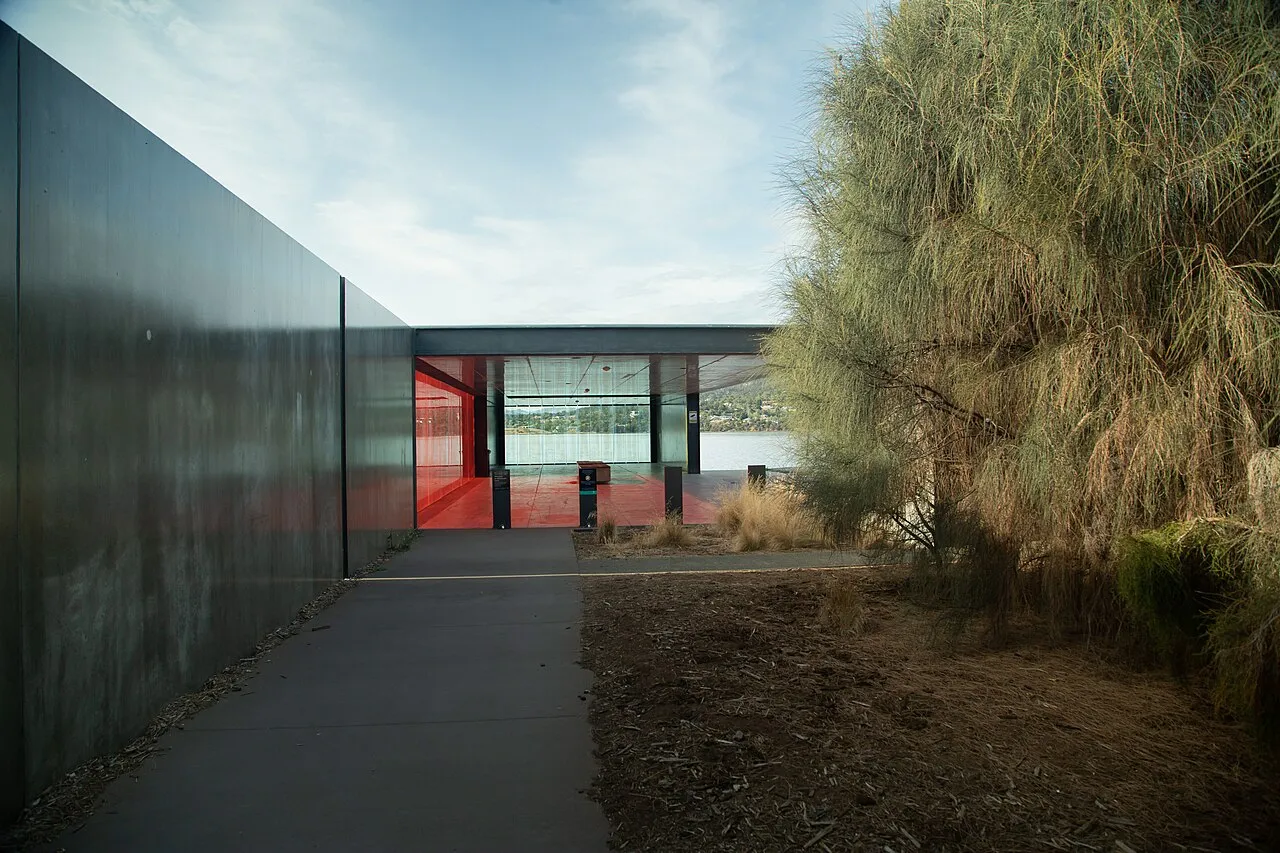
Australia
Hobart
6 places
-
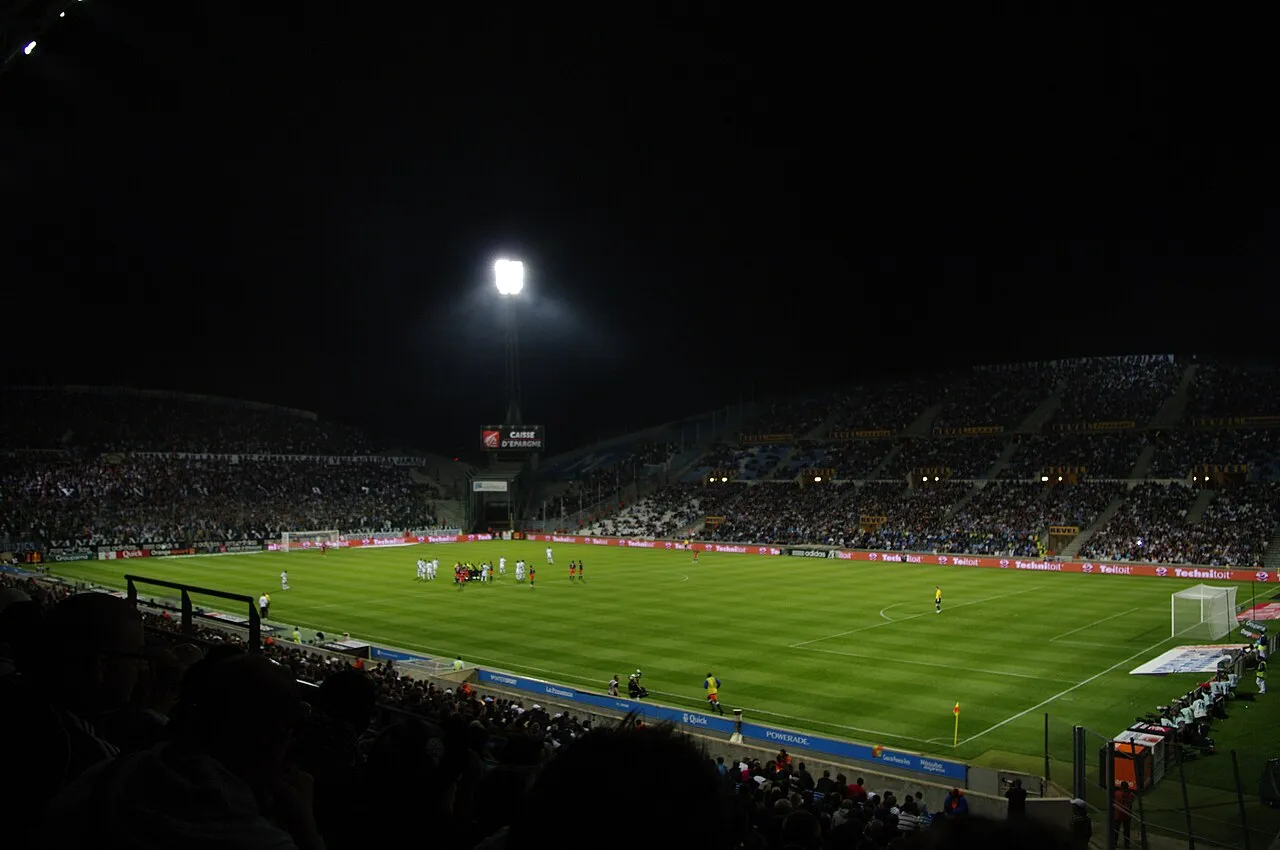
France
Marseille
6 places
-
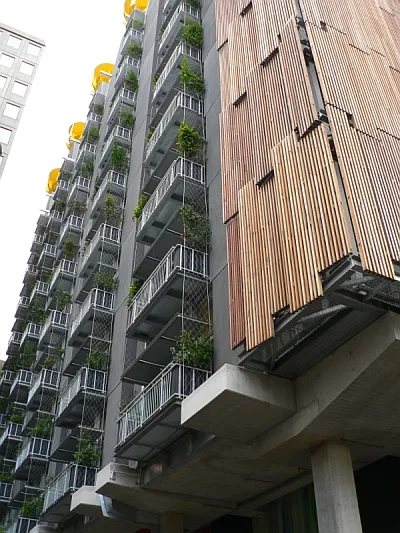
Australia
Melbourne
6 places
-
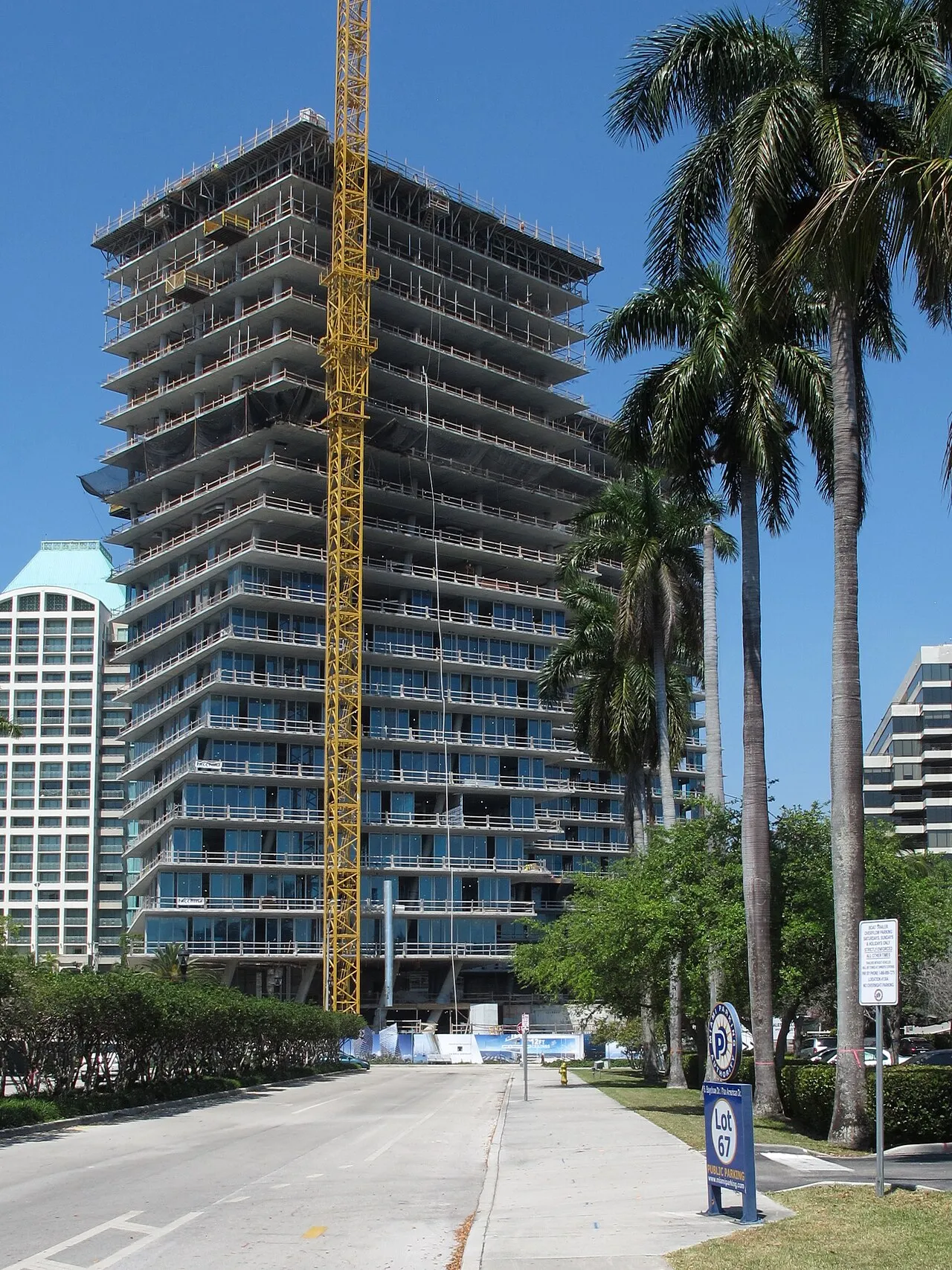
United States
Miami
6 places
-
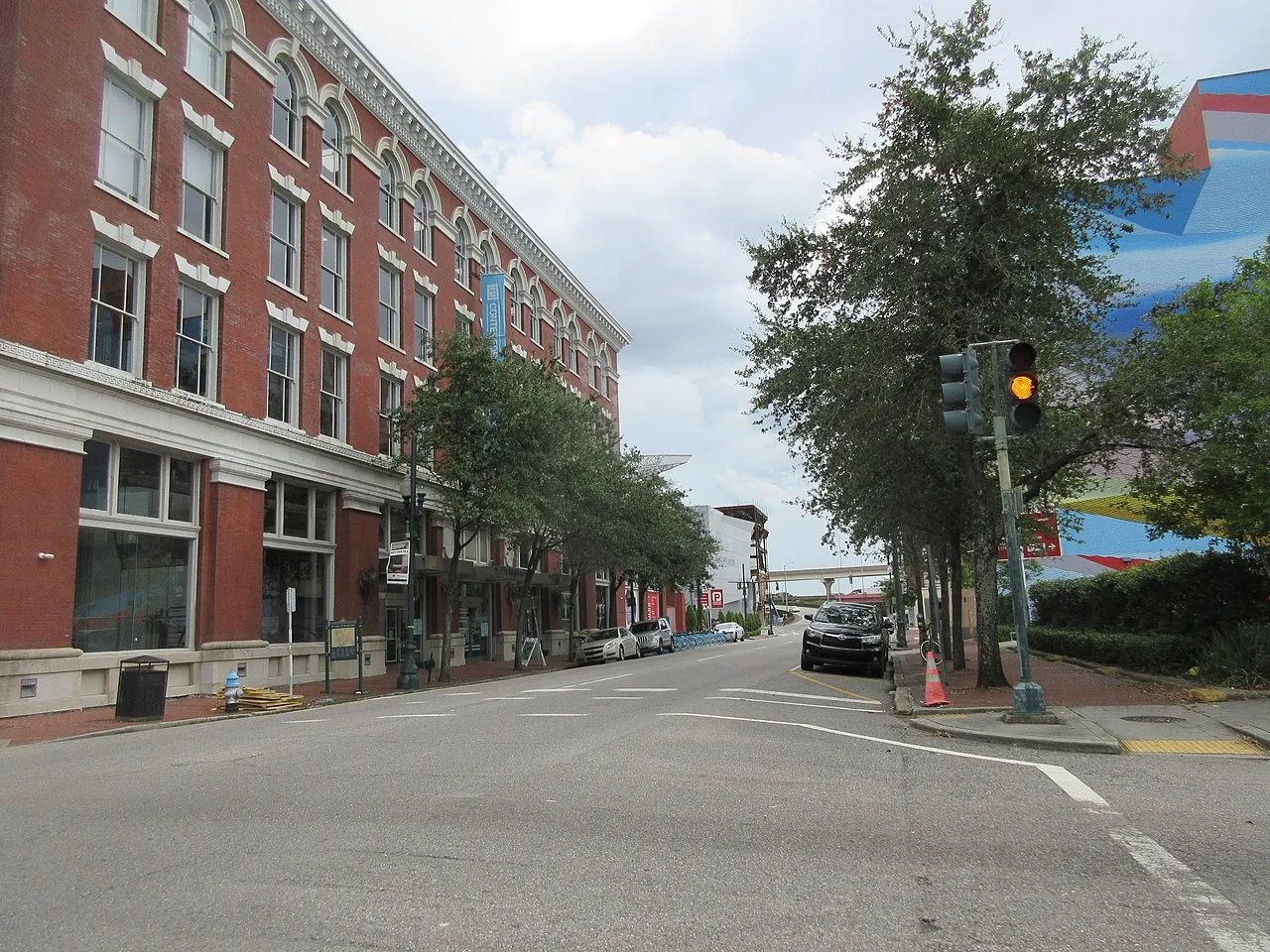
United States
New Orleans
6 places
-
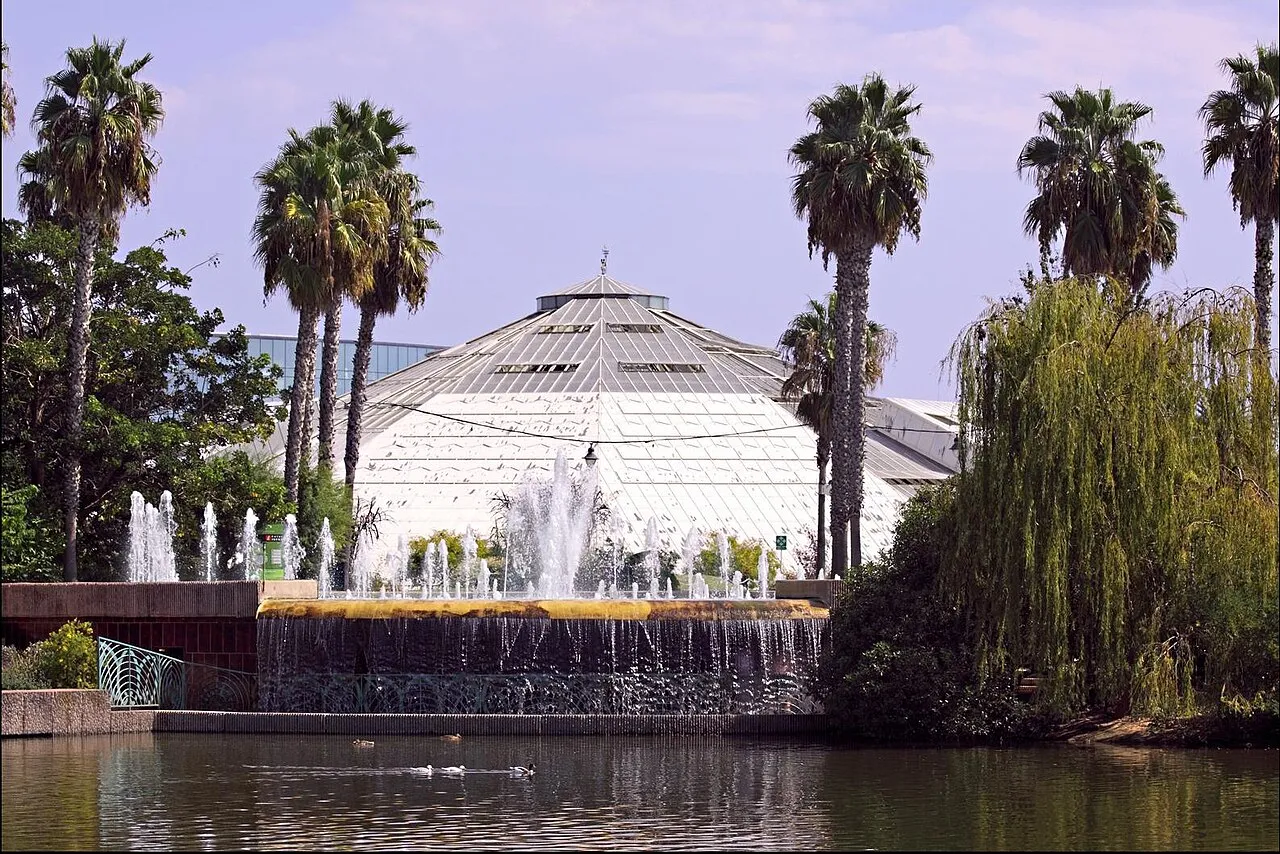
France
Nice
6 places
-
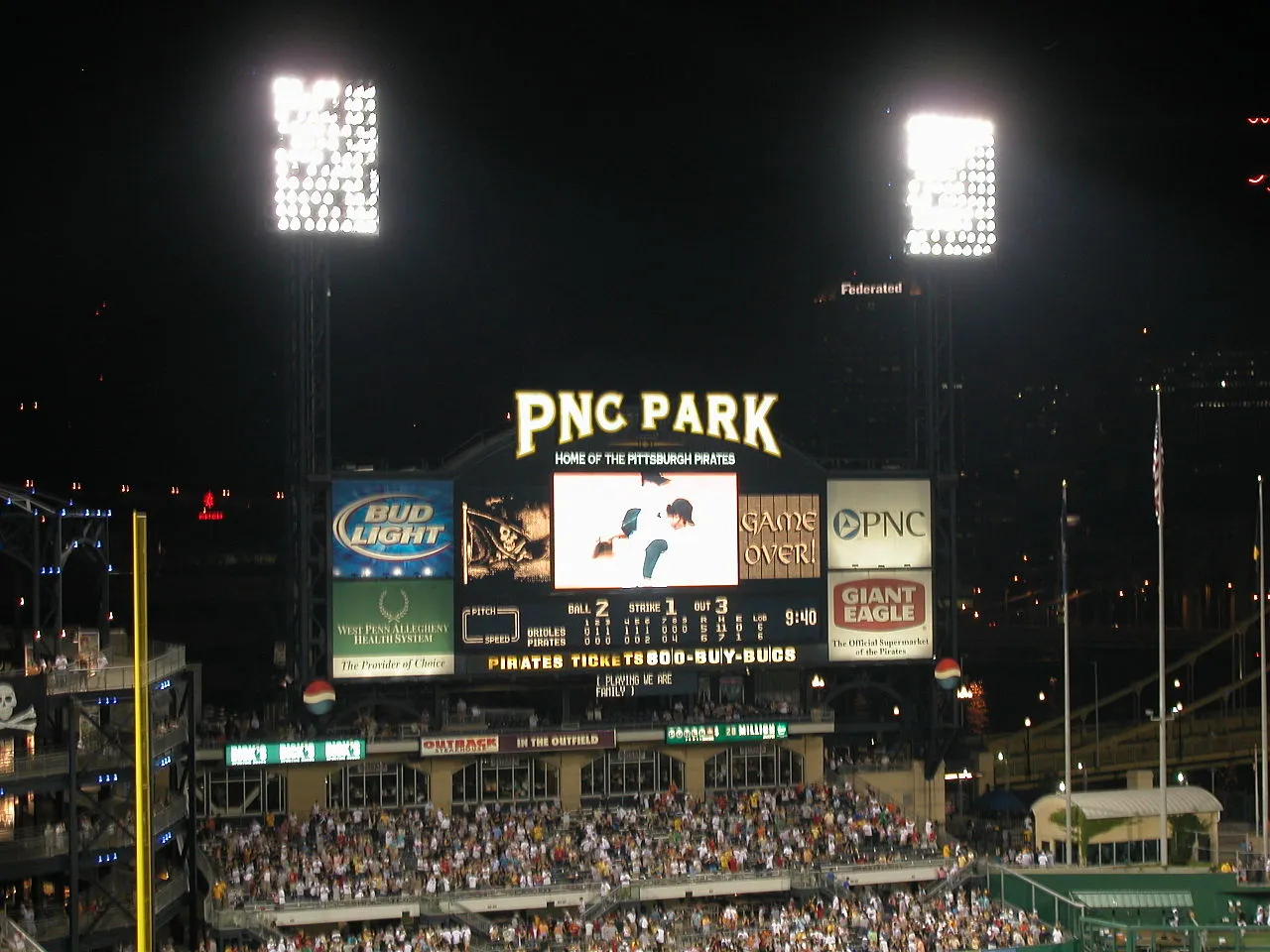
United States
Pittsburgh
6 places
-
Italy
Venice
6 places
-
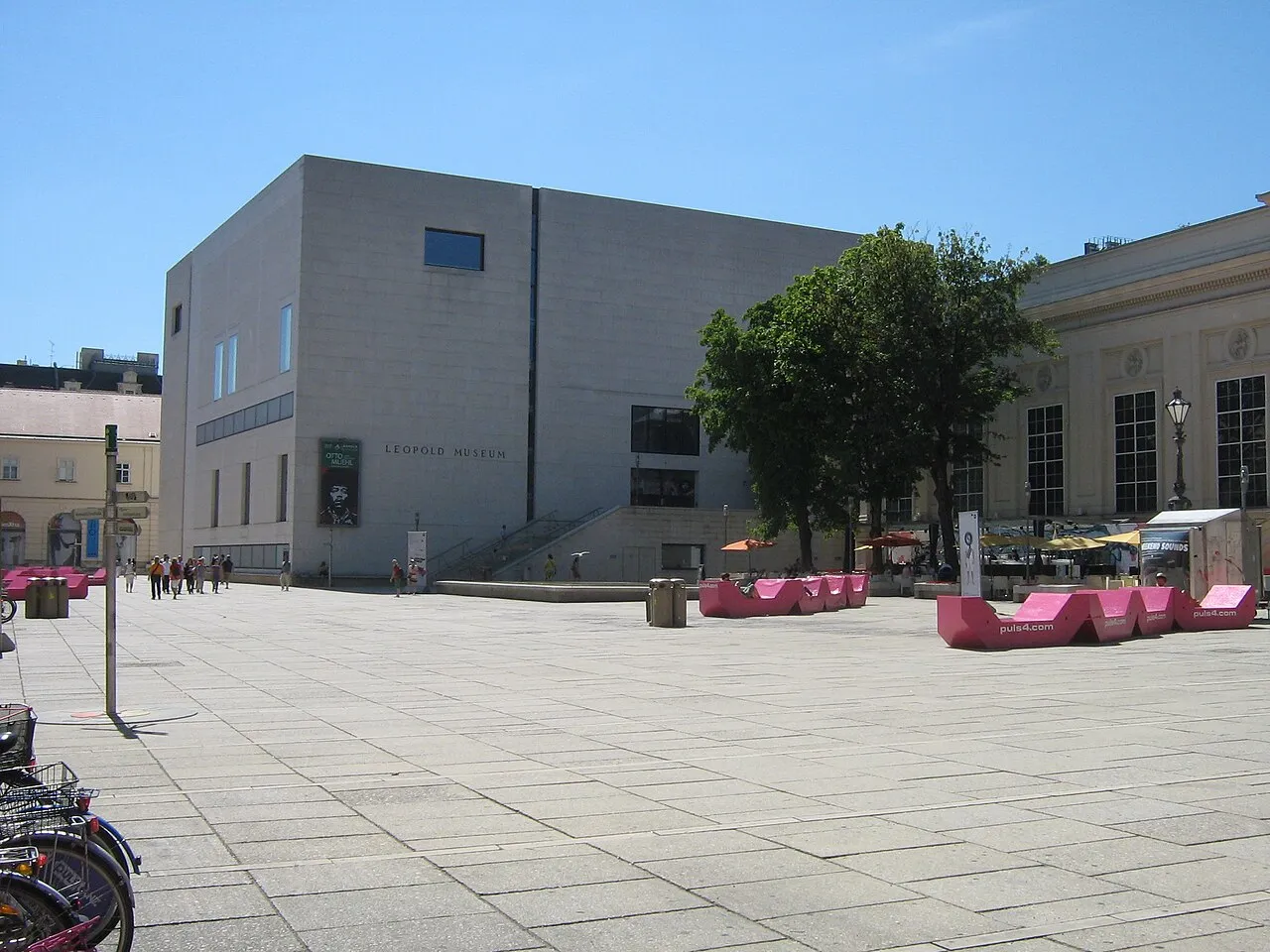
Austria
Vienna
6 places
-
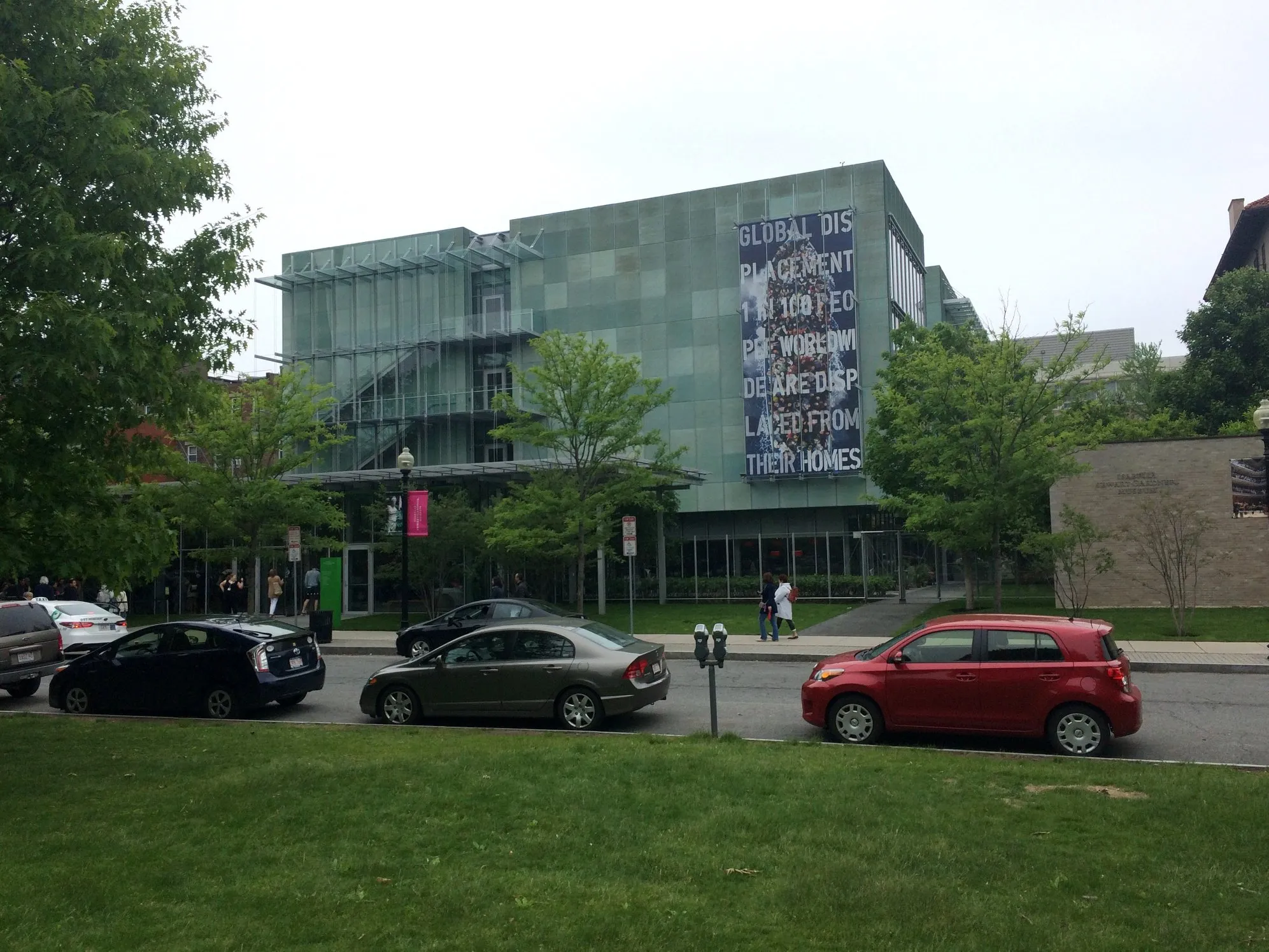
United States
Boston
5 places
-
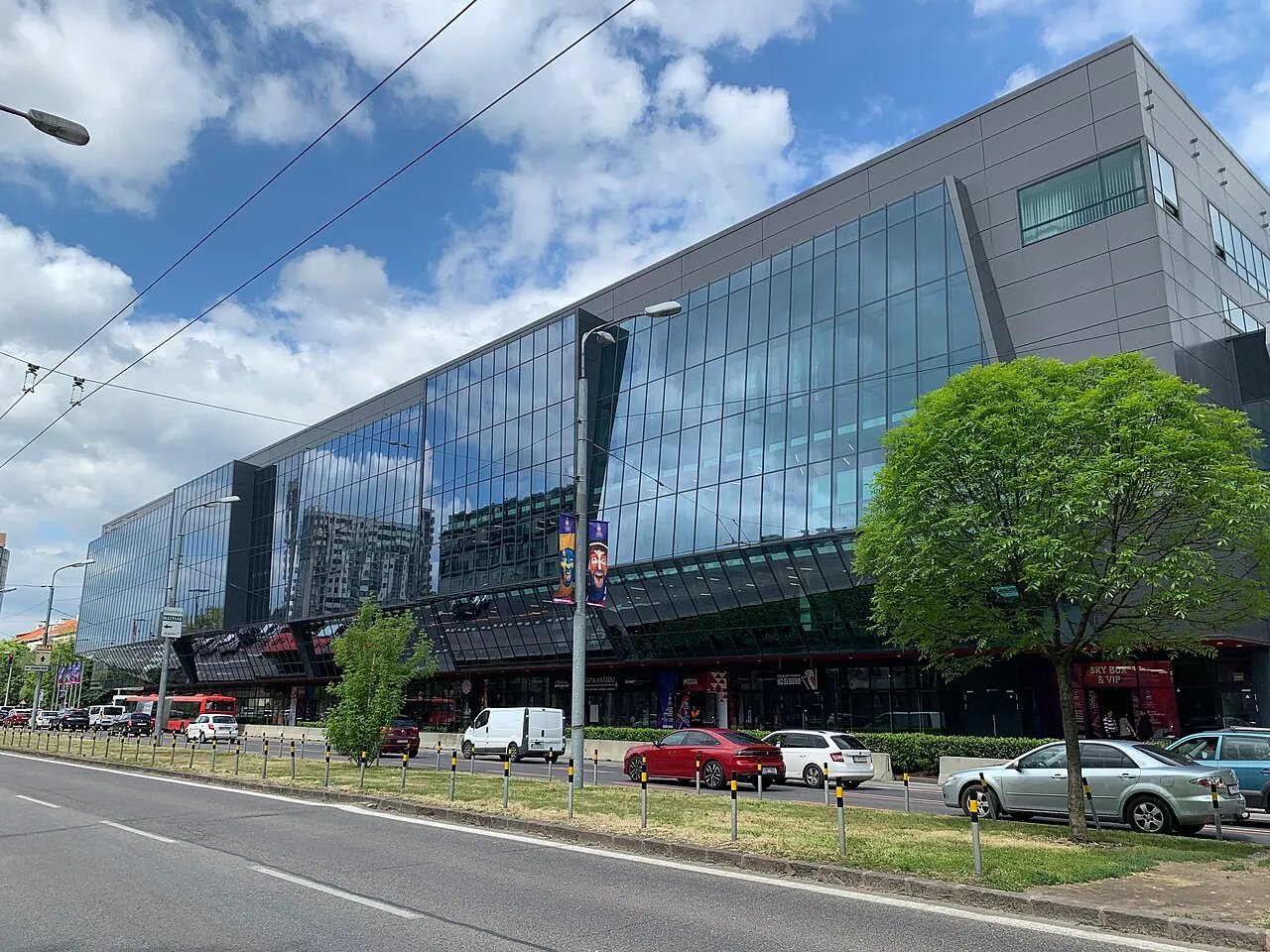
Slovakia
Bratislava
5 places
-
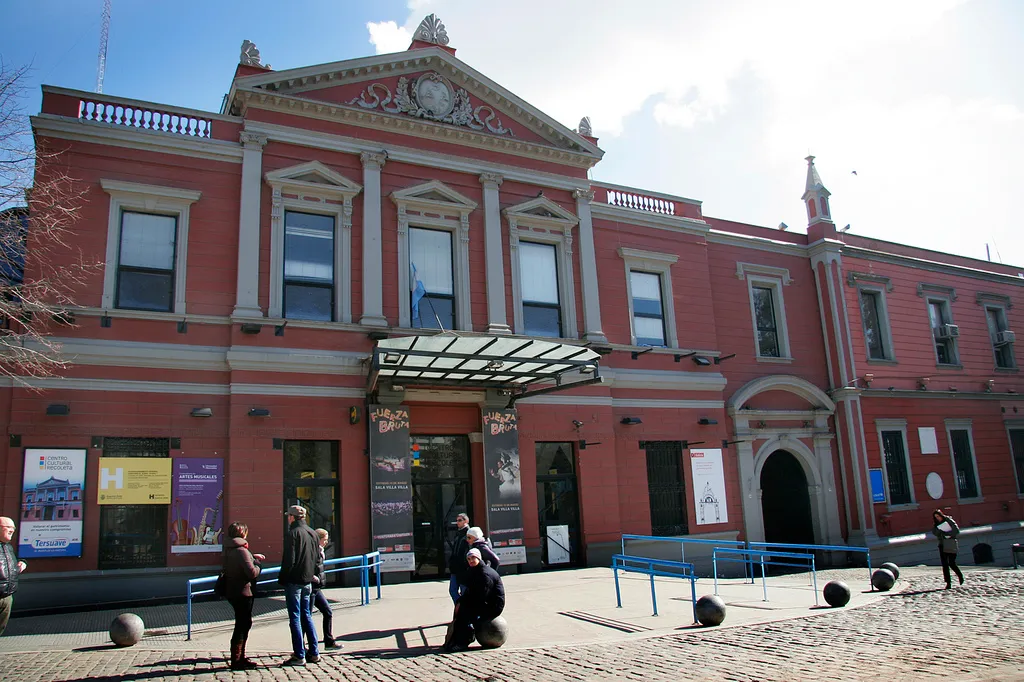
Argentina
Buenos Aires
5 places
-
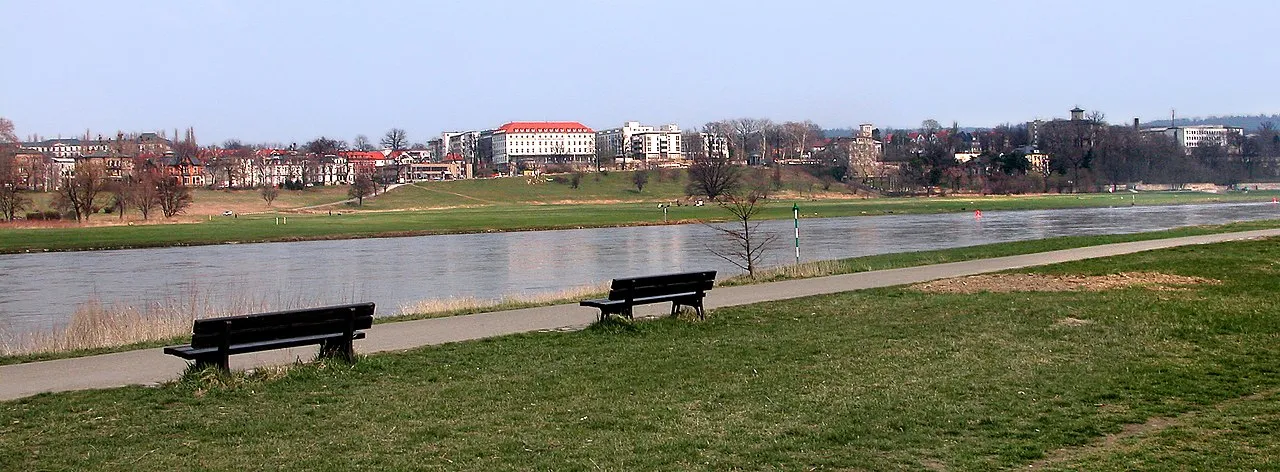
Germany
Dresden
5 places
-
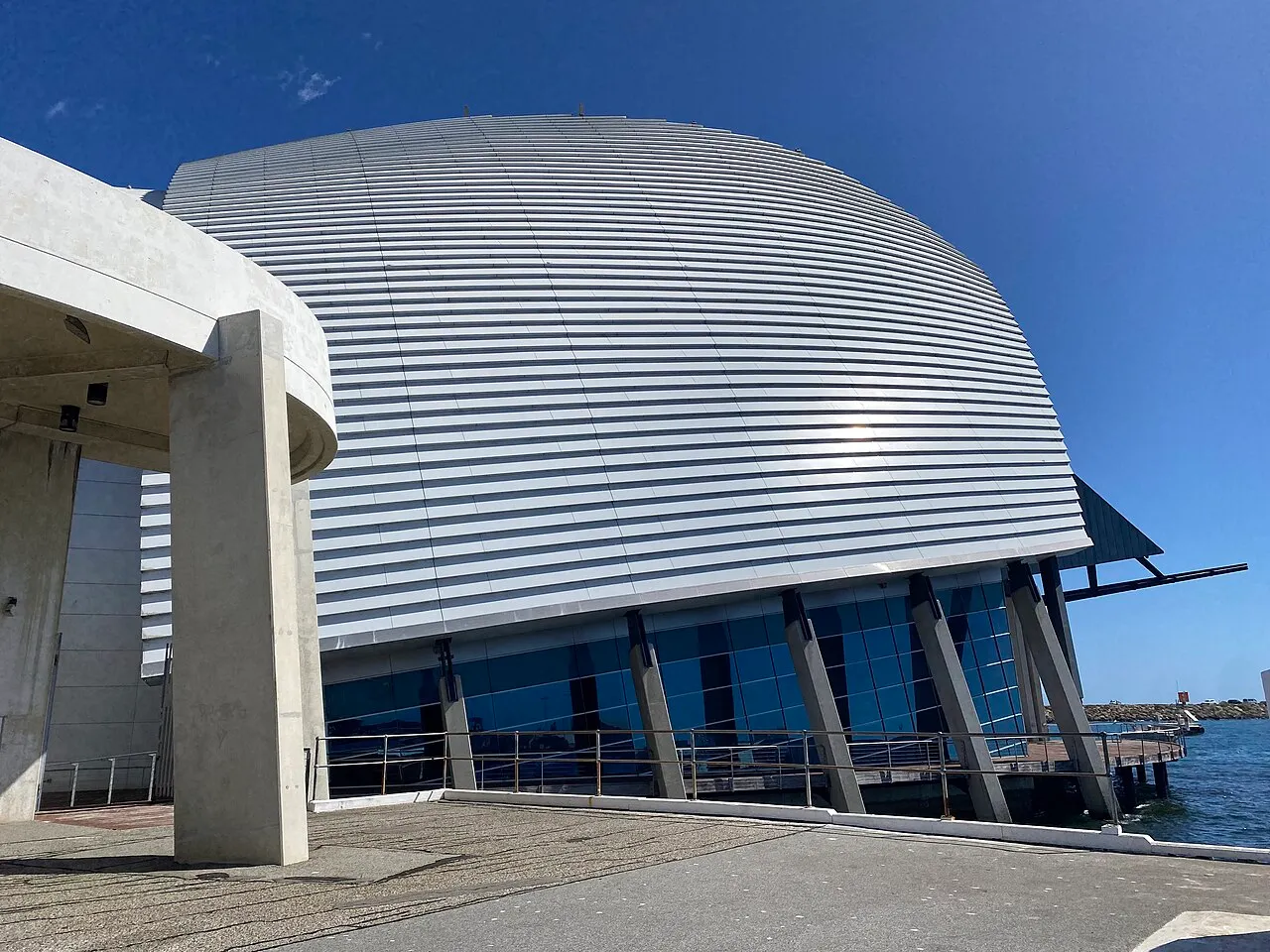
Australia
Fremantle
5 places
-
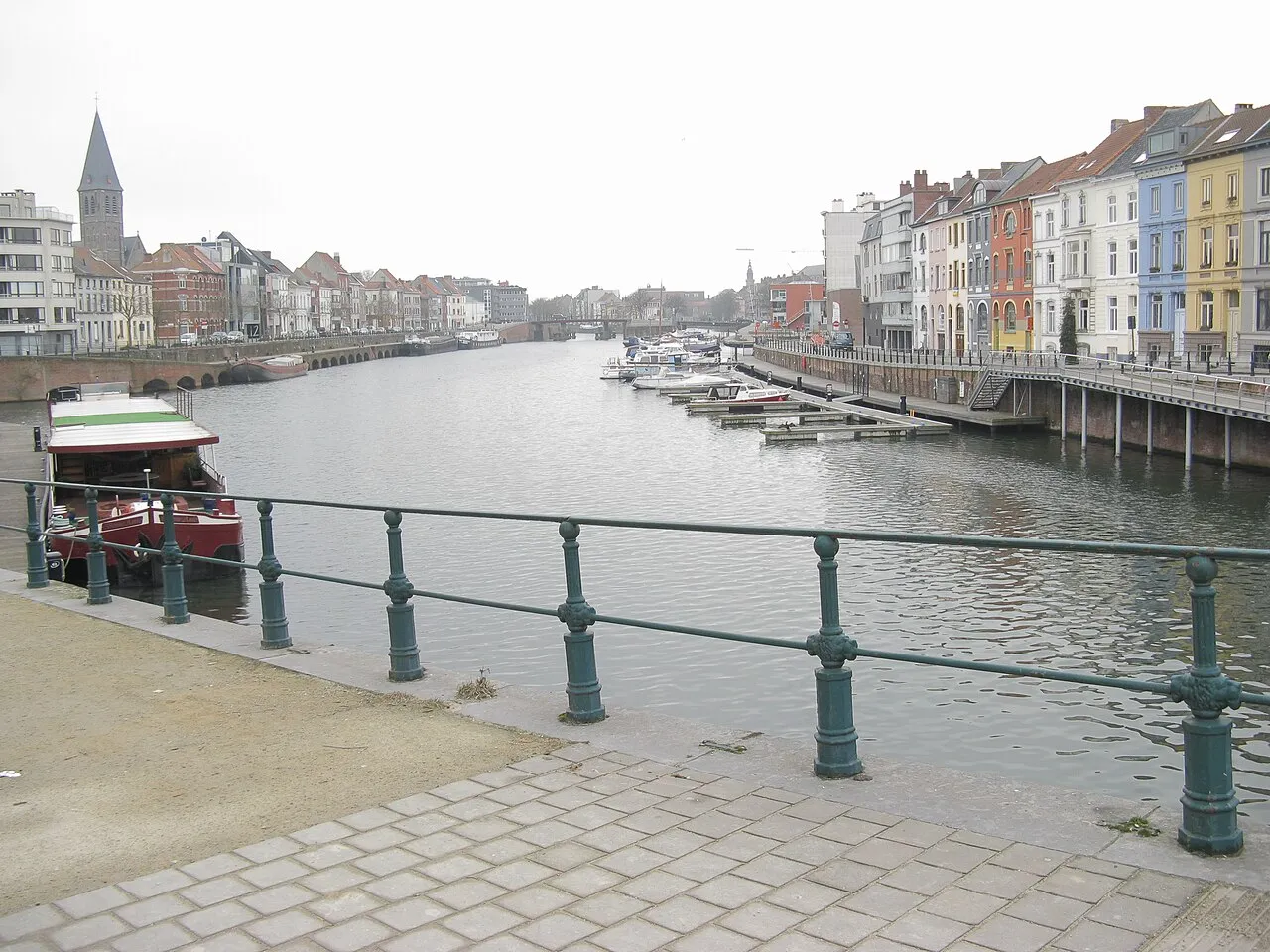
Belgium
Ghent
5 places
-
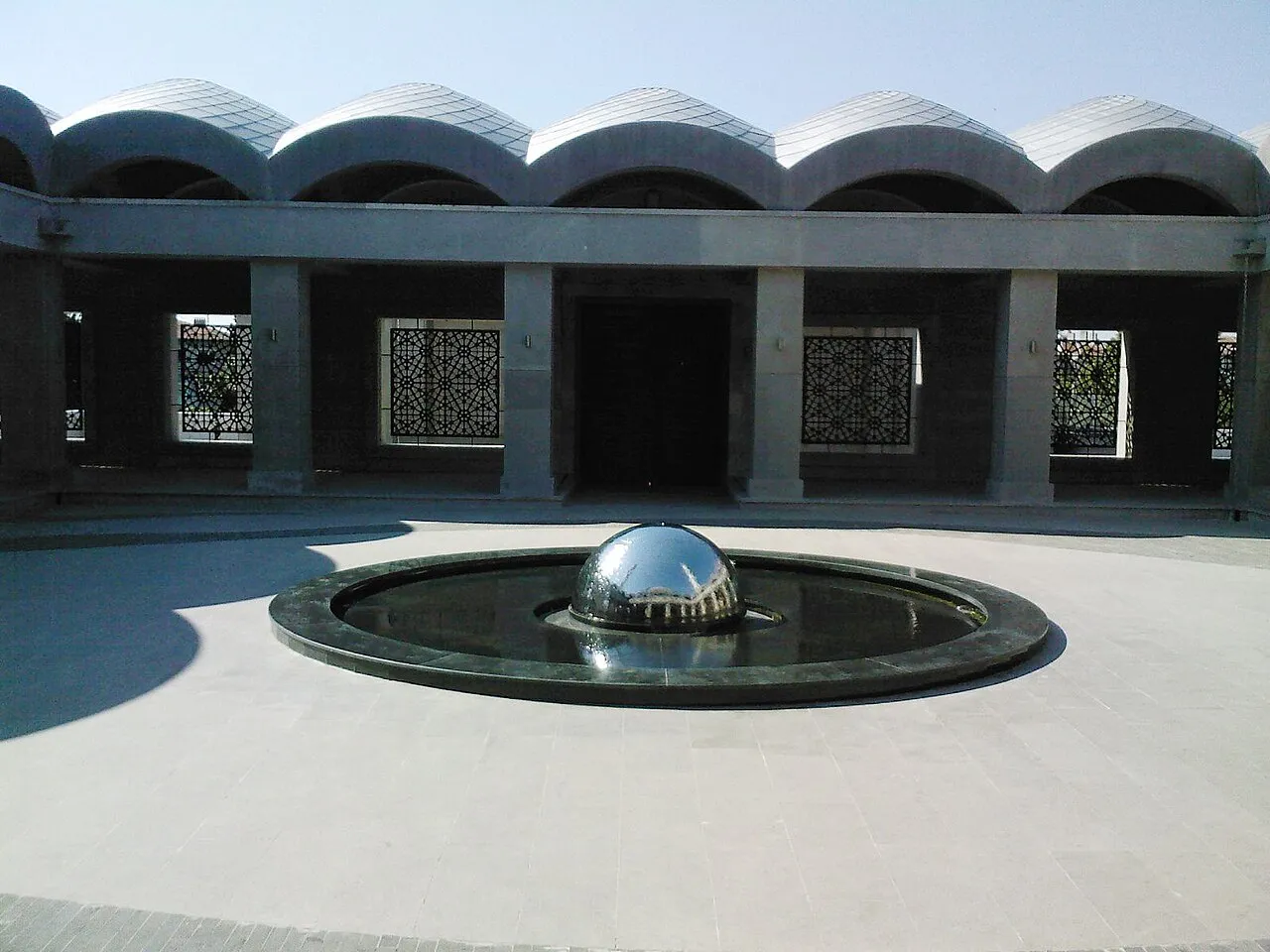
Türkiye
Istanbul
5 places
-
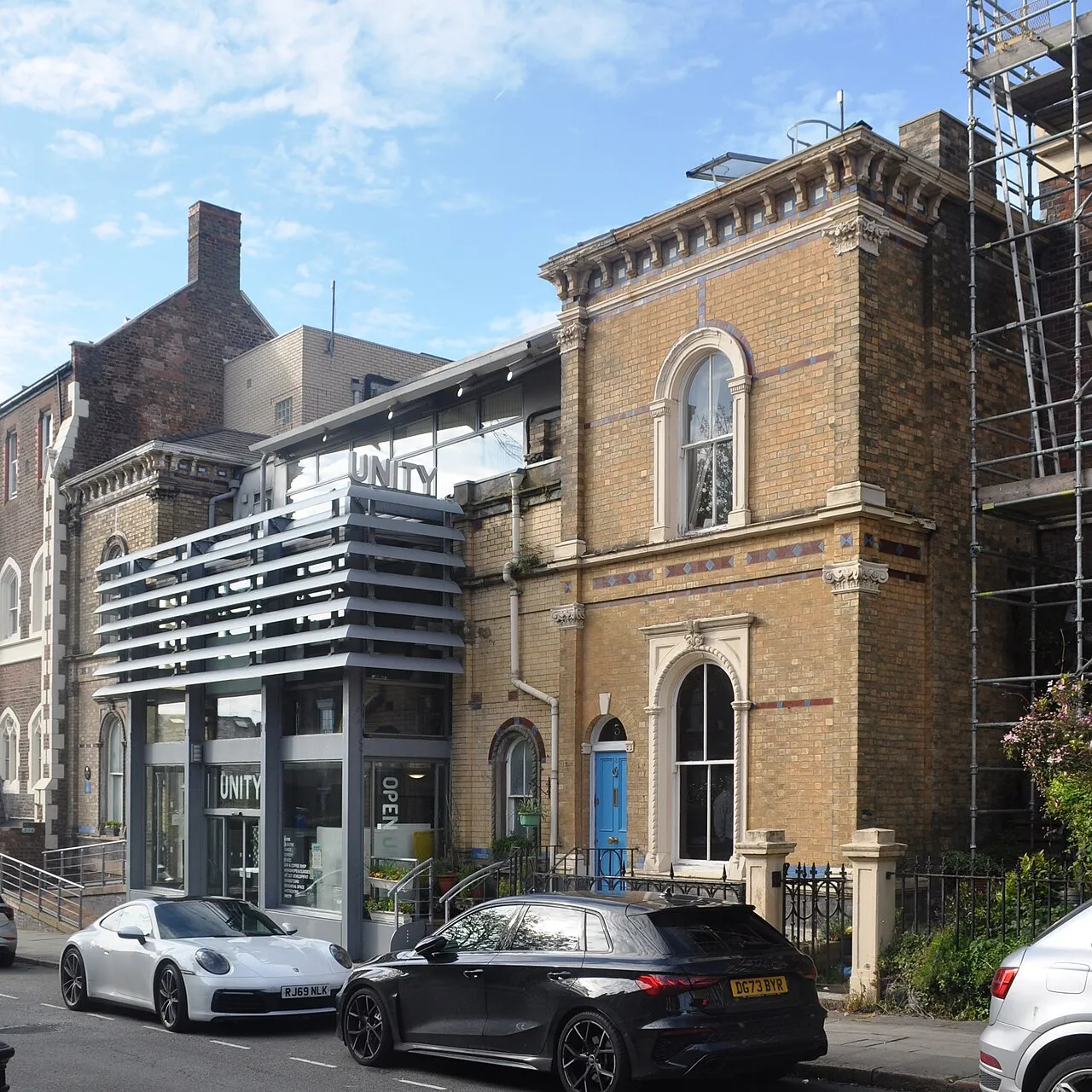
United Kingdom
Liverpool
5 places
-
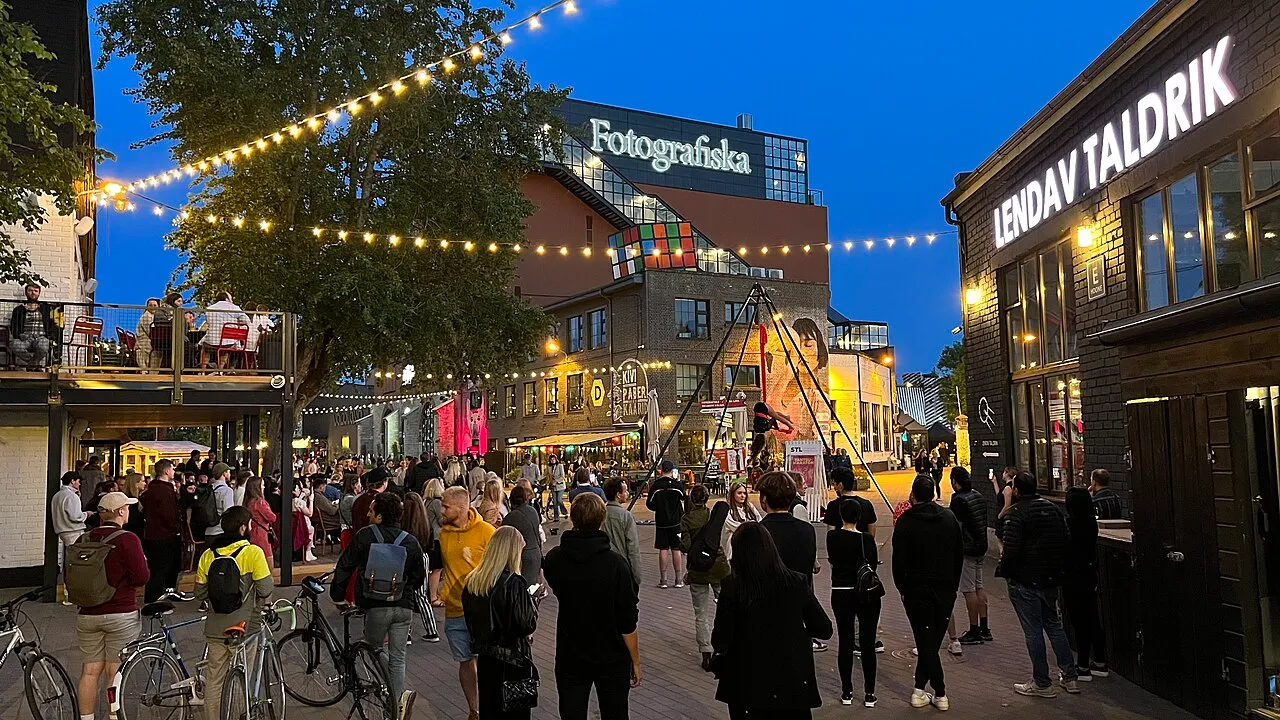
Estonia
Tallinn
5 places
-
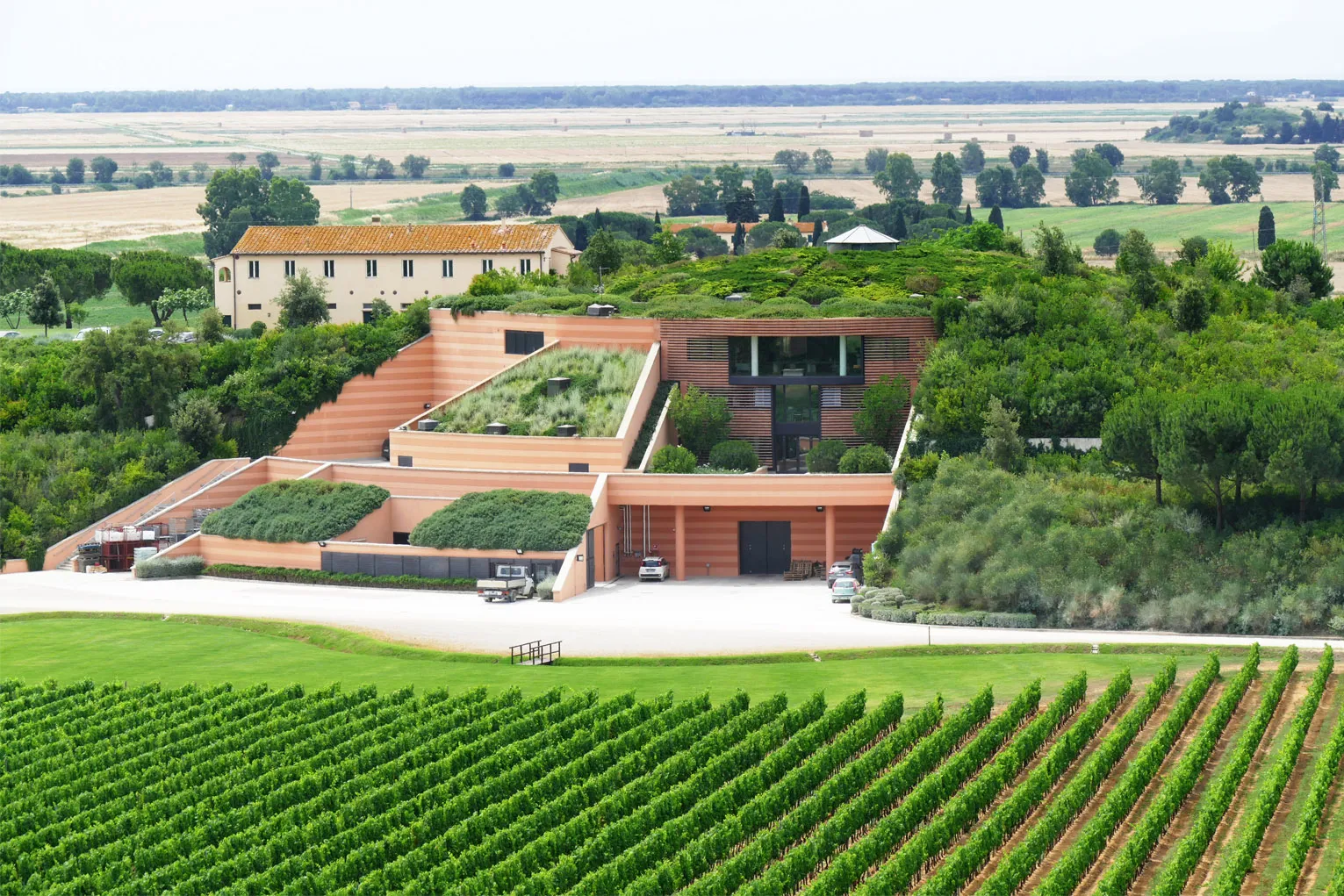
Italy
Tuscany
5 places
-
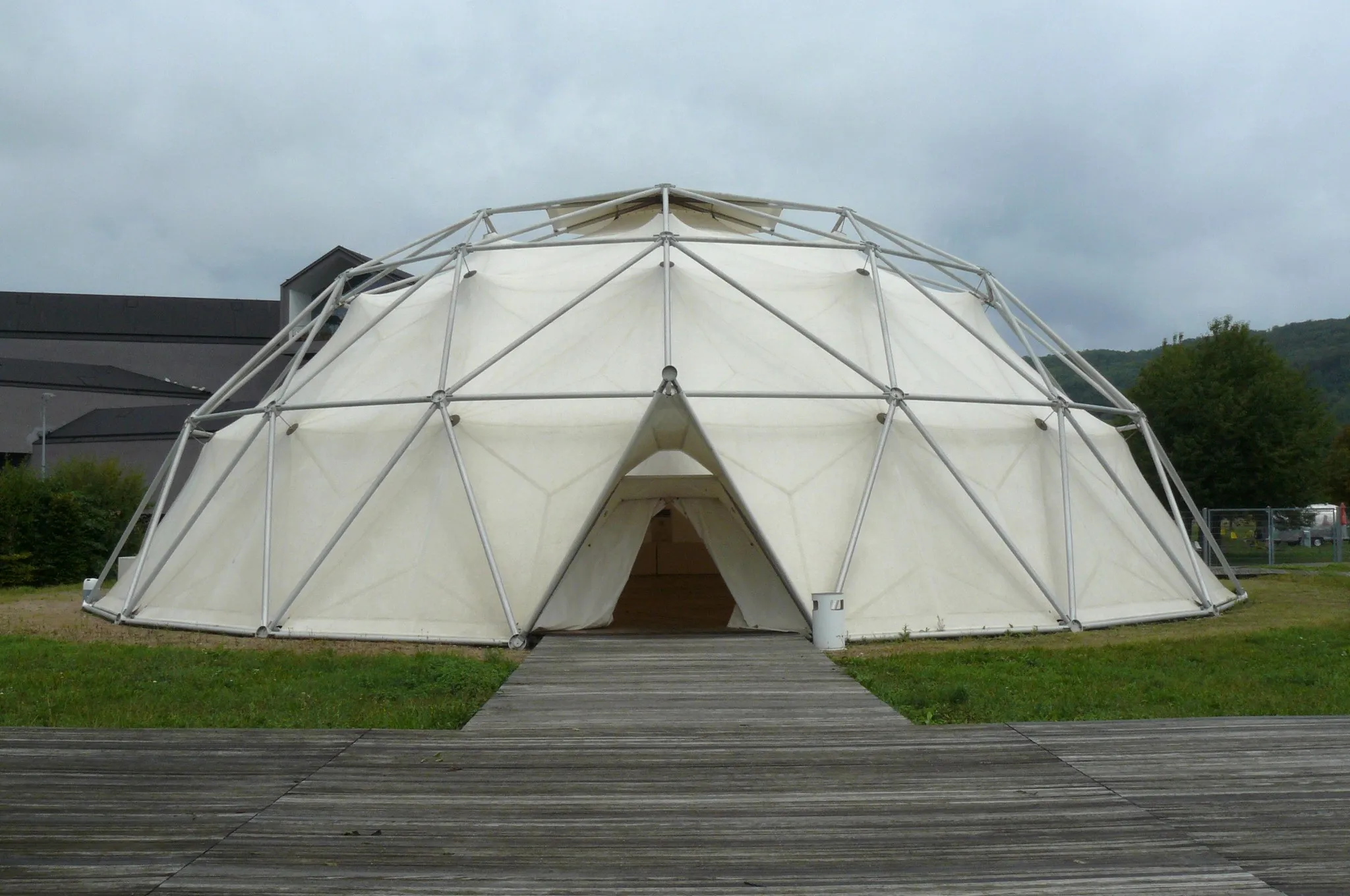
Germany
Weil am Rhein
5 places
-
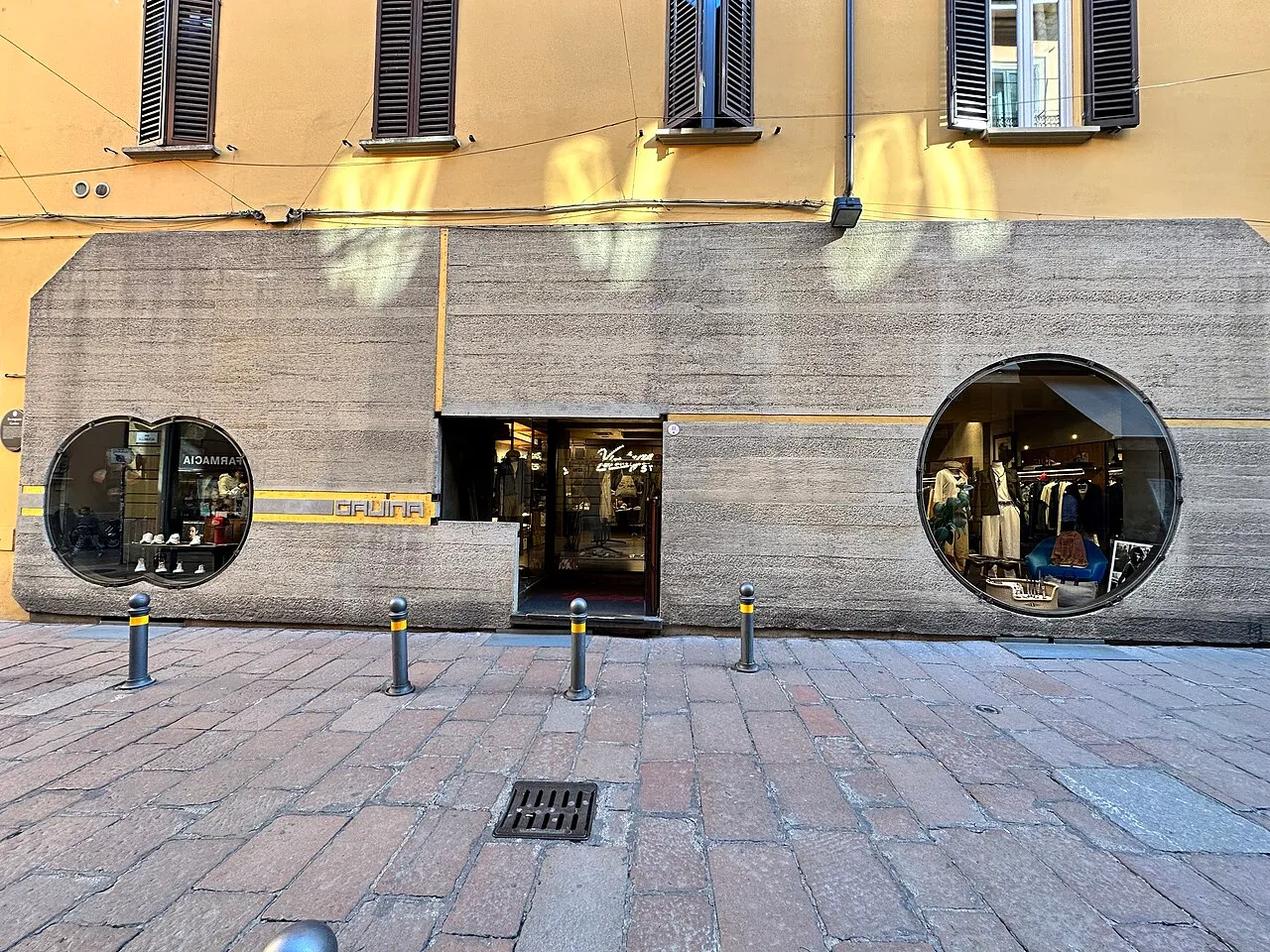
Italy
Bologna
4 places
-
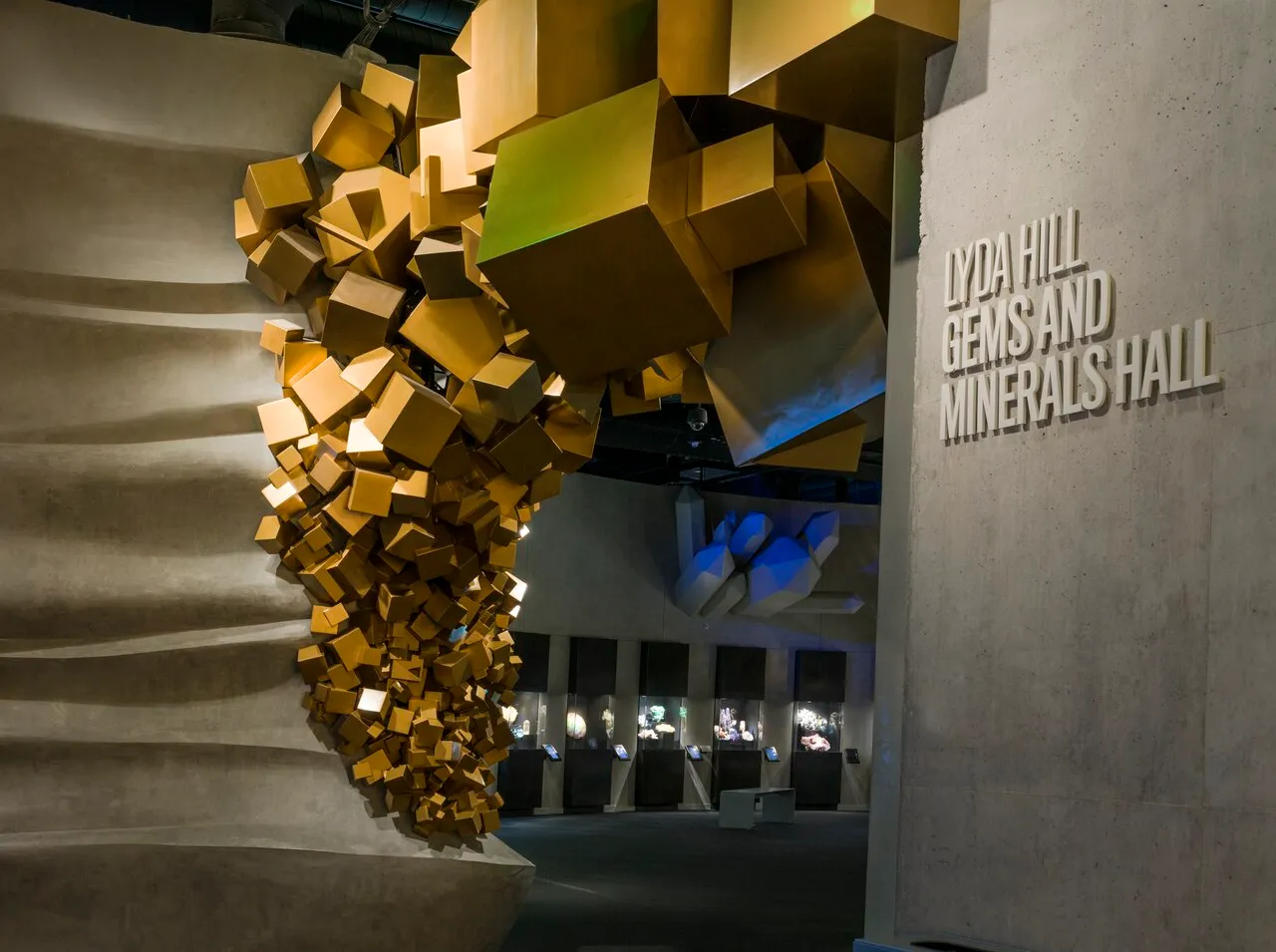
United States
Dallas
4 places
-
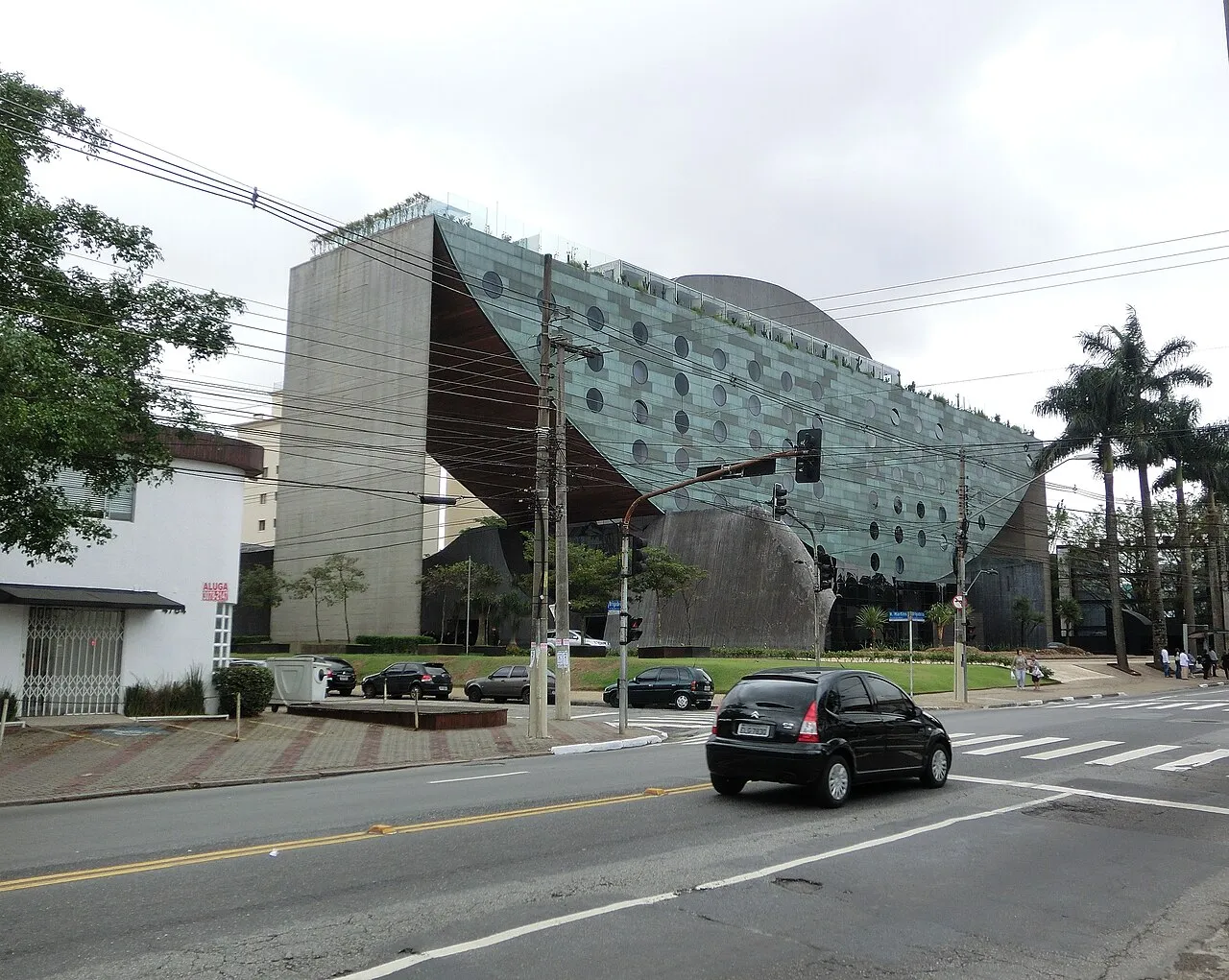
Brazil
São Paulo
4 places
-
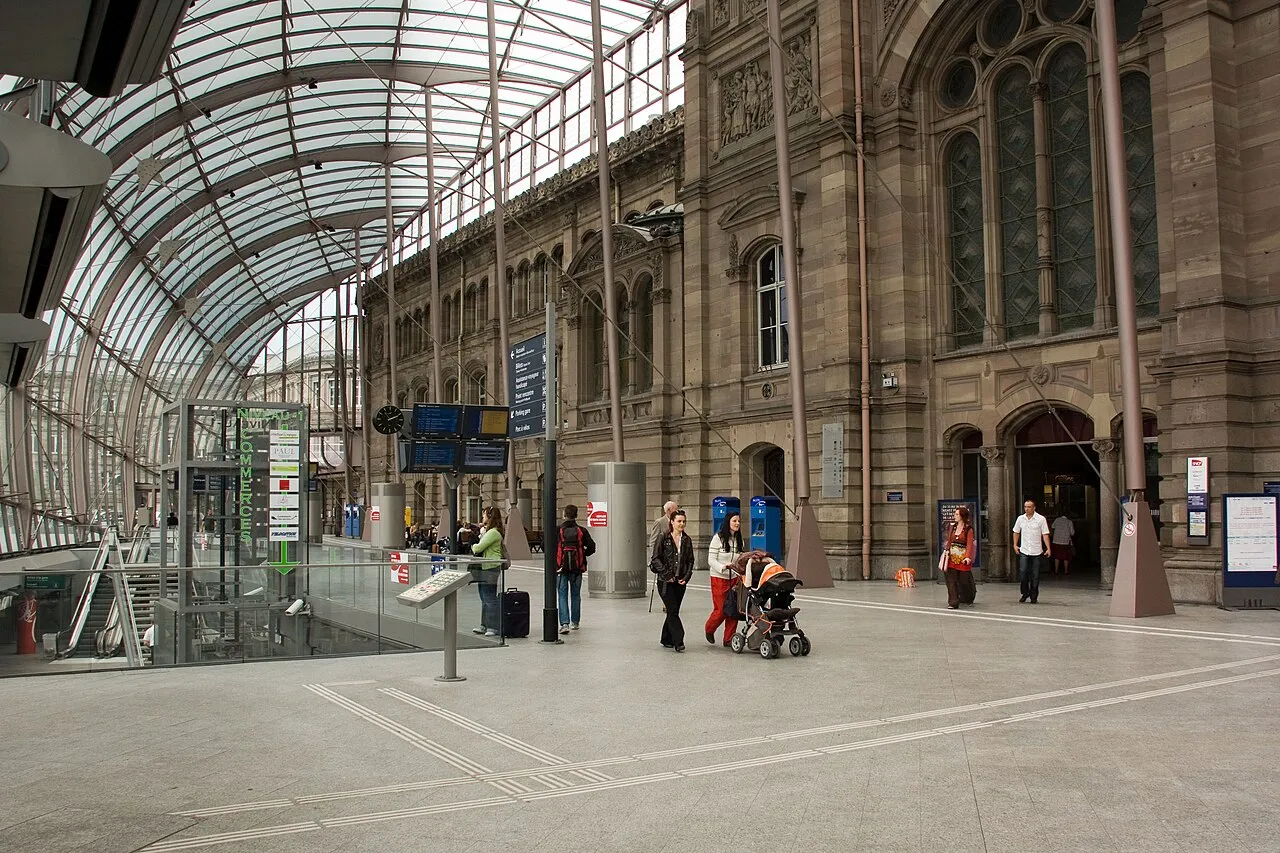
France
Strasbourg
4 places
-
Germany
Stuttgart
4 places


Keep exploring
Explore all destinations