

Gothic Revival architecture
Gothic Revival architecture across 24 cities in 10 countries. The buildings worth seeing, the architects behind them, and where to find each one.
What is gothic revival?
Gothic Revival began as a picturesque experiment in mid-1700s England. From 1749 Horace Walpole rebuilt Strawberry Hill outside London with battlements, turrets, and a deliberately irregular silhouette, and wrote The Castle of Otranto (1764) in the same house: the style and the Gothic novel share a birthplace. The 19th century made it a moral program. Augustus Pugin argued in Contrasts (1836) that Gothic reflected a purer society, John Ruskin followed with The Seven Lamps of Architecture (1849), and the ecclesiological movement insisted Gothic was the only proper style for a parish church. When the Palace of Westminster was rebuilt after the 1834 fire, Charles Barry’s Gothic design won, with Pugin supplying the details.
You recognize the style by pointed arches around doors and windows, steep gables, towers, finials, lancet windows with tracery, and large story-telling stained glass. The forms are borrowed from medieval Gothic of roughly 1250-1500, but the buildings are modern: industrial production made Gothic detail cheap to repeat, sometimes even in cast iron. Keep the split in mind on the street: Gothic is the medieval original, Gothic Revival its 19th-century echo.
The revival traveled. Viollet-le-Duc restored Notre-Dame and Carcassonne in France, work on Cologne Cathedral’s medieval fabric resumed in 1842 and finished in 1880, and in North America church and campus Gothic carried on deep into the 20th century.
Fashion turned in the 1880s and 1890s, and by the 1930s Victorian architecture was broadly condemned. The founding of the Victorian Society in 1958 marked the turn back, and Strawberry Hill itself, restored at a cost of 9 million pounds, reopened to visitors in 2010.
Gothic Revival in Sweden
Sweden's Gothic Revival is above all a church story. Carl Georg Brunius brought the medieval revival to Lund, and during the 19th century about 150 neo-Gothic churches went up in the Lund diocese alone, some 20 of them designed or rebuilt by Helgo Zettervall, the era's dominant architect. Carl Möller's S:t Johannes kyrka in Stockholm (inaugurated 1890), Gustaf Hermansson's limestone Oscarskyrkan (consecrated 1903) and Zettervall's Allhelgonakyrkan in Lund (consecrated 1891), the city's first new church since the Middle Ages, show the style at full height.
The contested half is restoration. Following Viollet-le-Duc's ideal of rebuilding what the original architects might have intended, Zettervall reshaped the cathedrals of Lund, Uppsala (1885-1893) and Skara (1886-1894), demolishing Lund's medieval towers and replacing Uppsala's hand-struck brick with machine-made. Verner von Heidenstam and others attacked the method as historical falsification, and the 20th century partly reversed it: Skara's 1947-1949 restoration removed his additions, and Uppsala's 1972-1976 campaign sought older brick-Gothic forms. Zettervall has since been revalued, and Statens Fastighetsverk's restoration prize, the Helgopriset, carries his name.
See the style in Stockholm, Gothenburg, Örebro.
Notable gothic revival buildings
-
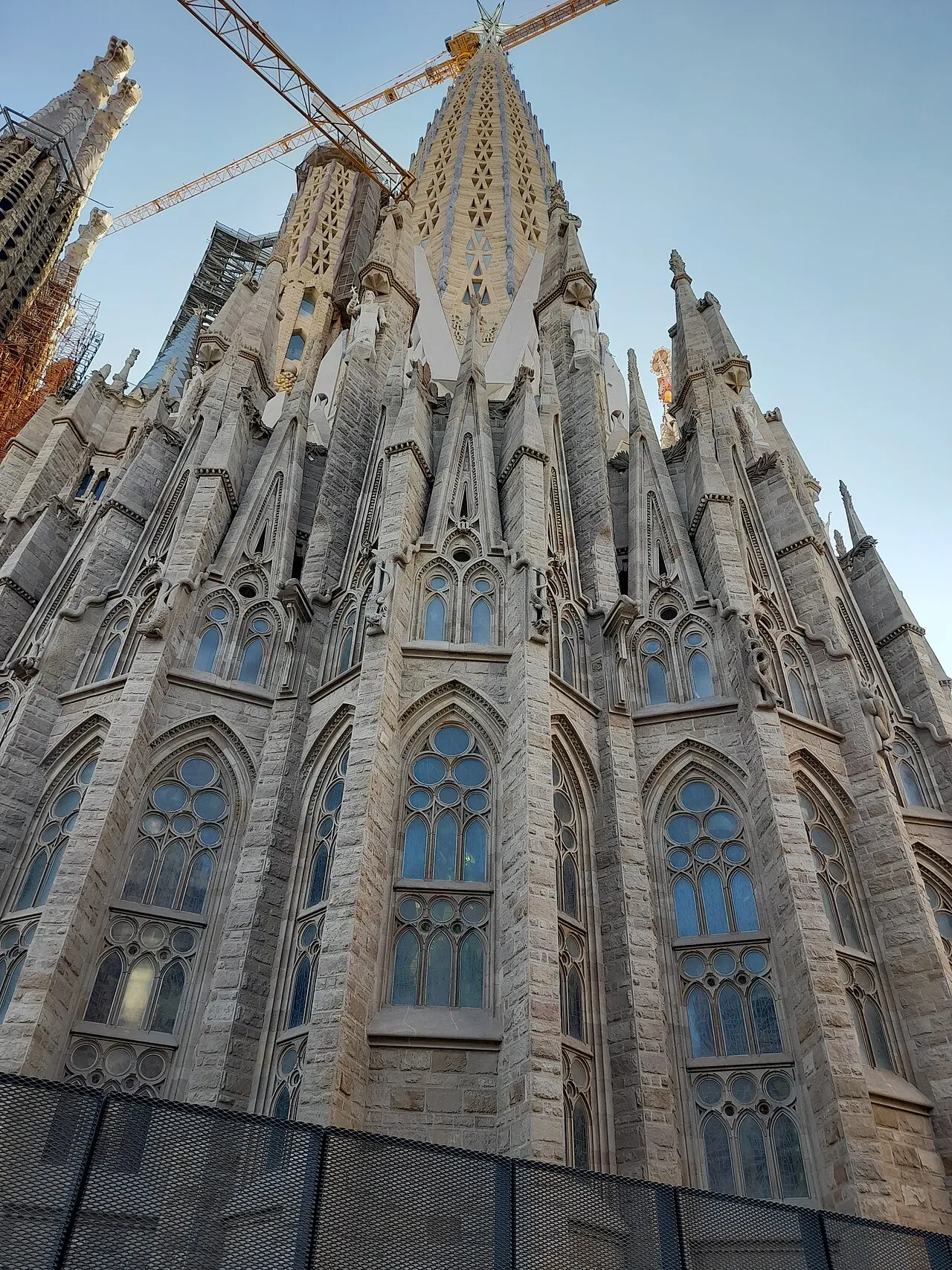
Basílica de la Sagrada Família
Barcelona · 1882
-
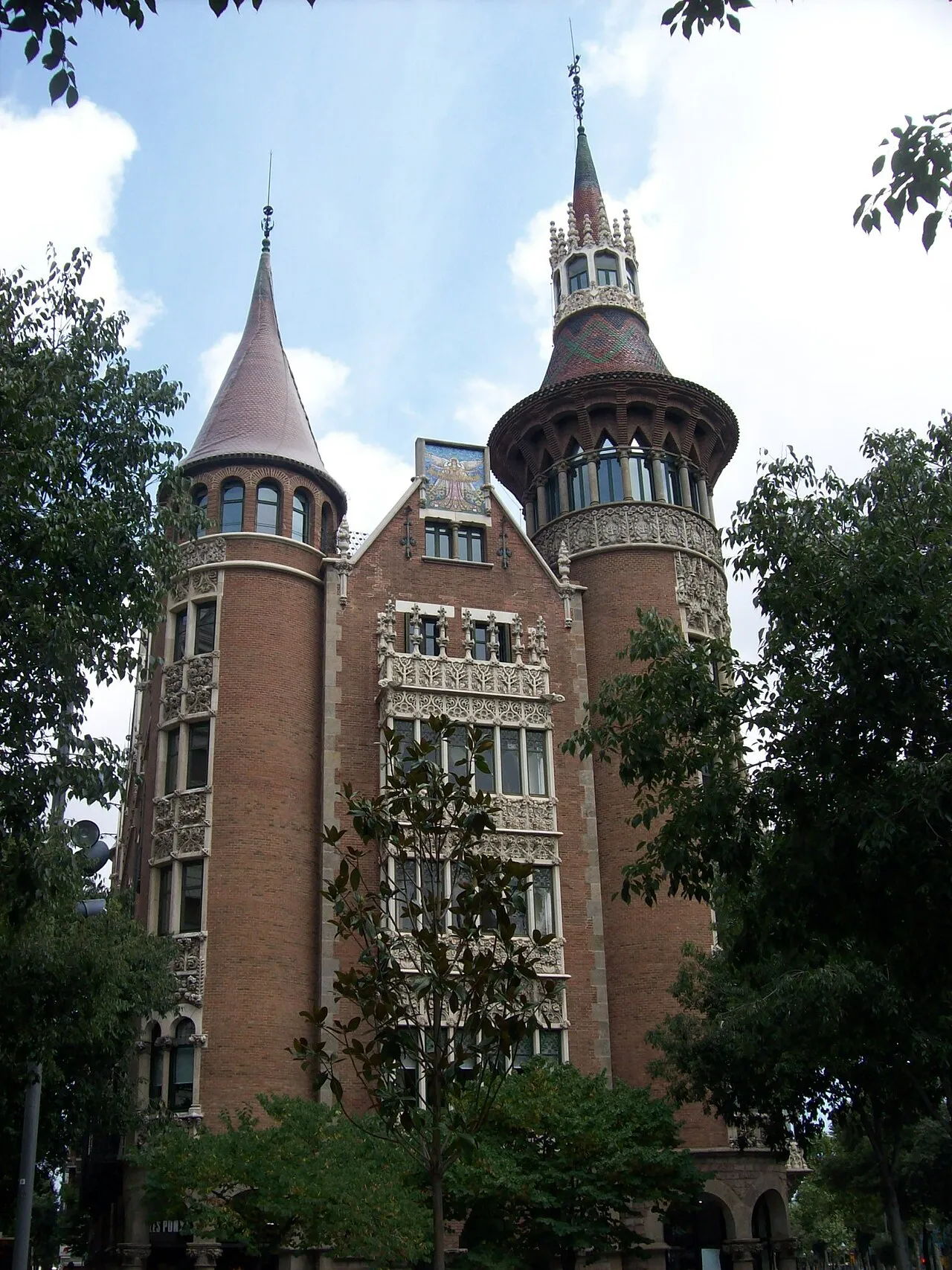
Casa de les Punxes
Barcelona · 1905
-
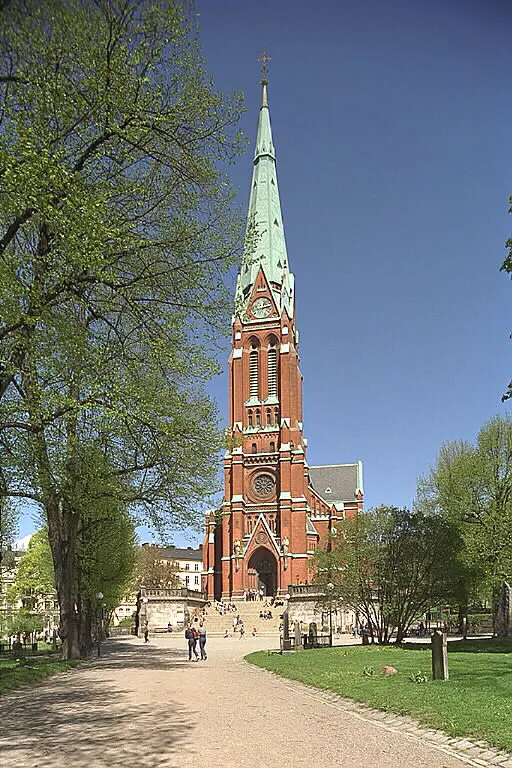
Saint John's Church
Stockholm · 1890
-
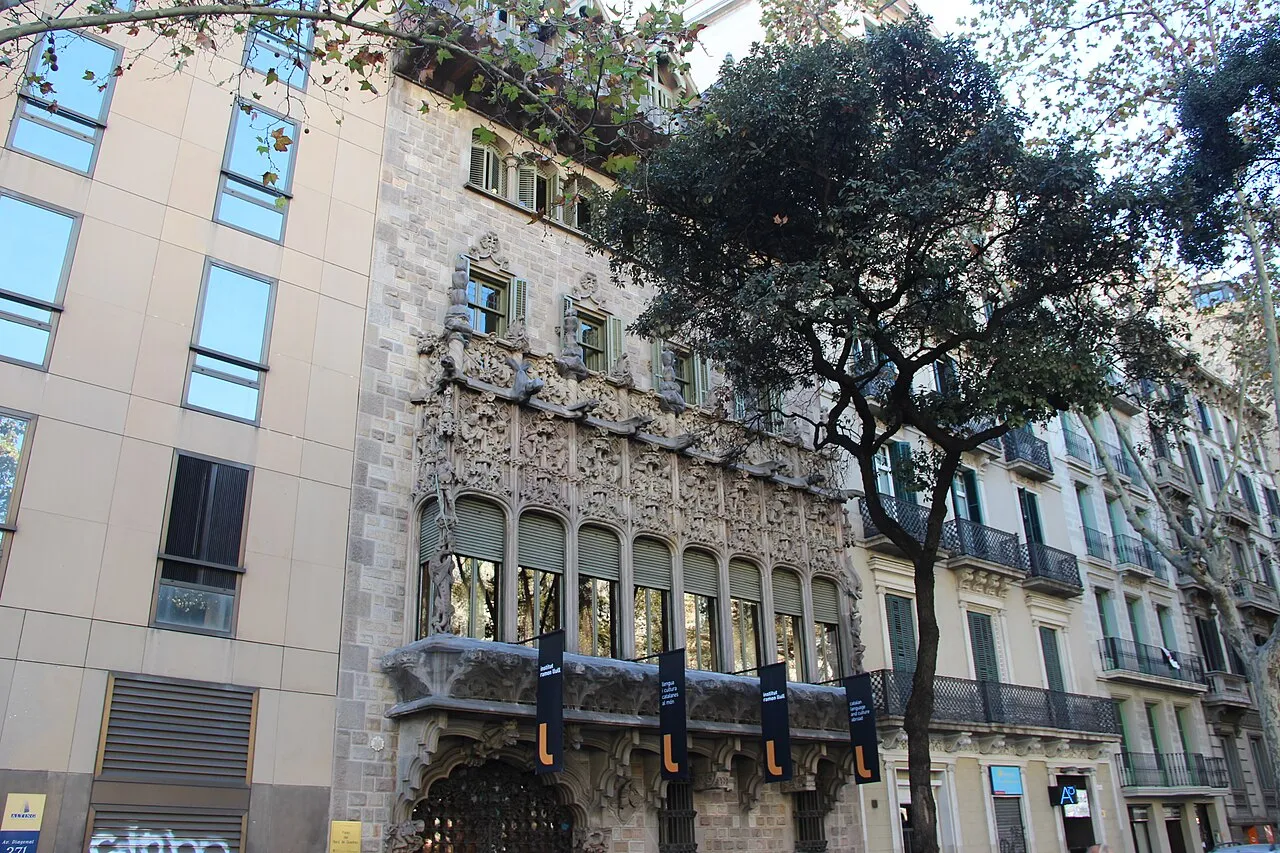
Palau del Baró de Quadras
Barcelona · 1906
-
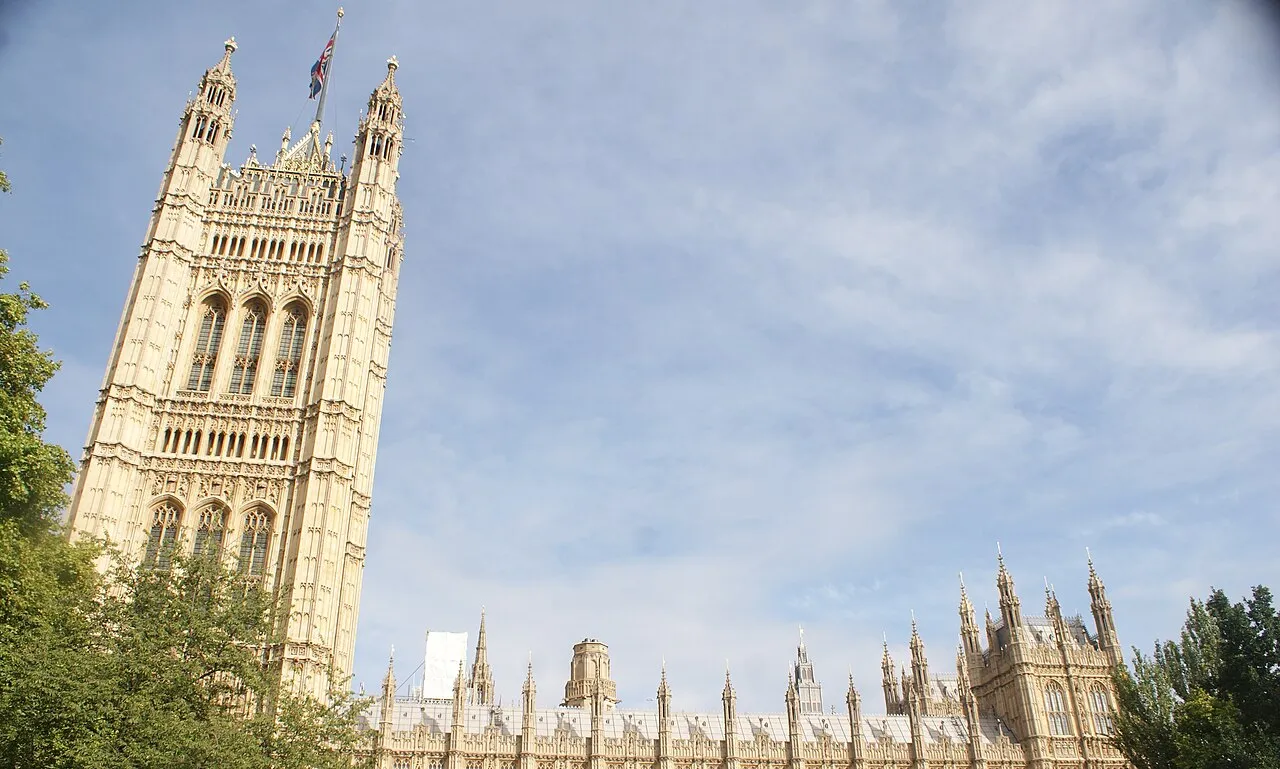
Palace of Westminster
London · 1870
-
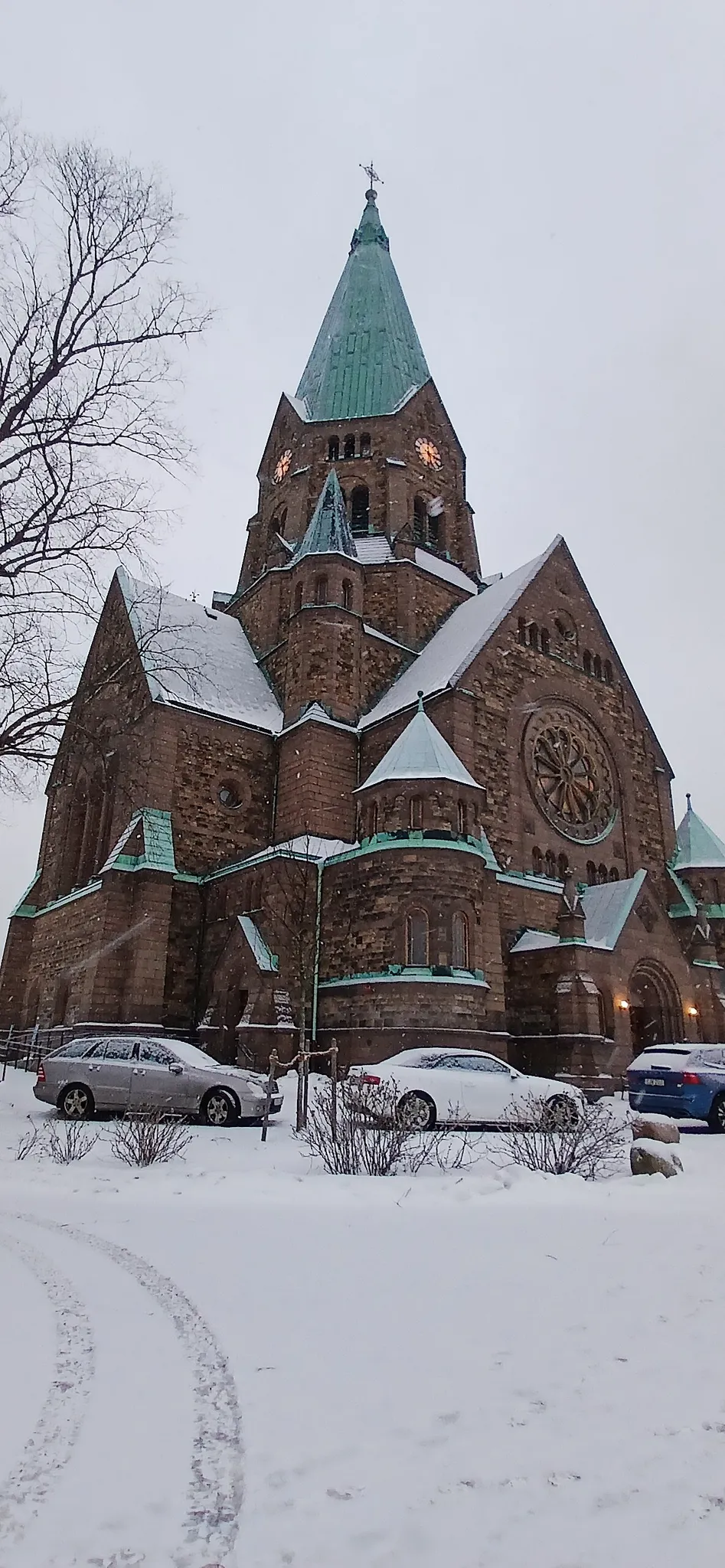
Sofia Church
Stockholm · 1906
-
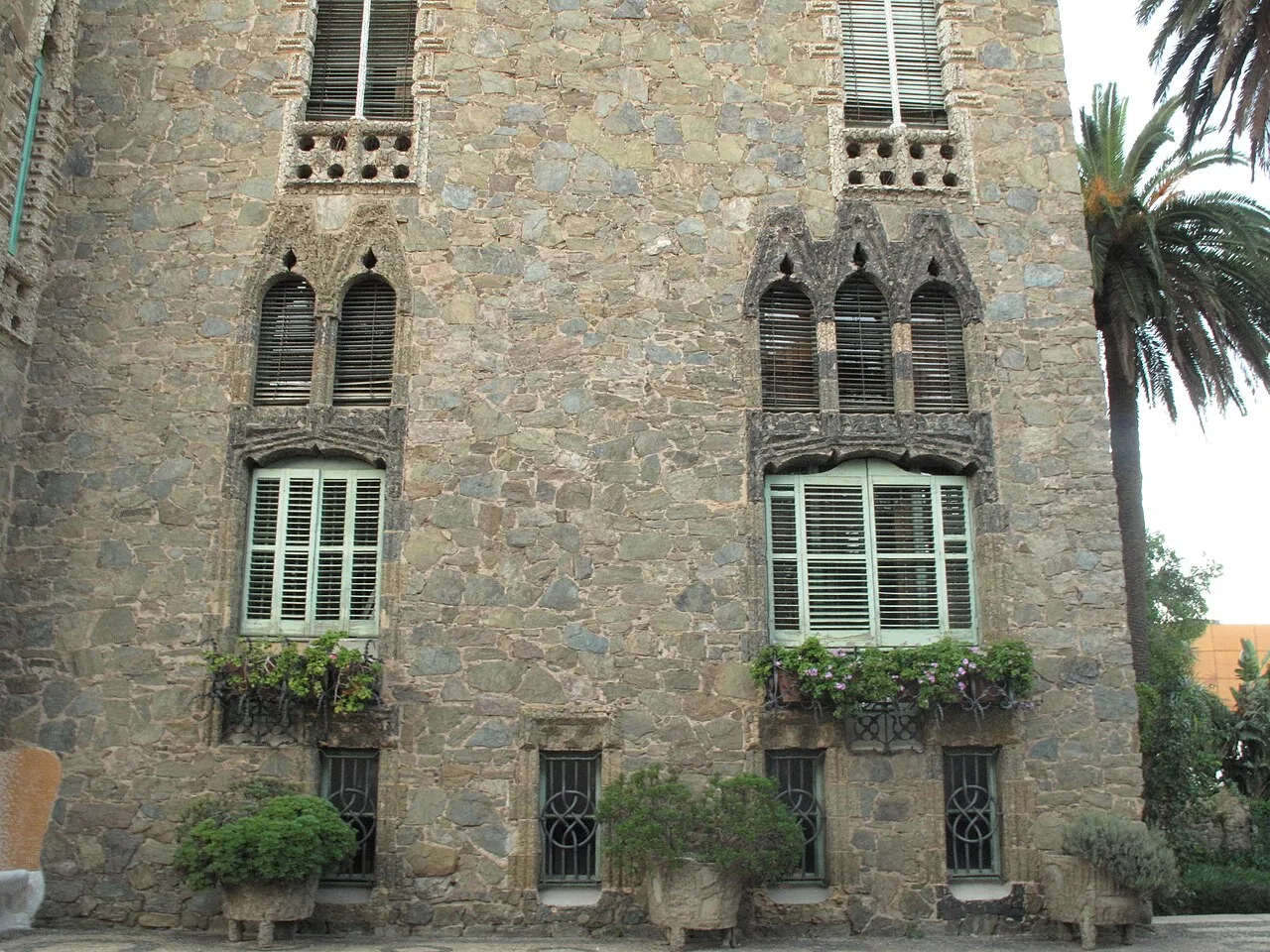
Torre Bellesguard
Barcelona · 1909
-
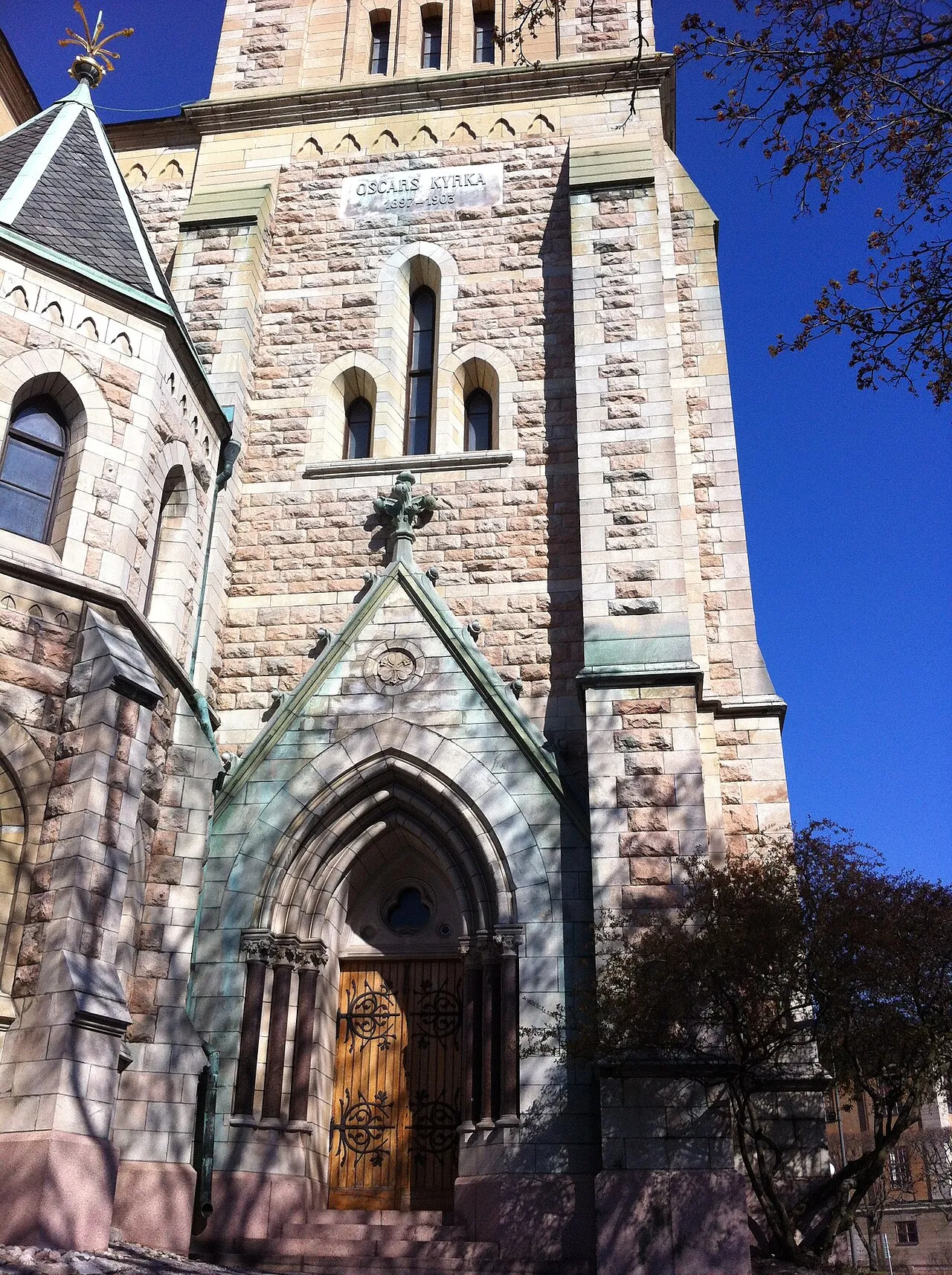
Oscars Church
Stockholm · 1903
-
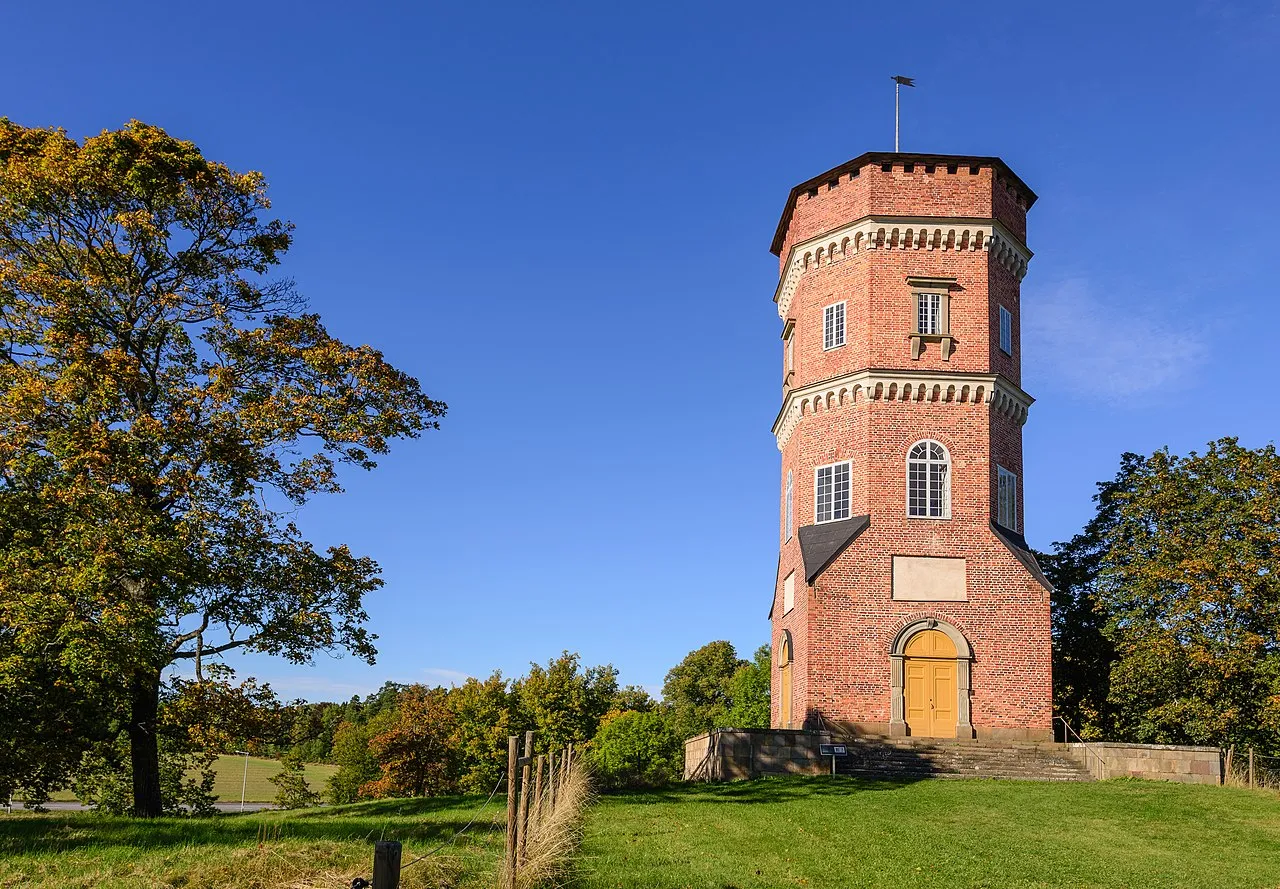
Gothic Tower of Drottningholm Palace
Stockholm · 1792
-
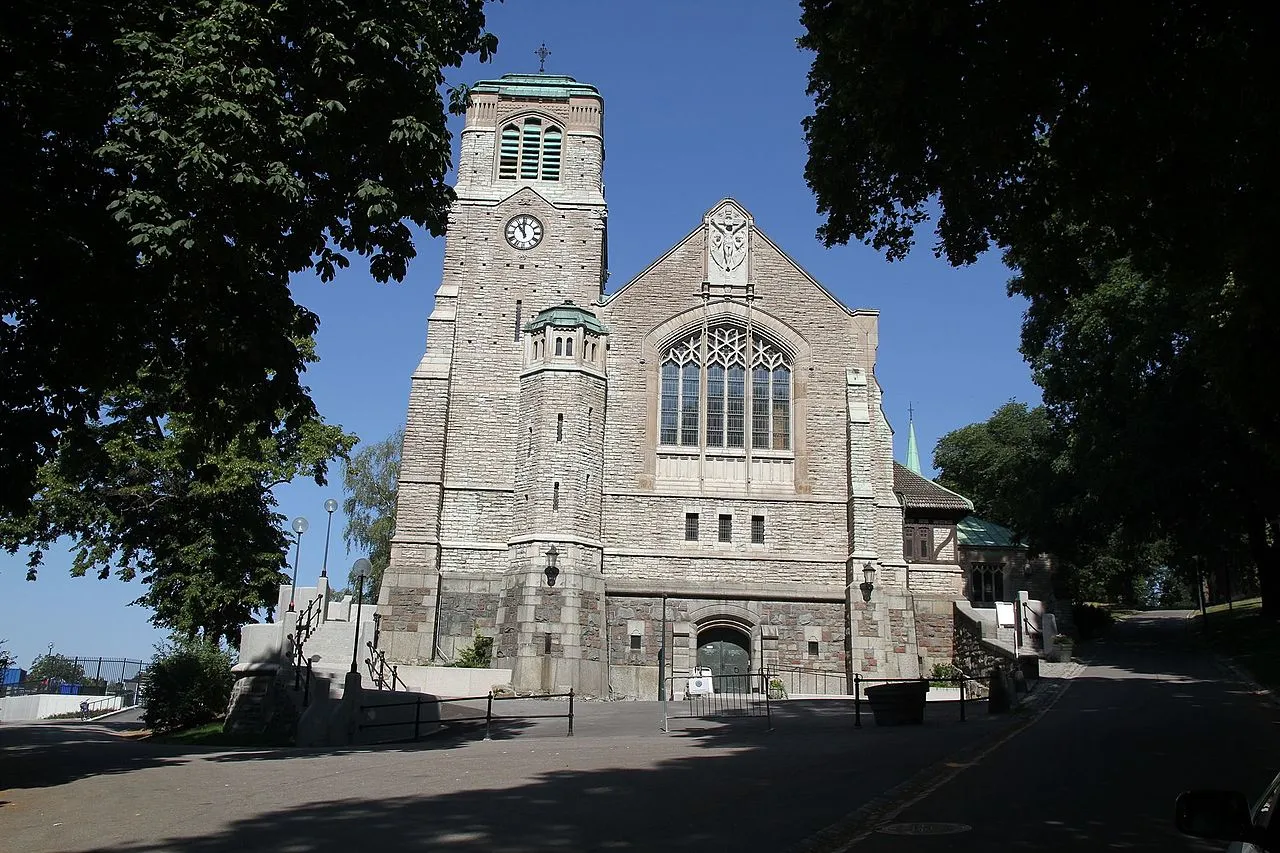
Saint Stephens Church
Stockholm · 1904
-
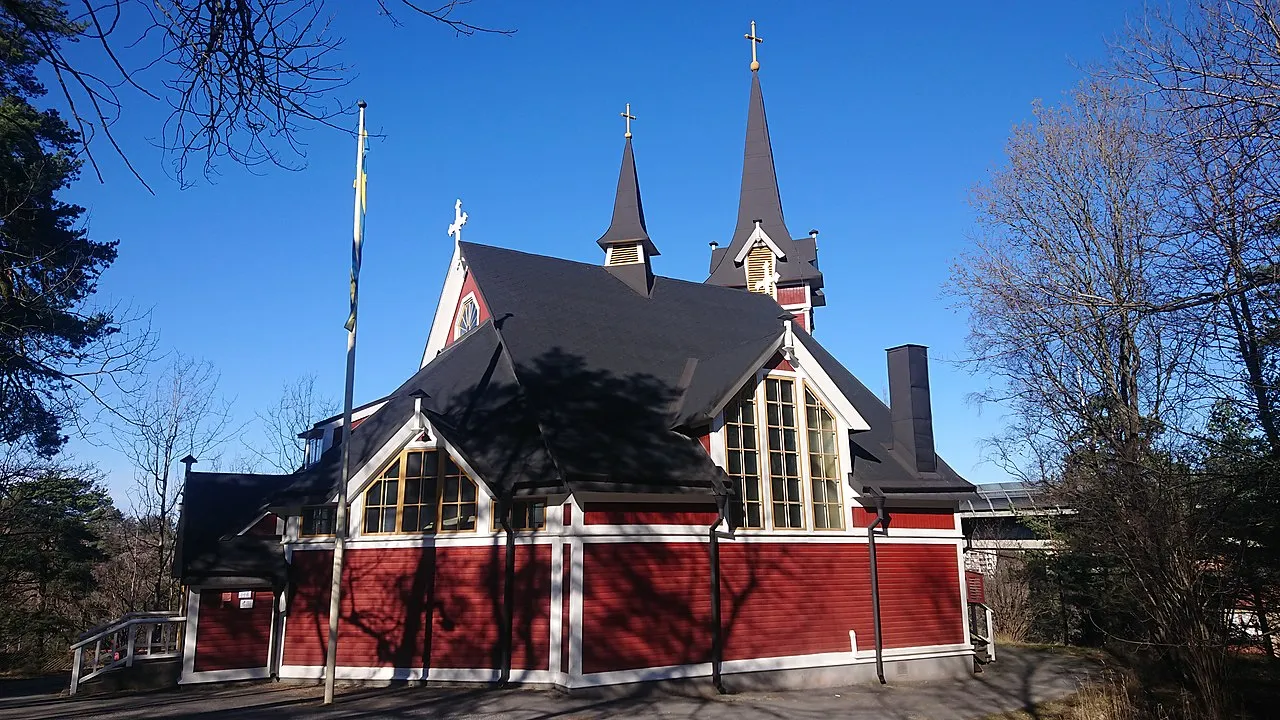
Saint Sigfrid Church
Stockholm · 1904
-
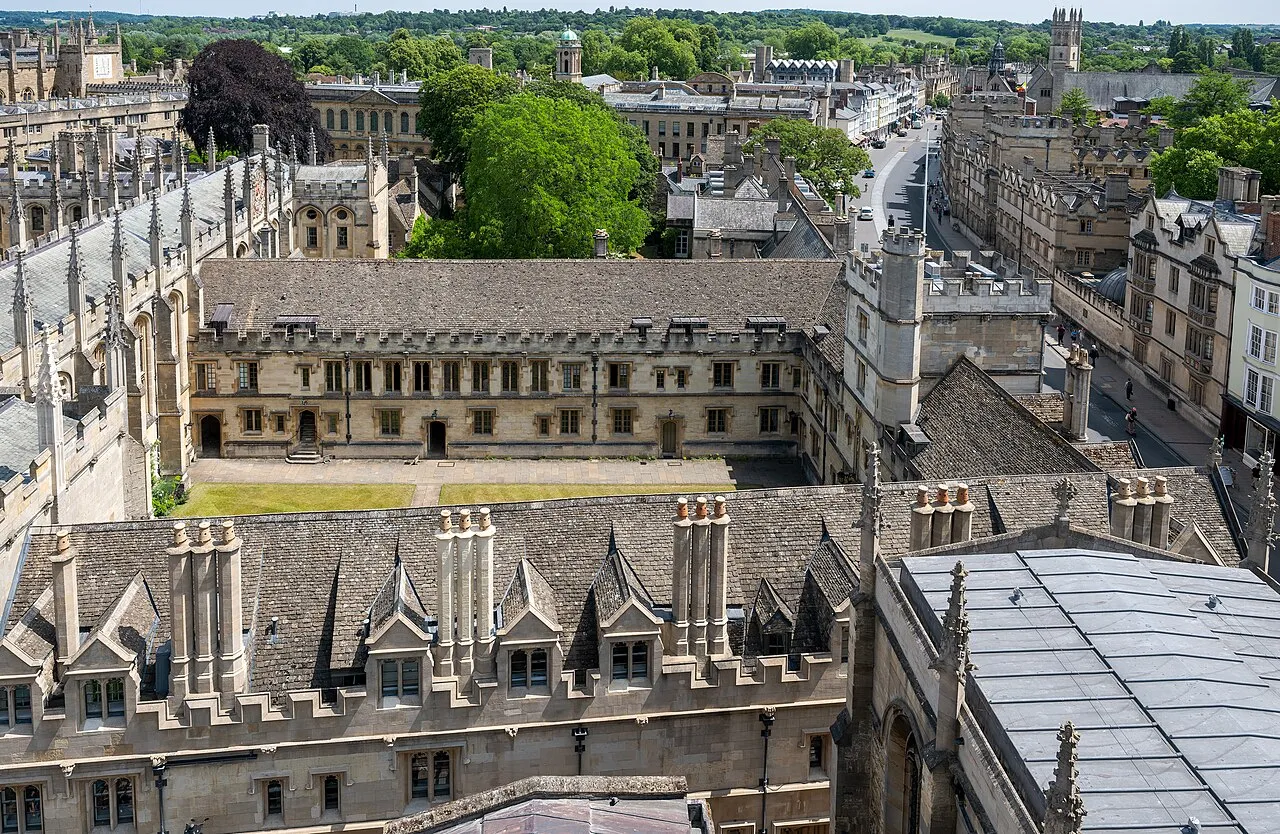
All Souls College
Oxford · 1442
Gothic Revival city by city
Pick a city to see the places on the map, with photos and descriptions.
-
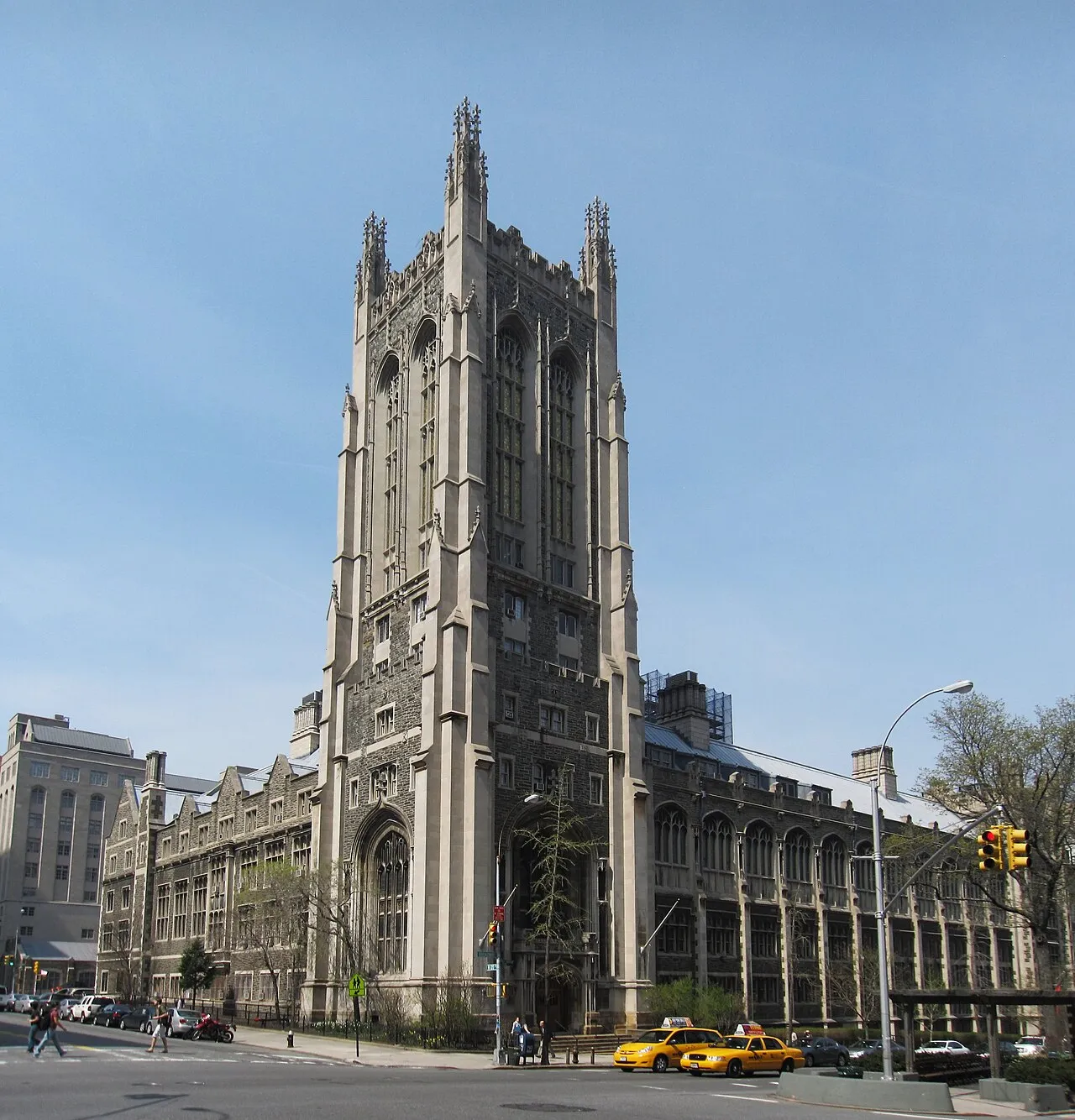
United States
New York
14 places
-
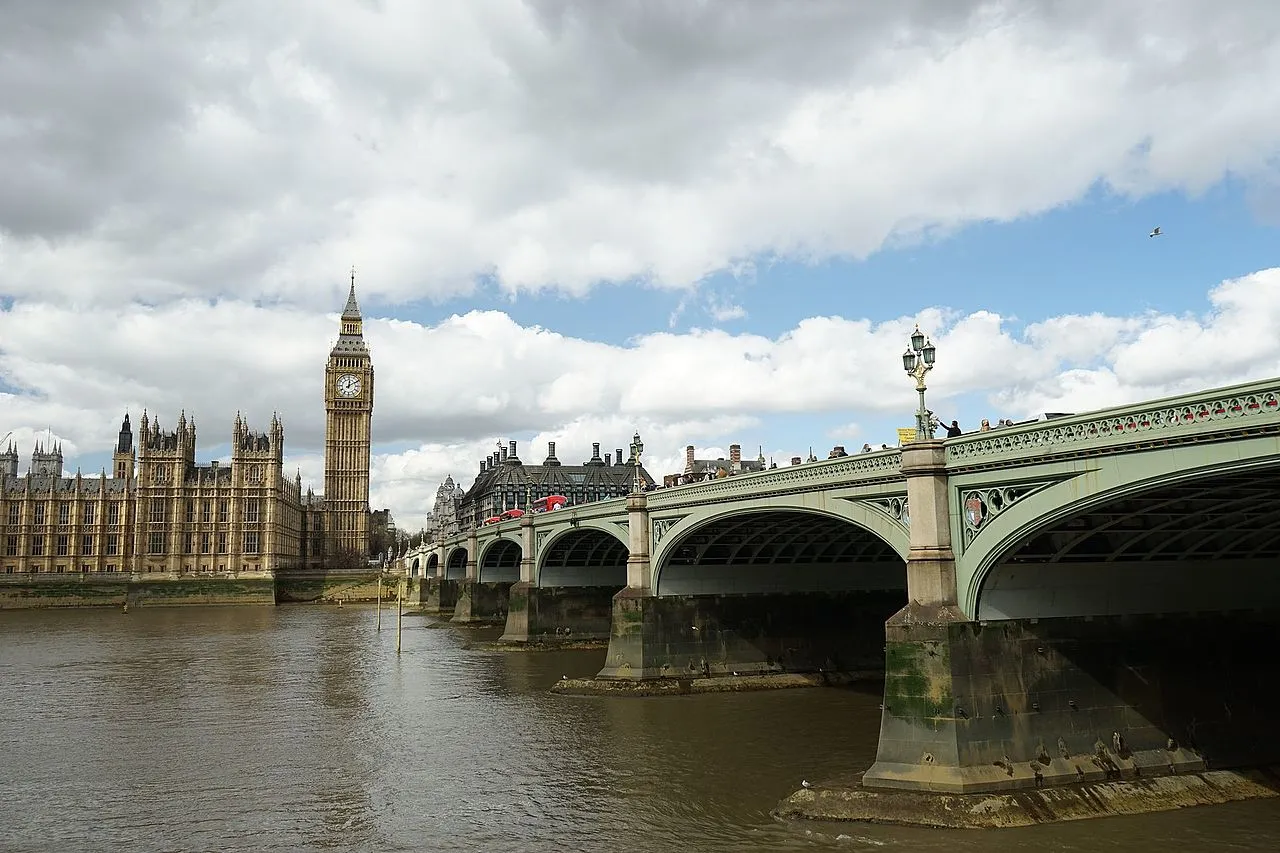
United Kingdom
London
10 places
-
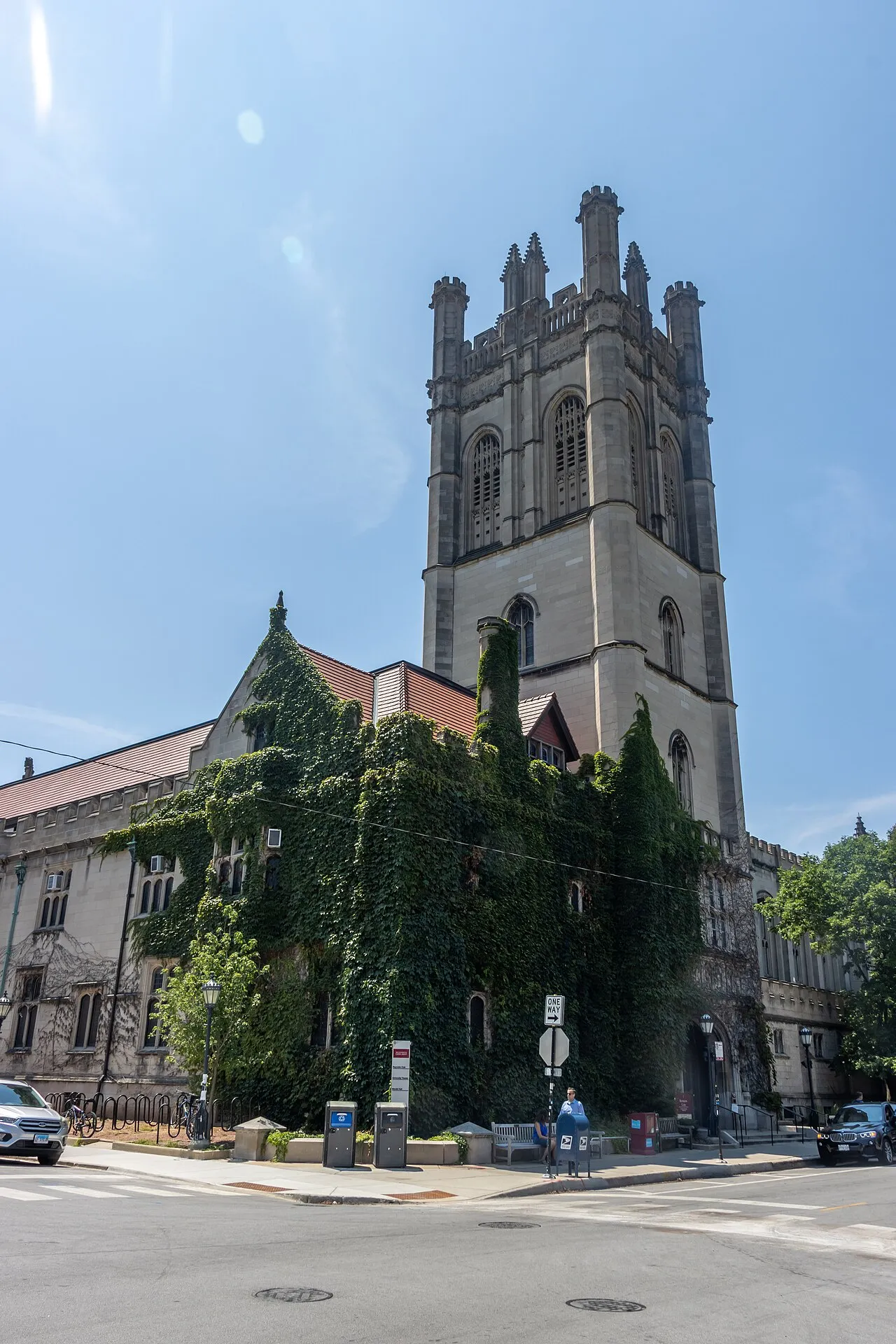
United States
Chicago
9 places
-
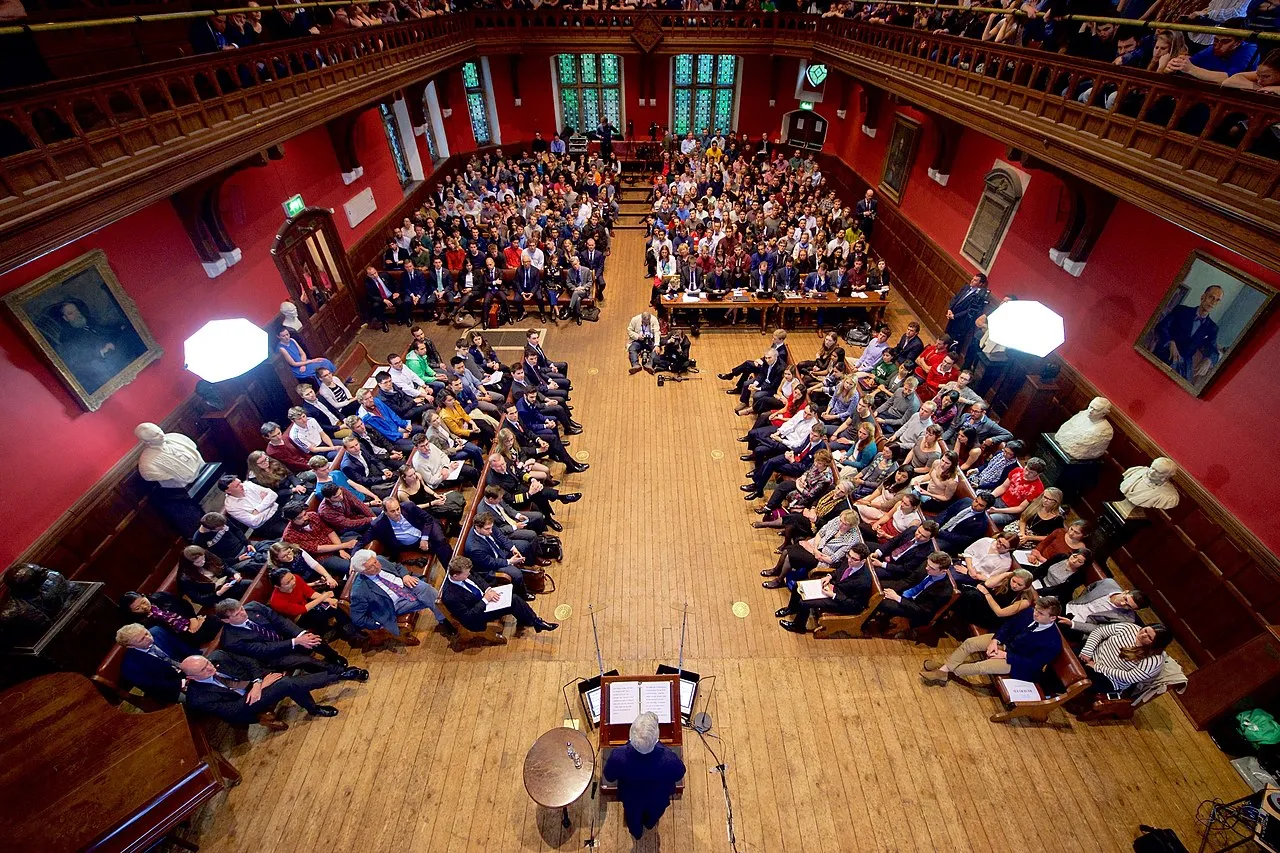
United Kingdom
Oxford
9 places
-
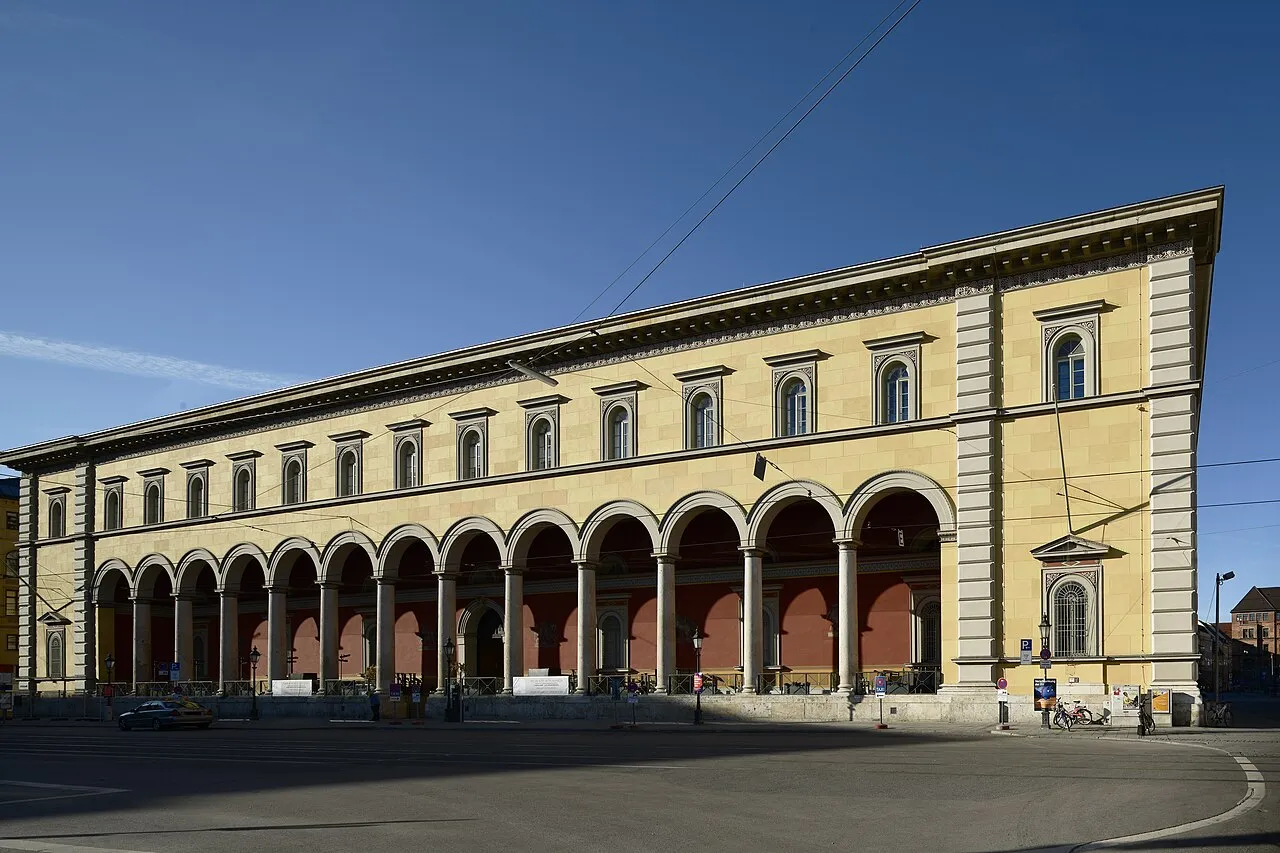
Germany
Bavaria
8 places
-
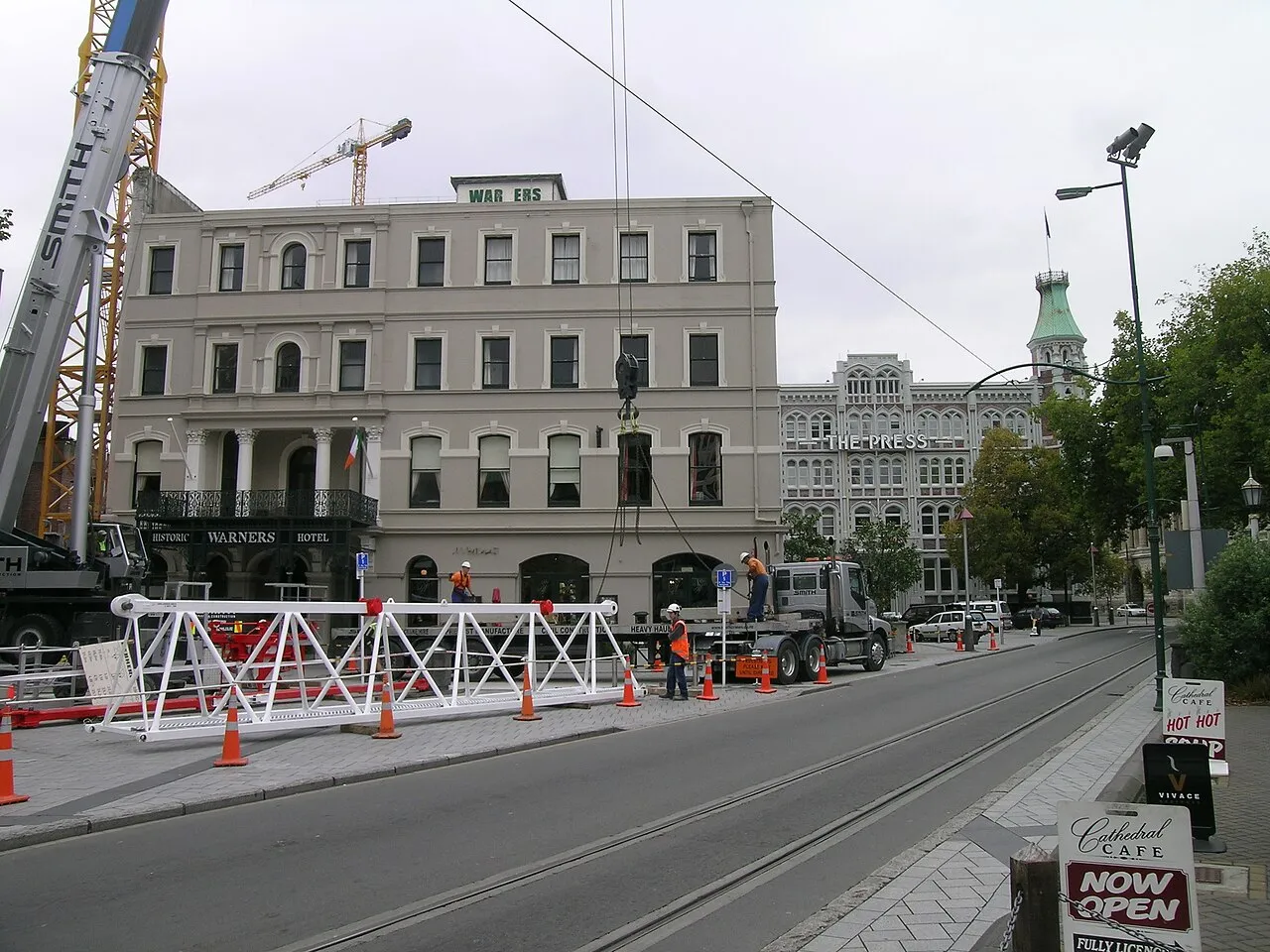
New Zealand
Christchurch
8 places
-
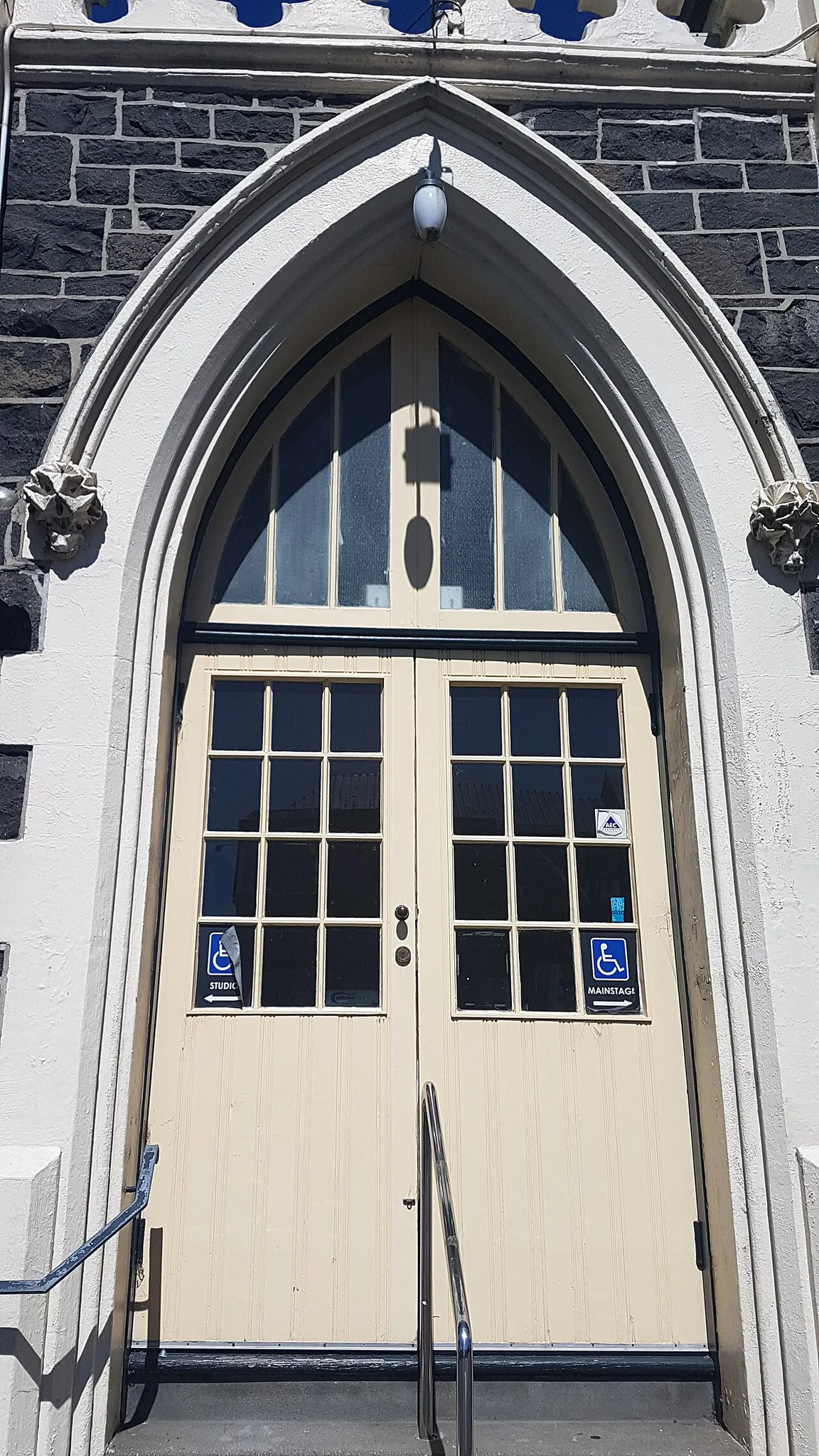
New Zealand
Dunedin
7 places
-
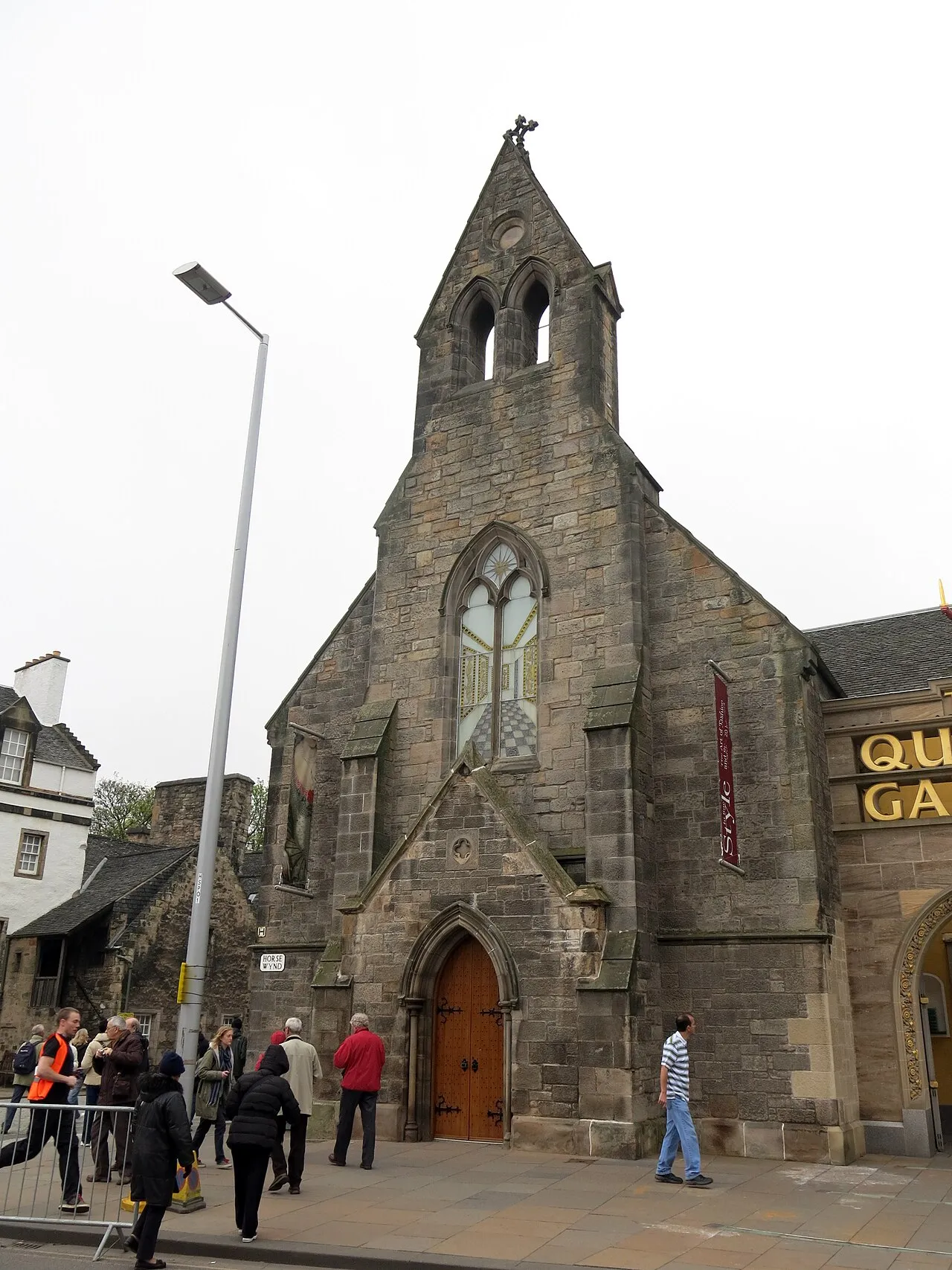
United Kingdom
Edinburgh
7 places
-
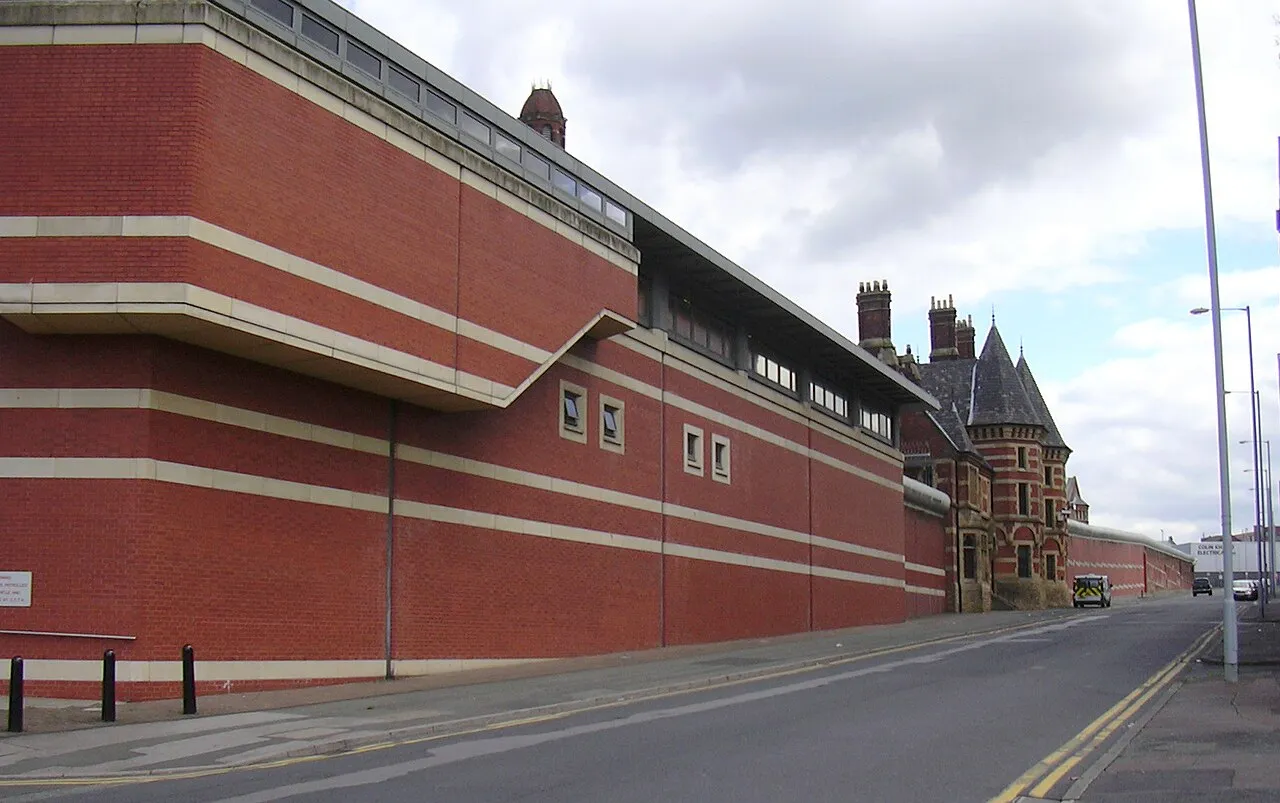
United Kingdom
Manchester
7 places
-
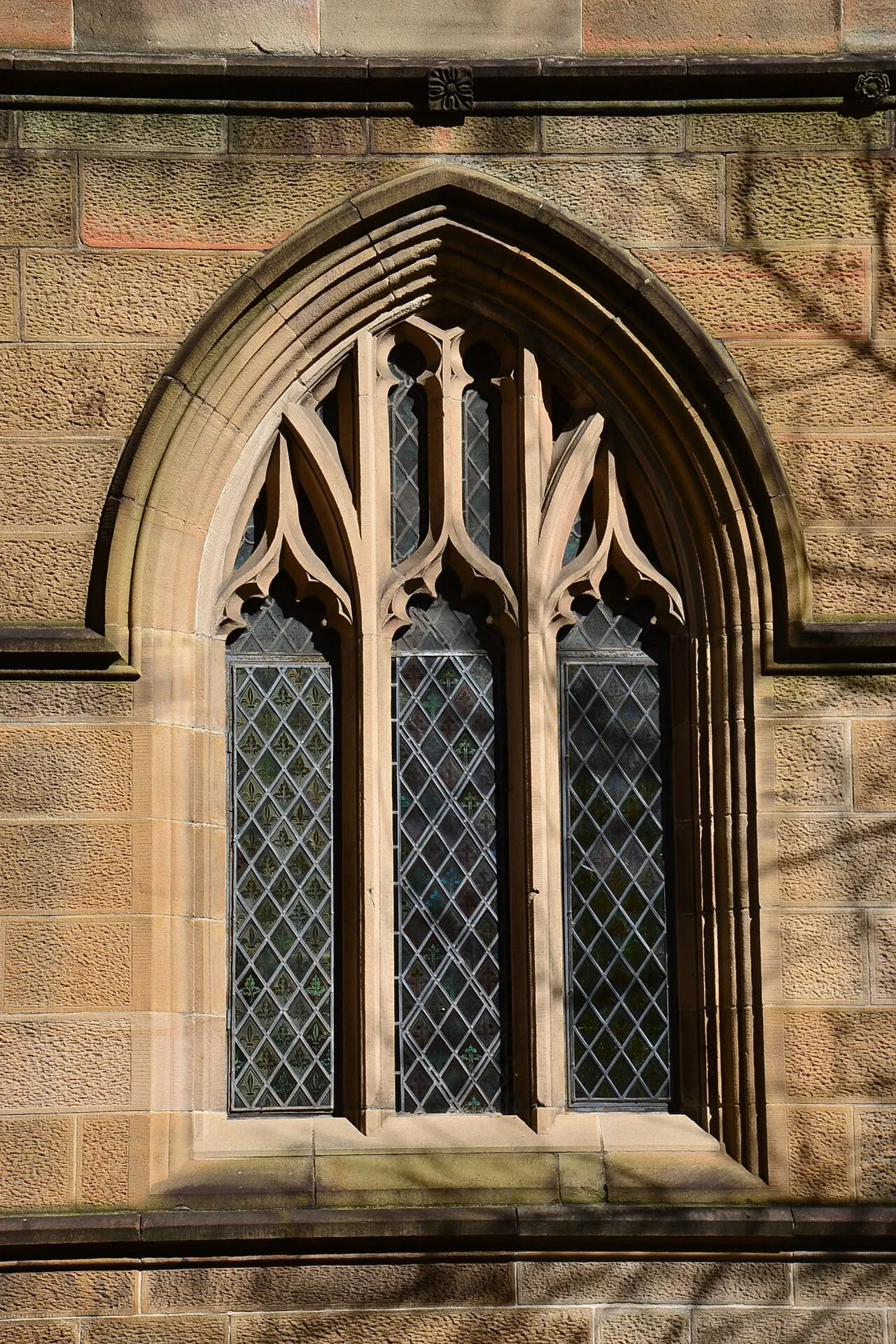
Australia
Sydney
7 places
-
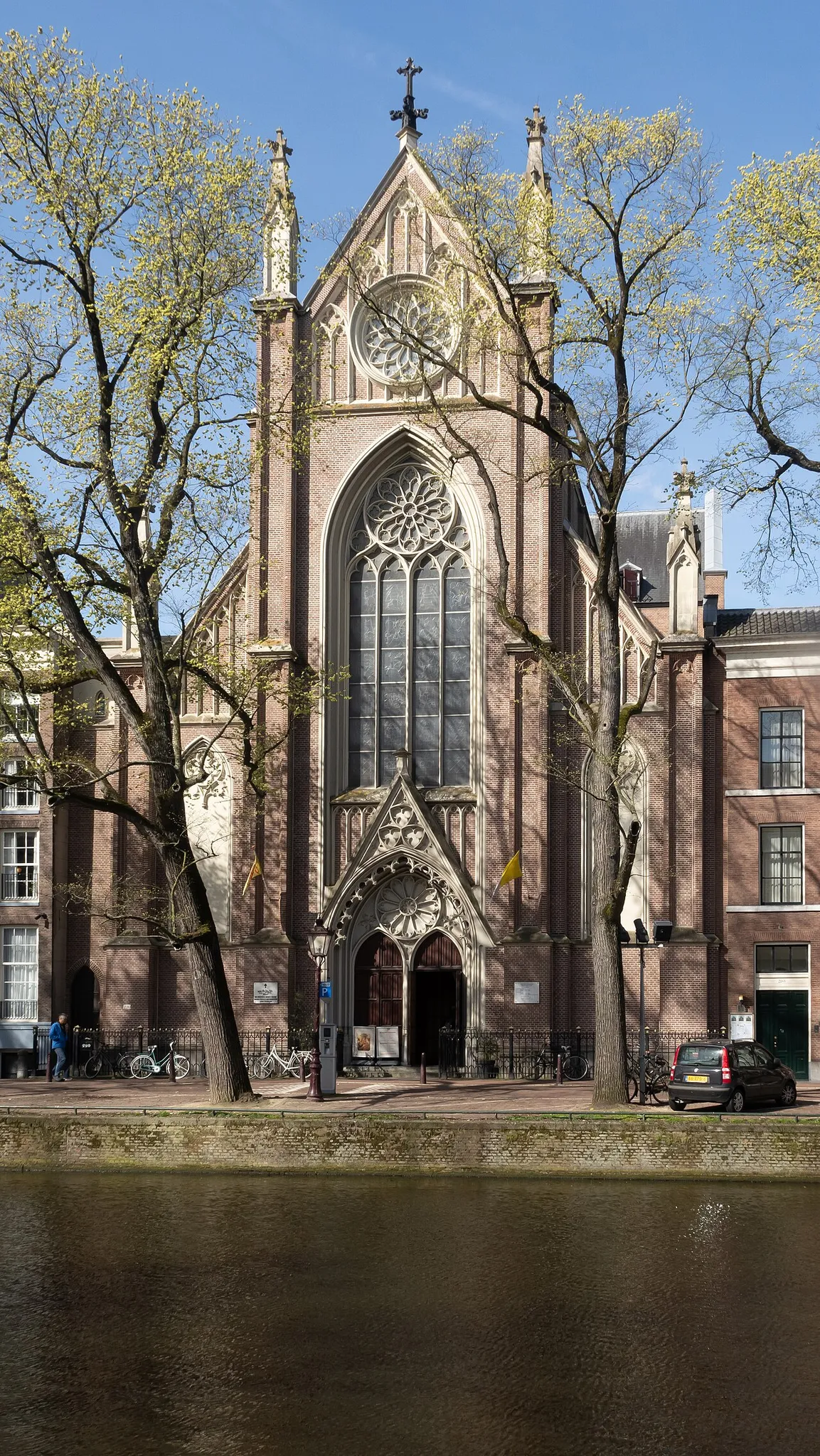
Netherlands
Amsterdam
6 places
-
Spain
Barcelona
6 places
-
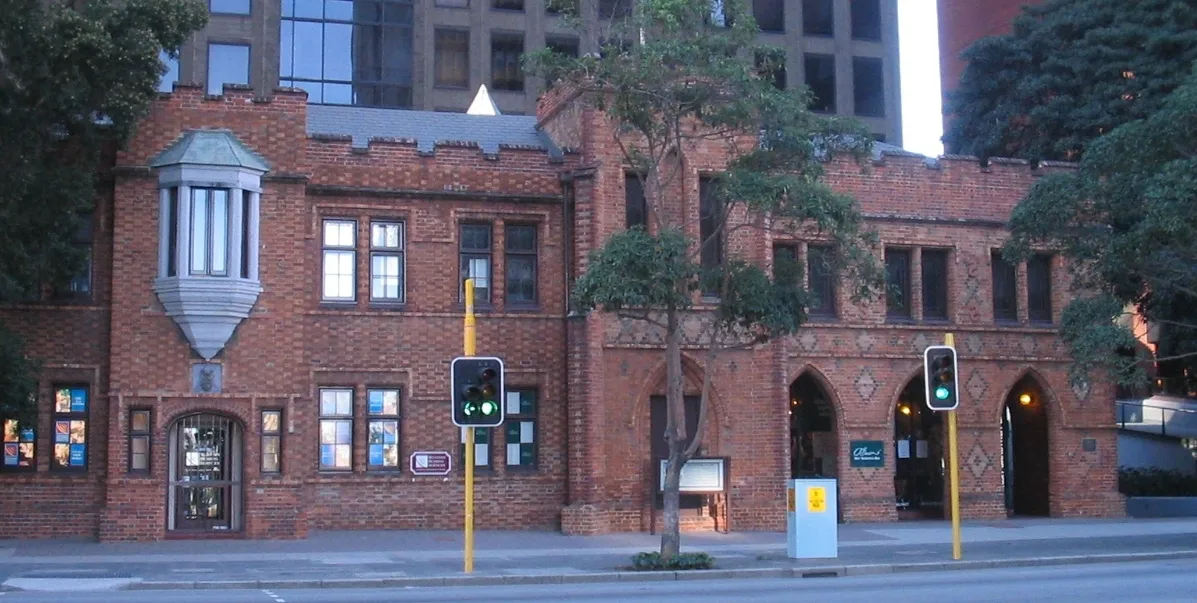
Australia
Perth
6 places
-
Sweden
Stockholm
6 places
-
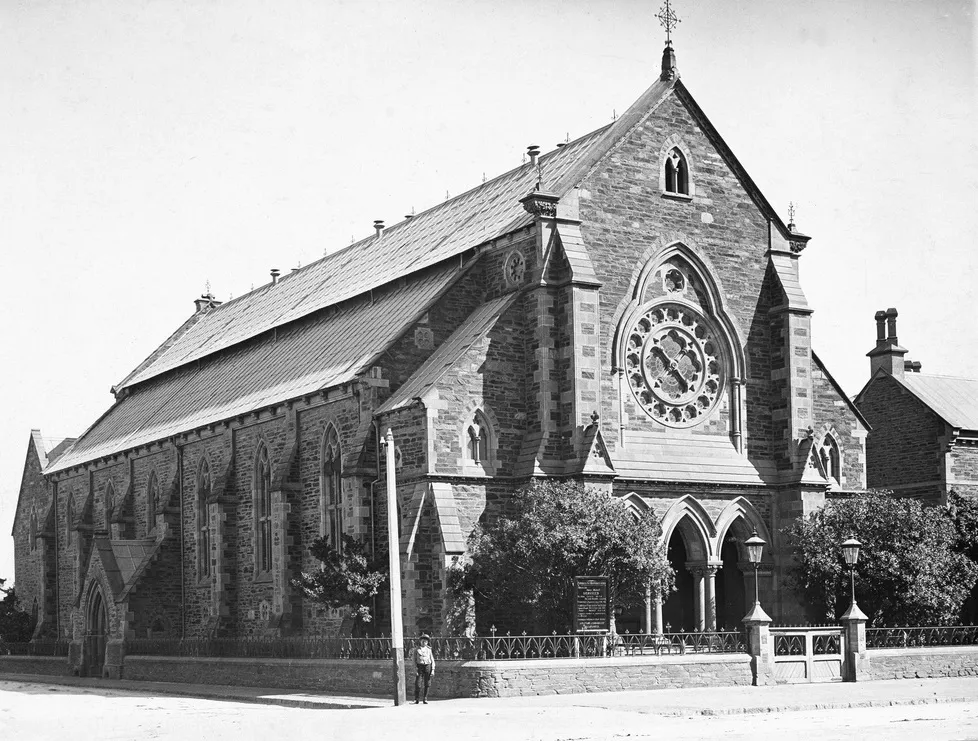
Australia
Adelaide
5 places
-
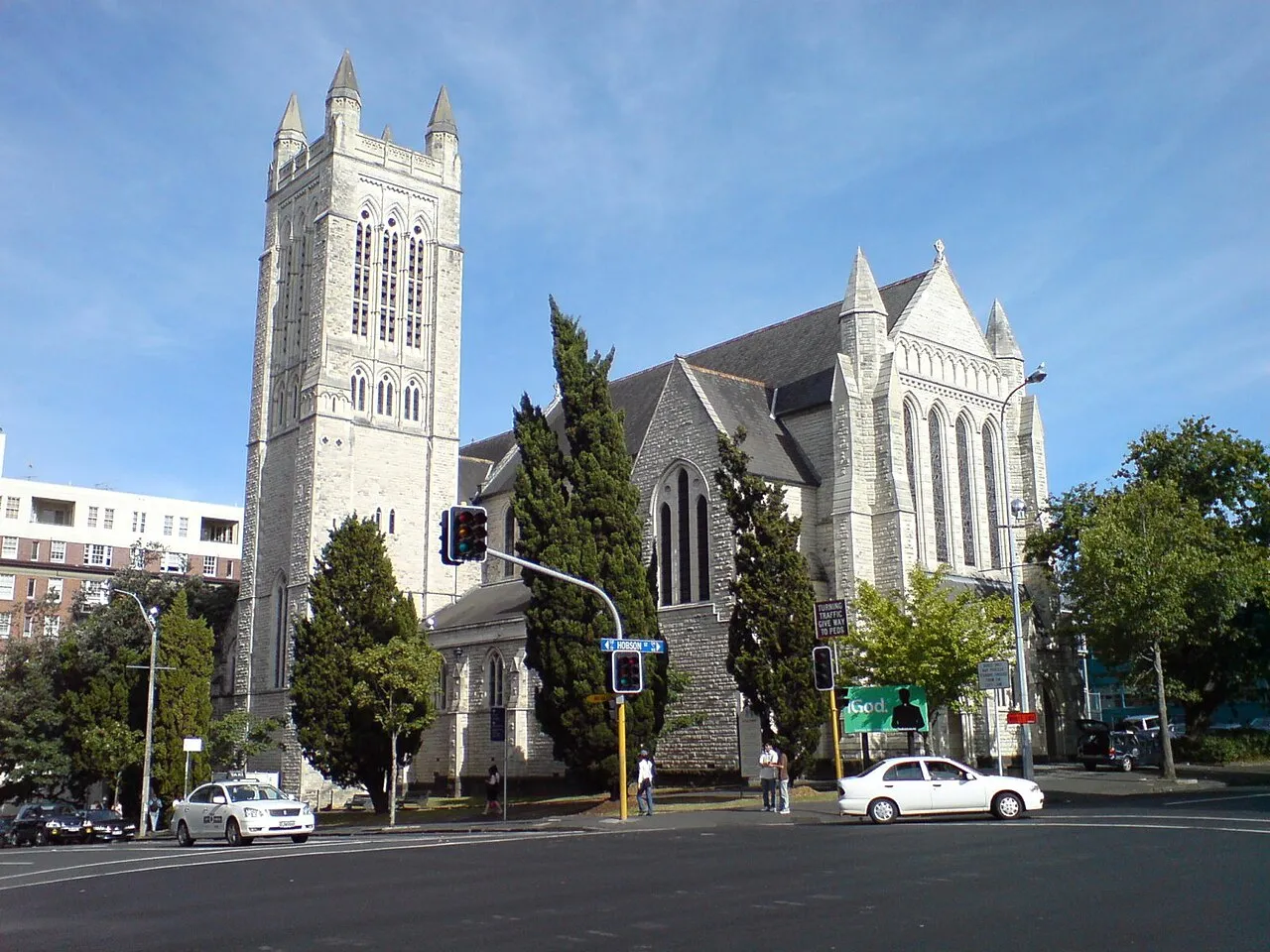
New Zealand
Auckland
5 places
-
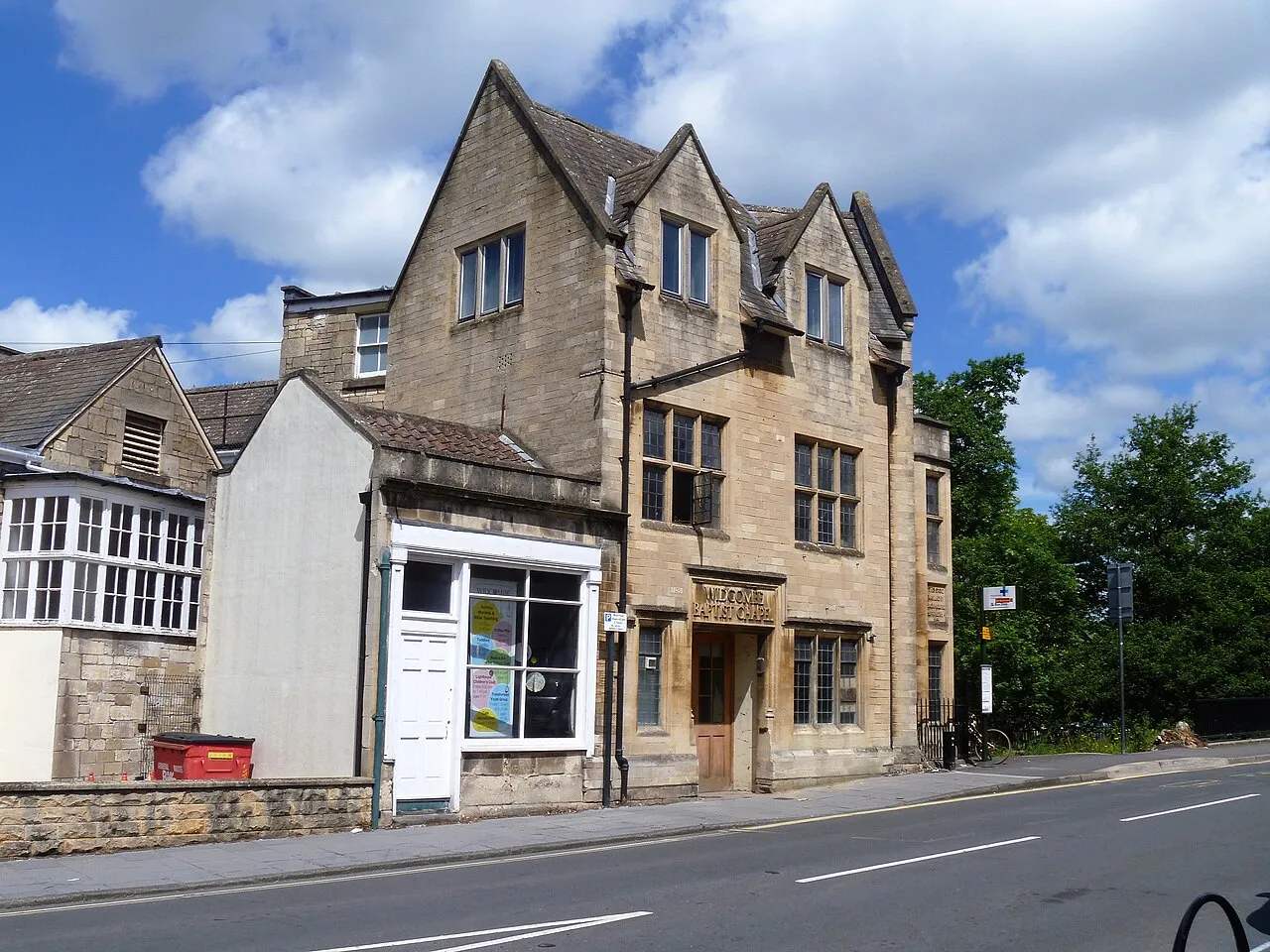
United Kingdom
Bath
5 places
-
India
Mumbai
5 places
-
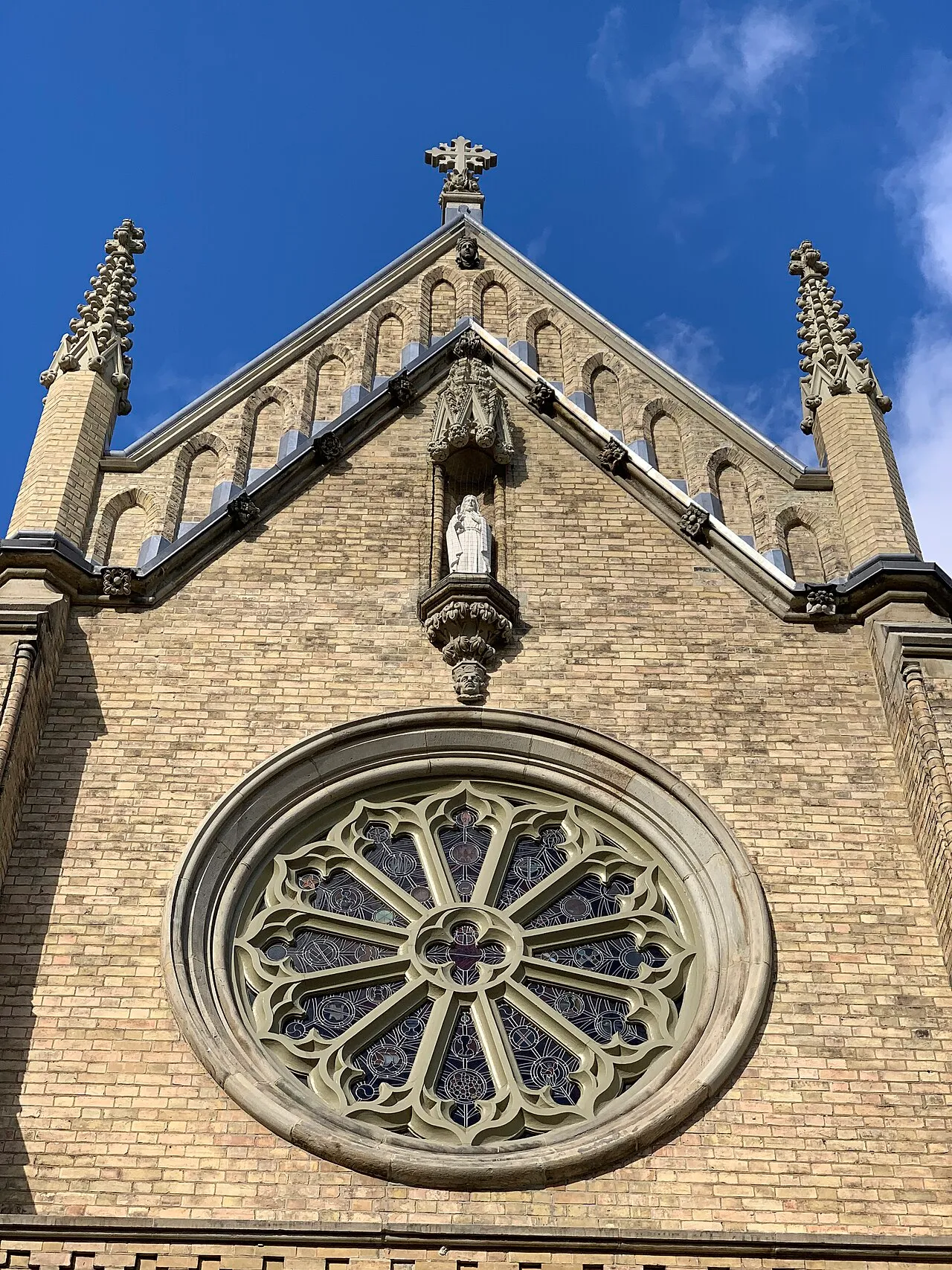
Canada
Toronto
5 places
-
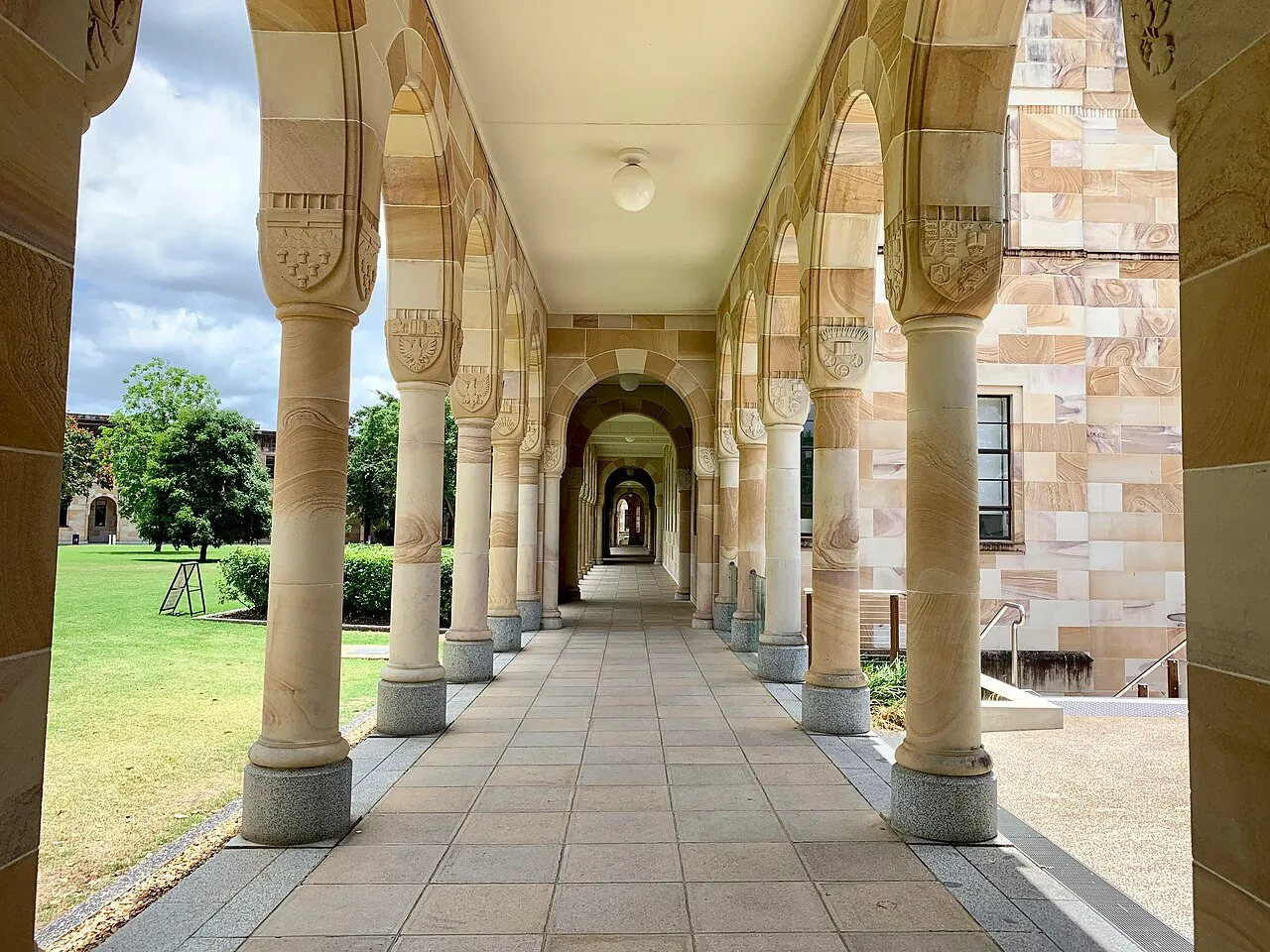
Australia
Brisbane
4 places
-
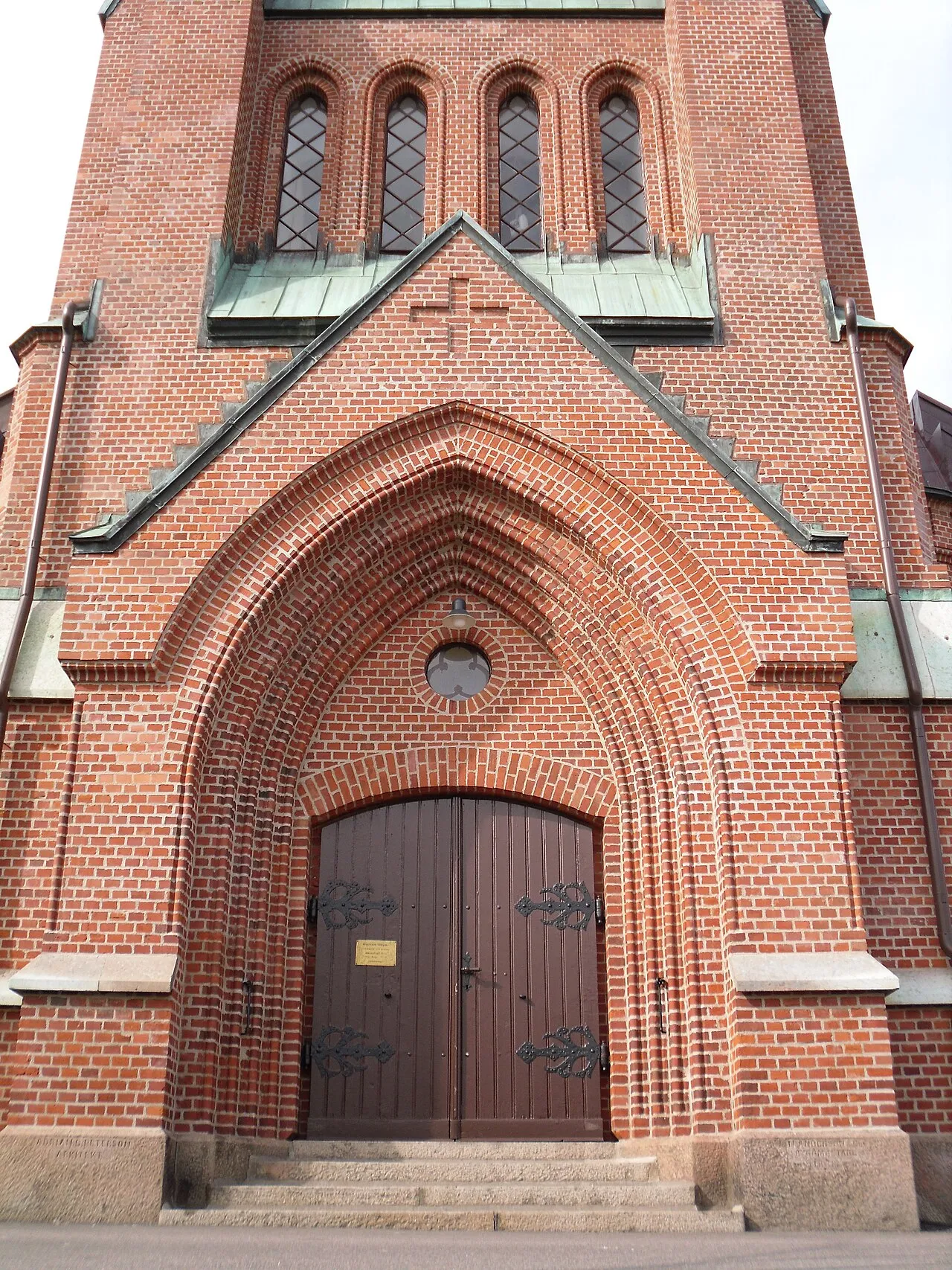
Sweden
Gothenburg
4 places
-
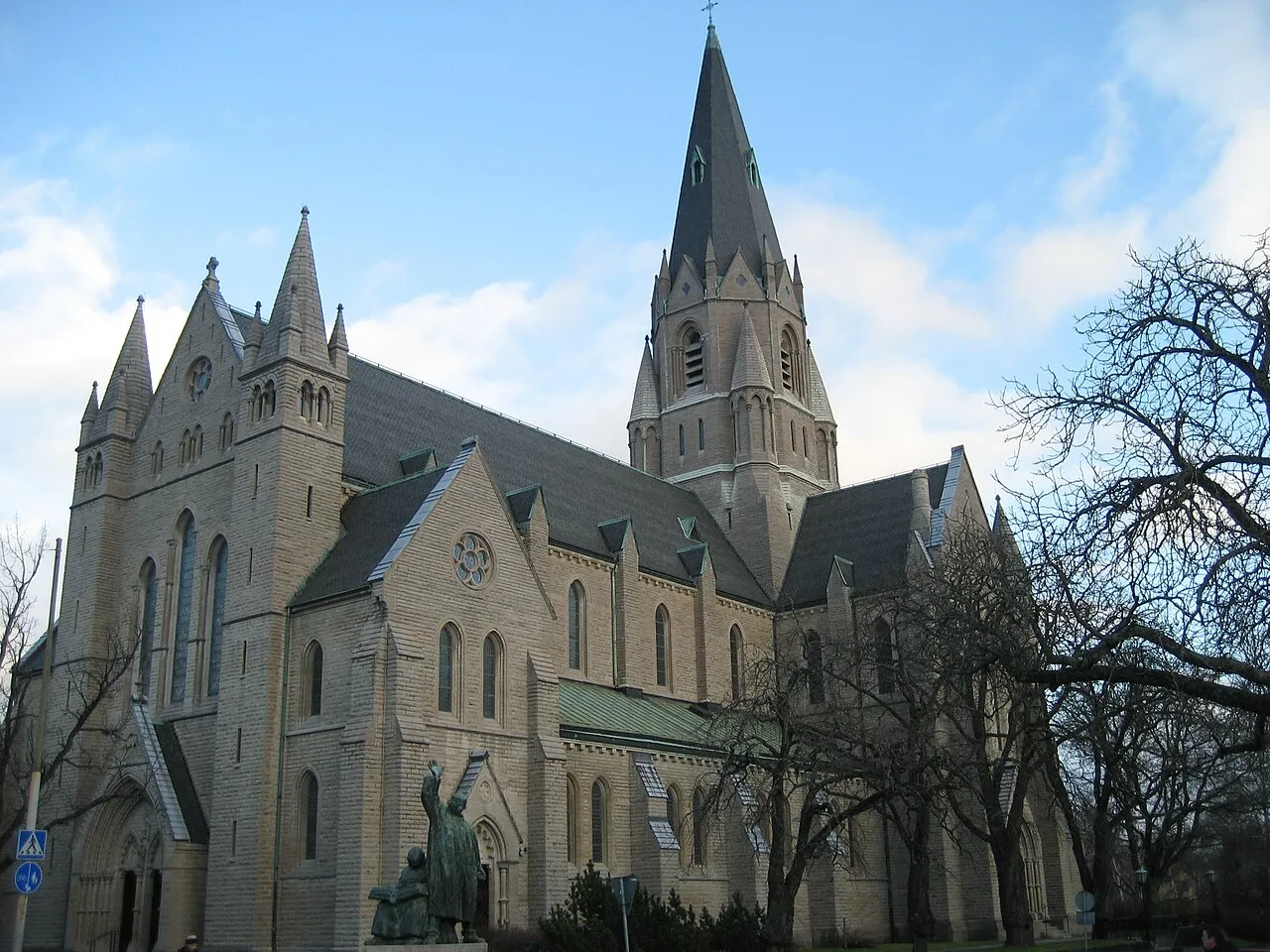
Sweden
Örebro
4 places
-
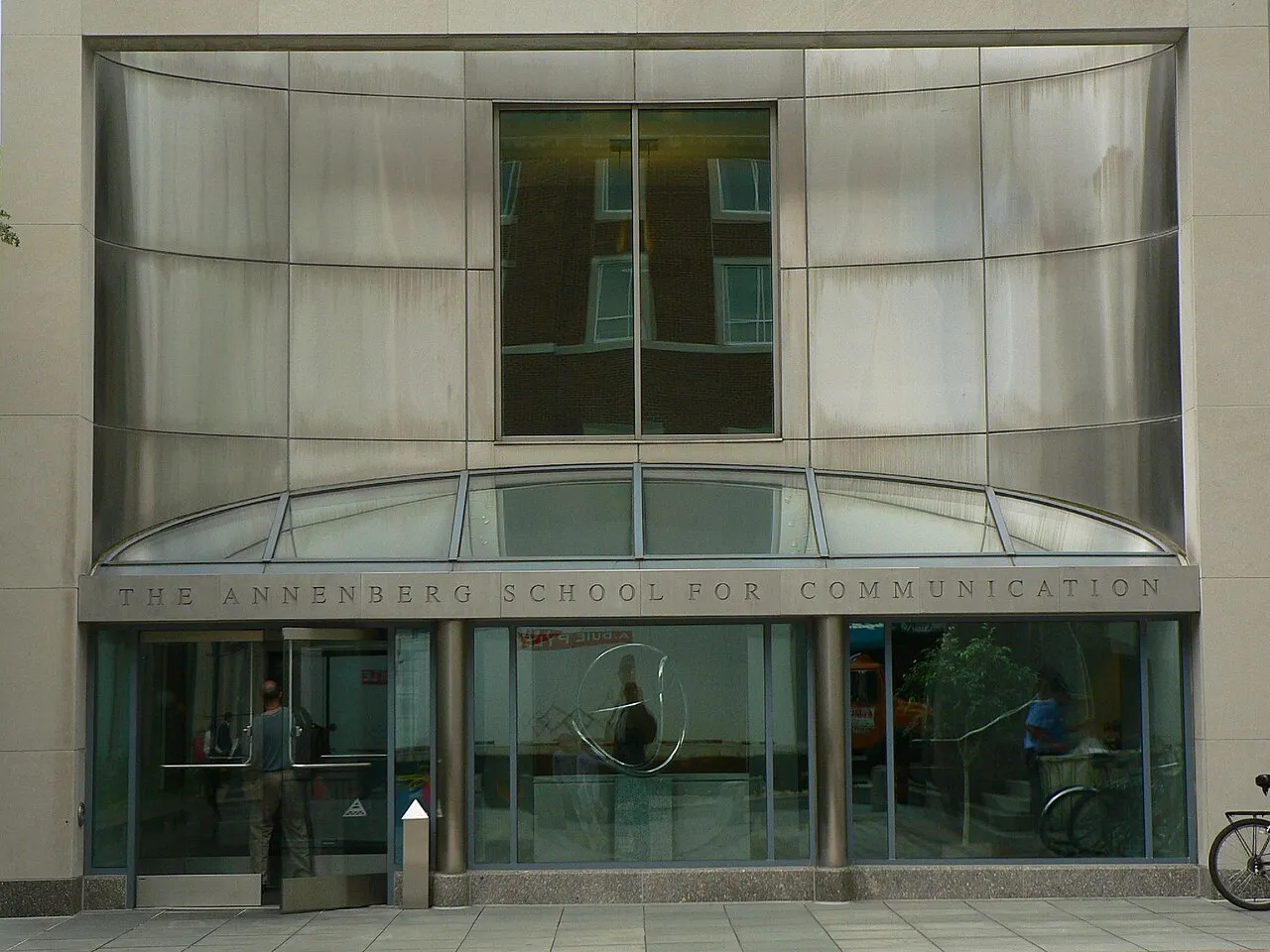
United States
Philadelphia
4 places
-
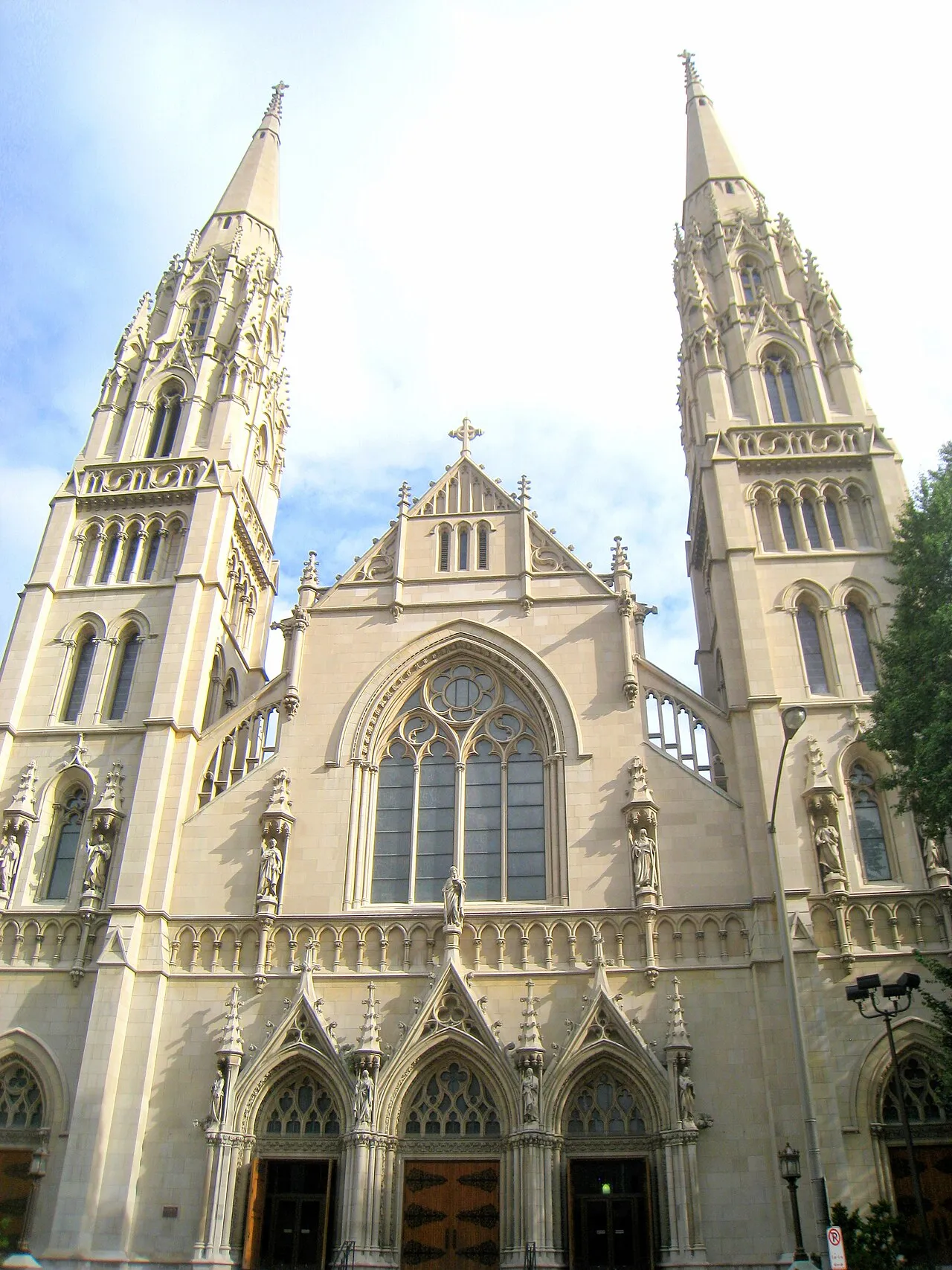
United States
Pittsburgh
4 places
Architects & artists
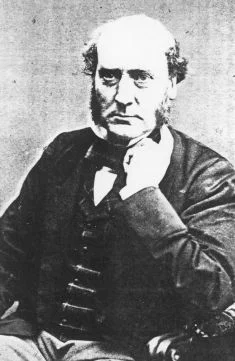
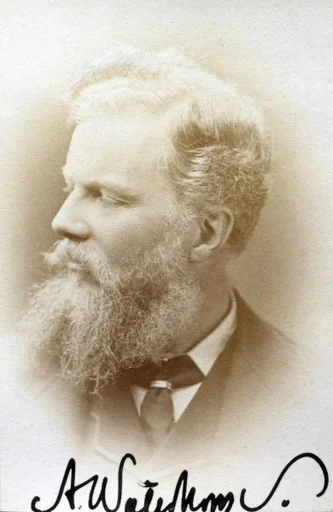
Keep exploring
Explore all destinations