

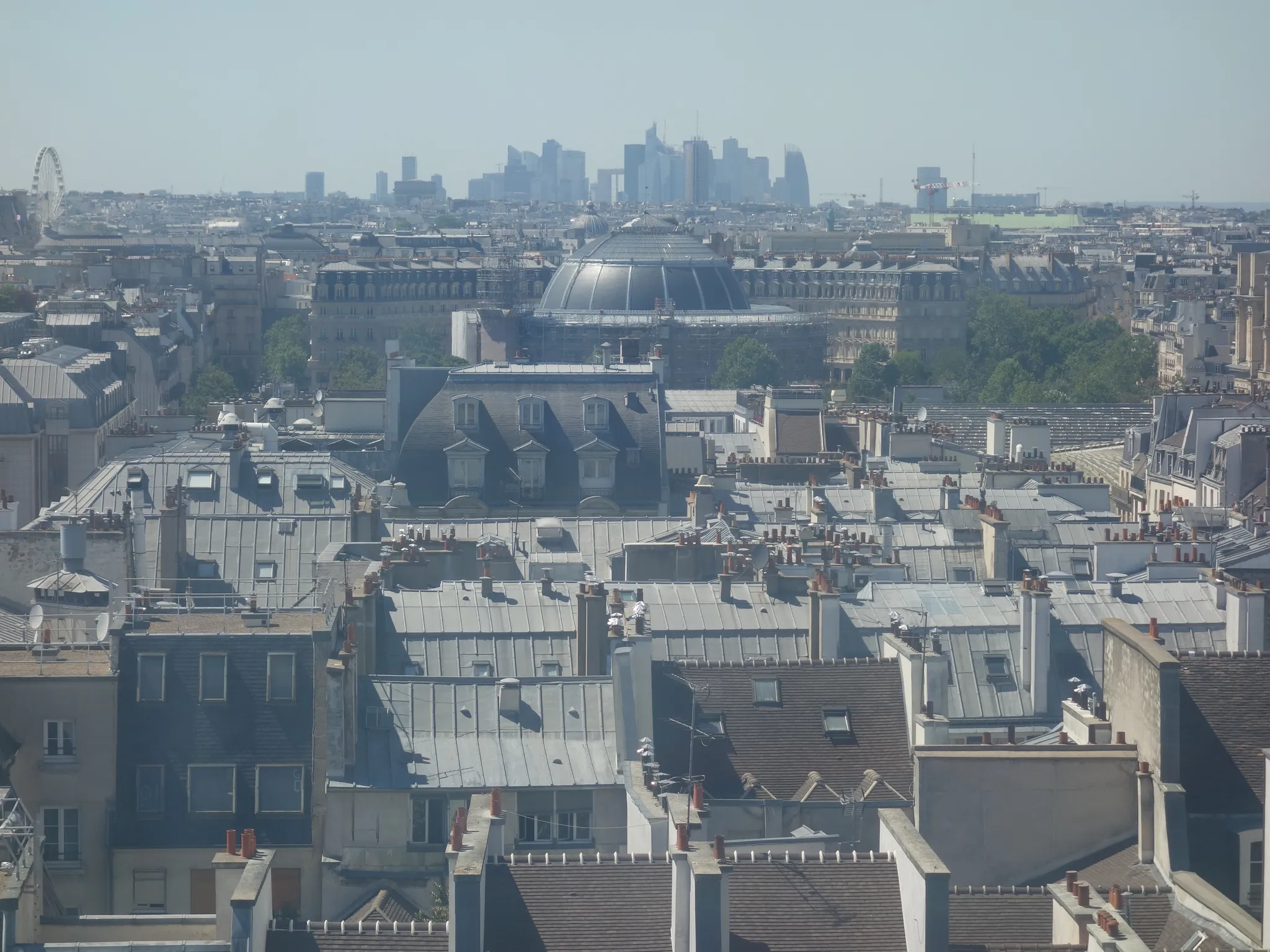
High-Tech architecture
High-Tech architecture across 6 cities in 6 countries. The buildings worth seeing, the architects behind them, and where to find each one.
What is high-tech?
High-tech architecture, sometimes called structural expressionism, makes a building’s structure and its mechanical services the visible subject of the design. It grew out of British modernism in the late 1960s, broke through in the 1970s and shaped commercial and cultural building through the 1980s. Most accounts file it under late modernism, sitting between the modern movement and postmodernism.
You recognize it by what has been moved to the outside. Steel frames, ducts, pipes, staircases and lifts sit on the facade and stay on show, often color-coded so that each system can be read separately. The skin is light and smooth, mostly glass and metal, and the components look manufactured rather than built on site. The gain is indoors: an open floor without load-bearing walls, meant to be repartitioned whenever its use changes.
The style was carried by British architects, Norman Foster and Richard Rogers foremost among them, working with structural engineers, often giving the engineering precedence over style. The Centre Pompidou in Paris (1971-1977), by Rogers and Renzo Piano, moved escalators, ducts and structure onto the exterior and left every floor clear. Foster’s Sainsbury Centre for Visual Arts in Norwich (1978) and Rogers’ Lloyd’s building in London (1986) are the two other works most accounts name.
Opinion split when the buildings were new, and early reviews of Lloyd’s were mixed. The reassessment came fast. Several are now protected as heritage, Lloyd’s at England’s highest grade, and the lightweight frames, factory-made components and flexible plans the style argued for have become ordinary building practice.
Notable high-tech buildings
-
Centre Pompidou
Paris · 1977
-
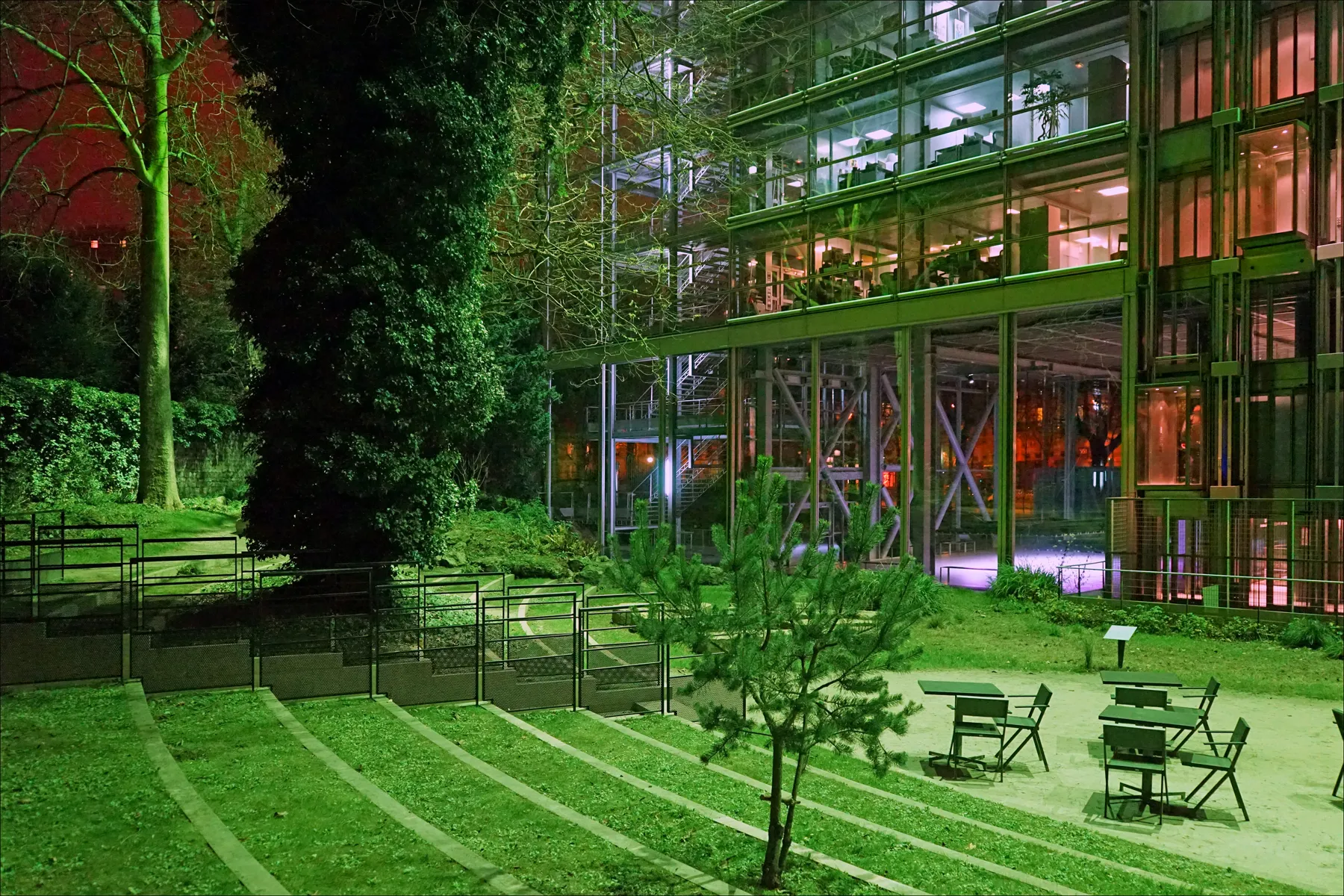
Fondation Cartier pour l'art contemporain
Paris · 1994
-
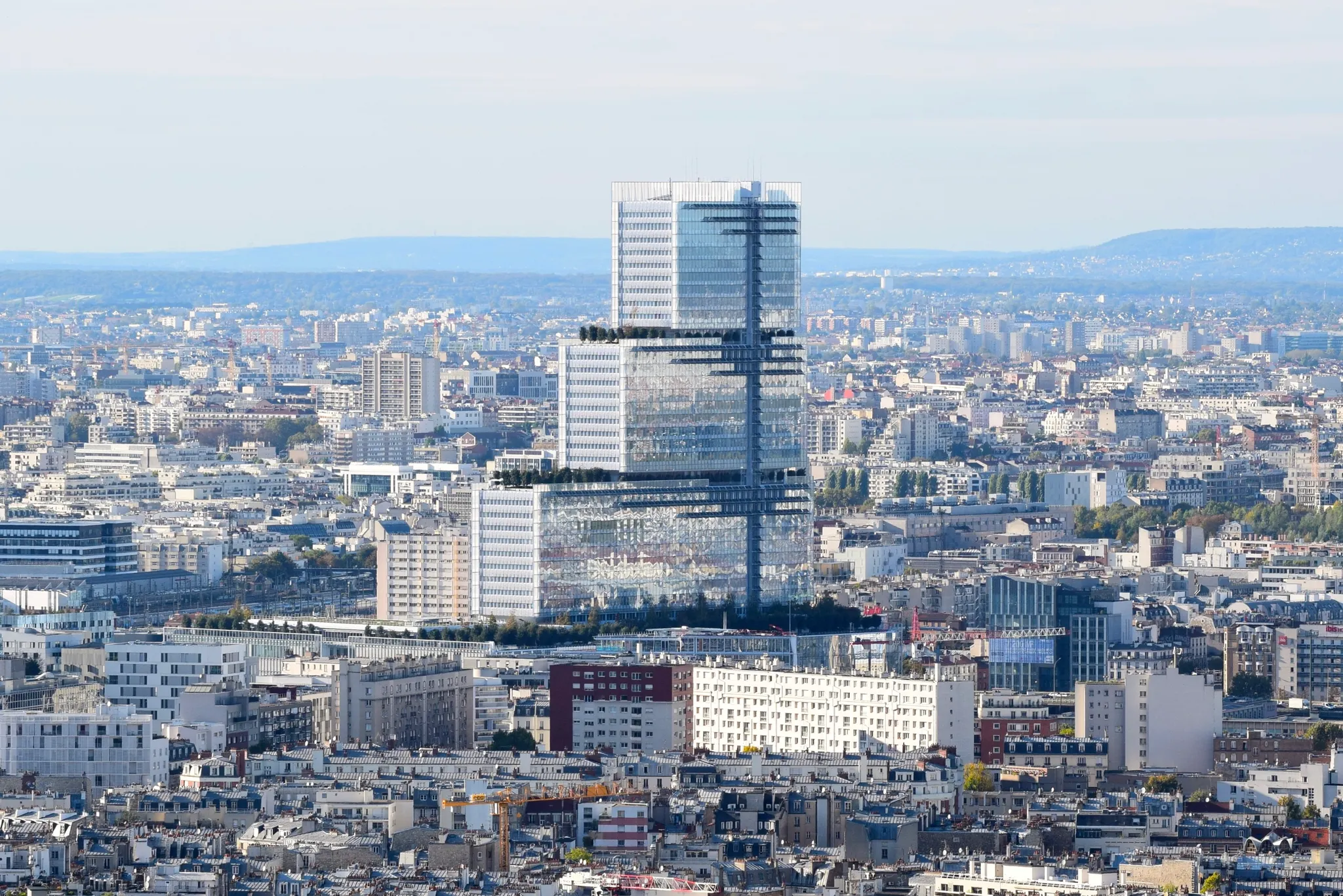
Tribunal de Paris
Paris · 2018
-
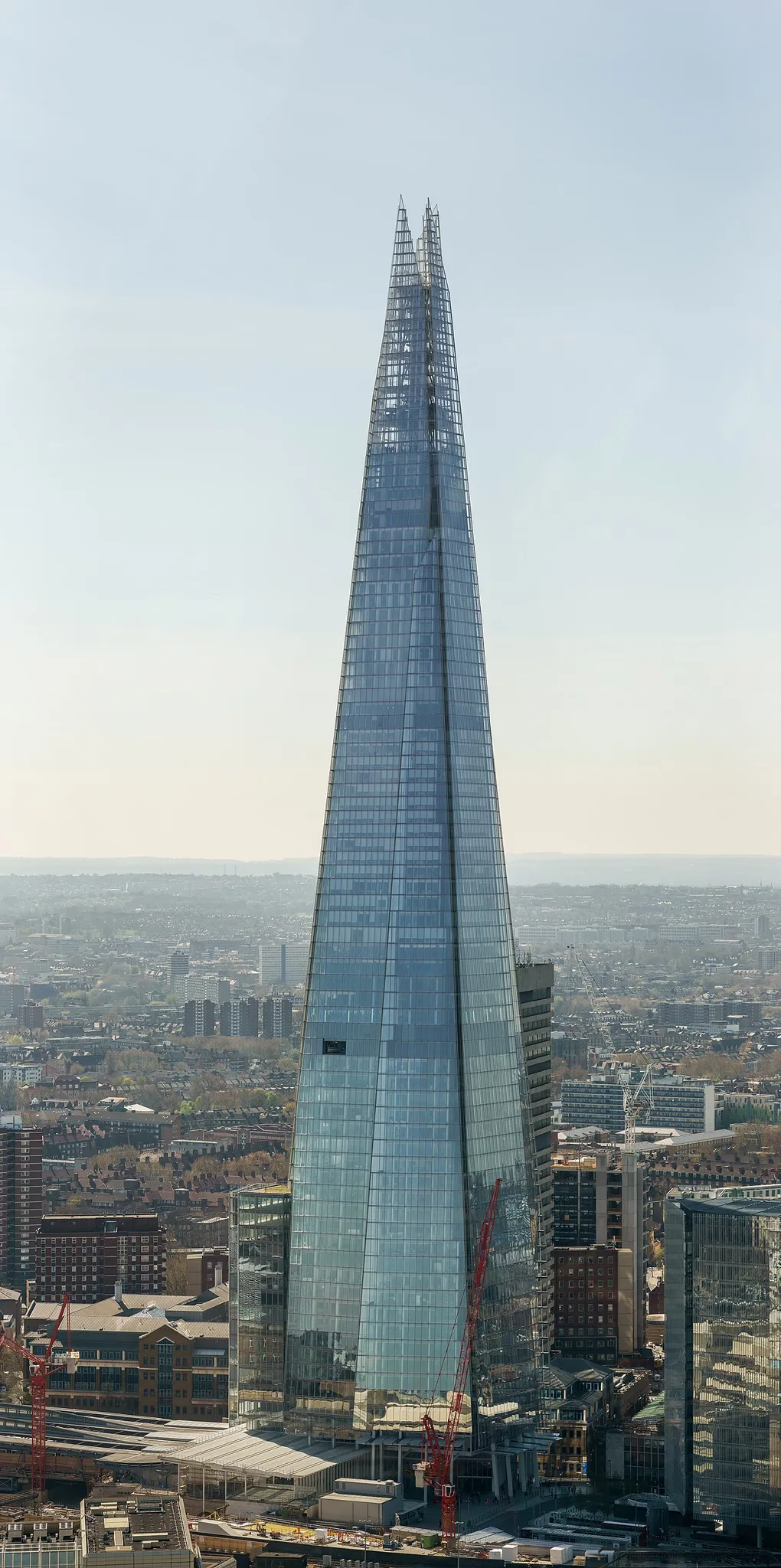
The Shard
London · 2012
-
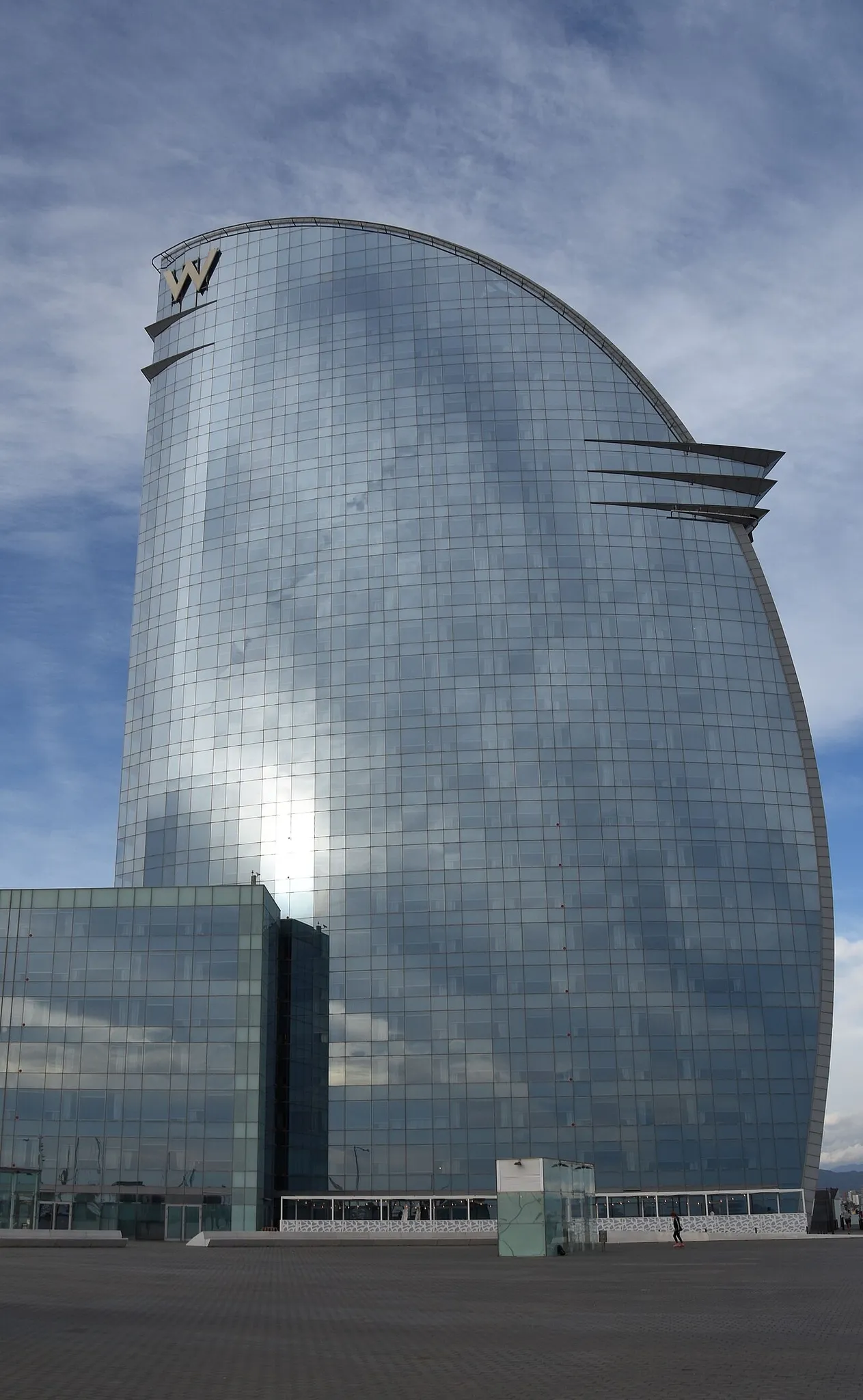
Hotel W Barcelona
Barcelona · 2009
-
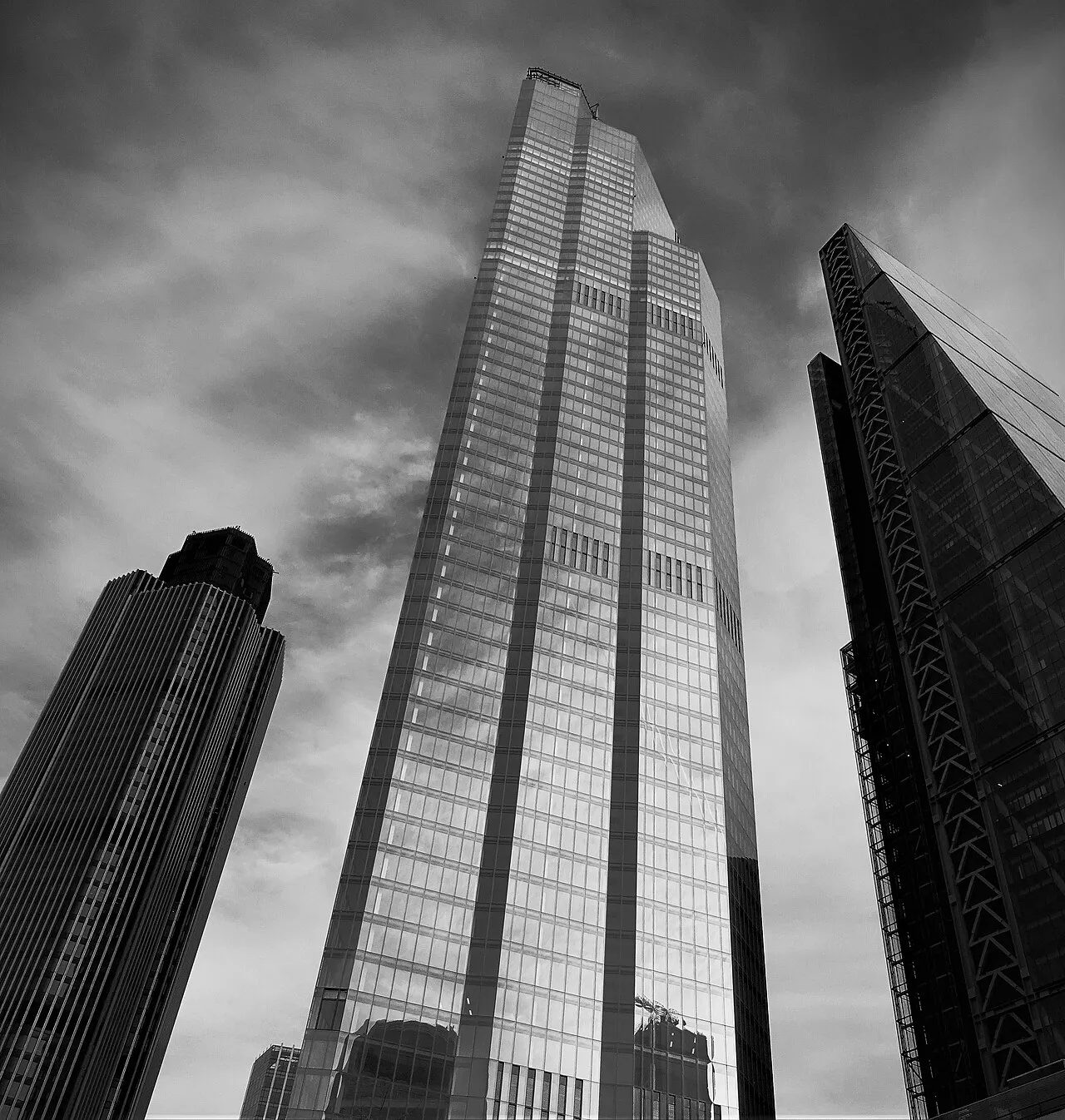
22 Bishopsgate
London · 2020
-
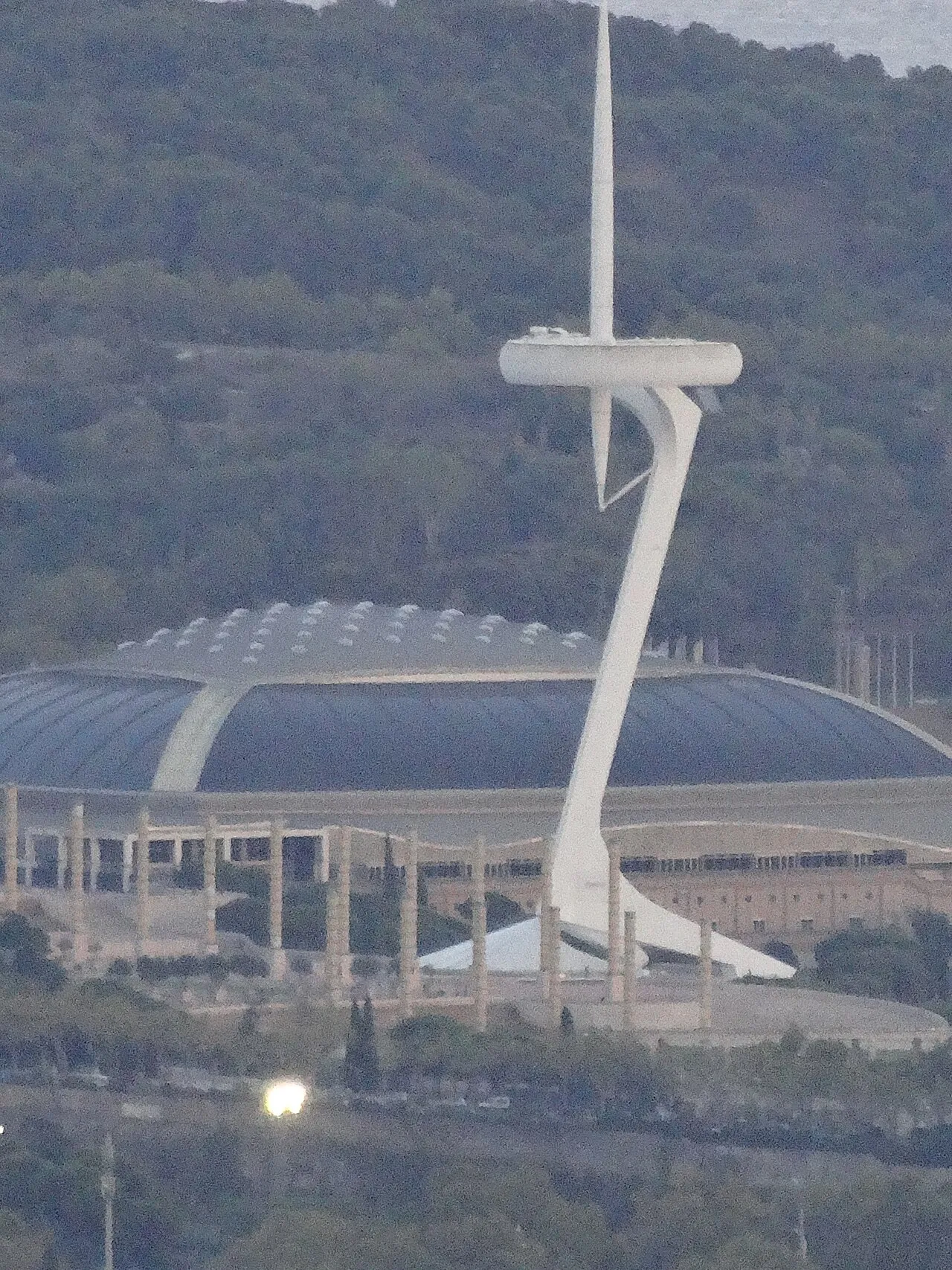
Palau Sant Jordi
Barcelona · 1990
-
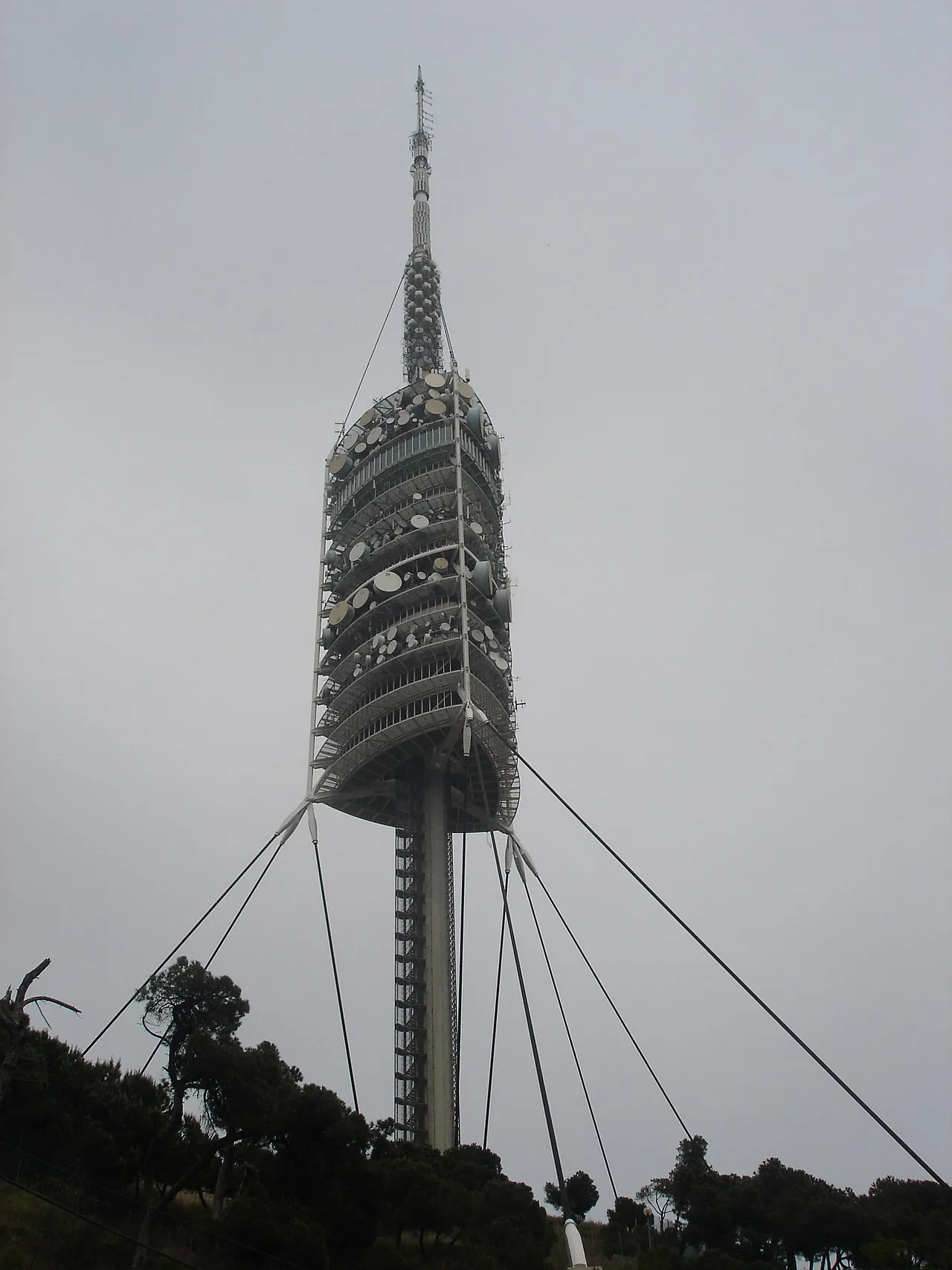
Torre de Collserola
Barcelona · 1992
-
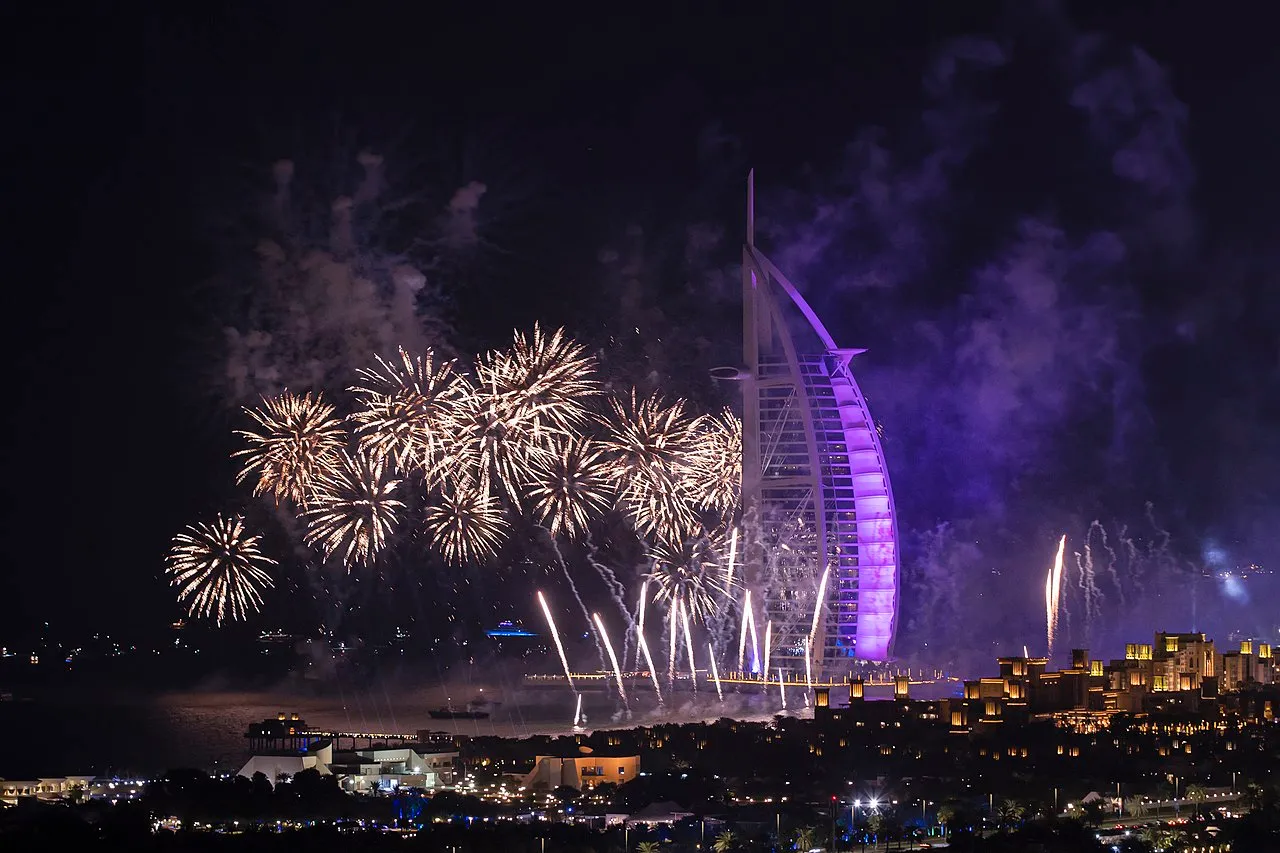
Burj Al Arab
Dubai · 1999
-
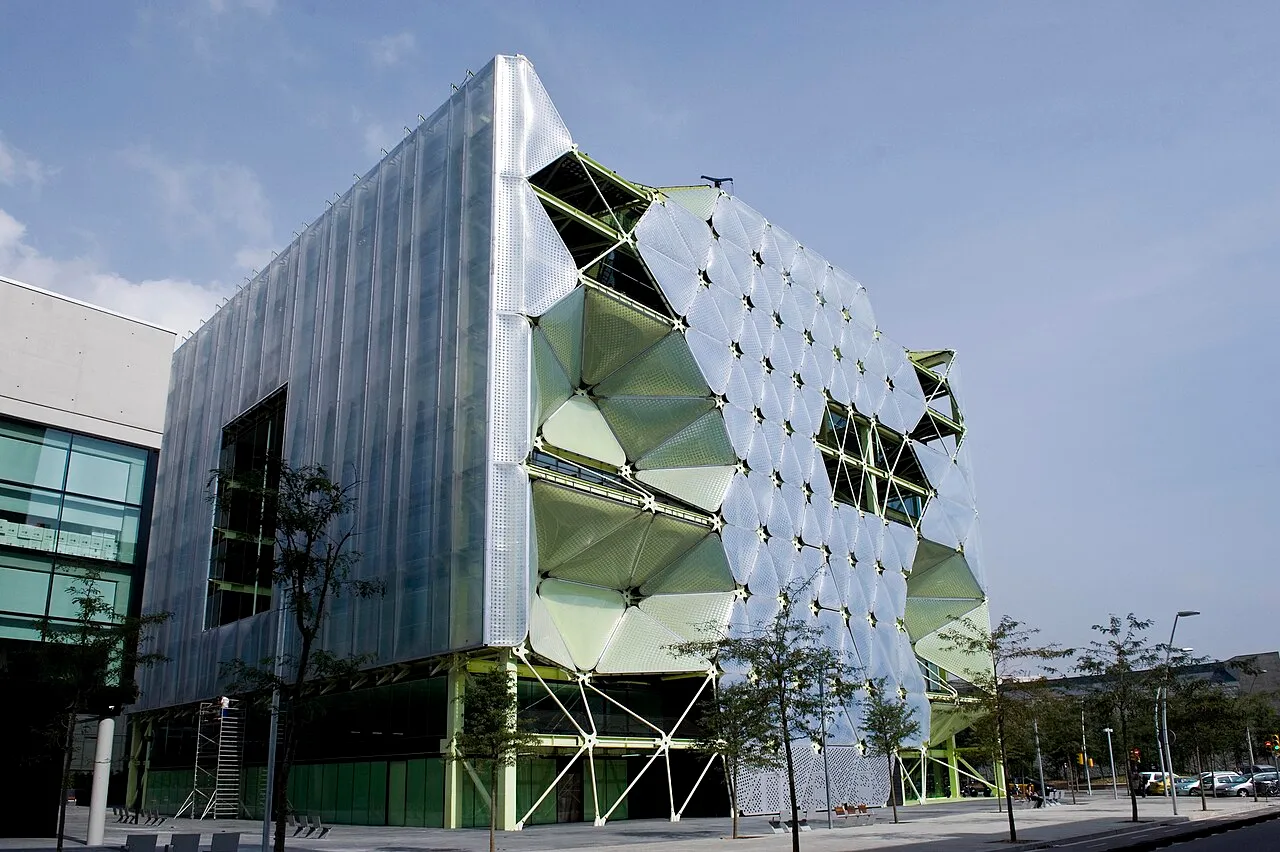
Edifici MediaTIC
Barcelona · 2010
-
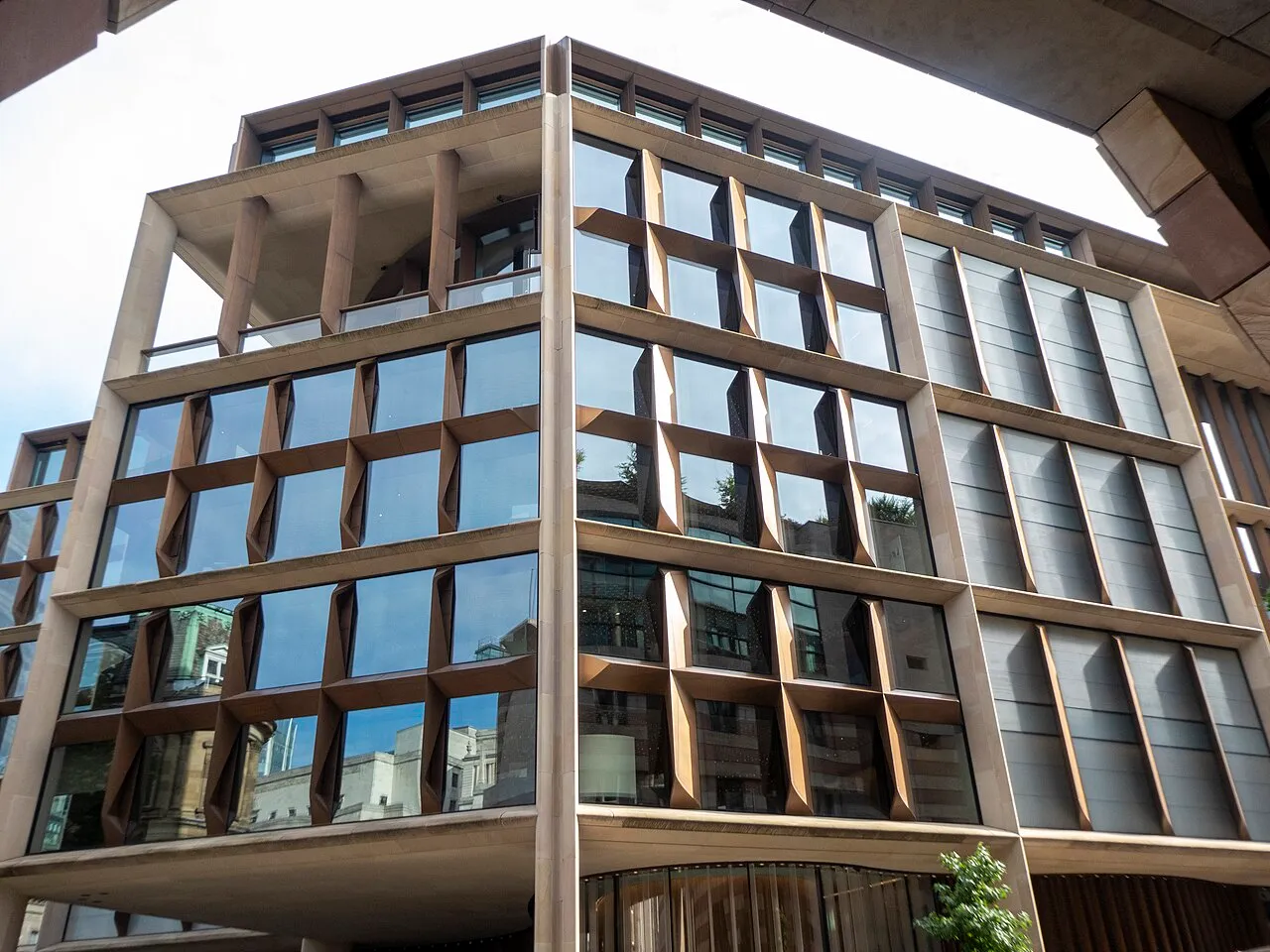
Bloomberg European Headquarters
London · 2017
-
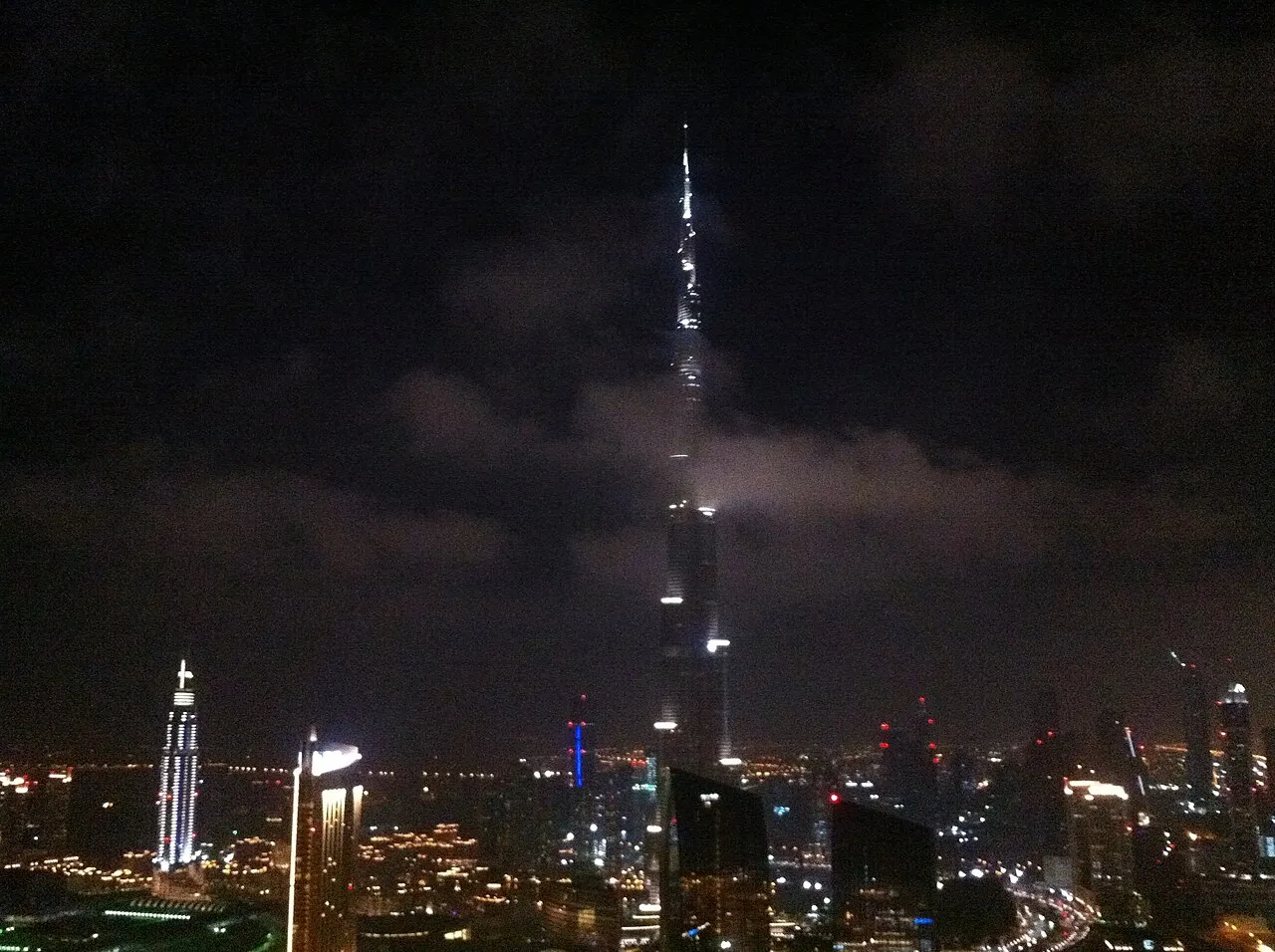
Burj Khalifa
Dubai · 2010
High-Tech city by city
Pick a city to see the places on the map, with photos and descriptions.



Keep exploring
Explore all destinations