

Late Modernism architecture
Late Modernism architecture across 7 cities in 6 countries. The buildings worth seeing, the architects behind them, and where to find each one.
What is late modernism?
Late modernism is more an era than a movement: modernism’s final decades, roughly 1960-1990, when the Modern Movement’s ideas were taken to extremes. The critic Charles Jencks gave the label its theory in Late-Modern Architecture (1980), describing buildings whose structure, technology and services were overstated at the very moment modernism itself was being questioned.
You recognize it by scale and systems: curtain walls, extreme repetition, prefabricated elements, and buildings conceived as flexible frameworks with interchangeable parts. Several currents shelter under the umbrella: brutalism with its raw concrete, structuralism with its cellular repeated units, and high-tech with its exposed steel and visible services.
The Pompidou Centre in Paris (1971-1977) by Renzo Piano and Richard Rogers is the textbook example, a building just as often filed under high tech. Structuralism took shape at the Otterlo congress of 1959 and produced Herman Hertzberger’s Centraal Beheer offices in Apeldoorn (1972); high-tech surfaced in the 1970s and carried the approach forward with Norman Foster and Rogers’s Lloyd’s Building in London.
The end came gradually. Jencks famously dated the death of modern architecture to July 15, 1972, when the Pruitt-Igoe housing blocks in St. Louis were demolished, and during the 1980s postmodernism replaced modernism as the principal style for institutional and corporate building. Today the era’s largest buildings are being reassessed, and many now carry heritage protection.
Late Modernism in Sweden
In Sweden the period coincides with the rekordåren, the record years of postwar growth that ended with the oil crisis of 1973-74. The Swedish term is senmodernism; municipal heritage guides sometimes prefer högmodernism, high modernism, for the large-scale building of the 1960s and 70s. The million programme (1965-1975) belongs to the same years but was a housing policy and never a style; Sweden's late modern core is offices, infrastructure and institutions.
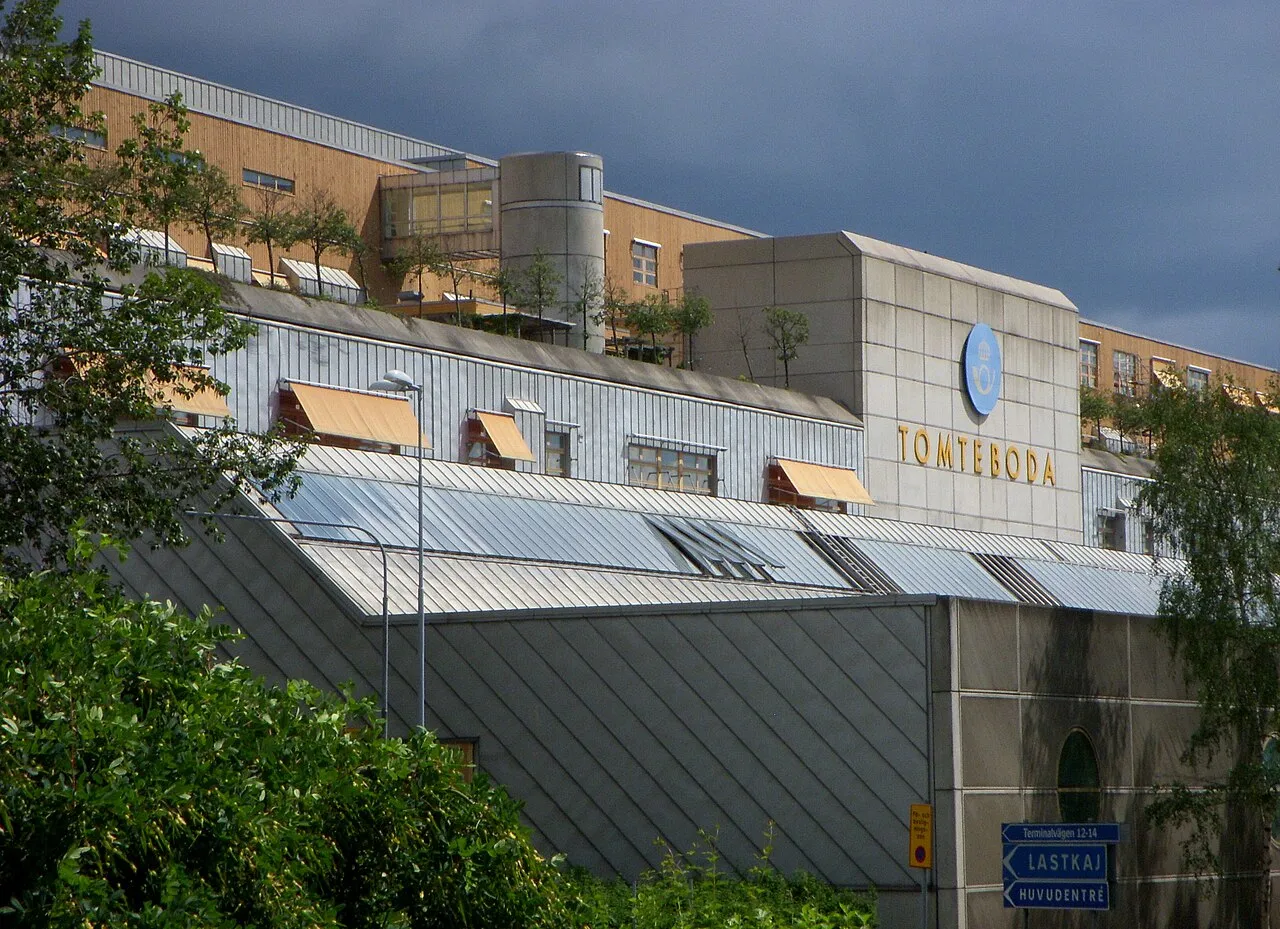
Wenner-Gren Center in Stockholm (1959-1961, Sune Lindström and Alf Bydén) was the first high-rise in Sweden carried on a steel frame. Garnisonen on Karlavägen (Tage Hertzell of A4 arkitektkontor, completed 1972) was northern Europe's largest office building at completion, the state building agency's structuralist pilot with 289 identical windows in a row; it now holds Stockholm's highest heritage classification. Tomteboda postal terminal (1980-83, Gustaf Rosenberg) stands in the borderland between rationalism and postmodernism, the built hinge into the era that followed.
See the style in Stockholm.
Notable late modernism buildings
-
Tomteboda postterminal
Stockholm · 1983
-
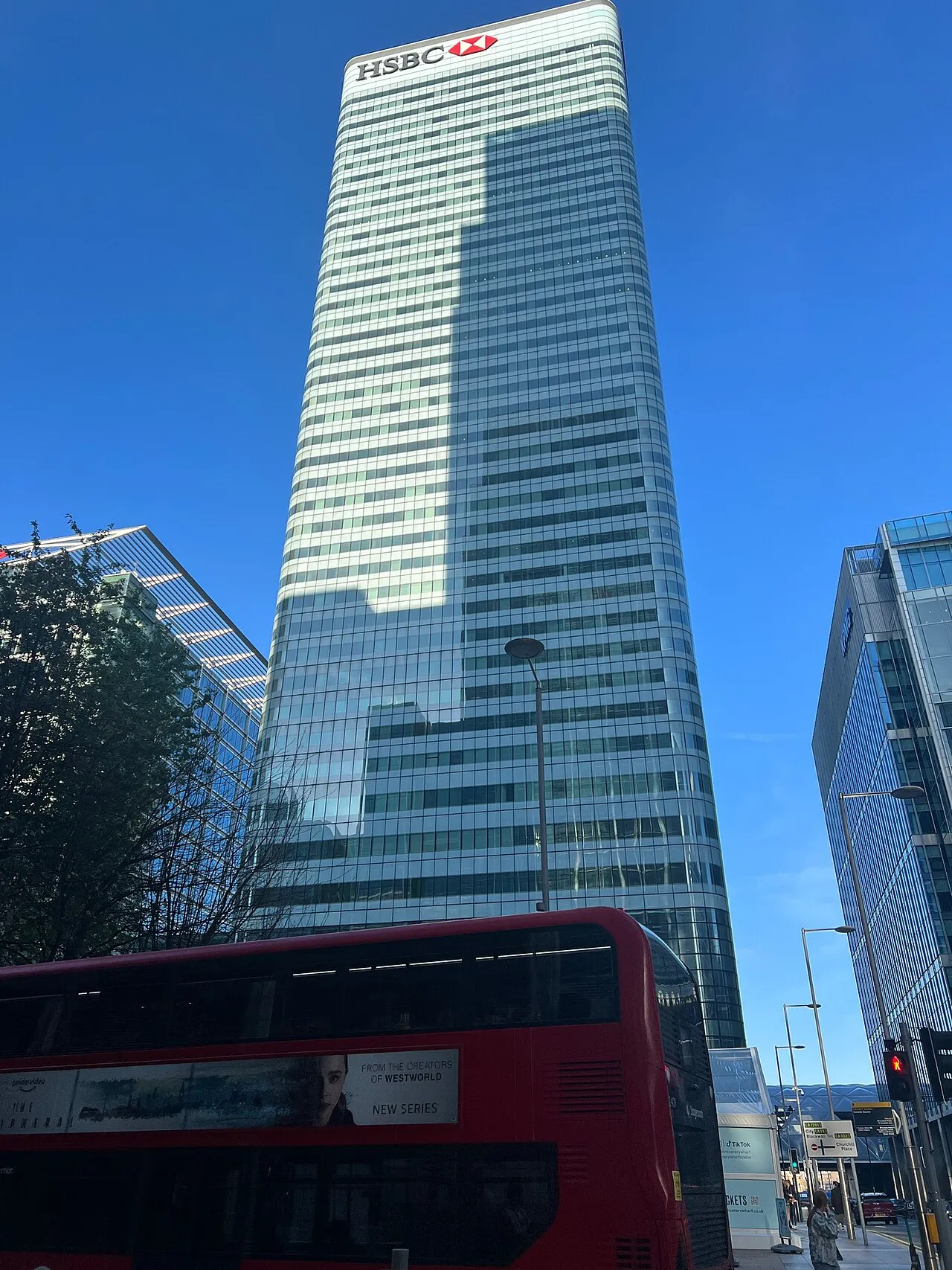
8 Canada Square
London · 2002
-
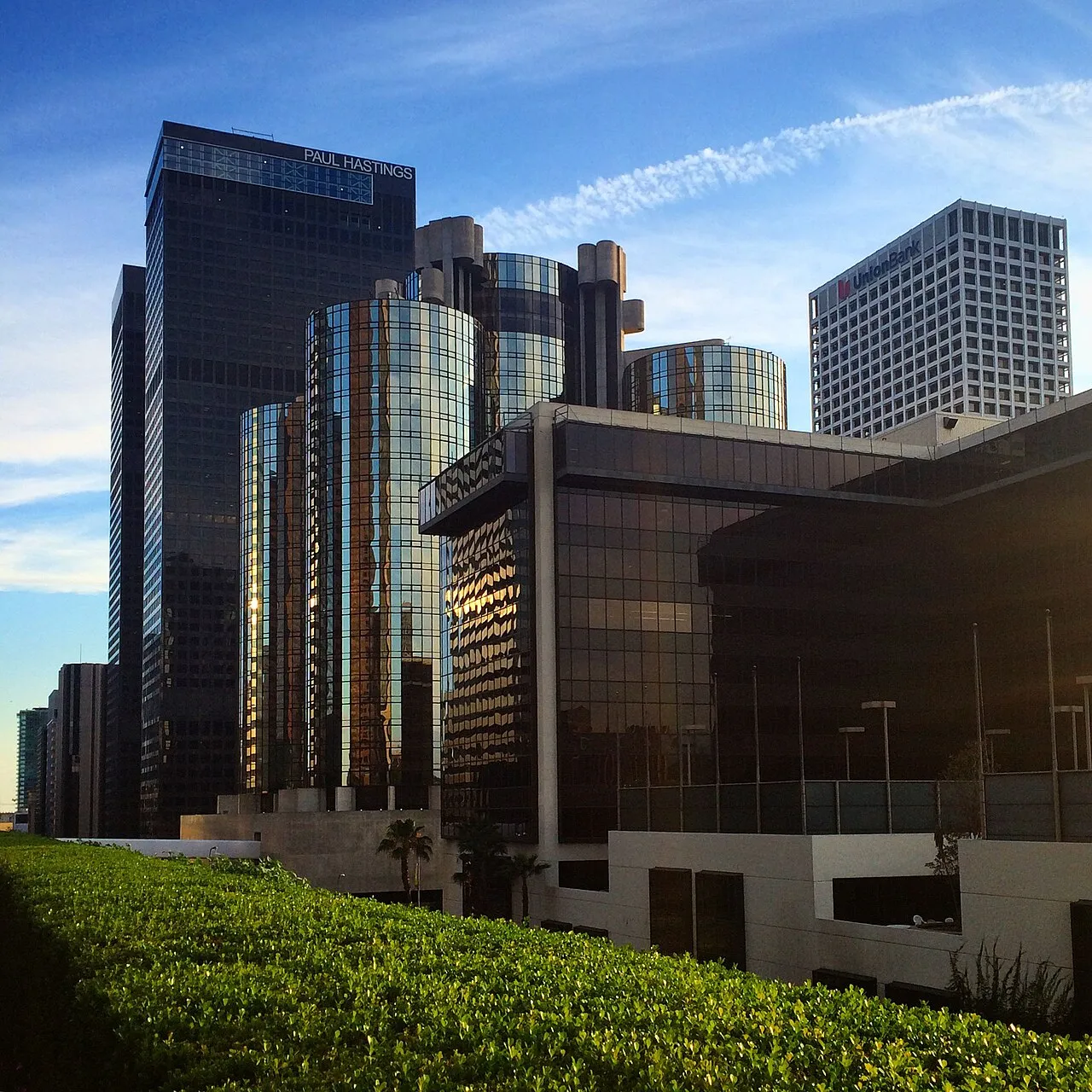
Bonaventure Hotel
Los Angeles · 1976
-
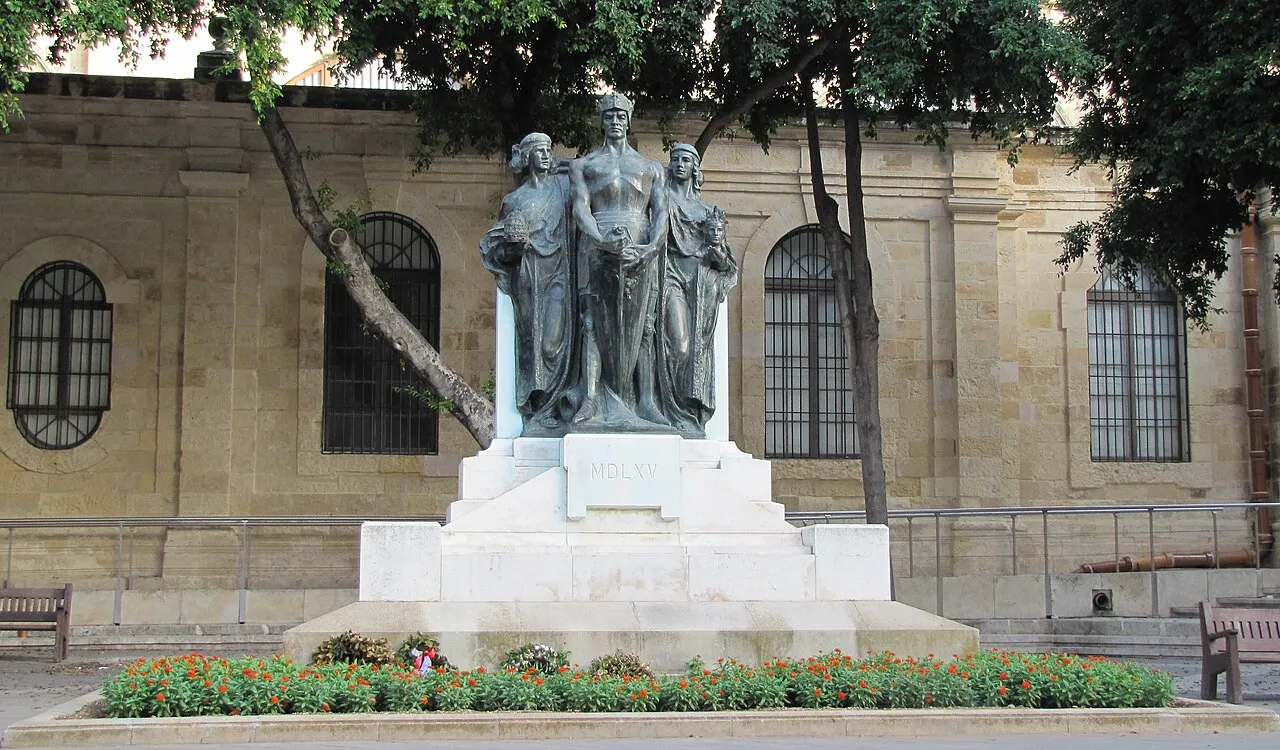
Great Siege Monument
Malta · 1927
-
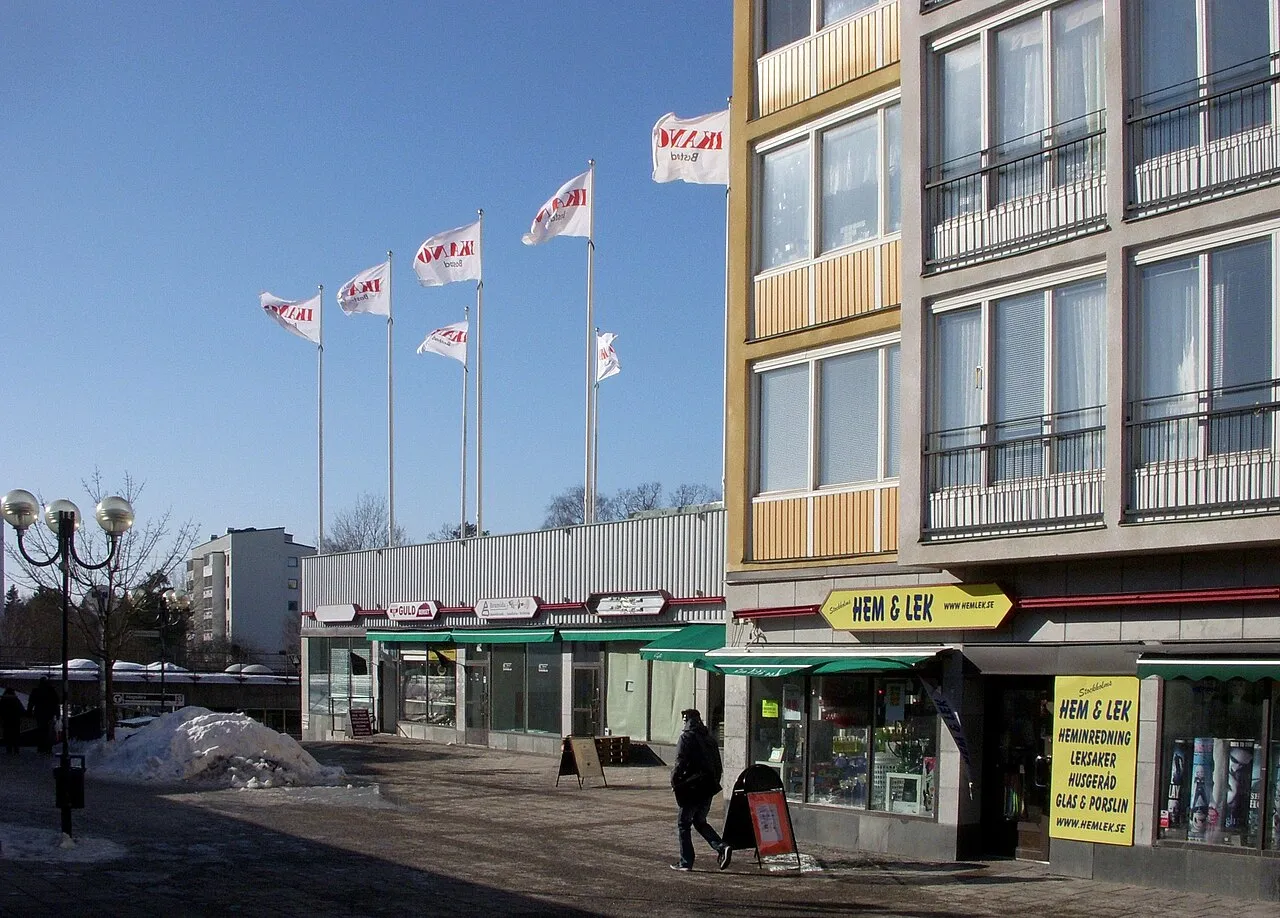
Hagsätra centrum
Stockholm · 1960
-
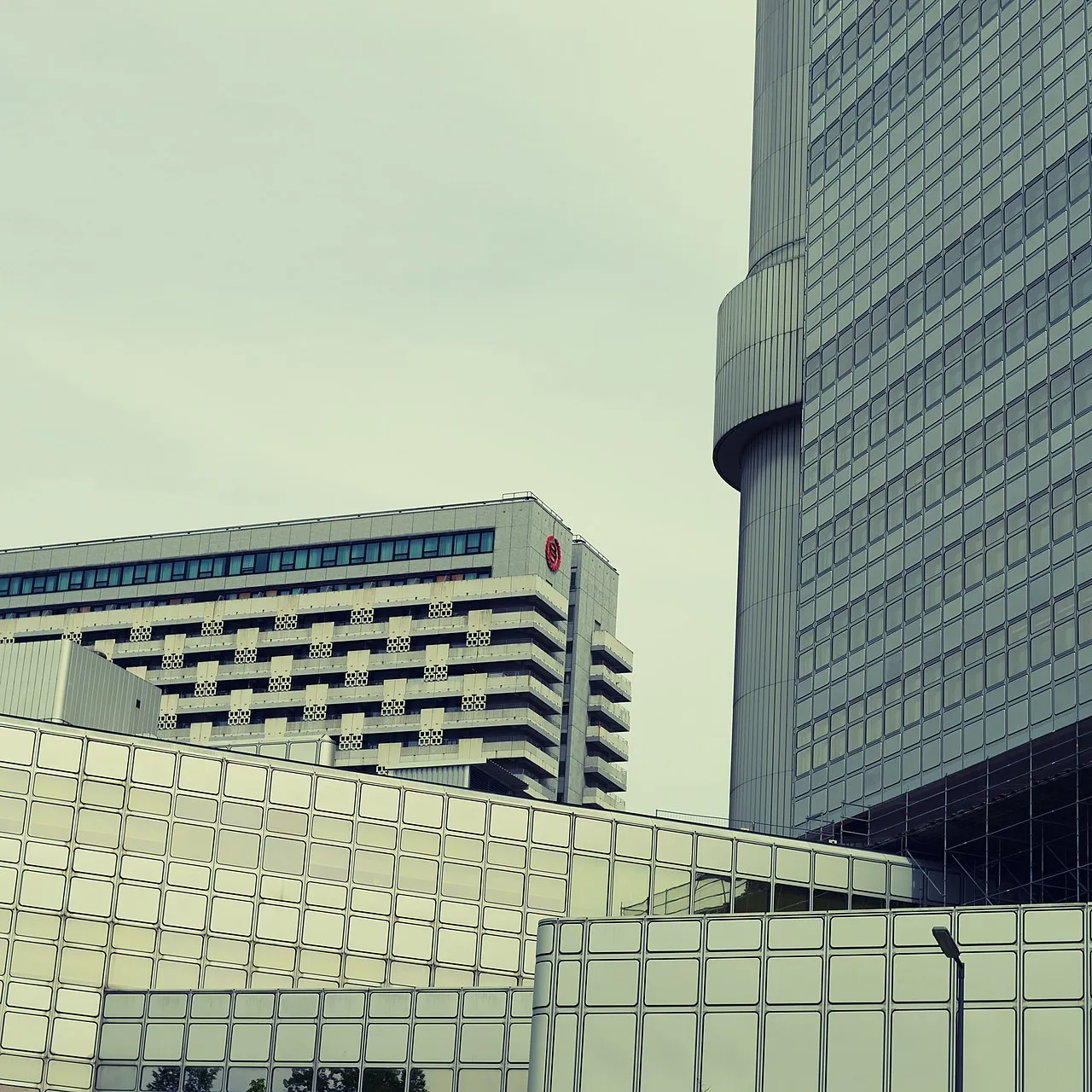
Hypo-Haus
Munich · 1981
-
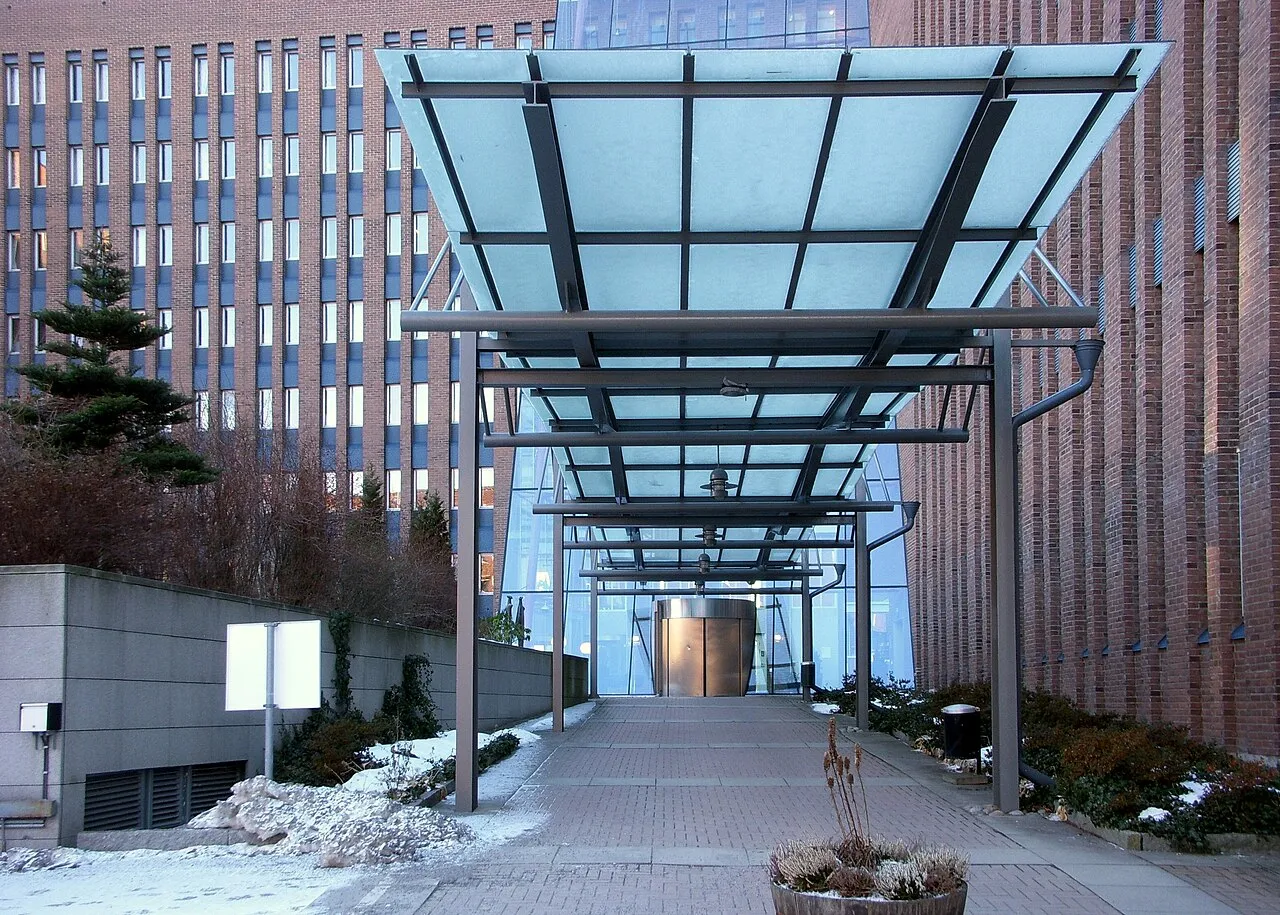
LM Ericsson building, Södertäljevägen
Stockholm · 1974
-
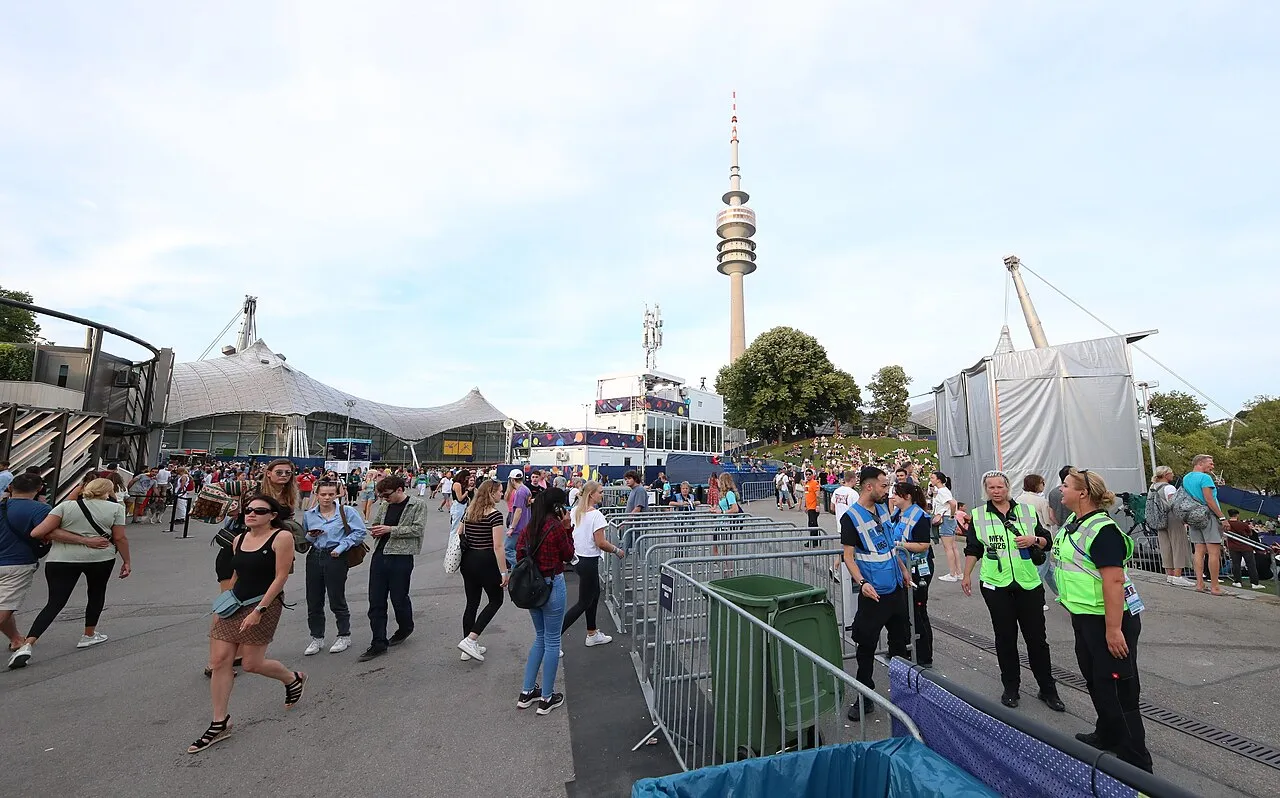
Olympic Tower
Munich · 1968
-
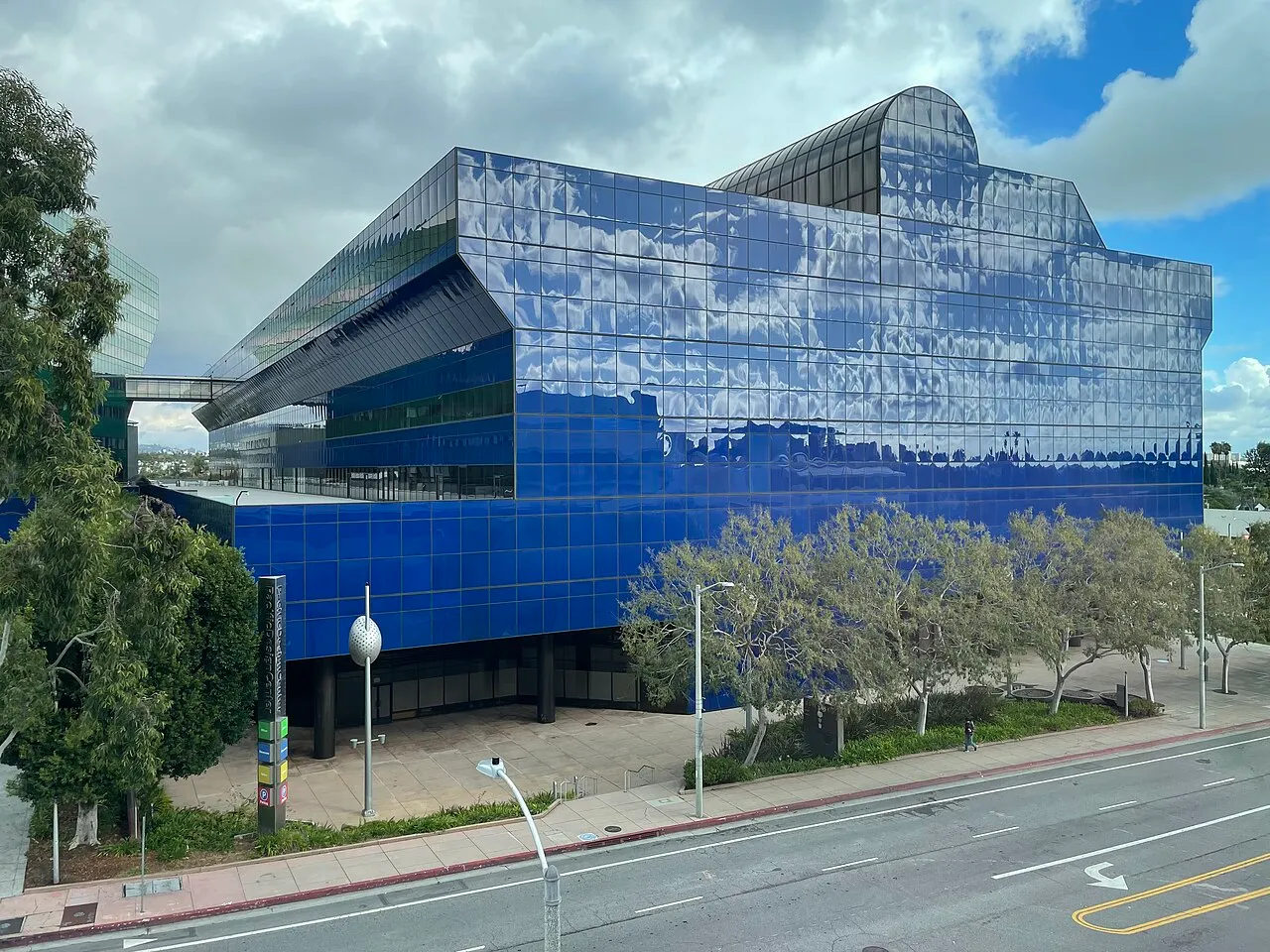
Pacific Design Center
Los Angeles · 1975
-
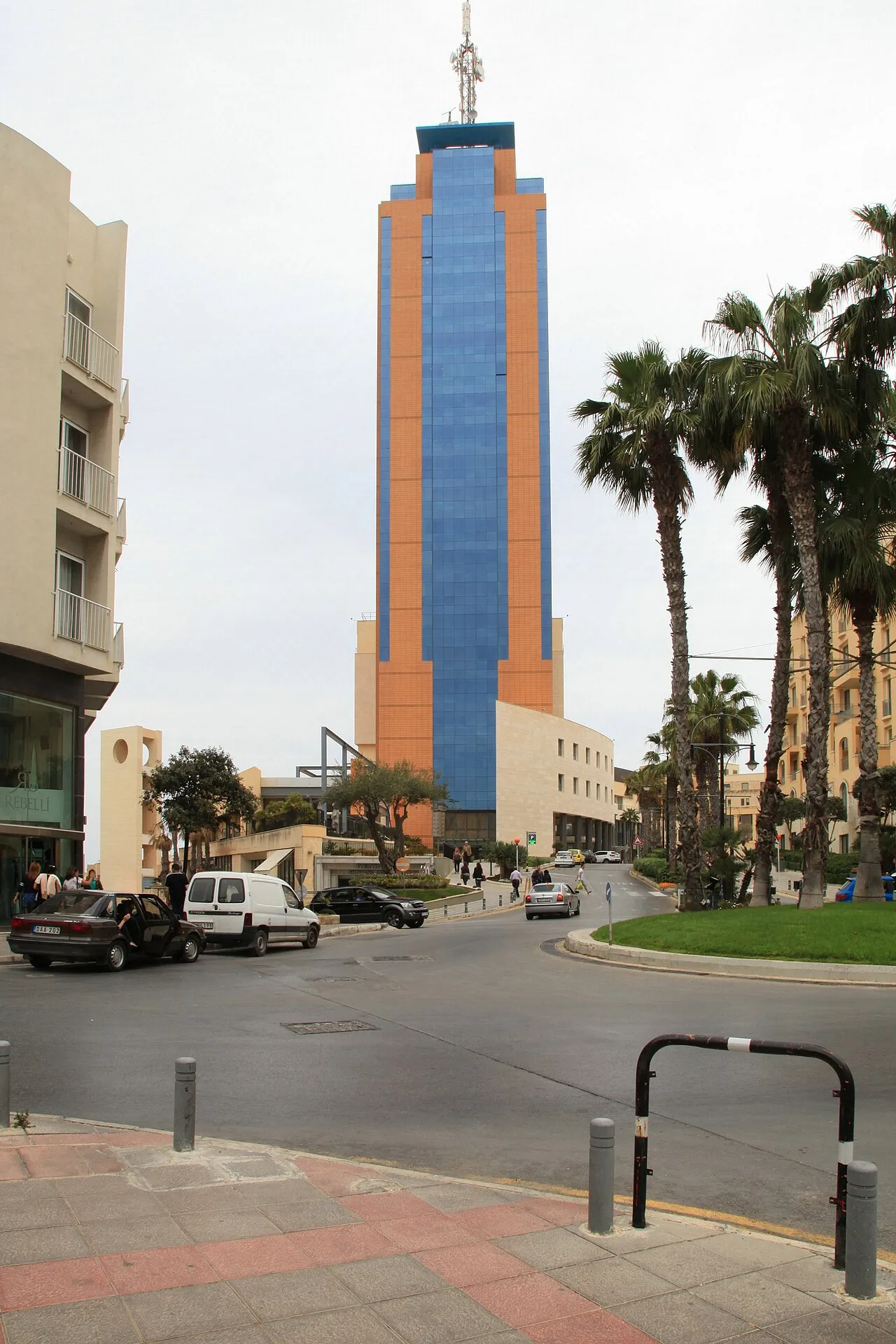
Portomaso Business Tower
Malta · 2001
-
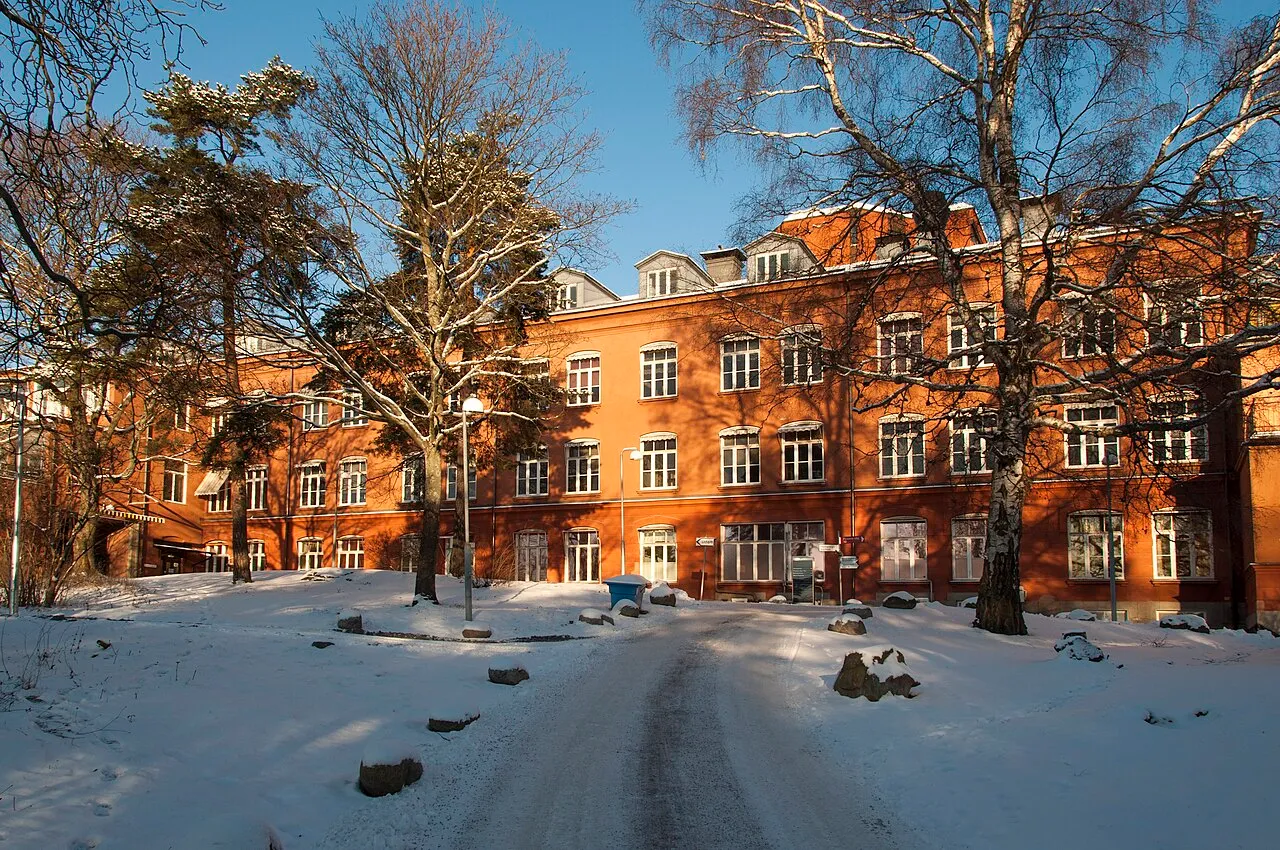
St Göran's Children's Hospital
Stockholm · 1967
-
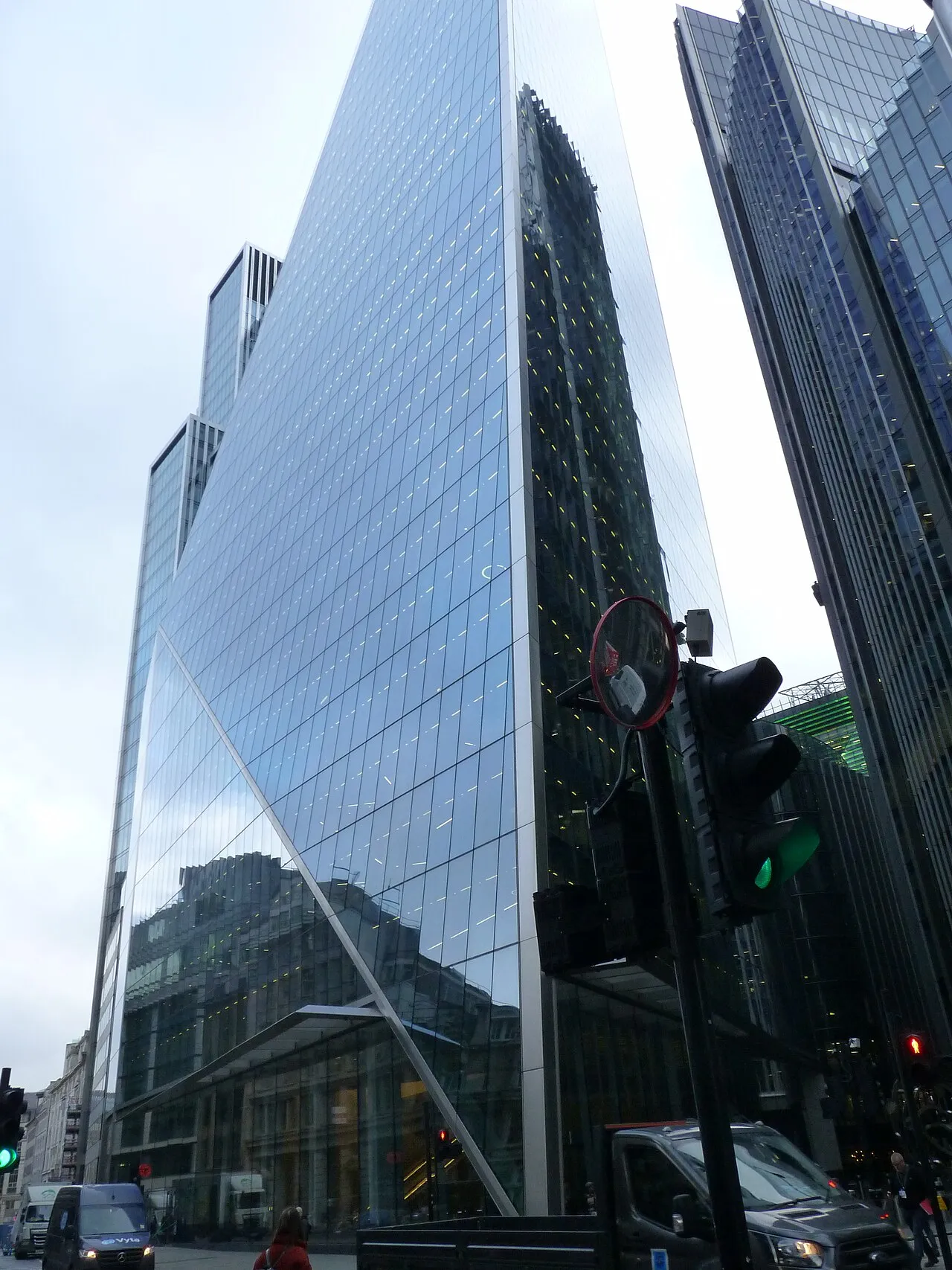
The Scalpel
London · 2018
Late Modernism city by city
Pick a city to see the places on the map, with photos and descriptions.


Keep exploring
Explore all destinations