

Modernism architecture
Modernism architecture across 62 cities in 29 countries. The buildings worth seeing, the architects behind them, and where to find each one.
What is modernism?
Modern architecture emerged as a movement in the 1920s, grounded in new construction technologies, above all glass, steel, and concrete, and in the principle that form should follow function. After World War II it became the dominant mode in architecture and urban planning. Modernism is the umbrella term, and it spans several currents described separately here: functionalism, the International Style, mid-century modern, brutalism, and the large-scale late modernism of the 1960s and 70s.
On the street you recognize it by flat or shallow roofs, smooth facades without ornament, and windows placed where the rooms need light, often asymmetrically, in horizontal bands, or wrapped around corners once concrete frames had freed the outer walls from carrying loads. Pilotis lifting the building off the ground, open floor plans, and roof terraces complete the repertoire.
Germany was the movement’s development center. The Bauhaus, founded in Weimar in 1919 by Walter Gropius, moved to Dessau in 1925, and its 1926 school building remains a canonical work. Le Corbusier formulated his five points of architecture in 1927 and built Villa Savoye in Poissy in 1928-1931, while CIAM, founded in 1928, served as the movement’s international voice. Mies van der Rohe’s Barcelona Pavilion of 1929 belongs to the same canon, and together with Frank Lloyd Wright and Alvar Aalto these architects influenced virtually all building of the twentieth century.
Modernism’s dominance waned during the 1970s and 1980s as postmodern architecture emerged in reaction to its austerity. The judgment has softened since: the postwar stock has reached retirement age, heritage bodies have begun to protect it, and buildings long dismissed as monotonous are being reassessed as cultural history.
Modernism in Sweden
Functionalism broke through at the Stockholm Exhibition in the summer of 1930, and the manifesto acceptera followed in 1931; Swedes still call the style funkis. From the start it was political, tied to the welfare-state project known as folkhemmet, the people's home, and its promise of good housing for everyone.
Between roughly 1940 and 1960 the idiom softened, pitched roofs returned, and cities grew through standardized housing types: smalhus, narrow blocks about nine meters deep lit from two sides, freestanding lamellhus blocks, punkthus point towers, and the star-plan stjärnhus that Backström & Reinius built in Gröndal (1944-1946). Vällingby, planned under Sven Markelius, was the country's first ABC town, pairing work, housing, and a town center around the new subway; its center was inaugurated in 1954 and the district became an international showcase for the welfare state.
Rekordåren, Sweden's record years of economic growth in the 1960s and 70s, carried the era's large-scale late modernism. The Million Programme of 1965-1974, which produced about a million dwellings, was a housing policy and never a style; its buildings are mostly late modernist or brutalist. Landmarks include Radiohuset (1962) and Peter Celsing's Kulturhuset, inaugurated in 1974.
See the style in Stockholm, Malmö, Uppsala, Norrbotten, Gothenburg, Skövde.
Notable modernism buildings
-
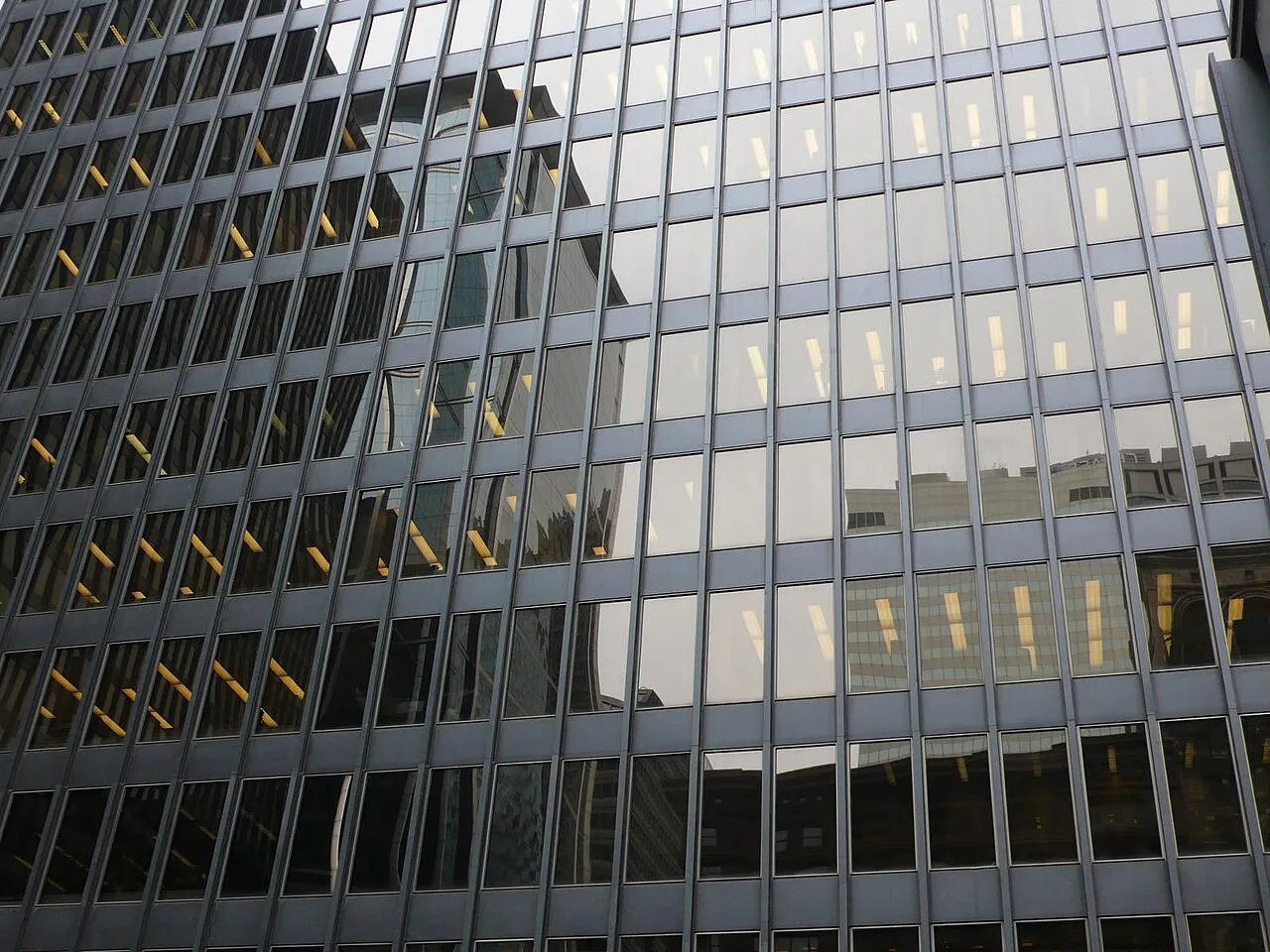
Federal Center
Chicago · 1974
-
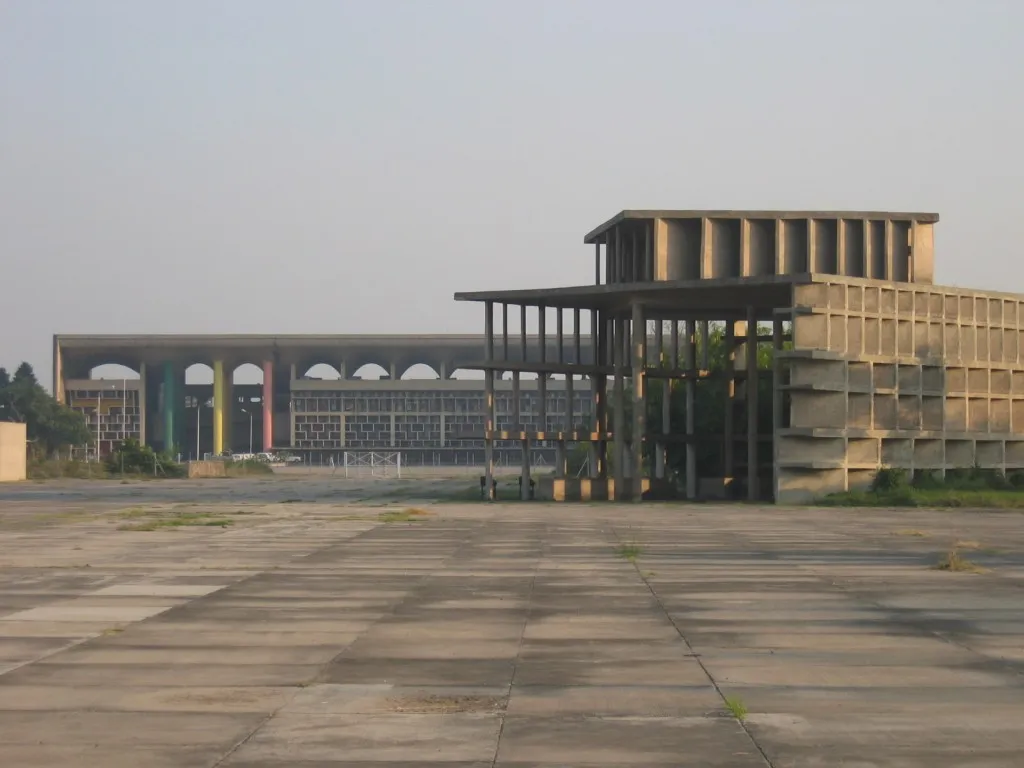
Tower of Shadows
Chandigarh · 1956
-
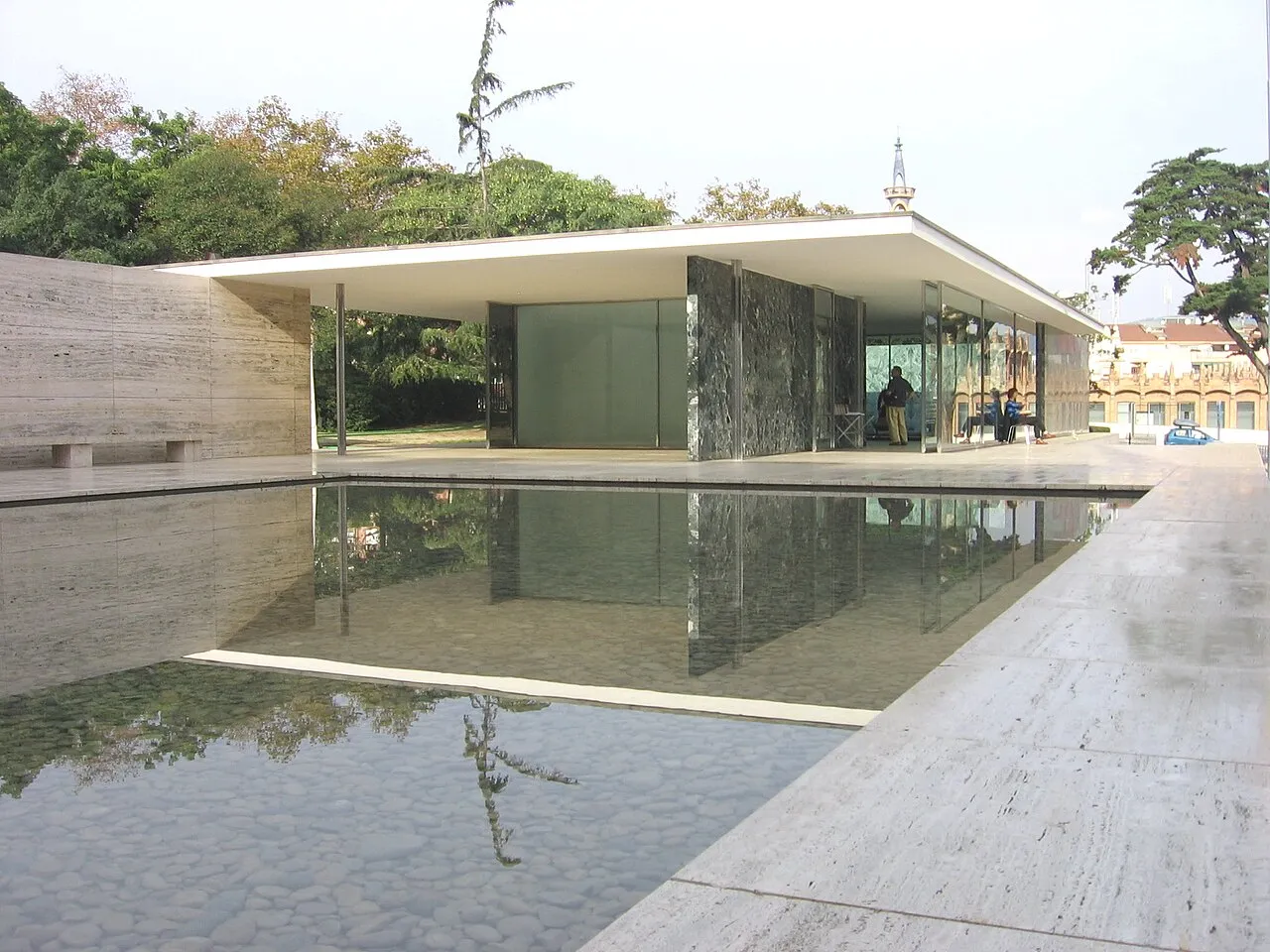
Pavelló Mies van der Rohe
Barcelona · 1929
-
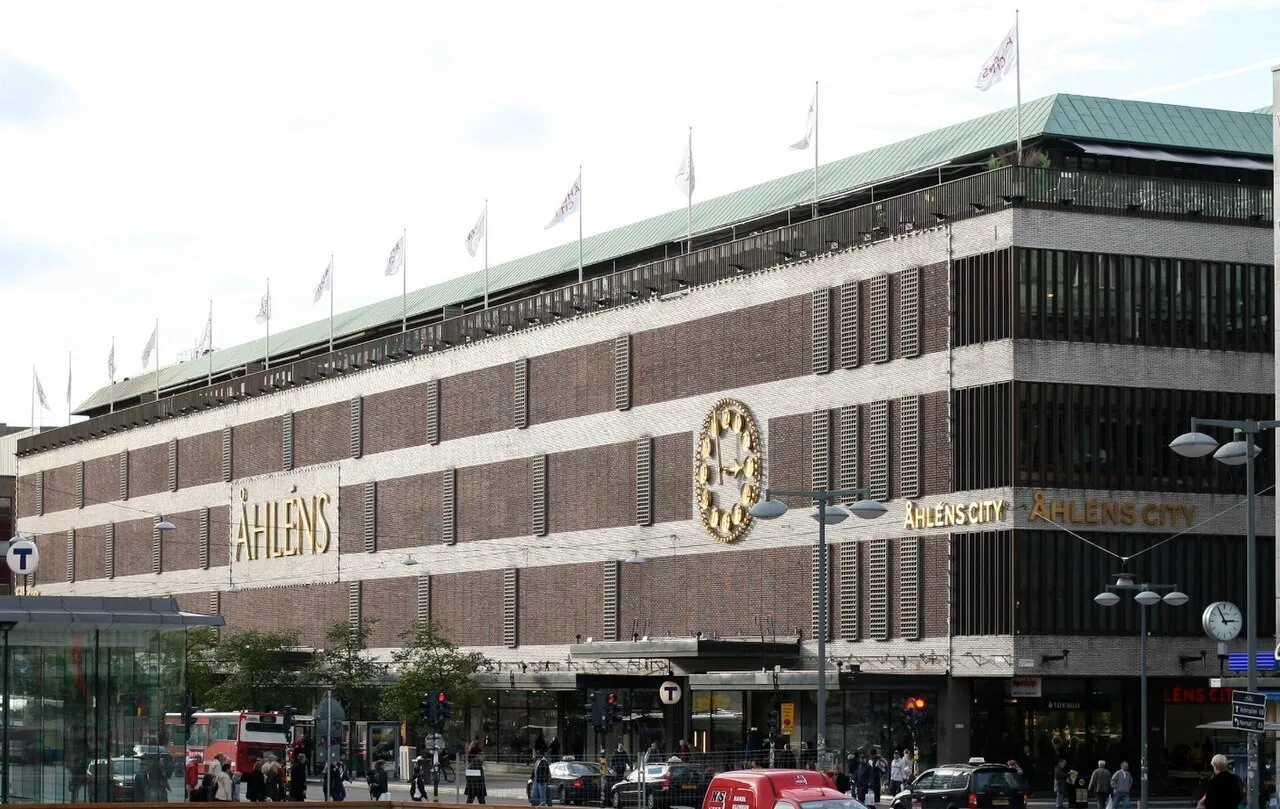
Åhléns City
Stockholm · 1964
-
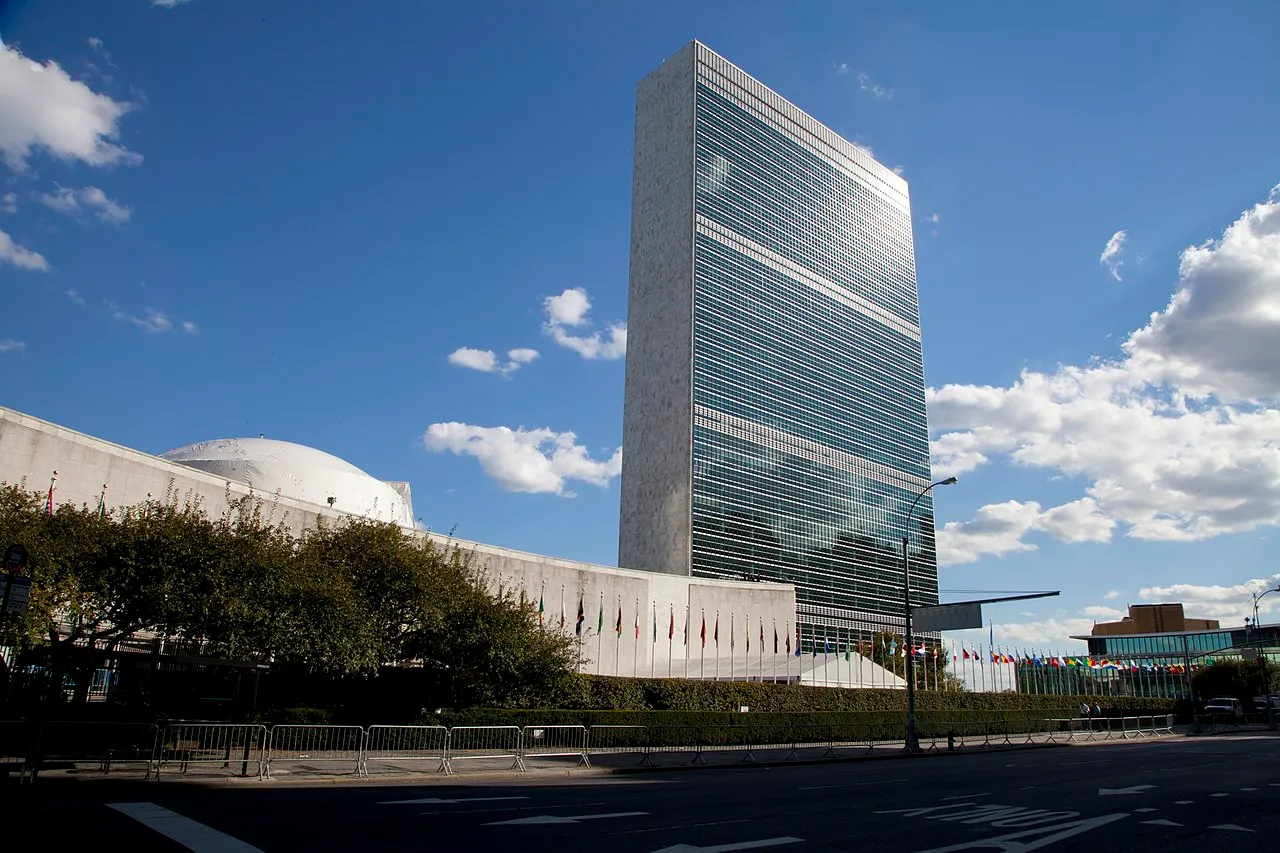
United Nations Headquarters
New York · 1952
-
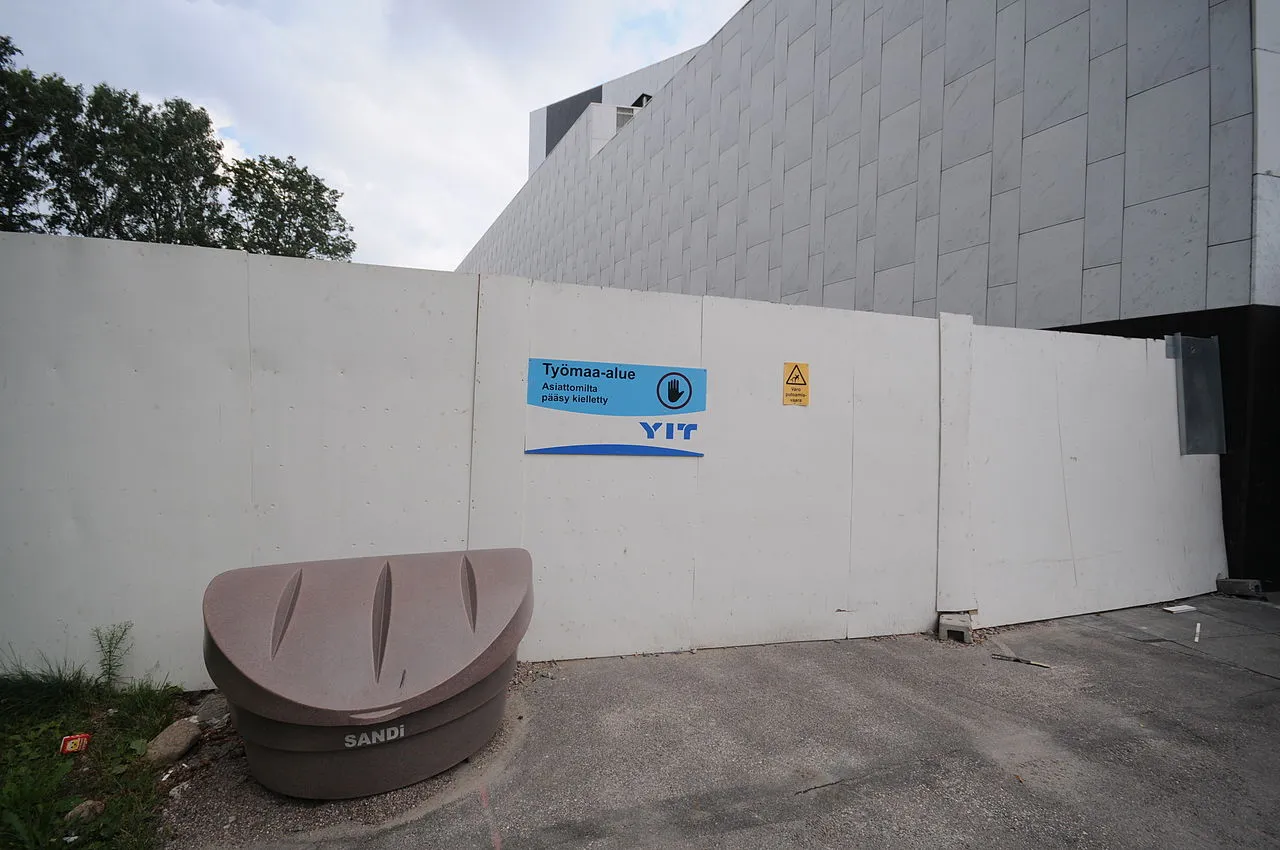
Finlandia Hall
Helsinki · 1971
-
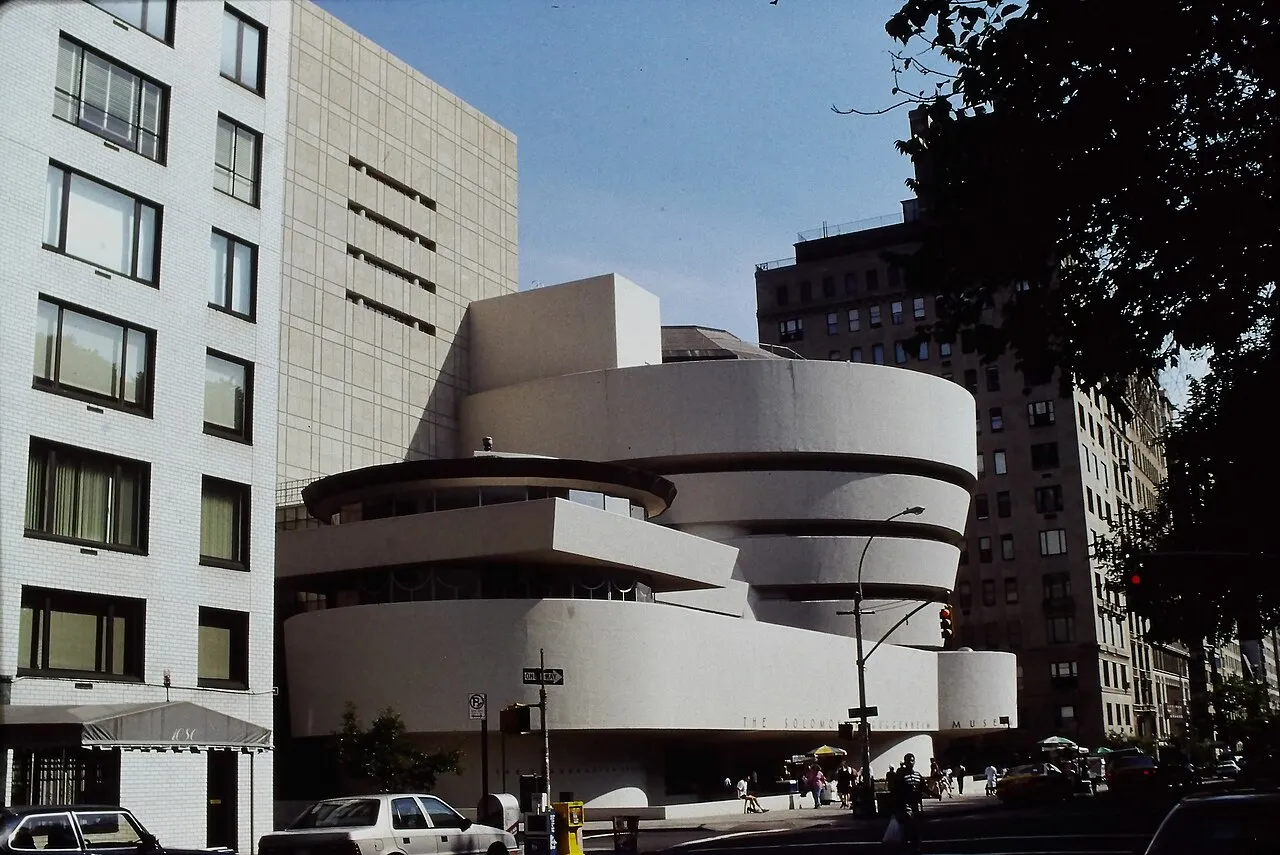
Solomon R. Guggenheim Museum
New York · 1959
-
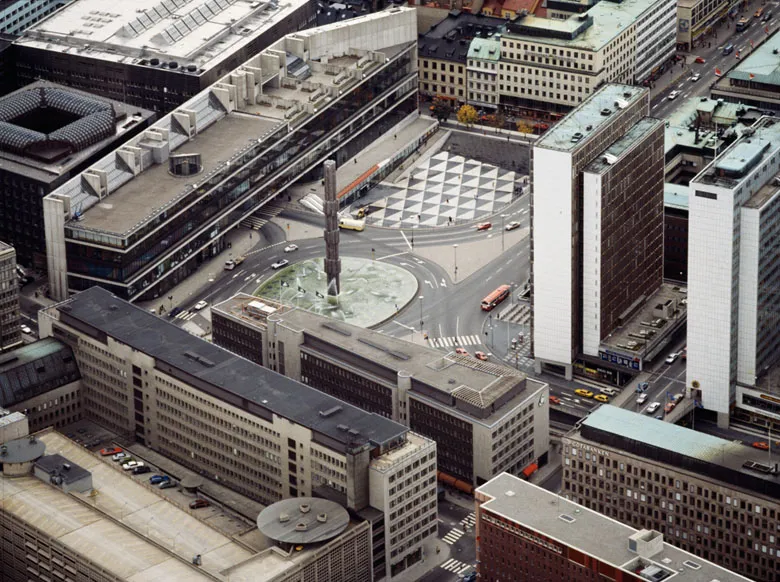
The House of Culture
Stockholm · 1974
-
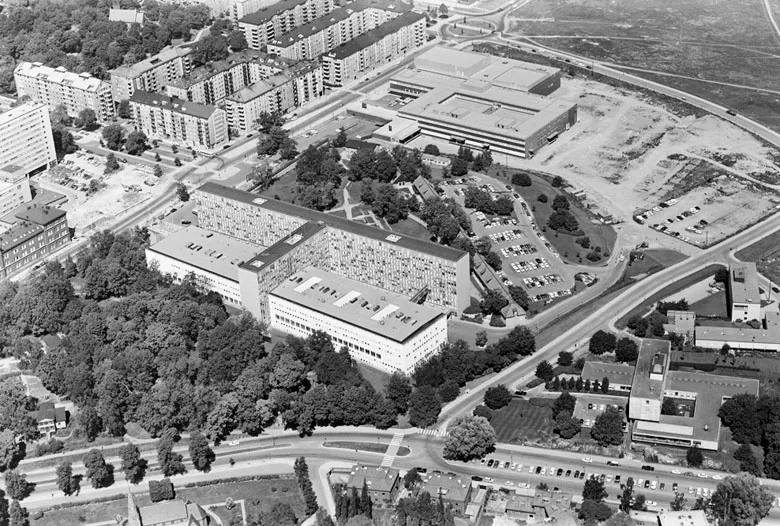
Radiohuset
Stockholm · 1962
-
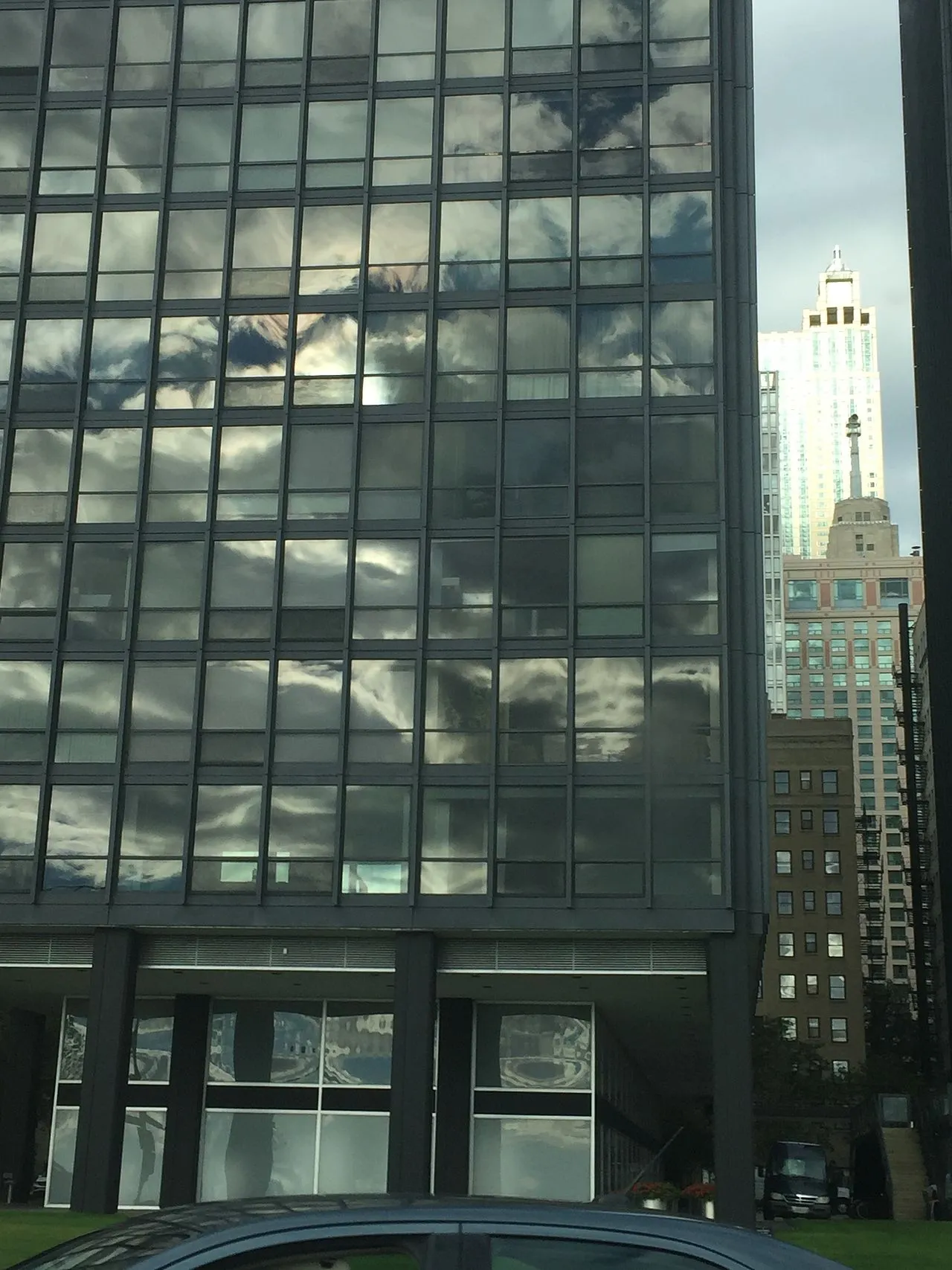
860-880 North Lake Shore Drive
Chicago · 1951
-
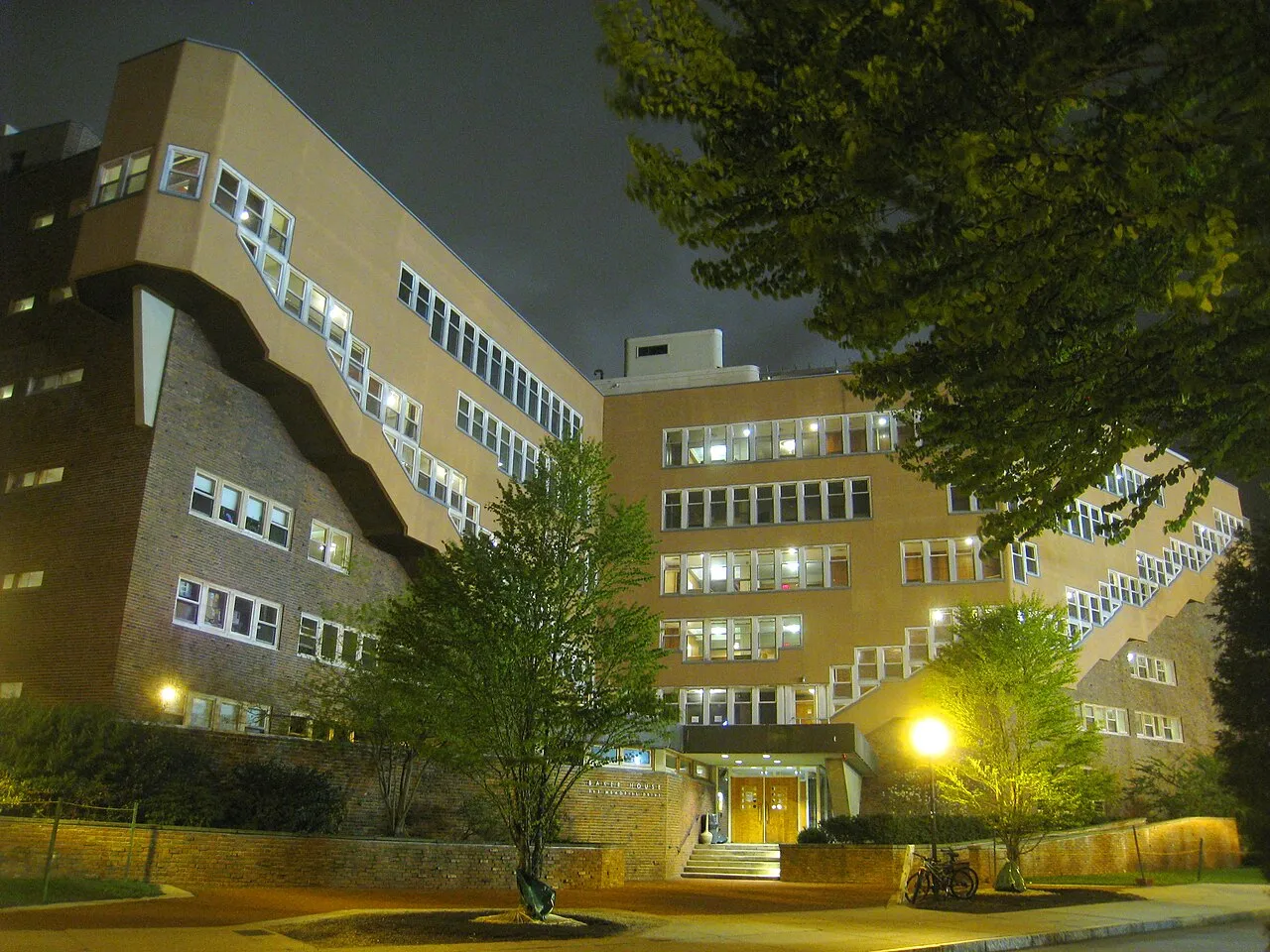
Baker House
Cambridge · 1949
-
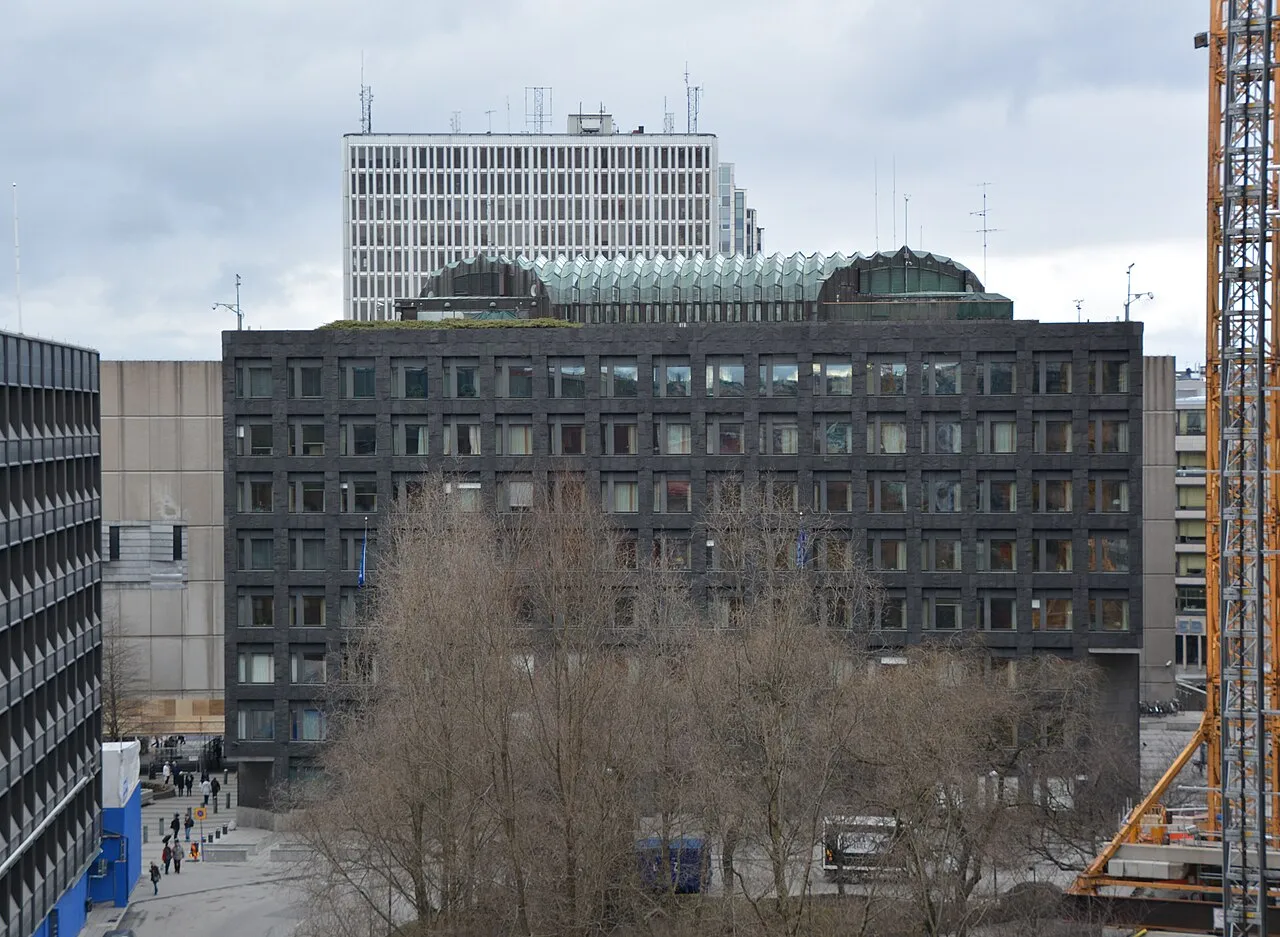
Riksbanken
Stockholm · 1976
Modernism city by city
Pick a city to see the places on the map, with photos and descriptions.
-
Sweden
Stockholm
37 places
-
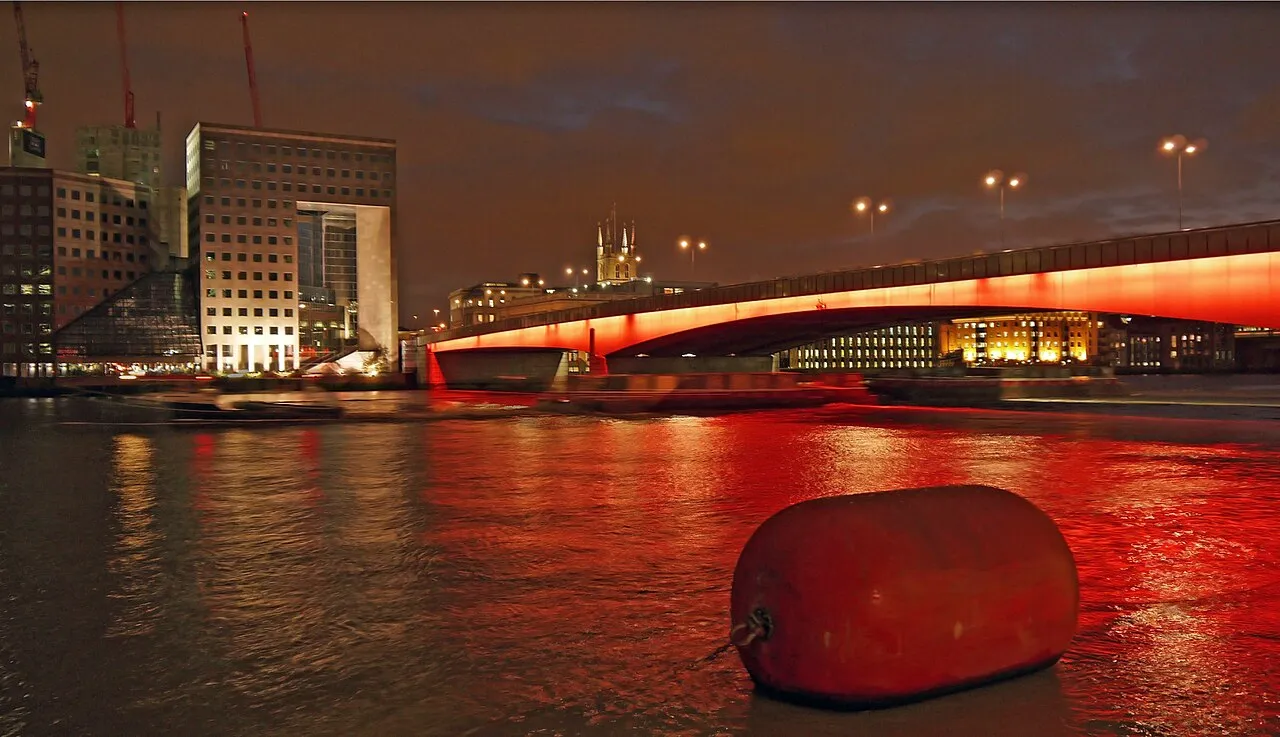
United Kingdom
London
31 places
-
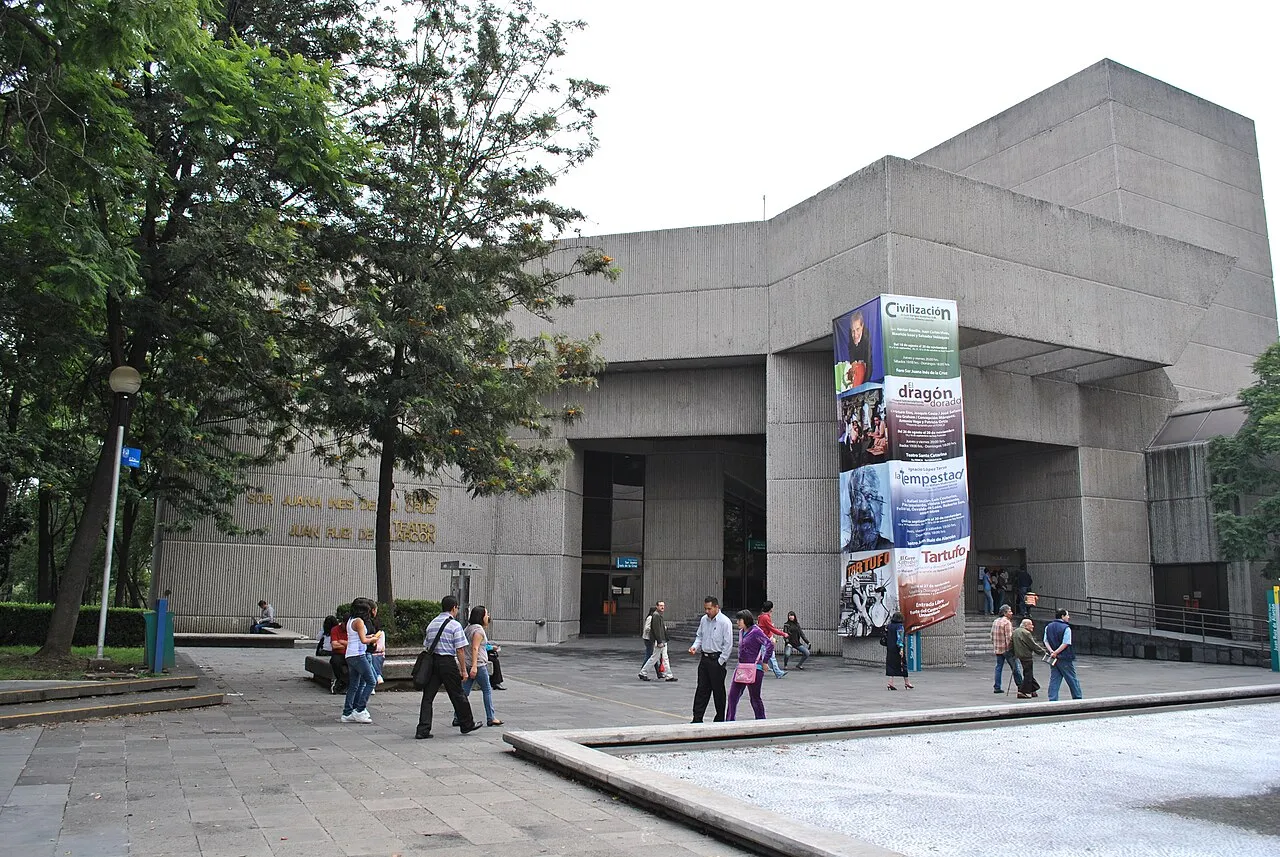
Mexico
Mexico City
22 places
-
United States
New York
18 places
-
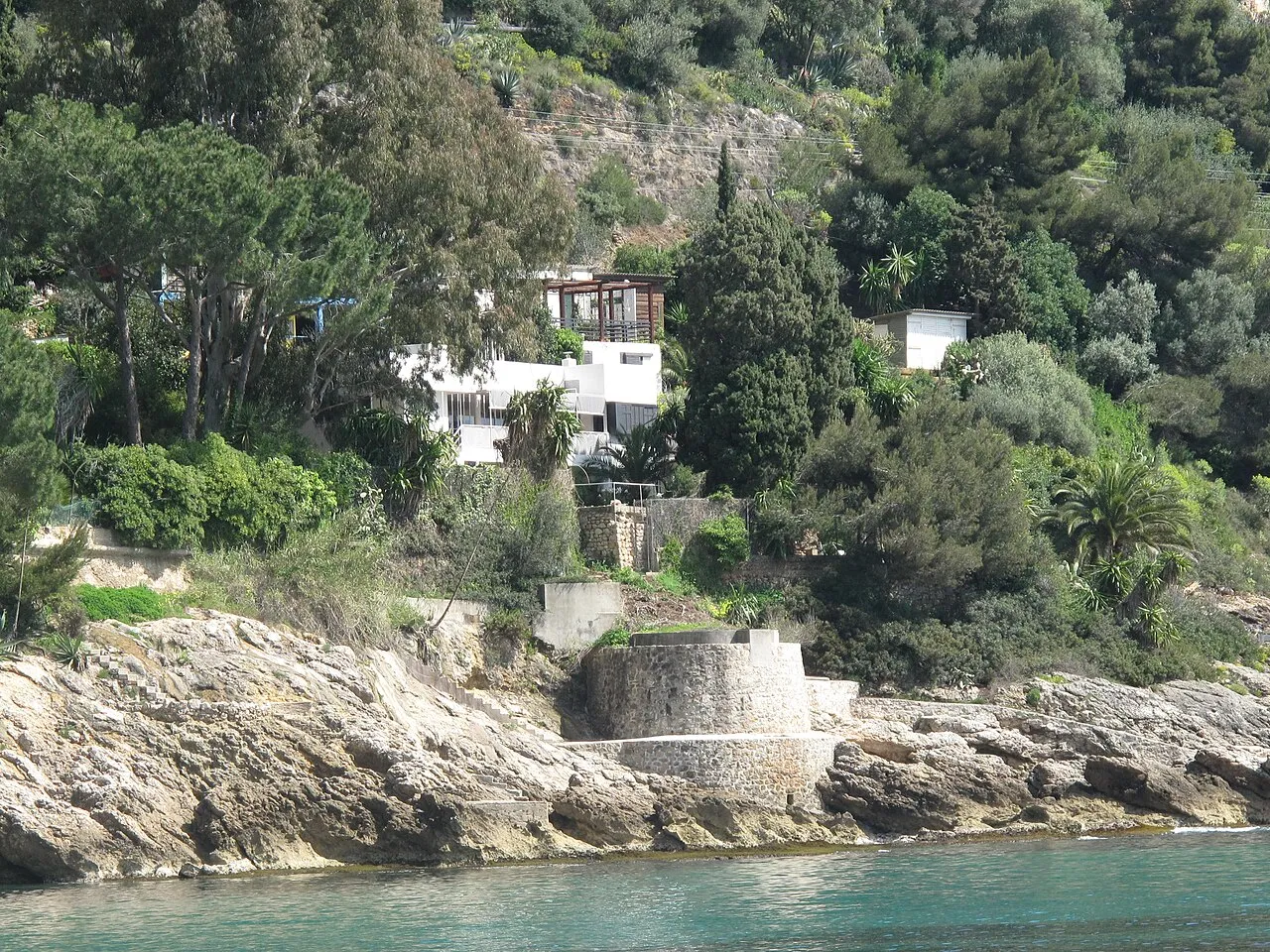
France
Provence-Alpes-Côte d'Azur
15 places
-
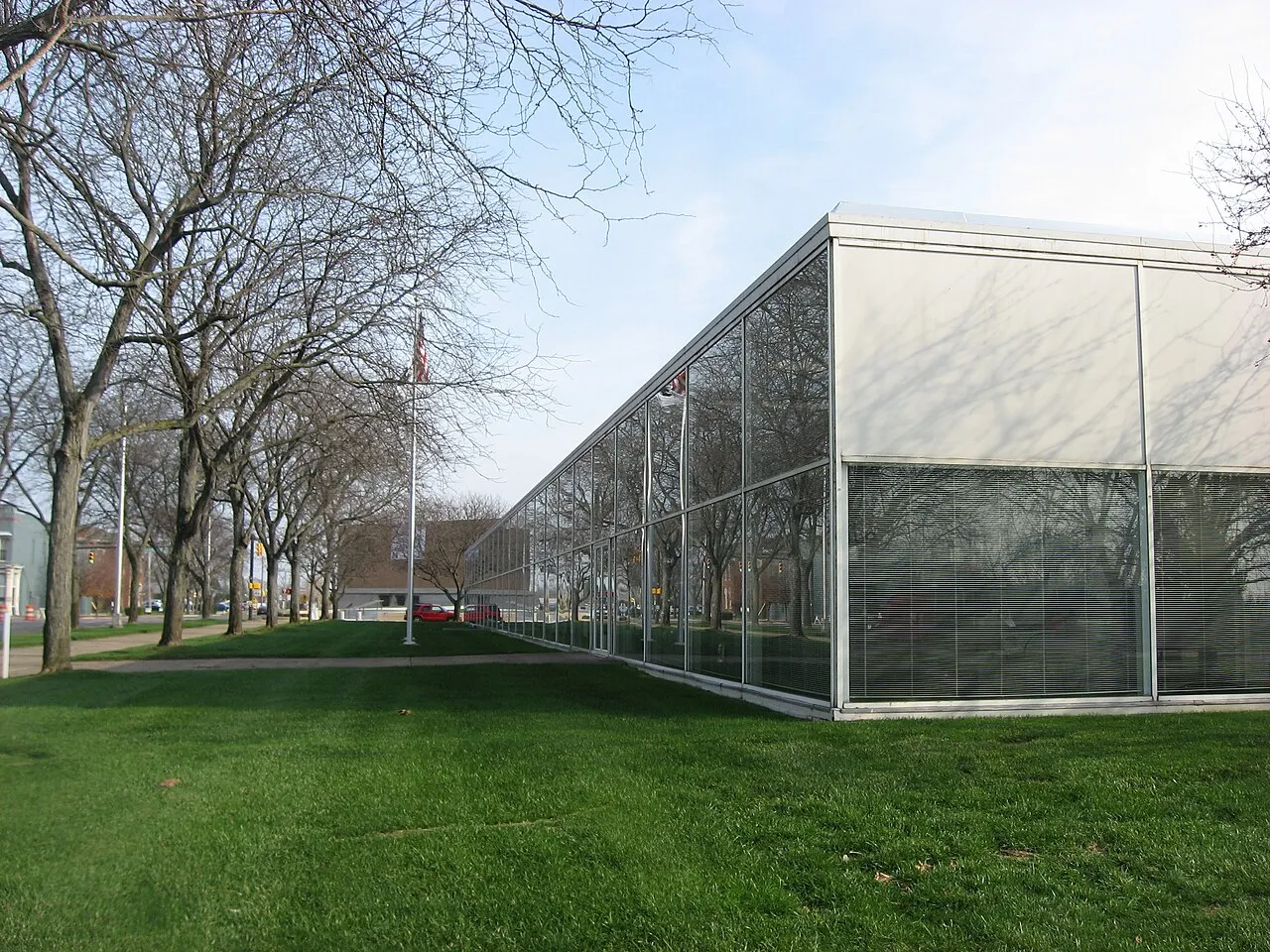
United States
Columbus
14 places
-
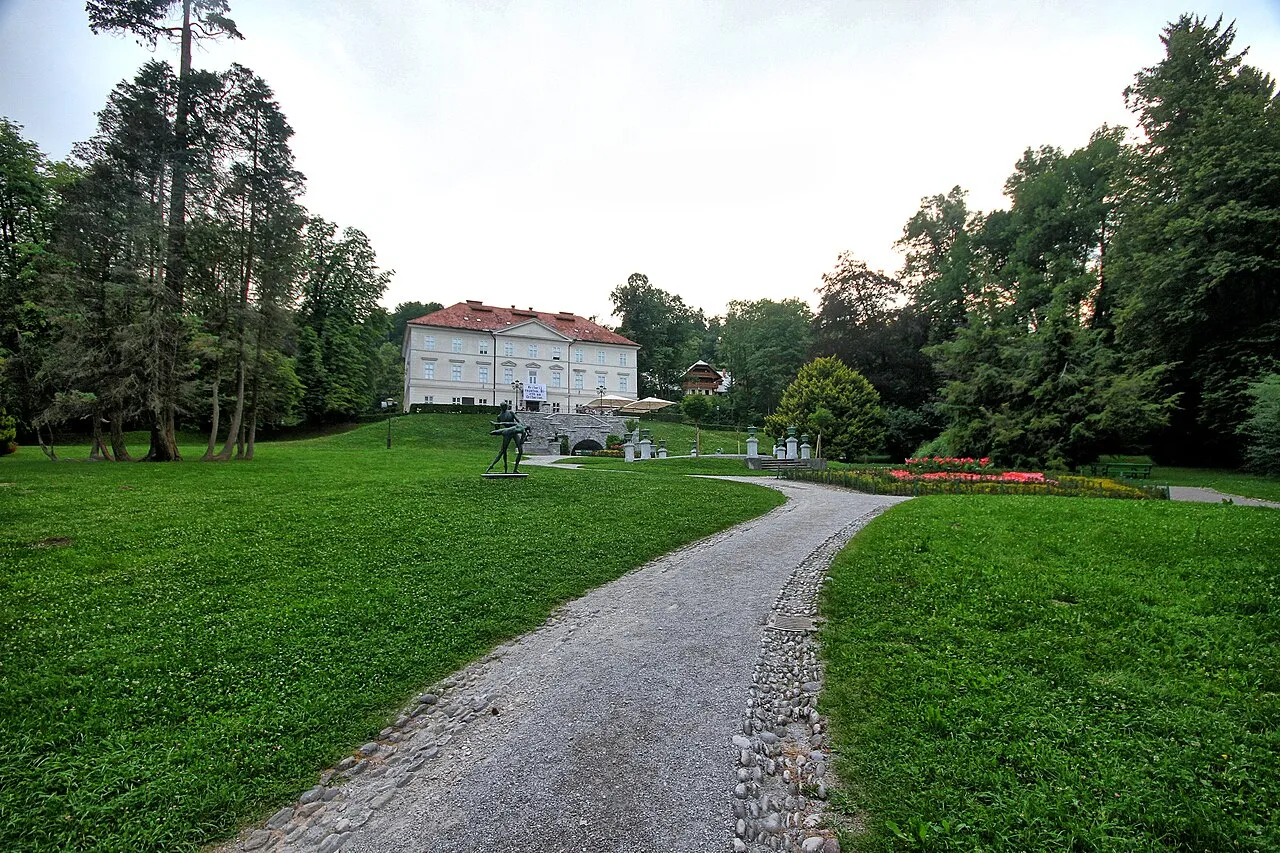
Slovenia
Ljubljana
14 places
-
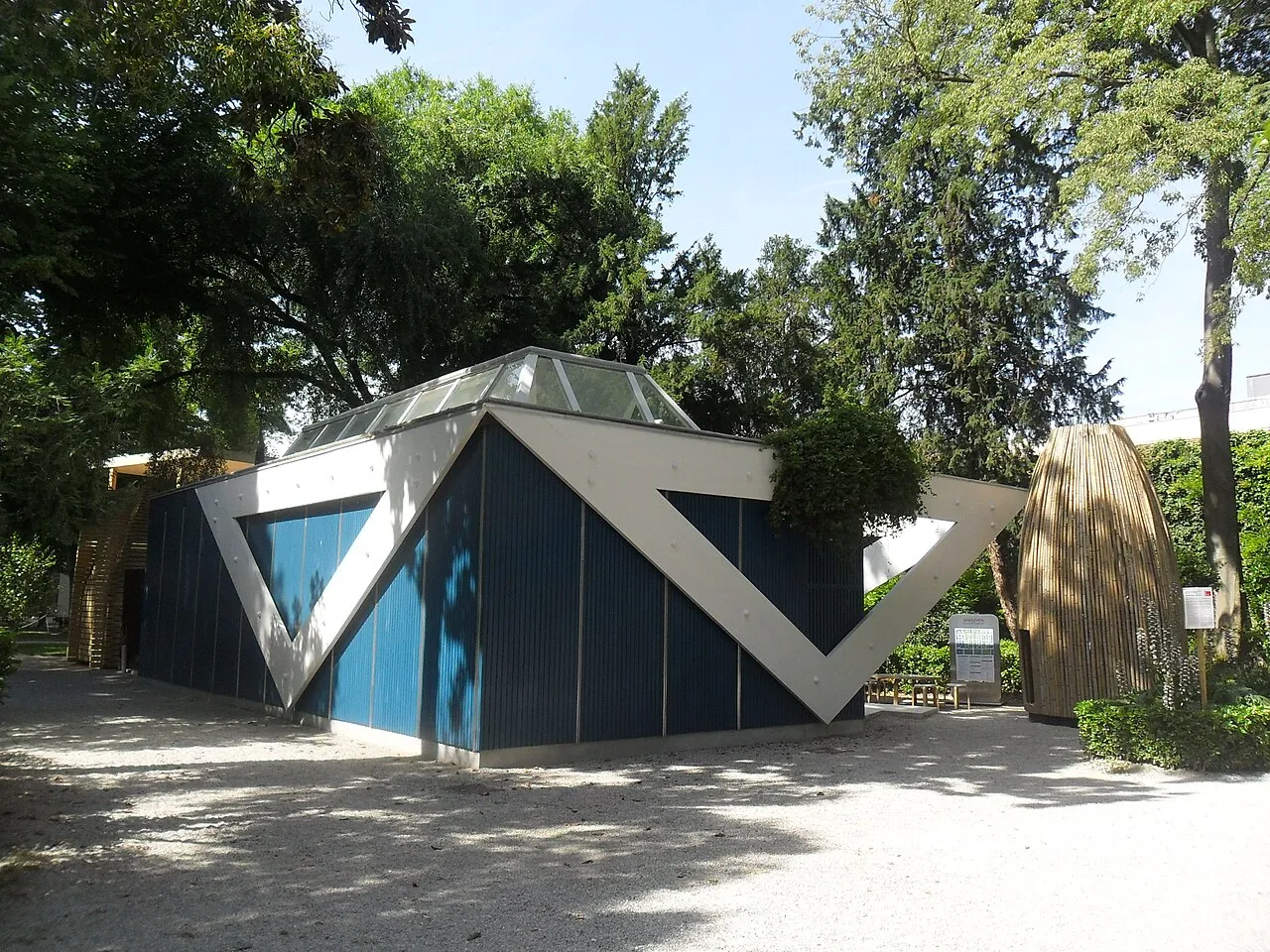
Italy
Venice
14 places
-
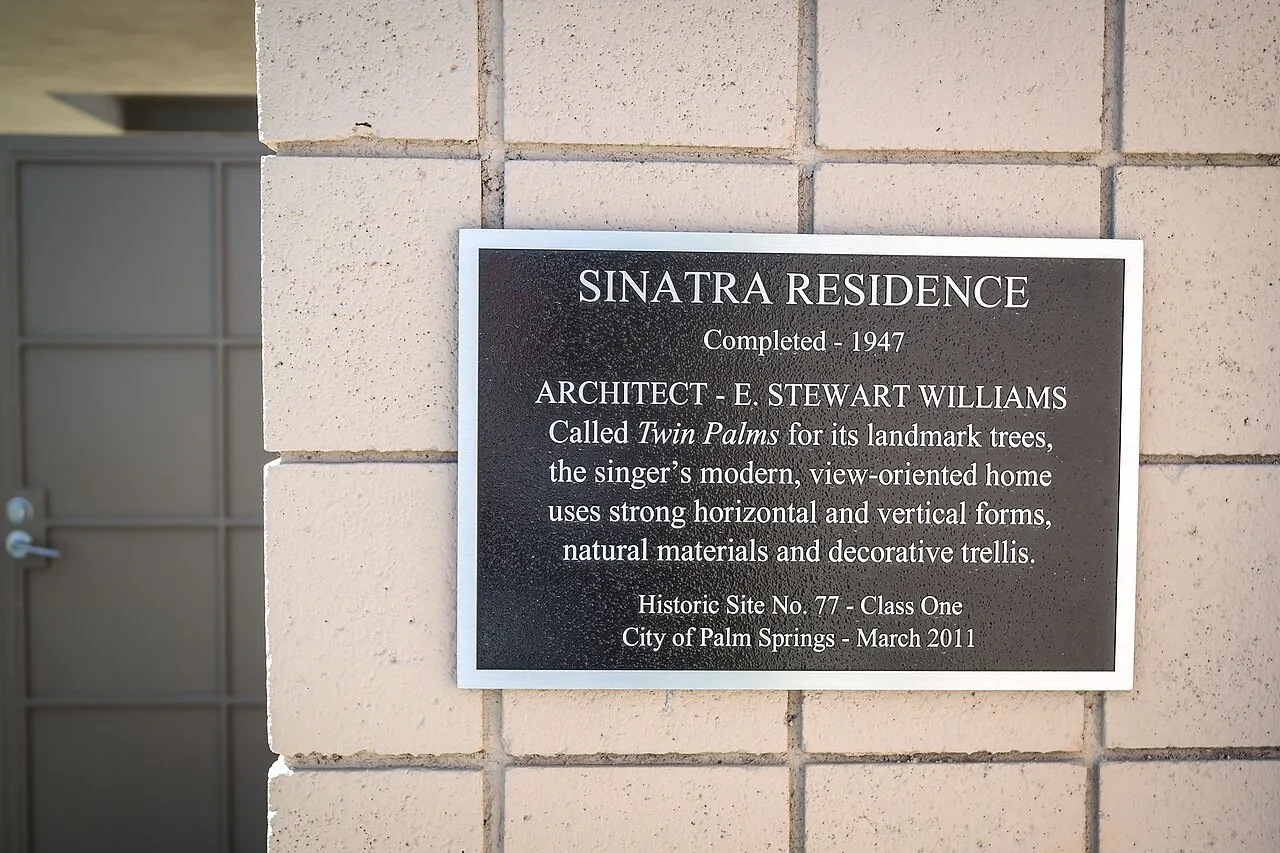
United States
Palm Springs
13 places
-
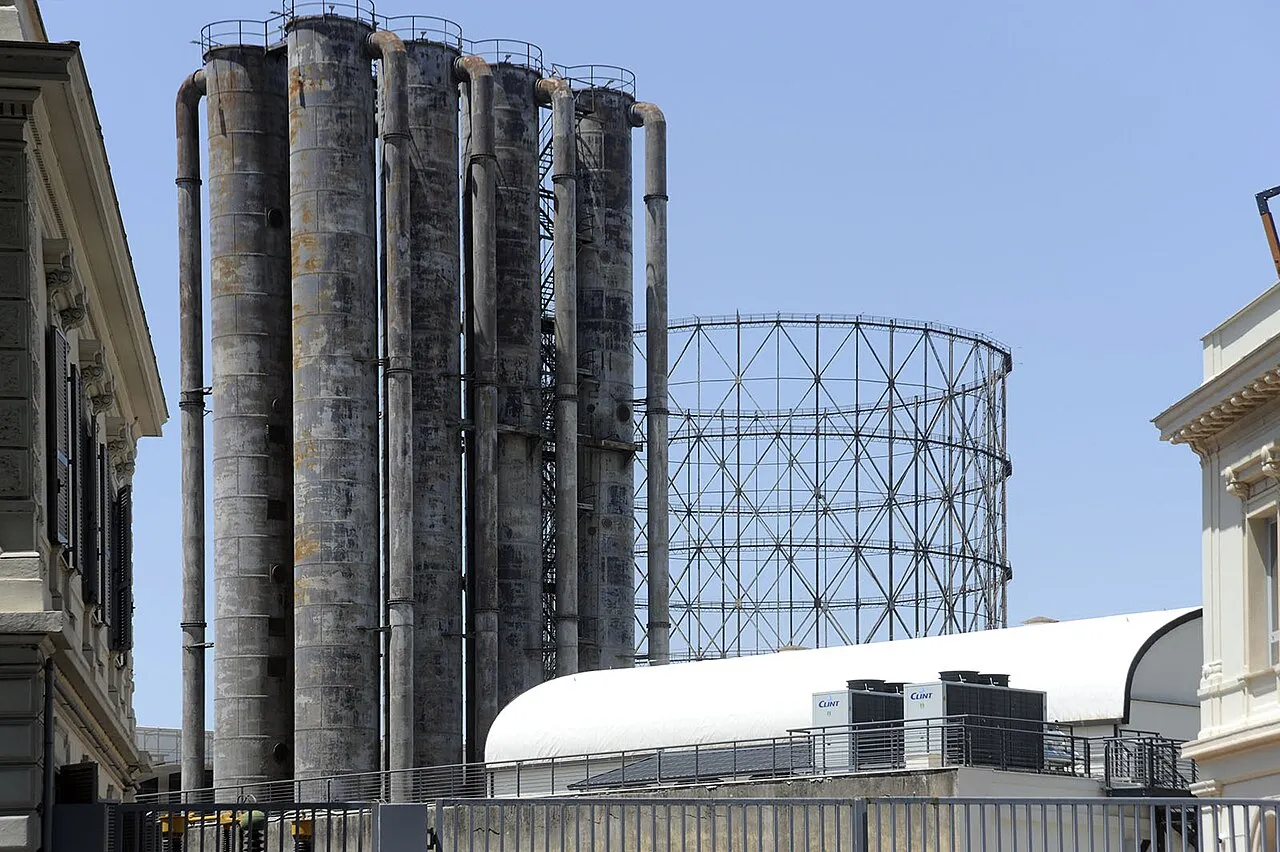
Italy
Rome
13 places
-
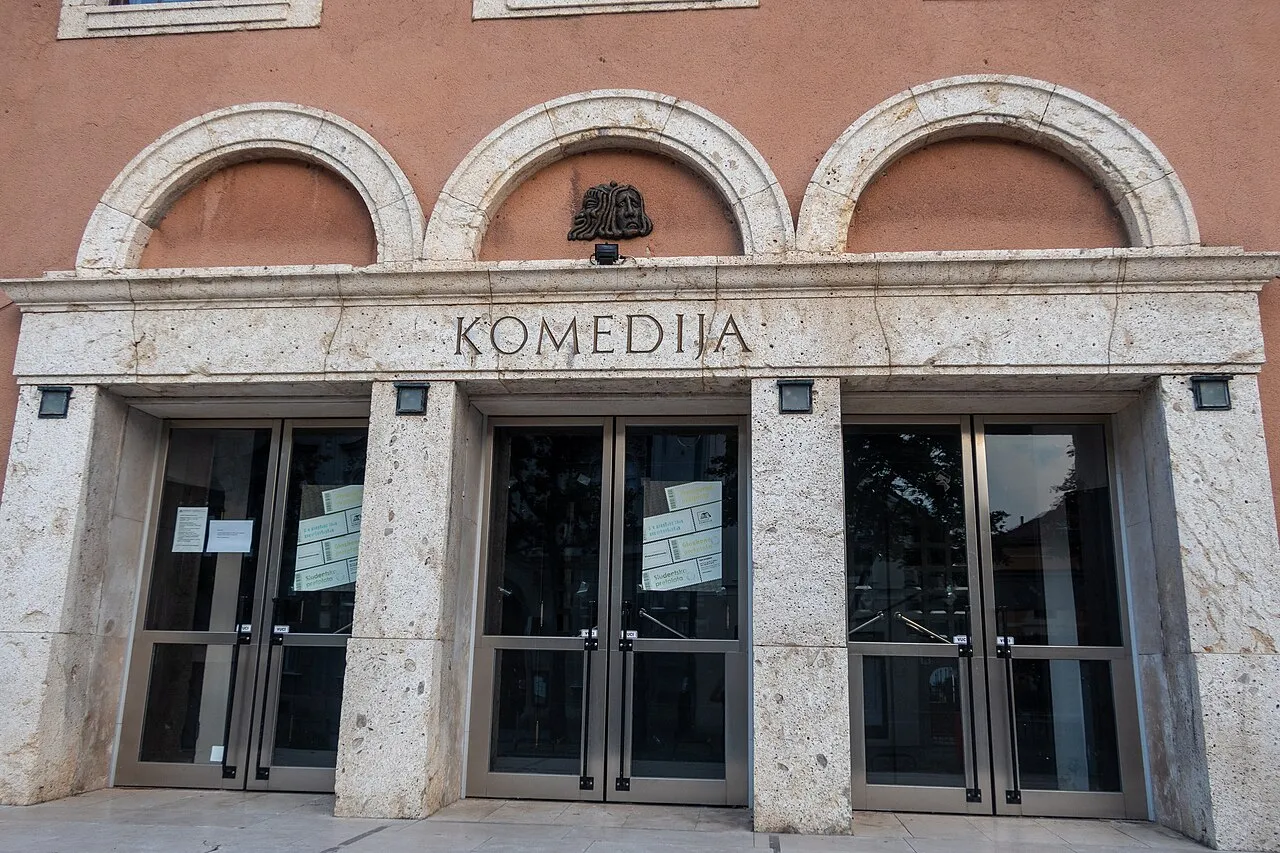
Croatia
Zagreb
13 places
-
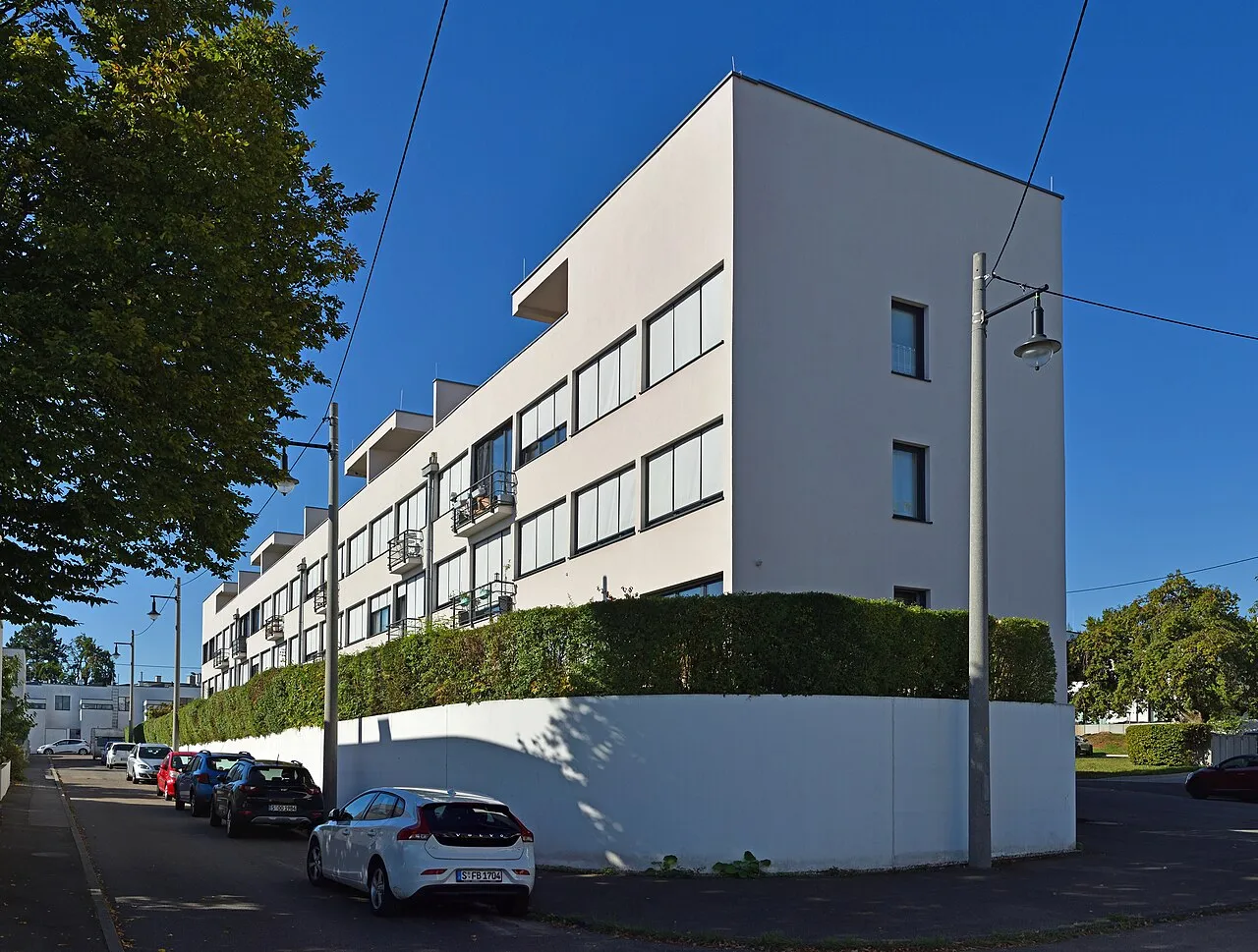
Germany
Bavaria
12 places
-
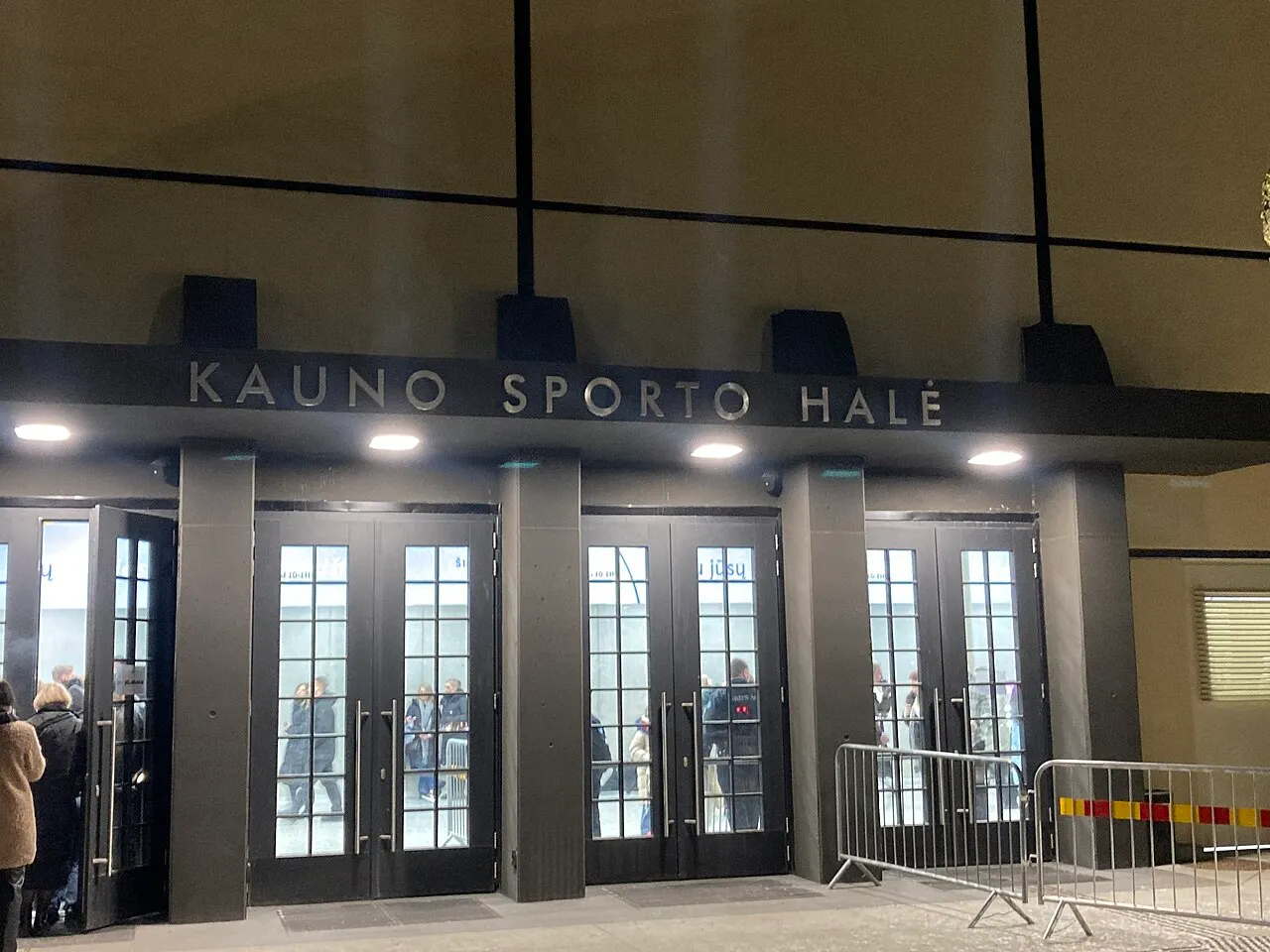
Lithuania
Kaunas
12 places
-
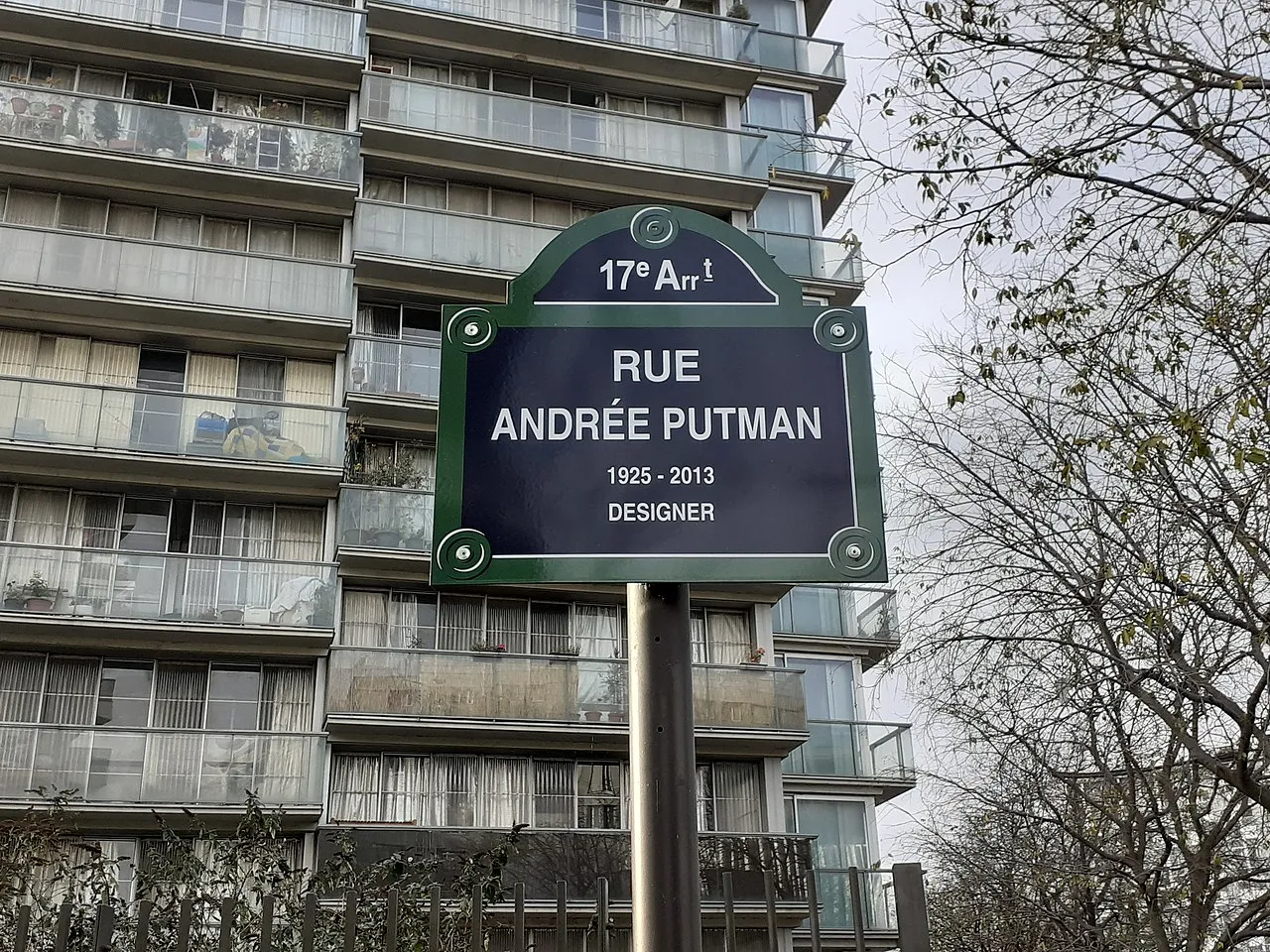
France
Paris
12 places
-
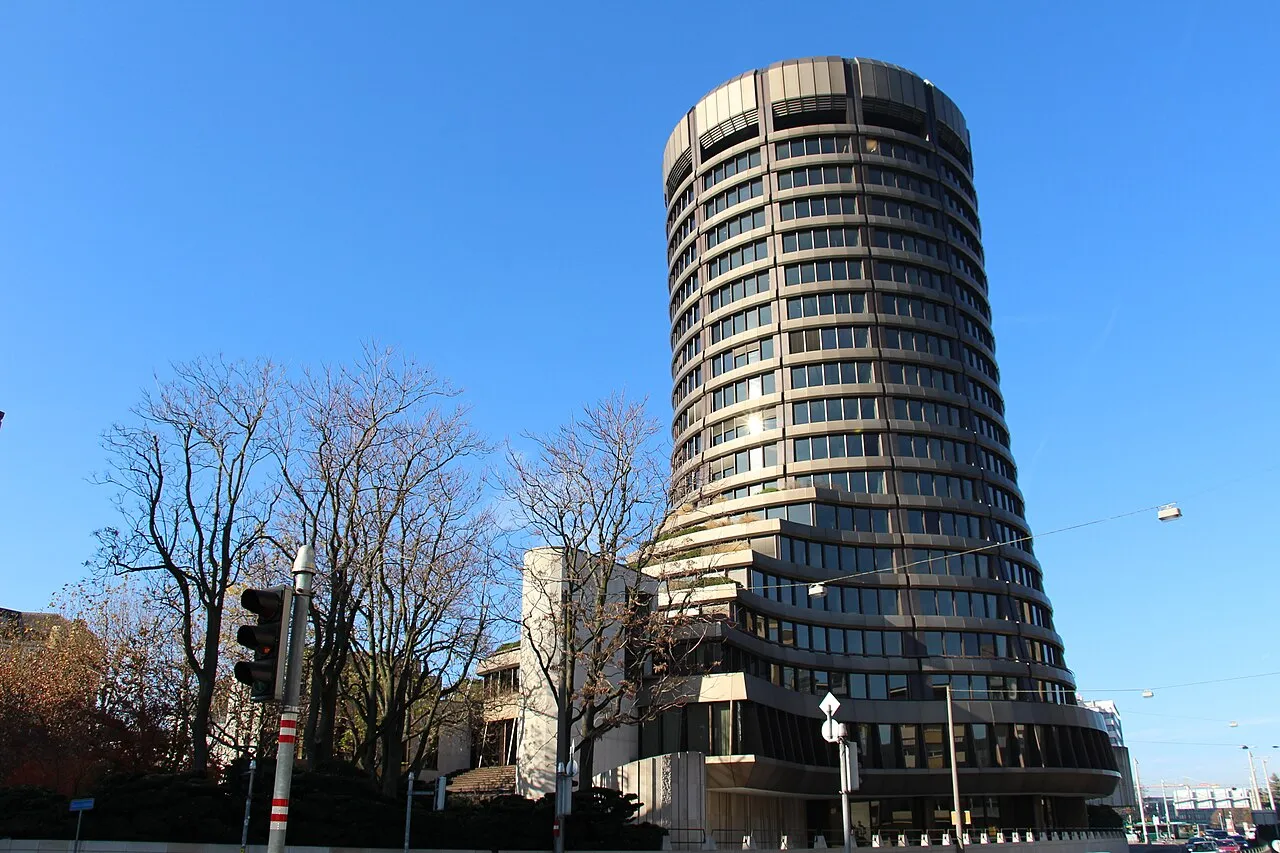
Switzerland
Basel
11 places
-
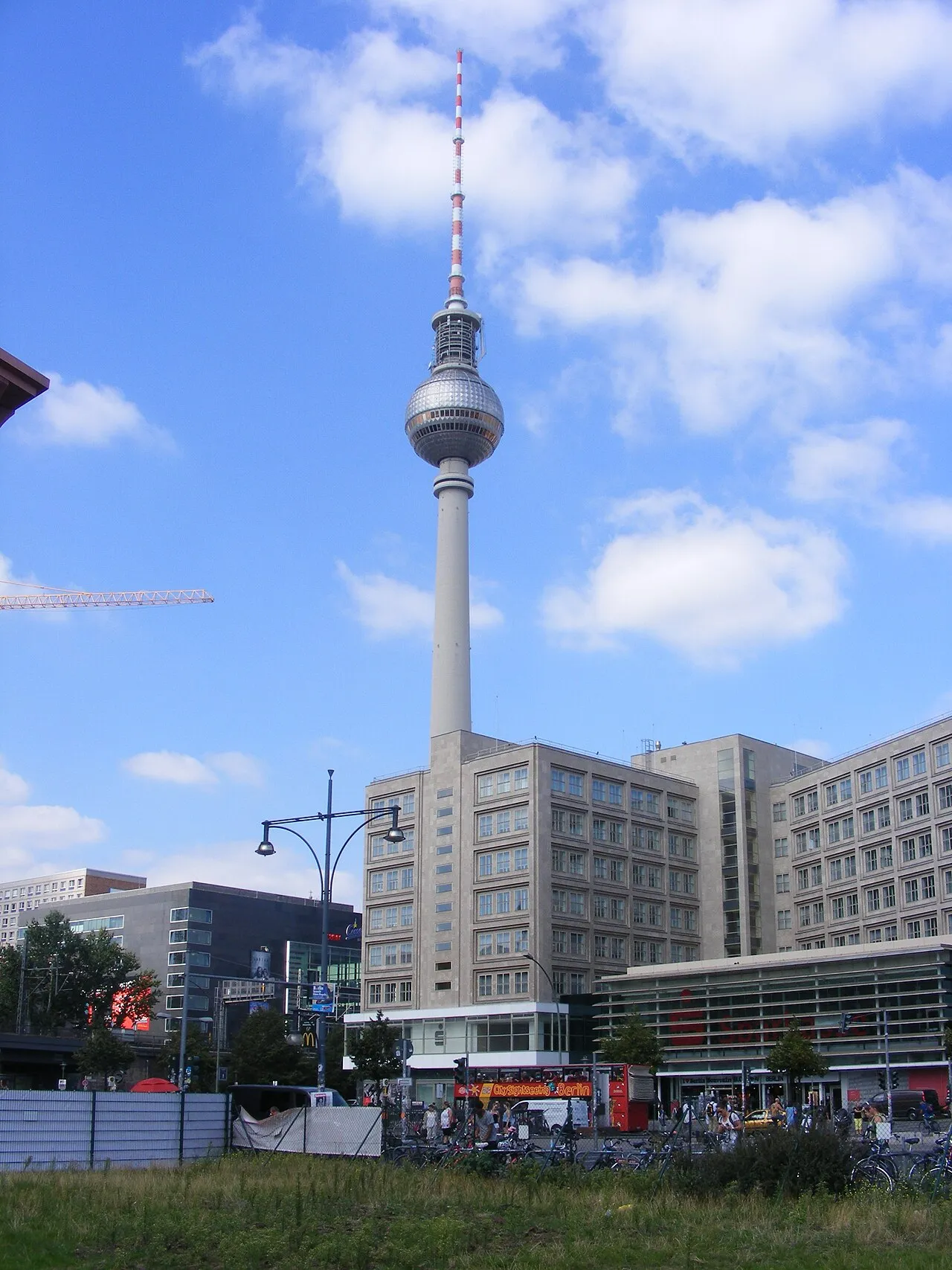
Germany
Berlin
11 places
-
United States
Chicago
11 places
-
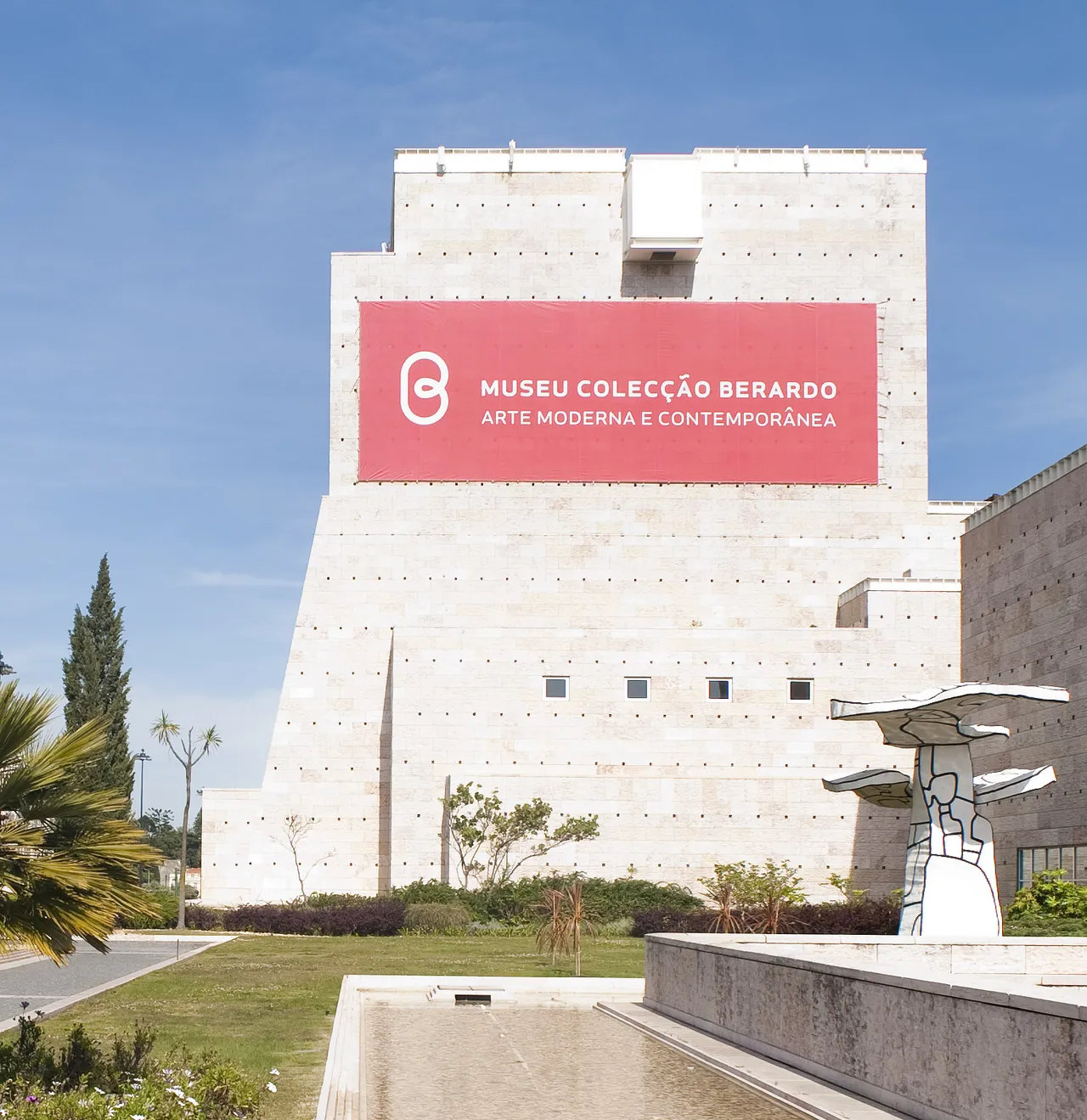
Portugal
Lisbon
11 places
-
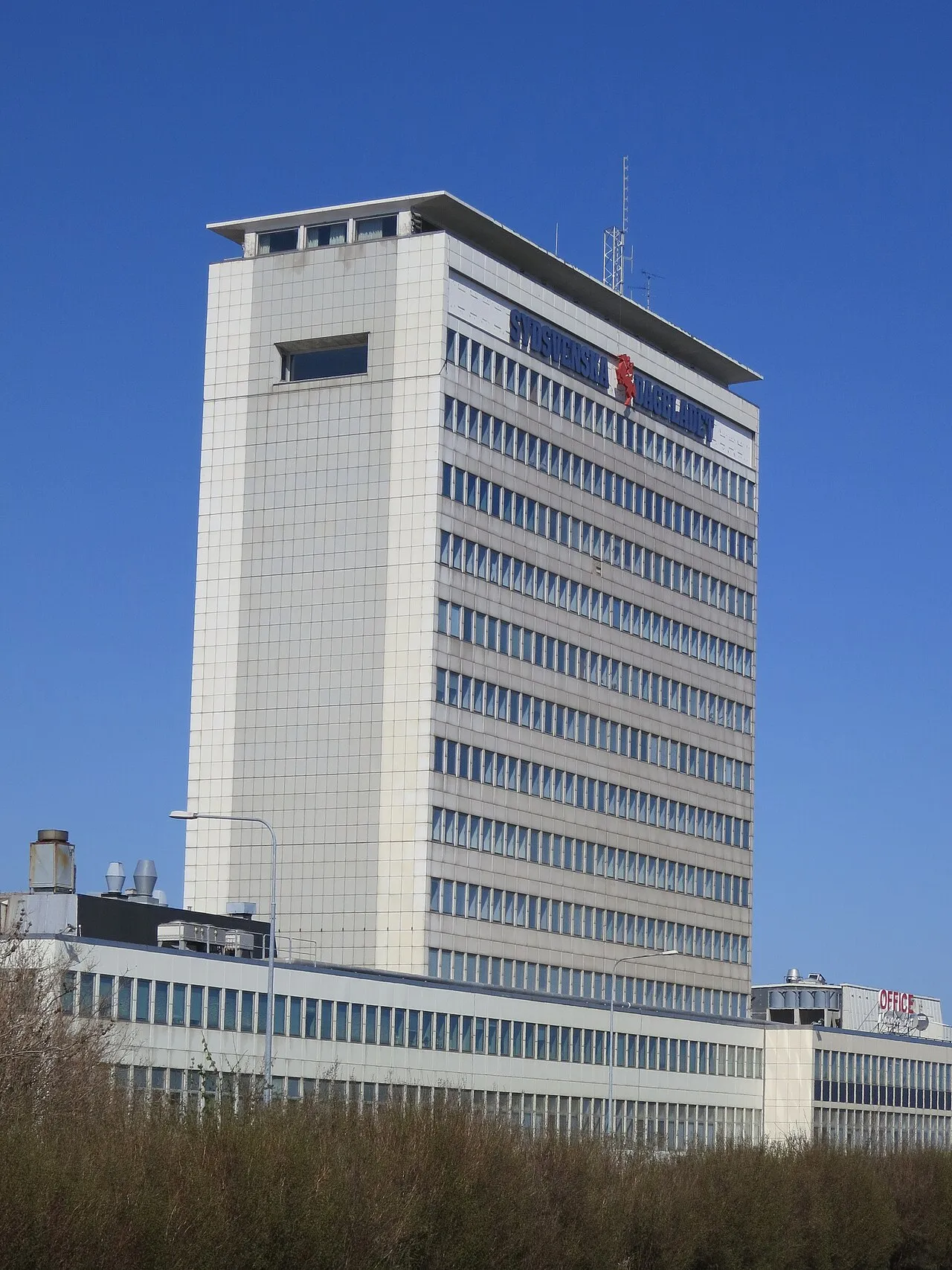
Sweden
Malmö
10 places
-
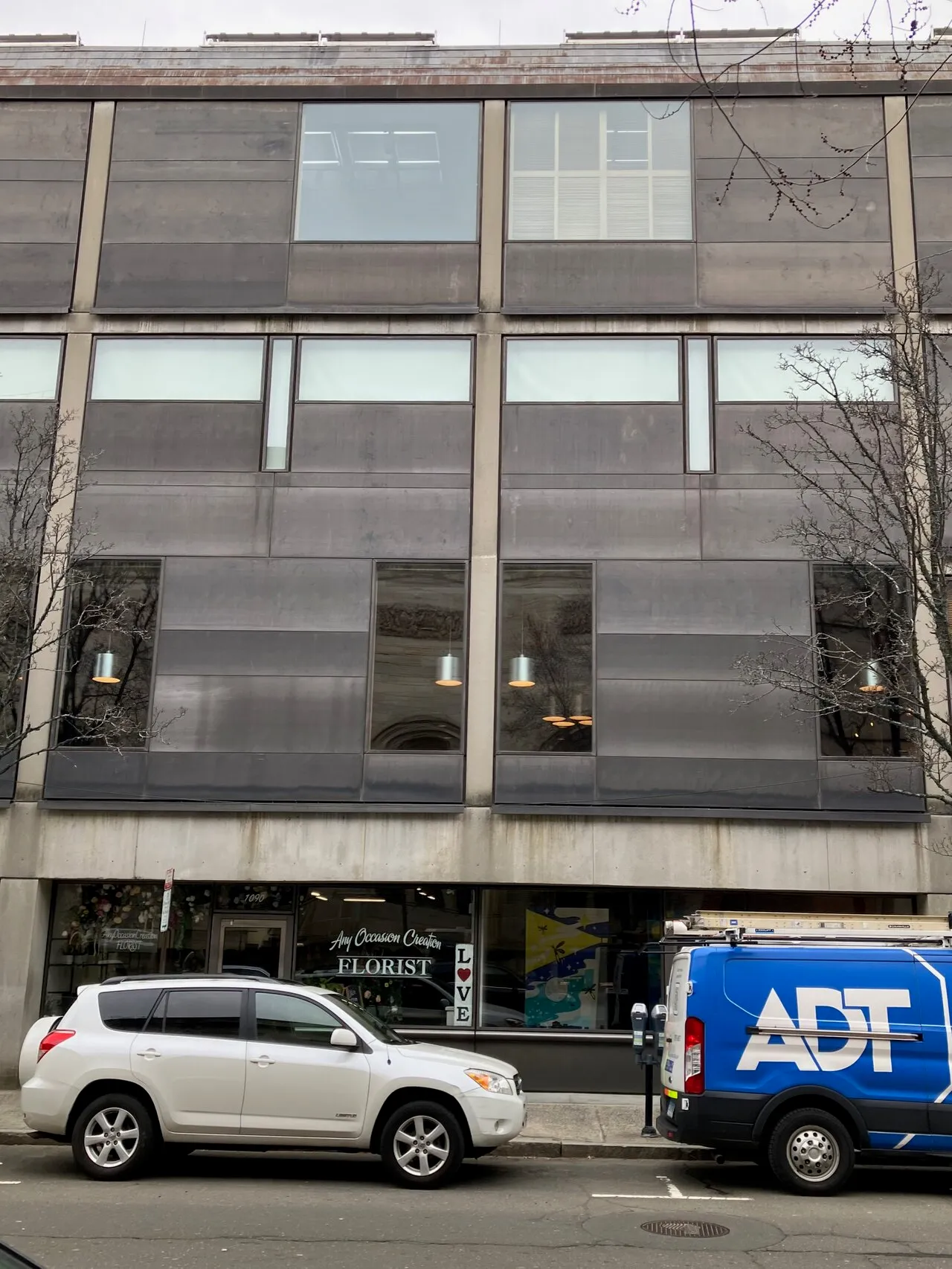
United States
New Haven
10 places
-
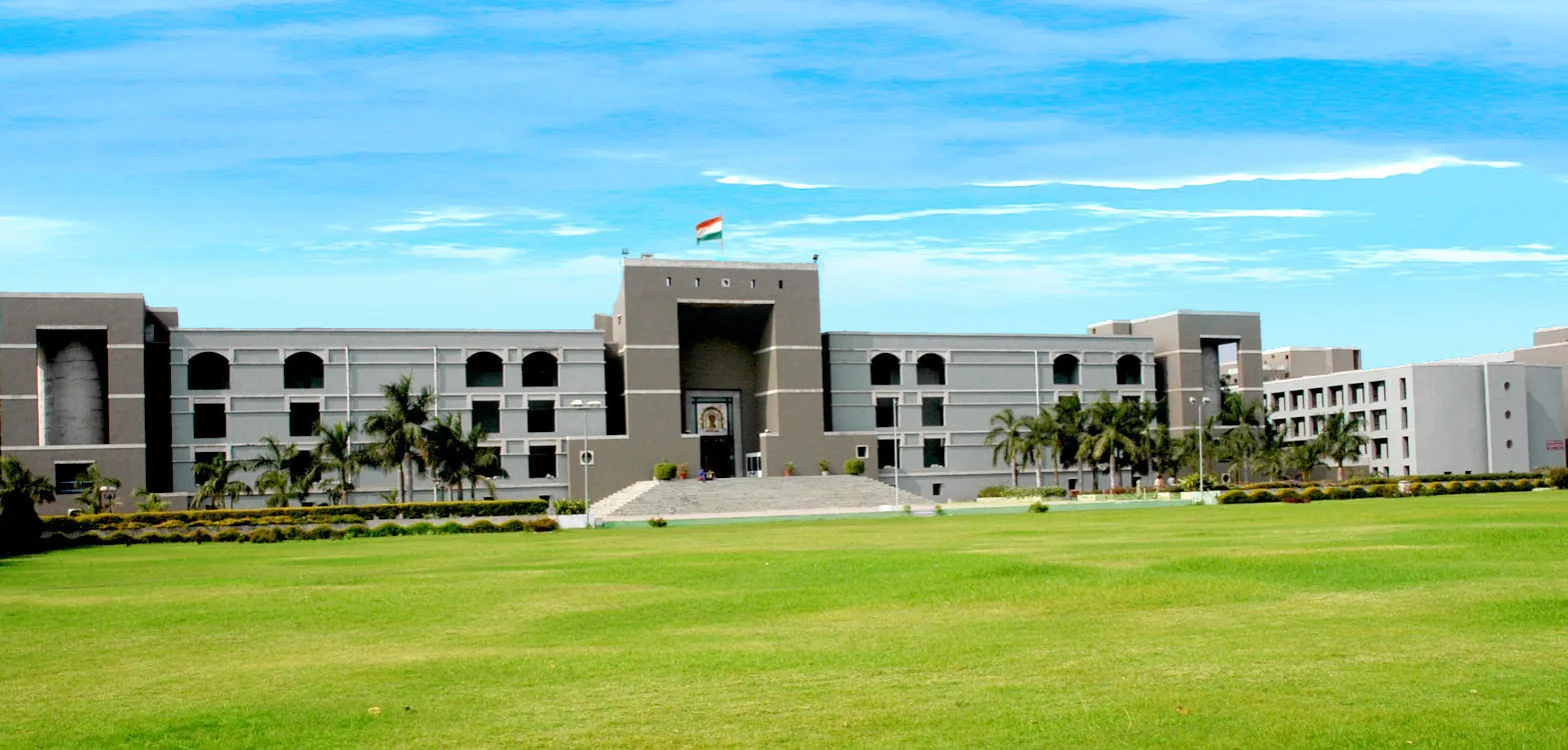
India
Ahmedabad
9 places
-
Spain
Barcelona
9 places
-
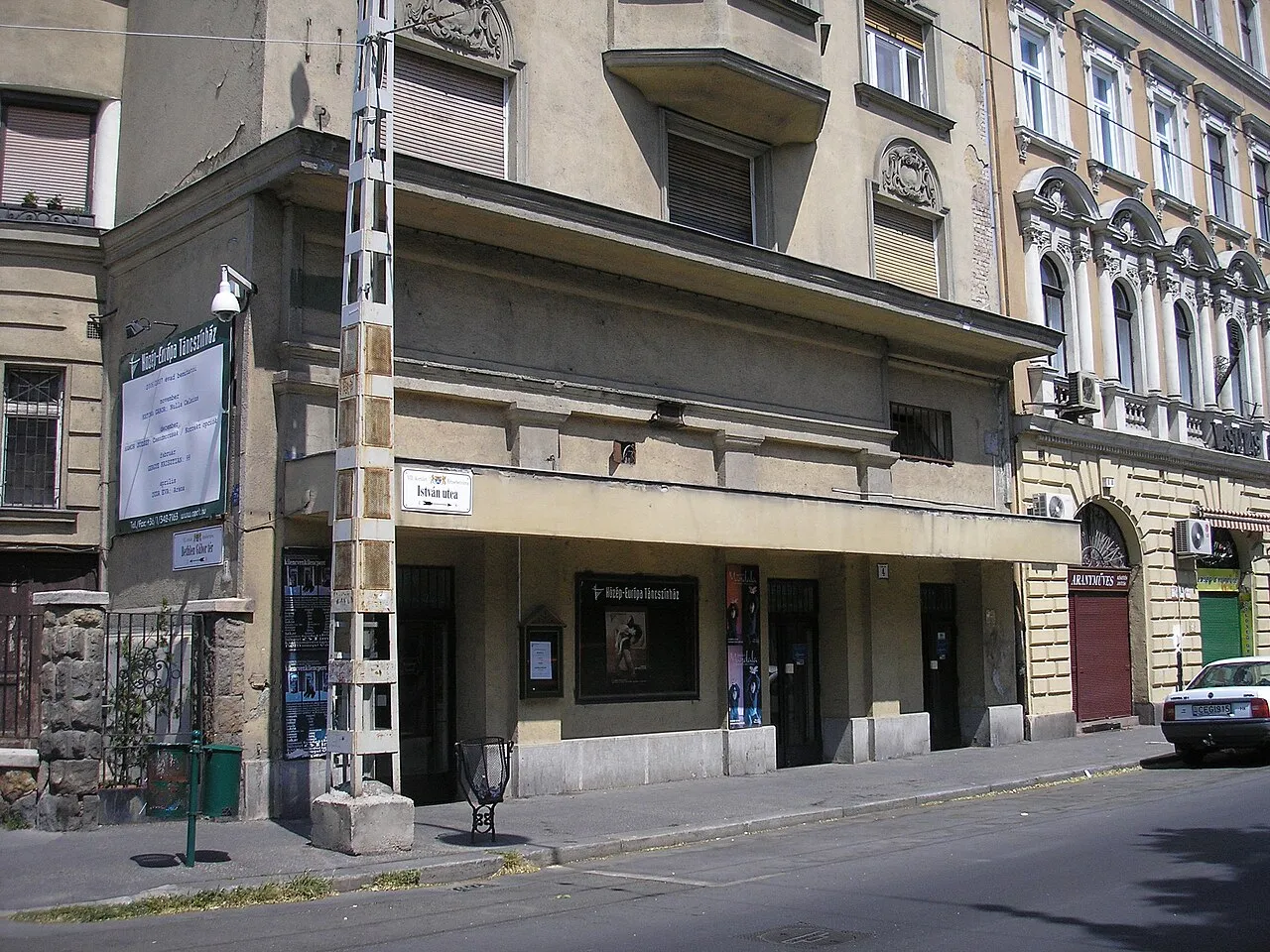
Hungary
Budapest
9 places
-
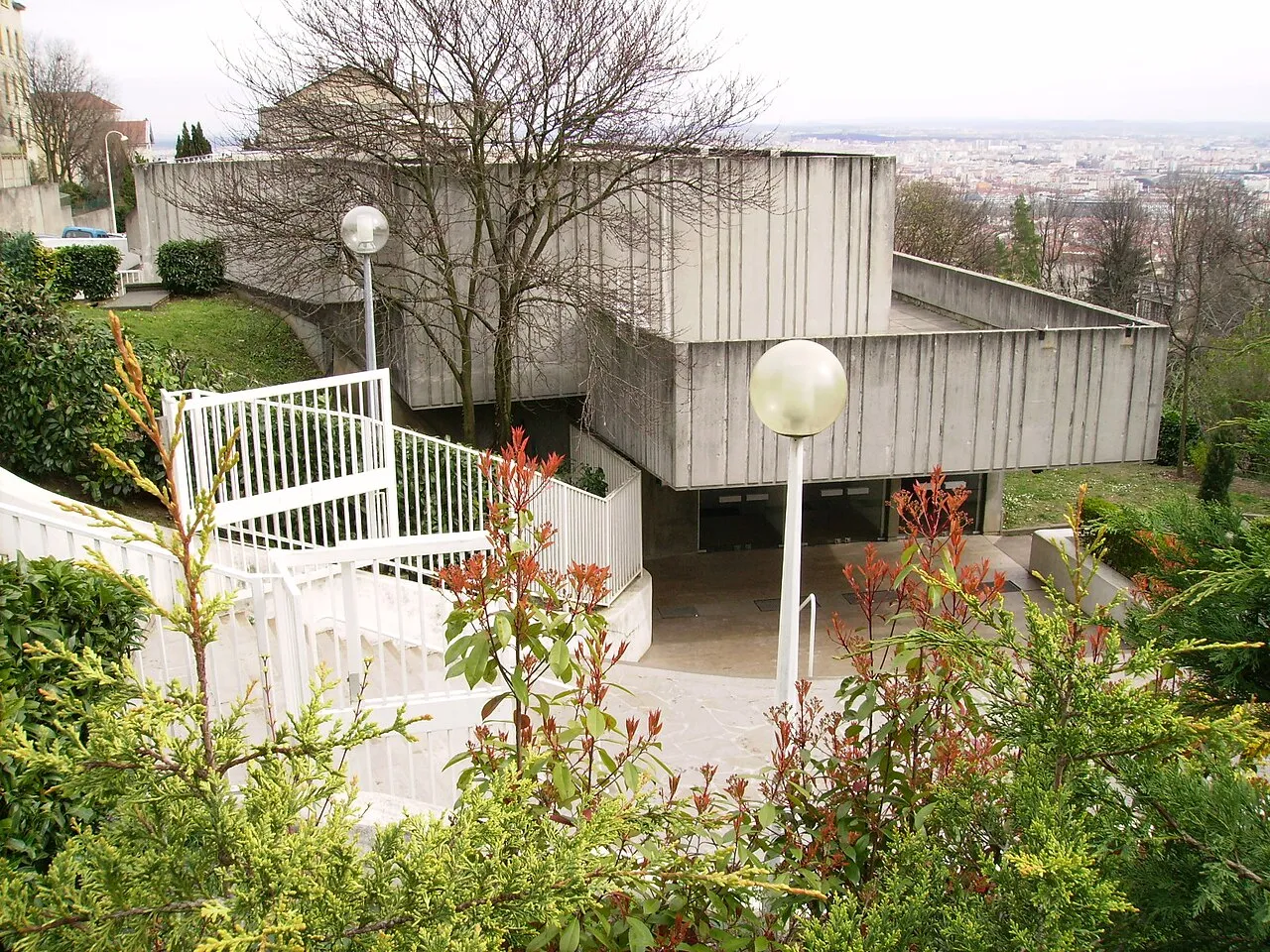
France
Lyon
9 places
-
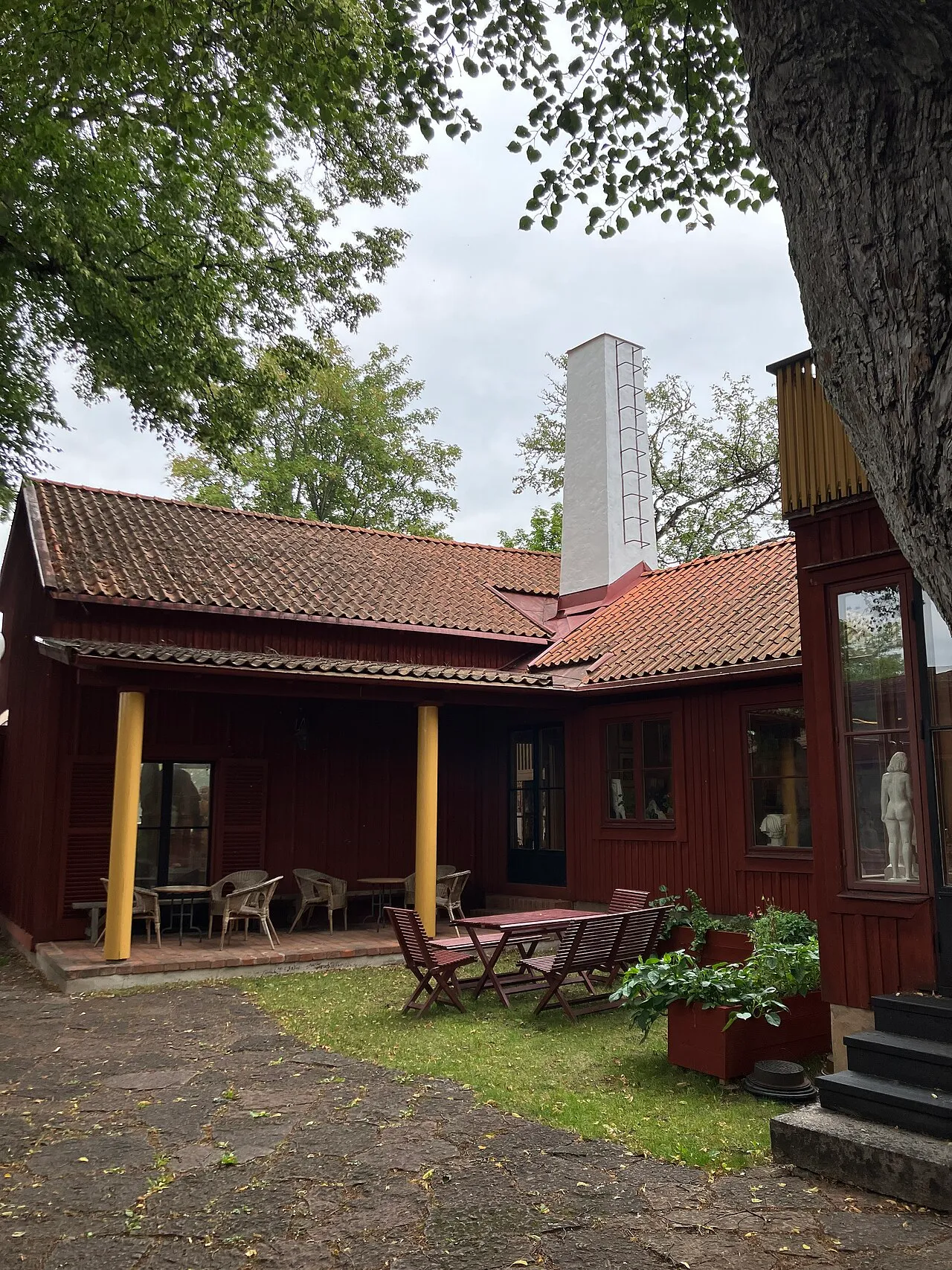
Sweden
Uppsala
9 places
-
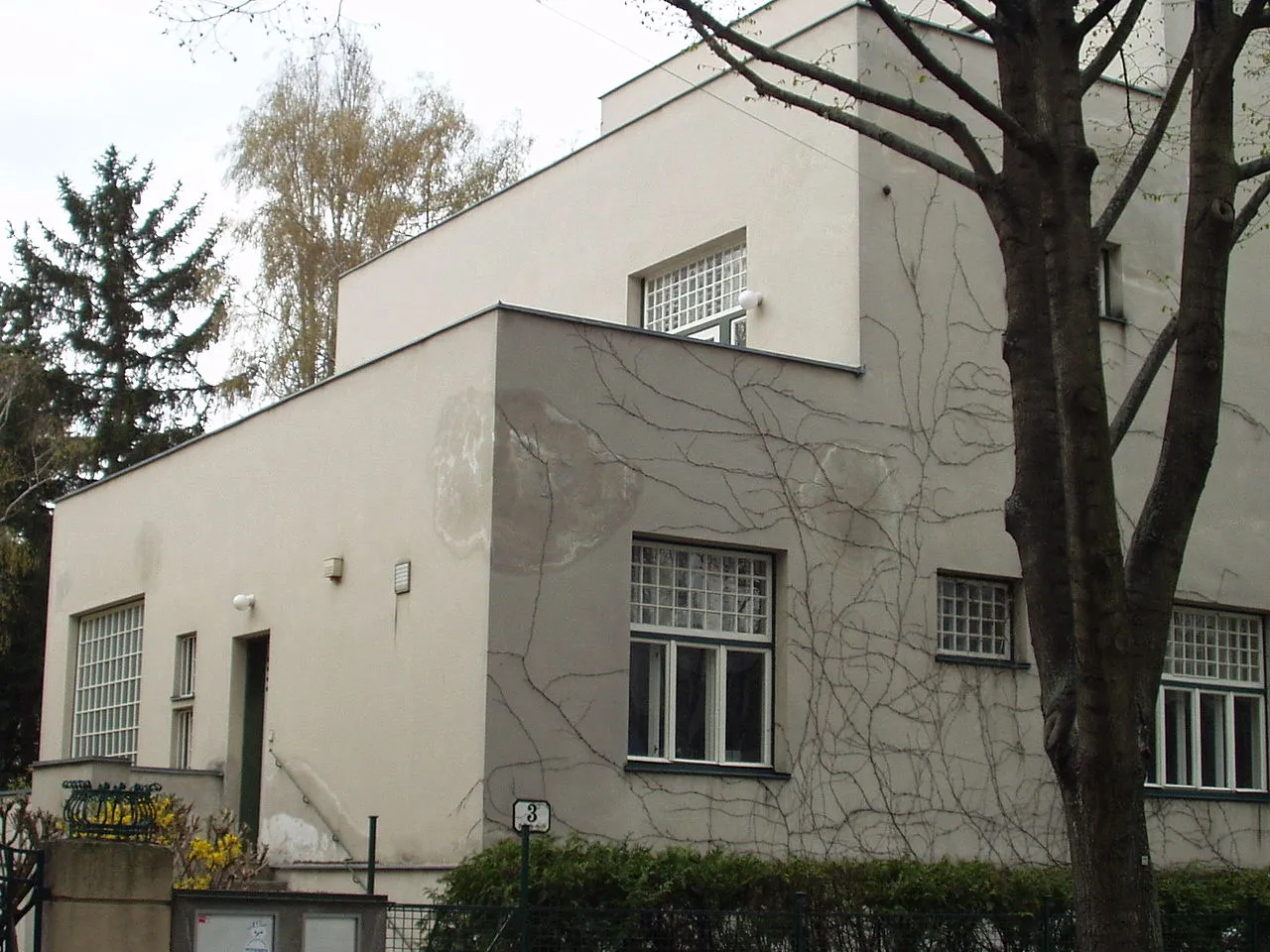
Austria
Vienna
9 places
-
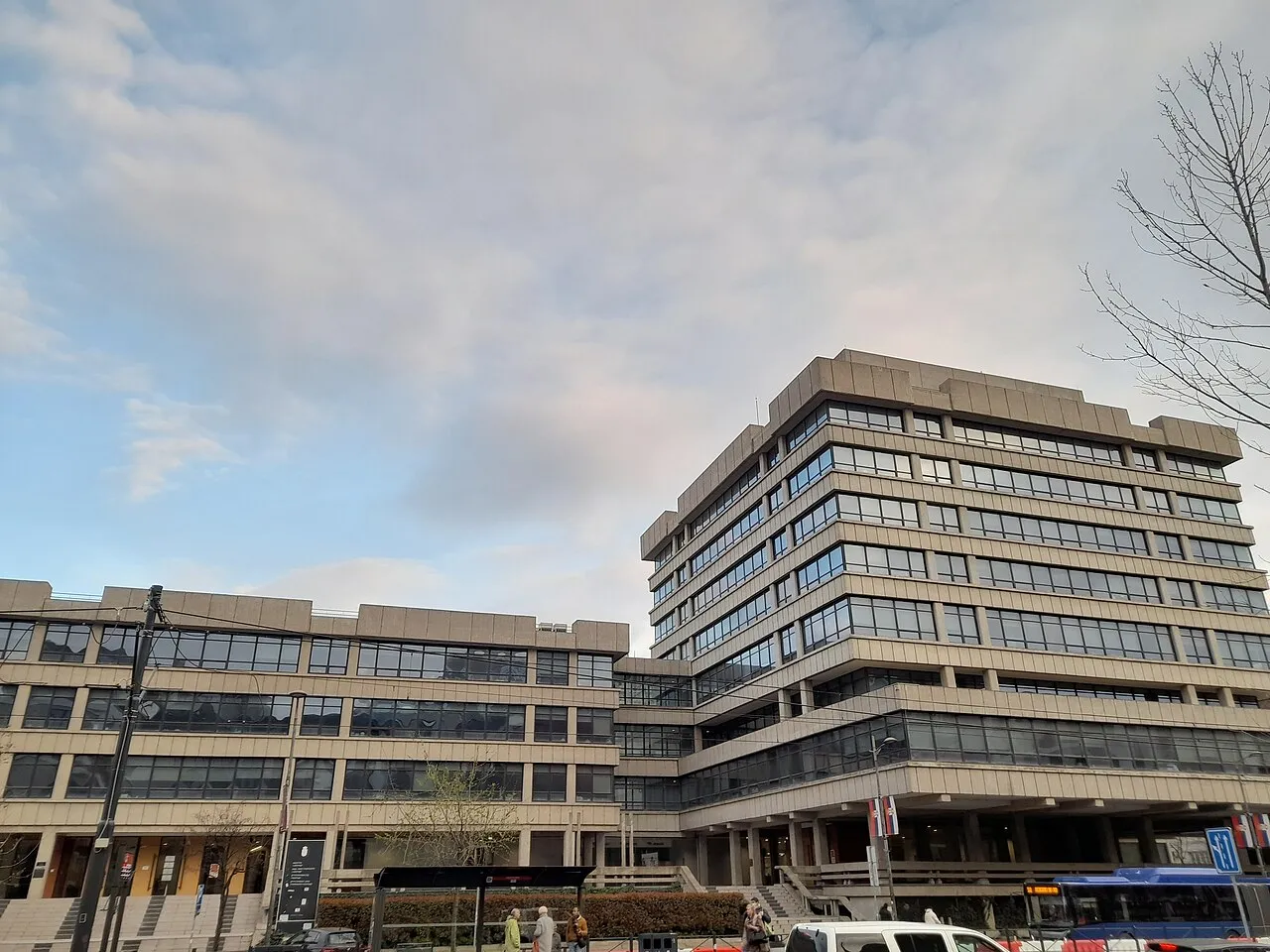
Serbia
Belgrade
8 places
-
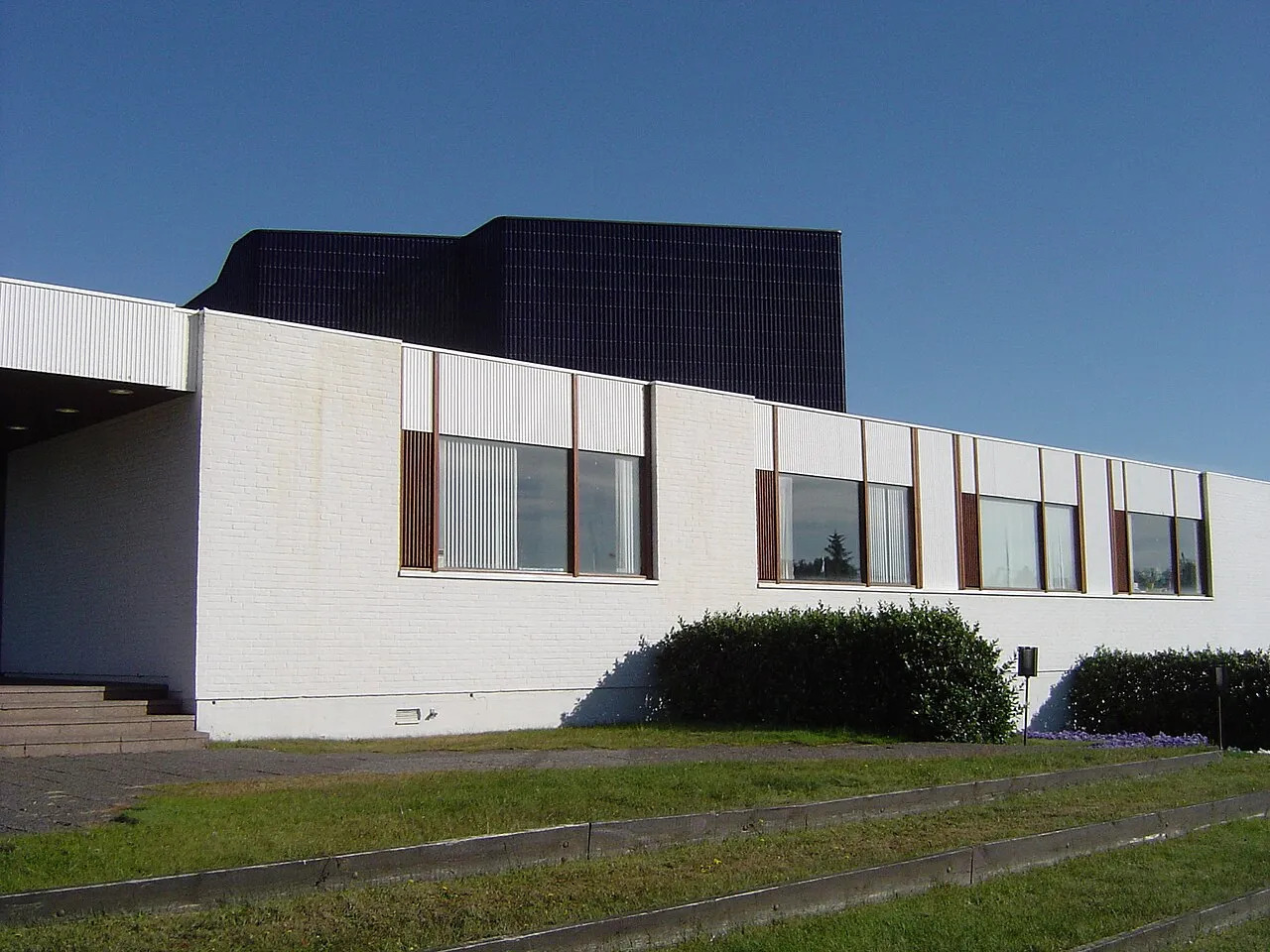
Iceland
Iceland
8 places
-
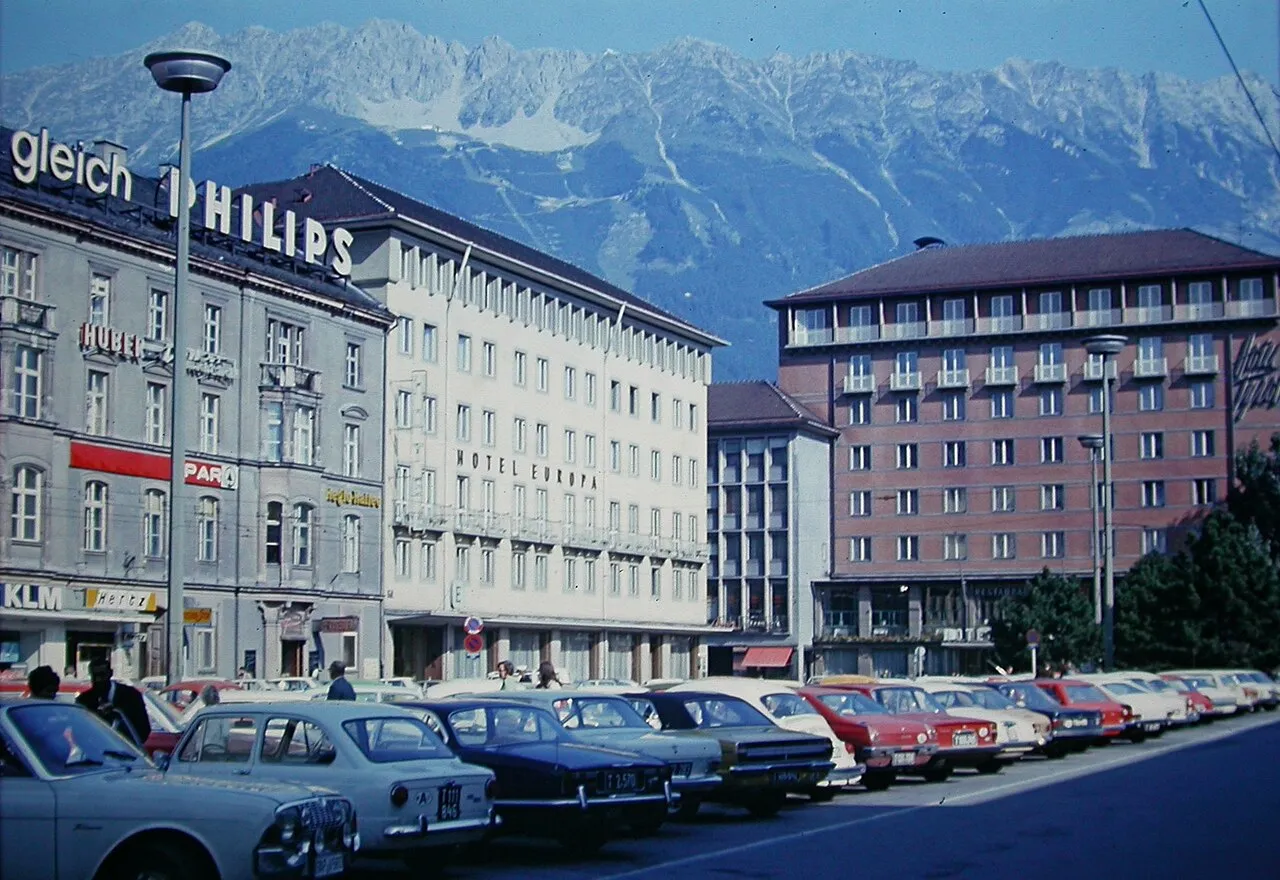
Austria
Innsbruck
8 places
-
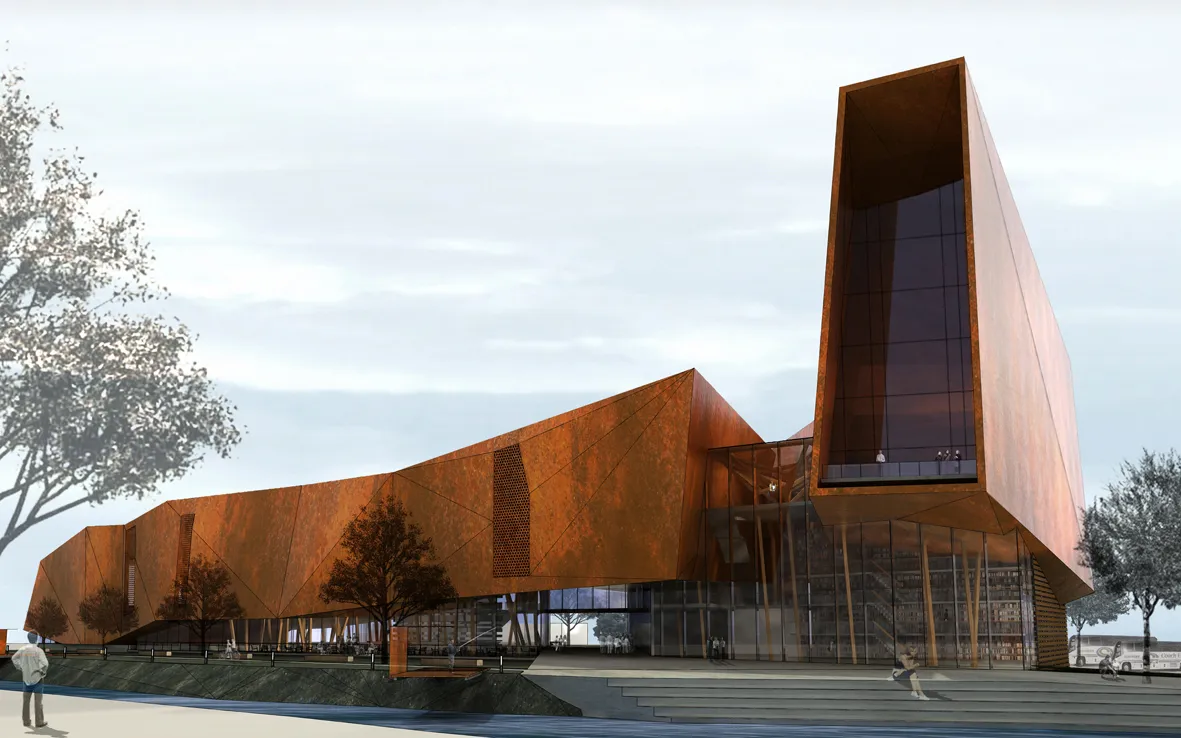
Ukraine
Kyiv
8 places
-
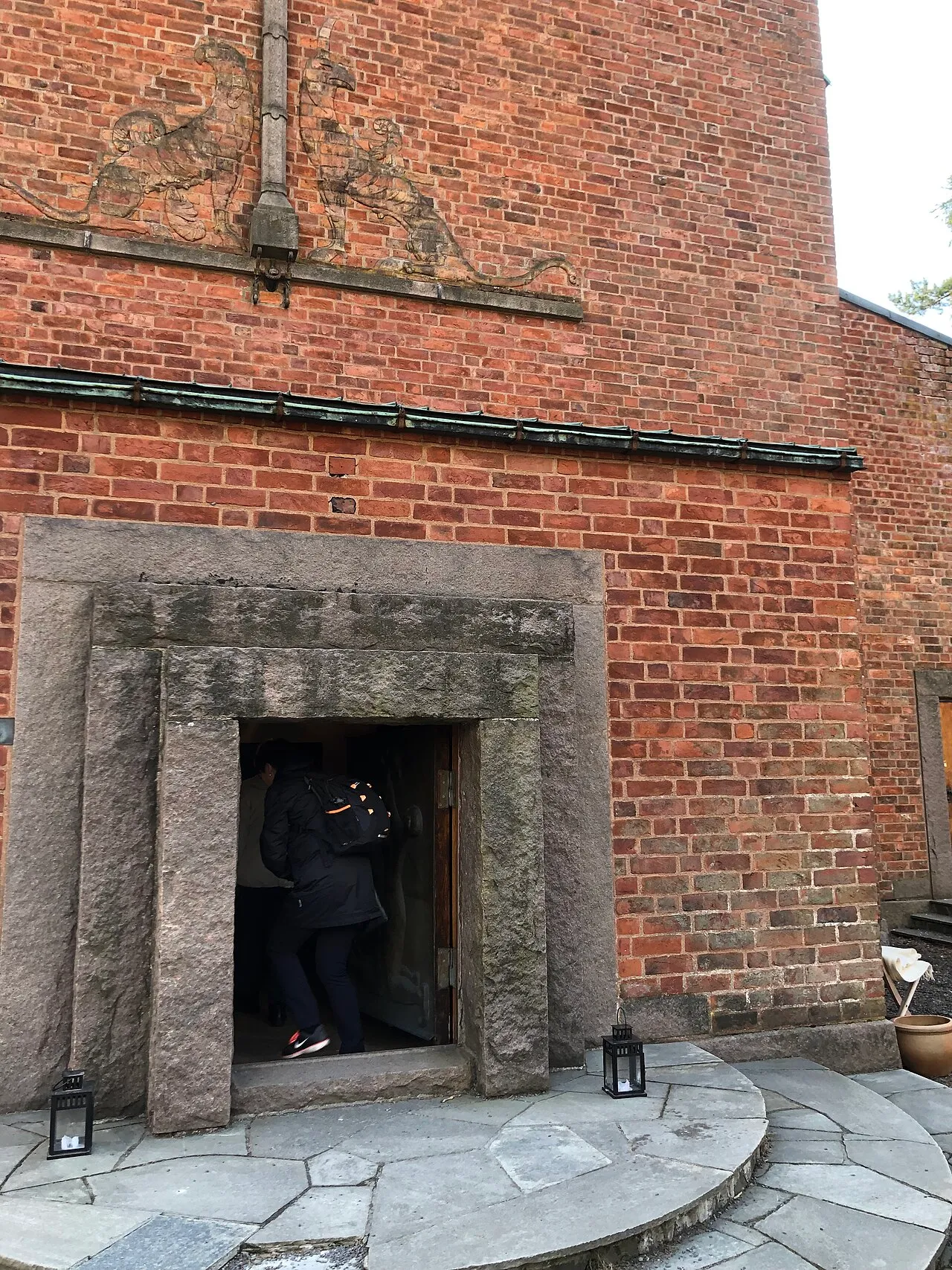
Norway
Oslo
8 places
-
Iceland
Reykjavík
8 places
-
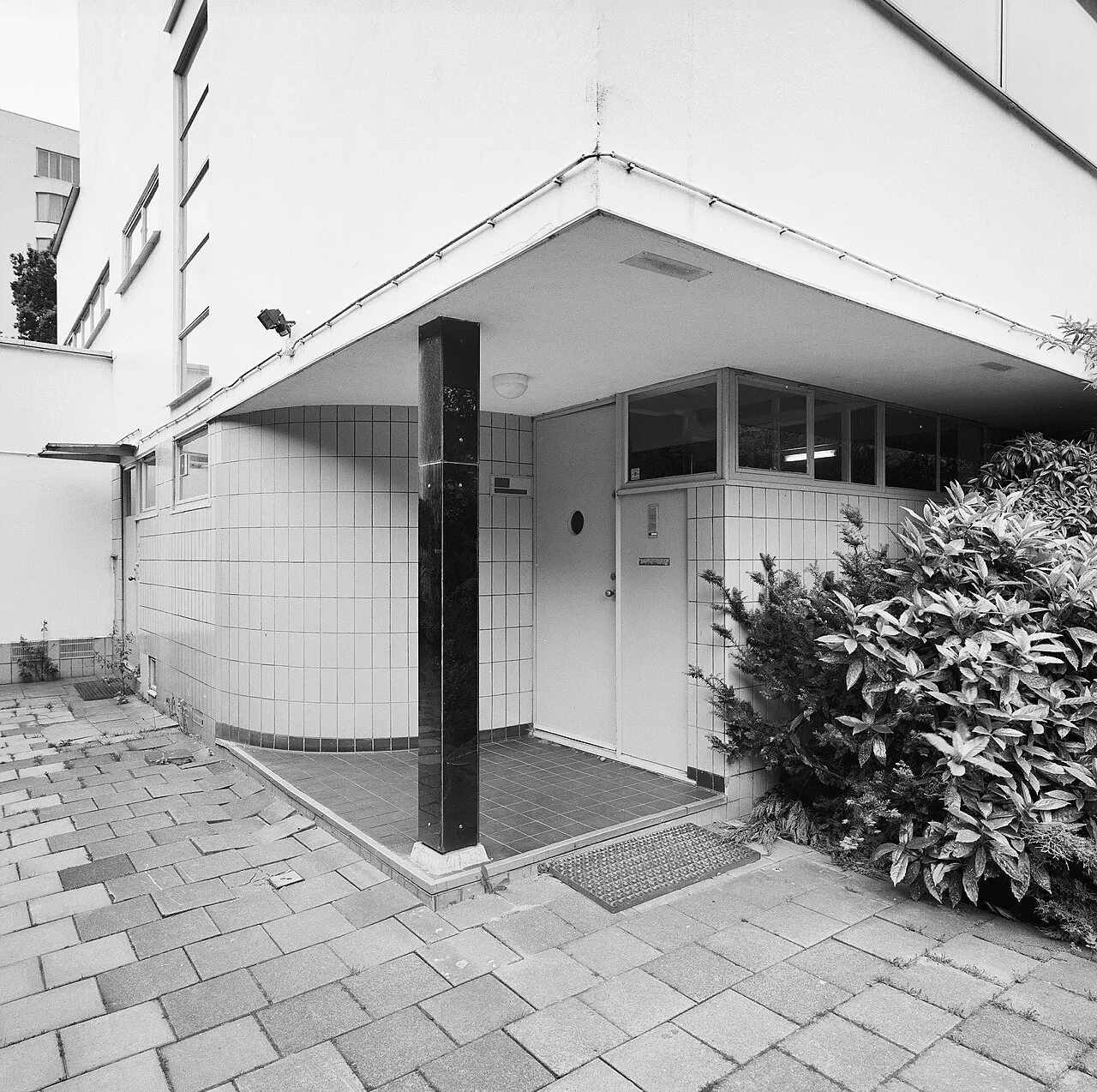
Netherlands
Rotterdam
8 places
-
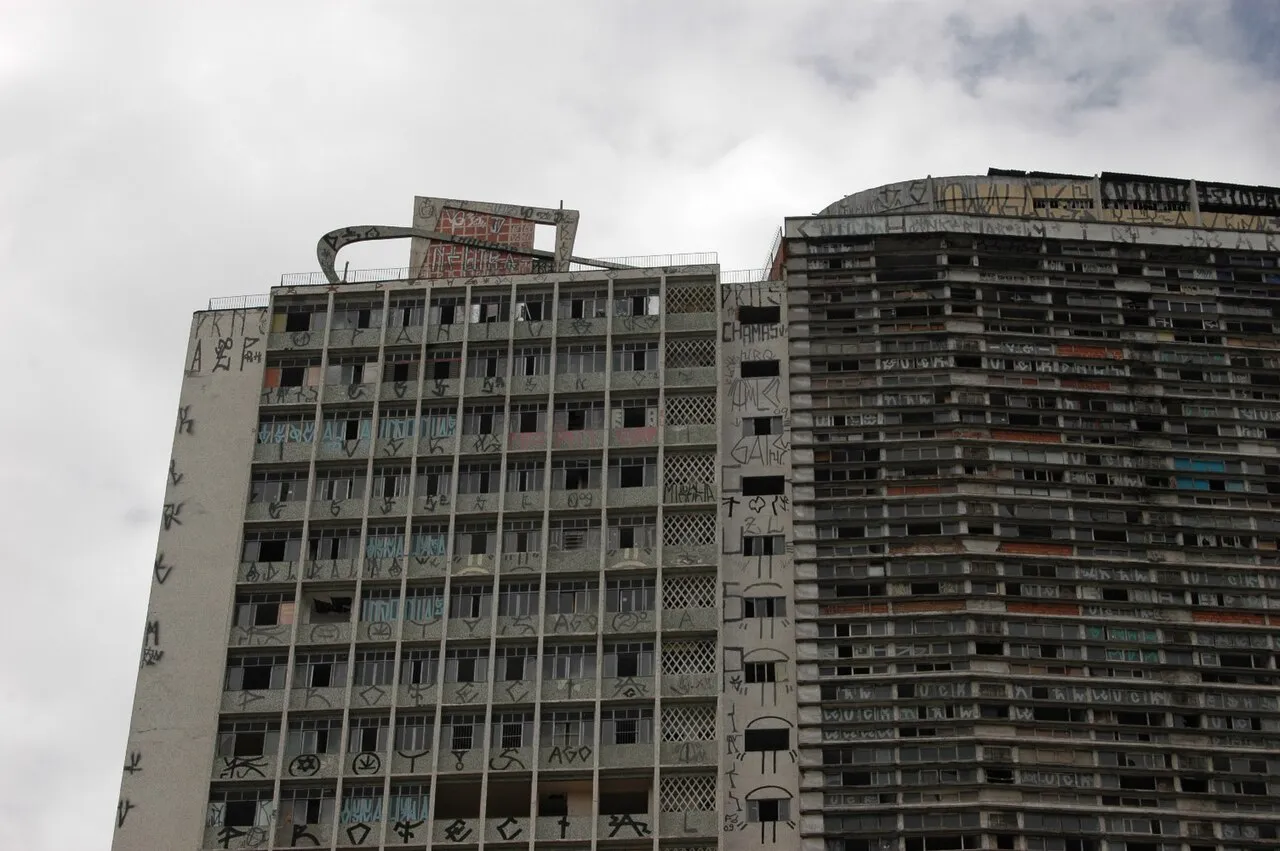
Brazil
São Paulo
8 places
-
Italy
Turin
8 places
-
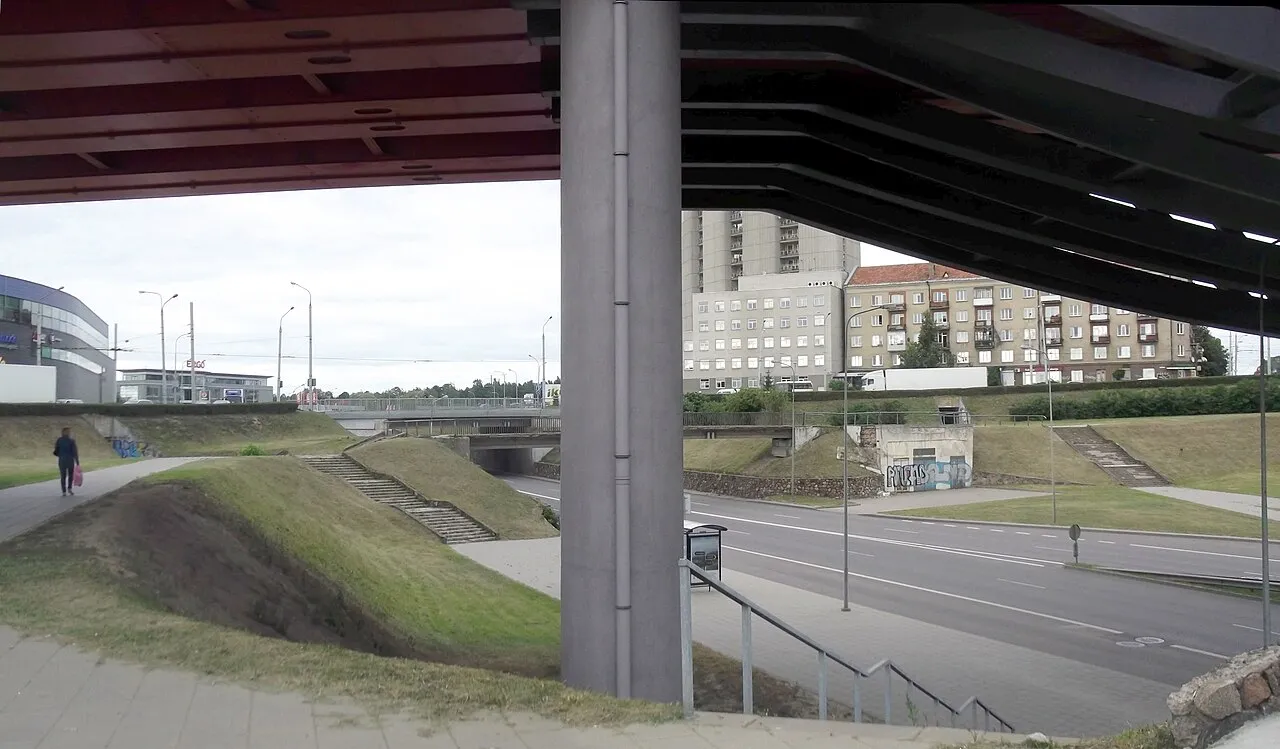
Lithuania
Vilnius
8 places
-
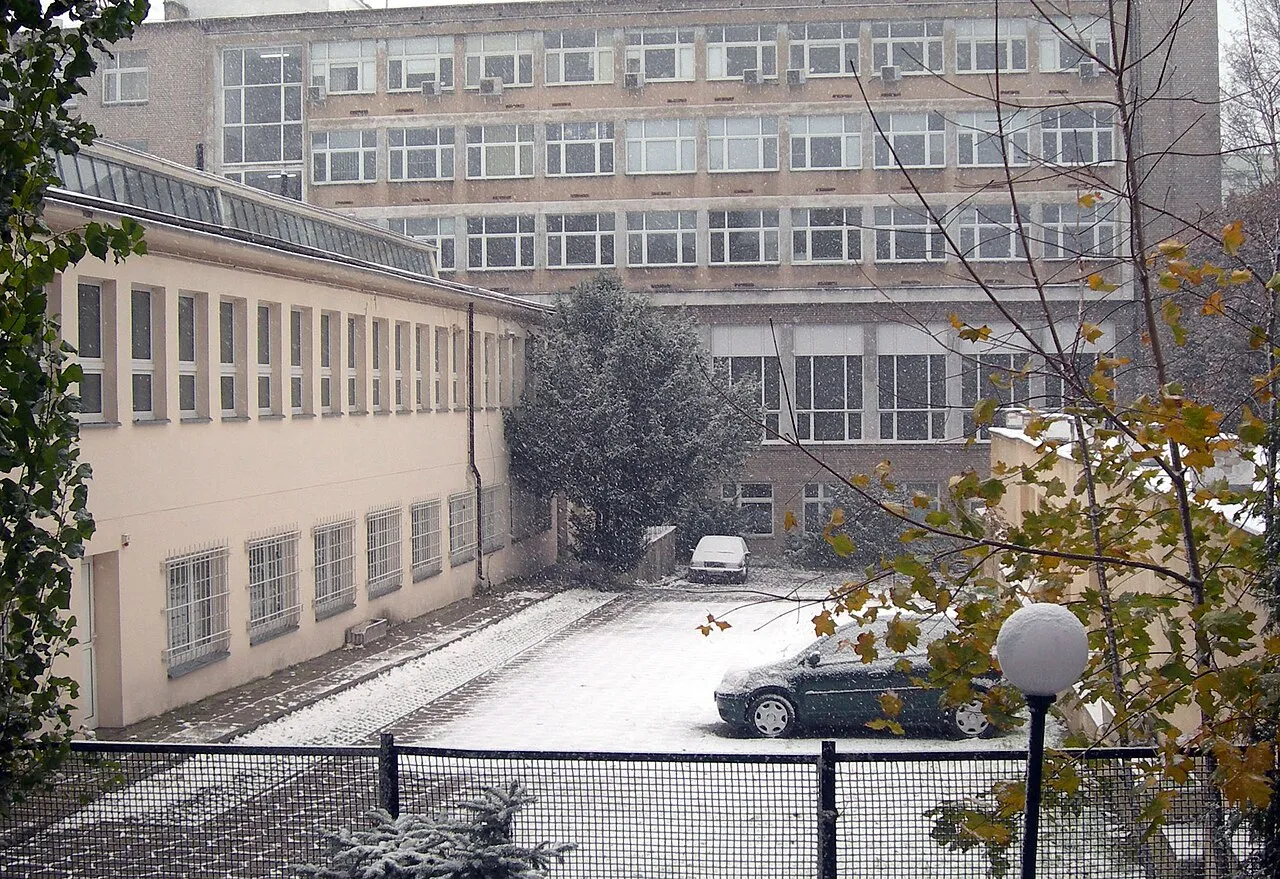
Poland
Warsaw
8 places
-
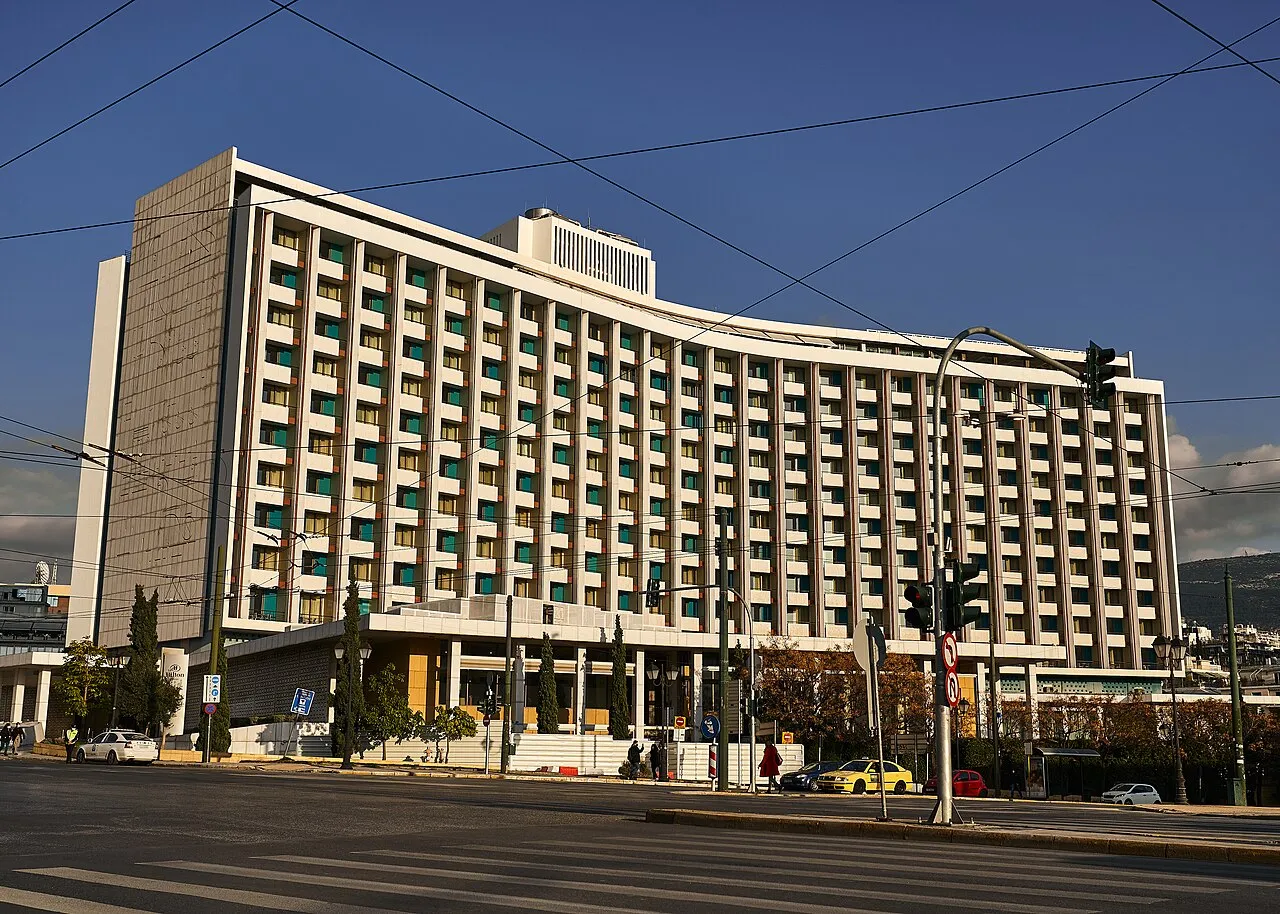
Greece
Athens
7 places
-
India
Chandigarh
7 places
-
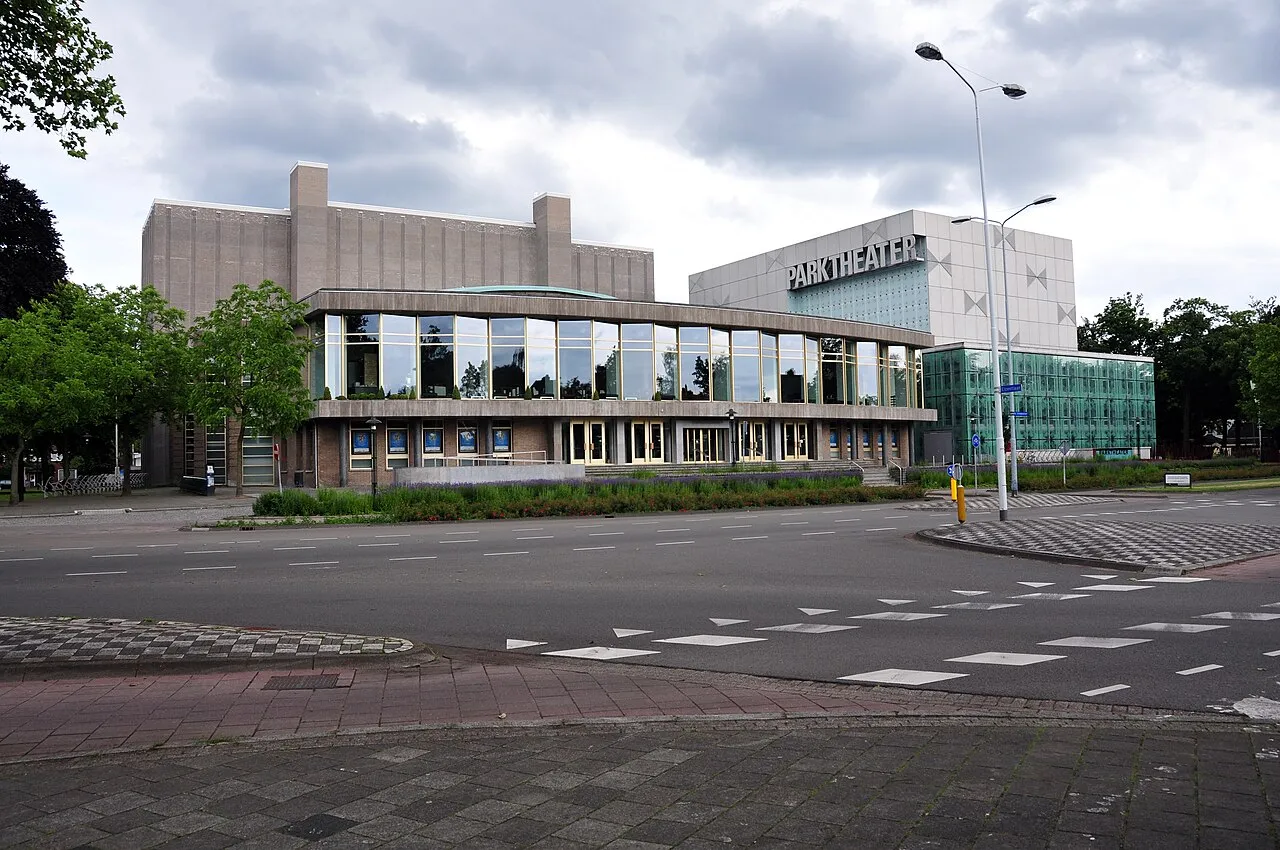
Netherlands
Eindhoven
7 places
-
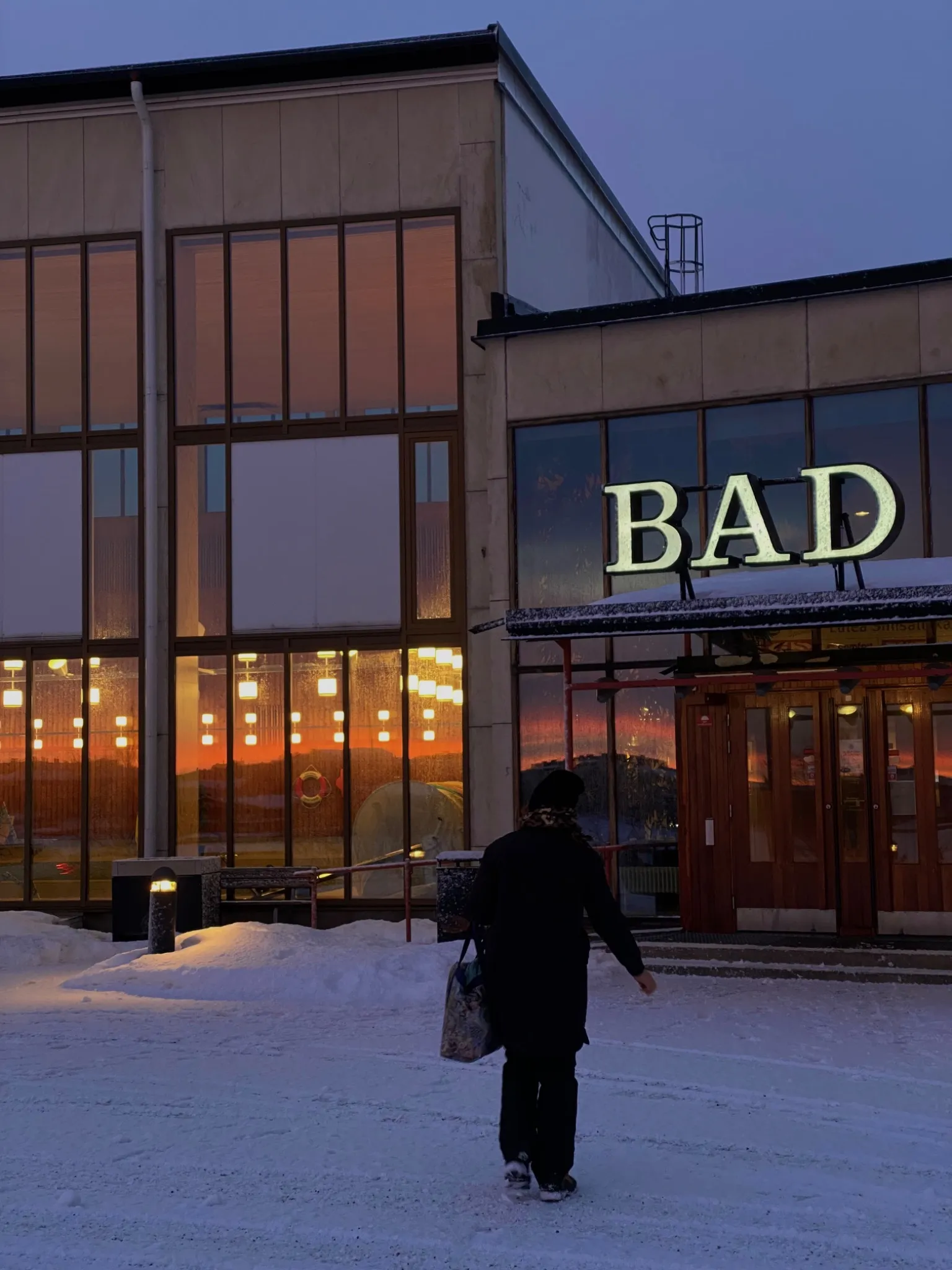
Sweden
Norrbotten
7 places
-
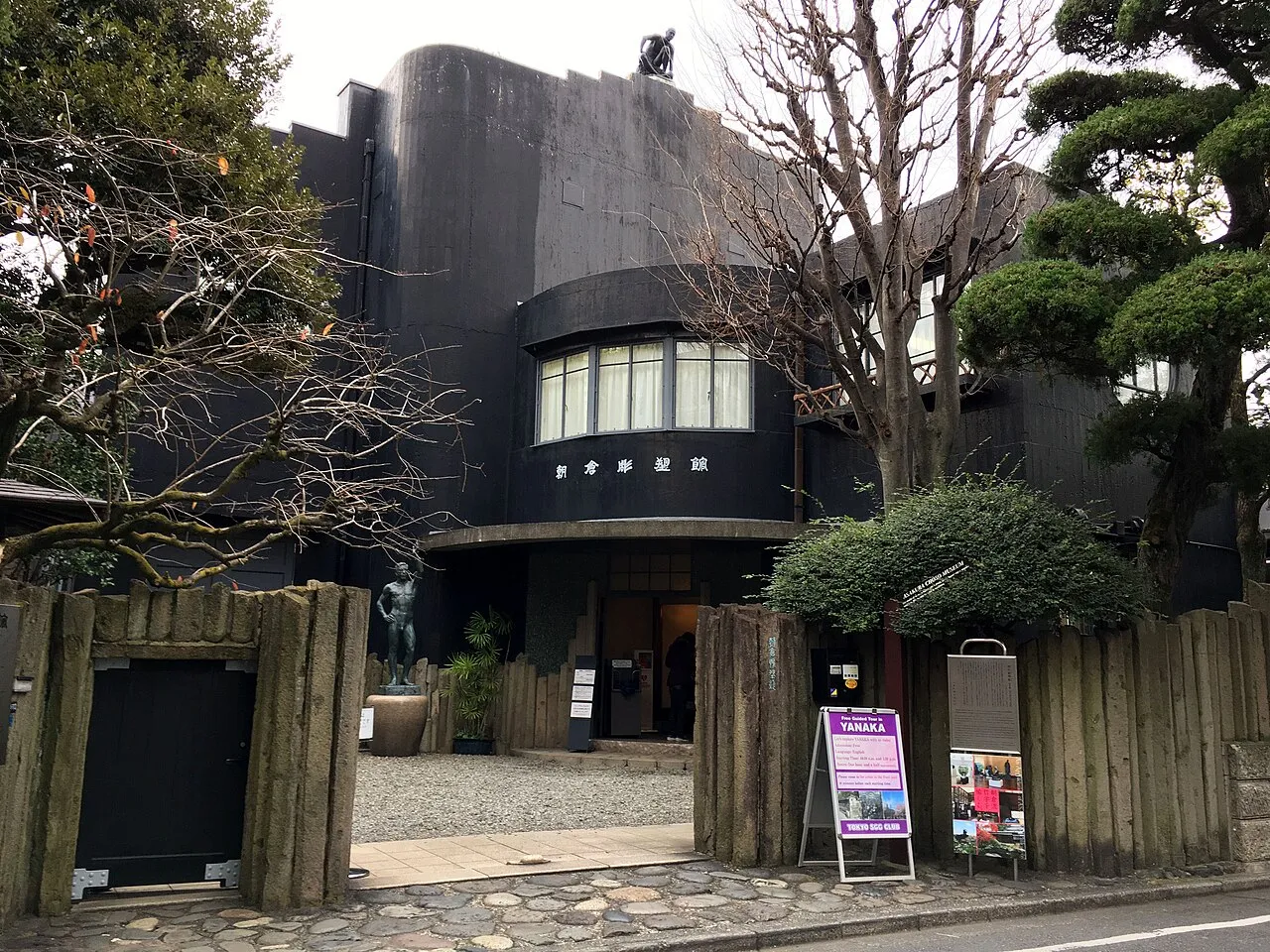
Japan
Tokyo
7 places
-
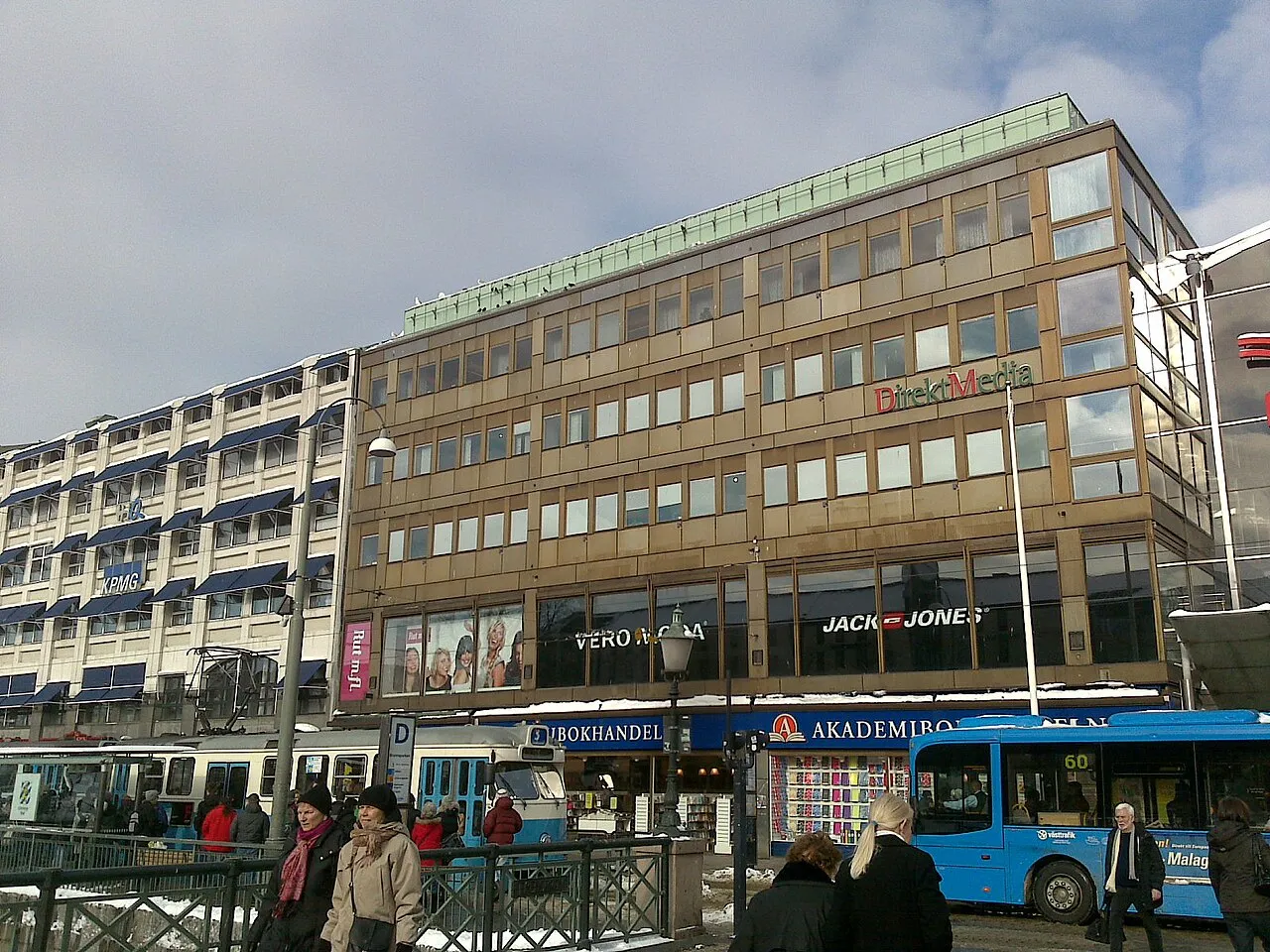
Sweden
Gothenburg
6 places
-
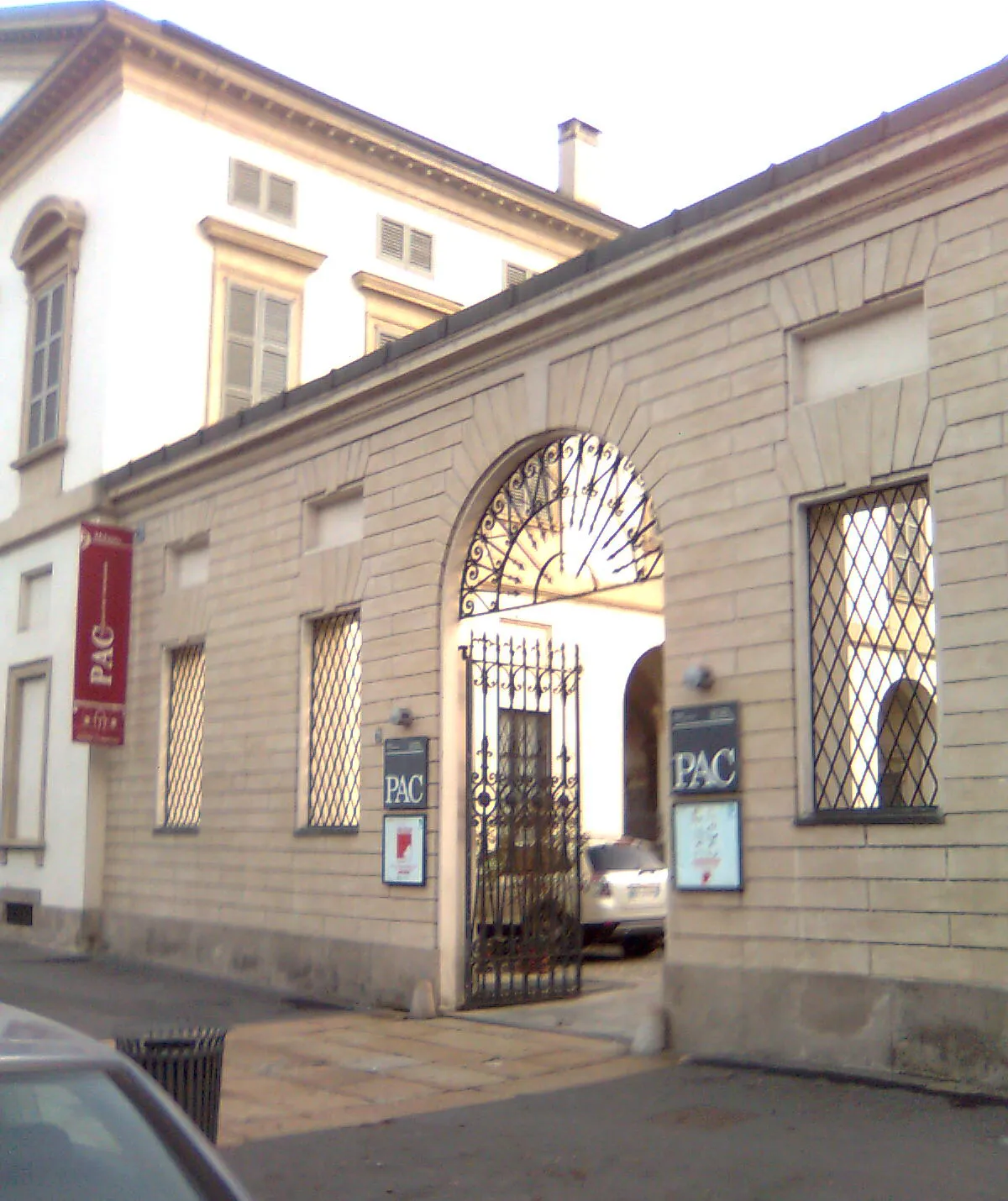
Italy
Milan
6 places
-
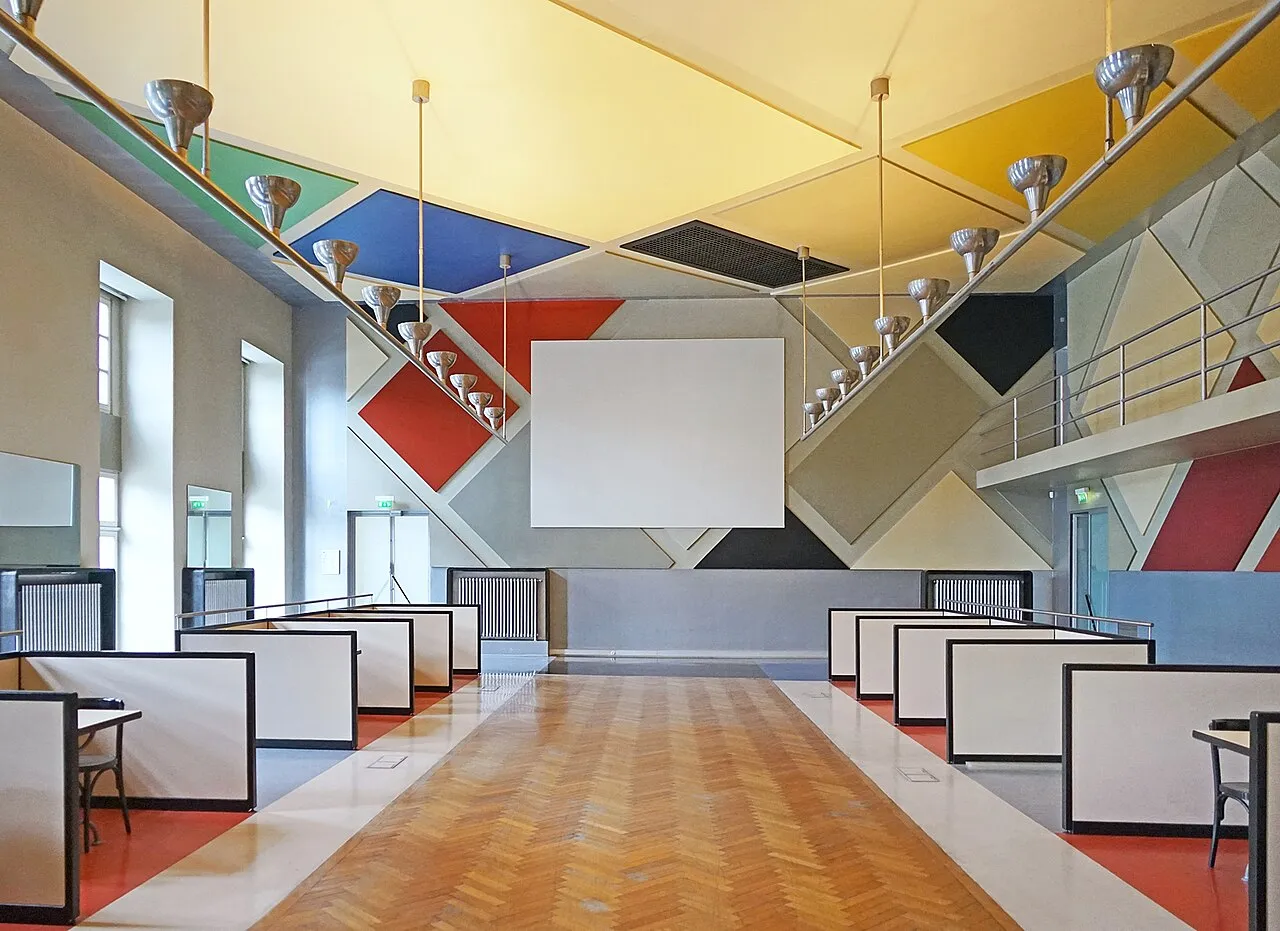
France
Strasbourg
6 places
-
Germany
Stuttgart
6 places
-
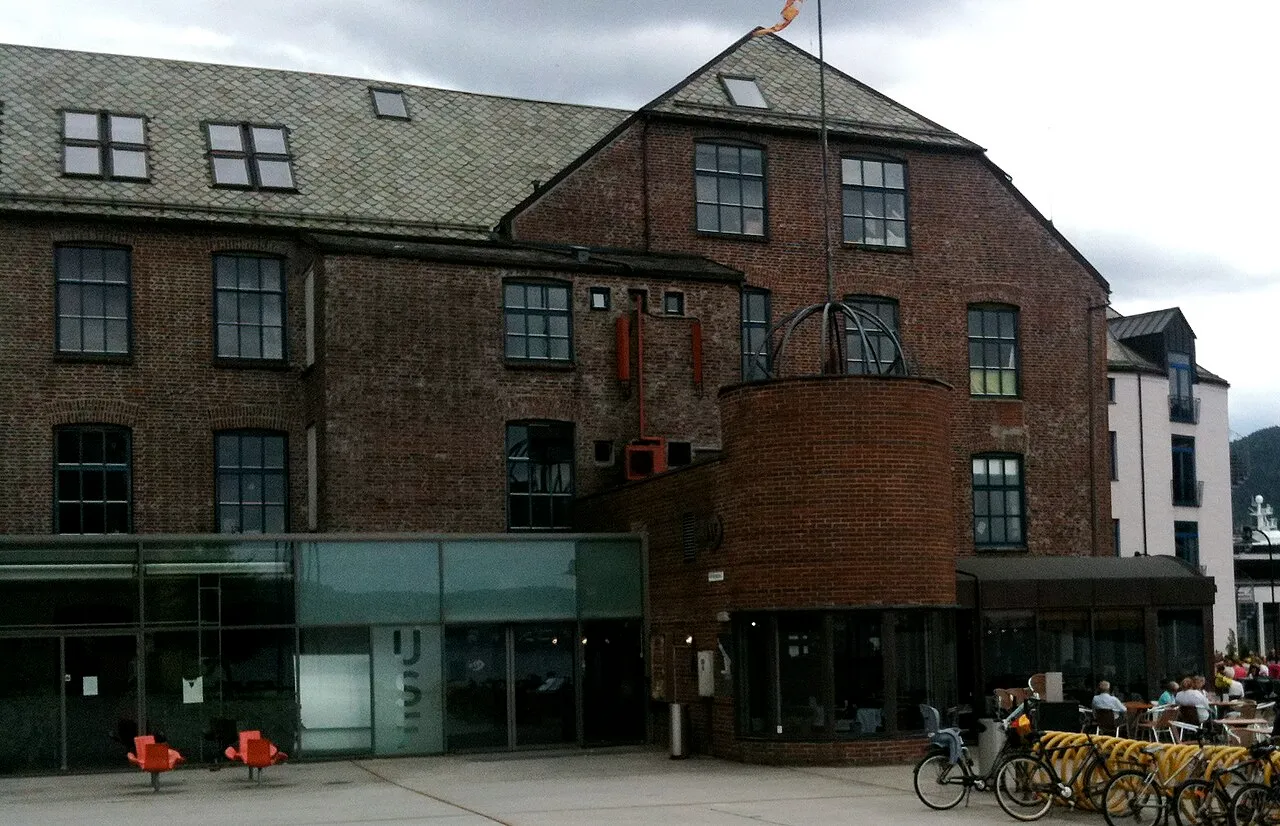
Norway
Bergen
5 places
-
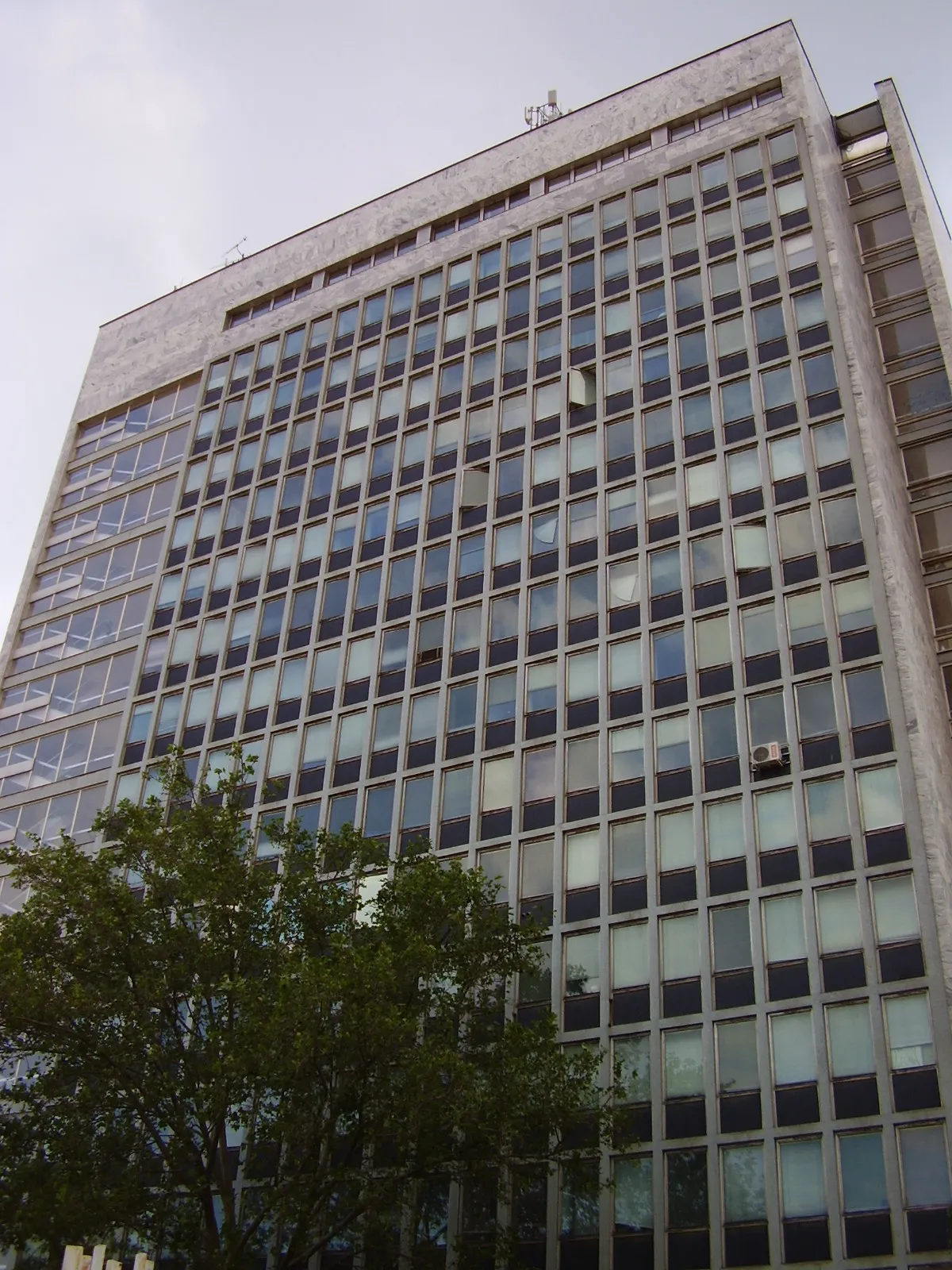
Slovakia
Bratislava
5 places
-
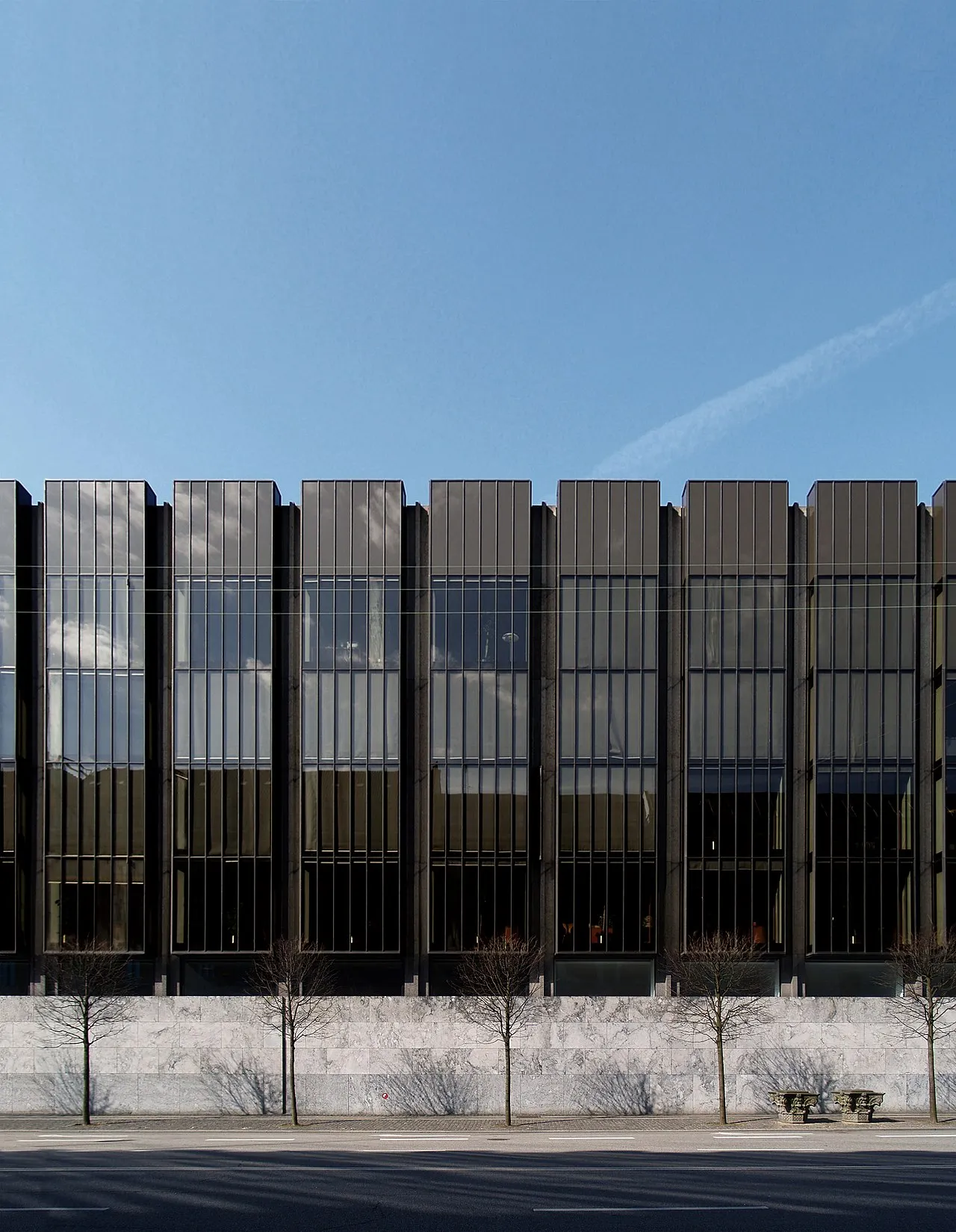
Denmark
Copenhagen
5 places
-
Finland
Helsinki
5 places
-
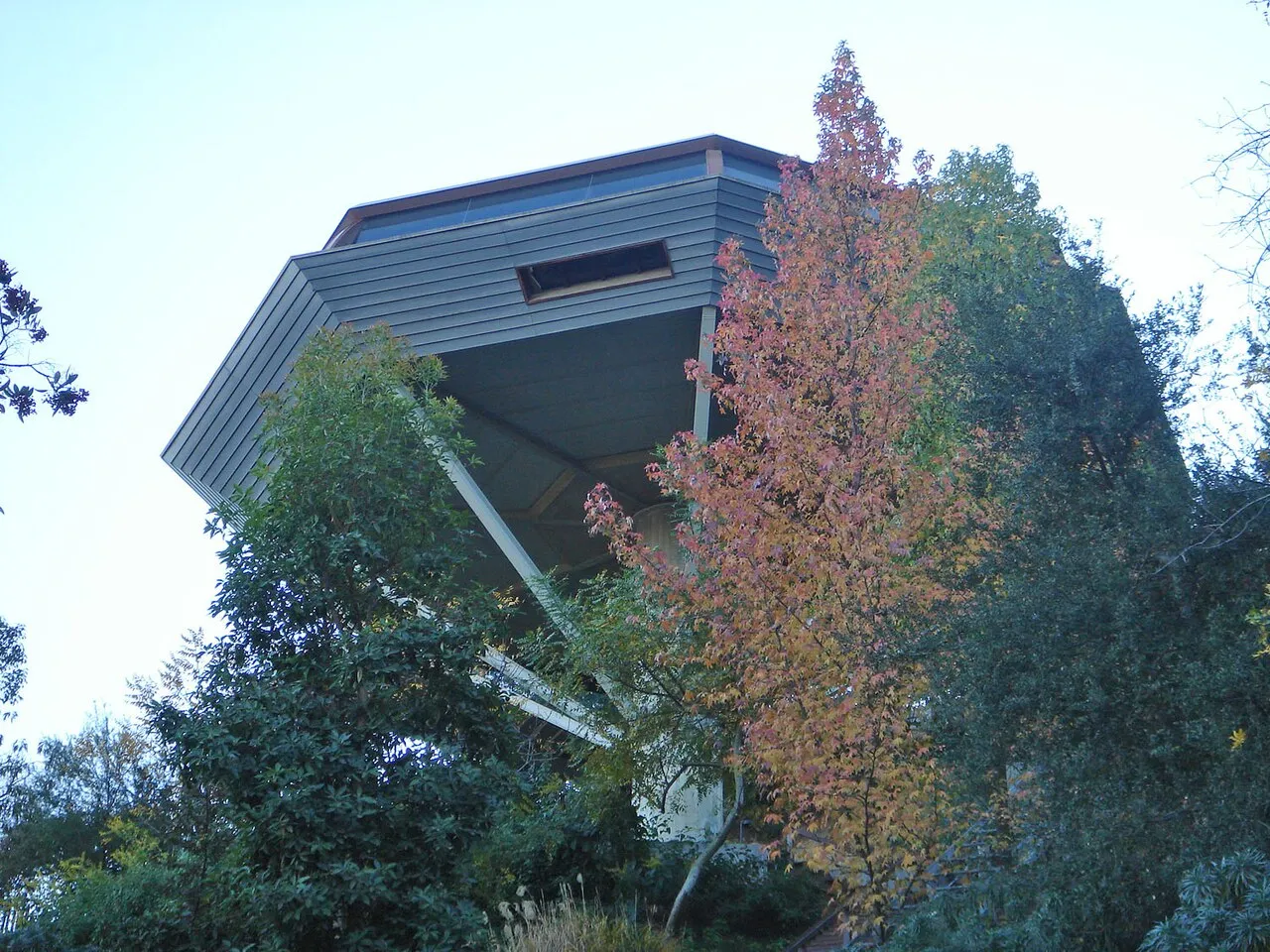
United States
Los Angeles
5 places
-
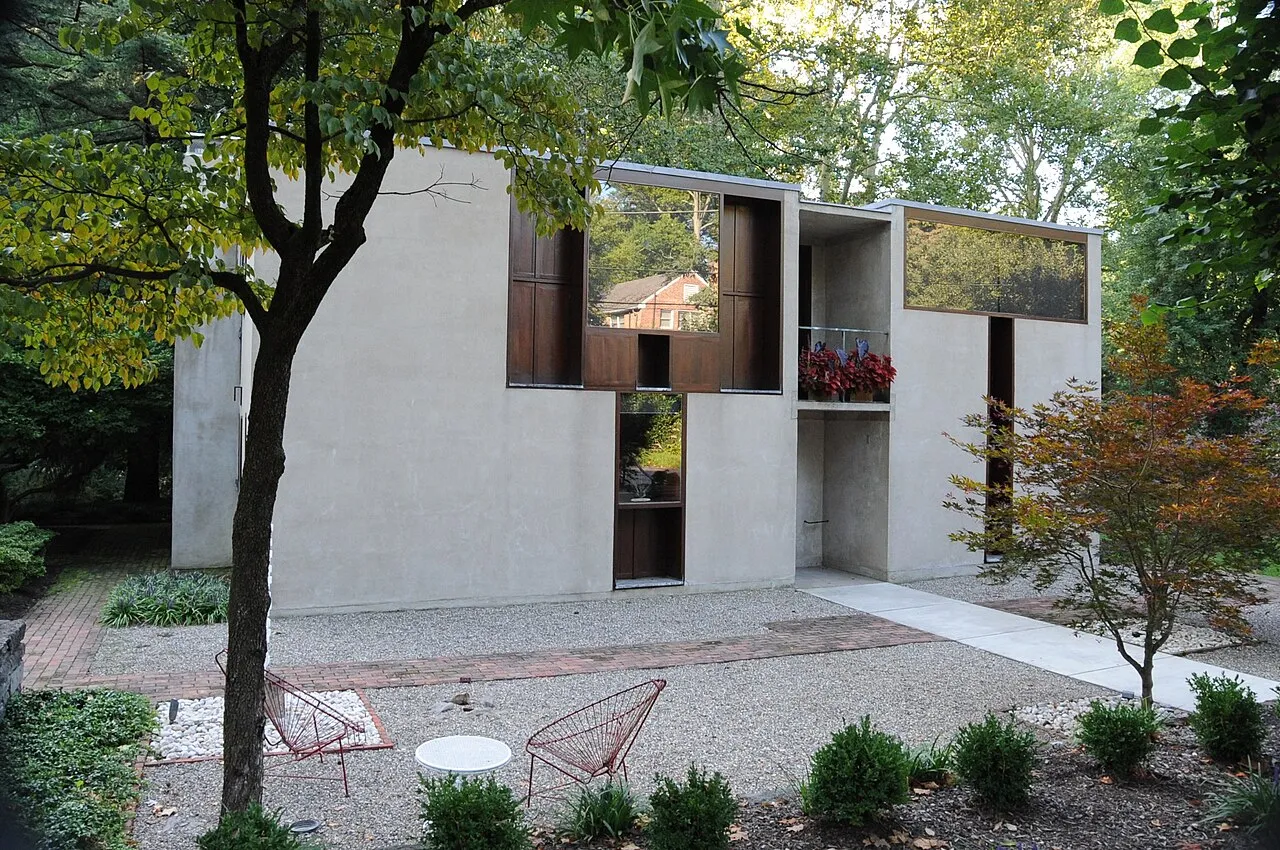
United States
Philadelphia
5 places
-
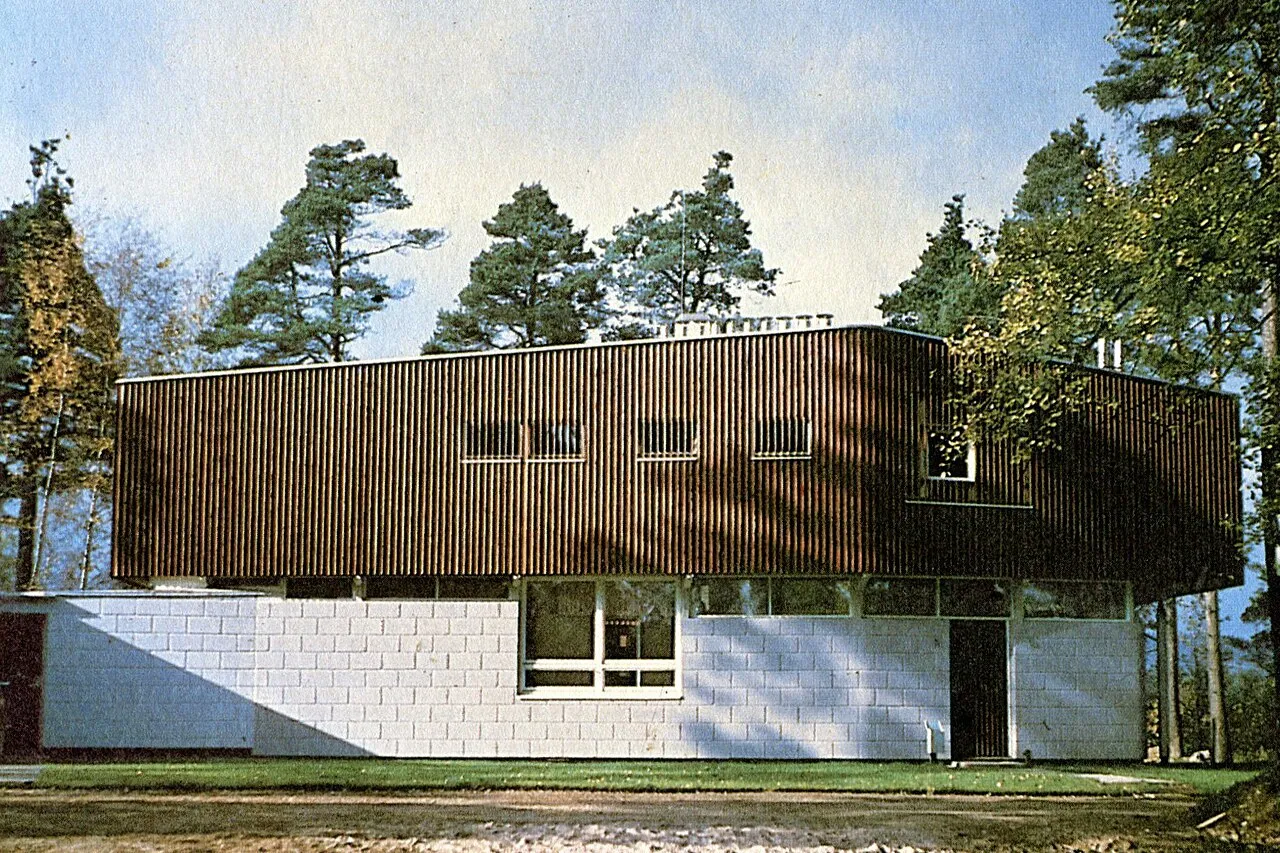
Sweden
Skövde
5 places
-
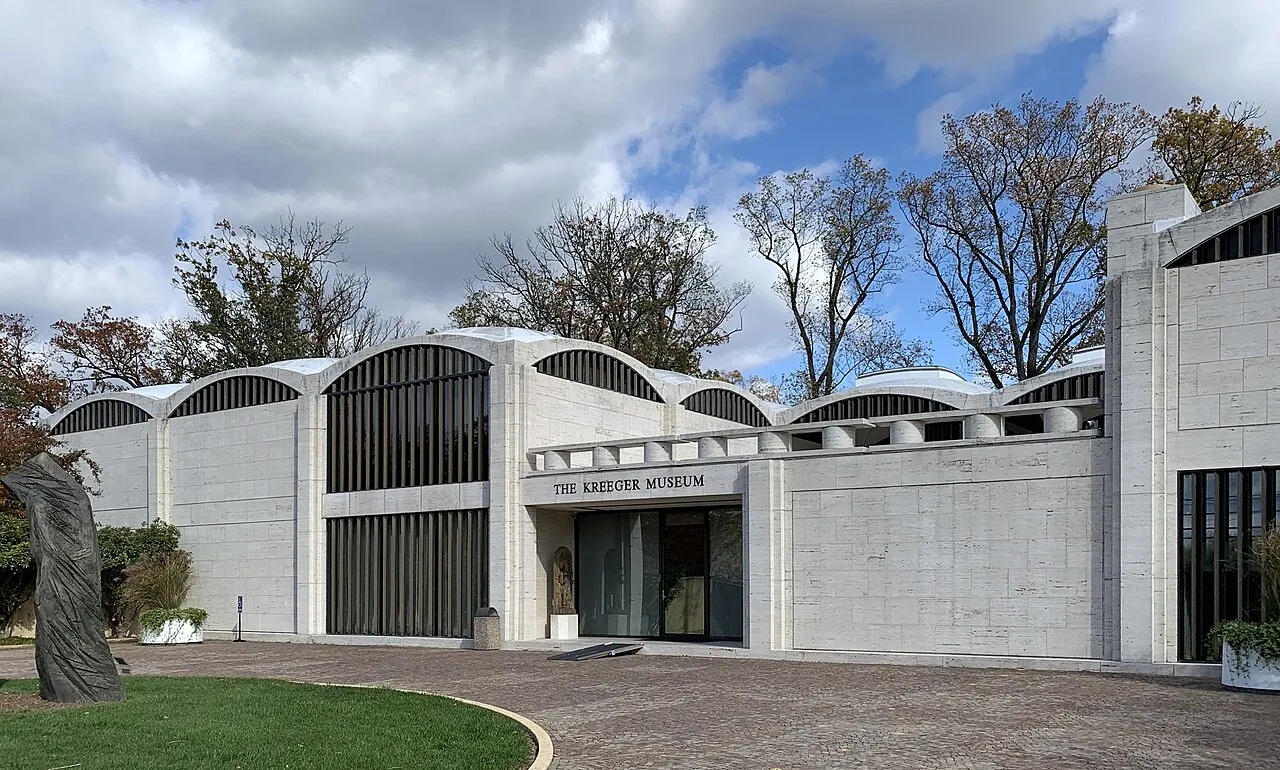
United States
Washington
5 places
-
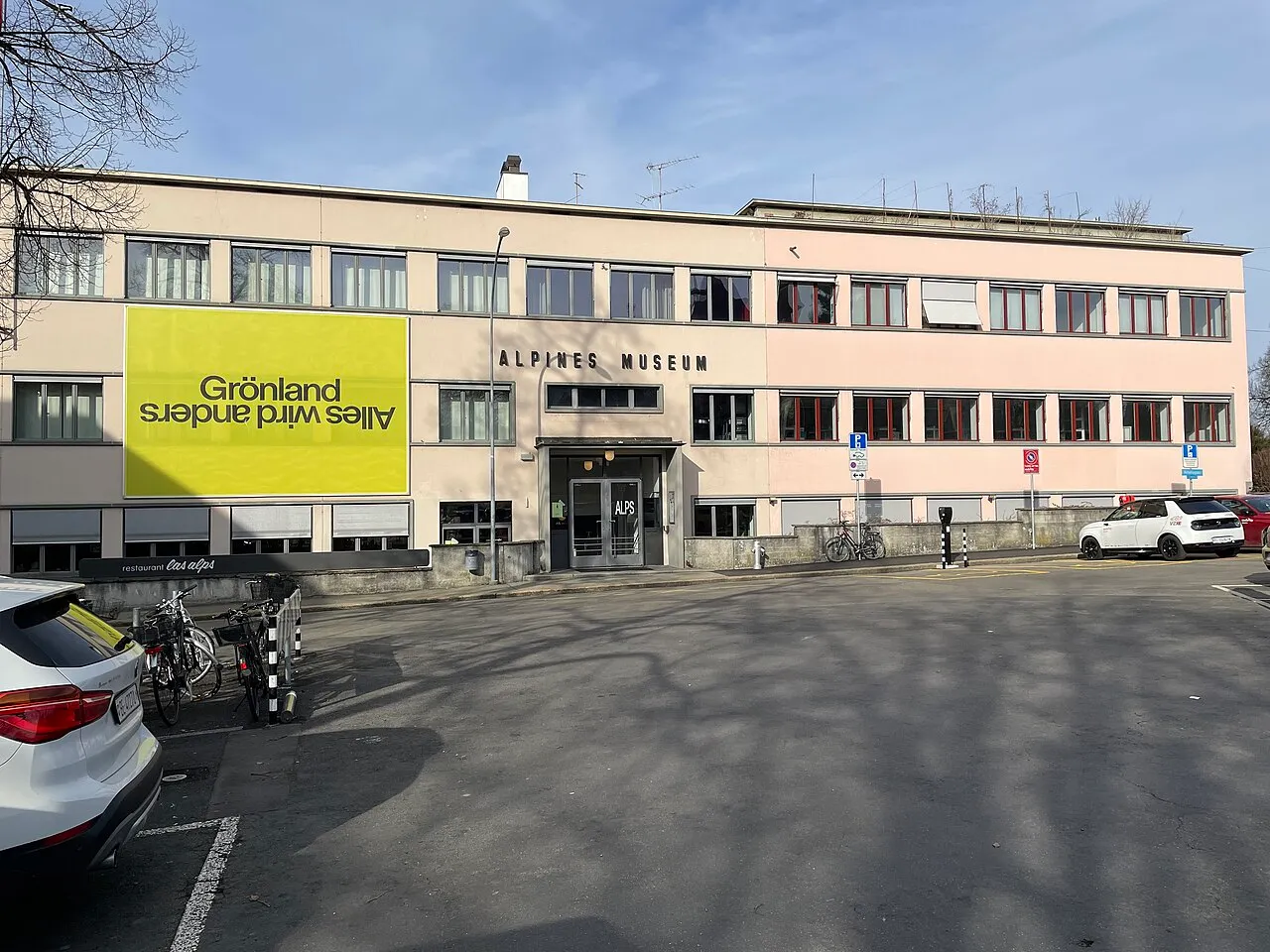
Switzerland
Bern
4 places
-
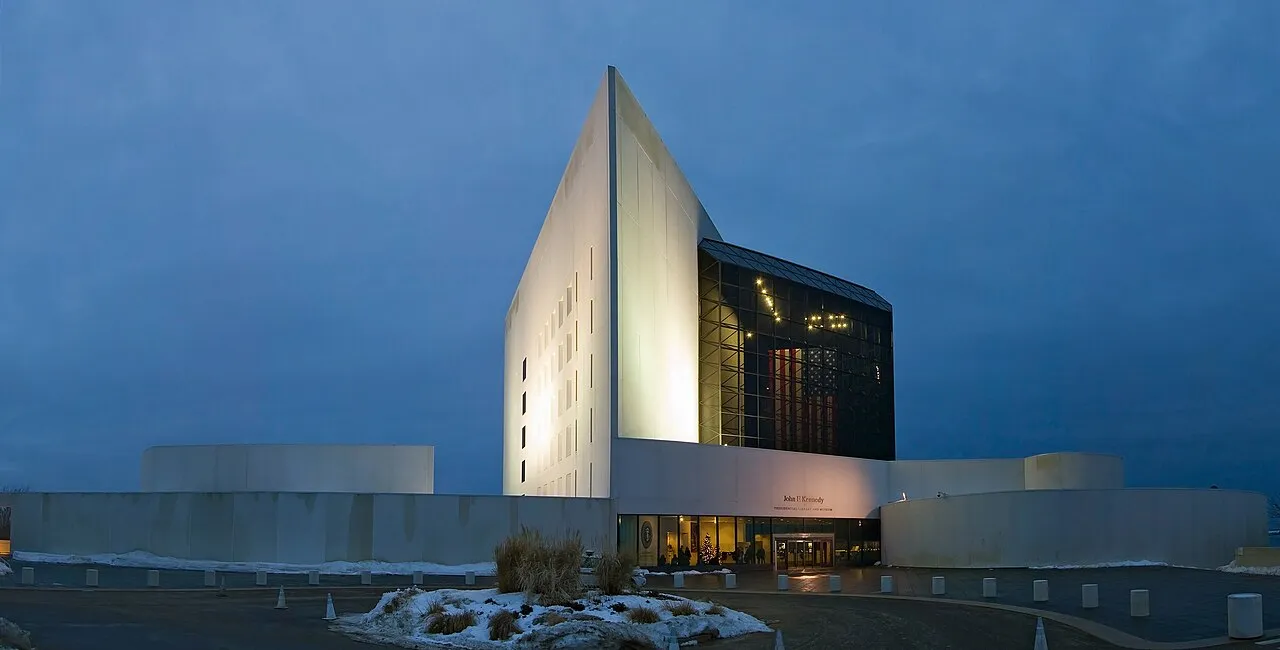
United States
Boston
4 places
-
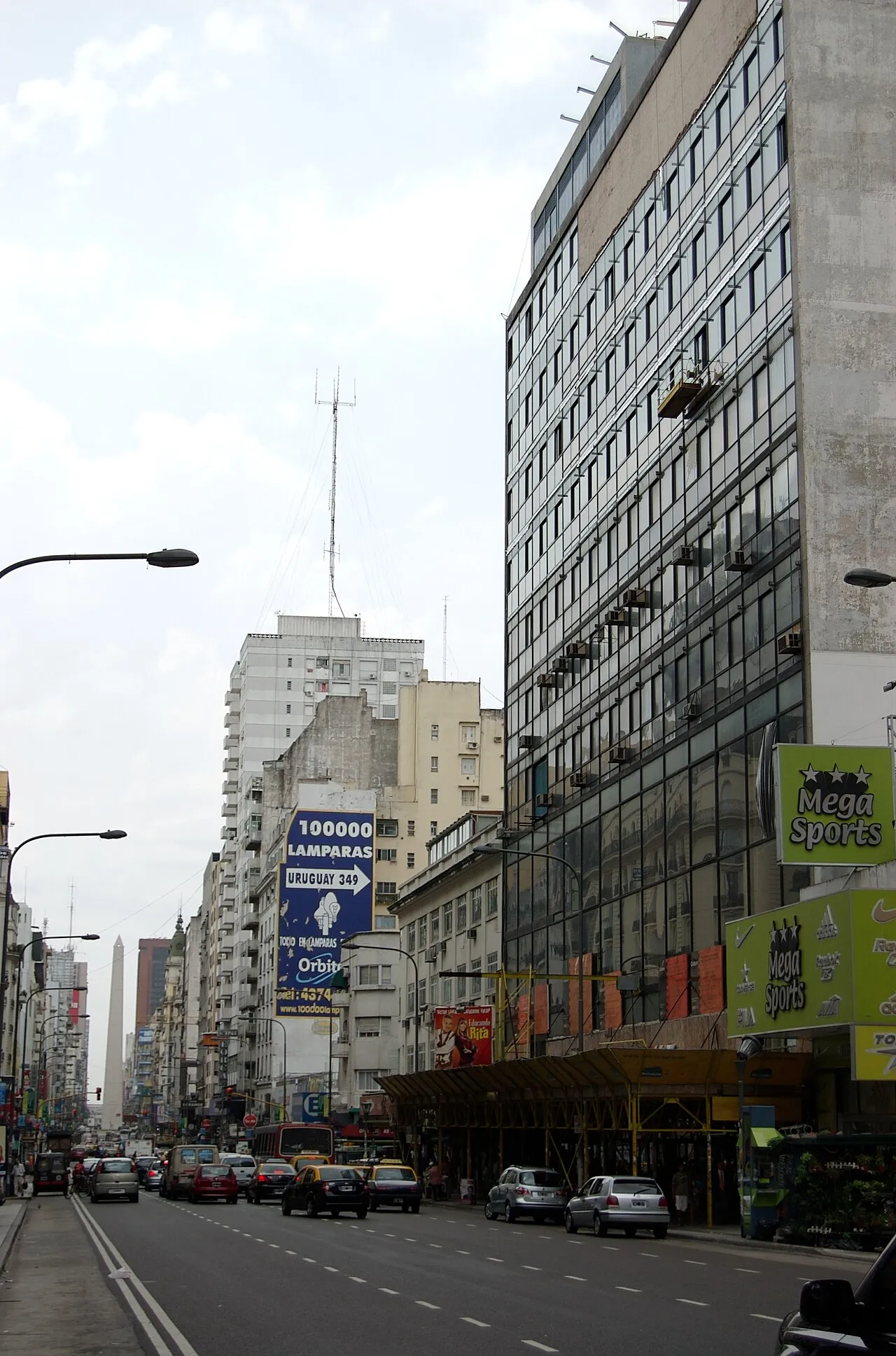
Argentina
Buenos Aires
4 places
-
United States
Cambridge
4 places
-
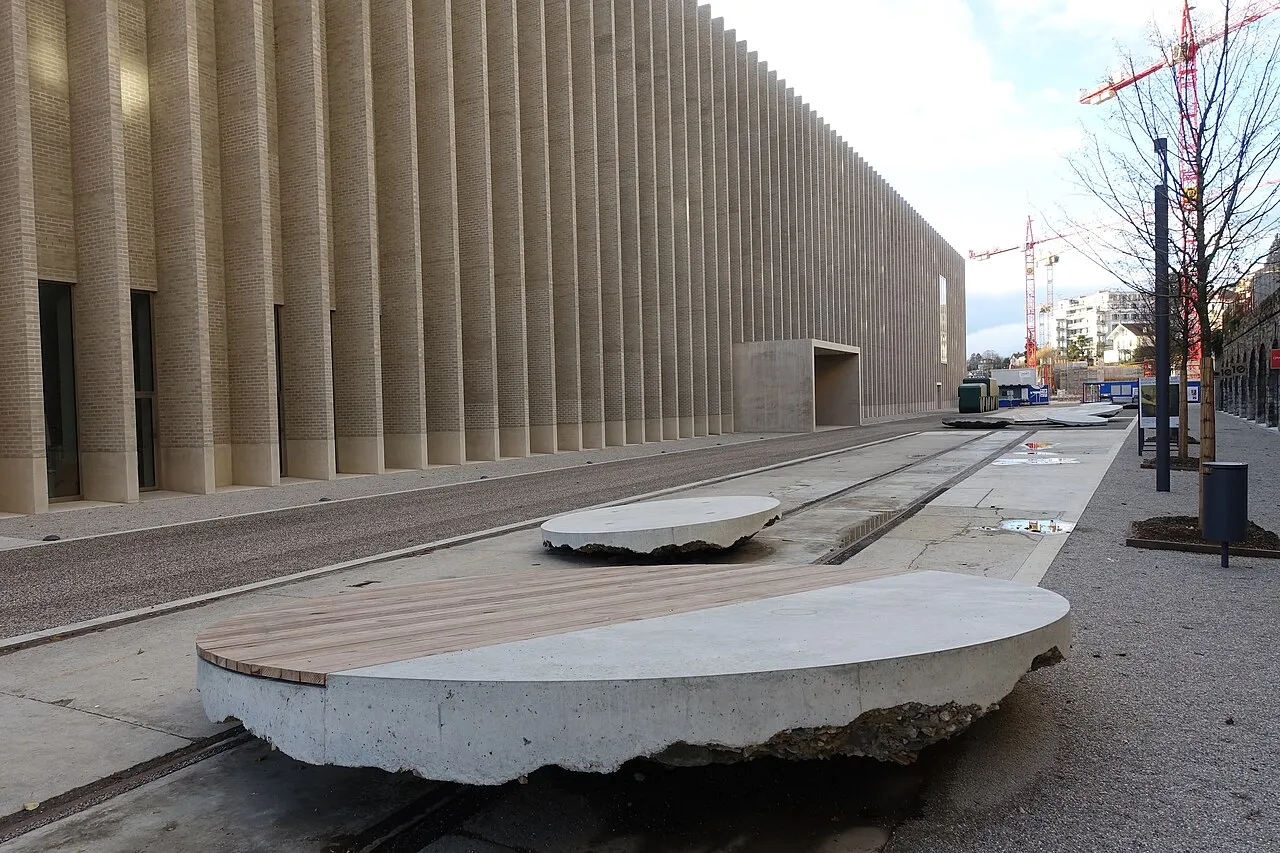
Switzerland
Lausanne
4 places
-
Sweden
Luleå
4 places
-
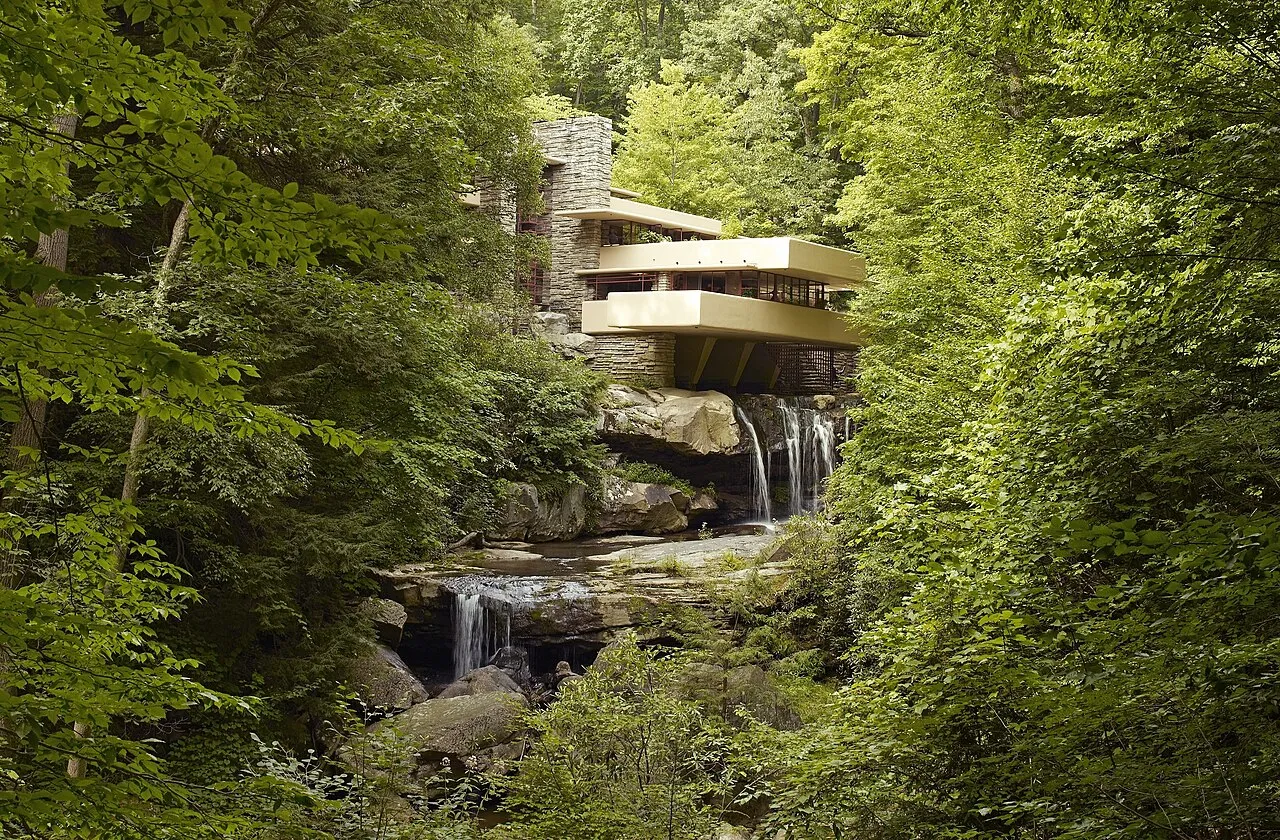
United States
Pittsburgh
4 places
-
Finland
Tampere
4 places



Keep exploring
Explore all destinations