

National Romantic architecture
National Romantic architecture across 8 cities in 5 countries. The buildings worth seeing, the architects behind them, and where to find each one.
What is national romantic?
National Romanticism was a Nordic architectural movement of the late nineteenth and early twentieth centuries, spreading from Denmark and Norway across Sweden and Finland to Estonia and Latvia. International surveys often treat it as a regional form of Art Nouveau; in Sweden it is defined against jugend, the local Art Nouveau, which it displaced around 1910. Architects turned to medieval buildings and vernacular traditions to give their work a distinctly national character, with a respect for honest materials and craft drawn partly from the English Arts and Crafts movement.
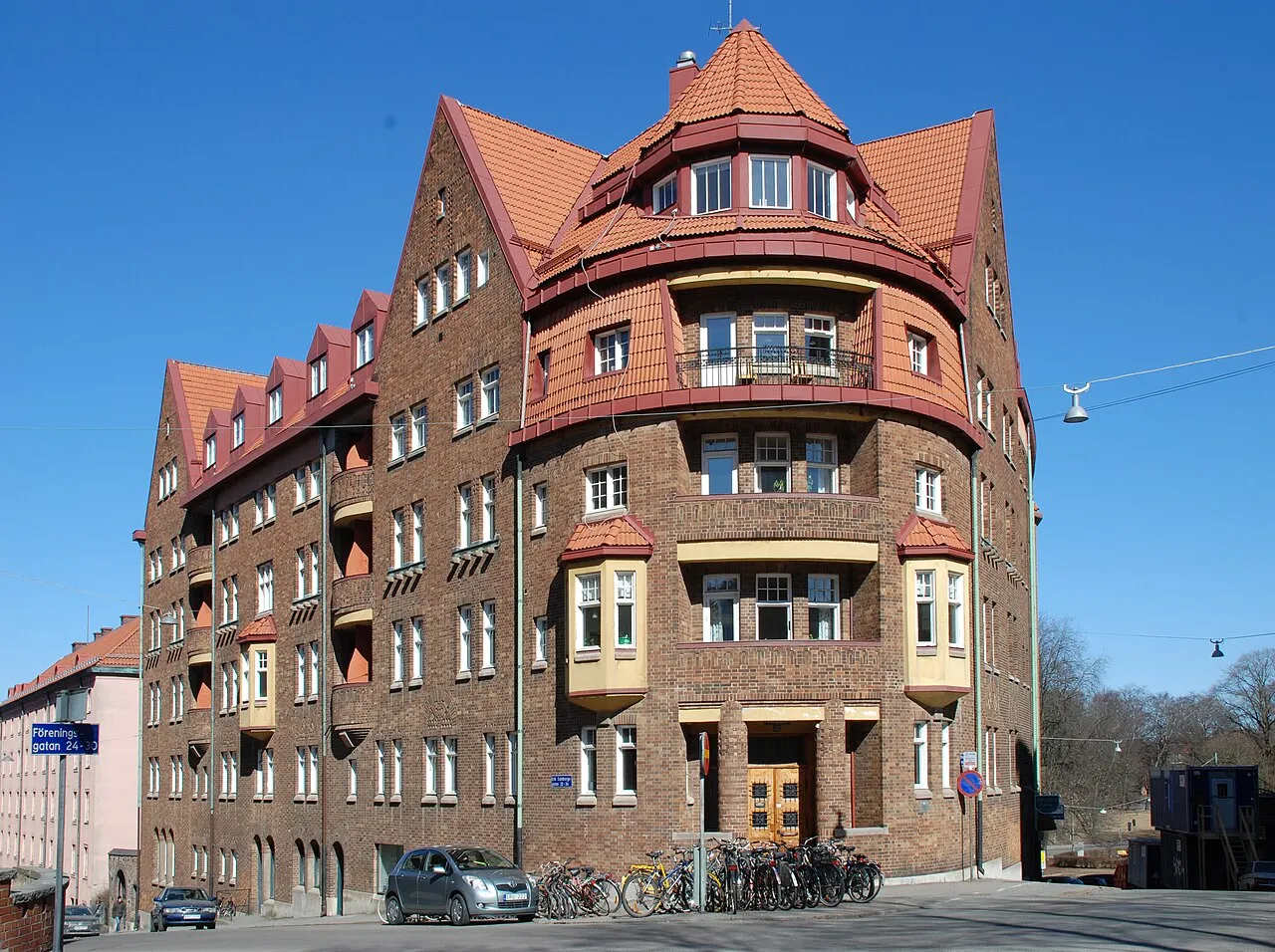
You recognize the style by its weight. Facades are dark and closed: brick fired to imitate old hand-struck brick, rough-hewn granite in bases, portals and sometimes whole walls, steep roofs, and small-paned windows set in heavy masonry. Doors are often noticeably small in their stone frames, ornament is carved and storytelling, and the small windows and massive walls give many buildings the look of a castle.
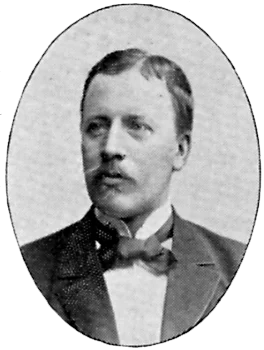
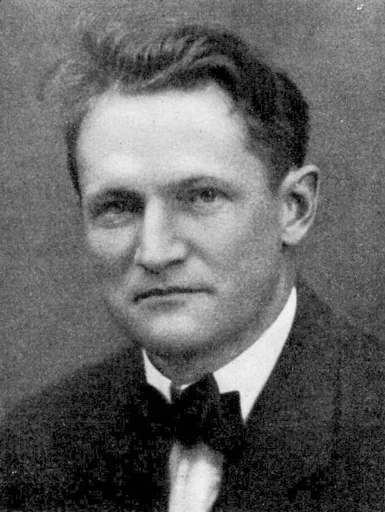
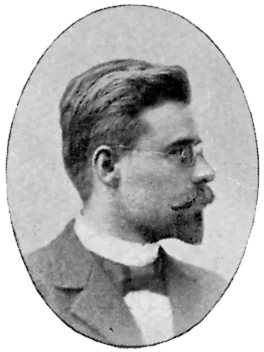
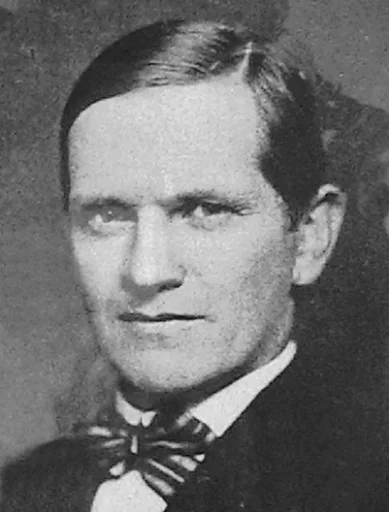
Martin Nyrop’s Copenhagen City Hall (1892-1905) set the Danish standard, its asymmetrical tower modeled on the Palazzo Pubblico in Siena. In Finland, Lars Sonck’s Tampere Cathedral (1902-1907), with its rough granite facades, became one of the strongest expressions of the new national spirit, and Eliel Saarinen, with Herman Gesellius and Armas Lindgren, won the 1902 competition for the National Museum of Finland. Sweden’s leading names were Carl Westman, Ragnar Östberg and Lars Israel Wahlman.
The movement was short-lived. Saarinen turned toward a more rational architecture after 1904, and around 1920 the Nordic countries swung to Nordic Classicism, a deliberate counter-reaction toward universalism and simpler form. Much of what was built is now protected heritage, and conservation guidance treats the hand-worked details with care: coarsen them in renovation and the character of the era goes with them.
National Romantic in Sweden
Sweden's core decade was the 1910s, when nationalromantik, the Swedish term, displaced jugend. Carl Westman led the way: his Swedish Society of Medicine building in Stockholm (1904-1906) is often cited as the first National Romantic building, and his Stockholm Court House (1911-1915) raises a heavy brick tower modeled on the medieval Vadstena Castle. Lars Israel Wahlman's Engelbrektskyrkan, inaugurated in 1914 on a hilltop in Stockholm's Lärkstaden district, is counted both among the foremost works of the jugend era and as a breakthrough for the new style. In Kiruna, Gustaf Wickman drew on Norwegian stave churches and the Sámi lavvu for one of Sweden's largest wooden buildings, the church of 1912; in August 2025 the whole building was moved intact away from the deforming ground above the iron mine.
The culminating work came late: Ragnar Östberg's Stockholm City Hall, built 1911-1923 in dark red brick hand-struck in the format of the medieval Tre Kronor castle. Counted among Sweden's foremost National Romantic works, it fuses Italian Renaissance, Nordic Gothic and Islamic art into a style of Östberg's own. By then Swedish architecture had already turned toward the classicism of the 1920s, known abroad as Swedish Grace.
See the style in Stockholm, Gothenburg, Uppsala.
Notable national romantic buildings
-
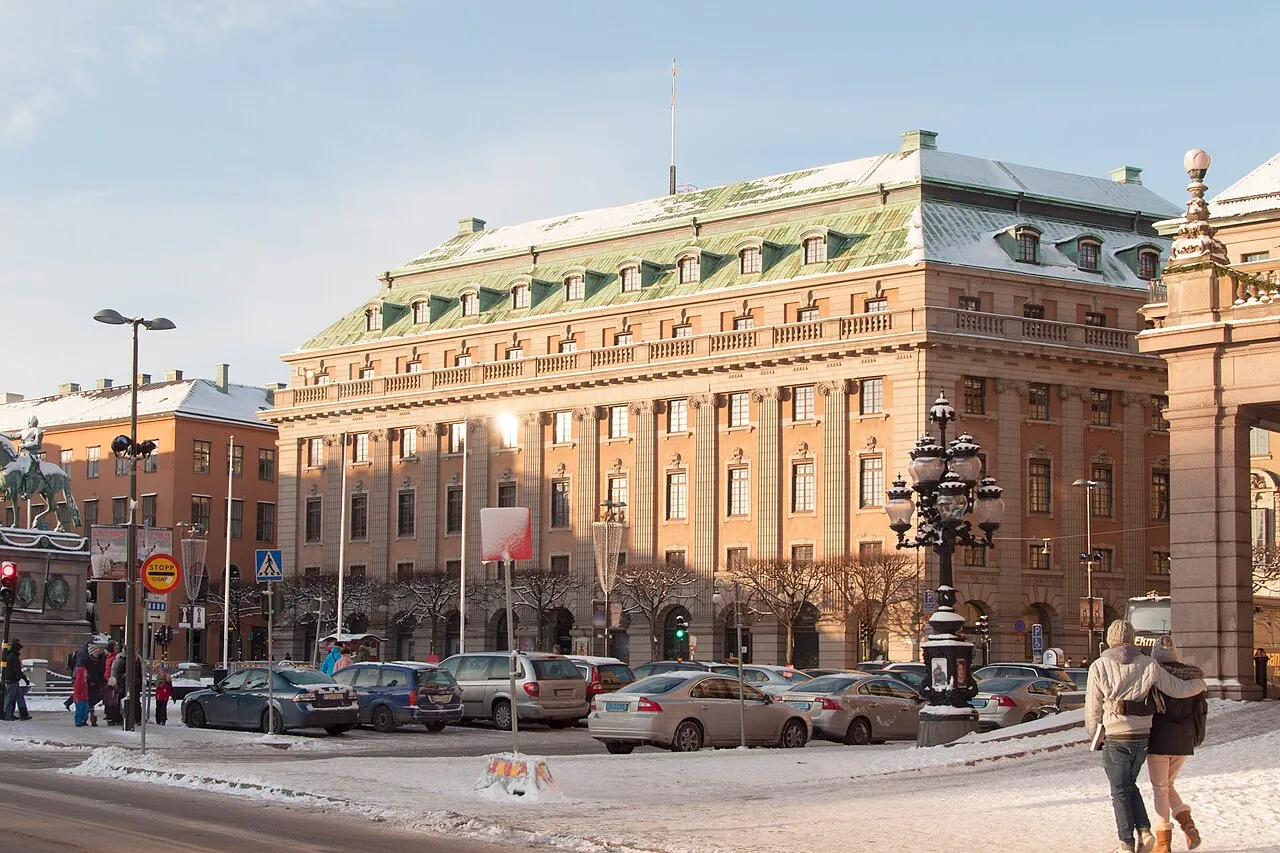
Skandinaviska Bankens palats
Stockholm · 1918
-
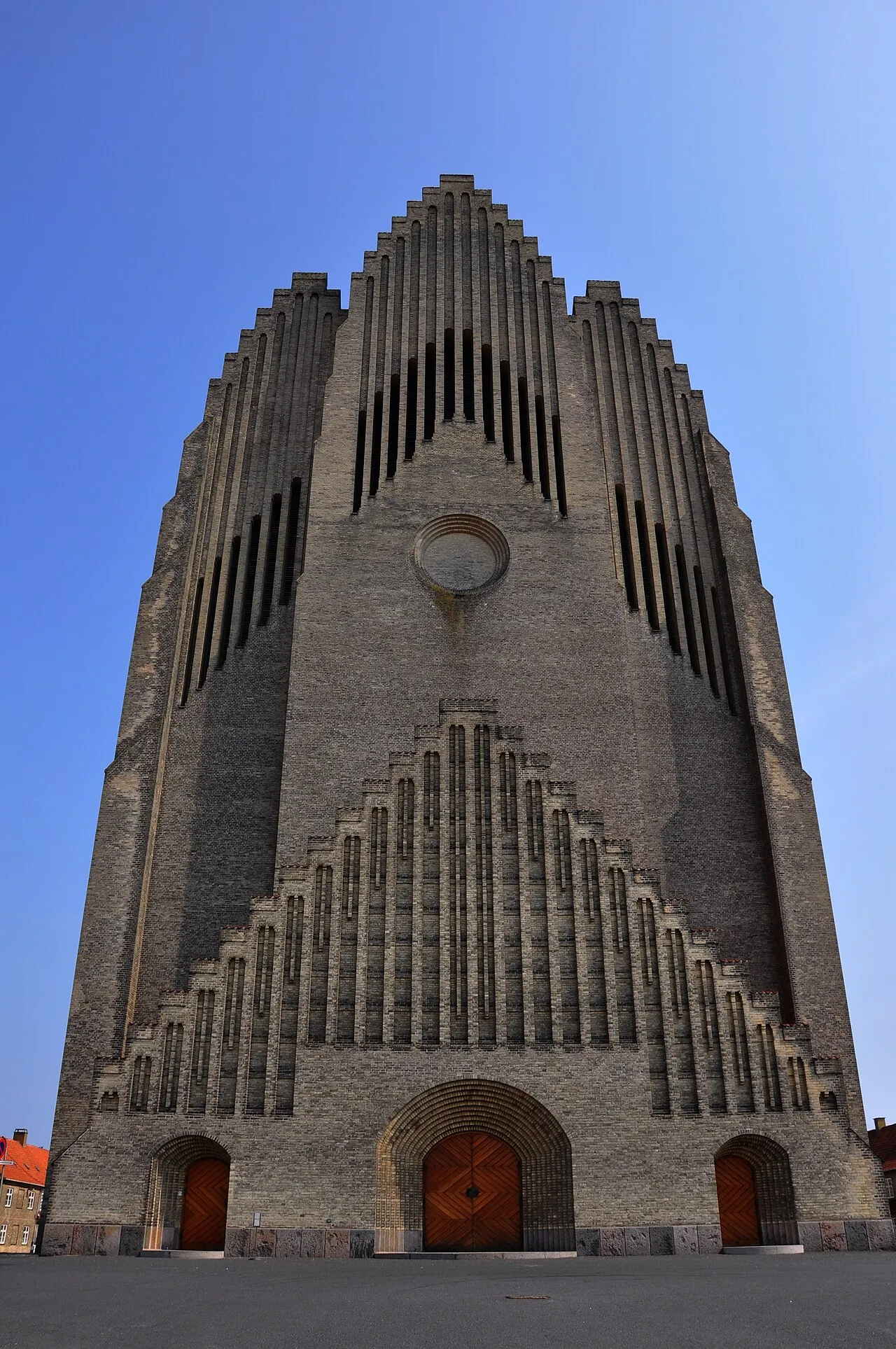
Grundtvig's Church
Copenhagen · 1940
-
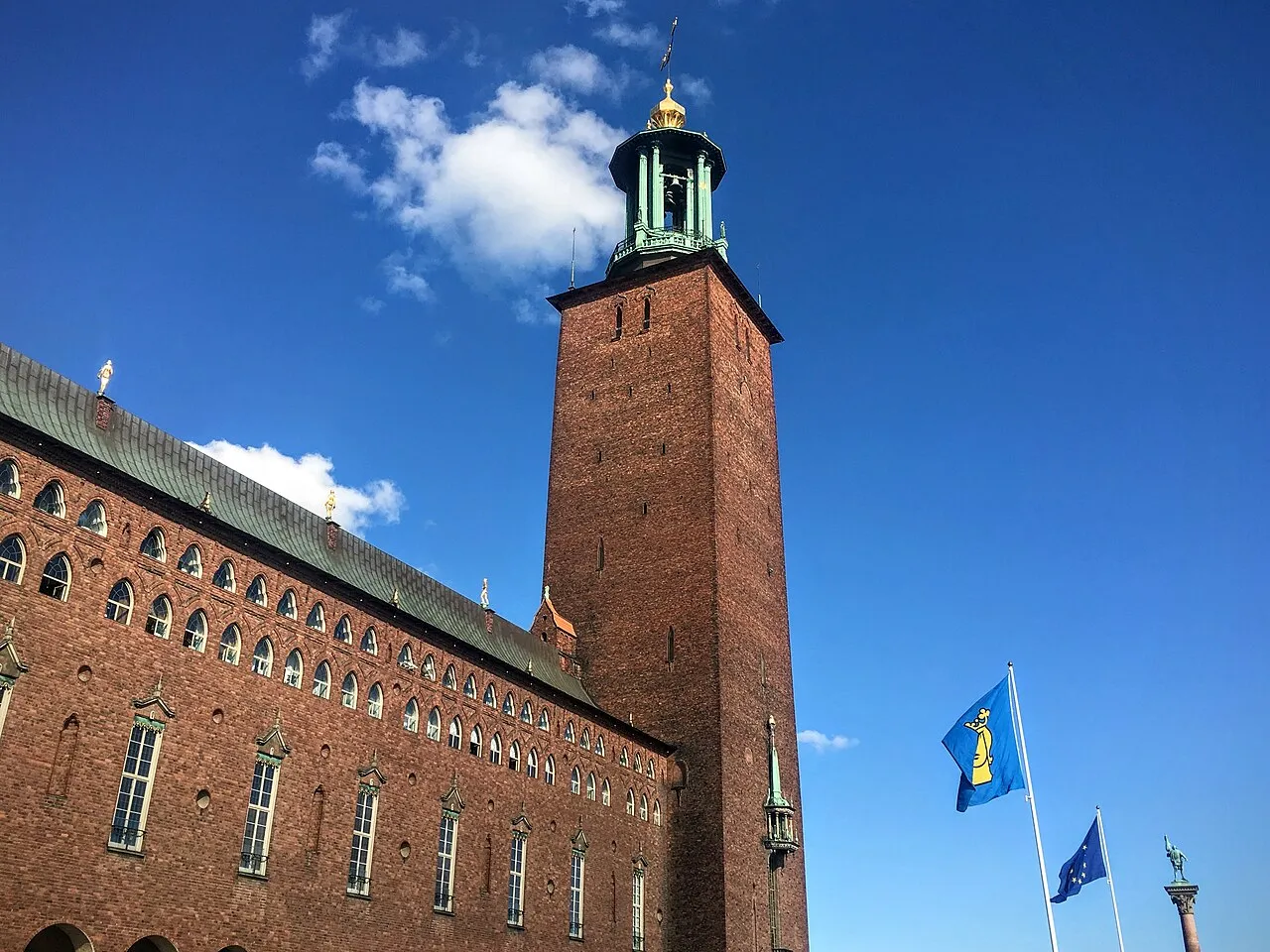
Stockholm City Hall
Stockholm · 1923
-
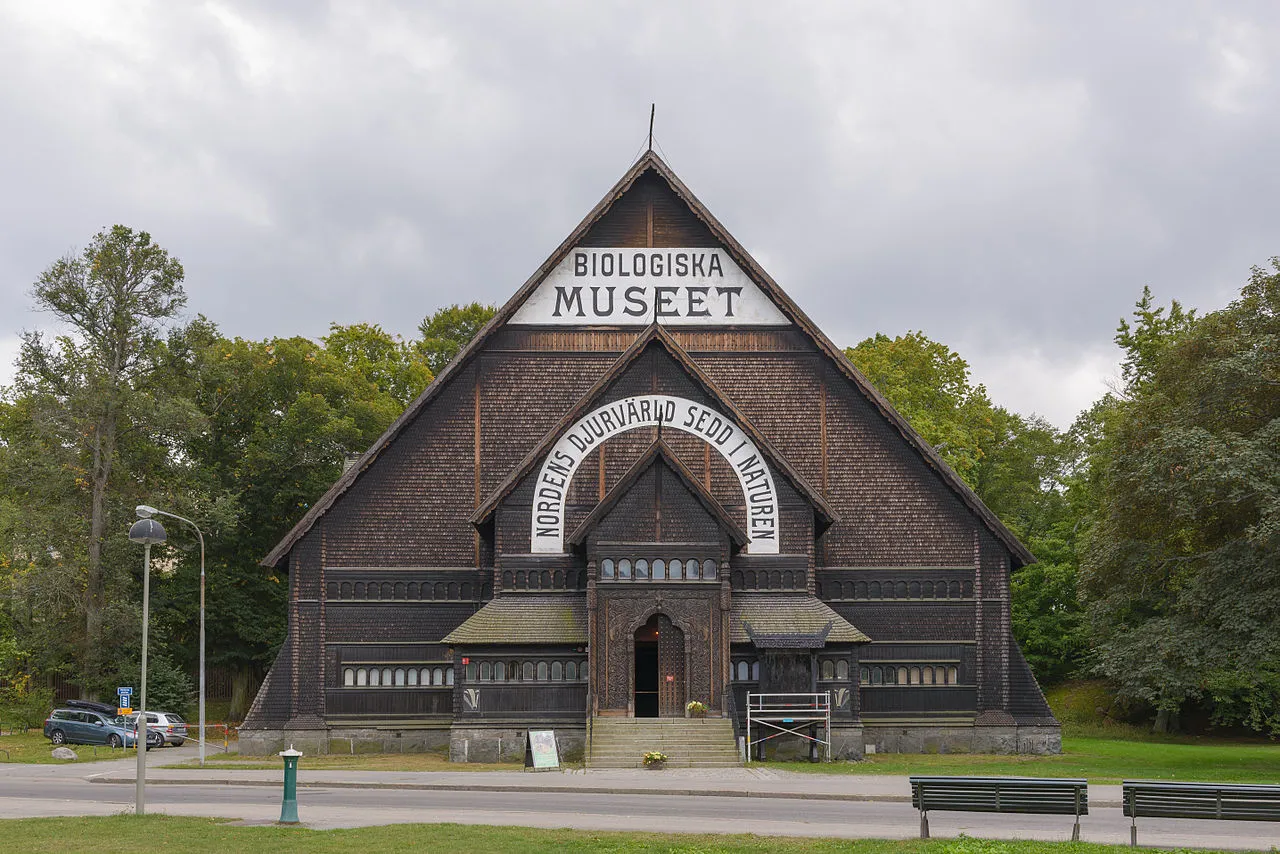
Biological museum
Stockholm · 1893
-
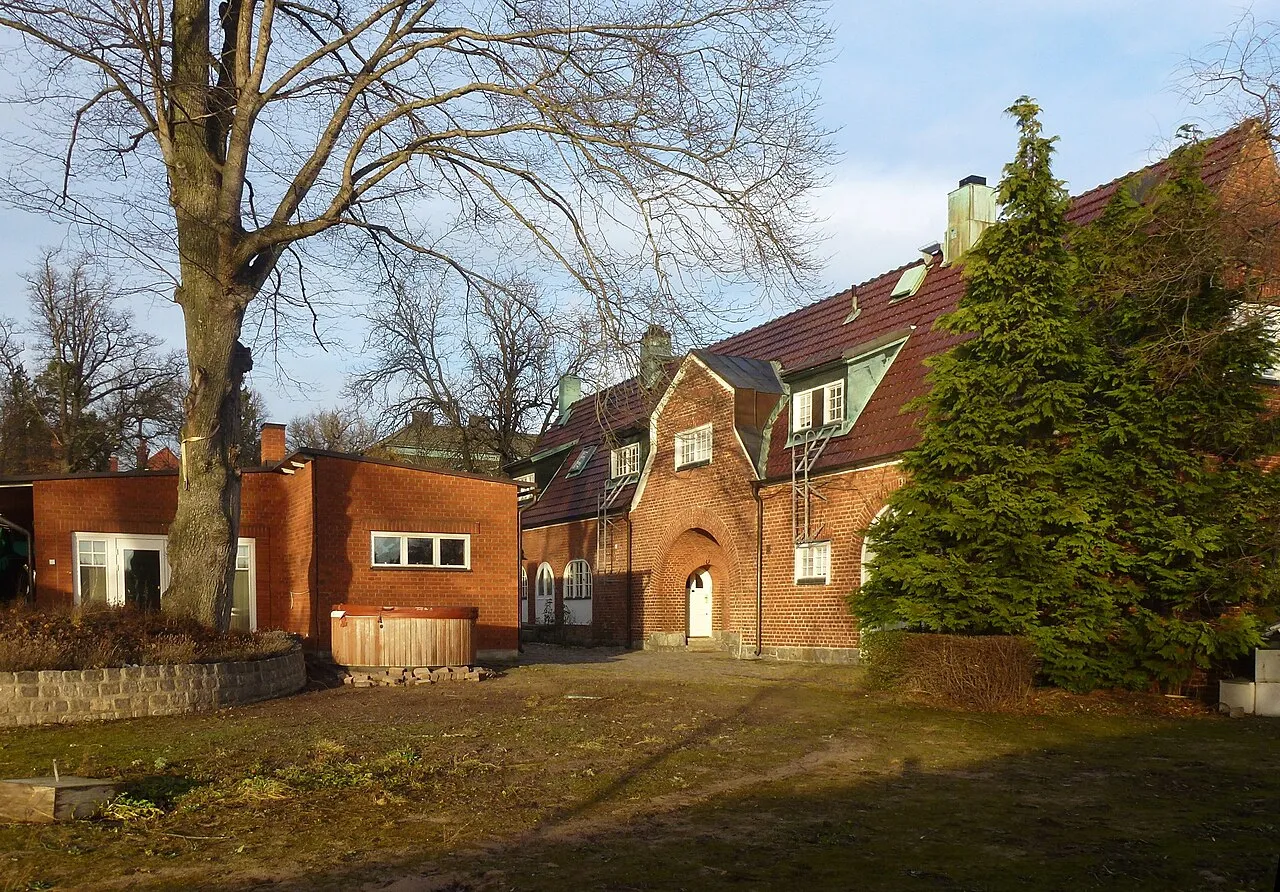
Villa Pauli
Stockholm · 1907
-
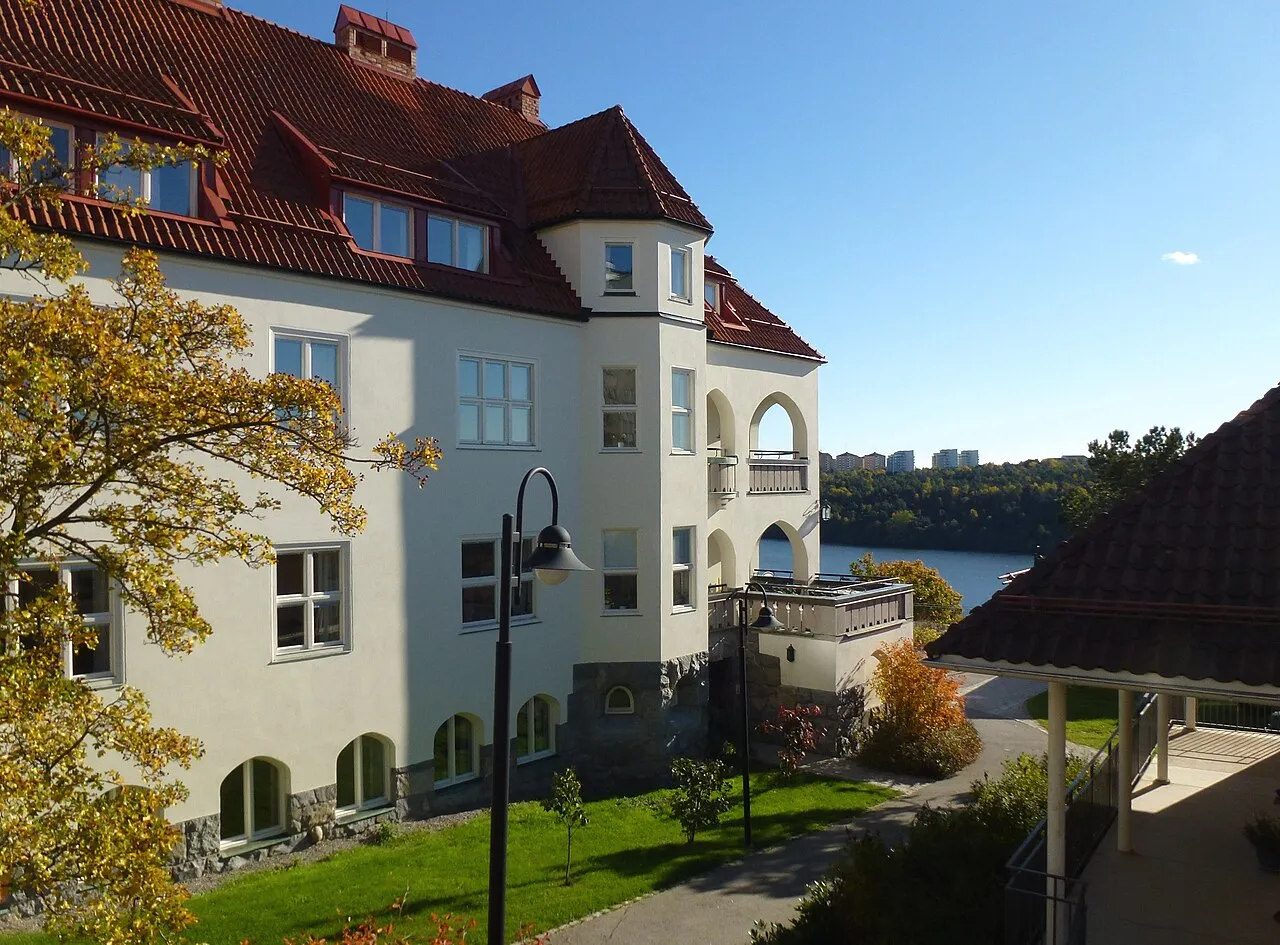
Sachs' Children and Youth Hospital
Stockholm · 1911
-
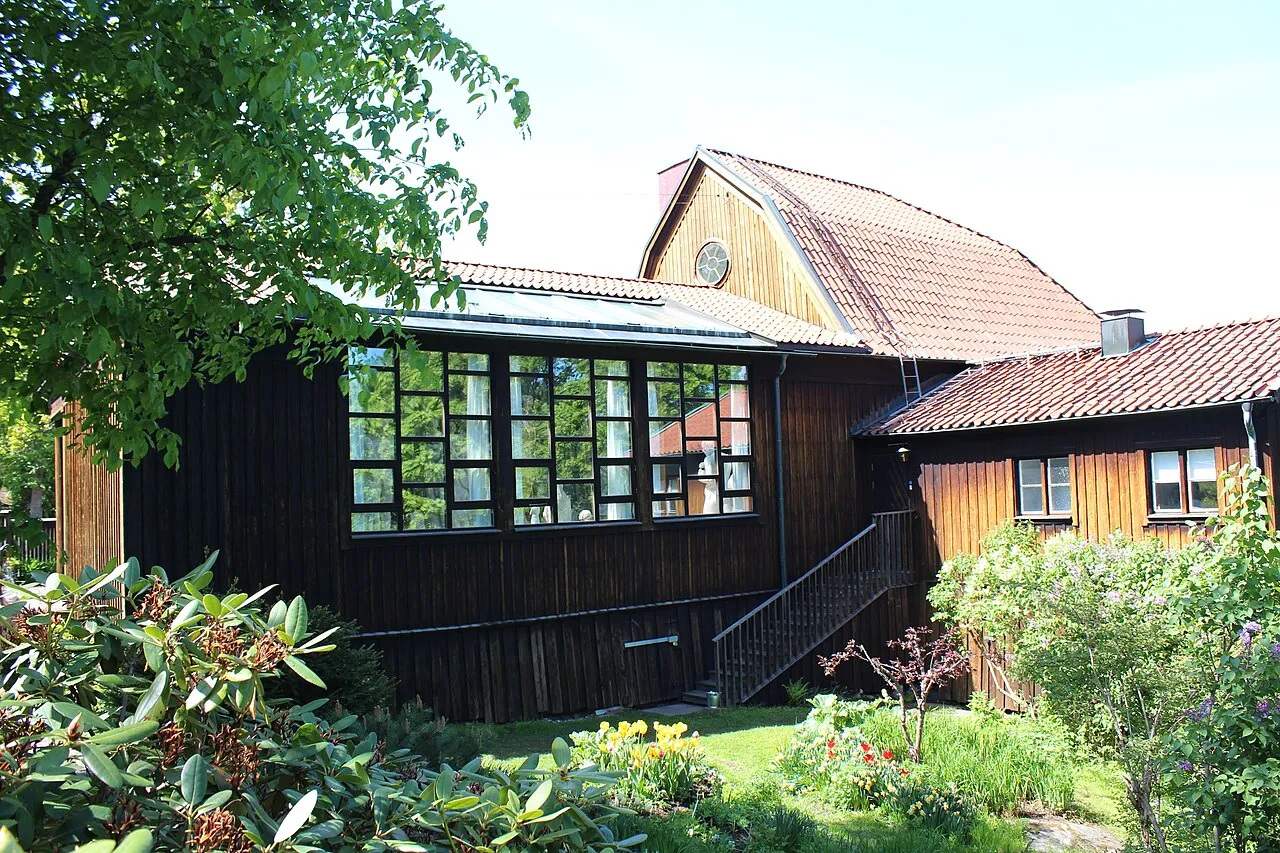
Carl Eldhs ateljé
Stockholm · 1919
-
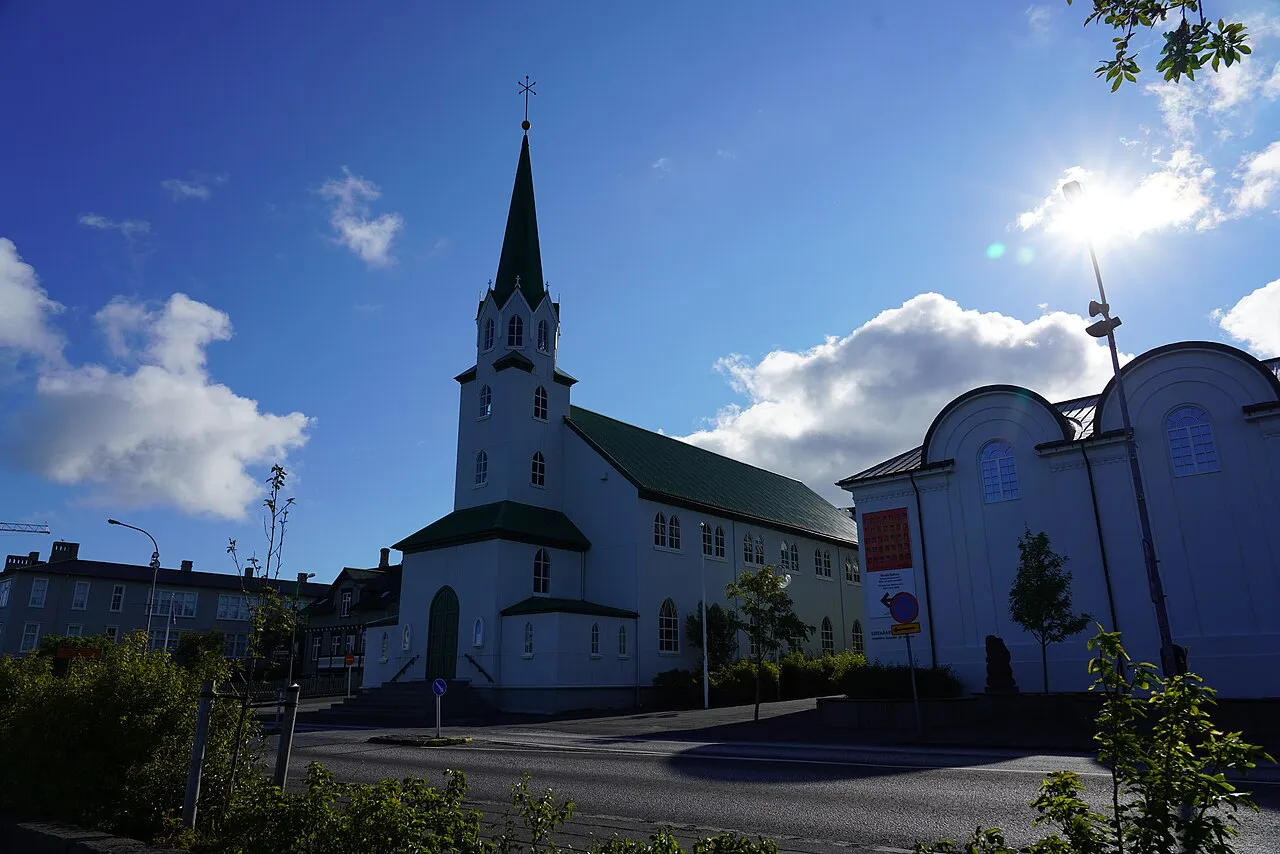
Fríkirkjan
Reykjavík · 1903
-
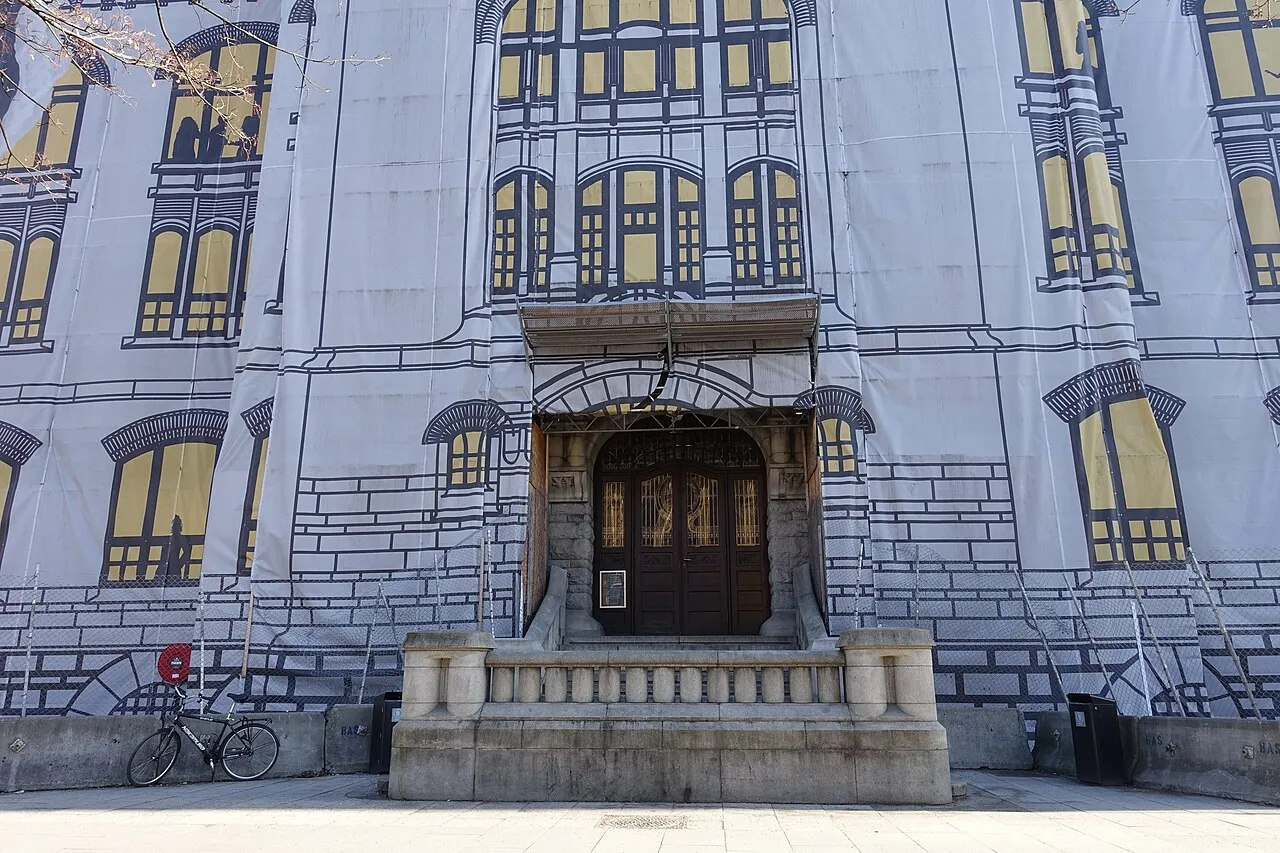
Historical Museum
Oslo · 1902
-
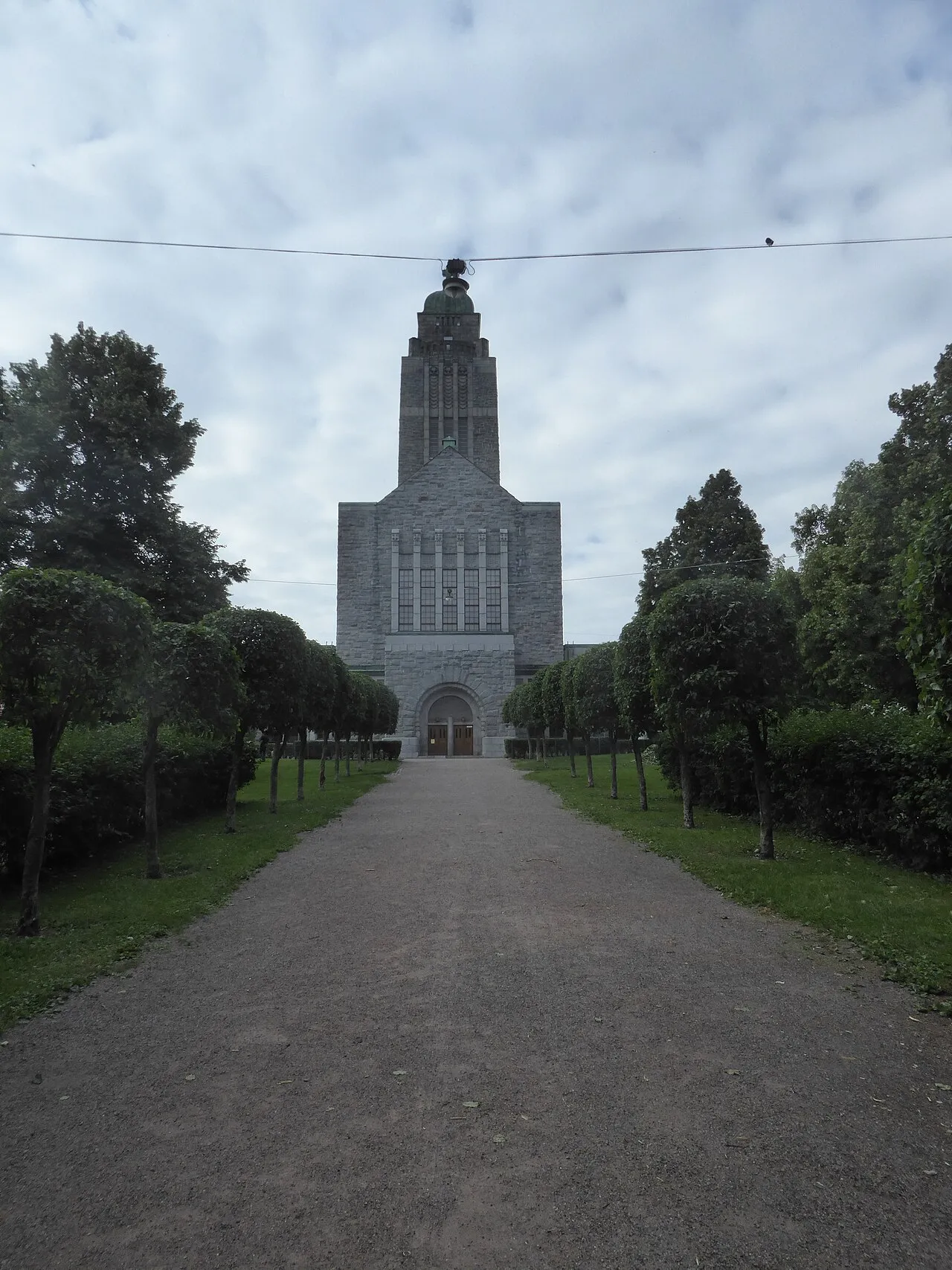
Kallio Church
Helsinki · 1912
-
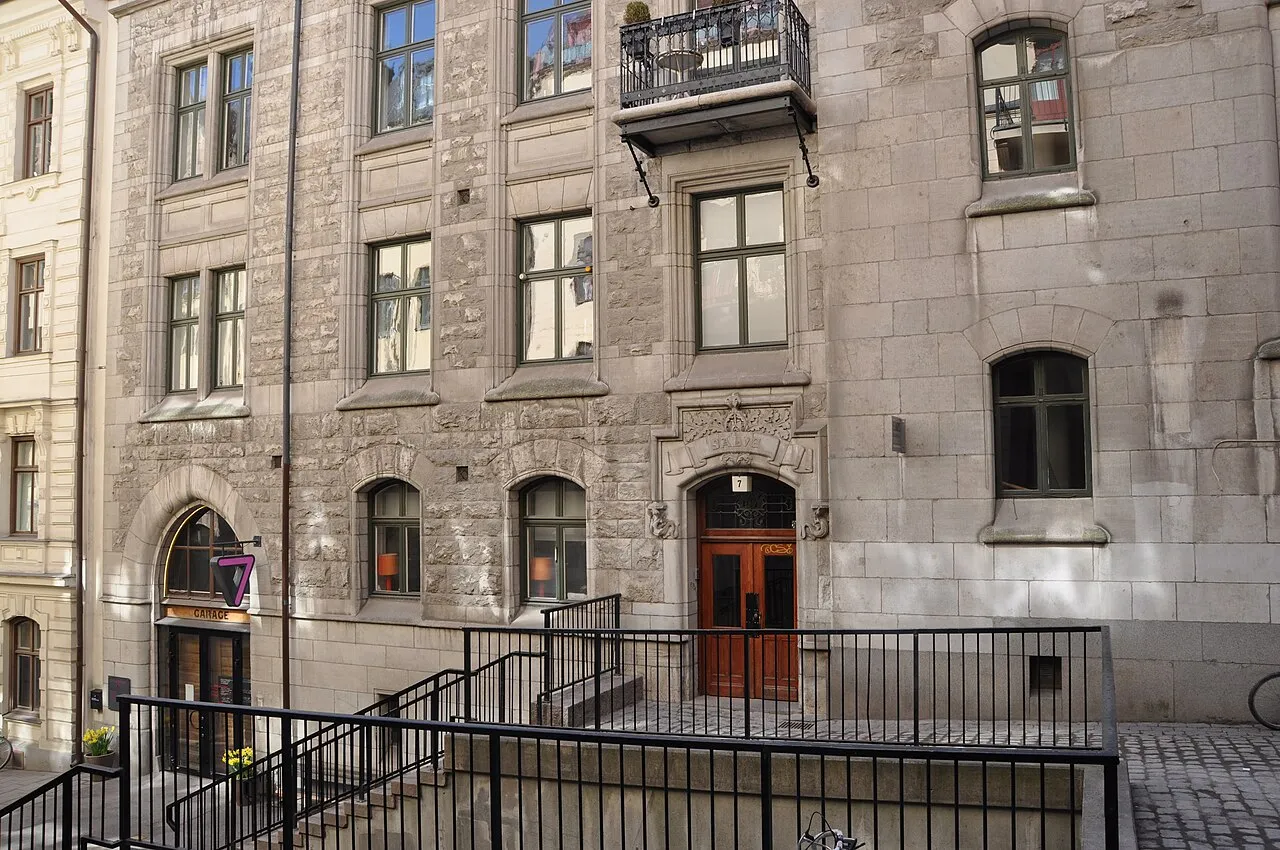
Katolskt centrum, Vätan 22
Stockholm · 1900
-
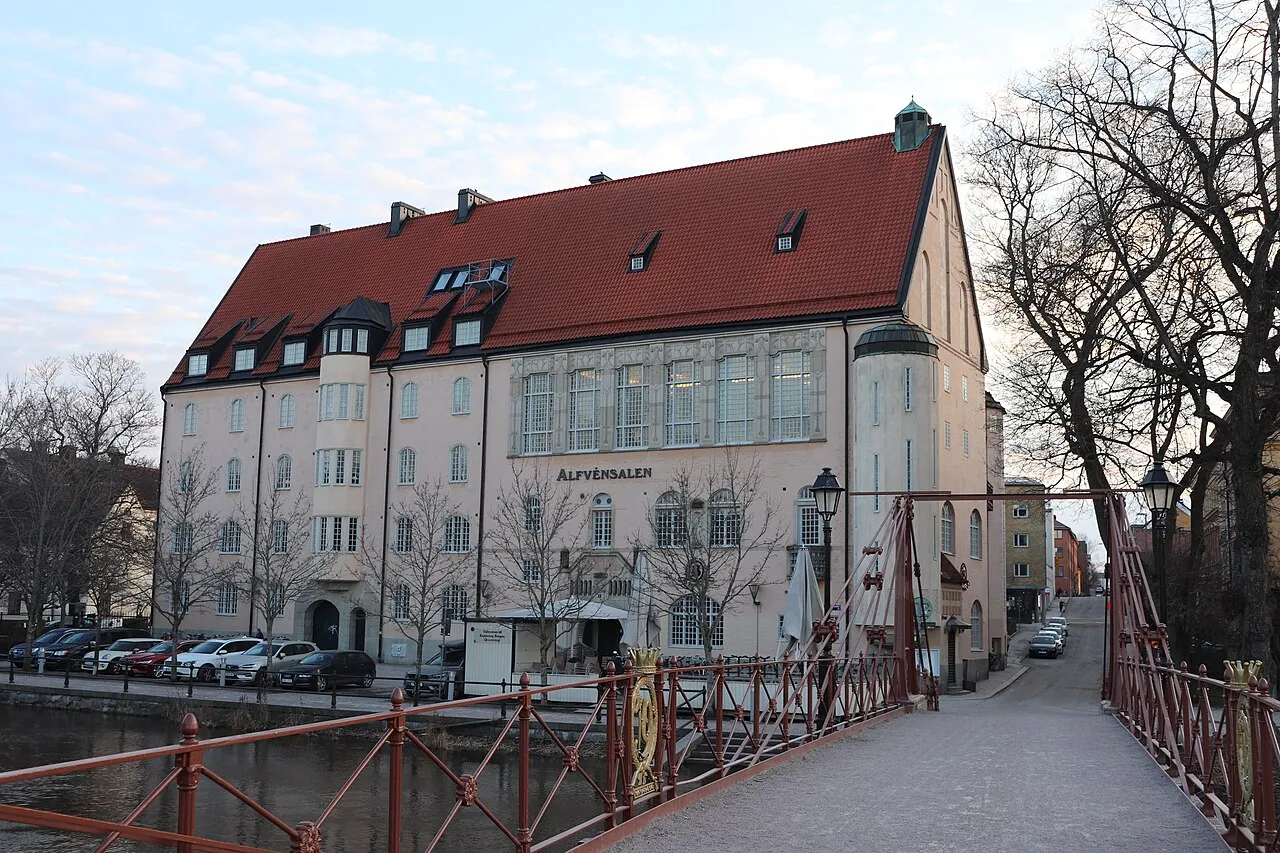
KFUM-borgen
Uppsala · 1911
National Romantic city by city
Pick a city to see the places on the map, with photos and descriptions.
Keep exploring
Explore all destinations