

Neo-Baroque architecture
Neo-Baroque architecture across 8 cities in 6 countries. The buildings worth seeing, the architects behind them, and where to find each one.
What is neo-baroque?
Neo-Baroque is an architecture of the late 19th and early 20th centuries that took its forms and motifs back from the Baroque. The same style carries different names by country: Second Empire in France, Wilhelminism in Germany. If a building here is tagged both neo-baroque and second empire, that is why.
It was built where power wanted an audience. In Britain and France an expansive imperialism encouraged an official architecture to match it, while in Germany and Italy the style expressed pride in the new power of a unified state. The training followed the demand. Paris had the period’s dominant architecture school in the École des Beaux-Arts, elements of the Baroque tradition were an essential part of what it taught, and that teaching carried into the Beaux-Arts work its graduates built at home and abroad.
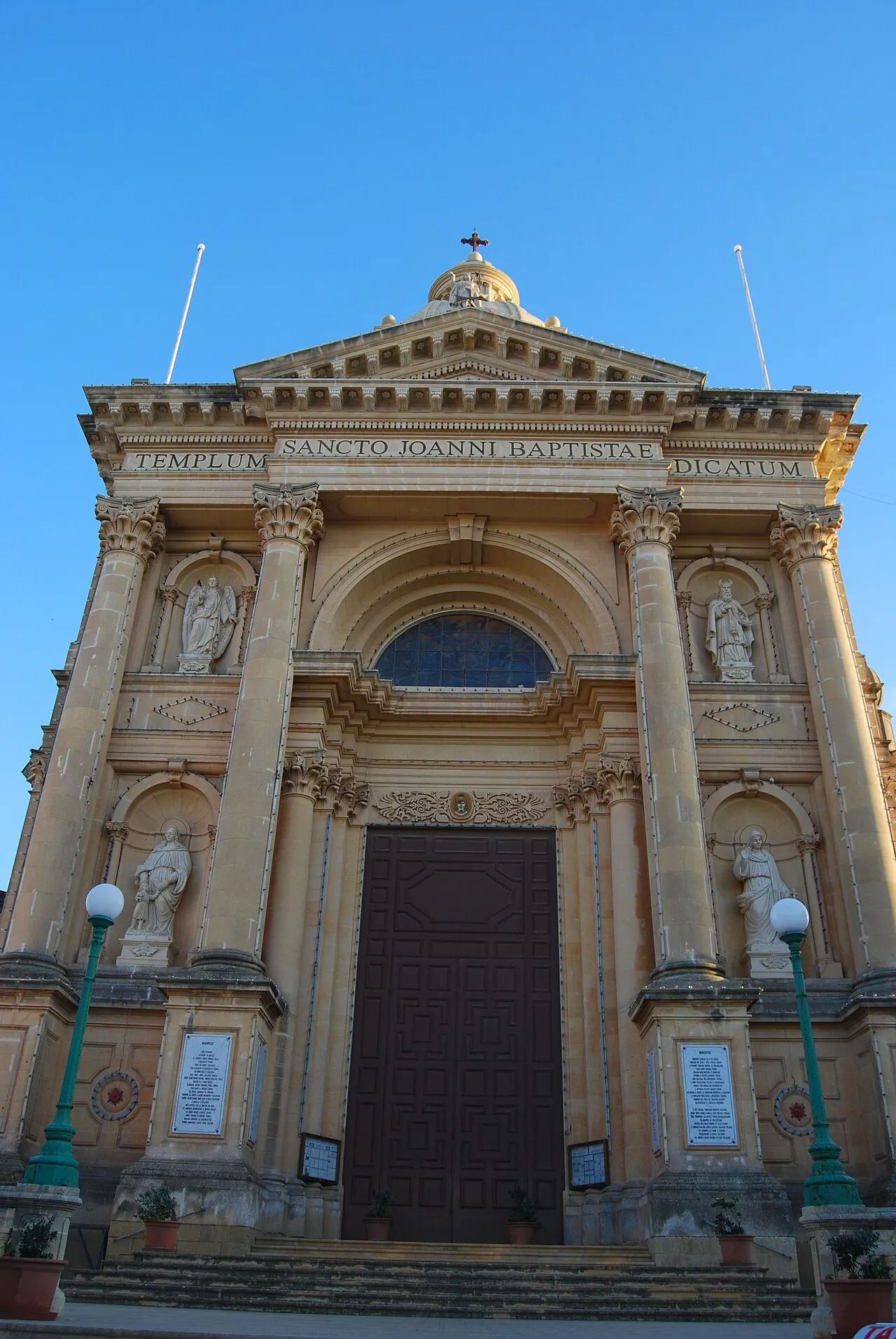
The facades are richly ornamented and the interiors are too, worked in marble, stucco and gilding. The building types recur: government buildings and theatres, palaces, and houses for private owners who could afford the manner.
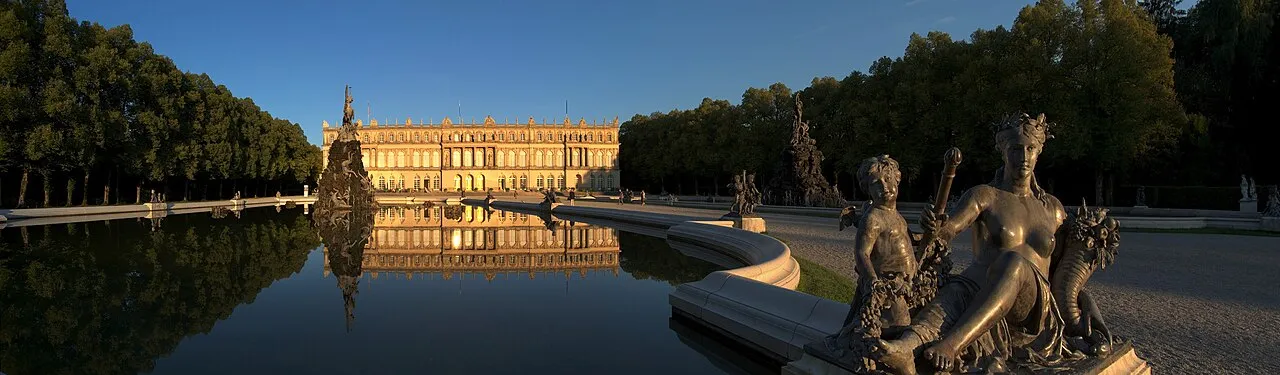
Charles Garnier’s Paris opera house, built 1861 to 1875, is the reference point most people already carry. Belfast City Hall followed in 1898 to 1906. Ferdinand Fellner and Hermann Helmer are named among the style’s architects. The Semperoper in Dresden and Ludwig II’s Herrenchiemsee, a copy of Versailles, show how far the manner ran, from civic building to royal fantasy.
Notable neo-baroque buildings
-
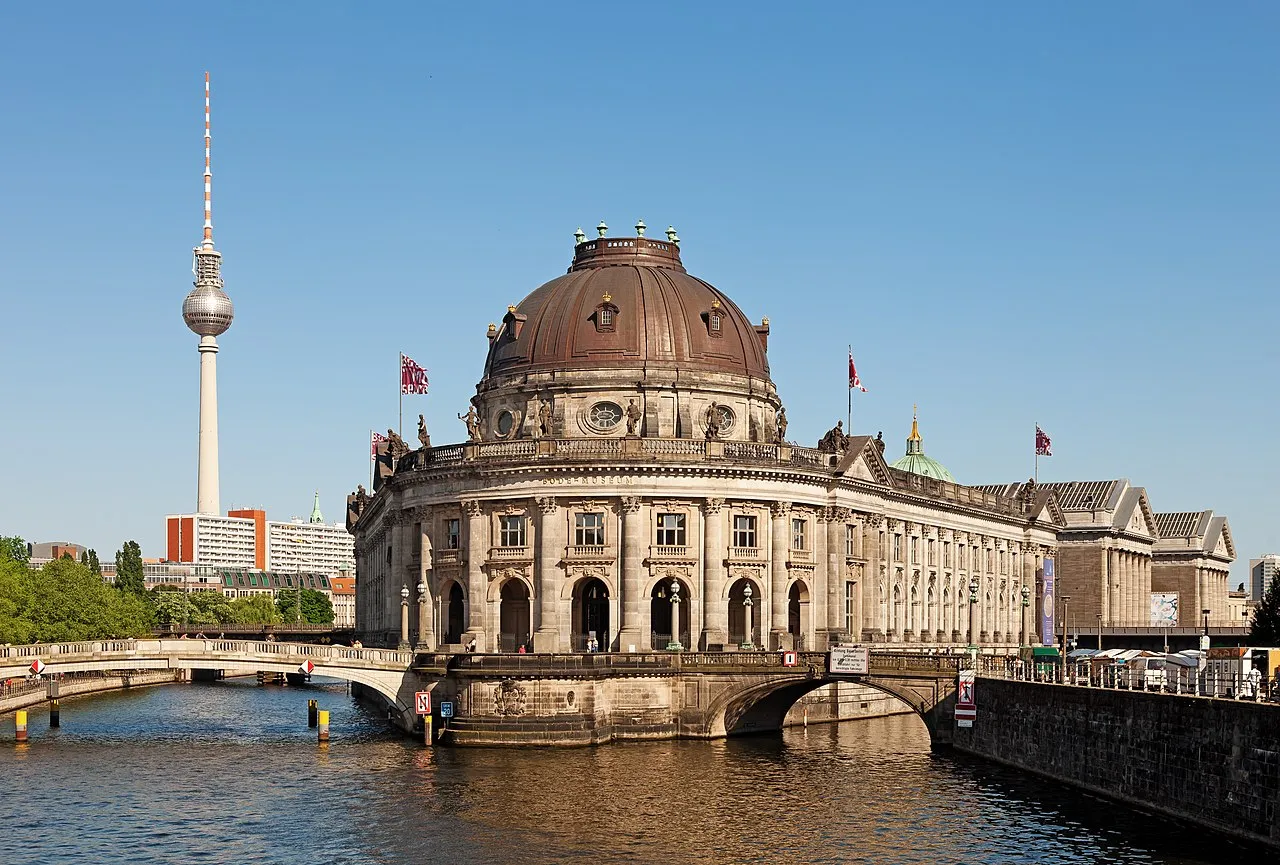
Bode Museum
Berlin · 1904
-
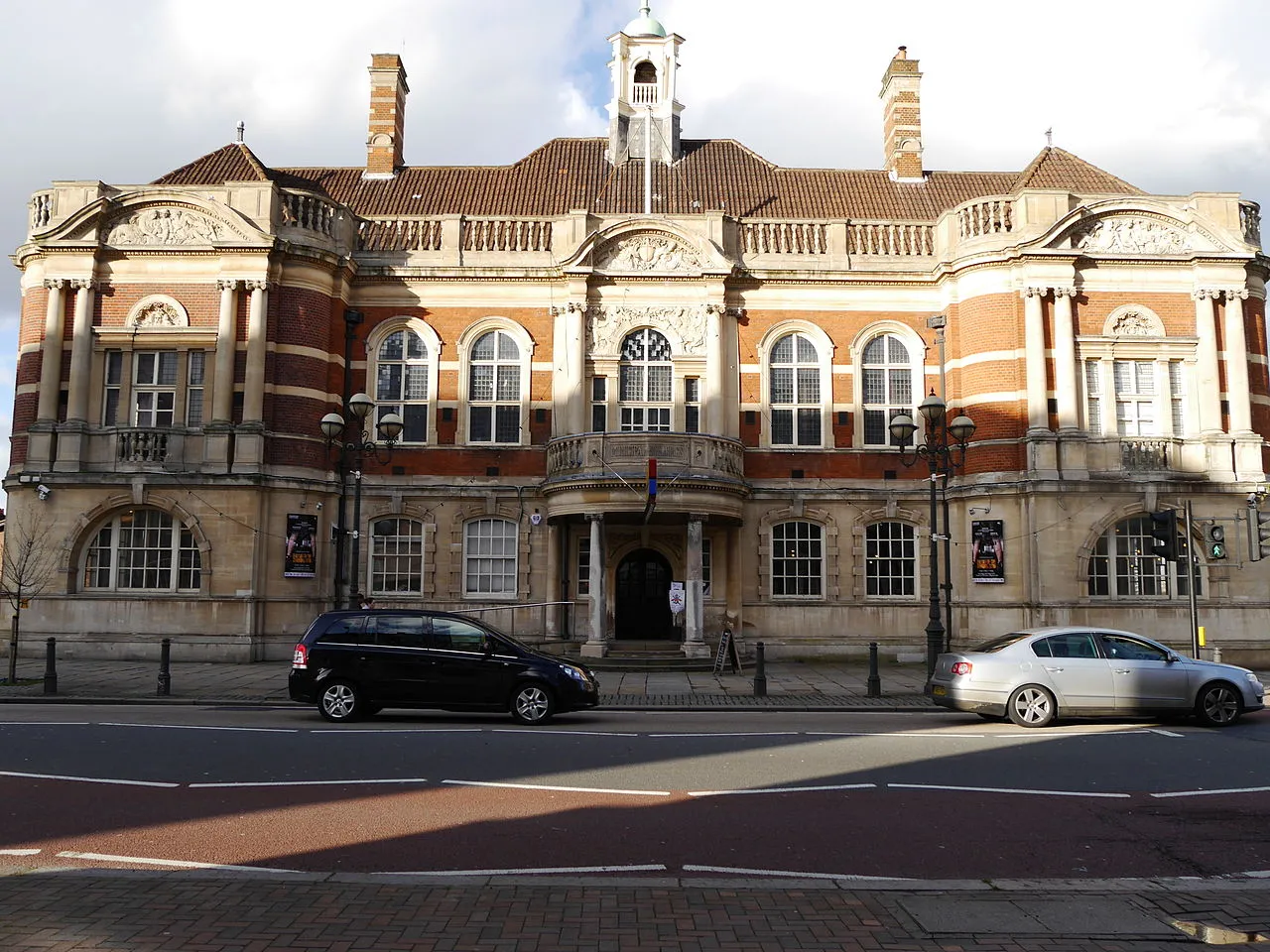
Battersea Arts Centre
London · 1893
-
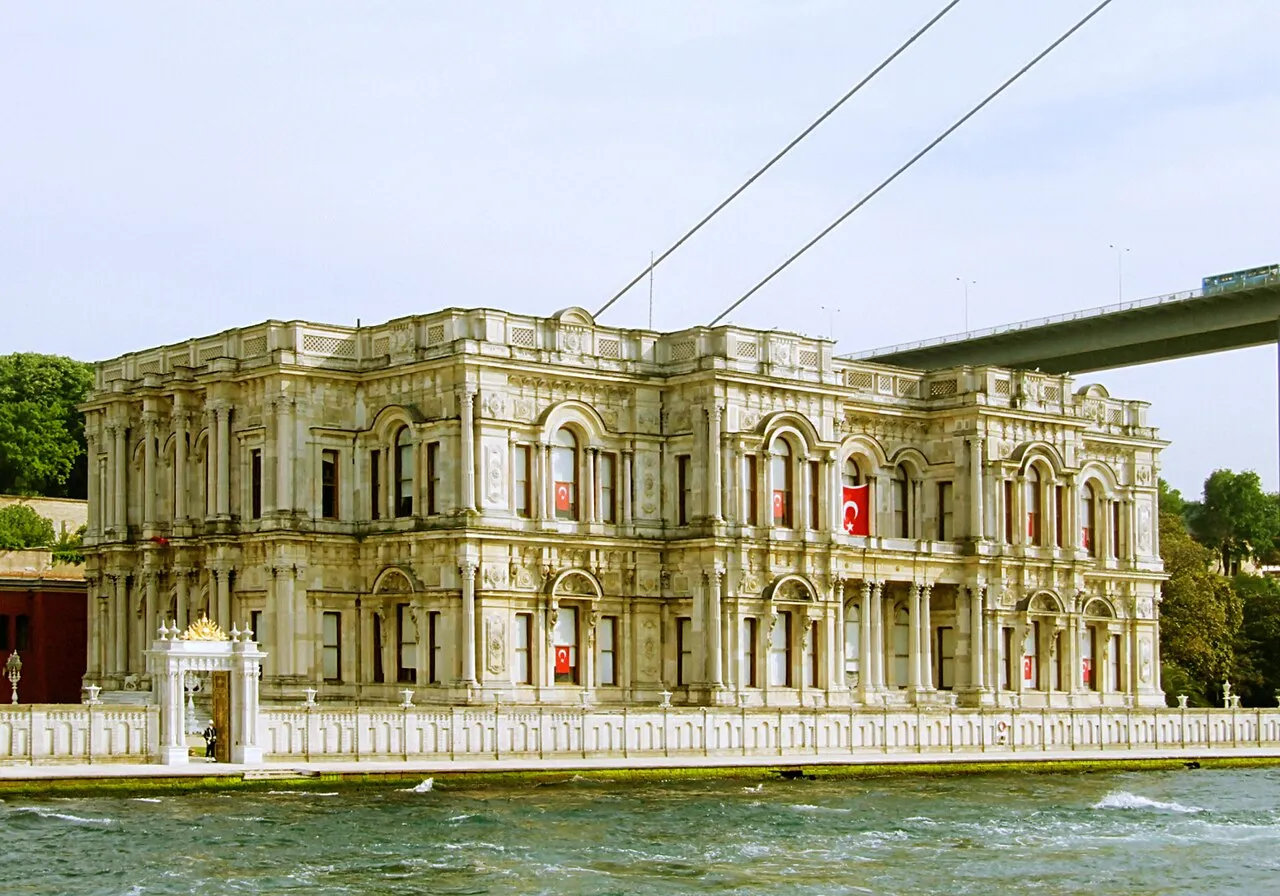
Beylerbeyi Sarayı
Istanbul · 1865
-
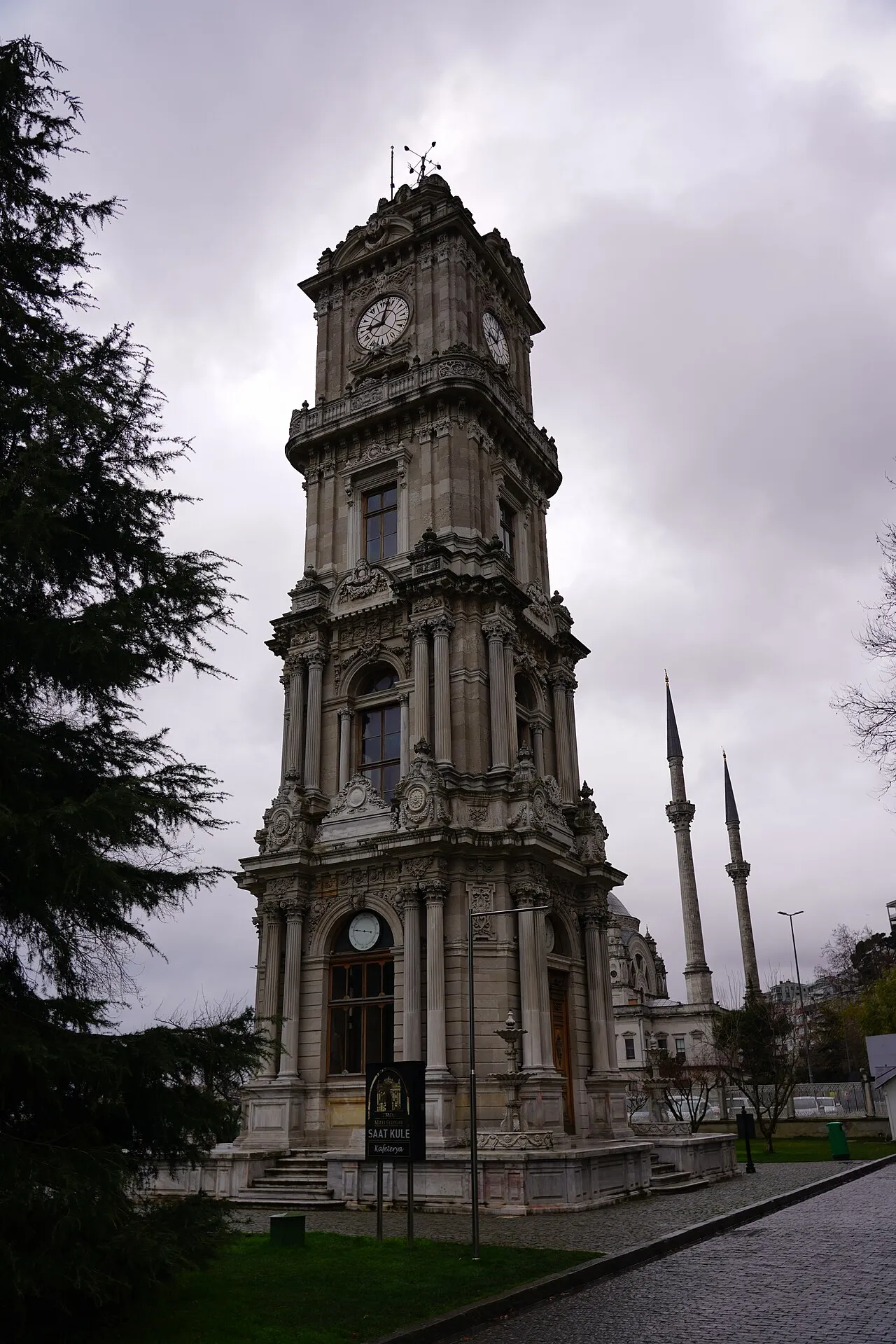
Dolmabahçe Saat Kulesi
Istanbul · 1895
-
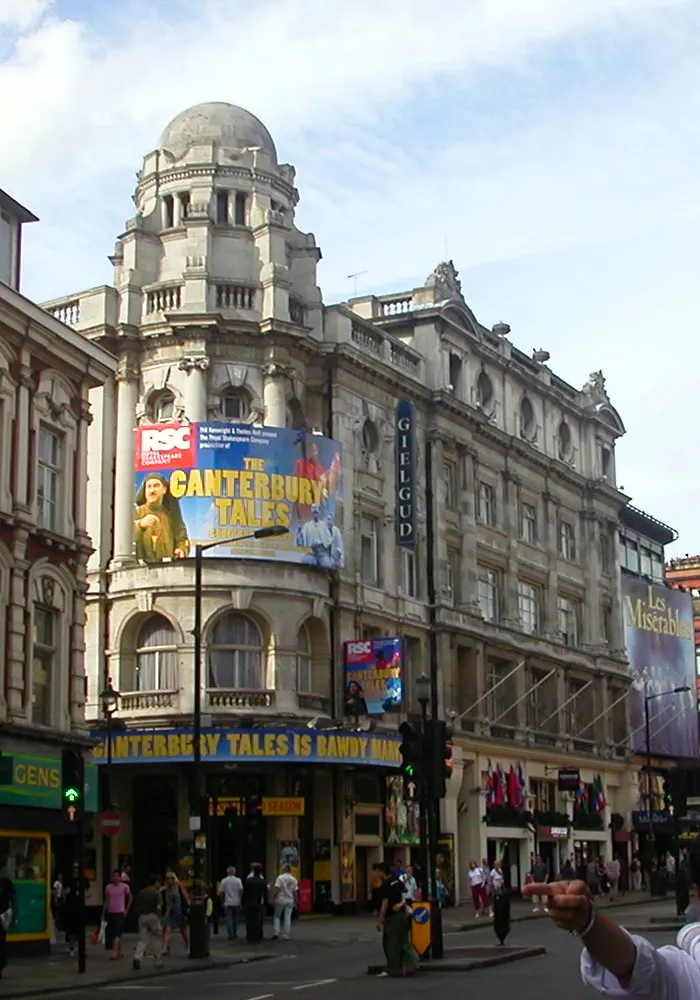
Gielgud Theatre
London · 1906
-
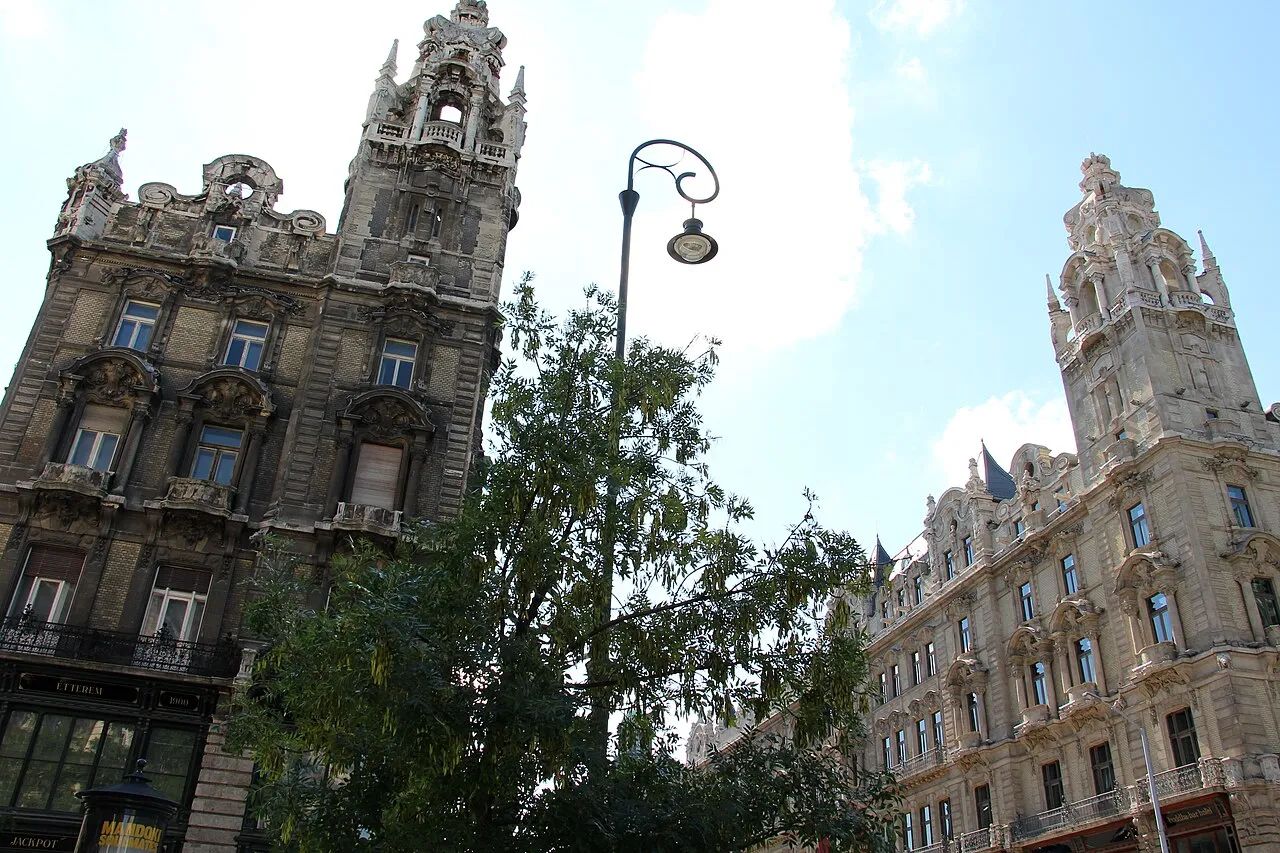
Klotild Palaces
Budapest · 1902
-
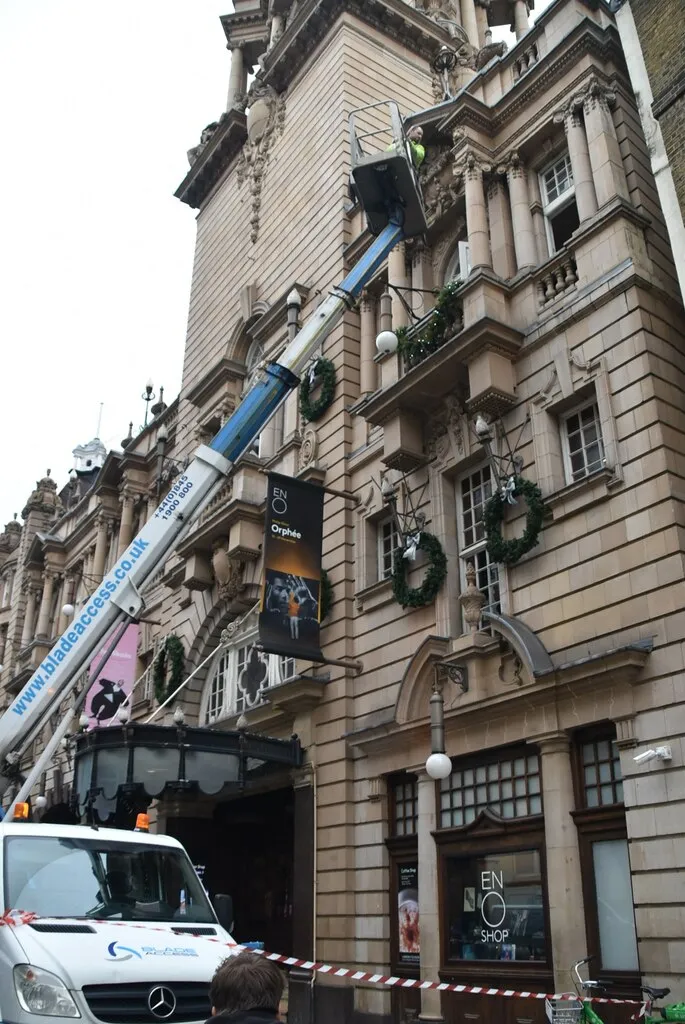
London Coliseum
London · 1904
-
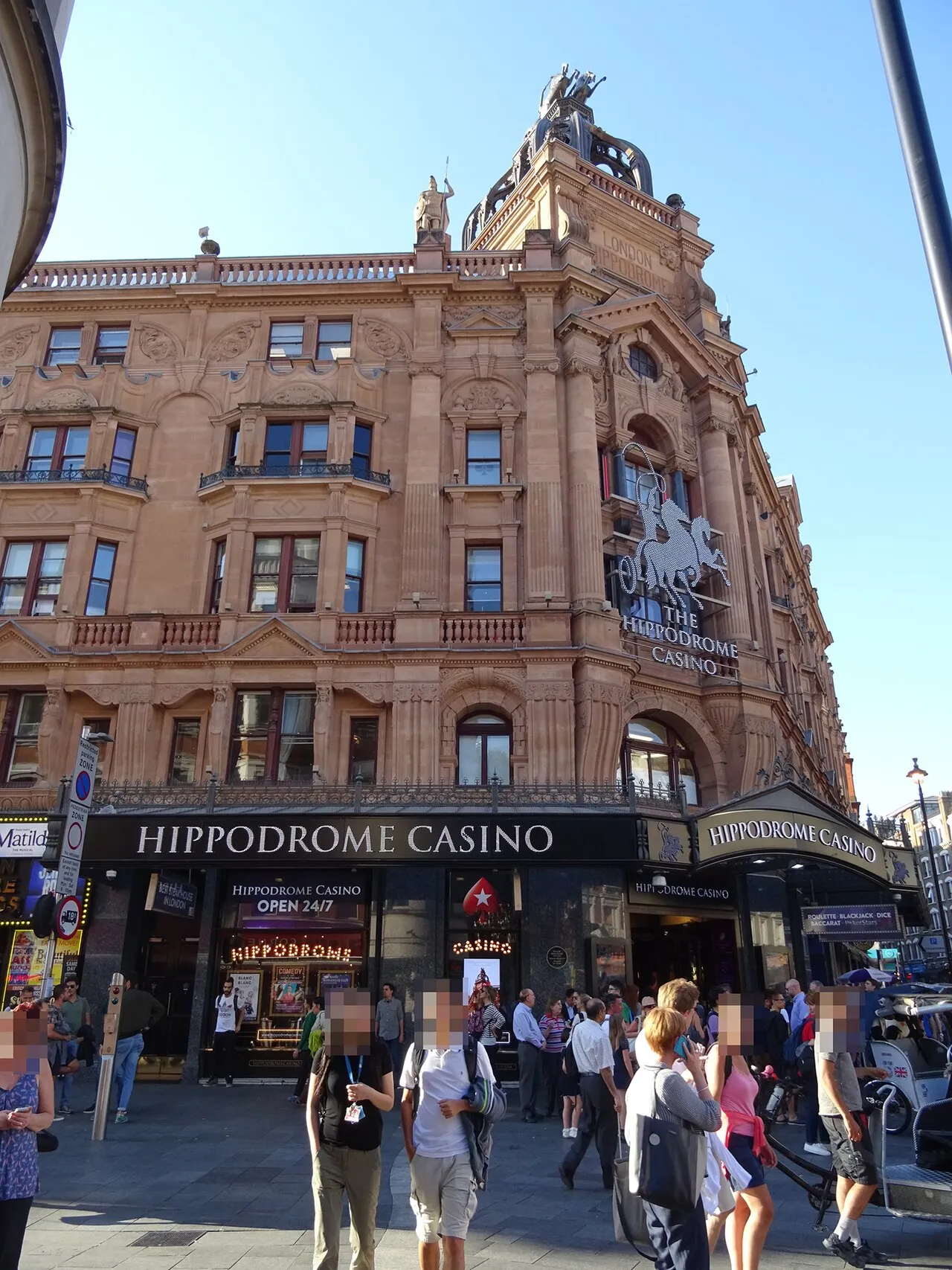
London Hippodrome
London · 1900
-
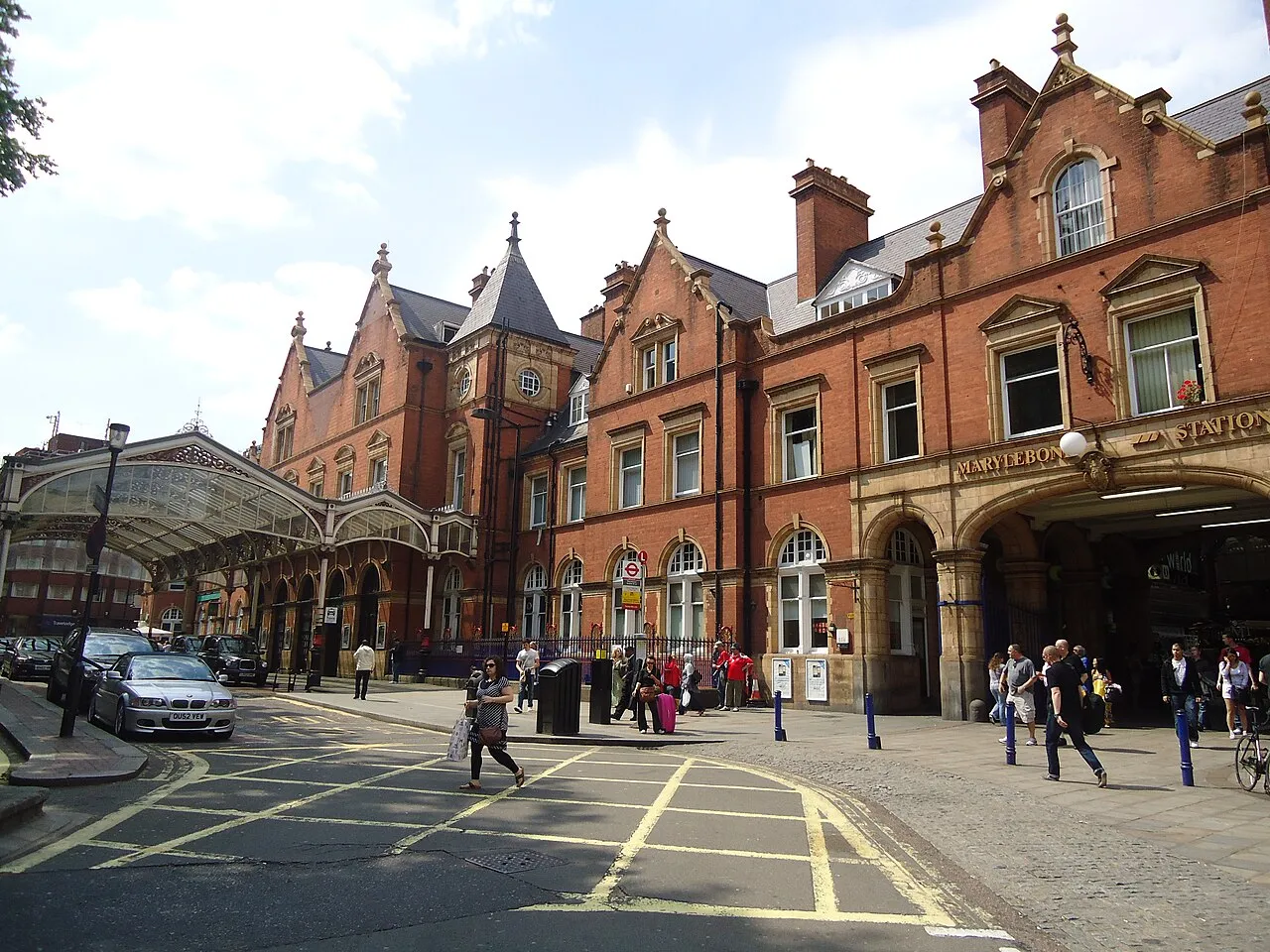
Marylebone station
London · 1899
-
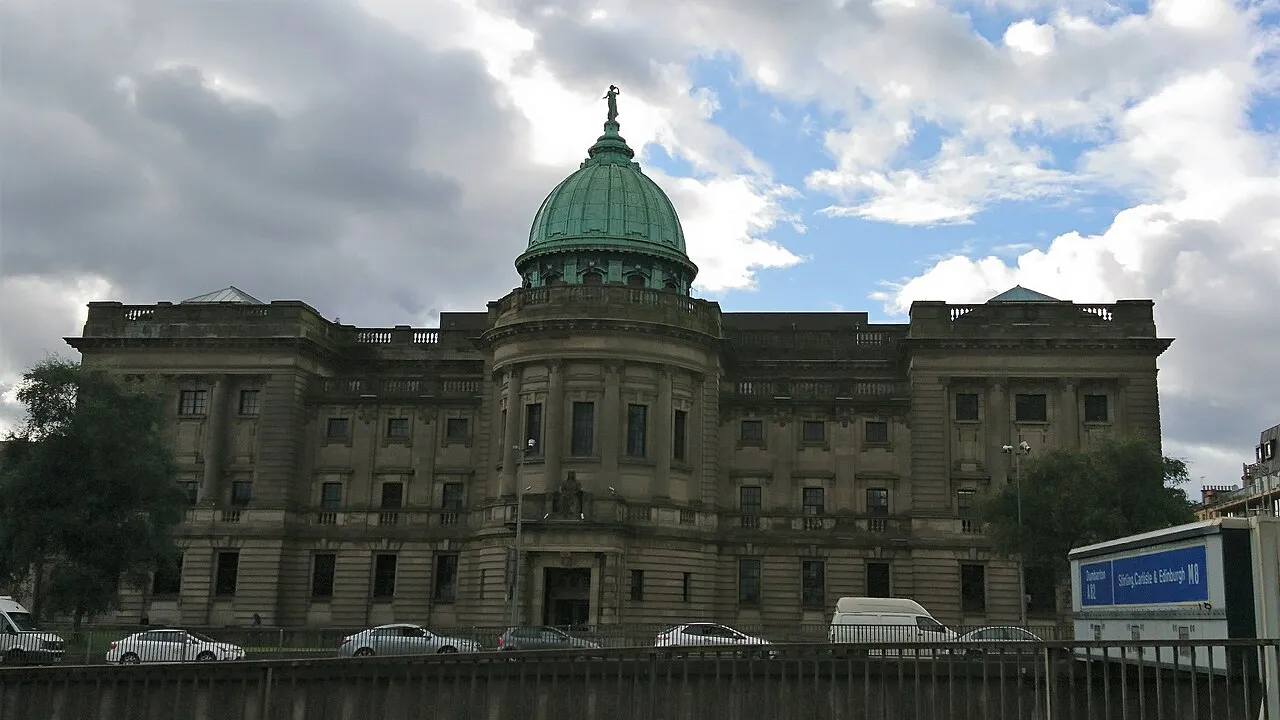
Mitchell Library
Glasgow · 1911
-
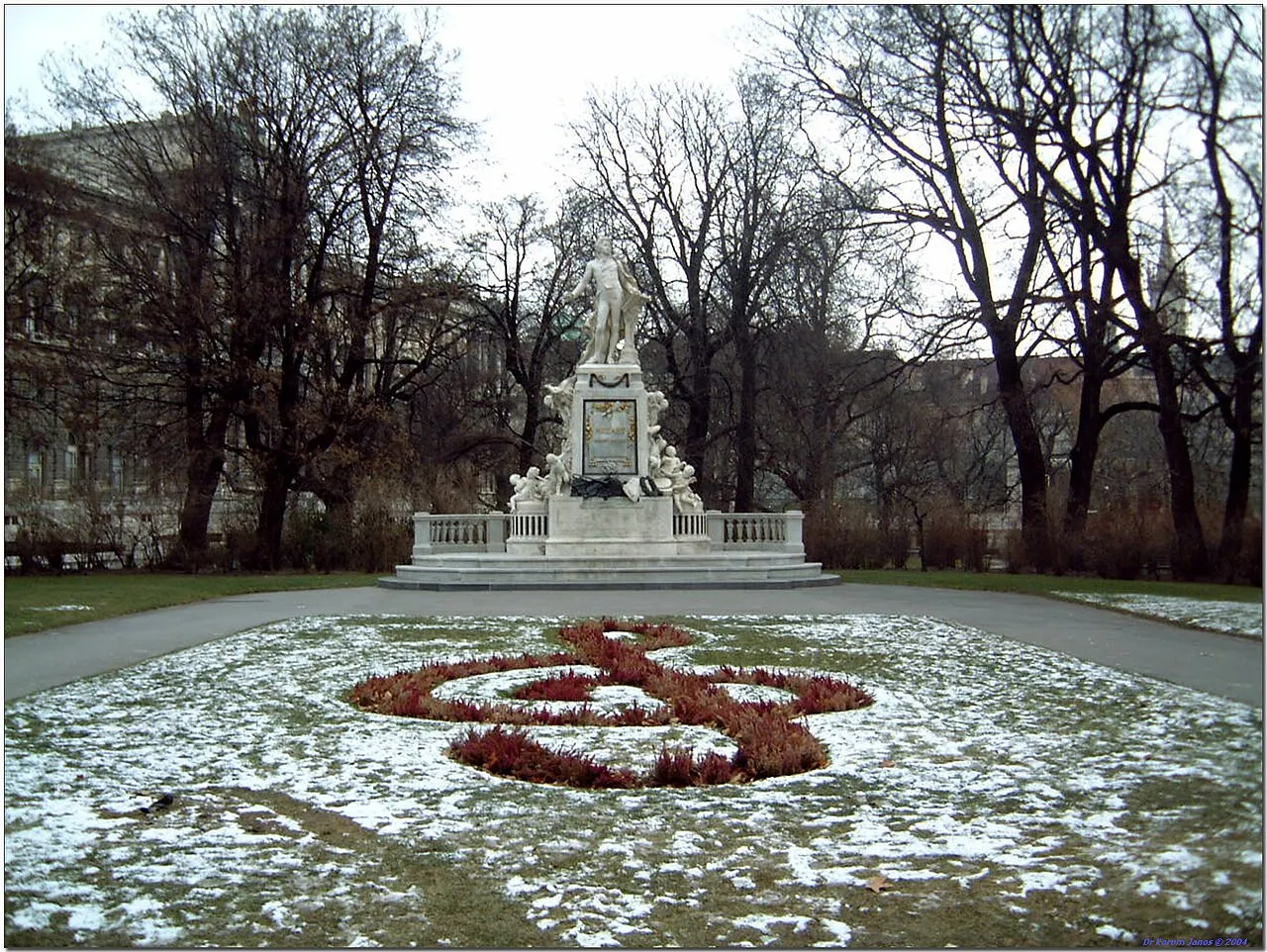
Mozartdenkmal
Vienna · 1896
-
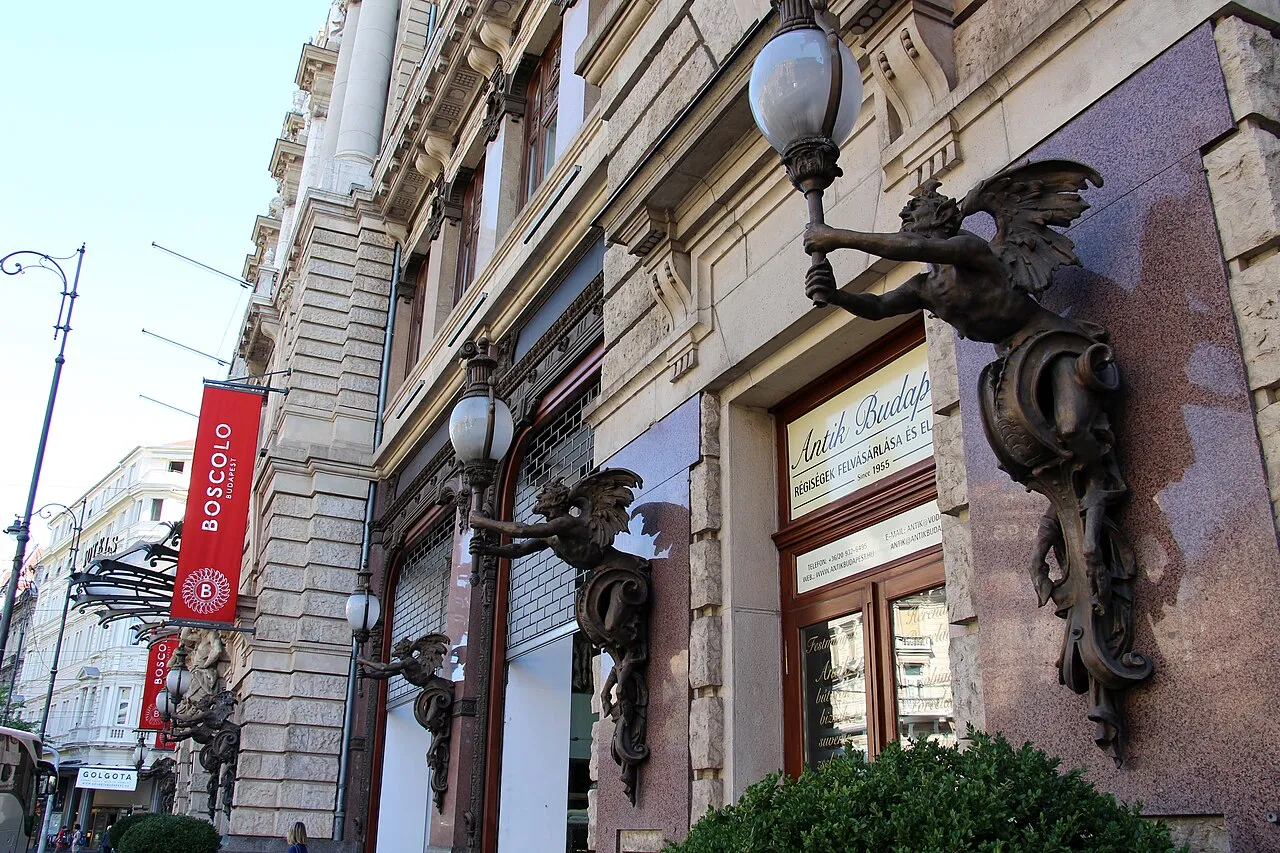
New York Palace
Budapest · 1894
Neo-Baroque city by city
Pick a city to see the places on the map, with photos and descriptions.
Keep exploring
Explore all destinations