

Neo-Renaissance architecture
Neo-Renaissance architecture across 24 cities in 13 countries. The buildings worth seeing, the architects behind them, and where to find each one.
What is neo-renaissance?
Renaissance Revival, also called neo-renaissance, is a group of 19th-century revival styles that emerged around 1840, when architects turned to the palaces of Renaissance Italy instead of the Greek and Gothic models of earlier revivals. The choice of style was rhetorical. Within historicism a mode was picked to invoke a golden age: Hamburg’s town hall (1886-1897) cited the Hanseatic League’s heyday, while parliaments and courts preferred classical references to Greek democracy.
On the street you recognize it by rusticated ground floors and quoins, windows framed by architraves, doors crowned by pediments, strong horizontal cornices, arcades, balustrades and grand staircases, all held in strict symmetry. Industry made the splendor affordable: cast iron, machine-made brick and prefabricated plaster ornament let builders repeat Renaissance forms at apartment-block scale.
Charles Barry introduced the style to England in 1829-1832, Gottfried Semper gave Dresden its opera house and Vienna its Burgtheater, and Miklós Ybl shaped monumental Budapest through the 1870s and 80s. In Germany and Austria it became a state style for public building, and in the United States it was the favorite domestic style of the very rich, The Breakers in Newport (1892) above all. Schwerin Palace (1857), the Reichstag in Berlin (1894) and the Peace Palace in The Hague (1913) anchor the international canon.
Internationally the style was in decline by 1890, yet by the beginning of the 20th century neo-renaissance remained a commonplace sight on the main streets of thousands of towns. The grandest examples are protected heritage today, and whole districts built in the style are managed as historic environments.
Neo-Renaissance in Sweden
Sweden's flagship arrived as a state import: Nationalmuseum in Stockholm (opened 1866), designed by the Prussian architect Friedrich August Stüler with interiors by Fredrik Wilhelm Scholander, blends Florentine and Venetian models and set the register for the country's public monuments.
The mass moment came with the stenstaden, the stone city. A building code of 1874 standardized closed five-story blocks with 18-meter streets and esplanades, and the building boom coincided with the reigning style ideal: neo-renaissance became the dominant style of the stone-city blocks of Stockholm and Gothenburg.
Sweden also ran later than the continent. While the style was in decline internationally by 1890, Sundsvall burned in 1888 and rebuilt its entire center in stone: 600 buildings in six years, drawn by the country's leading architects. The district, known as Stenstan, is now a heritage environment of national interest, with Hirschska huset (1890-91) and its golden dragon weather vane as the landmark.
The turn came around 1900. Isak Gustaf Clason's Bünsowska huset (1886-88) had already traded stucco for genuine brick and limestone, pointing the way toward national romanticism.
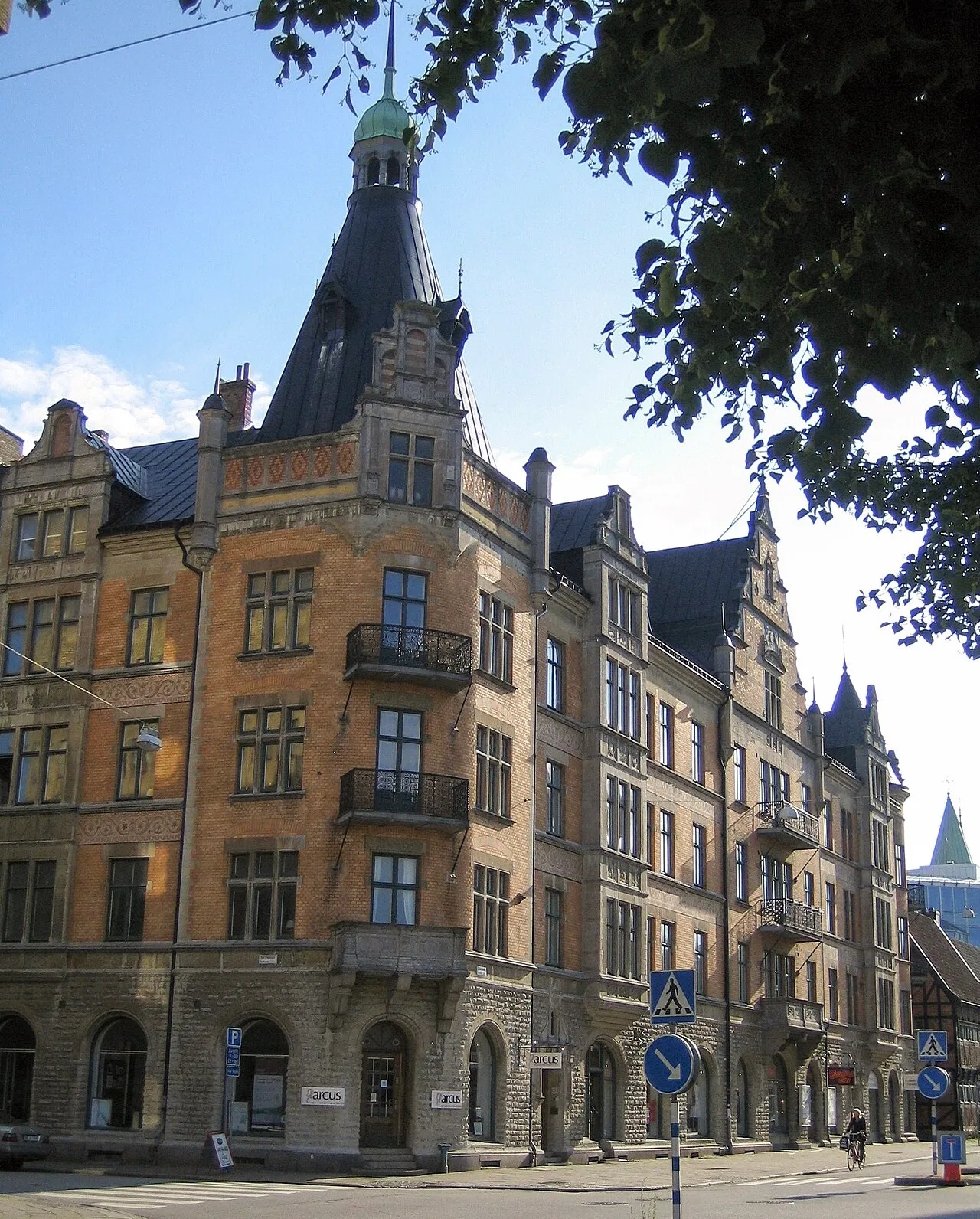
See the style in Gothenburg, Stockholm, Uppsala, Malmö.
Notable neo-renaissance buildings
-
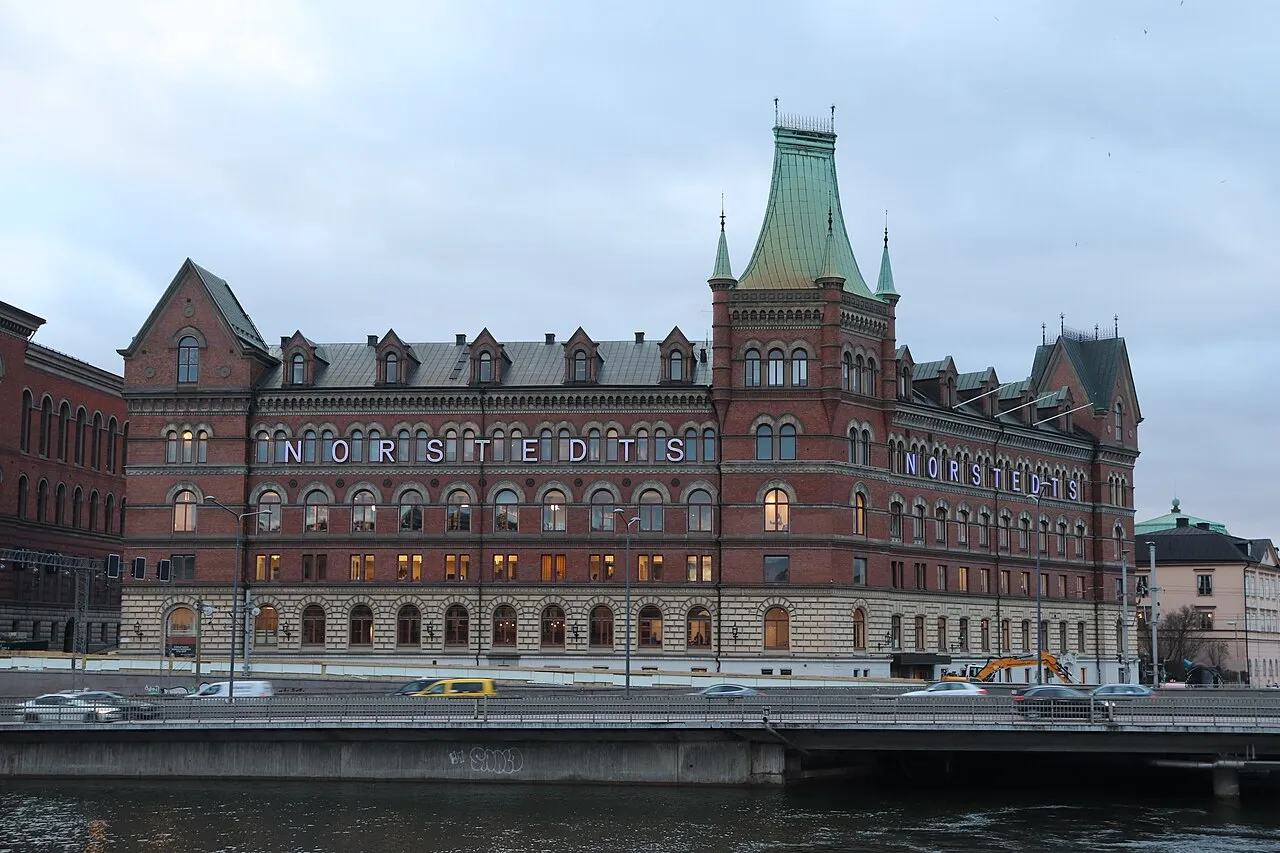
Norstedt Building
Stockholm · 1889
-
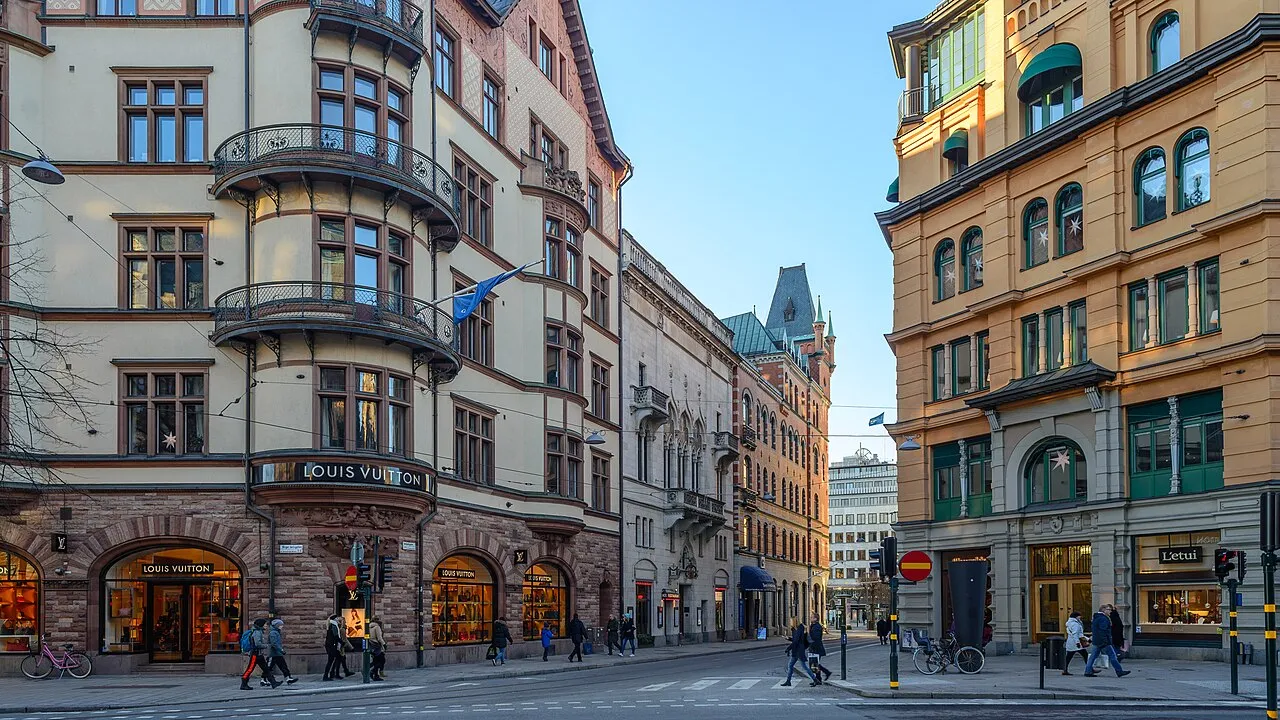
Artists' House of Stockholm
Stockholm · 1898
-
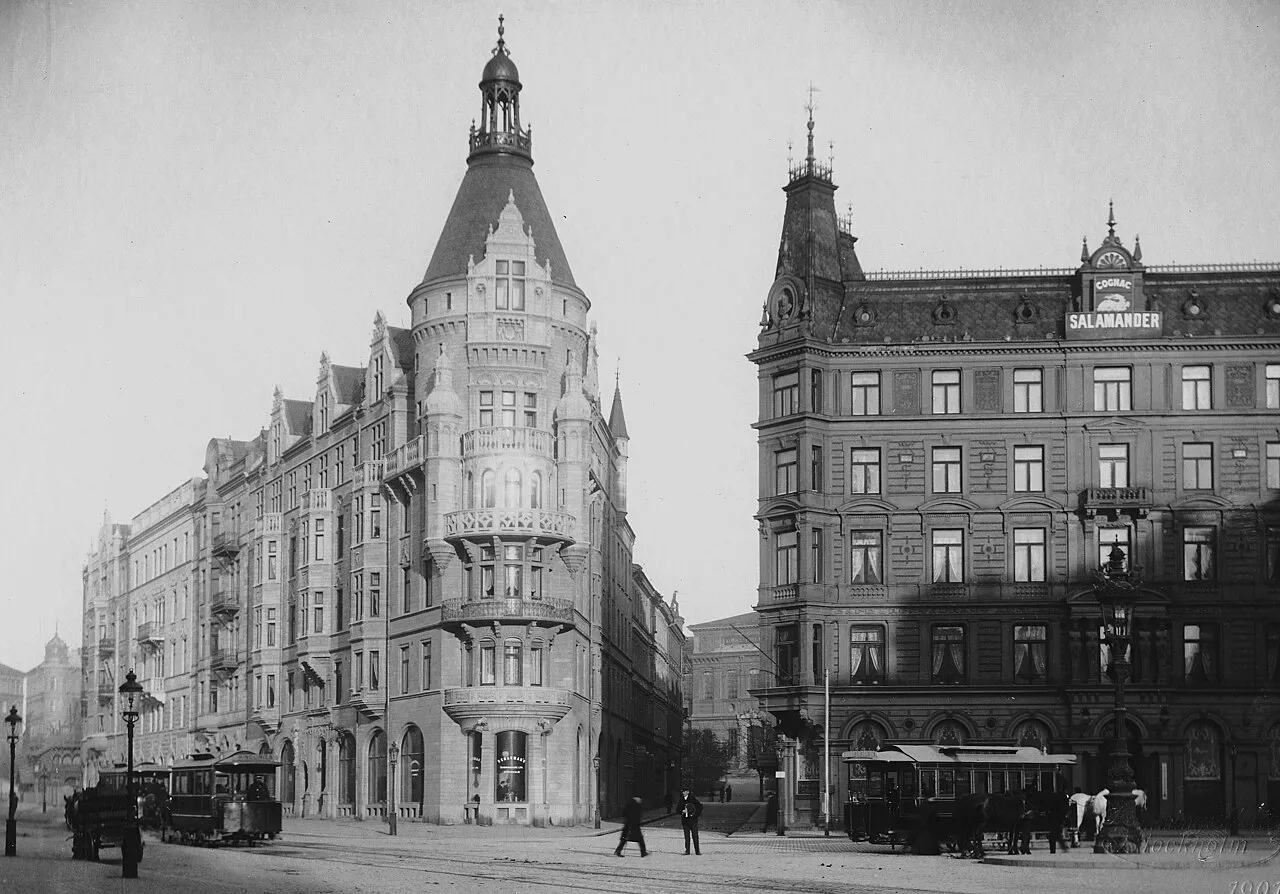
Daneliuska huset
Stockholm · 1900
-
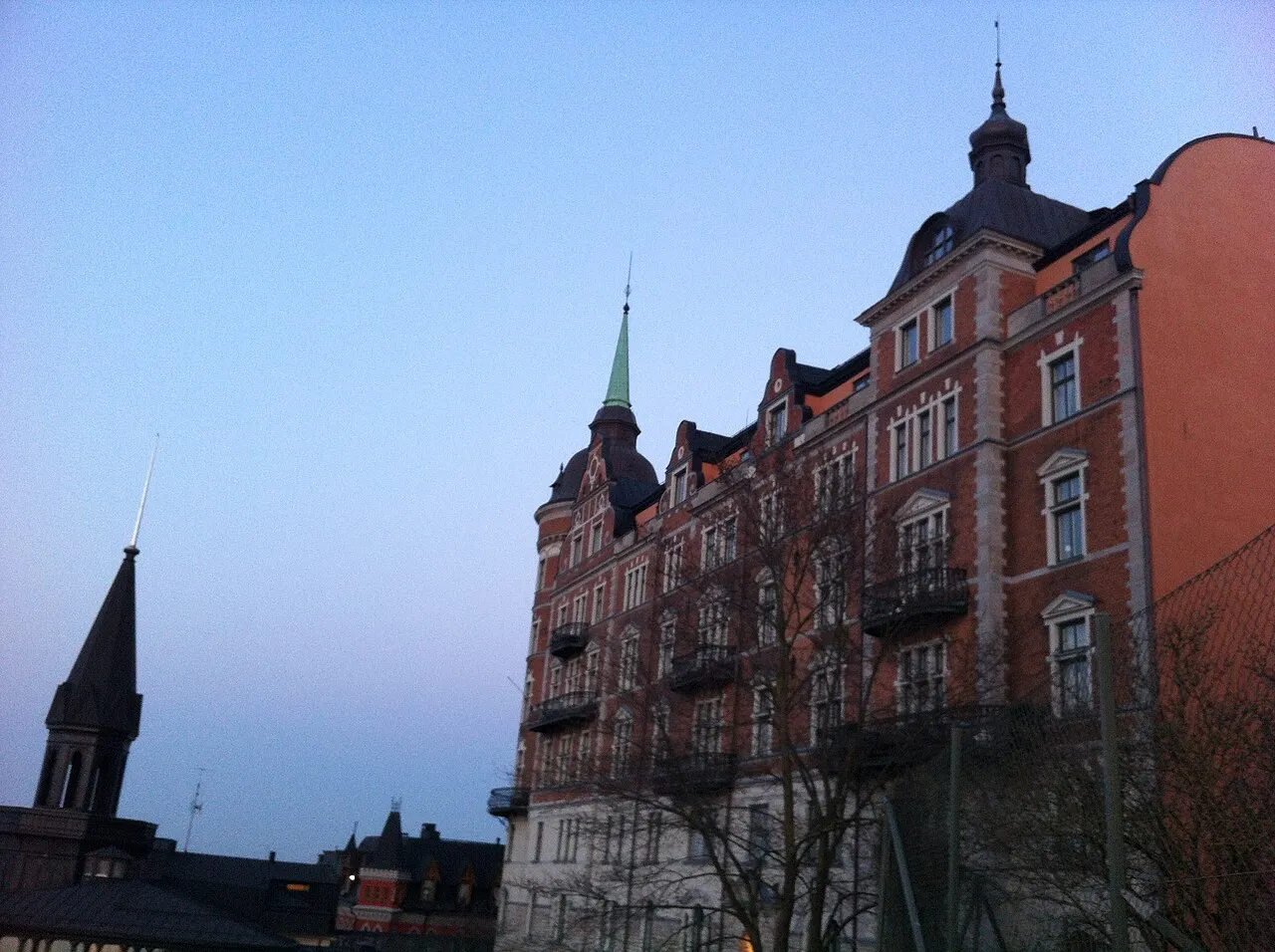
House Laurinska
Stockholm · 1891
-
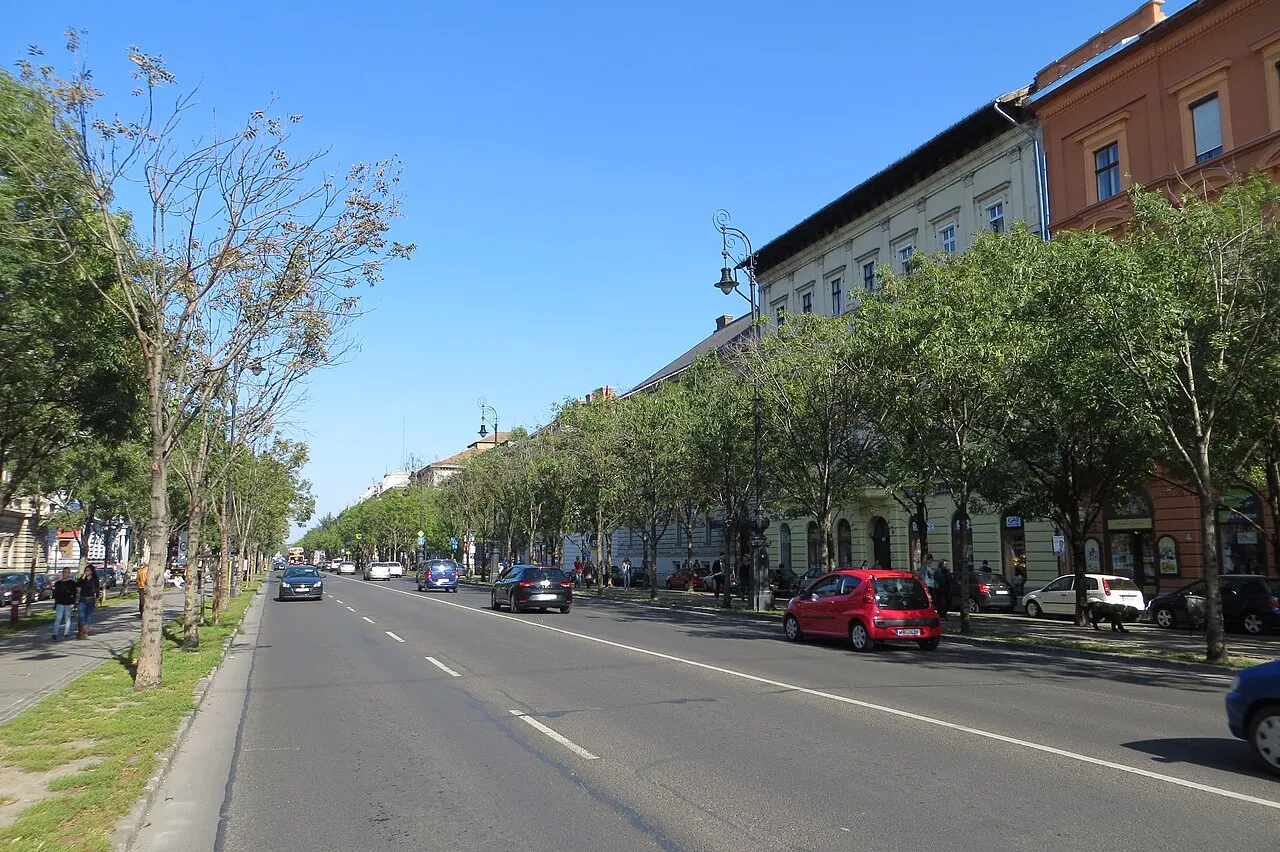
Andrássy Avenue
Budapest · 1876
-
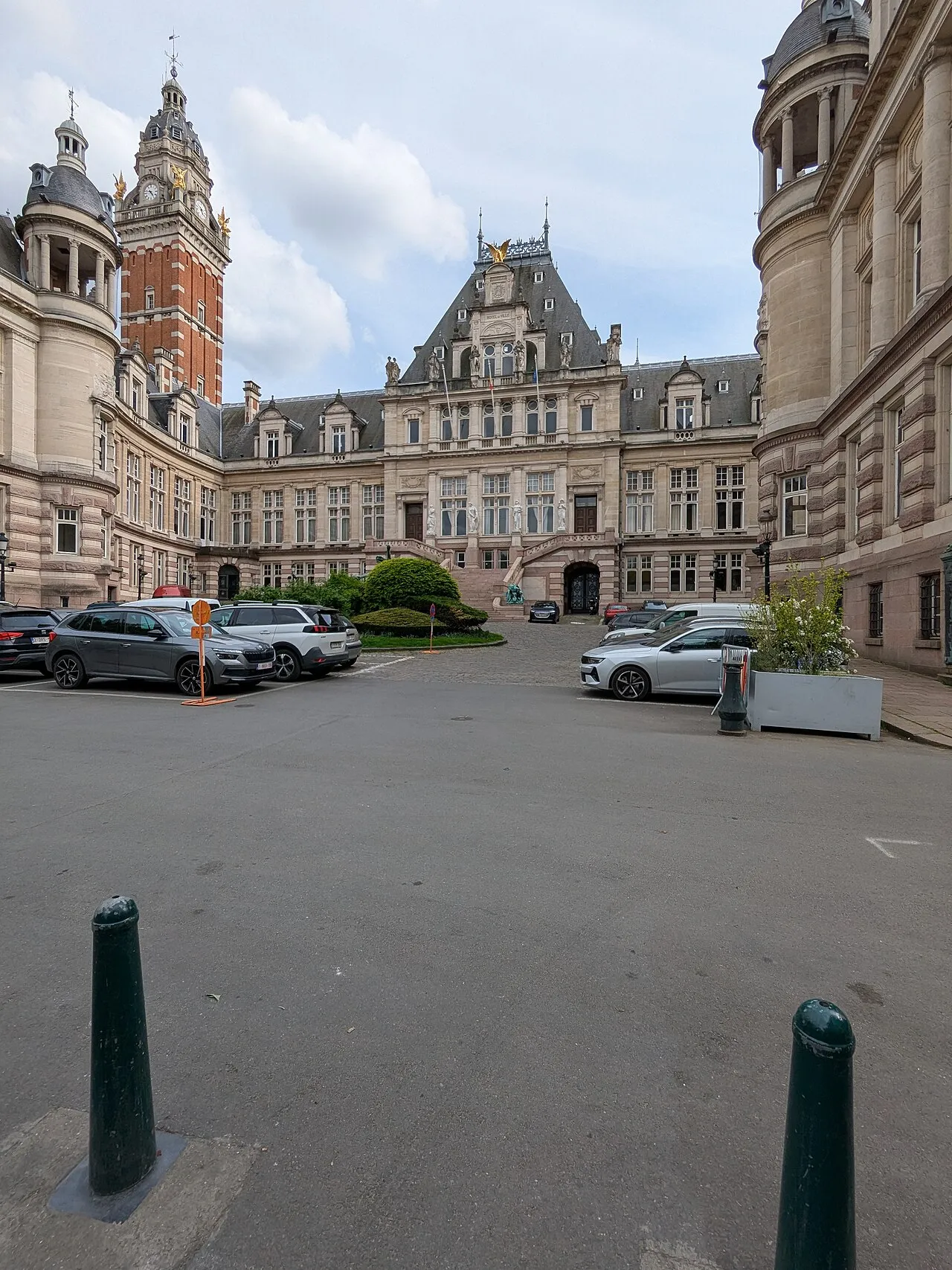
Hôtel de Ville de Saint-Gilles
Brussels · 1904
-
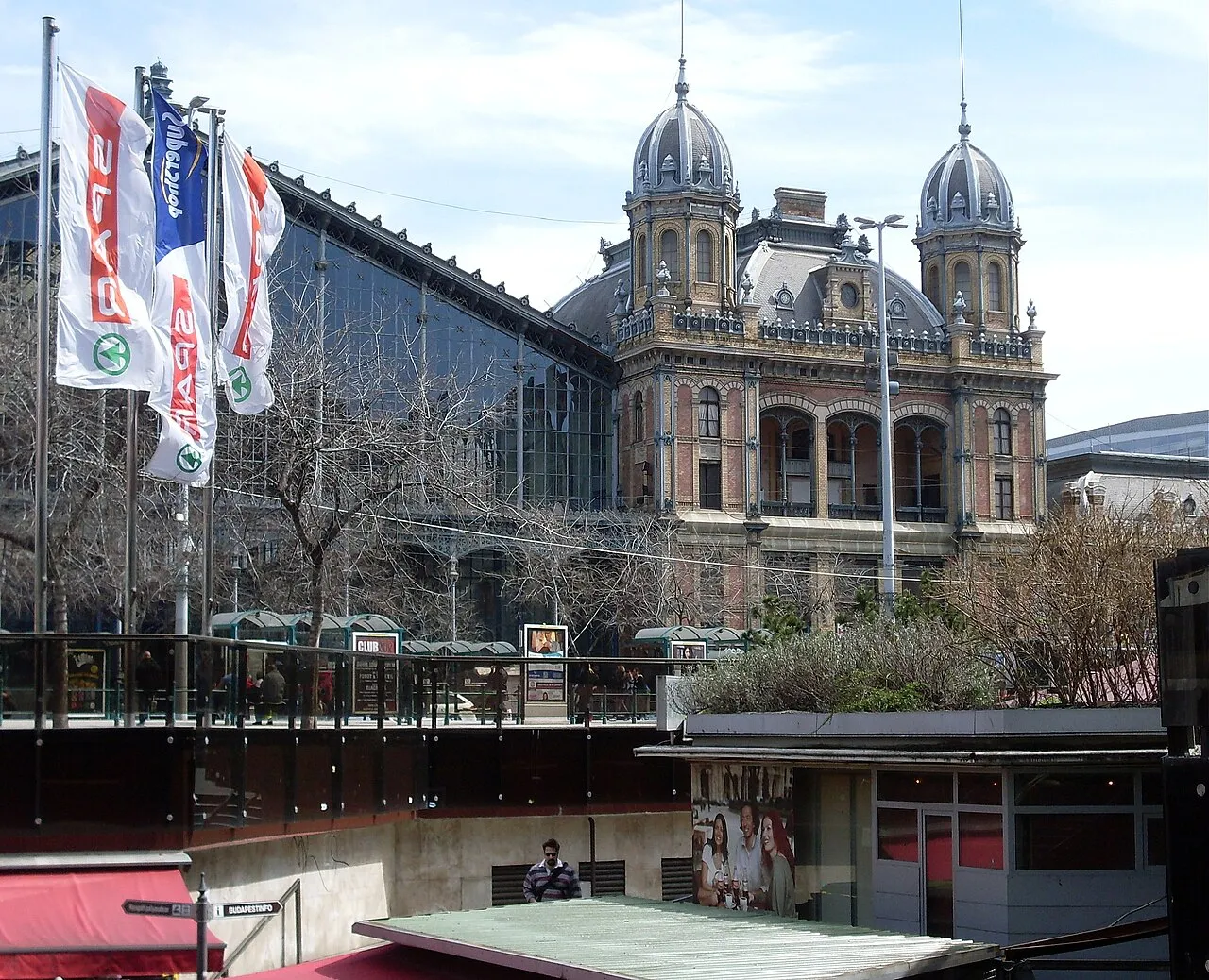
Western Railway Station
Budapest · 1877
-
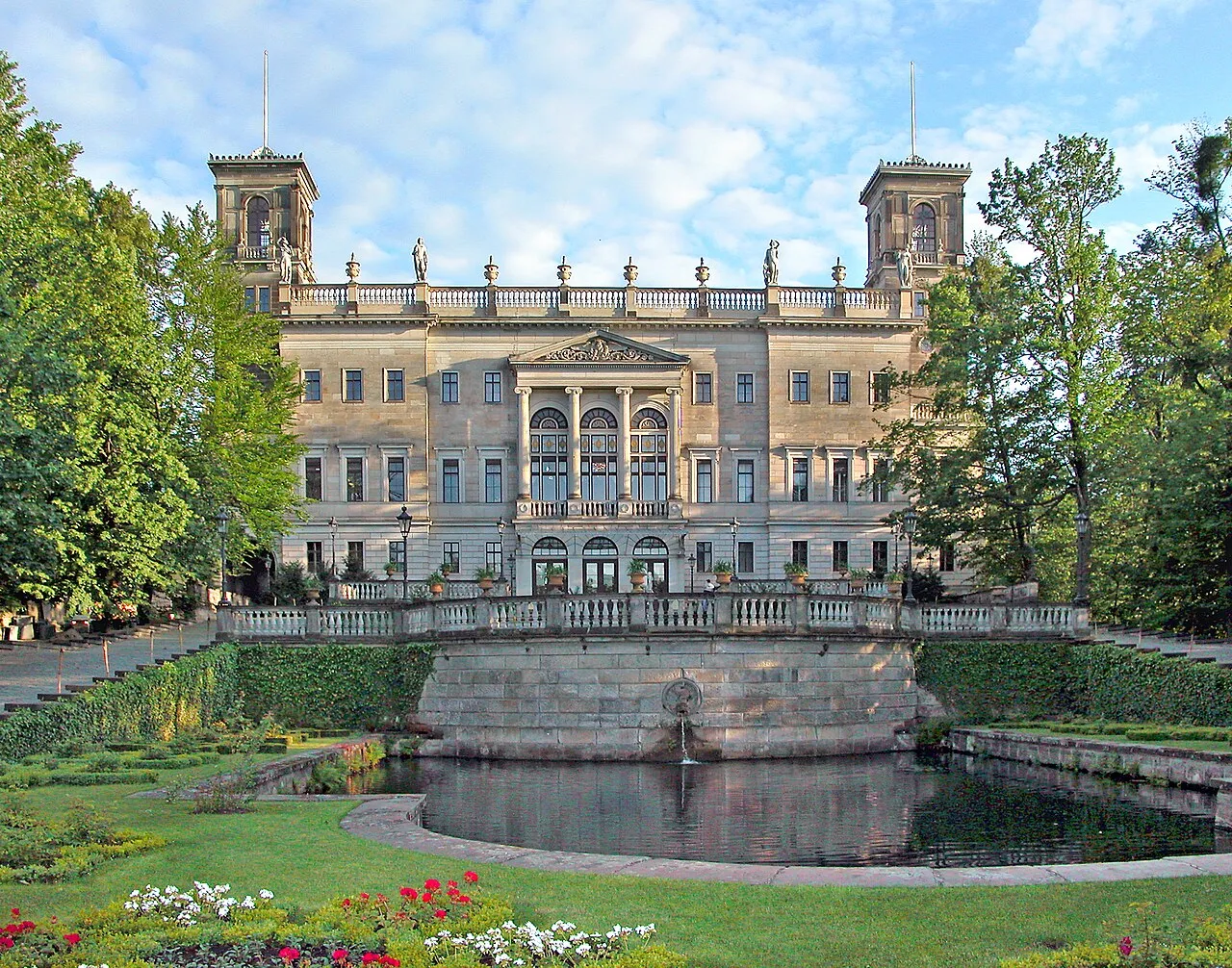
Albrechtsberg Palace
Dresden · 1854
-
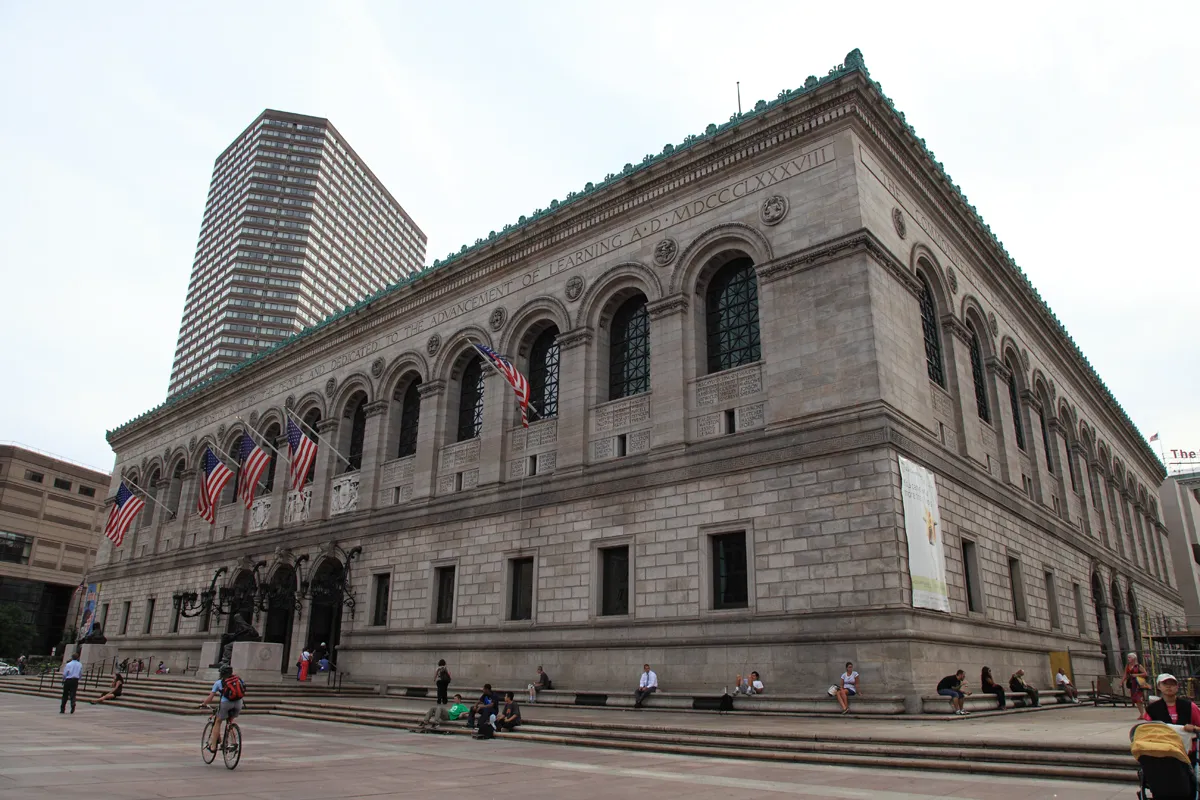
Boston Public Library
Boston · 1895
-
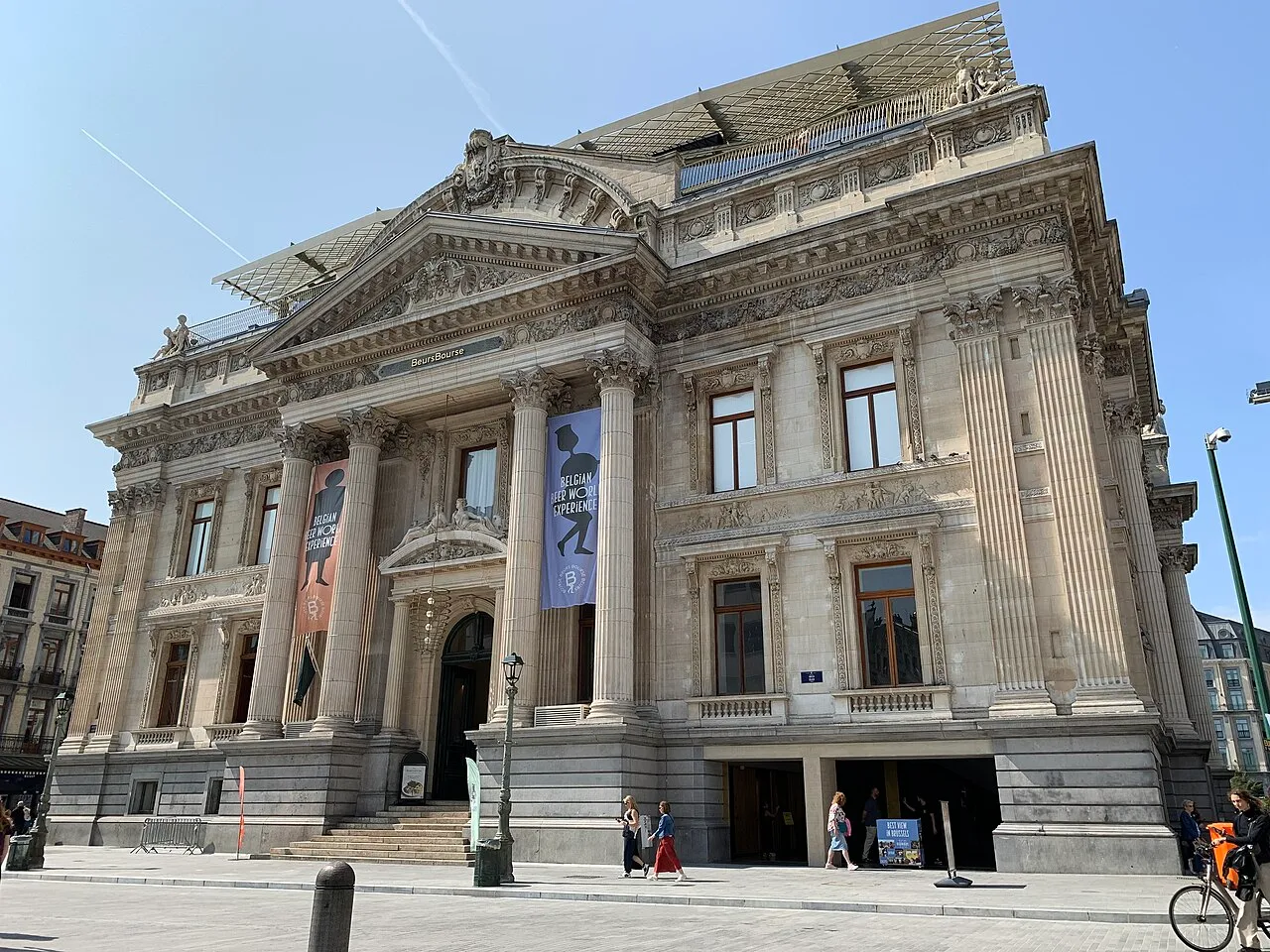
Brussels Stock Exchange
Brussels · 1873
-
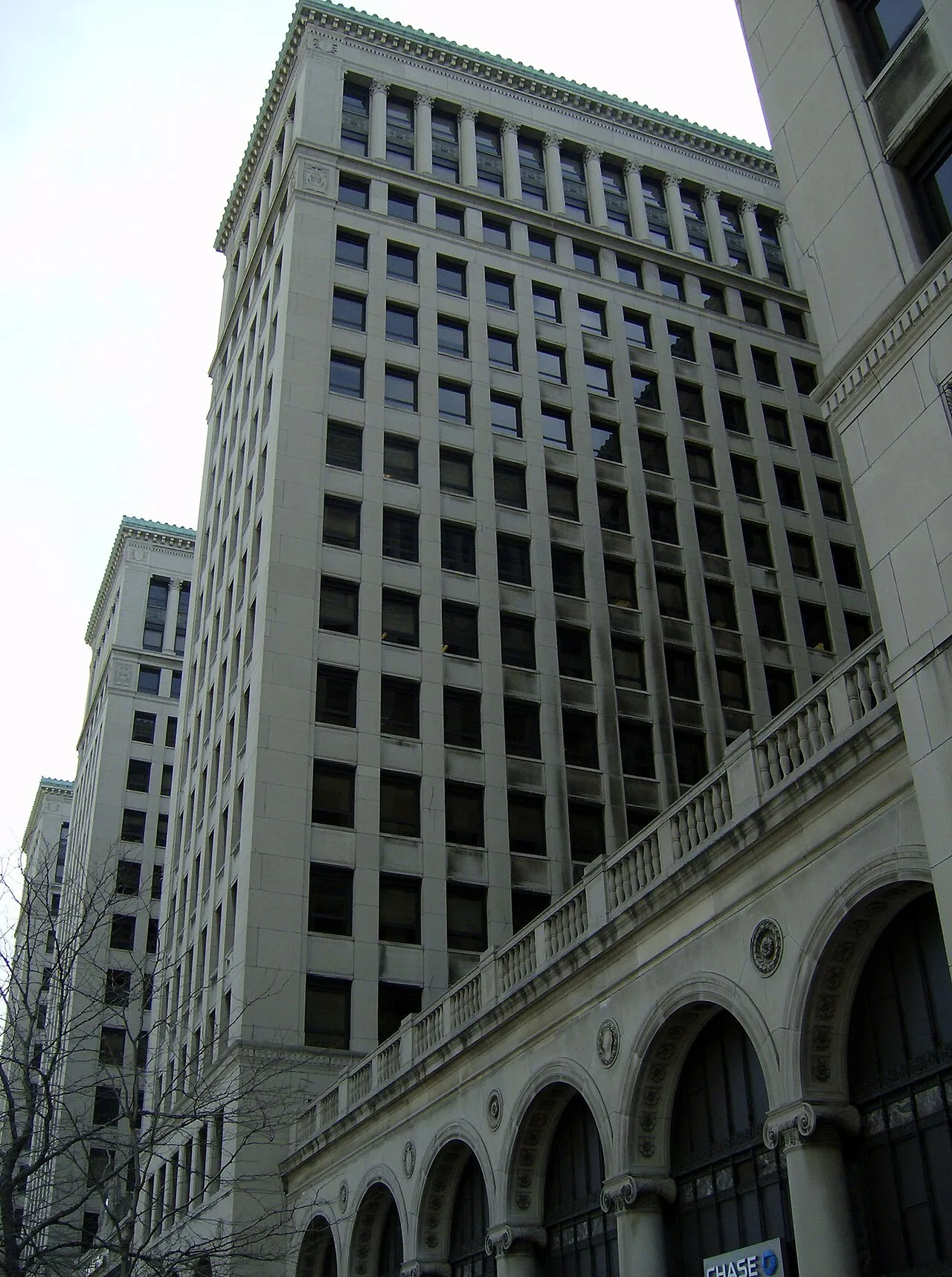
Cadillac Place
Detroit · 1923
-
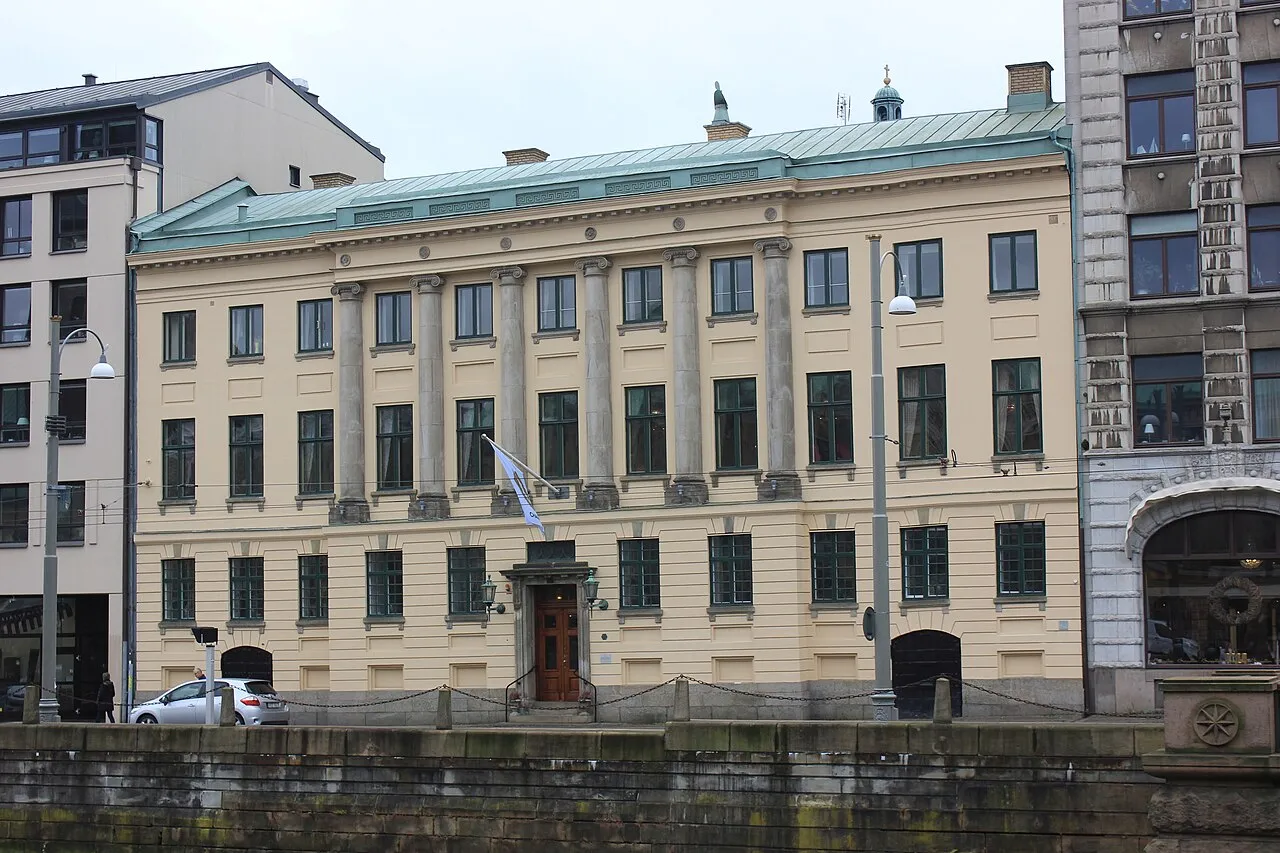
Chalmerska huset
Gothenburg · 1807
Neo-Renaissance city by city
Pick a city to see the places on the map, with photos and descriptions.
-
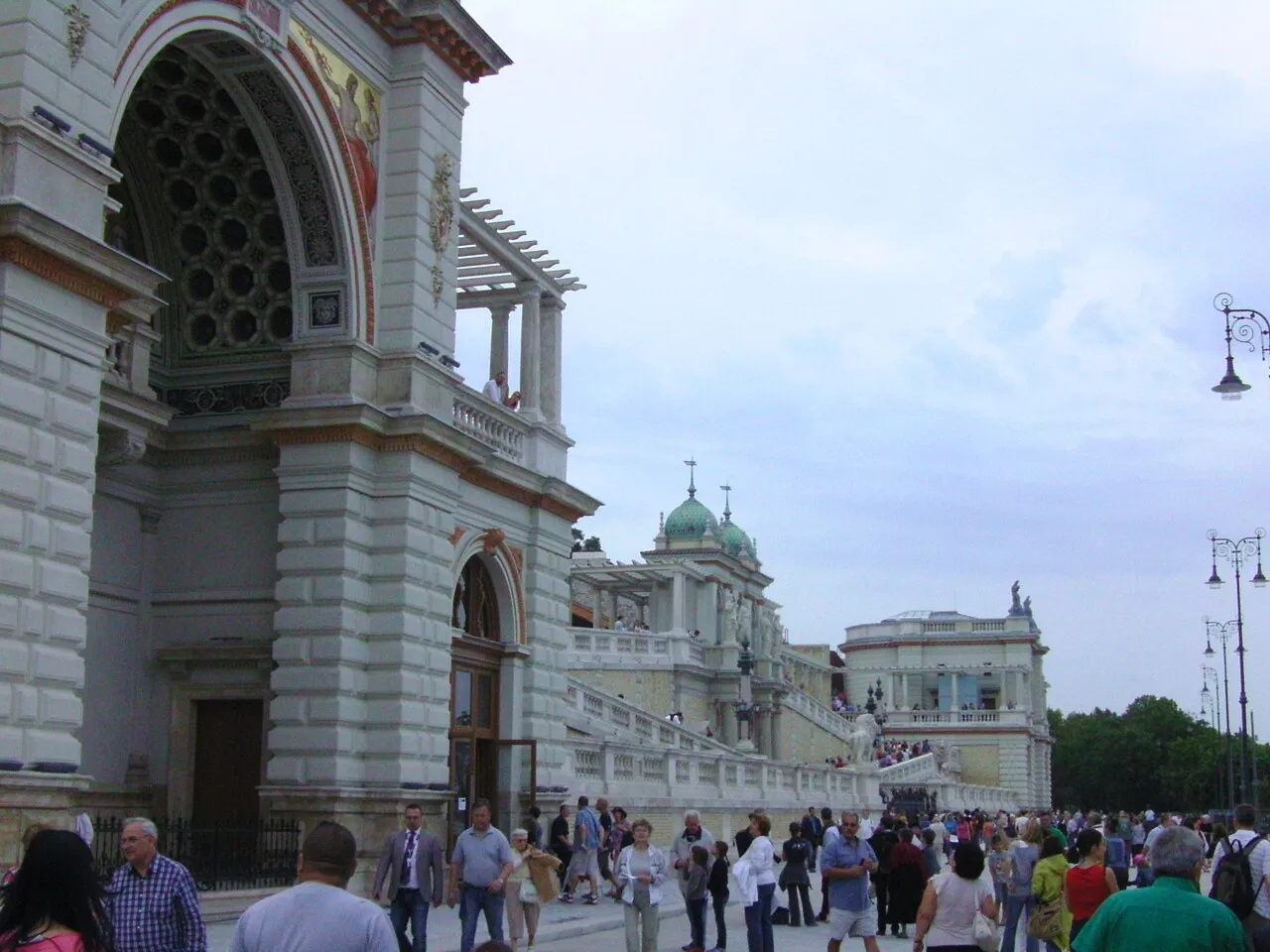
Hungary
Budapest
12 places
-
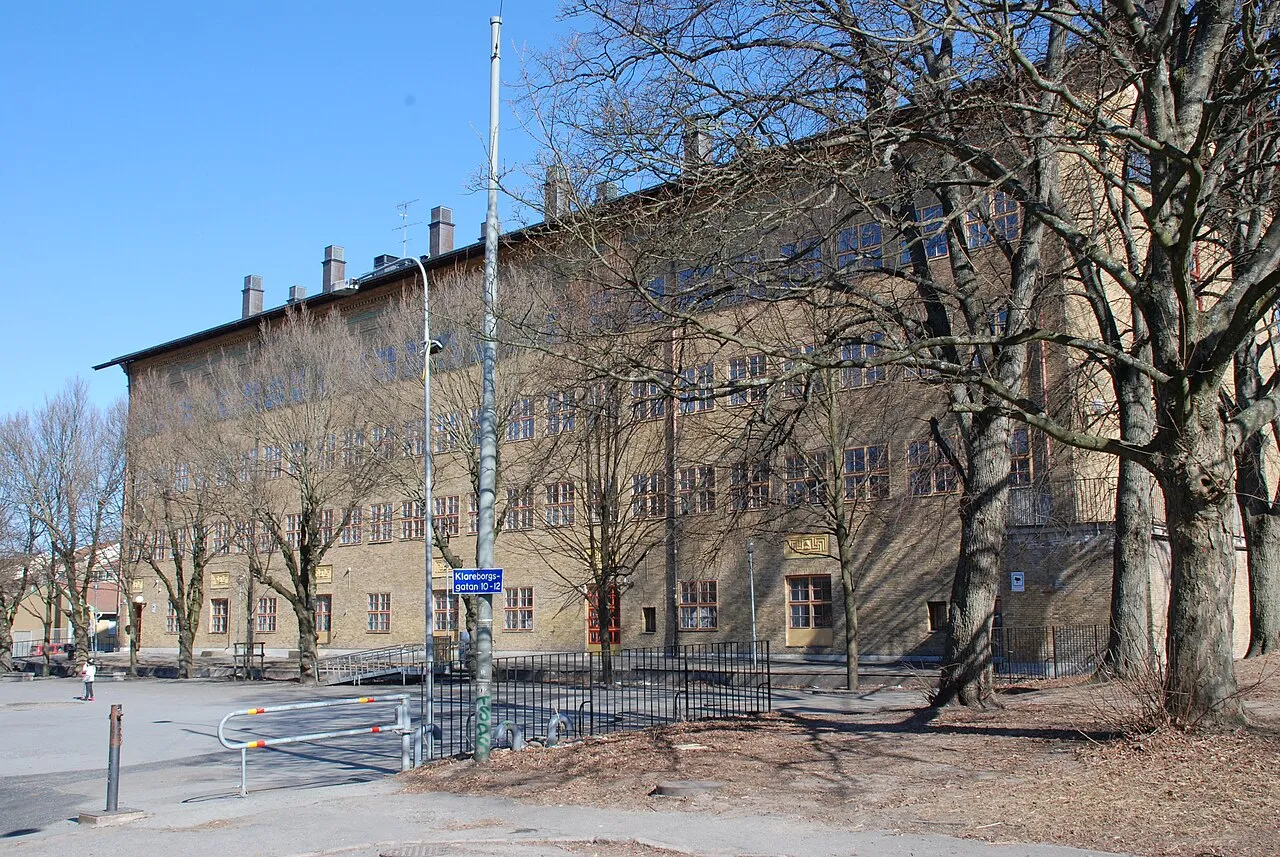
Sweden
Gothenburg
12 places
-
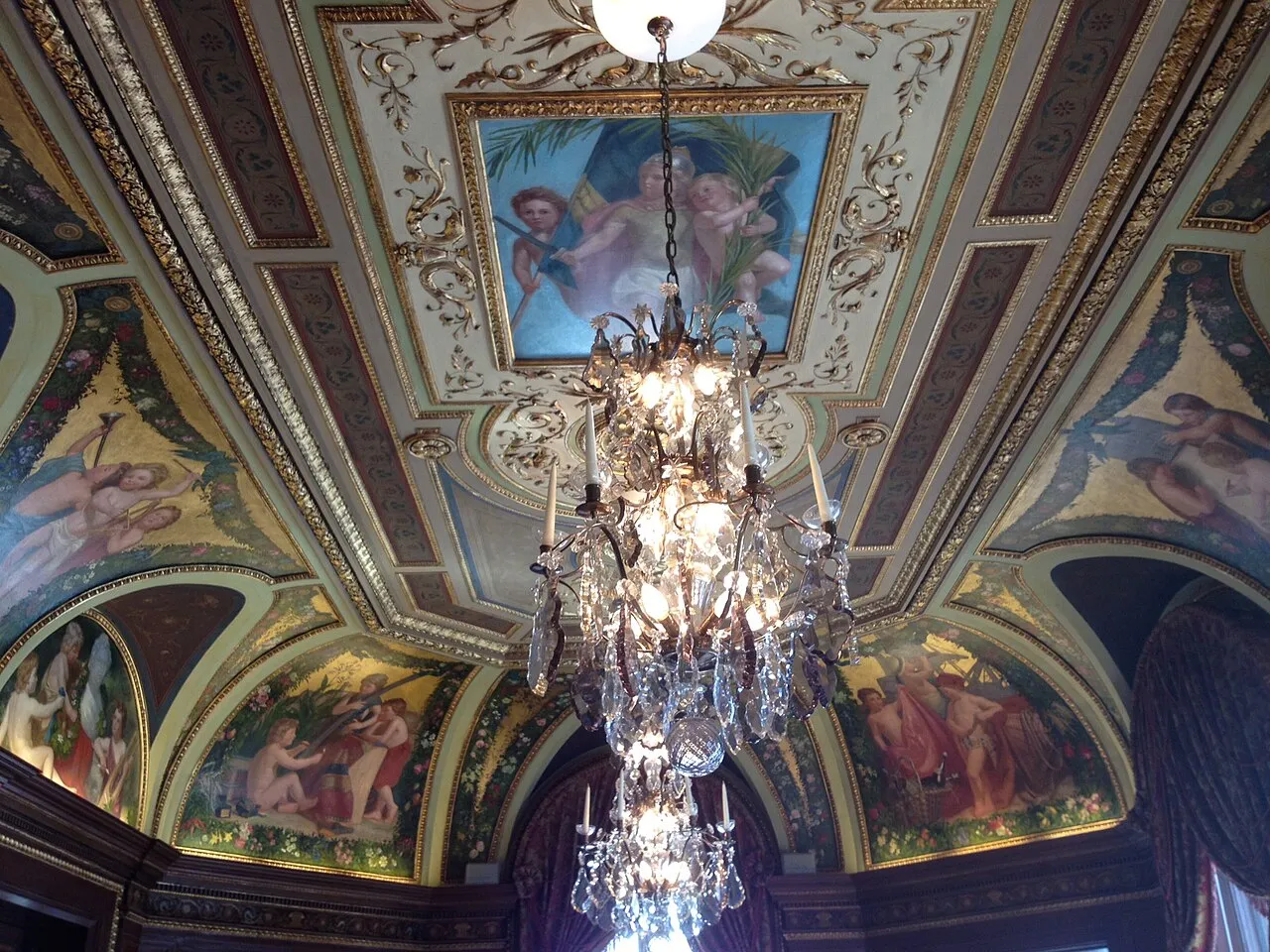
Sweden
Stockholm
11 places
-
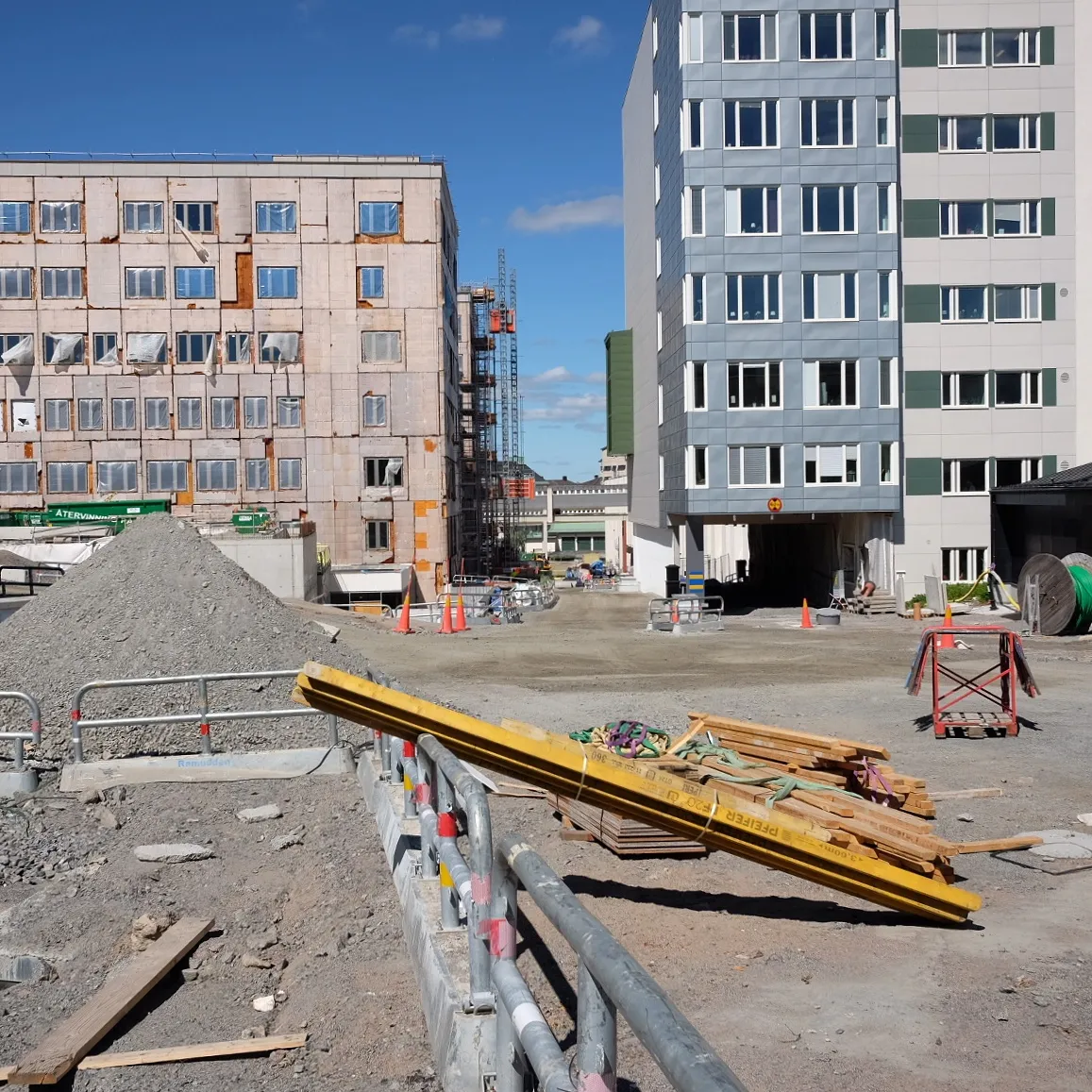
Sweden
Uppsala
10 places
-
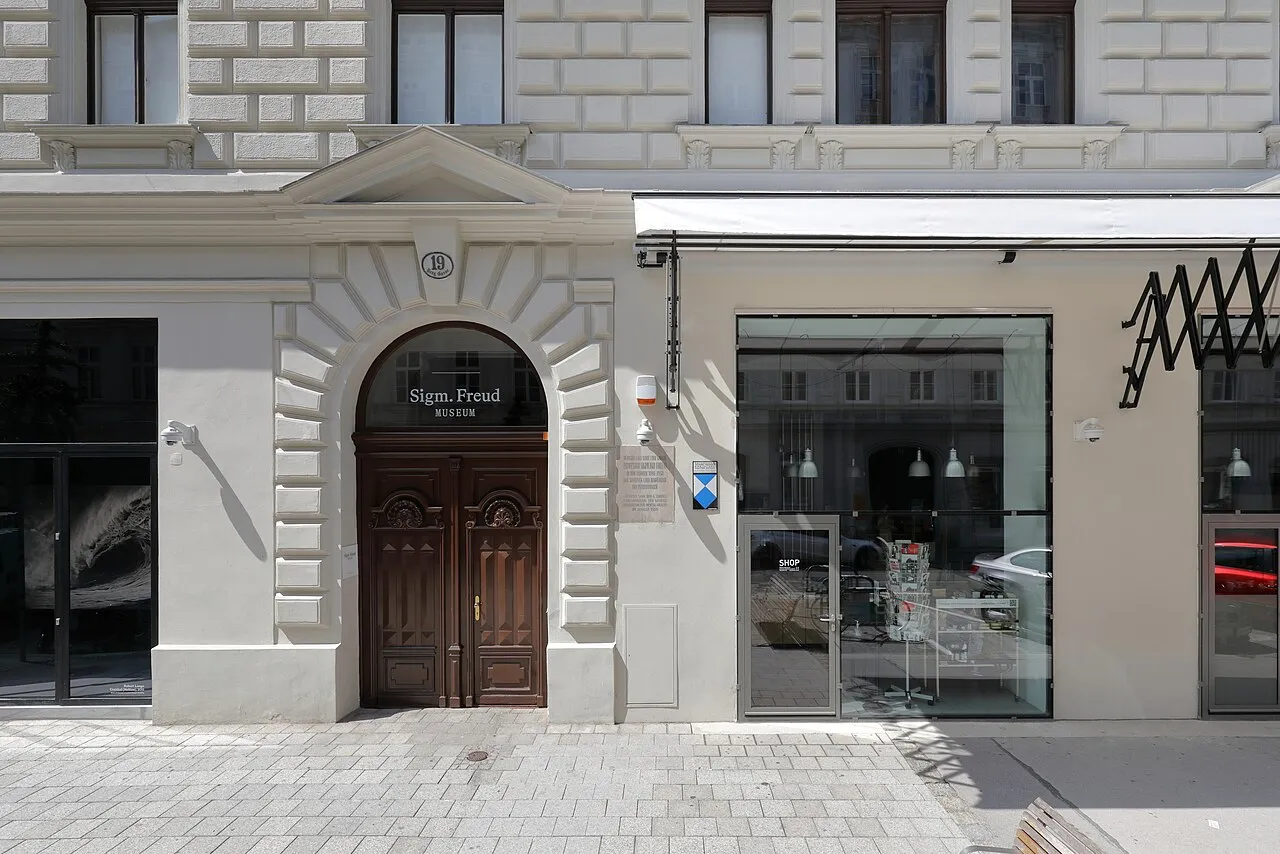
Austria
Vienna
10 places
-
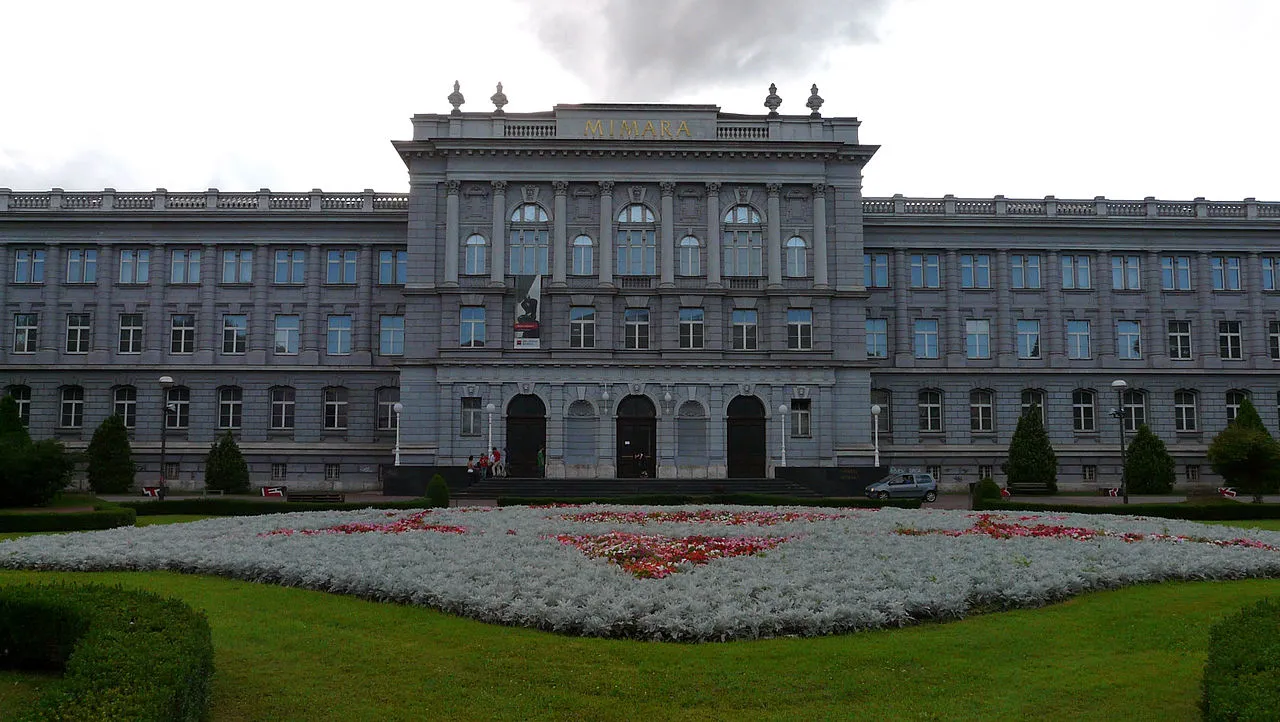
Croatia
Zagreb
10 places
-
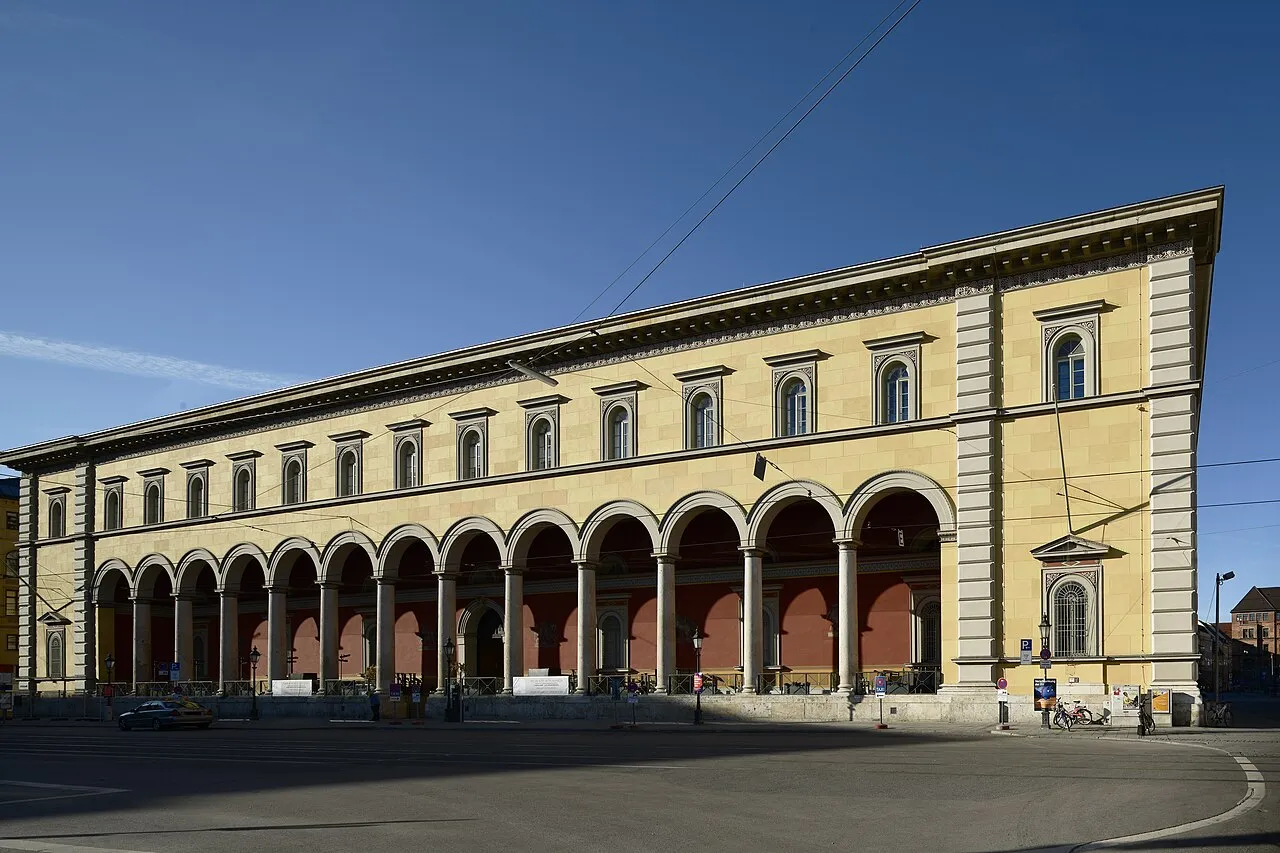
Germany
Bavaria
9 places
-
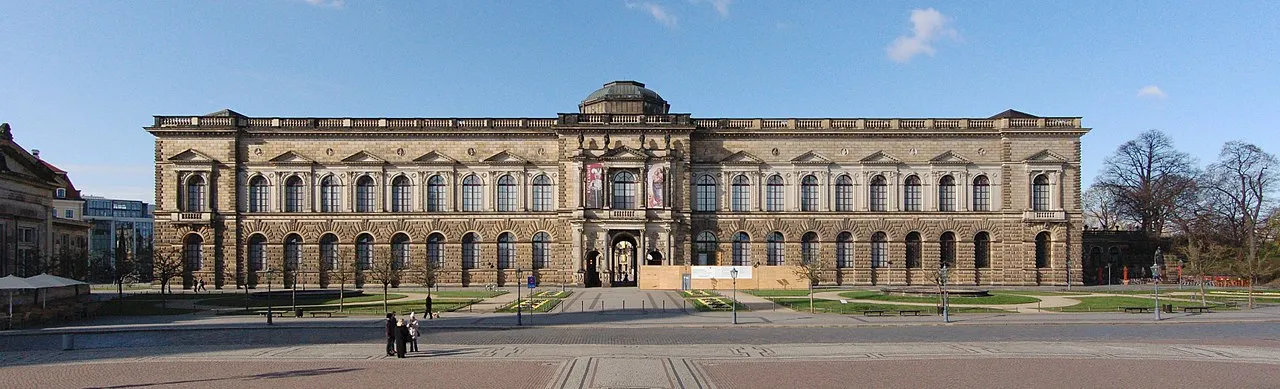
Germany
Dresden
9 places
-
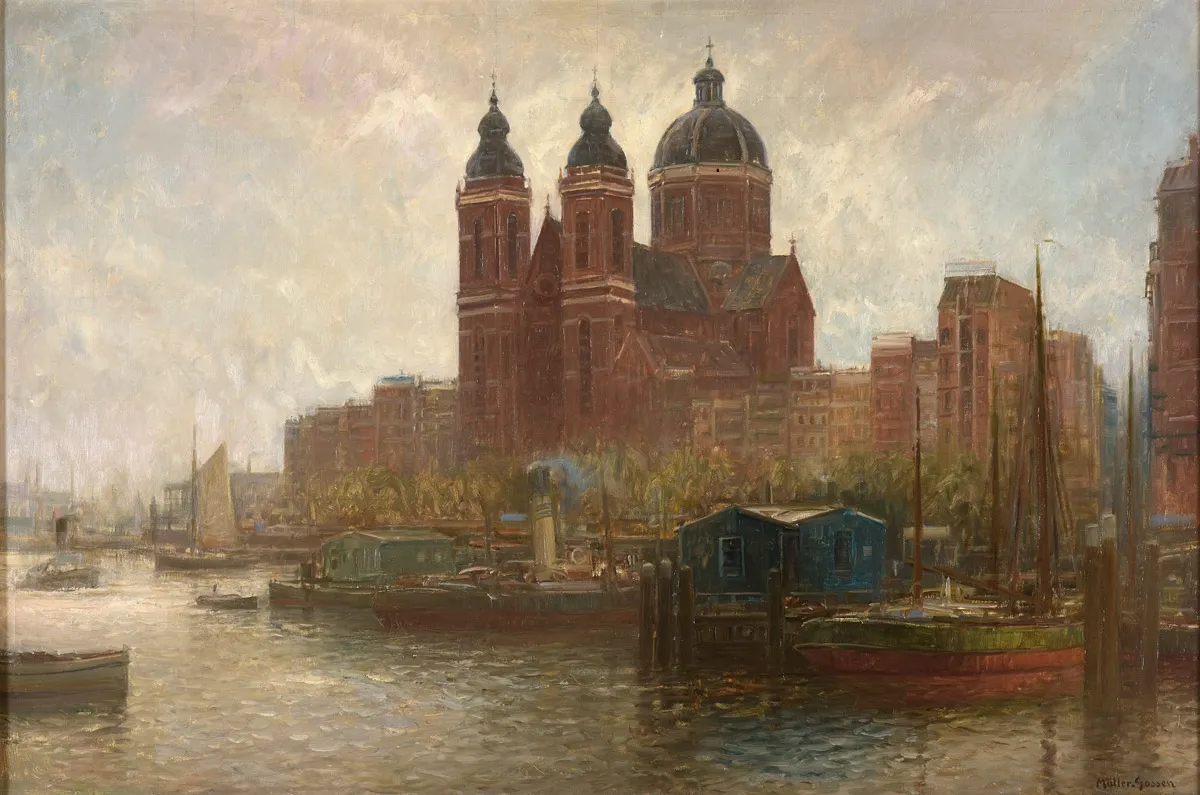
Netherlands
Amsterdam
8 places
-
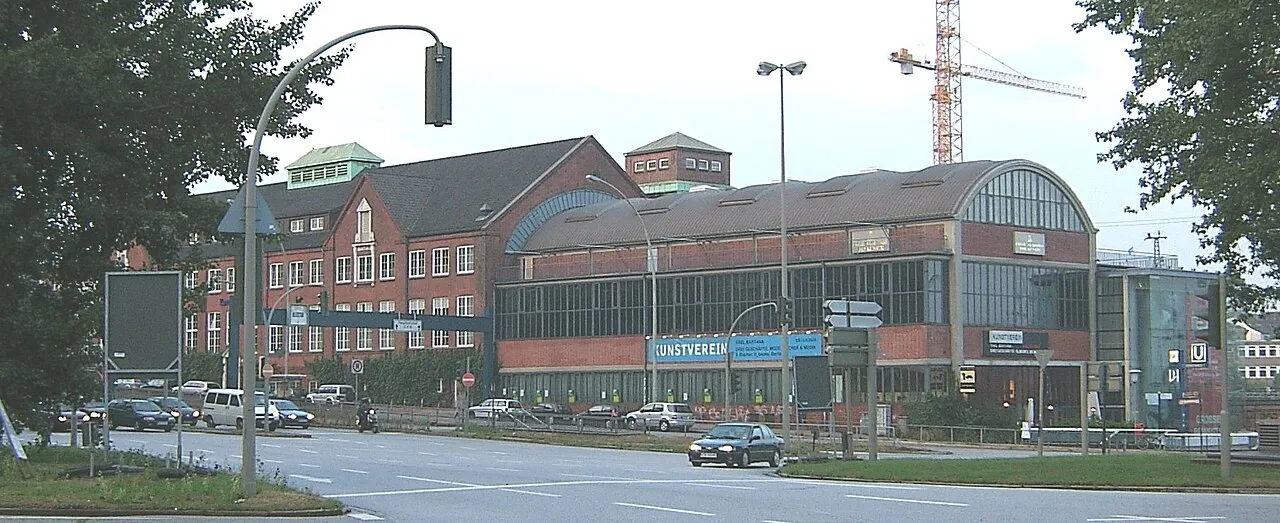
Germany
Hamburg
8 places
-
Germany
Munich
8 places
-
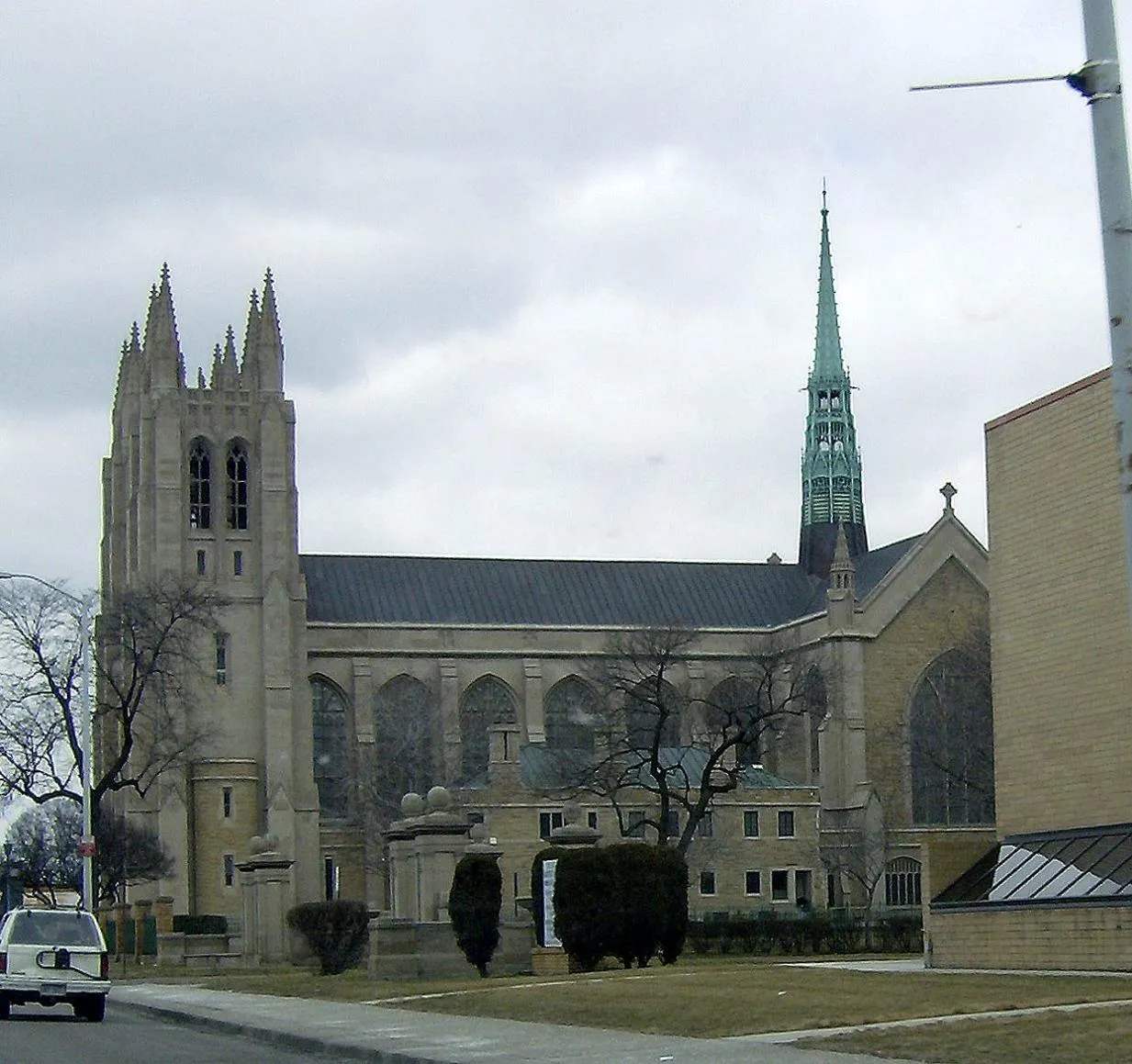
United States
Detroit
6 places
-
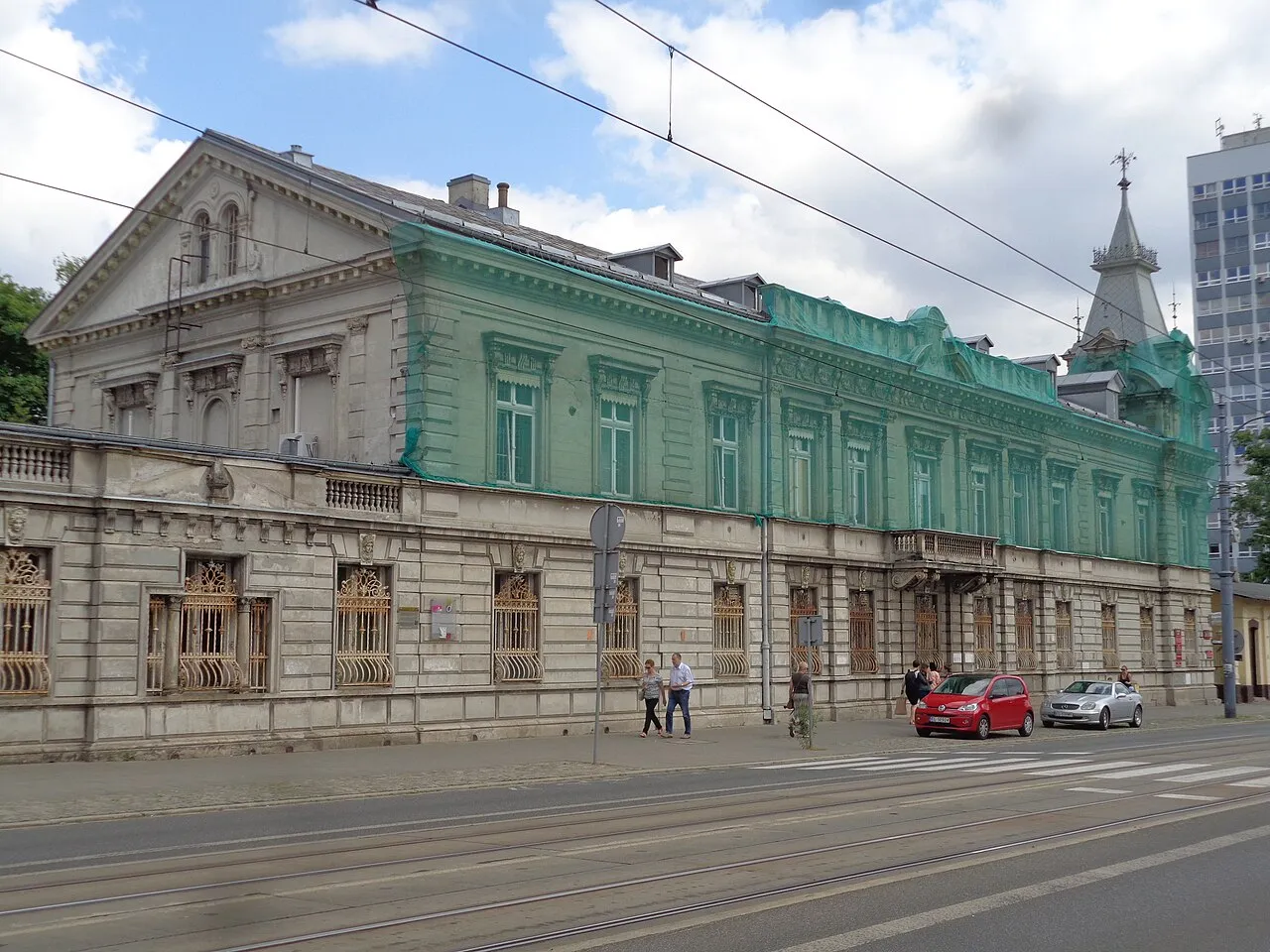
Poland
Łódź
6 places
-
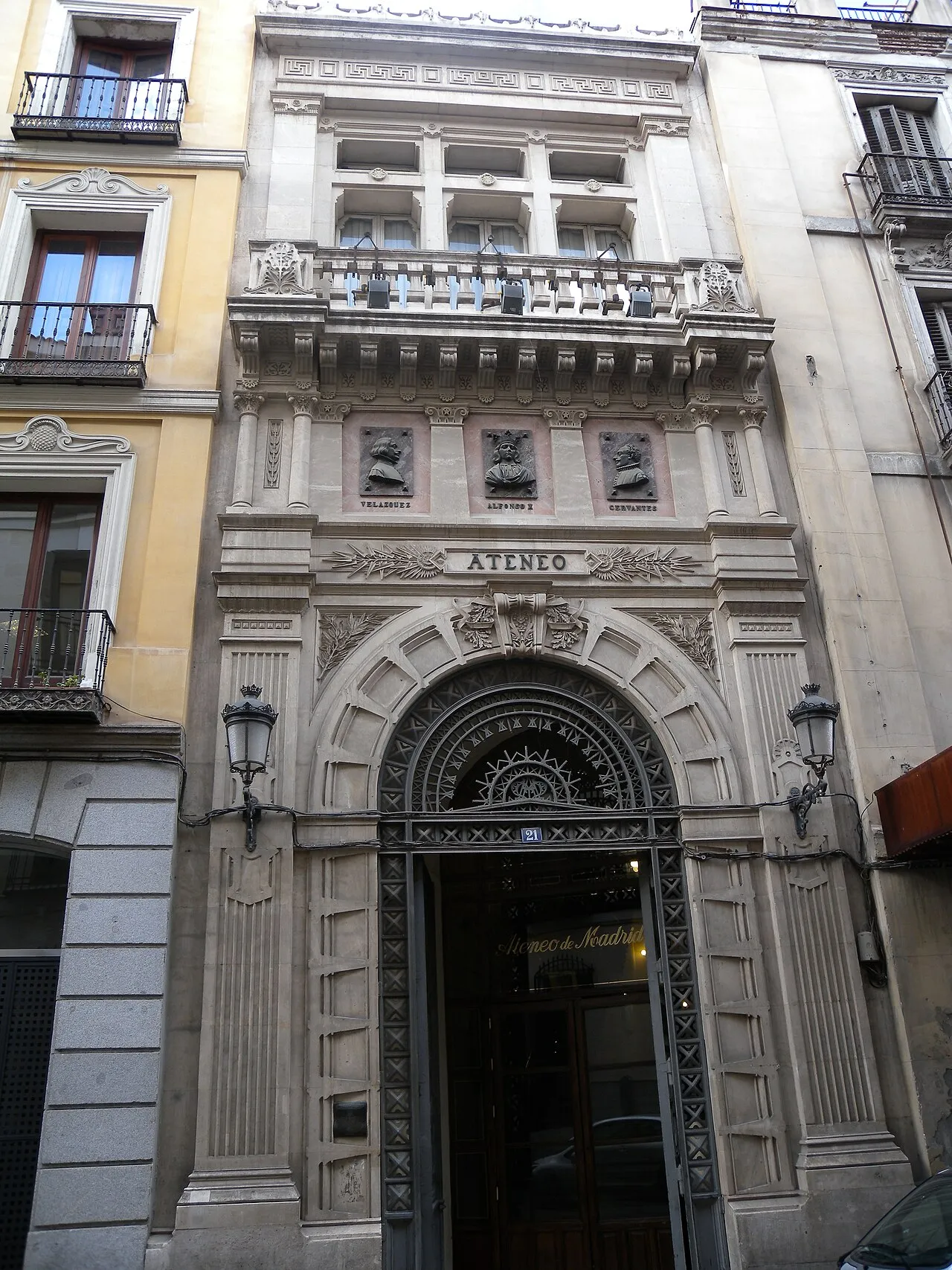
Spain
Madrid
6 places
-
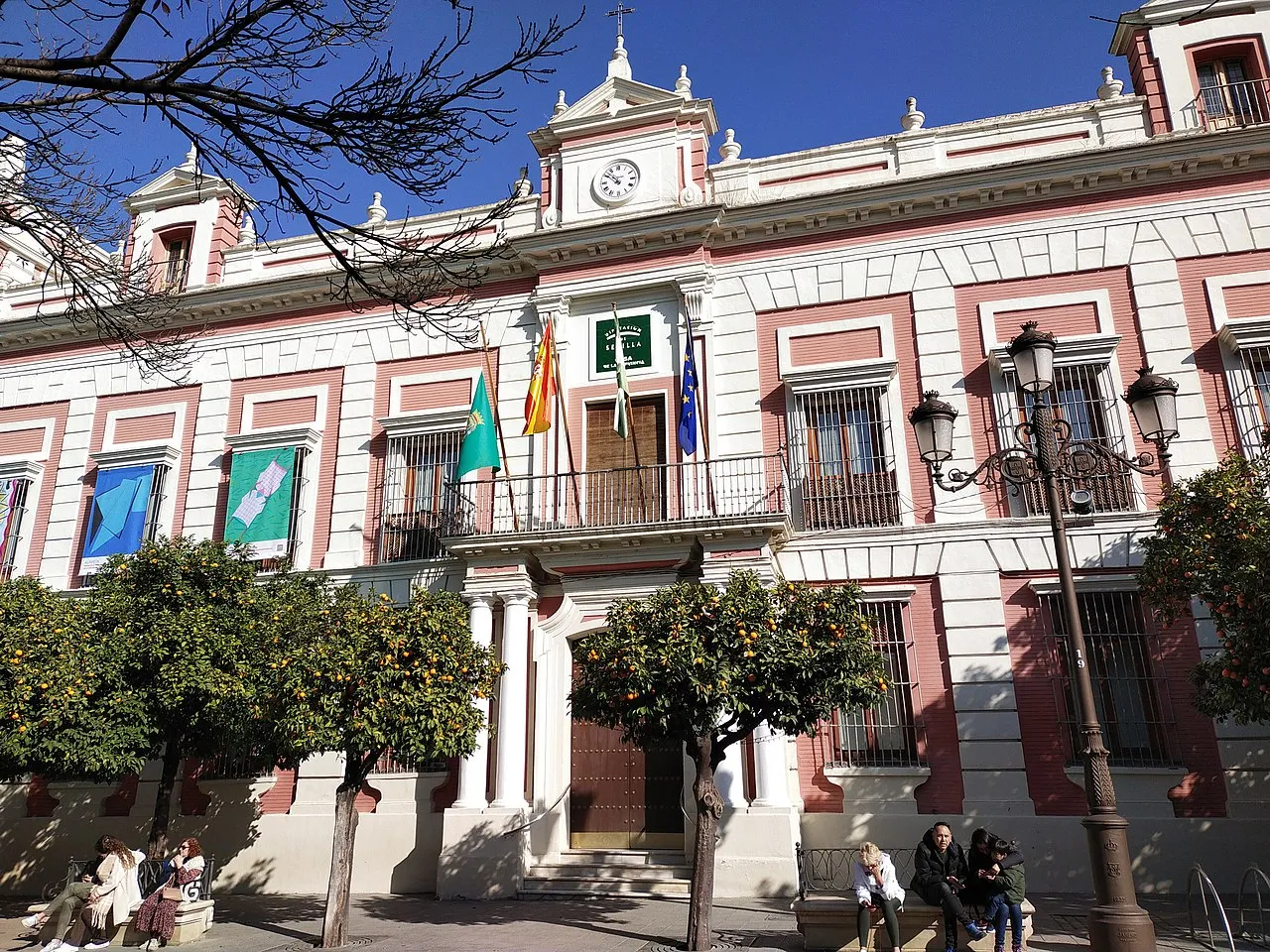
Spain
Andalusia
5 places
-
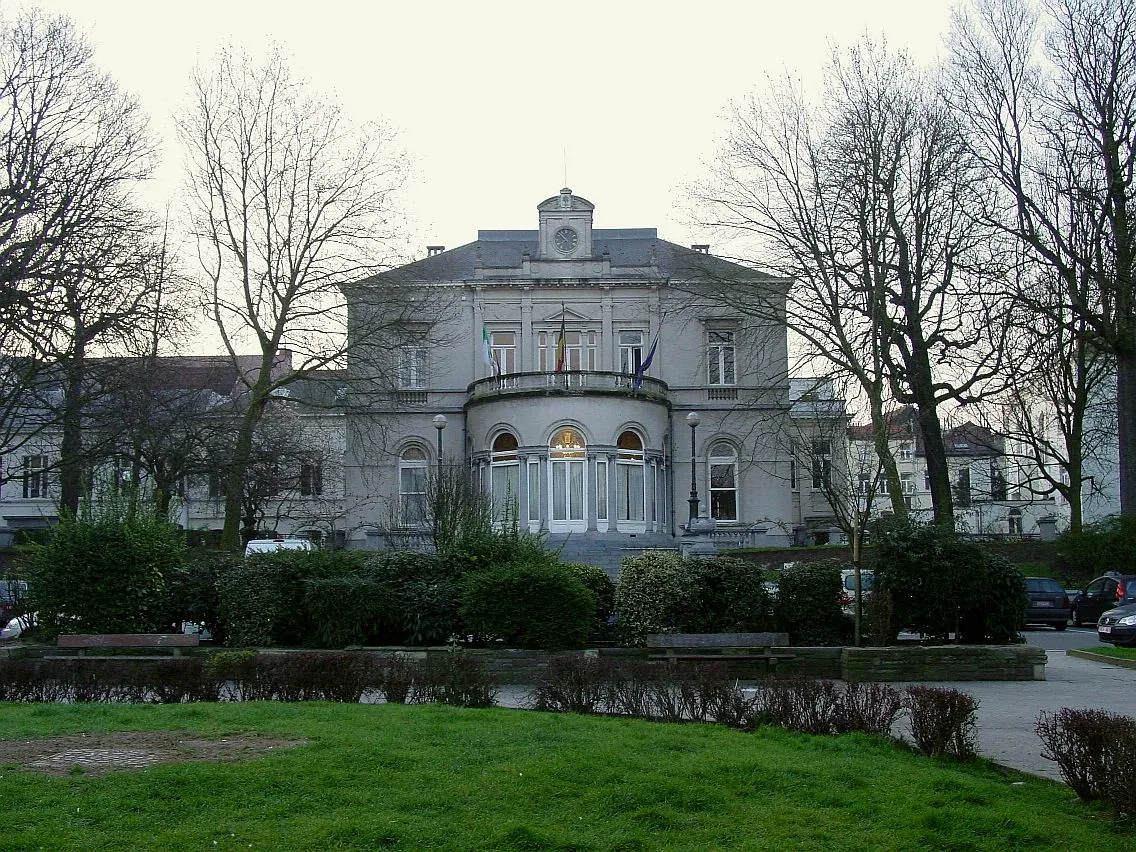
Belgium
Brussels
5 places
-
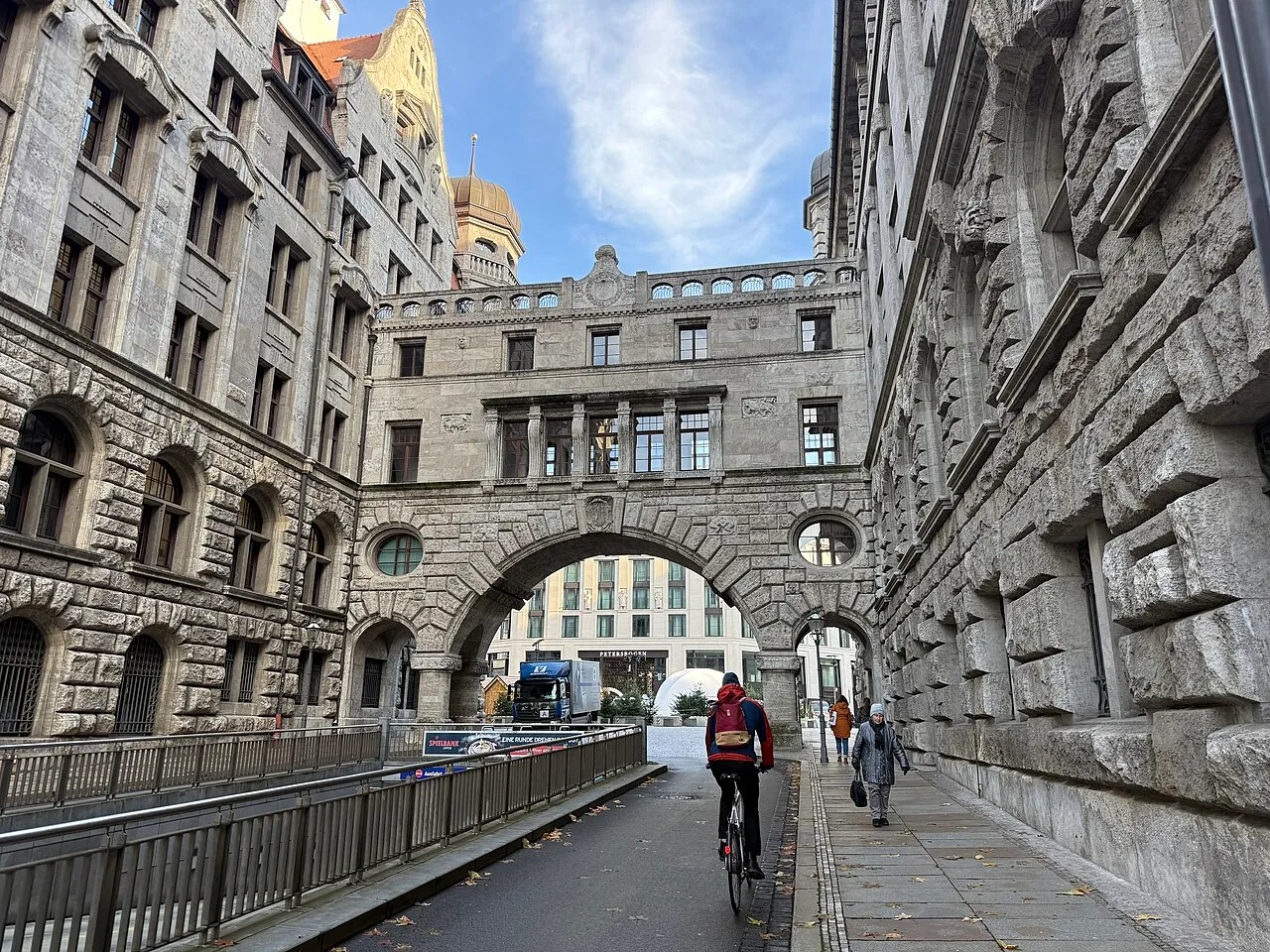
Germany
Leipzig
5 places
-
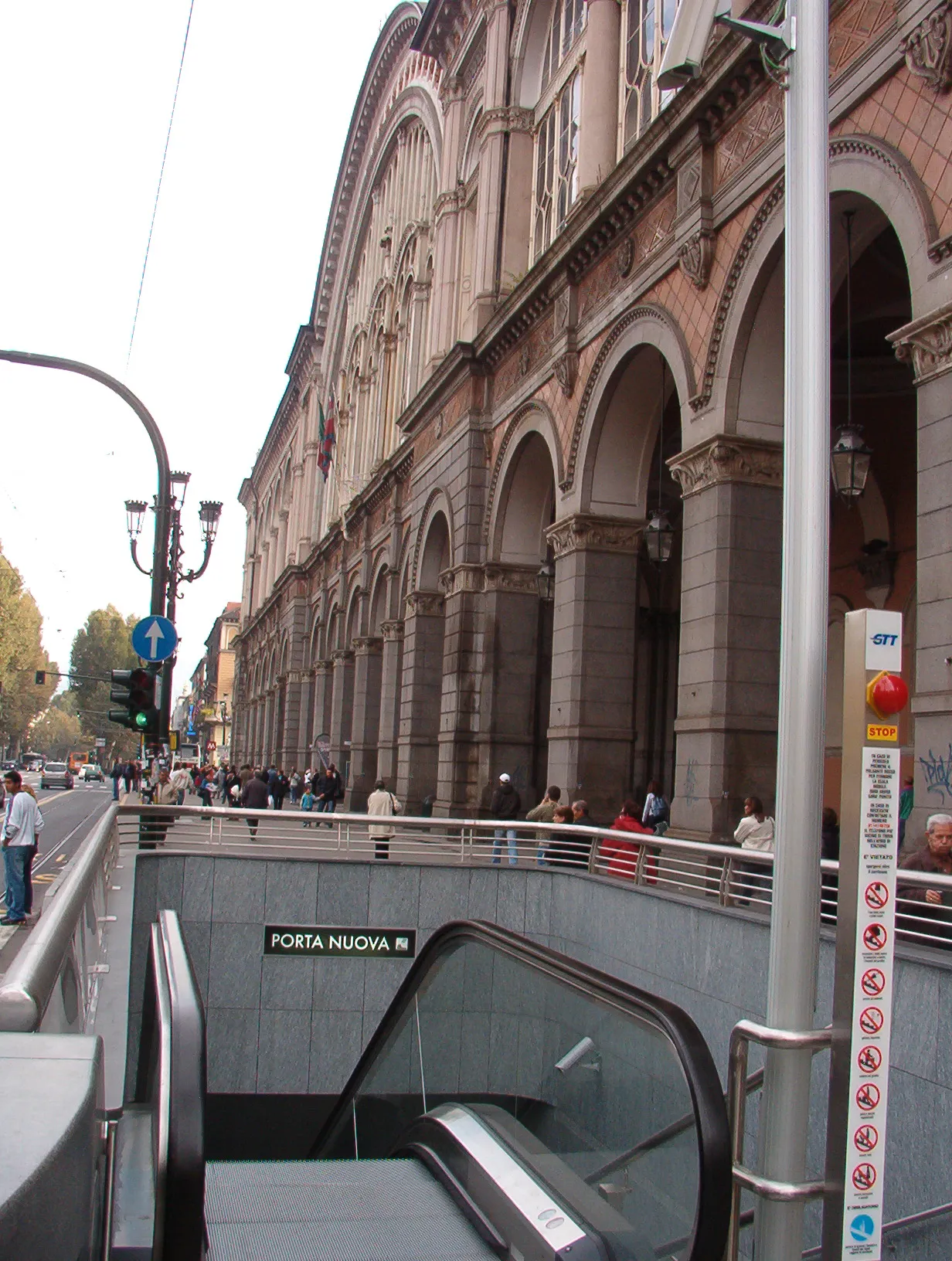
France
Provence-Alpes-Côte d'Azur
5 places
-
Spain
Seville
5 places
-
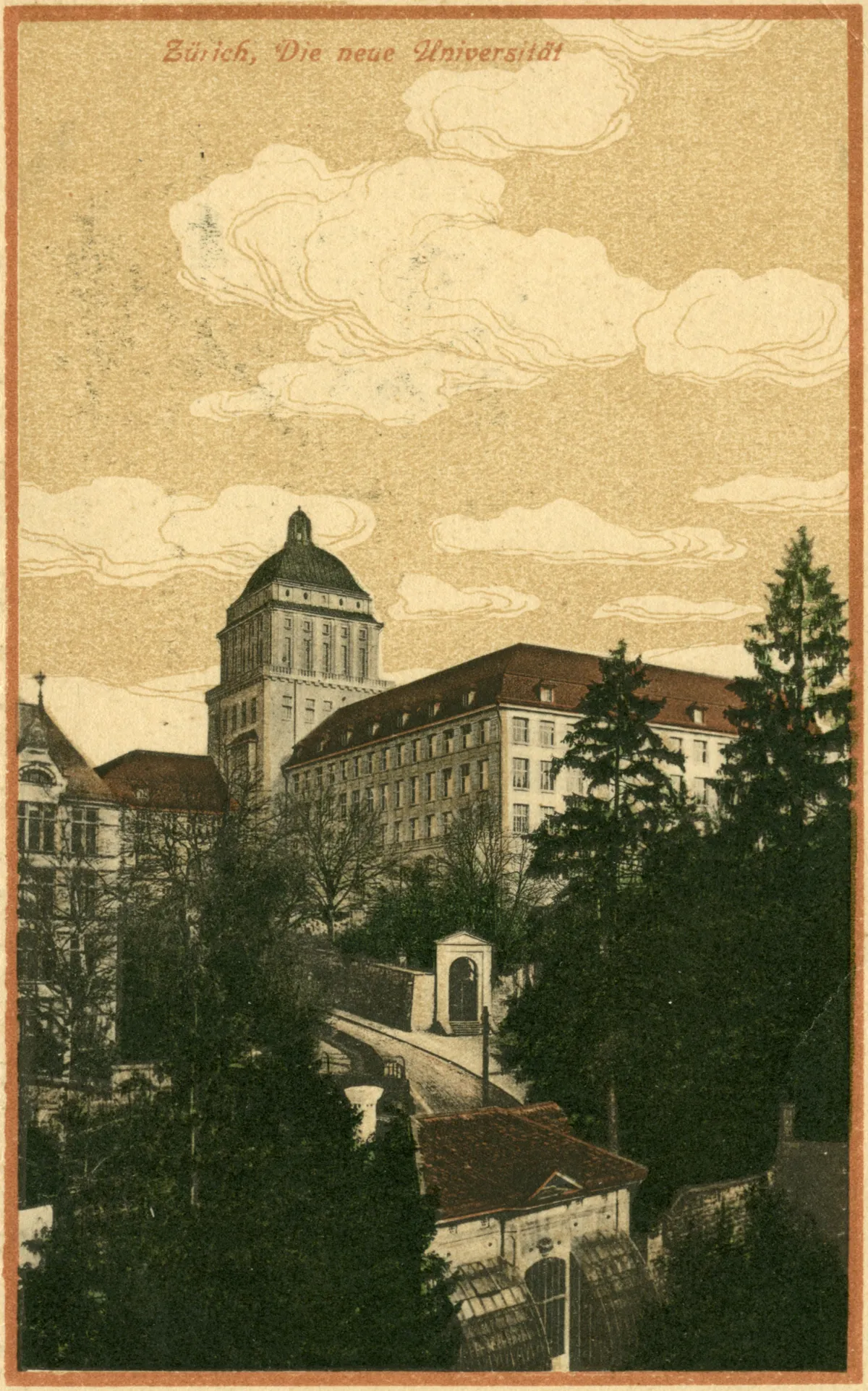
Switzerland
Zurich
5 places
-
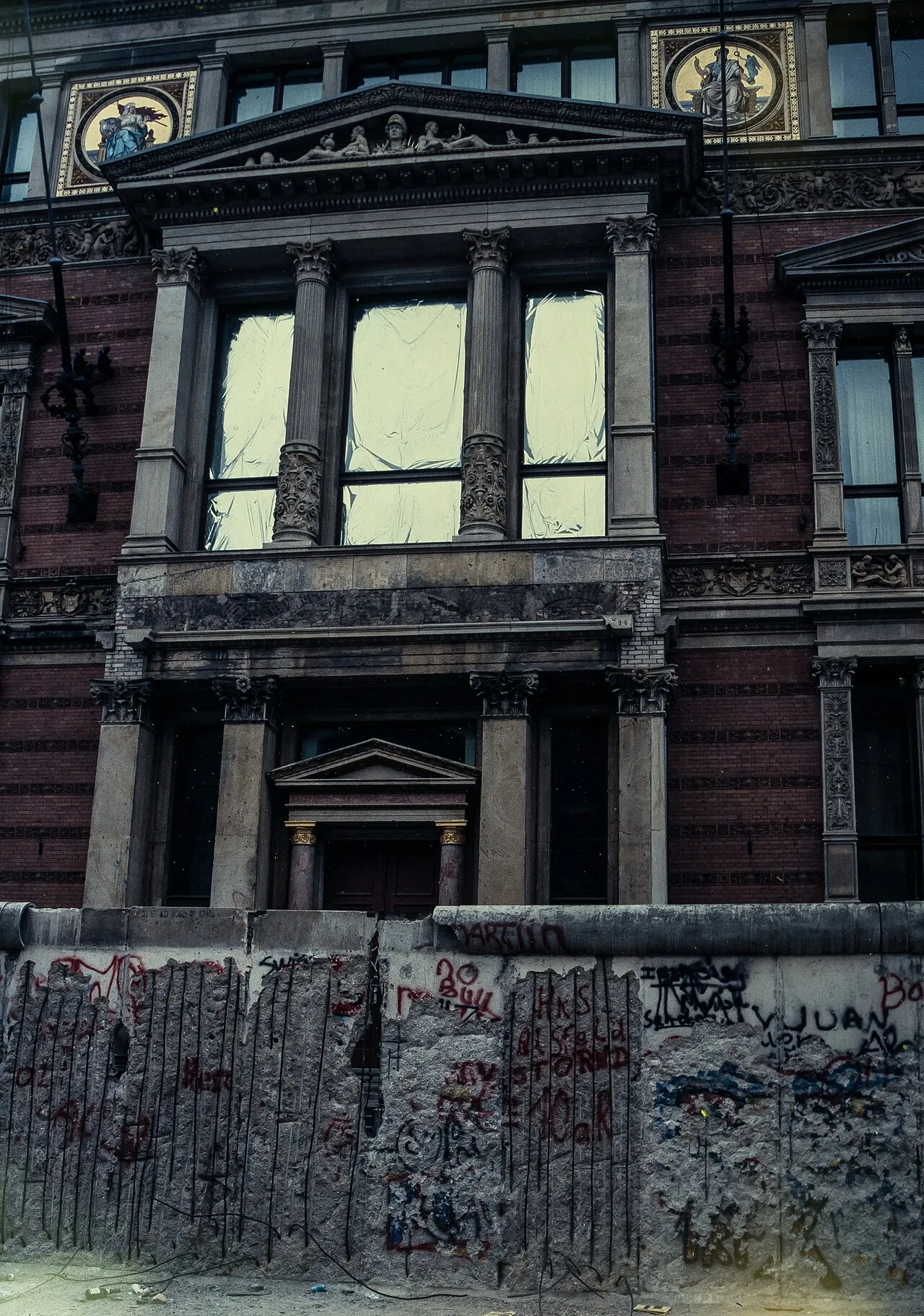
Germany
Berlin
4 places
-
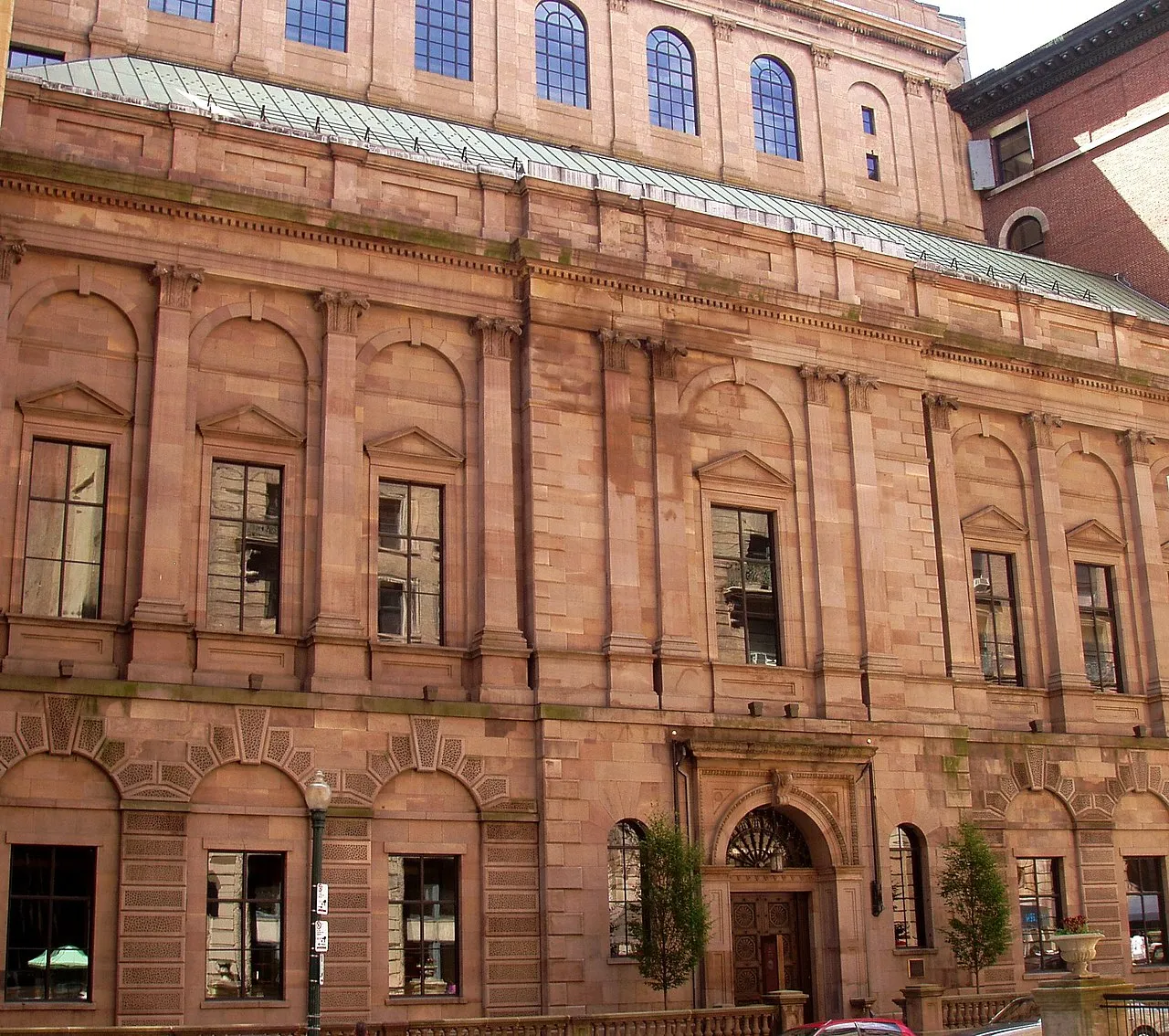
United States
Boston
4 places
-
Sweden
Malmö
4 places
-
Czechia
Prague
4 places

Keep exploring
Explore all destinations