

Neoclassical architecture
Neoclassical architecture across 75 cities in 35 countries. The buildings worth seeing, the architects behind them, and where to find each one.
What is neoclassical?
Neoclassical architecture began in the mid-18th century as a revival of ancient Greek and Roman design and flourished into the mid-19th. It pushed back against the ornamental excess of the Late Baroque and Rococo, and archaeology supplied the fuel: the excavations of Pompeii and Herculaneum, begun in the late 1740s, Johann Joachim Winckelmann’s history of ancient art in 1764, and Stuart and Revett’s The Antiquities of Athens, whose first volume in 1762 gave architects accurate surveys of Greek buildings for the first time.
You recognize the style by its symmetry: a centered entrance with equal rows of windows on either side, columns or pilasters as the main facade decoration, and a triangular pediment over the entrance. Walls are smooth plaster in white, pale gray, or pale yellow, ornament stays sparse and flat, and the lower floor sometimes carries rustication. Greek Revival, the style’s last phase, goes furthest with baseless fluted Doric columns and full temple fronts.
The canon is monumental and public. Jacques-Germain Soufflot’s Panthéon in Paris (1758-1790) carries a triple-shell dome on the model of Rome’s Pantheon; Carl Gotthard Langhans’s Brandenburg Gate in Berlin (1788-1791) was modeled on the Propylaea of the Athenian Acropolis; Karl Friedrich Schinkel’s Altes Museum (1825-1830) faces Berlin’s Lustgarten with eighteen Ionic columns.
From the 1860s the single classical norm dissolved into the century’s eclectic revivals. Classical building never quite ended, though: New Classical architecture has carried the tradition on since the 1950s and 60s, and the Driehaus Prize has honored it since 2003.
Neoclassical in Sweden
Sweden localized the movement in two named waves. The first is the Gustavian style: Gustav III visited Versailles in 1771 and brought French neoclassicism home in its Louis XVI form. High Gustavian (about 1772-1785) still carries traces of the Rococo, while late Gustavian (about 1785-1810) is fully neoclassical and sometimes called Pompeian. Erik Palmstedt designed Börshuset on Stortorget (completed 1778) and Arvfurstens palats (1783-1794), and Olof Tempelman designed Gustav III:s paviljong at Haga, begun in 1787, with interiors by Louis Masreliez. The king himself was shot at a masquerade in his own opera house in March 1792.
The second wave is the Karl Johan style, Sweden's version of the Empire style under Karl XIV Johan (1810-1844), fashionable until about 1850: Empire ornament applied to the light colors and simple forms of the Gustavian era. Fredrik Blom designed Rosendals slott on Djurgården and Skeppsholmskyrkan (1824-1833), and Johan Adolf Hawerman gave Härnösand cathedral (1842-1846) its Doric western portico. The stripped Nordic classicism of the 1920s, known abroad as Swedish Grace, is a separate movement with its own page.
See the style in Stockholm, Gothenburg, Malmö, Uppsala, Härnösand, Örnsköldsvik.
Notable neoclassical buildings
-
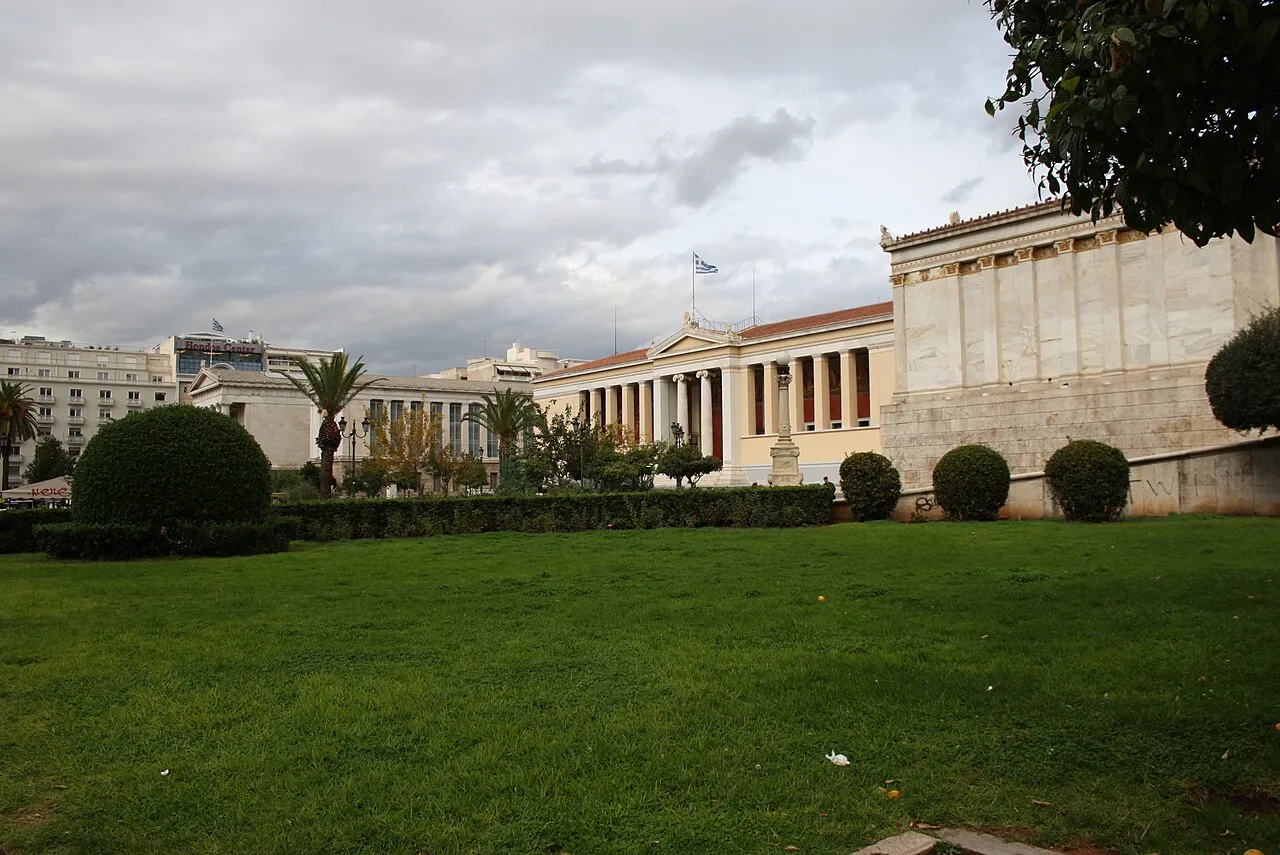
University of Athens
Athens · 1864
-
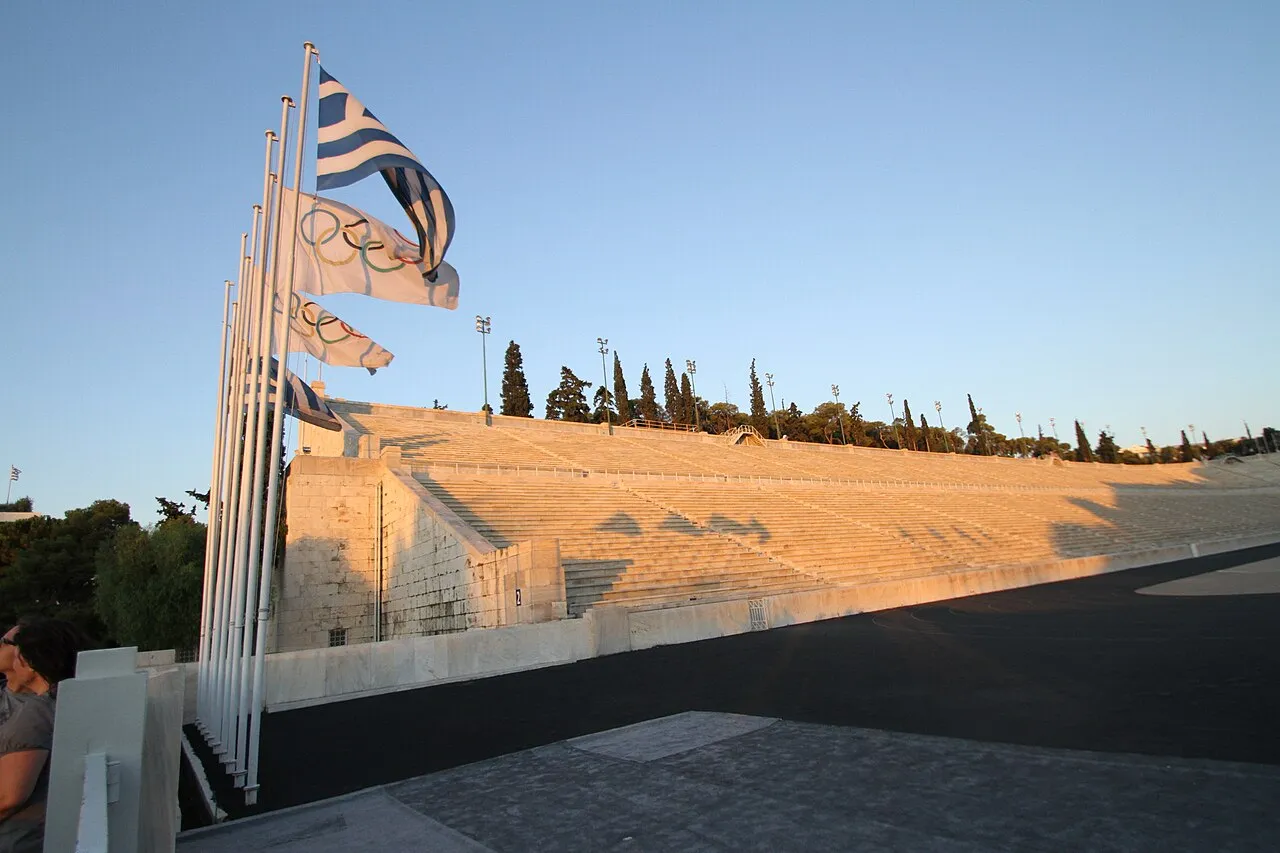
Panathenaic Stadium
Athens · 1896
-
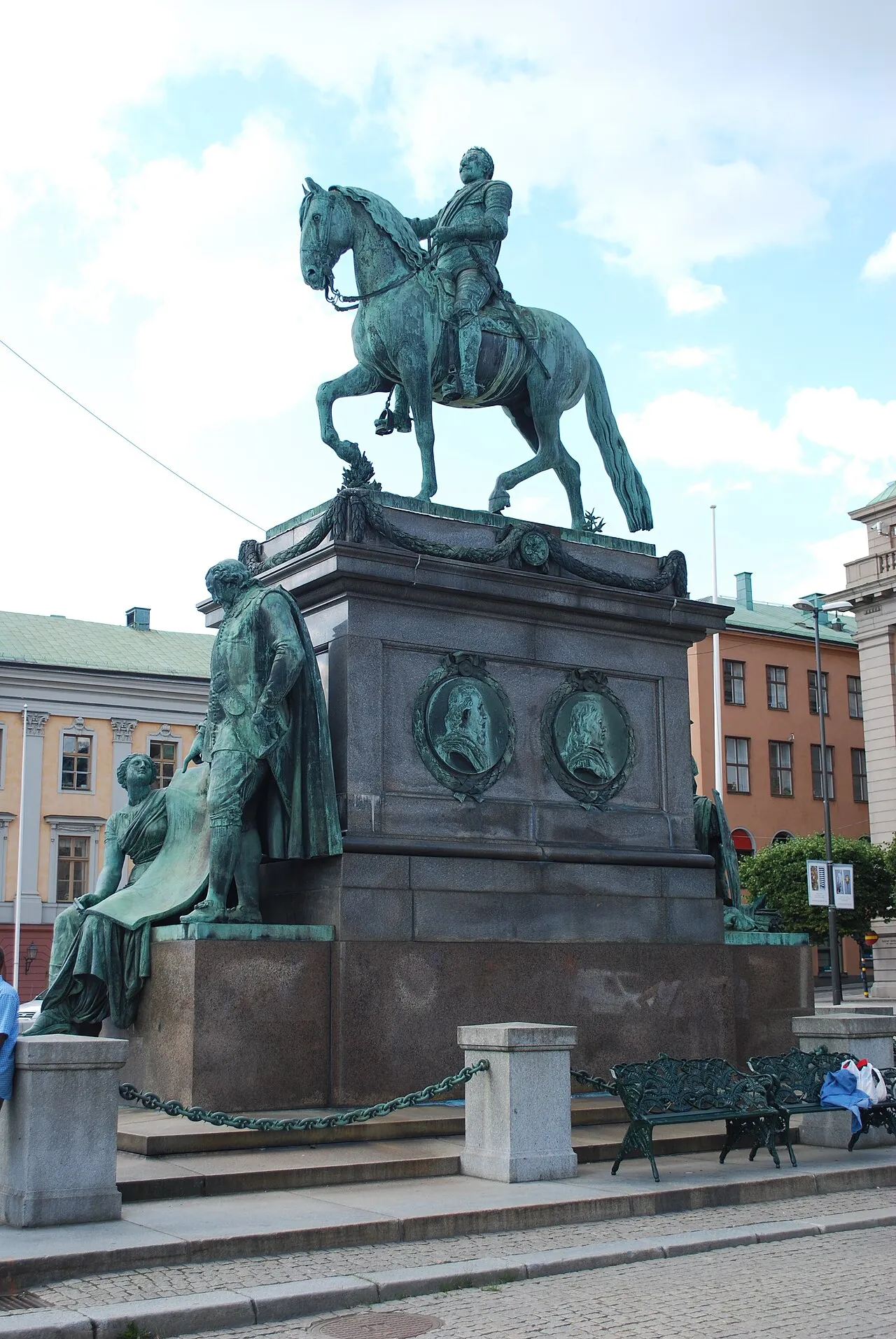
Gustav II Adolf statue, Stockholm
Stockholm · 1796
-
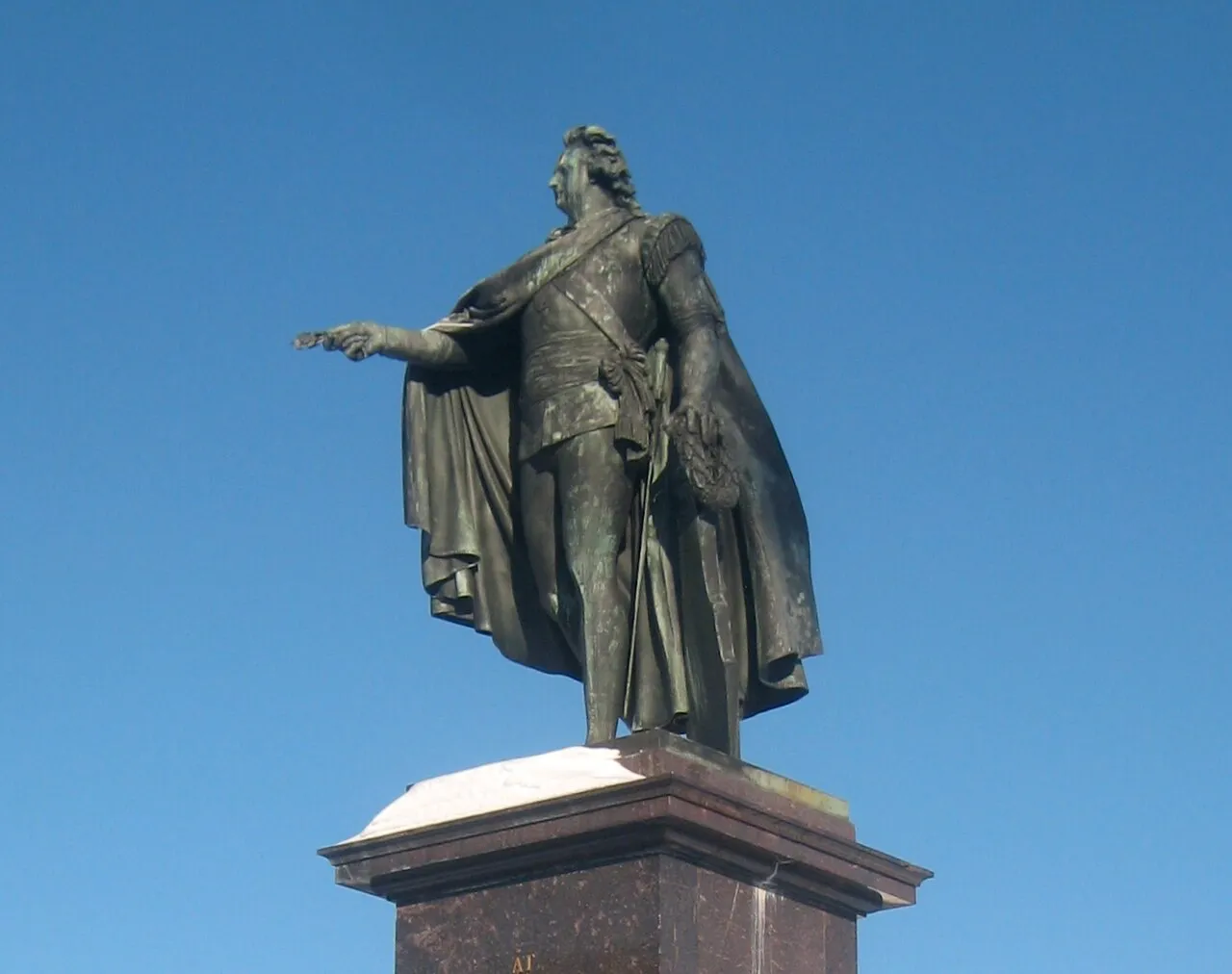
Statue for Gustav III
Stockholm · 1808
-
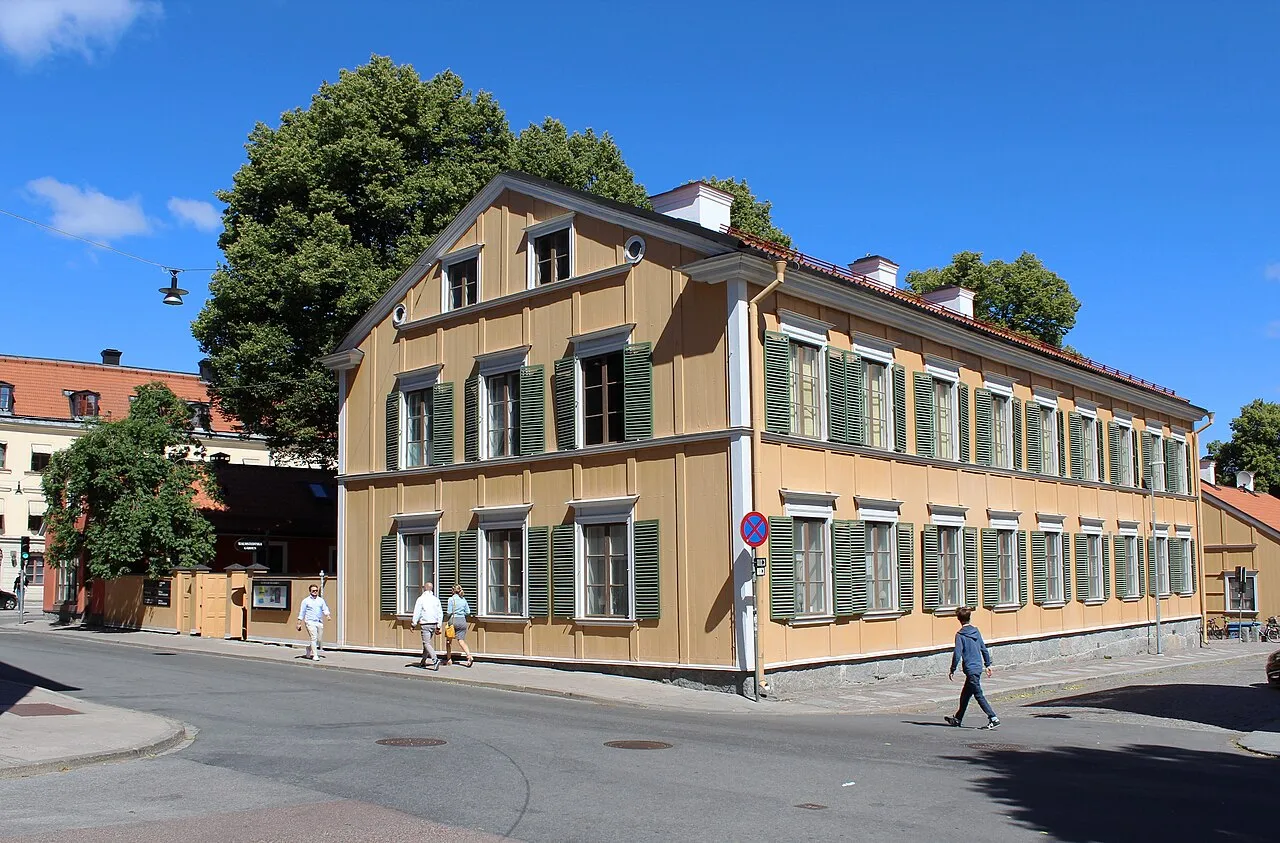
Walmstedtska gården
Uppsala · 1860
-
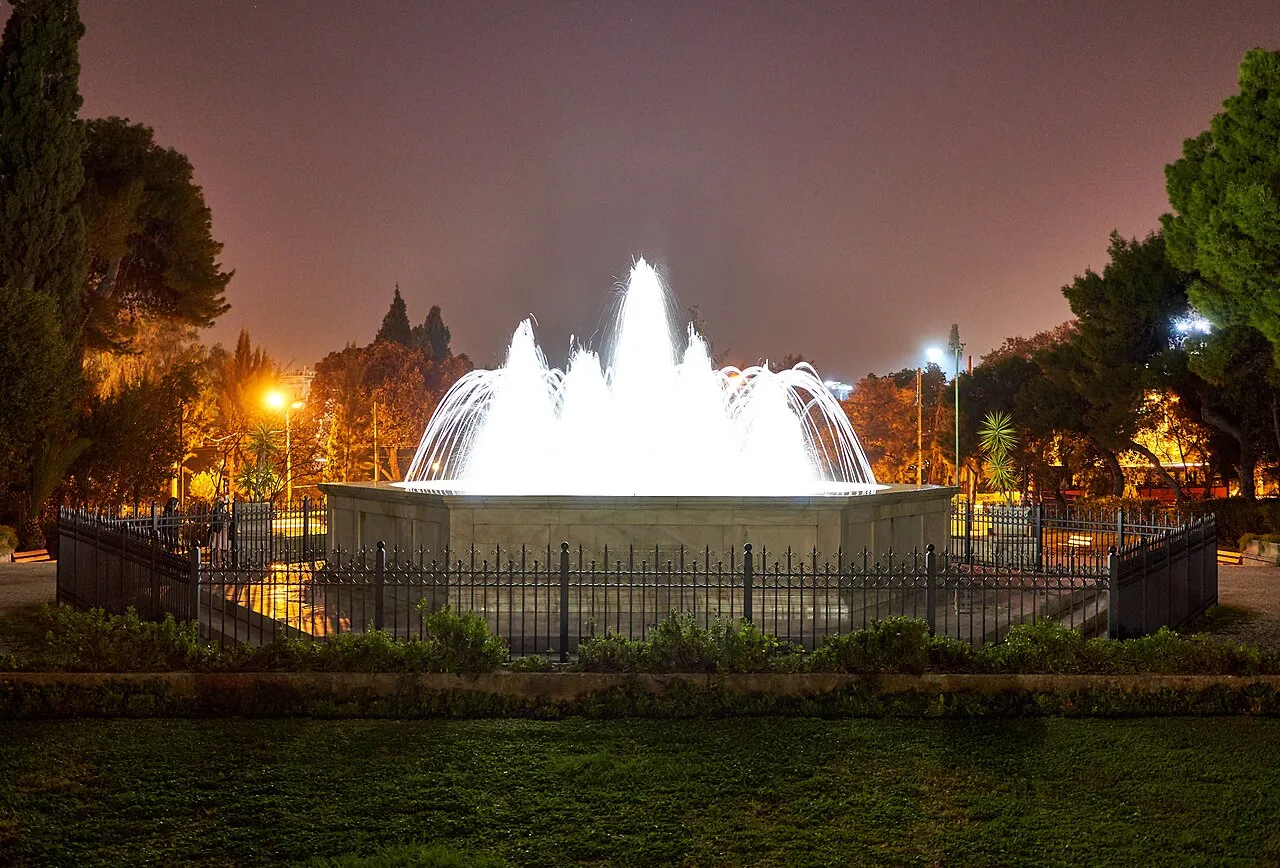
Zappeion
Athens · 1888
-
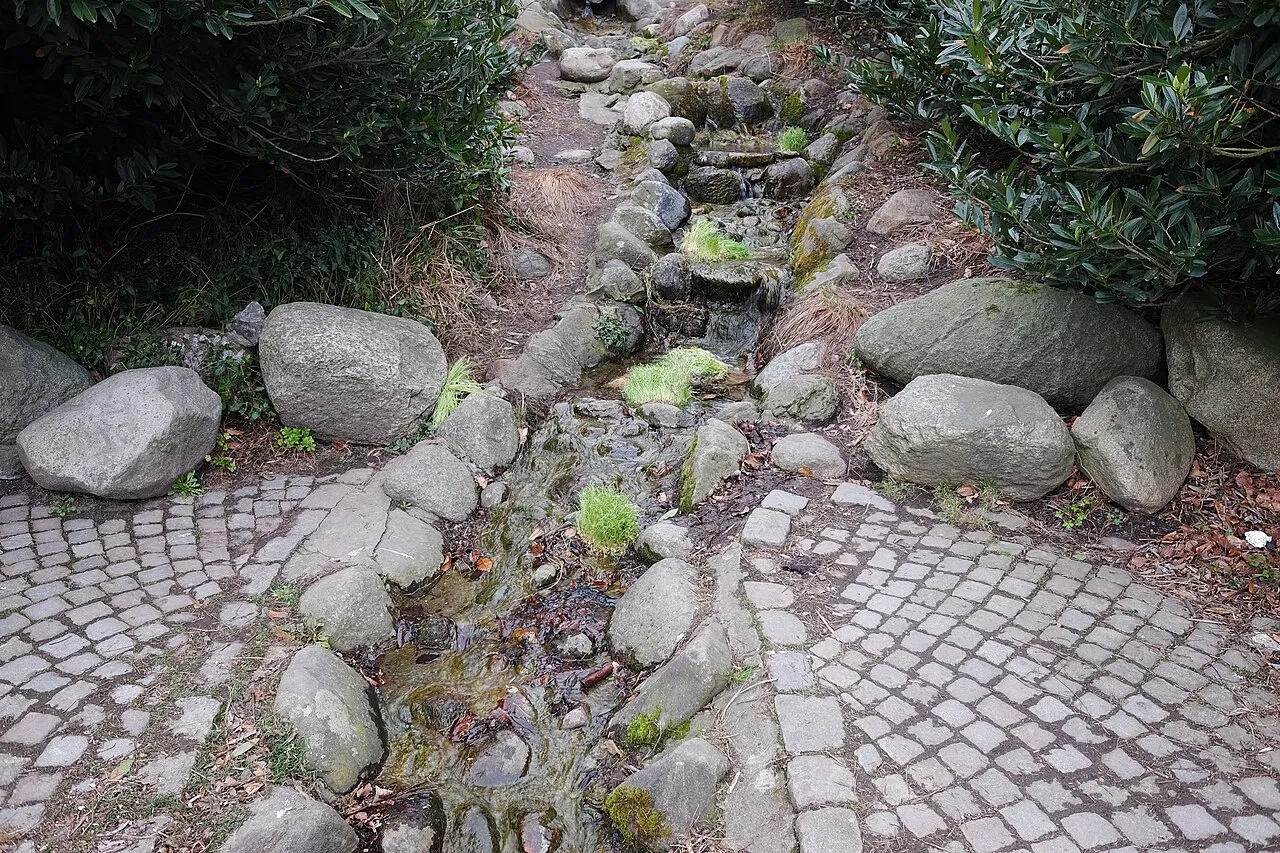
Pildammsparken
Malmö · 1926
-
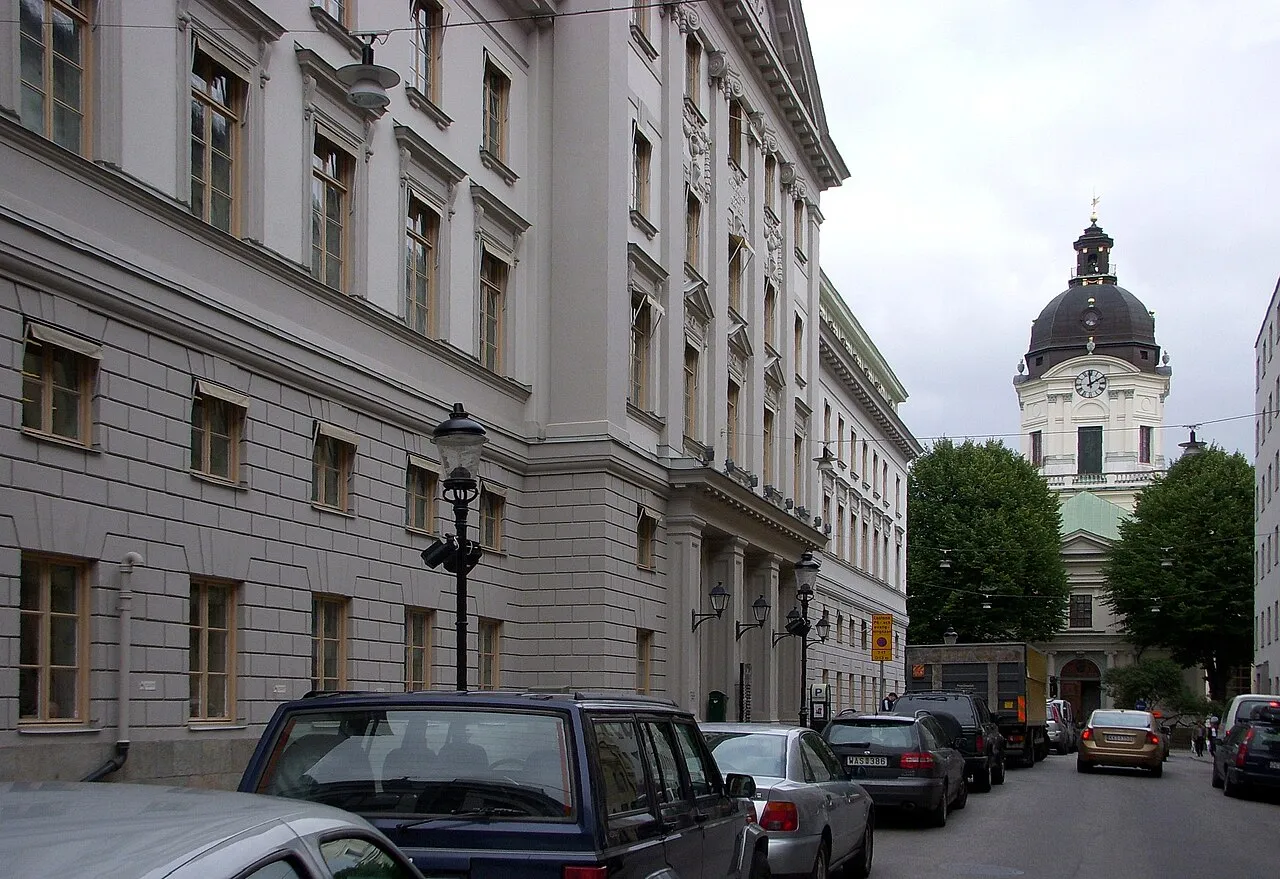
Adolf Fredrik Church
Stockholm · 1774
-
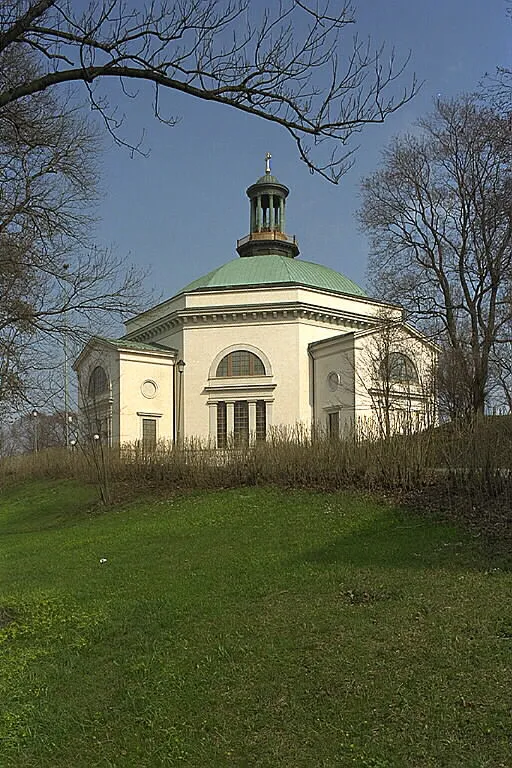
Eric Ericsonhallen
Stockholm · 1842
-
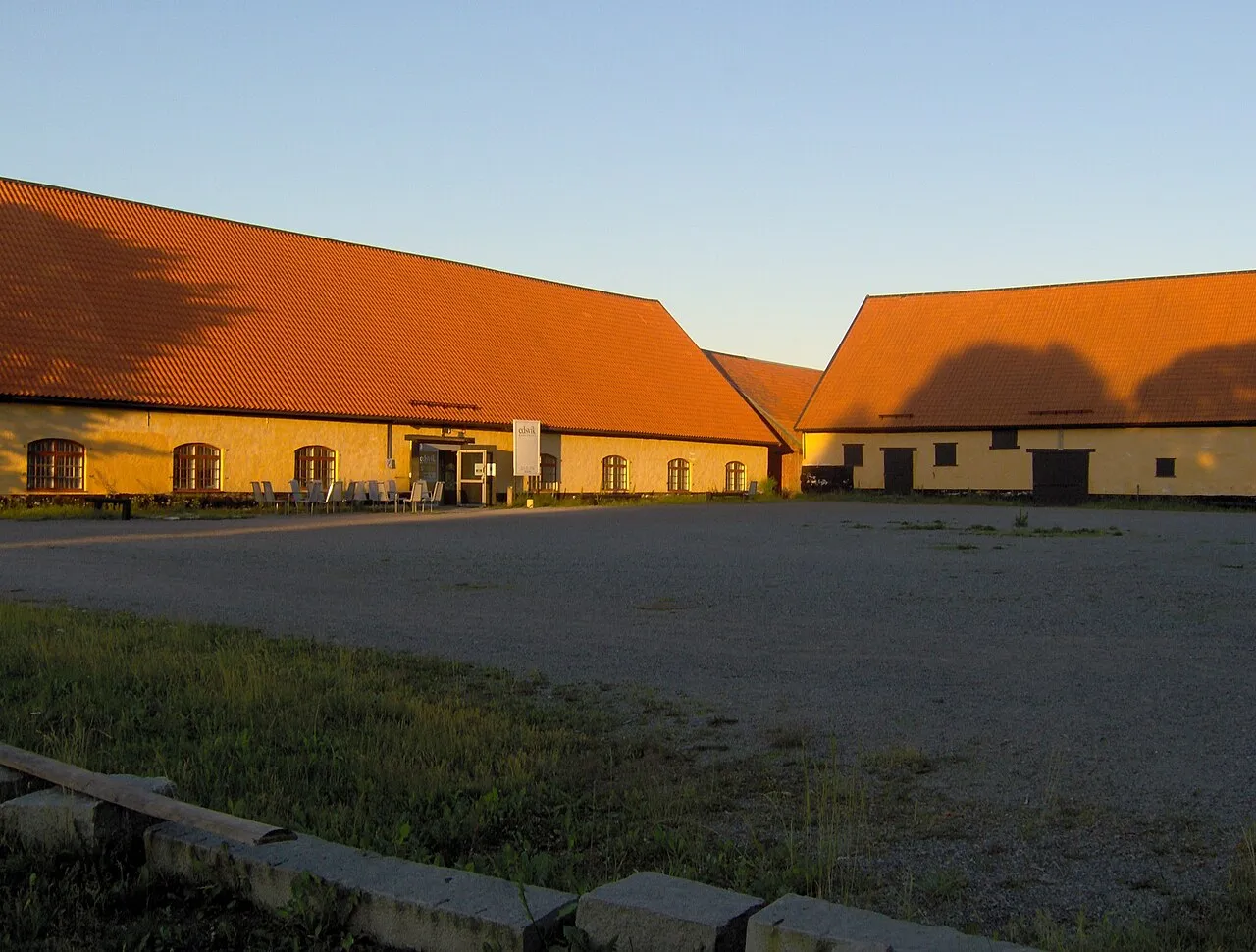
Edsberg Castle
Stockholm · 1760
-
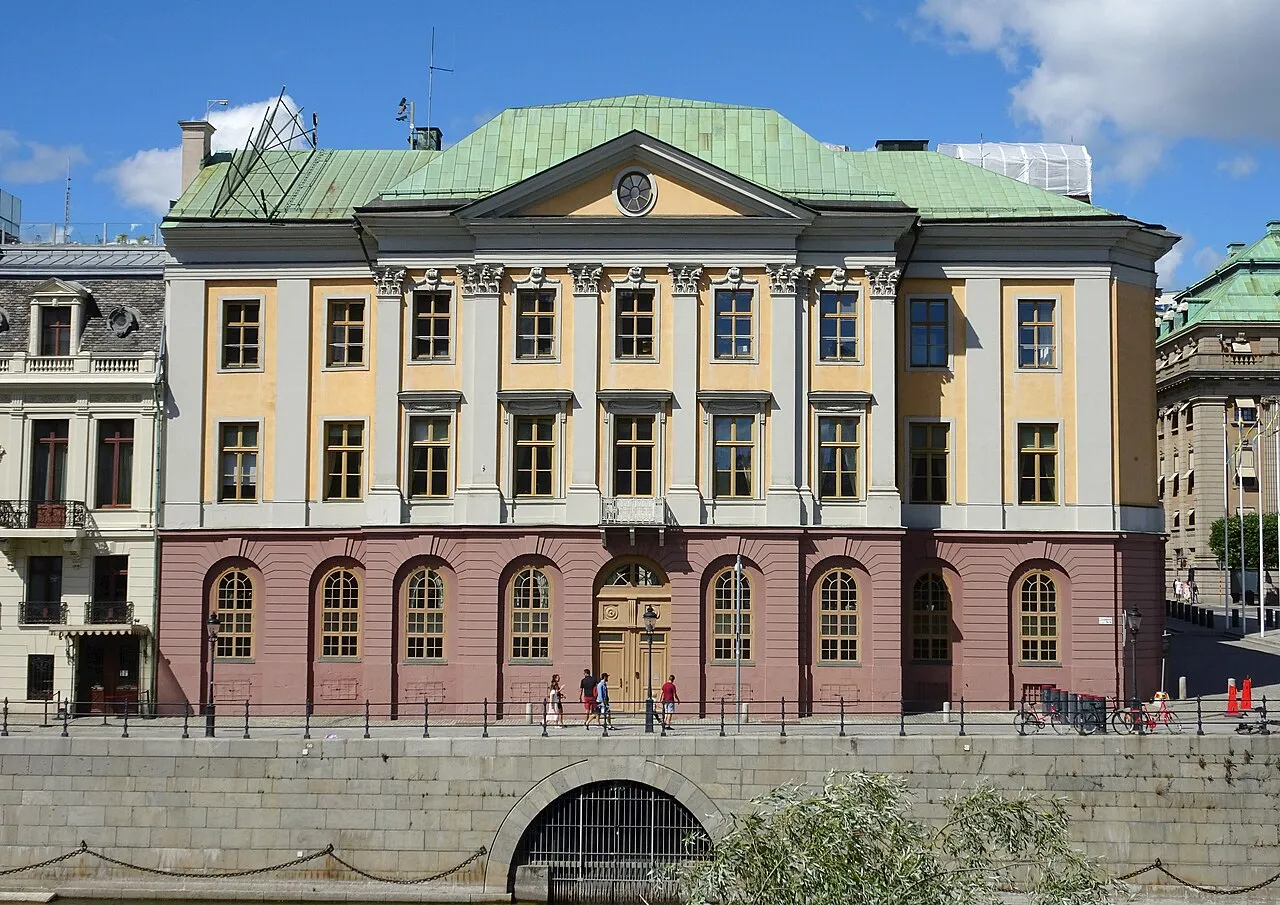
Arvfurstens palats
Stockholm · 1794
-
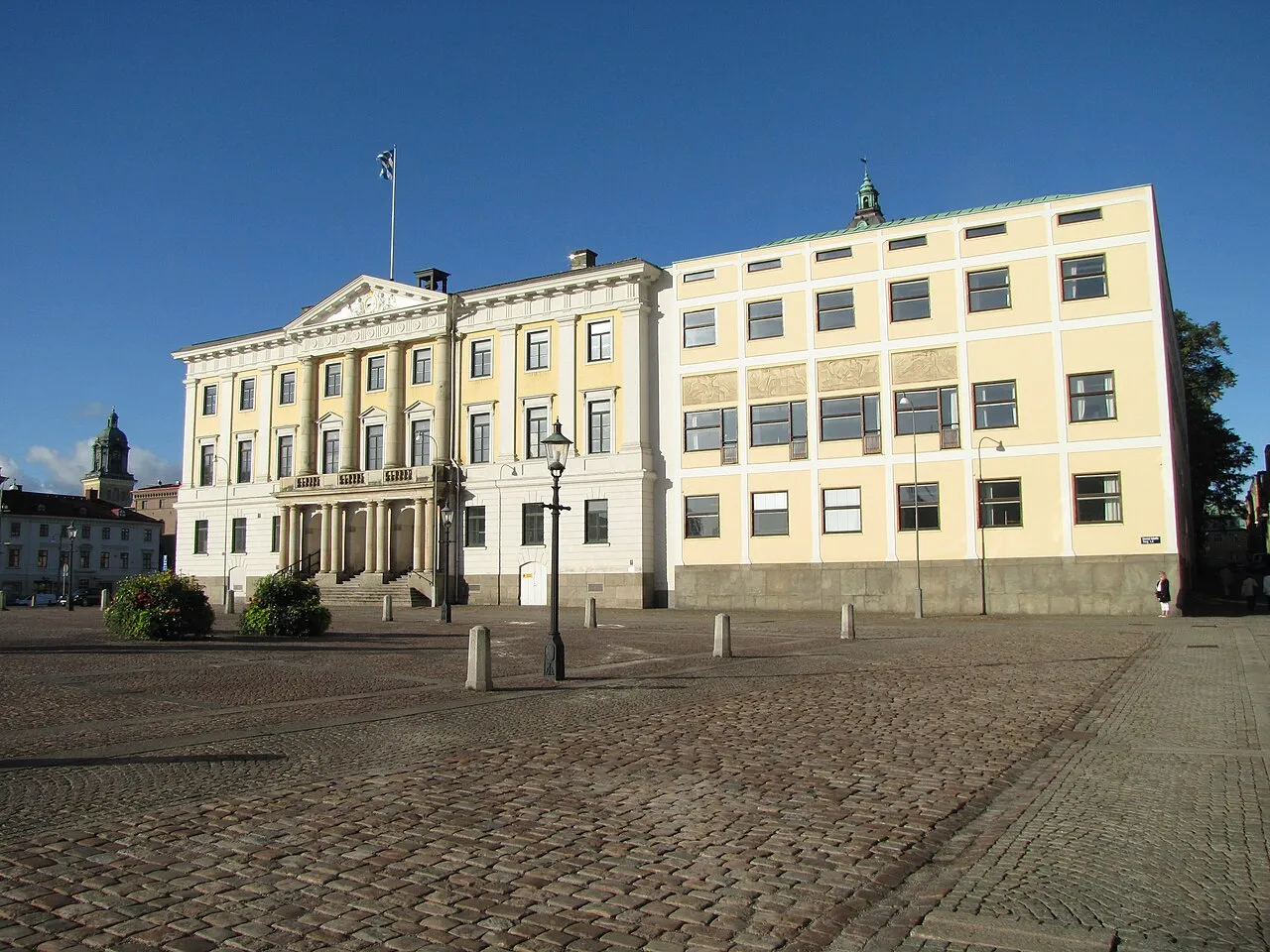
Gothenburg City Hall
Gothenburg · 1672
Neoclassical city by city
Pick a city to see the places on the map, with photos and descriptions.
-
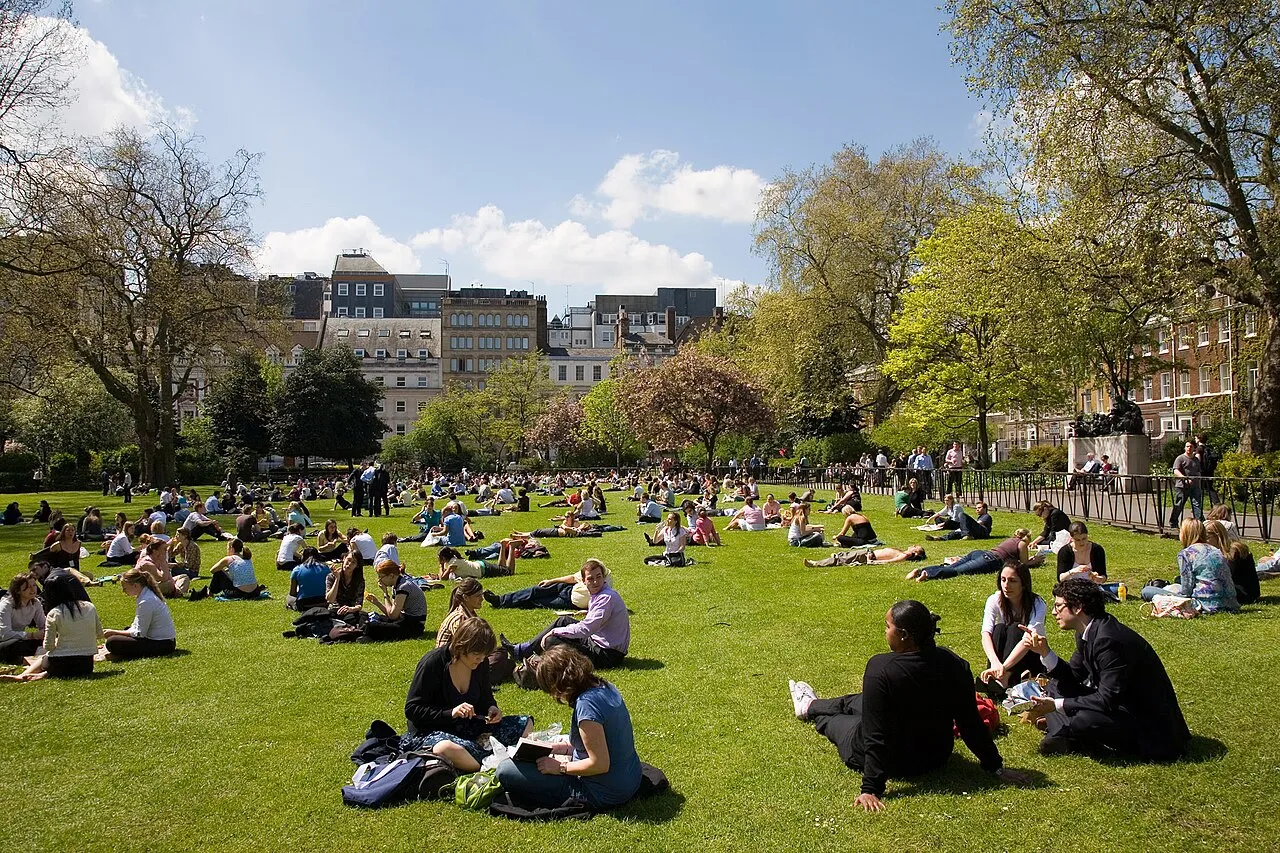
United Kingdom
London
31 places
-
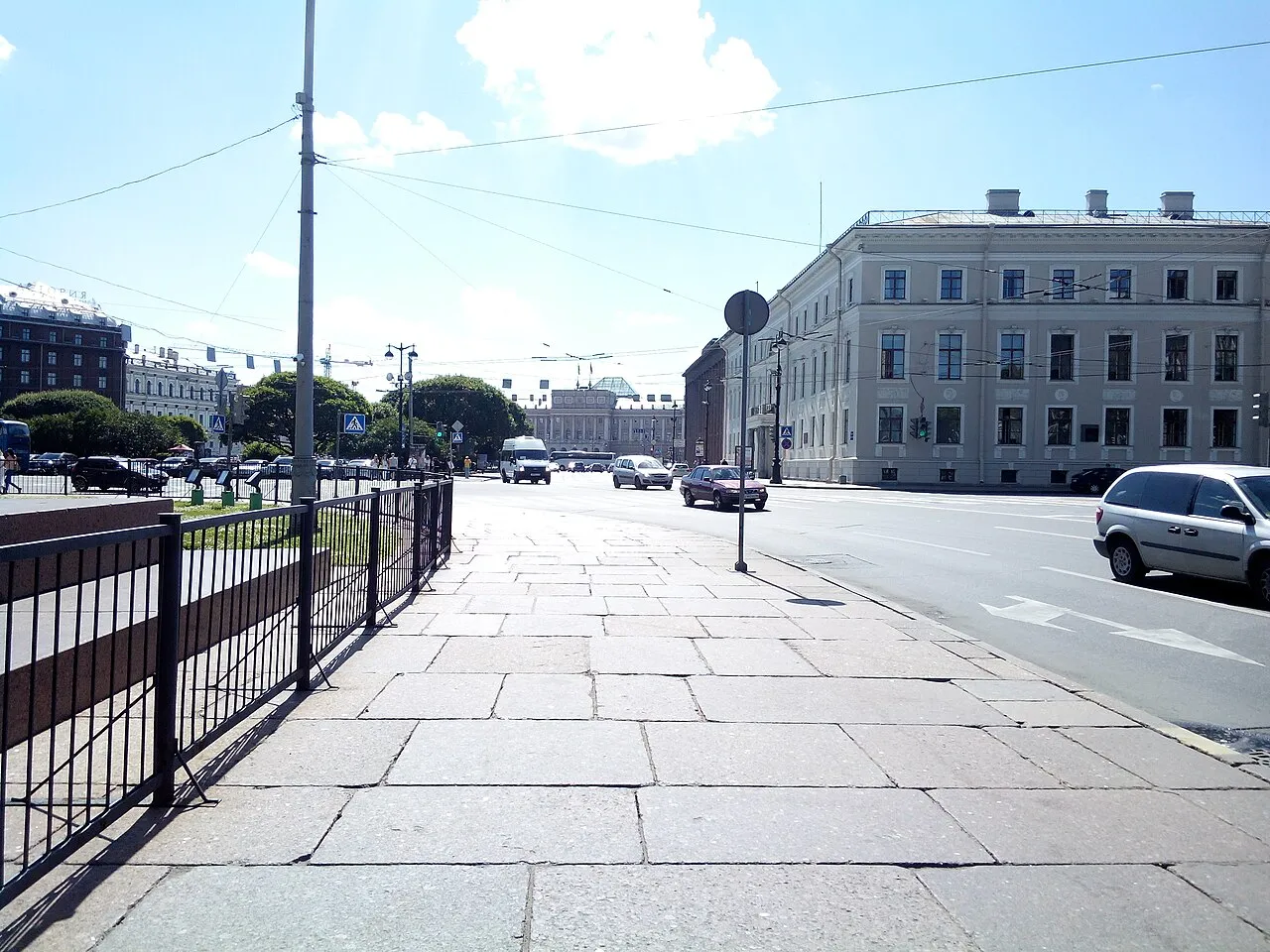
Russia
St. Petersburg
28 places
-
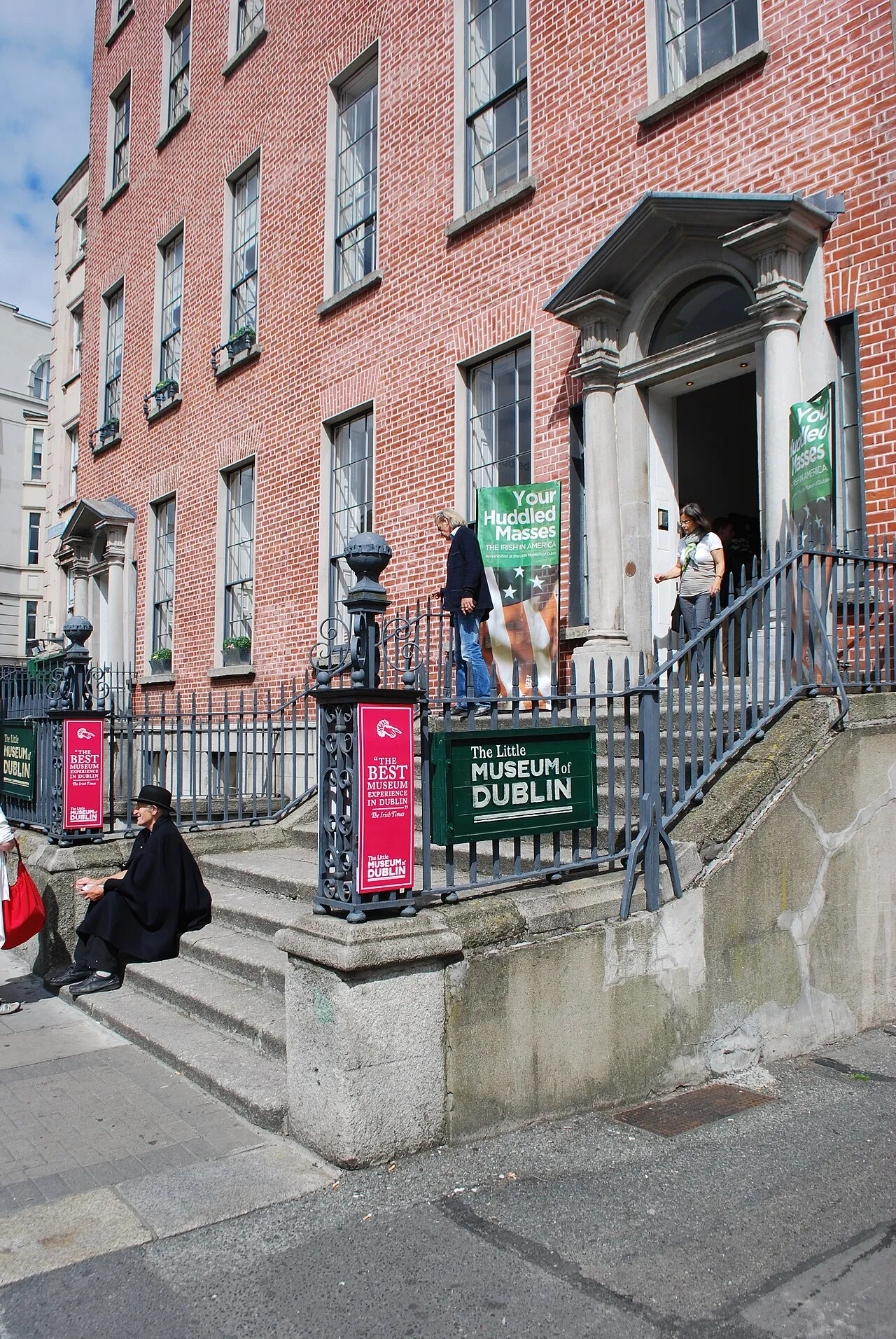
Ireland
Dublin
27 places
-
Greece
Athens
25 places
-
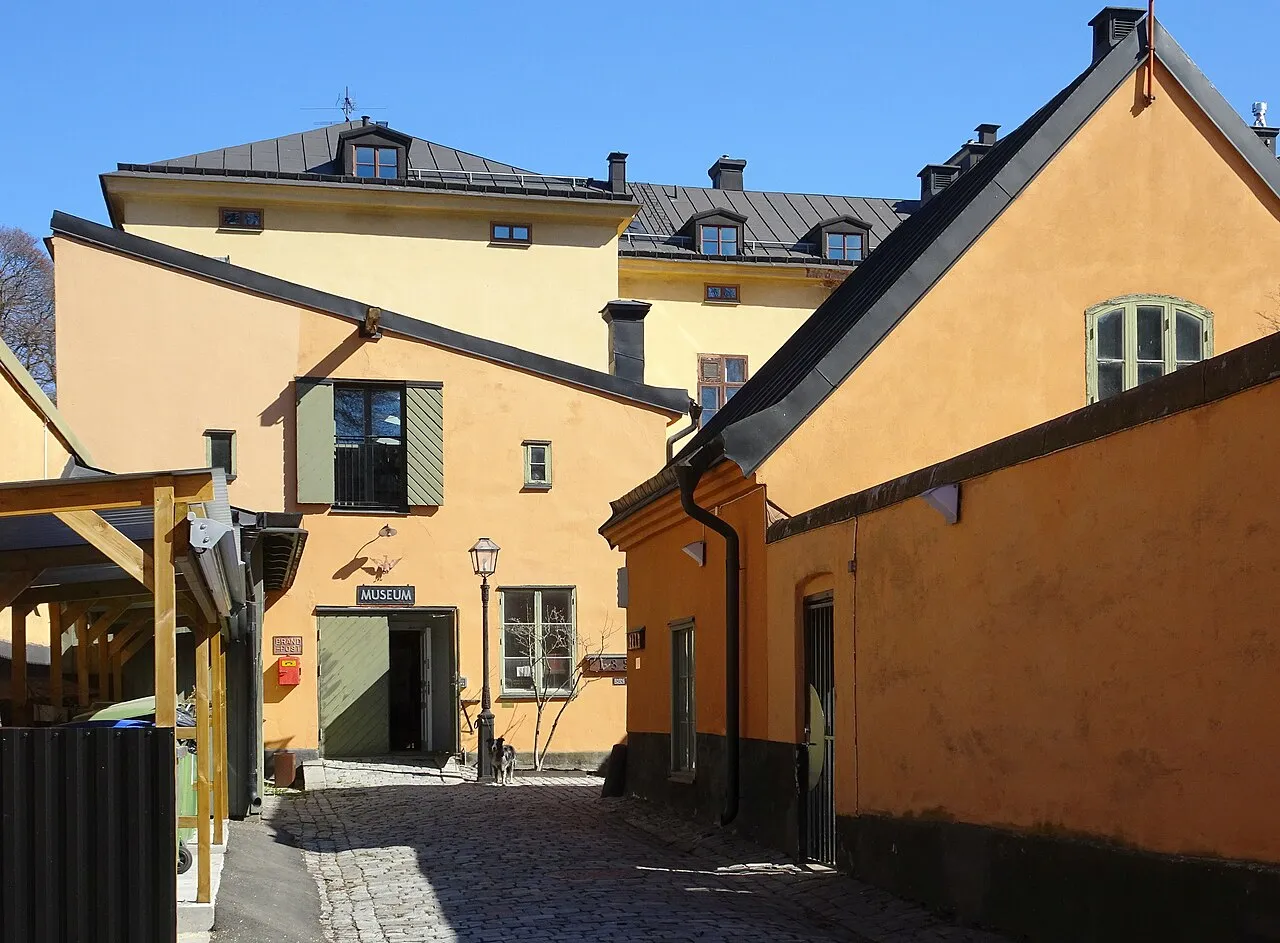
Sweden
Stockholm
22 places
-
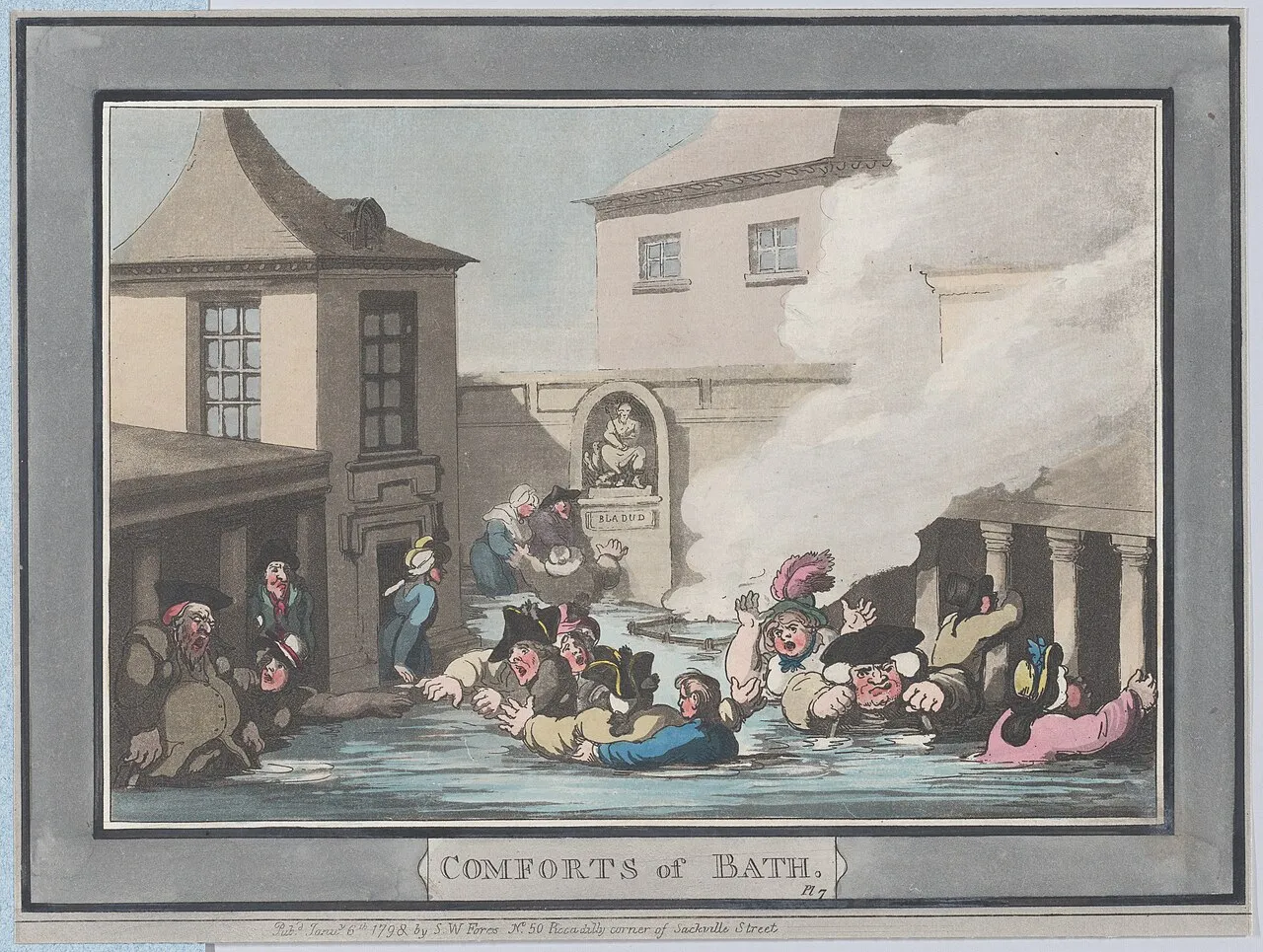
United Kingdom
Bath
21 places
-
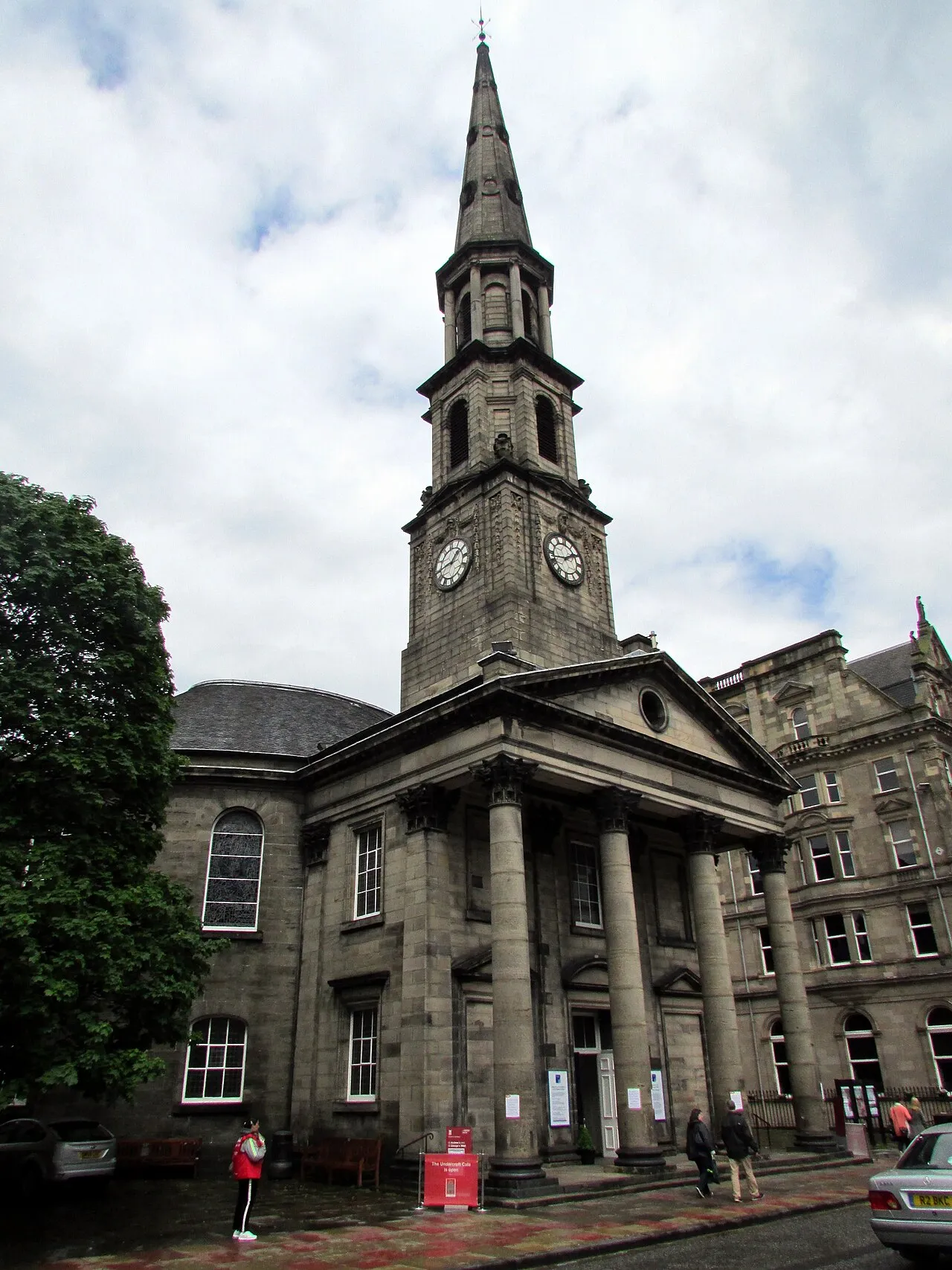
United Kingdom
Edinburgh
21 places
-
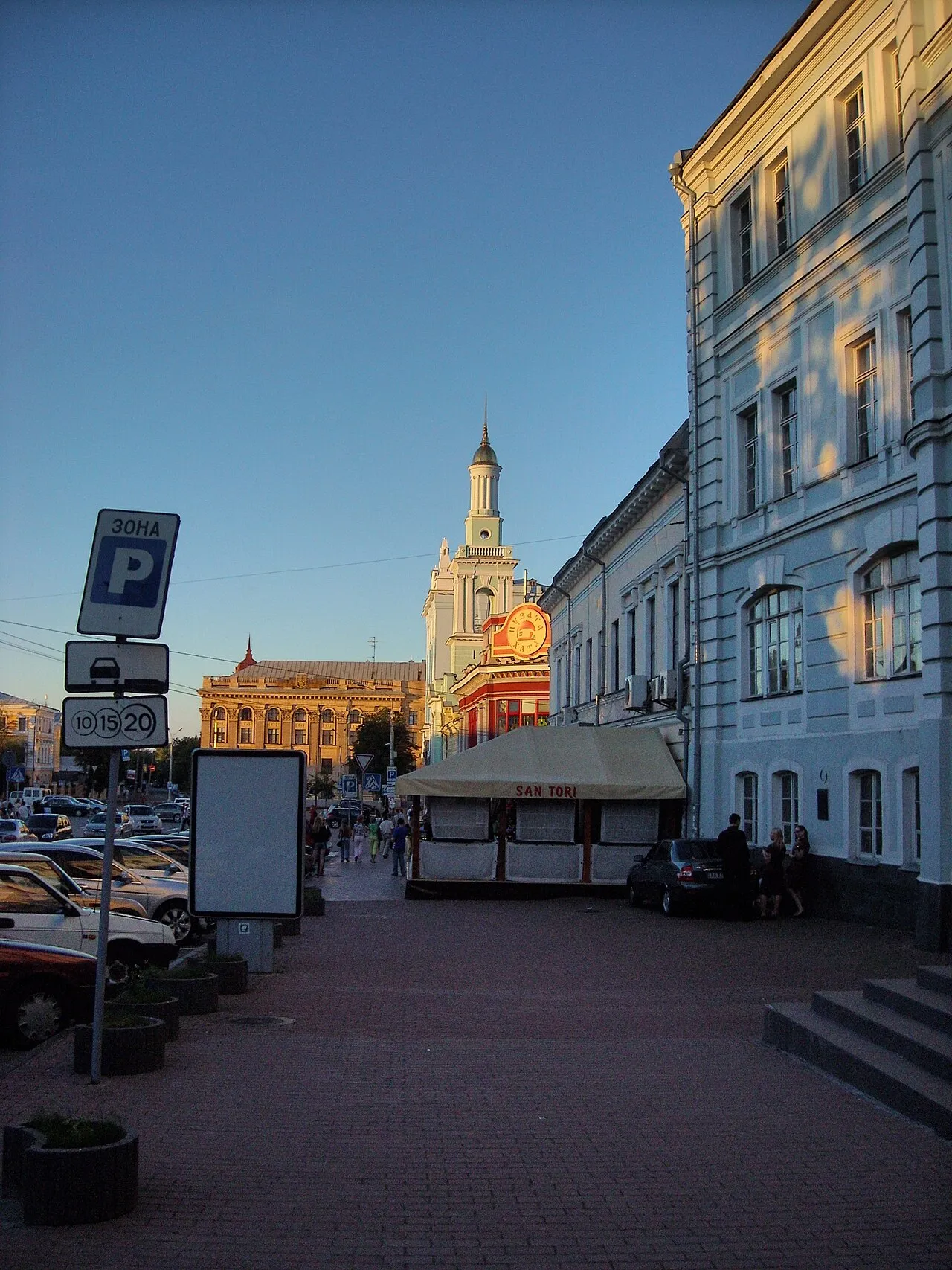
Ukraine
Kyiv
21 places
-
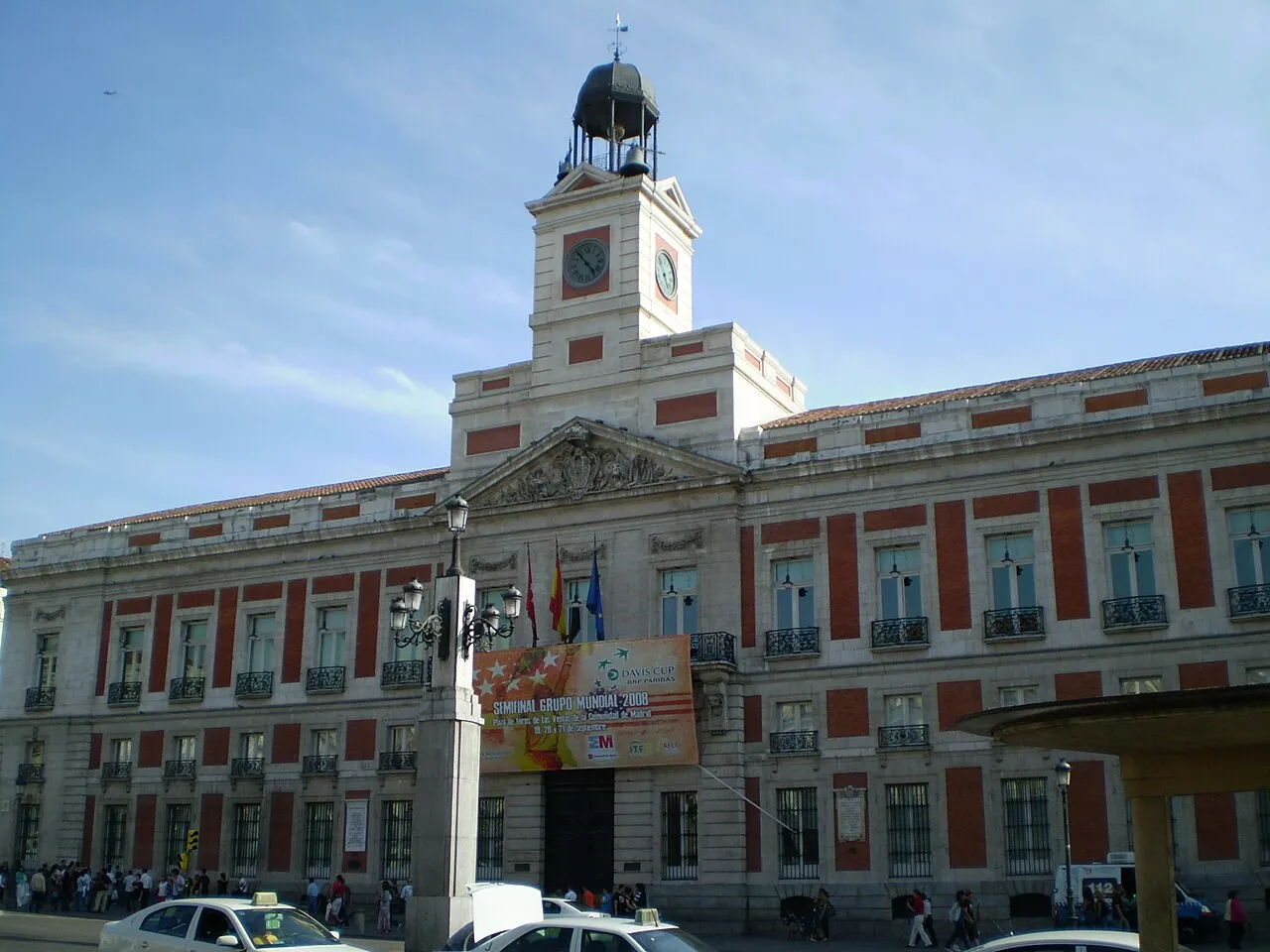
Spain
Madrid
19 places
-
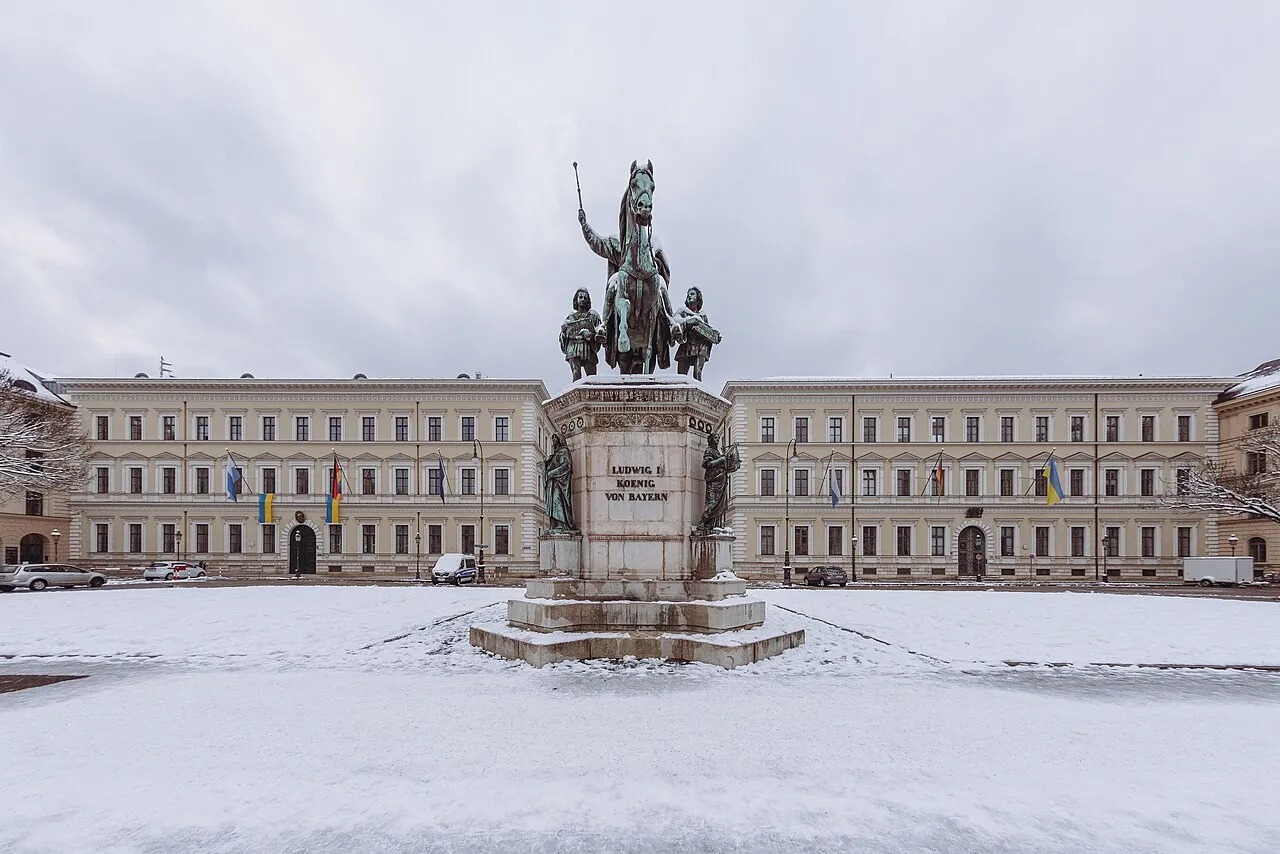
Germany
Bavaria
18 places
-
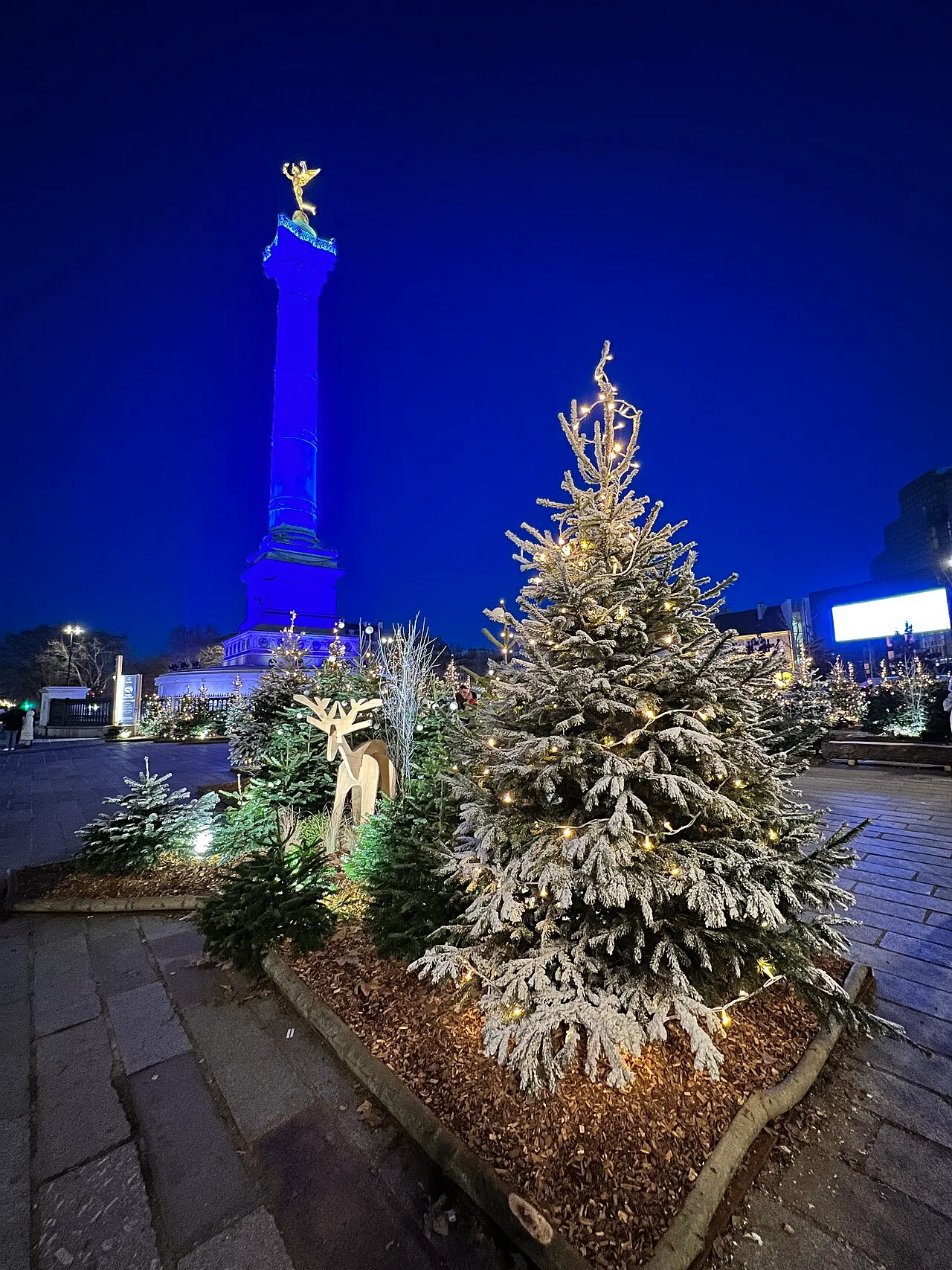
France
Paris
18 places
-
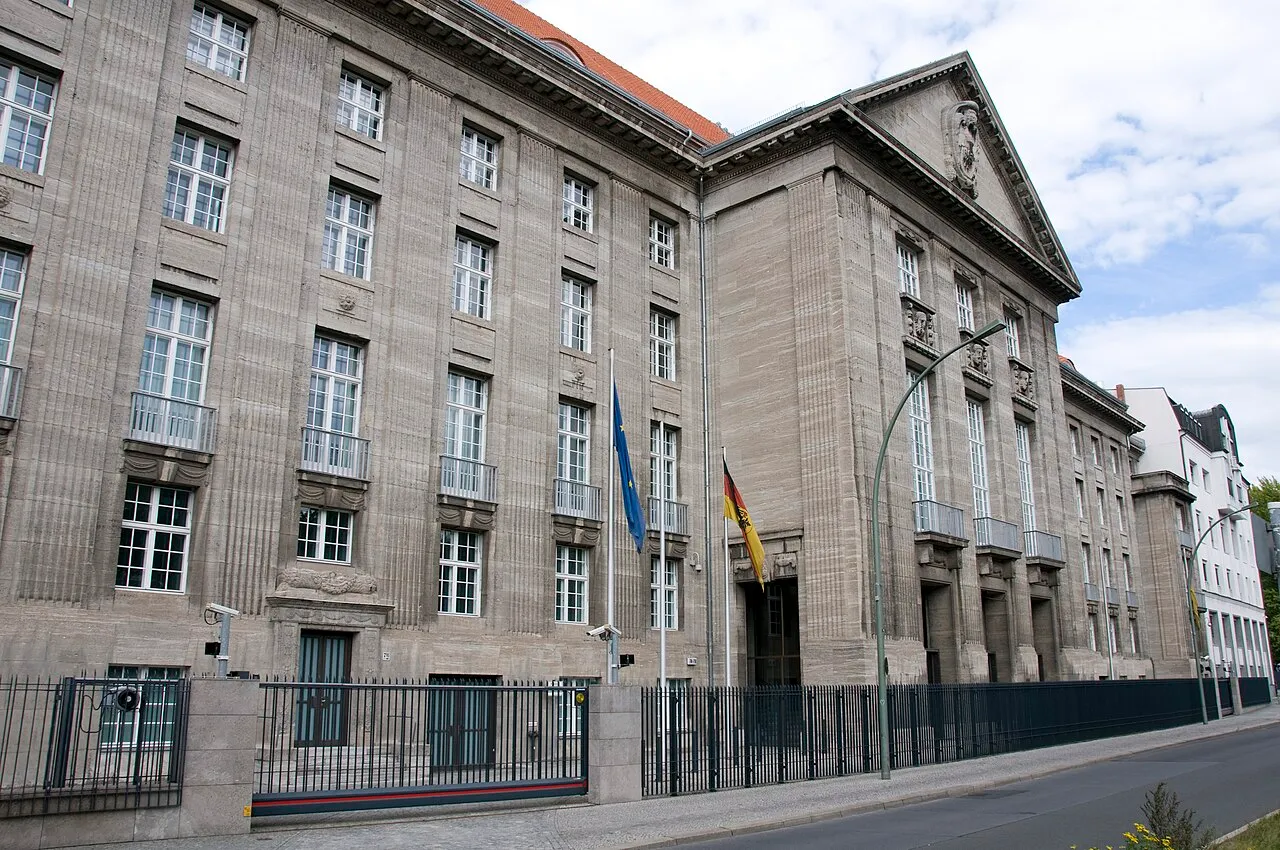
Germany
Berlin
17 places
-
United Kingdom
Liverpool
17 places
-
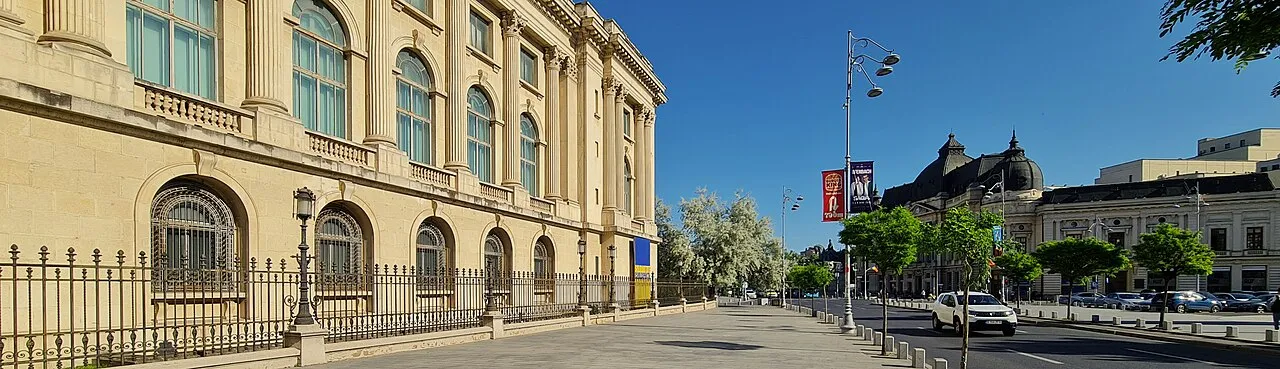
Romania
Bucharest
16 places
-
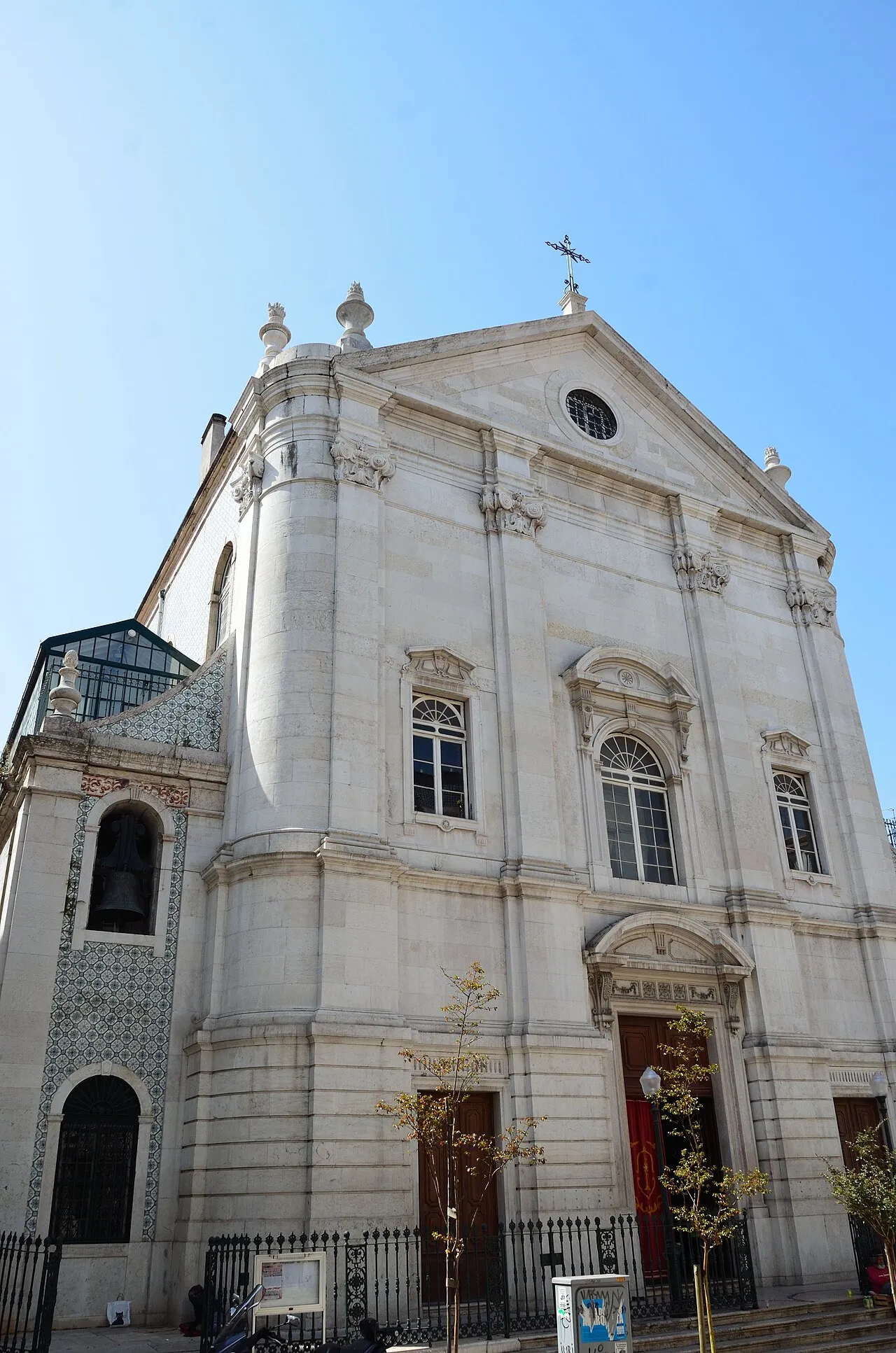
Portugal
Lisbon
16 places
-
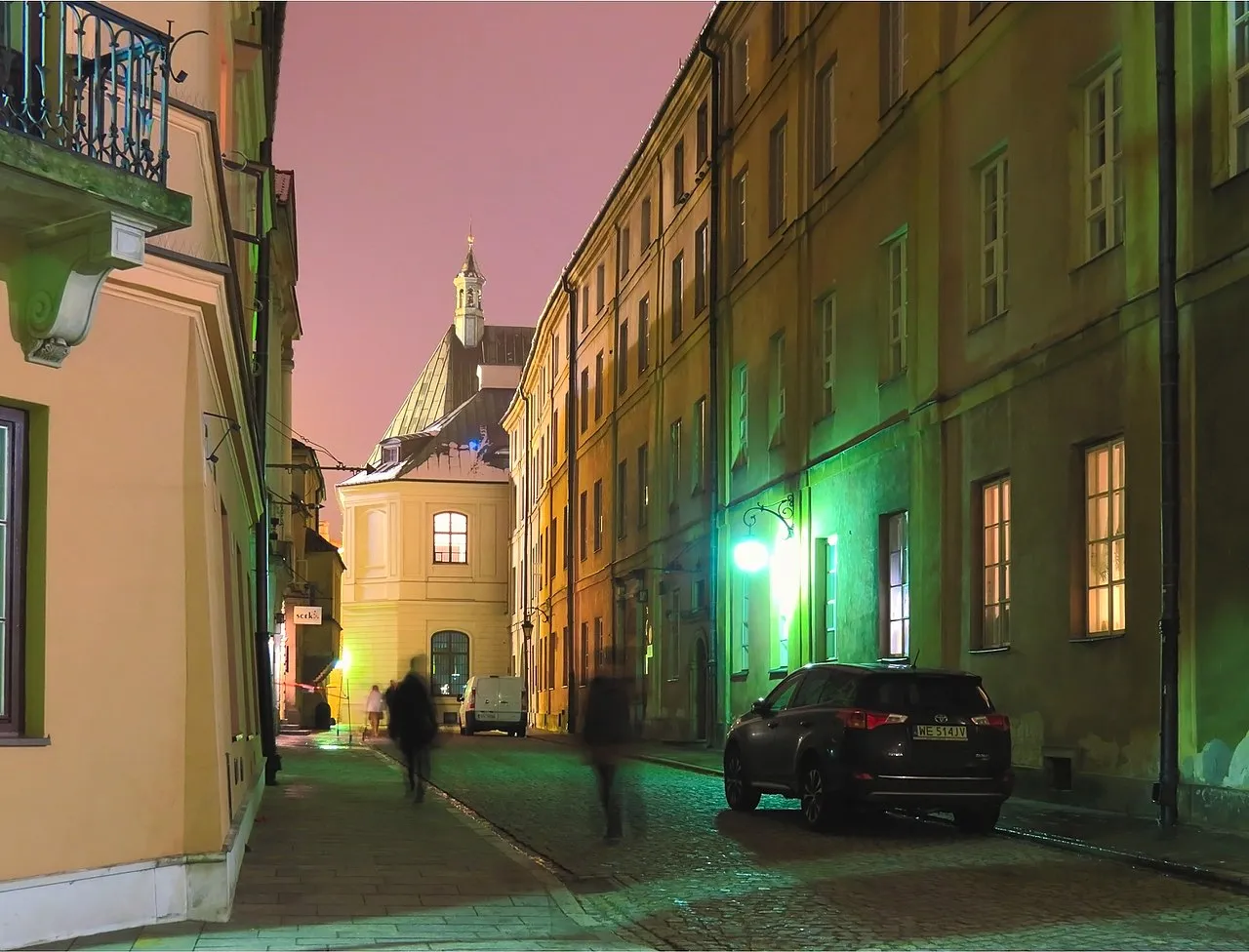
Poland
Warsaw
16 places
-
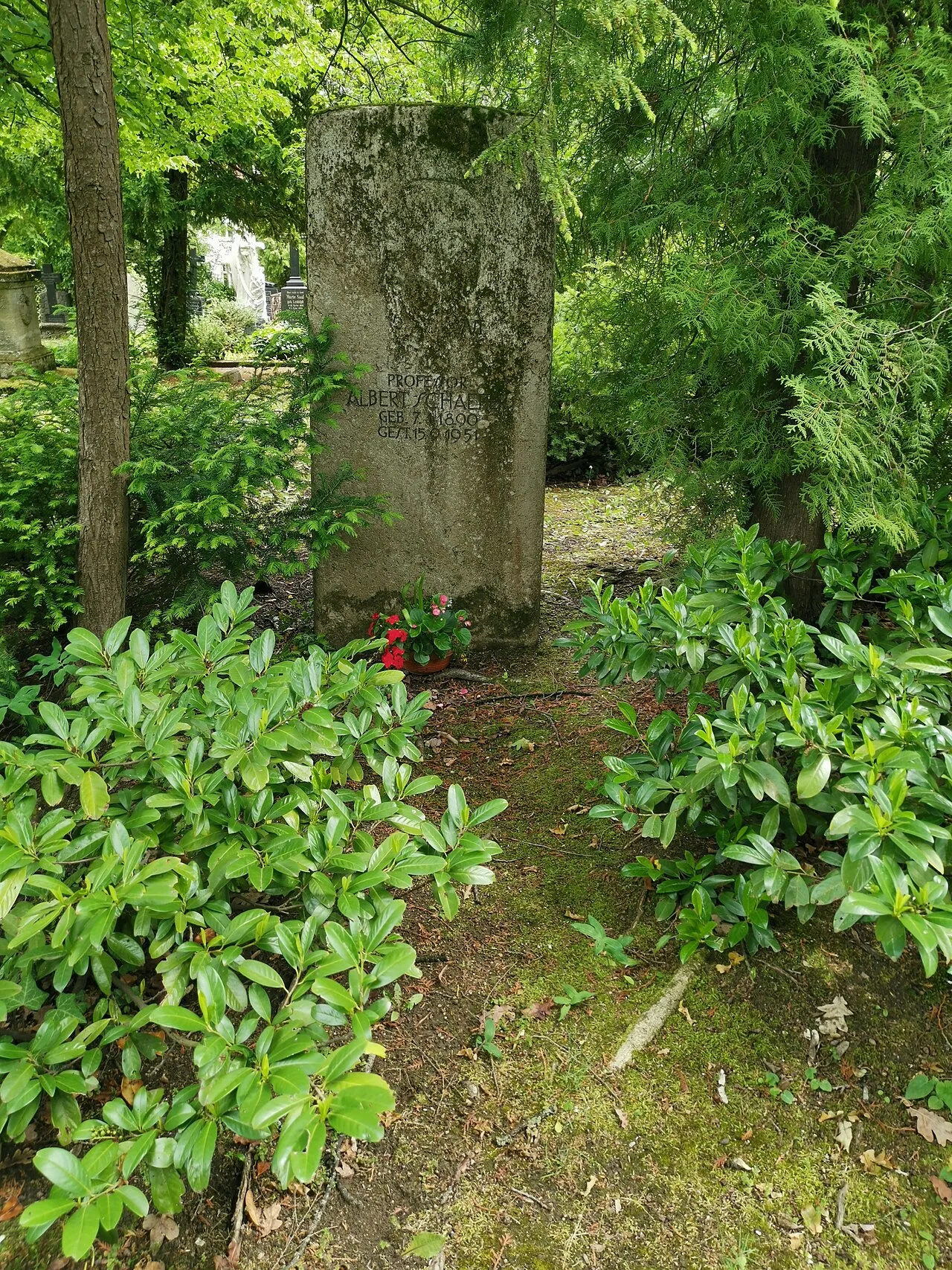
Germany
Weimar
16 places
-
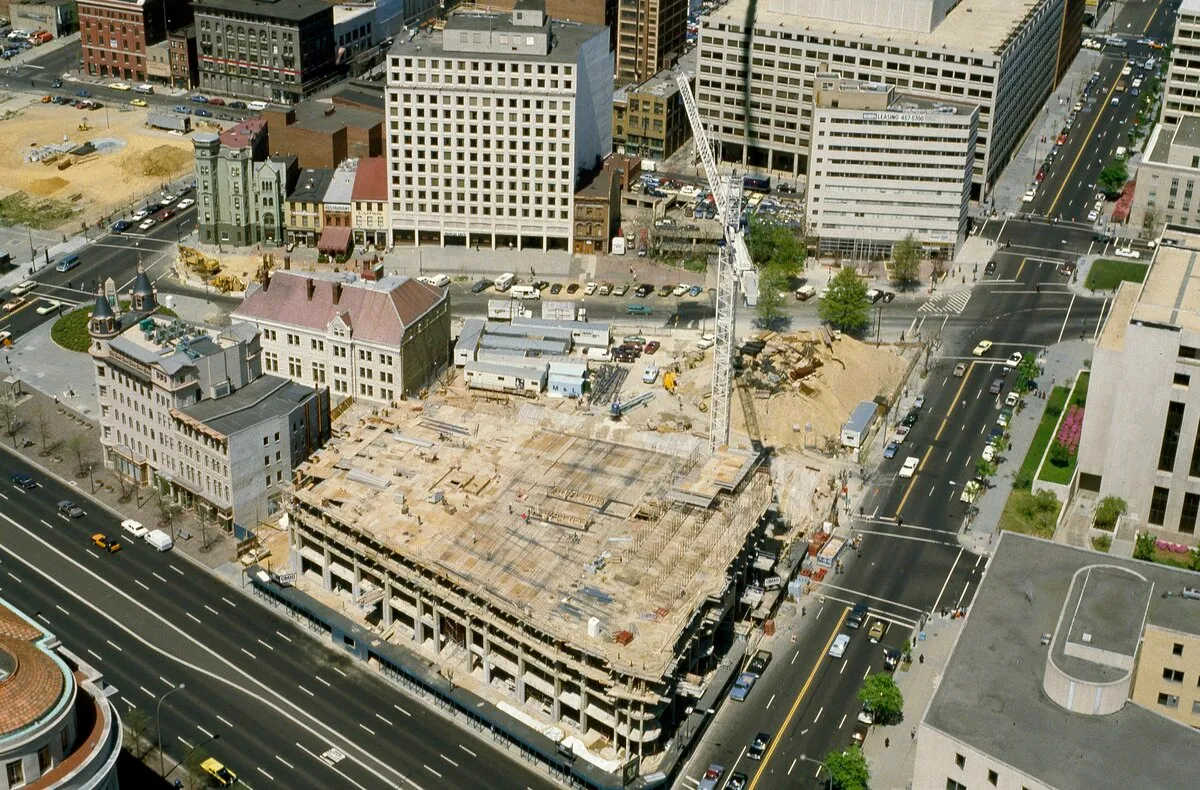
United States
Washington
15 places
-
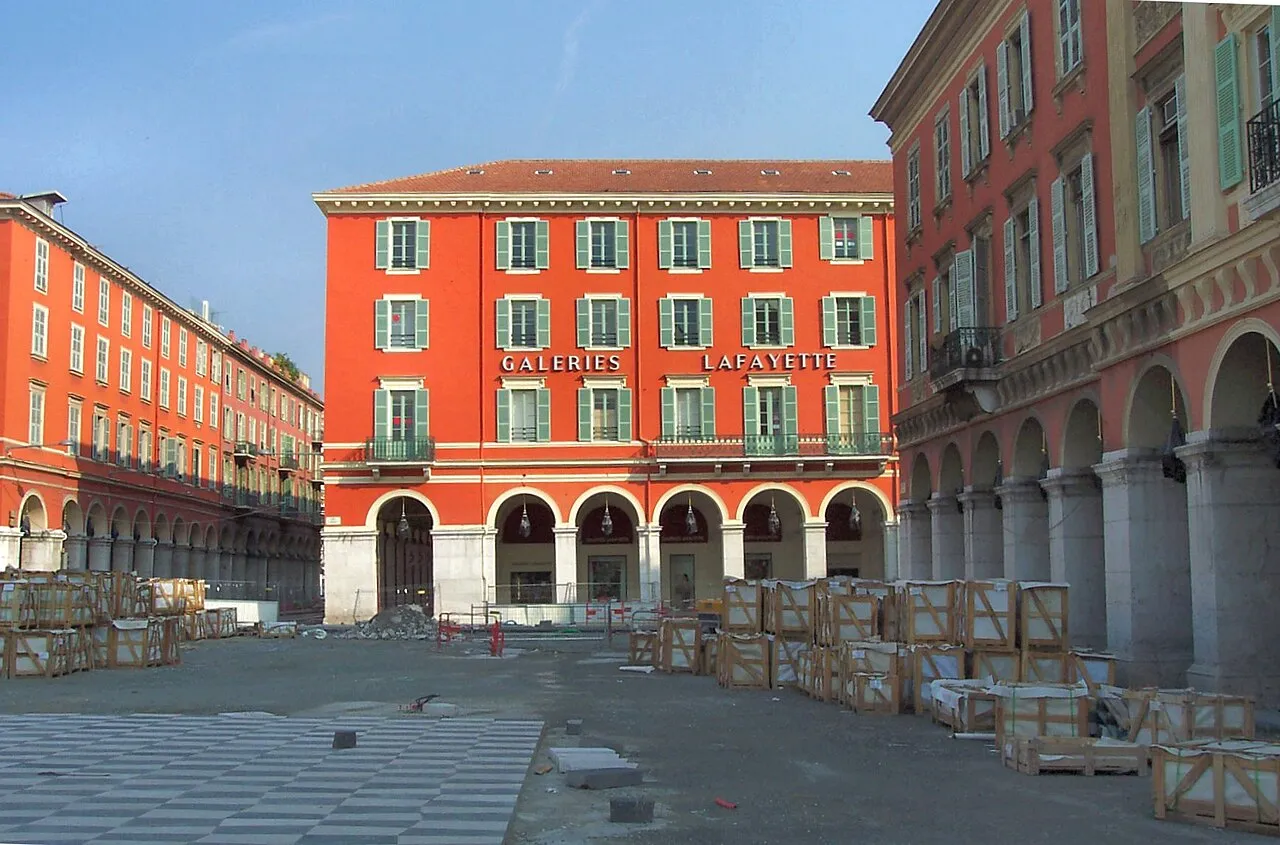
France
Provence-Alpes-Côte d'Azur
14 places
-
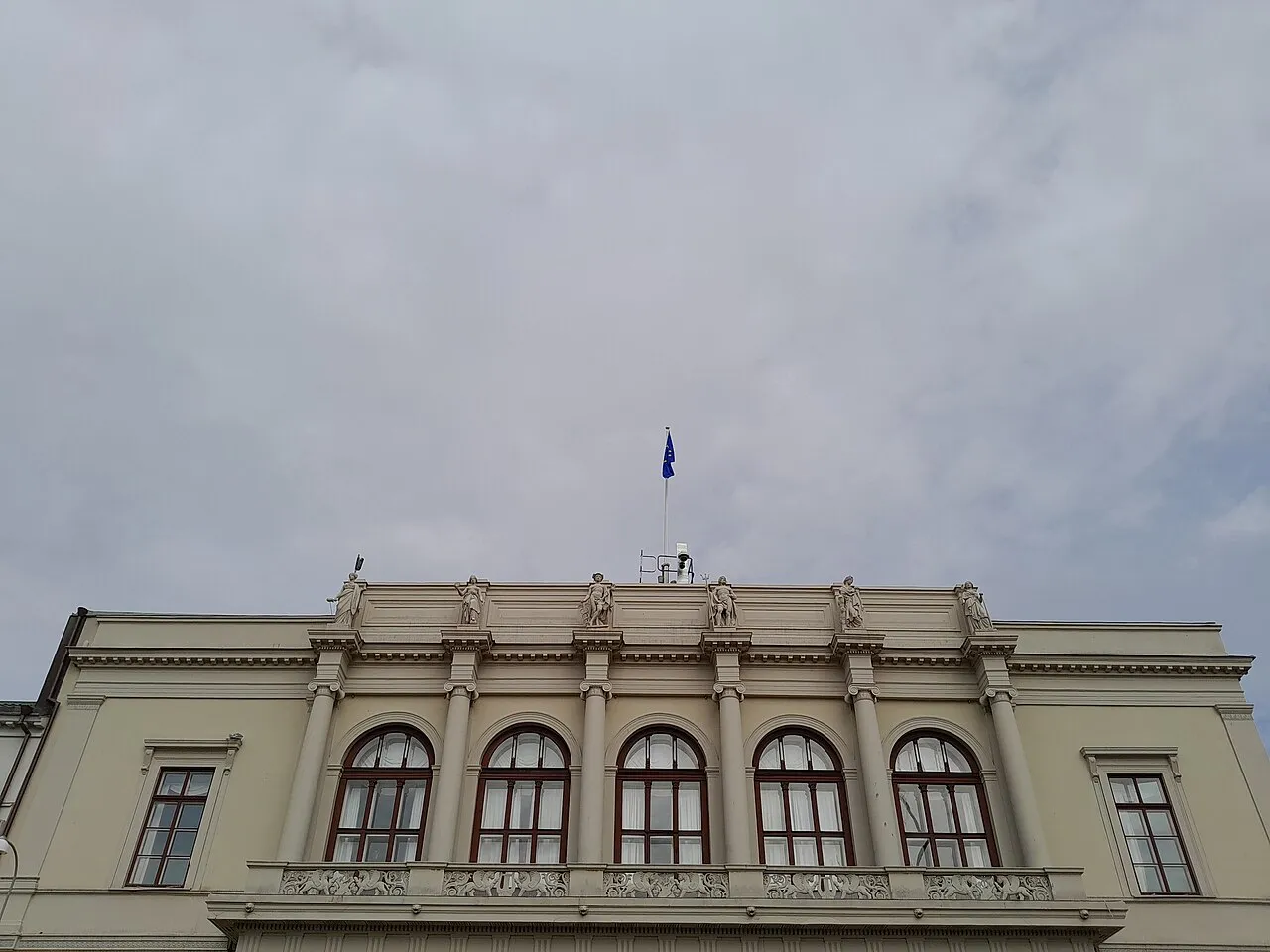
Sweden
Gothenburg
13 places
-
Germany
Munich
13 places
-
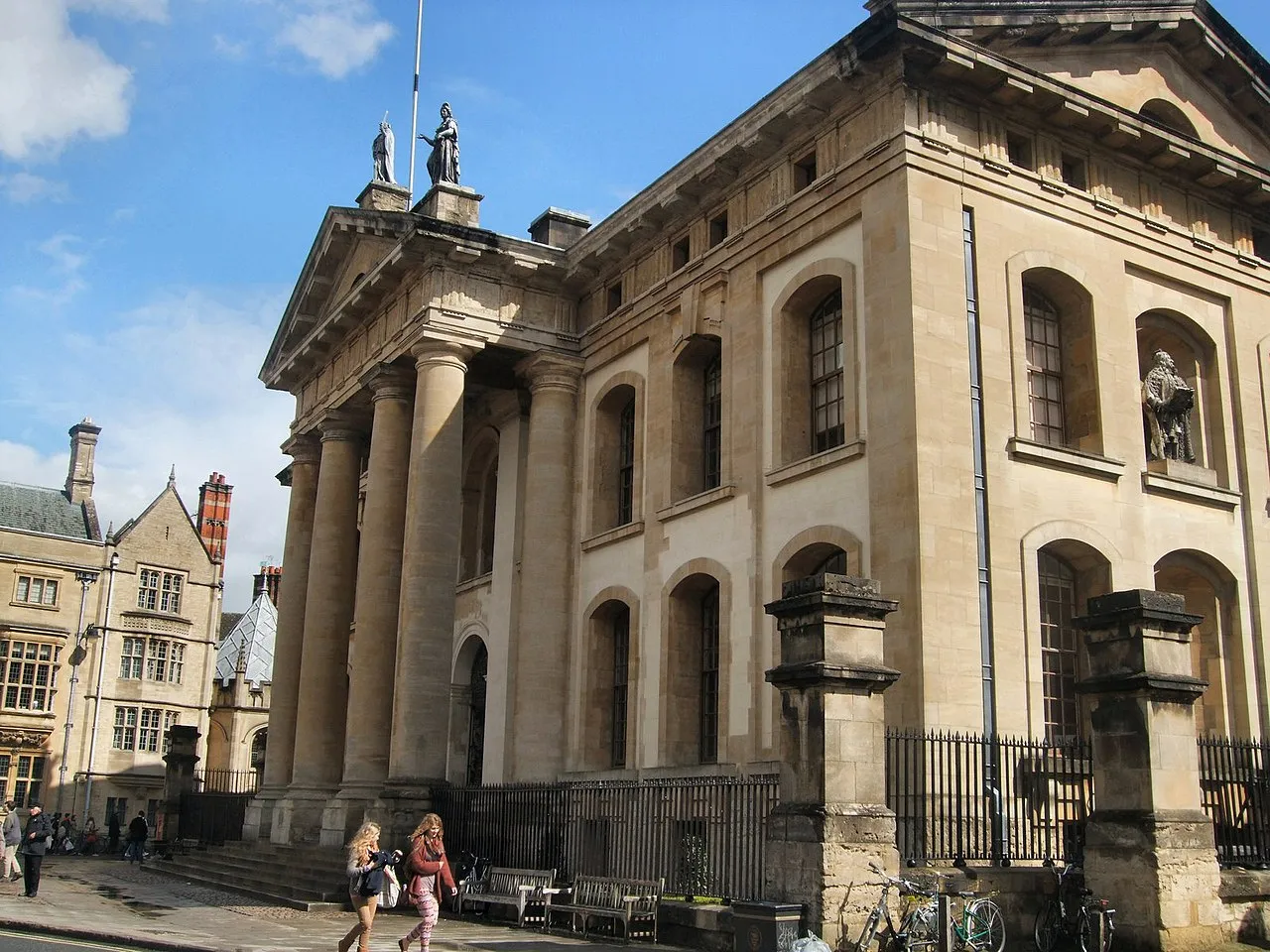
United Kingdom
Oxford
13 places
-
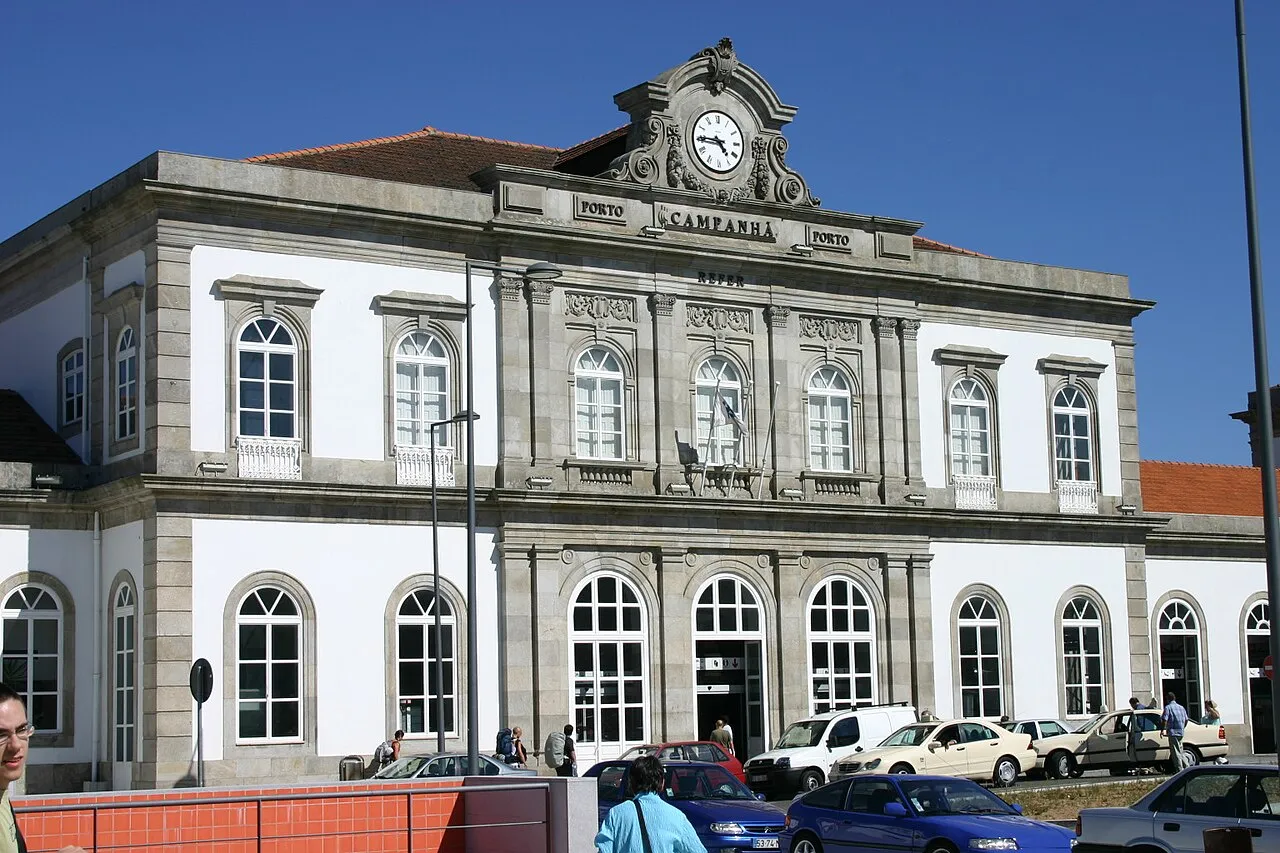
Portugal
Porto
13 places
-
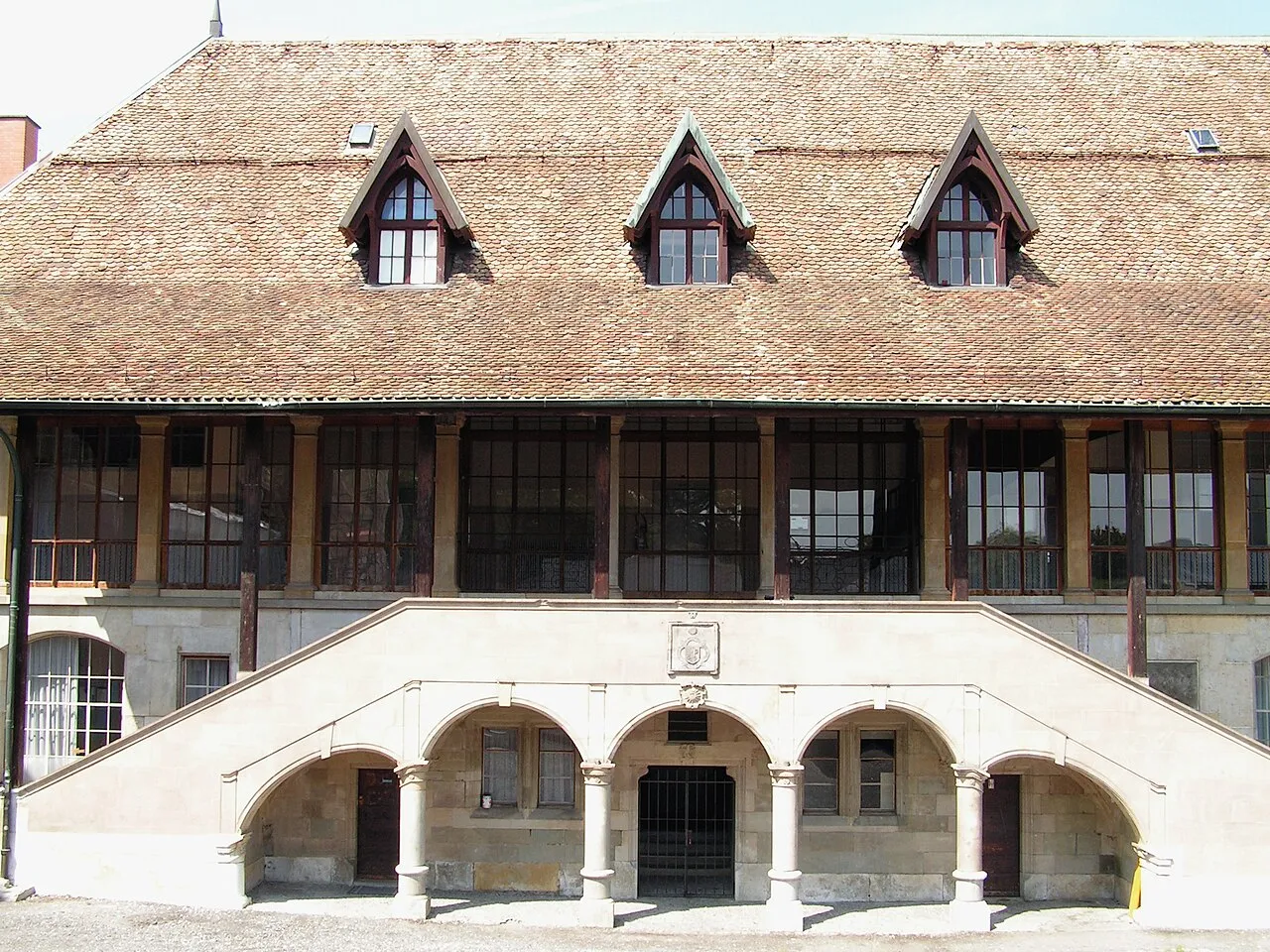
Switzerland
Geneva
12 places
-
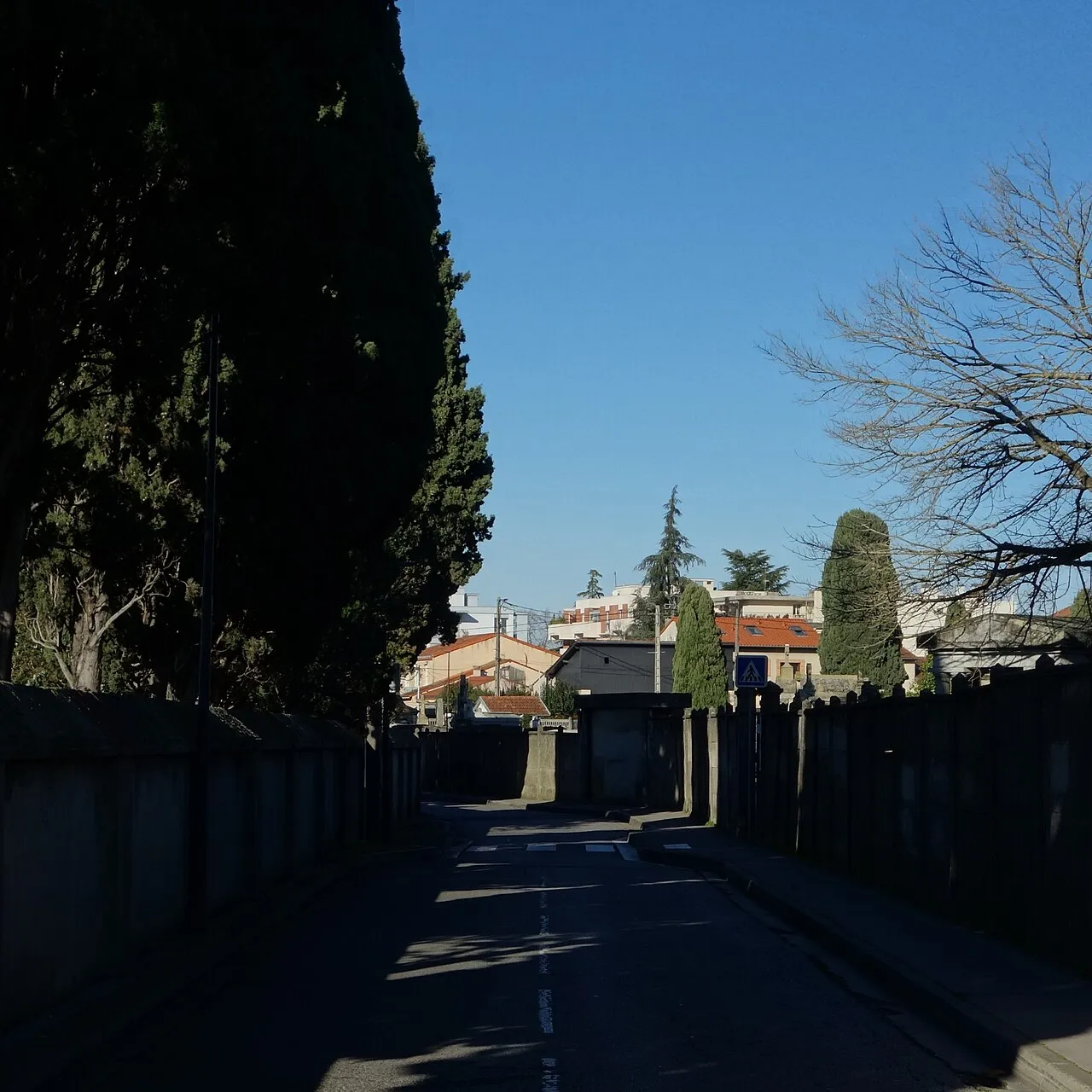
France
Toulouse
12 places
-
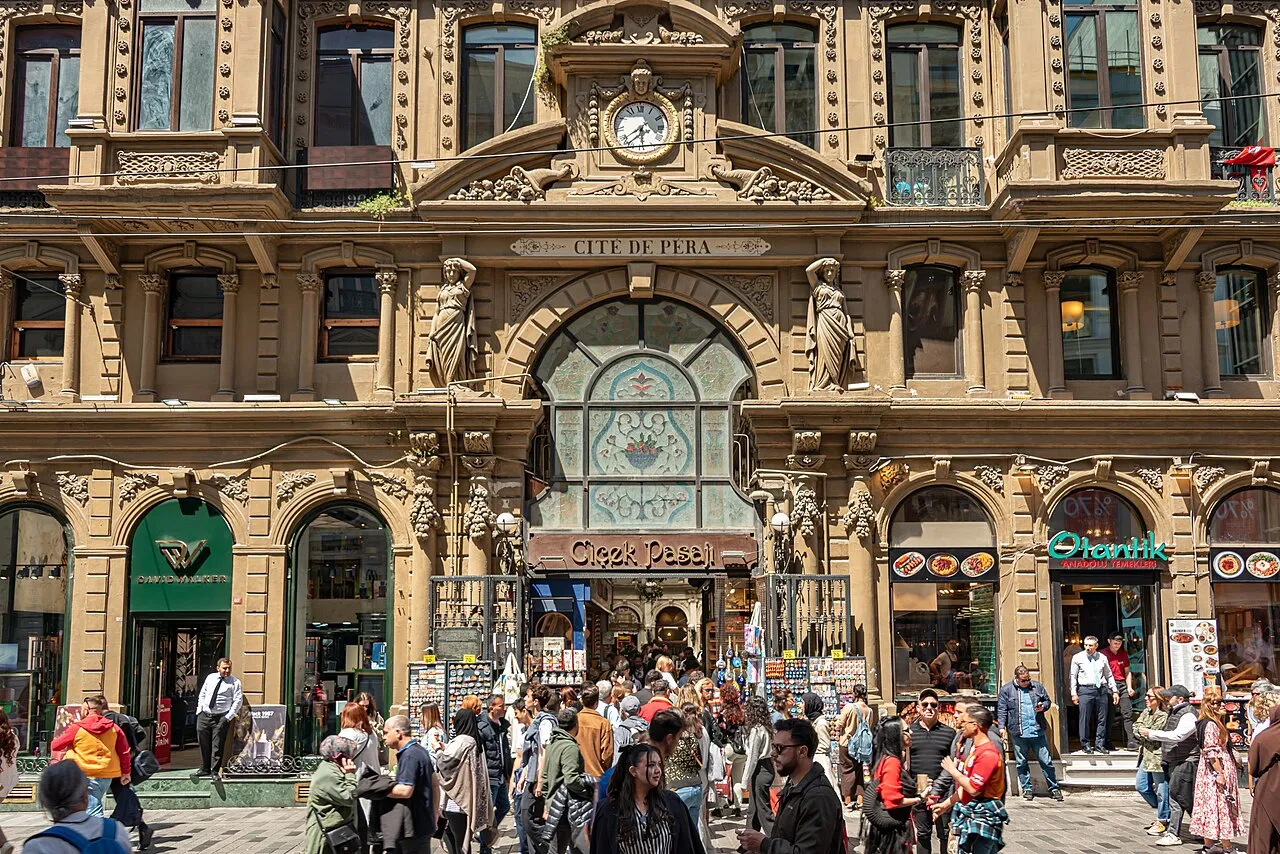
Türkiye
Istanbul
11 places
-
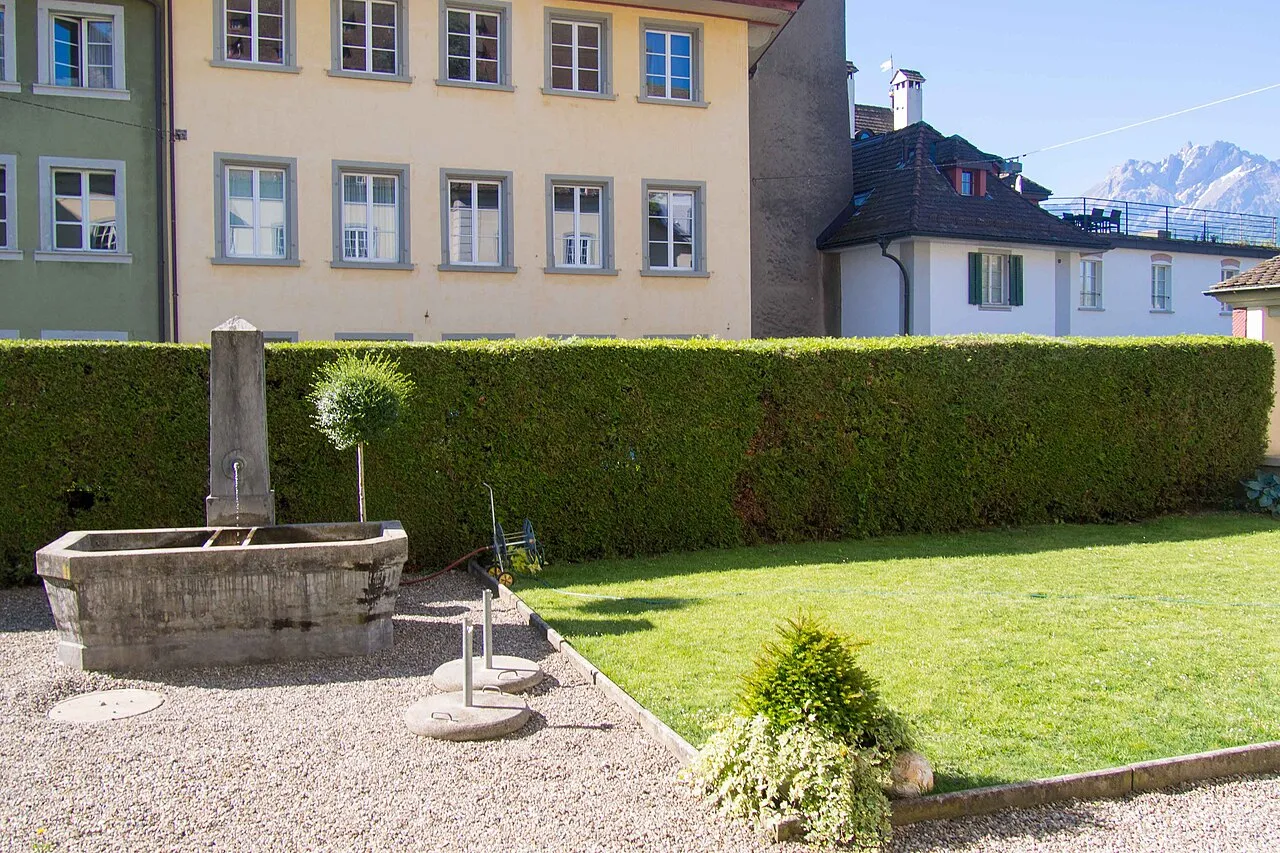
Switzerland
Lucerne
11 places
-
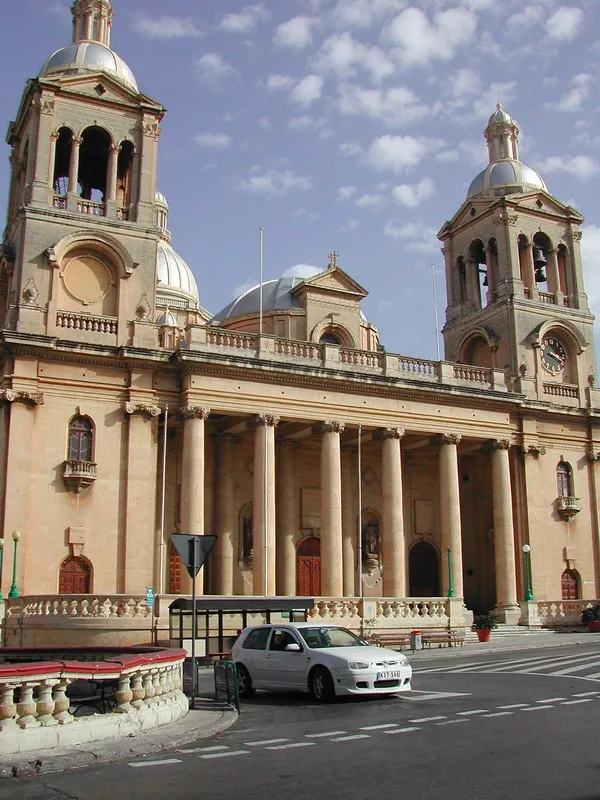
Malta
Malta
11 places
-
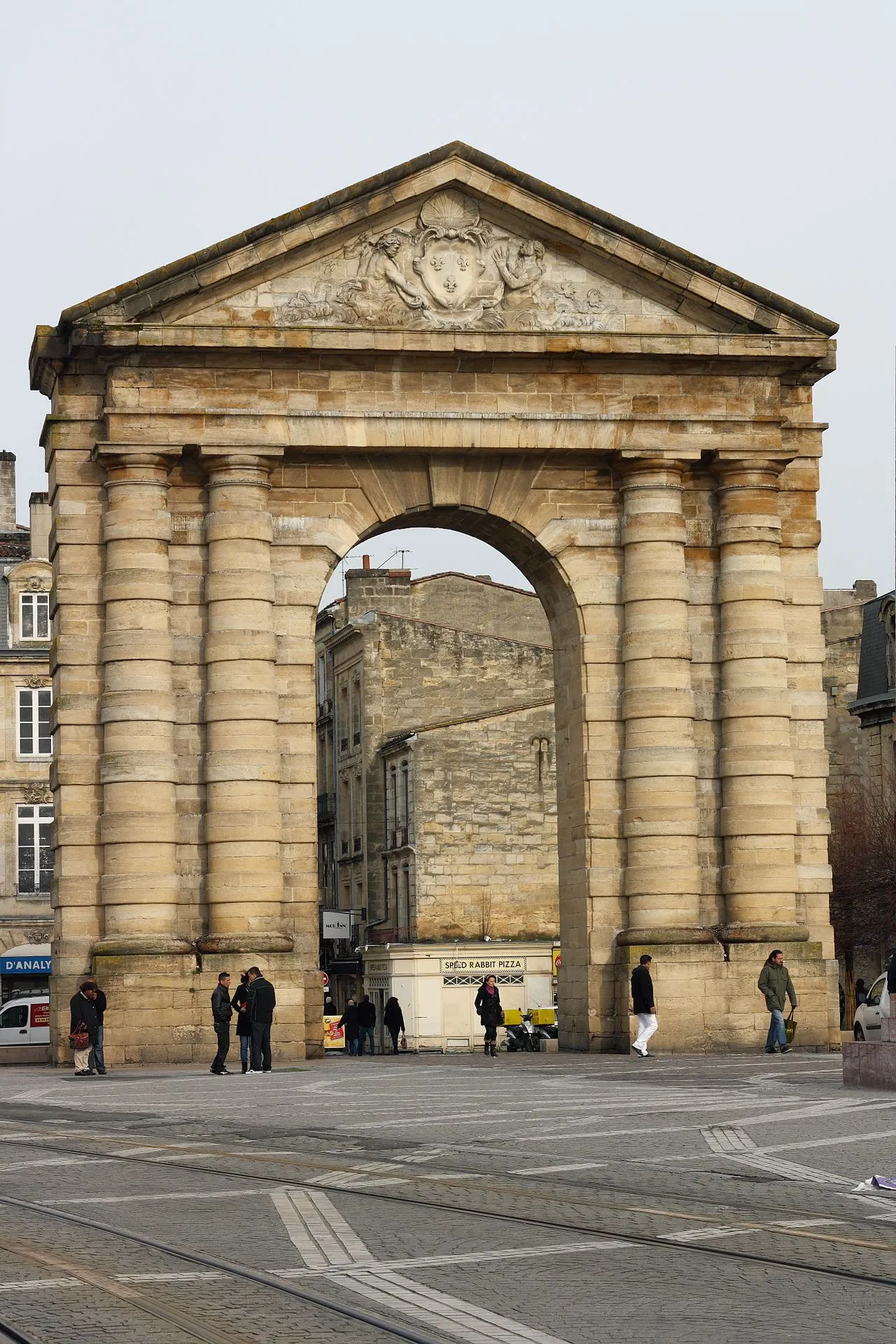
France
Bordeaux
9 places
-
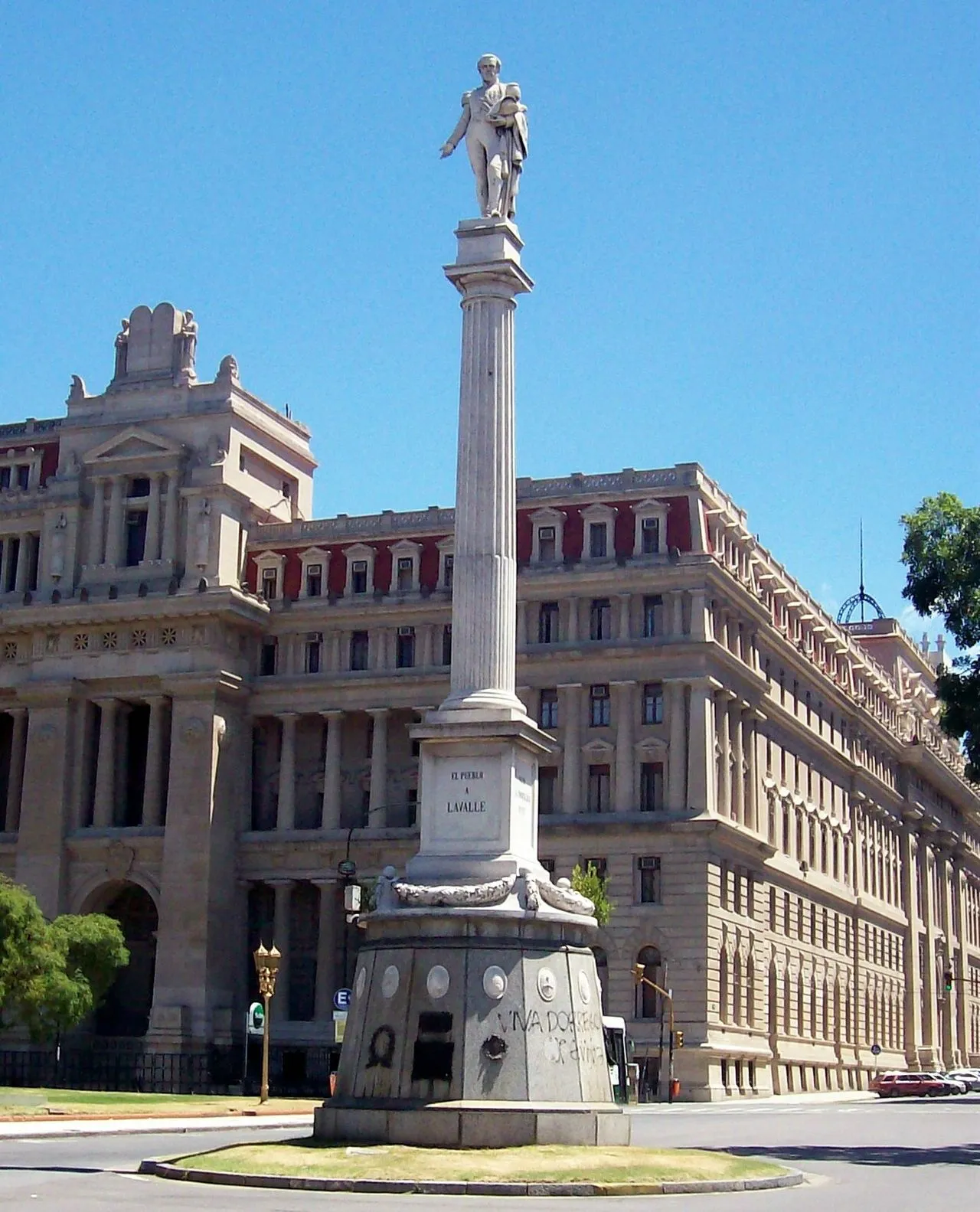
Argentina
Buenos Aires
9 places
-
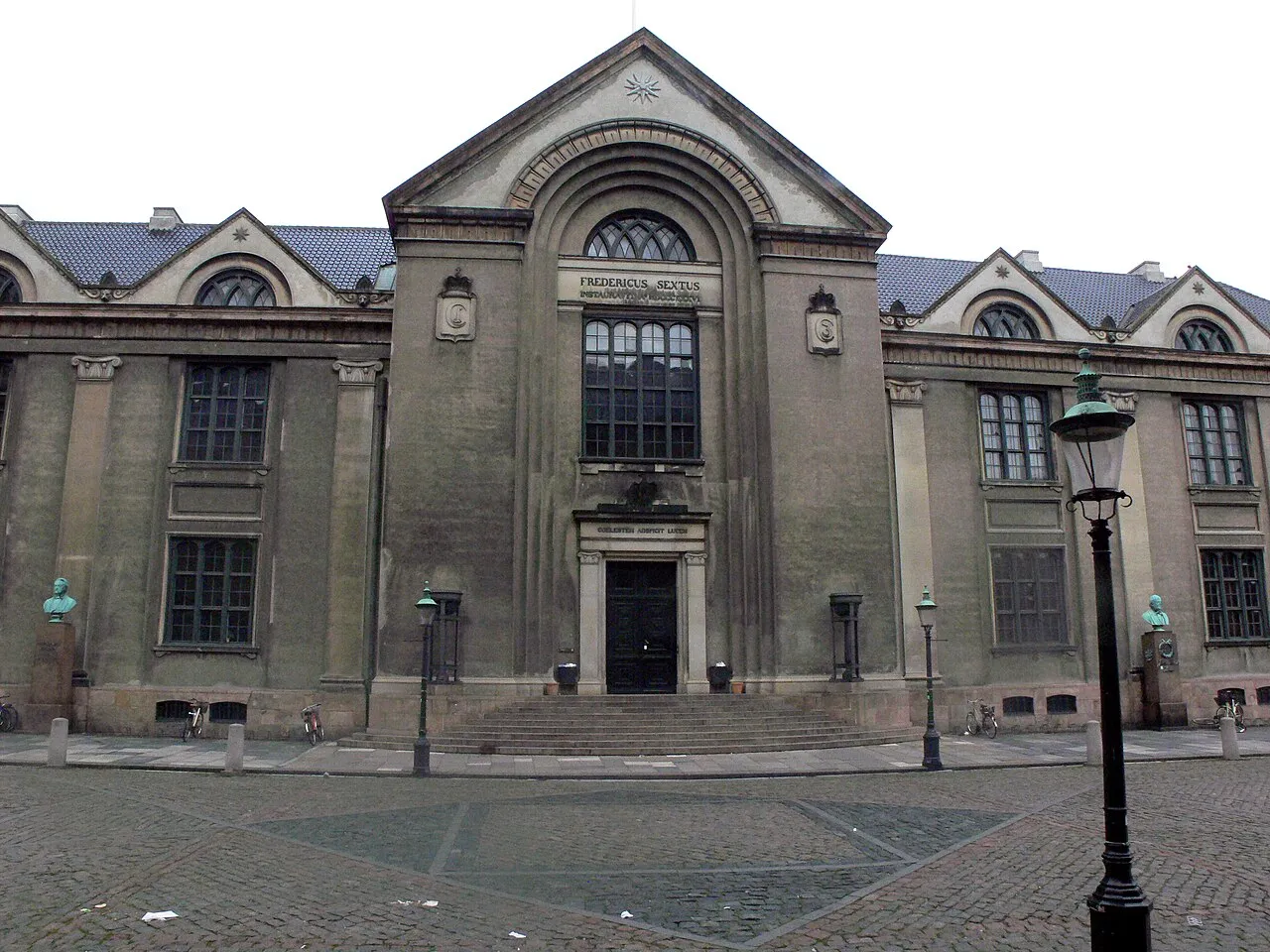
Denmark
Copenhagen
9 places
-
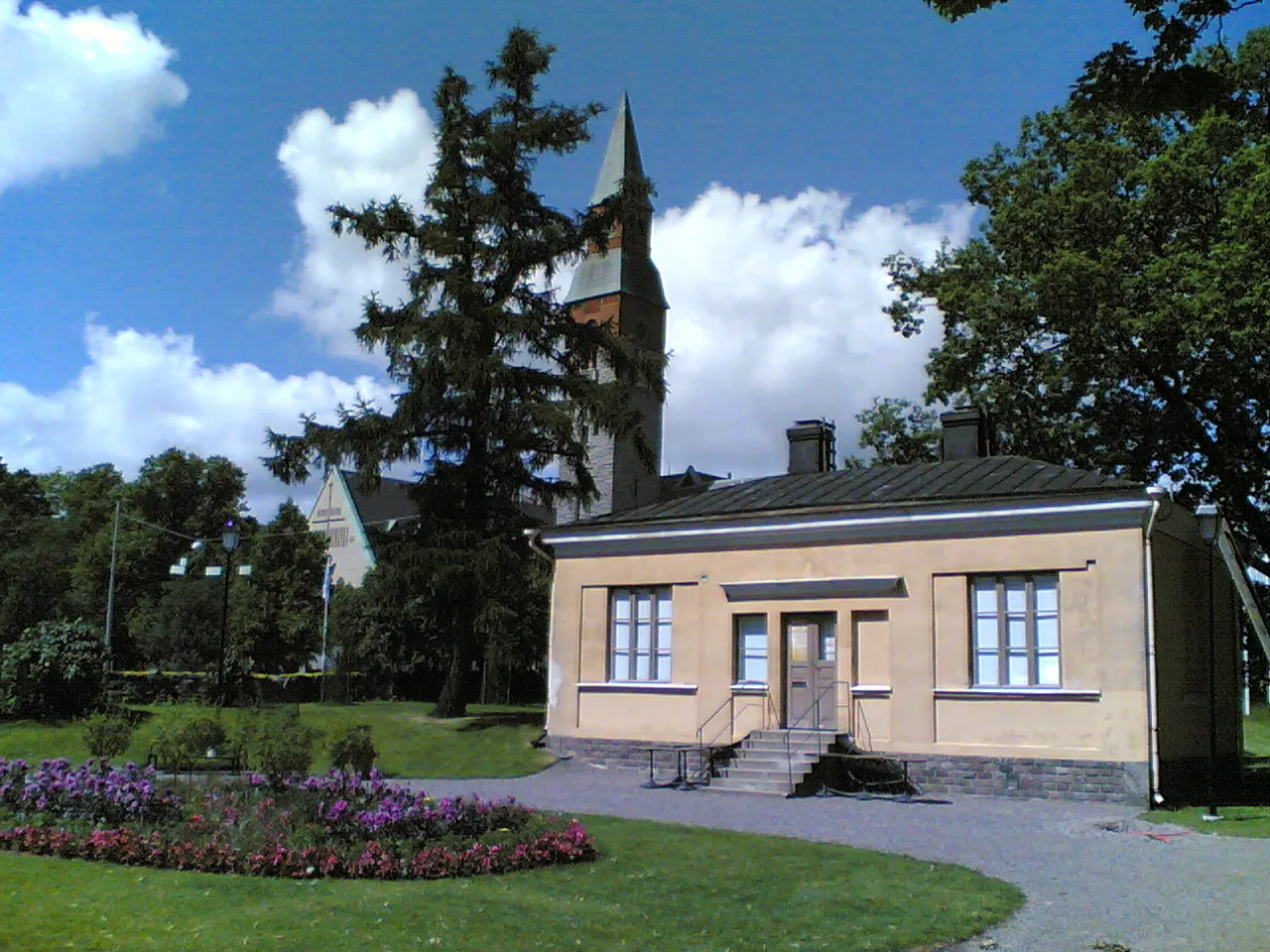
Finland
Helsinki
9 places
-
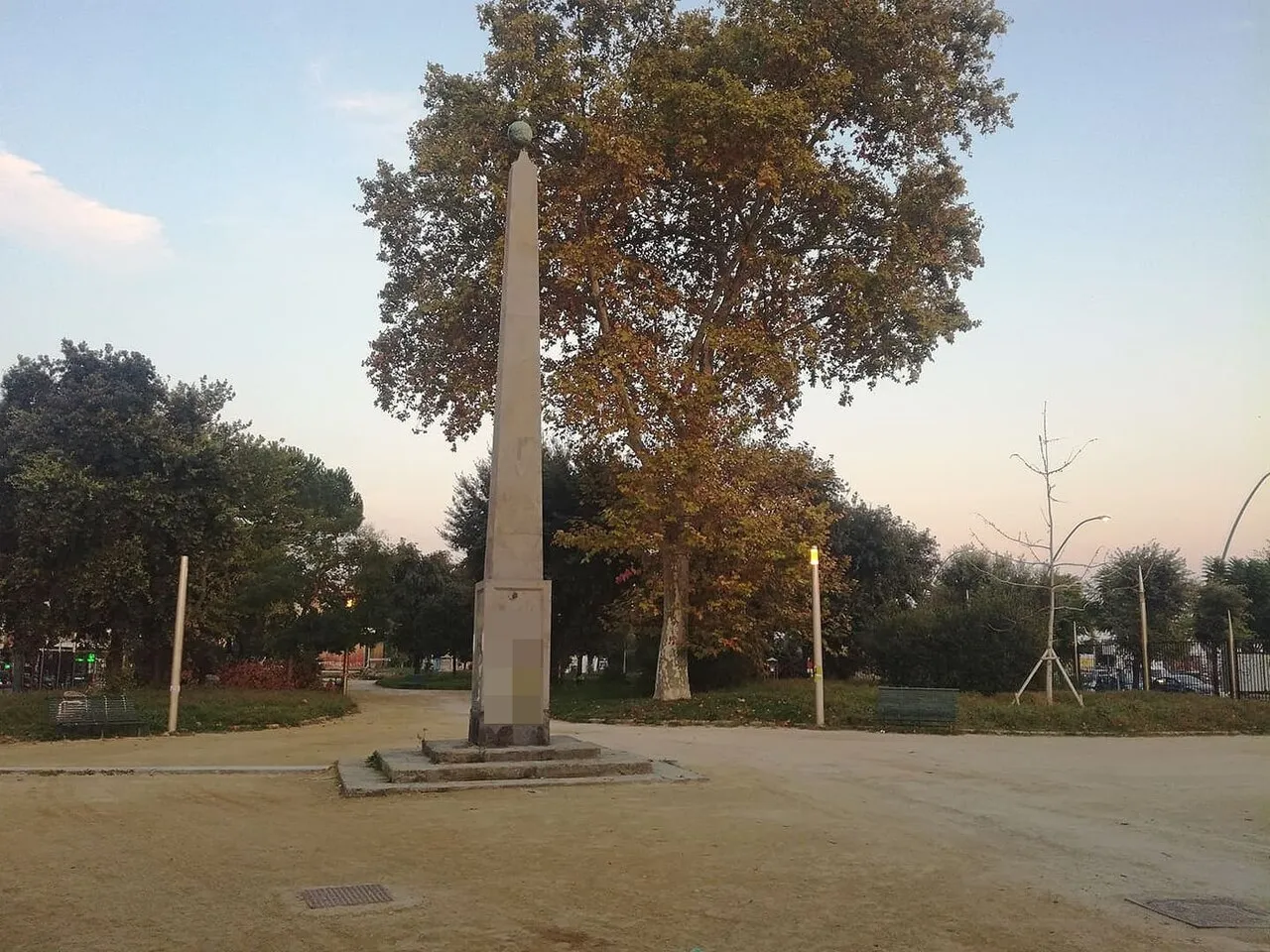
Italy
Naples
9 places
-
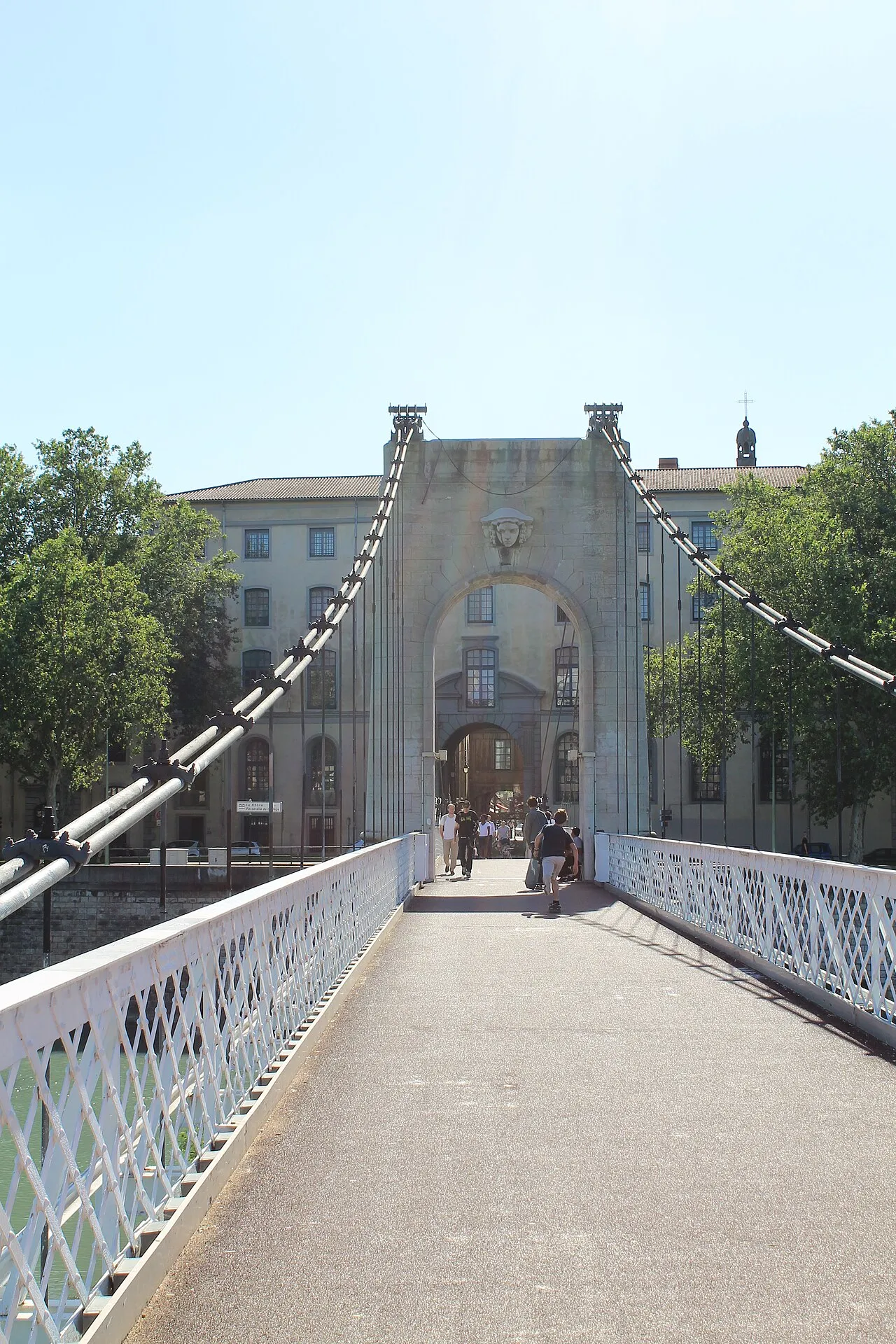
France
Lyon
8 places
-
United Kingdom
Manchester
8 places
-
Italy
Milan
8 places
-
United States
New York
8 places
-
France
Strasbourg
8 places
-
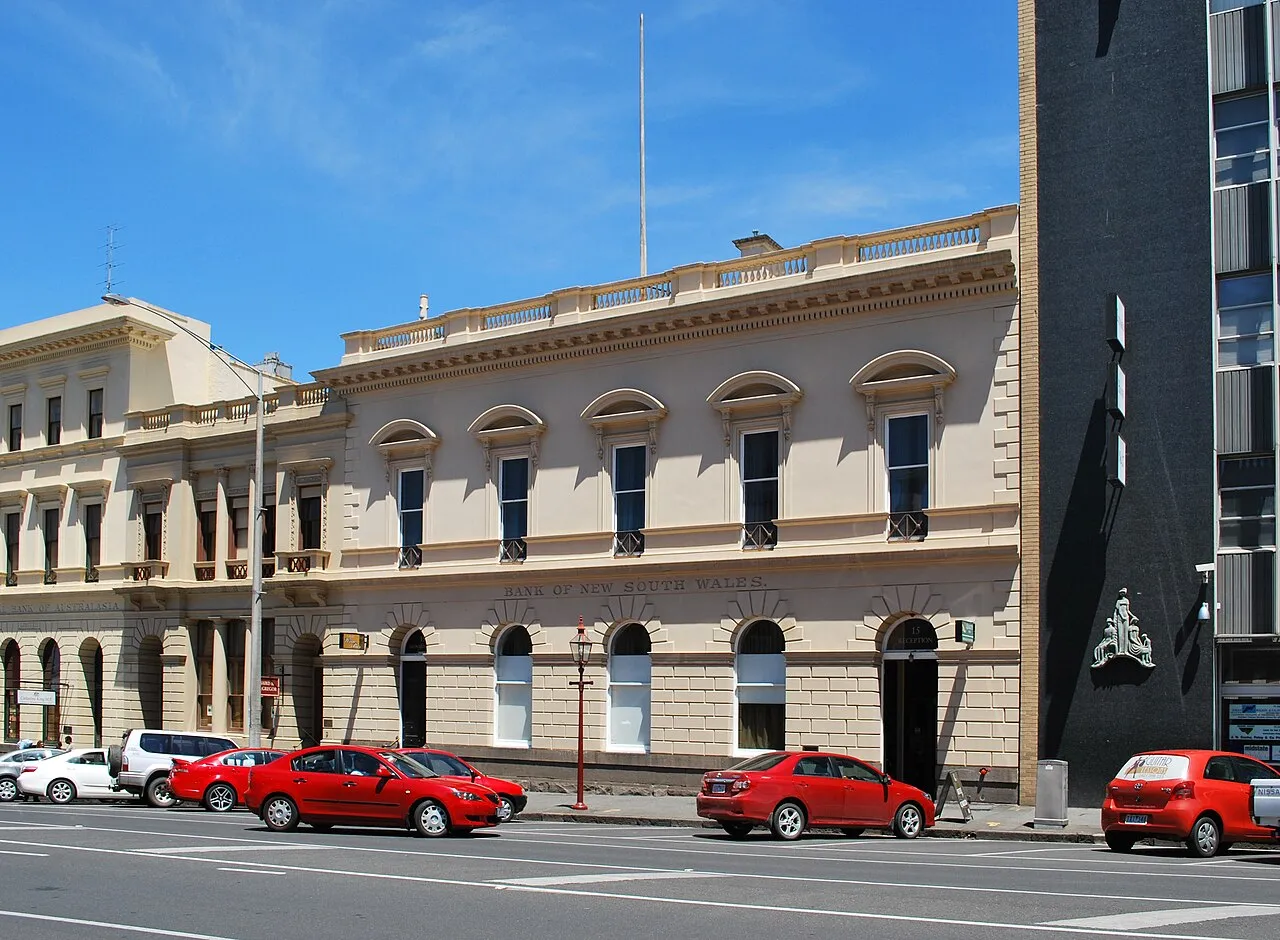
Australia
Ballarat
7 places
-
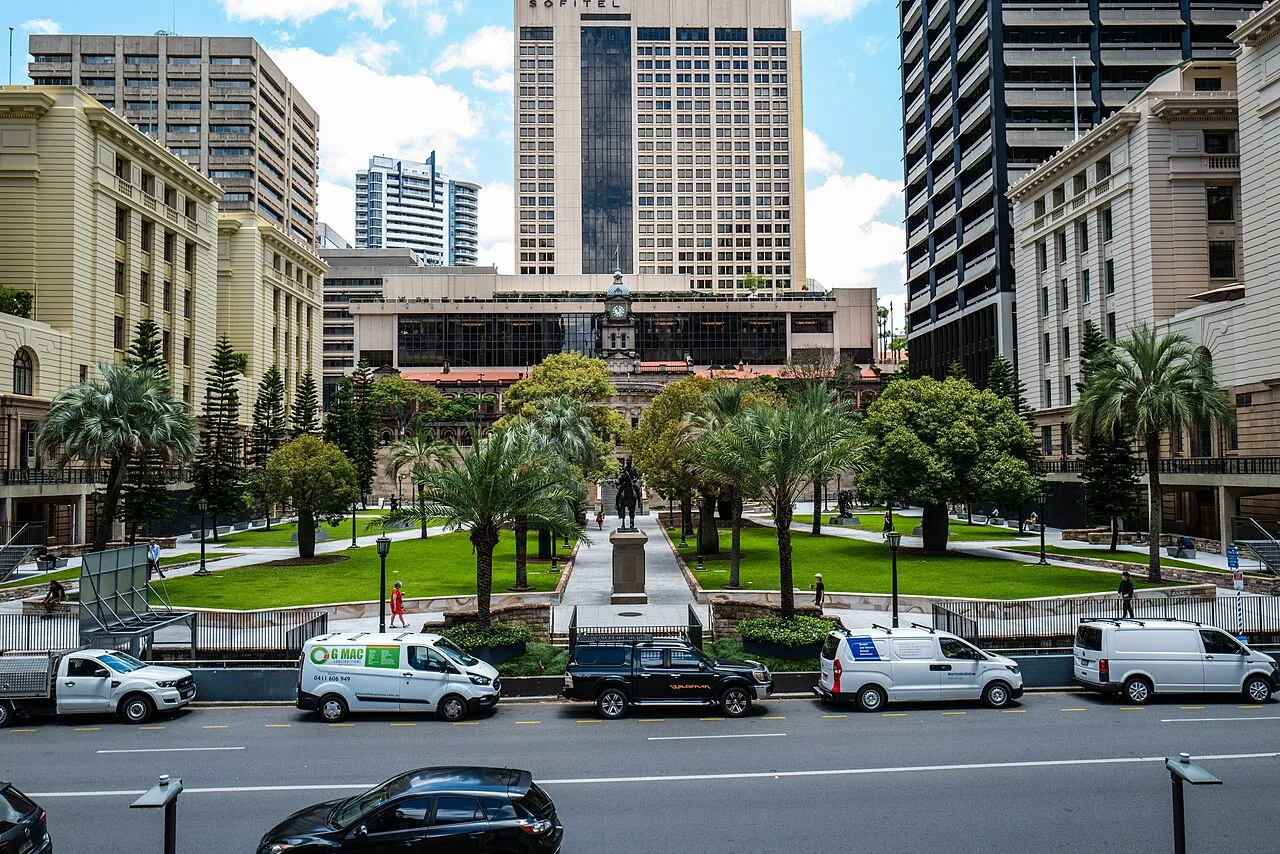
Australia
Brisbane
7 places
-
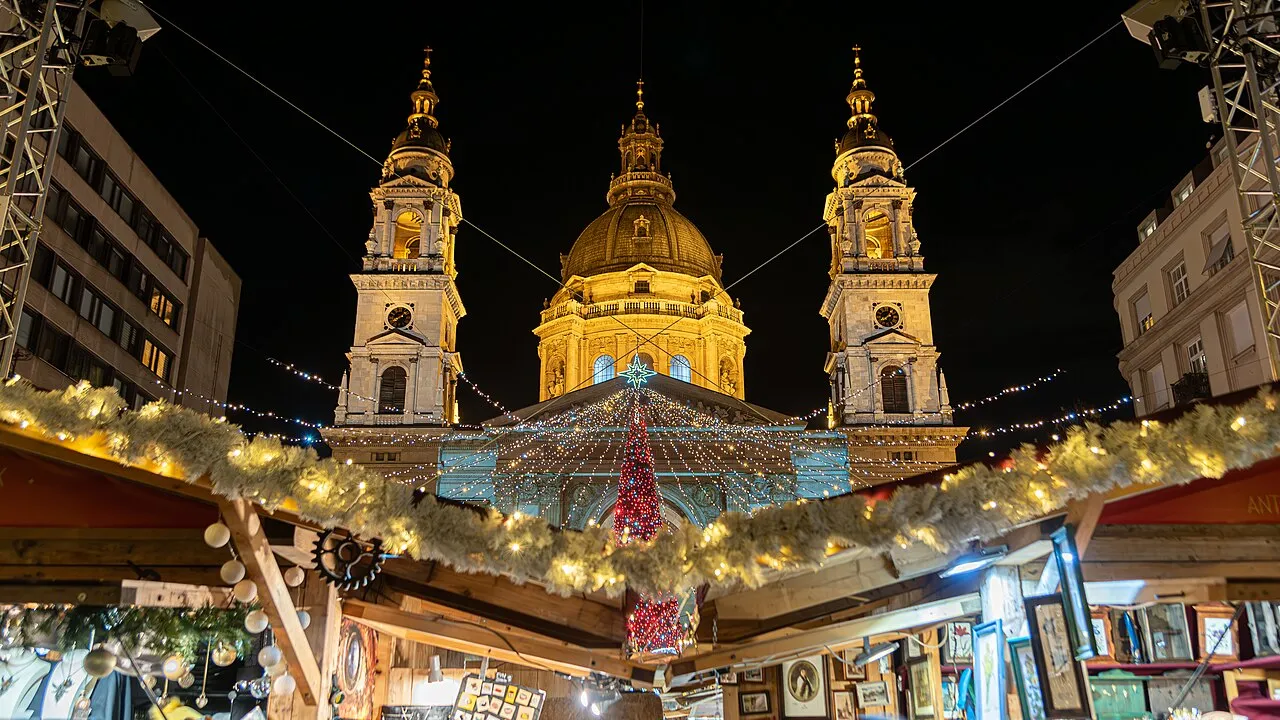
Hungary
Budapest
7 places
-
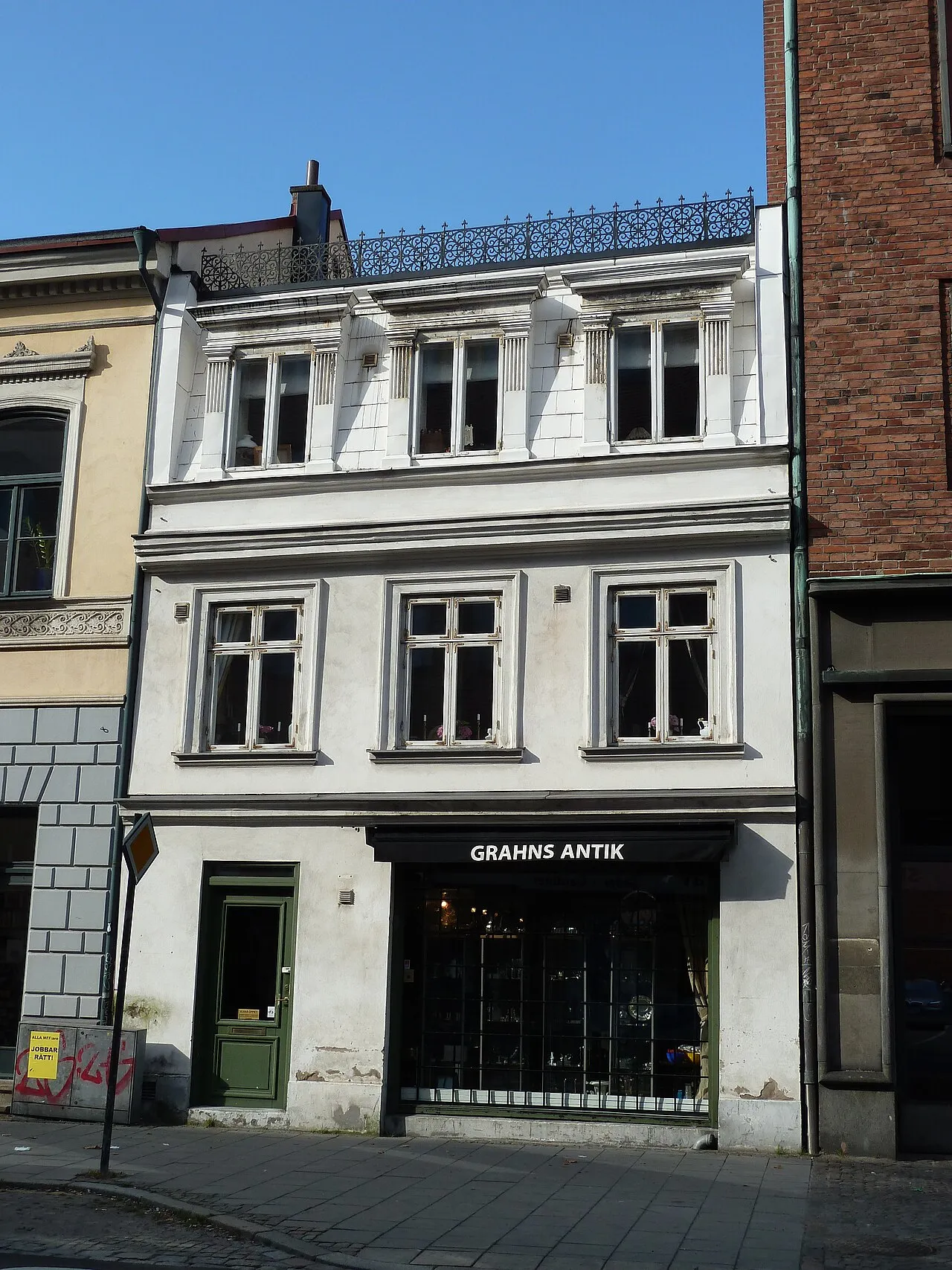
Sweden
Malmö
7 places
-
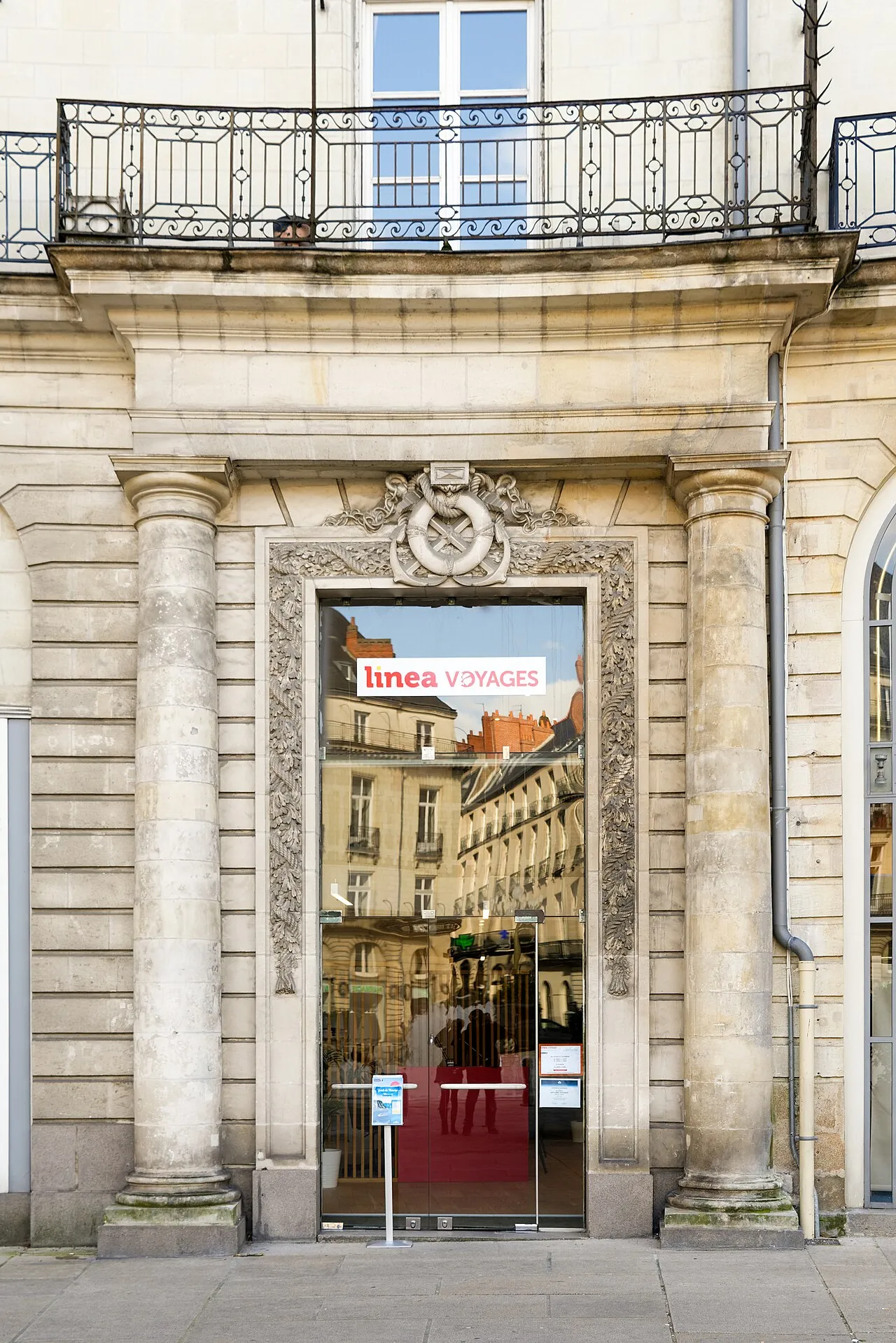
France
Nantes
7 places
-
Norway
Oslo
7 places
-
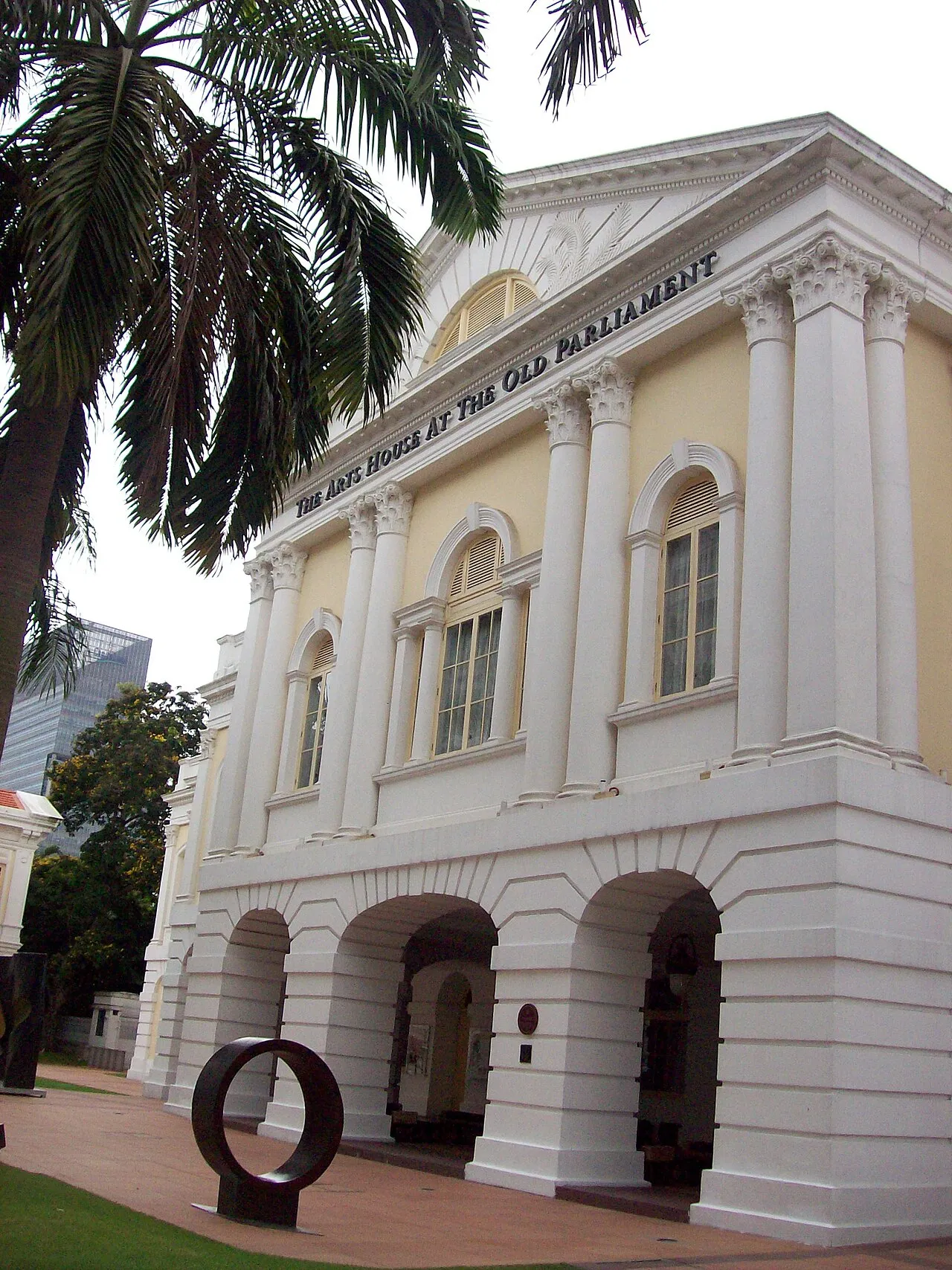
Singapore
Singapore
7 places
-
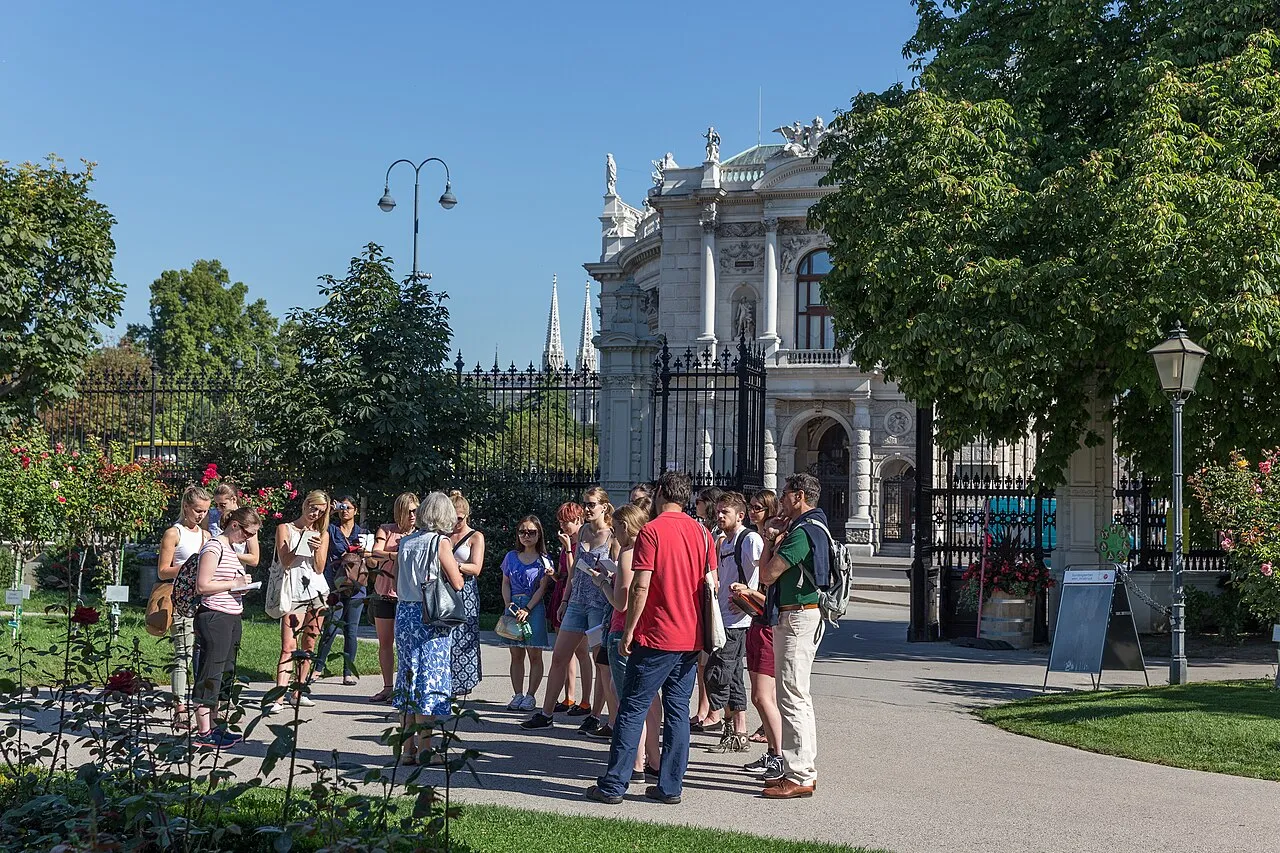
Austria
Vienna
7 places
-
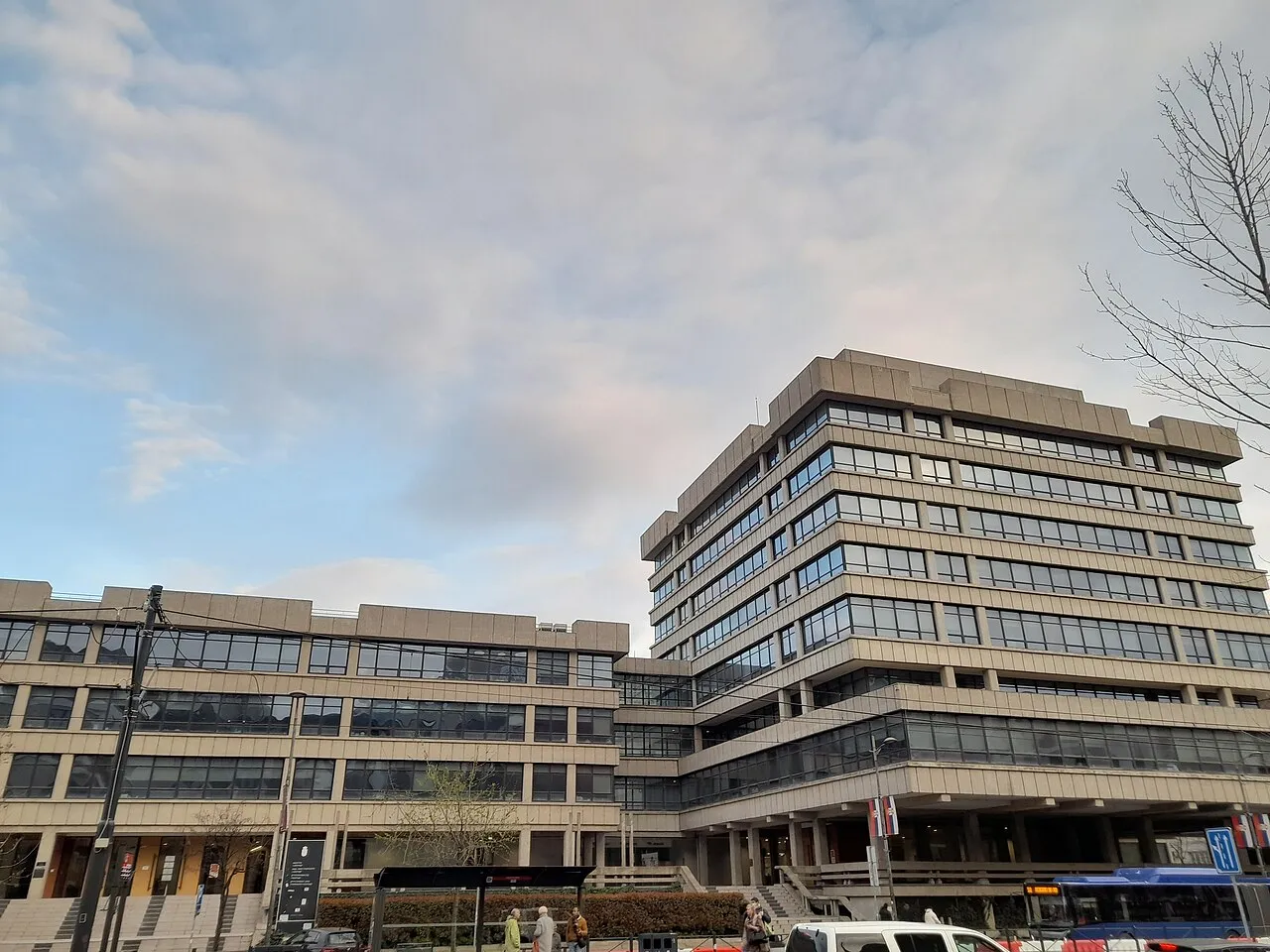
Serbia
Belgrade
6 places
-
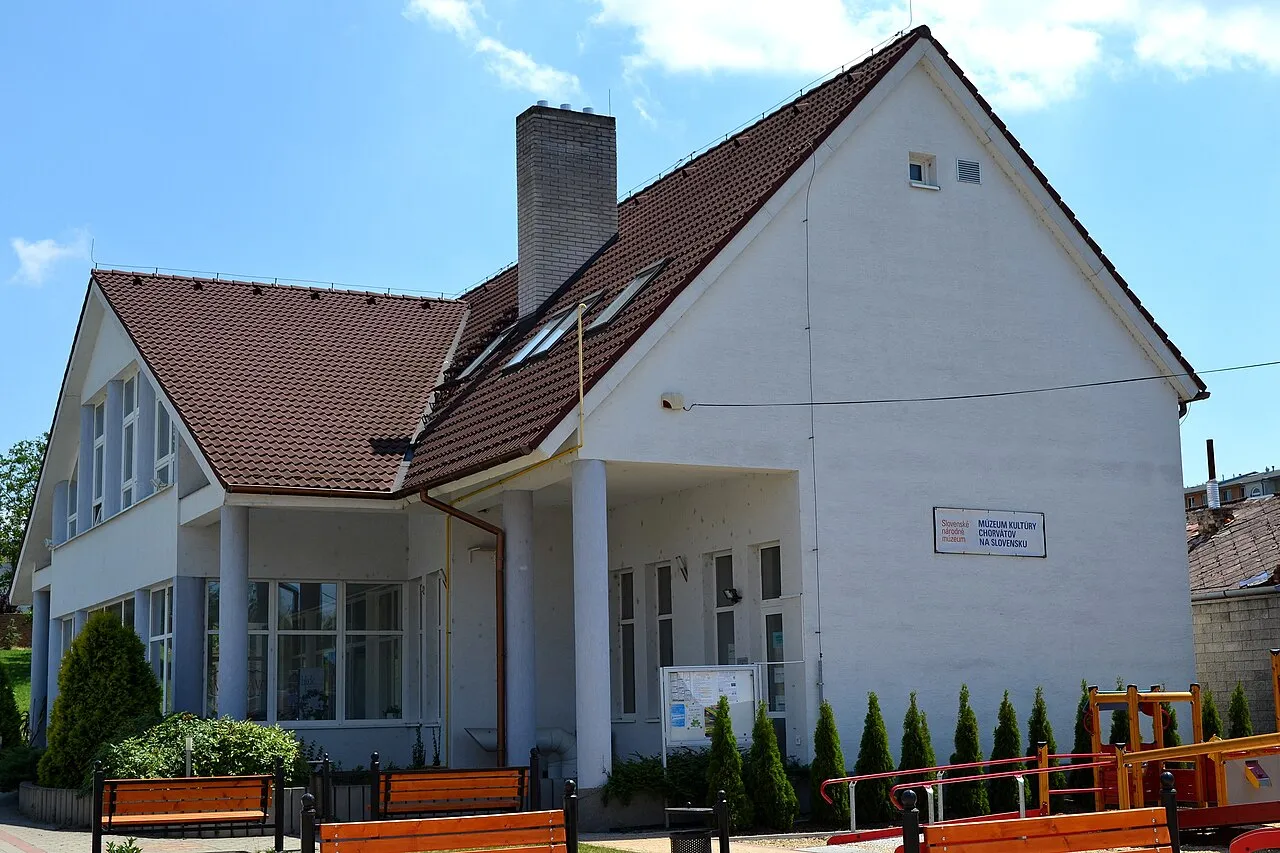
Slovakia
Bratislava
6 places
-
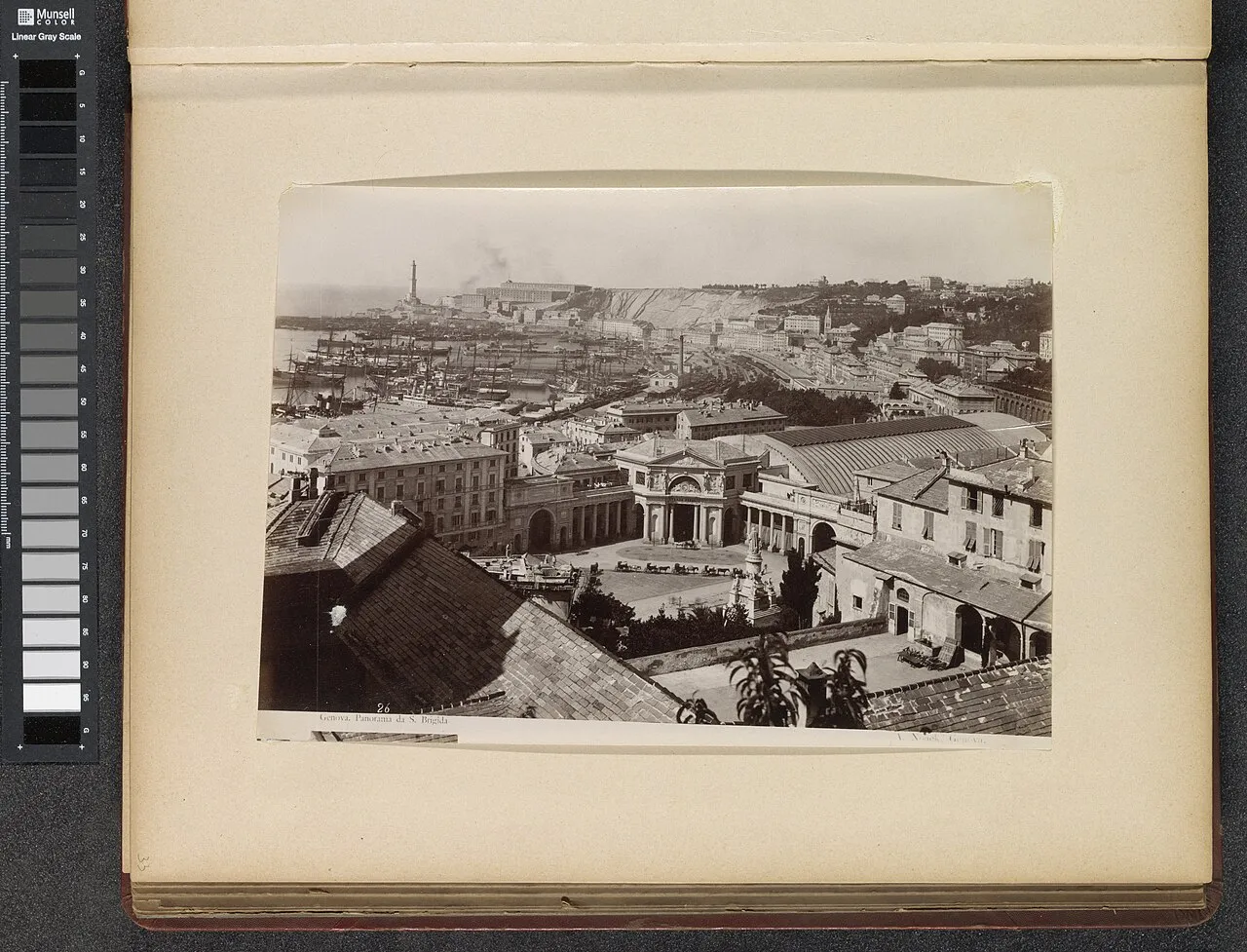
Italy
Genoa
6 places
-
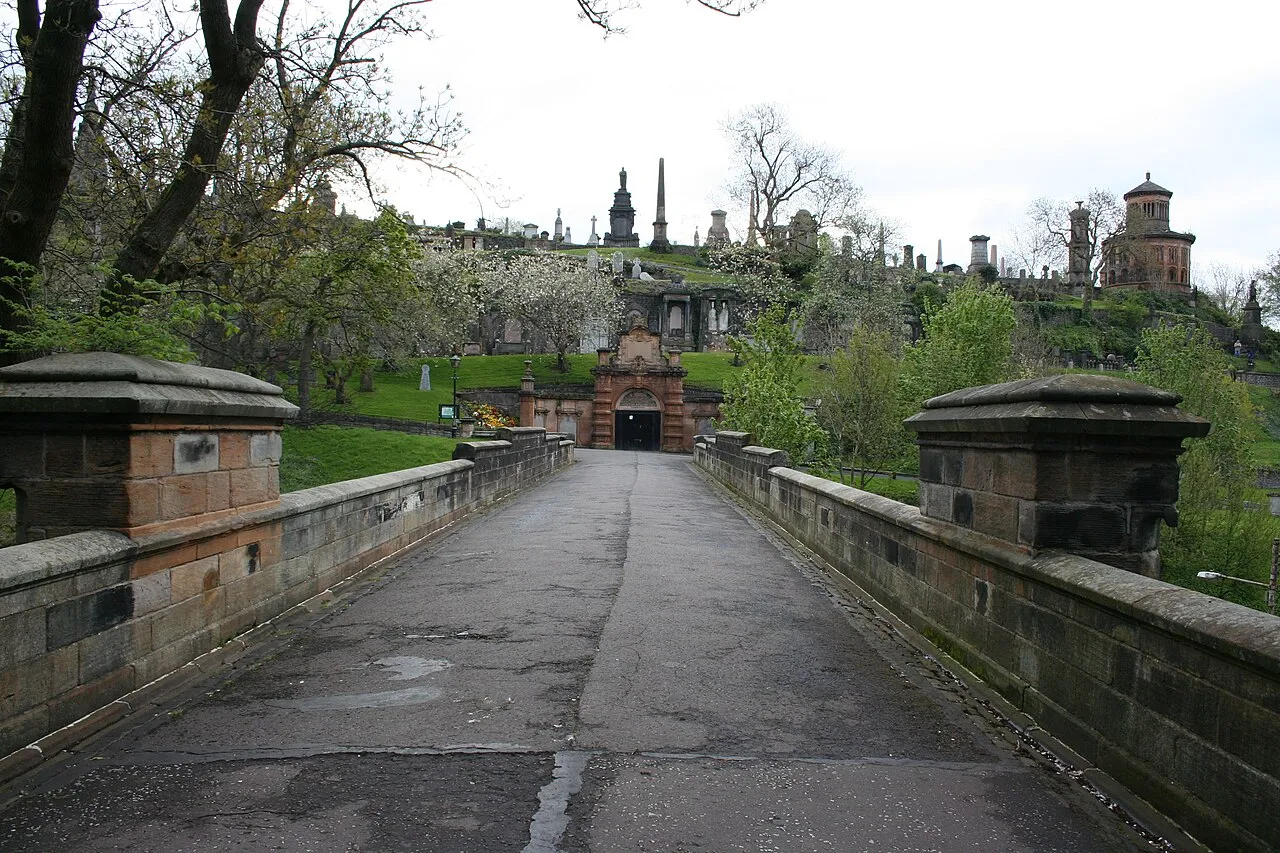
United Kingdom
Glasgow
6 places
-
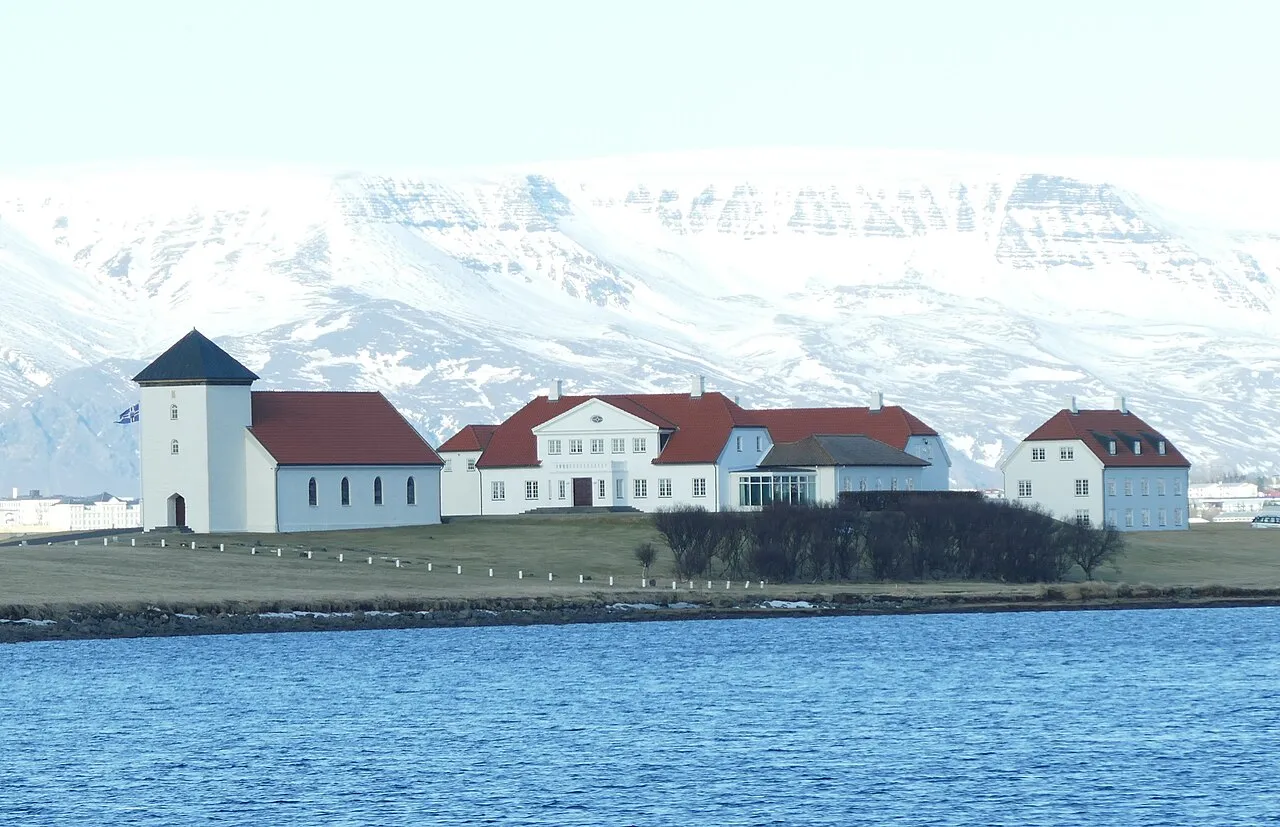
Iceland
Iceland
6 places
-
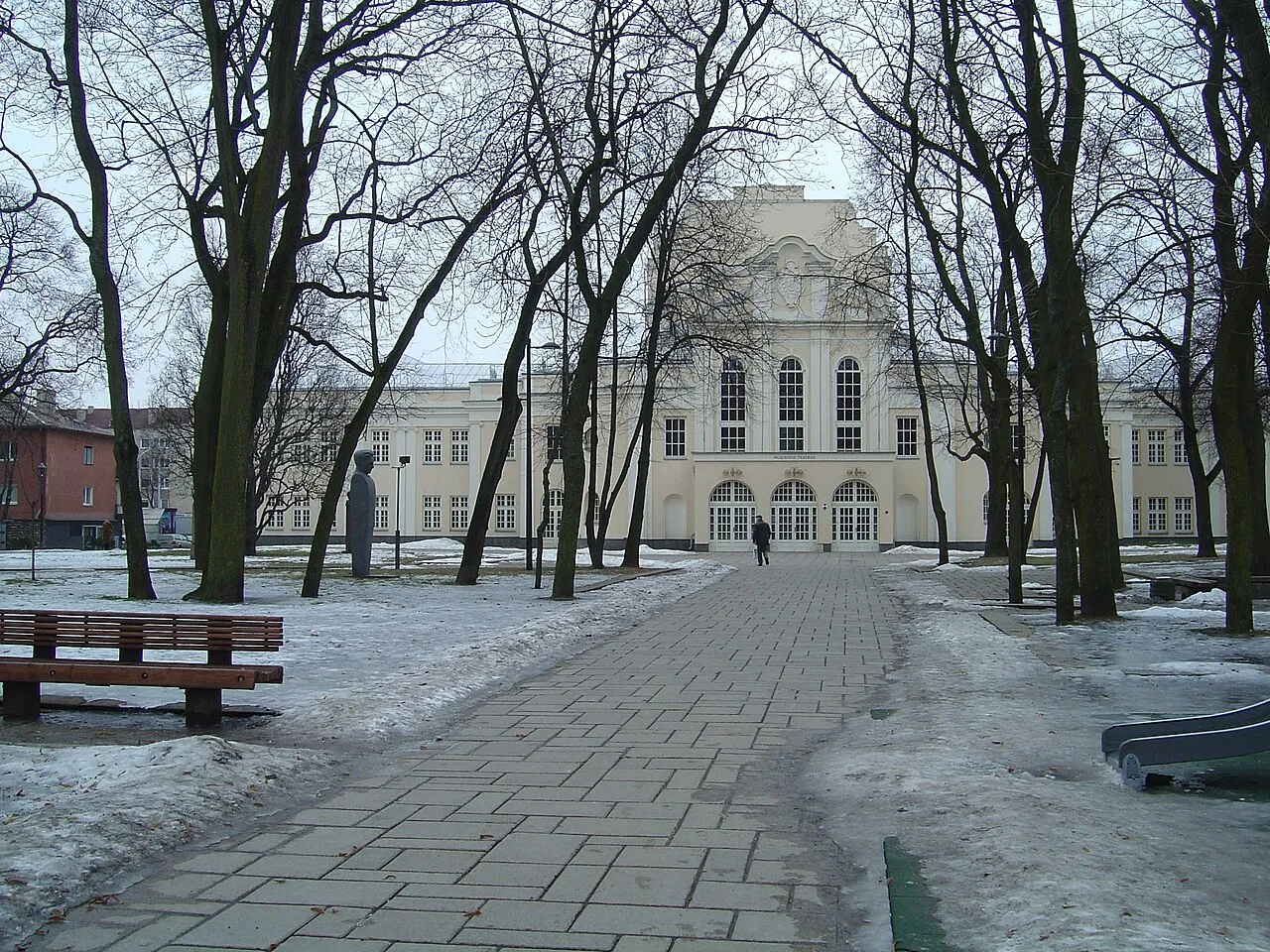
Lithuania
Kaunas
6 places
-
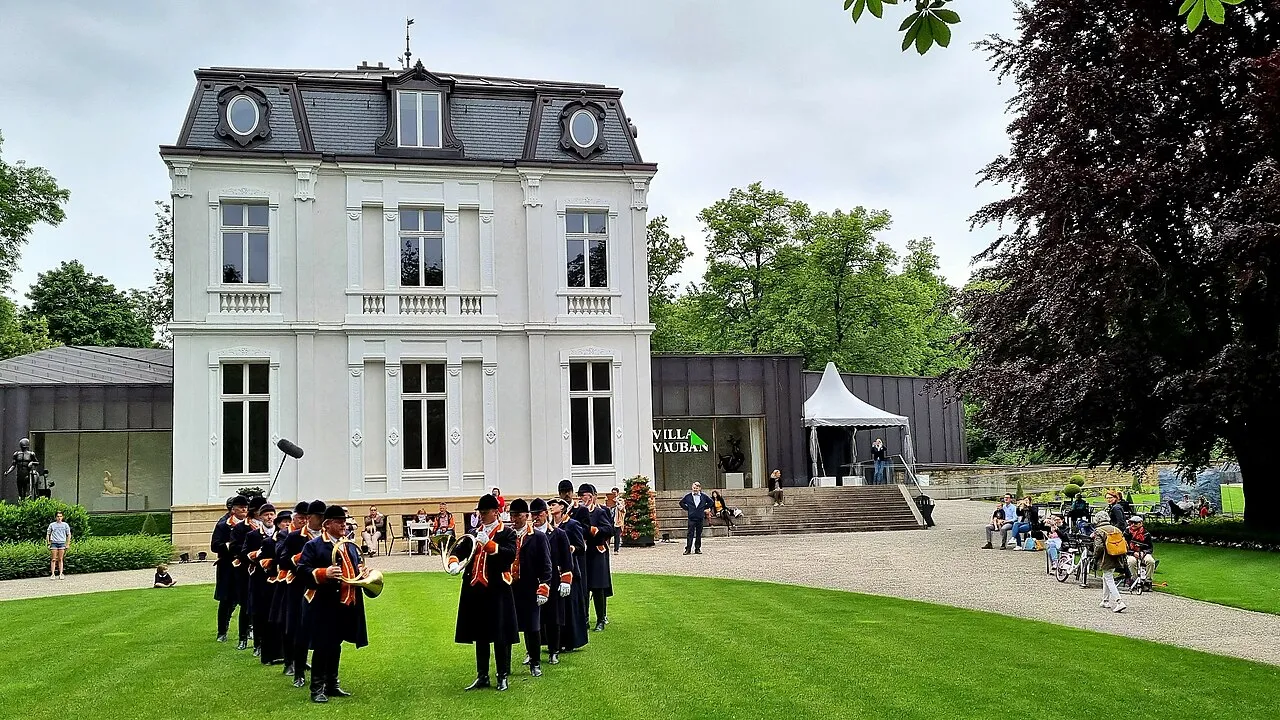
Luxembourg
Luxembourg City
6 places
-
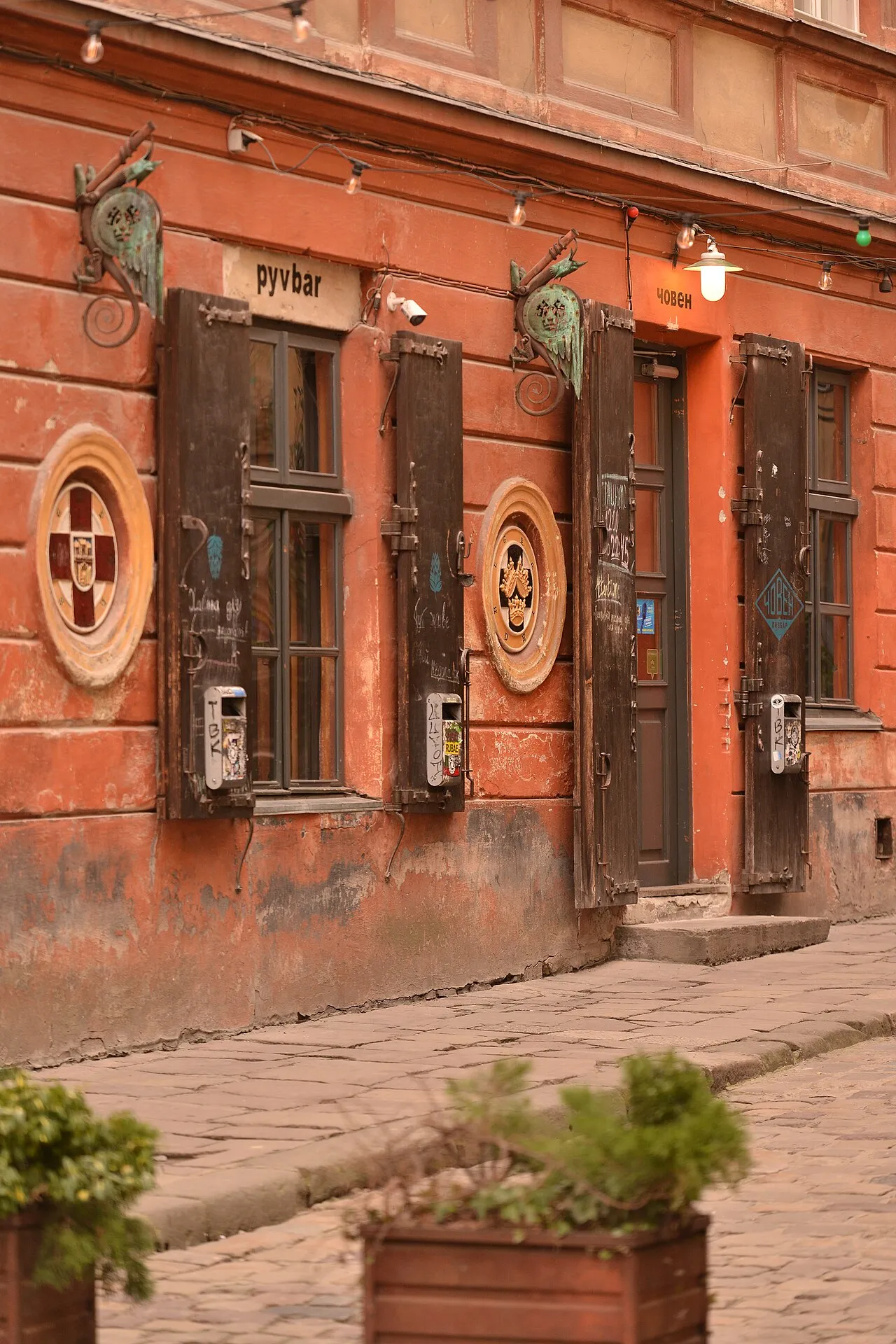
Ukraine
Lviv
6 places
-
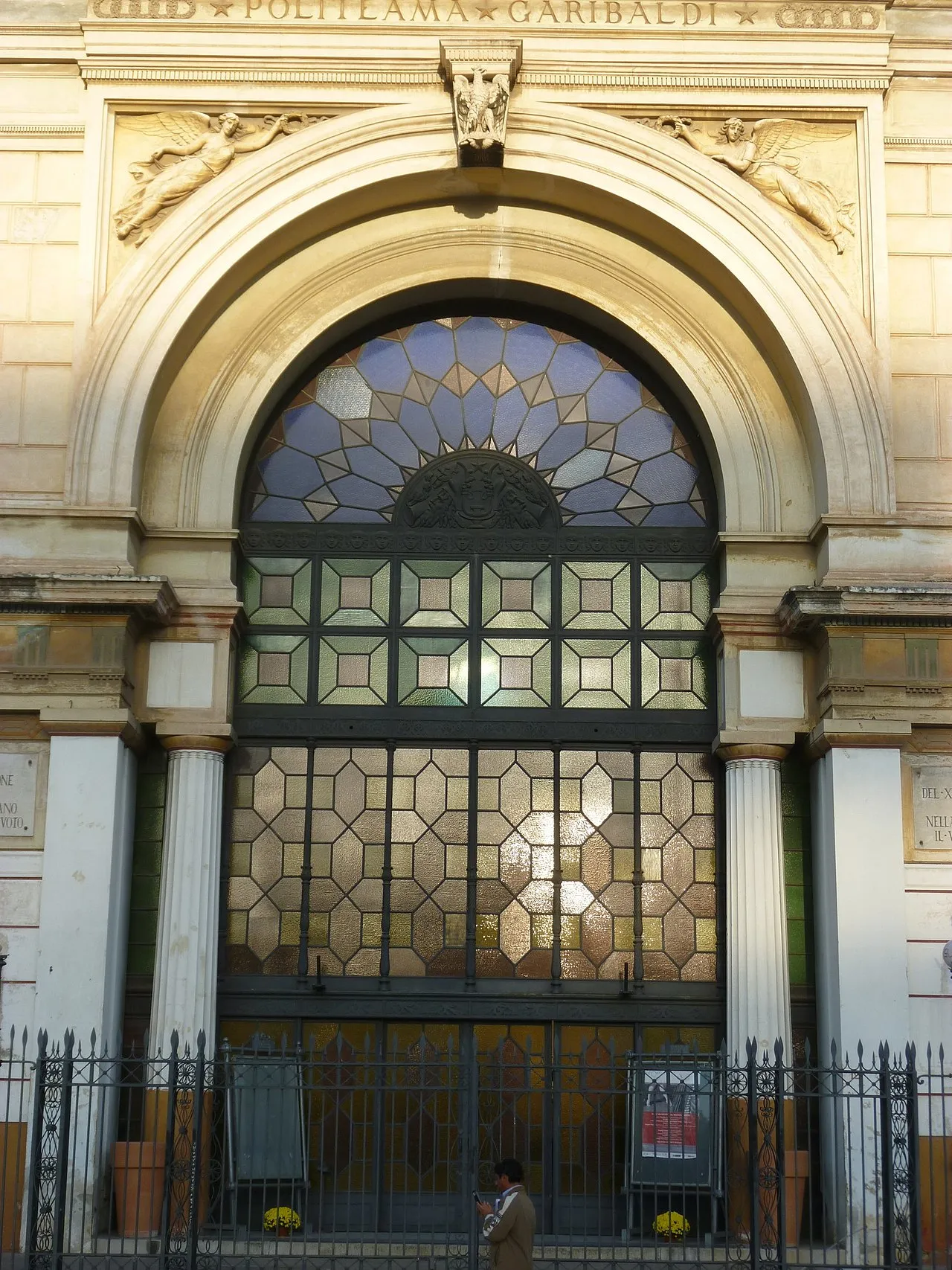
Italy
Palermo
6 places
-
Iceland
Reykjavík
6 places
-
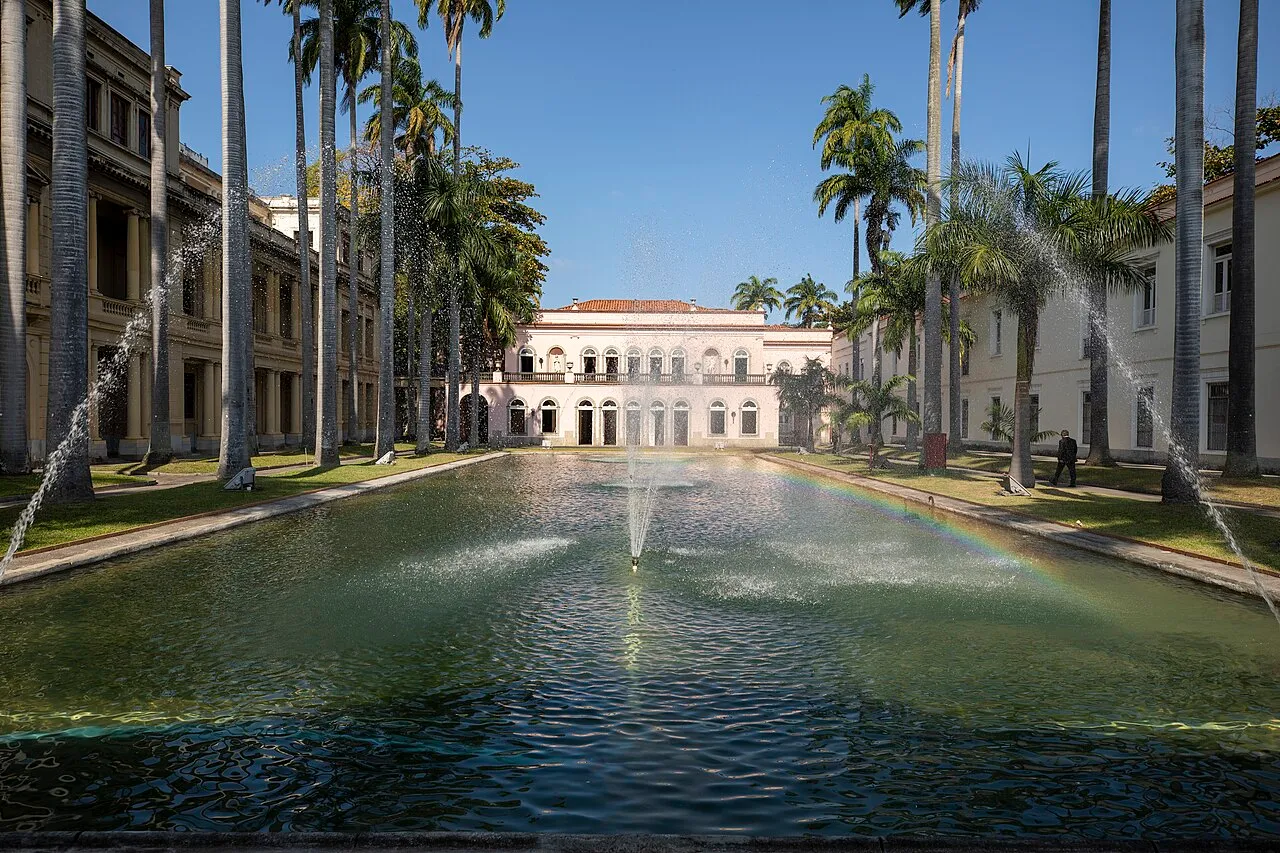
Brazil
Rio de Janeiro
6 places
-
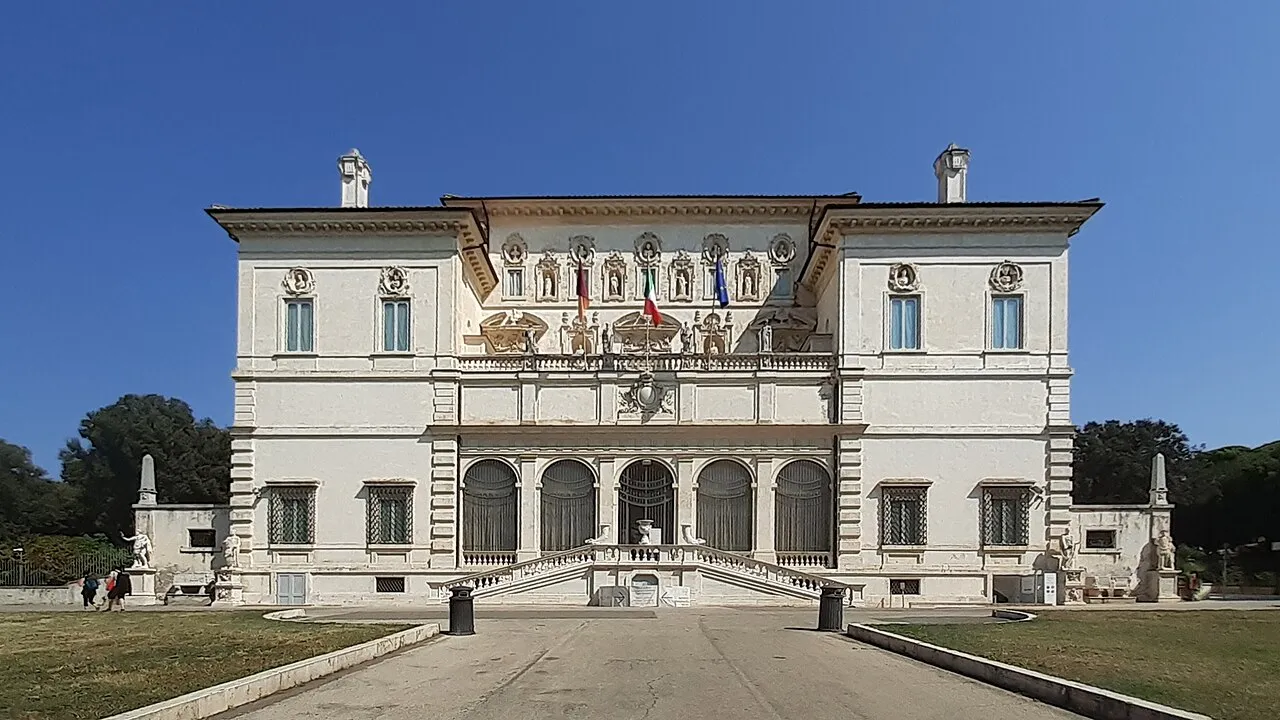
Italy
Rome
6 places
-
Italy
Sicily
6 places
-
Sweden
Uppsala
6 places
-
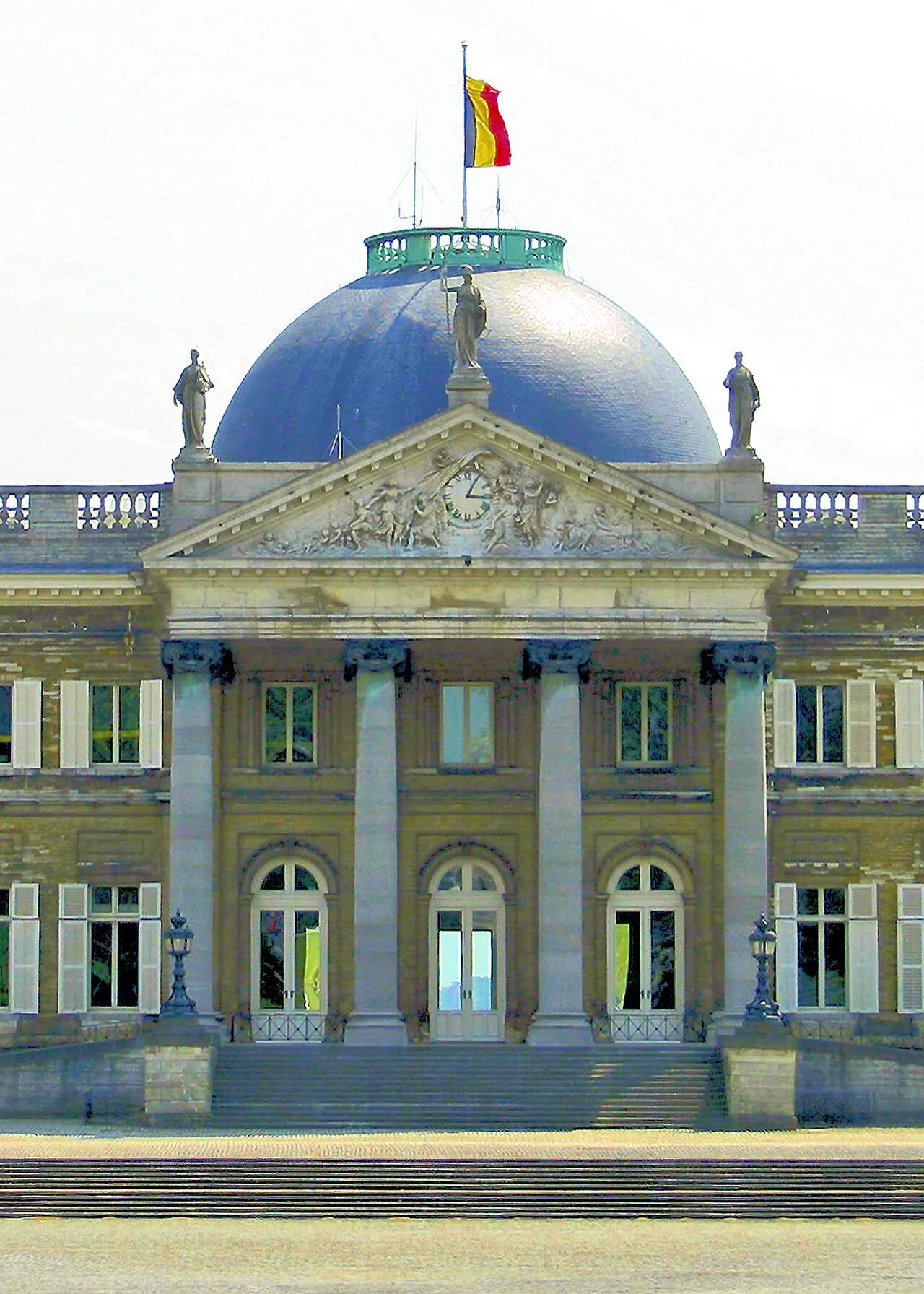
Belgium
Brussels
5 places
-
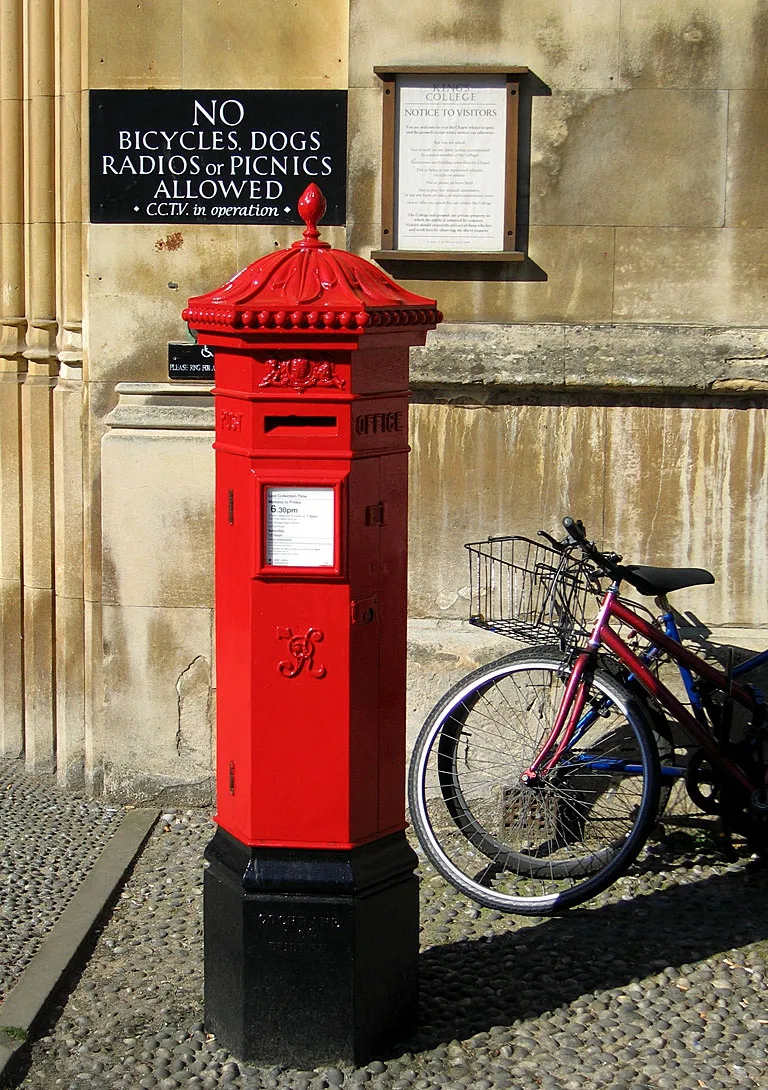
United Kingdom
Cambridge
5 places
-
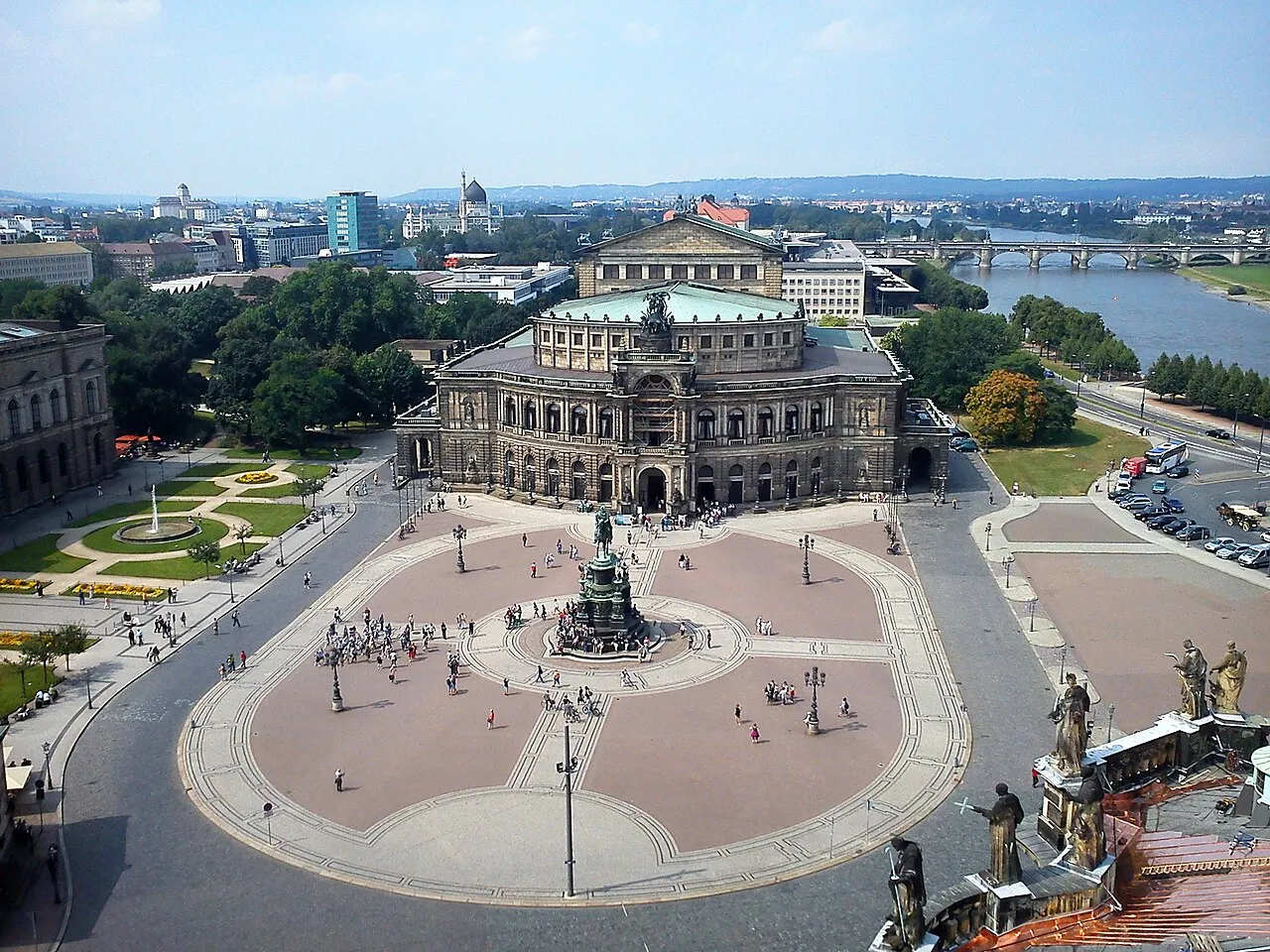
Germany
Dresden
5 places
-
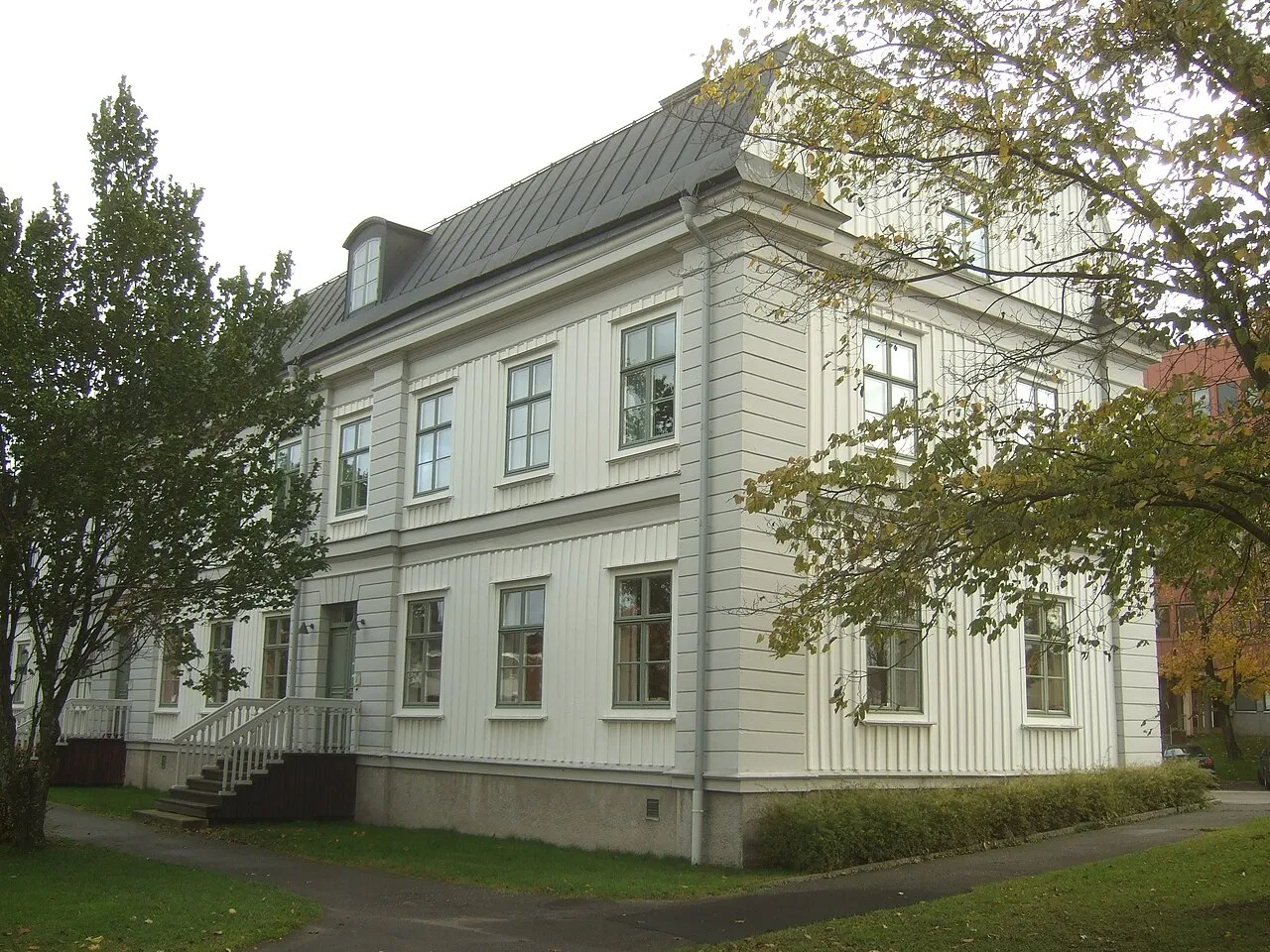
Sweden
Härnösand
5 places
-
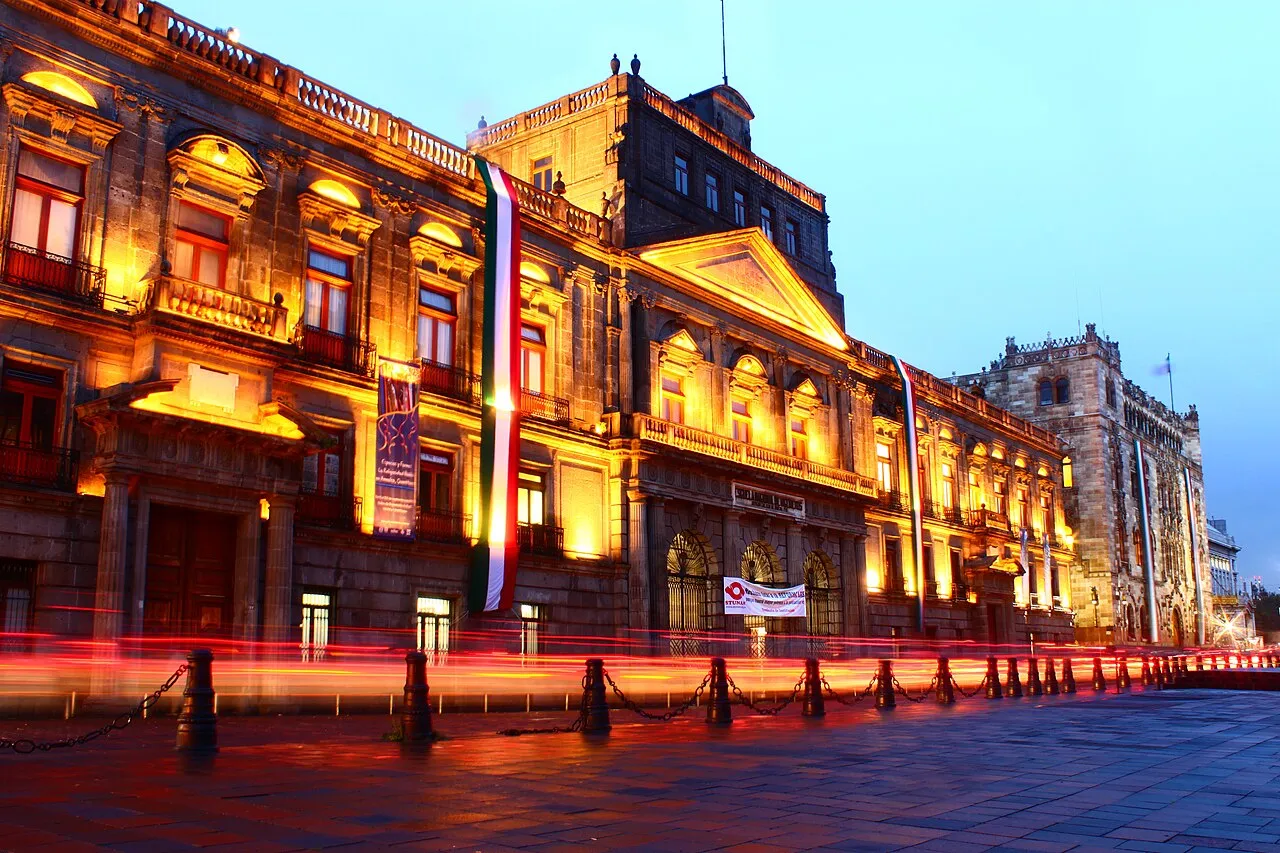
Mexico
Mexico City
5 places
-
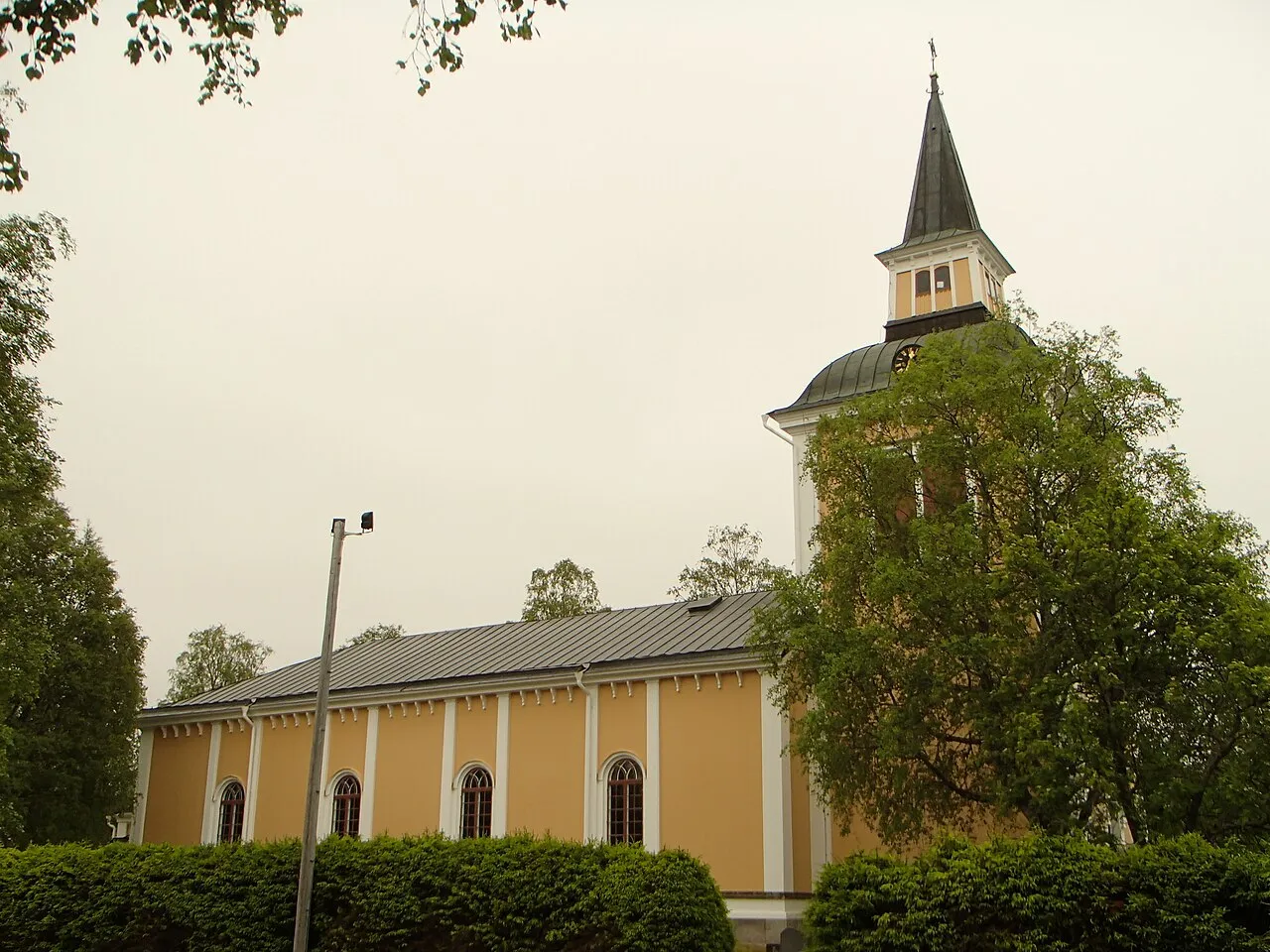
Sweden
Örnsköldsvik
5 places
-
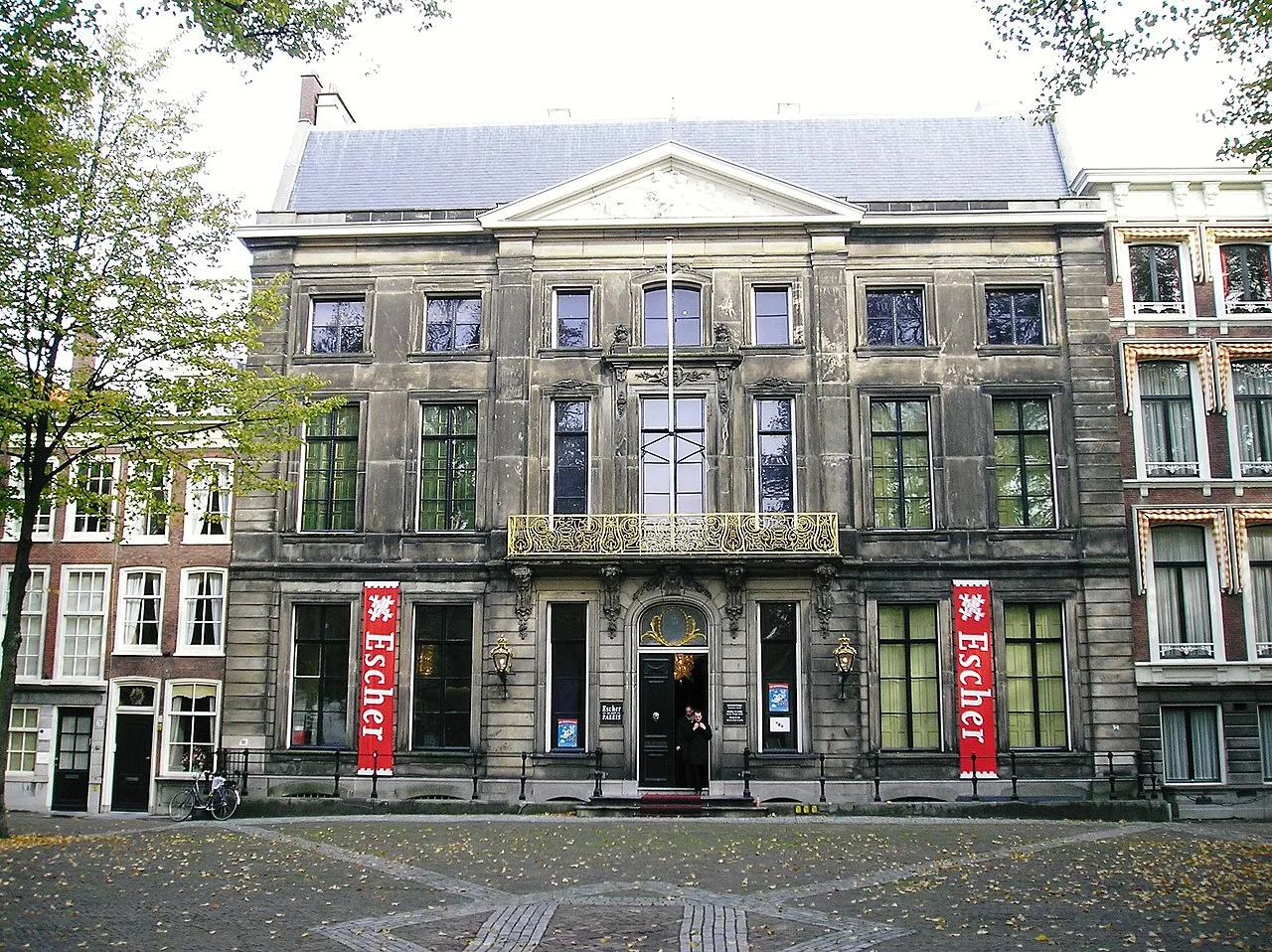
Netherlands
The Hague
5 places
-
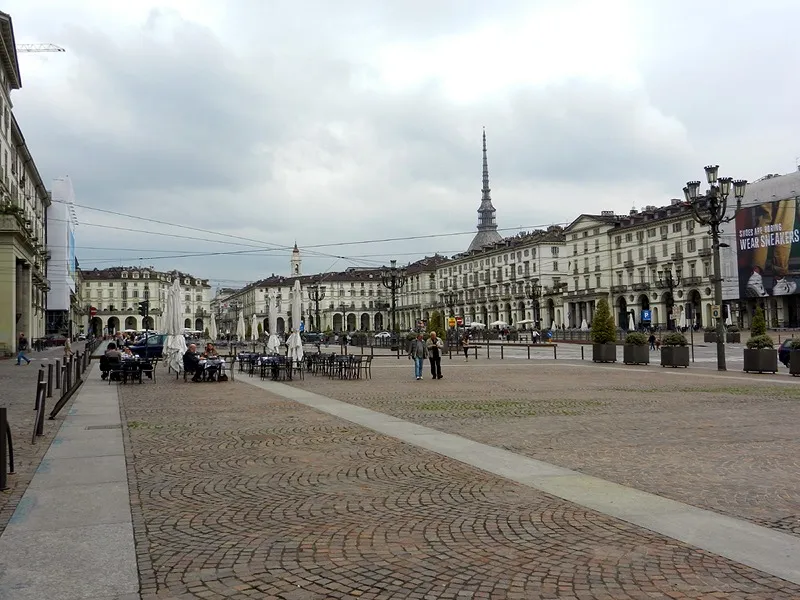
Italy
Turin
5 places
-
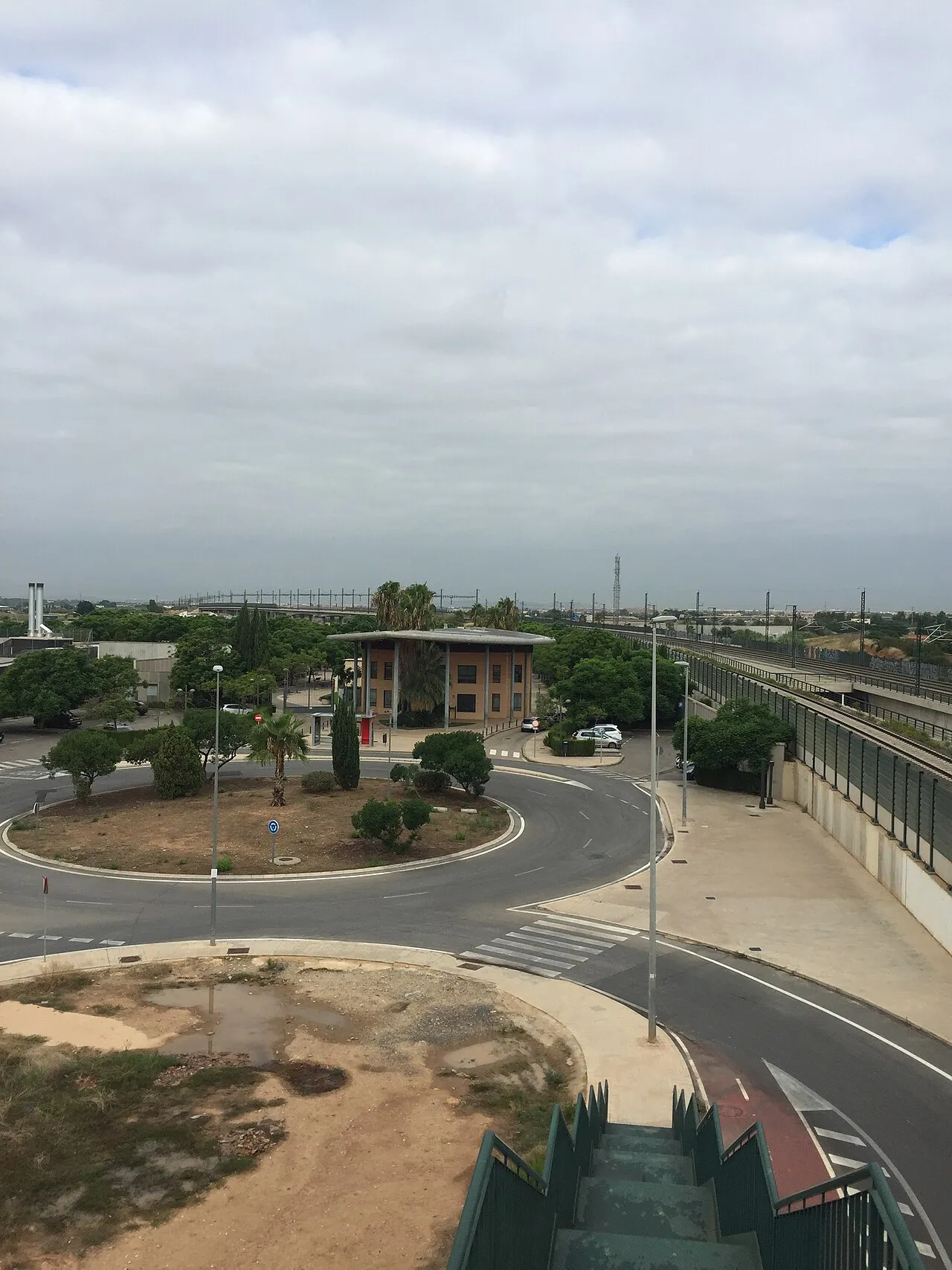
Spain
Valencia
5 places
-
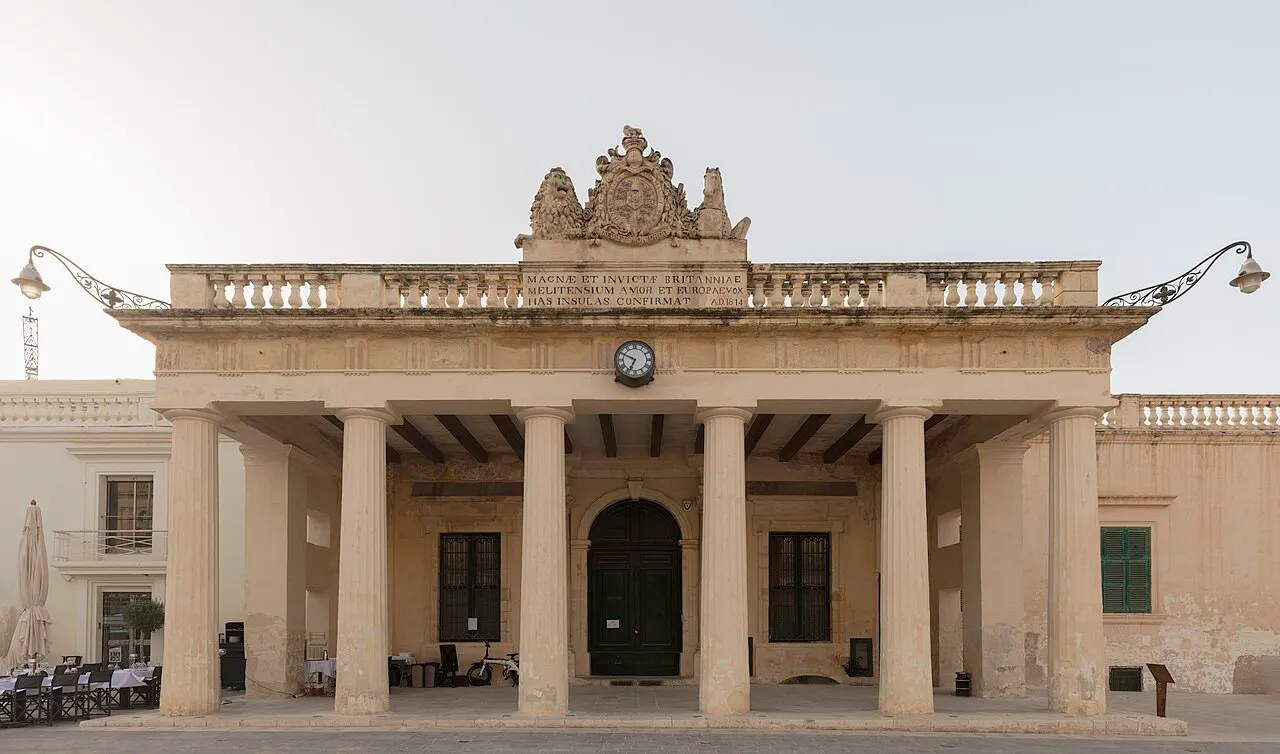
Malta
Valletta
5 places
-
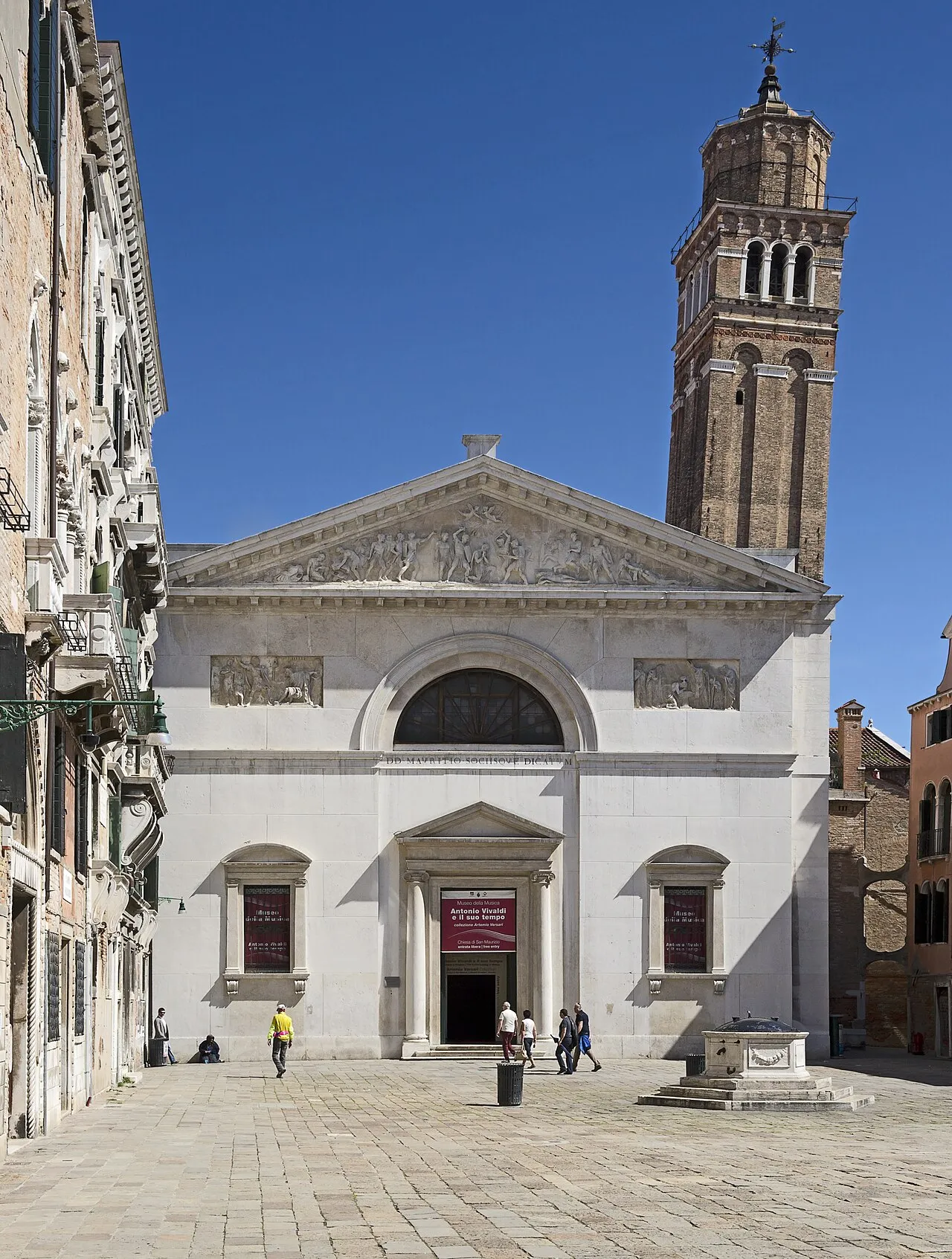
Italy
Venice
5 places
-
Spain
Barcelona
4 places
-
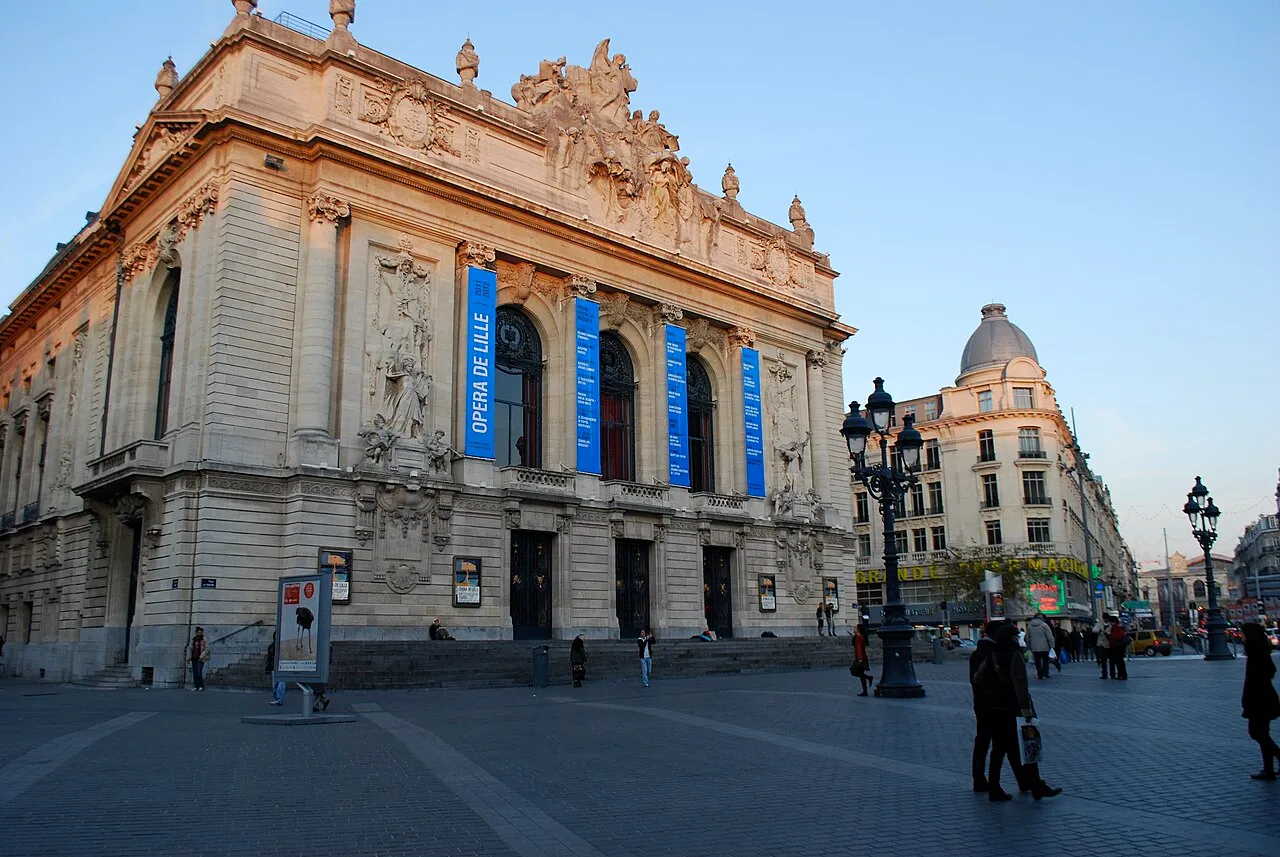
France
Lille
4 places
-
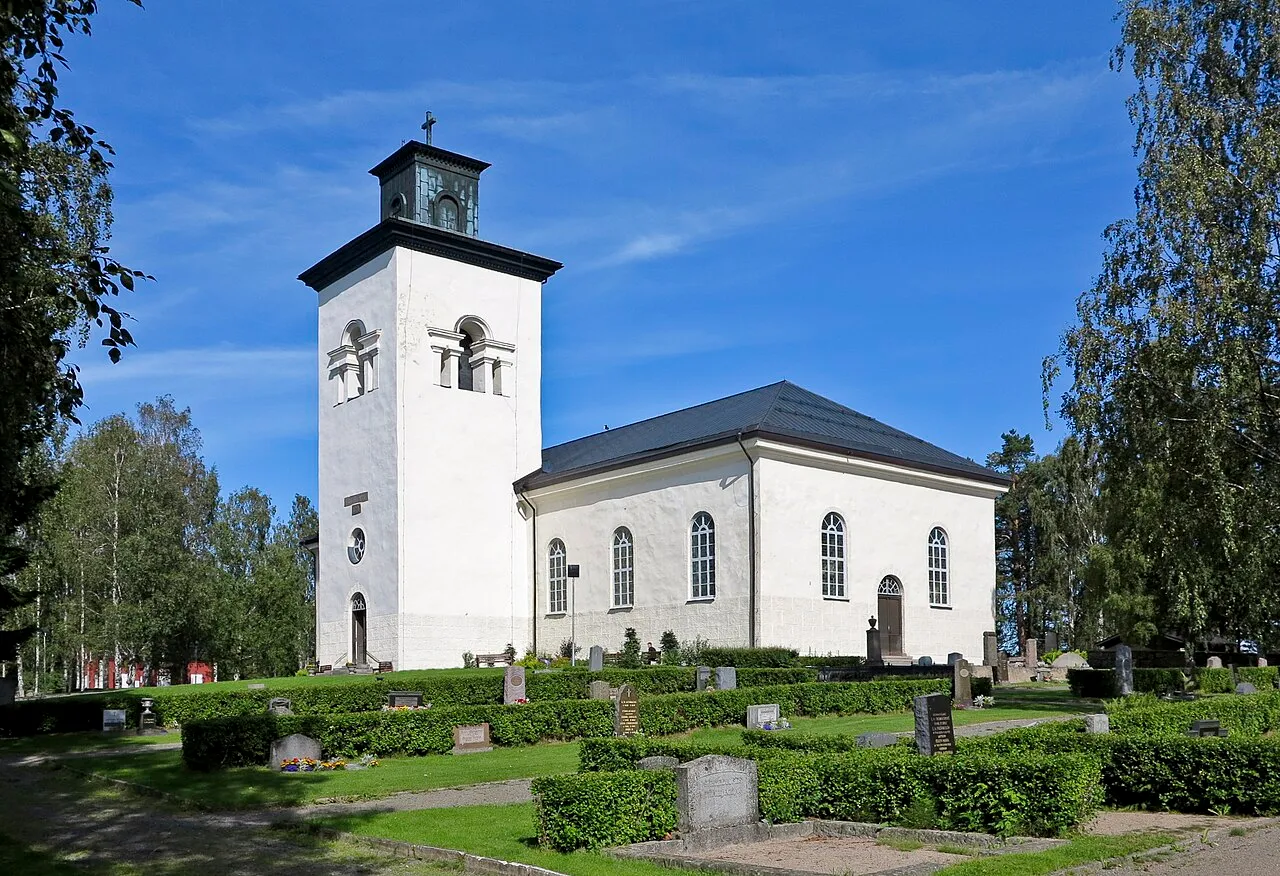
Sweden
Norrbotten
4 places
-
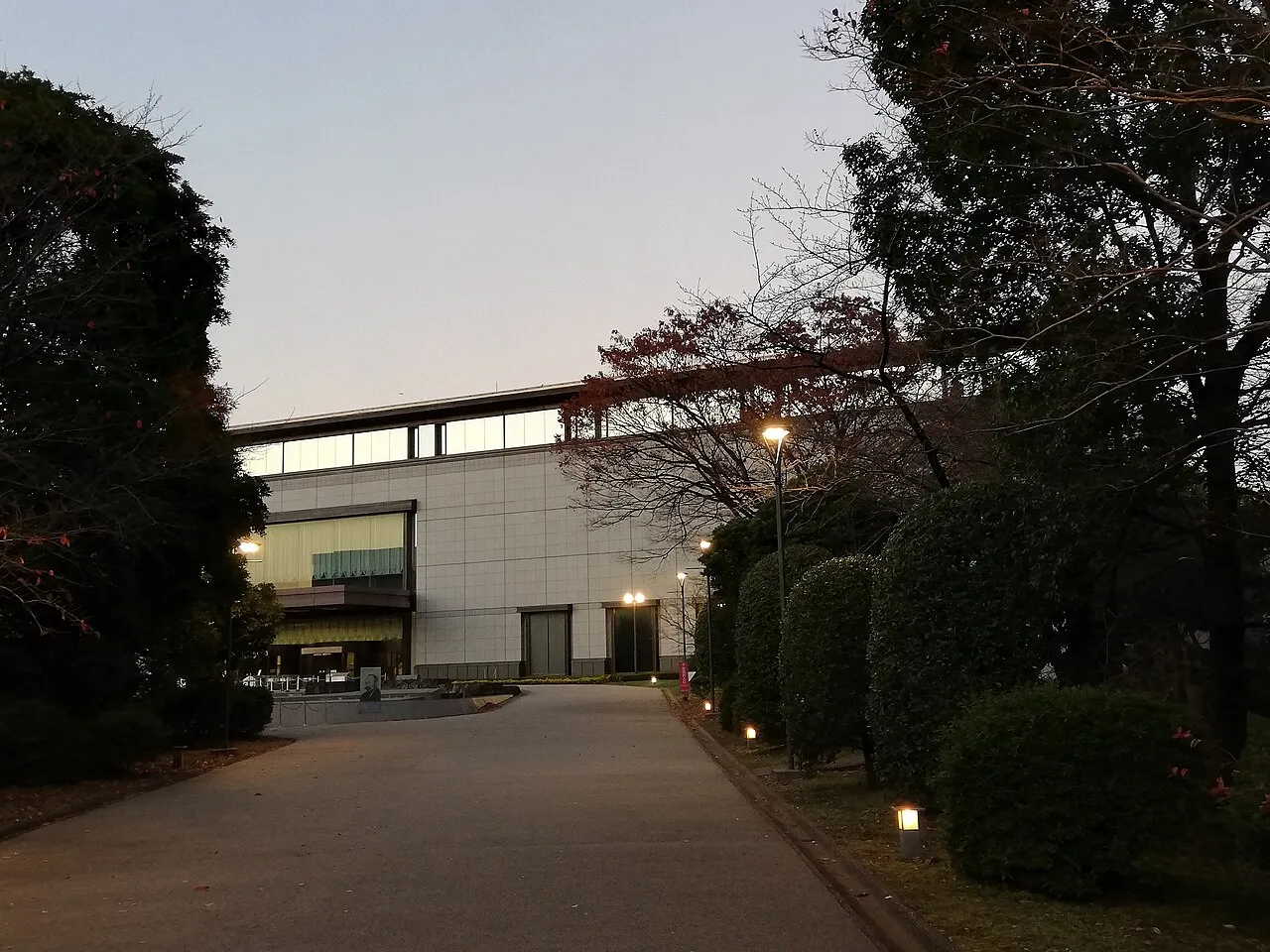
Japan
Tokyo
4 places

Keep exploring
Explore all destinations