

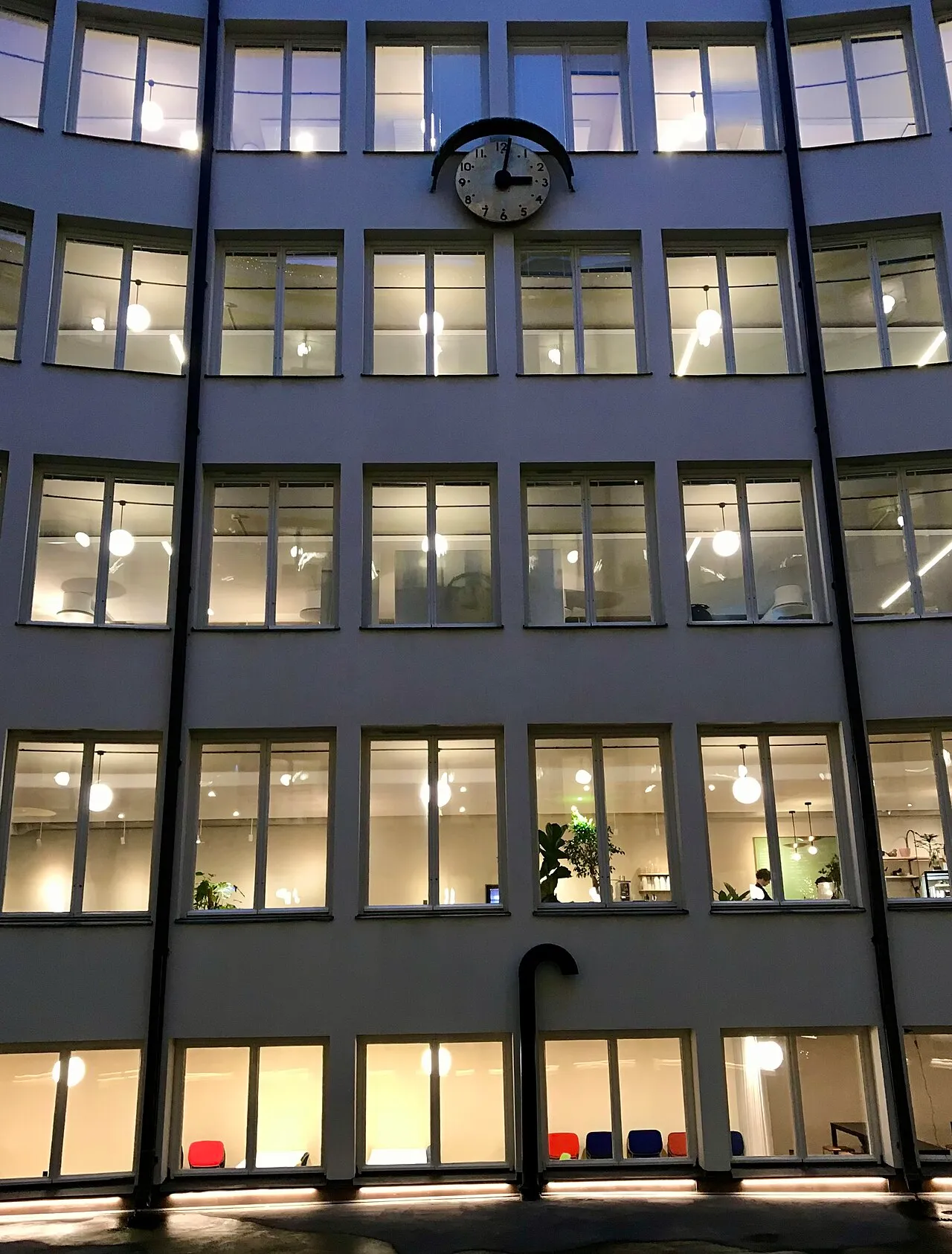
Nordic Classicism architecture
Nordic Classicism architecture across 2 cities. The buildings worth seeing, the architects behind them, and where to find each one.
What is nordic classicism?
Nordic Classicism swept Sweden, Denmark, Norway and Finland from around 1910 until about 1930, between National Romanticism and the breakthrough of modernism. The movement drew on late 18th century neoclassicism and the Empire style, and it has been described as an architecture of democracy: alongside refined public monuments it produced affordable housing, in Stockholm partly as an answer to the housing shortage that followed World War I.
You recognize it by smooth rendered facades in saturated colors, gold ochre, red and gray-green, with details picked out in white or light gray. Classical ornament is sparse and reduced in scale: pilasters, dentil courses under the eaves, garlands and medallions, usually gathered around the entrance. Windows sit symmetrically with multi-pane glazing, gables take round lunette windows, and roofs are pitched or mansard, clad in tile or sheet metal.
Erik Gunnar Asplund, Ivar Tengbom and Sigurd Lewerentz led the style in Sweden, and the movement ran across the whole region: Carl Petersen’s Faaborg Museum (1912-1915) opened the Danish chapter, Hack Kampmann’s Copenhagen Police Headquarters became perhaps its most severe monument, and Johan Sigfrid Sirén’s Parliament House in Helsinki (1926-1931) carried it in Finland.
The end came at the Stockholm Exhibition of 1930, where Asplund, its exhibition architect, had already converted to functionalism with many of his colleagues; as late as 1929 the style had still dominated Swedish building. The British critic Philip Morton Shand gave its Swedish strand the lasting English name Swedish Grace, used today mostly for the decade’s glass, furniture and applied arts.
For decades historians treated the style as an interlude. Interest returned in the late 1970s and 1980s, when postmodernism sent architects back to classical precedents, and key works now hold strong heritage protection, Skogskyrkogården in Stockholm a UNESCO World Heritage Site since 1994.
Nordic Classicism in Sweden
Gunnar Asplund's Stockholm Public Library, inaugurated in 1928, ranks among the foremost examples of the style in Sweden and has been protected as a byggnadsminne, a statutory heritage listing, since 2017. Ivar Tengbom's Concert Hall at Hötorget opened in 1926, a blue rendered cube conceived as a Greek temple of music; his Tändstickspalatset, built as headquarters for Ivar Kreuger's match company, followed in 1928 with interiors by Carl Milles, Carl Malmsten and other leading artists. At Skogskyrkogården, a UNESCO World Heritage Site since 1994, Asplund's Woodland Chapel (1920) and Sigurd Lewerentz's Chapel of the Resurrection (1925) show the style at its most spare.
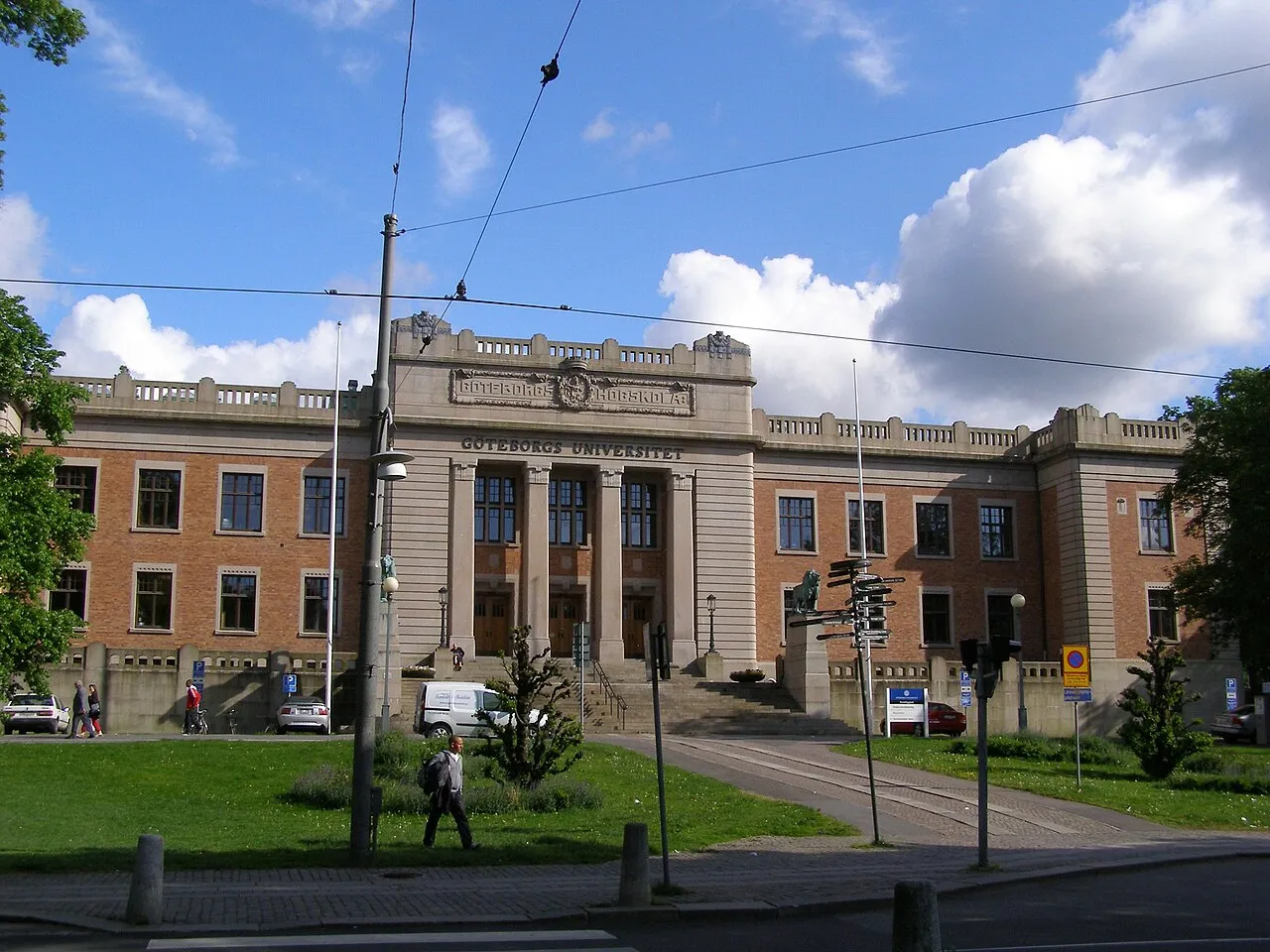
In Gothenburg the 1923 jubilee exhibition gave the city Götaplatsen, designed by Sigfrid Ericson and Arvid Bjerke, and the Liseberg amusement park, which opened the same year.
Nationalmuseum in Stockholm revisited the decade in 2022 with the exhibition Swedish Grace, covering the art and design of 1920s Sweden.
See the style in Stockholm, Gothenburg.
Notable nordic classicism buildings
-
Riksförsäkringsanstalten
Stockholm · 1932
-
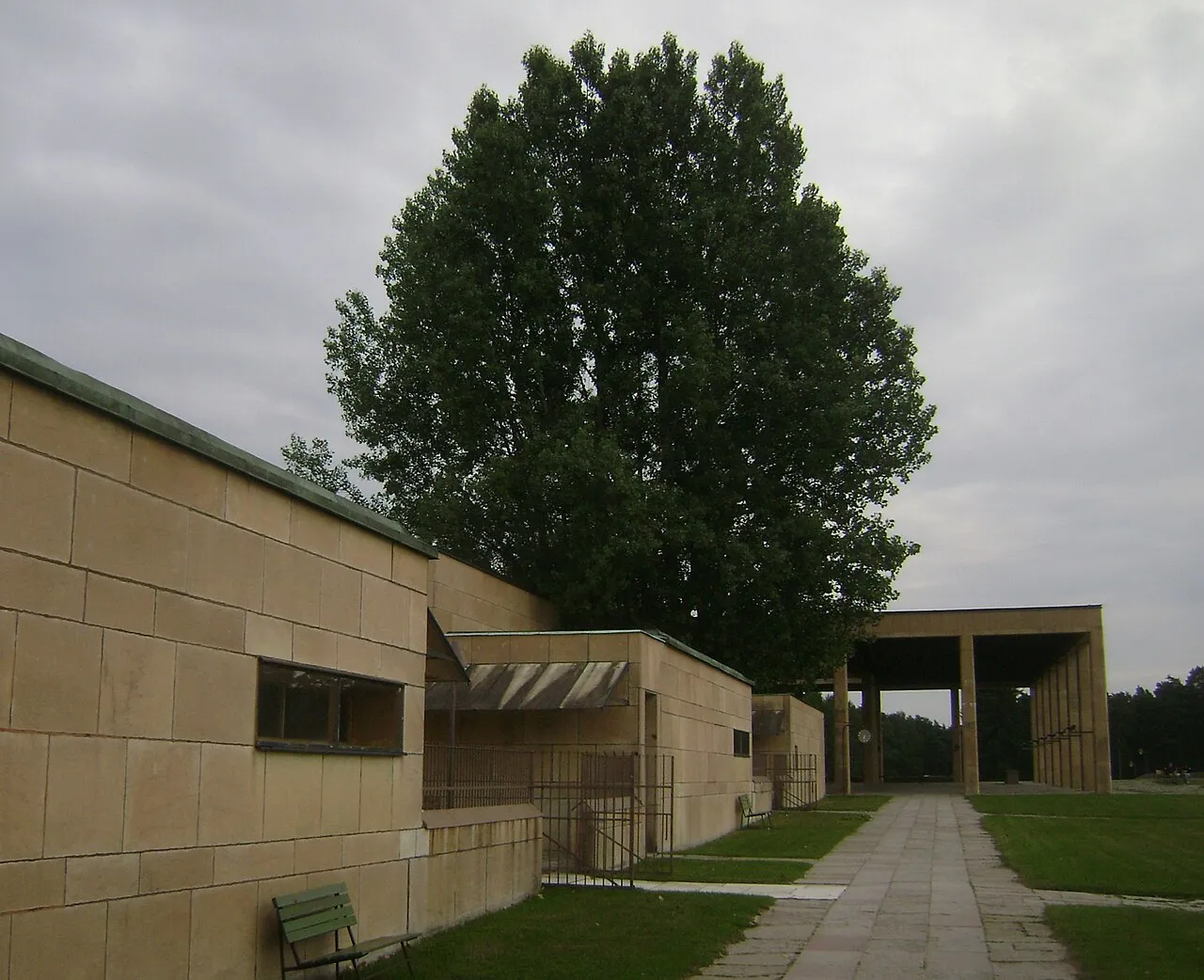
Monumenthallen
Stockholm
-
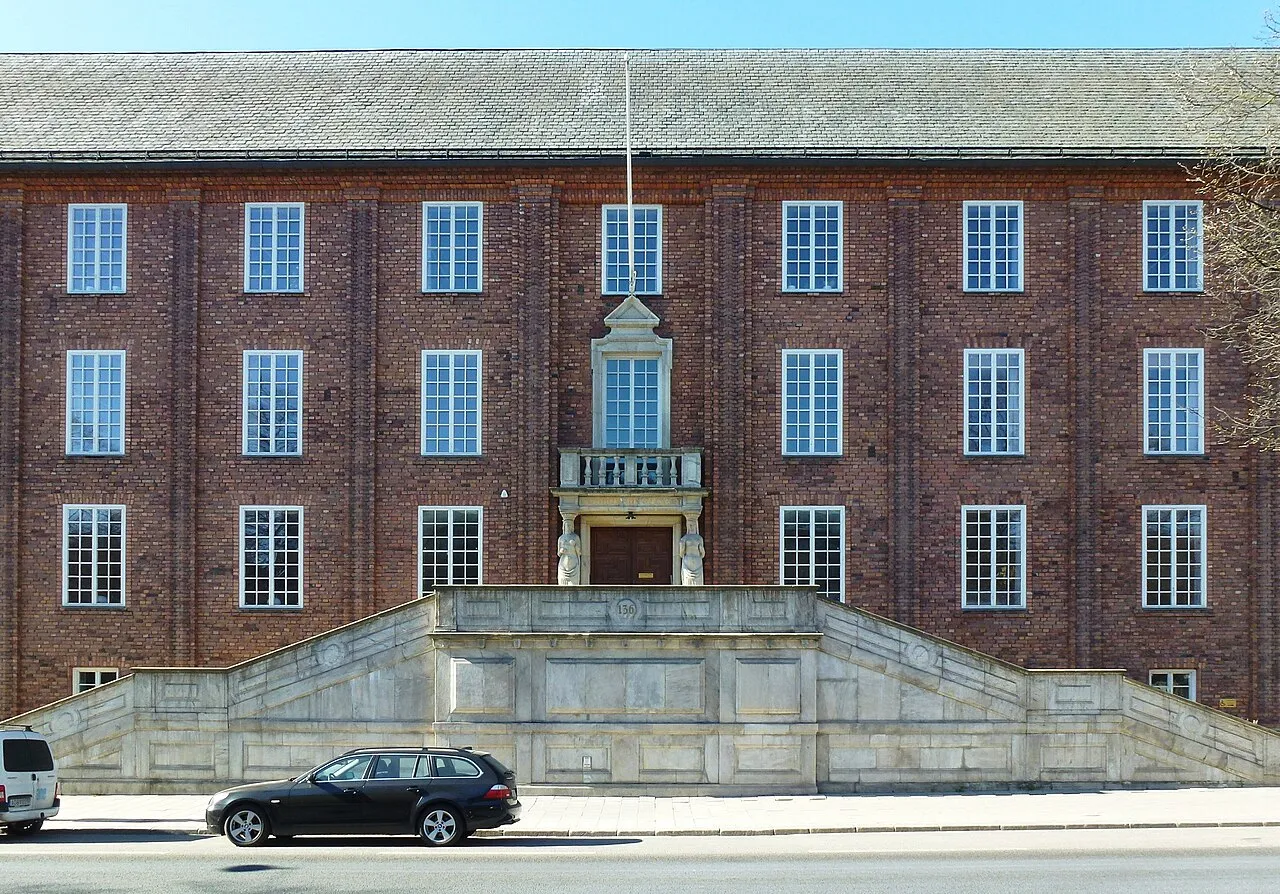
Patent- och registreringsverket
Stockholm · 1921
-
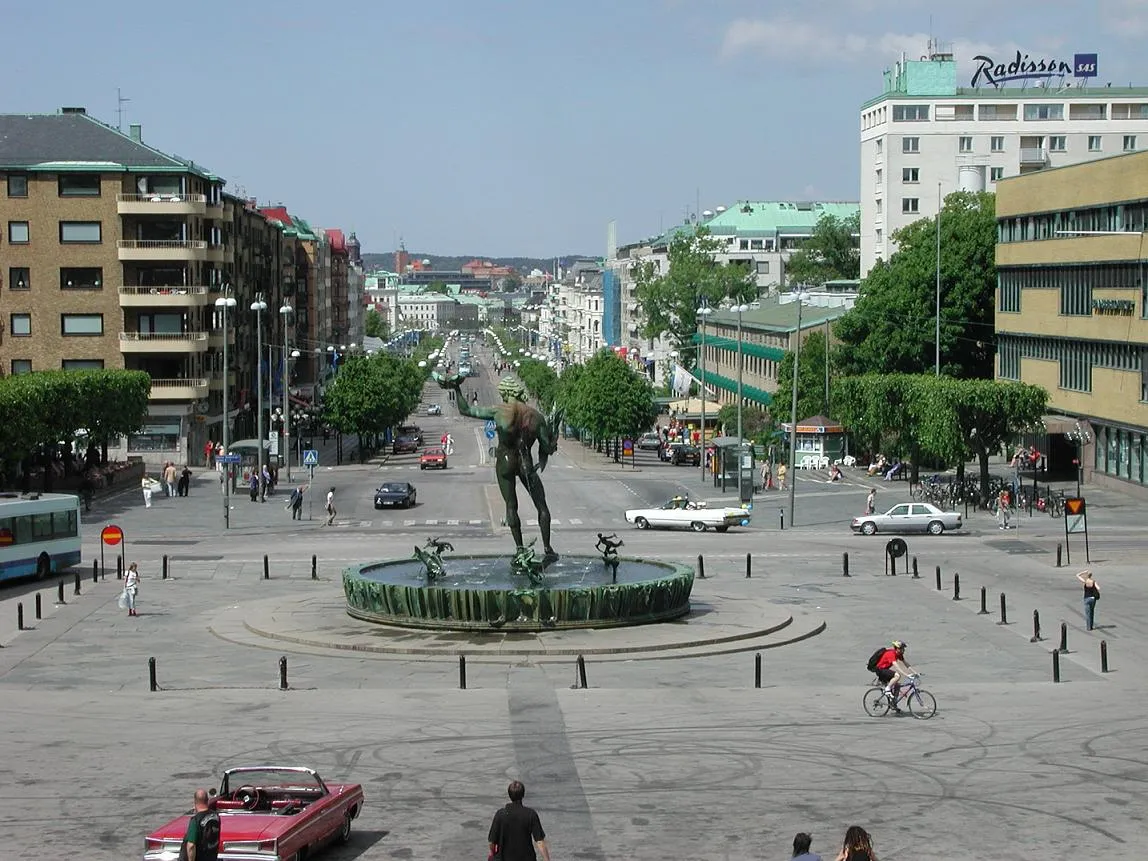
Götaplatsen
Gothenburg · 1923
-
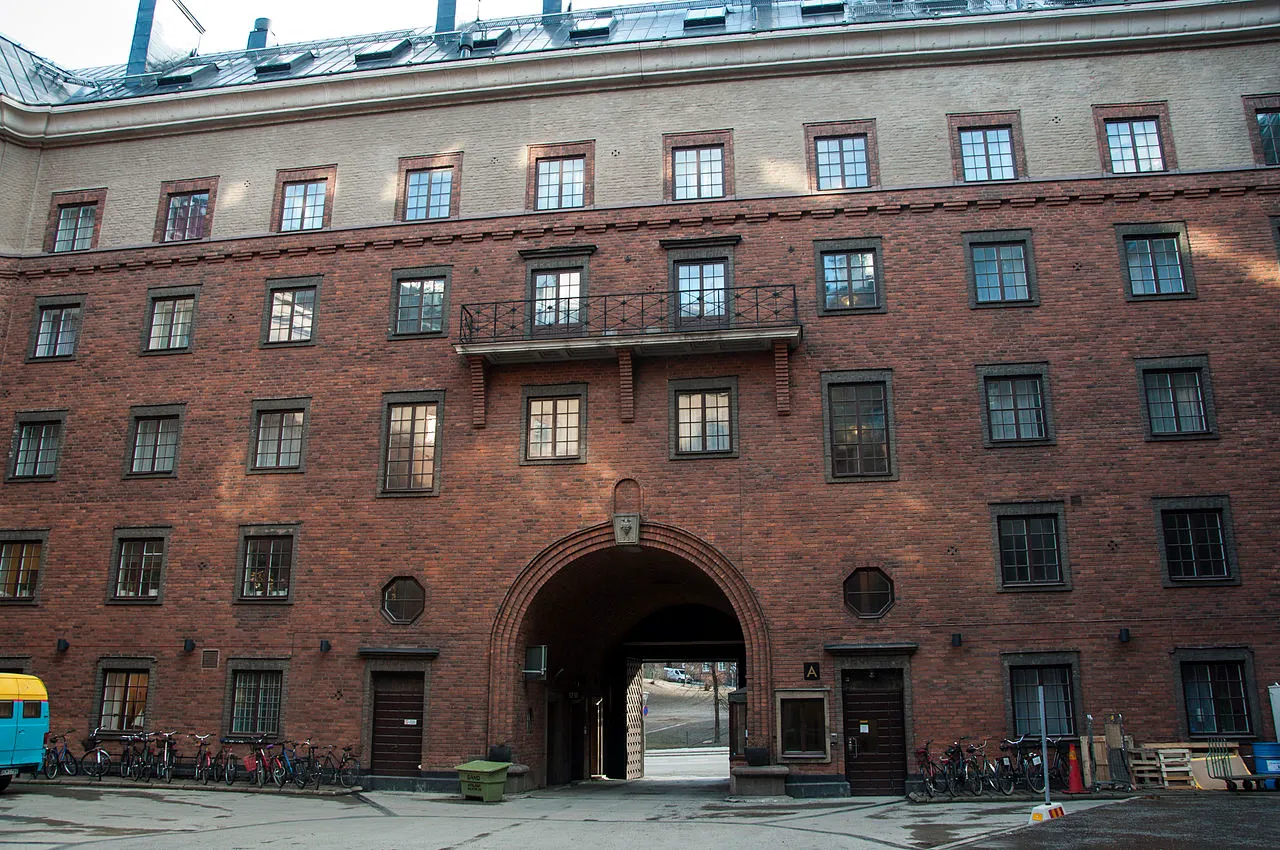
AB Vin- & Spritcentralen
Stockholm · 1924
-
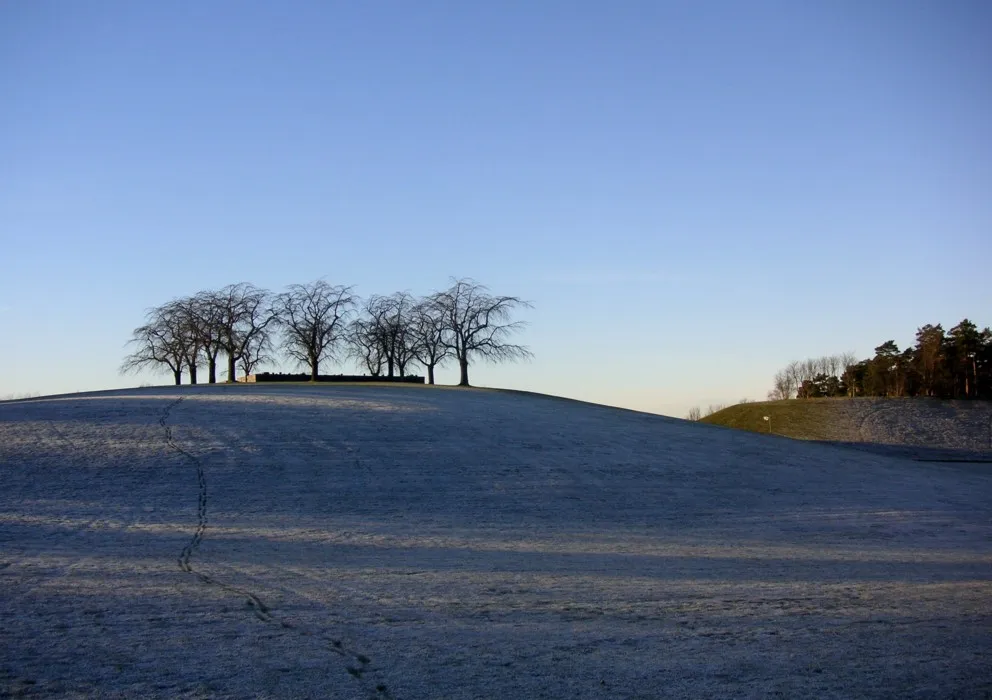
Almhöjden
Stockholm · 1940
-
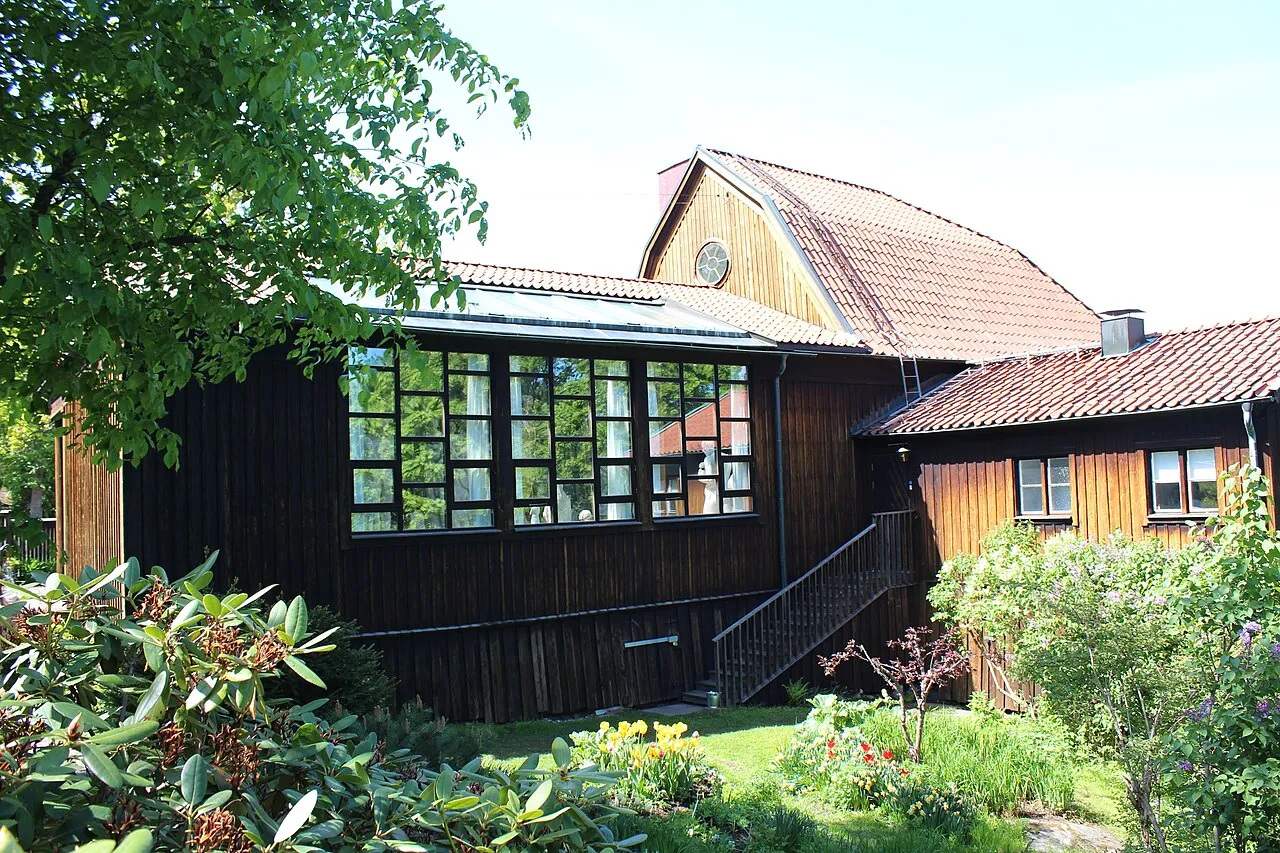
Carl Eldhs ateljé
Stockholm · 1919
-
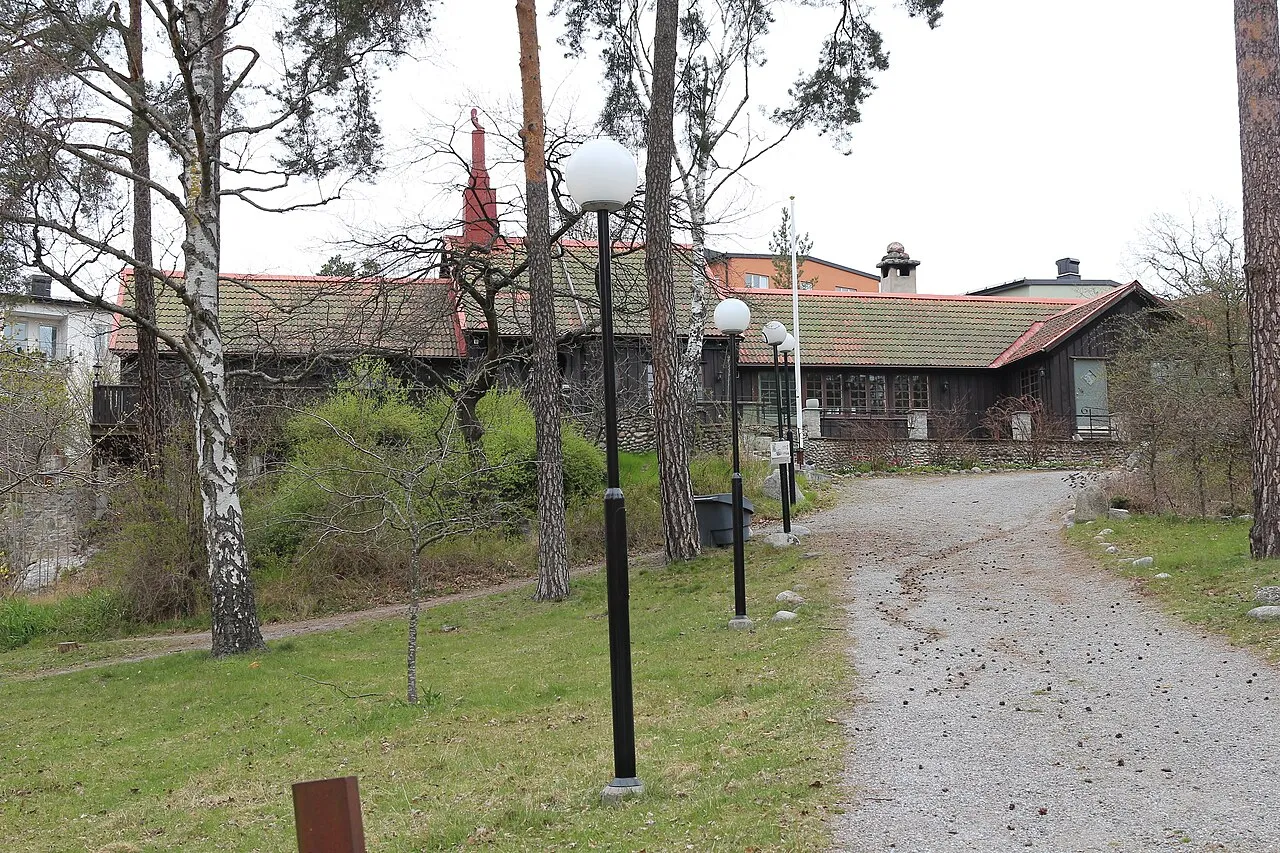
Filmstaden Råsunda
Stockholm · 1920
-
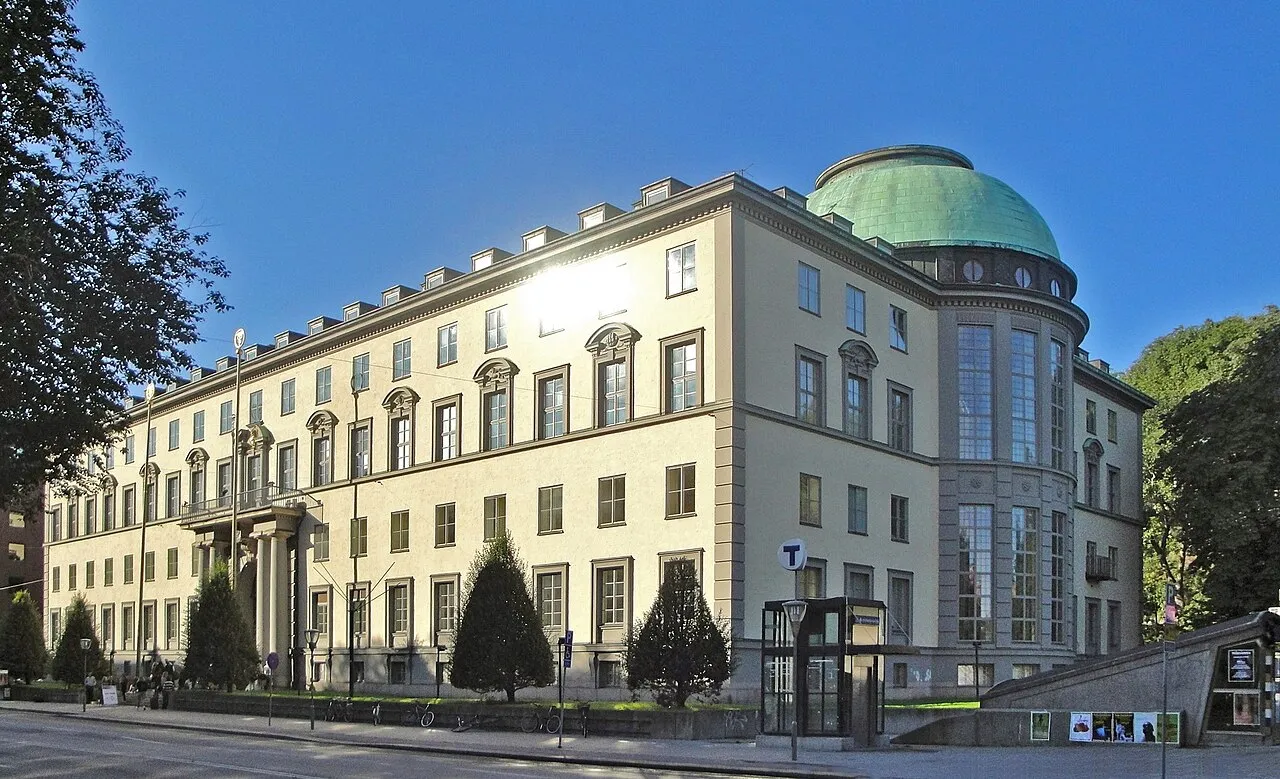
Handelshögskolan i Stockholms huvudbyggnad
Stockholm · 1926
-
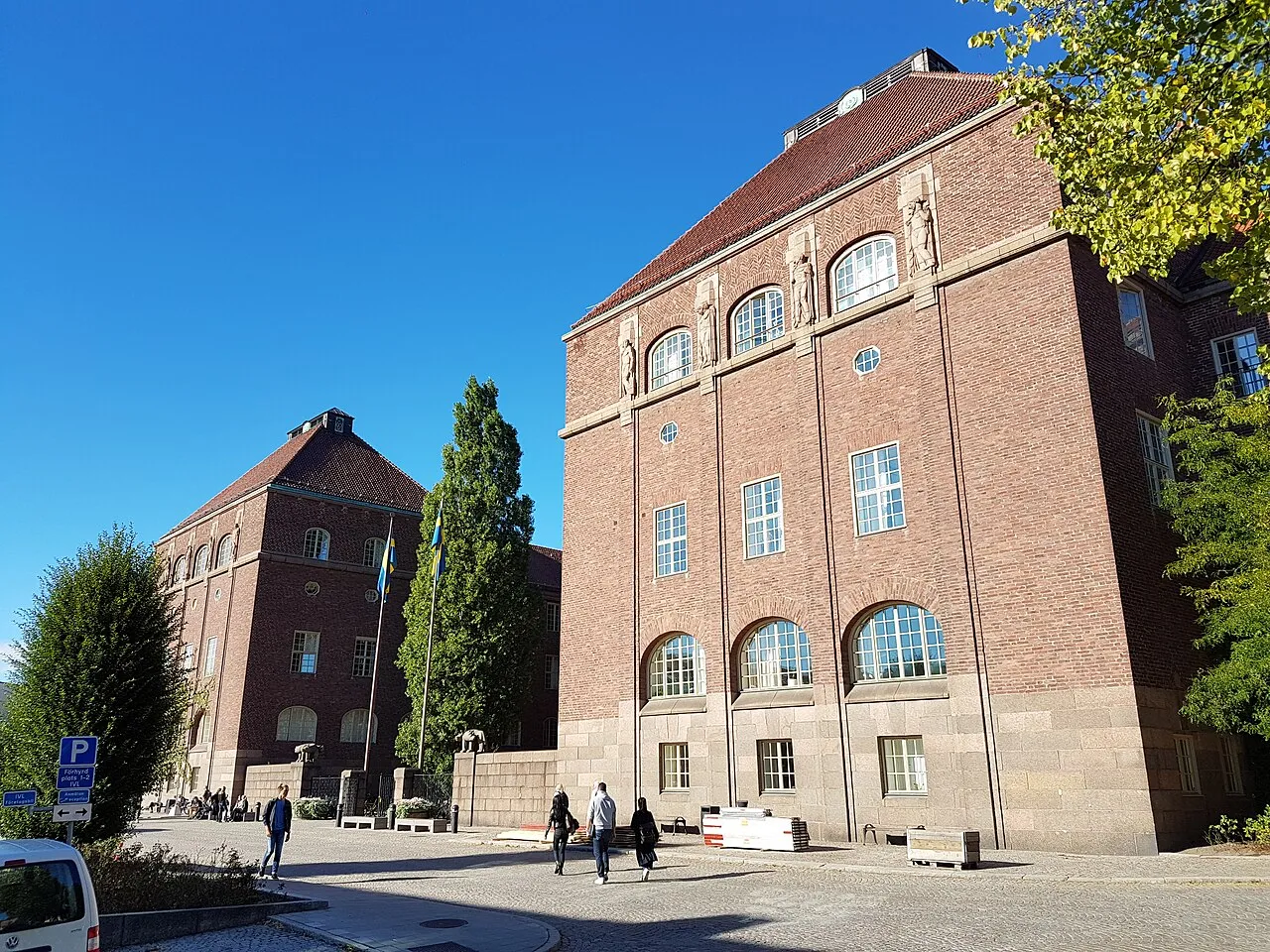
KTH:s huvudbyggnad
Stockholm · 1917
-
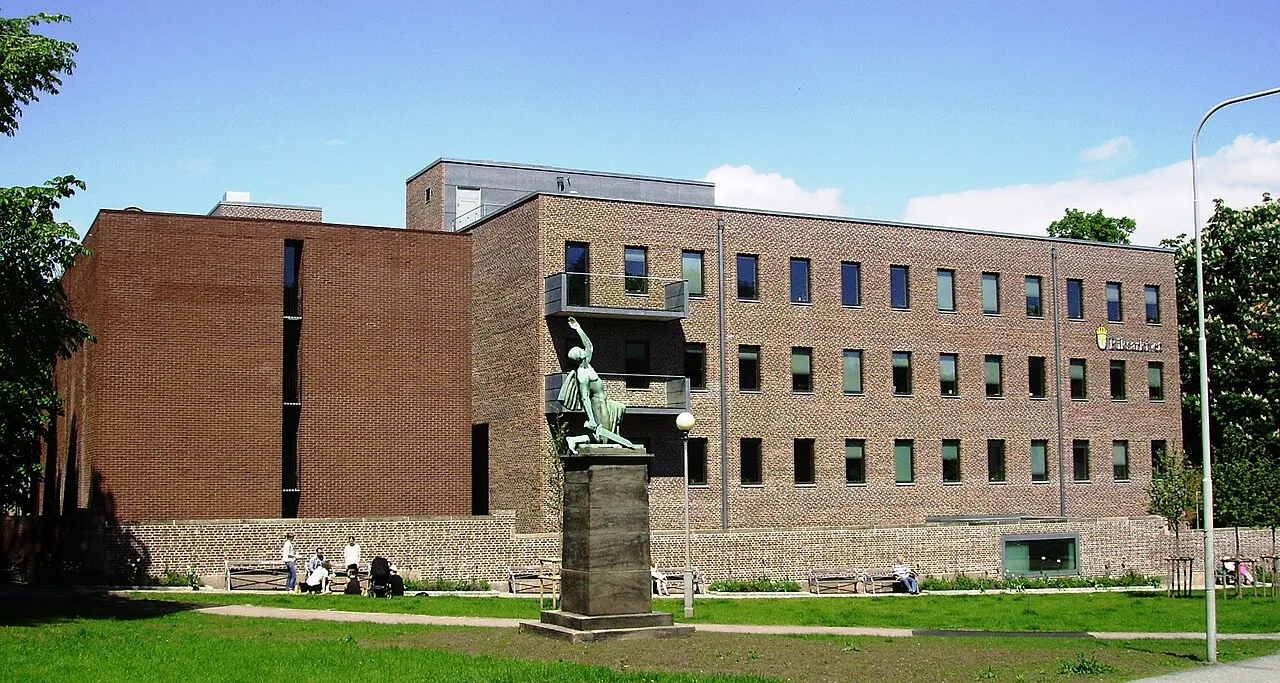
Landsarkivet i Göteborg
Gothenburg · 1911
-
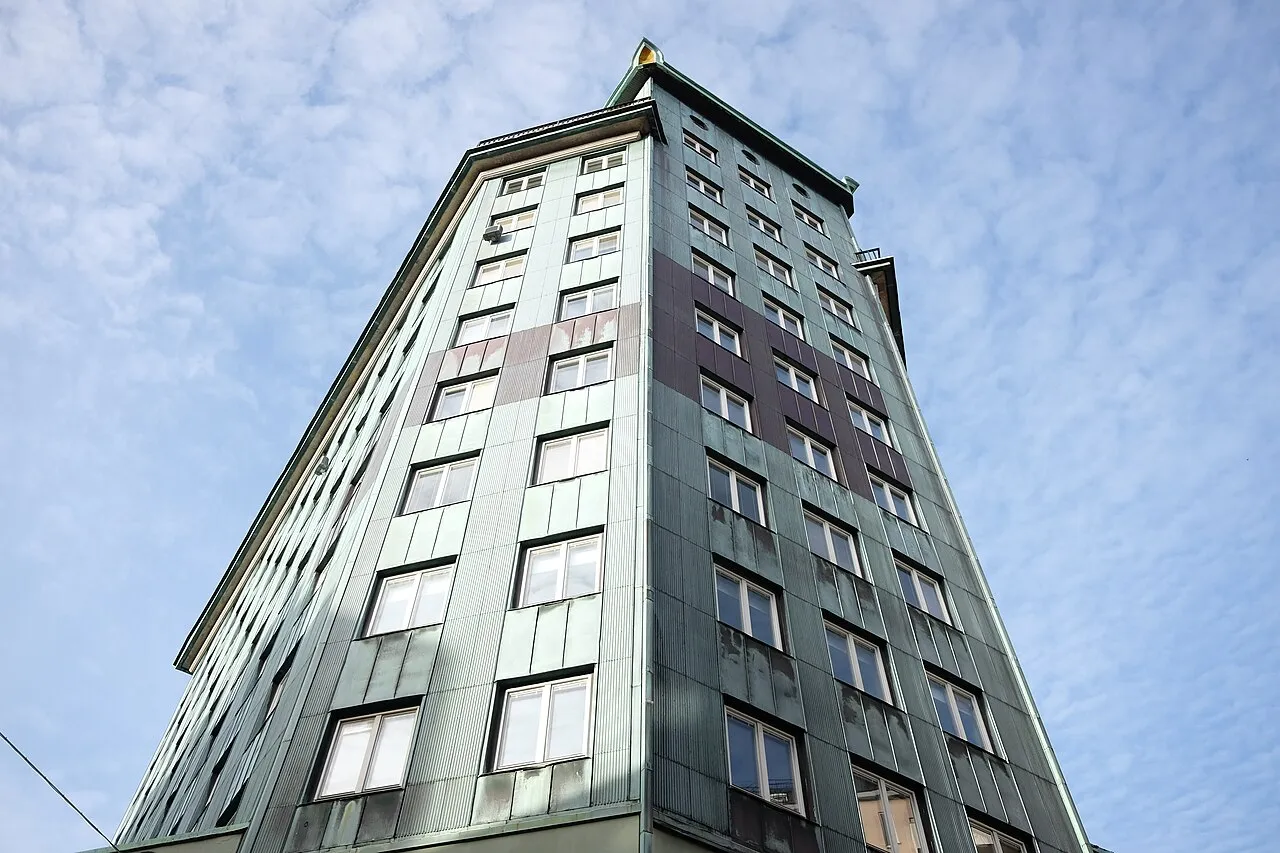
Otterhall
Gothenburg · 1927
Nordic Classicism city by city
Pick a city to see the places on the map, with photos and descriptions.
Keep exploring
Explore all destinations