

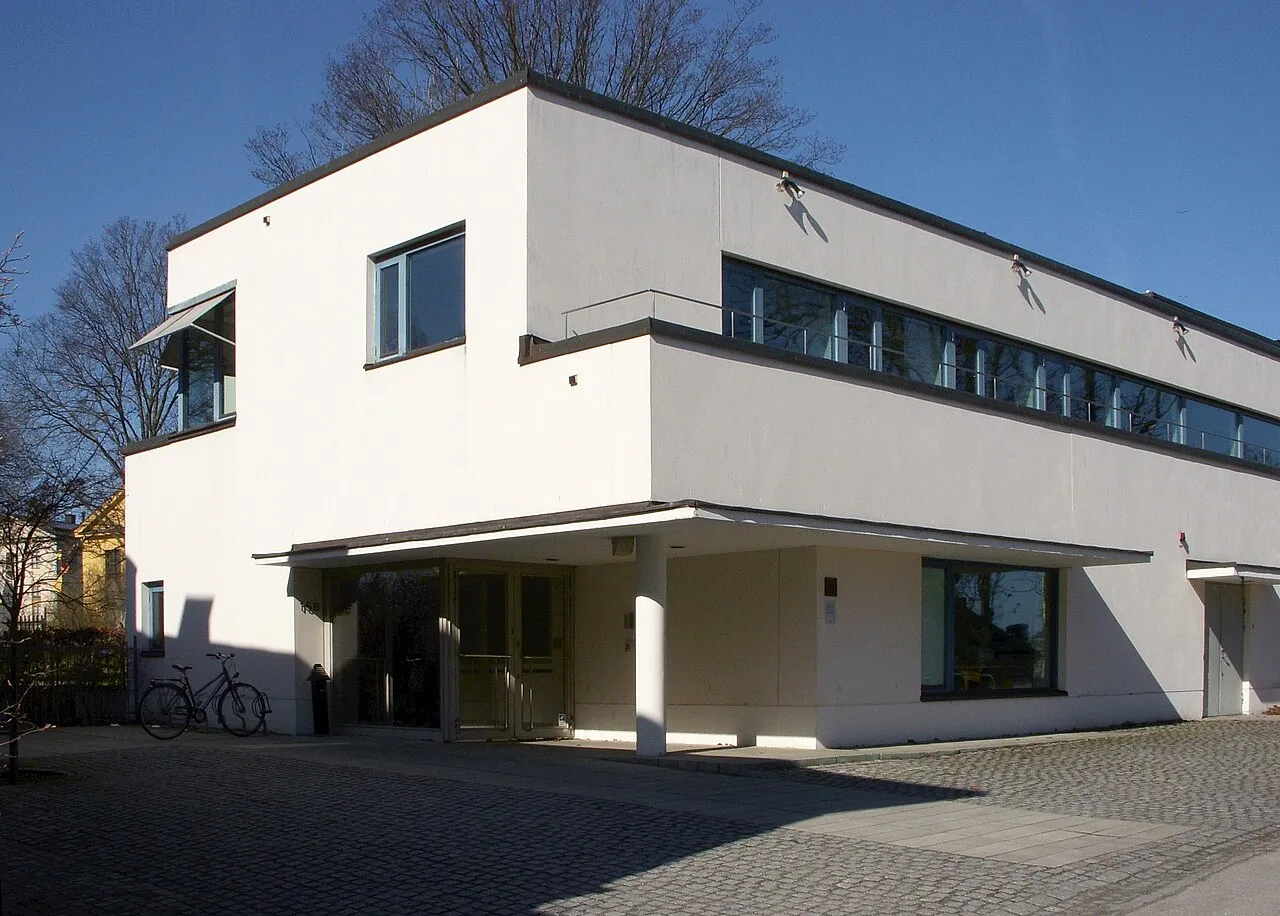
Postmodernism architecture
Postmodernism architecture across 6 cities in 5 countries. The buildings worth seeing, the architects behind them, and where to find each one.
What is postmodernism?
Postmodernism turned against the orthodoxy of modern architecture. It emerged in the 1970s, peaked through the 1980s, and ebbed by the mid-1990s. Robert Venturi laid the groundwork in Complexity and Contradiction in Architecture (1966), answering Mies van der Rohe’s “Less is more” with “Less is a bore.” Charles Jencks named the movement in The Language of Post-Modern Architecture (1977), written after the slab blocks of Pruitt-Igoe in St. Louis were dynamited: modern architecture died there on July 15, 1972 at 3:32 pm, Jencks declared, later admitting he had invented the time for effect.
You recognize the style by history quoted with a wink. Columns stand where they carry nothing at all, arches rise high and round, windows turn circular. Facades mix materials, bend proportion and symmetry, and set pastels beside strong primary colors.
Michael Graves’s Portland Building in Oregon (1982) is widely counted as the first major built work of the style, its facades carrying reinterpreted classical elements in symbolic color, green for the ground and blue for the sky. James Stirling and Michael Wilford’s Neue Staatsgalerie in Stuttgart (1979-1984) quotes Schinkel and the Pantheon, and Philip Johnson and John Burgee’s AT&T Building in New York (1984), topped by a split Chippendale pediment, became the first postmodern skyscraper. Ricardo Bofill drew housing estates in France, Les Arcades du Lac among them, and the crescent Bofills båge in Stockholm (1992).
The fall was steep. Around 2000 a new generation of architects rejected postmodernism as superficial historicism, and the style was long written off as a parenthesis. A reappraisal is now underway: Sweden’s national heritage board has published a subject guide to the buildings of the 1980s and 1990s, and in 2022 it proposed the Vasa Museum in Stockholm (1990) for listing as a byggnadsminne, a state-protected building.
Postmodernism in Sweden
Sweden resisted at first: postmodernism's international breakthrough at the 1980 Venice Architecture Biennale barely registered in the Swedish debate. The flip came fast, helped by the 1982 exhibition Provokationer at Kulturhuset in Stockholm, and within a few years the style had gone from dismissed to norm. The timing explains the speed. The Million Programme, a housing policy and never a style, had just been completed and stood accused of monotony, and planners answered with closed urban blocks, variation, and cheerful color. In Stockholm the period is sometimes framed as 1975-1995.
Carriers include Bengt Lindroos, whose 1980s infill in Kvarteret Drottningen on Södermalm won the Kasper Salin Prize in 1986, and the firm FFNS, whose colorful SIF office building went up on Olof Palmes gata in 1985. The landmarks are urban: the Södra station district (1986-1991) with Ricardo Bofill's monumental crescent Bofills båge (1992), the Söderhallarna halls with their colossal red columns, Knutpunkten in Helsingborg (1991, Ivar Krepp of VBB), and the business school extension in Gothenburg, Kasper Salin Prize 1995. In the 1990s nymodernism, a stripped return to modernist expression, took over; the H99 housing fair in Helsingborg (1999) has been described as the end.
See the style in Stockholm.
Notable postmodernism buildings
-
Swedish Centre for Architecture and Design (ArkDes)
Stockholm · 1998
-
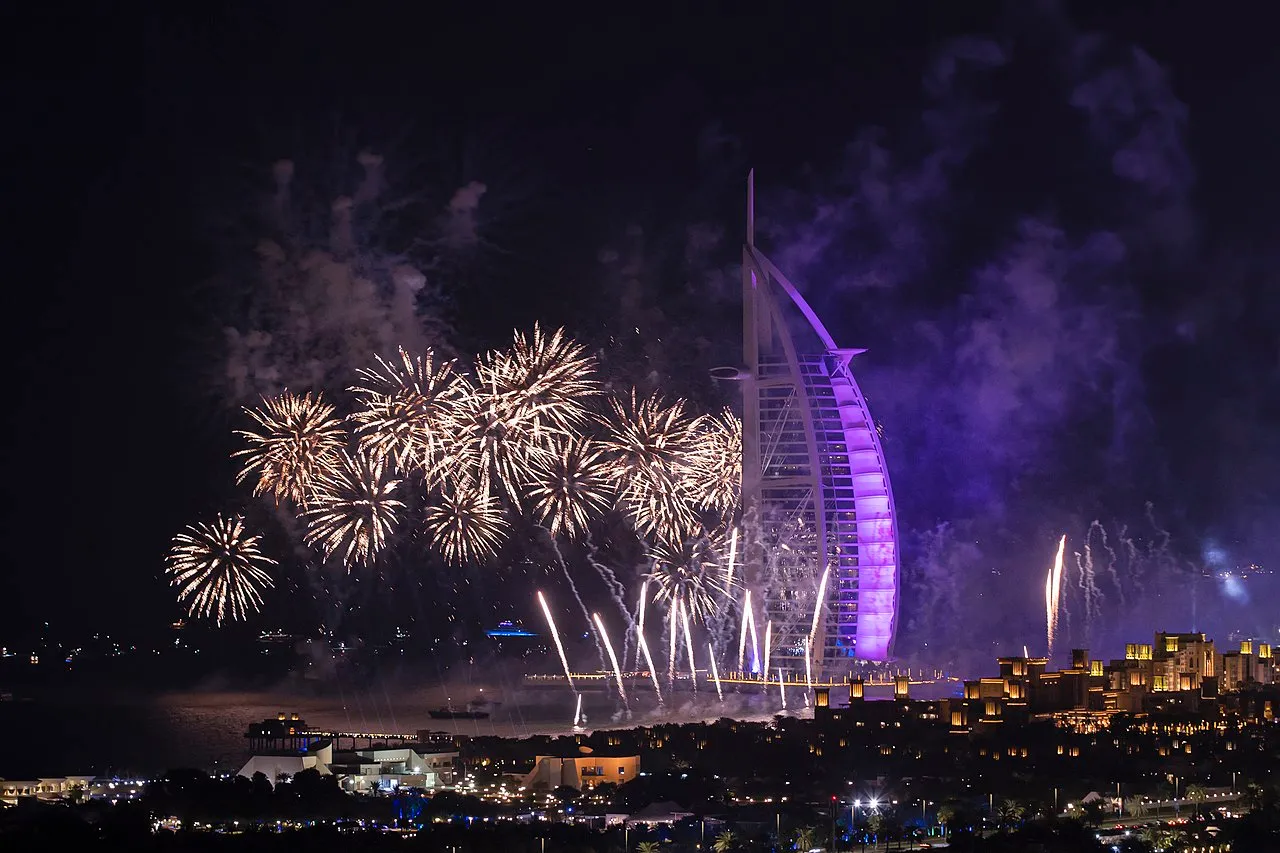
Burj Al Arab
Dubai · 1999
-
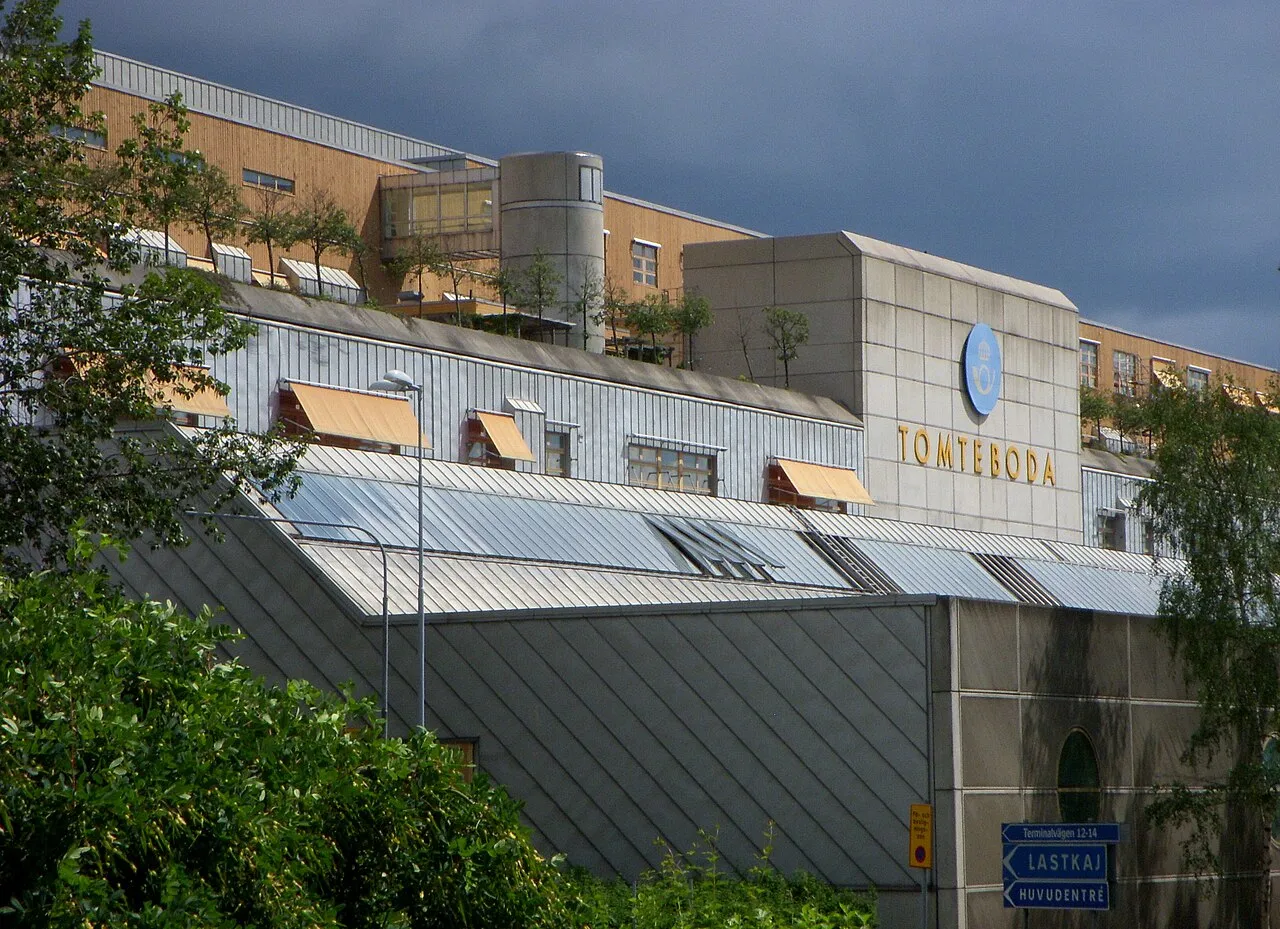
Tomteboda postterminal
Stockholm · 1983
-
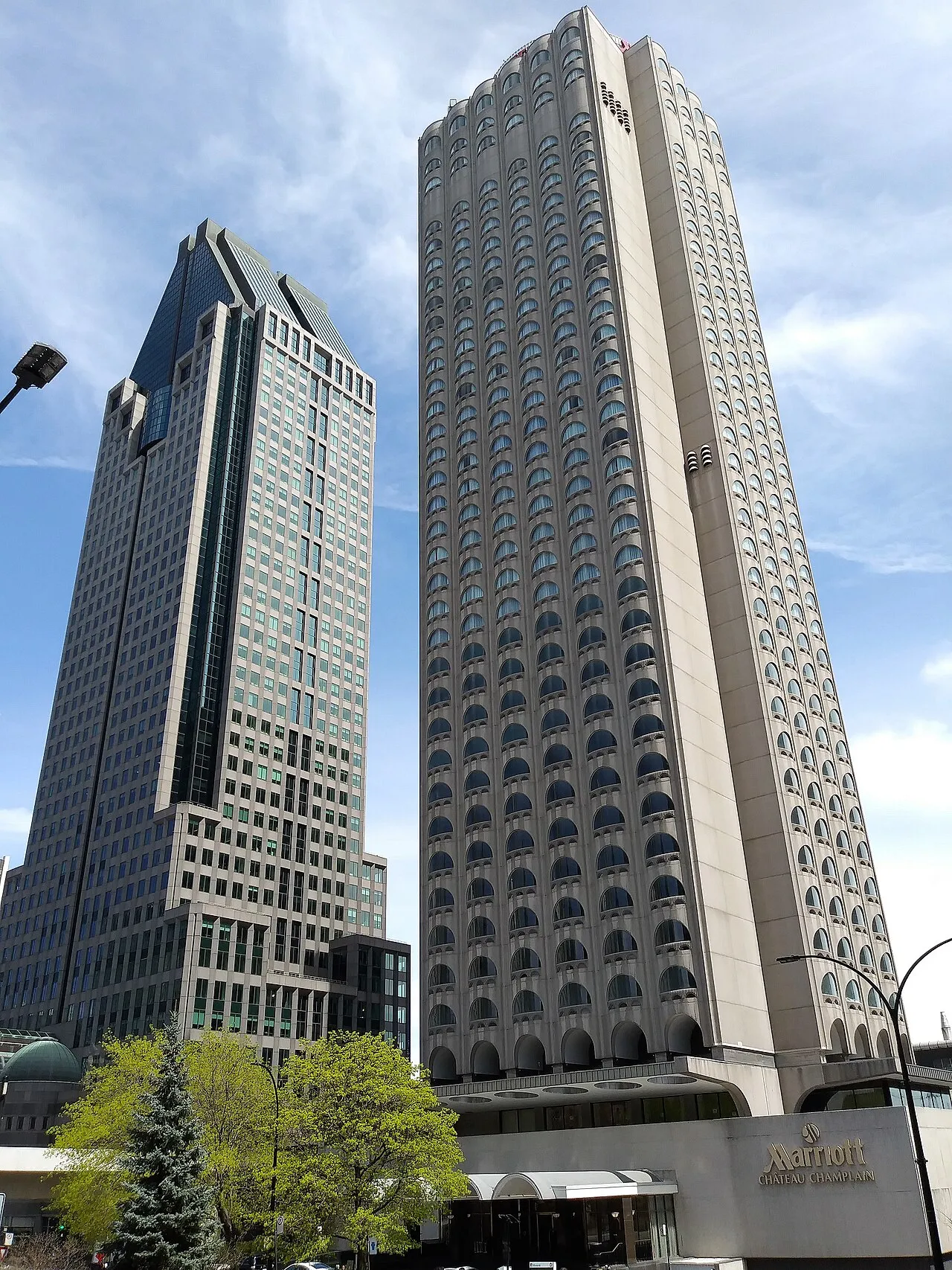
1000 de la Gauchetiere
Montreal · 1992
-
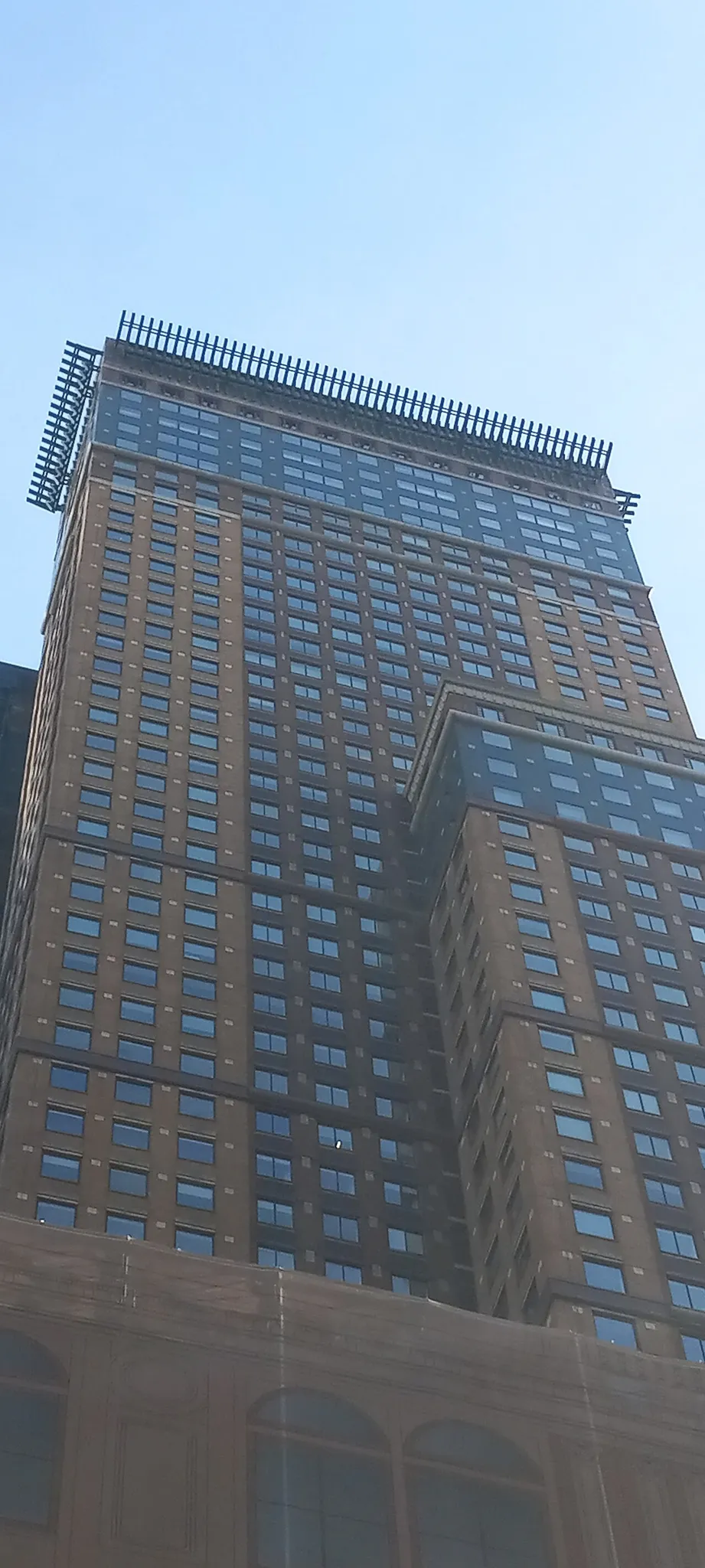
Carnegie Hall Tower
New York · 1991
-
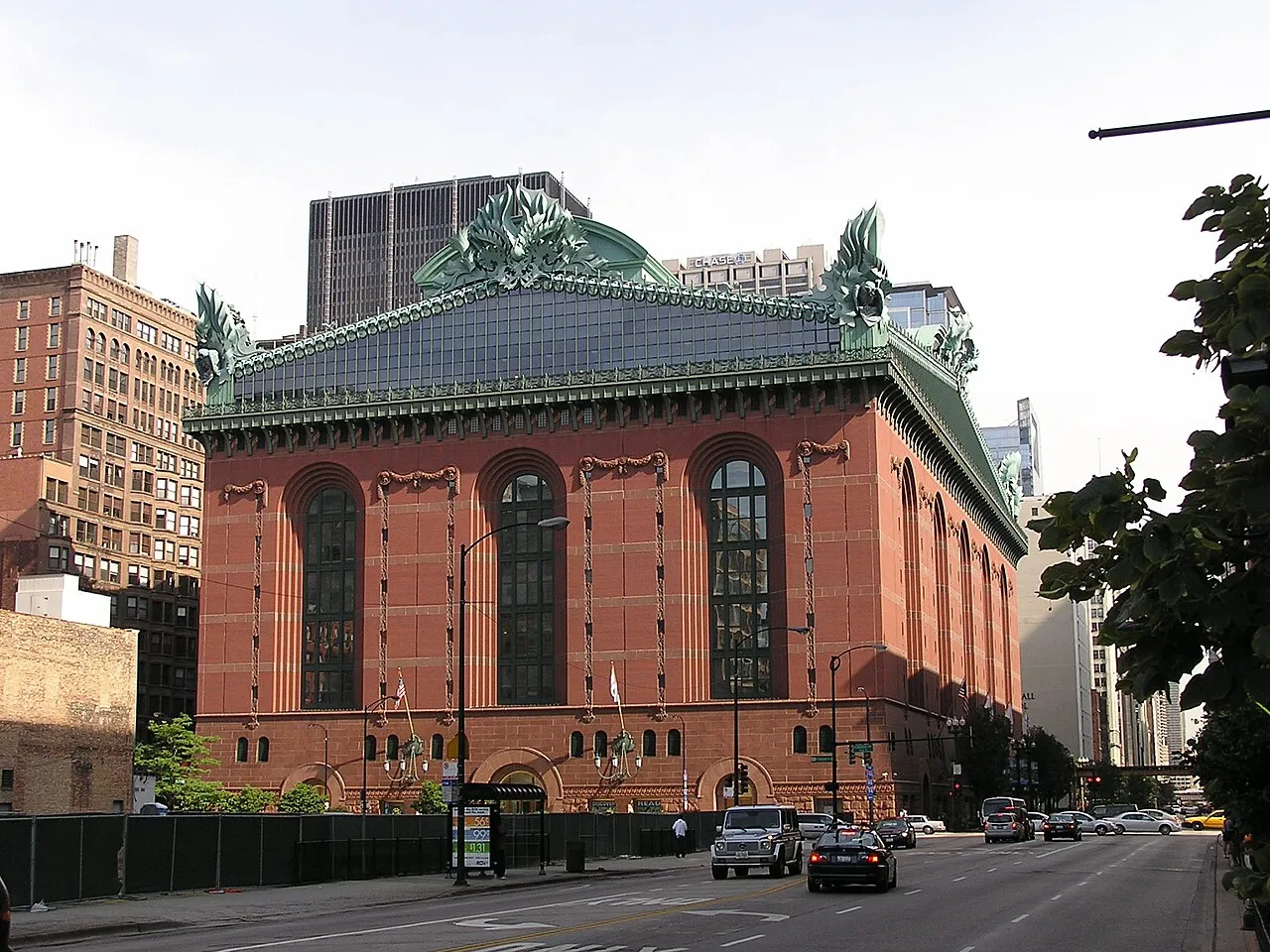
Harold Washington Library Center
Chicago · 1991
-
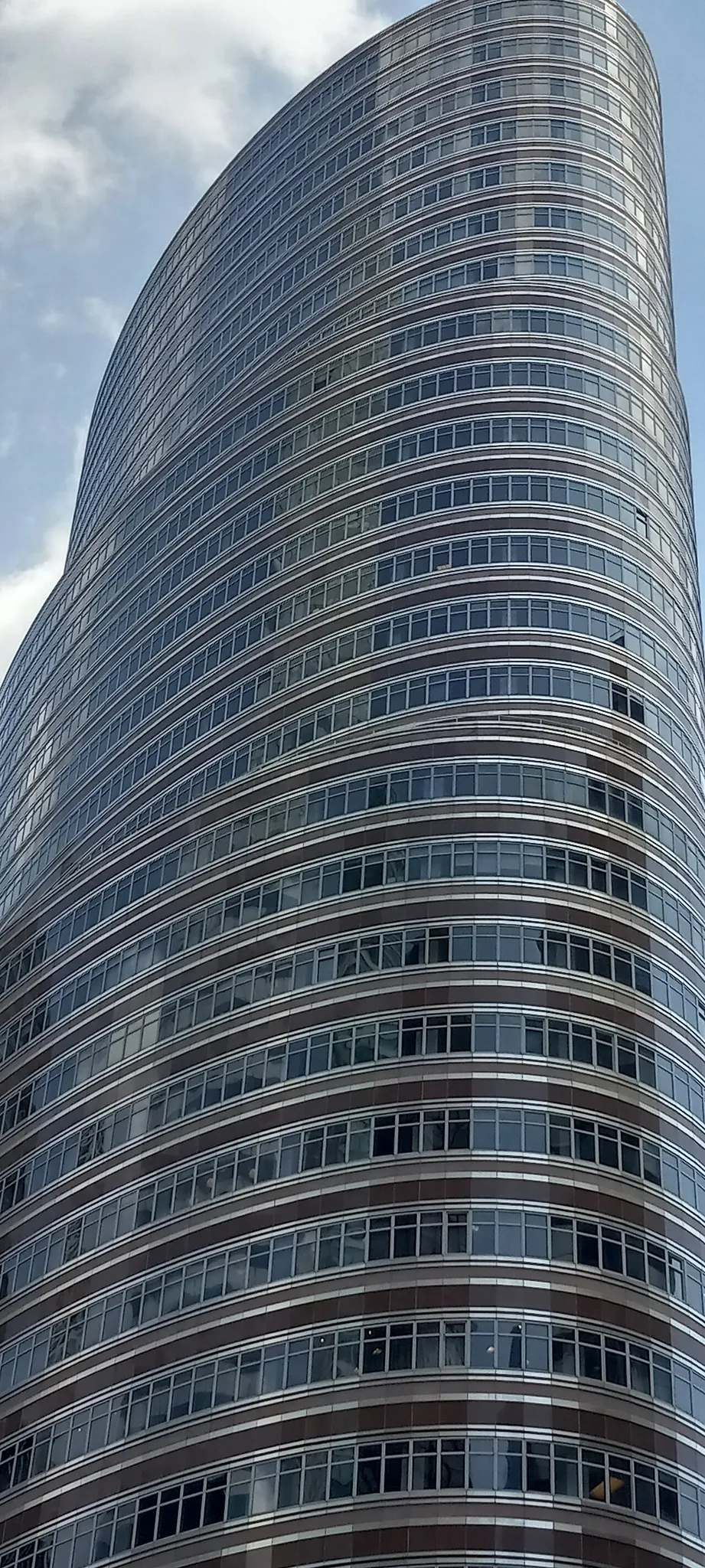
Lipstick Building
New York · 1986
-
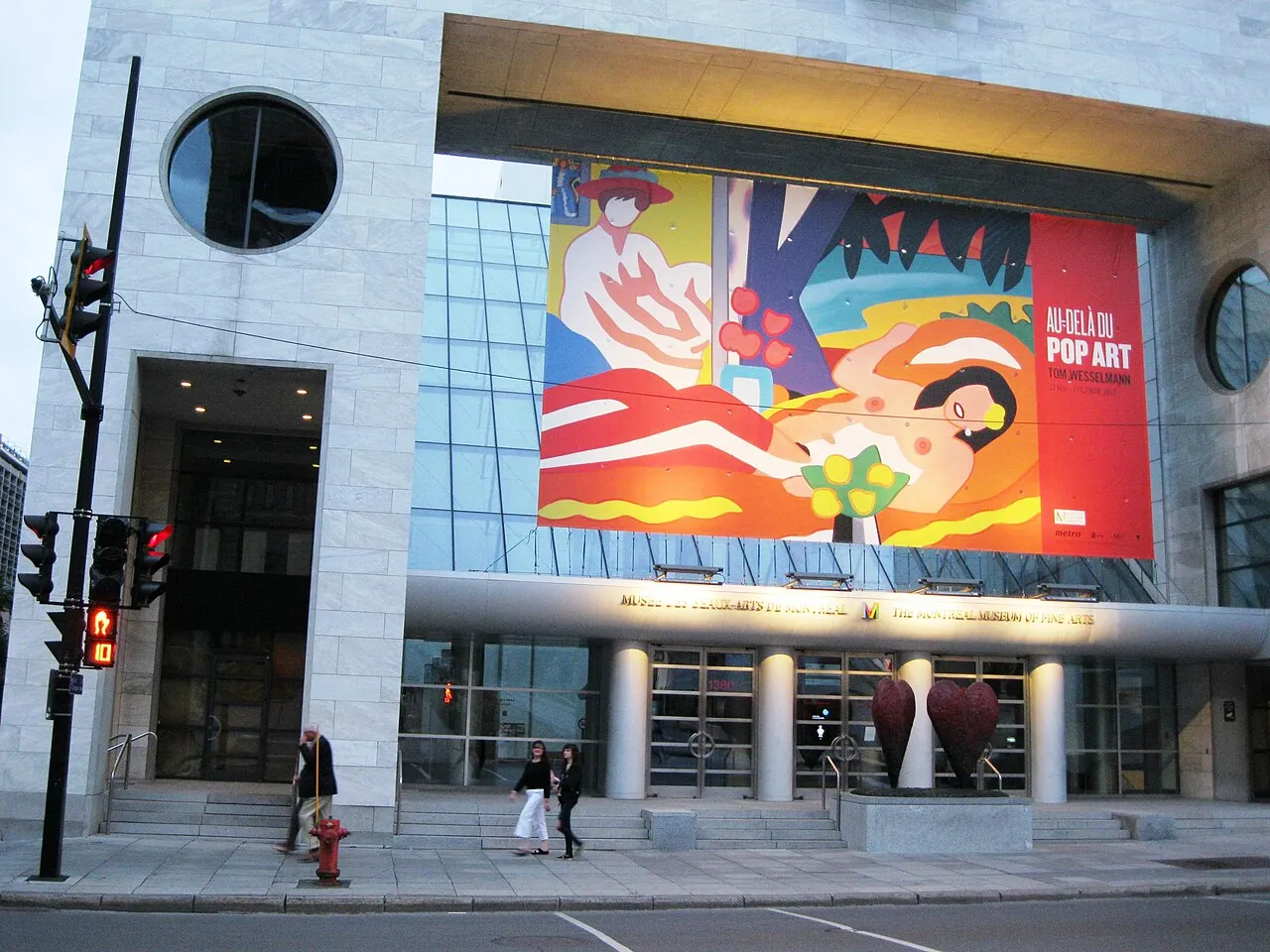
Musee des beaux-arts de Montreal - Pavillon Jean-Noel Desmarais
Montreal · 1991
-
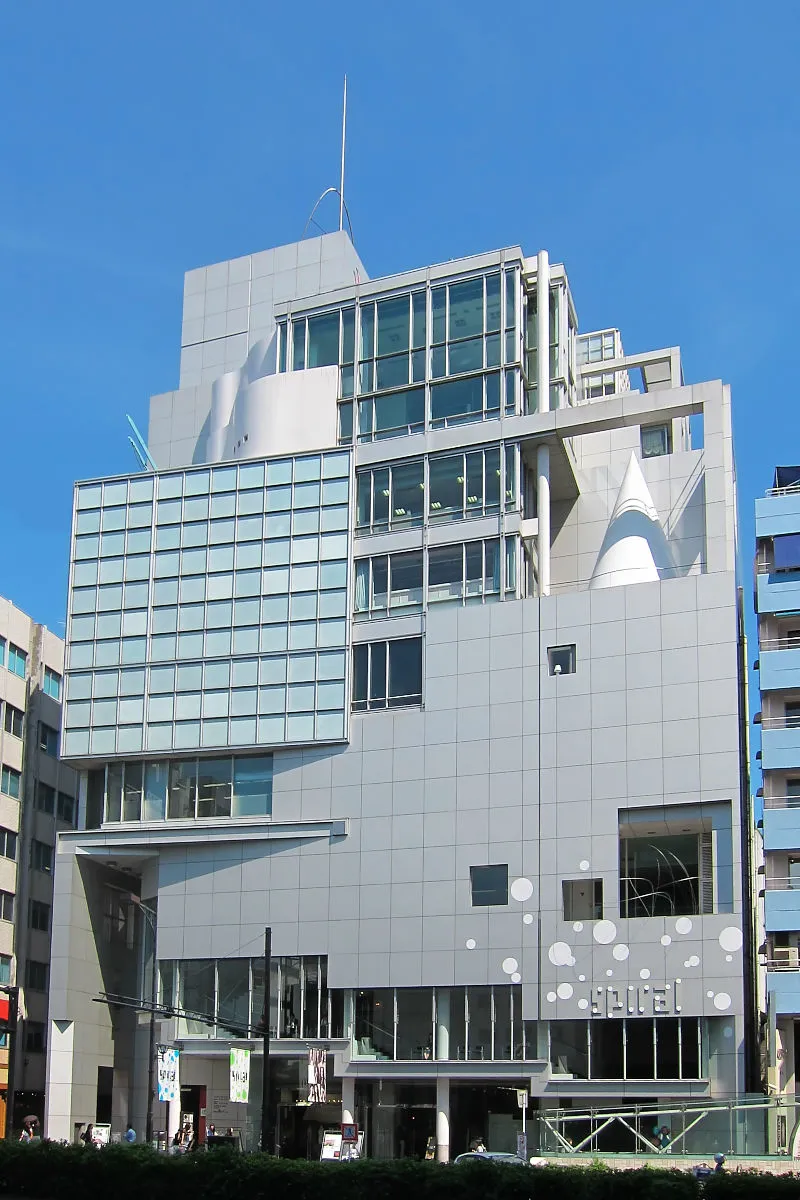
Spiral Building
Tokyo · 1985
-
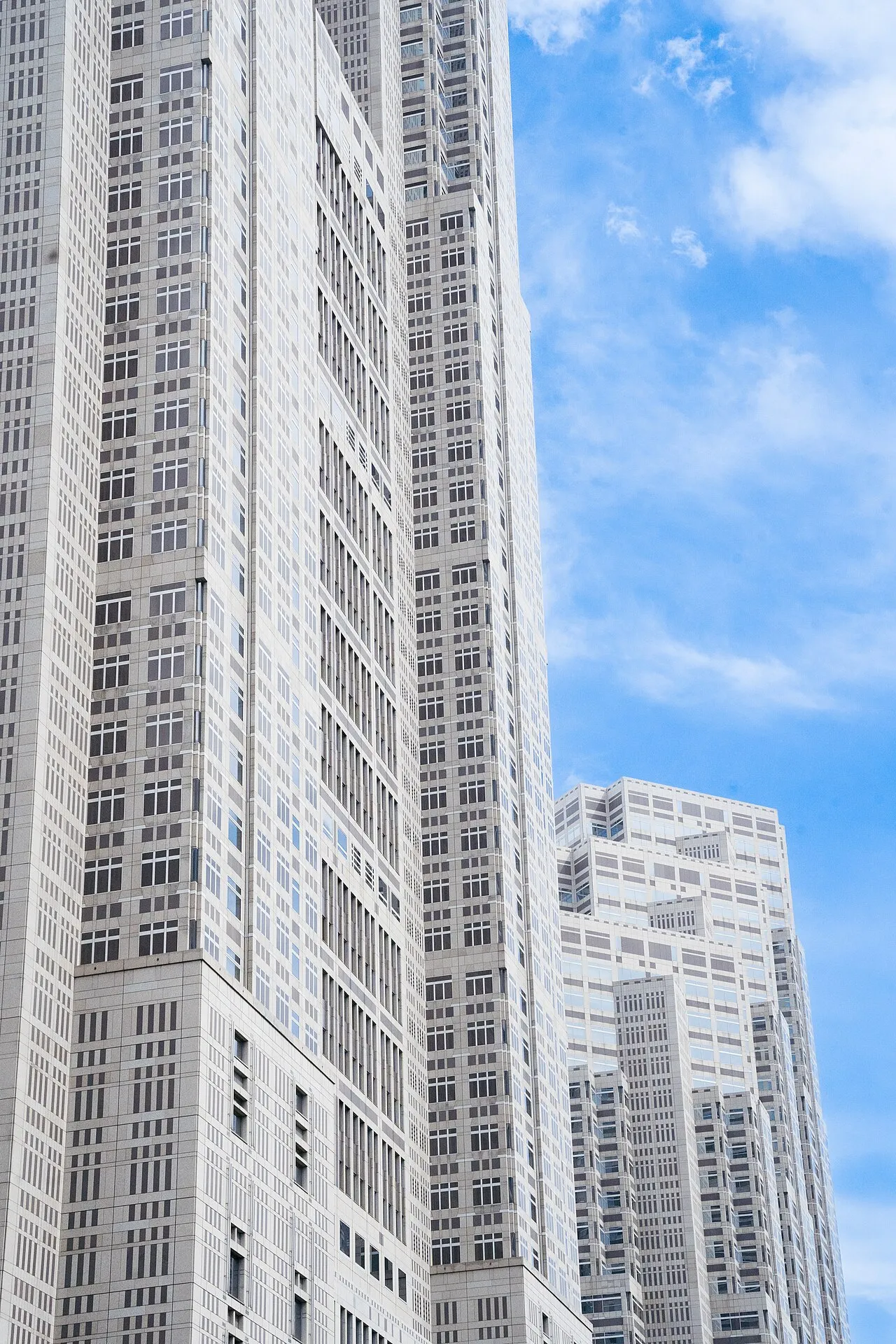
Tokyo Metropolitan Government Building
Tokyo · 1991
-
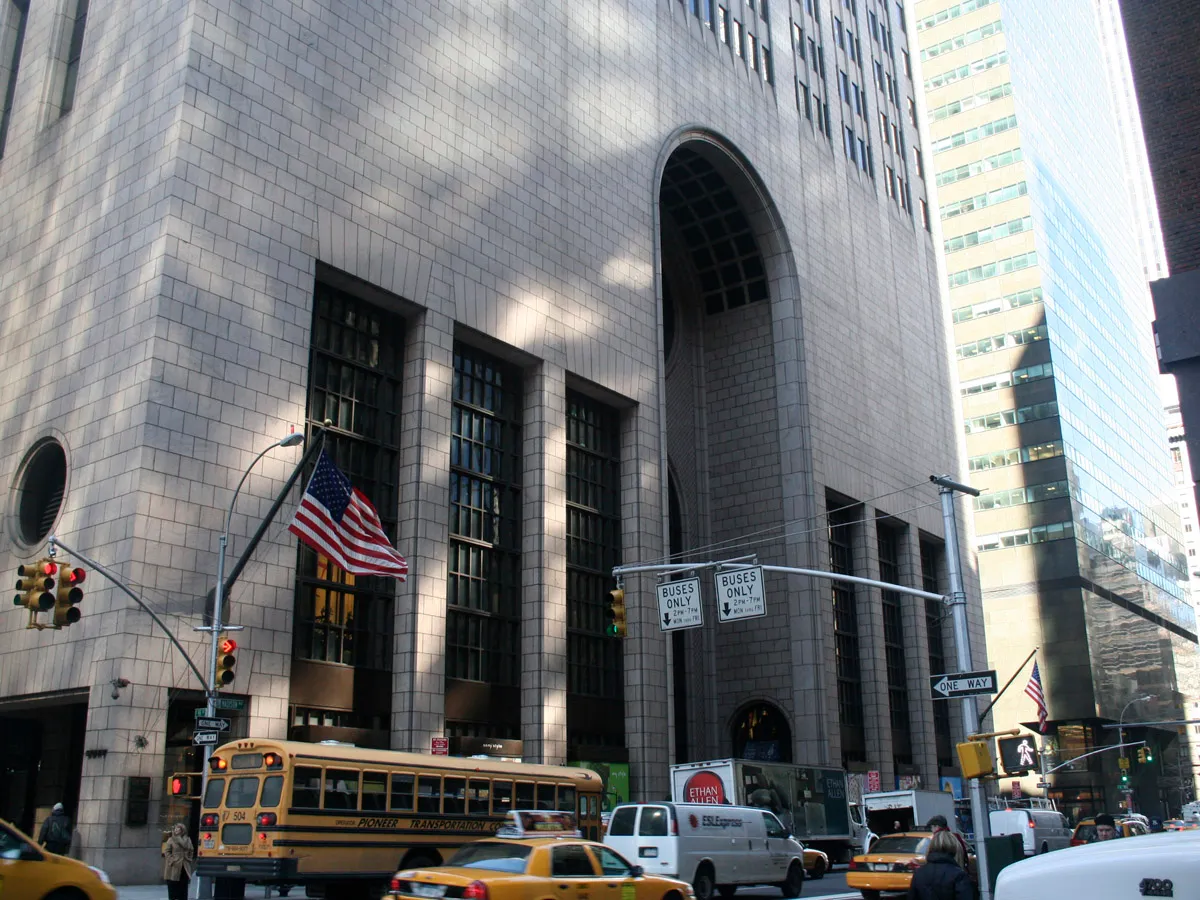
550 Madison Avenue
New York · 1984
-
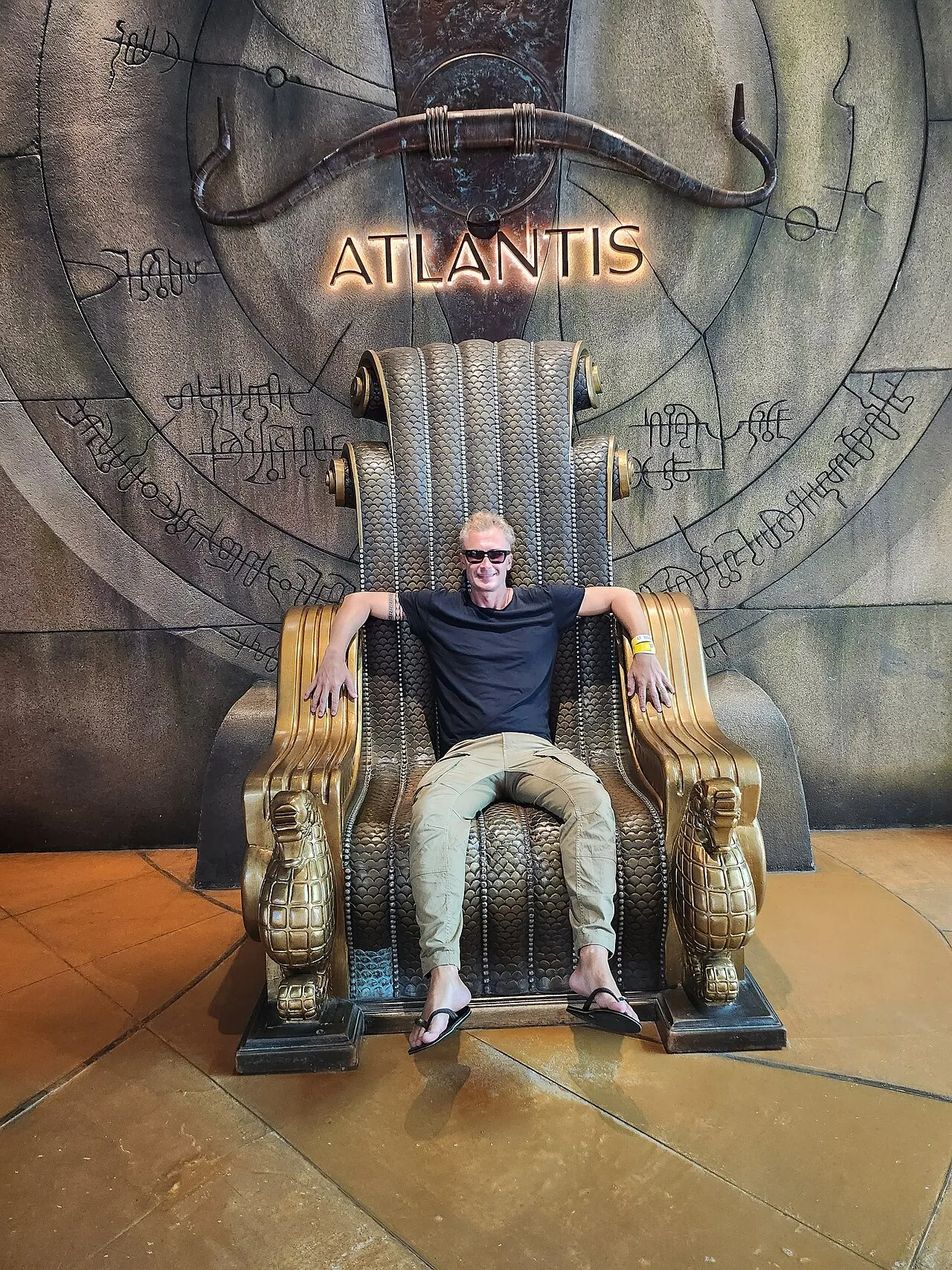
Atlantis The Palm
Dubai · 2008
Postmodernism city by city
Pick a city to see the places on the map, with photos and descriptions.
Keep exploring
Explore all destinations