

Renaissance architecture
Renaissance architecture across 31 cities in 15 countries. The buildings worth seeing, the architects behind them, and where to find each one.
What is renaissance?
Renaissance architecture began in early 15th-century Florence as a conscious revival of ancient Greek and Roman building, and spread from Italy across Europe over the following two centuries. Its opening act was Filippo Brunelleschi’s dome for Florence Cathedral (1420-1436), a double brick shell laid in herringbone courses without temporary supports, still the largest masonry dome in the world.
You recognize the style by symmetry and measured proportion: the five classical orders, semicircular arches, hemispherical domes, and flat or coffered ceilings in place of medieval rib vaults. The city palazzo added rusticated stone facades and a heavy crowning cornice; Palazzo Strozzi in Florence, begun in 1489, is the model.
Leon Battista Alberti supplied the theory, writing the first architectural treatises since antiquity. Donato Bramante’s Tempietto in Rome and Michelangelo’s work on St. Peter’s carried the High Renaissance, and Andrea Palladio closed the period with Villa La Rotonda and his Four Books of Architecture (1570). The experimental late phase, Mannerism (c. 1520-1600), is treated as a style of its own.
North of the Alps the style took on local accents: the Loire châteaux such as Chambord (1519-1539), Antwerp City Hall (finished 1564), and the Flemish-gabled variant that shaped Scandinavia, with Kronborg in Helsingør and Frederiksborg in Hillerød. In the 19th century the vocabulary returned as neo-renaissance, covered on its own page. The originals remain the core of the canon: La Rotonda and the Palladian villas of the Veneto were inscribed as World Heritage in 1994.
Renaissance in Sweden
The Swedish renaissance is royal, defensive, and dynastic. Gustav Vasa built fortresses with round cannon towers, earthen ramparts, and moats: Gripsholm from 1537 under the master builder Henrik von Cöllen, Vadstena from 1545, and Uppsala from 1549.
His sons turned the fortresses into palaces. Johan III had the Flemish master Arendt de Roy remake Vadstena, the only major Vasa castle built from scratch in the era, while the German-Swedish Pahr brothers led Kalmar's transformation into a renaissance palace on continental models. The gilded coffered ceiling of Kalmar's Golden Hall dates from 1576, and the castle counts among the best-preserved renaissance castles in the Nordics.
The expertise was imported, carried north by Flemish and German masters such as de Roy, Willem Boy, and the Pahr family; Swedes sometimes call the result vasarenässans, the Vasa renaissance. Skåne belonged to Denmark at the time, and Malmöhus in Malmö (1526-1539) is the oldest preserved renaissance castle in the Nordics. Church building stayed Gothic well into the 1600s.
See the style in Malmö.
Notable renaissance buildings
-
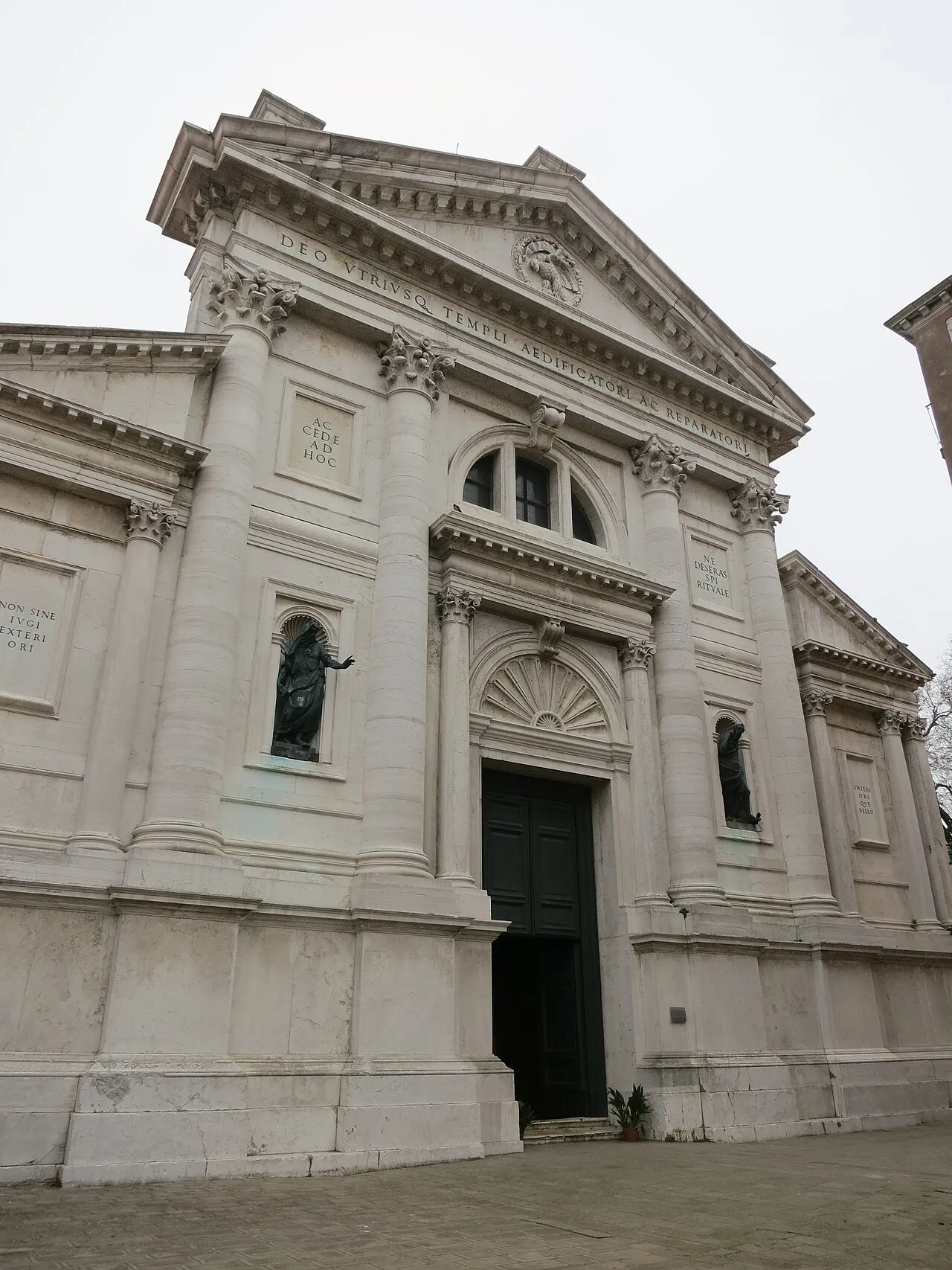
San Francesco della Vigna
Venice · 1554
-
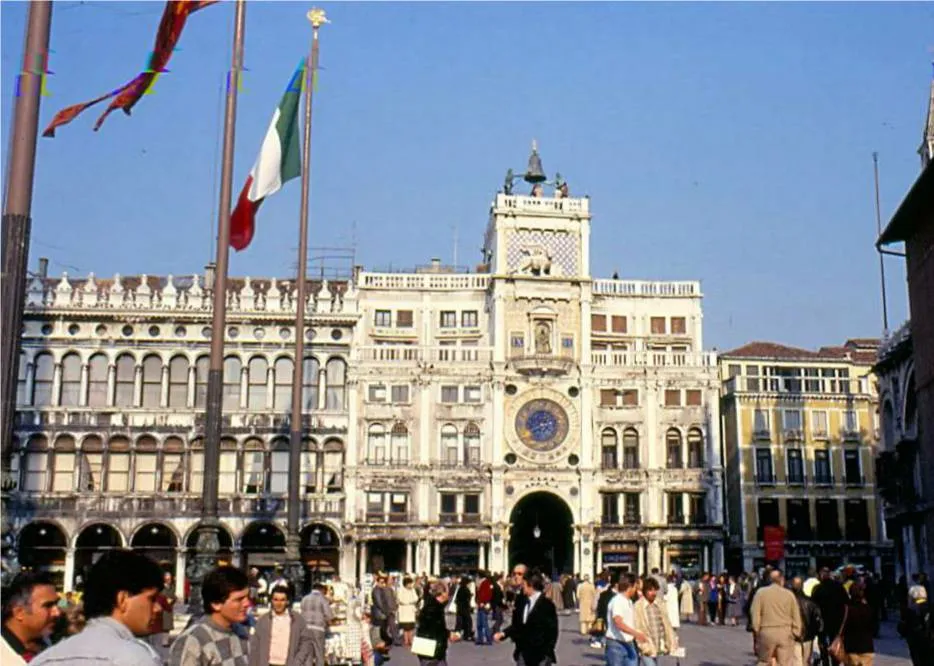
Clock Tower
Venice · 1499
-
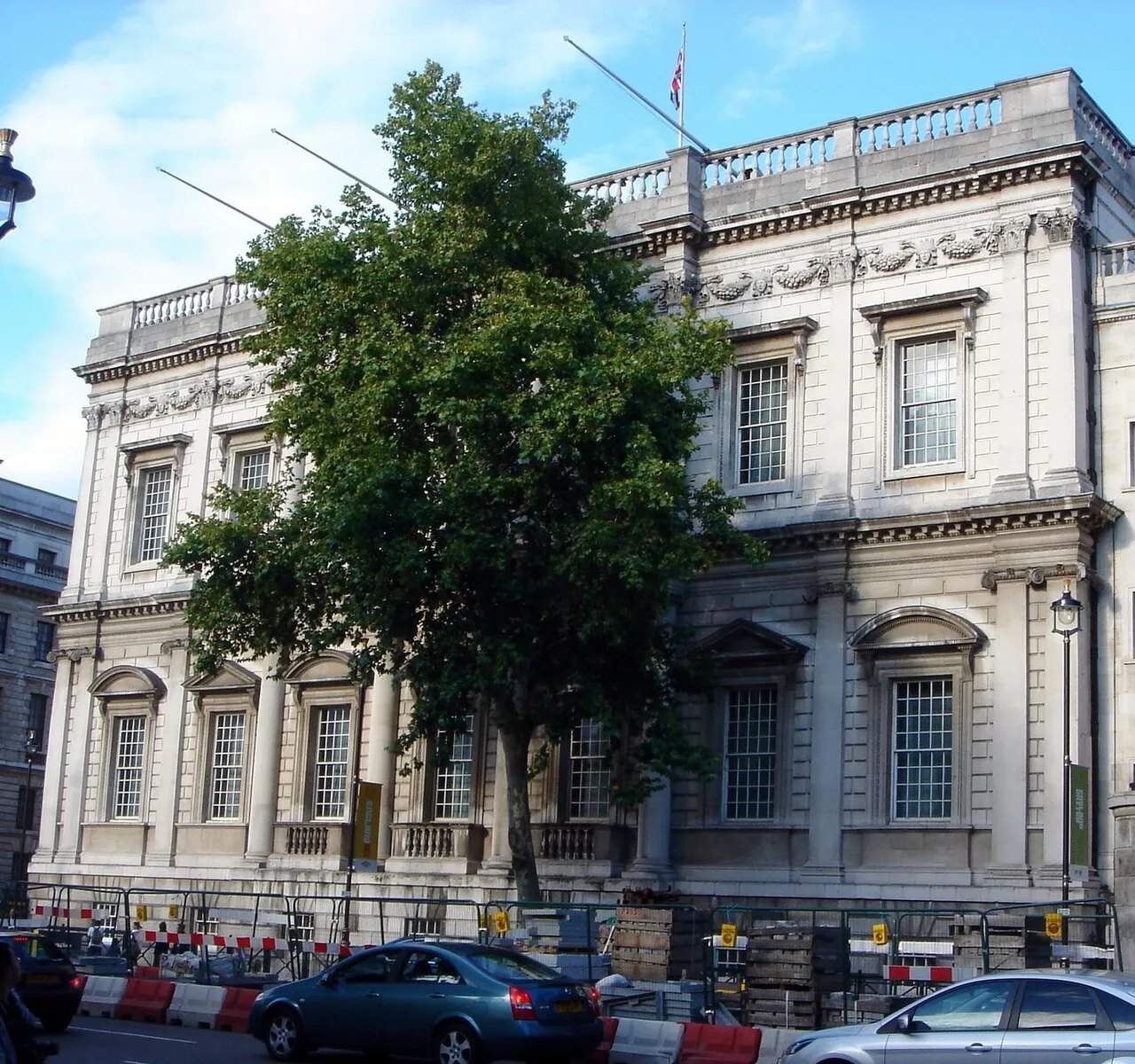
Banqueting House
London · 1622
-
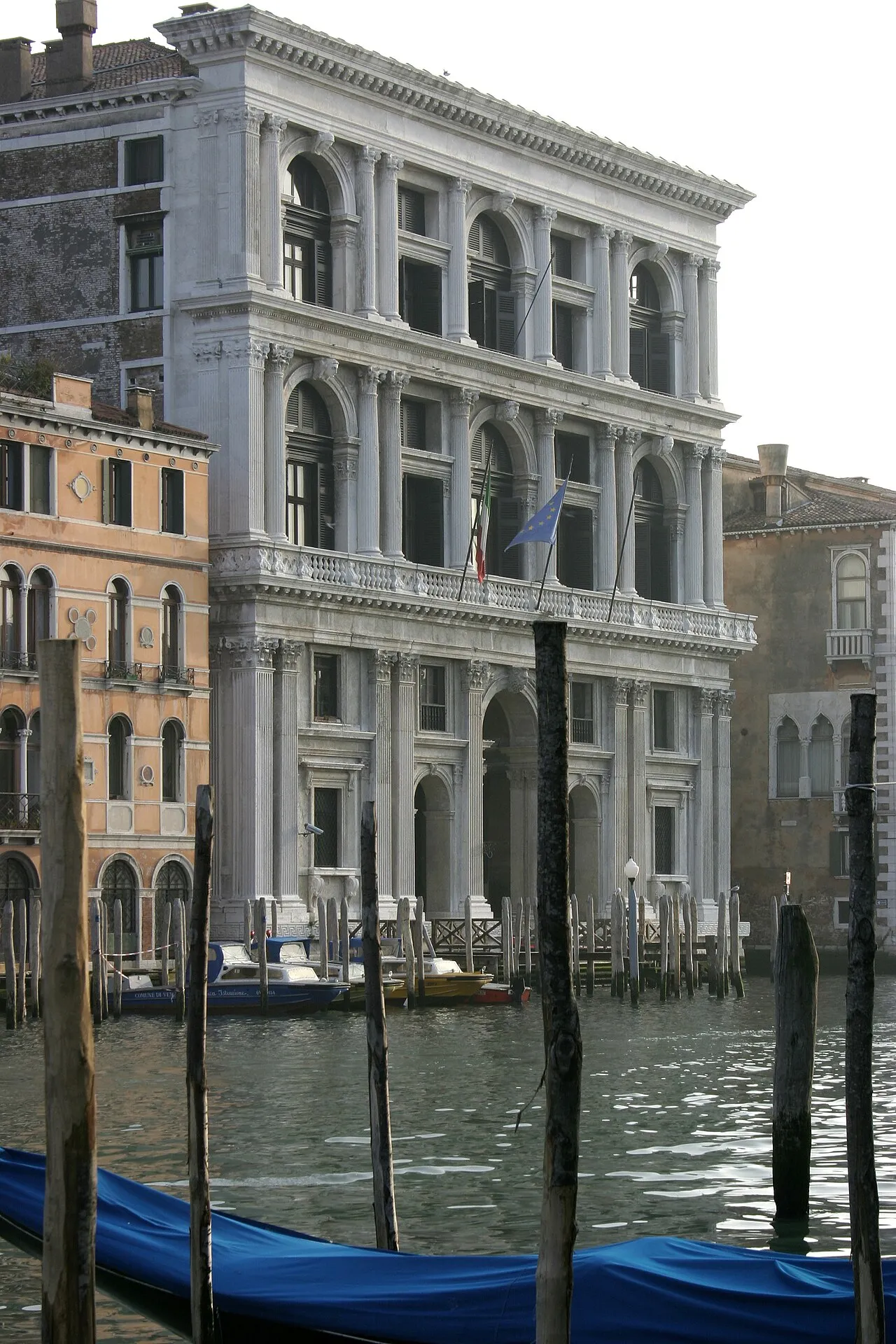
Palazzo Grimani di San Luca
Venice · 1559
-
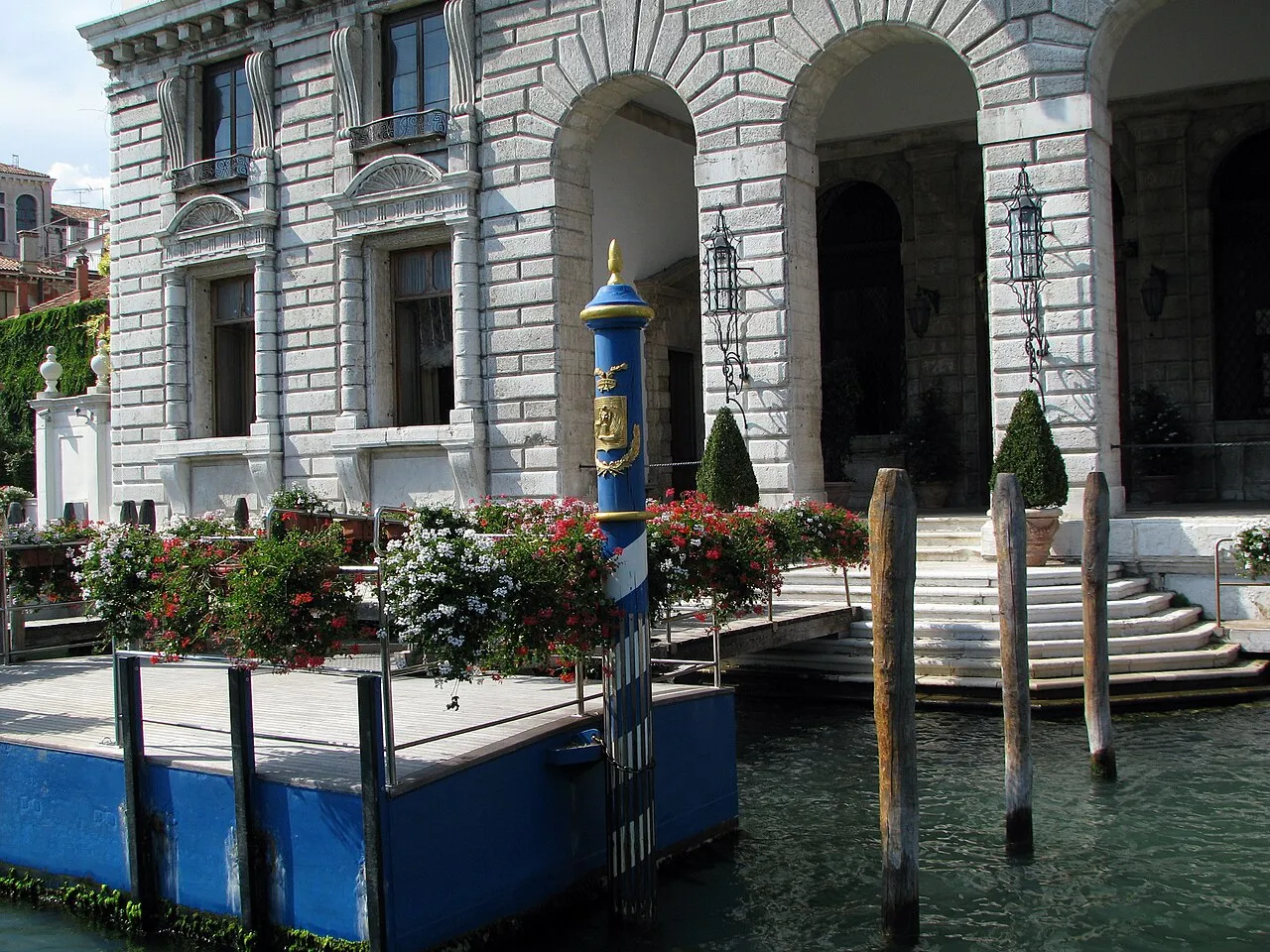
Palazzo Corner della Ca' Grande
Venice · 1556
-
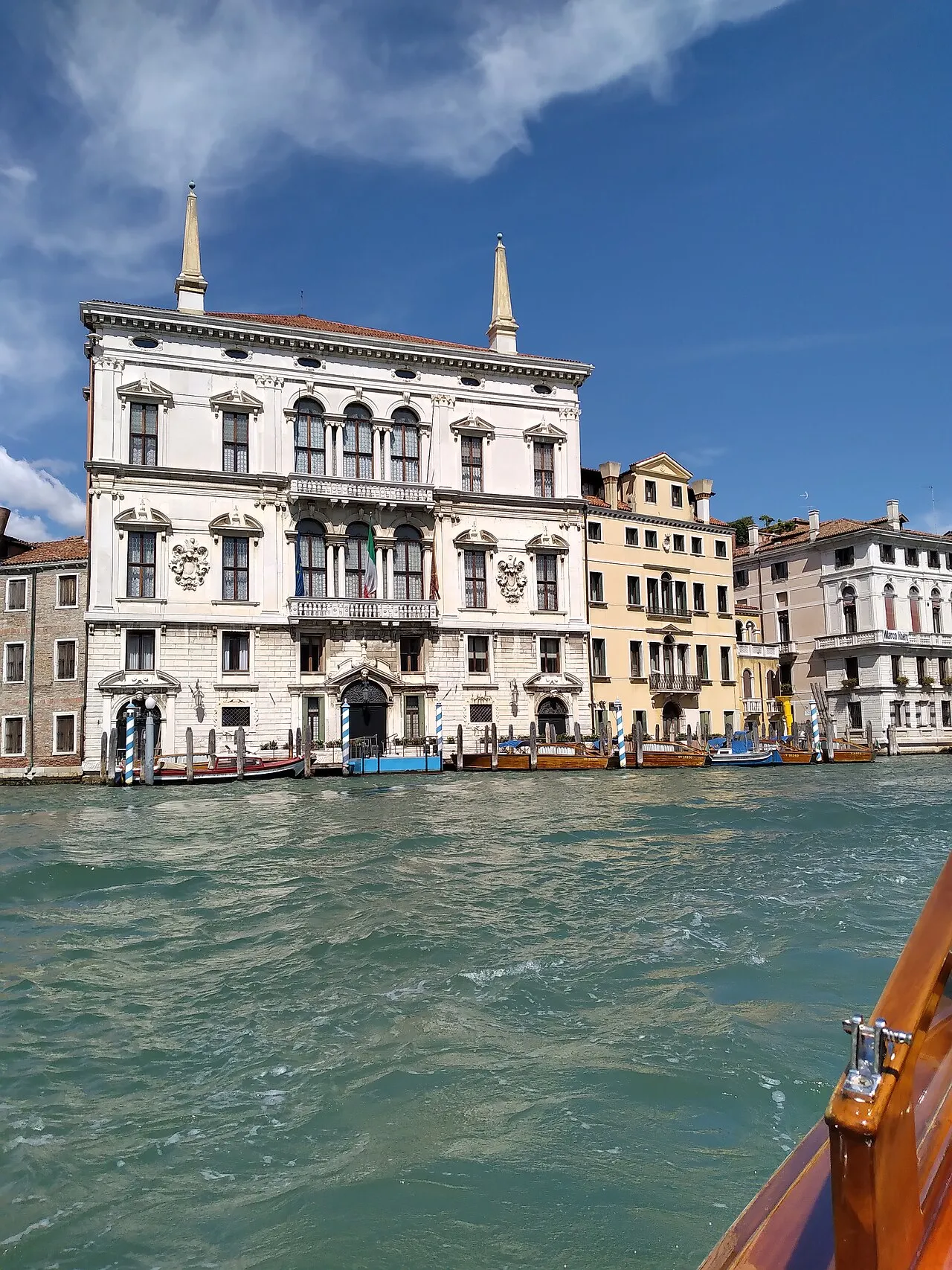
Palazzo Balbi
Venice · 1590
-
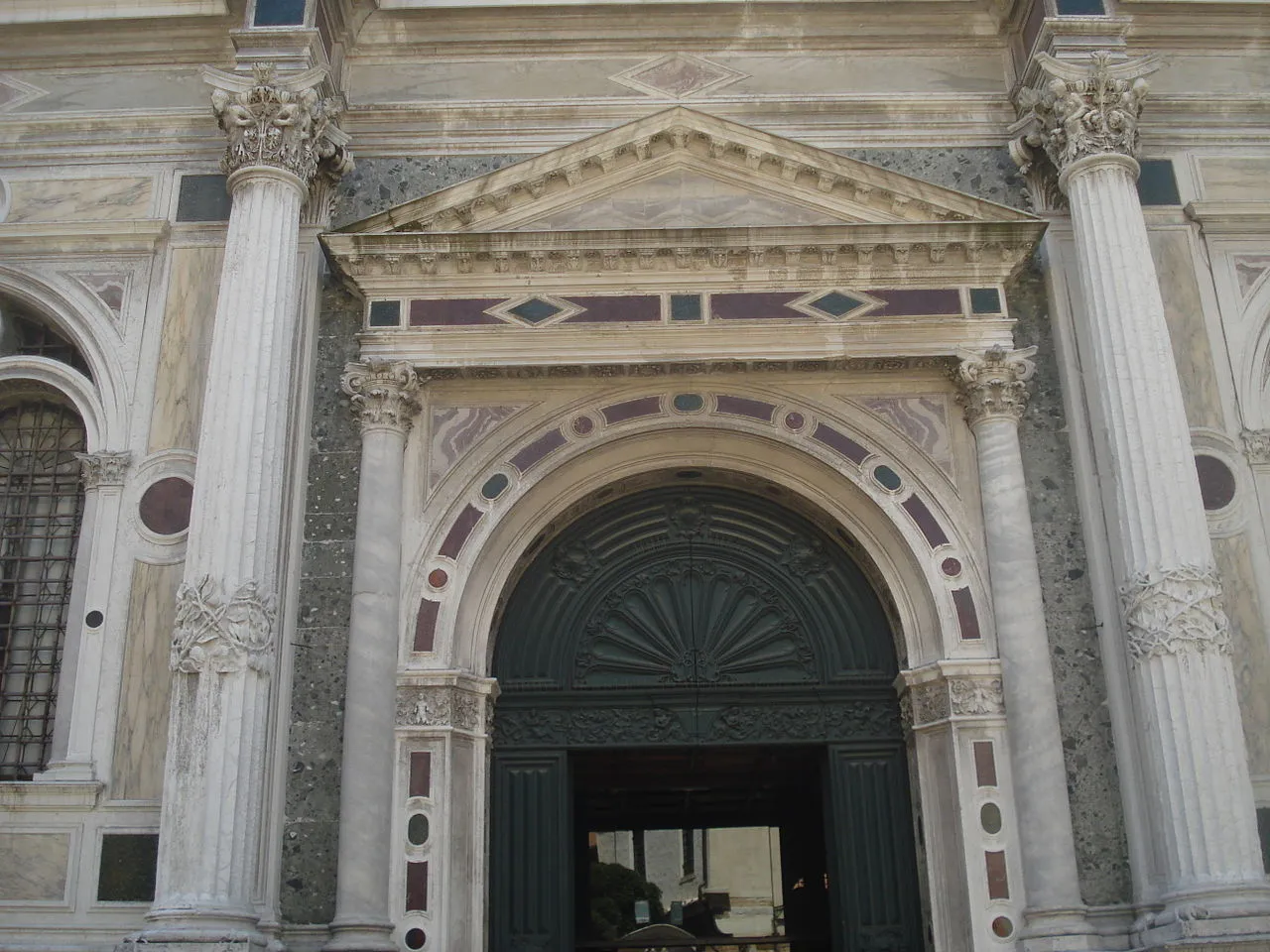
Scuola Grande di San Rocco
Venice · 1560
-
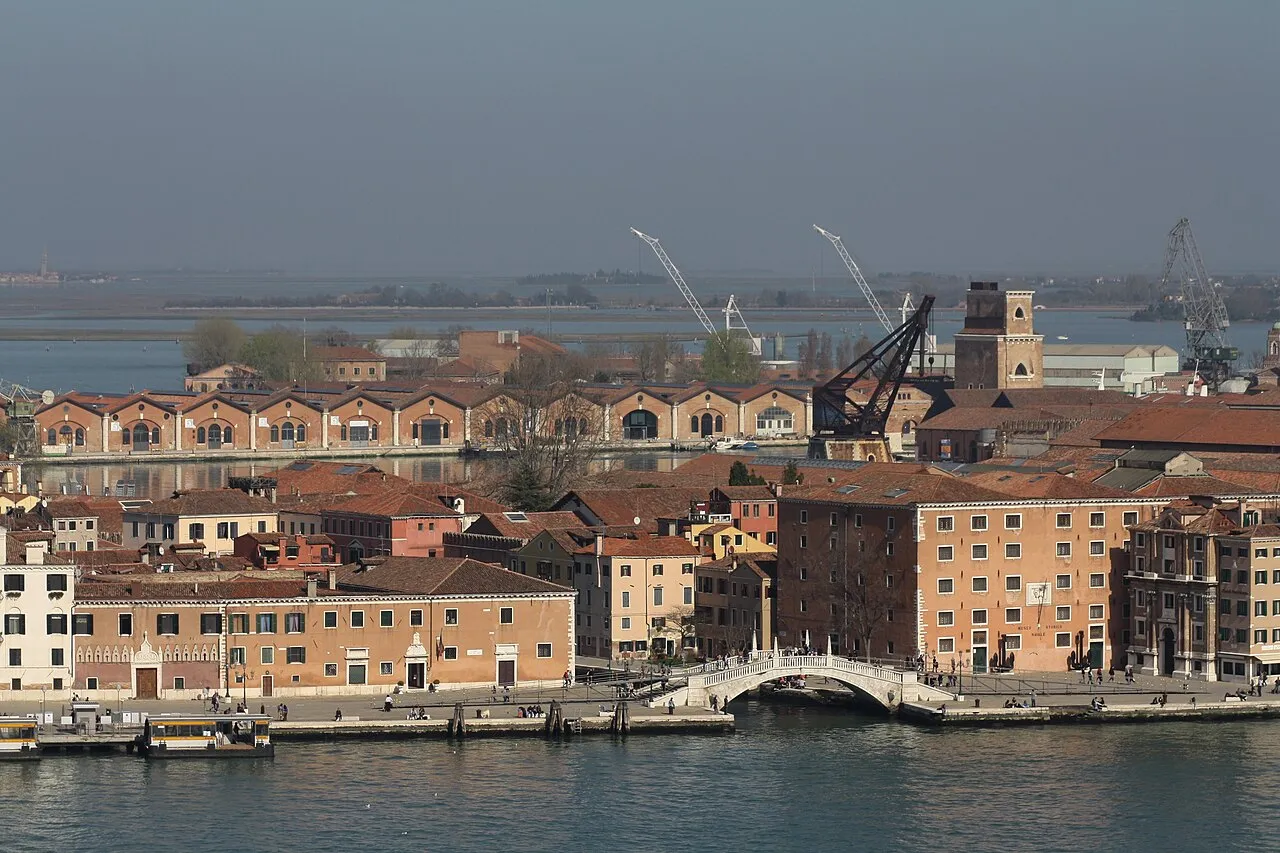
Venetian Arsenal
Venice · 1104
-
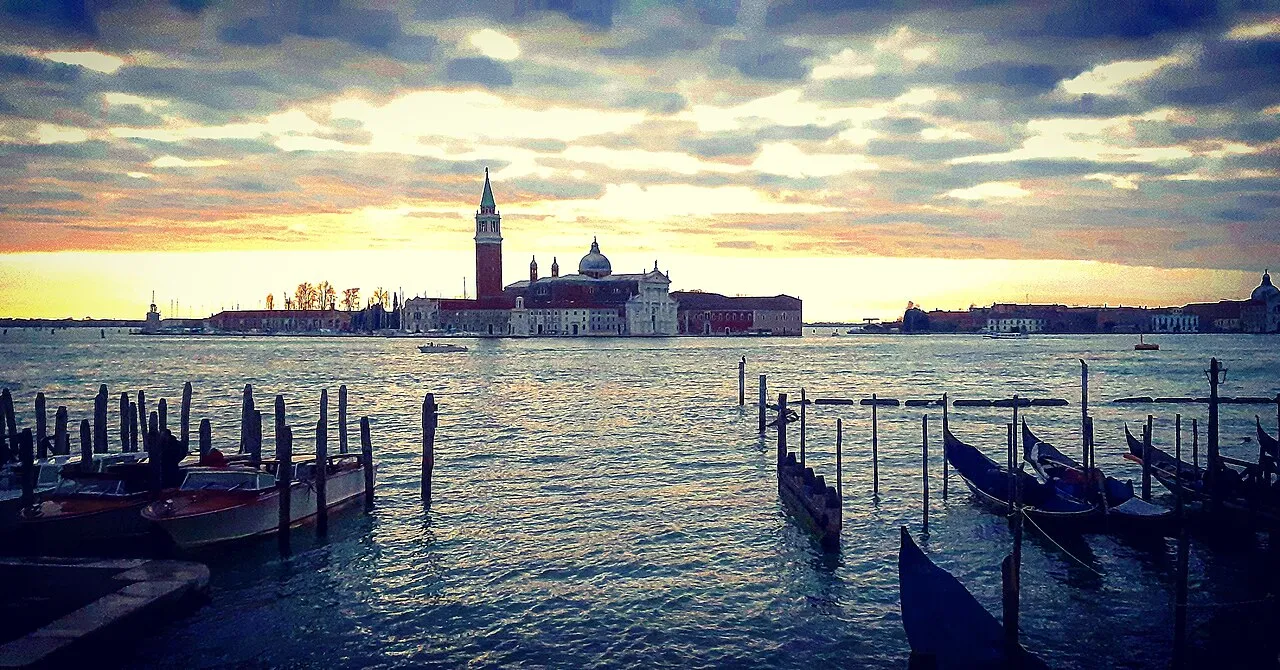
Basilica di San Giorgio Maggiore
Venice · 1610
-
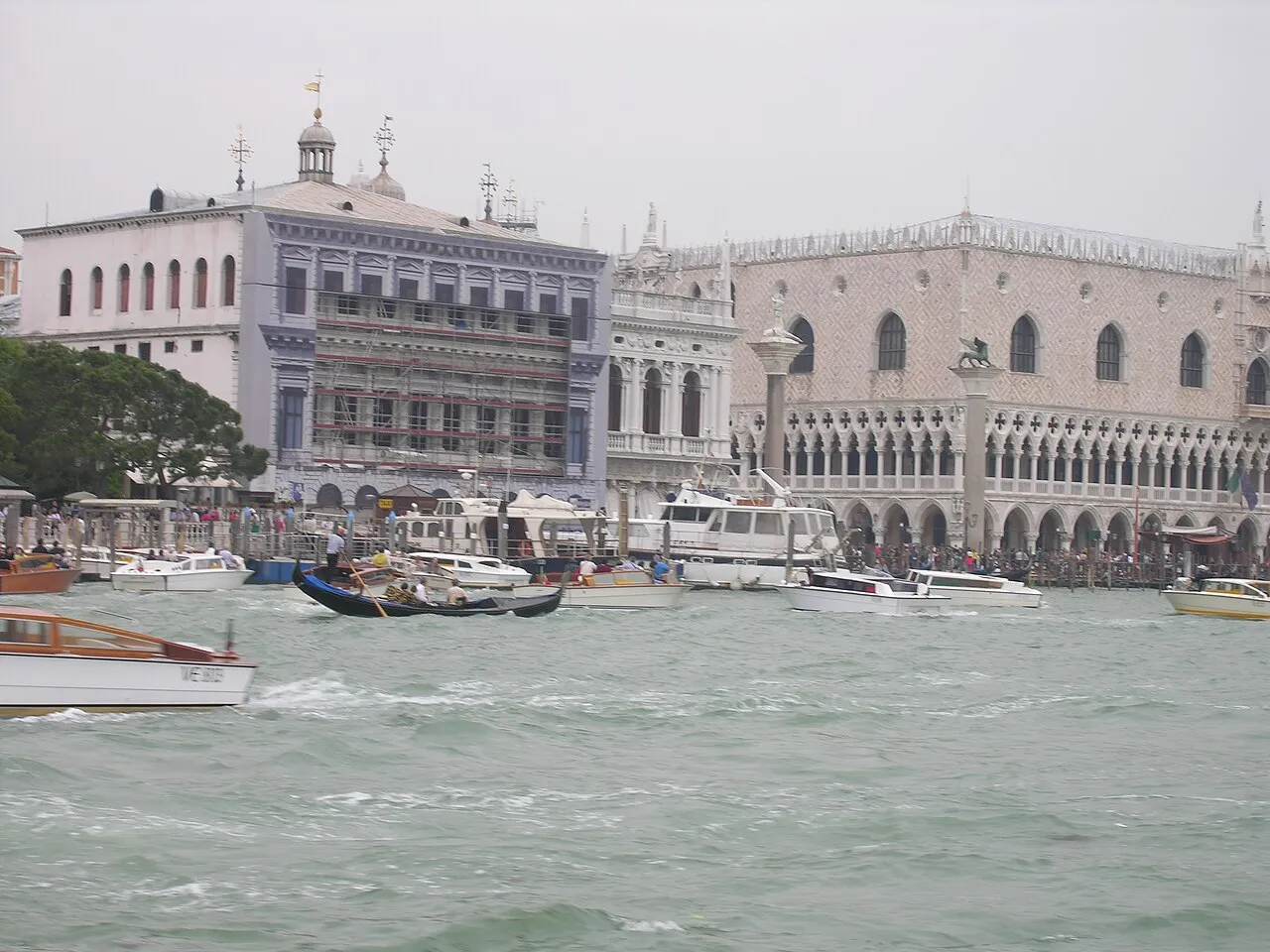
Venetian Mint
Venice · 1548
-
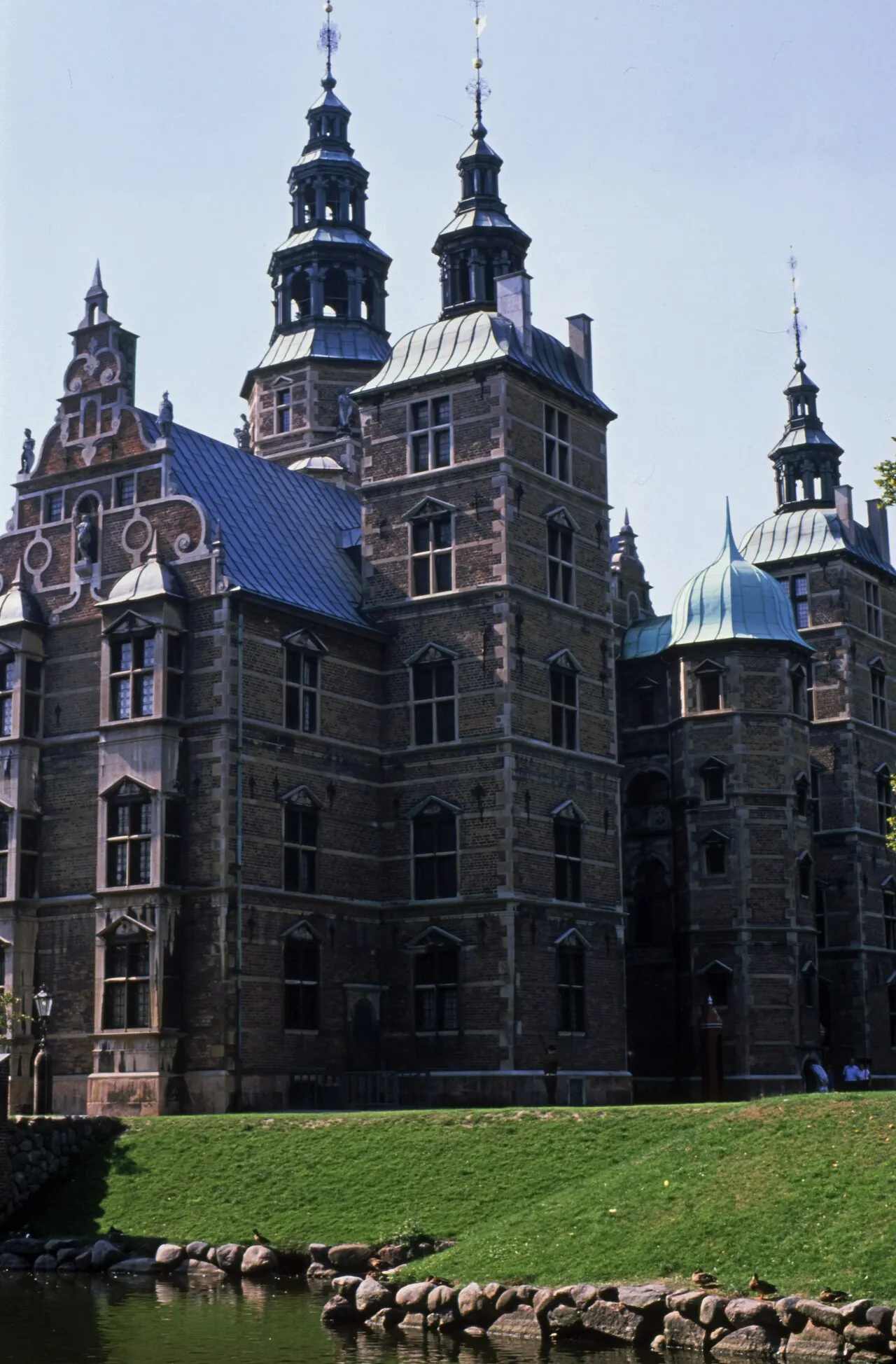
Rosenborg Castle
Copenhagen · 1606
-
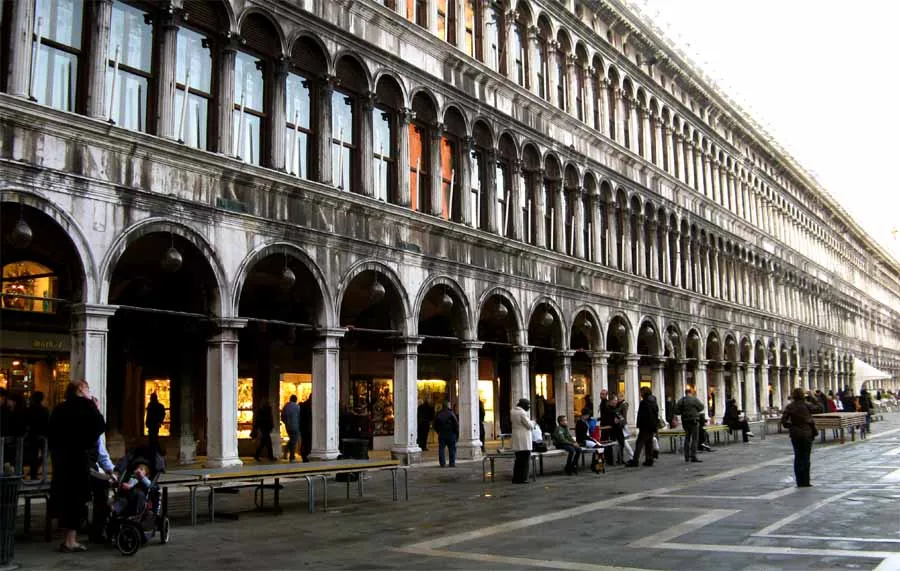
Procuratie Vecchie
Venice · 1538
Renaissance city by city
Pick a city to see the places on the map, with photos and descriptions.
-
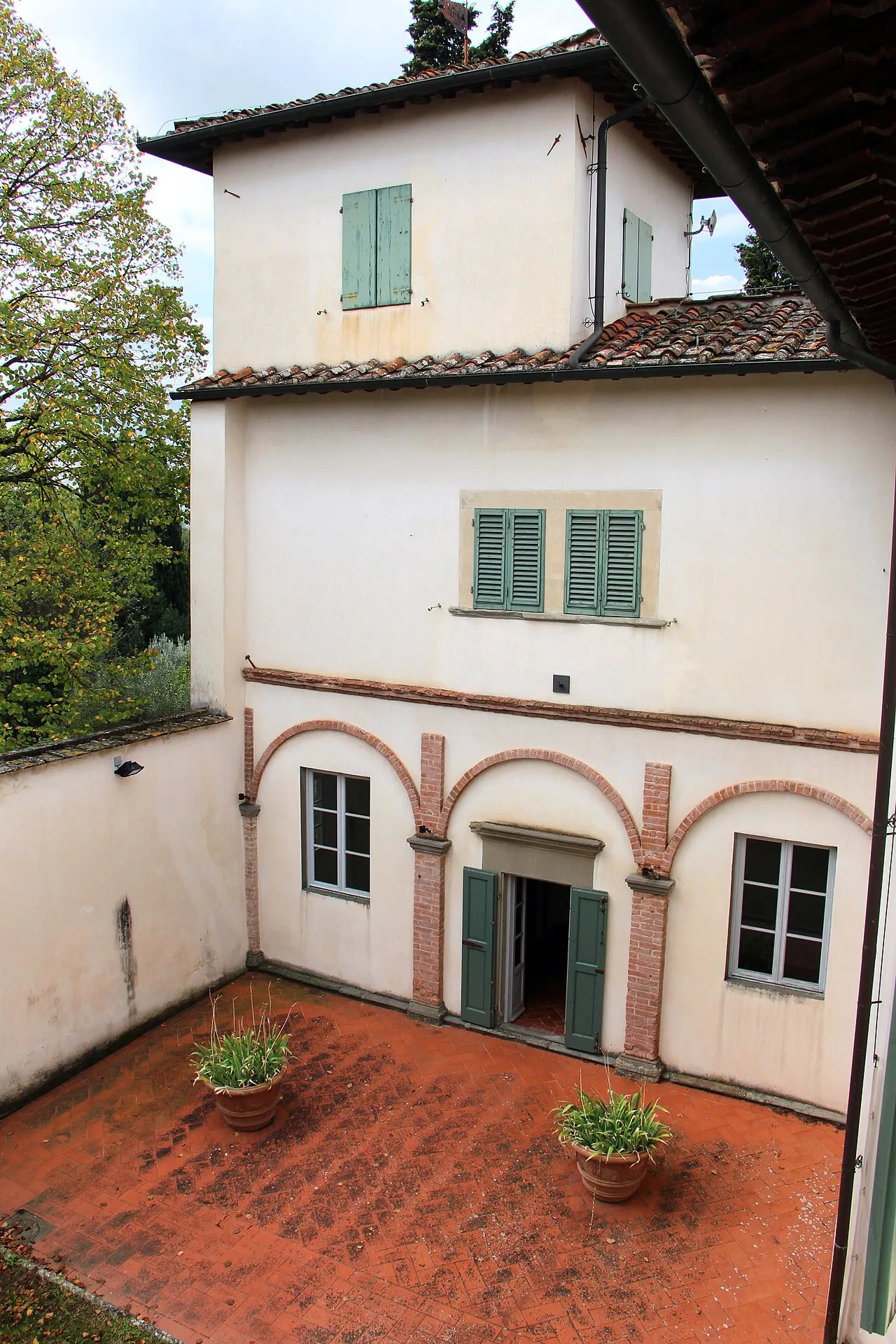
Italy
Tuscany
41 places
-
Italy
Venice
30 places
-
Italy
Florence
25 places
-
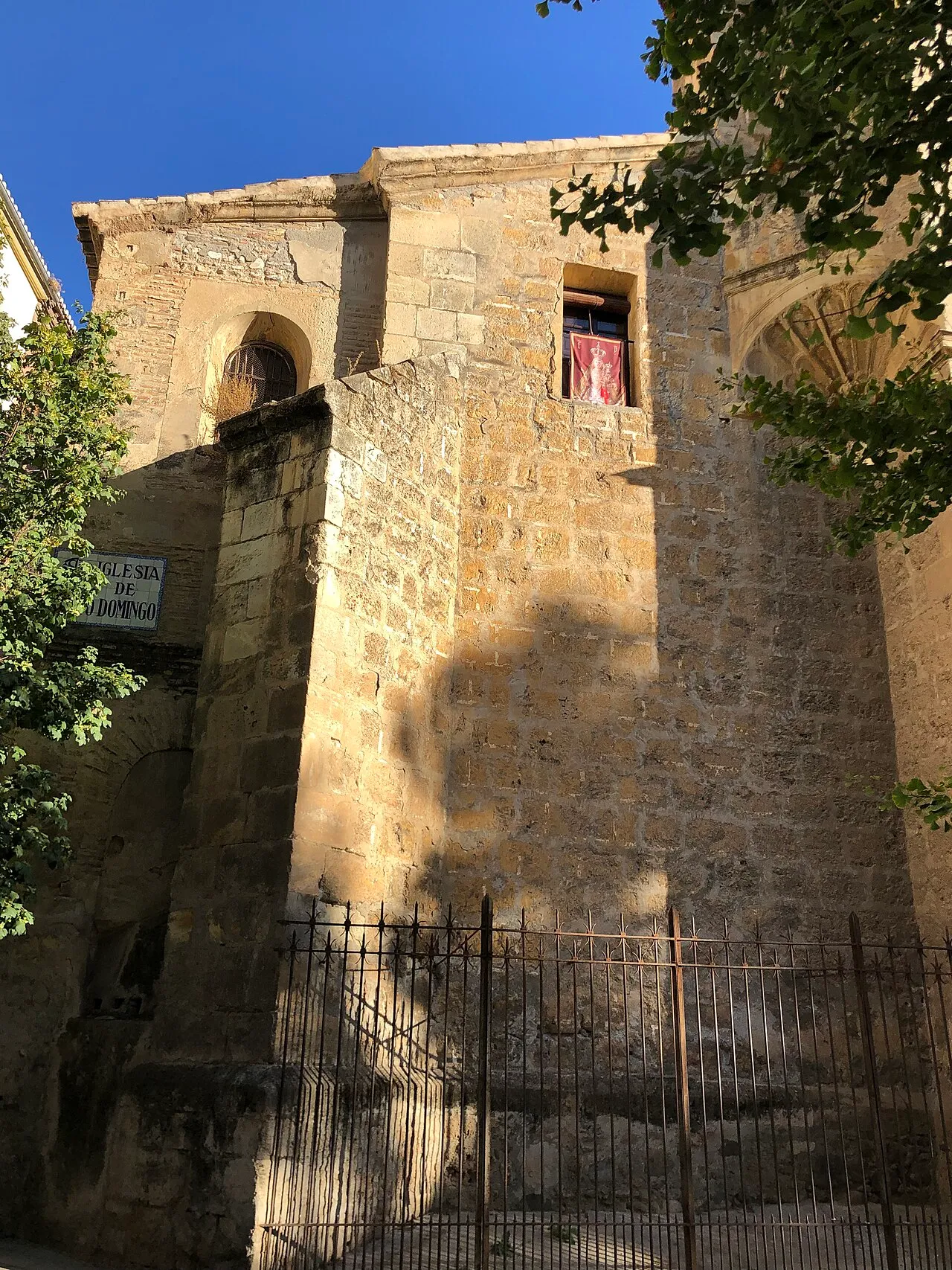
Spain
Andalusia
21 places
-
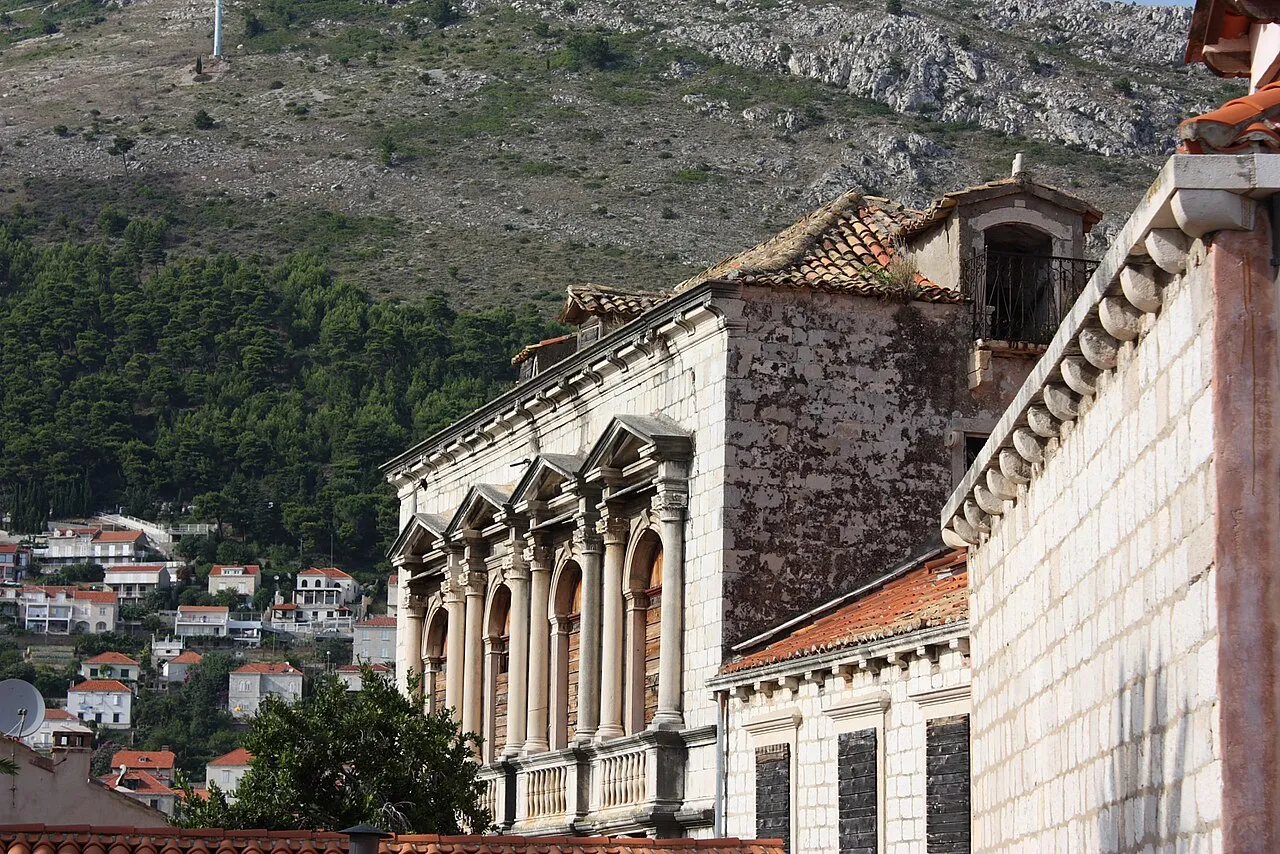
Croatia
Dubrovnik
19 places
-
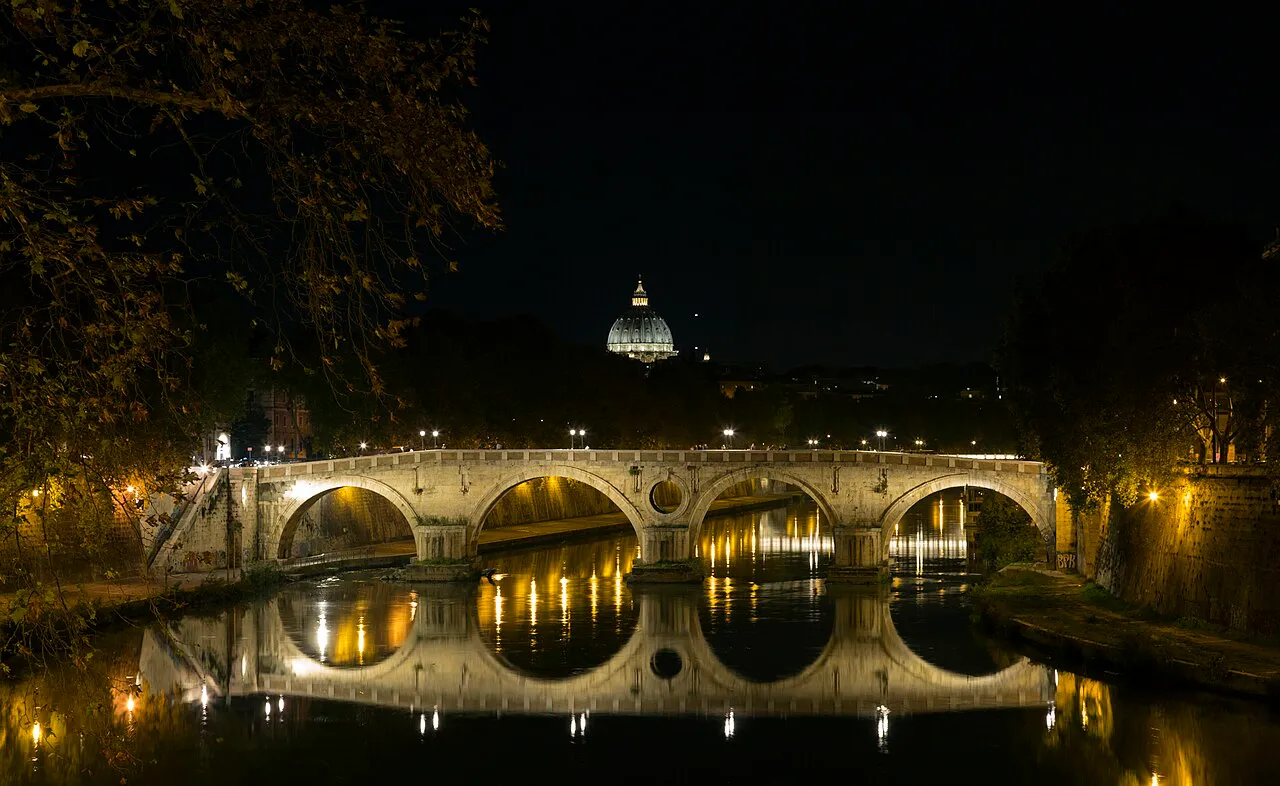
Italy
Rome
19 places
-
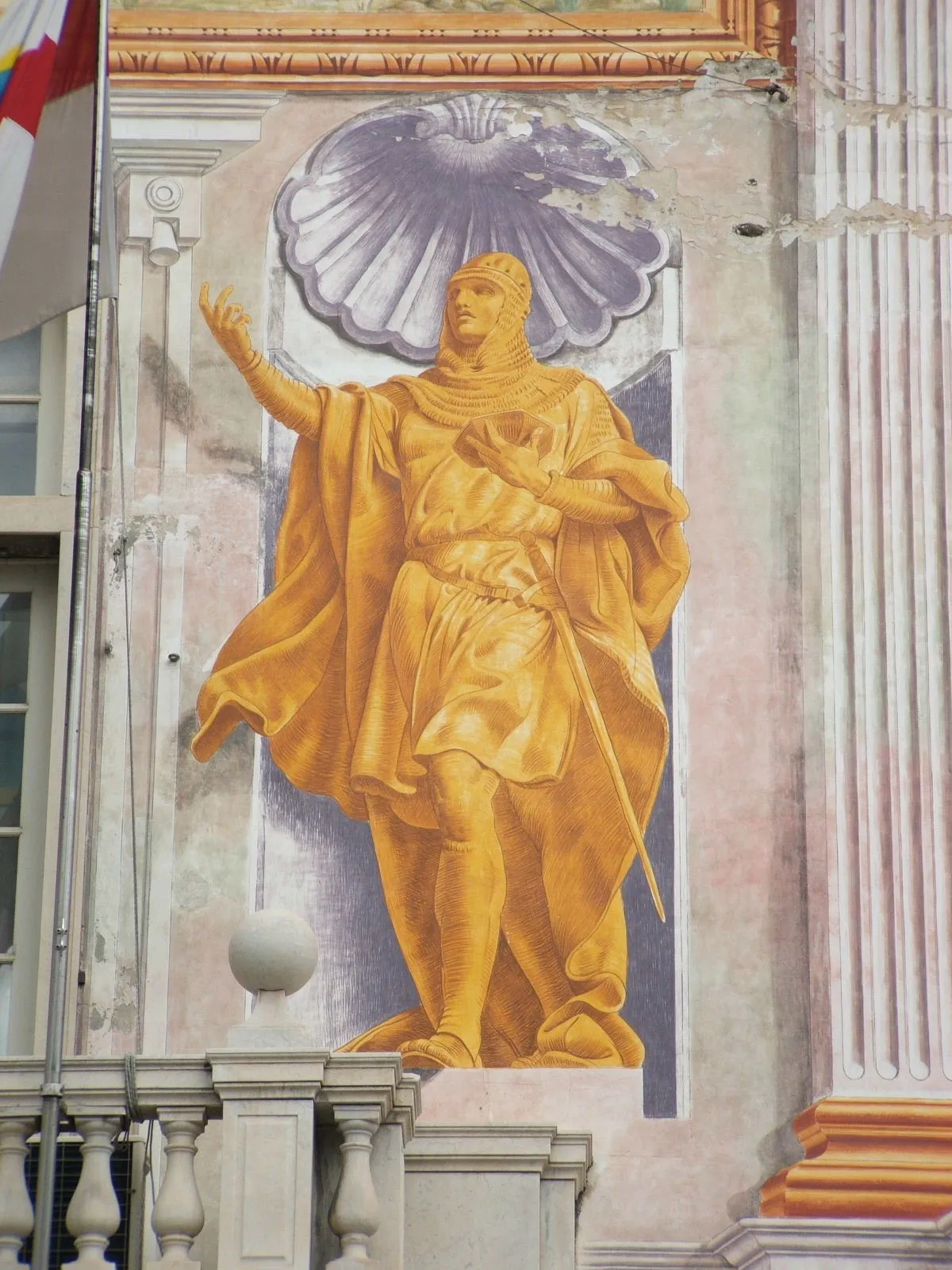
Italy
Genoa
15 places
-
Spain
Granada
12 places
-
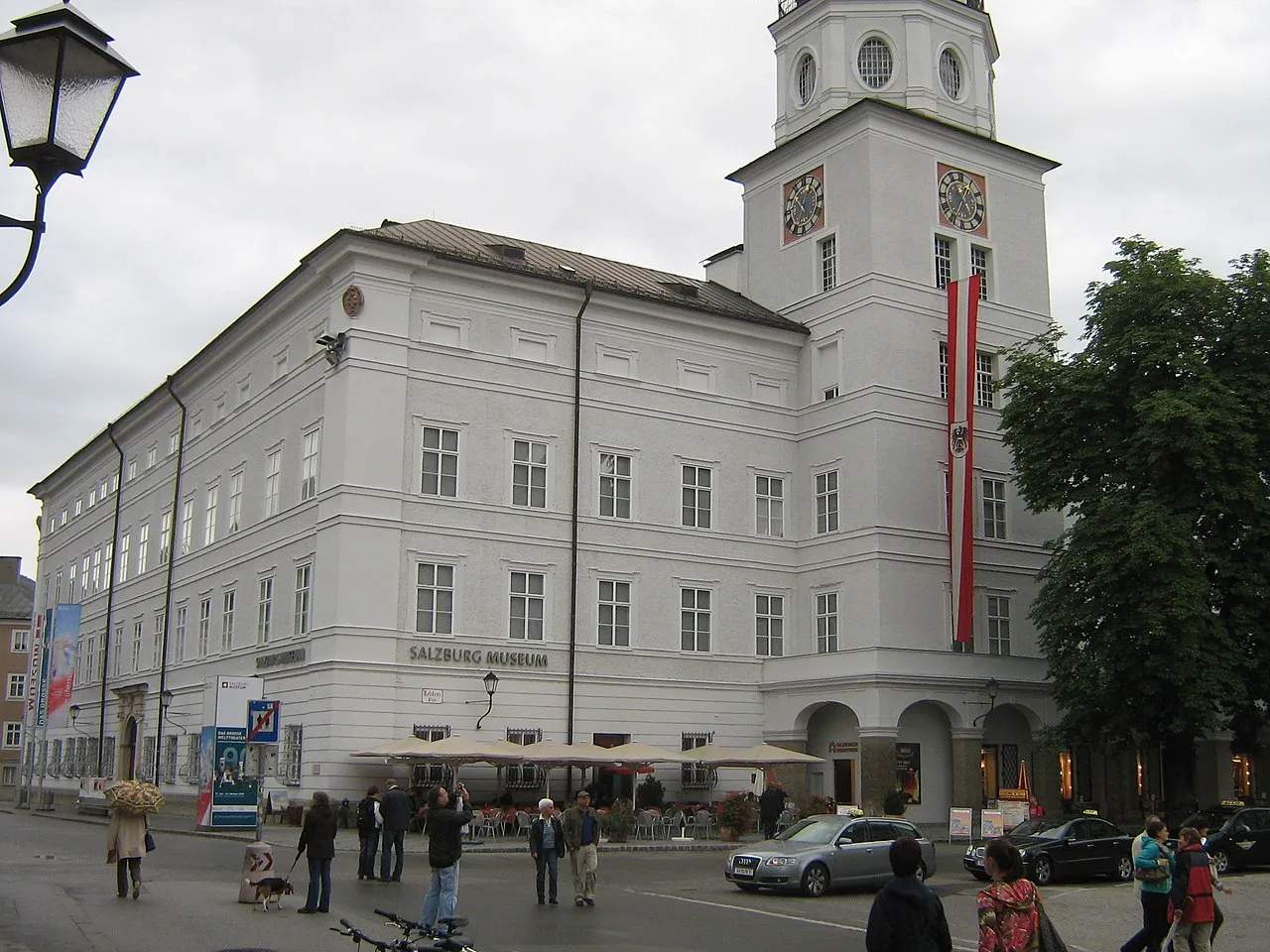
Germany
Bavaria
11 places
-
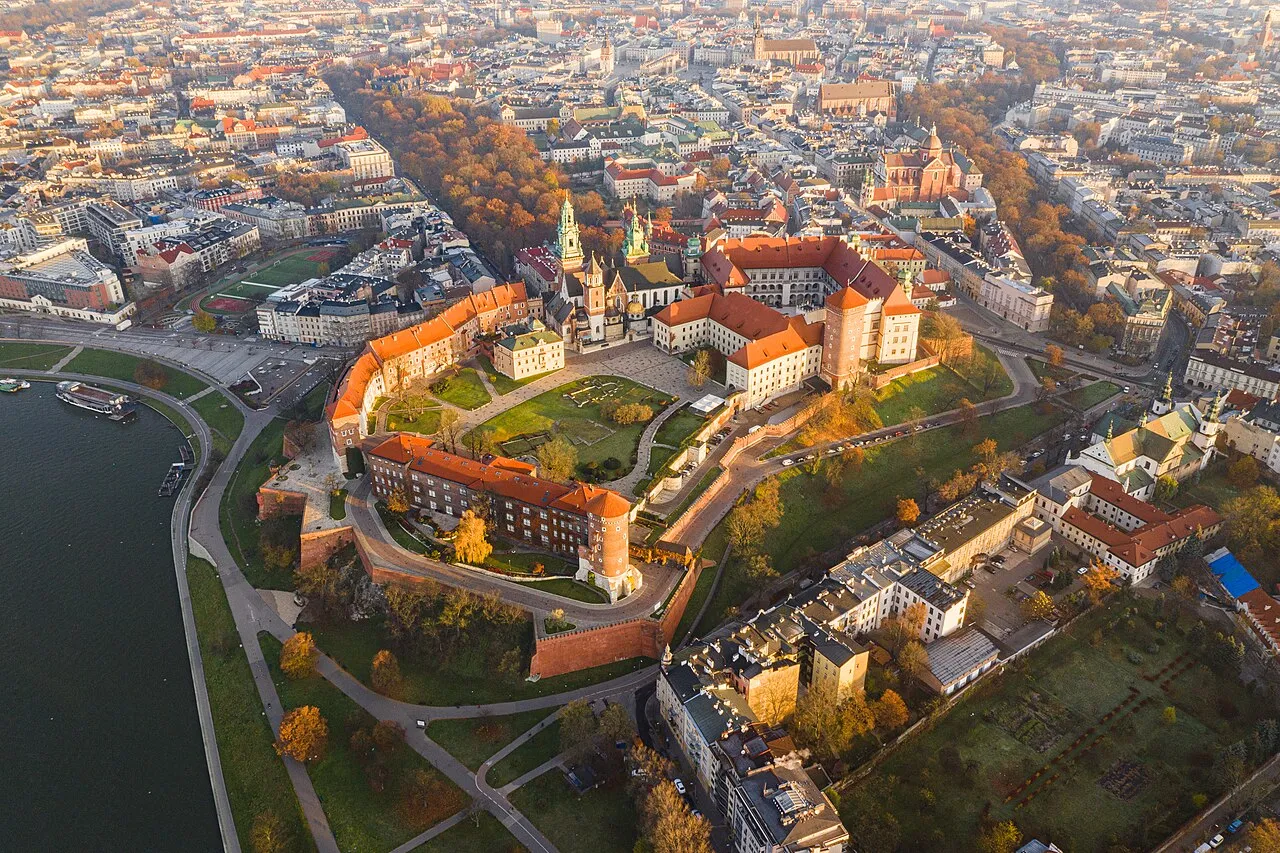
Poland
Kraków
10 places
-
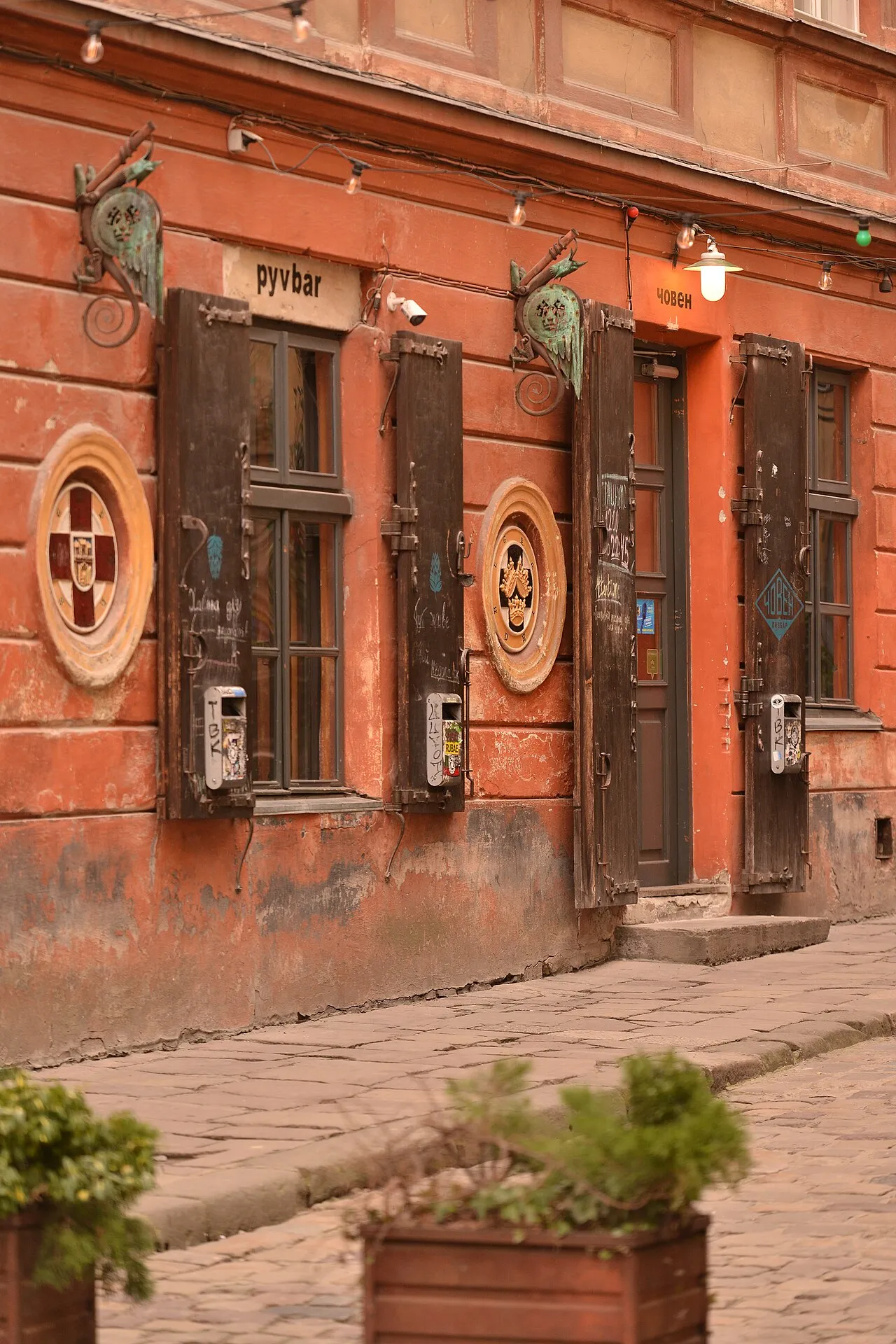
Ukraine
Lviv
10 places
-
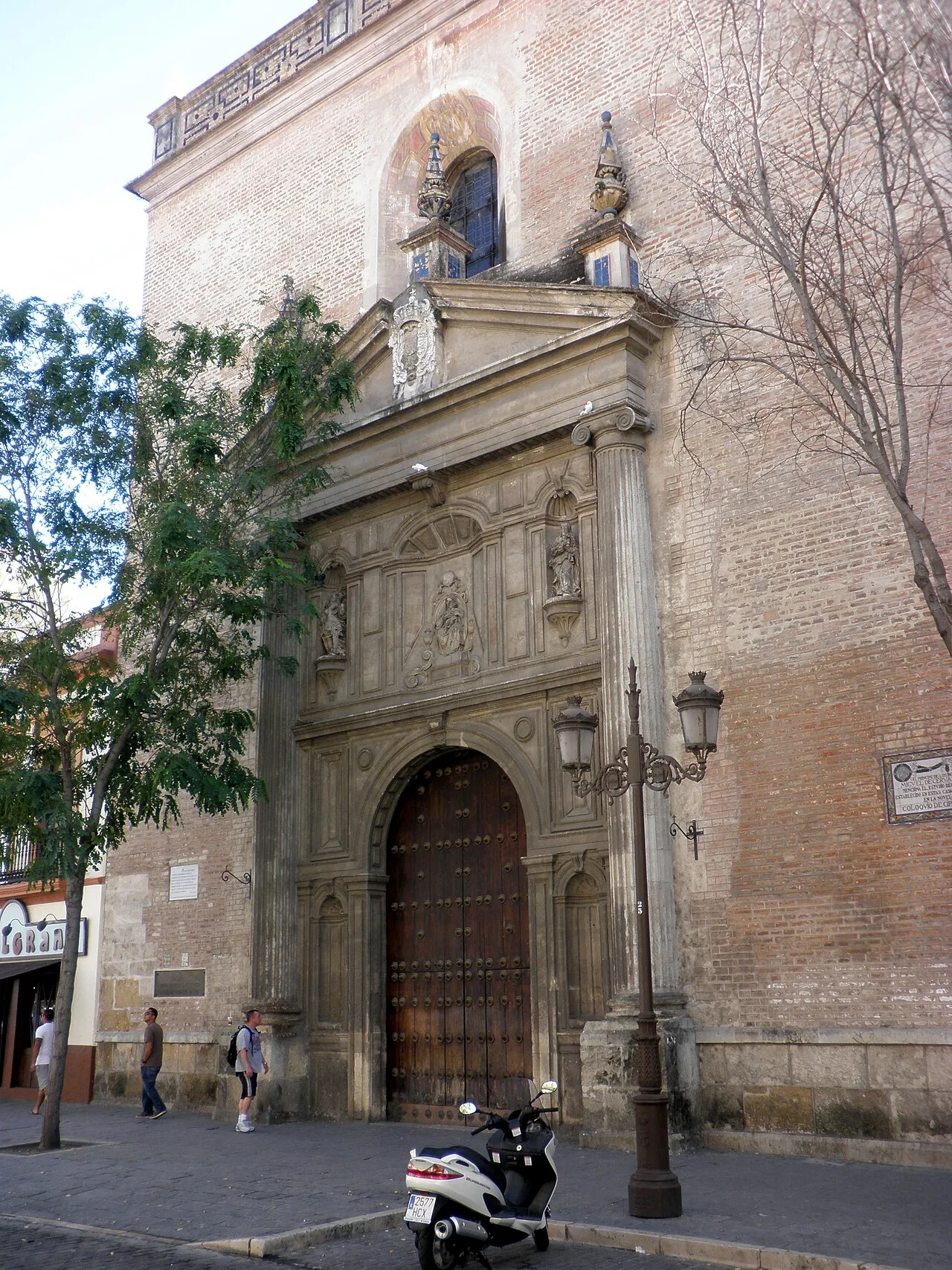
Spain
Seville
9 places
-
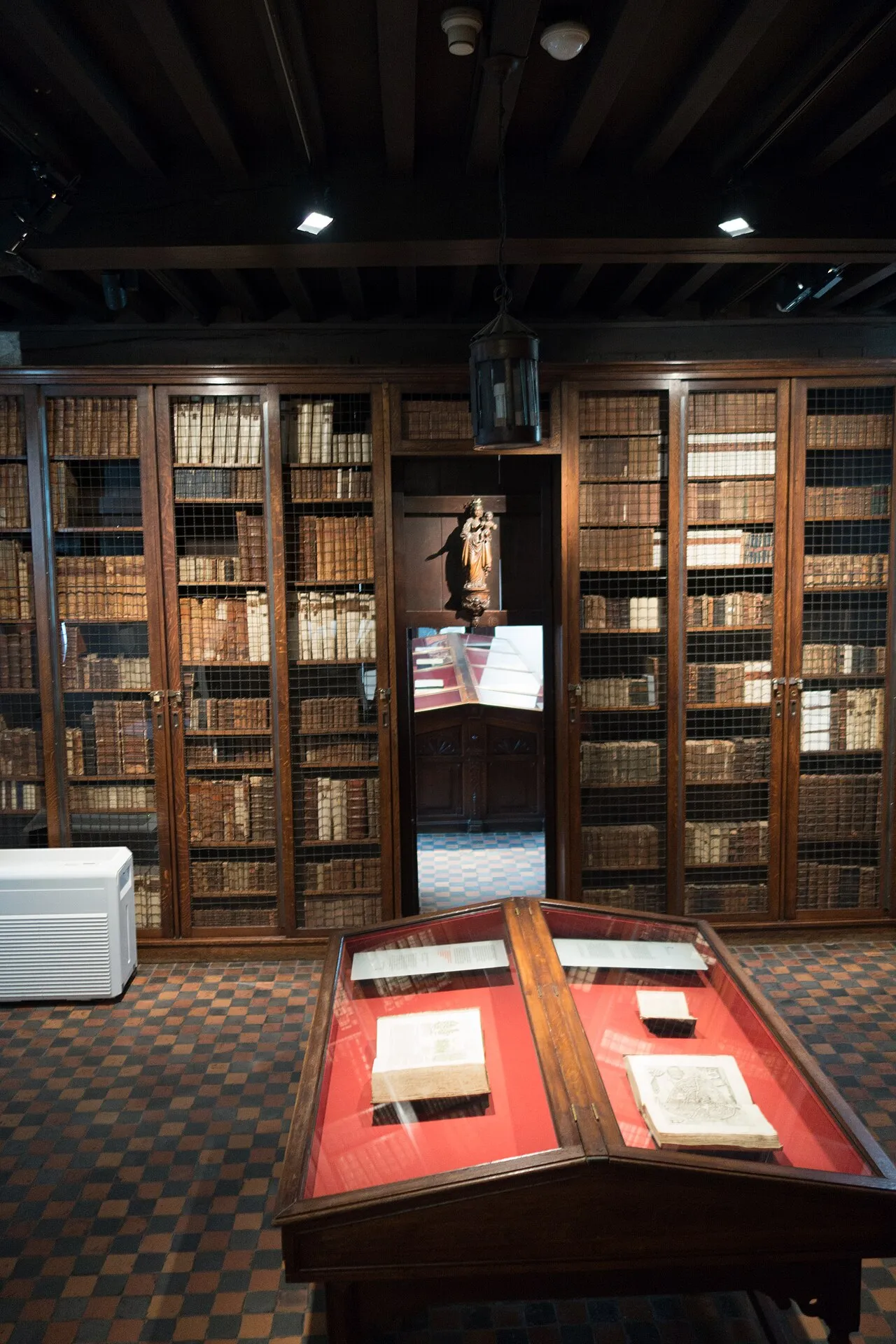
Belgium
Antwerp
8 places
-
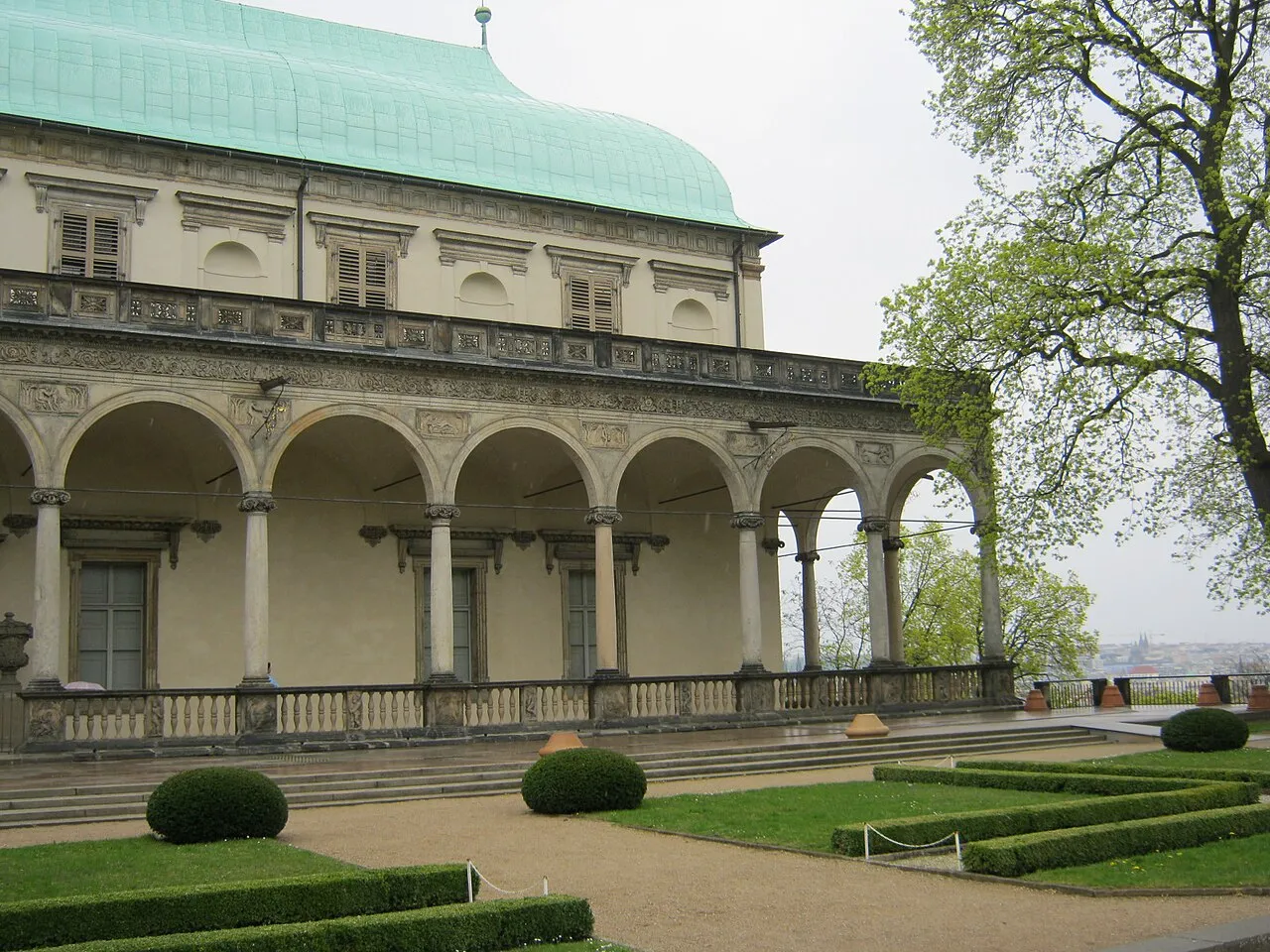
Czechia
Prague
8 places
-
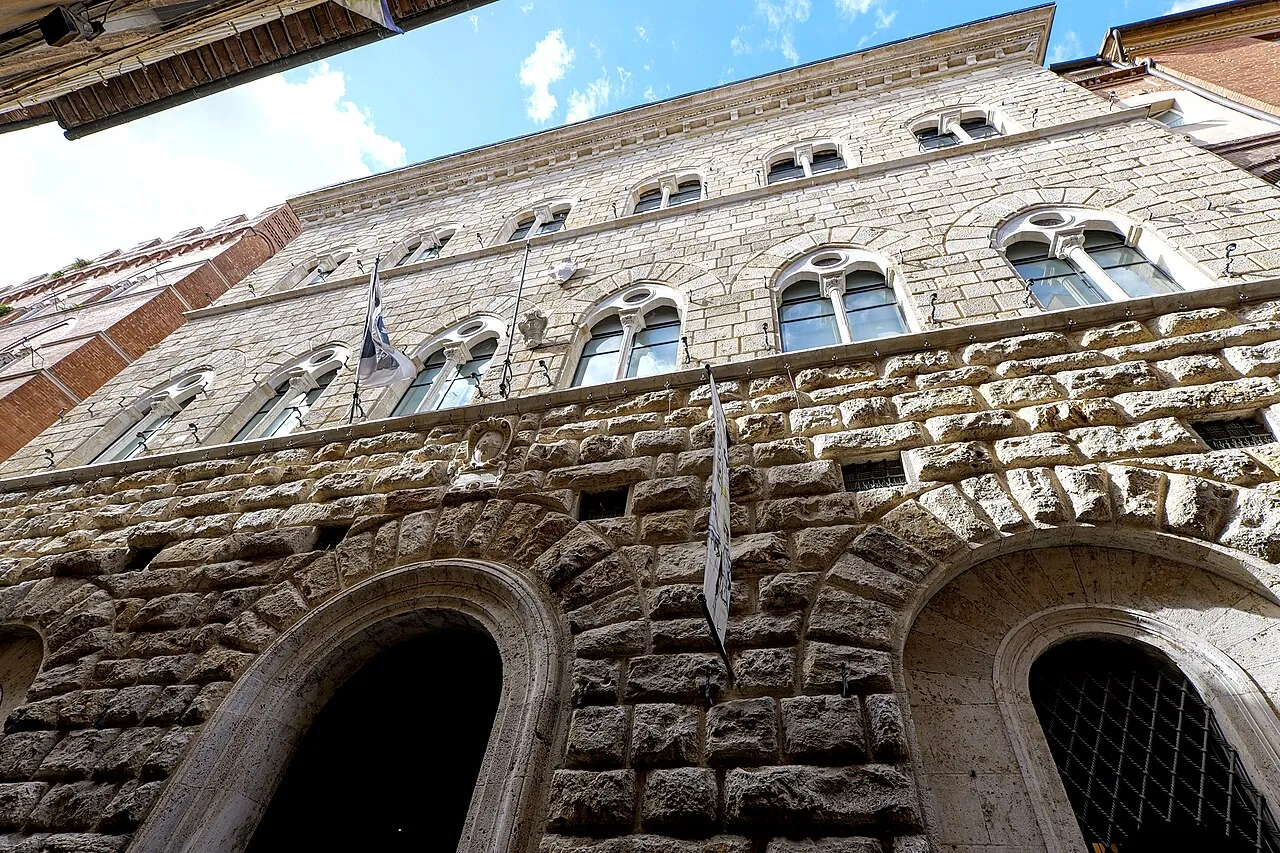
Italy
Siena
8 places
-
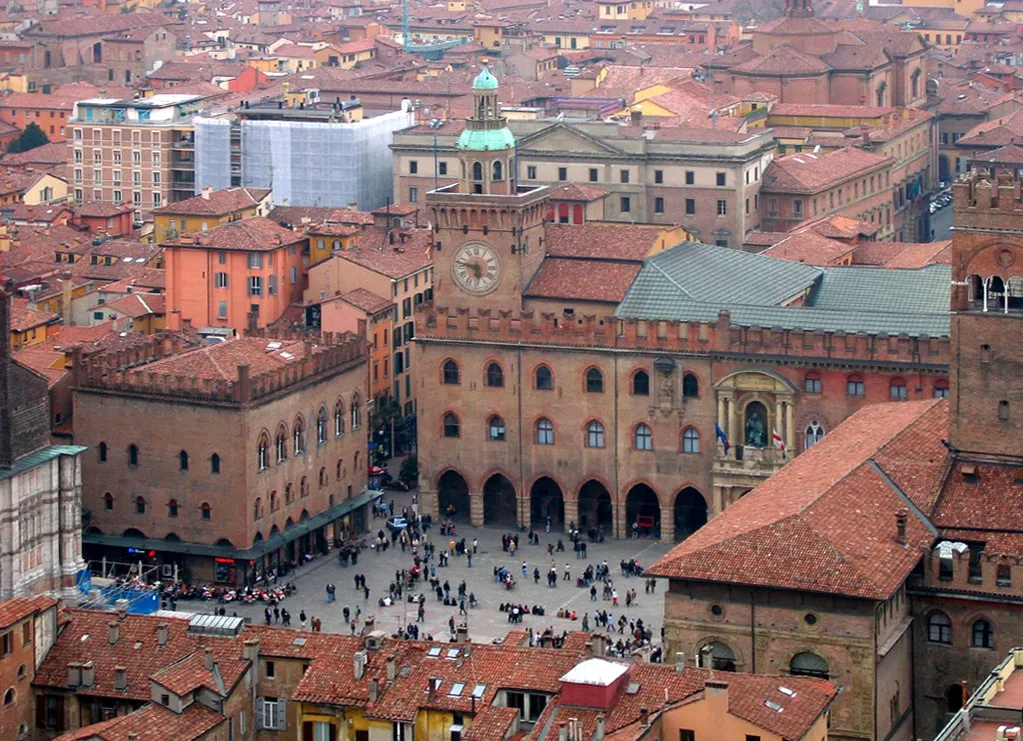
Italy
Bologna
7 places
-
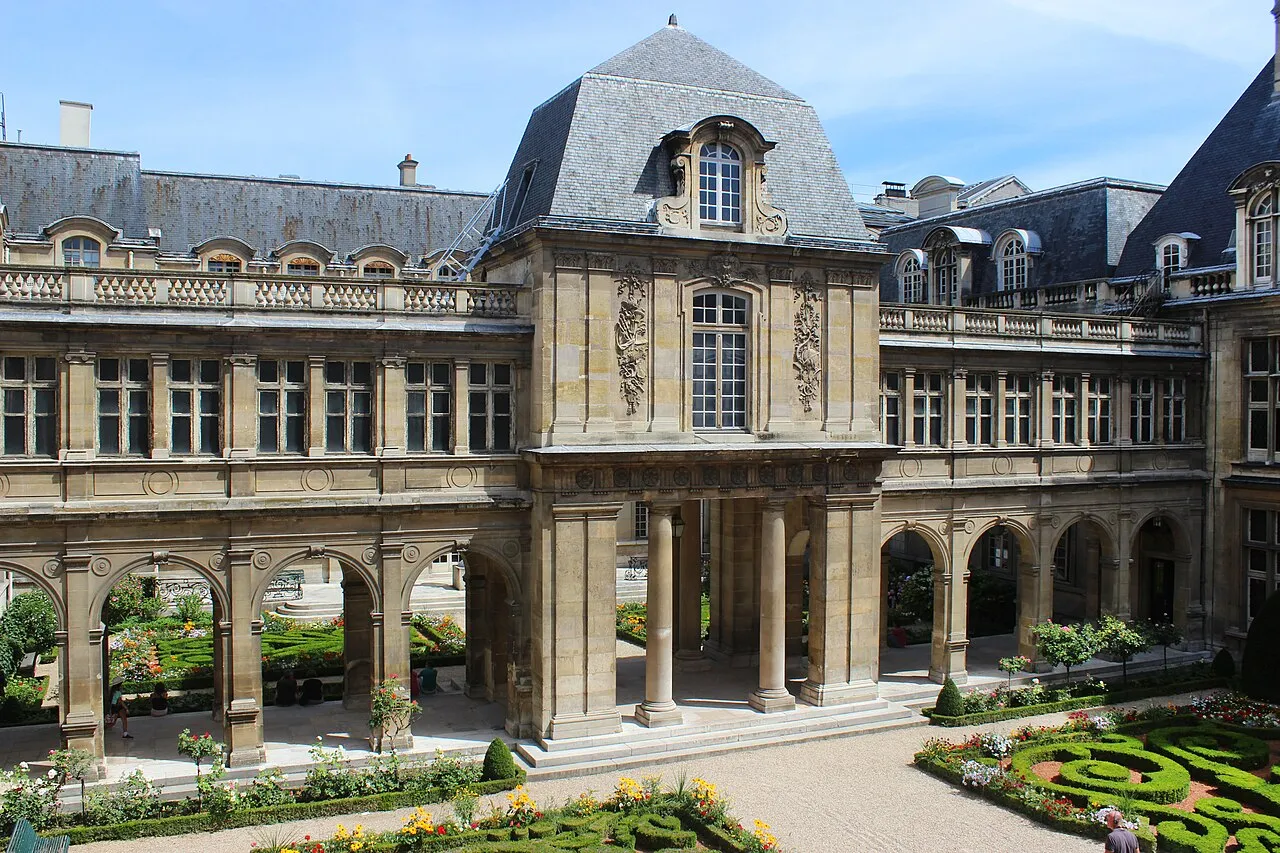
France
Paris
7 places
-
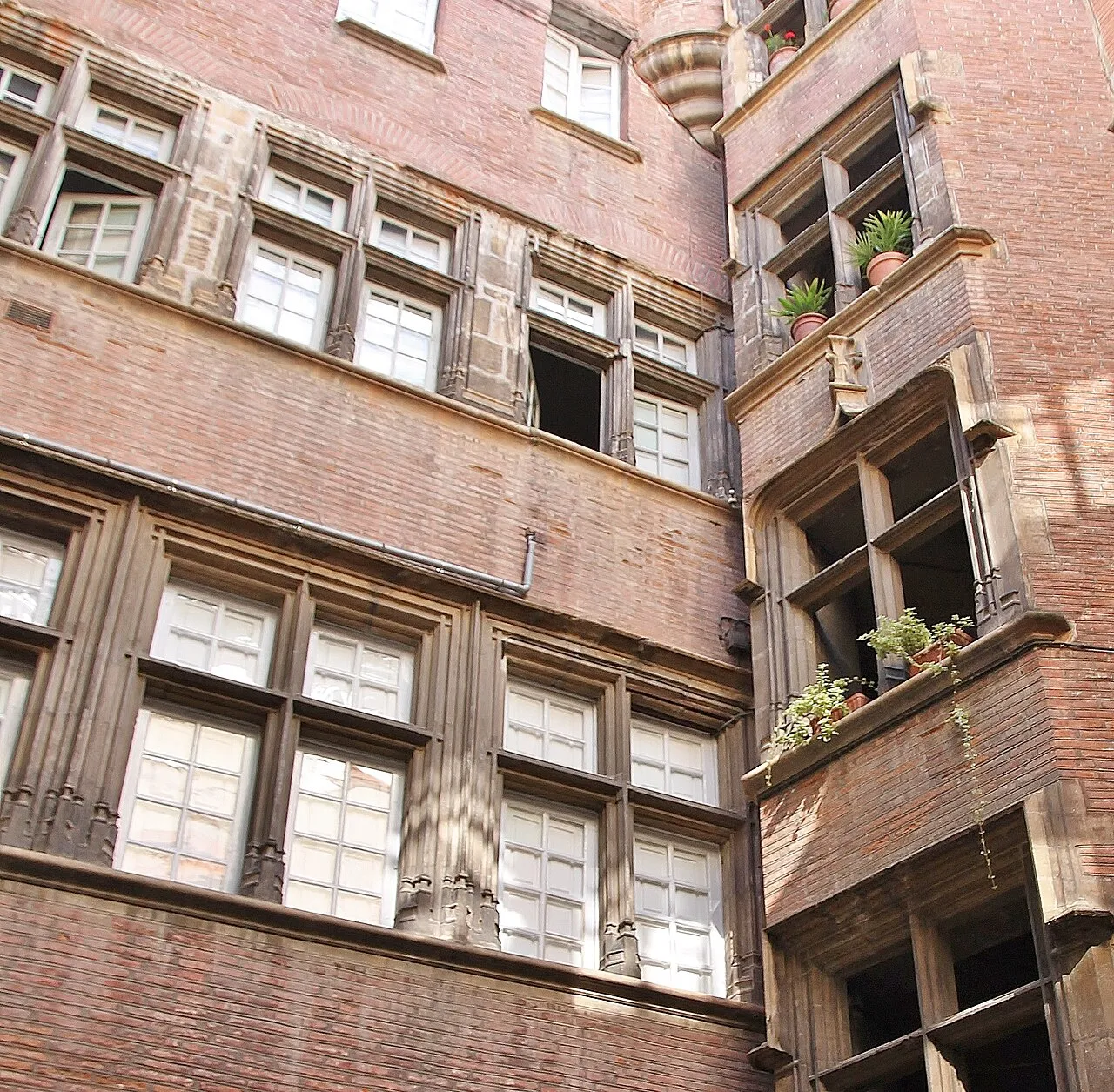
France
Toulouse
7 places
-
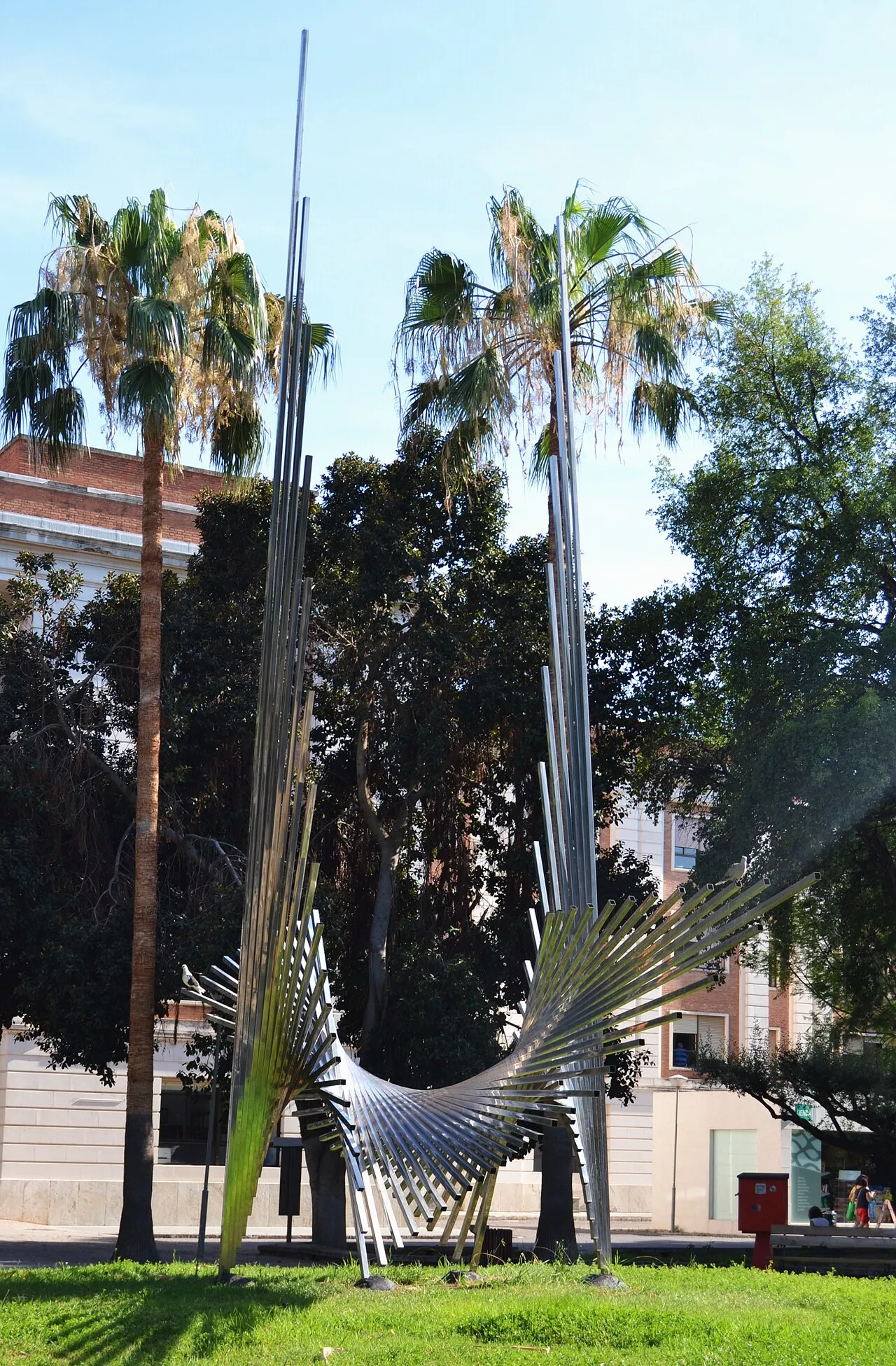
Spain
Valencia
7 places
-
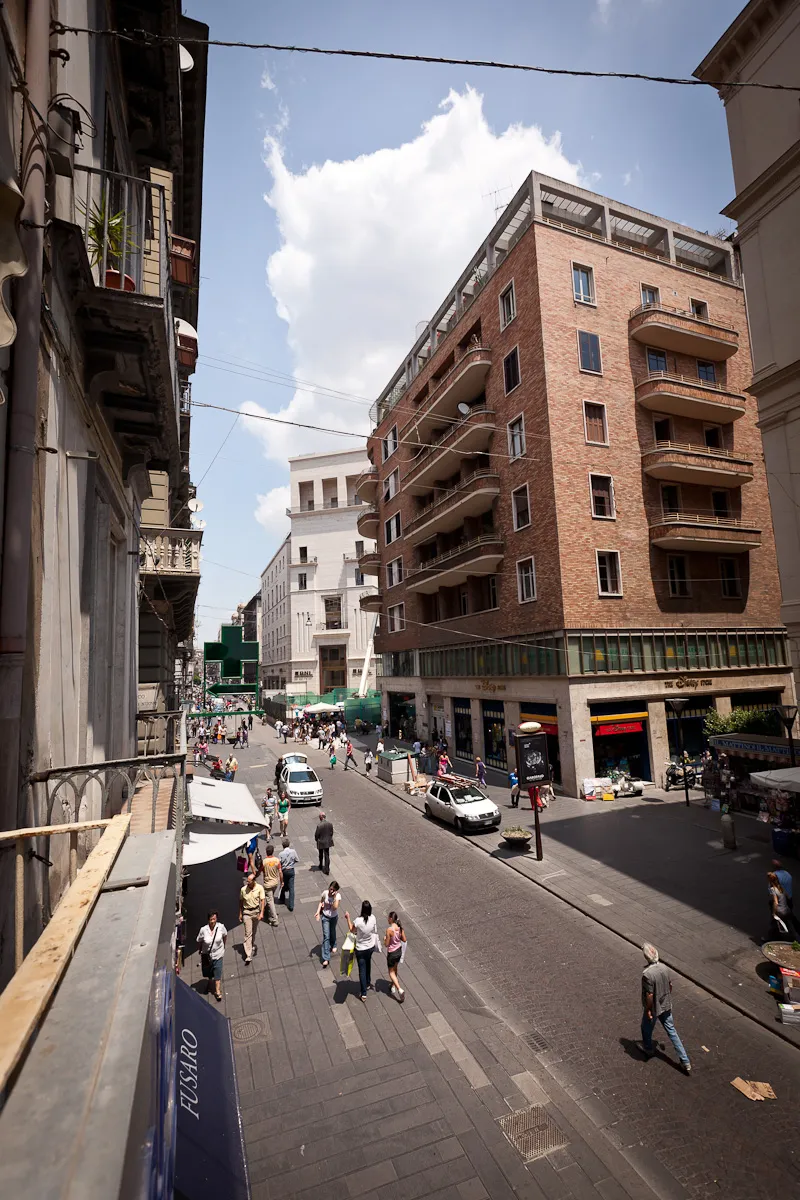
Italy
Naples
6 places
-
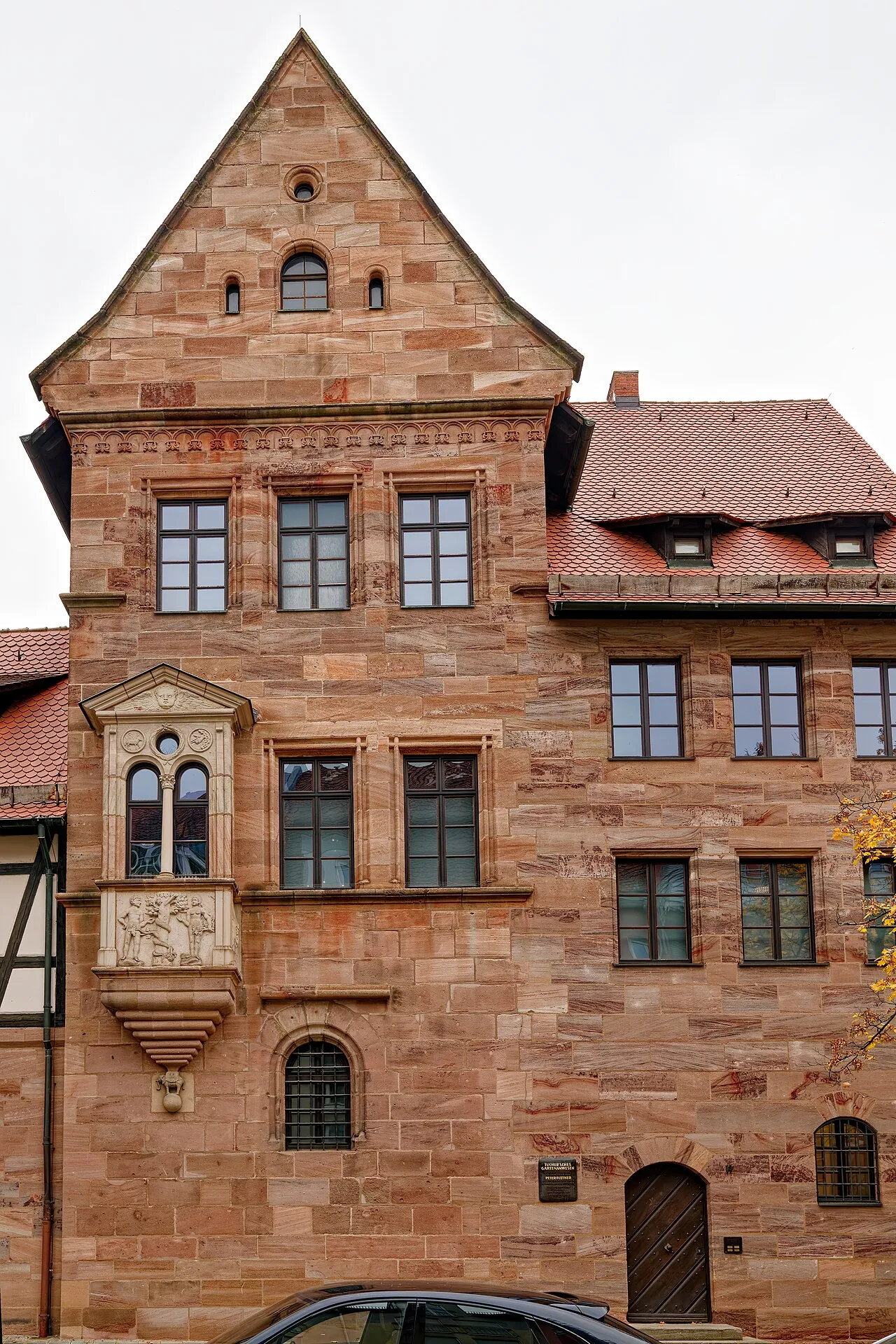
Germany
Nuremberg
6 places
-
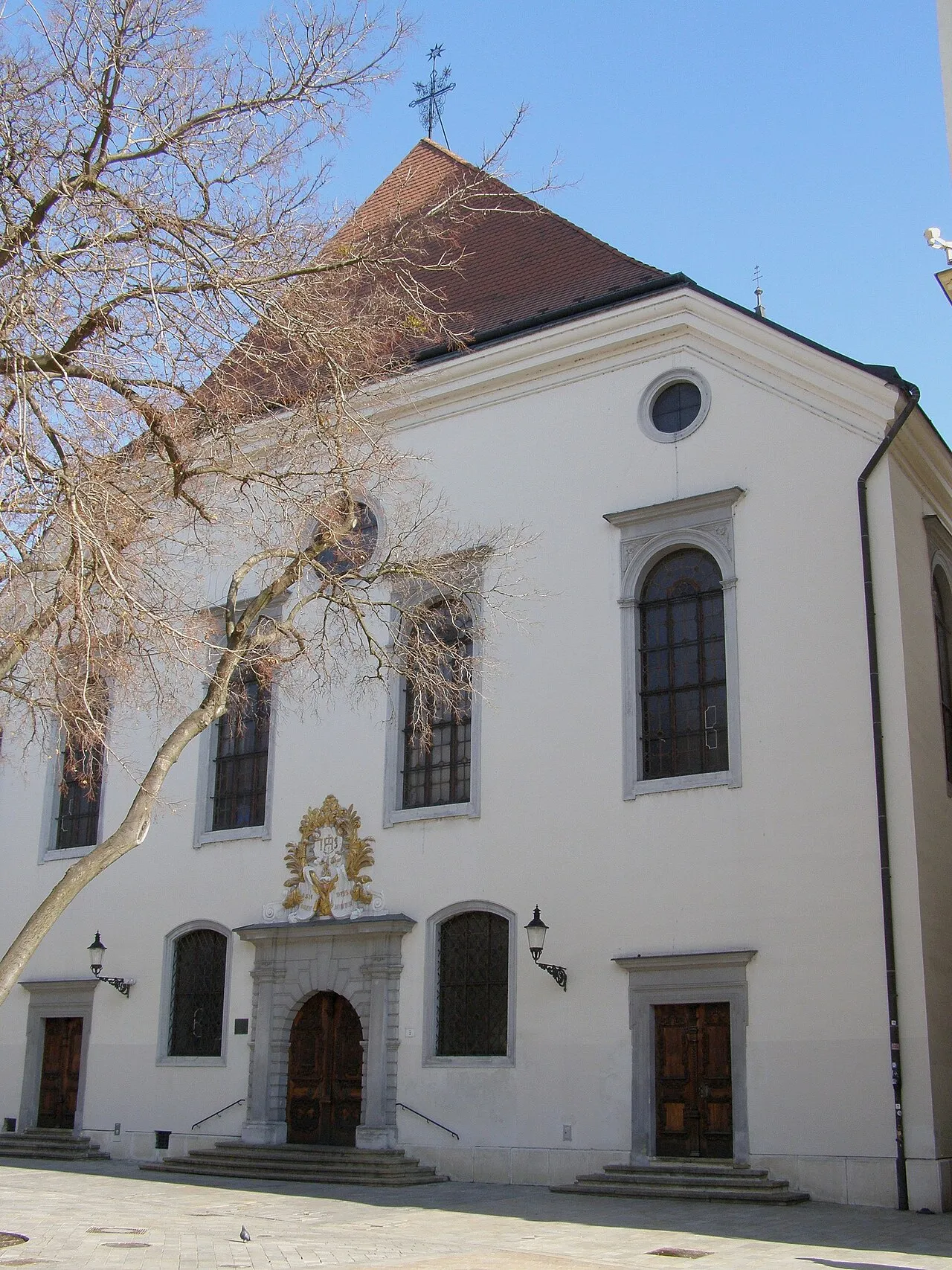
Slovakia
Bratislava
5 places
-
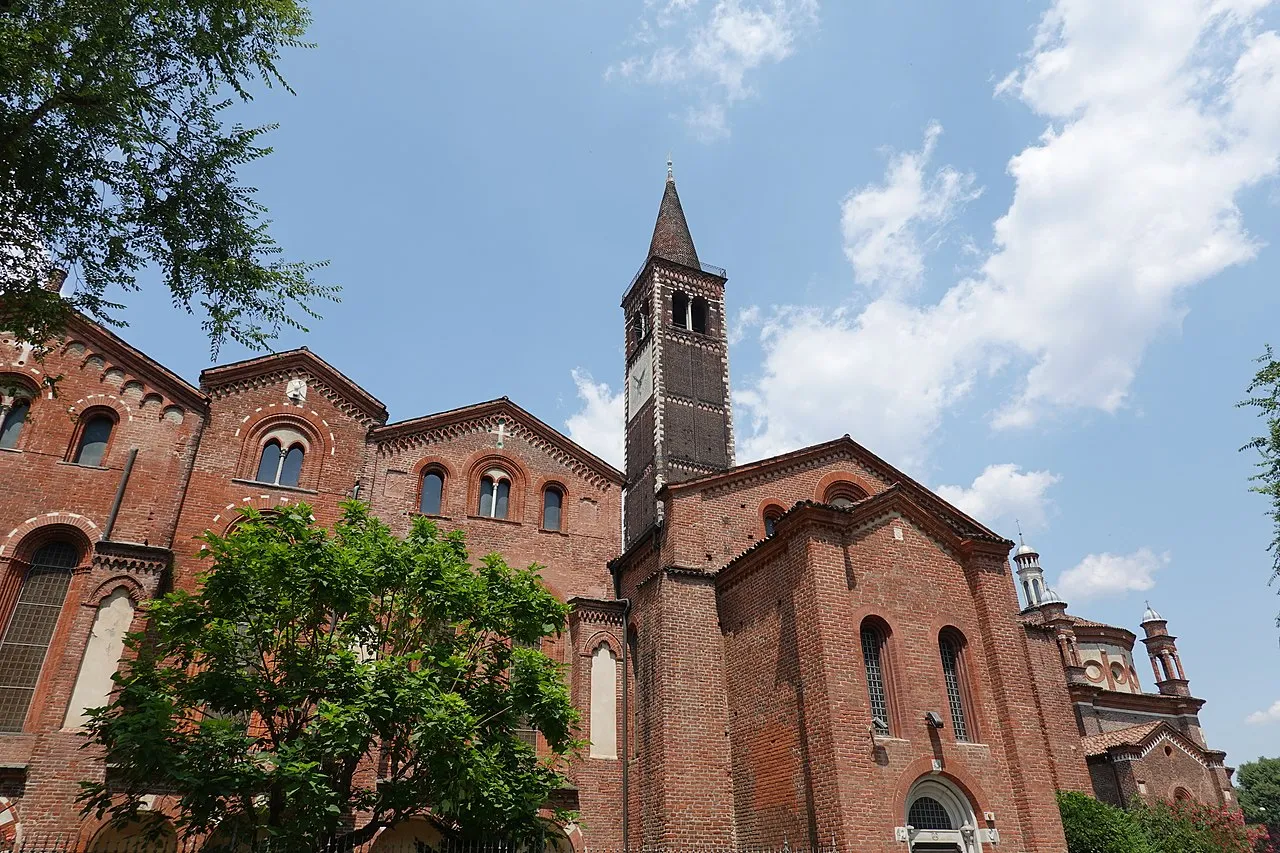
Italy
Milan
5 places
-
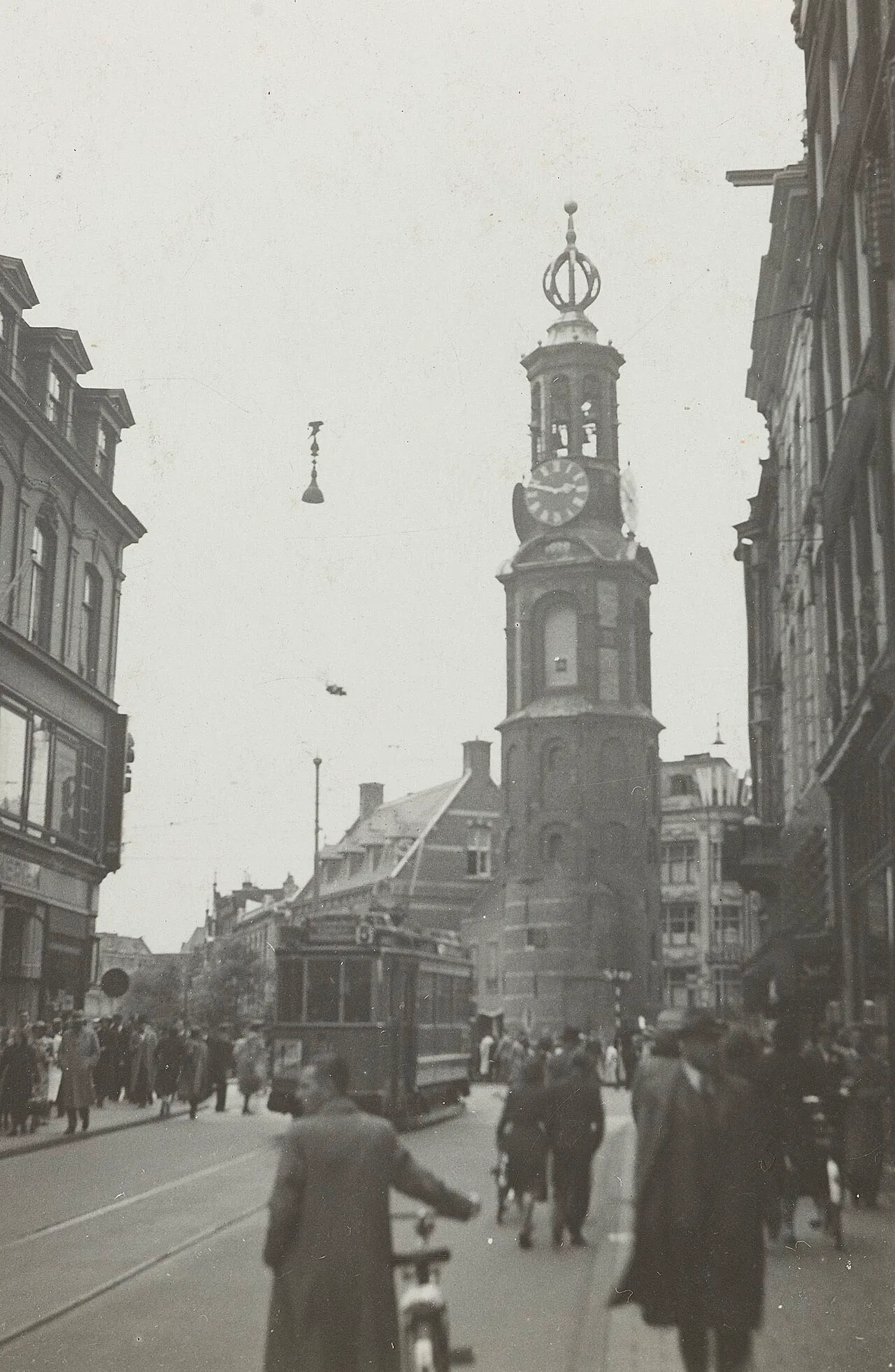
Netherlands
Amsterdam
4 places
-
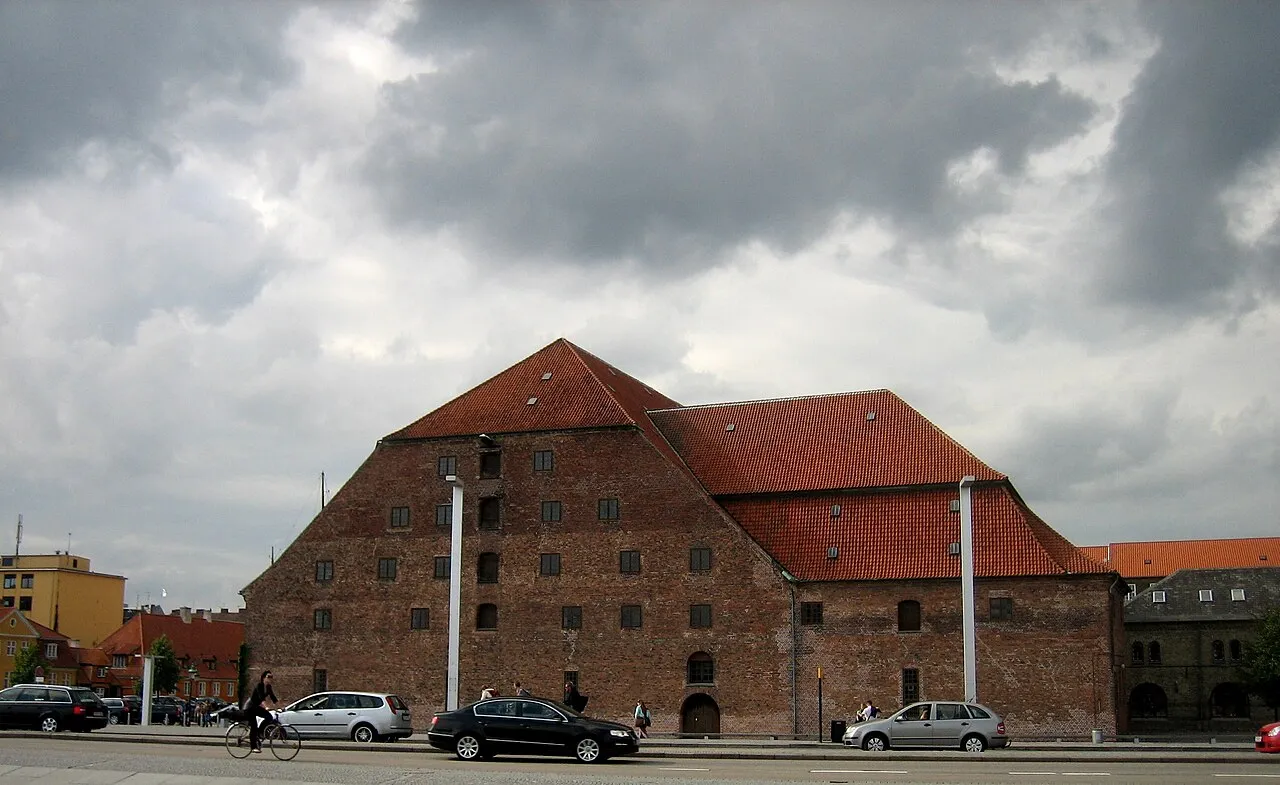
Denmark
Copenhagen
4 places
-
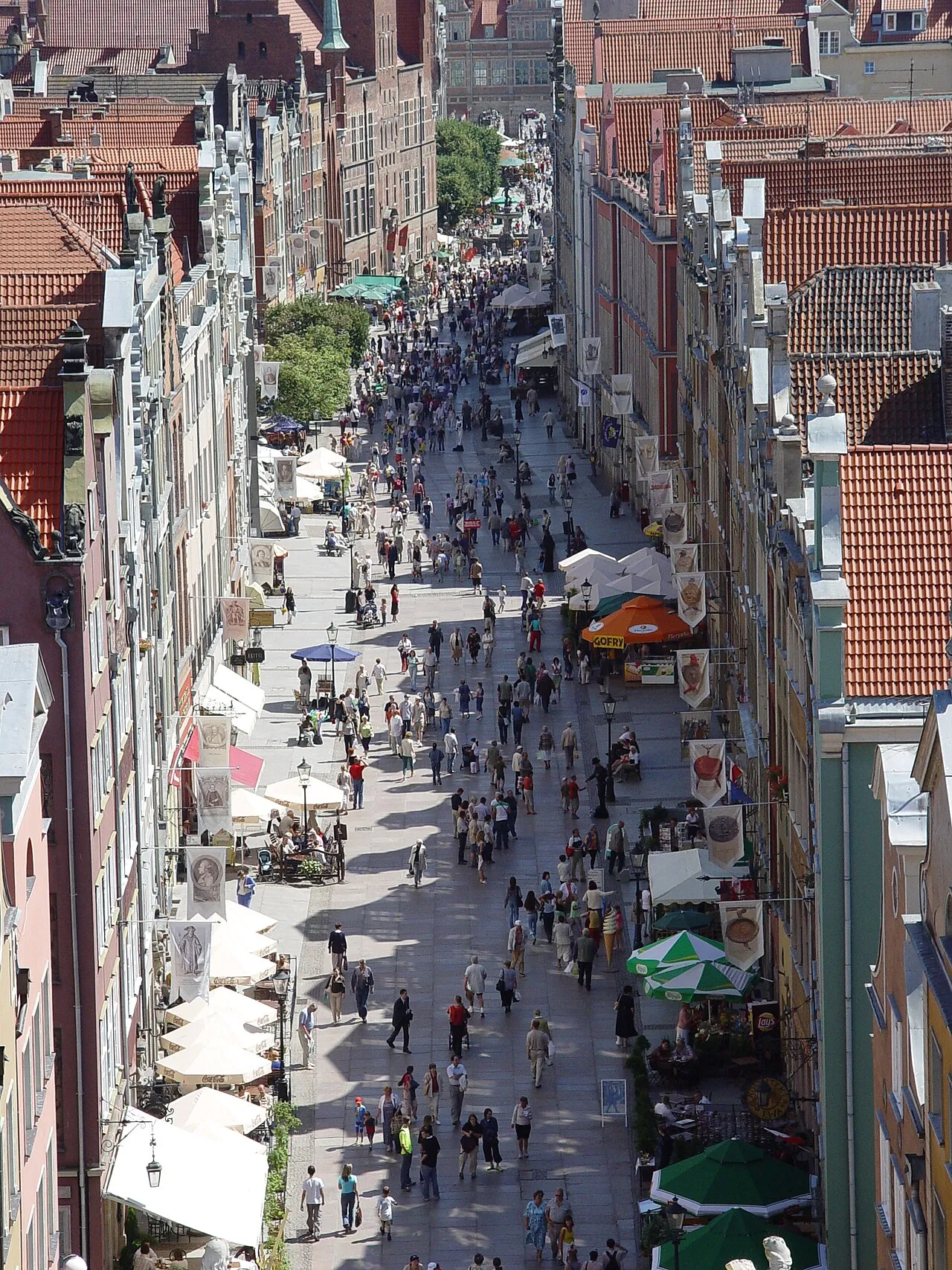
Poland
Gdańsk
4 places
-
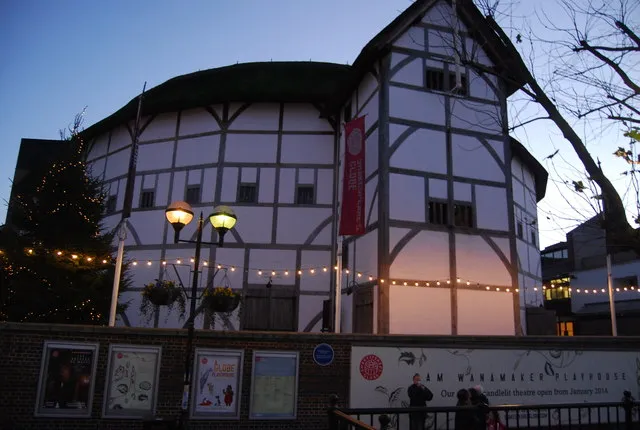
United Kingdom
London
4 places
-
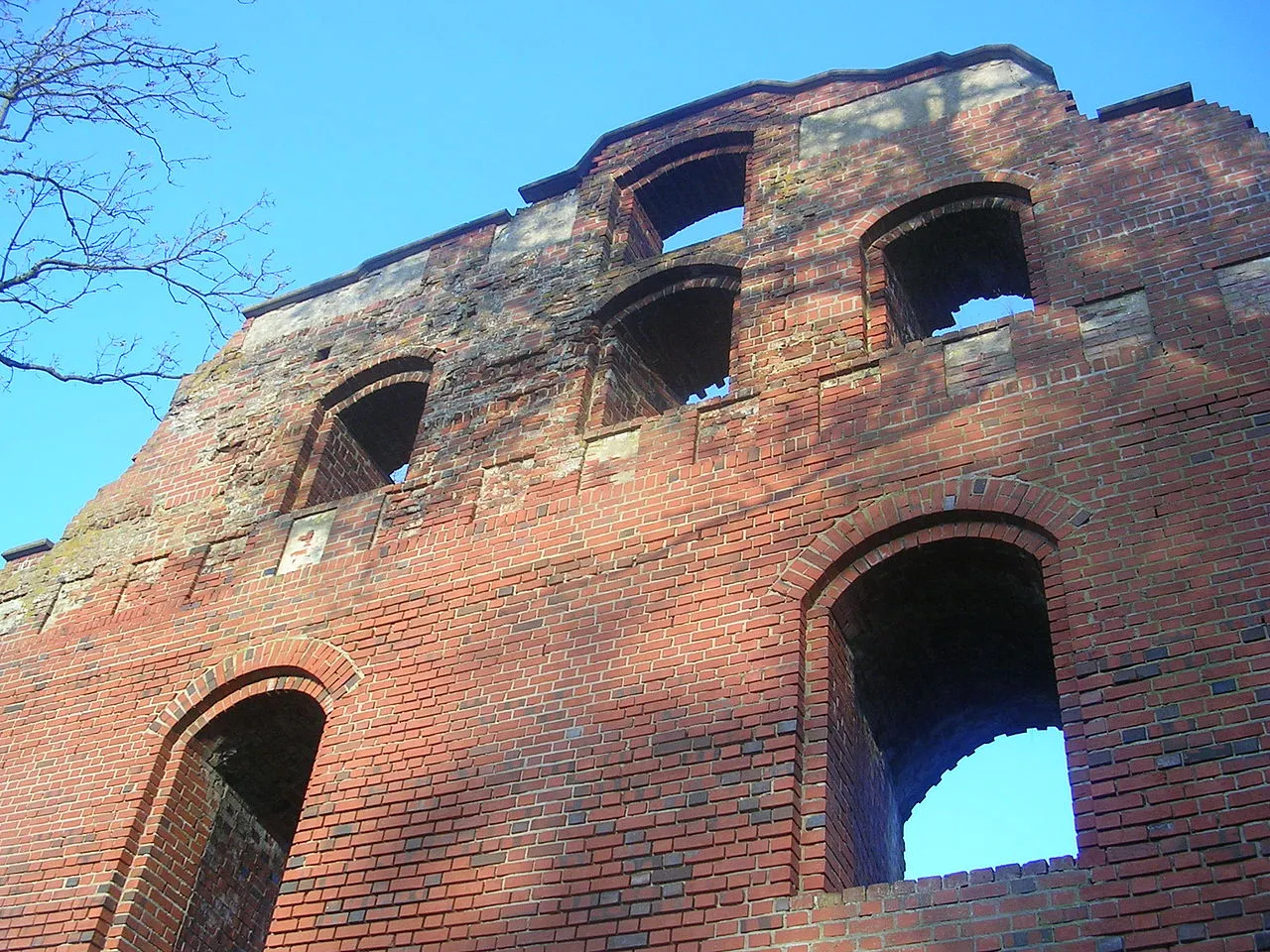
Sweden
Malmö
4 places
-
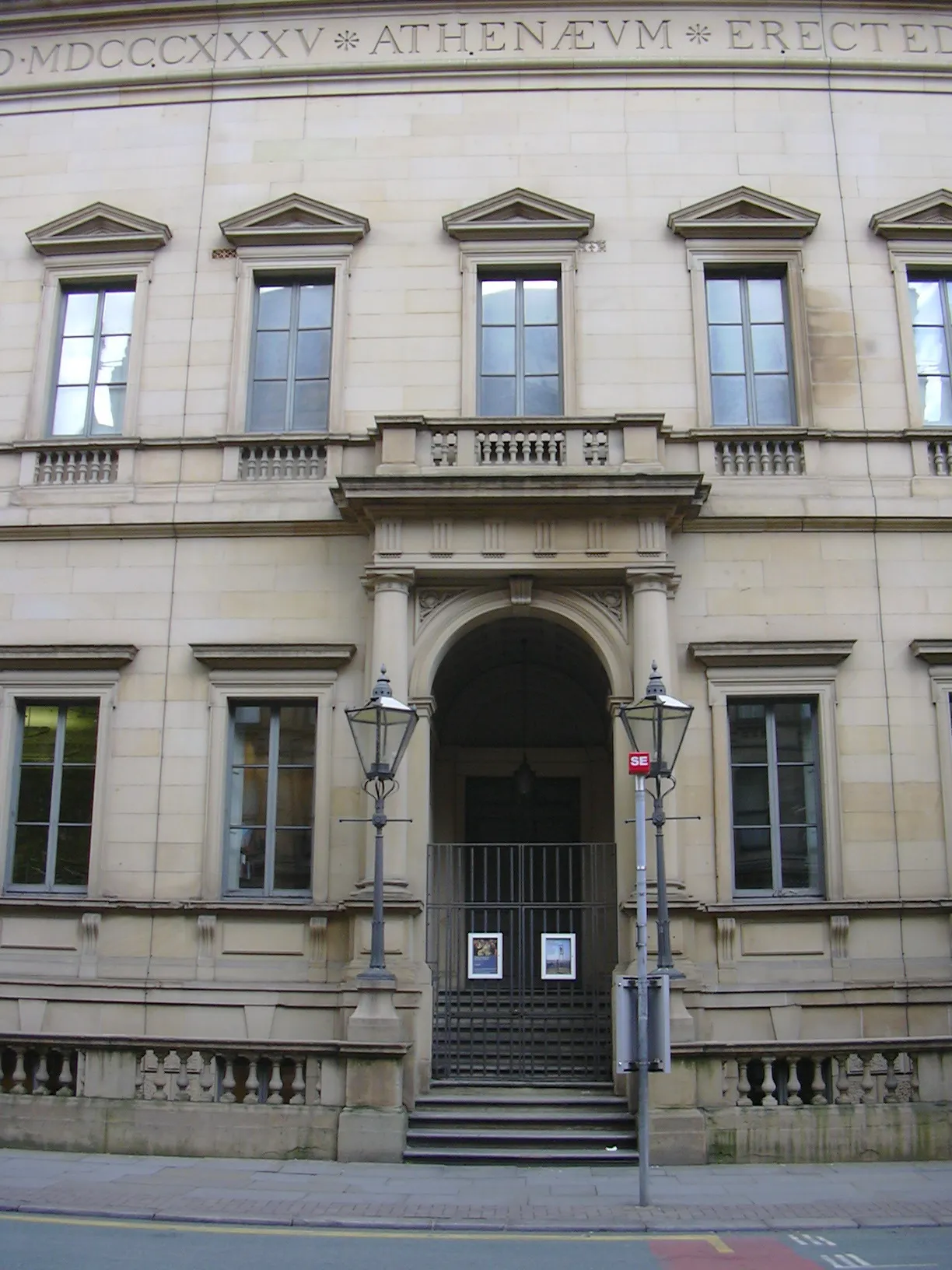
United Kingdom
Manchester
4 places
-
Austria
Salzburg
4 places
-
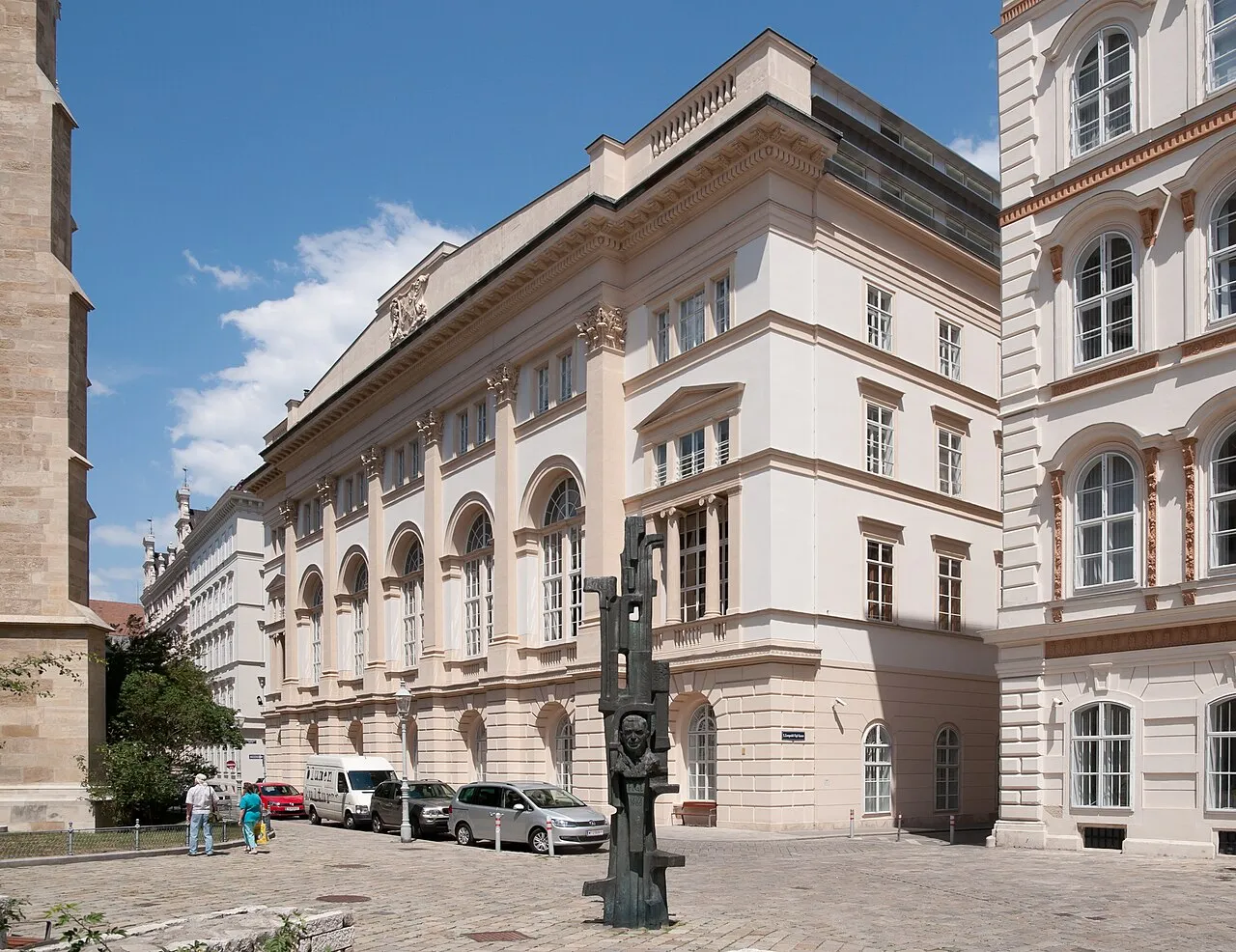
Austria
Vienna
4 places
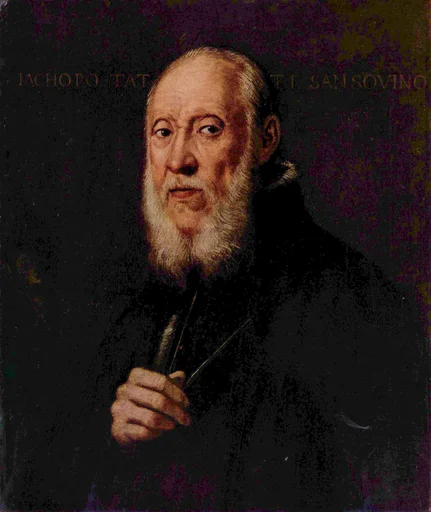
Architects & artists
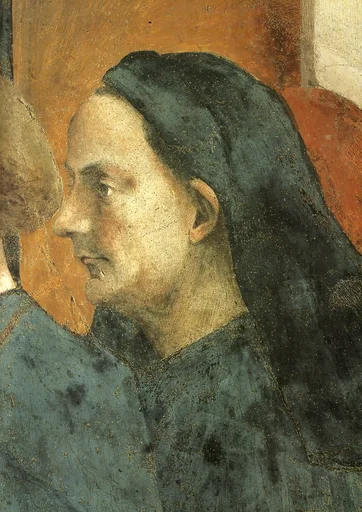
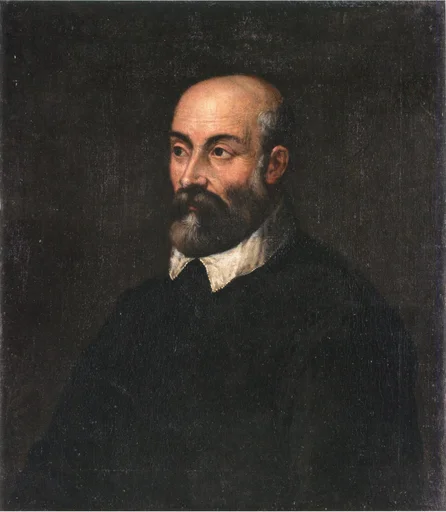
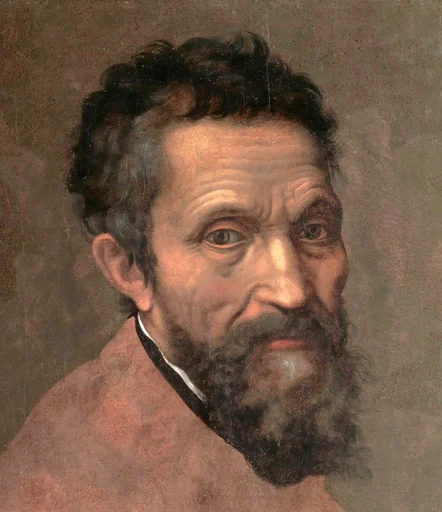
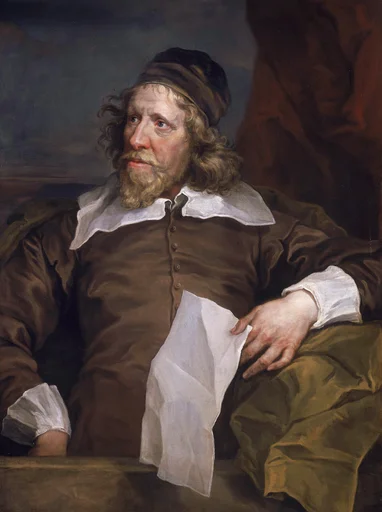
Keep exploring
Explore all destinations