

Historicism architecture
Historicism architecture across 3 cities in 3 countries. The buildings worth seeing, the architects behind them, and where to find each one.
What is historicism?
Historicism is the name for styles that work by recreating earlier ones, or by imitating what earlier artists and artisans made. Its global influence was especially strong from the 1850s onward, and that influence lasted until the 1950s in many countries, long after the movement itself had been overtaken. In German it is Historismus.
It is a family rather than a single look. Gothic Revival, Greek Revival, Renaissance Revival, Baroque Revival, Romanesque Revival, Byzantine Revival, Egyptian Revival and Moorish Revival all sit inside it, which is why a building here can carry this tag and a narrower one at the same time: historicism is the argument, the named revival is the accent it was made in.
The turn is often connected to the bourgeoisie’s rise during and after the Industrial Revolution: a new class was building, and it built in the styles that carried authority.
Eclecticism is the near neighbour worth telling apart. An eclectic building mixes elements from several historical styles to make something new and original, and its driving force was creation rather than nostalgia, where revivalists aimed to imitate past styles closely. Its range is wide: Gaudí’s Sagrada Família in Barcelona, the Lille Synagogue of 1891, Tatsuno Kingo’s Bank of Japan head office completed in February 1896, Kuala Lumpur Railway Station, begun 1910 and finished 1917.
Symbolism and Art Nouveau, then Expressionism and Modernism, made historicism look outdated, though large public commissions in the manner continued into the 20th century.
Notable historicism buildings
-
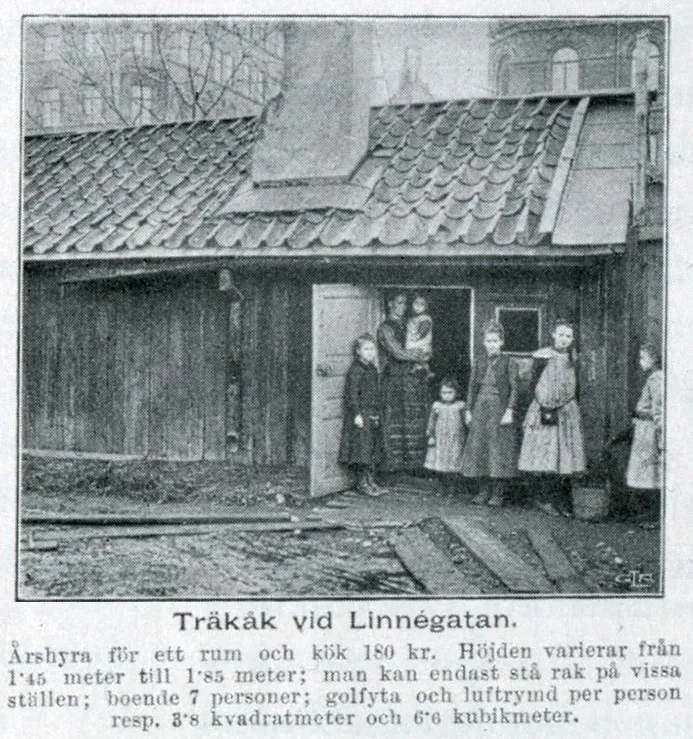
Linnégatan 7 och Fjärde Långgatan 1-3
Gothenburg · 1898
-
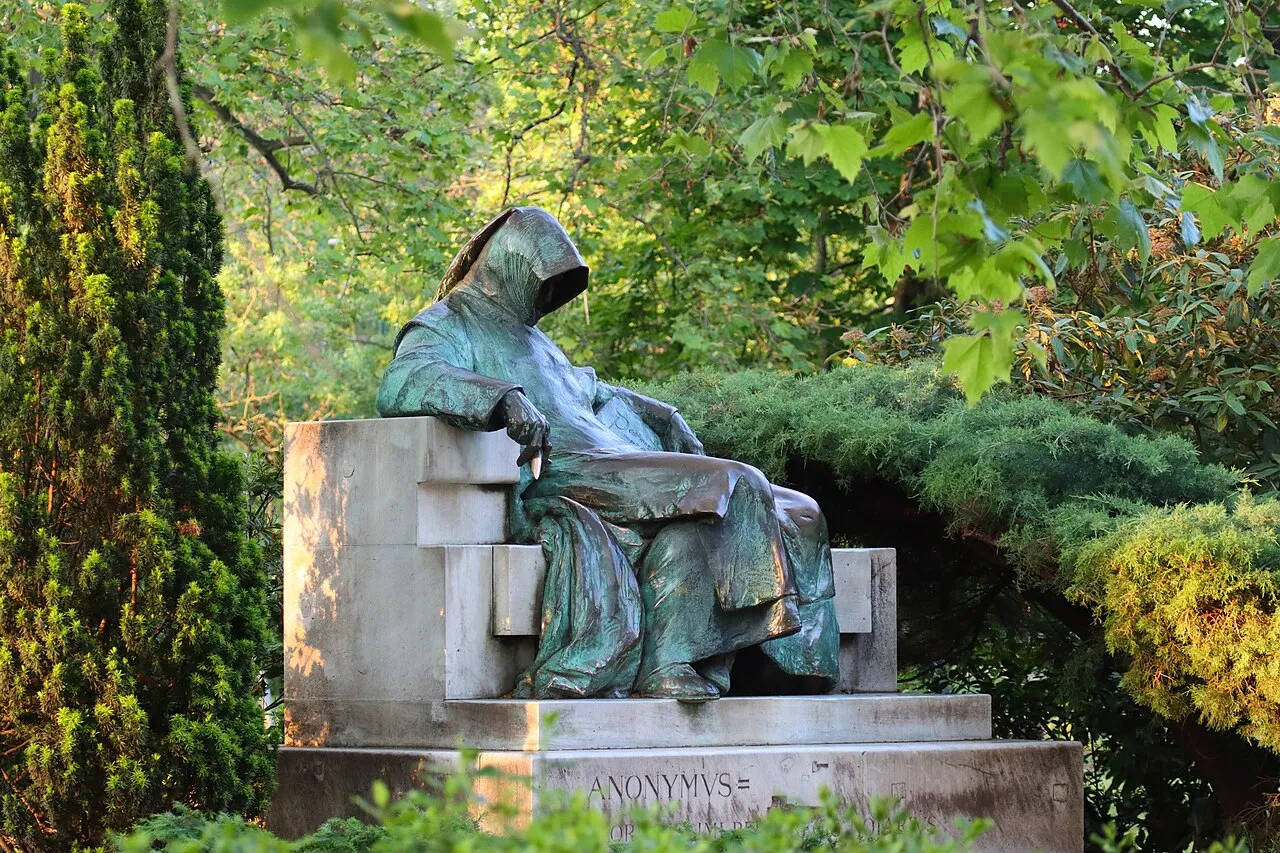
Anonymous Statue
Budapest · 1903
-
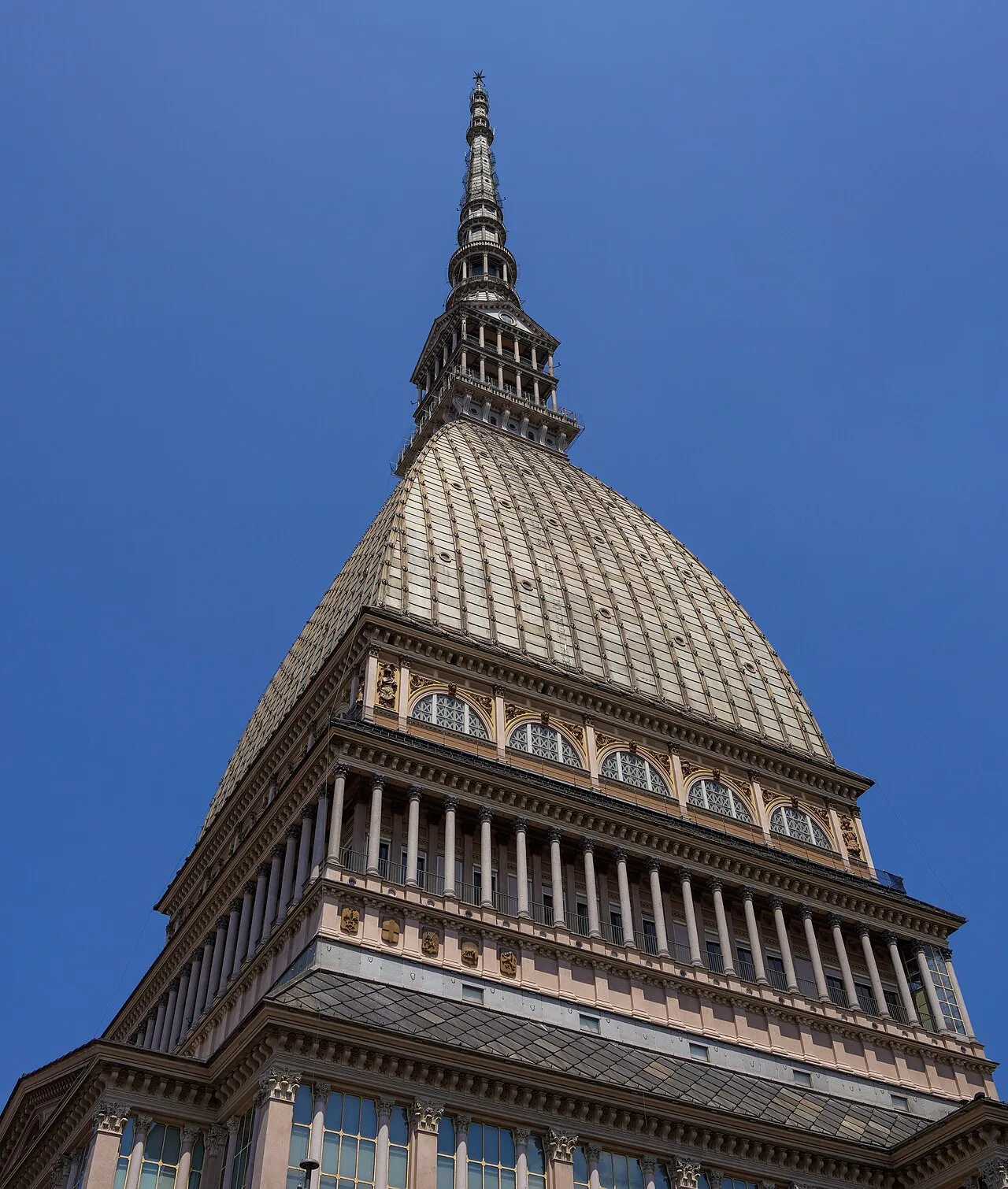
Mole Antonelliana
Provence-Alpes-Côte d'Azur · 1889
-
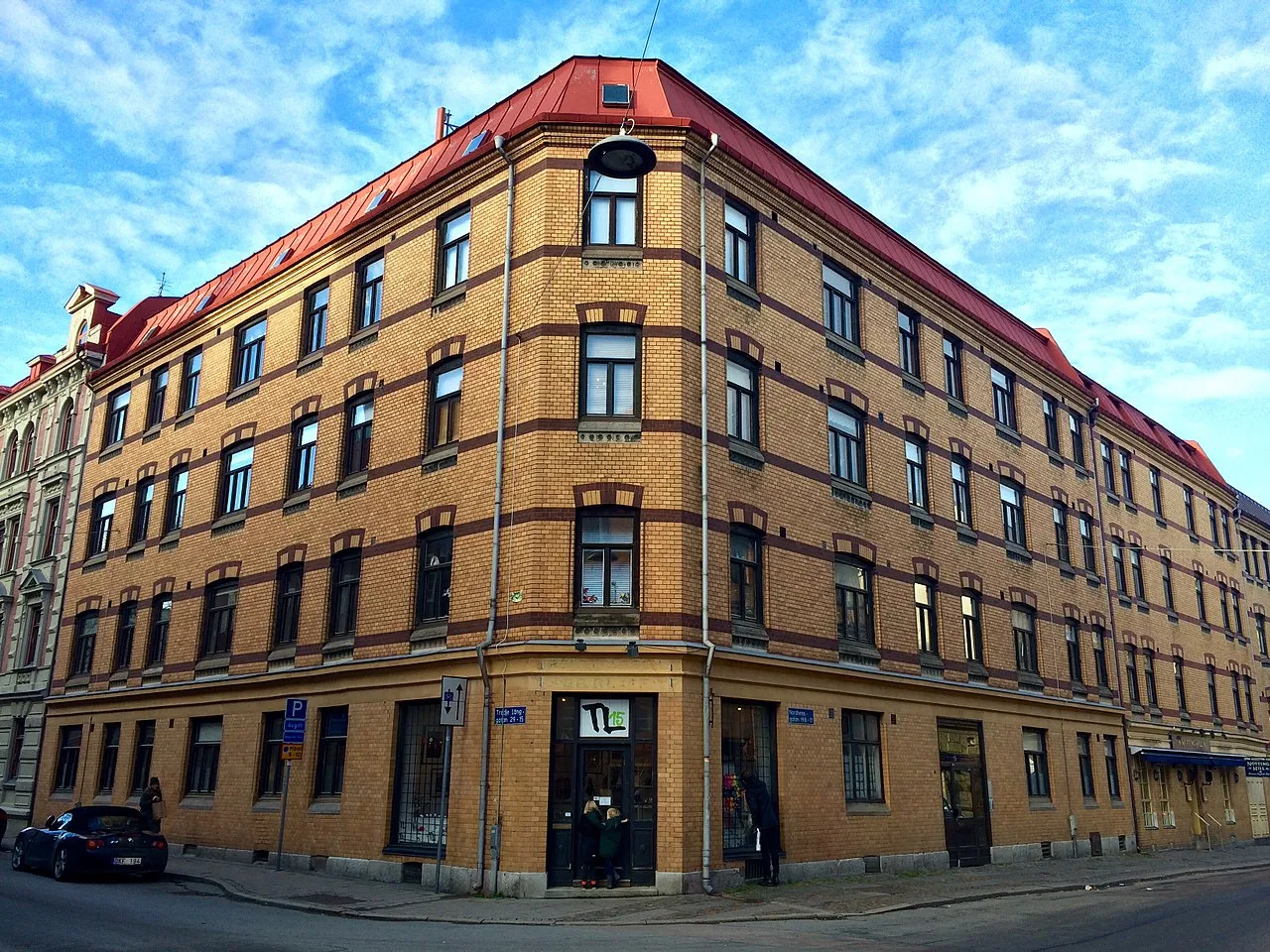
Auktionsverket, Tredje Långgatan
Gothenburg · 1892
-
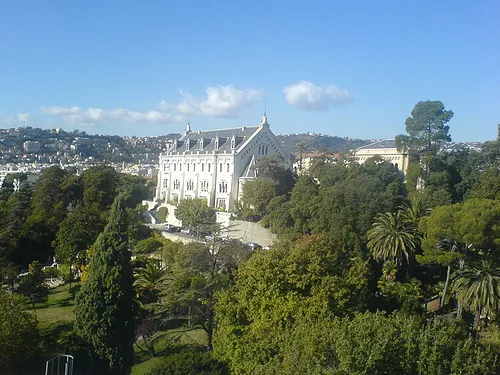
Université Nice Sophia-Antipolis
Provence-Alpes-Côte d'Azur · 1879
-
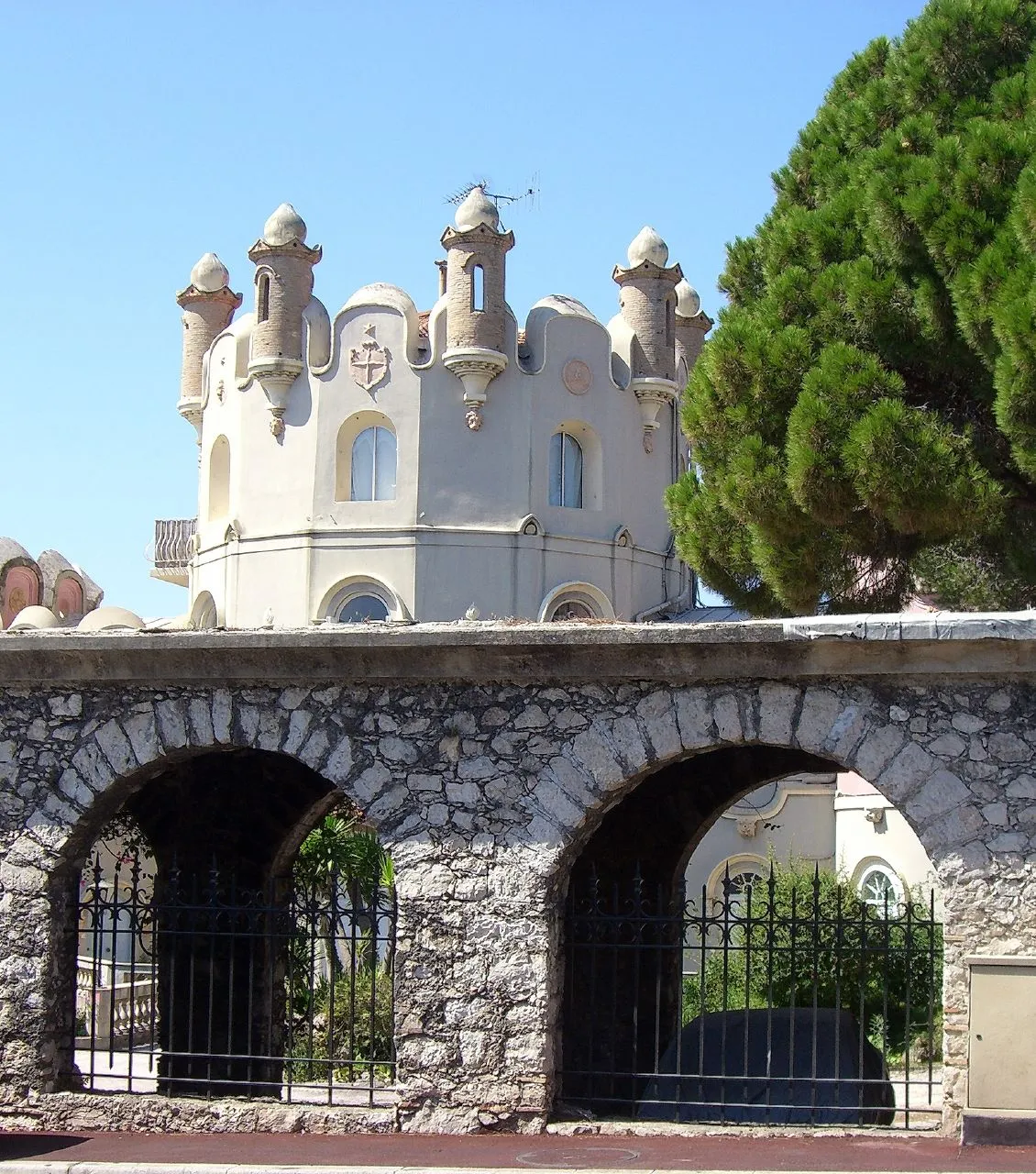
Villa Smith
Provence-Alpes-Côte d'Azur · 1858
-
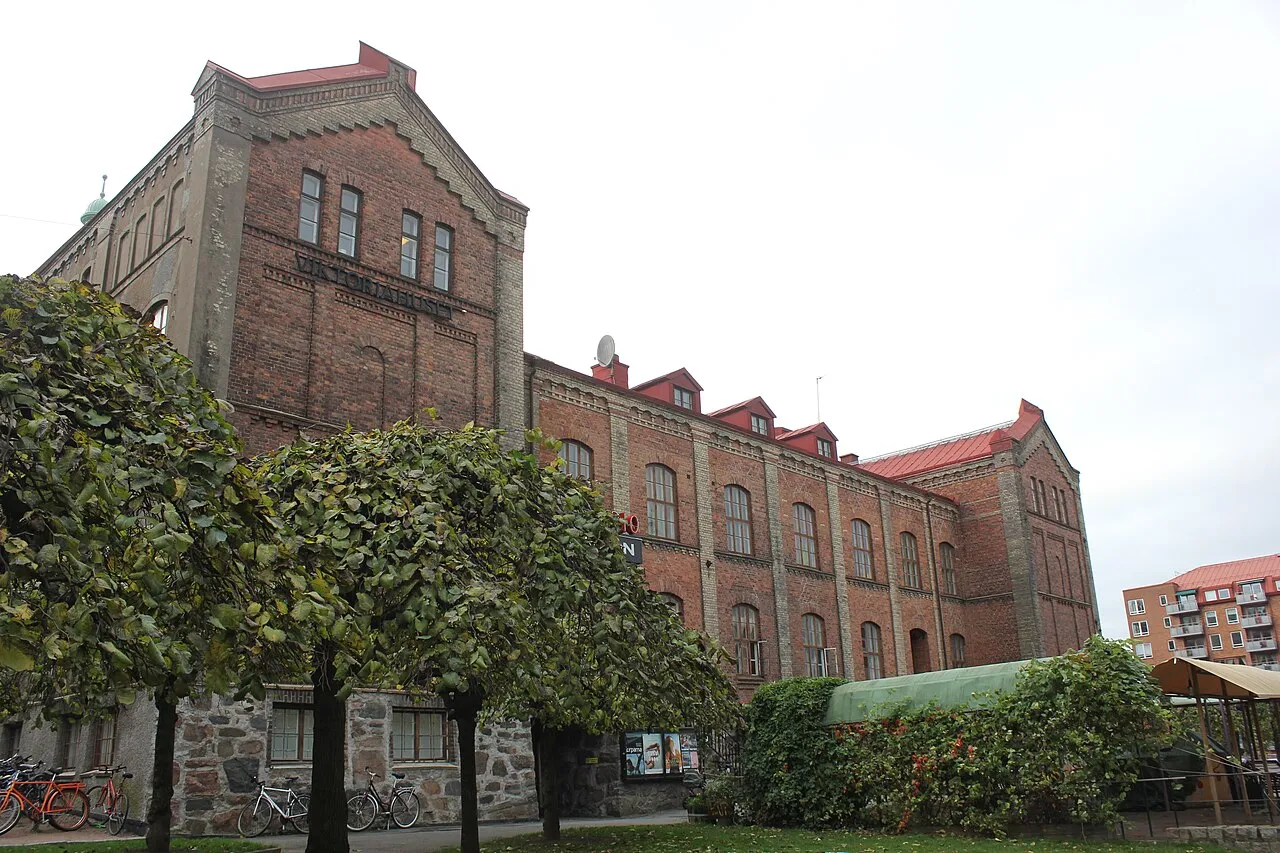
Hagabion
Gothenburg · 1877
-
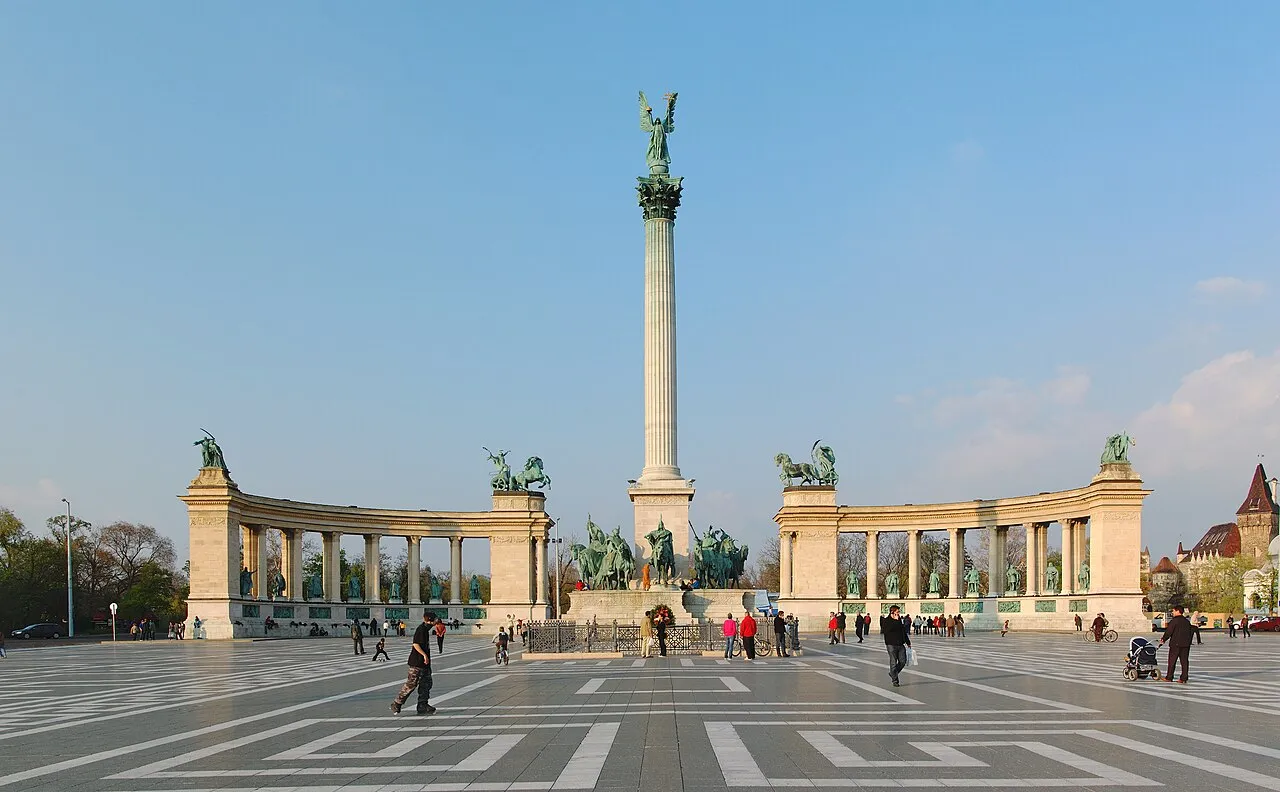
Hősök tere
Budapest · 1896
-
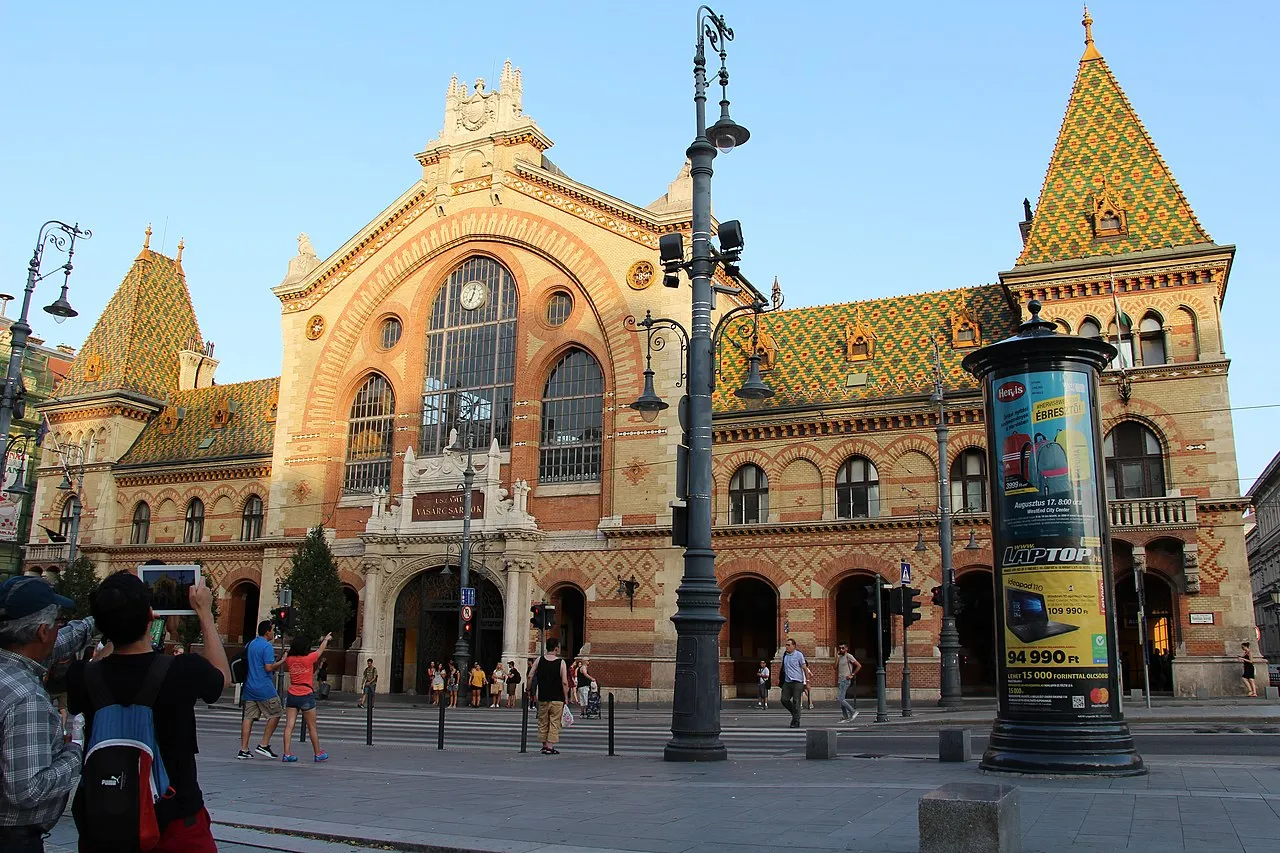
Nagyvásárcsarnok
Budapest · 1897
-
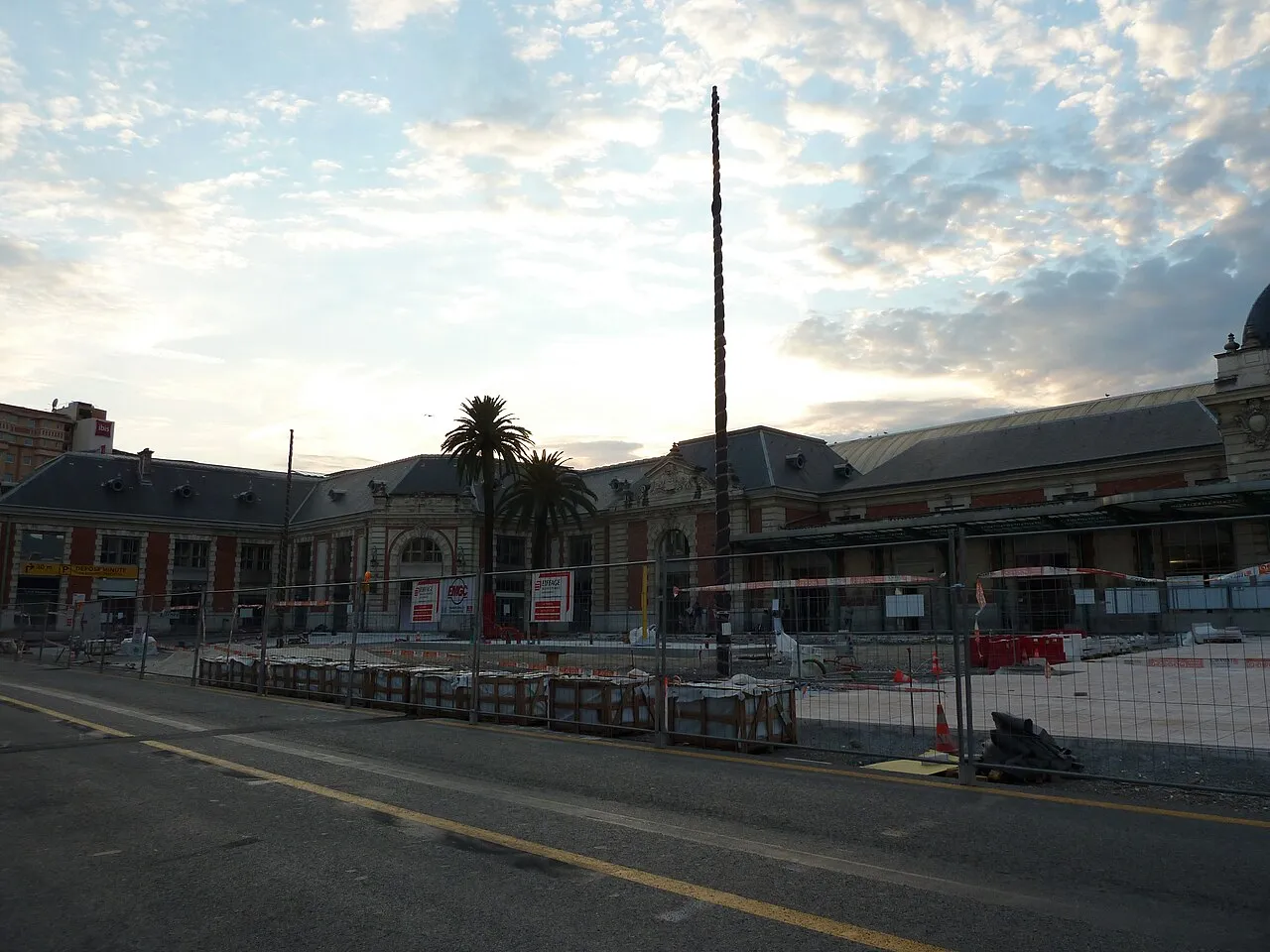
Nice-Ville Station
Provence-Alpes-Côte d'Azur · 1867
-
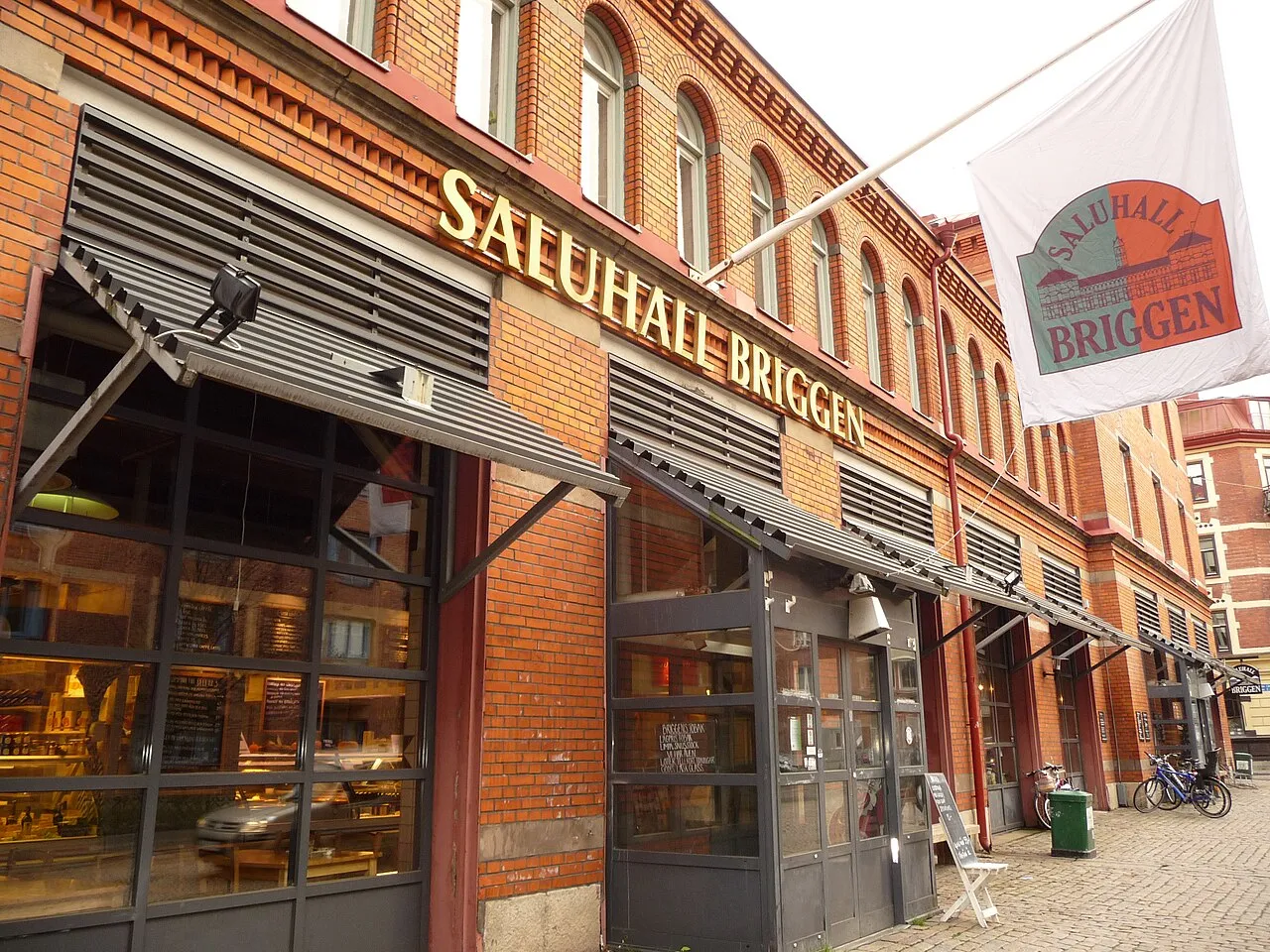
Saluhallen Briggen
Gothenburg · 1891
-
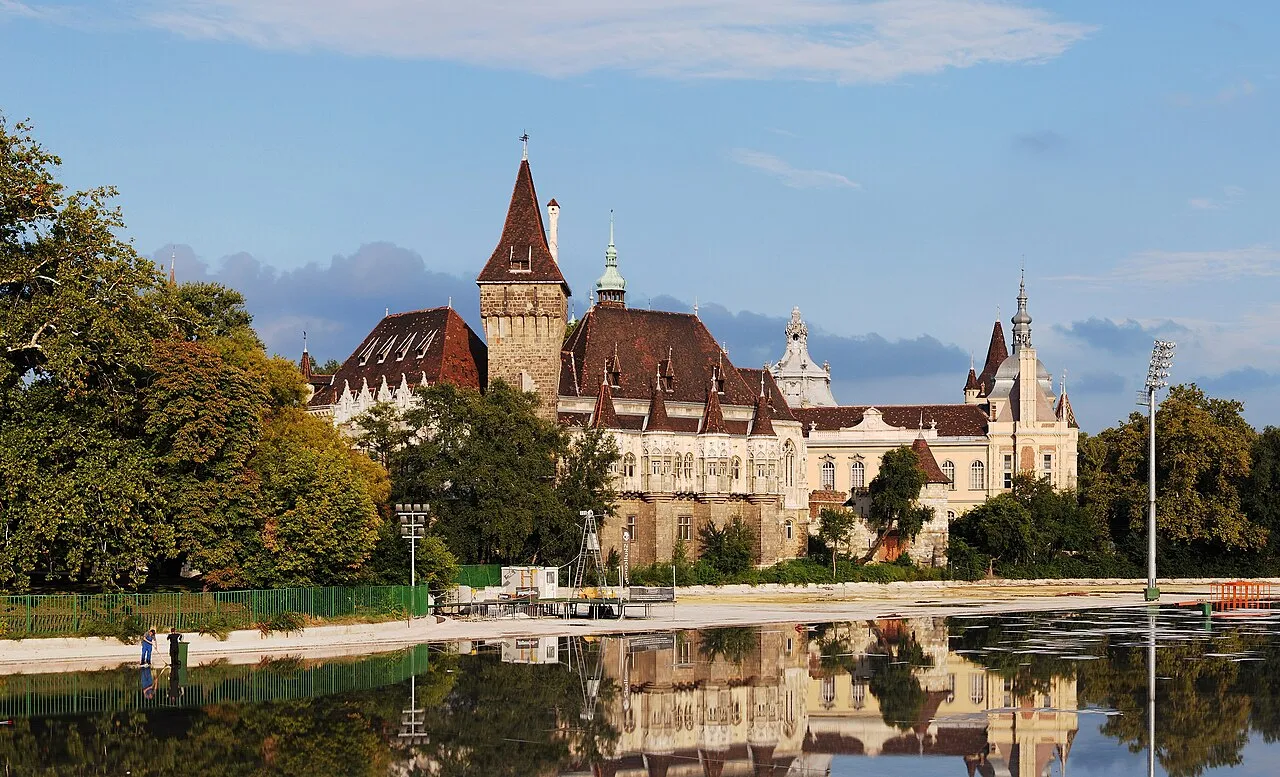
Vajdahunyad Castle
Budapest · 1908
Historicism city by city
Pick a city to see the places on the map, with photos and descriptions.
Keep exploring
Explore all destinations