

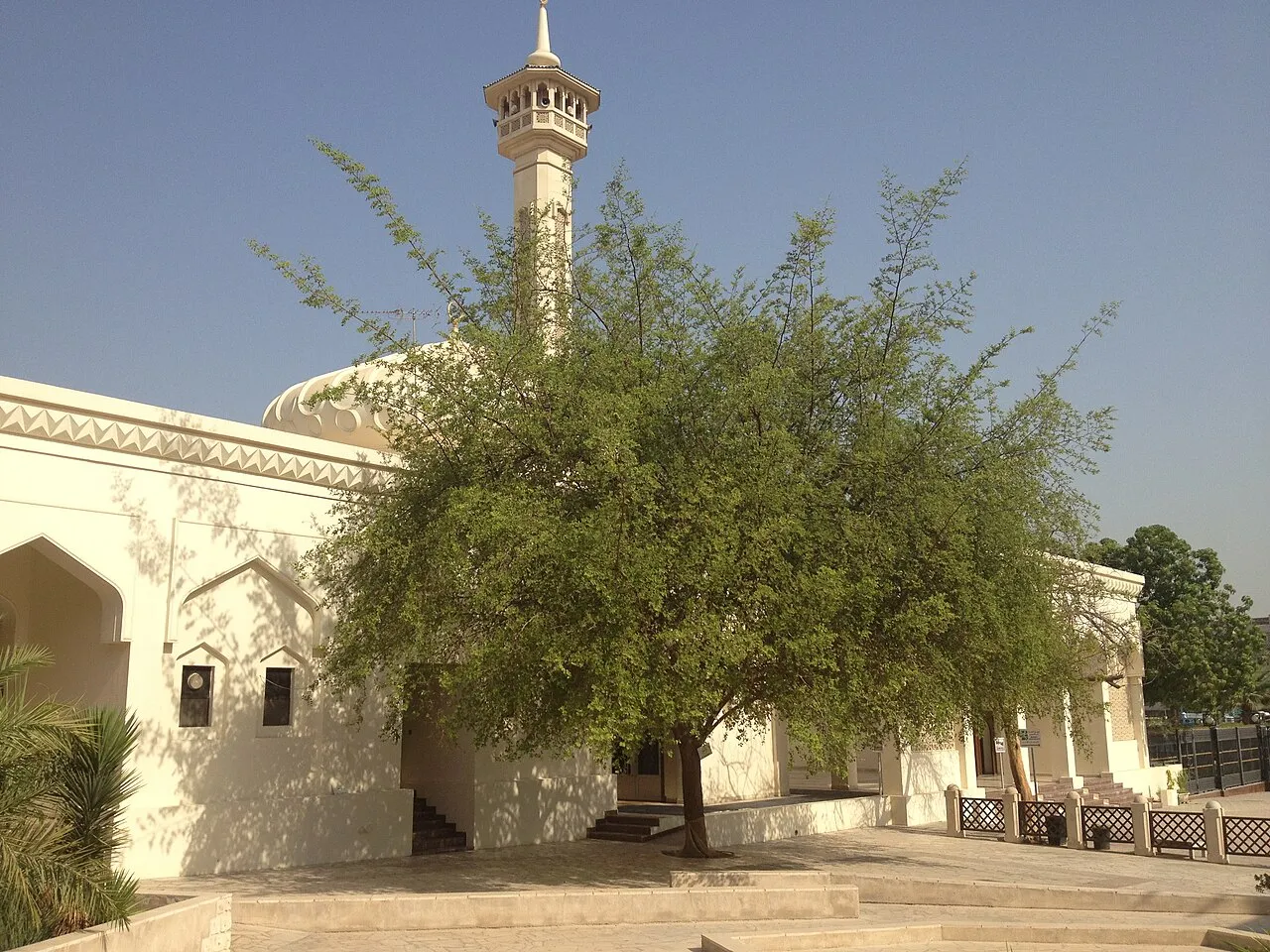
Vernacular architecture
Vernacular architecture across 27 cities in 16 countries. The buildings worth seeing, the architects behind them, and where to find each one.
What is vernacular?
Vernacular architecture is building done outside the academic tradition, without professional designers. Houses answer everyday needs with the materials at hand and with knowledge passed from builder to builder, so the tradition has no start or end date: it is a way of building rather than a period style. By Amos Rapoport’s 1995 estimate, around 95 percent of the world’s built environment belongs to it.
You recognize it by how closely building and place agree: log houses in the conifer belt, mud brick in arid river valleys, bamboo in the tropics. Cold climates call for heavy walls and small windows; hot ones open the structure to the air. Plans follow family structure and custom rather than fashion.
The word entered architecture in 1857, when Sir George Gilbert Scott used it for ordinary English building, and it carried a sneer at first. Bernard Rudofsky turned it around in 1964 with Architecture Without Architects at the Museum of Modern Art in New York: some 200 photographs of anonymous building worldwide, hung without captions. Heavily criticized when it opened, the show became one of the most successful in the museum’s history and gave what Rudofsky called non-pedigreed architecture its modern standing.
Interest keeps growing. Paul Oliver’s Encyclopedia of Vernacular Architecture of the World (1997) mapped the field, and contemporary architects keep returning to vernacular buildings for lessons in sustainable design.
Vernacular in Sweden
Sweden's folk building is a timber tradition. Corner-jointed log construction, knuttimring, arrived in the Viking Age from the conifer forests of eastern Europe; Granhults kyrka in Småland, from the 1200s, is the country's oldest preserved timber building. The oak-rich south built differently, with plank-walled skiftesverk and half-timbered korsvirke, the frame of the long, low skånelänga farmhouses. Falu red paint, a byproduct of the Falun copper mine first ordered for royal roofs in 1573, reached ordinary farmhouses in the 1800s and made red cottages with white corners the image of Sweden worldwide.
UNESCO has recognized the tradition four times: the church town of Gammelstad outside Luleå (1996), the southern Öland agricultural landscape (2000), seven decorated Hälsingland farmhouses with painted festivity rooms (2012), and fäbod summer pasture farming, inscribed as intangible cultural heritage in 2024. The easiest place to meet it all is Skansen in Stockholm, opened by Artur Hazelius in 1891 as the world's oldest open-air museum, with about 140 relocated buildings; nearly 1,400 local heritage farmsteads, hembygdsgårdar, keep the tradition alive village by village.
See the style in Malmö, Norrbotten, Säter, Ljusdal, Norrköping, Arboga.
Notable vernacular buildings
-
Al Fahidi Historical Neighbourhood
Dubai · 1890
-
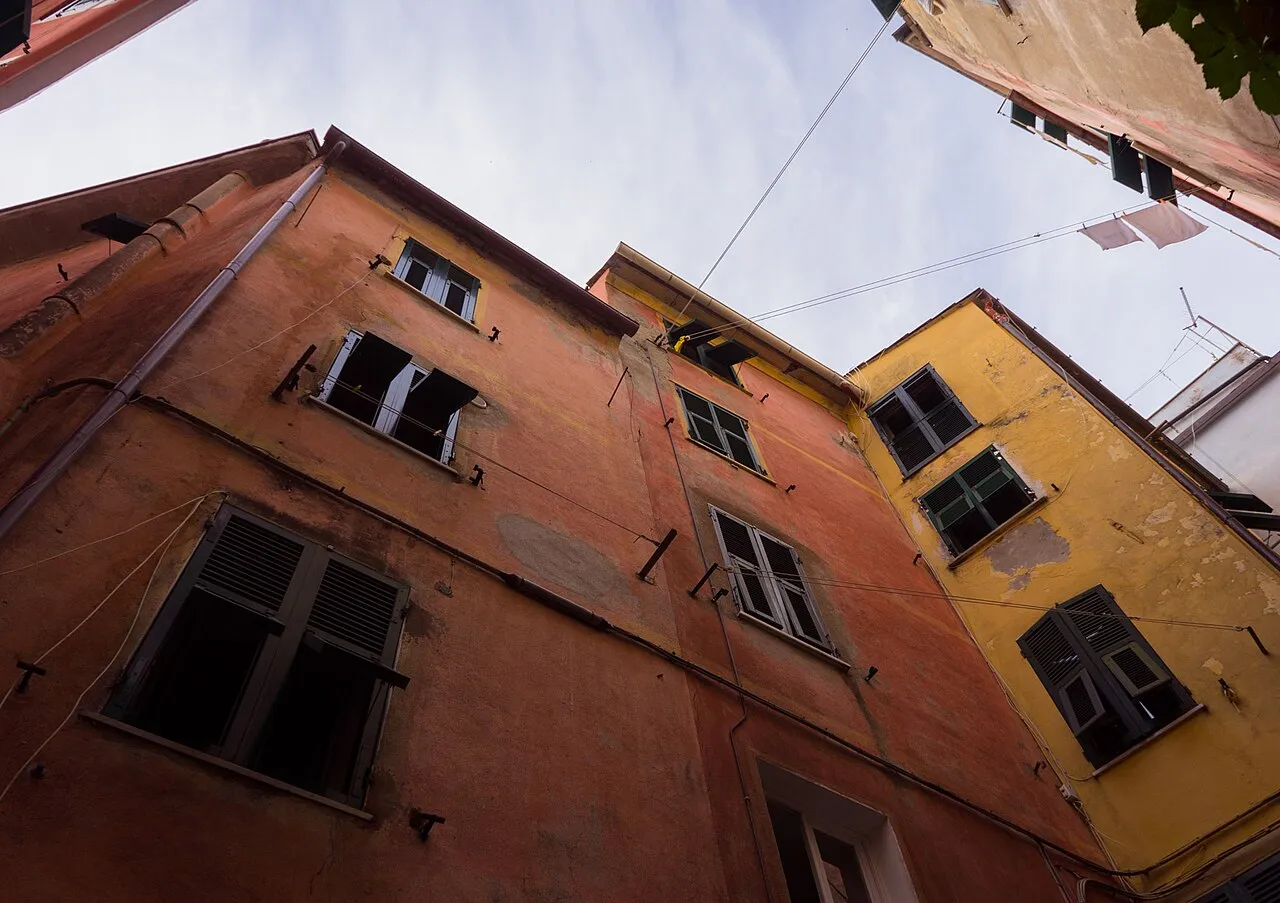
Vernazza
Tuscany · 1080
-
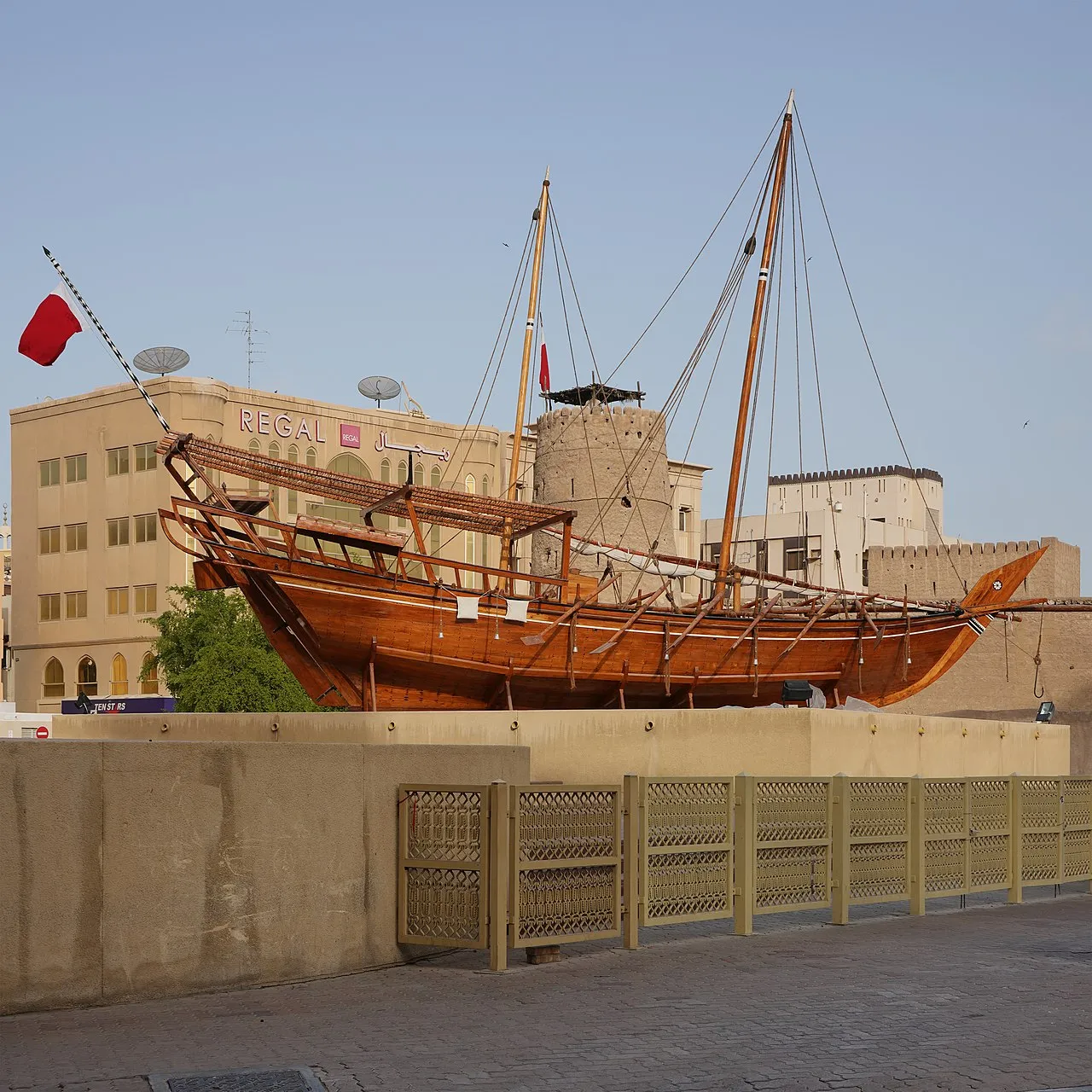
Dubai Museum
Dubai · 1787
-
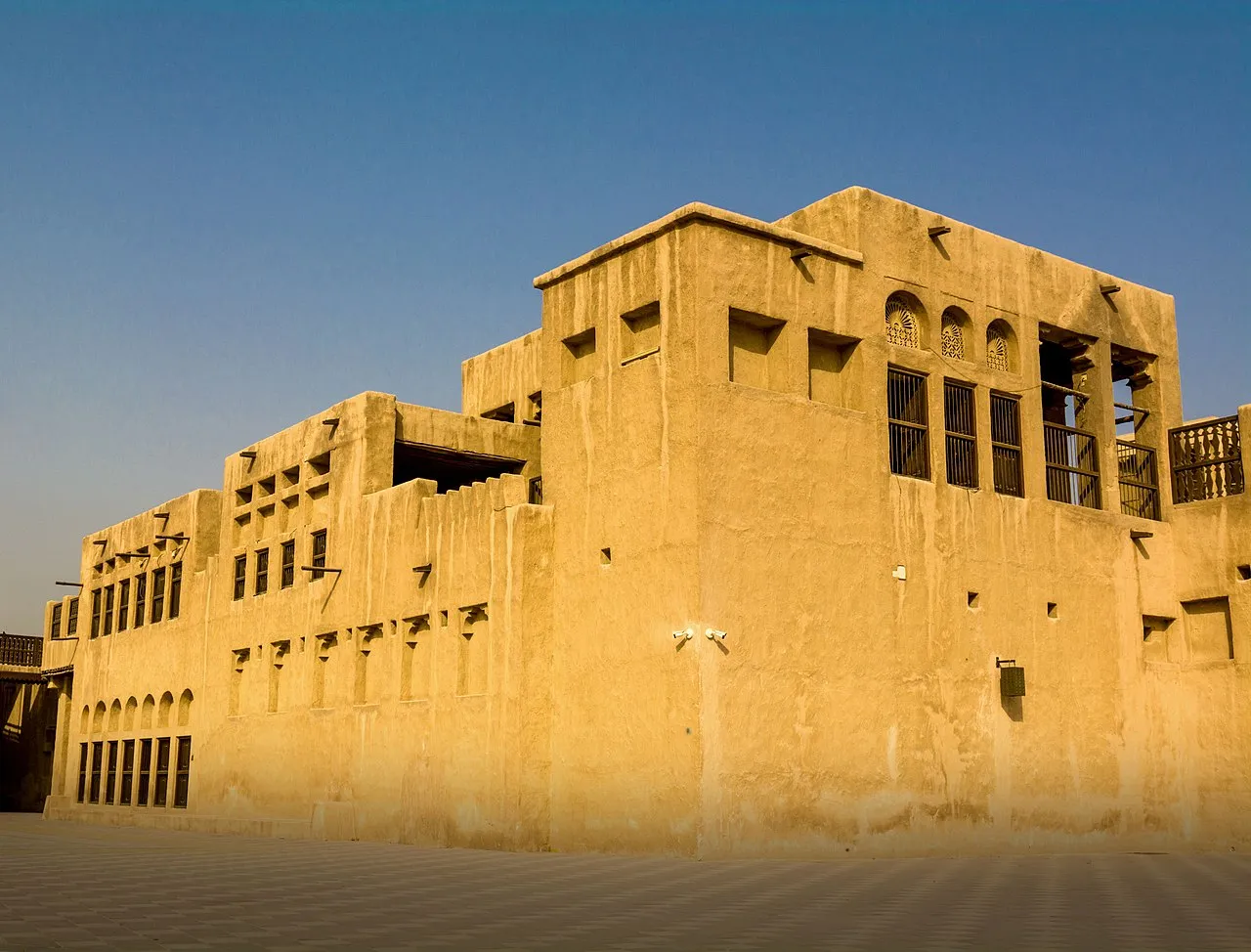
Sheikh Saeed Al Maktoum House
Dubai · 1896
-
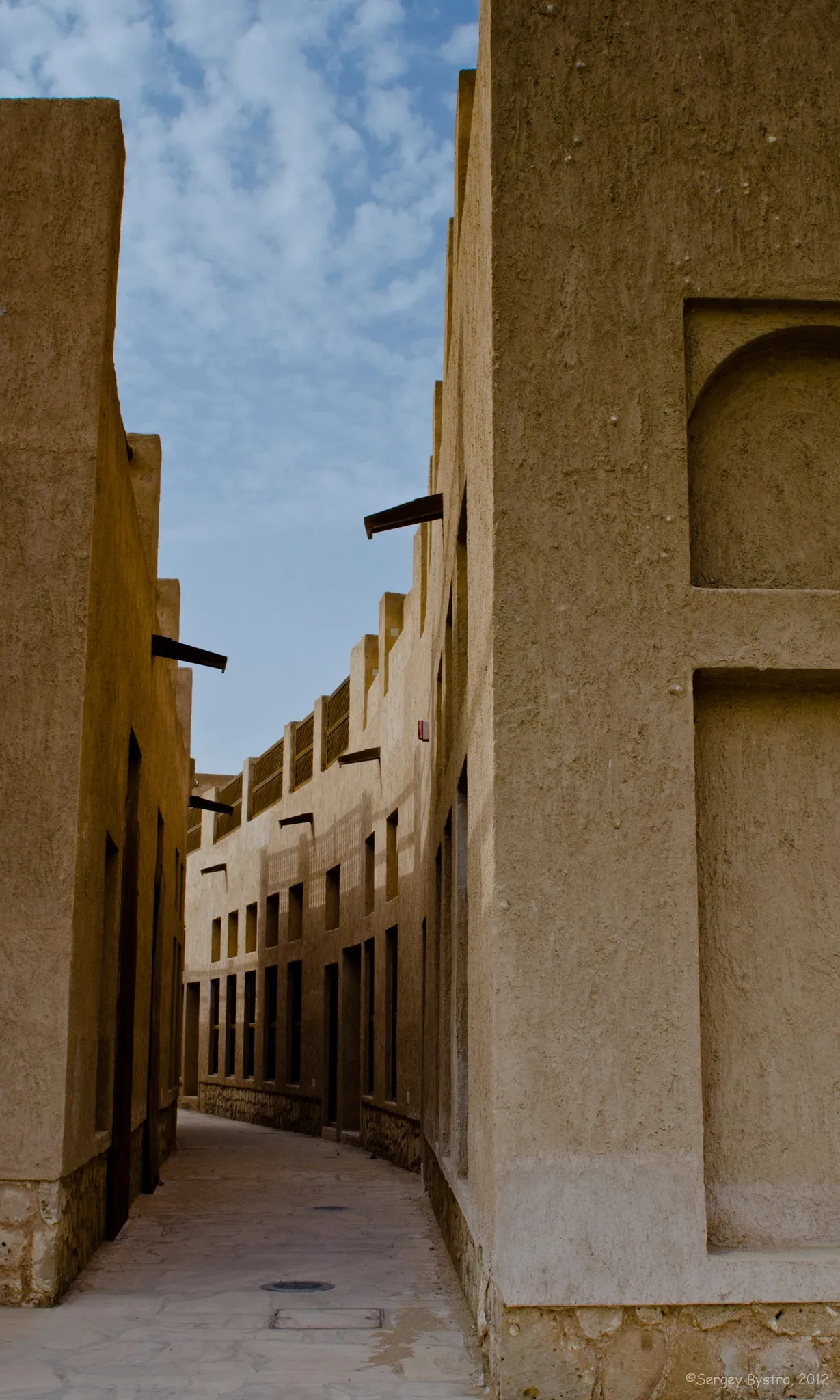
Al Shindagha Historic District
Dubai · 1900
-
Anne Frank House
Amsterdam · 1635
-
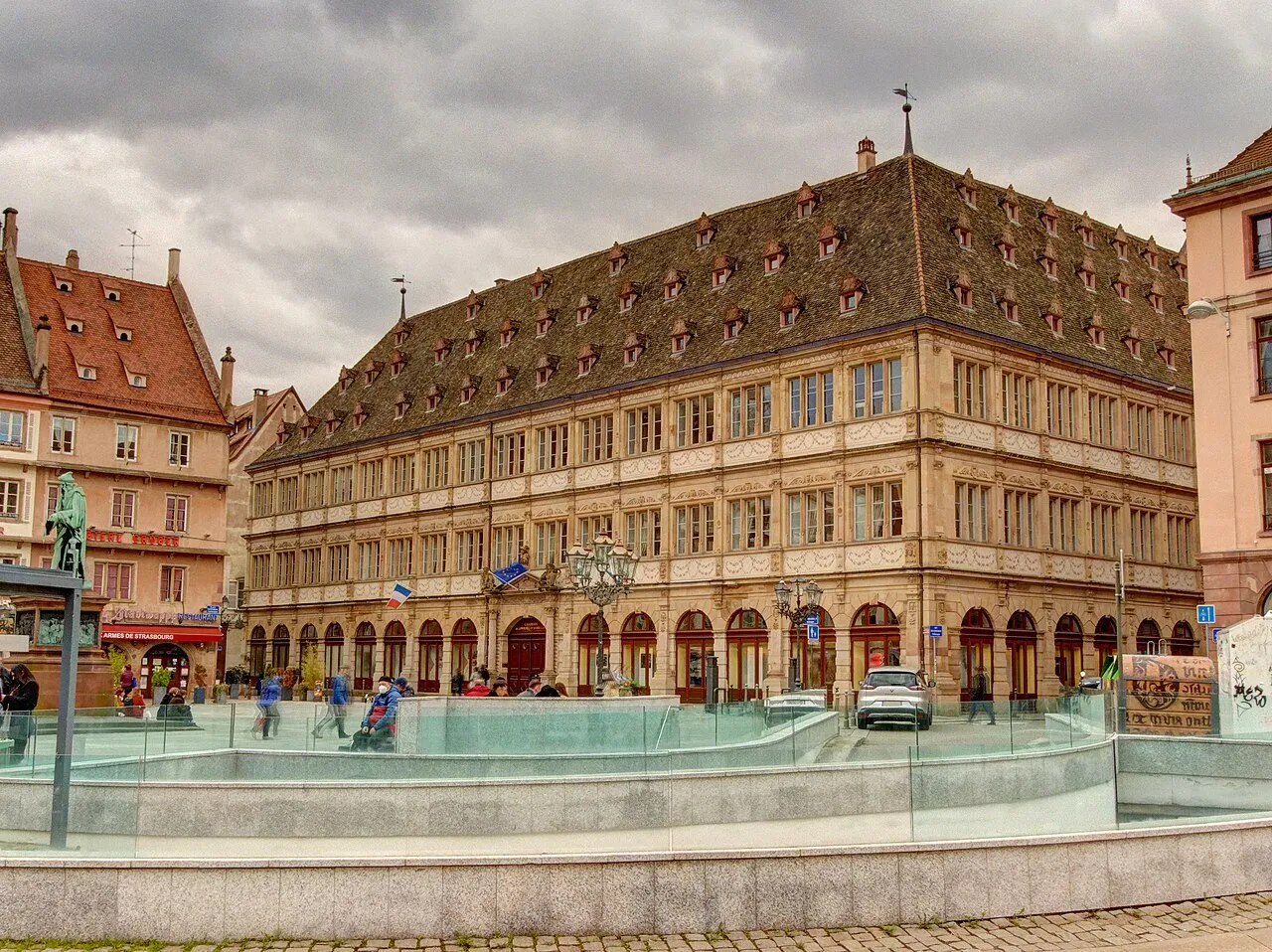
Chambre de Commerce et d'Industrie
Strasbourg · 1585
-
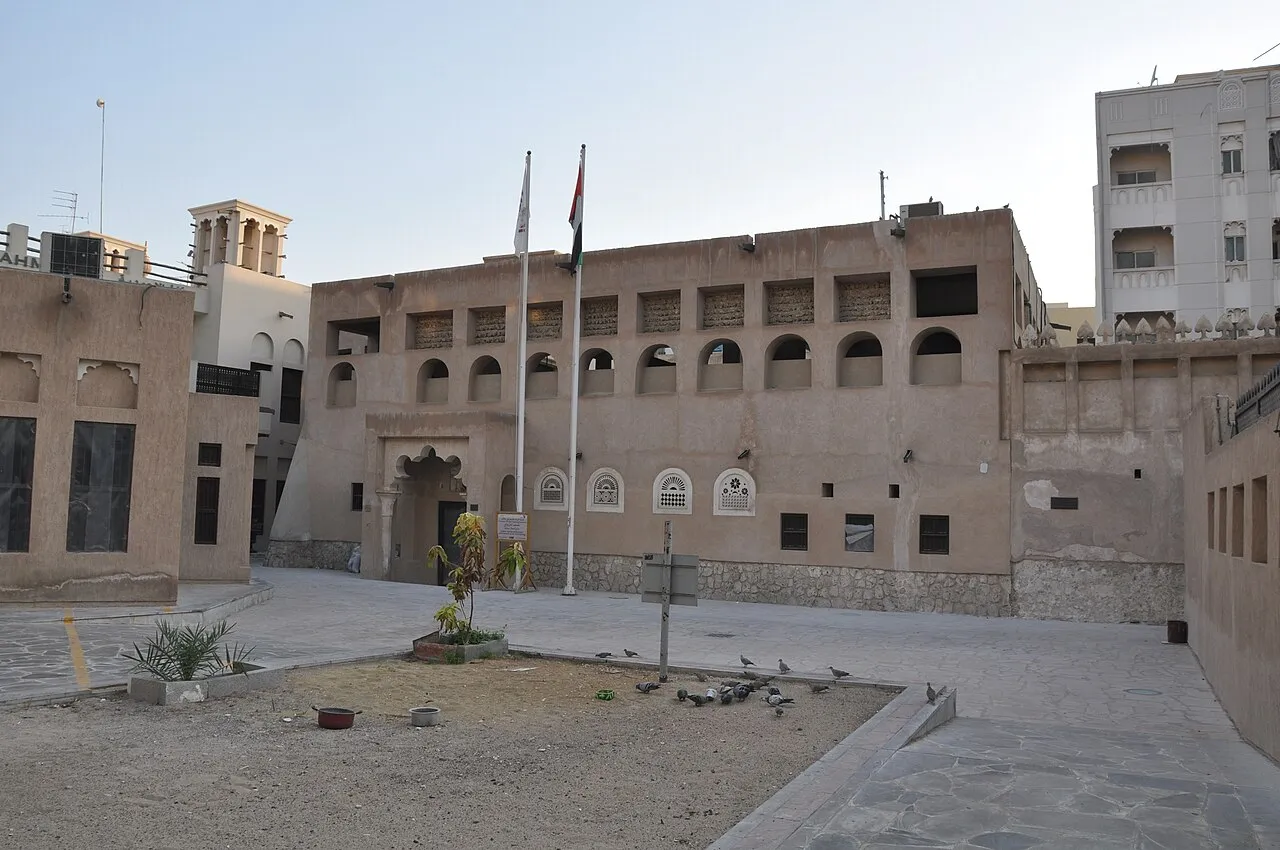
Al Ahmadiya School
Dubai · 1912
-
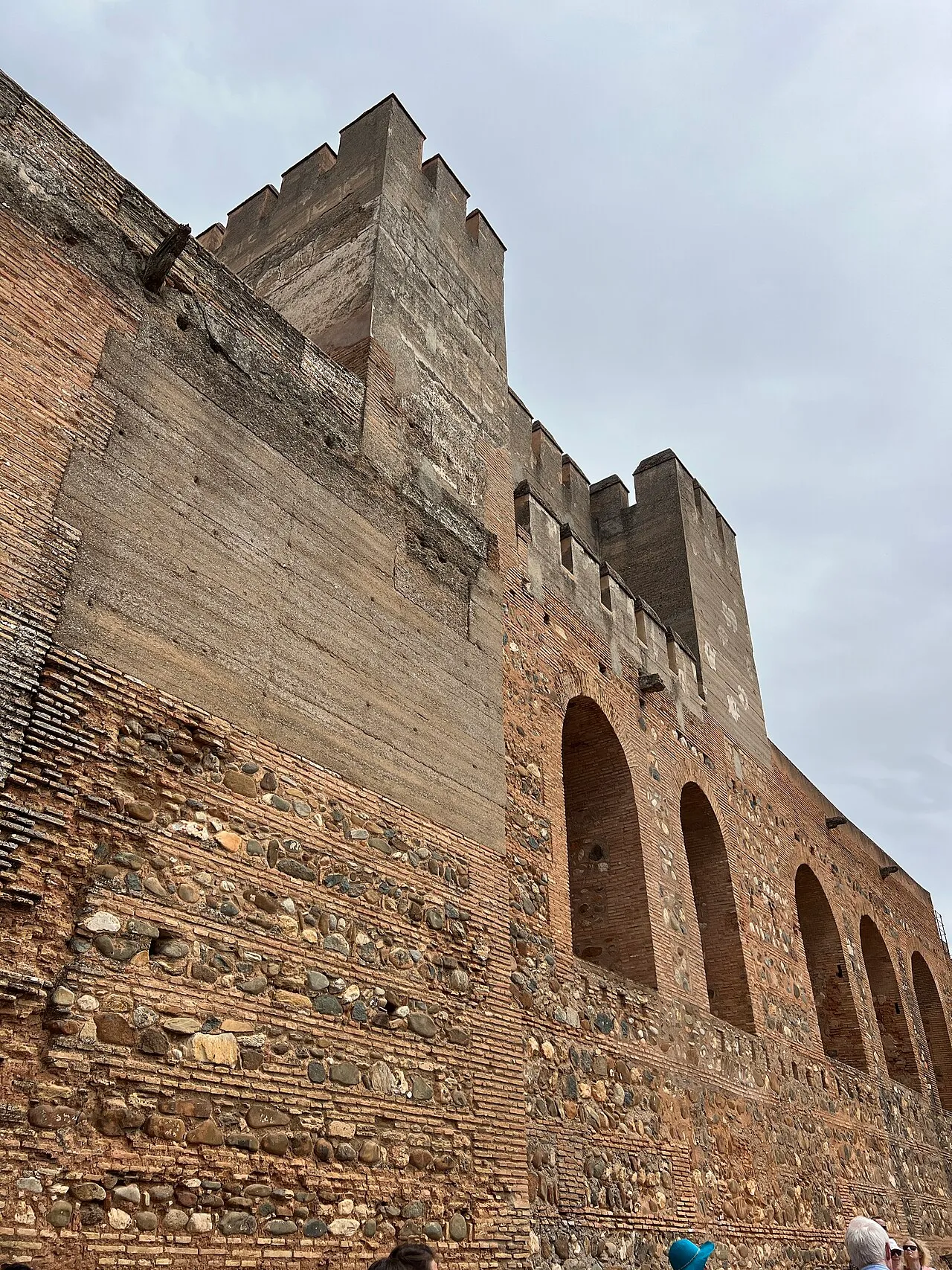
Alcazaba de la Alhambra
Granada · 1238
-
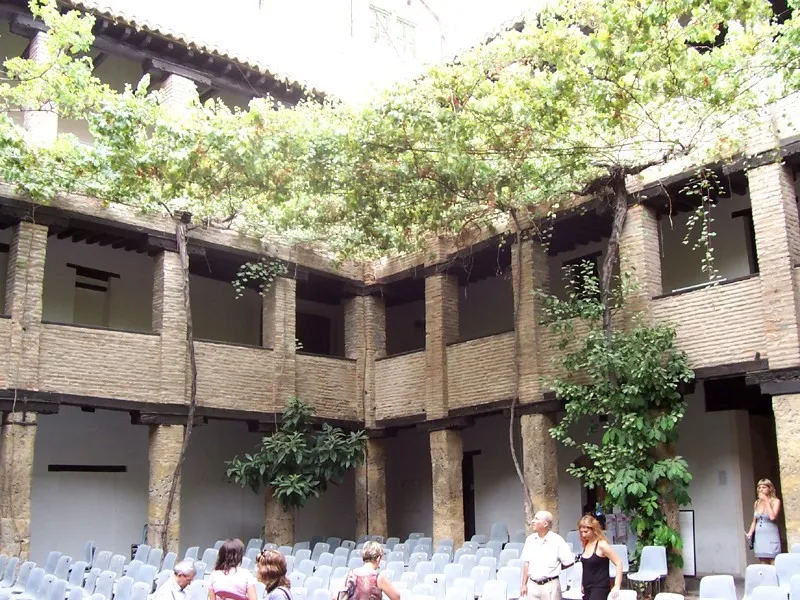
Alhóndiga Yeddida
Granada · 1336
-
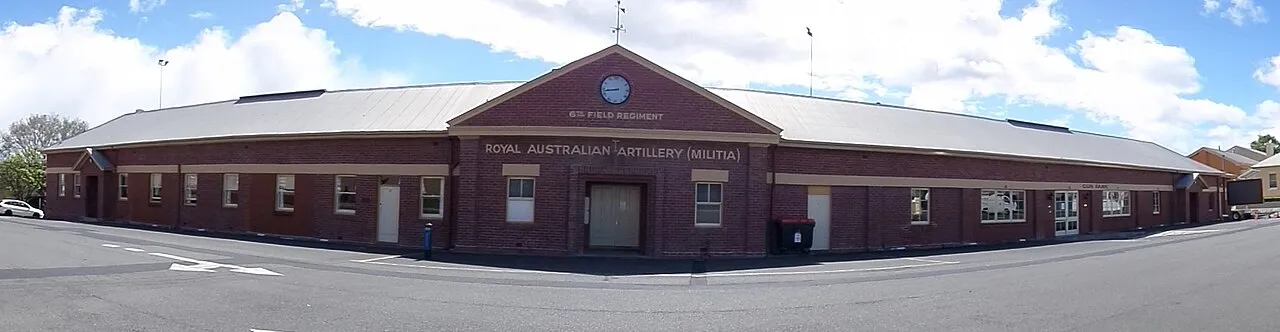
Anglesea Barracks
Hobart · 1814
-
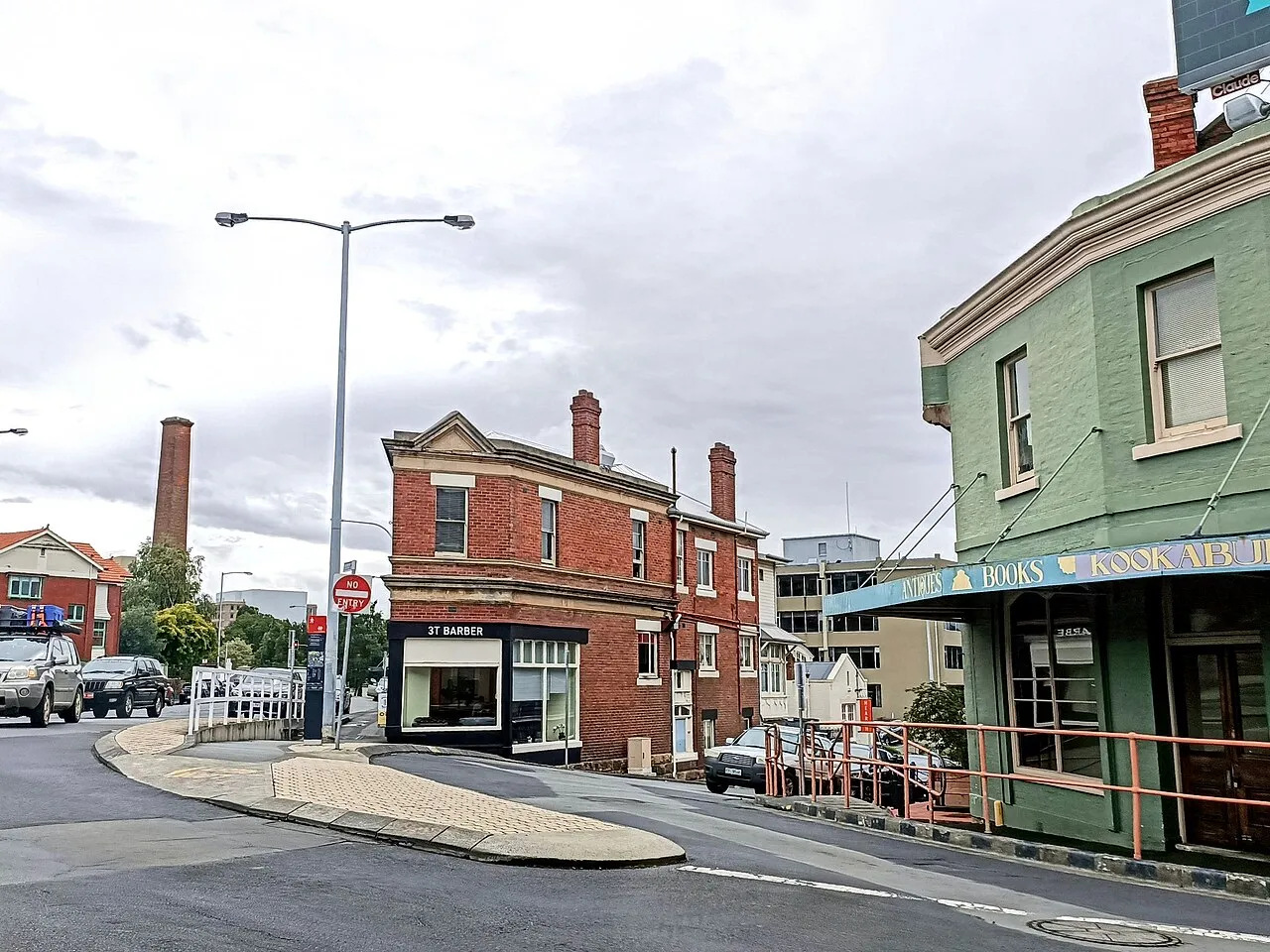
Battery Point
Hobart · 1818
Vernacular city by city
Pick a city to see the places on the map, with photos and descriptions.
-
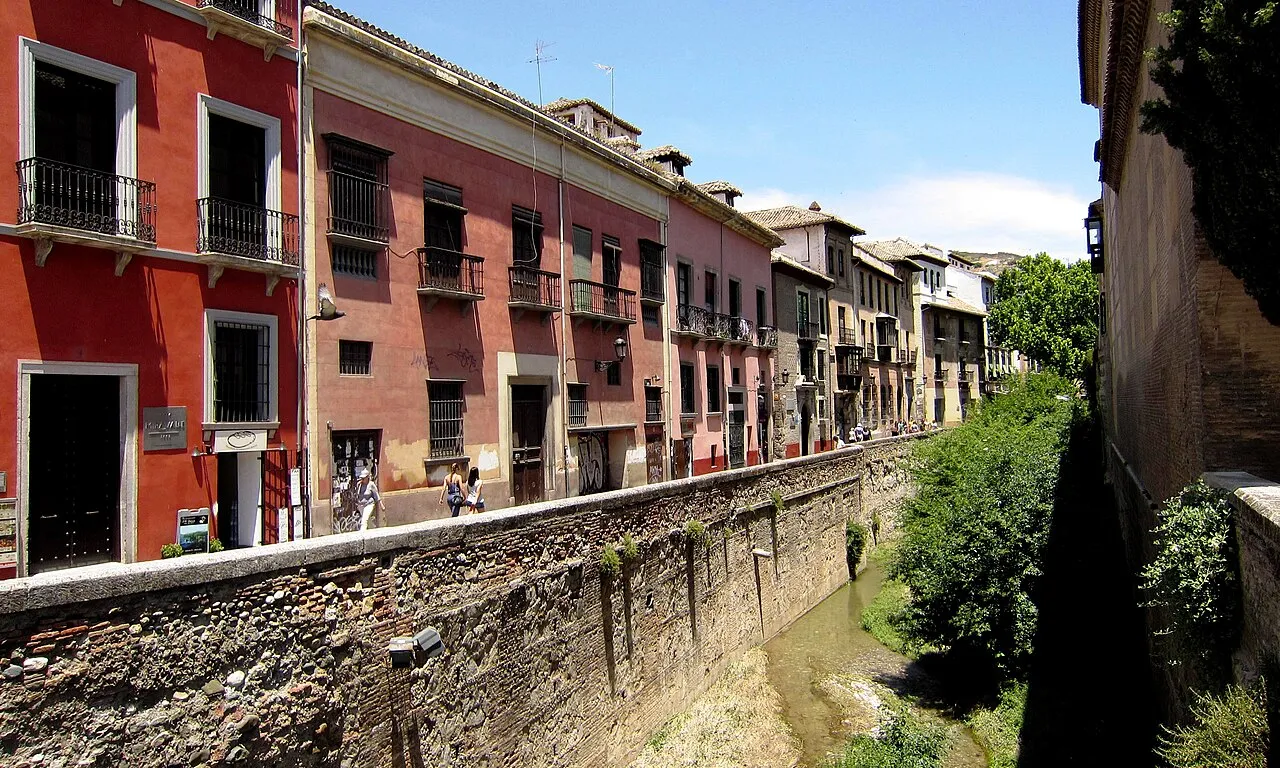
Spain
Andalusia
20 places
-
China
Beijing
20 places
-
Spain
Granada
18 places
-
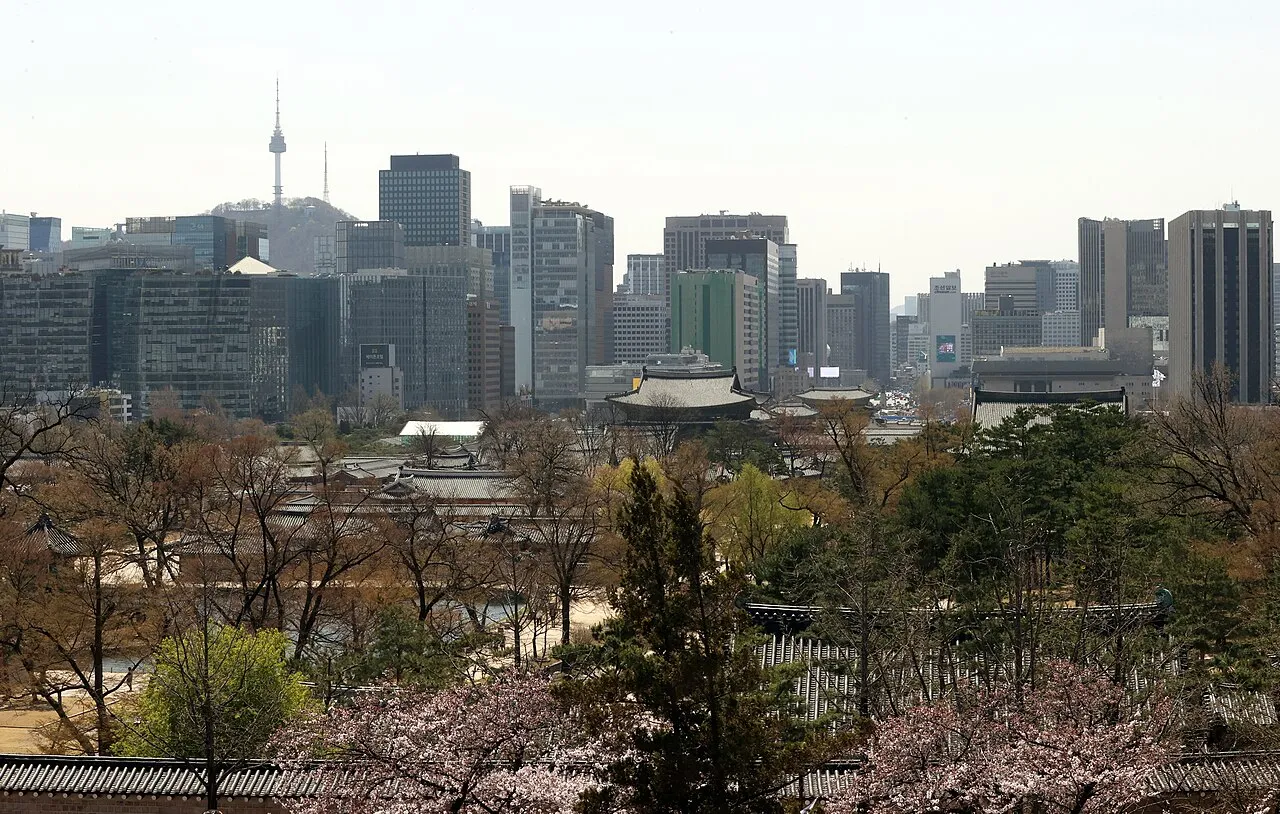
South Korea
Seoul
17 places
-
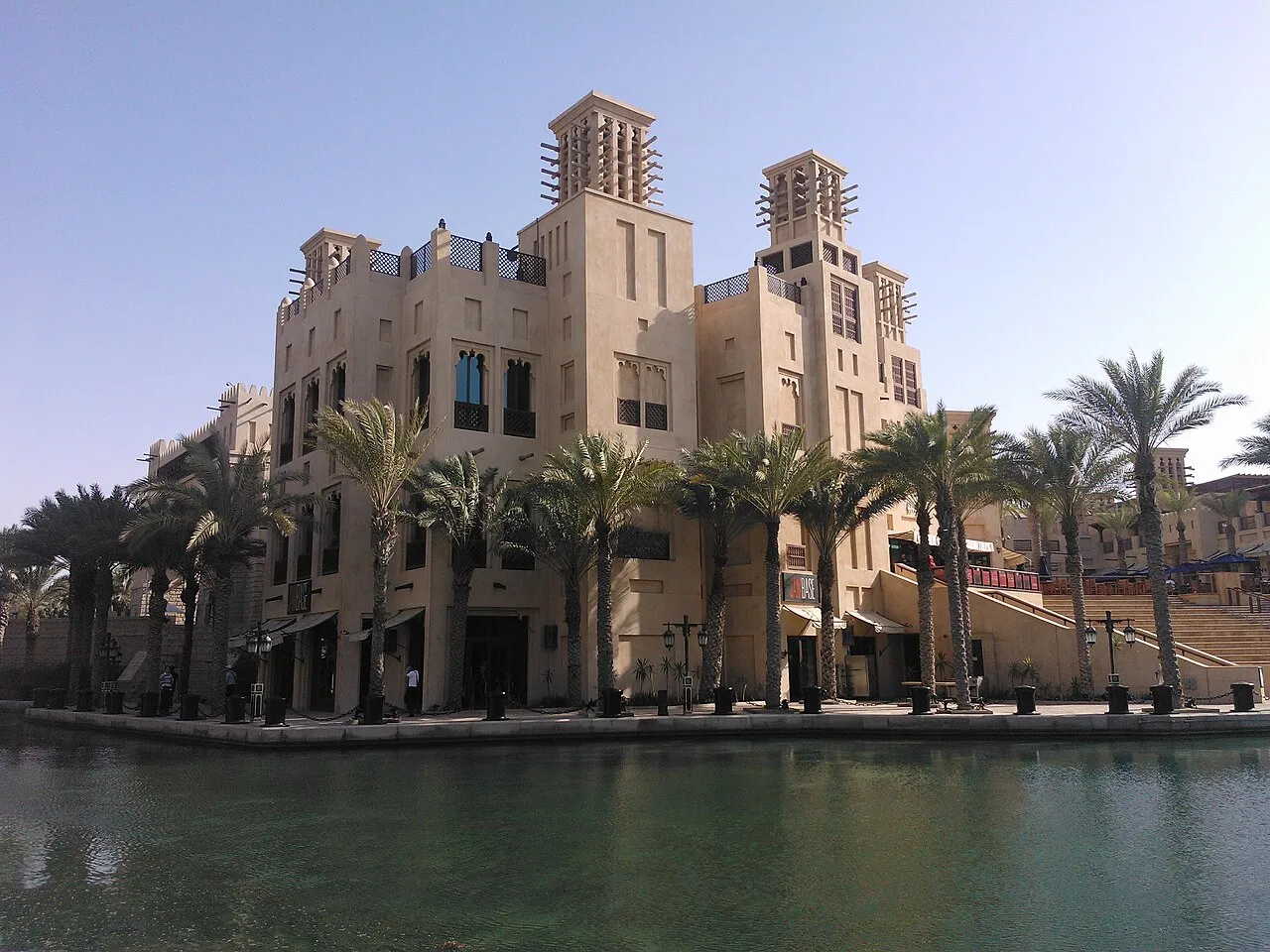
United Arab Emirates
Dubai
11 places
-
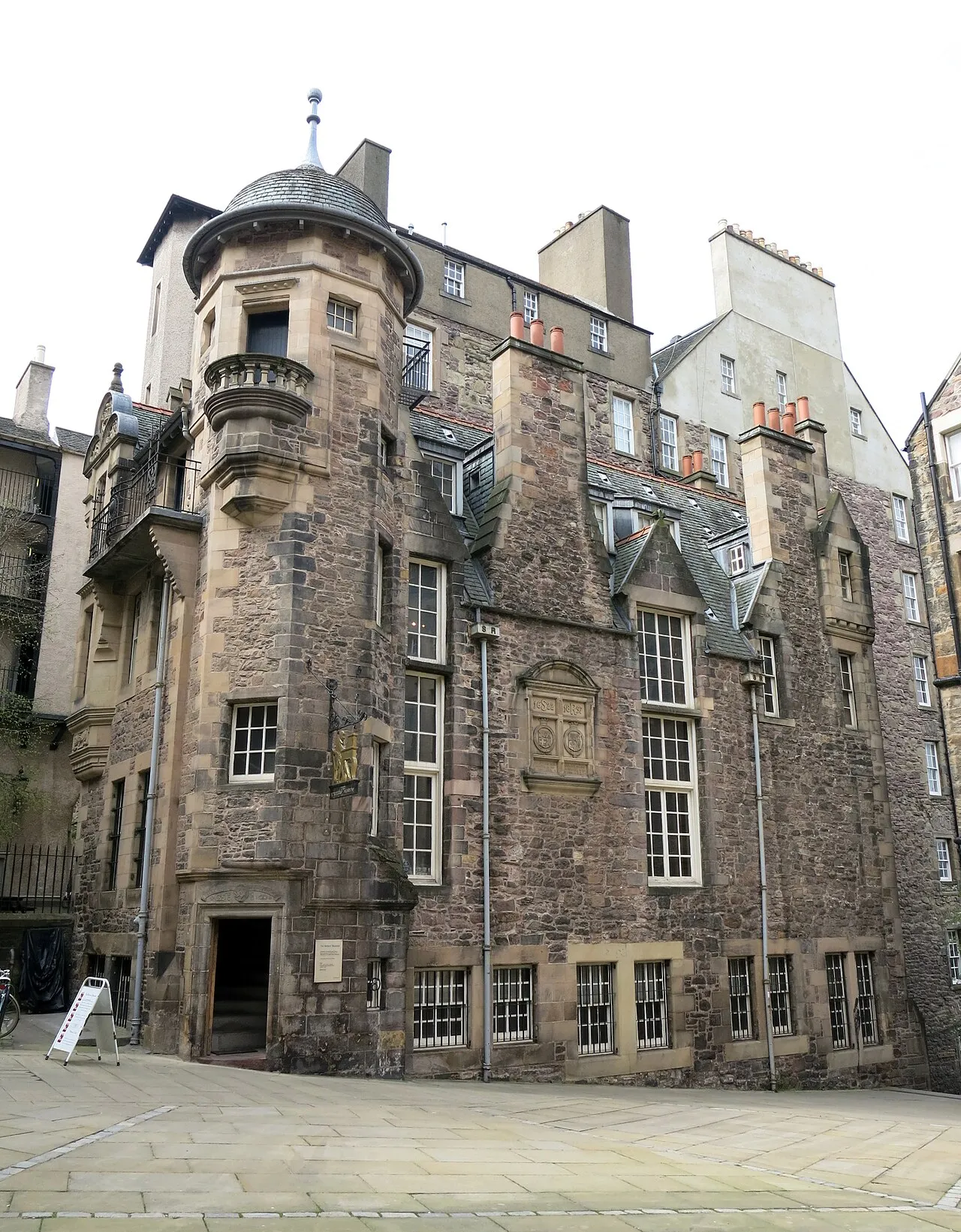
United Kingdom
Edinburgh
11 places
-
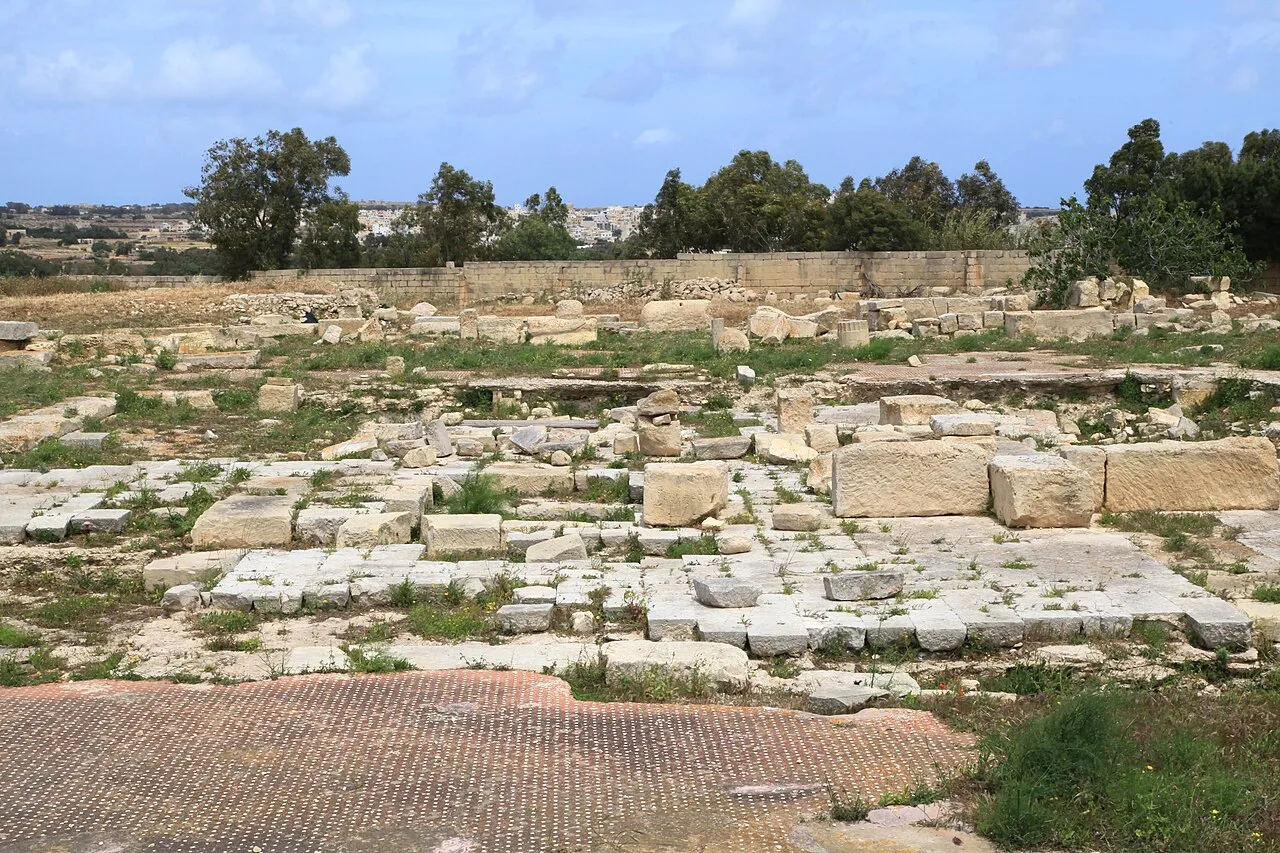
Malta
Malta
9 places
-
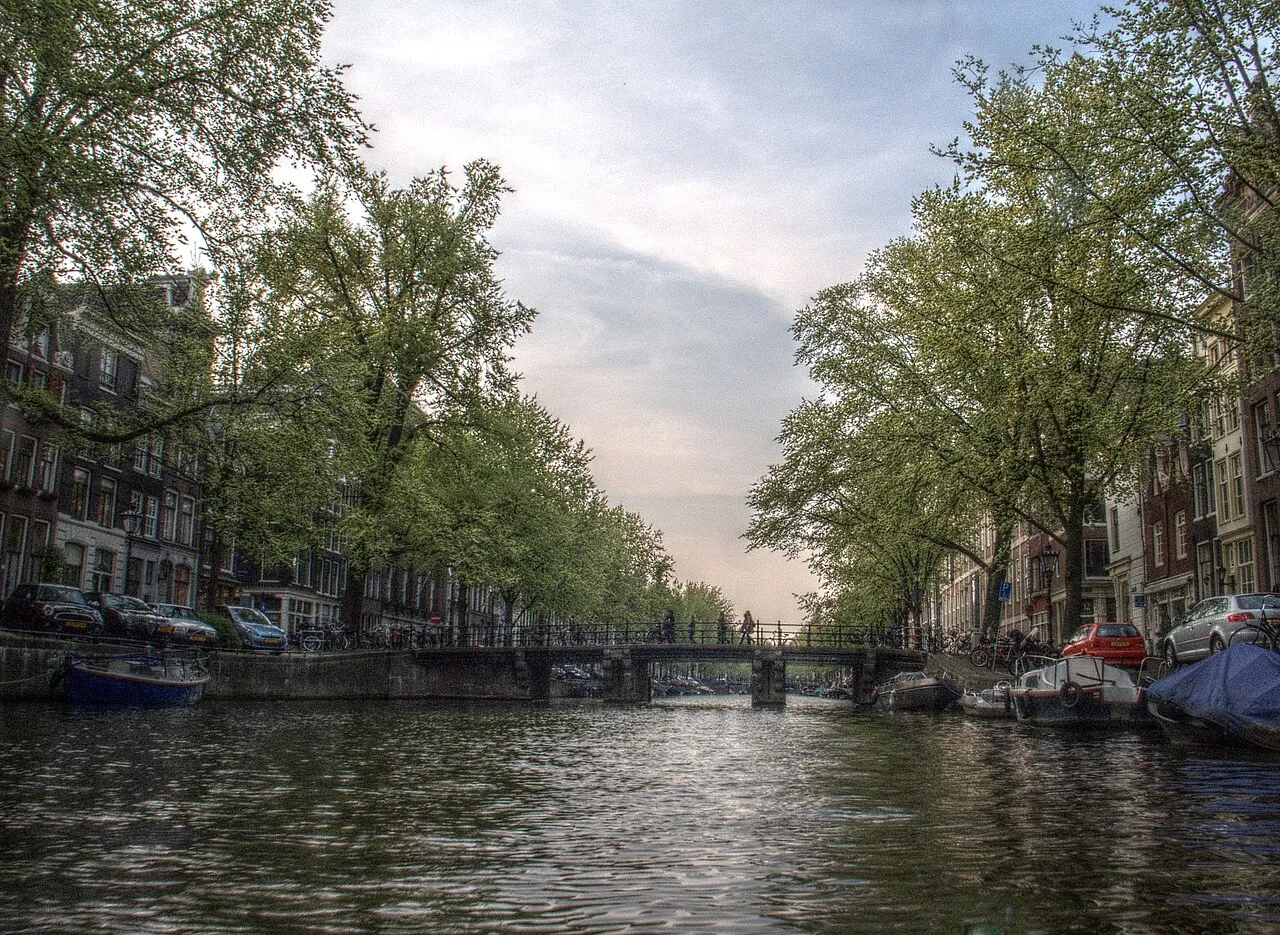
Netherlands
Amsterdam
8 places
-
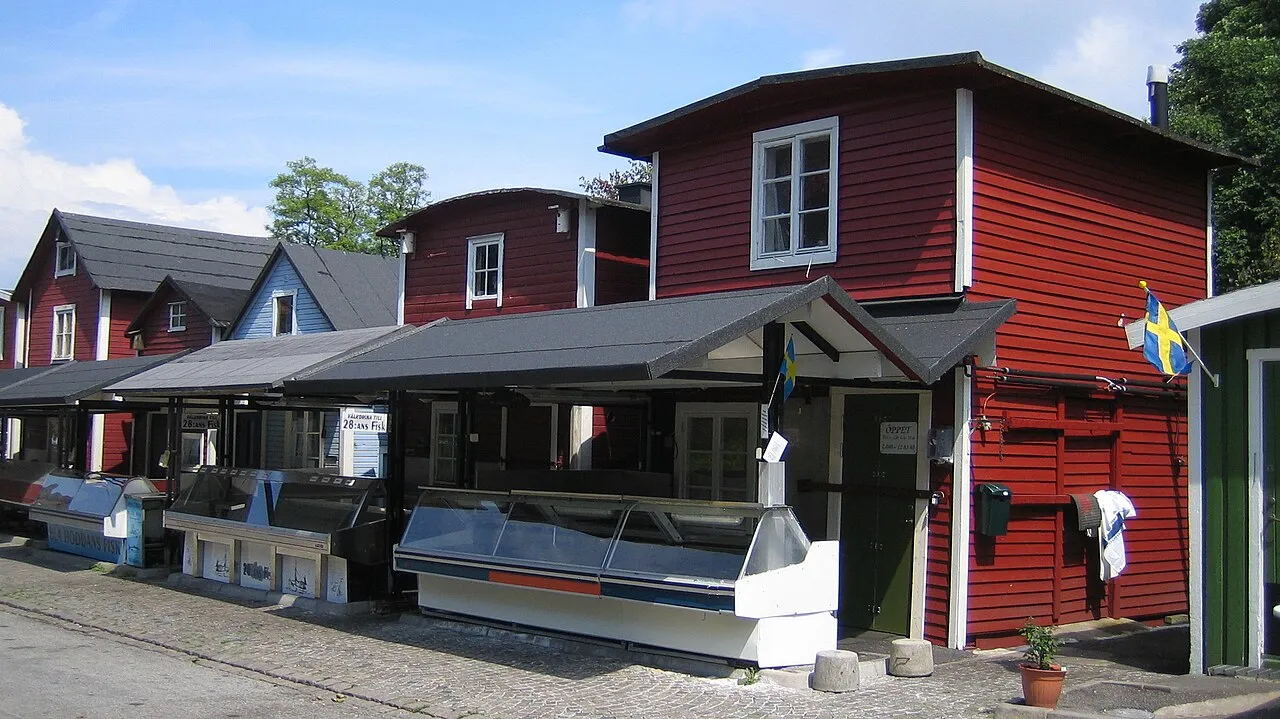
Sweden
Malmö
8 places
-
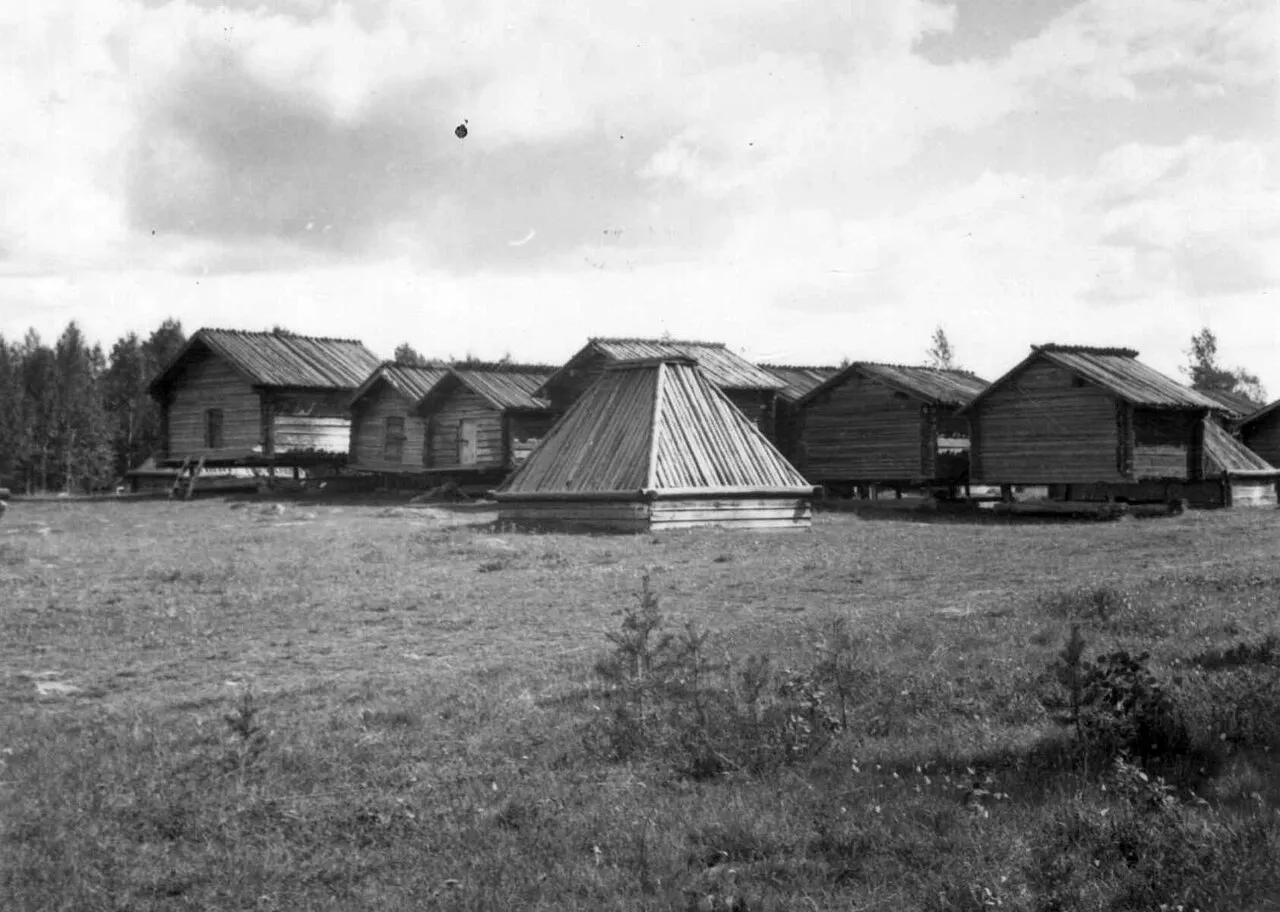
Sweden
Norrbotten
8 places
-
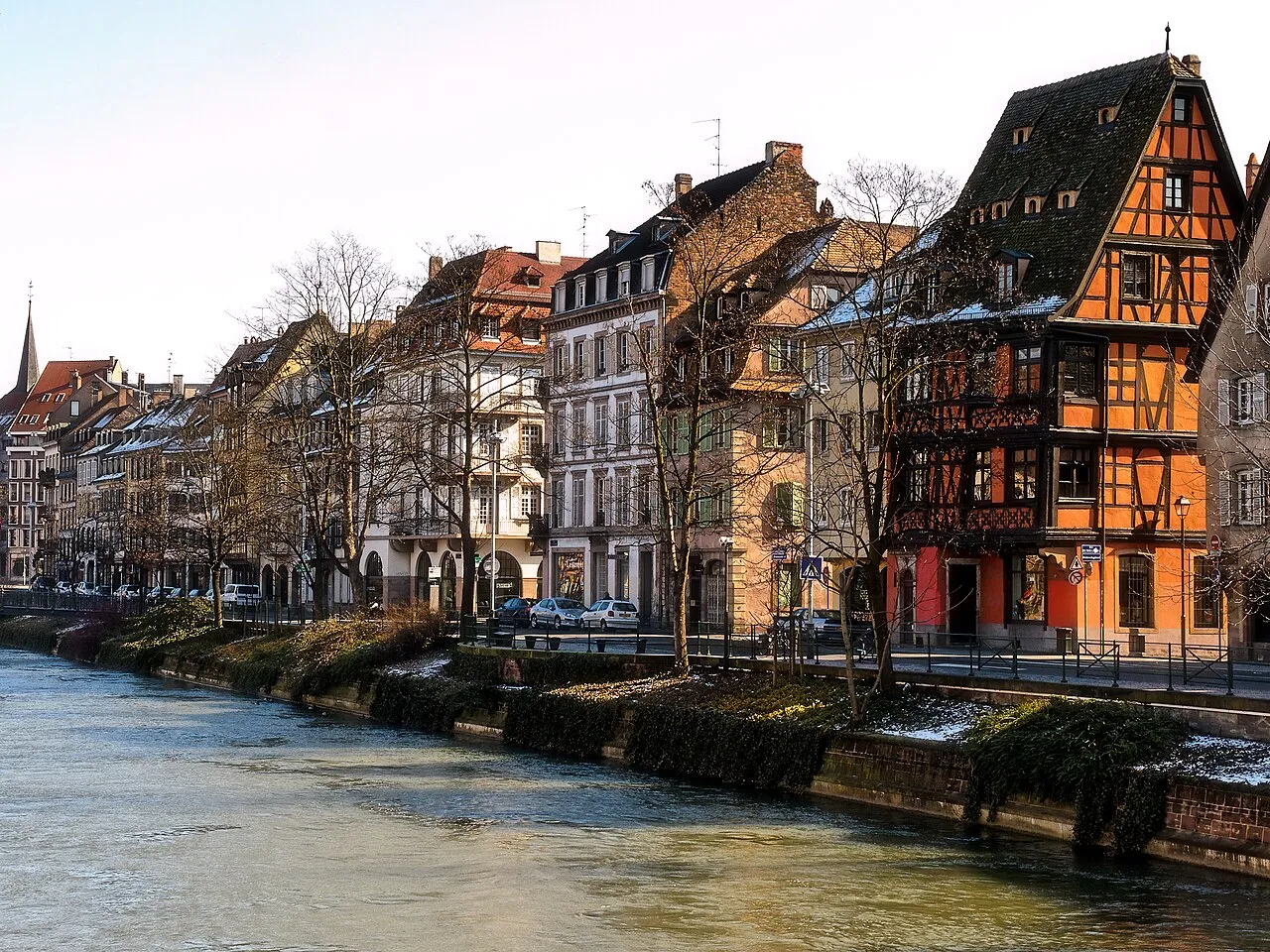
France
Strasbourg
7 places
-
Italy
Tuscany
7 places
-
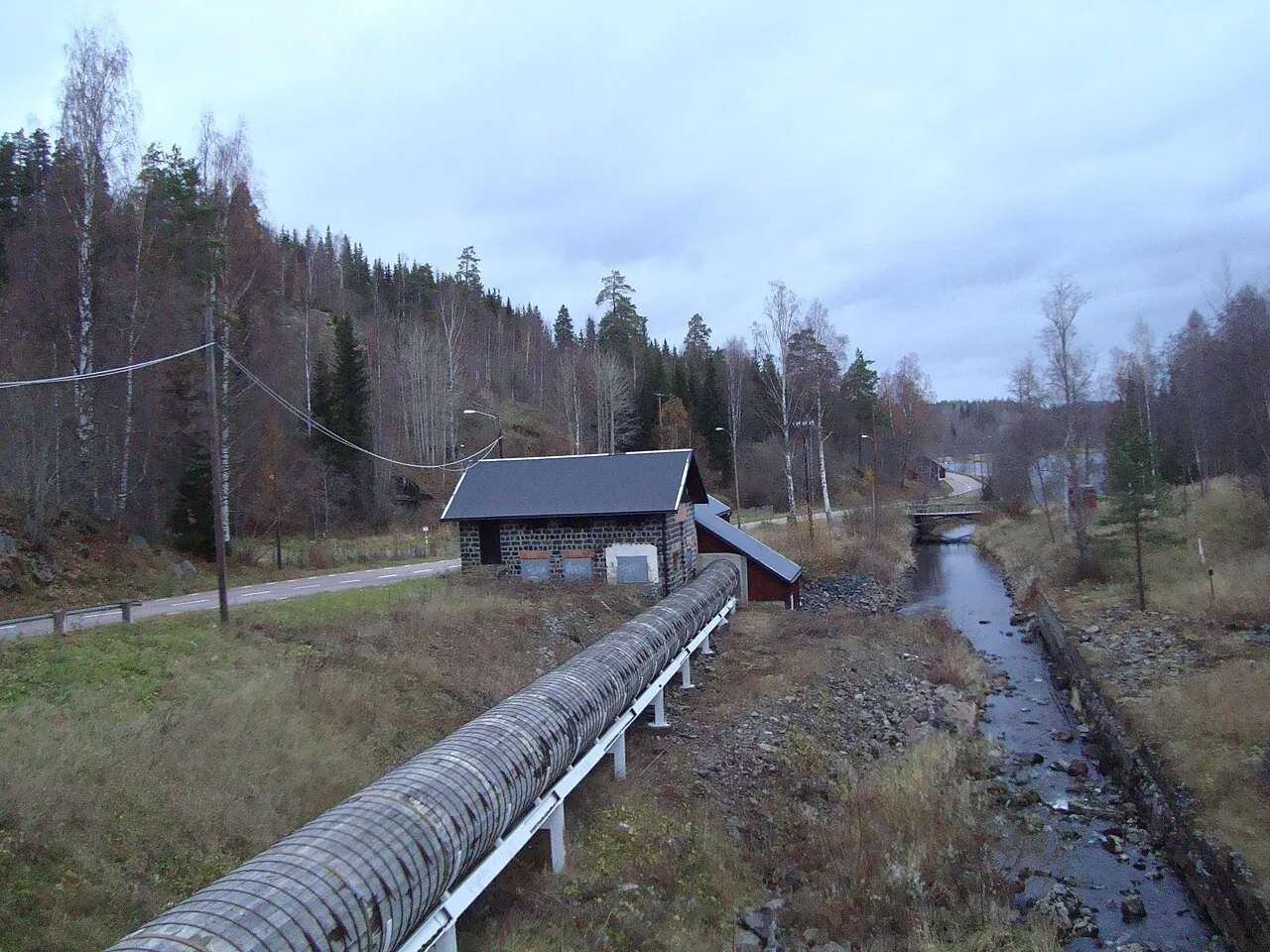
Sweden
Säter
6 places
-
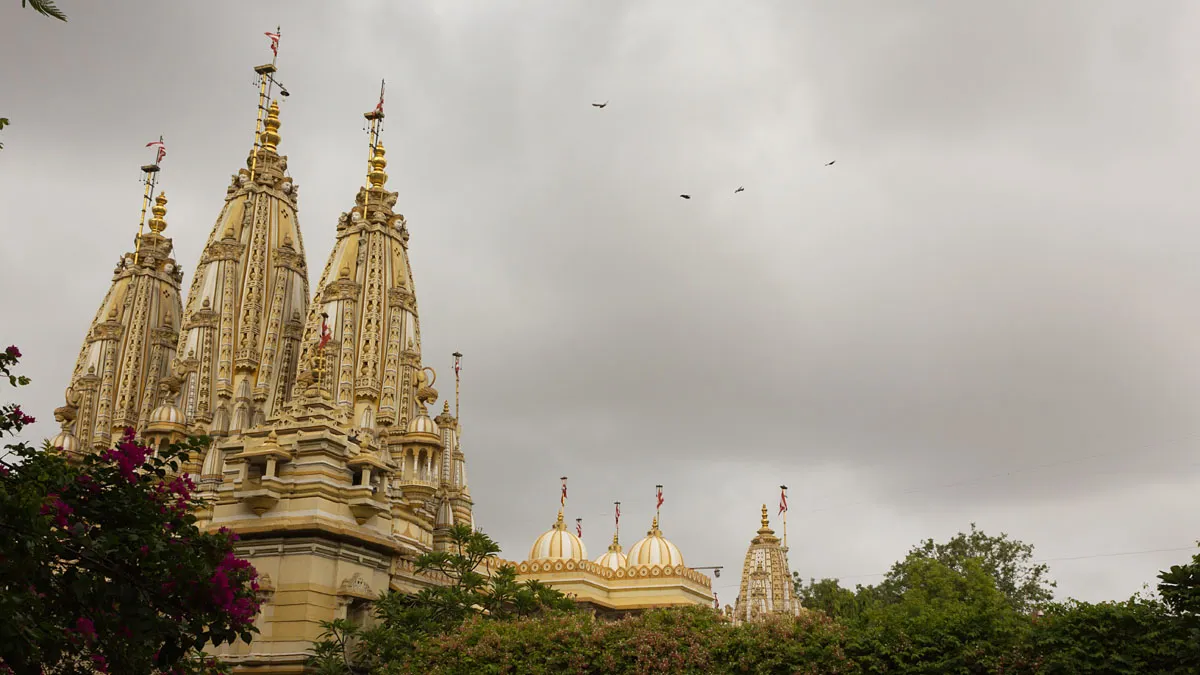
India
Ahmedabad
5 places
-
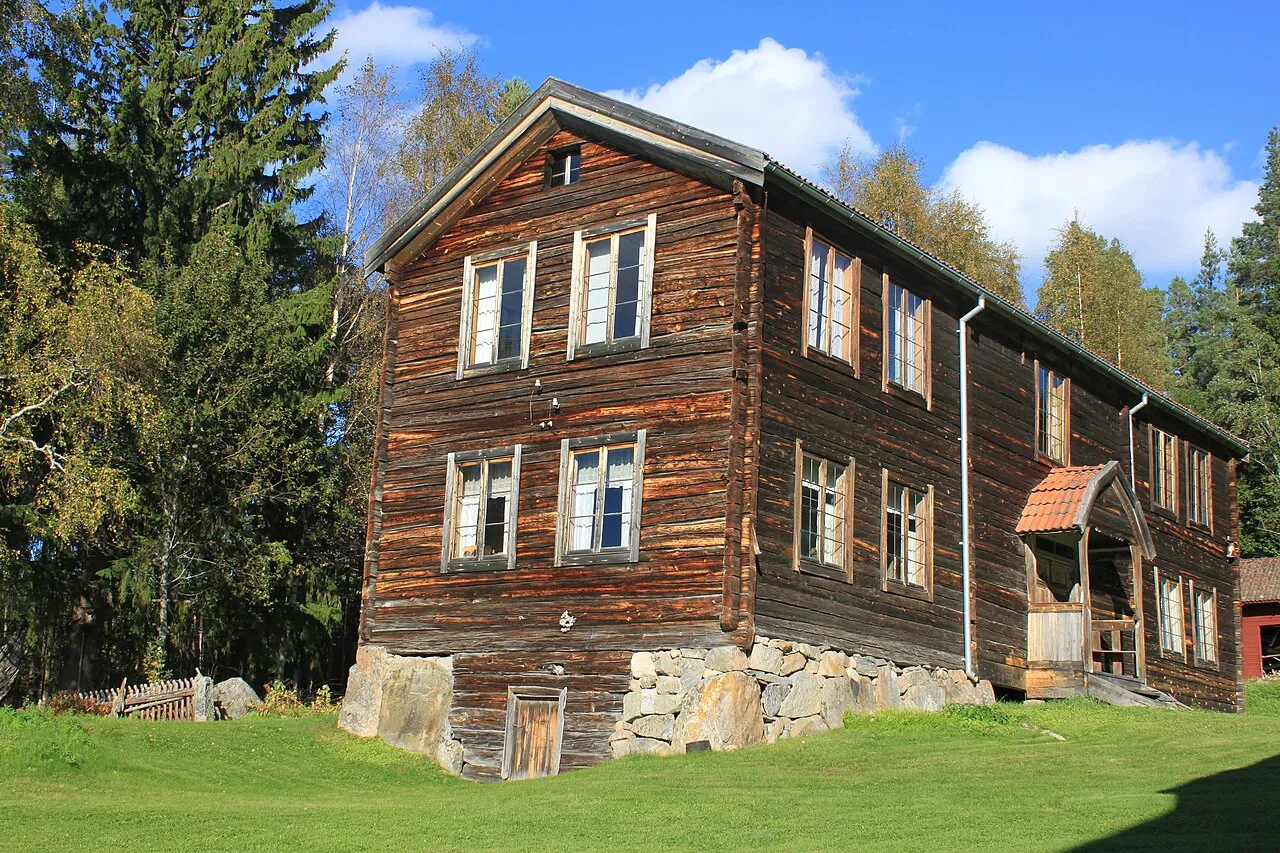
Sweden
Ljusdal
5 places
-
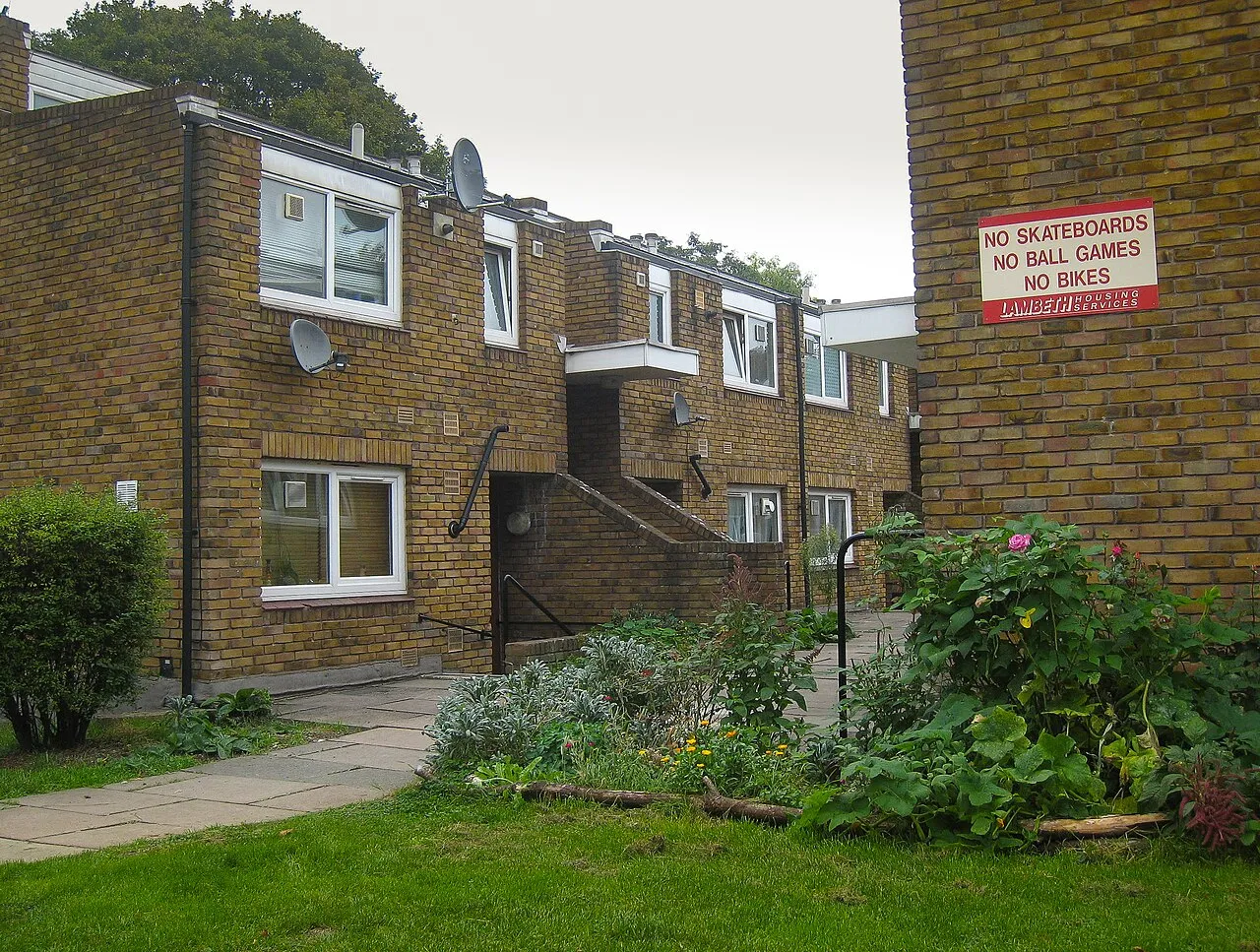
United Kingdom
London
5 places
-
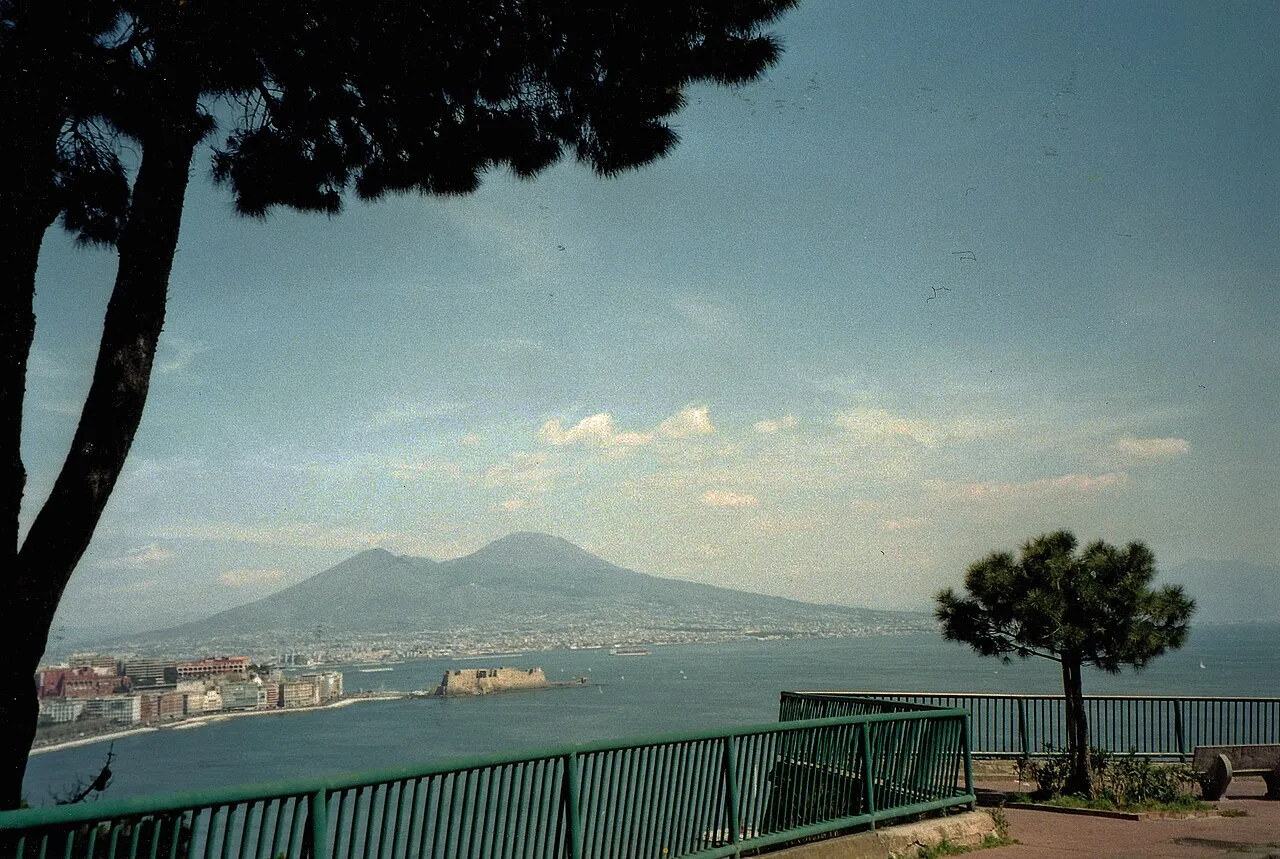
Italy
Naples
5 places
-
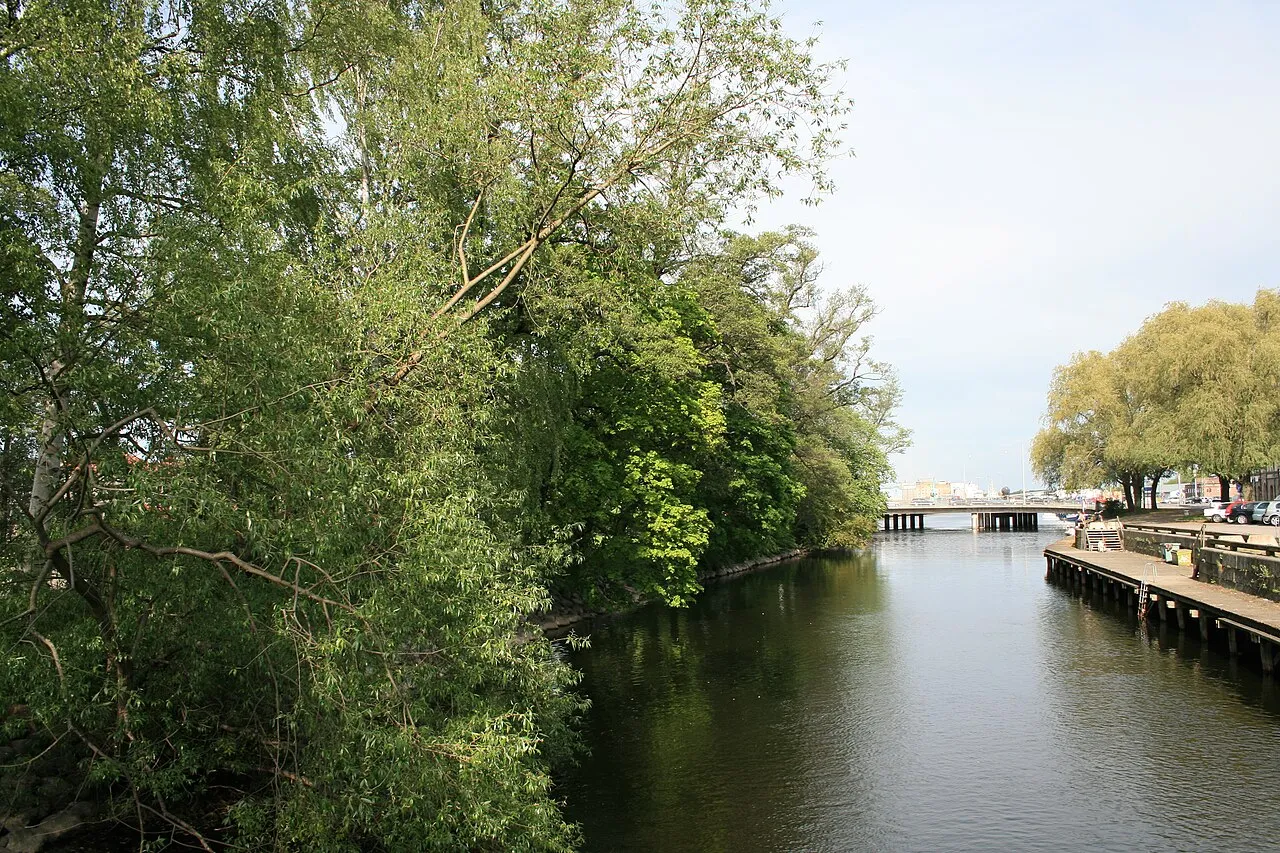
Sweden
Norrköping
5 places
-
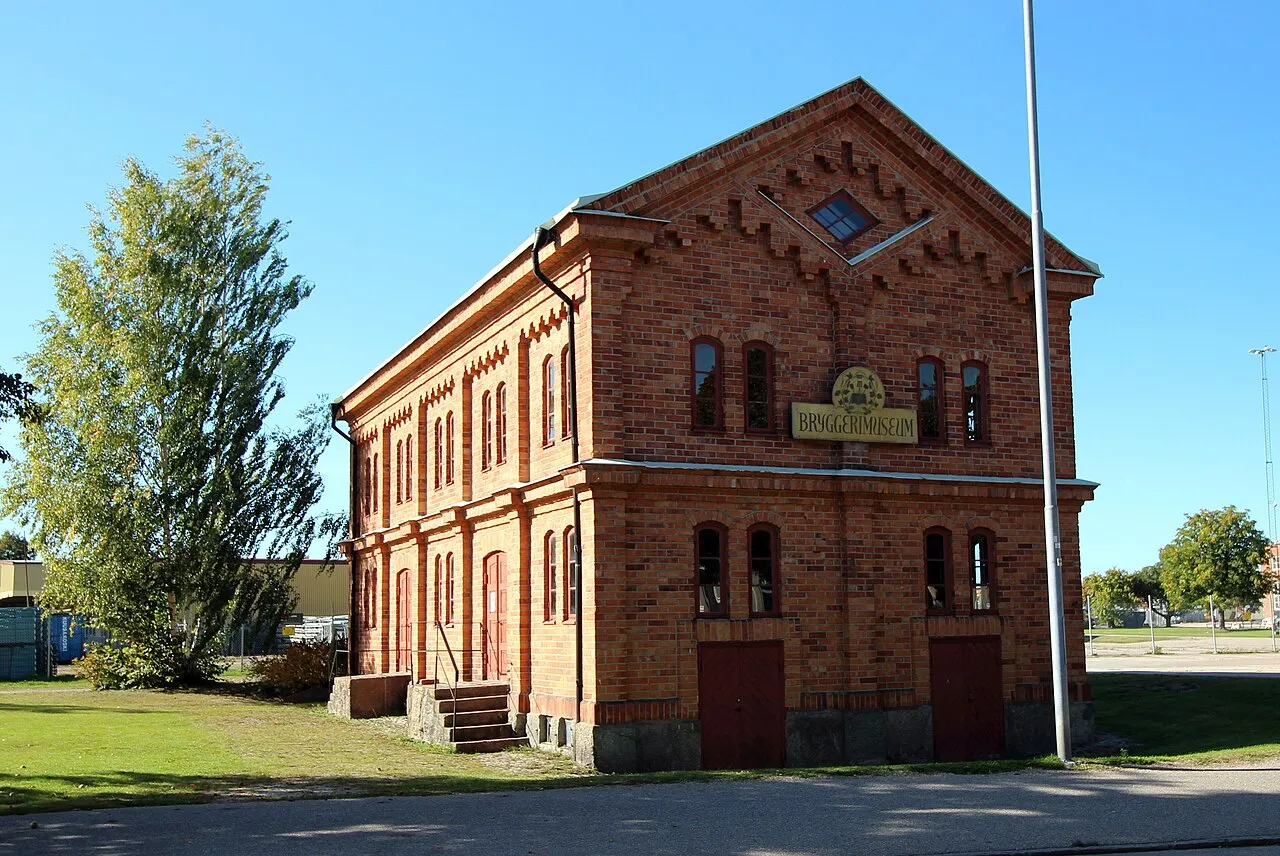
Sweden
Arboga
4 places
-
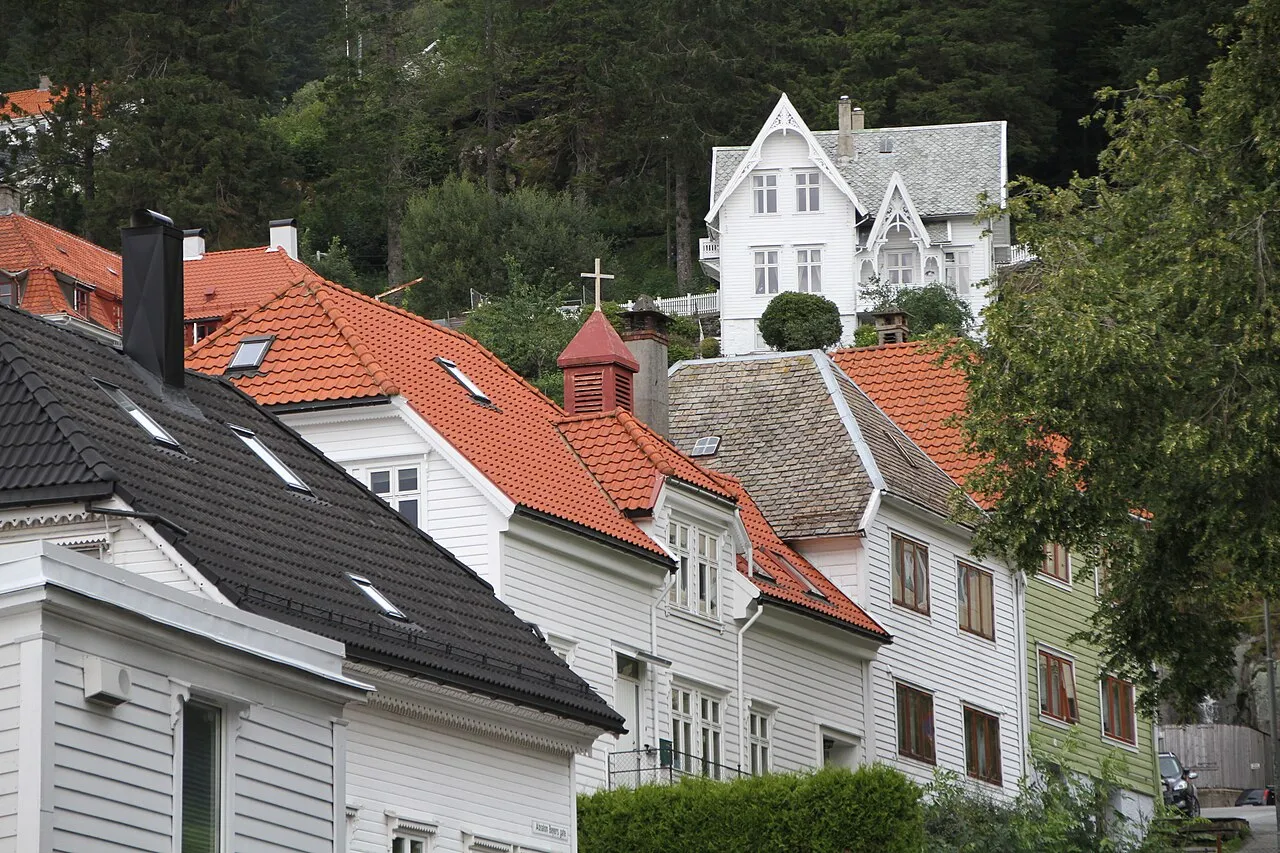
Norway
Bergen
4 places
-
Australia
Hobart
4 places
-
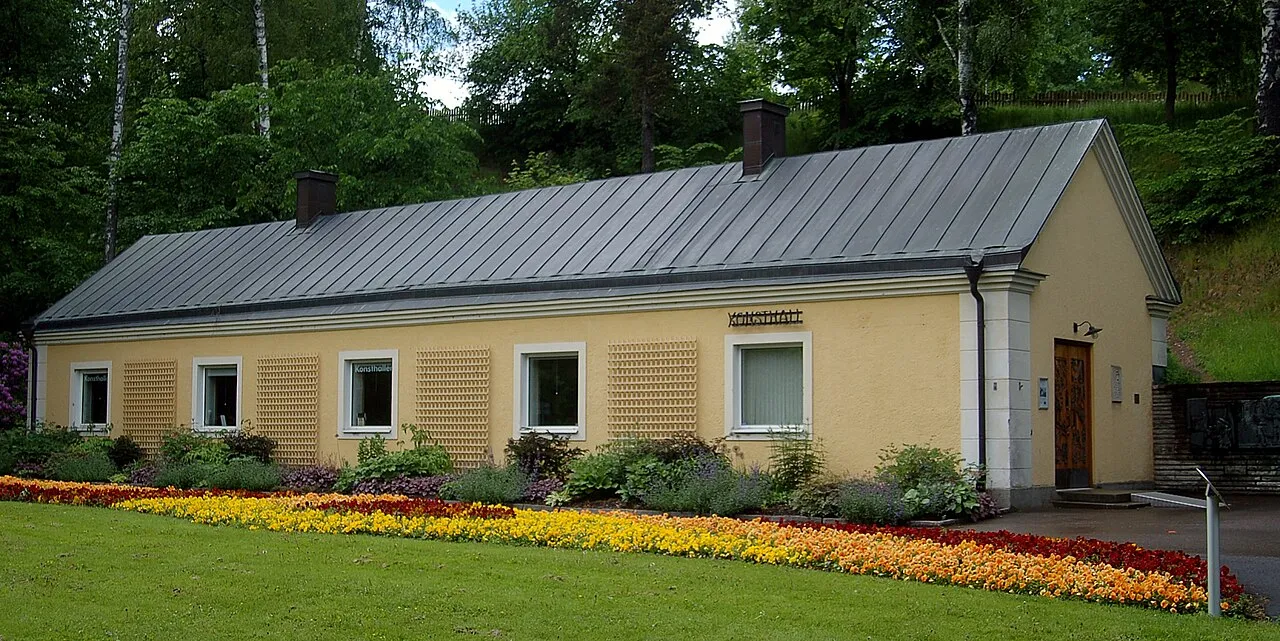
Sweden
Karlskoga
4 places
-
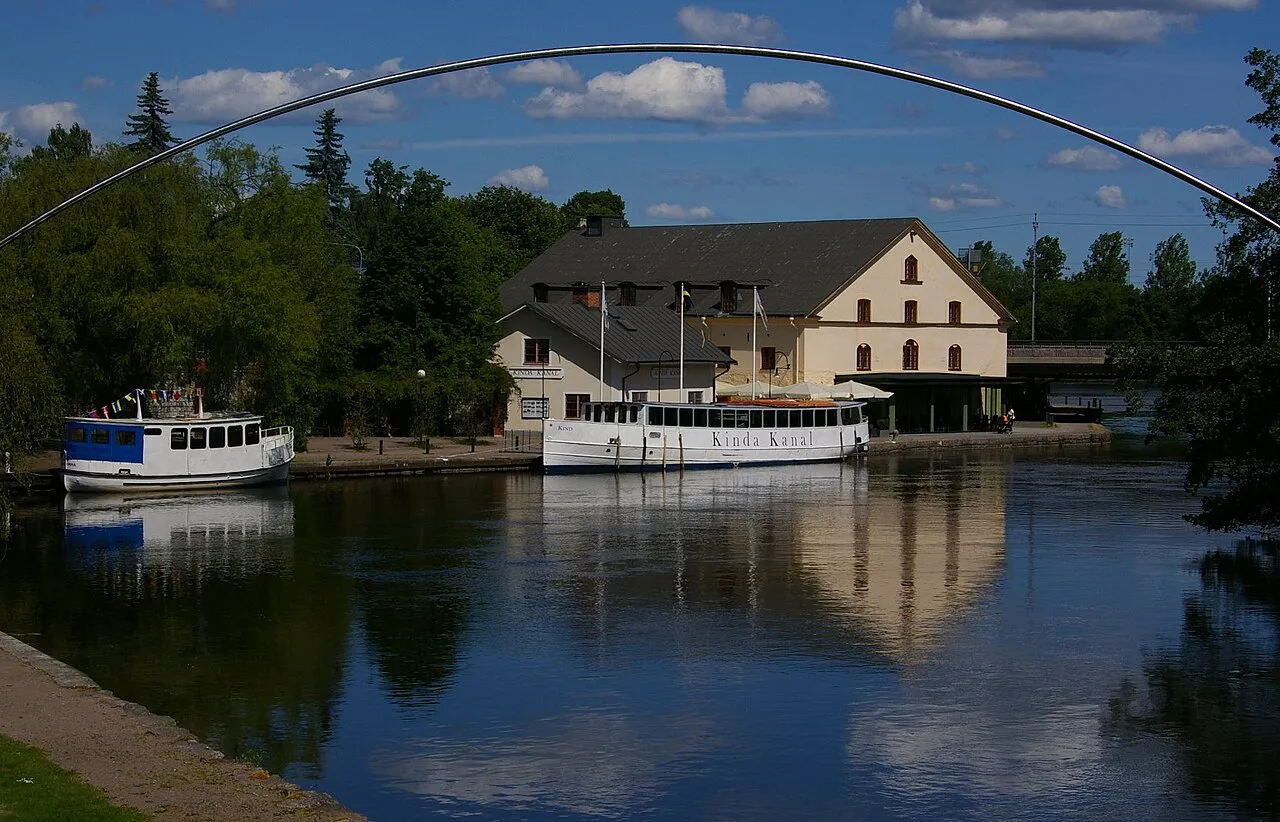
Sweden
Linköping
4 places
-
Portugal
Lisbon
4 places
-
United States
New York
4 places
-
United Kingdom
Oxford
4 places
-
Japan
Tokyo
4 places

Keep exploring
Explore all destinations