
Architectural styles
The styles in chronological order, with the buildings that define them and the cities where you can see them.
-
Ancient Greek
-800--3122 places · 2 cities
-
Roman
-509-47643 places · 4 cities
-
Byzantine
330-145346 places · 5 cities
-
Islamic
700-present62 places · 4 cities
-
Medieval
1000-1500Medieval architecture covers a whole era, roughly 1000-1500: Romanesque and Gothic are its named styles, and the period also owns castles, town walls and old town street plans.
12 places · 2 cities
-
Romanesque
1000-1200Romanesque architecture is built on the round arch. It shaped Europe through the 11th and 12th centuries, in churches with thick walls, small windows, and heavy piers carrying stone vaults.
96 places · 16 cities
-
Gothic
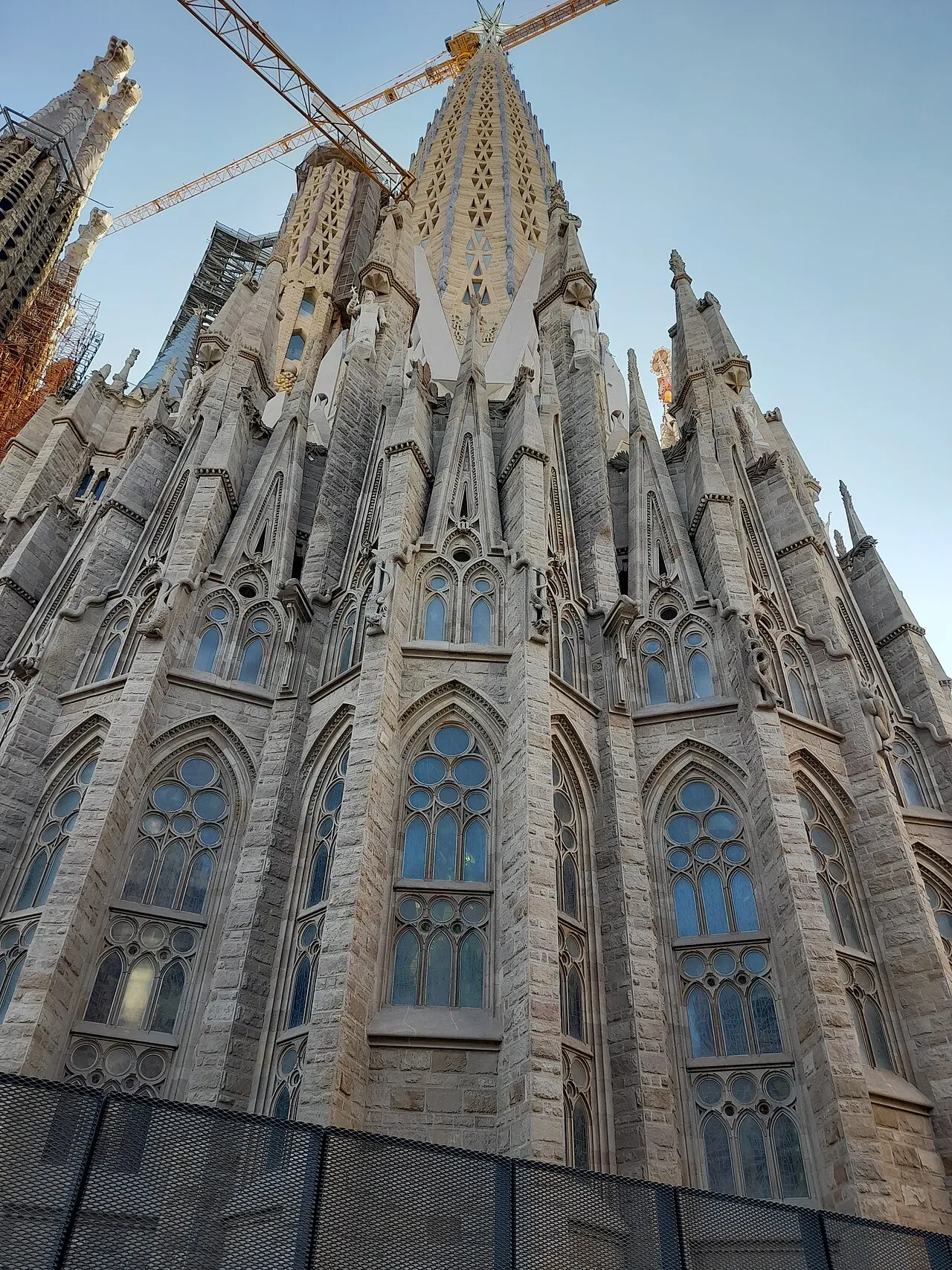
1140-1500Gothic architecture reaches for height and light with pointed arches, rib vaults, and walls of stained glass. Born in 1140s France, it shaped Europe's churches into the 1500s.
475 places · 49 cities
-
Renaissance
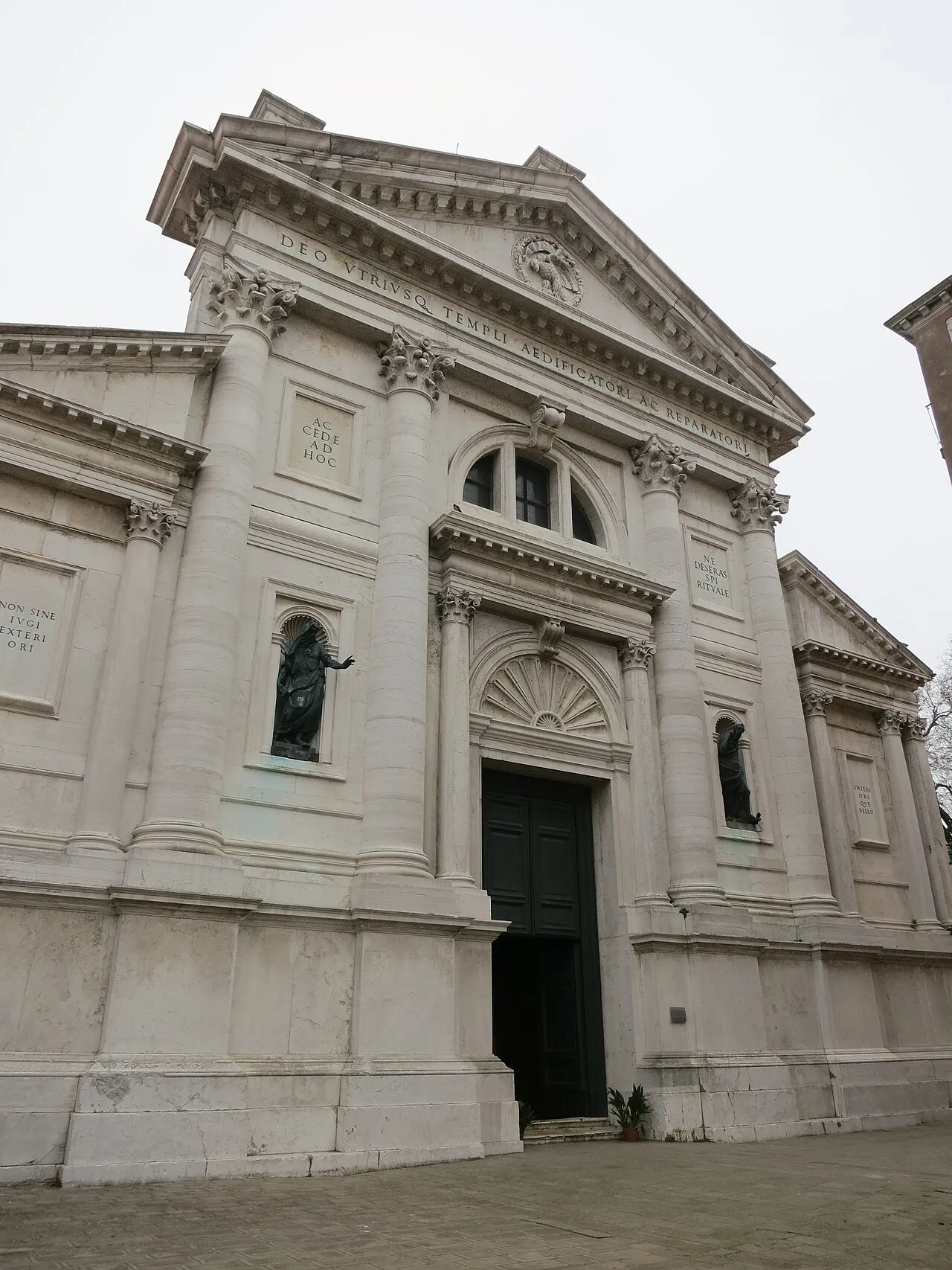
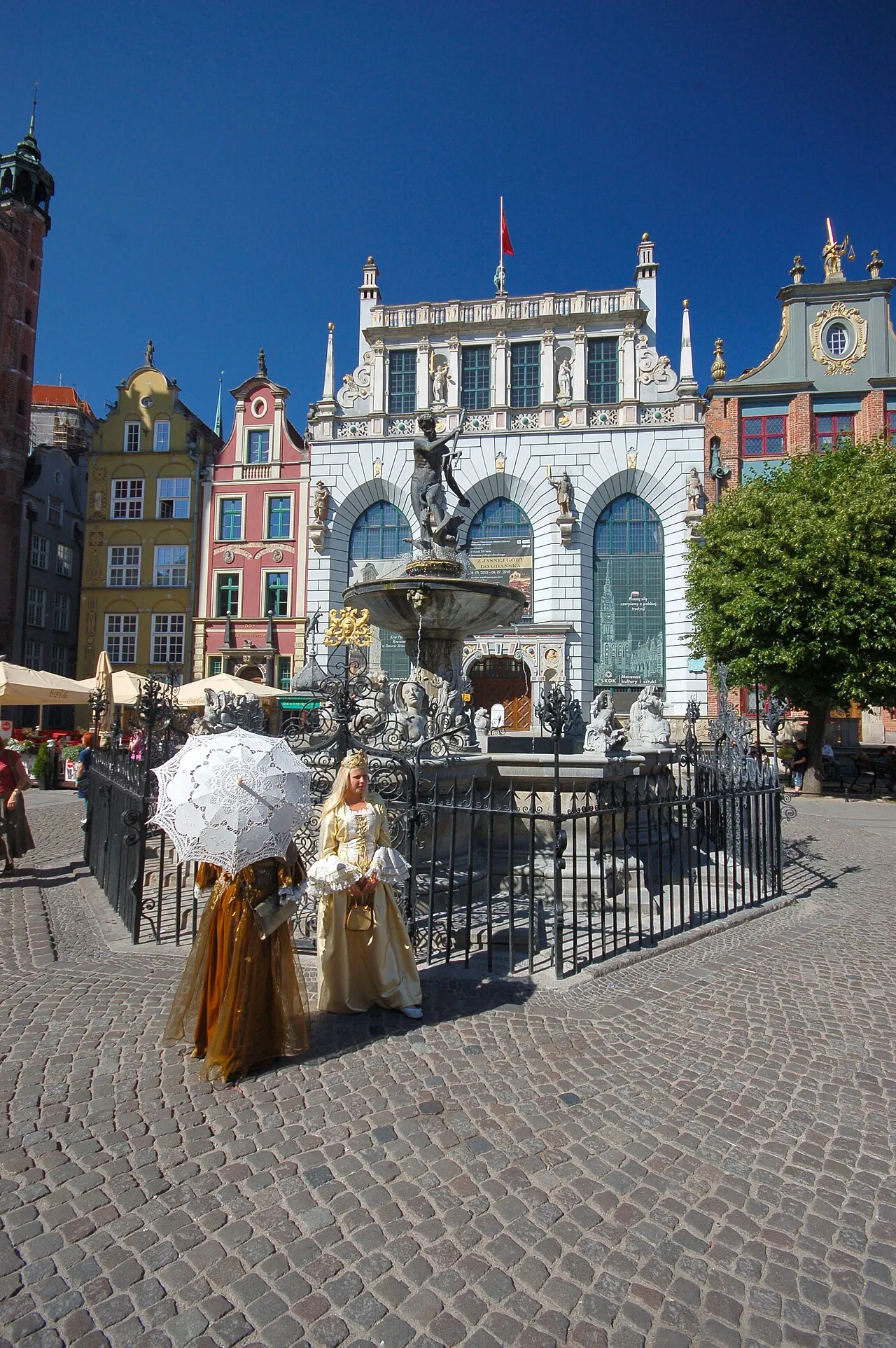
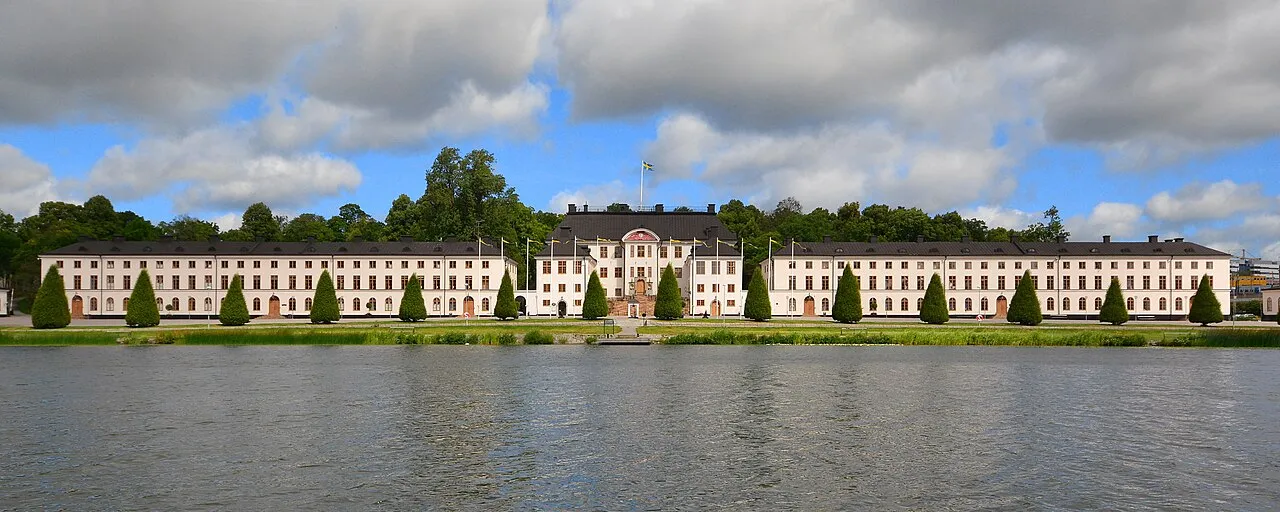
1400-1600Renaissance architecture revived the symmetry, orders, and domes of antiquity. It began in 15th-century Florence and reached Sweden through the Vasa kings' castles.
328 places · 31 cities
-
Mannerism
1520-160061 places · 6 cities
-
Baroque
1600-1750Baroque architecture is theatrical, symmetrical, and richly ornamented, built to inspire awe. Born in Rome in the late 1500s, it shaped Europe into the 1750s.
702 places · 57 cities
-
Colonial
1600-184092 places · 11 cities
-
Palladian
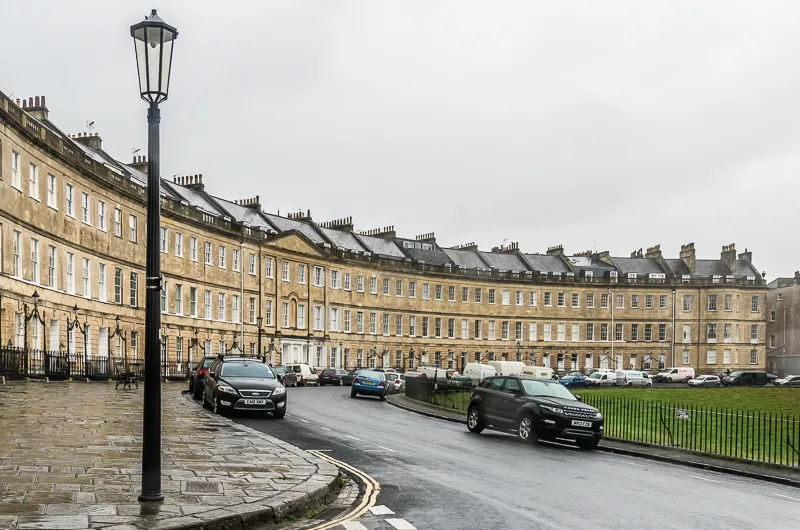
1720-180022 places · 2 cities
-
Gothic Revival
1740-1900Gothic Revival brought pointed arches, towers, and tracery back in the 19th century. In Sweden it shaped hundreds of churches and the era's contested cathedral restorations.
155 places · 24 cities
-
Neoclassical
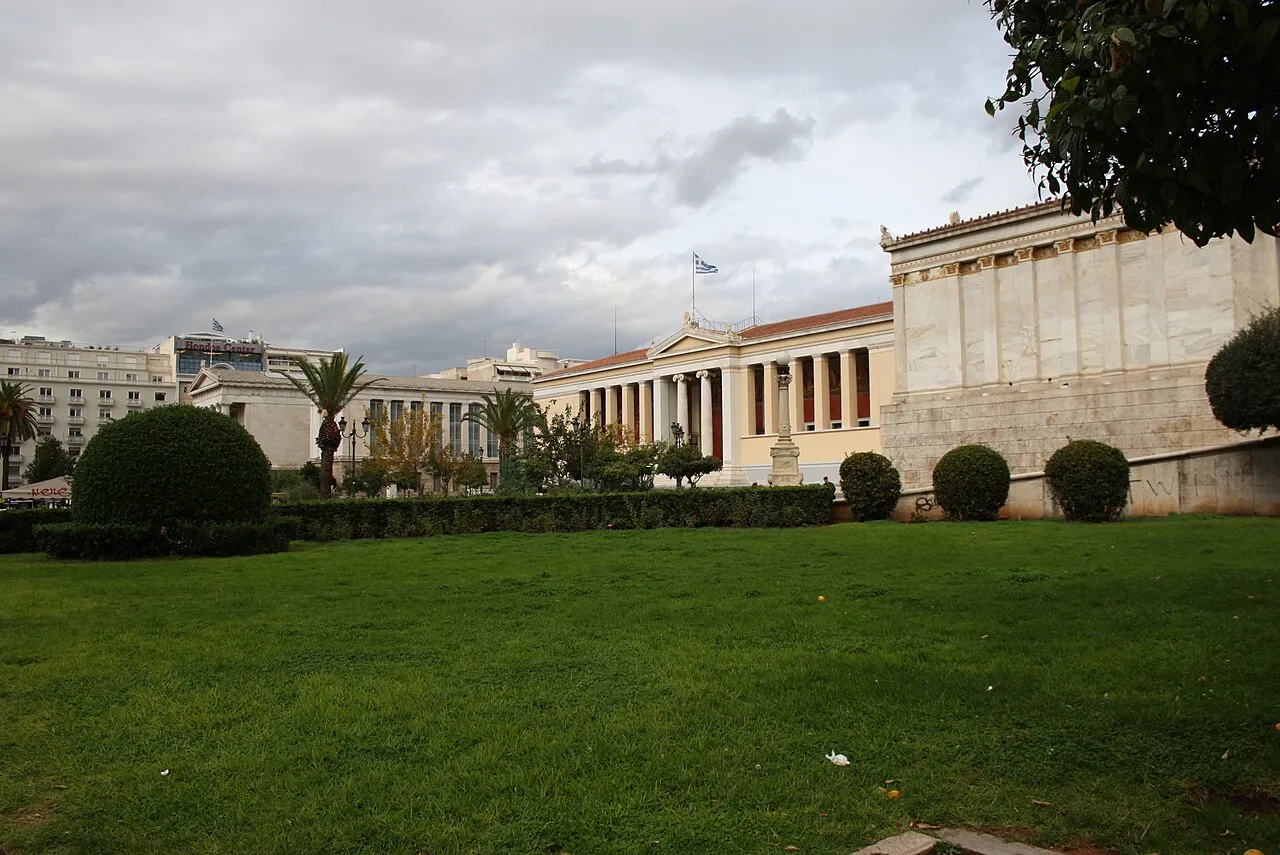
1750-1900Neoclassical architecture revived the columns, symmetry, and smooth pale facades of ancient Greece and Rome. In Sweden it arrived as the Gustavian and Karl Johan styles.
783 places · 75 cities
-
Federal
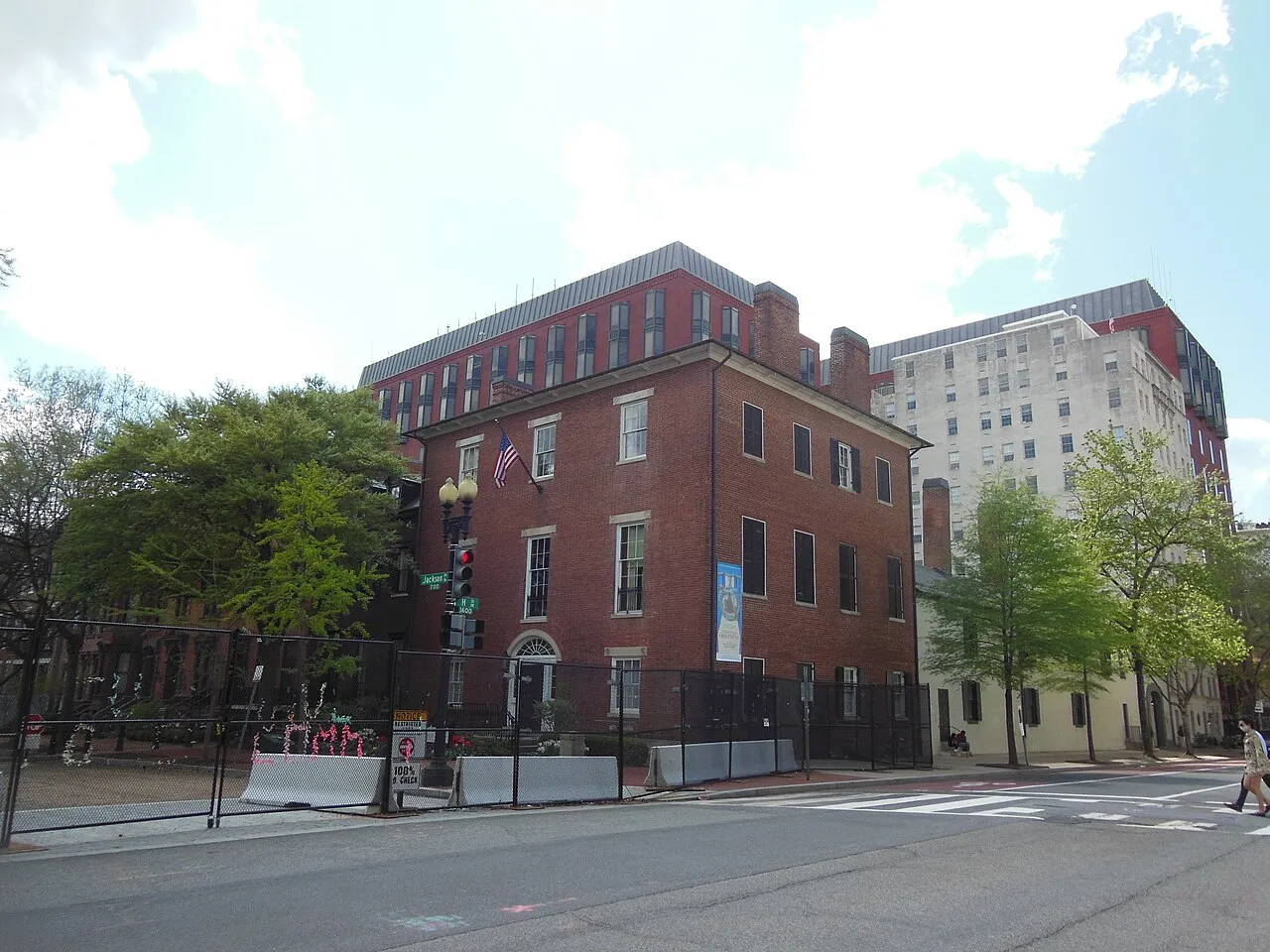
1780-183011 places · 2 cities
-
Historicism
1800-1920Historicism is 19th century architecture that draws its forms from earlier periods, recreating historic styles rather than inventing one. It is the family the individual revivals belong to.
12 places · 3 cities
-
Greek Revival
1820-185013 places · 2 cities
-
Victorian
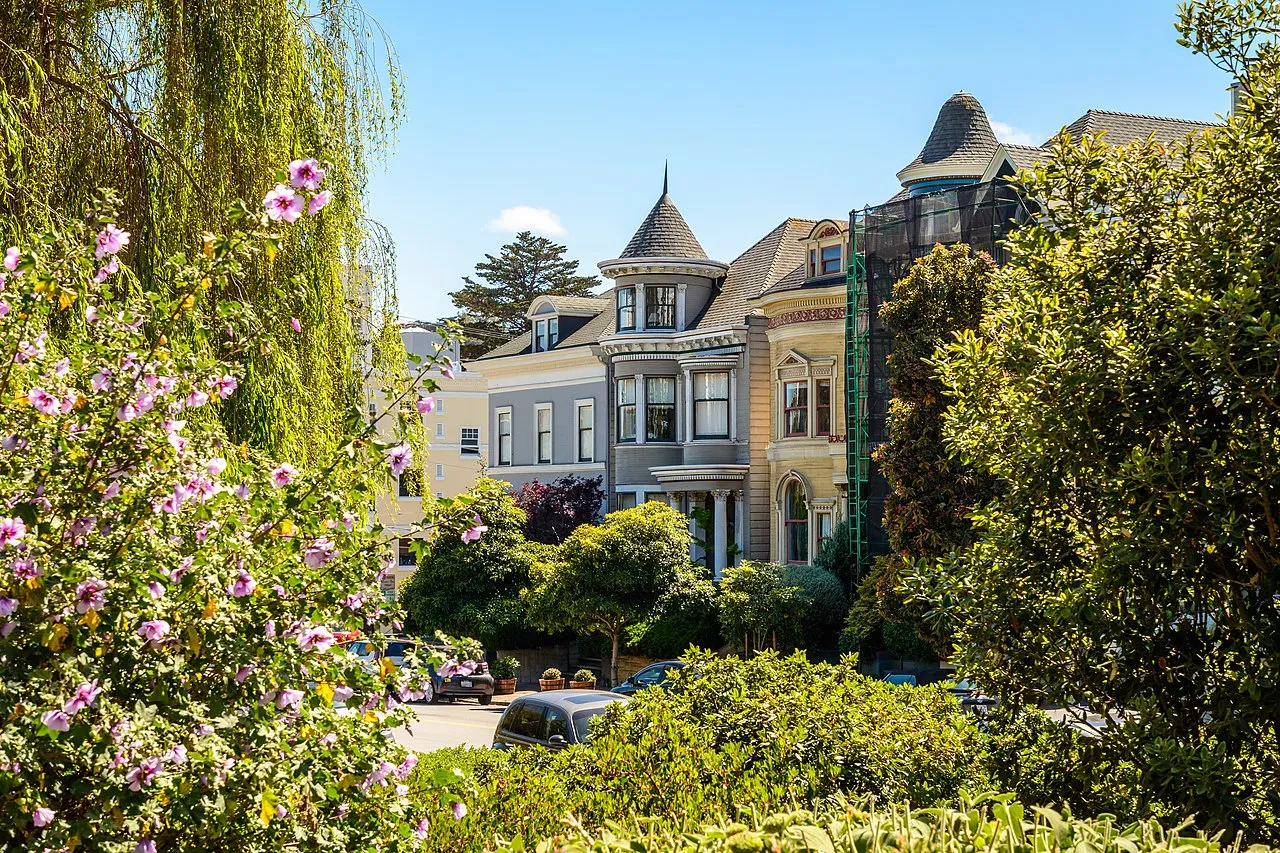
1837-1901Victorian is a period rather than a single style: the eclectic revivals built across Britain and its colonies during Victoria's reign, 1837-1901, as construction turned to iron frames.
222 places · 24 cities
-
Neo-Renaissance
1840-1920Neo-renaissance dressed the 19th century's museums, banks and apartment streets in the forms of Renaissance palaces. Born around 1840, it reached the main streets of thousands of towns.
171 places · 24 cities
-
Neo-Romanesque
1840-192012 places · 2 cities
-
Beaux-Arts
1850-1914Beaux-Arts is monumental classical architecture out of the teaching at the École des Beaux-Arts in Paris: symmetrical, heavily sculpted, and the standard dress for civic buildings around 1900.
175 places · 22 cities
-
Islamic Revival
1850-195017 places · 3 cities
-
Moorish Revival
1850-192036 places · 3 cities
-
Neo-Baroque
1850-1920Neo-Baroque took the forms of the Baroque back up in the late 19th century, for opera houses, parliaments and theatres. France called the same style Second Empire, Germany called it Wilhelminism.
49 places · 8 cities
-
Arts and Crafts
1880-192013 places · 2 cities
-
Art Nouveau
1890-1914Art Nouveau drew its forms from nature: whiplash curves, plant ornament, asymmetry. It flourished from the 1890s to 1914; Germany and the Nordic countries know it as Jugendstil.
150 places · 18 cities
-
Federation
1890-191516 places · 2 cities
-
National Romantic
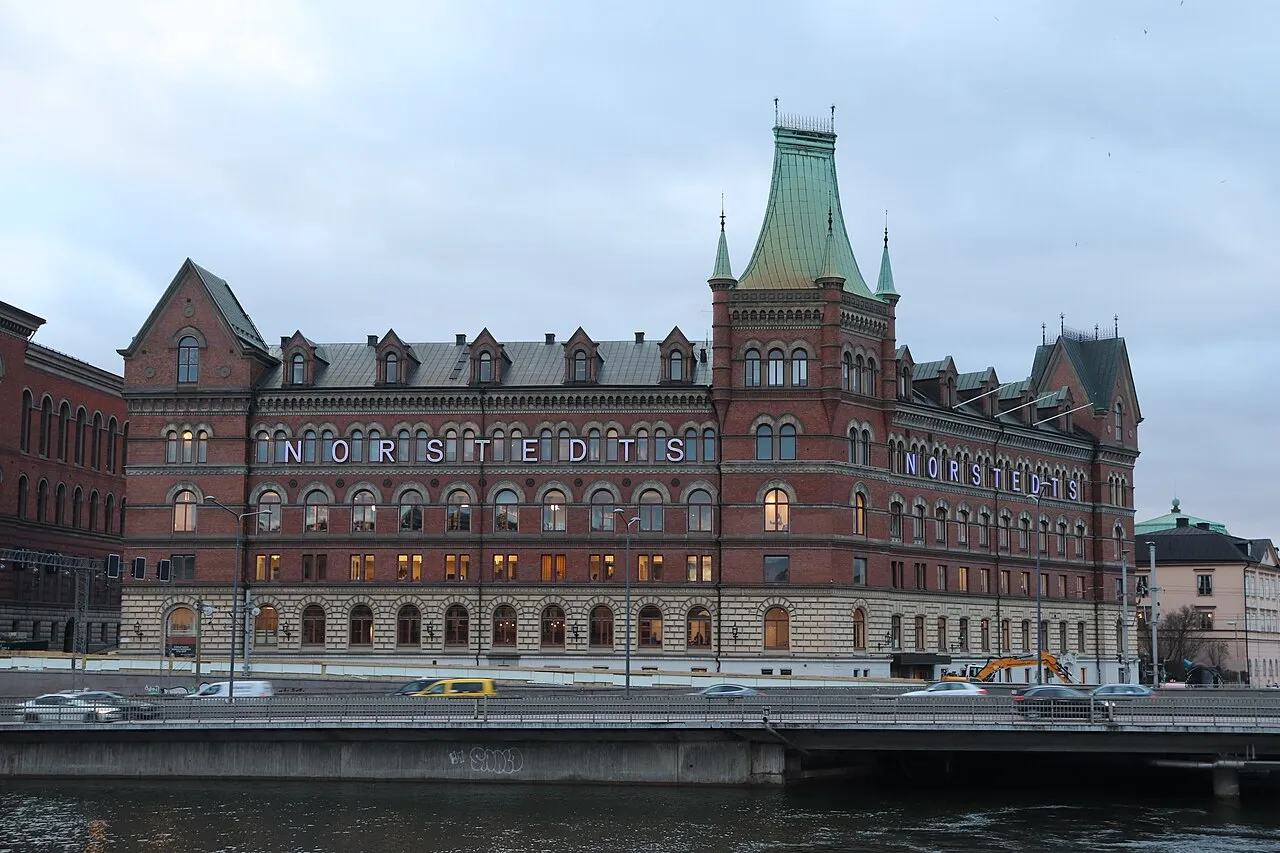
1895-1920National Romanticism built heavy and dark in brick and rough granite, drawing on medieval and vernacular Nordic models. The style shaped Nordic architecture from the 1890s to about 1920.
67 places · 8 cities
-
Nordic Classicism
1910-1930Nordic Classicism gave the Nordic countries smooth plastered facades, calm symmetry and sparse classical ornament 1910-1930. In Britain its Swedish strand was named Swedish Grace.
42 places · 2 cities
-
Stripped Classical
1910-195017 places · 3 cities
-
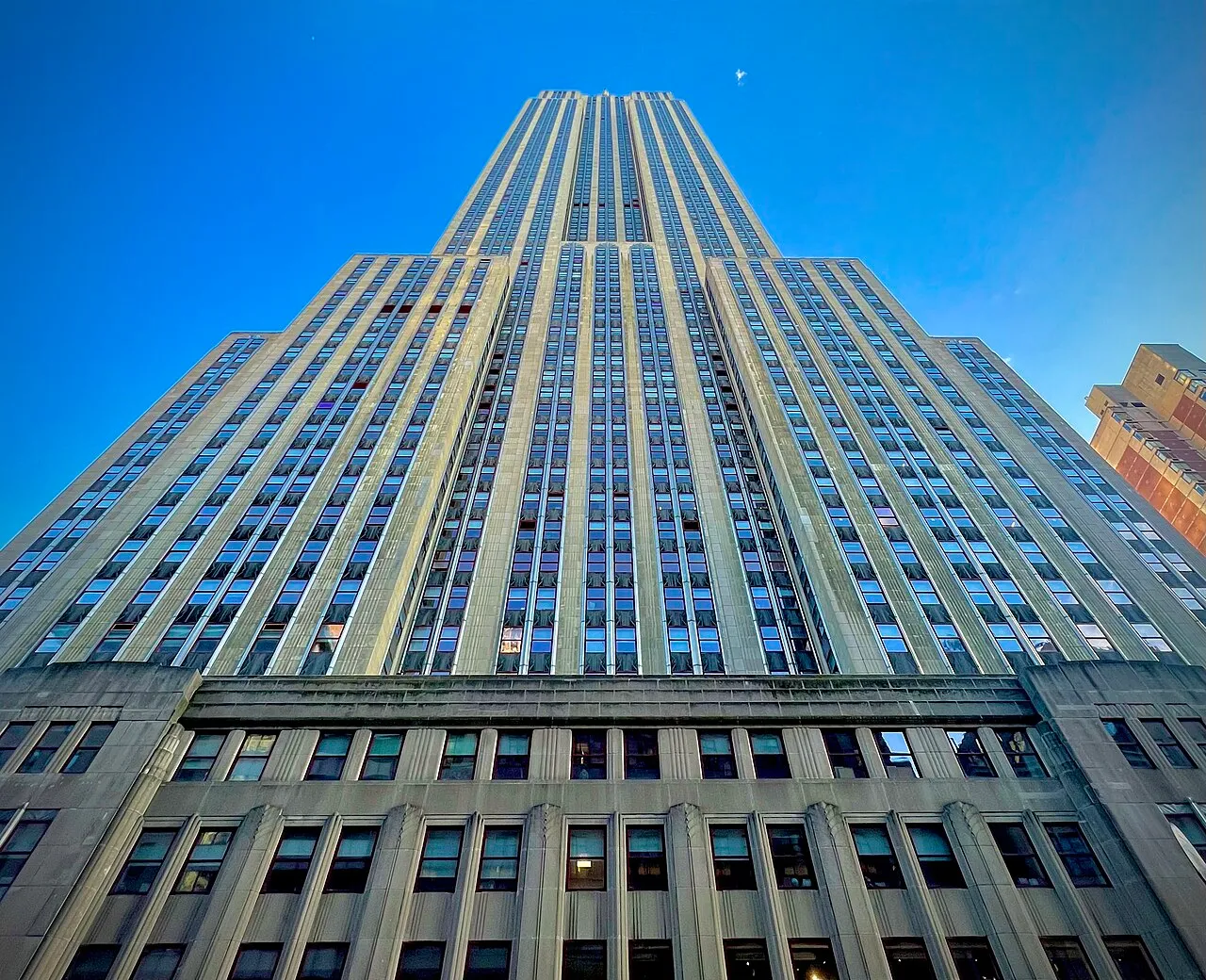
Art Deco
1920-1940Art Deco is the geometric, heavily ornamented style of the 1920s and 1930s: zigzags, chevrons and sunbursts worked in terracotta, chrome and glass. It takes its name from a Paris exposition held in 1925.
138 places · 18 cities
-
Functionalism
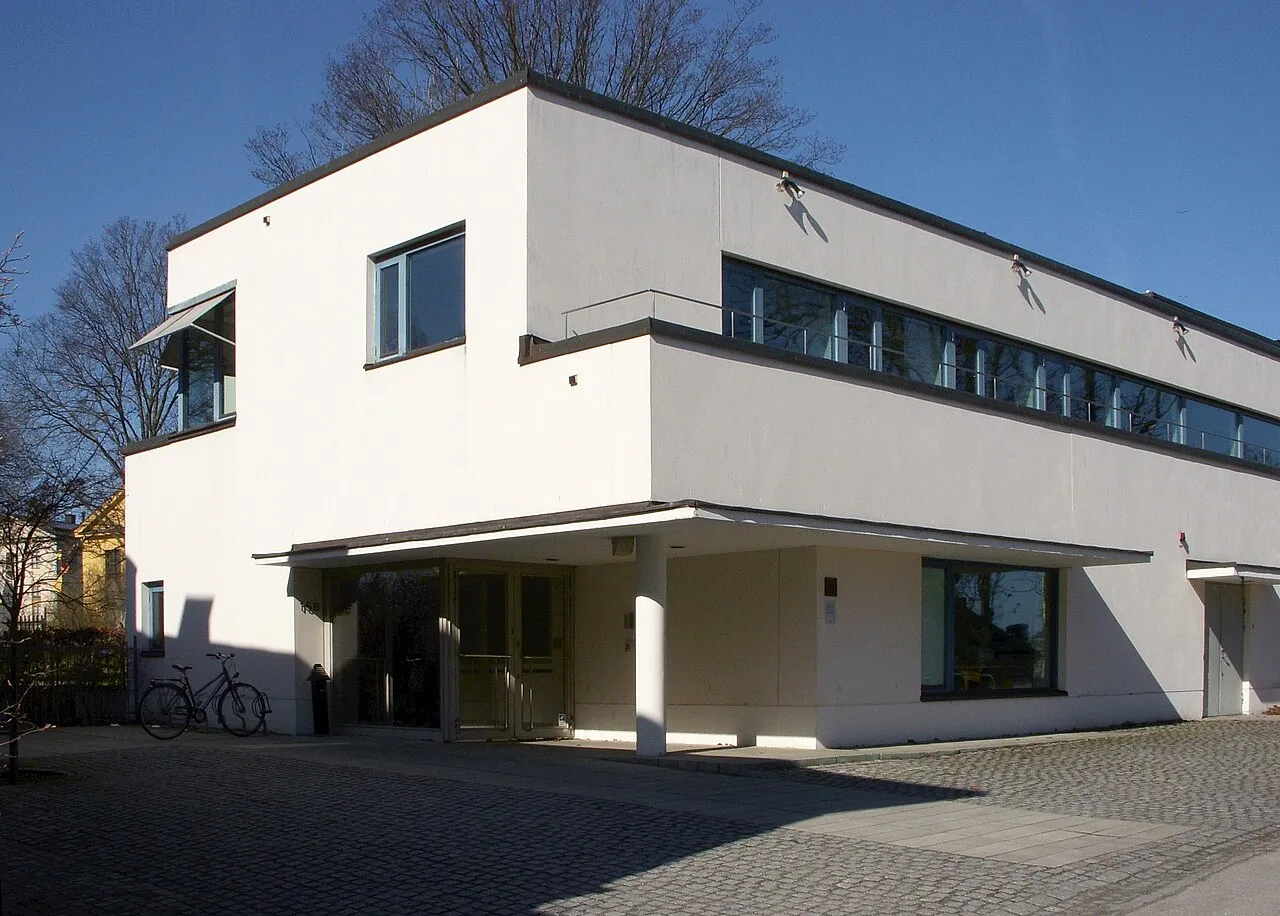
1920-1970Functionalism let a building's purpose decide its form: smooth light facades, flat roofs, large bare windows. In Sweden, where it broke through in 1930, everyone calls it funkis.
127 places · 10 cities
-
Modernism
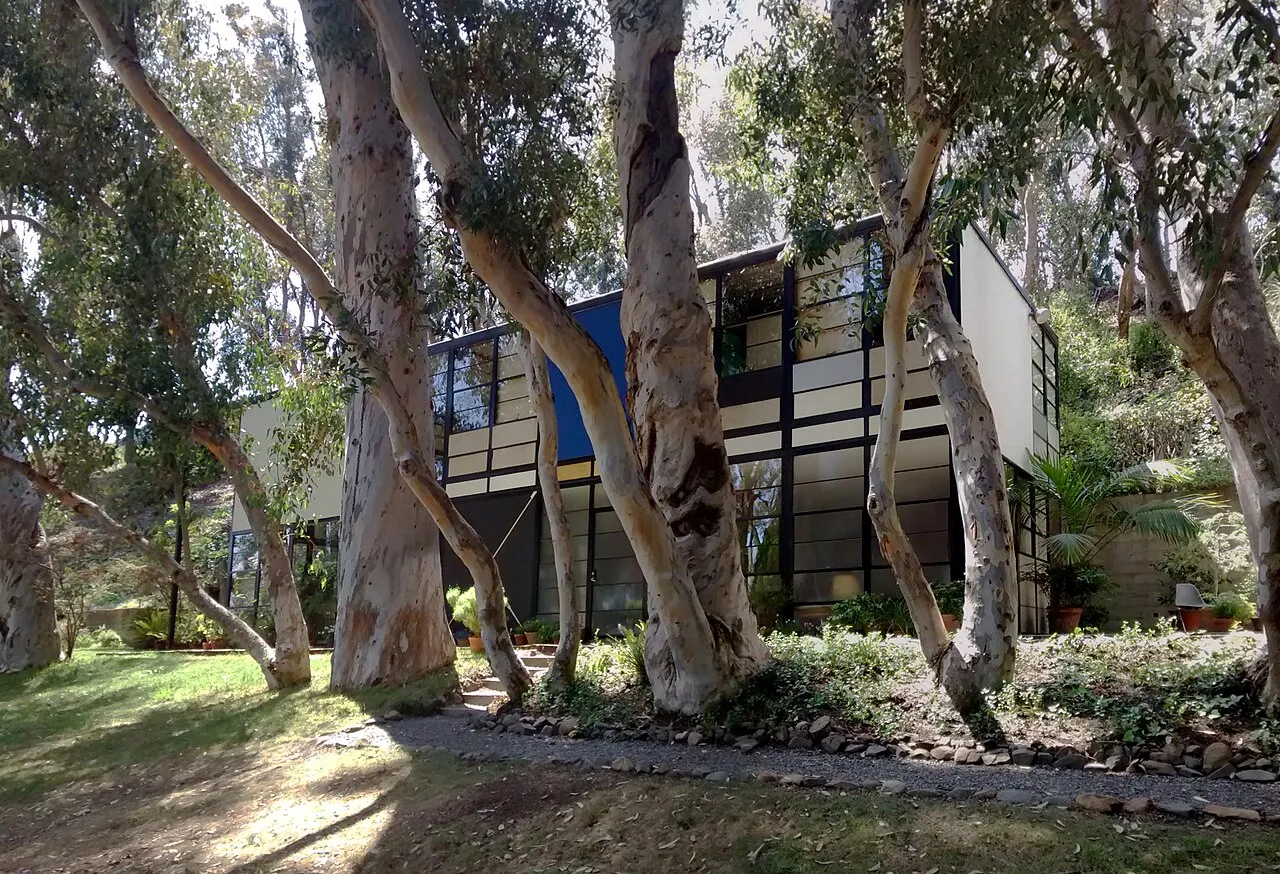
1920-1970Modernism strips away ornament and lets function shape the building in glass, steel, and concrete. It broke through in the 1920s and dominated construction after World War II.
577 places · 62 cities
-
Brazilian Modernism
1930-198029 places · 2 cities
-
Mid-Century Modern
1945-197024 places · 3 cities
-
Brutalism
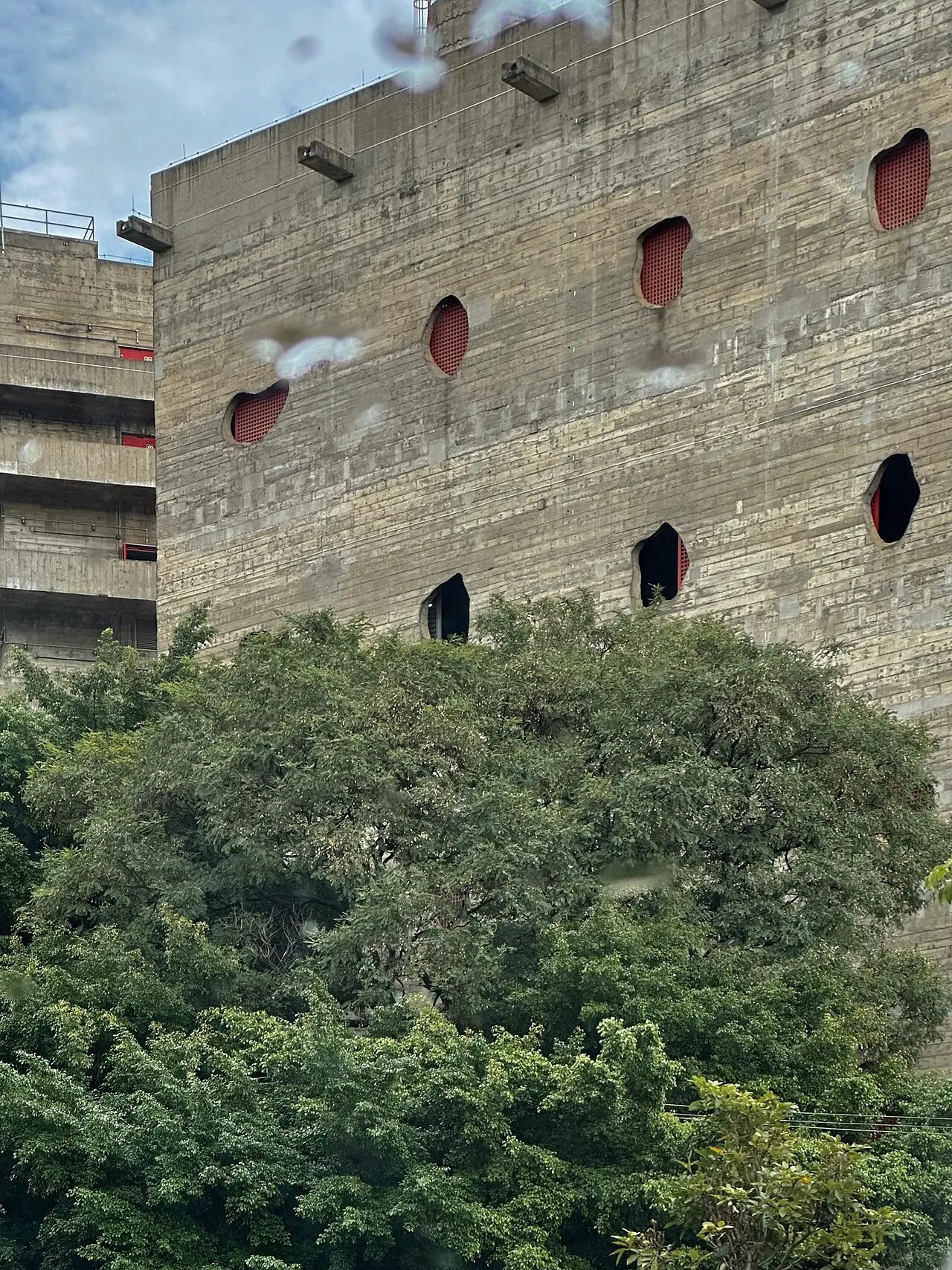
1950-1980Brutalism leaves concrete raw and structure exposed. It defined civic architecture from the 1950s into the 1970s, and the word itself was coined in Sweden.
79 places · 10 cities
-
Late Modernism
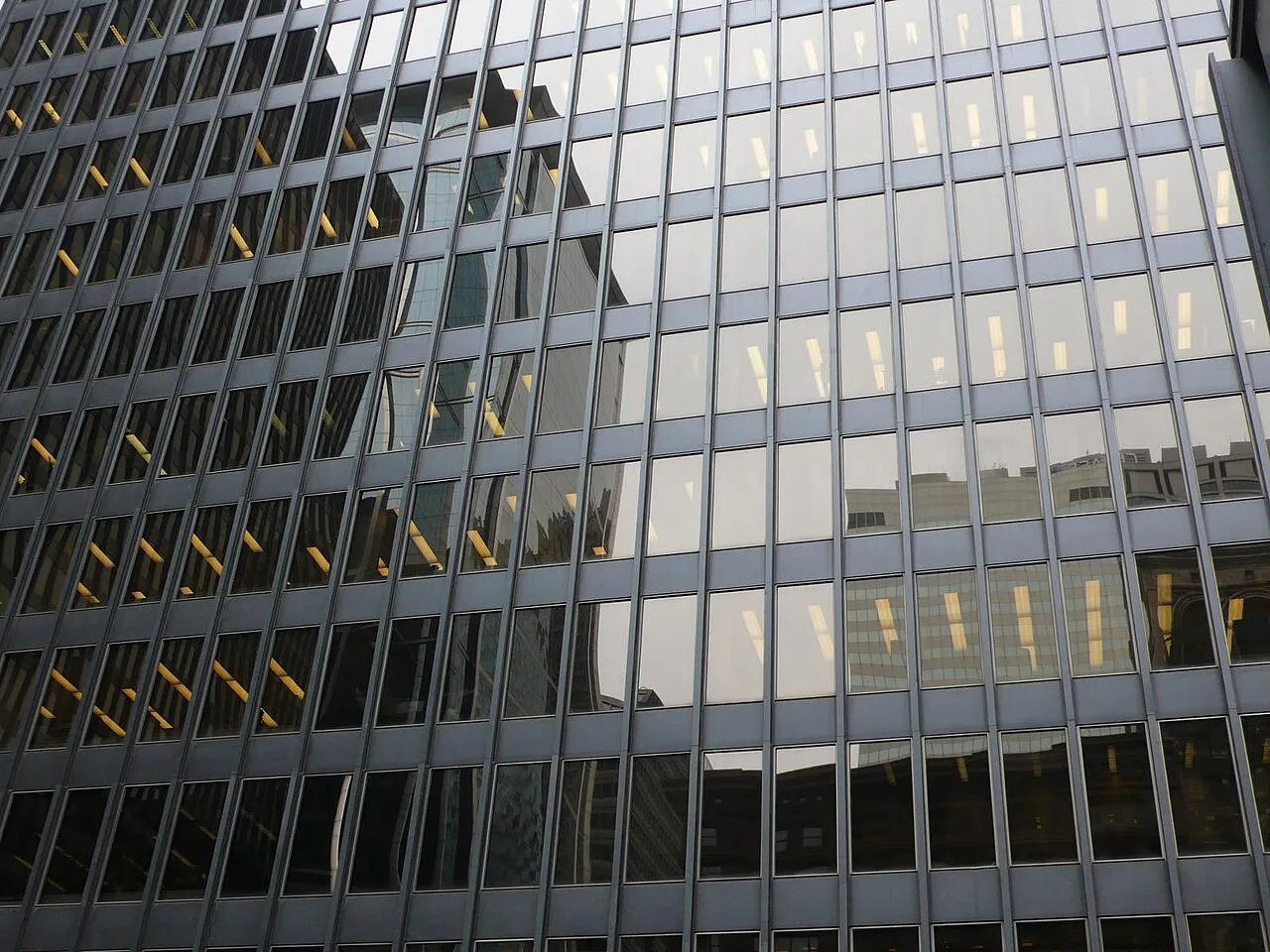
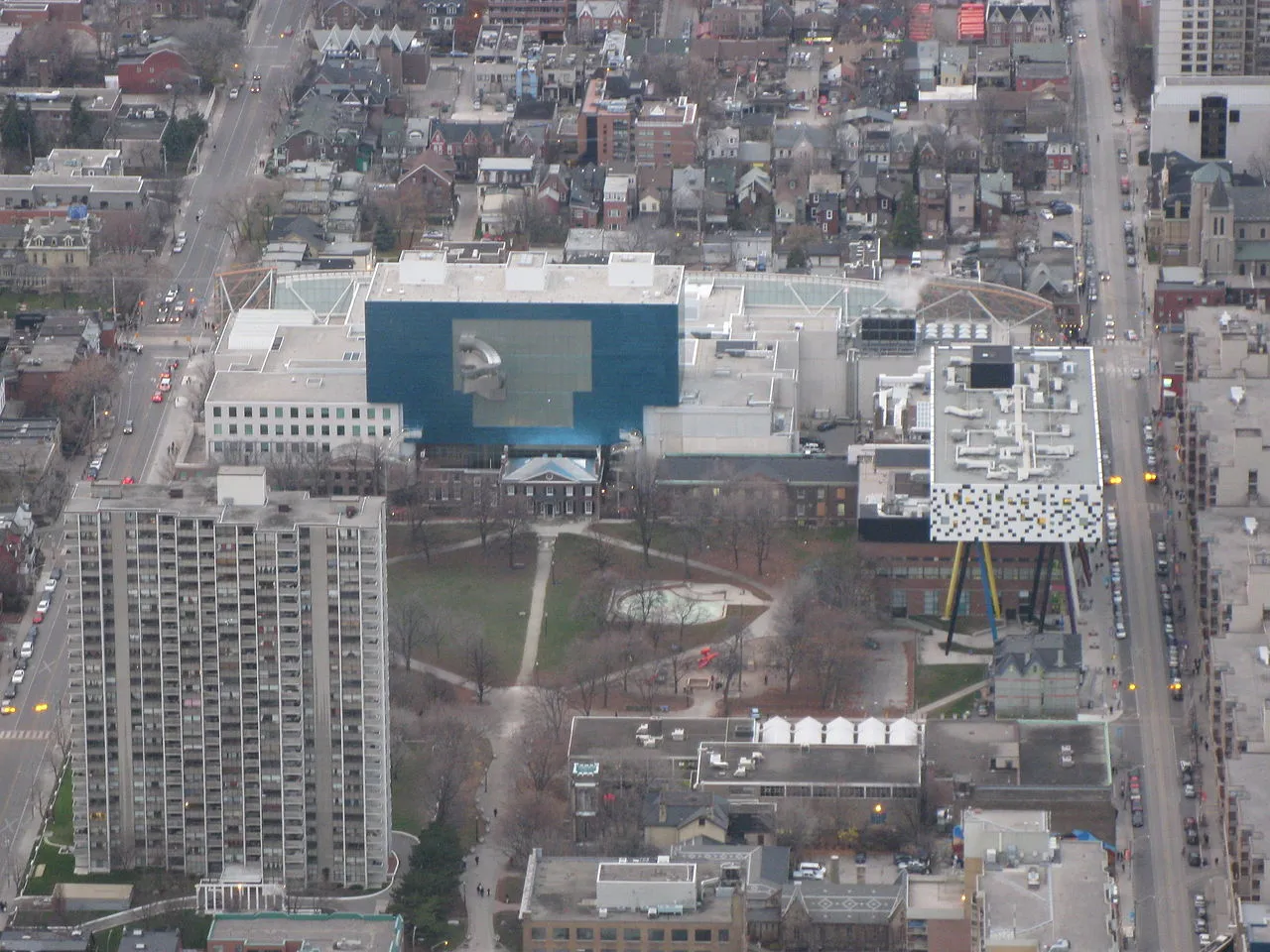
1960-1990Late modernism is modernism's final act, roughly 1960-1990: the movement's ideas taken to extremes in large-scale offices, exposed technology and building systems.
51 places · 7 cities
-
Postmodernism
1965-2000Postmodernism answered modernist orthodoxy with color, wit, and borrowed history. It rose in the 1970s, peaked in the 1980s, and faded by the mid-1990s.
37 places · 6 cities
-
High-Tech
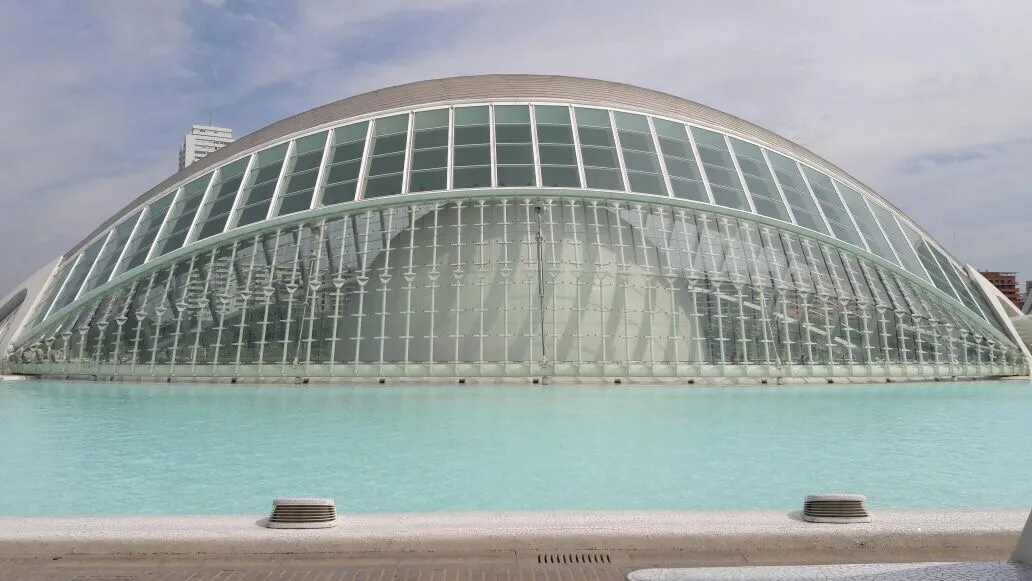
1970-presentHigh-tech architecture puts the structure and the pipes on the outside and makes them the design. It grew out of British modernism and shaped commercial and cultural building through the 1970s and 1980s.
50 places · 6 cities
-
Neo-Futurism
1990-present15 places · 2 cities
-
Contemporary
2000-presentContemporary architecture is a period label for building since 2000 rather than one style. Climate demands, mass timber, and digital design tools drive its parallel currents.
1,210 places · 98 cities
-
Vernacular
Vernacular architecture is building without architects: houses shaped by local materials, local climate, and craft handed down through generations.
211 places · 27 cities
Eras
Periods and programs that shaped what was built. Not styles of their own, but chapters: the buildings carry the era's styles.
-
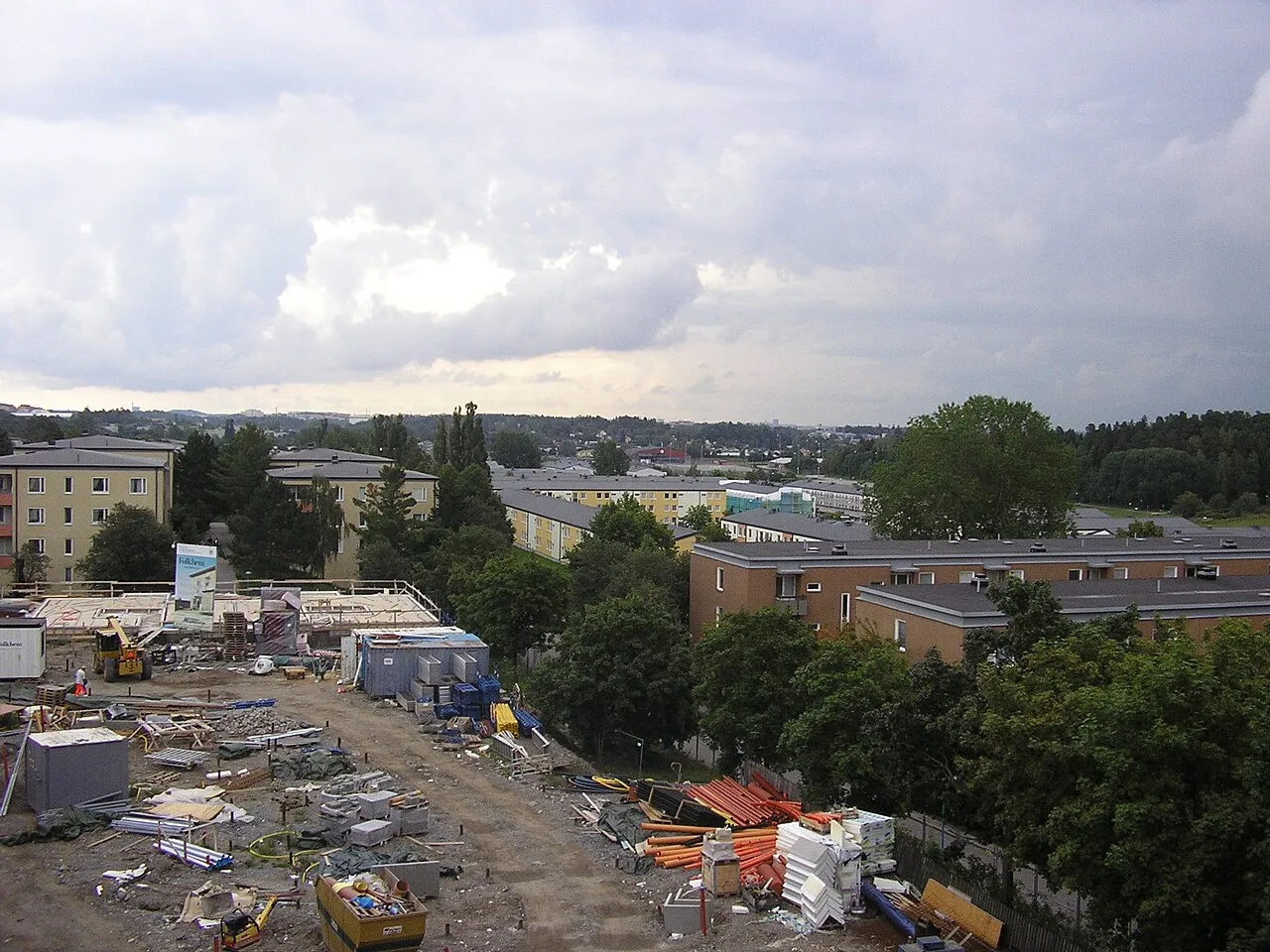
Folkhemmet
1930-1960Folkhemmet is Sweden's welfare-state housing era, roughly 1930-1960: red and yellow brick, earth-toned render, pitched tile roofs and soft, friendly lines.
-
Miljonprogrammet
1965-1974The Million Programme was a housing drive, never an architectural style: a million Swedish homes built 1965-1974. Its buildings carry styles of their own, from late modernism to brutalism.
22 places · 2 cities